Article

A Proof-of-Concept Study for the Strong Electrolyte (SE) Switching and the Combined CO2-SE Switching of the Polarity of Tertiary Amine for Lipid Separation Application


1
Department of Food Science and Technology, International Hellenic University, 57400 Sindos, Greece
2
Department of Chemical Engineering, Aristotle University of Thessaloniki, 54124 Thessaloniki, Greece
*
Author to whom correspondence should be addressed.
Separations 2026, 13(3), 81; https://doi.org/10.3390/separations13030081
Submission received: 7 January 2026 / Revised: 25 February 2026 / Accepted: 27 February 2026 / Published: 1 March 2026

Abstract

Tertiary amines such as N,N-dimethyl-cyclohexylamine (DMCHA) are recently explored as candidate solvents for the extraction and separation of lipids from algal biomass. DMCHA exhibits the interesting property of polarity switching which is based on the interaction of DMCHA with CO2, termed CO2 switching. Although this approach exhibits certain advantages, various issues have to be improved to address for example the duration required for process optimization, the energy demand, or the low solvent recovery. The aim of this work is the examination of amine recovery from an oil extract, utilizing strong electrolytes (SE) such as HCl for protonation and NaOH for deprotonation of amine, instead of conventional CO2 switching. It was found that the acid based hydrophobic-to-hydrophilic switching and the alkali based hydrophilic-to-hydrophobic back-switching carried out in the order of few minutes, a considerably shorter time compared to few hours required by gas switching, resulting in addition to higher amine recovery. In addition, the combined CO2 switching with SE-back switching using NaOH proved to be a promising approach for large-scale applications, exhibiting several advantages related to technical, economic, environmental and safety issues.

1. Introduction

Microalgae cultivation is a very effective method for treating wastewater rich in nutrients (nitrogen and phosphorous) [1] with simultaneous CO2 capture [2]. In addition, the algal biomass which is produced during wastewater treatment is a renewable source for production of various valuable substances such as lipids, proteins and carbohydrates [2]. Significant efforts are taken towards lipids extraction, due to their potential for production of biodiesel, as a promising renewable source of energy alternative to fossil fuels [3].
The extraction of oil from microalgae is carried out through a multistage process, consisting of disruption of cell membrane, solvent extraction of oil and separation of oil from the solvent. Numerous approaches have been reported for the extraction of lipids from microalgae and have recently been reviewed [4]. Briefly, “traditional” methods include the use of organic solvents like hexane, chloroform, methanol etc. using Soxhlet, Folch and Bligh-Dyer extraction [4]. Although these methods are rather simple and cost efficient, they are associated with certain drawbacks such as requirement of high volumes of organic solvents and long extraction times [4]. In addition, vacuum distillation is often used for solvent recovery, resulting in high energy footprint of the entire process. Various novel and emerging technologies have been explored for lipids extraction from microalgae, such as supercritical fluid extraction [5]. Nevertheless, microalgae, especially those cultivated in stress environments such as effluents of high nitrogen content, develop thick cell walls in their effort to withstand the harsh conditions, and especially to survive against effluents predators, such as protozoa, usually existing in wastewaters [6]. However, thick microalgae hinder the required cell disruption towards the extraction of intracellular lipid components [7]. Therefore, a combination of pretreatment and extraction methods is recommended, such as the ultrasound-assisted [8] or microwave-assisted solvent extraction [9].
The use of solvents of switchable polarity [10] is an emerging approach recently explored for the extraction of lipids from algae [11,12,13,14,15,16]. The basic advantage of switchable polarity solvents (SPSs) is the minimization of the required solvents in the entire process, since the same solvent can be used for cell disruption, extraction, separation or even transesterification medium by simply changing its polarity and the associated hydrophilic or hydrophobic character [11]. Typical substances that can be used as SPS include tertiary amines, e.g., N,N-dimethyl-cycloxhexyl amine (DMCHA) [13,14,15], secondary amines [12] amines, amidines [11] or azole-based ionic liquids [16]. The mechanism of polarity switching is based on the interaction of the amine with CO2 in the presence of water resulting in the formation of carbonic acid which in turn leads to the protonation of the amine and the formation of water-soluble salt [14,17,18,19]. Heating and/or N2 bubbling is used to remove CO2 and induce the following back-switching of the amine in the hydrophobic form [14]. In general, amines including DMCHA are explored for CO2 capturing applications, and experimental measurements and thermodynamic modeling regarding the solubility of CO2 in aqueous amine solutions represent an active field of research [20,21]. In addition, DMCHA are able to extract lipids from wet biomass, reducing thus the requirement for the energy intensive stage of biomass drying. According to the literature, polarity switching can be accomplished by other means e.g., pH switching and acid addition [22,23,24].
However, there are several issues that need to be addressed for the efficient lipids’ extraction and especially for upscaling of the process. A consistent time has not been reported, which is required for polarity switching through CO2 bubbling and back-switching through addition of N2, heating or combination: in one study, switching of DMCHA into the hydrophilic state can be accomplished by bubbling CO2 for 45 min and the back-switching can be accomplished at by heating at 70–80 °C for 1 h [15]. In another study switching with CO2 of a mixture of DMCHA/water was accomplished in 10 min while 80 min used for back switching by bubbling N2 at 60 °C [25]. However, longer times have been reported, namely, 3 h for CO2 switching and 4 h of N2 purging or heating at 80 °C [13]. Nevertheless, in other experimental laboratory studies, the required time for switching is not specified [14], The wide range of switching periods may be linked to the range of experimental set-up used, including bubble size, bubble distribution and gas flow rate. However, it can be assumed that switching and back switching with CO2 and N2 or heating are time consuming processes complicating the upscaling of the process.
In general, back-switching is more time-consuming than CO2-switching step while, for an efficient formation of the hydrophobic amine, both N2 bubbling and heating should be elaborated. The simultaneous bubbling and heating results in the evaporation of the solvent, and therefore, in lower amine recovery. In addition, amine releases contribute to air pollution, while imposing increased risk since amine vapors have a high flash point, ~40 °C. In addition, although the reported approach to induce polarity switching by CO2 is considered as a carbon negative process, it has a rather carbon zero footprint, since gas is used in a “lending” process, used for forward switching and delivered in back switching.
As a result, specific infrastructures with high capital costs are required in full scale applications, including condensers to compensate amine vapors releases, compressors for gas storage and handling; moreover, such units have high operation costs for cooling and power consumption. While main solvent losses are associated with the evaporation of amine during switching and back-switching, other potential sources are related to the fraction of amine remaining in the wet biomass or the extracted lipids, or the amine which is soluble in the aqueous phase, since DMCHA exhibits some solubility in water (~18 g/L) [15]. It has been suggested that the use of high salinity water could reduce amine solubility, favoring solvent recovery [15]. In the relevant literature, limited information is provided about the recovery of amines including DMCHA after the first process cycle, being in general lower than 30% [13].
Although tertiary amines exhibit great potential as solvents for extracting and separating lipids from algae, due to their unique switchable polarity properties, their use is associated with certain drawbacks, including time required for switching/back-switching, low recovery of amine, environmental footprint, safety issues, making the upscaling a rather difficult task.
The primary objective of this work is the study of an alternative efficient process for the recovery of lipids and amine from oil–amine mixtures, based on switching/back-switching of amine. Specifically, this work is focused on the examination of acid/alkali solutions and CO2/alkali solution towards switching, and the study of processing time, solvent recovery and amine losses affecting performance efficiency.

2. Materials and Methods

2.1. Reagents and Instruments

Chemicals used in this work included DMCHA (>98%, TCI Europe N.V., Zwijndrecht, Belgium), NaOH (>98%, Penta, Prague, Czech republic) and 37% w/w HCl solution. Edible sunflower oil simulating algal oil was supplied from the local market.
Analytical equipment used included a pH-meter (Orion 3 star, Thermo Electron Corporation, Waltham, MA, USA), a UV–Vis spectrophotometer (Heλios γ, Thermo Scientific, Waltham, MA, USA), a refractometer (60/95 ABBE, Bellingham + Stanley Limited, Kent, United Kingdom) and a Brucker X-ray diffractometer (D8 Advance XRD, Brucker, Karlsruhe, Germany), equipped with a Siemens X-Ray tube (Cu, 1.54 Å) (Brucker-Siemens, Karlsruhe, Germany).

2.2. Samples

The solvent used for the study of lipids extraction consisted of a water–DMCHA mixture of equal volumes, prepared by adding 9 mL water to 9 mL DMCHA, followed by the addition of 3 mL of sunflower oil. The mixture was then subjected to magnetic stirring for certain time, e.g., 10 min, until the formation of two distinct phases: the upper solvent oil containing phase and the lower aqueous solution.

2.3. Procedure for Switching and Back-Switching

Two techniques were utilized for switching DMCHA to hydrophilic state and oil recovery: gas switching carried out by bubbling around 600 mL/min CO2 to the mixture, at room temperature (17–19 °C) through an 0.5 mm diameter orifice; acid switching took place by the addition of concentrated hydrochloric acid in 1:1 ratio of acid: amine. The addition of HCl must be done slowly and with caution, since the protonation reaction of the amine is highly exothermic.
Back switching of the amine to the hydrophobic state was studied for the evaluation of solvent recovery efficiency and was obtained using two techniques, corresponding to the forward switching ones: heating of the mixture to 90–105 °C for 2.5 h to remove CO2 residues, and addition of 10 M sodium hydroxide solution at a ratio of NaOH:amine 1:1.
An additional combined method was used in an effort to develop a more efficient oil extraction technique, consisting of direct switching by CO2 bubbling followed by back switching elaborating addition of NaOH to a ratio of 1:1. The conditions used in the different methods are presented in the following Table 1.

2.4. Characterization

In all cases, the amount of each distinct phase was measured by transfer to a 25 mL volumetric cylinder: forward switching resulted in the formation of an upper phase of oil containing traces of the solvent and a water-DMCHA mixture, while in the back switching process, the two phases formed consisted of the upper solvent phase and the lower water one. Traces of the solvent are expected to remain in the extracted oil, reducing therefore its quality, while the recovered amine is expected to contain small amounts of water, decreasing therefore the quality of the solvent. Refractive index of the upper phase formed under different conditions was used for the evaluation of each phase purity, i.e., the oil phase during forward switching or the amine phase in back switching. For the refractometer calibration, the refractive index was measured in certain standard amine–oil and water–amine solutions.
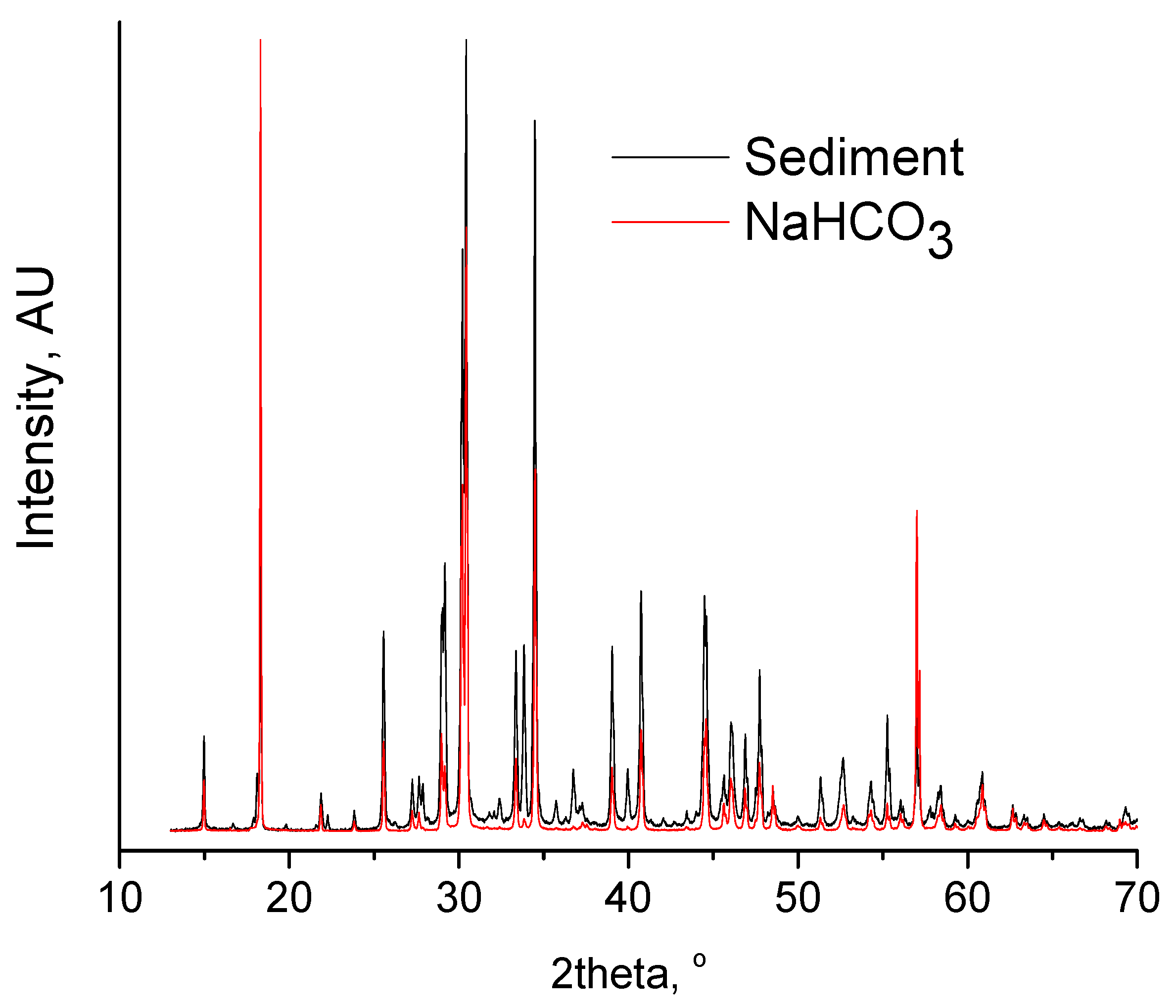
Sediments formed during the back switching method with NaOH were collected at the end of each experiment through vacuum filtration, dried at room temperature for 24 h and the XRD spectra was examined in 2 theta angles from 10 to 70°. The XRD spectra of pure NaHCO3 was also received for comparison.
Moreover, since acid treatment of oils might result in the oxidation of sunflower oil (experiment 3), the UV absorption of raw and HCl-treated sunflower oil was examined. The UV absorption of the corresponding samples was measured at the spectrum region between 200 and 300 nm, which provides the main absorption band of oil conjugated dienes (232 nm) and trienes (3 band peaks around 268 nm), and the corresponding absorption indices coefficients K232 and K268 were calculated, according to regulation 2568, 1991 EC [26].

2.5. Lipids Extraction from Algae

Chlorella sorokiniana was cultivated in a tubular photobioreactor (PBR) using digestate as substrate as described in details in previous work [27]. Algae aqueous phase from the PBR containing 1.5 ± 0.5 g/L solids was centrifuged to obtain a liquor with 20 g/L solids content. A total of 17 mL of algae liquor was mixed with 15 mL of DMCHA and was stirred for 1 h at room temperature for lipid extraction. Most of the amine was trapped in the aqueous phase, thus another 10 mL of DMCHA were added to increase the volume of the extract. A total of 10 mL extract was mixed with equal volume of pure water, and the mixture was bubbled with 200 mL/min CO2 for 2 h at room temperature aiming to DMCHA switching from the hydrophobic to the hydrophilic state. After the switching, a liquid phase and a solid phase were formed. After separating the upper phase, the hydrophilic DMCHA–water mixture was back-switched by distillation at 95 °C for 1.5 h for amine recovery.

3. Results and Discussion

3.1. Background of Solvent Switching Techniques

The aim of this work was the examination of the efficiency of alternative processes for polarity switching of certain solvents towards optimum extraction of lipid compounds from microalgae. Edible sunflower was used for simulating microalgae oils, aiming to study its extraction under controlled conditions that are not dependent on extract composition; nevertheless, edible sunflower has been already used in similar extraction studies, using solvents as amines or deep eutectic ones [12,28].
Raw DMCHA or other tertiary amines (R3N) are weak basic hydrophobic compounds with proton (H+) acceptor characteristics, and their polarity switching is attributed to their protonation. The hydrophilic form of the amine, i.e., the protonated amine (R3NH+), forms a water-soluble carbonate salt, according to the following reactions taking place by the addition of CO2 in the aqueous solvent solution (forward CO2 switching) [21]:
C O 2 ( g ) C O 2 a q
H 2 O H + + O H
C O 2 ( a q ) + H 2 O H 2 C O 3
H 2 C O 3 H + + H C O 3
H C O 3 H + + C O 3 2
R 3 N + H + R 3 N H +
The overall protonation reaction is represented by the following equation:
R 3 N + C O 2 + H 2 O R 3 N H + + H C O 3
The back-switching process of the solvent and its polarity reversing from hydrophilic to hydrophobic is taking place through the same reactions in the reverse direction, assuming removal of added CO2, achieved by N2 bubbling or by heating of the mixture. Since several reactions are taking place in this order, with rather low kinetics, considerable time is required for gas switching of the solvent and the following batch switching using CO2 for changing solvent polarity.
From thermodynamic modeling studies of water/CO2/amines mixtures (amines similar to DMCHA) it has been predicted that at high CO2 partial pressures, all amine molecules are protonated [21]. Under such conditions, 1 mol of amine reacts with 1 mol of H+, CO32− being practically zero, while only HCO3 ions exist at high CO2 concentrations.
Alternative methods for polarity switching can be applied for addressing the requirements of extended reaction times, elaborating the addition of H+ equimolar amounts of a strong acid for amine protonation and the following de-protonation by a strong basic solution. Such an approach is beneficial compared to the more often used gas switching technique, since strong electrolytes (SEs) have increased water solubility, with complete dissociation to ions. Moreover, by assuming monovalent electrolytes, the formation of H+ takes place rapidly in a single dissociation reaction, and it is quickly available to an amine molecule for protonation. The subsequent reactions corresponding to hydrophobic-to-hydrophilic switching of the amine via the addition of HCl are the following:
H C l H + + C l
H + + C l + R 3 N R 3 N H + + C l
The following hydrophilic-to-hydrophobic back-switching by NaOH solution includes a double replacement reaction, and the reaction of a salt with a base result to the formation of a new salt and a new base corresponding to the hydrophobic amine, according to the following:
N a O H N a + + O H
R 3 N H + + C l + N a + + O H R 3 N + N a + + C l + H 2 O
In addition to strong electrolyte (SE) switching, CO2-SE switching is studied in this work, in order to evaluate the method with the optimum performance towards oil extraction. The combined method includes the hydrophobic-to-hydrophilic CO2 switching according to reactions 1–6, followed by the hydrophilic-to-hydrophobic NaOH back-switching of reaction 10, according to the following equation representing the overall reaction:
R 3 N H + + H C O 3 + N a + + O H R 3 N + N a H C O 3 + H 2 O

3.2. Oil and Amine Recovery with CO2, SE and CO2-SE Switching

It should be mentioned that the experiments were replicated at least two times per treatment and the results presented here correspond to average values. Excellent accuracy of lipids recovery and treatment time was obtained for HCl-NaOH tests. However, poor repeatability was observed for the CO2-heating approach, mainly related to back-switching process by heat treatment for solvent recovery. A large number of time and temperature combinations were tested, and the optimum values are presented here; nevertheless, these results correspond to rather low recovery rates compared to the other methods. Moreover, the calculations of the exact volume of recovered solvents are rather vague: due to the low amounts of solvents used, the recovery rates are greatly affected even by small amounts lost, for example, by evaporation of amine during back-switching with heat, or droplets of solvent that were not transferred to the volumetric cylinder. However, general trends presented here related to treatment time for recovery of solvents and lipids are extracted through replicated experiments.
The experimental conditions and the oil recovery results obtained by the three forward switching techniques are presented in Table 2. The purity of oil and solvent recovery were evaluated by refractive index measurements. The refractive indexes of the samples and the water–amine and oil–amine standard solutions are presented in Tables S1–S3 of the Supporting Information.
SE switching yielded oil with 90% v/v purity while the respective value obtained by CO2 switching was 80% v/v. In addition, considering the initial oil volume and the corresponding oil content in the recovered phase, it was found that SE switching resulted in higher oil recovery, 95%, slightly higher than the corresponding CO2 switching (93.3%). In this table, the required time for the process to be completed was determined by the formation of a single oil phase, as deduced by optical observation. Nevertheless, the complete formation of the hydrophilic protonated amine was not ensured, and potentially, a fraction of amine in CO2 switching might remain in hydrophobic state in the oil phase, resulting in the lower purity of recovered oil achieved by this method. In addition, the required time for the formation of the oil phase was much longer in CO2 switching than in the hydrochloric acid method, corresponding to the much faster amine protonation in the homogenous aqueous phase than in the heterogeneous gas–liquid phase, related to the amount of available H+ which is limited in the case of CO2 due to its low solubility in water.
It should be noted that CO2 switching of amine in the absence of oil took place in 30 min against the 80 min required in the presence of oil. It is known that polymers with C=O group exhibit increased sorption of CO2 due to specific interactions between CO2 and C=O [29]. Thus, the C=O groups of fatty acids in the oil most likely absorbed the added CO2 competing, hence the protonation reactions of the amine and resulting in the delay of switching. In the presence of biomass such as microalgae species, further delay of switching is expected since the proteins in the biomass are known to exhibit CO2 binding capacity [30].
In addition to oil recovery, efforts should be taken to examine oil quality, due to potential degradation and/or oxidation by air oxygen catalyzed by the acid. The possibility of oxidation of the oil samples subjected to SE switching was investigated by the measurement of UV absorption spectra and the estimation of the corresponding peaks at certain wavelengths, as shown in Table 3. Absorption at 232 nm reflects the formation of conjugated dienes, and chiefly the oxidation of linoleic acid which is the most abundant fatty acid of sunflower oil (48–74%) [31]. An increase in absorption at the same wavelength could also indicate the presence of the amine, which even in small amounts would have significantly increase the signal as it can be understood by comparing the signals of the pure oil and pure amine in isooctane (refer to Figures S1 and S2). Nevertheless, since an increase in absorption peak at 232 nm was not observed, it is assumed that neither residual amine was present in the sample at a measurable quantity nor formation of conjugated dienes occurred by the treatment of acid under the applied conditions. On the other hand, the absorption of amine at 268 nm almost vanishes (Figure S1), allowing the measurement of absorption peak corresponding to the oxidation formed conjugated trienes. Conjugated trienes are products of linolenic acid oxidation. Linolenic acid, although present in sunflower oil at low concentrations (<0.45% but typically around 0.1% [32]), is more prone to oxidation compared to linoleic acid and therefore this could explain the increased value of K268 with respect to no changes in K232. Oxidation of linolenic acid to trienes took place during acid protonation, as deduced by the increase in the peak at 268 nm, which however cannot be considered quantitatively significant due to trienes low concentration. It could be assumed that according to the present results oxidation seems to take place at small extent in the oil; however, further investigation is required using additional methods determining both primary and secondary oxidation products, in studies focused on oil quality rather than on the examination of optimum solvent recovery method.
As discussed in Section 3.1, the use of equimolar HCl to amine amounts was used, expected to completely protonate the amine, since it exhibits high water solubility, much higher than CO2: the solubility of the later in water, at 101.325 kPa and 298.15 K, is 0.62 × 10⁻³ expressed as mole fraction [33], corresponding to 0.15% w/w, being almost two orders of magnitude lower than the solubility of HCl in water (37% w/w). Moreover, hydrochloric acid protonation is expected to occur faster than that of the gas, as already mentioned, since complete dissociation of the acid takes place in one reaction.
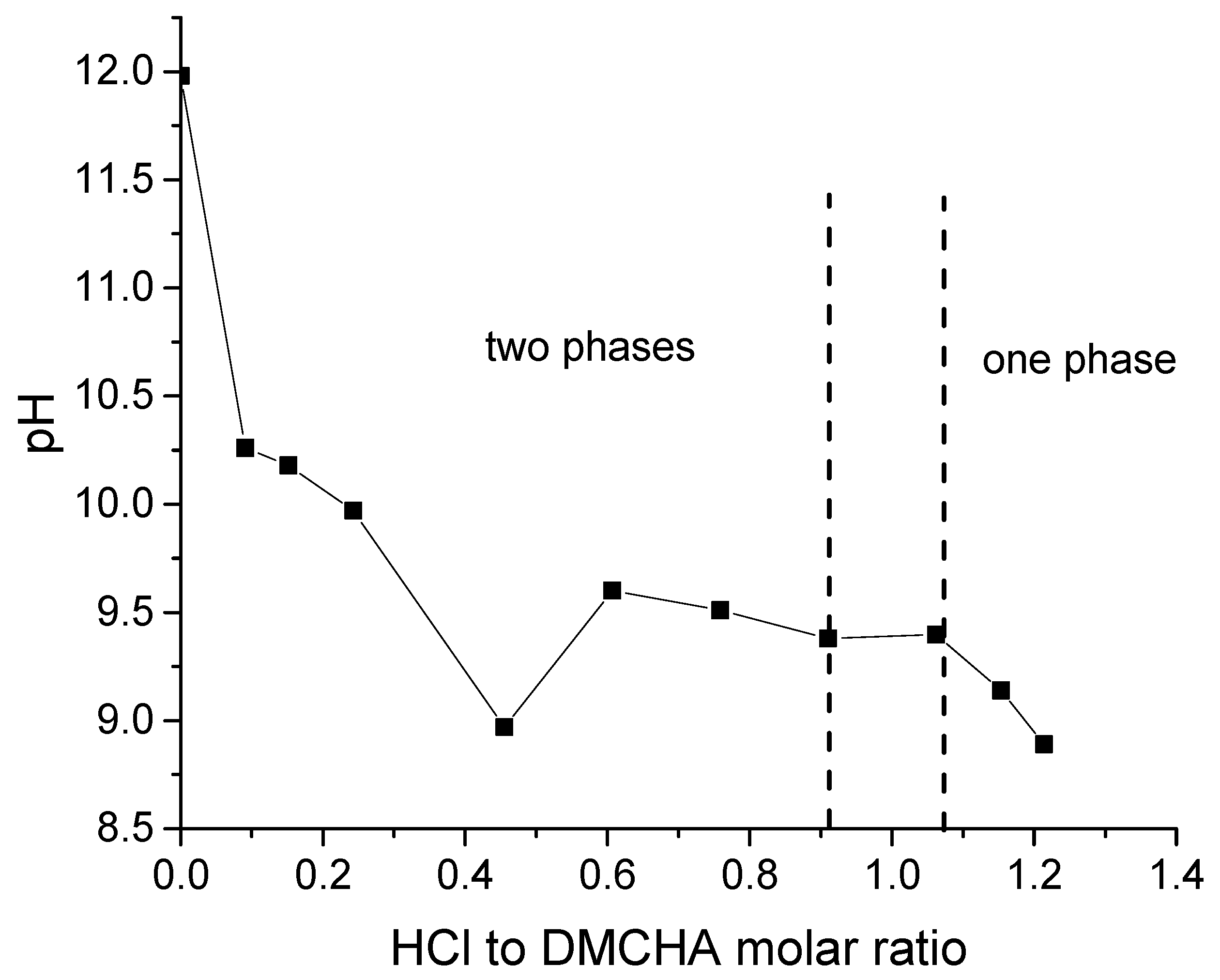
In order to justify that an equimolar amount of HCl is reasonable, step addition of acid solution in an aqueous mixture of amine (50% v/v) was applied, by monitoring of the pH of the aqueous phase and the formation of one or two phases, and the corresponding results are shown in Figure 1. The amount of added HCl is expressed as molar ratio to amine (mol of added HCl to mol of DMCHA). As can be seen, the initial 50% v/v mixture represents a two-phase system, with a high alkaline pH due to the solubility of weak base DMCHA in water. The addition of acid resulted in the reduction in aqueous phase pH, the simultaneous reduction in the volume of the organic (upper) phase and the simultaneous increase in the volume of the lower aqueous phase. This change in the level of the two phases was attributed to the amine shift to the hydrophilic state dissolving in water. This dissolution of the hydrophilic form of the amine in water might slightly increase the solubility of the hydrophobic form in aqueous phase, which could explain the pH increase by the addition of HCl observed for HCl-to-amine molar ratio in the range 0.45–0.6. The formation of two phases was visible up to molar ratio values of ~0.9. At higher values, it was difficult to observe a second upper phase, under certain experimental conditions. By further addition of HCl no macroscopic change could be observed, and the formation of one phase clearly occurred at a molar ratio approaching 1. It should be mentioned that based on the results presented in Figure 1, it is apparent that despite the addition of concentrated HCl the pH did not decrease, since acid is quickly consumed by the amine and therefore is not available to react/catalyze reactions with the oil. This is in agreement with the UV-VIS results where no signs of countable oxidation of the oil were observed. In addition, it is widely known that esterification/transesterification and the reverse hydrolysis reaction are catalyzed in strong acidic/alkaline environment. For the same reason, acidic hydrolysis of glycerides does not seem possible to occur, since pH was above 7. Moreover, NaOH is added after oil is withdrawn, and therefore, alkaline hydrolysis of glycerides is not possible during SE-switching.
At this point it should be mentioned that during the addition of hydrochloric acid solution, intense formation of gas bubbles was observed in the aqueous phase (as mentioned in Section 2, the protonation reaction is exothermic). Taking into account the results of Figure 1, where pH values above 7 were measured in the presence of excess acid, formation of gaseous hydrochloric acid was assumed that is not consumed for amine protonation. As a result, the increased pH values can be attributed to the existence of non-protonated molecular amine. Most likely, the high amine content in water (50% v/v) limited the solubility of HCl and/or interfered with its full dissociation, favoring thus the formation of gaseous HCl. Nevertheless, the increase in the temperature of the solution due to the exothermic reaction also contributes to the formation of gaseous HCl. Nevertheless, the above observations confirmed that for the 50% v/v mixture of DMCHA in water, more than 90% of the amine molecules should be protonated to achieve the hydrophobic-to-hydrophilic switching and the formation of one phase. Moreover, amine protonation by CO2 was much slower, due to the low solubility of CO2 in water, the partial dissociation of H2CO3, and multiple reactions of CO2, and longer times required to accomplish high degrees of protonation, in the range of 90–100%. It becomes apparent that SE switching is superior to CO2 switching, in terms of processing time and oil purity.
Similar conclusions are deduced by the results presented in Table 4, regarding the amine recovery by back switching to hydrophobic state.
Back switching obtained by the addition of NaOH in the second stage resulted in a rapid phase separation of the amine within 1–2 min, and therefore, the overall time of SE switching was roughly 3 min. On the other hand, as shown in Table 4, the overall time for CO2 switching method reached up to 230 min, i.e., almost 4 h, while the combined CO2-SE switching required an intermediate overall time of around 80 min. Nevertheless, CO2 switching using heat treatment for back-switching resulted in recovered amine with high purity, 96.5% v/v. Although amine purity received by SE and combined CO2-SE switching was lower, the recovered solvent had a high quality in acceptable range, 90.5 and 94.0% v/v respectively. The highest purity of the recovered amine received by back-switching with heat could be attributed to solvents volatility. Upon heating, water with 100 °C boiling point is mainly transferred to the vapor phase, then DMCHA with boiling point around 160 °C, and consequently the residual organic phase is enriched in the less-volatile compound. Nevertheless, the overall amine recovery was 42.9%, a rather low value; however, low solvent recoveries have been reported by heat treatment, being sometimes lower than 30% [13]. It should be noted that low literature values of DMCHA recovery have been observed during oil extraction from algae, using CO2 switching followed by back-switching with heat/nitrogen. In these studies, part of the amine could be trapped in algae biomass, and therefore, the slightly higher values of this work are reasonable, considering the extraction from commercial oil without the presence of biomass.
Amine recovery by SE switching was almost double the CO2 one, exceeding 85%, since amine losses due to evaporation are not expected during switching or back-switching. Other potential sources of amine losses include small volumes in the aqueous phase due to water solubility of the hydrophobic amine, as well as residual amounts of the solvent in the experimental apparatus and during transfer. Nevertheless, water solubility of hydrophobic amine is decreased by salinity increase [15]; a solid precipitate, NaCl, was formed during SE switching, increasing therefore water salinity and reducing even more the amine losses in the aqueous phase. Based on the stoichiometric rection, around 25% w/w of NaCl in water was expected. CO2-SE switching resulted in around 68% amine recovery much higher than back-switching by heat, potentially due to reduced amine losses similar to SE switching.
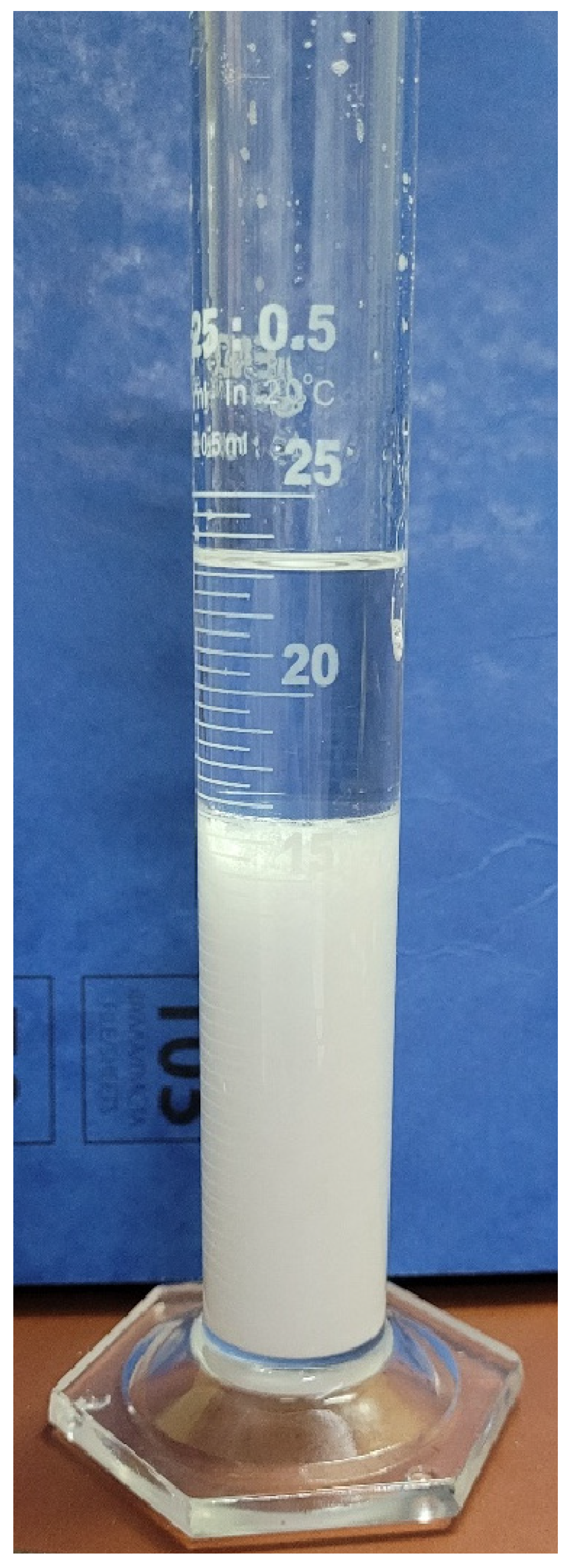
The decrease in amine recovery in the combined approach could be attributed to losses due to evaporation during CO2 bubbling at the switching step; moreover, a fraction of the amine could be trapped in the NaCl sediment formed during back-switching process. As shown in Figure 2, taken upon completion of combined switching, two phases were clearly formed: the upper phase corresponding to the recovered amine and the bottom aqueous phase containing the precipitated sediment. According to reaction 12, the formatted precipitate is expected to contain mainly NaHCO3, and small amounts of Na2CO3. In order to justify the composition of the sediment, a sample was received using vacuum filtration, dried at room temperature and examined using XRD spectroscopy.
The XRD pattern of the sediment is shown in Figure 3, along with the corresponding spectra of pure NaHCO3, being the main product expected. All diffraction peaks of NaHCO3 are identified in the sediment, confirming that the main phase in the sediment corresponds to the sodium bicarbonate salt. Additional peaks do not match the peaks of Na2CO3 and NaOH. By subtracting the pattern of NaHCO3 from the pattern of the sediment it was found that the remaining additional peaks were allocated to trona pattern (Na2CO3·NaHCO3·2H2O), a substance expected to be produced to a certain extent during the reaction of H2CO3 with NaOH. Therefore, the presence of NaHCO3 as the main compound in the NaOH switching was justified by the XRD analysis; although it exhibits high water solubility, the presence of amine in water, even at small amounts, most likely reduces sodium salt solubility and favors the formation of the sediment.

4. Further Discussion

4.1. Pros and Cons of Examined Switching Methods

From the above results, it seems that SE and CO2-SE switching exhibit certain advantages over CO2 switching: significant difference was observed in the yield of recovered amine, ~43% for CO2-switching and ~68% and ~85% respectively for SE-switching and combined CO2-SE switching. In addition, the required processing time for oil and amine separation and recovery was considerable low by SE and CO2-SE compared to CO2 one, 2 min for SE-switching, 80 min for CO2-SE-switching and 4 h for CO2-switching.
Nevertheless, although amine losses due to evaporation in CO2 switching approach could be eliminated, this could be achieved at the expense of additional capital and operational cost, for the installation and operation of a condenser utilizing cooling water. In addition, CO2 switching approach requires a time and energy consuming step for heating and potential N2 bubbling for CO2 removal. SE approach has the additional cost of HCl and NaOH chemicals, while combined CO2-SE approach includes only NaOH. However, in both cases, a time and energy consuming step is eliminated. In addition, the price of chemicals, HCl and NaOH, is an order of magnitude lower than the corresponding DMCHA. Therefore, the increased amine recovery achieved by these techniques can counterbalance, at least to some extent, the cost of HCl and NaOH.
Moreover, in the combined approach, NaHCO3 (baking soda) is produced, which is a substance with broad applications in the food industry that can reduce payback time of the overall method. In addition, it might be used in other applications: such as those requiring production of CO2, such as plastic and rubber foaming agents, cleaning, industrial and home use chemicals, deodorization, and neutralization, as well as in health care, antacids, and nutritional supplements. In addition, sodium bicarbonate is used in gold plating, the leather industry, wool and silk dyes, intermediates, and detergents [34]. It is also used as an active ingredient in fire extinguishers and as an explosive inhibitor in the treatment of combustion exhaust gas [34]. Another, recent application proposed for NaHCO3 is its use for the formation of foams in polymeric packaging to reduce the use of plastic and confer heat insulation to the packaging materials [35]. Thus, additional revenues may arise from this useful by-product of the combined CO2-SE switching.
CO2 and SE switching do not capture any CO2. The CO2 approach, only temporarily captures CO2 and further energy consumption is needed in order to capture or recycle CO2, e.g., with a blower or compressor to collect and store CO2 in a tank. Otherwise, CO2 gas captured during the front switching stage is returned back to the atmosphere during back-switching utilizing heat treatment; such an approach could be considered as a borrowed and paid back technique of CO2. The SE approach generates highly saline water which may decrease the residual amine in the aqueous phase, but it represents an effluent requiring appropriate treatment before discharge. On the contrary, the combined CO2-SE approach results in permanent capture of CO2 in the form of NaHCO3 (provided that the CO2 originates from flue gases). In addition, the produced salt is precipitated, without affecting the conductivity of the effluent as in SE switching. Moreover, the environmental footprint of CO2 switching is even more burdened, due to amine releases during CO2 bubbling and back-switching by heating.
Finally, the flash point of DMCHA is in the range 39–42 °C according to its Material Data Safety Sheet, corresponding to the temperature where the vapors of DMCHA are ignitable. Thus, amine losses during back-switching with heat may bring increased fire risks requiring additional safety precautions; such a risk is not expected using the other two methods, since switching is carried out at room temperature, lower than DMCHA flash point. Furthermore, the use of large amounts of concentrated HCl solutions in SE-switching, as well as the production of HCl vapors may raise safety and corrosion concerns. Similar safety and corrosion issues arise from the use of highly concentrated NaOH in the SE and the CO2-SE approach. Finally, the production of NaHCO3 slurry, although it is related to certain advantages, presents technical difficulties, e.g., handling of slurry at industrial scale. The various issues that must be addressed by the three different methods of oil recovery are summarized in Table 5. Finally, it is worth mentioning that any other strong acid and strong hydroxide solutions could be used instead of HCl and NaOH ones exhibiting the same advantages and disadvantages.

4.2. Preliminary Results on Lipids Extraction from Microalgae

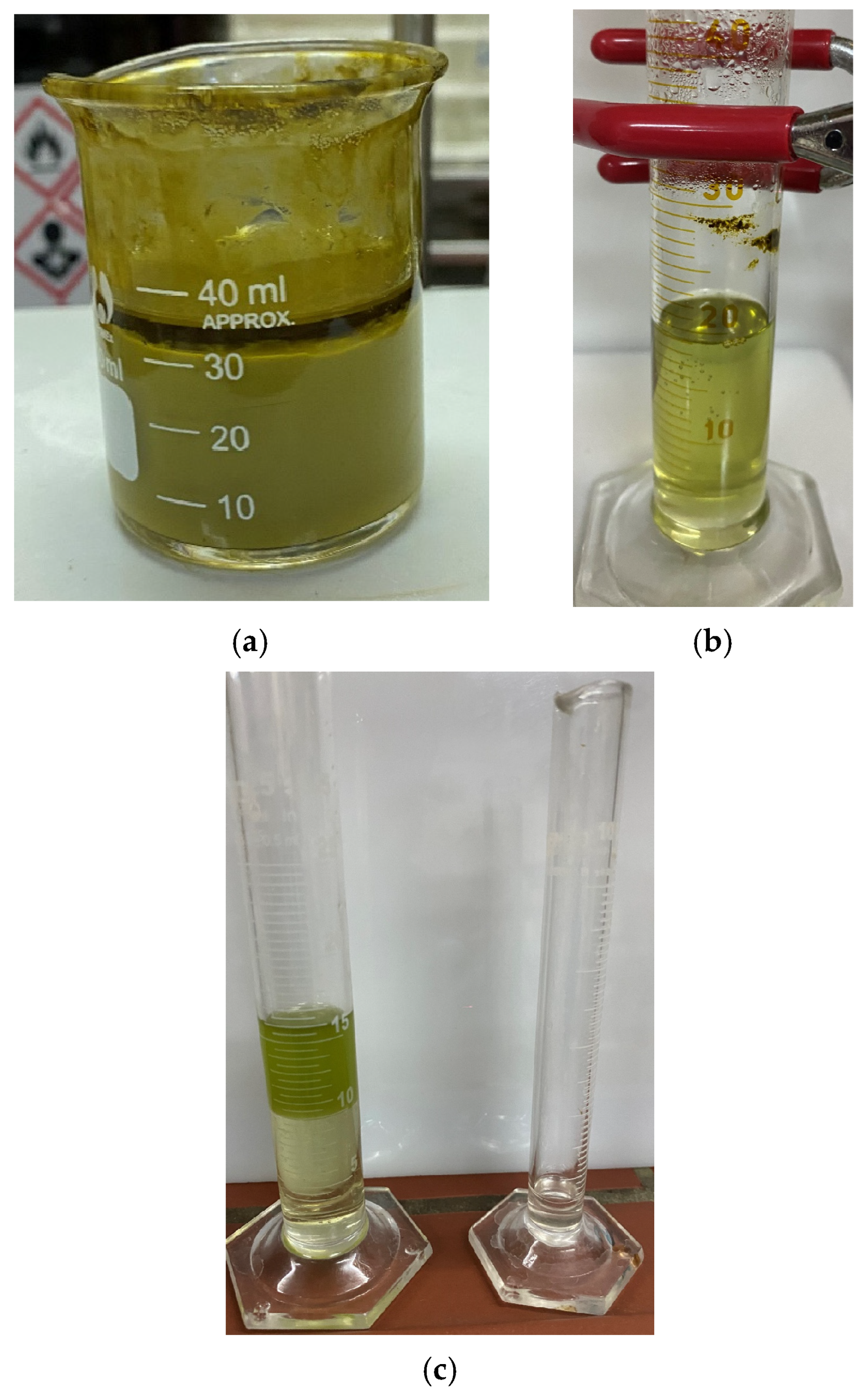
In Figure 4a a photo of the mixture of DMCHA and algae liquor is presented. As can be seen, the amount of extract was too low due to the entrapment of DMCHA in the aqueous phase. For this reason, another 10 mL of DMCHA were added. Then, 10 mL of the extract were removed and mixed with 10 mL of pure water. After CO2 switching, the formation of a single liquid phase (water + hydrophilic amine) and a solid phase (lipid extract stuck in the walls of the volumetric cylinder) could be seen as shown in Figure 4b. Since the lipid extract is solid due to co-extraction of other substances such as chlorophylls and carotenoids [36], it was not possible to estimate the lipids %yield. The aqueous phase was then transferred to a distillation apparatus to perform back-switching and minimize losses during heating. The mixture of water and amine was separated, and amine was recovered as distillate. As shown in Figure 4c, from the 10 mL of amine about 1 mL was recovered as distillate (no green color) while 7 mL remained in the residue of the distillation (green color). The distillate and the residue are shown in Figure 4c (in the left cylinder, the upper green phase corresponds to the recovered DMCHA in the residue, while the recovered DMCHA in the distillate is shown in the right cylinder). It should be stressed that the recovered DMHCA is saturated in water besides chlorophyll (as deduced by the green color). Thus, the received 7 mL of residue does not contain pure amine. From the above observations, the discussions of Section 3 are strengthened, related to the increase in DMCHA recovery by back switching in a closed vessel with a condenser. However, further issues were revealed that must be addressed, such as the presence of other substances in the recovered amine, reducing the solubility potential and reuse of DMCHA.

5. Conclusions

Switching of the polarity of DMCHA and other similar amines by CO2 is currently explored as a suitable approach for extracting and separating oil from microalgae. Although this approach is related to certain advantages, there are several issues that should be accounted for, especially for potential scale up of such a process. Polarity switching of DMCHA from hydrophobic to hydrophilic was examined in this work using alternative to CO2 methods, including acidic and basic solutions, in an effort to improve method efficiency, i.e., oil and solvent recovery following a reasonable process. It was found that the use of strong electrolytes (SE) switching, including addition of a strong acid in equimolar to amine ratio for amine protonation, followed by back-switching from hydrophilic to hydrophobic by an equimolar amount of a strong base, e.g., NaOH, resulted in solvent recovery at a time as low as few minutes. By the SE approach amine switching is improved, as a result of the elimination of various factors affecting CO2 switching, such the limited solubility of CO2 in water, partial dissociation of carbonic acid and the involvement of various reactions that must take place in order to protonate/deprotonate the amine. Due to the absence of bubbling and heating and the formation of highly saline water, the % amine recovery is quite higher than the one of CO2 switching (85% and 42% respectively). However, the requirement of large amounts of HCl, NaOH and the production of highly saline wastewater make this approach less attractive for large-scale applications, although it can be useful for laboratory scale separations or for analytical purposes as part of an analytical protocol for the determination of the lipid content of algae, foods etc. The combined CO2-SE switching on the other hand exhibits certain operational advantages over the other approaches, related to technical, economic, environmental and safety issues, being a promising approach for large-scale applications.

Supplementary Materials

The following supporting information can be downloaded at https://www.mdpi.com/article/10.3390/separations13030081/s1, Table S1: Refractive index of amine-sunflower oil standard solutions.; Table S2: Refractive index of DMCHA-water standard solutions.; Table S3: Refractive index of recovered oil and recovered DMCHA.; Figure S1: Absorption (ABS) of sunflower oil in isooctane in the UV in the range of 200 nm to 300 nm wavelength (x axis); Figure S2: Absorption (ABS) of DMCHA in isooctane in the UV in the range of 200 nm to 300 nm wavelength (x axis).

Author Contributions

Conceptualization, C.T. and P.S.; methodology, C.T.; software, C.T., I.M., G.T., T.P. and X.N.; formal analysis, C.T., I.M., G.T., T.P. and X.N.; investigation, C.T., I.M., G.T., T.P., X.N. and E.P.K.; writing—original draft, C.T.; writing—review and editing, E.P.K. and P.S.; supervision, P.S.; project administration, P.S.; funding acquisition, E.P.K. and P.S. All authors have read and agreed to the published version of the manuscript.

Funding

This research was funded by the EU European Climate Infrastructure and Environment Executive Agency (CINEA), project FUELPHORIA PN 101118286. The views and opinions expressed are, however, those of the authors only and do not necessarily reflect those of the European Union or CINEA. Neither the European Union nor CINEA can be held responsible for them.

Data Availability Statement

The original contributions presented in this study are included in the article/supplementary material. Further inquiries can be directed to the corresponding author.

Conflicts of Interest

The authors declare no conflicts of interest.

References

  1. Mohsenpour, S.F.; Hennige, S.; Willoughby, N.; Adeloye, A.; Gutierrez, T. Integrating micro-algae into wastewater treatment: A review. Sci. Total Environ. 2021, 752, 142168. [Google Scholar] [CrossRef] [PubMed]
  2. Lage, S.; Gentili, F.G. Chemical composition and species identification of microalgal biomass grown at pilot-scale with municipal wastewater and CO2 from flue gases. Chemosphere 2023, 313, 137344. [Google Scholar] [CrossRef] [PubMed]
  3. Pandey, S.; Narayanan, I.; Selvaraj, R.; Varadavenkatesan, T.; Vinayagam, R. Biodiesel production from microalgae: A comprehensive review on influential factors, transesterification processes, and challenges. Fuel 2024, 367, 131547. [Google Scholar] [CrossRef]
  4. Zhou, J.; Wang, M.; Saraiva, J.A.; Martins, A.P.; Pinto, C.A.; Prieto, M.A.; Simal-Gandara, J.; Cao, H.; Xiao, J.; Barba, F.J. Extraction of lipids from microalgae using classical and innovative approaches. Food Chem. 2022, 384, 132236. [Google Scholar] [CrossRef]
  5. Wetterwald, L.; Leybros, A.; Fleury, G.; Delrue, F.; Dimitriades-Lemaire, A.; Chambonniere, P.; Hertz, A. Supercritical CO2 extraction of neutral lipids from dry and wet Chlorella vulgaris NIES 227 microalgae for biodiesel production. J. Environ. Chem. Eng. 2023, 11, 110628. [Google Scholar] [CrossRef]
  6. Spain, O.; Plöhn, M.; Funk, C. The cell wall of green microalgae and its role in heavy metal removal. Physiol. Plant. 2021, 173, 526–535. [Google Scholar] [CrossRef]
  7. Yong, T.C.; Chiu, P.-H.; Chen, C.-H.; Hung, C.-H.; Chen, C.-N.N. Disruption of thin- and thick-wall microalgae using high pressure gases: Effects of gas species, pressure and treatment duration on the extraction of proteins and carotenoids. J. Biosci. Bioeng. 2020, 129, 502–507. [Google Scholar] [CrossRef]
  8. Araujo, G.S.; Matos, L.J.B.L.; Fernandes, J.O.; Cartaxo, S.J.M.; Gonçalves, L.R.B.; Fernandes, F.A.N.; Farias, W.R.L. Extraction of lipids from microalgae by ultrasound application: Prospection of the optimal extraction method. Ultrason. Sonochemistry 2013, 20, 95–98. [Google Scholar] [CrossRef]
  9. Motlagh, S.R.; Khezri, R.; Etesami, M.; Chee, C.Y.; Kheawhom, S.; Nootong, K.; Harun, R. Microwave-assisted extraction of lipid and eicosapentaenoic acid from the microalga Nanochloropsis sp. using imidazolium-based ionic liquids as an additive in water. J. Appl. Phycol. 2024, 36, 1709–1724. [Google Scholar] [CrossRef]
  10. Jessop, P.G.; Heldebrant, D.J.; Li, X.; Eckert, C.A.; Liotta, C.L. Reversible nonpolar-to-polar solvent. Nature 2005, 436, 1102. [Google Scholar] [CrossRef] [PubMed]
  11. Al-Ameri, M.; Al-Zuhair, S. Using switchable solvents for enhanced, simultaneous microalgae oil extraction-reaction for biodiesel production. Biochem. Eng. J. 2019, 141, 217–224. [Google Scholar] [CrossRef]
  12. Du, Y.; Schuur, B.; Samorì, C.; Tagliavini, E.; Brilman, D.W.F. Secondary amines as switchable solvents for lipid extraction from non-broken microalgae. Bioresour. Technol. 2013, 149, 253–260. [Google Scholar] [CrossRef] [PubMed]
  13. Anto, S.; Premalatha, M.; Mathimani, T. Tertiary amine as an efficient CO2 switchable solvent for extracting lipids from hypersaline microalgae. Chemosphere 2022, 288, 132442. [Google Scholar] [CrossRef]
  14. Russell, C.; Rodriguez, C. Lipid extraction from Chlorella vulgaris & Haematococcus pluvialis using the switchable solvent DMCHA for biofuel production. Energy 2023, 278, 127983. [Google Scholar] [CrossRef]
  15. Samorì, C.; López Barreiro, D.; Vet, R.; Pezzolesi, L.; Brilman, D.W.F.; Galletti, P.; Tagliavini, E. Effective lipid extraction from algae cultures using switchable solvents. Green Chem. 2013, 15, 353–356. [Google Scholar] [CrossRef]
  16. Tang, W.; Ho Row, K. Evaluation of CO2-induced azole-based switchable ionic liquid with hydrophobic/hydrophilic reversible transition as single solvent system for coupling lipid extraction and separation from wet microalgae. Bioresour. Technol. 2020, 296, 122309. [Google Scholar] [CrossRef]
  17. Lestari, G.; Salari, A.; Abolhasani, M.; Kumacheva, E. A microfluidic study of liquid–liquid extraction mediated by carbon dioxide. Lab A Chip 2016, 16, 2710–2718. [Google Scholar] [CrossRef]
  18. Han, S.; Ramezani, M.; TomHon, P.; Abdel-Latif, K.; Epps, R.W.; Theis, T.; Abolhasani, M. Intensified continuous extraction of switchable hydrophilicity solvents triggered by carbon dioxide. Green Chem. 2021, 23, 2900–2906. [Google Scholar] [CrossRef]
  19. Patel, S.D.; Hill, S.J.; Weber, C.C. Enhancing the Efficiency of Switching Switchable Hydrophilicity Solvents Using Continuous Flow Approaches. ChemSusChem 2025, 18, e202501531. [Google Scholar] [CrossRef]
  20. Perdomo, F.A.; Khalit, S.H.; Graham, E.J.; Tzirakis, F.; Papadopoulos, A.I.; Tsivintzelis, I.; Seferlis, P.; Adjiman, C.S.; Jackson, G.; Galindo, A. A predictive group-contribution framework for the thermodynamic modelling of CO2 absorption in cyclic amines, alkyl polyamines, alkanolamines and phase-change amines: New data and SAFT-γ Mie parameters. Fluid Phase Equilibria 2023, 566, 113635. [Google Scholar] [CrossRef]
  21. Tzirakis, F.; Papadopoulos, A.I.; Seferlis, P.; Tsivintzelis, I. CO solubility in aqueous N-methylcyclohexylamine (MCA) and N-cyclohexyl-1,3-propanediamine (CHAP) solutions. AIChE J. 2023, 69, e17982. [Google Scholar] [CrossRef]
  22. Shahvandi, S.K.; Banitaba, M.H.; Ahmar, H. Development of a new pH assisted homogeneous liquid-liquid microextraction by a solvent with switchable hydrophilicity: Application for GC-MS determination of methamphetamine. Talanta 2018, 184, 103–108. [Google Scholar] [CrossRef] [PubMed]
  23. Billet, R.; Zeng, B.; Wu, H.; Lockhart, J.; Gattrell, M.; Zhao, H.; Zhang, X. Hydrophilic solvent recovery from switched-on microdroplet dissolution. Droplet 2023, 2, e82. [Google Scholar] [CrossRef]
  24. Jing, J.; Li, X.; Zhang, Y.; Liu, Y.; Lu, H.; Wang, J.; Wu, Y. pH-Responsive Regulation of a Surfactant-Free Microemulsion Based on Hydrophobic Deep Eutectic Solvents. Langmuir 2022, 38, 7898–7905. [Google Scholar] [CrossRef]
  25. Guan, X.; Huang, Z.; Lu, H.; Sun, D. Microheterogeneity and CO2 Switchability of N,N-Dimethylcyclohexylamine–Water Binary Mixtures. J. Phys. Chem. B 2019, 123, 3096–3102. [Google Scholar] [CrossRef] [PubMed]
  26. European Union. Commission Regulation (EEC) No 2568/91 of 11 July 1991 on the Characteristics of Olive Oil and Olive-Residue Oil and on the Relevant Methods of Analysis. Available online: https://eur-lex.europa.eu/eli/reg/1991/2568/oj/eng (accessed on 26 November 2025).
  27. Palikrousis, T.L.; Manolis, C.; Kalamaras, S.D.; Samaras, P. Effect of Light Intensity on the Growth and Nutrient Uptake of the Microalga Chlorella sorokiniana Cultivated in Biogas Plant Digestate. Water 2024, 16, 2782. [Google Scholar] [CrossRef]
  28. Lo, C.; Wijffels, R.H.; Eppink, M.H.M. Lipid recovery from deep eutectic solvents by polar antisolvents. Food Bioprod. Process. 2024, 143, 21–27. [Google Scholar] [CrossRef]
  29. Kazarian, S.G.; Vincent, M.F.; Bright, F.V.; Liotta, C.L.; Eckert, C.A. Specific Intermolecular Interaction of Carbon Dioxide with Polymers. J. Am. Chem. Soc. 1996, 118, 1729–1736. [Google Scholar] [CrossRef]
  30. Cundari, T.R.; Wilson, A.K.; Drummond, M.L.; Gonzalez, H.E.; Jorgensen, K.R.; Payne, S.; Braunfeld, J.; De Jesus, M.; Johnson, V.M. CO2-Formatics: How Do Proteins Bind Carbon Dioxide? J. Chem. Inf. Model. 2009, 49, 2111–2115. [Google Scholar] [CrossRef]
  31. Romanić, R. Chapter 17—Cold pressed sunflower (Helianthus annuus L.) oil. In Cold Pressed Oils; Ramadan, M.F., Ed.; Academic Press: Cambridge, MA, USA, 2020; pp. 197–218. [Google Scholar]
  32. Zambiazi, R.C.; Przybylski, R.; Zambiazi, M.W.; Mendonça, C.B. Fatty Acid Composition of Vegetable Oils and Fats. Bol. Cent. Pesqui. Process. Aliment. 2007, 25, 111–120. [Google Scholar] [CrossRef]
  33. Available online: https://srdata.nist.gov/solubility/sol_detail.aspx?sysID=62_1 (accessed on 24 January 2025).
  34. Yoo, Y.; Kim, I.; Lee, D.; Choi, W.; Choi, J.; Jang, K.; Park, J.; Kang, D. Review of Contemporary Research on Inorganic CO2 Utilization via CO2 Conversion into Metal Carbonate-Based Materials. J. Ind. Eng. Chem. 2022, 116, 60–74. [Google Scholar] [CrossRef]
  35. Tsagdi, A.; Drossos, I.; Georgiou, D.; Exarhopoulos, S.; Karasiotas, G.; Kallitsis, J.K.; Kalogianni, E.P. Injection Molded PP Foams Using Food Ingredients for Food Packaging Applications. Polymers 2021, 13, 288. [Google Scholar] [CrossRef] [PubMed]
  36. Tsioptsias, C.; Mitis, S.; Rentzela, A.; Alvanou, K.; Kelesi, D.; Manolis, C.; Stergiou, A.; Kalamaras, S.D.; Samaras, P. A Simplified Methodology for Solvent Screening in Selective Extraction of Lipids from Microalgae Based on Hansen Solubility Parameters. Molecules 2025, 30, 4428. [Google Scholar] [CrossRef] [PubMed]
Figure 1. pH and formation of distinct phases of a 50% v/v aqueous mixture of DMCHA as a function of the amount of added HCl, expressed as a molar ratio (mol of HCl to mol of DMCHA).
Separations 13 00081 g001
Figure 2. The formation of the distinct phases obtained by CO2 switching and NaOH back-switching of amine/water mixture (experiment 5 of Table 4).
Separations 13 00081 g002
Figure 3. XRD patterns of the sediment formed during the combined CO2-SE switching and of pure NaHCO3.
Separations 13 00081 g003
Figure 4. (a) Mixture of algae liquor and DMCHA; (b) DMCHA dissolved in water and recovered lipid extract after CO2 switching; (c) The DMCHA-water mixture after back-switching with heat in a closed vessel (distillation like process). In the left cylinder the green liquid is the recovered amine and in the right cylinder there is the recovered amine which was received as distillate.
Separations 13 00081 g004
Table 1. Experimental conditions used for switching and back switching of the solvent, for the examination of oil and solvent recovery. Initial mixture contained 9 mL DMCHA, 9 mL water and 3 mL oil.
ExperimentConditionsTarget
1 (CO2 switching)Forward switching with CO2 bubbling at room temperature for 80 minRecovery of oil
2 (CO2 switching)Forward switching with CO2 bubbling at room temperature for 30 min and back-switching by heating at 80–105 °C for 2.5 hRecovery of amine
3 (SE switching)Forward switching with HCl solution at HCl:amine ratio 1:1Recovery of oil
4 (SE switching)Forward switching with HCl solution at HCl:amine ratio 1:1 and back-switching with 10 M NaOH solution at NaOH:amine ratio 1:1Recovery of amine
5 (combined CO2-SEswitching)Forward switching with CO2 bubbling at room temperature for 30 min and back-switching with 10 M NaOH solution at NaOH:amine ratio 1:1Recovery of amine
Table 2. Oil recovery results achieved by alternative switching techniques of amine protonation performed at room temperature of 18 °C (initial temperature of switching).
CO2 SwitchingSE (HCl) SwitchingCombined CO2-SE Switching
Required time, min80~180
Purity of recovered oil, %v/v809580
% recovery of oil93.39593.3
Table 3. K232 and K268 oxidation indices for the untreated sunflower oil and for sunflower oil treated with HCl.
Oxidation IndexUntreated Sunflower OilSunflower Oil Treated with HCl
K2322.27 ± 0.012.29 ± 0.01
K2681.93 ± 0.022.29 ± 0.03
Table 4. Conditions and amine recovery using the three different switching approaches.
CO2: Switching with CO2 and Back Switching with HeatSE: Switching with HCl and Back-Switching with NaOHCombined CO2-SE: Switching with CO2 and Back-Switching with NaOH
Required time only for the back-switching, min150~1 min~1 min
Temperature of back-switching, °C80–105Room temperature (~18)Room temperature (~18)
Purity of recovered amine, %v/v96.590.594.0
% recovery of amine42.985.568
Table 5. Comparison of the CO2, SE and combined CO2-SE switching approaches.
Approach for Polarity SwitchingIssues
TechnicalEconomicEnvironmentalSafety
CO2High oil purity and oil recovery. High amine purity. Low amine recovery (44%). High processing time (4 h).No useful byproducts. Cost for energy consumption for back-switching. Cost for additional amine due to low % recovery of the amine.No CO2 is captured. Amine toxic residues in water and air (unless additional capital and operational cost is invested)Risk of fire since back-switching is performed at temperatures well above the flash point of amine.
SEHigh oil purity and oil recovery. High amine purity. High amine recovery (85%). Very short processing time (2 min).Cost for HCl and NaOH. Decrease in cost of demand of amine due to high % recovery of the amine.No CO2 is captured. Production of highly saline effluent. Minimization of amine residues in water and air.Corrosion and safety issues due to concentrated HCl and NaOH. Production of HCl vapors. Minimization of risk of fire accident since the process is carried out in air atmosphere (typically below the flash point of the amine)
CO2-SEHigh oil purity and oil recovery. High amine purity. High amine recovery (68%). Short processing time (80 min). Difficulties related to the handling the NaHCO3 slurry.Cost for NaOH. This cost can be balanced by the useful byproduct (NaHCO3). Decrease in cost of demand of amine due to high % recovery of amine.Reduced carbon footprint process since CO2 is captured and converted to NaHCO3 (in the case that flue gas is used).
Minimization of amine residues in water and air.
Corrosion and safety issues due to concentrated NaOH. Minimization of risk of fire accident since the process is carried out at temperatures typically below the flash point of amine. No strong acid is used.
Disclaimer/Publisher’s Note: The statements, opinions and data contained in all publications are solely those of the individual author(s) and contributor(s) and not of MDPI and/or the editor(s). MDPI and/or the editor(s) disclaim responsibility for any injury to people or property resulting from any ideas, methods, instructions or products referred to in the content.