
Article

Sustainable Luffa cylindrica Bio-Sponge Immobilized with Trichoderma koningiopsis UFPIT07 for Efficient Azo Dye Removal from Textile Effluents

by
Paulo Henrique Silva de França Dias
1,
Raphael Luiz Andrade Silva
1,
Anna Gabrielly Duarte Neves
2,
André Filipe Marinho de Andrade
1,
Kethylen Barbara Barbosa Cardoso
1,
Maria Eduarda Luiz Coelho de Miranda
1,
Daniel Charles dos Santos Macêdo
1,
Luiz Henrique Svintiskas Lino
1,
Márcia Nieves Carneiro da Cunha
2,
Alice Maria Gonçalves Santos
3,
Marcos Antônio Barbosa de Lima
4,
Thiago Pajeú Nascimento
3,
Ana Lúcia Figueiredo Porto
2 and
Romero Marcos Pedrosa Brandão Costa
1,*
1
Laboratory of Advances in Protein Biotechnology (LABIOPROT), LIBAS-Integrated Multi-User Laboratory in Applied Biotechnology, Institute of Biological Sciences, University of Pernambuco, Recife 50100-130, PE, Brazil
2
Laboratory of Bioactives Products Technology, Department of Morphology and Animal Physiology, Federal Rural University of Pernambuco-UFRPE, Dom Manoel de Medeiros Street, s/n, Recife 52171-900, PE, Brazil
3
Campus Professora Cinobelina Elvas, Federal University of Piaui, Bom Jesus 64900000, PI, Brazil
4
Agricultural and Environmental Microbiology Laboratory, Department of Biology, Federal Rural University of Pernambuco, Recife 52171-900, PE, Brazil
*
Author to whom correspondence should be addressed.
Separations 2026, 13(1), 1; https://doi.org/10.3390/separations13010001
Submission received: 12 November 2025 / Revised: 2 December 2025 / Accepted: 10 December 2025 / Published: 19 December 2025
(This article belongs to the Section Bioanalysis/Clinical Analysis)

Abstract

The contamination of water bodies by industrial dyes is a critical environmental challenge due to the toxicity and persistence of these compounds in aquatic ecosystems. This study evaluated the efficiency of Trichoderma koningiopsis immobilized on Luffa cylindrica matrices for the decolorization of the azo dye Direct Black 22 (DB22), proposing a biotechnological approach for wastewater treatment. The fungus was cultivated and immobilized on matrices characterized by scanning electron microscopy (SEM) and Fourier transform infrared spectroscopy (FTIR). Experiments under different temperature, pH, and initial dye concentration conditions demonstrated that the immobilized system achieved up to 96% decolorization within 24 h under optimized conditions of 50 °C and pH 4, significantly outperforming the free fungus. The Luffa cylindrica matrix provided mechanical stability and a larger contact area for DB22 decolorization. Thus, the immobilized Trichoderma koningiopsis system on Luffa cylindrica stands out as a sustainable, cost-effective, and efficient alternative for dye removal from textile effluents, contributing to safer and more effective environmental practices.

1. Introduction

Water is an essential resource for the survival of living organisms and the functioning of various human activities, being crucial for both industrial processes and domestic use. Although approximately 70% of the Earth’s surface is covered by water, only 2% of it is freshwater, with 1.6% of this amount locked in glaciers, making accessible water resources extremely limited [1]. This scenario is further aggravated by increasing industrialization and urbanization, which exponentially raise water demand and contribute to its contamination from multiple sources, including mining, chemical, pharmaceutical, food, and dyeing industries, as well as pesticides and detergents used in agriculture and daily activities [2].
Among industrial sectors, the textile industry stands out as one of the main contributors to water pollution due to its high generation of effluents with significant organic loads, dyes, and heavy metals. This issue is exacerbated by inadequate regulations and insufficient planning of industrial operations, especially in developing countries; environmental impacts include water quality degradation, loss of aquatic biodiversity, and bioaccumulation of toxic substances in ecosystems [3]. These wastewater streams contain toxic compounds, particularly azo dyes, which are characterized by the azo (-N=N-) bond and exhibit high recalcitrance, increasing Biological Oxygen Demand (BOD) and Chemical Oxygen Demand (COD), thereby disrupting essential ecological processes such as photosynthesis and aquatic biodiversity balance [4].
Traditional methods for treating textile effluents include physical processes such as adsorption and membrane filtration [5,6] and chemical processes such as photocatalysis and advanced oxidation techniques [7,8]. Although these methods are effective, they present significant limitations, including high operational costs and the risk of secondary pollution [9]. In contrast, bioremediation has emerged as a promising alternative, employing biological processes for efficient pollutant removal, offering advantages such as lower costs, environmental sustainability, and higher efficiency in dye degradation [10].
Building on this, both fungal and bacterial systems have been investigated for the degradation of azo dyes through adsorption and enzymatic pathways. For instance, bacterial oxidoreductive enzymes have been widely reported as catalytic agents in dye degradation, particularly in Pseudomonas species capable of cleaving azo bonds under optimized physicochemical conditions. However, bacterial systems typically require strict environmental control and nutrient supplementation, and may generate secondary metabolites that complicate downstream treatment processes [11,12].
Within this approach, filamentous fungi have gained attention as promising tools due to their ability to produce extracellular enzymes capable of degrading recalcitrant compounds [13,14]. Additionally, fungal surface proteins and other chemical compounds play a fundamental role in biosorption processes, facilitating the removal of dyes and other toxic inorganic substances from contaminated water. However, the use of free cells presents challenges, such as difficulties in phase separation and biosorbent regeneration, which limit the continuous application of these systems [15,16].
Recently, the immobilization of fungi on biodegradable supports has been proposed as an innovative strategy to overcome these limitations, offering both environmental and economic benefits [17,18]. The application of the natural fibrous network of Luffa cylindrica sponge (the dried fruit of Luffa cylindrica), an agro-industrial waste, to immobilize fungal hyphae has shown promising results in improving biomass retention and increasing pollutant removal efficiency [19,20]. The fibrous network of Luffa cylindrica possesses a large surface area and high porosity, making it an ideal inert material for fungal biomass immobilization.
Despite numerous studies investigating fungal biosorption for dye removal, most reports focus on free-cell systems or on immobilization using synthetic supports, which often suffer from limited reusability, high cost, and environmental incompatibility. In contrast, the use of Luffa cylindrica as a sustainable natural carrier for Trichoderma koningiopsis has not been previously explored. The present study introduces a bio-based hybrid system that combines the high adsorption capacity and mechanical stability of Luffa cylindrica fibers with the enzymatic and biosorptive potential of Trichoderma koningiopsis UFPIT07, offering an eco-efficient alternative to conventional biosorption systems by integrating low-cost materials, fungal adaptability, and structural robustness. By bridging the gap between natural biomaterials and fungal biotechnology, this work advances current understanding in biosorption-based dye remediation and proposes a sustainable, scalable, and cost-effective biocomposite platform for the treatment of textile effluents.

2. Materials and Methods

2.1. Dye Stock Solution

The azo dye Direct Black 22 (DB22) (C.I. 35435; CAS 6473-13-8), of commercial grade (Exatacor Araquímica Indústria e Comércio de Corantes, Recife, Brazil), was used in this study. Prior to experimentation, the dye underwent a solubilization process. Initially, the dye solution was prepared in deionized water, adjusting the pH to 11 ± 0.05 with a 20% sodium hydroxide (NaOH) solution. The solution was then heated to 80 °C for 1 h. After cooling, the pH was adjusted to 7 ± 0.05 using hydrochloric acid (HCl). The dye stock solution was stored at 4 °C until use [21].

2.2. Microorganisms, Media, and Culture Conditions

The strain Trichoderma koningiopsis UFPIT07, isolated from soil in a Cerrado-Caatinga ecotone in Piauí (Northeastern Brazil), was obtained from the microbial collection of the Federal University of Piauí (UFPI), Bom Jesus, Piauí, Brazil. The isolate was maintained on Czapek Dox Agar medium (Himedia®, Mumbai, India). For spore production, the culture was inoculated into 125 mL Erlenmeyer flasks containing 50 mL of Potato Dextrose Agar (PDA) medium (KASVI®, São José dos Pinhais, Brazil) and incubated in a BOD (Biochemical Oxygen Demand) chamber at 30 °C for 120 h. After incubation, spores were suspended in a saline solution composed of 0.9% (w/v) NaCl and 0.05% (v/v) Tween 80. The suspension was homogenized, and 20 μL of the fluid was transferred to a Neubauer Chamber, where colony-forming units (CFU) were counted to standardize the final spore concentration at 104 CFU/μL.

2.3. Fungal Biomass Production and Immobilization in Luffa cylindrica

Luffa cylindrica sponge was purchased from a local market and used as support for fungal biomass immobilization. The dried fruit was cut into discs of 6 × 0.5 cm, soaked in hot water (80–90 °C) for 10 to 15 min, washed under running water, and rinsed three times with distilled water. The discs were then dried in an oven at 60–70 °C for 24 h and autoclaved at 120 °C for 20 min [22]. For immobilization, the sterilized discs were placed in Erlenmeyer flasks containing glucose broth (20 g/L glucose, 10 g/L meat extract, and 3 g/L peptone), which were also autoclaved at 121 °C for 20 min. After cooling, Trichoderma koningiopsis spores were inoculated into the flasks, which were incubated at 30 °C under agitation (150 rpm) for 96 h to promote fungal biomass growth and immobilization on the support.

2.4. Dye Decolorization Studies

The immobilized biomass was washed with deionized water and filtered through filter paper using a vacuum pump. For each experiment, a single disk of Luffa cylindrica containing the immobilized fungal biomass was used per flask, corresponding to the biosorbent dosage applied during the decolorization assays. The biomass was then weighed and transferred to 250 mL Erlenmeyer flasks containing 100 mL of the Direct Black 22 dye solution. Samples were centrifuged for 10 min at 10,000 rpm, and the supernatants were analyzed using an Ultraviolet–Visible (UV–Vis) spectrophotometer Ultrospec™ 7000 (Ge Healthcare, Chicago, IL, USA) at a single wavelength corresponding to the dye’s maximum absorbance (475 nm), using distilled water as a reference. Spectral interpretations followed comparative analyses of the dye solution spectrum before and after treatment. The decolorization rate of the dye solution was determined using the following formula:
D e c o l o r i z a t i o n   ( % ) = ( A i A t )   ( A i ) 100
where Ai represents the initial absorbance of the dye and At the absorbance over time.

2.5. Factorial Design

To optimize the decolorization of the tetra-azo dye Direct Black 22 (DB22), a full factorial design 23 with four repetitions at the central point was applied to determine the influence of the studied variables (pH, temperature in °C, and dye concentration in mg·L−1), using the statistical software package Statistica 8.0. The coding of high and low levels in this study was represented by +1 and −1, respectively, and the midpoint was coded as 0, as described in Table 1.

2.6. Fourier Transform Infrared Spectroscopy (FTIR)

Fourier transform infrared spectroscopy analyses were performed to characterize the chemical structural changes in the sample before and after biological treatment for 24 h. Spectra were obtained using an FTIR spectrophotometer (JASCO FT-IR-4100, JASCO Corporation, Tokyo, Japan) in the spectral range of 500 to 4000 cm−1.

2.7. Scanning Electron Microscopy (SEM)

Biomass samples before and after dye removal were extensively washed with deionized water to remove unadsorbed dye particles and subsequently freeze-dried. The samples were then mounted on aluminum stubs, coated with gold to a thickness of 10 nm (DII-29010 sCTR Smart Coater, JEOL, Tokyo, Japan), and observed using a scanning electron microscope Jeol-JSM 5600 LV, (JEOL Corporation, Tokyo, Japan) operating at 10 kV.

2.8. Statistical Analysis

Values were expressed as mean ± standard error of the mean. Differences between groups were determined using Analysis of Variance (ANOVA) with a significance level of p < 0.05. Statistical evaluations were performed using the open-source software RStudio version 2023.12.1+402 and Statistica 8.0. All experiments were conducted in triplicate.

3. Results and Discussion

3.1. Immobilization of Trichoderma koningiopsis UFPIT07 on Luffa cylindrica

The characterization of Luffa cylindrica as a biosorbent matrix and its efficiency in immobilizing Trichoderma koningiopsis UFPIT07 for the removal of Direct Black 22 (DB22) dye are presented in Figure 1. The untreated Luffa cylindrica matrix (Figure 1A) exhibited a highly porous and fibrous structure, with a large surface area and hydrophilic properties, which create an ideal environment for fungal biomass immobilization. After the immobilization process (Figure 1B), clear integration of fungal mycelium into the pores and surface of the matrix was observed, demonstrating effective adhesion and structural compatibility. This integration not only enhances the mechanical stability of the system but also maintains accessibility to the active functional groups of the fungal biomass, which play a crucial role in dye adsorption.
Following exposure to the DB22 solution (Figure 1C), the biosorbent showed visible darkening, indicating the adsorption of dye molecules and direct interaction with the immobilized fungal biomass. This behavior reinforces the essential role of the fungus as the primary agent in dye decolorization through absorptive and potentially enzymatic mechanisms. At the same time, the Luffa cylindrica matrix acts as a functional support, creating an optimized microenvironment that favors fungal activity. The support contributes to process efficiency by facilitating mass transfer and stabilizing the fungal biomass, thereby prolonging its applicability and effectiveness. These findings are consistent with studies which highlighted the importance of natural supports such as Luffa cylindrica and plant-based residues in enhancing adsorption capacity and the efficiency of immobilized systems [20,23]. Additionally, Liu et al. [24] demonstrated that porous matrices improve the distribution of immobilized biomass and increase operational stability in industrial effluent treatments.

3.2. Optimization of DB22 Dye Decolorization

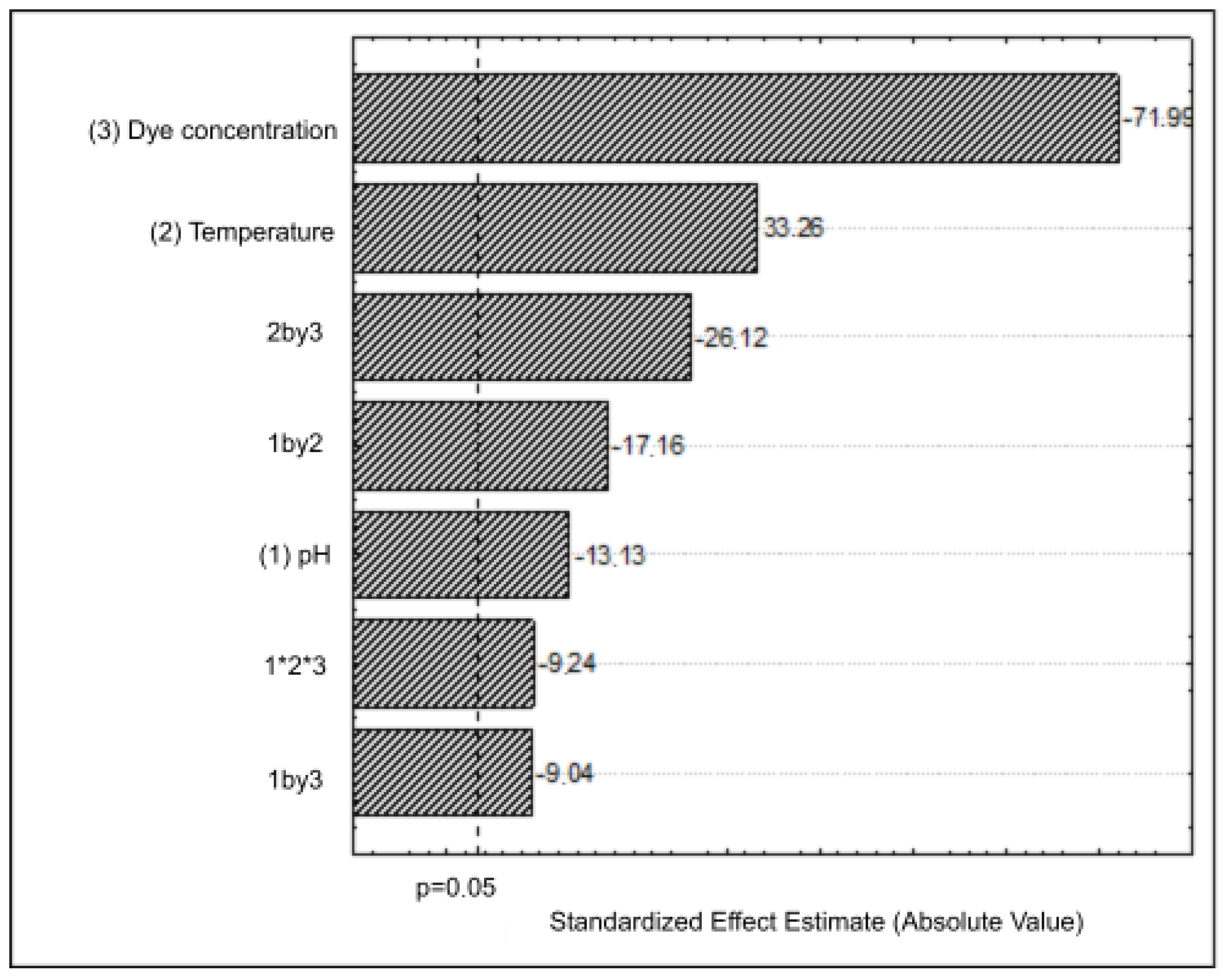
The optimization of DB22 decolorization using immobilized Trichoderma koningiopsis UFPIT07 was systematically evaluated through a 23 factorial design, which examined the influence of pH, temperature, and dye concentration. The Pareto chart analysis (Figure 2) revealed that dye concentration exerted the most pronounced negative effect (−71.99), indicating that higher concentration markedly impaired decolorization efficiency. This reduction can be attributed to the saturation of biosorption sites and the restricted molecular diffusion that limits dye–biosorbent interactions. The negative influence of dye concentration on decolorization efficiency observed in this study is consistent with previous findings. Comparable observations were reported by Upadhyay et al. [25] and Rajhans et al. [26], who described diminished decolorization performance at elevated dye concentrations due to saturation of active sites in fungal biosorption systems. In addition, Zhang and Fan [27] emphasized mass transfer limitations as a critical factor in high contaminant load environments.
In contrast, temperature exerted a significant positive effect (+33.26), enhancing both molecular diffusion and biosorption rates. Elevated temperatures are known to improve interactions between biosorbent functional groups and dye molecules, thereby increasing the overall biosorption capacity. Hassan Ibrahim et al. [28] reported optimal decolorization of reactive dyes at 50 °C using immobilized fungal systems, attributing the improvement to enhanced solubility and reactivity of degradation intermediates. Similarly, Rajhans et al. [26] observed that fungal biosorption systems operated more efficiently at elevated temperatures, resulting in higher decolorization rates.
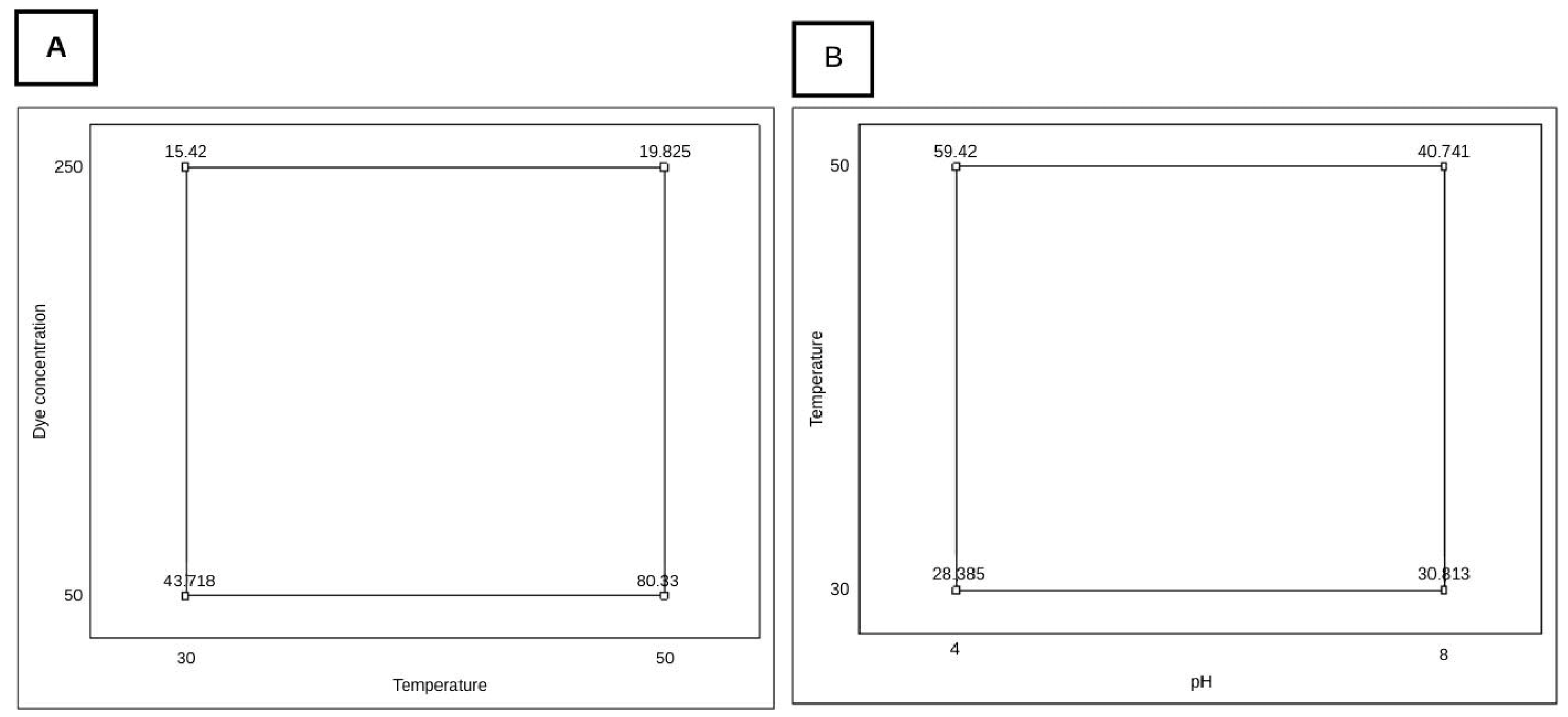
In alignment with the Pareto analysis, the two-dimensional interaction plots (Figure 3) provide further insights into the synergistic and antagonistic relationships among the tested variables. Notably, the interaction between dye concentration and temperature (Figure 3A) demonstrates that the highest decolorization (80.36%) was achieved at low dye concentration (50 mg·L−1) and high temperature (50 °C), while the lowest efficiency (15.42%) was observed under the inverse conditions (250 mg·L−1, 30 °C). This inverse trend clearly illustrates the compensatory effect of temperature, which can partially overcome the inhibitory impact of high dye loads by enhancing molecular diffusion and biosorbent activity. This temperature-dependent improvement in biosorption reflects a well-documented thermally enhanced adsorption behavior in fungal systems. Similar findings were reported by Chaudhry et al. [29], who showed that Aspergillus fumigatus biosorption improved at elevated temperatures due to increased kinetic energy and surface interactions, and by Bouras [30], who observed endothermic dye uptake behavior in Aspergillus parasiticus.
Conversely, the interaction between pH and temperature (Figure 3B) revealed that acidic conditions (pH 4) combined with elevated temperature (50 °C) resulted in significantly higher decolorization (59.42%) compared to neutral or alkaline pH at the same temperature (40.74% at pH 8). This behavior is attributable to the increased protonation of functional groups (e.g., –OH, –NH2) on the fungal surface at low pH, which facilitates stronger electrostatic attraction toward anionic dye molecules. These synergistic effects between pH and temperature were also observed by Upadhyay et al. [25], who reported enhanced dye removal by Pleurotus ostreatus under acidic and moderately warm conditions. Furthermore, acidic pH favors biosorption and may enhance the activity of fungal extracellular enzymes involved in decolorization. These interaction patterns emphasize the importance of multifactorial optimization rather than single-variable adjustments, reinforcing the suitability of factorial design in capturing complex interdependencies in fungal dye bioremediation systems [31].
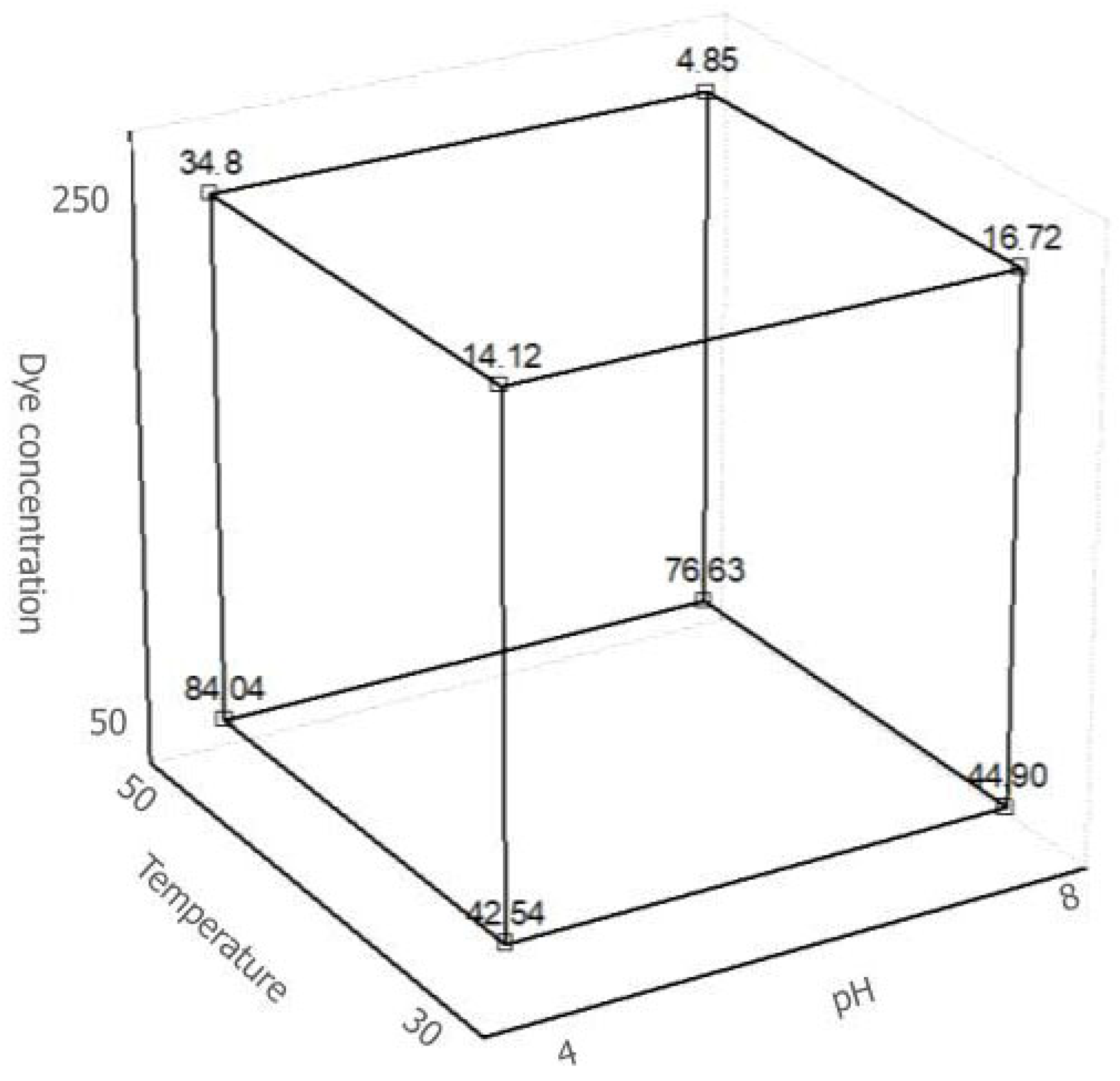
The three-dimensional response surface plot (Figure 4) confirmed that the maximum decolorization efficiency (80.36%) was achieved under conditions of low dye concentration (50 mg·L−1) and elevated temperature (50 °C). Although pH exerted only a minor isolated effect, its interaction with temperature proved to be crucial. Acidic conditions (pH 4) enhanced biosorption by increasing the protonation of functional groups (e.g., –OH, –NH2) on the fungal cell wall, thereby strengthening electrostatic interactions with anionic dye molecules. Comparable results have been reported for Penicillium citrinum and Penicillium herquei (P. herquei), which achieved more than 85% decolorization of Turquoise Blue dye at pH 4, confirming the beneficial effect of acidic conditions on fungal dye removal [32]. Likewise, Trametes polyzona demonstrated above 75% dye removal for several synthetic dyes between 30 and 50 °C in the presence of mediators, indicating that moderately elevated temperatures promote more effective dye removal [33]. In agreement with these findings, Trichoderma harzianum achieved 99% decolorization efficiency for Congo Red, 72% for Methylene Blue, and 68.5% for Methyl Orange after 72 h at pH 4.5, demonstrating the robust performance of Trichoderma-based systems under acidic and moderate thermal conditions [34]. Collectively, these results reinforce the synergistic influence of pH and temperature in optimizing fungal bioremediation and dye removal processes, particularly under conditions of low dye concentration and moderate heat [19].

3.3. Comparison of DB22 Decolorization Efficiency with and Without Fungal Immobilization on Luffa cylindrica

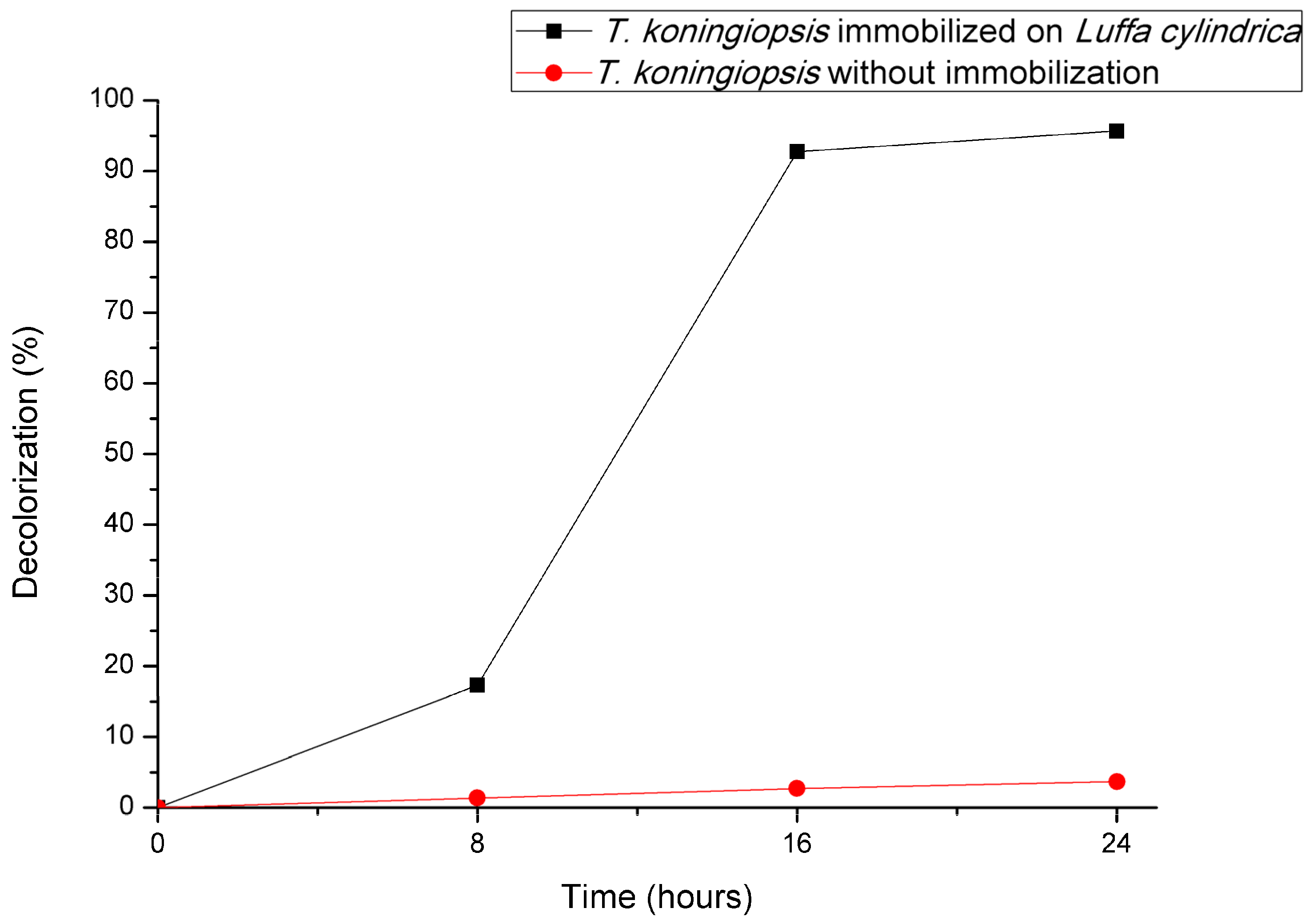
Although the factorial design provided a structured approach for optimizing the decolorization process, the experimental study was conducted using a dye concentration of 250 mg·L−1 to specifically assess the system’s performance under high load conditions. This decision was based on the inherent variability of dye concentrations in textile effluents, where high pollutant loads are commonly encountered in industrial discharges. Investigating the decolorization efficiency at elevated concentrations is, therefore, crucial for evaluating the practical applicability of the proposed system in real-world scenarios. Figure 5 illustrates the decolorization efficiency of DB22 at a concentration of 250 mg·L−1 using Trichoderma koningiopsis UFPIT07 immobilized on Luffa cylindrica, compared to the same fungal strain in its free form over 24 h. The immobilized system achieved a 96% decolorization rate by the end of the experiment, whereas the free fungal form exhibited an efficiency below 5%. The optimized experimental conditions, with a temperature of 50 °C and pH 4, were critical for maximizing system performance. To contextualize the performance of the immobilized system, comparative analysis with related fungal species was considered. Comparison with other Trichoderma species further underscores the potential of the immobilized system for industrial dye removal. Trichoderma harzianum immobilized in alginate decolorized 85% of the azo dye Remazol Brilliant Blue R (50 mg·L−1) in 72 h [35] while Trichoderma reesei immobilized in chitosan achieved 80% decolorization of Congo Red (100 mg·L−1) in 48 h [36]. Moreover, Trichoderma viride, using Luffa cylindrica as a support, decolorized 88% of Orange II (75 mg·L−1) in 96 h, confirming the high efficiency of natural matrix-based immobilized fungal systems for industrial dye bioremediation.
The results indicate that fungal immobilization provided a favorable microenvironment for interactions with dye molecules, promoting their transformation and removal from the medium. The structural composition of Trichoderma koningiopsis, along with macromolecules present in its cell wall, played a key role in process efficiency by facilitating electrostatic, hydrophobic, and ion-exchange interactions with the dye chromophores. Immobilization on Luffa cylindrica further enhanced these interactions by increasing the cell–substrate contact area and stabilizing the microorganism within the reaction system [37,38].
Beyond serving as a structural support for fungal cell retention, Luffa cylindrica exhibited intrinsic properties that may have contributed to modulating the dye removal process. Anastopoulos et al. [39] highlighted that natural matrices such as Luffa cylindrica possess a high surface area and hydrophilic functional groups, which can synergistically interact with microbial cell wall components. In contrast, the poor performance of the free fungal form suggests that the absence of these specific conditions limited effective interactions between fungal cells and dye molecules in the liquid medium.

3.4. Dye Analysis by UV–Visible Spectroscopy

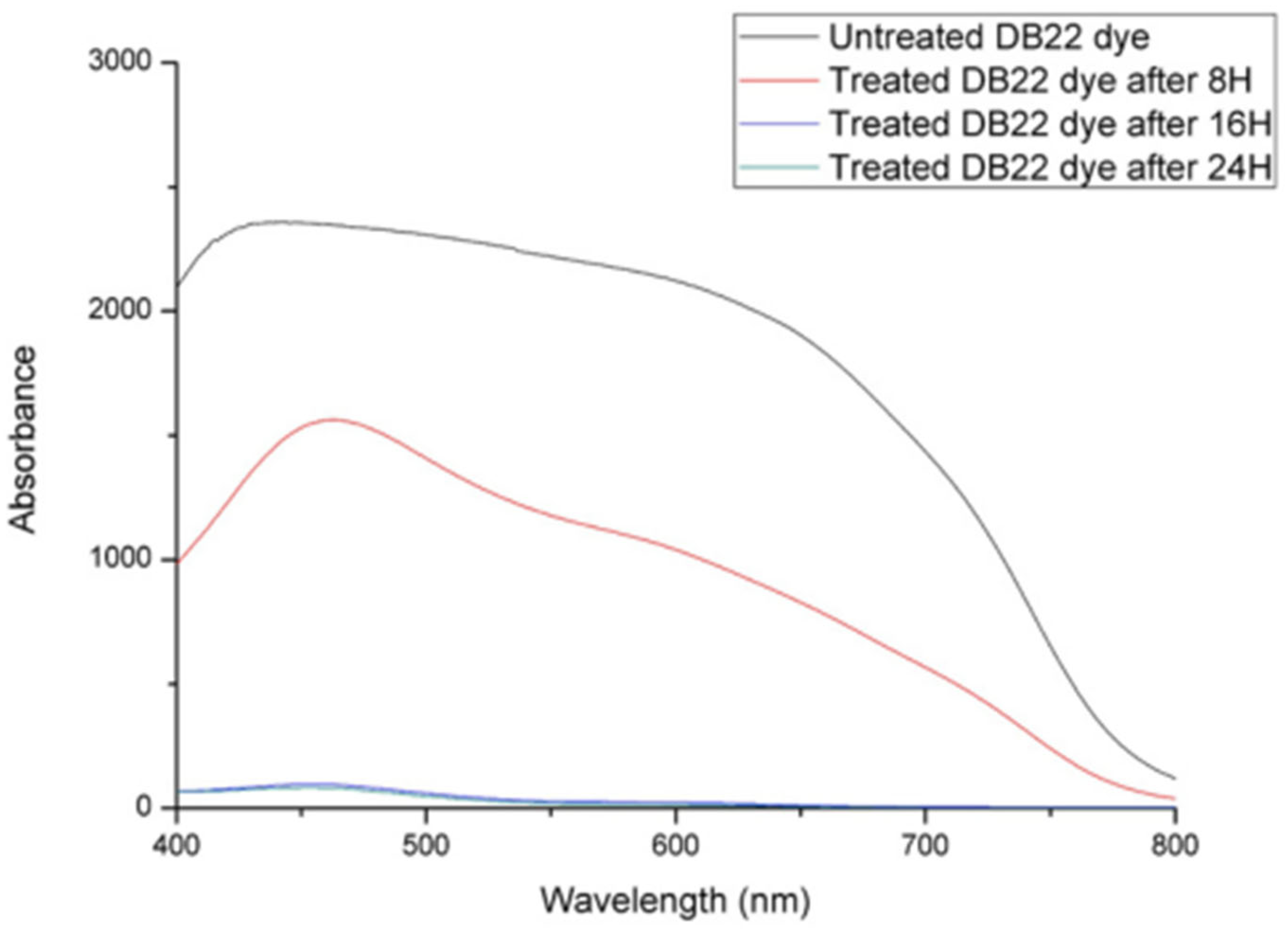
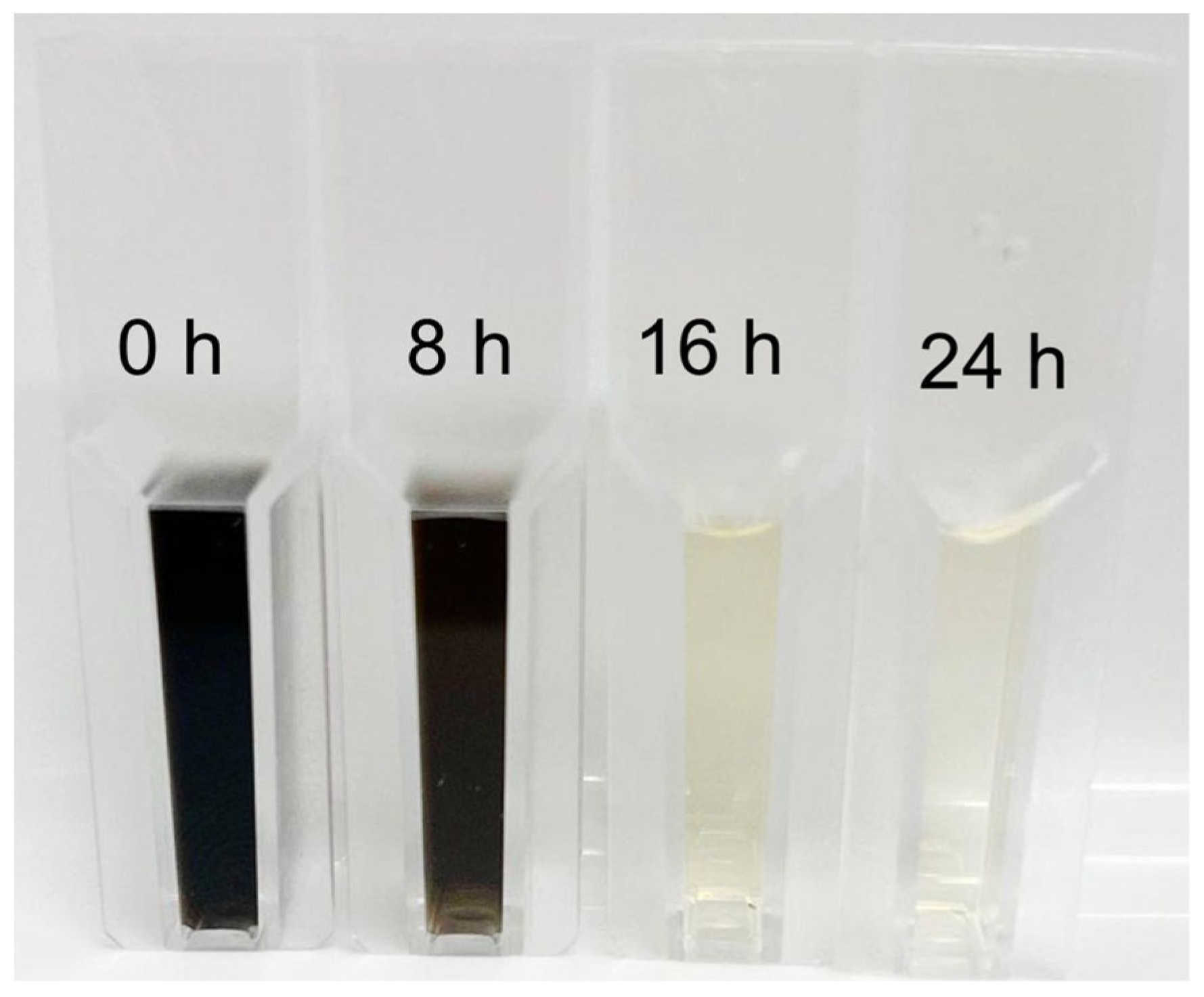
The spectrophotometric analysis of the DB22 revealed a significant reduction in maximum absorbance during treatment with immobilized Trichoderma koningiopsis fungal biomass (Figure 6). Initially, the untreated dye solution exhibited a prominent absorption peak in the 500–600 nm region, reflecting its high initial concentration. After 8 h of exposure to the biological system, a substantial decrease in absorbance was observed, indicating the onset of fungal activity in the decolorization process. This effect became progressively more pronounced, with a further reduction detected after 16 h, ultimately rendering the absorption peak nearly undetectable by the end of 24 h. These observations were corroborated by visible changes in the solution’s coloration (Figure 7), transitioning from deep black to nearly transparent at the conclusion of the treatment.
The reduction in spectral peaks without shifts in wavelength suggests that biosorption is the predominant removal mechanism, wherein the dye is physically adsorbed onto the fungal biomass without chemical alterations to its chromophore reported a decrease in UV-Vis absorption peaks for Reactive Black 5 following interaction with Aspergillus niger biomass, attributing the process to the presence of functional groups such as carboxyls and amines, which electrostatically interact with the dye molecules. These groups become protonated under acidic pH conditions, facilitating additional adsorption layers by the dye’s anionic molecules, a behavior also confirmed by Wu et al. [40].
Another relevant example was reported by Mohanty et al. [41], who studied the biosorption of Congo Red by Penicillium chrysogenum, observing a similar reduction in absorption peaks without changes in wavelengths. Likewise, Wang et al. [42] highlighted the efficiency of immobilized Trametes versicolor, where UV-Vis spectra demonstrated significant reductions in the absorption peak of Methyl Orange dye.

3.5. Physicochemical Characterization Through FTIR

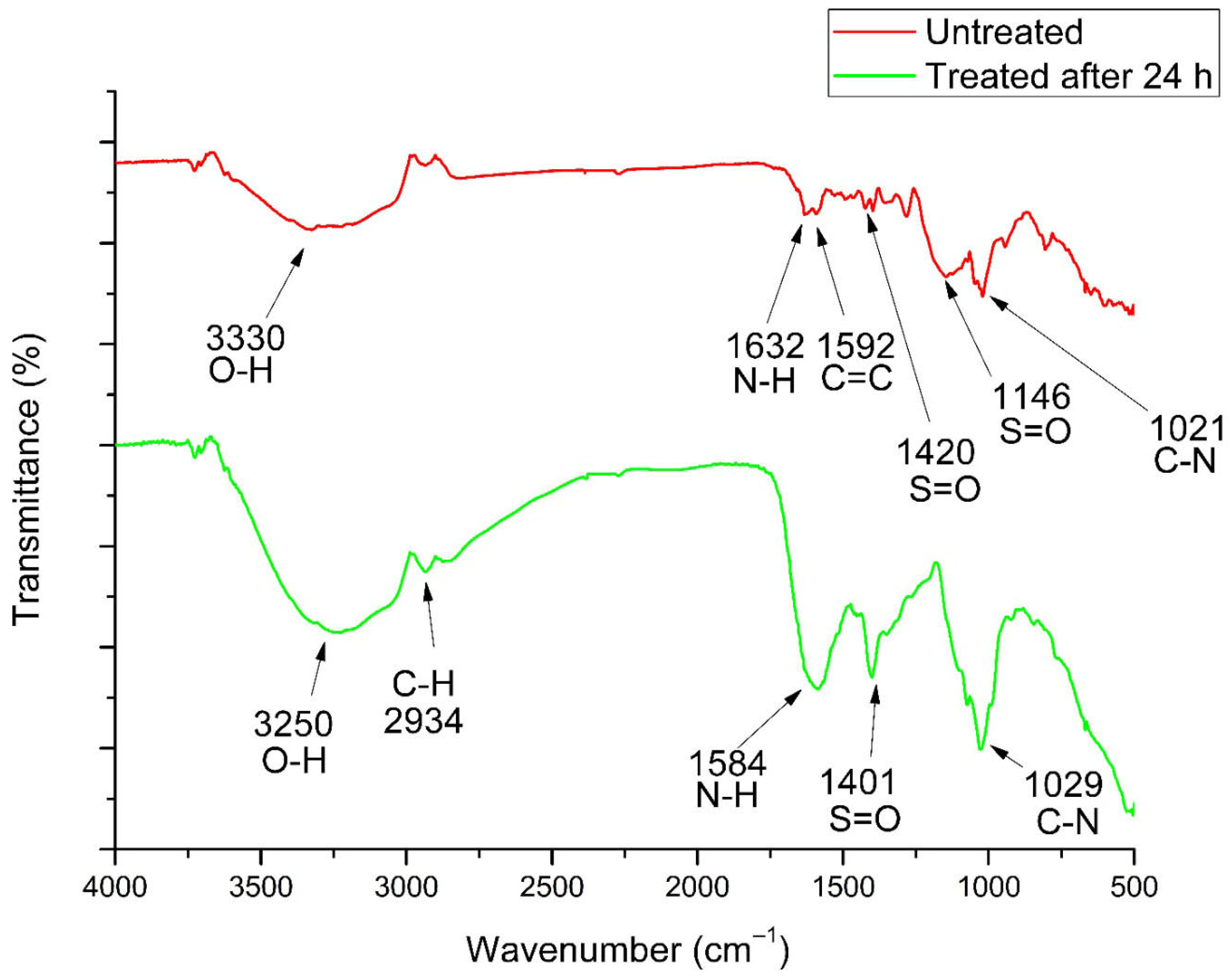
The FTIR spectrum of the samples, before and after 24 h of treatment is shown in Figure 8. In the control sample (no treatment), a broad band was observed at 3330 cm−1, associated with hydroxyl (OH) groups, characteristic of hydrogen bonding [43]. Additionally, the presence of a vibrational band at 1632 cm−1 indicates the existence of amines in the molecular structure, while a band at 1592 cm−1 was attributed to stretching vibrations characteristic of aromatic rings (C=C). Functional groups such as sulfo (S=O), sulfonic acid (S=O), and amines (C-N) were identified in the bands at 1420 cm−1, 1146 cm−1, and 1021 cm−1, respectively [44,45,46].
After 24 h of treatment, the FTIR spectrum revealed a significant shift of the band associated with hydroxyl (OH) groups from 3330 cm−1 to 3250 cm−1. This behavior is consistent with the results of Gita et al. [47], who observed similar shifts (from 3392 to 3331 cm−1) during the decolorization of Lanasyn dye by the fungus Pleurotus sp., suggesting that such changes may indicate molecular degradation promoted by fungal enzymatic processes.
Other alterations were observed in the spectrum of the treated sample, such as the presence of characteristic alkane (C-H) stretching vibrations at 2934 cm−1. The band at 1584 cm−1, associated with primary amines, showed an increase in intensity, while the band at 1146 cm−1, attributed to sulfonic acid (S=O), exhibited a significant reduction. A new band at 1401 cm−1 was identified, corresponding to the sulfate group (S=O), and bending stretches at 1029 cm−1 were attributed to amines (C-N).
The spectral variations observed after treatment are in strong agreement with previous studies, supporting the proposed interaction mechanisms. Almeida and Corso [48] reported an increase in the intensity of primary amine bands (1500–1650 cm−1) and a reduction in the sulfonic acid band (1141 cm−1) during the decolorization of Procion Red MX-5B dye by Aspergillus terreus. This spectral pattern was interpreted as an indication of biodegradation. Similarly, Pleurotus sajor-caju promoted desulfonation of Reactive Blue dye 13, evidenced by the absence of the sulfonic acid band at 1146 cm−1, which was only observed in the control sample [49].
Overall, the FTIR findings demonstrate that both biosorption and enzymatic degradation occur within the immobilized system. Biosorption predominates, as indicated by the preservation of chromophore-associated peaks and the absence of wavelength shifts in the UV–Vis spectra. Nonetheless, the attenuation of sulfonic and aromatic functional groups and the appearance of new sulfate bands reveal secondary enzymatic activity leading to partial structural transformation. Hence, the decolorization process is predominantly governed by biosorption, while enzymatic reactions act synergistically to modify dye molecules and enhance the overall detoxification efficiency of the effluent.

3.6. Decolorization of DB22 Dye on Immobilized Fungal Biomass—Scanning Electron Microscopy Studies

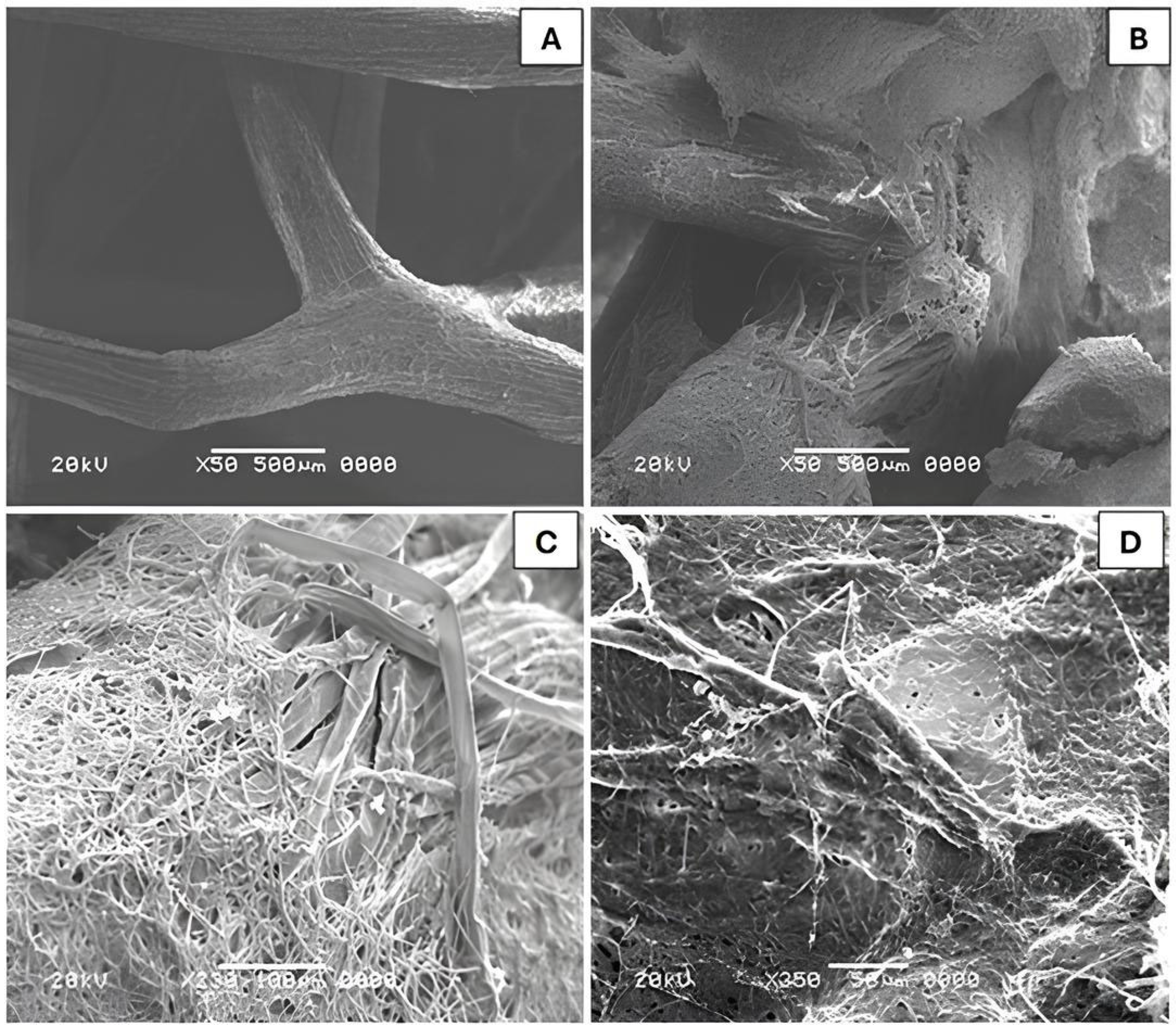
The results obtained through Scanning Electron Microscopy (SEM) demonstrated that the fungus Trichoderma koningiopsis UFPIT07, immobilized on Luffa cylindrica, undergoes significant structural alterations during the decolorization process (Figure 9). The initial analysis of the non-colonized luffa revealed a three-dimensional network formed by cellulose fibers, characteristic of lignocellulosic materials, with high surface area and the presence of active sites (Figure 9A). Previous studies confirm that these properties are crucial for effective supports, as they promote microbial biomass adhesion [50,51].
After colonization by the fungus, the micrographs revealed heterogeneous mycelial growth, partially covering the luffa fibers (Figure 9B). This behavior reflects the fungus’s ability to establish initial interactions with the support, which is critical for the success of the biosorption process. These observations align with the typical colonization behavior of filamentous fungi on lignocellulosic supports. The initial adhesion and colonization pattern observed in this study reflect the early stages of fungal growth and attachment to natural supports. Similar results were observed in other lignocellulosic systems, where this pattern was associated with the initial development of the mycelium [52]. The loose mycelium observed at the early stage (Figure 9C) is consistent with findings by Laraib et al. [20], who highlighted that the formation of non-compact mycelial structures ensures the maintenance of exposed active sites, essential to maximize the fungus–dye adsorption process interaction.
After the decolorization process, the mycelial surface exhibited a more compact and cohesive morphology, accompanied by the appearance of distinct granular deposits (Figure 9D). These deposits likely represent a combination of adsorbed dye residues and extracellular biopolymers secreted by the fungus during stress-induced metabolic activity. The presence of dense agglomerates and irregular layers strongly suggests that part of the dye molecules became physically adsorbed or entrapped within the extracellular matrix formed by polysaccharides and proteins of the fungal cell wall. Similar surface encrustations, corresponding to immobilized dye residues or polymeric secretion layers, have been previously reported in Trichoderma, Aspergillus and Cunninghamella species following exposure to azo dyes, indicating both biosorption and partial biodegradation phenomena [53,54]. According to Aranda-Figueroa et al. [55], the accumulation of surface residues is consistent with the occupation of active binding sites by chromophore fragments, whereas Mishra et al. [56] demonstrated that pollutant–fungus interactions can induce the synthesis of extracellular biopolymers that contribute to mycelial thickening and surface restructuring. Therefore, the deposits observed herein most likely arise from the combined effects of dye molecule adsorption and the deposition of structural biomaterial associated with fungal adaptation and detoxification responses.
The results confirm the effectiveness of the immobilization system on Luffa cylindrica and highlight its applicability in biotechnological strategies for pollutant removal. Comparatively, the structural behavior observed in this study aligns with previously established approaches, demonstrating the role of fungi and the lignocellulosic support in maximizing the decolorization potential.

4. Conclusions

The results of this study demonstrate the efficiency of the immobilized system of Trichoderma koningiopsis on Luffa cylindrica in the decolorization of DB22, highlighting the synergy between the microorganism and the natural matrix as an effective decolorization system. Characterization of the matrix revealed a porous and fibrous structure, ideal for immobilization, while the mycelium–matrix interaction enhanced the mechanical stability and functionality of the biomass. Under optimized conditions of temperature (50 °C) and pH (4), the system achieved 96% decolorization within 24 h, superior to the fungus in its free form. Spectrophotometric analysis indicated that the main mechanism involved was biosorption, corroborated by the absence of changes in the dye’s chromophore peaks. Comparisons with other systems confirmed the superior performance of Trichoderma koningiopsis at high dye concentrations, emphasizing the functional role of Luffa cylindrica in increasing contact area and stabilizing the biomass.
Although the immobilized biosystem proved highly effective at the laboratory scale, certain limitations should be acknowledged. The study was conducted under controlled batch conditions, and further research is needed to evaluate the system’s long-term performance, reusability, and scalability in continuous-flow bioreactors or real industrial effluents containing complex contaminant mixtures. Future investigations should also focus on the identification of key enzymatic pathways involved in dye degradation and the optimization of matrix modification to improve mechanical resistance and reuse potential.
Overall, the immobilized Trichoderma koningiopsisLuffa cylindrica system represents a sustainable and economically viable alternative for azo dye remediation, with strong potential for integration into eco-friendly wastewater treatment technologies and circular bioeconomy frameworks.

Author Contributions

Conceptualization, P.H.S.d.F.D., R.L.A.S. and R.M.P.B.C.; methodology, P.H.S.d.F.D., R.L.A.S., A.G.D.N., A.F.M.d.A., K.B.B.C., L.H.S.L. and R.M.P.B.C.; software, D.C.d.S.M., M.N.C.d.C., M.E.L.C.d.M. and M.A.B.d.L.; validation, K.B.B.C. and A.G.D.N.; formal analysis, P.H.S.d.F.D., R.L.A.S., L.H.S.L. and A.F.M.d.A.; investigation, P.H.S.d.F.D., R.L.A.S., A.F.M.d.A., A.G.D.N., K.B.B.C., L.H.S.L., D.C.d.S.M. and M.A.B.d.L.; resources, A.L.F.P., T.P.N., A.M.G.S., M.A.B.d.L. and R.M.P.B.C.; data curation, R.L.A.S., A.G.D.N., D.C.d.S.M., M.A.B.d.L. and M.N.C.d.C.; writing—original draft preparation, P.H.S.d.F.D., A.F.M.d.A., K.B.B.C. and R.L.A.S.; writing—review and editing, R.L.A.S., K.B.B.C.; M.E.L.C.d.M., A.G.D.N. and R.M.P.B.C.; visualization, supervision, A.L.F.P., T.P.N., A.M.G.S., and R.M.P.B.C.; project administration, A.L.F.P., T.P.N., A.M.G.S., and R.M.P.B.C.; funding acquisition, A.L.F.P., T.P.N., A.M.G.S., and R.M.P.B.C. All authors have read and agreed to the published version of the manuscript.

Funding

This research was funded by the National Council for Scientific and Techno-logical Development (CNPq), grant number 167941/2022-4; and the Foundation for Science and Technology of the State of Pernambuco (FACEPE), grant number APQ-0870-5.01/22, APQ-1635-5.02/22 and APQ-0623-5.01/21.

Data Availability Statement

The original contributions presented in this study are included in the article. Further inquiries can be directed to the corresponding author.

Acknowledgments

The authors gratefully acknowledge the National Council for Scientific and Technological Development (CNPq), the Foundation for Science and Technology of the State of Pernambuco, the University of Pernambuco and the LIBAS—Integrated Multi-User Laboratory in Applied Biotechnology for their technical support and facilities.

Conflicts of Interest

The authors declare no conflicts of interest.

References

  1. de Castro-Pardo, M.; Fernández Martínez, P.; Pérez Zabaleta, A.; Azevedo, J.C. Dealing with Water Conflicts: A Comprehensive Review of MCDM Approaches to Manage Freshwater Ecosystem Services. Land 2021, 10, 469. [Google Scholar] [CrossRef]
  2. Swain, C.K. Environmental Pollution Indices: A Review on Concentration of Heavy Metals in Air, Water, and Soil near Industrialization and Urbanisation. Discov. Environ. 2024, 2, 5. [Google Scholar] [CrossRef]
  3. Periyasamy, A.P. Recent Advances in the Remediation of Textile-Dye-Containing Wastewater: Prioritizing Human Health and Sustainable Wastewater Treatment. Sustainability 2024, 16, 495. [Google Scholar] [CrossRef]
  4. Vaiano, V.; De Marco, I. Removal of Azo Dyes from Wastewater through Heterogeneous Photocatalysis and Supercritical Water Oxidation. Separations 2023, 10, 230. [Google Scholar] [CrossRef]
  5. Zhou, Y.; Lu, J.; Zhou, Y.; Liu, Y.; Derami, H.K.; Rong, Z.; Nguyen, T. Recent Advances for Dyes Removal Using Novel Adsorbents: A Review. Environ. Pollut. 2019, 252, 352–365. [Google Scholar] [CrossRef]
  6. Yaseen, D.A.; Scholz, M. Textile Dye Wastewater Characteristics and Constituents of Synthetic Effluents: A Critical Review. Int. J. Environ. Sci. Technol. 2019, 16, 1193–1226. [Google Scholar] [CrossRef]
  7. Zhang, Y.; Shaad, K.; Vollmer, D.; Ma, C. Treatment of Textile Wastewater Using Advanced Oxidation Processes—A Critical Review. Water 2021, 13, 3515. [Google Scholar] [CrossRef]
  8. Katheresan, V.; Kansedo, J.; Lau, S.Y.; Routula, A.; Patwardhan, R.R. Efficiency of Various Recent Wastewater Dye Removal Methods: A Review. J. Environ. Chem. Eng. 2018, 6, 4676–4697. [Google Scholar] [CrossRef]
  9. Tripathi, M.; Singh, S.; Pathak, S.; Kasaudhan, J.; Mishra, A.; Bala, S.; Garg, D.; Singh, R.; Singh, P.; Singh, P.K.; et al. Recent Strategies for the Remediation of Textile Dyes from Wastewater: A Systematic Review. Toxics 2023, 11, 940. [Google Scholar] [CrossRef]
  10. Kuppan, N.; Padman, M.; Mahadeva, M.; Srinivasan, S.; Devarajan, R. A Comprehensive Review of Sustainable Bioremediation Techniques: Eco Friendly Solutions for Waste and Pollution Management. Waste Manag. Bull. 2024, 2, 154–171. [Google Scholar] [CrossRef]
  11. Ikram, M.; Zahoor, M.; Naeem, M.; Ul Islam, N.; Bari Shah, A.; Shahzad, B. Bacterial oxidoreductive enzymes as molecular weapons for the degradation and metabolism of the toxic azo dyes in wastewater: A review. Z. Für Phys. Chem. 2023, 237, 187–209. [Google Scholar] [CrossRef]
  12. Ikram, M.; Naeem, M.; Zahoor, M.; Rahim, A.; Hanafiah, M.M.; Oyekanmi, A.A.; Shah, A.B.; Mahnashi, M.H.; Al Ali, A.; Jalal, N.A.; et al. Biodegradation of Azo Dye Methyl Red by Pseudomonas aeruginosa: Optimization of Process Conditions. Int. J. Environ. Res. Public Health 2022, 19, 9962. [Google Scholar] [CrossRef] [PubMed]
  13. Neves, A.G.D.; Silva, R.L.A.; Cardoso, K.B.B.; Brito Júnior, J.J.R.T.; Ferreira, K.R.C.; Nascimento, T.P.; Brandão-Costa, R.M.P.; Silva, M.V.; Porto, A.L.F. Exploring Aspergillus Biomass for Fast and Effective Direct Black 22-Dye Removal. Rev. Bras. Ciênc. Ambient. 2024, 59, e2138. [Google Scholar] [CrossRef]
  14. Bibbins-Martínez, M.; Juárez-Hernández, J.; López-Domínguez, J.Y.; Nava-Galicia, S.B.; Martínez-Tozcano, L.J.; Juárez-Atonal, R.; Díaz-Godinez, G. Potential Application of Fungal Biosorption and/or Bioaccumulation for the Bioremediation of Wastewater Contamination: A Review. J. Environ. Biol. 2023, 44, 135–145. [Google Scholar] [CrossRef]
  15. Upadhyay, R.; Przystaś, W.; Dave, B. Myco-Remediation of Synthetic Dyes: A Comprehensive Review on Contaminant Alleviation Mechanism, Kinetic Study and Toxicity Analysis. Int. J. Environ. Sci. Technol. 2025, 22, 521–538. [Google Scholar] [CrossRef]
  16. Celik, S.; Tas, S.K.; Sayin, F.; Akar, T.; Akar, S.T. Green Biosourced Composite for Efficient Reactive Dye Decontamination: Immobilized Gibberella fujikuroi on Maize Tassel Biomatrix. Environ. Sci. Pollut. Res. 2024, 31, 25836–25848. [Google Scholar] [CrossRef]
  17. Santos, M.A.; De Conto, J.F.; Borges, G.R.; Egues, S.M. Luffa cylindrica as a Biosorbent in Wastewater Treatment Applications: A Comprehensive Review. Cellulose 2024, 31, 10115–10142. [Google Scholar] [CrossRef]
  18. Ogawa, M.; Moreno-García, J.; Barzee, T.J. Filamentous Fungal Pellets as Versatile Platforms for Cell Immobilization: Developments to Date and Future Perspectives. Microb. Cell Fact. 2024, 23, 280. [Google Scholar] [CrossRef]
  19. Pundir, A.; Thakur, M.S.; Prakash, S.; Kumari, N.; Sharma, N.; Parameswari, E.; He, Z.; Nam, S.; Thakur, M.; Puri, S.; et al. Fungi as Versatile Biocatalytic Tool for Treatment of Textile Wastewater Effluents. Environ. Sci. Eur. 2024, 36, 185. [Google Scholar] [CrossRef]
  20. Laraib, Q.; Shafique, M.; Jabeen, N.; Naz, S.A.; Nawaz, H.R.; Solangi, B.; Zubair, A.; Sohail, M. Luffa cylindrica Immobilized with Aspergillus terreus QMS-1: An Efficient and Cost-Effective Strategy for the Removal of Congo Red Using Stirred Tank Reactor. Pol. J. Microbiol. 2020, 69, 193–203. [Google Scholar] [CrossRef]
  21. Amorim, S.M.; Kato, M.T.; Florencio, L.; Gavazza, S. Influence of Redox Mediators and Electron Donors on the Anaerobic Removal of Color and Chemical Oxygen Demand from Textile Effluent. Clean—Soil Air Water 2013, 41, 928–933. [Google Scholar] [CrossRef]
  22. Sriharsha, D.V.; Kumar, L.; Savitha, J. Immobilized Fungi on Luffa cylindrica: An Effective Biosorbent for the Removal of Lead. J. Taiwan Inst. Chem. Eng. 2017, 80, 589–595. [Google Scholar] [CrossRef]
  23. Fernandes, C.D.; Nascimento, V.R.S.; Meneses, D.B.; Vilar, D.S.; Torres, N.H.; Leite, M.S.; Ferreira, L.F.R. Fungal Biosynthesis of Lignin-Modifying Enzymes from Pulp Wash and Luffa cylindrica for Azo Dye RB5 Biodecolorization Using Modeling by Response Surface Methodology and Artificial Neural Network. J. Hazard. Mater. 2020, 399, 123094. [Google Scholar] [CrossRef] [PubMed]
  24. Liu, D.; Yang, X.; Zhang, L.; Tang, Y.; He, H.; Liang, M.; Tu, Z.; Zhu, H. Immobilization of Biomass Materials for Removal of Refractory Organic Pollutants from Wastewater. Int. J. Environ. Res. Public Health 2022, 19, 13830. [Google Scholar] [CrossRef]
  25. Upadhyay, R.; Przystaś, W.; Turczyn, R.; Jureczko, M. Enhanced Biosorption of Triarylmethane Dyes by Immobilized Trametes versicolor and Pleurotus ostreatus: Optimization, Kinetics, and Reusability. Water 2025, 17, 2600. [Google Scholar] [CrossRef]
  26. Rajhans, G.; Barik, A.; Sen, S.K.; Raut, S. Degradation of Dyes by Fungi: An Insight into Mycoremediation. BioTechnologia 2021, 102, 445–455. [Google Scholar] [CrossRef]
  27. Zhang, L.; Wang, F. Kinetics and Characteristics Studies on Biosorption of Acid Red 18 from Aqueous Solution by the Acid-Treated Mycelia Pellets of Penicillium janthinellum. Desalination Water Treat. 2019, 167, 313–323. [Google Scholar] [CrossRef]
  28. Ibrahim, A.H.; Cihangir, N.; Idil, N.; Aracagök, Y.D. Adsorption of Azo Dye by Biomass and Immobilized Yarrowia lipolytica: Equilibrium, Kinetic and Thermodynamic Studies. World J. Microbiol. Biotechnol. 2024, 40, 140. [Google Scholar] [CrossRef]
  29. Chaudhry, M.T.; Zohaib, M.; Rauf, N.; Tahir, S.S.; Parvez, S. Biosorption Characteristics of Aspergillus fumigatus for the Decolorization of Triphenylmethane Dye Acid Violet 49. Appl. Microbiol. Biotechnol. 2014, 98, 3133–3141. [Google Scholar] [CrossRef]
  30. Bouras, H.D.; Réda Yeddou, A.; Bouras, N.; Chergui, A.; Favier, L.; Amrane, A.; Dizge, N. Biosorption of Cationic and Anionic Dyes Using the Biomass of Aspergillus parasiticus CBS 100926T. Water Sci. Technol. 2021, 83, 622–630. [Google Scholar] [CrossRef]
  31. Nabeela; Khan, S.A.; Mehmood, S.; Shabbir, S.B.; Ali, S.; Alrefaei, A.F.; Albeshr, M.F.; Hamayun, M. Efficacy of Fungi in the Decolorization and Detoxification of Remazol Brilliant Blue Dye in Aquatic Environments. Microorganisms 2023, 11, 703. [Google Scholar] [CrossRef]
  32. Gizaw, B.; Alemu, T.; Ebsa, G. Screening and Identification of Microbes from Polluted Environment for Azo Dye (Turquoise Blue) Decolorization. Heliyon 2024, 10, e32769. [Google Scholar] [CrossRef] [PubMed]
  33. Bucchieri, D.; Mangiagalli, M.; Martani, F.; Butti, P.; Lotti, M.; Serra, I.; Branduardi, P. A Novel Laccase from Trametes polyzona with High Performance in the Decolorization of Textile Dyes. AMB Express 2024, 14, 32. [Google Scholar] [CrossRef] [PubMed]
  34. El-Latif, A.S.A.; Zohri, A.-N.A.; El-Aref, H.M.; Mahmoud, G.A.-E. Kinetic Studies on Optimized Extracellular Laccase from Trichoderma harzianum PP389612 and Its Capabilities for Azo Dye Removal. Microb. Cell Fact. 2024, 23, 150. [Google Scholar] [CrossRef] [PubMed]
  35. Oktaviani, M.; Damin, B.C.S.; Suryanegara, L.; Yanto, D.H.Y.; Watanabe, T. Immobilization of fungal mycelial and laccase from Trametes hirsuta EDN082 in alginate-cellulose beads and its use in Remazol Brilliant Blue R dye decolorization. Bioresour. Technol. Rep. 2024, 26, 101828. [Google Scholar] [CrossRef]
  36. Argumedo-Delira, R.; Gómez-Martínez, M.J.; Uribe-Kaffure, R. Trichoderma Biomass as an Alternative for Removal of Congo Red and Malachite Green Industrial Dyes. Appl. Sci. 2021, 11, 448. [Google Scholar] [CrossRef]
  37. Bisht, M.; LR, P.; Jindal, M.K. Eco-friendly biosorbents for heavy metal removal from wastewater: A comprehensive review. Chem. Afr. 2025, 8, 4029–4057. [Google Scholar] [CrossRef]
  38. Oun, A.A.; Kamal, K.H.; Farroh, K.; Ali, E.F.; Hassan, M.A. Development of Fast and High-Efficiency Sponge-Gourd Fibers (Luffa cylindrica)/Hydroxyapatite Composites for Removal of Lead and Methylene Blue. Arab. J. Chem. 2021, 14, 103281. [Google Scholar] [CrossRef]
  39. Anastopoulos, I.; Pashalidis, I. Environmental applications of Luffa cylindrica-based adsorbents. J. Mol. Liq. 2020, 319, 114127. [Google Scholar] [CrossRef]
  40. Wu, K.; Pan, X.; Zhang, J.; Zhang, X.; Salah Zene, A.; Tian, Y. Biosorption of Congo Red from Aqueous Solutions Based on Self-Immobilized Mycelial Pellets: Kinetics, Isotherms, and Thermodynamic Studies. ACS Omega 2020, 5, 24601–24612. [Google Scholar] [CrossRef]
  41. Bouras, H.D.; Yeddou, A.R.; Bouras, N.; Hellel, D.; Holtz, M.D.; Sabaou, N.; Chergui, A.; Nadjemi, B. Biosorption of Congo red dye by Aspergillus carbonarius M333 and Penicillium glabrum Pg1: Kinetics, equilibrium and thermodynamic studies. J. Taiwan Inst. Chem. Eng. 2017, 80, 915–923. [Google Scholar] [CrossRef]
  42. Kumar, N.S.; Boddu, V.M.; Krishnaiah, A. Biosorption of phenolic compounds by trametes versicolor polyporus fungus. Adsorpt. Sci. Technol. 2009, 27, 31–46. [Google Scholar] [CrossRef]
  43. Hadjiivanov, K.; Knözinger, H. Identification and Characterization of Surface Hydroxyl Groups by Infrared Spectroscopy. Adv. Catal. 2014, 57, 99–318. [Google Scholar] [CrossRef]
  44. Gürses, A.; Açıkyıldız, M.; Güneş, K.; Gürses, M.S. Dyes and Pigments: Their Structure and Properties. In Dyes Pigments; Springer: Berlin/Heidelberg, Germany, 2016; pp. 13–29. [Google Scholar]
  45. Iyun, O.R.A.; Egbe, J.O.; Kantiok, G.Y. Substituent Effects on Absorption Spectra of 7-Amino-4-Hydroxynaphthalene-2-Sulfonic Acid-Based Dyes. J. Appl. Sci. Environ. Manag. 2020, 24, 124–1251. [Google Scholar] [CrossRef]
  46. Kumar, A.; Sharma, R.; Singh, P. Structure and Properties of Dyes and Pigments. In Dyes and Pigments—Novel Applications and Waste Treatment; Elsevier: Amsterdam, The Netherlands, 2021; p. 131. [Google Scholar]
  47. Gita, S.; Singh, R.; Kaushik, A.; Vats, R. Adsorption-Linked Fungal Degradation Process for Complete Removal of Lanasyn Olive Dye Using Chemically Valorized Sugarcane Bagasse. Waste Manag. Bull. 2023, 1, 29–38. [Google Scholar] [CrossRef]
  48. Almeida, E.J.R.; Corso, C.R. Comparative Study of Toxicity of Azo Dye Procion Red MX-5B Following Biosorption and Biodegradation Treatments with the Fungi Aspergillus niger and Aspergillus terreus. Chemosphere 2014, 112, 317–322. [Google Scholar] [CrossRef]
  49. Kalia, S.; Thakur, S.; Pathania, D.; Sharma, G. Exploring Fungal-Mediated Solutions and Its Molecular Mechanistic Insights for Textile Dye Decolorization. Chemosphere 2024, 360, 142370. [Google Scholar] [CrossRef]
  50. Waghmode, M.S.; Kardile, A.V.; Mene, R.U.; Abhyankar, P.S.; Rout, S.; Sahoo, D.K.; Patil, N.N. Synthesis and Characterization of Fungal and Luffa Sponge Biocomposite Sorbent for the Removal of Acetaminophen. Discov. Water 2025, 5, 57. [Google Scholar] [CrossRef]
  51. Zieniuk, B.; Małajowicz, J.; Jasińska, K.; Wierzchowska, K.; Uğur, Ş.; Fabiszewska, A. Agri-Food and Food Waste Lignocellulosic Materials for Lipase Immobilization as a Sustainable Source of Enzyme Support—A Comparative Study. Foods 2024, 13, 3759. [Google Scholar] [CrossRef]
  52. Małajowicz, J.; Gołębiowska, A.; Knotek, A. Immobilization of Whole-Cell Yarrowia lipolytica Catalysts on the Surface of Luffa cylindrica Sponge. Biol. Life Sci. Forum 2022, 18, 39. [Google Scholar] [CrossRef]
  53. Sivasamy, A.; Sundarabal, N. Biosorption of an Azo Dye by Aspergillus niger and Trichoderma sp. Fungal Biomasses. Curr. Microbiol. 2011, 62, 351–357. [Google Scholar] [CrossRef]
  54. Ambrósio, S.T.; Vilar Júnior, J.C.; Da Silva, C.A.A.; Okada, K.; Nascimento, A.E.; Longo, R.L.; Campos-Takaki, G.M. A Biosorption Isotherm Model for the Removal of Reactive Azo Dyes by Inactivated Mycelia of Cunninghamella elegans UCP542. Molecules 2012, 17, 452–462. [Google Scholar] [CrossRef]
  55. Aranda-Figueroa, M.G.; Romero, R.J.; Rodríguez, M.; Rodríguez-Torres, A.; Rodríguez, A.; Bolio-López, G.I.; Arias-Ataide, D.M.; Torres-Islas, Á.; Valladares-Cisneros, M.G. Removal of Azo Dyes from Water on a Large Scale Using a Low-Cost and Eco-Friendly Adsorbent. Sustainability 2025, 17, 4816. [Google Scholar] [CrossRef]
  56. Mishra, A.; Singh, D.; Singh, R.S.; Mishra, V.; Kumar, M.; Giri, B.S. Performance Study of the Bioreactor for the Biodegradation of Methyl Orange Dye by Luffa-Immobilized Stenotrophomonas maltophilia and Kinetic Studies: A Sustainable Approach. Groundw. Sustain. Dev. 2024, 27, 101378. [Google Scholar] [CrossRef]
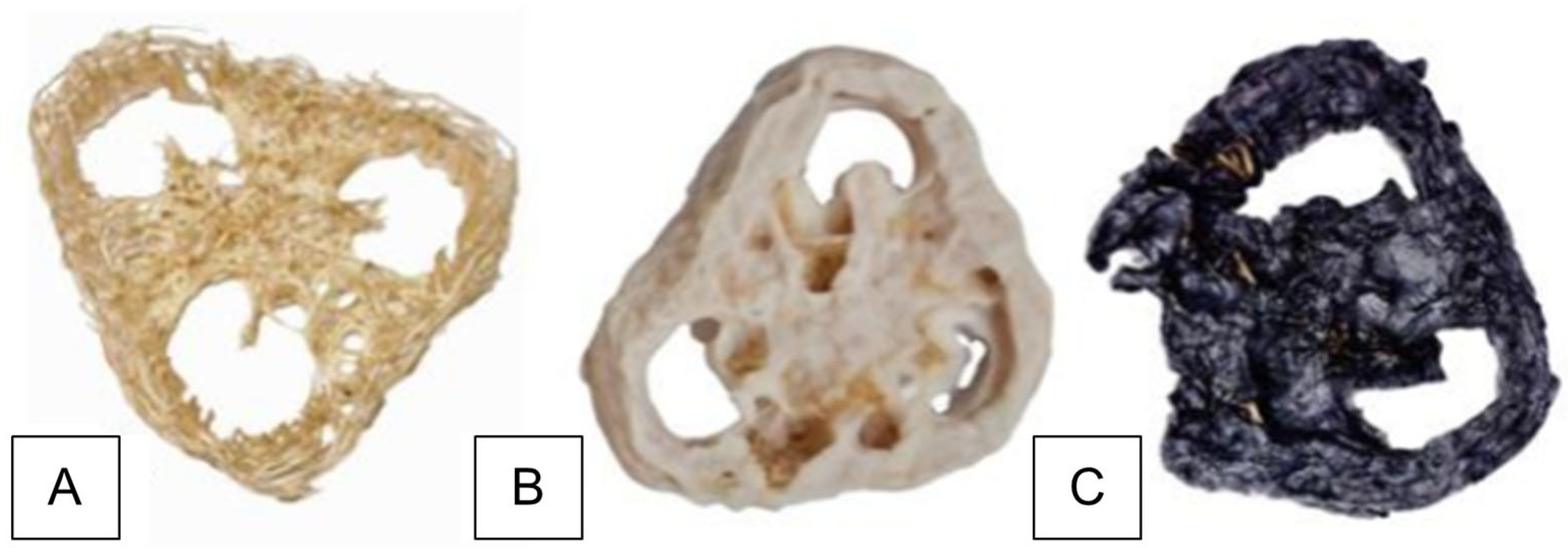
Figure 1. Luffa cylindrica matrix and its functionality in the immobilization system of Trichoderma koningiopsis UFPIT07 for the removal of the dye Direct Black 22. (A) Natural Luffa cylindrica without fungal growth. (B) Luffa cylindrica after the immobilization process. (C) Luffa cylindrica after exposure to DB22 dye (250 mg·L−1).
Separations 13 00001 g001
Figure 2. Pareto chart showing the standardized effects of variables on dye decolorization efficiency.
Separations 13 00001 g002
Figure 3. (A) Interaction between dye concentration and temperature; (B) interaction between pH and temperature.
Separations 13 00001 g003
Figure 4. Three-dimensional response surface plot illustrating interaction effects among pH, temperature, and dye concentration on decolorization efficiency.
Separations 13 00001 g004
Figure 5. Decolorization of Direct Blue 22 (DB22, 250 mg·L−1) using immobilized and free Trichoderma koningiopsis UFPIT07 over 24 h under optimized conditions of temperature (50 °C) and pH (4).
Separations 13 00001 g005
Figure 6. Visible spectral analysis of the DB22 solution during 24 h of incubation with and without treatment.
Separations 13 00001 g006
Figure 7. Decolorization of the DB22 dye solution at different time intervals.
Separations 13 00001 g007
Figure 8. FTIR spectrum of the samples before and after 24 h of decolorization of DB22 dye.
Separations 13 00001 g008
Figure 9. Scanning electron microscopy micrographs showing the surface morphology of (A) Luffa structure, (B,C) Luffa immobilized with Trichoderma koningiopsis before dye decolorization of Direct Black 22, and (D) Luffa with mycelial growth after decolorization, with magnifications of ×50, ×230, and ×350.
Separations 13 00001 g009
Table 1. Factor Levels for the Full Factorial Design 23 for DB22 Dye Decolorization by Trichoderma koningiopsis Immobilized on Luffa cylindrica.
FactorsCoded Levels
−10+1
(1)
pH
468
(2)
Temperature (°C)
304050
(3)
Dye concentration (mg·L−1)
50150250
Disclaimer/Publisher’s Note: The statements, opinions and data contained in all publications are solely those of the individual author(s) and contributor(s) and not of MDPI and/or the editor(s). MDPI and/or the editor(s) disclaim responsibility for any injury to people or property resulting from any ideas, methods, instructions or products referred to in the content.