


Abstract
Introduction: University students are vulnerable to psychological distress due to the academic and social demands of this life stage. Mindfulness and self-compassion are effective and adaptable strategies in an academic environment that promote emotional regulation and psychological well-being. This study aims to conduct a systematic review and meta-analysis to evaluate the combined impact of mindfulness- and self-compassion-based interventions (MBSCIs) on psychological distress. It will also analyze their role as predictors of therapeutic change, as well as the moderating influence of sociodemographic and contextual factors. Method: We systematically searched PubMed, Scopus and Web of Science for randomized controlled trials (RCTs) and single-group pre-post trials investigating the effect of MBSCI on anxiety, depression and stress in college students. Studies were combined using the inverse variance method in a random effects model. Additional subgroup and meta-regression analyses were performed, and risk of bias was assessed. The review was pre-registered (PROSPERO registration number: CRD420251003822). Results: Our review included 49 studies with a total of 5043 participants (3721 in the intervention group, and 1322 in the control group). The results provide relevant evidence on the efficacy of MBSCI in the university population, especially in reducing symptoms of stress, anxiety, and depression. The effect sizes observed were moderate-to-large for stress and small-to-moderate for anxiety and depression, supporting their clinical usefulness in university educational settings. However, these findings should be interpreted with caution, as no included study achieved low risk of bias, and heterogeneity was moderate-to-high across most outcomes. Conclusions: The results suggest that MBSCI could alleviate psychological distress in university students. However, these results are limited by some methodological issues (risk of bias, heterogeneity, lack of follow-ups, poor standardization). It would be advisable to integrate these practices into the university curriculum as workshops or complementary activities. Further studies are needed to confirm their effectiveness and explore sustained effects and differences according to individual characteristics.
1. Introduction
College students face many challenges that can impact their academic performance and mental health (J. Zhang et al., 2024). Some of these challenges include adapting to a new academic context (Cage et al., 2021), developing new social relationships (Maunder, 2018), coping with academic stress (Córdova Olivera et al., 2023), achieving independence (Worsley et al., 2021) and entering the job market (Belle et al., 2022). According to epidemiological research, one third of the college students have met the diagnostic criteria for at least one mental disorder within the last 12 months (Auerbach et al., 2018). Depression, anxiety and stress are the most common symptoms (e.g., Mason et al., 2025; Ramón-Arbués et al., 2020). A meta-analysis by Li et al. (2022) included 64 studies with over 100,000 college students and found depression and anxiety prevalence rates of 33.6% for depression and 39% for anxiety, respectively. These rates were higher among medical students, in low- and middle-income countries, and in regions such as Africa and North America. These rates increased after the onset of the COVID-19 pandemic, reaching 35% for depression and 40.7% for anxiety. After the COVID-19 outbreak, the estimated prevalence of stress was 31% (Fang et al., 2022).
Due to the high prevalence of mental health issues, health professionals, government institutions and universities must develop and implement specific interventions to address this public health concern (Amaro et al., 2025). A systematic review by Nair and Otaki (2021), that included 40 studies from several countries, identified four categories of interventions that can help reduce psychological distress in college students. These categories included interventions based on movement and mindfulness, psychoeducation or attribution of meaning; and interventions that use support elements such as online resources or animal-assisted therapy, among others. A recent global review by Huang et al. (2024), including 74 meta-analyses, found that interventions based on exercise, cognitive behavioral therapy, mindfulness-based interventions, as well as other interventions such as acceptance and commitment therapy, effectively promote mental health among higher education students. In this sense, mindfulness-based interventions have emerged as one of the most promising approaches, because of their efficacy and their ability to be implemented in university settings (González-Martín et al., 2023). Mindfulness- and self-compassion-based interventions are growing in prominence in the scientific literature by combining contemplative practices with contemporary therapeutic approaches that foster the development of emotional self-regulation skills in college students (Ferrari et al., 2019; D. Zhang et al., 2021).
Mindfulness is defined as “a process of regulating attention in order to bring a quality of nonelaborative awareness to current experience and a quality of relating to one’s experience within an orientation of curiosity, experiential openness, and acceptance” (Bishop et al., 2004, p. 234). Mindfulness practices can be classified as formal (e.g., body scanning or breathing), or informal (e.g., mindfulness in everyday life). The main purpose of these practices is to develop and strengthen mindfulness in the present moment (D. Zhang et al., 2021). Two of the most widely used mindfulness-based intervention programs are mindfulness-based stress reduction (MBSR; Kabat-Zinn, 2003) and mindfulness-based cognitive therapy (MBCT; Segal et al., 2004; Teasdale et al., 2000).
Moreover, compassion is defined as “being moved by another’s suffering and wanting to help” (Lazarus, 1991, p. 289). Self-compassion, in turn, is defined as “being open to and moved by one’s own suffering, experiencing feelings of caring and kindness toward oneself, taking an understanding, nonjudgmental attitude toward one’s inadequacies and failures, and recognizing that one’s experience is part of the common human experience” (Neff, 2003, p. 224). The most widely used interventions for cultivating compassion and self-compassion are compassion-focused therapy (CFT; Gilbert, 2014), mindful self-compassion (MSC; Neff & Germer, 2013), loving-kindness meditation (LKM) and compassion meditation (CM; Wallmark et al., 2013).
Over the past five years, several systematic reviews and meta-analyses have been conducted to synthesize the accumulated evidence on mindfulness- and self-compassion-based interventions in the university setting. Dawson et al. (2020) included 51 RCTs that evaluated mindfulness interventions such as MBSR, MBCT, and brief mindfulness programs. They found small-to-moderate effect sizes (ESs) for reducing distress, anxiety, and depression when compared to passive controls, and small ES for improving distress and anxiety, though not depression, when compared with active controls. Similarly, Zuo et al. (2023) found slightly larger ES for reducing symptoms of depression, anxiety, and stress compared with control groups (e.g., routine healthcare, waitlist) in their review of 11 RCTs. In addition, Alrashdi et al. (2024), in a review of 26 studies, assessed the efficacy of mindfulness-based online interventions and found small to moderate ES in reducing depression, anxiety, and stress compared to passive control groups, but not to active controls. Finally, Póka et al. (2024), who included 17 RCTs, assessed the efficacy of self-compassion-based interventions (many of which were based on writing exercises) and found small ES in reducing negative affect and increasing positive affect. They found more pronounced effects when comparing self-compassion-based interventions with passive control groups than with active ones.
Empirical evidence has shown a strong correlation between mindfulness and self-compassion, suggesting that both psychological processes are closely linked and can reinforce each other (Baer et al., 2012). Specifically, it has been proposed that mindfulness facilitates the recognition of internal suffering without over-identification or reactivity, thus creating the conditions necessary to respond with kindness and shared humanity (Neff, 2023). Meanwhile, self-compassion generates a sense of emotional security that promotes open, non-avoidant observation of the experience, strengthening the attentional component of mindfulness (N. S. Schutte & Malouff, 2018). A recent meta-analysis by N. Schutte and Malouff (2025) confirmed this bidirectional relationship, showing a strong relationship between high levels of mindfulness and self-compassion (r = 0.53). Furthermore, although both constructs are associated with better mental health and greater well-being (Goldberg et al., 2022; Neff, 2023), they exhibit differential patterns of relationship with specific psychological variables. For example, in a large sample of the general population, self-compassion explained additional variance in depressive symptoms beyond mindfulness, while mindfulness explained unique variance in positive affect (López et al., 2016). These results highlight the specific utility of each process. Therefore, an integrated approach could provide additional benefits compared to practicing each skill in isolation. “Pure” mindfulness offers attentional regulation and cognitive disidentification, while self-compassion adds an emotional quality of care that protects against self-criticism and distress. In fact, therapeutic programs such as MSC (Neff & Germer, 2013) or interventions such as MBCT (Segal et al., 2004; Teasdale et al., 2000) incorporate both components due to their synergistic potential. Overall, the available evidence suggests that the simultaneous development of mindfulness and self-compassion could optimize therapeutic benefits and help minimize psychological distress.
In line with this approach, the recent literature has emphasized the importance of identifying the mechanisms of change in psychological interventions. This allows us to understand their effectiveness and the processes through which they generate therapeutic effects. Consistent with this idea, Collado-Navarro et al. (2021) examined the roles of mindfulness and self-compassion as mediators. They found that both mediated the effect of the MBSR program on psychological distress. However, only self-compassion explained the effect of Attachment-Based Compassion Therapy (ABCT). Similarly, López-del-Hoyo et al. (2022) found that self-kindness is key to reducing psychological distress in ABCT, while common humanity and mindfulness play relevant roles in MBSR. Furthermore, Basher (2022) demonstrated that mindfulness and self-compassion significantly predict psychological well-being. Therefore, it is crucial to further investigate these variables as potential mechanisms underlying the benefits of mindfulness- and self-compassion-based interventions.
The Present Study
To date, systematic reviews and meta-analyses have examined the effects of mindfulness-based interventions and those focused on self-compassion separately, assessing their individual effects on the mental health of college students. In this work, we define mindfulness- and self-compassion-based interventions (MBSCIs) as interventions that intentionally and systematically incorporate core mindfulness components (e.g., present-moment awareness, non-reactivity) together with essential self-compassion elements (e.g., self-kindness, common humanity) as active therapeutic ingredients, rather than referring to these constructs only in a peripheral or incidental way. Thus, the present study aims to conduct a systematic review and meta-analysis to evaluate the efficacy of MBSCIs on psychological distress (in terms of depression, anxiety, and stress) and to analyze the role of mindfulness and self-compassion as predictors of therapeutic change process in college students. In addition, we aim to explore the potential moderator effect of several characteristics of the study design (e.g., type of comparison group), intervention (e.g., type of treatment, treatment provider, treatment delivery, and treatment format) and sample (e.g., diagnosis, mean age, and sex).
2. Method
This study did not receive specific funding from public, commercial, or nonprofit sources. The review followed the PRISMA guidelines for systematic reviews and meta-analyses (Page et al., 2021) with the PRISMA checklist available at this https://osf.io/6ev52/overview?view_only=04d04914342c4249aa768ff9453c3819 (accessed on 18 March 2026). In addition, this review has been pre-registered in PROSPERO (CRD420251003822). The results of the coding process (with the full codebook), the fully extracted dataset, and the R code used for the analysis can be consulted in https://osf.io/6ev52/overview?view_only=04d04914342c4249aa768ff9453c3819 (accessed on 18 March 2026).
2.1. Eligibility Criteria
Studies were selected using the PICOS framework:
- Population: College students actively enrolled at the time of the study, with no restrictions on gender or age.
- Intervention: MBSCI was considered within a broader classification of intervention types, which included programs based exclusively on mindfulness and compassion practices; interventions delivered within established frameworks such as MBCT or MBSR, both of which integrate self-compassion components; and other approaches based on mindfulness or self-compassion that did not fit these established models. All delivery formats were eligible: group or individual, face-to-face or online.
- Comparison: Active control conditions (including interventions that do not include mindfulness and self-compassion exercises), usual care, or waitlist control groups.
- Outcomes: Emotional distress symptoms (stress, anxiety, or depression) were measured using validated self-report or clinician-administered instruments. Process variables (mindfulness and self-compassion) were also extracted when available.
- Study Designs: Study designs were classified as RCTs (random allocation to conditions), non-randomized controlled trials (control group present but no random allocation), or single-arm pre-post studies (no control group, within-group change only).
- Others: Only peer-reviewed articles published in English or Spanish were included.
2.2. Information Sources and Search Strategy
A systematic search was conducted in PubMed, Scopus, and Web of Science from inception to 12 March 2025, with no date restrictions. The search strategy combined three concept blocks using Boolean operators: (1) mindfulness-based interventions (e.g., MBSR, MBCT, MBRP, mindfulness meditation); (2) self-compassion-based interventions (e.g., CFT, loving-kindness meditation, self-compassion); and (3) university or college students (including undergraduate and graduate populations). Search terms were applied to titles, abstracts, and keywords. The full search strategy is available in the https://osf.io/6ev52/overview?view_only=04d04914342c4249aa768ff9453c3819 (accessed on 18 March 2026).
Additionally, backward citation searching (reference list screening) and forward citation searching (articles citing included studies) were performed to identify additional eligible studies.
2.3. Selection Process
Study selection was conducted using the Rayyan (Ouzzani et al., 2016) for screening and duplicate removal. The first author conducted initial screening based on titles and abstracts. Subsequently, two independent reviewers screened the full texts of potentially eligible studies against inclusion criteria. Inter-rater agreement was excellent (κ = 0.86). Disagreements were resolved through discussion or consultation with a third reviewer.
2.4. Data Collection and Data Items
Two independent reviewers extracted data from each included study using a standardized codebook. The following information was collected: (a) study characteristics (author, year, country); (b) sample characteristics (sample size, mean age, percentage of females, diagnostic status); (c) intervention characteristics (intervention type, delivery format, duration, number of sessions); (d) comparison condition; and (e) outcome data for calculating standardized mean differences (sample size, means, and standard deviations at pre- and post-intervention for each outcome). Disagreements were resolved through consensus discussion.
2.5. Assessment of Risk of Bias
The Cochrane Risk of Bias Tool 2 (J. Sterne et al., 2019) was used to assess risk of bias in RCTs. Non-randomized controlled studies were assessed with Cochrane’s ROBINS-I tool (J. A. C. Sterne et al., 2016). Single-arm pre-post studies were evaluated using the National Institutes of Health Quality Assessment Tool for Before-After (Pre-Post) Studies with No Control Group (National Heart Institute, 2013). Publication bias was evaluated by visual inspection of symmetry in funnel plots, the trim-and-fill method (Duval & Tweedie, 2000), and the Egger test (Egger et al., 1997).
2.6. Data Analysis
Effect sizes were calculated as standardized mean differences (SMD) using Morris’s (2008) equation for between-group comparisons in RCTs. For within-group analyses, SMDs were computed for intervention groups from RCTs and single-arm studies, calculated using Morris’s (2000) formula. These formulas incorporate a correction factor for small sample sizes. For estimating the variances of both effect size indices, the Pearson correlation coefficient between the pretest and follow-up measures must be available. As this figure was not reported in the studies, a value of 0.70 was assumed for r, as recommended by Rosenthal (1991). Sensitivity analysis with r values of 0.50 and 0.90 was also conducted. A database was created containing pre-calculated SMDs and standard errors for each study and outcome.
Random-effects models were fitted using the restricted maximum likelihood method, with 95% confidence intervals adjusted using the Knapp–Hartung correction. Separate meta-analyses were performed for: (a) between-group comparisons and (b) within-group changes. Heterogeneity was assessed using I2 statistics.
Primary outcomes were emotional distress symptoms (anxiety, depression, stress). Process variables (mindfulness and self-compassion) were analyzed as secondary outcomes.
Additional Analyses
Moderator subgroup analyses examined categorical variables through subgroup analyses: randomization (RCTs vs. non-randomized controlled trials), diagnostic status, intervention type (mindfulness-only, compassion-only, combined), provider type, delivery format (group/individual), intervention format (face-to-face/online), comparison group type, and overall risk of bias. Between-subgroup differences were tested using Q-statistics. Additionally, a sensitivity analysis was conducted excluding studies classified as “Other” interventions to assess the robustness of the findings to the inclusion of loosely defined protocols.
Meta-regressions explored associations between effect sizes and continuous moderators (mean age, proportion of females). Additional meta-regressions tested whether changes in process variables (mindfulness and self-compassion) predicted improvements in primary outcomes.
To account for the potential dependency introduced by studies contributing multiple effect sizes, robustness analyses were conducted using Robust Variance Estimation (RVE) with small-sample correction (Hedges et al., 2010). Results are reported in Supplementary Table S3.
All the analyses were performed using the meta package (Balduzzi et al., 2019) in R (R Core Team, 2025). The R code and database are available at this https://osf.io/6ev52/overview?view_only=04d04914342c4249aa768ff9453c3819 (accessed on 18 March 2026).
3. Results
We finally identified 49 studies that met the eligibility criteria (see Figure 1 and Table 1). For the MBSCI intervention group, a total of 3721 participants were included at baseline, 3344 post-treatment, and 1140 at follow-up. A total of 27 were RCTs, nine were non-randomized controlled trials, while 13 were uncontrolled pre-post studies. Only 20% (n = 10) included a follow-up assessment, which ranged from 3 to 12 months (mean = 5.6 months). Most studies used generic non-manualized mindfulness and self-compassion-focused interventions (40%), followed by other protocols (32%), MBSR-based interventions (8%), and MBCT-based interventions (4%). Only 23% of the RCTs compared the intervention with an active control group. The mean age of the included sample was 22.3 years, and 76.47% of participants were women. Most interventions were delivered by a therapist (68%), were face-to-face (50%), or in a group format (56%). Seven corresponding authors were contacted to obtain missing data from the articles necessary for ES estimation. Only three responded. Two of them provided the requested data (Hindman et al., 2015; Riordan et al., 2024), and one has lost access to the data (Thomas, 2017).
Figure 1.
PRISMA flow diagram.
Table 1.
Main characteristics of the included studies.
Supplementary Table S1 specifies the main components of interventions classified as “Other”.
3.1. Risk of Bias Assessment Results
The documents with full risk of bias results and justifications for the assessment are available at https://osf.io/6ev52/overview?view_only=04d04914342c4249aa768ff9453c3819 (accessed on 18 March 2026). The RCTs, assessed with RoB 2 (n = 27), were assessed with “Some concerns” (n = 14) or “High risk” of bias (n = 13; see Figure 2a). The most frequent issues identified were: (1) unclear or inadequate allocation concealment procedures (Domain 1); (2) substantial differential attrition without intention-to-treat analysis, with attrition rates ranging from 15% to 67% in some studies (Domains 2–3); (3) reliance on self-reported outcomes by unblinded participants, though this was considered acceptable under psychotherapy trial standards (Domain 4); and (4) lack of pre-registered protocols and multiple outcomes without correction for multiple comparisons (Domain 5).
Figure 2.
(a) RoB2 risk of bias summary. (b) ROBINS-I risk of bias summary. (c) NIH Quality Assessment Tool risk of bias summary.
For non-randomized studies evaluated with ROBINS-I (n = 9), all studies were rated as having “Serious risk of bias,” primarily due to self-selection into intervention groups, lack of pre-registration, high attrition rates with completers-only analyses (ranging from 43.7% to 56.3% in some studies), and reliance on self-report measures without blinding (see Figure 2b).
For single-arm pre-post studies, evaluated with the NIH Quality Assessment Tool (n = 13), most studies were rated as “Poor” (n = 8) or “Fair” (n = 5), with common limitations including small sample sizes, lack of pre-registration, inadequate sample size justification, high attrition rates (ranging from 12% to 40%), and self-selection bias (see Figure 2c). Overall, the three most common methodological limitations across all assessment tools were lack of pre-registered protocols, substantial attrition without appropriate handling of missing data, and self-selection bias in participant enrollment.
The publication bias assessment can be seen in Supplementary Table S2. Egger’s test was significant only for between-group stress at follow-up, within-subject depression at follow-up, and within-subject mindfulness at both post-treatment and follow-up. Further visual inspection of the funnel plot of these results was inconclusive due to the small number of studies at follow-up. Visual inspection of the funnel plot of within-subject mindfulness at post-treatment revealed a clear asymmetry. Trim-and-fill imputed additional studies for almost all outcomes. However, the adjusted SMD remained significant for all outcomes except between-groups self-compassion and within-subject anxiety, both at follow-up. Overall, the assessment of publication bias showed that the results were generally robust to this bias, with the sole exception of mindfulness after the treatment.
3.2. Meta-Analyses Results
Regarding the outcome variables, ES at post-treatment were moderate-to-large for stress and small to moderate for anxiety and depression symptoms (see Table 2 and Figure 3, Figure 4 and Figure 5). Heterogeneity was moderate-to-high for all outcomes except for between-group anxiety. At follow-up, these improvements became nonsignificant for stress and depression but increased from moderate-to-large for anxiety. However, due to the small sample size, the confidence intervals at this time point were very wide. Heterogeneity remained high at follow-up. ES estimates were very similar for between-groups comparisons and within-subject changes, though this concordance should be interpreted cautiously given that within-subject estimates from uncontrolled designs may be inflated by non-specific factors such as regression to the mean and natural symptom fluctuation. Additional analyses showed that results were that robust variance estimation (see Supplementary Table S3).
Table 2.
Standardized mean differences (SMD), 95% confidence intervals, heterogeneity analyses (I2), and risk of bias for between-groups and within-subject outcomes.
Figure 3.
Forest plot for between-group stress at post-treatment. Note. SMD = Standardized mean differences, CI = confidence intervals.
Figure 4.
Forest plot for between-group anxiety at post-treatment. Note. SMD = Standardized mean differences, CI = confidence intervals.
Figure 5.
Forest plot for between-group depression at post-treatment. Note. SMD = Standardized mean differences, CI = confidence intervals.
The ES estimates for process variables were also moderate to large at post-treatment, with similar between-groups and within-subject estimates. Heterogeneity was also moderate to high. At follow-up, ES remained stable and significant for all outcomes except within-subject self-compassion. Heterogeneity increased further at follow-up, and again the confidence intervals were very wide. All the results for both outcome and process variables were robust to sensitivity analysis using r values of 0.50 and 0.90.
3.3. Examining the Relationship Between the Process Variables and Psychological Distress Improvement
Effects on self-compassion significantly and positively predicted treatment improvements for all outcome variables, with the sole exception of between-group anxiety at post-treatment (see Table 3). The percentage of variance explained by the model using self-compassion ranged from 29.31% to 100% (mean = 61.78%). Models using the effect on mindfulness as a predictor also significantly and positively predicted most of the outcome variables, except for between-group and within-subject anxiety at post-treatment and between-group depression at follow-up. The percentage of variance explained ranged from 50.63% to 100% (mean = 64.16%). The extremely high R2 values may reflect overfitting.
Table 3.
Meta-regression results with the betas, standard errors, p values, and coefficient of determination (R2).
3.4. Meta-Regression Results
Mean age of participants did not predict treatment effects for most variables. Higher mean age predicted better treatment outcomes only for between-groups and within-subject depression at post-treatment (see Table 3; see Figure 6, Figure 7 and Figure 8). Age was not a significant predictor for the remaining outcomes (all p > 0.05). On the other hand, a higher proportion of women in the sample significantly predicted better effects for all anxiety outcomes (except for between-group anxiety at post-treatment) and for between-groups and within-subject depression at post-treatment. The coefficients of determination were higher for the models using the proportion of women as a predictor than for the models using mean age.
Figure 6.
Scatter plot for between-group stress at post-treatment using self-compassion as predictor.
Figure 7.
Scatter plot for between-group anxiety at post-treatment using self-compassion as predictor.
Figure 8.
Scatter plot for between-group depression at post-treatment using self-compassion as predictor.
3.5. Subgroup Analyses Results
The significant subgroup analyses are shown in the Supplementary Table S3. Due to the small sample size at follow-up, only post-treatment analyses were computed.
3.5.1. Randomization
No significant differences were found between RCTs and non-randomized controlled trials for any outcome (all p > 0.05).
3.5.2. Diagnosis of the Sample
The only significant difference in treatment outcome by sample diagnosis was found in within-subject self-compassion, with Axis I diagnosed having a significantly higher effect (Q = 8.85; p = 0.001).
3.5.3. Type of Intervention
Generic mindfulness and self-compassion interventions were found to be significantly more effective for within-subject anxiety (Q = 15.90; p = 0.001), and between-group depression (Q = 8.06; p = 0.04). MBCT-based interventions were significantly more effective for within-subject stress (Q = 26.69; p < 0.001) and self-compassion (Q = 22.32; p < 0.001).
The sensitivity analysis excluding “Other” interventions yielded largely consistent results. The only exception was between-group stress at follow-up, which became non-significant after the exclusion of these studies (p = 0.14), suggesting that this particular finding should be interpreted with caution.
3.5.4. Provider of the Intervention
Several significant differences were found for this variable, but without a clear pattern. Therapist-delivered interventions were significantly more effective for between-group stress (Q = 7.05; p = 0.03), depression (Q = 35.30; p < 0.001), and self-compassion (Q = 11.94; p = 0.01). Guided interventions were significantly more effective for within-subject stress (Q = 19.33; p < 0.001). Self-delivered interventions were significantly more effective for within-subject anxiety (Q = 3.46; p = 0.001).
3.5.5. Delivery of the Intervention
There is no clear pattern for this variable either. The face-to-face intervention was significantly more effective for between-groups mindfulness (Q = 7.81; p = 0.02) and self-compassion (Q = 13.80; p = 0.001). On the other hand, online-delivered interventions were significantly more effective for within-subject anxiety (Q = 13.80; p = 0.001) and combined were more effective for within-subject stress (Q = 20.56; p < 0.001).
3.5.6. Format of the Intervention
Again, no clear pattern emerged for this variable, with a small superiority for group interventions. These were significantly more effective for between-group stress (Q = 7.02; p = 0.03), depression (Q = 35.30; p < 0.001), mindfulness (Q = 34.94; p < 0.001) and self-compassion (Q = 12.32; p = 0.001). Combined interventions were significantly more effective for within-subject stress (Q = 20.28; p < 0.001), while individual interventions were significantly more effective for within-subject anxiety (Q = 13.99; p = 0.001).
3.5.7. Comparison Groups
No significant differences were found between comparisons against active or inactive control groups (all p > 0.05).
3.5.8. Risk of Bias
Studies assessed with some concerns had a significantly higher ES than studies assessed with a higher risk of bias for within-subject anxiety (Q = 28.11, p < 0.001), depression (Q = 18.79, p < 0.001), and self-compassion (Q = 12.22, p = 0.01). No significant differences were found for the other outcomes (all p > 0.05).
4. Discussion
4.1. The Effect of MBSCI on Outcomes
This meta-analytic review aimed to quantitatively synthesize the effectiveness of MBSCI in reducing symptoms of stress, anxiety, and depression in college students, including comparisons with active and passive control groups. In addition, we examined the role of mindfulness and self-compassion as predictors of change in psychological distress. A total of 49 studies were identified integrating MBSCIs with the aim of reducing psychological distress in university students. This volume contrasts with several previous meta-analyses conducted in university populations, where practices such as mindfulness or self-compassion have been analyzed separately. Some included 51 studies on mindfulness, and others included 11, 26, and 16 studies on self-compassion (Dawson et al., 2020; Zuo et al., 2023; Alrashdi et al., 2024; Póka et al., 2024). By examining mindfulness and self-compassion together, this review integrates a wider and more representative range of research, offering a more comprehensive understanding of the impact of these contemplative practices in higher education settings.
Before discussing the findings, it is important to acknowledge the methodological limitations identified in the risk of bias assessment. None of the included studies were assessed with low risk of bias. Additionally, nine controlled studies used non-randomized designs, and only 20% of all studies included follow-up assessments. These limitations should be considered when interpreting the effect sizes and conclusions presented below. Bearing this in mind, preliminary evidence suggests that MBSCIs may be effective for reducing psychological distress among university students, with particularly notable improvements in stress symptoms. For this outcome ES reached moderate-to-large levels after the intervention, both compared to control groups and regarding within-subject change, indicating a pattern of significant clinical response. This finding is consistent with research pointing to the positive impact of mindfulness on emotional regulation and academic stress reduction (Villa Ricapa et al., 2025). Combining mindfulness with self-compassion practices could improve this effect by fostering a kinder and less reactive attitude toward difficulties and the addition of self-compassion could further modulate the threat response, promoting a sense of safety and calm (Gilbert, 2014). One possible explanation for the more pronounced effects on stress is that these symptoms, being more related to immediate coping processes, respond more readily to brief interventions; however, this mechanism has not been verified in our data, and other explanations (e.g., greater sensitivity of stress measures or floor effects for anxiety/depression in a non-clinical sample) are plausible.
In contrast, the post-treatment controlled and uncontrolled effects on anxiety and depression were more modest, with ESs ranging from small to moderate. This difference could be explained by the more chronic and multifactorial nature of these symptoms, which often require longer or more specific interventions (López-Pinar et al., 2025). These findings are consistent with those from previous reviews conducted in college students. These reported small-to-moderate effects in mindfulness-based interventions, especially when compared to passive control groups. In particular, Dawson et al. (2020), Zuo et al. (2023), Alrashdi et al. (2024), and Póka et al. (2024) identified that self-compassion-focused interventions produce small but significant effects in reducing negative affect. Thus, although MBSCI may offer benefits in these symptoms, its impact could depend on variables such as program duration, level of personal practice, or the participant’s degree of emotional involvement (Kuyken et al., 2016; Creswell, 2017; Goldberg et al., 2018).
Furthermore, at follow-up, the pattern of effects changed considerably. While anxiety symptoms showed maintained and even increased effect sizes (becoming large), improvements in stress and depression became non-significant for most comparisons. The most plausible explanation for this pattern may be the limited number of studies with follow-up assessments (only 20% of included studies, k = 4–7 per outcome), which resulted in substantially wider confidence intervals and reduced statistical power to detect effects. Additionally, the absence of booster sessions or maintenance strategies in most interventions may have contributed to the decay of effects over time, particularly for stress and depression symptoms which may require ongoing practice to sustain benefits (Kuyken et al., 2016). The variability in follow-up periods (ranging from 3 to 12 months) and potential differential attrition—where participants who maintained their mindfulness or self-compassion practice may differ from those who discontinued—could further account for the heterogeneity and instability of these estimates. Additionally, selective attrition at follow-up may have contributed to this pattern, whereby participants with poorer outcomes or lower motivation were more likely to drop out, leaving a sample biased toward those who responded better to the intervention and maintained their practice over time. These findings underscore the need for more studies incorporating longer-term follow-ups and explicit maintenance strategies to better understand the durability of MBSCI effects.
4.2. Relationship Between the Change in Process Variables and Psychological Distress
MBSCIs produced significant improvements in both mindfulness and self-compassion, with moderate-to-large ES at post-treatment that remained stable at follow-up. These findings may suggest that MBSCIs successfully target their intended mechanisms, fostering greater present-moment awareness and a kinder, more compassionate relationship with oneself (Neff & Germer, 2013; Bishop et al., 2004).
To examine whether improvements in process variables were associated with therapeutic changes in psychological distress, we conducted meta-regression analyses. Changes in self-compassion significantly predicted improvements across most outcomes, with a substantial portion of variance explained. The only exception was between-group anxiety at post-treatment. Similarly, changes in mindfulness significantly predicted most outcomes, showing large proportions of variance explained. However, mindfulness changes did not predict between-groups or within-subject anxiety at post-treatment, nor between-group depression at follow-up. These findings are consistent with self-compassion and mindfulness playing a role in therapeutic change in MBSCI, though these are study-level associations and do not constitute individual-level mediational evidence. However, the nature of these relationships requires further investigation through mediation studies (Collado-Navarro et al., 2021; López-del-Hoyo et al., 2022).
Nevertheless, several findings require cautious interpretation. First, the pattern for anxiety was inconsistent: while self-compassion and mindfulness predicted anxiety outcomes at follow-up and within-subject changes, they did not predict between-group anxiety at post-treatment. This suggests that mindfulness and self-compassion may be necessary but not sufficient mechanisms for addressing anxiety symptoms, or that anxiety reduction through MBSCI involves additional processes not measured in this review (Basher, 2022). Second, some R2 values were extremely high (approaching or reaching 100%), which is unusual in psychological research and likely reflects overfitting due to the small number of studies at follow-up (k = 4–10). These estimates should be interpreted with considerable caution, as they may not represent stable, generalizable relationships. Future studies with larger samples and more diverse intervention types are needed to obtain more robust estimates of the proportion of variance explained by these mechanisms.
4.3. Results of Moderator Analyses
The effects of the MBSCI intervention were not consistently associated with participants’ average age, except in the case of depression, where better outcomes were associated with older age at post-treatment. By contrast, a higher proportion of women in the sample was significantly associated with improvements in anxiety and depressive symptoms at post-treatment. This variable had greater explanatory power than age. It is important to note, however, that this represents an ecological association at the study level: it indicates that studies enrolling a higher proportion of women tended to show larger effects but does not imply that women individually benefit more from the intervention. This distinction should be kept in mind to avoid ecological fallacy interpretations. These findings could inform future interventions, helping to identify which groups of college students could benefit most and at what stage of their development, as has been explored in other studies (Bluth et al., 2017). Overall, these findings suggest that the gender profile of participants may be a relevant factor to consider in the design of future MBSCIs, beyond chronological age.
Regarding diagnostic status, only one significant difference emerged: participants diagnosed with Axis I disorders showed significantly greater within-subject improvements in self-compassion compared to those without such diagnoses. This finding suggests that students with clinically significant mental health conditions may particularly benefit from the self-compassion components of MBSCIs. This is consistent with evidence indicating that self-compassion interventions can be effective in reducing symptoms among individuals with diagnosed mental disorders (Han & Kim, 2023).
Regarding study design, no significant differences in treatment effects were found between RCTs and non-randomized controlled trials across any outcome. This finding is somewhat unexpected given that randomized designs typically provide stronger internal validity. Several interpretations are possible: the effects of MBSCI may be sufficiently robust to emerge consistently across study designs, or conversely, selection bias in non-randomized studies may have inflated their estimates to a level comparable to those of RCTs. Both design types showed similar methodological limitations, as evidenced by the risk of bias assessment, and the relatively small number of non-randomized studies (n = 9) limited statistical power to detect differences. Nonetheless, rigorous randomized trials remain the gold standard for establishing causal inferences about intervention effects.
In terms of the type of intervention, generic MBSCI was more effective in reducing within-subject anxiety and between-group depression. This is consistent with studies supporting its positive impact on the psychological well-being of college students (e.g., Alrashdi et al., 2024; Póka et al., 2024). In contrast, MBCT-based interventions were more effective in reducing within-subject stress and increasing self-compassion. This could be explained by MBCT’s explicit focus on recognizing automatic thoughts and cultivating a compassionate attitude toward oneself. These components have been shown to be beneficial in higher education, where academic pressure and emotional distress are common (Martínez-Rubio et al., 2021; Lever Taylor et al., 2014).
Although differences in effectiveness were observed depending on the provider, method of administration, and format of the interventions, no clear and consistent pattern emerged. Therapist-led interventions were more effective in reducing between-group stress, depression, and lack of self-compassion. In contrast, guided and self-administered interventions were more effective in reducing within-subject stress and anxiety, respectively. Face-to-face interventions were the most effective for between-group mindfulness and self-compassion, online interventions for within-subject anxiety, and combined interventions for within-subject stress. Group interventions showed some advantages in terms of between-group stress, depression, mindfulness, and self-compassion, while combined interventions were most effective for within-subject stress and individual interventions for within-subject anxiety. These results highlight the importance of tailoring interventions to participant characteristics (Harnas et al., 2024). Importantly, no significant differences were found when comparing MBSCI to active or inactive control groups. This finding suggests that MBSCI may have specific therapeutic effects attributable to its core components (mindfulness and self-compassion practices), rather than being driven primarily by non-specific factors such as therapist attention, group support, or expectancy effects.
Finally, risk of bias ratings influenced ES for some outcomes: studies with some concerns showed significantly larger effects than those with higher risk for within-subject anxiety, depression, and self-compassion, though this pattern did not emerge consistently across all outcomes. Importantly, even some concerns reflect meaningful methodological limitations, and no studies achieved low risk ratings. Therefore, while methodological quality may influence effect estimates, we cannot determine whether effects would differ with truly rigorous studies. This underscores the need for higher-quality trials with pre-registration, adequate allocation concealment, intention-to-treat analyses, and minimal attrition.
4.4. Limitations
This study has several methodological limitations that should be considered when interpreting the results. First, there is considerable heterogeneity among the studies included, both in terms of design and in the characteristics of the interventions and populations evaluated. This variability is reflected in the range of effect sizes and the dispersion of results, which hinders comparative synthesis and limits the generalizability of conclusions.
Significant methodological weaknesses were identified across included studies. No study achieved “low risk” of bias. Common issues in RCTs included inadequate allocation concealment, substantial attrition without intention-to-treat analysis, lack of pre-registration, and multiple untested outcomes. Additionally, several studies used non-randomized designs, limiting causal inference. The minority of studies included follow-up assessments, restricting understanding of long-term effects. Sample sizes were generally moderate, potentially affecting statistical power, particularly for subgroup analyses. All studies relied on self-reported outcomes from unblinded participants, though this is inherent to psychotherapy research. These limitations substantially constrain the strength of conclusions.
The diversity of intervention types is another relevant factor. Although 40% of the studies used generic MBSCI, only a small percentage were based on standardized protocols such as MBSR (8%) or MBCT (4%). This lack of methodological uniformity may influence the consistency of the observed effects and the replicability of the results. Furthermore, only 20% of the studies included follow-up assessments, which limits our understanding of the sustained impact of interventions in the medium and long term.
Subgroup analyses were limited to post-intervention data due to the small sample size in the follow-up evaluations. This restriction prevents in-depth exploration of the differential effects of the different types of intervention (face-to-face, online, combined) and their interaction with moderating variables such as gender, academic year, or symptom level.
In terms of sociodemographic characteristics, the sample was composed mainly of people who identified as female (76.47%) and with an average age of 22.3 years, which limits the possibility of extrapolating the results to people of other genders or significantly younger or older ages.
Moreover, although self-compassion and mindfulness were identified as a significant predictor of variability in outcomes, mindfulness did not predict post-treatment anxiety or follow-up depression. The limited inclusion of process measures in the studies limits the possibility of establishing robust explanatory mechanisms, and the lack of mediational and longitudinal analyses prevents a clear determination of the modulatory role of both mindfulness and self-compassion in the evolution of symptoms.
The inclusion of non-randomized and uncontrolled designs alongside RCTs limits causal inference. In particular, within-subject effect size estimates may be inflated by confounds such as regression to the mean, natural symptom fluctuation, and non-specific effects. These estimates should therefore be interpreted with caution and not used to draw conclusions about treatment efficacy. Nonetheless, between-group and within-subject analyses were conducted separately, and sensitivity analyses revealed no significant differences in effect sizes between randomized and non-randomized controlled studies, suggesting that design heterogeneity did not substantially bias the primary efficacy estimates.
Restricting the search to English and Spanish publications may have introduced language bias, potentially excluding relevant studies published in other languages.
The search was limited to PubMed, Scopus, and Web of Science; the omission of PsycINFO and the Cochrane Central Register of Controlled Trials may have introduced search bias and cannot be ruled out as a source of missed eligible studies.
Finally, the inconsistent reporting of intervention dose across studies (e.g., total hours of practice, session length, and home practice frequency) prevented examination of dose–response relationships, which may be an important moderator of treatment outcomes.
4.5. Implications for Clinical Practice
The results of this study provide a solid empirical basis for guiding the development of psychoeducational interventions aimed at the university population. First, it highlights the importance of incorporating MBSCIs into the academic setting, given their potential effectiveness in improving psychological well-being and emotional self-regulation in the face of academic stress.
From an institutional perspective, it is recommended that these practices be integrated into the university curriculum, either as complementary activities, extracurricular workshops, or cross-disciplinary training modules. This strategy would allow for systematic and accessible implementation, promoting the normalization of self-care practices among students.
It also highlights the need to train teaching and support staff in skills related to self-compassion and mindfulness, with the aim of creating more empathetic, inclusive, and emotionally secure educational environments. This training could contribute to improving the quality of studies and to the early detection of indicators of psychological distress in students.
There is a need to adapt interventions to the individual characteristics of students, considering variables such as gender, academic level, area of study, and the presence of symptoms. This personalization would facilitate greater adherence to programs and optimize results. Further studies are needed to confirm these findings on the efficacy of third-generation behavioral psychotherapies in treating anxiety symptoms (Bennett et al., 2021; Bijulakshmi & Kumar, 2025).
5. Conclusions
This meta-analytic review focused on quantitatively synthesizing the effectiveness of MBSCI on psychological distress in university students, considering symptoms of depression, anxiety, and stress, as well as the relationship of self-compassion and mindfulness with change in output variables.
The results provide preliminary evidence suggesting the potential usefulness of MBSCI in university settings. Moderate-to-large effect sizes were observed for stress reduction, while effects on anxiety and depression were more modest (small-to-moderate). However, these findings must be interpreted with considerable caution given the significant risk of bias identified in the included studies, the fact that several used non-randomized designs, and that only a small minority included follow-up assessments. Additionally, improvements in mindfulness and self-compassion significantly predicted symptom reduction, suggesting they may be associated with therapeutic change, though these findings do not establish a mechanistic role. Nevertheless, the correlational nature of these analyses and extreme R2 values in some cases limit causal interpretation.
Additional significant methodological limitations constrain the strength of conclusions. High heterogeneity across studies, limited longitudinal data, gender imbalance (76% women), lack of standardization in intervention protocols, and absence of rigorous randomized trials restrict generalizability and prevent identification of consistent mechanisms. Therefore, while MBSCI shows promise, the evidence base remains preliminary.
Despite these limitations, MBSCI may offer a feasible approach for supporting student mental health in higher education settings, particularly for stress management. Integration into university wellness programs, curriculum-based workshops, or staff training could be considered, though implementation should be accompanied by rigorous evaluation to determine effectiveness in specific contexts.
Future research should prioritize methodologically rigorous trials with pre-registration, adequate randomization and allocation concealment, intention-to-treat analyses, longer follow-up periods, and more diverse samples. Mediation studies are needed to clarify the mechanisms through which MBSCI produces effects. This work provides a foundation for understanding MBSCIs’ potential in higher education while highlighting the substantial methodological improvements needed to establish robust, generalizable evidence for these interventions.
Supplementary Materials
The following supporting information can be downloaded at https://www.mdpi.com/article/10.3390/ejihpe16040047/s1, File S1: Tables S1–S3; File S2: PRISMA checklist.
Author Contributions
C.G.B.: Data curation; Investigation; Writing—review & editing; D.M.-R.: Conceptualization; Methodology; Project administration; Supervision; Validation; Writing—review & editing.; L.G.-G: : Conceptualization; Methodology; Project administration; Supervision; Validation; Writing—review & editing; A.-E.M.: Data curation; Investigation.; M.D.V.: Conceptualization; Data curation; Investigation; Writing—original draft; Validation, Supervision; Writing—review & editing.; C.L.-P.: Conceptualization; Data curation; Investigation; Writing—original draft; Validation; Formal analysis; Methodology; Visualization; Supervision; Writing—review & editing. All authors have read and agreed to the published version of the manuscript.
Funding
The authors declare that no funding was received for the conduct of this study.
Data Availability Statement
The R code and database are freely available at this https://osf.io/6ev52/overview?view_only=04d04914342c4249aa768ff9453c3819 (accessed on 18 March 2026).
Conflicts of Interest
In recent years, Carlos López-Pinar has received financial compensation for conducting training in behavioral therapies. There are no other conflicts of interest to declare for the remaining co-authors.
References
- Alani, F. M., Saleem, S., Obeid, B. S., Kassar, Y. O., Rabeh, N., Kassab, C. H., & Dimassi, Z. (2023). Complex correlation method identifies efficacy of one-week mindfulness training in college students. In 2023 computing in cardiology (CinC) (Vol. 50, pp. 1–4). IEEE. [Google Scholar]
- Alrashdi, D. H., Chen, K. K., Meyer, C., & Gould, R. L. (2024). A systematic review and meta-analysis of online mindfulness-based interventions for university students: An examination of psychological distress and well-being, and attrition rates. Journal of Technology in Behavioral Science, 9(2), 211–223. [Google Scholar] [CrossRef] [Scilit]
- Amaro, P., Fonseca, C., Pereira, A., Afonso, A., Barros, M. L., Serra, I., Marques, M. F., Erfidan, C., Valente, S., Silva, R., & de Pinho, L. G. (2025). Mental health-promoting intervention models in university students: A systematic review and meta-analysis protocol. BMJ Open, 15(3), e091297. [Google Scholar] [CrossRef] [Scilit]
- Auerbach, R. P., Mortier, P., Bruffaerts, R., Alonso, J., Benjet, C., Cuijpers, P., Demyttenaere, K., Ebert, D. D., Green, J. G., Hasking, P., Murray, E., Nock, M. K., Pinder-Amaker, S., Sampson, N. A., Stein, D. J., Vilagut, G., Zaslavsky, A. M., & Kessler, R. C. (2018). WHO world mental health surveys international college student project: Prevalence and distribution of mental disorders. Journal of Abnormal Psychology, 127(7), 623–638. [Google Scholar] [CrossRef] [Scilit]
- Baer, R. A., Lykins, E. L., & Peters, J. R. (2012). Mindfulness and self-compassion as predictors of psychological wellbeing in long-term meditators and matched nonmeditators. The Journal of Positive Psychology, 7(3), 230–238. [Google Scholar] [CrossRef] [Scilit]
- Balduzzi, S., Rücker, G., & Schwarzer, G. (2019). How to perform a meta-analysis with R: A practical tutorial. Evidence Based Mental Health, 22(4), 153–160. [Google Scholar] [CrossRef] [Scilit]
- Basher, E. (2022). Mindfulness, and self-compassion as a predictors of psychological well-bing. American Journal of Arts and Human Science, 1(4), 16–19. [Google Scholar] [CrossRef] [Scilit]
- Bastien, L., Boke, B. N., Mettler, J., Zito, S., Di Genova, L., Romano, V., & Heath, N. L. (2022). Peer-presented versus mental health service provider–presented mental health outreach programs for university students: Randomized controlled trial. JMIR Mental Health, 9(7), e34168. [Google Scholar] [CrossRef] [Scilit]
- Baum, E. S., & Rude, S. S. (2013). Acceptance-enhanced expressive writing prevents symptoms in participants with low initial depression. Cognitive Therapy and Research, 37(1), 35–42. [Google Scholar] [CrossRef] [Scilit]
- Bearden, A. G., Turnbull, B., Wallace, C., Prosser, S., & Vincent, A. (2024). The effects of a course-based mindfulness intervention on college student perfectionism, stress, anxiety, self-compassion, and social connectedness. Psychology in the Schools, 61(7), 2893–2911. [Google Scholar] [CrossRef] [Scilit]
- Belle, M. A., Antwi, C. O., Ntim, S. Y., Affum-Osei, E., & Ren, J. (2022). Am I gonna get a job? Graduating students’ psychological capital, coping styles, and employment anxiety. Journal of Career Development, 49(5), 1122–1136. [Google Scholar] [CrossRef] [Scilit]
- Bennett, M. P., Knight, R., Patel, S., So, T., Dunning, D., Barnhofer, T., Smith, P., Kuyken, W., Ford, T., & Dalgleish, T. (2021). Decentering as a core component in the psychological treatment and prevention of youth anxiety and depression: A narrative review and insight report. Translational Psychiatry, 11(1), 288. [Google Scholar] [CrossRef] [Scilit]
- Bijulakshmi, P., & Kumar, V. V. B. (2025). The role of psychological flexibility in the treatment of anxiety disorders: A systematic review. Archives of Medicine and Health Sciences, 13(1), 110–114. [Google Scholar] [CrossRef] [Scilit]
- Bishop, S. R., Lau, M., Shapiro, S., Carlson, L., Anderson, N. D., Carmody, J., Segal, Z. V., Abbey, S., Speca, M., Velting, D., & Devins, G. (2004). Mindfulness: A proposed operational definition. Clinical Psychology: Science and Practice, 11(3), 230. [Google Scholar] [CrossRef]
- Bluth, K., Campo, R. A., Futch, W. S., & Gaylord, S. A. (2017). Age and gender differences in the associations of self-compassion and emotional well-being in a large adolescent sample. Journal of Youth and Adolescence, 46(4), 840–853. [Google Scholar] [CrossRef] [Scilit] [PubMed]
- Bolognino, S. J., Renshaw, T. L., & Phan, M. L. (2023). Differential effects of mindful breathing and loving kindness meditations: A component analysis study. Advances in Mental Health, 21(2), 129–142. [Google Scholar] [CrossRef] [Scilit]
- Bryan, S., Hamilton, M., Garrels, J., Ruhlen, M., & Zipp, G. (2023). Innovation in health programming: College students benefit from an array of complementary approaches to health improvement framed by the biopsychosocial-spiritual model. American Journal of Health Education, 54(2), 135–154. [Google Scholar] [CrossRef] [Scilit]
- Burke, A. S., Shapero, B. G., Pelletier-Baldelli, A., Deng, W. Y., Nyer, M. B., Leathem, L., Namey, L., Landa, C., Cather, C., & Holt, D. J. (2020). Rationale, methods, feasibility, and preliminary outcomes of a transdiagnostic prevention program for at-risk college students. Frontiers in Psychiatry, 10, 1030. [Google Scholar] [CrossRef] [Scilit] [PubMed]
- Cage, E., Jones, E., Ryan, G., Hughes, G., & Spanner, L. (2021). Student mental health and transitions into, through and out of university: Student and staff perspectives. Journal of Further and Higher Education, 45(8), 1076–1089. [Google Scholar] [CrossRef] [Scilit]
- Collado-Navarro, C., Navarro-Gil, M., Pérez-Aranda, A., López-del-Hoyo, Y., Garcia-Campayo, J., & Montero-Marin, J. (2021). Effectiveness of mindfulness-based stress reduction and attachment-based compassion therapy for the treatment of depressive, anxious, and adjustment disorders in mental health settings: A randomized controlled trial. Depression and Anxiety, 38(11), 1138–1151. [Google Scholar] [CrossRef] [Scilit]
- Córdova Olivera, P., Gasser Gordillo, P., Naranjo Mejía, H., La Fuente Taborga, I., Grajeda Chacón, A., & Sanjinés Unzueta, A. (2023). Academic stress as a predictor of mental health in university students. Cogent Education, 10(2), 2232686. [Google Scholar] [CrossRef] [Scilit]
- Creswell, J. D. (2017). Mindfulness interventions. Annual Review of Psychology, 68(1), 491–516. [Google Scholar] [CrossRef] [Scilit]
- Crowley, C., Kapitula, L. R., & Munk, D. (2022). Mindfulness, happiness, and anxiety in a sample of college students before and after taking a meditation course. Journal of American College Health, 70(2), 493–500. [Google Scholar] [CrossRef] [Scilit]
- Dawson, A. F., Brown, W. W., Anderson, J., Datta, B., Donald, J. N., Hong, K., Allan, S., Mole, T. B., Jones, P. B., & Galante, J. (2020). Mindfulness-based interventions for university students: A systematic review and meta-analysis of randomised controlled trials. Applied Psychology: Health and Well-Being, 12(2), 384–410. [Google Scholar] [CrossRef] [Scilit]
- Demarzo, M., Montero-Marin, J., Puebla-Guedea, M., Navarro-Gil, M., Herrera-Mercadal, P., Moreno-González, S., Calvo-Carrión, S., Bafaluy-Franch, L., & Garcia-Campayo, J. (2017). Efficacy of 8- and 4-session mindfulness-based interventions in a non-clinical population: A controlled study. Frontiers in Psychology, 8, 1343. [Google Scholar] [CrossRef] [Scilit]
- DeTore, N. R., Luther, L., Deng, W., Zimmerman, J., Leathem, L., Burke, A. S., Nyer, M. B., & Holt, D. J. (2023). Efficacy of a transdiagnostic, prevention-focused program for at-risk young adults: A waitlist-controlled trial. Psychological Medicine, 53, 3490–3499. [Google Scholar] [CrossRef] [Scilit]
- Djernis, D., O’Toole, M. S., Fjorback, L. O., Svenningsen, H., Mehlsen, M. Y., Stigsdotter, U. K., & Dahlgaard, J. (2021). A short mindfulness retreat for students to reduce stress and promote self-compassion: Pilot randomized controlled trial exploring both an indoor and a natural outdoor retreat setting. Healthcare, 9, 910. [Google Scholar] [CrossRef] [Scilit] [PubMed]
- Donovan, E., Bluth, K., Scott, H., Mohammed, M., & Cousineau, T. M. (2023). Feasibility and acceptability of implementing the making friends with yourself intervention on a college campus. Journal of American College Health. Advance online publication. [Google Scholar] [CrossRef] [Scilit]
- Dundas, I., Binder, P.-E., Hansen, T. G. B., & Stige, S. H. (2017). Does a short self-compassion intervention for students increase healthy self-regulation? A randomized control trial. Scandinavian Journal of Psychology, 58(5), 443–450. [Google Scholar] [CrossRef] [Scilit]
- Duval, S., & Tweedie, R. (2000). Trim and fill: A simple funnel-plot-based method of testing and adjusting for publication bias in meta-analysis. Biometrics, 56(2), 455–463. [Google Scholar] [CrossRef] [Scilit] [PubMed]
- Egger, M., Smith, G. D., Schneider, M., & Minder, C. (1997). Bias in meta-analysis detected by a simple, graphical test. BMJ, 315, 629–634. [Google Scholar] [CrossRef] [Scilit] [PubMed]
- Falsafi, N. (2016). A randomized controlled trial of mindfulness versus yoga: Effects on depression and/or anxiety in college students. Journal of the American Psychiatric Nurses Association, 22(6), 483–497. [Google Scholar] [CrossRef] [Scilit]
- Fang, Y., Ji, B., Liu, Y., Zhang, J., Liu, Q., Ge, Y., Xie, Y., & Liu, C. (2022). The prevalence of psychological stress in student populations during the COVID-19 epidemic: A systematic review and meta-analysis. Scientific Reports, 12(1), 12118. [Google Scholar] [CrossRef] [Scilit] [PubMed]
- Ferrari, M., Hunt, C., Harrysunker, A., Abbott, M. J., Beath, A. P., & Einstein, D. A. (2019). Self-compassion interventions and psychosocial outcomes: A meta-analysis of RCTs. Mindfulness, 10(8), 1455–1473. [Google Scholar] [CrossRef] [Scilit]
- Gerdes, A. C., & Gordon, N. S. (2025). 6-week student wellness program improves psychological wellbeing of students. Journal of American College Health, 73(8), 2838–2842. [Google Scholar] [CrossRef] [Scilit]
- Gilbert, P. (2014). The origins and nature of compassion focused therapy. British Journal of Clinical Psychology, 53(1), 6–41. [Google Scholar] [CrossRef] [Scilit]
- Goldberg, S. B., Riordan, K. M., Sun, S., & Davidson, R. J. (2022). The empirical status of mindfulness-based interventions: A systematic review of 44 meta-analyses of randomized controlled trials. Perspectives on Psychological Science, 17, 108–130. [Google Scholar] [CrossRef] [Scilit]
- Goldberg, S. B., Tucker, R. P., Greene, P. A., Davidson, R. J., Wampold, B. E., Kearney, D. J., & Simpson, T. L. (2018). Mindfulness-based interventions for psychiatric disorders: A systematic review and meta-analysis. Clinical Psychology Review, 59, 52–60. [Google Scholar] [CrossRef] [Scilit]
- González-García, M., Crespo Álvarez, J., Zubeldia Pérez, E., Fernandez-Carriba, S., & González López, J. (2021). Feasibility of a brief online mindfulness and compassion-based intervention to promote mental health among university students during the COVID-19 pandemic. Mindfulness, 12(7), 1685–1695. [Google Scholar] [CrossRef] [Scilit] [PubMed]
- González-Martín, A. M., Aibar-Almazán, A., Rivas-Campo, Y., Castellote-Caballero, Y., & Carcelén-Fraile, M. del C. (2023). Mindfulness to improve the mental health of university students. A systematic review and meta-analysis. Frontiers in Public Health, 11, 1284632. [Google Scholar] [CrossRef] [Scilit] [PubMed]
- Gökhan, N., Meehan, E. F., & Peters, K. (2010). The value of mindfulness-based methods in teaching at a clinical field placement. Psychological Reports, 106(2), 455–466. [Google Scholar] [CrossRef] [Scilit]
- Han, A., & Kim, T. H. (2023). Effects of self-compassion interventions on reducing depressive symptoms, anxiety, and stress: A meta-analysis. Mindfulness, 14(7), 1553–1581. [Google Scholar] [CrossRef] [Scilit]
- Harnas, S. J., Knoop, H., Sprangers, M. A. G., & Braamse, A. M. J. (2024). Defining and operationalizing personalized psychological treatment—A systematic literature review. Cognitive Behaviour Therapy, 53(5), 467–489. [Google Scholar] [CrossRef] [Scilit]
- Hass-Cohen, N., Bokoch, R., & Fowler, G. (2023). The compassionate arts psychotherapy program: Benefits of a compassionate arts media continuum. Art Therapy: Journal of the American Art Therapy Association, 40(1), 5–14. [Google Scholar] [CrossRef] [Scilit]
- Haukaas, R. B., Gjerde, I. B., Varting, G., Hallan, H. E., & Solem, S. (2018). A randomized controlled trial comparing the attention training technique and mindful self-compassion for students with symptoms of depression and anxiety. Frontiers in Psychology, 9, 827. [Google Scholar] [CrossRef] [Scilit]
- Hedges, L. V., Tipton, E., & Johnson, M. C. (2010). Robust variance estimation in meta-regression with dependent effect size estimates. Research Synthesis Methods, 1(1), 39–65. [Google Scholar] [CrossRef] [Scilit]
- Hindman, R. K., Glass, C. R., Arnkoff, D. B., & Maron, D. D. (2015). A comparison of formal and informal mindfulness programs for stress reduction in university students. Mindfulness, 6(4), 873–884. [Google Scholar] [CrossRef] [Scilit]
- Huang, H., Huang, S., Chen, S., Gao, X., Cai, J., Feng, Y., Liu, J., Su, X., Qiu, J., Zhang, S., Xu, Y., Liu, Z., Wang, T., & Zeng, F. (2024). Interventions for psychiatric disorders among university students: An umbrella review of systematic reviews and meta-analyses. International Journal of Clinical and Health Psychology, 24(1), 100431. [Google Scholar] [CrossRef] [Scilit] [PubMed]
- James, K., & Rimes, K. A. (2018). Mindfulness-based cognitive therapy versus pure cognitive behavioural self-help for perfectionism: A pilot randomised study. Mindfulness, 9(3), 801–814. [Google Scholar] [CrossRef] [Scilit]
- Kabat-Zinn, J. (2003). Mindfulness-based stress reduction (MBSR). Constructivism in the Human Sciences, 8(2), 73–107. [Google Scholar]
- Ko, C. M., Grace, F., Chavez, G. N., Grimley, S. J., Dalrymple, E. R., & Olson, L. E. (2018). Effect of seminar on compassion on student self-compassion, mindfulness and well-being: A randomized controlled trial. Journal of American College Health, 66(7), 537–545. [Google Scholar] [CrossRef] [Scilit]
- Kuyken, W., Warren, F., Taylor, R. S., Whalley, B., Crane, C., Bondolfi, G., Hayes, R., Huijbers, M., Ma, H., Schweizer, S., Segal, Z., Speckens, A., Teasdale, J. D., Van Heeringen, K., Williams, M., Byford, S., Byng, R., & Dalgleish, T. (2016). Efficacy of mindfulness-based cognitive therapy in prevention of depressive relapse: An individual patient data meta-analysis from randomized trials. JAMA Psychiatry, 73, 565–574. [Google Scholar] [CrossRef] [Scilit]
- Lazarus, R. S. (1991). Emotion and adaptation. In Emotion and adaptation. Oxford University Press. [Google Scholar]
- Lever Taylor, B., Strauss, C., Cavanagh, K., & Jones, F. (2014). The effectiveness of self-help mindfulness-based cognitive therapy in a student sample: A randomised controlled trial. Behaviour Research and Therapy, 63, 63–69. [Google Scholar] [CrossRef] [Scilit]
- Li, W., Zhao, Z., Chen, D., Peng, Y., & Lu, Z. (2022). Prevalence and associated factors of depression and anxiety symptoms among college students: A systematic review and meta-analysis. Journal of Child Psychology and Psychiatry and Allied Disciplines, 63(11), 1222–1230. [Google Scholar] [CrossRef] [Scilit]
- Liu, C., Chen, H., Zhang, A., Gong, X., Wu, K., Liu, C.-Y., & Chiou, W.-K. (2023). The effects of short video app-guided loving-kindness meditation on college students’ mindfulness, self-compassion, positive psychological capital, and suicide ideation. Psicologia: Reflexão e Crítica, 36, 32. [Google Scholar] [CrossRef] [Scilit]
- Long, R., Halvorson, M., & Lengua, L. J. (2021). A mindfulnessbased promotive coping program improves wellbeing in college undergraduates. Anxiety, Stress, & Coping, 34(6), 690–703. [Google Scholar] [CrossRef] [Scilit]
- López, A., Sanderman, R., & Schroevers, M. J. (2016). Mindfulness and self-compassion as unique and common predictors of affect in the general population. Mindfulness, 7(6), 1289–1296. [Google Scholar] [CrossRef] [Scilit] [PubMed]
- López-del-Hoyo, Y., Collado-Navarro, C., Pérez-Aranda, A., García-Campayo, J., López-Montoyo, A., Feliu-Soler, A., Luciano, J. V., & Montero-Marin, J. (2022). Assessing mindfulness and self-compassion facets as mediators of change in patients with depressive, anxious and adjustment disorders: Secondary data analysis of a randomized controlled trial. Journal of Contextual Behavioral Science, 24, 171–178. [Google Scholar] [CrossRef] [Scilit]
- López-Pinar, C., Lara-Merín, L., & Macías, J. (2025). Process of change and efficacy of acceptance and commitment therapy (ACT) for anxiety and depression symptoms in adolescents: A meta-analysis of randomized controlled trials. Journal of Affective Disorders, 368, 633–644. [Google Scholar] [CrossRef] [Scilit]
- Mahalingam, R., & Rabelo, V. C. (2019). Teaching mindfulness to undergraduates: A survey and photovoice study. Journal of Transformative Education, 17(1), 51–70. [Google Scholar] [CrossRef] [Scilit]
- Martin, S. D., Alexander, G. K., Fisher, K. P., Jenschke, M., & Jevas, S. A. (2021). Evaluation of mental health effects of a mindfulness workshop with health professions students. Journal of Allied Health, 50(3), e87–e90. [Google Scholar]
- Martínez-Rubio, D., Navarrete, J., & Montero-Marin, J. (2021). Feasibility, effectiveness, and mechanisms of a brief mindfulness- and compassion-based program to reduce stress in university students: A pilot randomized controlled trial. International Journal of Environmental Research and Public Health, 19(1), 154. [Google Scholar] [CrossRef] [Scilit] [PubMed]
- Mason, A., Rapsey, C., Sampson, N., Lee, S., Albor, Y., Al-Hadi, A. N., Alonso, J., Al-Saud, N., Altwaijri, Y., Andersson, C., Atwoli, L., Auerbach, R. P., Ayuya, C., Báez-Mansur, P. M., Ballester, L., Bantjes, J., Baumeister, H., Bendtsen, M., Benjet, C., … van der Heijde, C. (2025). Prevalence, age-of-onset, and course of mental disorders among 72,288 first-year university students from 18 countries in the World Mental Health International College Student (WMH-ICS) initiative. Journal of Psychiatric Research, 183, 225–236. [Google Scholar] [CrossRef] [Scilit]
- Maunder, R. E. (2018). Students’ peer relationships and their contribution to university adjustment: The need to belong in the university community. Journal of Further and Higher Education, 42(6), 756–768. [Google Scholar] [CrossRef] [Scilit]
- Mehta, K. K., Salam, S., Hake, A., Jennings, R., Rahman, A., & Post, S. G. (2024). Cultivating compassion in medicine: A toolkit for medical students to improve self-kindness and enhance clinical care. BMC Medical Education, 24, 291. [Google Scholar] [CrossRef] [Scilit]
- Modrego-Alarcón, M., López-del-Hoyo, Y., García-Campayo, J., Pérez-Aranda, A., Navarro-Gil, M., Beltrán-Ruiz, M., Morillo, H., Delgado-Suarez, I., Oliván-Arévalo, R., & Montero-Marin, J. (2021). Efficacy of a mindfulness-based programme with and without virtual reality support to reduce stress in university students: A randomized controlled trial. Behaviour Research and Therapy, 142, 103866. [Google Scholar] [CrossRef] [Scilit]
- Moore, S., Mavaddat, N., Auret, K., Hassed, C., Chambers, R., Sinclair, C., Wilcox, H., & Ngo, H. (2024). The Western Australian medical schools mindfulness project: A randomised controlled trial. BMC Medical Education, 24, 1182. [Google Scholar] [CrossRef] [Scilit]
- Morris, S. B. (2000). Distribution of the standardized mean change effect size for meta-analysis on repeated measures. British Journal of Mathematical and Statistical Psychology, 53(1), 17–29. [Google Scholar] [CrossRef] [Scilit]
- Morris, S. B. (2008). Estimating effect sizes from pretest-posttest-control group designs. Organizational Research Methods, 11(2), 364–386. [Google Scholar] [CrossRef] [Scilit]
- Nair, B., & Otaki, F. (2021). Promoting university students’ mental health: A systematic literature review introducing the 4M-model of individual-level interventions. Frontiers in Public Health, 9, 699030. [Google Scholar] [CrossRef] [Scilit] [PubMed]
- National Heart Institute. (2013). Study quality assessment tools. National Institutes of Health. Available online: https://www.nhlbi.nih.gov/health-topics/study-quality-assessment-tools (accessed on 1 December 2025).
- Neff, K. D. (2003). The development and validation of a scale to measure self-compassion. Self and Identity, 2(3), 223–250. [Google Scholar] [CrossRef] [Scilit]
- Neff, K. D. (2023). Self-compassion: Theory, method, research, and intervention. Annual Review of Psychology, 74(1), 193–218. [Google Scholar] [CrossRef] [Scilit]
- Neff, K. D., & Germer, C. K. (2013). A pilot study and randomized controlled trial of the mindful self-compassion program. Journal of Clinical Psychology, 69(1), 28–44. [Google Scholar] [CrossRef] [Scilit]
- Noh, S., & Cho, H. (2020). Psychological and physiological effects of the Mindful Lovingkindness Compassion Program on highly self-critical university students in South Korea. Frontiers in Psychology, 11, 585743. [Google Scholar] [CrossRef] [Scilit]
- O’Hare, A. J., & Gemelli, Z. T. (2023). The effects of short interventions of focused-attention vs. self-compassion mindfulness meditation on undergraduate students: Evidence from self-report, classroom performance, and ERPs. PLoS ONE, 18(1), e0278826. [Google Scholar] [CrossRef] [Scilit]
- Or, J., Anderson, A. M., & Golba, E. A. (2024). Nurturing compassion and cultural humility in health professions students through a brief mindfulness practice. PEC Innovation, 5, 100338. [Google Scholar] [CrossRef] [Scilit] [PubMed]
- Ouzzani, M., Hammady, H., Fedorowicz, Z., & Elmagarmid, A. (2016). Rayyan-a web and mobile app for systematic reviews. Systematic Reviews, 5(1), 210. [Google Scholar] [CrossRef] [Scilit] [PubMed] [PubMed Central]
- Page, M. J., McKenzie, J. E., Bossuyt, P. M., Boutron, I., Hoffmann, T. C., Mulrow, C. D., Shamseer, L., Tetzlaff, J. M., Akl, E. A., Brennan, S. E., Chou, R., Glanville, J., Grimshaw, J. M., Hróbjartsson, A., Lalu, M. M., Li, T., Loder, E. W., Mayo-Wilson, E., McDonald, S., … Moher, D. (2021). The PRISMA 2020 statement: An updated guideline for reporting systematic reviews. BMJ, 372, n71. [Google Scholar] [CrossRef] [Scilit] [PubMed]
- Penberthy, J. K., Williams, S., Hook, J. N., Le, N., Bloch, J., Forsyth, J., Penberthy, J. M., Germano, D., Schaeffer, K., & Schorling, J. (2017). Impact of a Tibetan Buddhist meditation course and application of related modern contemplative practices on college students’ psychological well-being: A pilot study. Mindfulness, 8(4), 911–919. [Google Scholar] [CrossRef] [Scilit]
- Póka, T., Fodor, L. A., Barta, A., & Mérő, L. (2024). A Systematic review and meta-analysis on the effectiveness of self-compassion interventions for changing university students’ positive and negative affect. Current Psychology, 43(7), 6475–6493. [Google Scholar] [CrossRef] [Scilit]
- Ramón-Arbués, E., Gea-Caballero, V., Granada-López, J. M., Juárez-Vela, R., Pellicer-García, B., & Antón-Solanas, I. (2020). The prevalence of depression, anxiety and stress and their associated factors in college students. International Journal of Environmental Research and Public Health, 17(19), 7001. [Google Scholar] [CrossRef] [Scilit]
- R Core Team. (2025). R: A language and environment for statistical computing (4.2.3). R Foundation for Statistical Computing. [Google Scholar]
- Riordan, K. M., Simonsson, O., Frye, C., Vack, N. J., Sachs, J., Fitch, D., Goldman, R. I., Chiang, E. S., Dahl, C. J., Davidson, R. J., & Goldberg, S. B. (2024). How often should I meditate? A randomized trial examining the role of meditation frequency when total amount of meditation is held constant. Journal of Counseling Psychology, 71(2), 104–114. [Google Scholar] [CrossRef] [Scilit]
- Rosenthal, R. (1991). Meta-analytic procedures for social research (rev. ed.). Sage. [Google Scholar]
- Rubin, M., Fischer, C. M., & Telch, M. J. (2024). Efficacy of a single session mindfulness-based intervention: A randomized clinical trial. PLoS ONE, 19(3), e0299300. [Google Scholar] [CrossRef] [Scilit] [PubMed]
- Savari, Y., Mohagheghi, H., & Petrocchi, N. (2021). A preliminary investigation on the effectiveness of compassionate mind training for students with major depressive disorder: A randomized controlled trial. Mindfulness, 12(5), 1159–1172. [Google Scholar] [CrossRef] [Scilit]
- Schutte, N., & Malouff, J. (2025). The Link between Mindfulness and Self-Compassion: A Meta-Analysis. International Journal of Applied Positive Psychology, 10(2), 34. [Google Scholar] [CrossRef] [Scilit]
- Schutte, N. S., & Malouff, J. M. (2018). Mindfulness and connectedness to nature: A meta-analytic investigation. Personality and Individual Differences, 127, 10–14. [Google Scholar] [CrossRef] [Scilit]
- Schwind, J. K., Beanlands, H., Wang, A. H., & MacGregor, E. (2024). Using mindful practices to support capacity for empathy and compassion among senior undergraduate health and social services students: A mixed methods study. The Canadian Journal for the Scholarship of Teaching and Learning, 15(1), 10. [Google Scholar] [CrossRef] [Scilit]
- Segal, Z. V., Teasdale, J. D., & Williams, J. M. G. (2004). Mindfulness-based cognitive therapy: Theoretical rationale and empirical status. In Mindfulness and acceptance: Expanding the cognitive-behavioral tradition. The Guilford Press. [Google Scholar]
- Serrão, C., Rodrigues, A. R., & Ferreira, T. (2022). The effects of a mindfulness-based program on higher education students. Frontiers in Education, 7, 985204. [Google Scholar] [CrossRef] [Scilit]
- Sterne, J., Savović, J., Page, M. J., Elbers, R. G., Blencowe, N. S., Boutron, I., Cates, C. J., Cheng, H.-Y., Corbett, M. S., Eldridge, S. M., Emberson, J. R., Hernán, M. A., Hopewell, S., Hróbjartsson, A., Junqueira, D. R., Jüni, P., Kirkham, J. J., Lasserson, T., Li, T., … Higgins, J. P. T. (2019). RoB 2: A revised tool for assessing risk of bias in randomised trials. BMJ, 366, l4898. [Google Scholar] [CrossRef] [Scilit]
- Sterne, J. A. C., Hernán, M. A., Reeves, B. C., Savović, J., Berkman, N. D., Viswanathan, M., Henry, D., Altman, D. G., Ansari, M. T., Boutron, I., Carpenter, J. R., Chan, A. W., Churchill, R., Deeks, J. J., Hróbjartsson, A., Kirkham, J., Jüni, P., Loke, Y. K., Pigott, T. D., … Higgins, J. P. (2016). ROBINS-I: A tool for assessing risk of bias in non-randomised studies of interventions. BMJ, 355, i4919. [Google Scholar] [CrossRef] [Scilit]
- Světlák, M., Linhartová, P., Knejzlíková, T., Knejzlík, J., Kóša, B., Horníčková, V., Jarolínová, K., Lučanská, K., Slezáčková, A., & Šumec, R. (2021). Being mindful at university: A pilot evaluation of the feasibility of an online mindfulness-based mental health support program for students. Frontiers in Psychology, 11, 581086. [Google Scholar] [CrossRef] [Scilit]
- Teasdale, J. D., Segal, Z. V., Williams, J. M. G., Ridgewaya, V. A., Soulsby, J. M., & Lau, M. A. (2000). Prevention of relapse/recurrence in major depression by mindfulness-based cognitive therapy. Journal of Consulting and Clinical Psychology, 68(4), 615. [Google Scholar] [CrossRef]
- Tendhar, T., Marcotte, M. A., Bueno de Mesquita, P., & Saikia, M. J. (2024). Online video-mediated compassion training program for mental health and well-being of university students. Healthcare, 12(10), 1033. [Google Scholar] [CrossRef] [Scilit]
- Thomas, J. T. (2017). Brief mindfulness training in the social work practice classroom. Social Work Education, 36(1), 102–118. [Google Scholar] [CrossRef] [Scilit]
- Torres Lancheros, J. E., Vargas Nieto, J. C., & Arcila Ibarra, S. (2023). Mindfulness and self-compassion decrease emotional symptoms, self-criticism, rumination and worry in college students: A preliminary study of the effects of group self-compassion-based interventions. Journal of Evidence-Based Psychotherapies, 23(2), 1–24. [Google Scholar] [CrossRef] [Scilit]
- Vich, M., Lukeš, M., & Burian, J. (2020). Out of sight, out of mind? Exploring the longterm effects of Relational Mindfulness Training (RMT). Journal of Contextual Behavioral Science, 16, 162–171. [Google Scholar] [CrossRef] [Scilit]
- Villa Ricapa, L. F., Vasquez Artica, J., Via y Rada Vittes, J. F., Quispe Sanabria, E. M., Poma Lagos, L. A., Romero Giron, H., Guanilo Pareja, C. G., Pareja Pera, L. Y., Guanilo Paredes, C. E., & Dávila-Morán, R. C. (2025). El impacto de un programa de meditación Mindfulness sobre las estrategias de afrontamiento al estrés en estudiantes universitarios. Retos: Nuevas Tendencias en Educación Física, Deporte y Recreación, 62, 1097–1106. Available online: https://dialnet.unirioja.es/servlet/articulo?codigo=9859173 (accessed on 12 January 2026). [CrossRef] [Scilit]
- Visvalingam, S., McHardy, H. L., Norder, S. J., Magson, N. R., & Norberg, M. M. (2023). A mixed methods study of an online intervention to reduce perfectionism. Current Psychology, 42, 18686–18701. [Google Scholar] [CrossRef] [Scilit] [PubMed]
- Wallmark, E., Safarzadeh, K., Daukantaitė, D., & Maddux, R. E. (2013). Promoting altruism through meditation: An 8-week randomized controlled pilot study. Mindfulness, 4(3), 223–234. [Google Scholar] [CrossRef] [Scilit]
- Weingartner, L. A., Sawning, S., Shaw, M. A., & Klein, J. B. (2019). Compassion cultivation training promotes medical student wellness and enhanced clinical care. BMC Medical Education, 19, 139. [Google Scholar] [CrossRef] [Scilit]
- Wong, C. C. Y., & Mak, W. W. S. (2016). Writing can heal: Effects of self-compassion writing among Hong Kong Chinese college students. Asian American Journal of Psychology, 7(1), 74–82. [Google Scholar] [CrossRef] [Scilit]
- Woodfin, V., Molde, H., Dundas, I., & Binder, P.-E. (2021). A randomized control trial of a brief self-compassion intervention for perfectionism, anxiety, depression, and body image. Frontiers in Psychology, 12, 751294. [Google Scholar] [CrossRef] [Scilit]
- Worsley, J. D., Harrison, P., & Corcoran, R. (2021). Bridging the gap: Exploring the unique transition from home, school or college into university. Frontiers in Public Health, 9, 634285. [Google Scholar] [CrossRef] [Scilit]
- Xiao, Q., Hu, C., & Wang, T. (2020). Mindfulness practice makes moral people more moral. Mindfulness, 11(11), 2639–2650. [Google Scholar] [CrossRef] [Scilit]
- Zhang, D., Lee, E. K. P., Mak, E. C. W., Ho, C. Y., & Wong, S. Y. S. (2021). Mindfulness-based interventions: An overall review. British Medical Bulletin, 138(1), 41–57. [Google Scholar] [CrossRef] [Scilit]
- Zhang, J., Peng, C., & Chen, C. (2024). Mental health and academic performance of college students: Knowledge in the field of mental health, self-control, and learning in college. Acta Psychologica, 248, 104351. [Google Scholar] [CrossRef] [Scilit] [PubMed]
- Zuo, X., Tang, Y., Chen, Y., & Zhou, Z. (2023). The efficacy of mindfulness-based interventions on mental health among university students: A systematic review and meta-analysis. Frontiers in Public Health, 11, 1259250. [Google Scholar] [CrossRef] [Scilit] [PubMed]
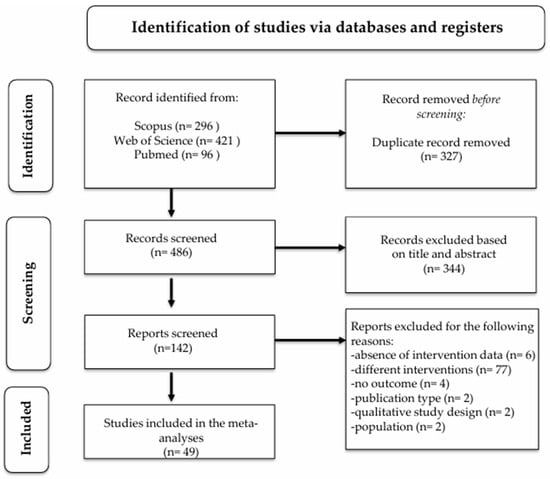
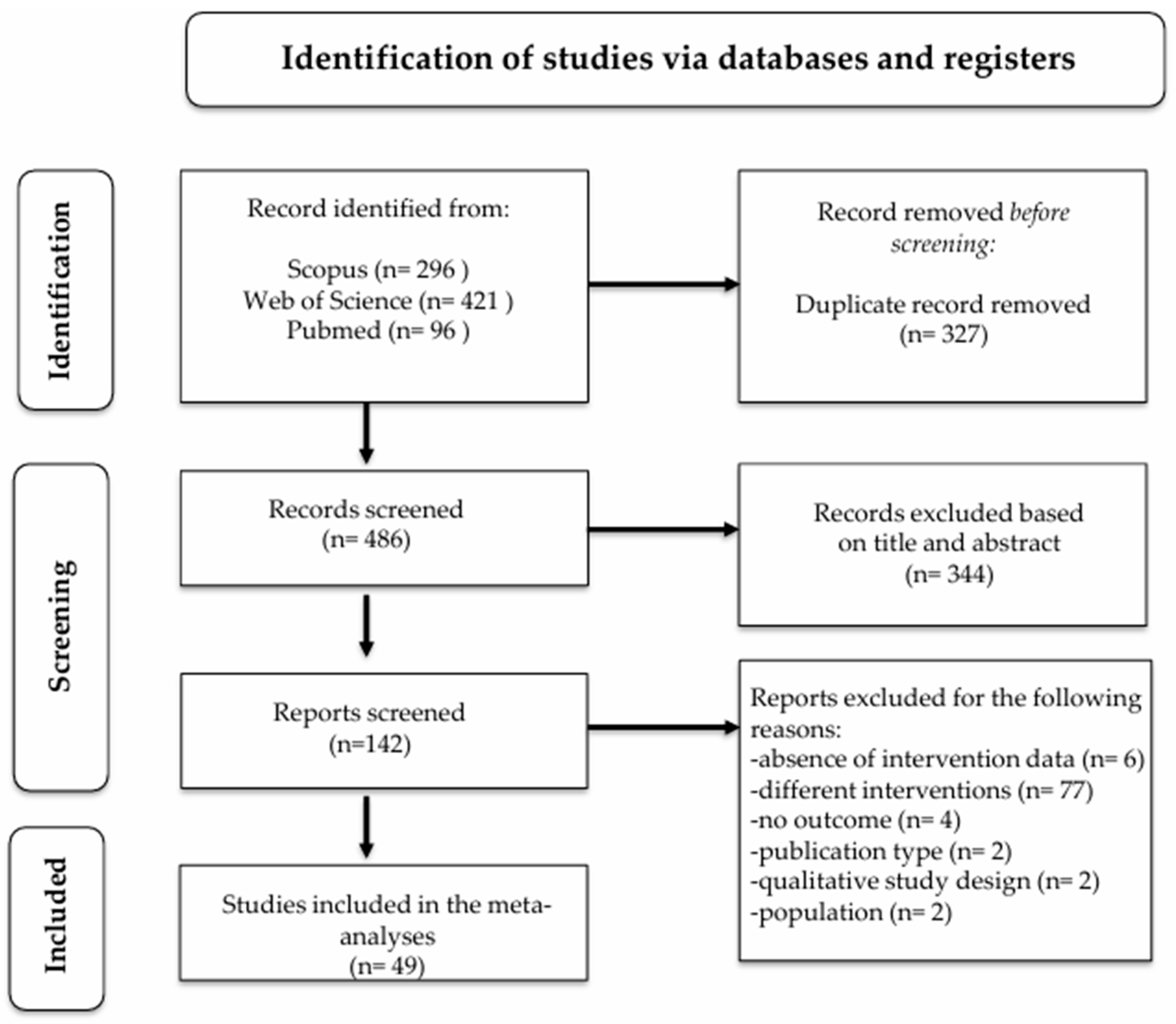
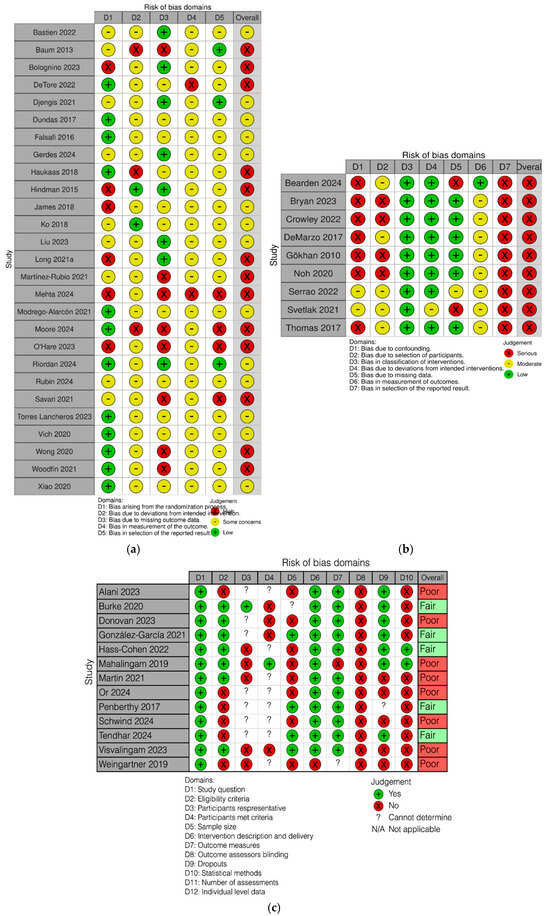
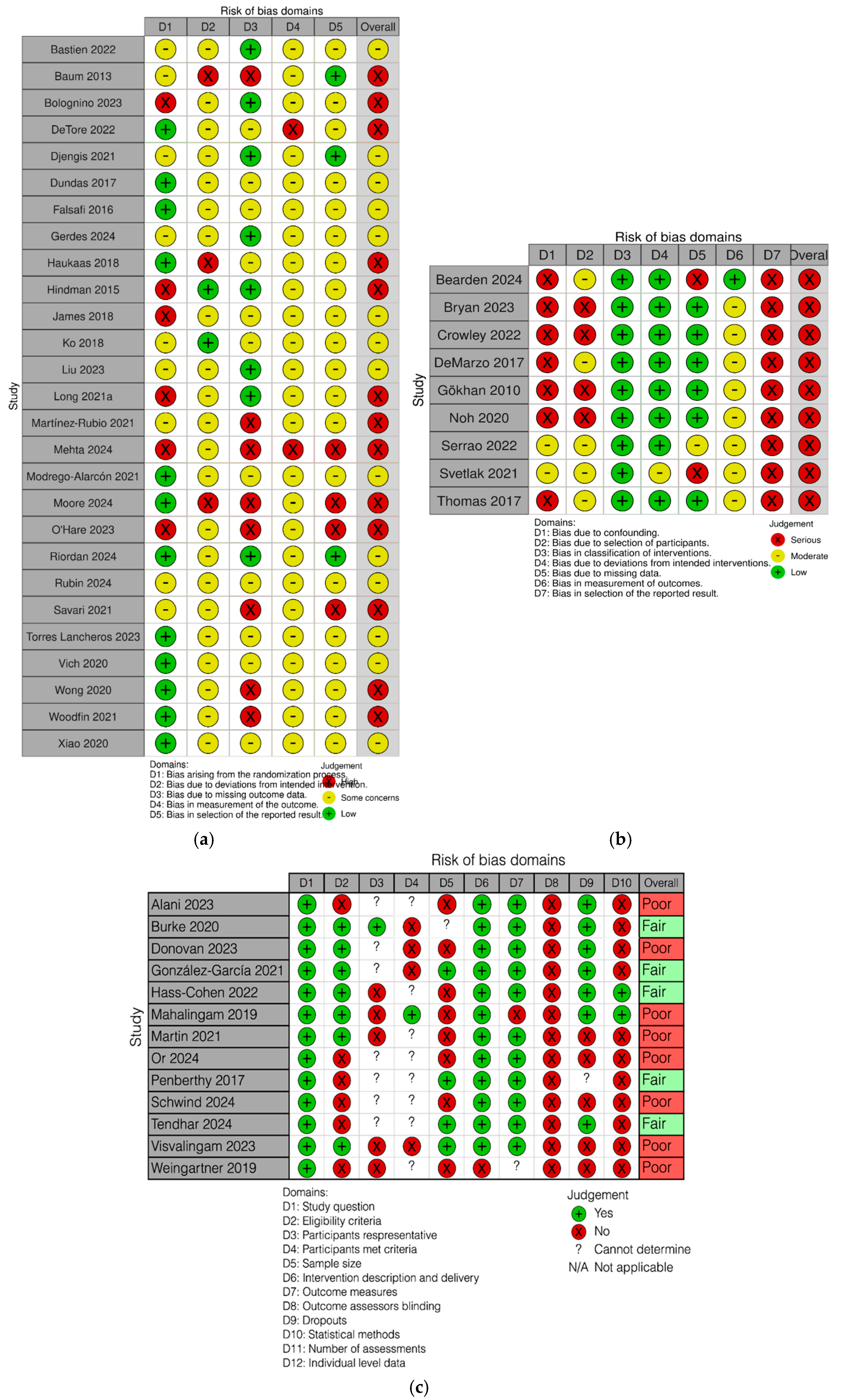
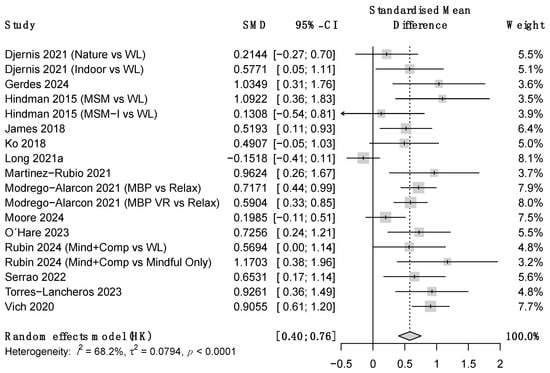
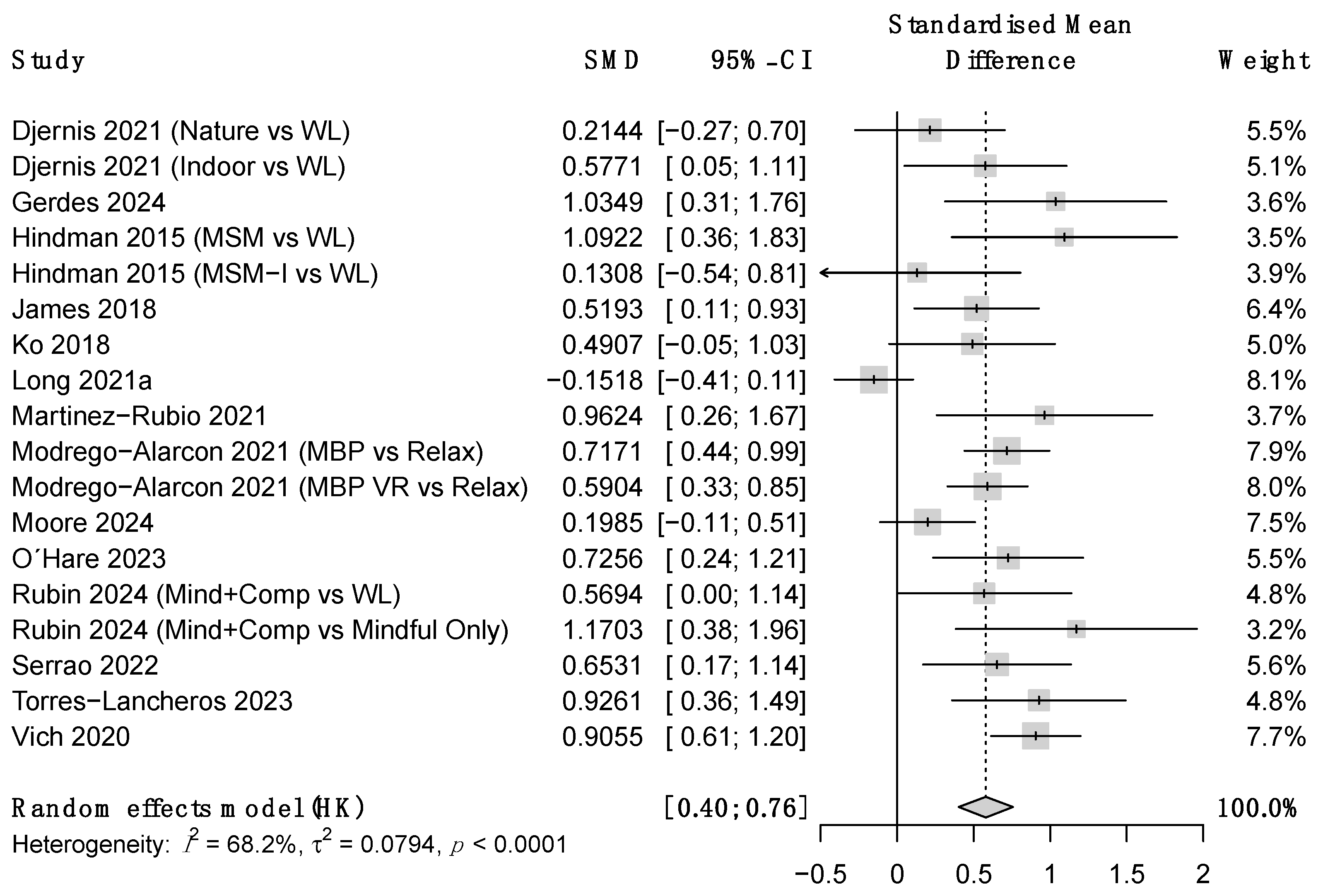
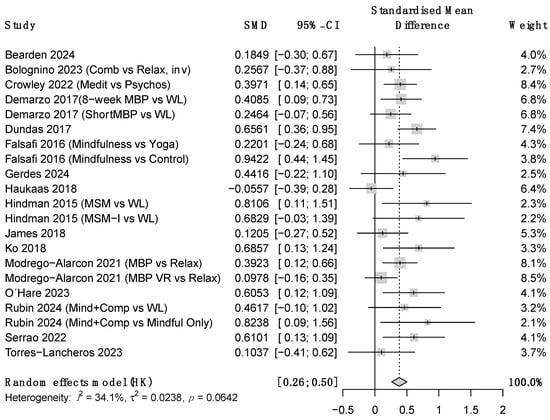
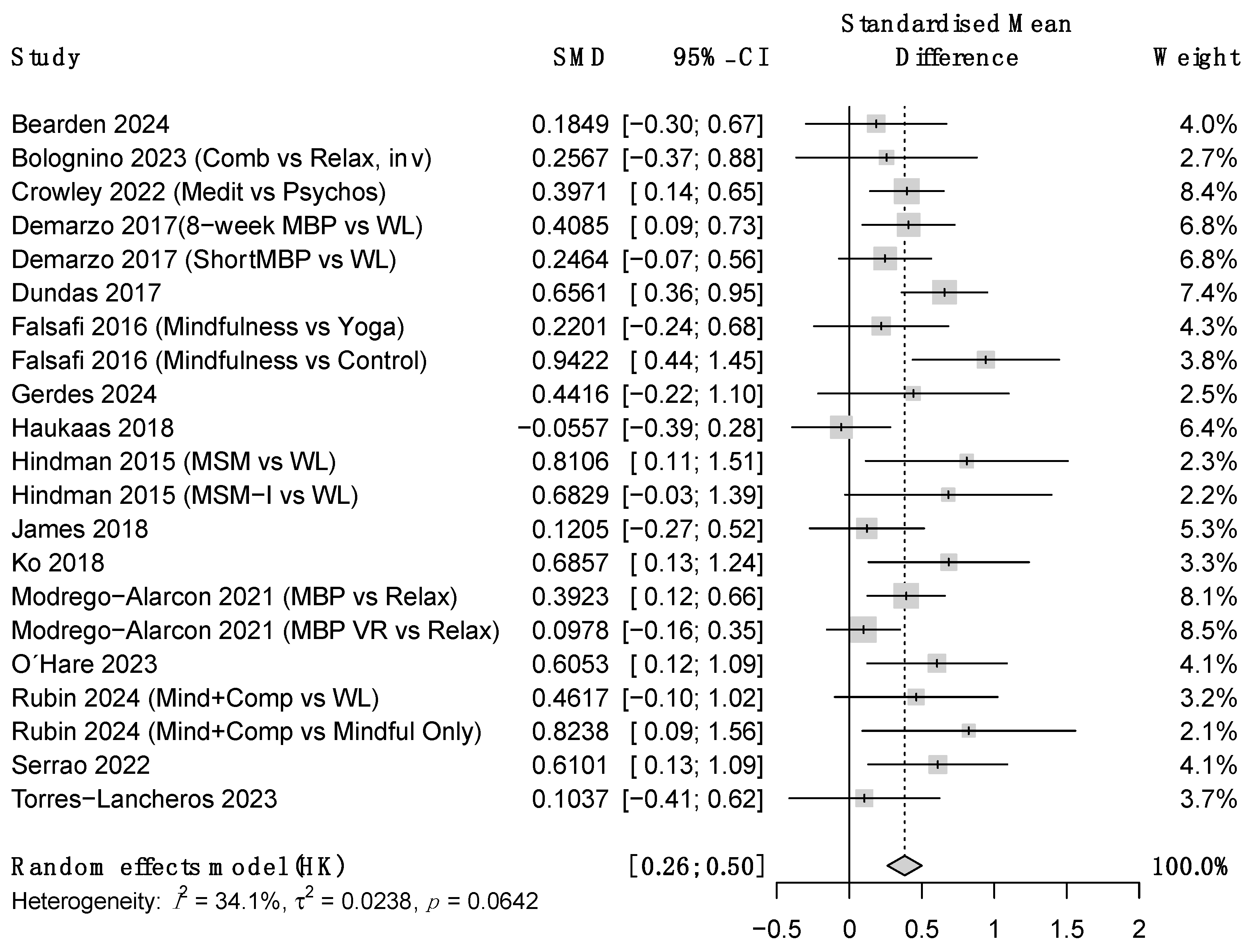
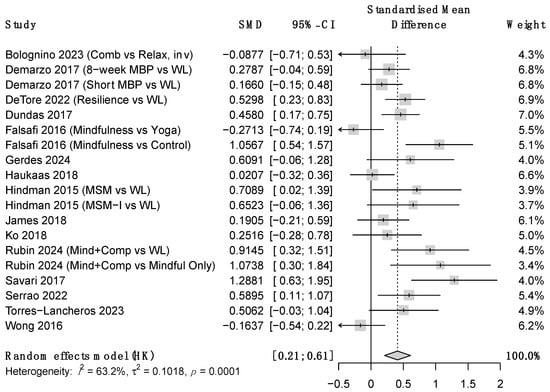
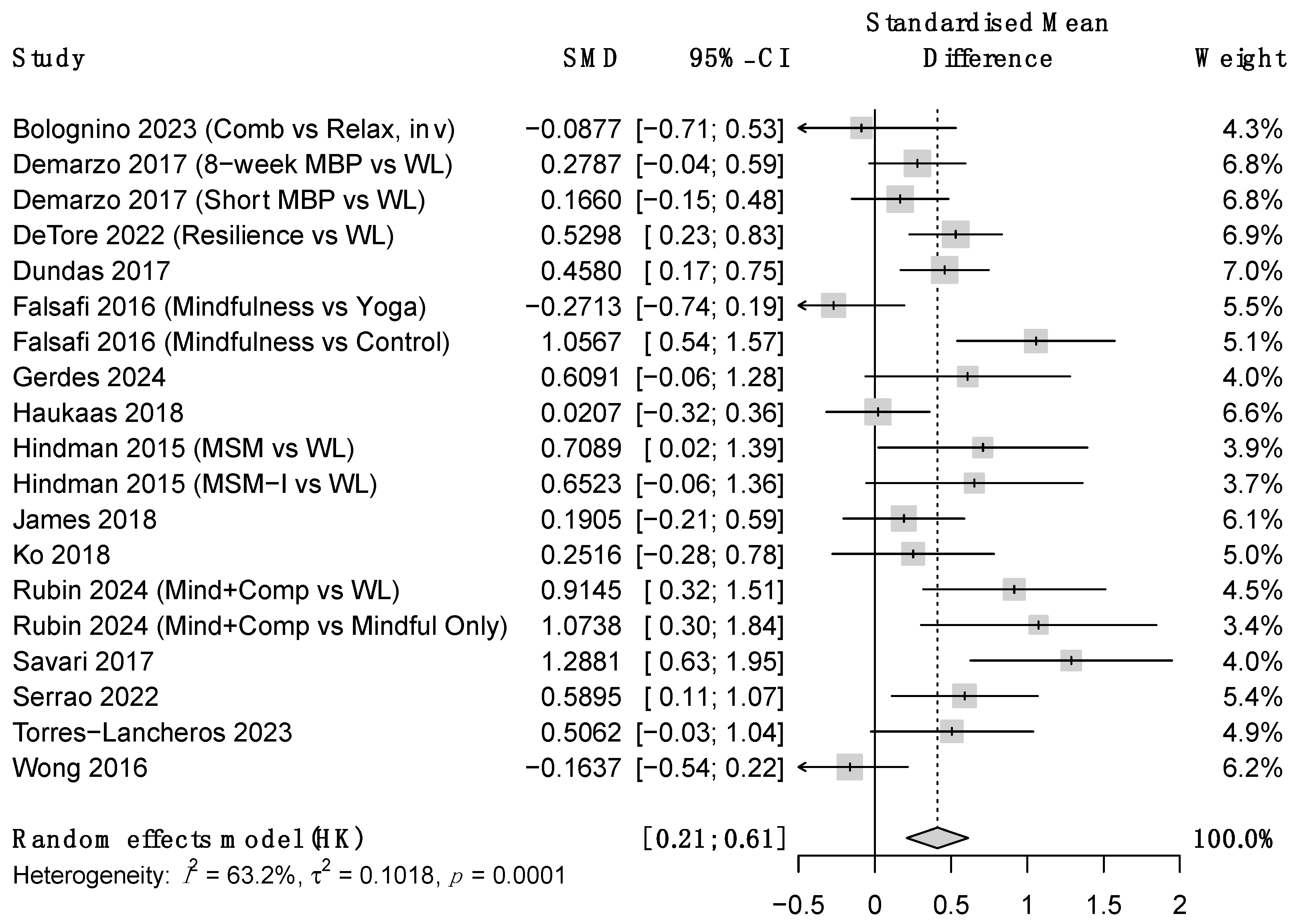
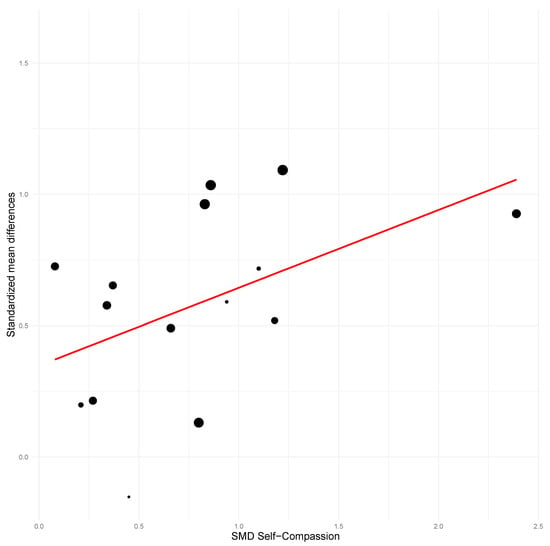
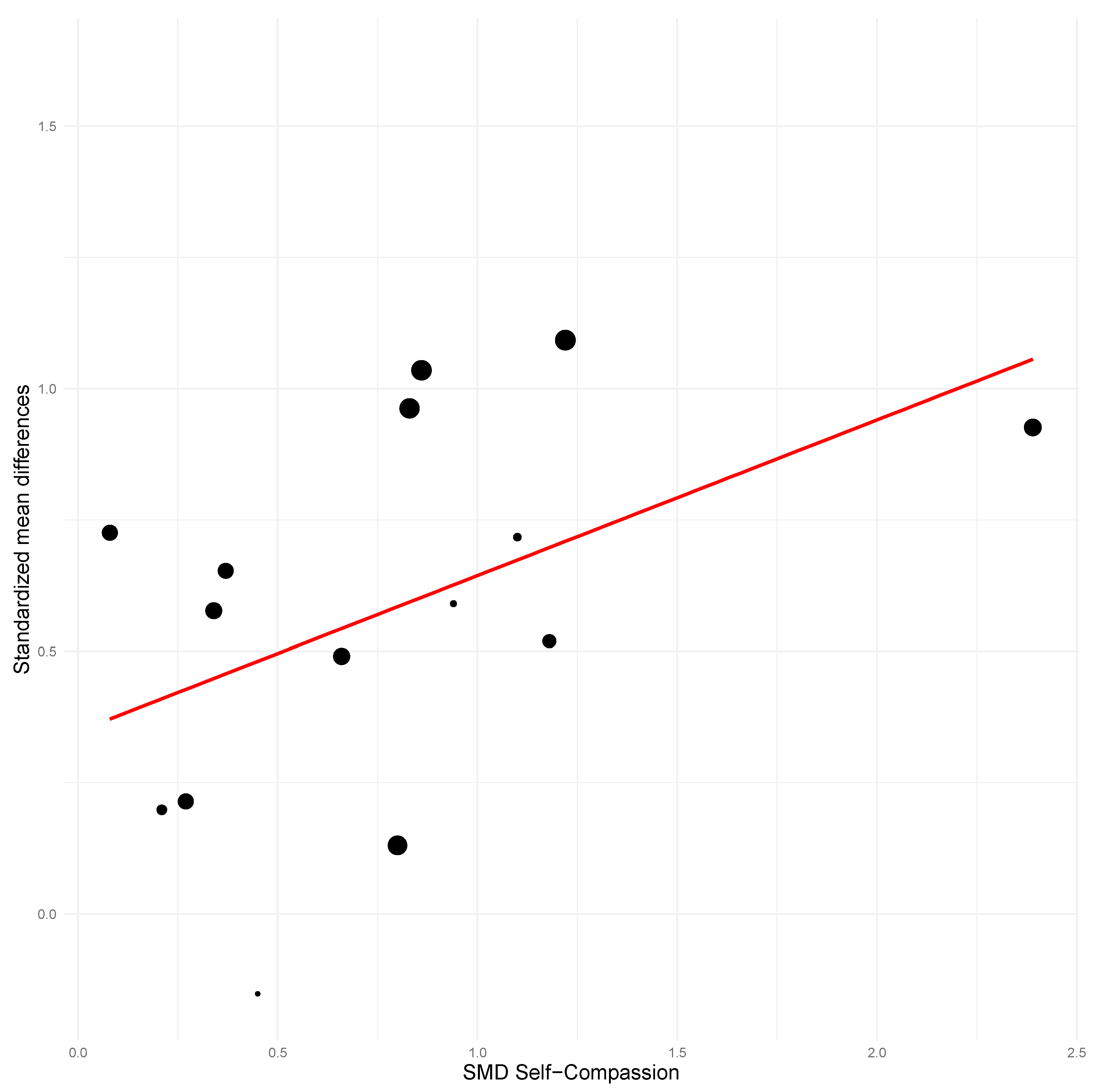
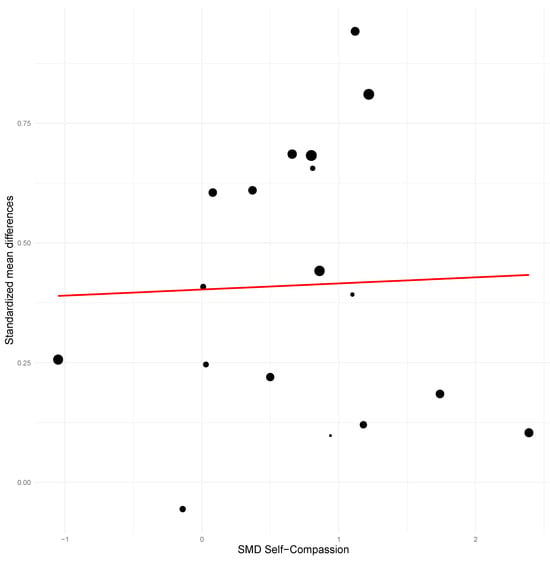
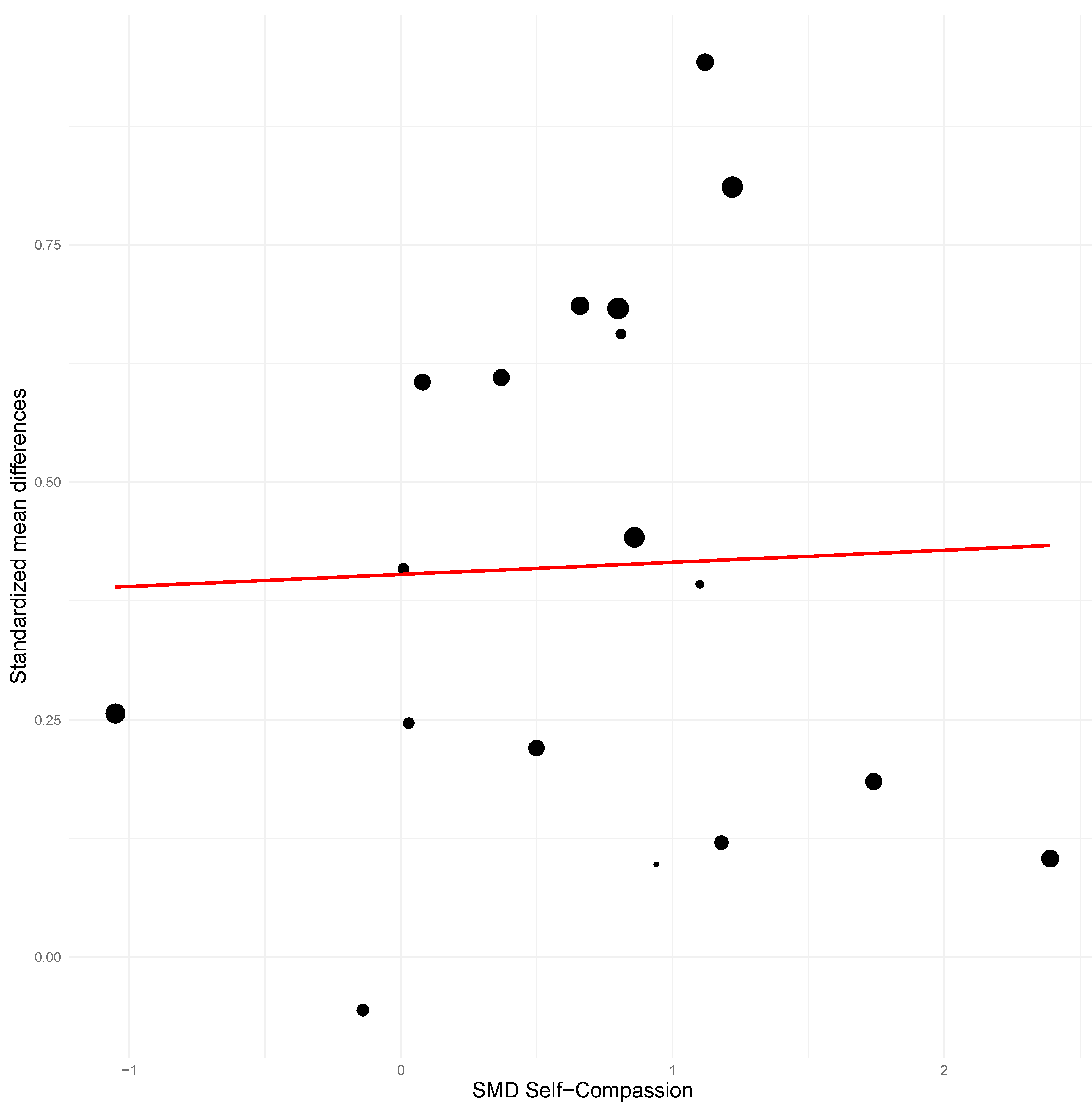
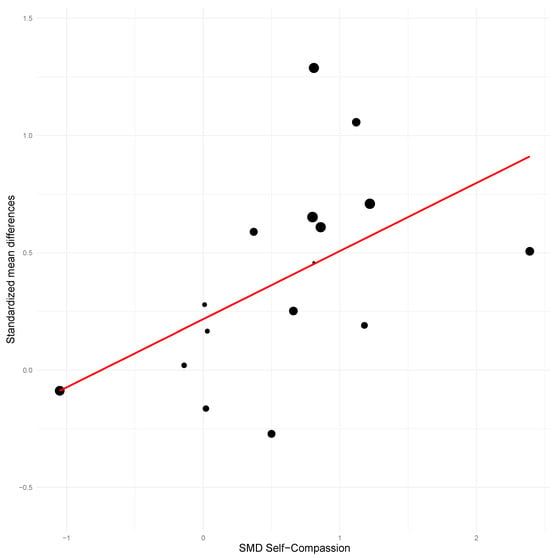
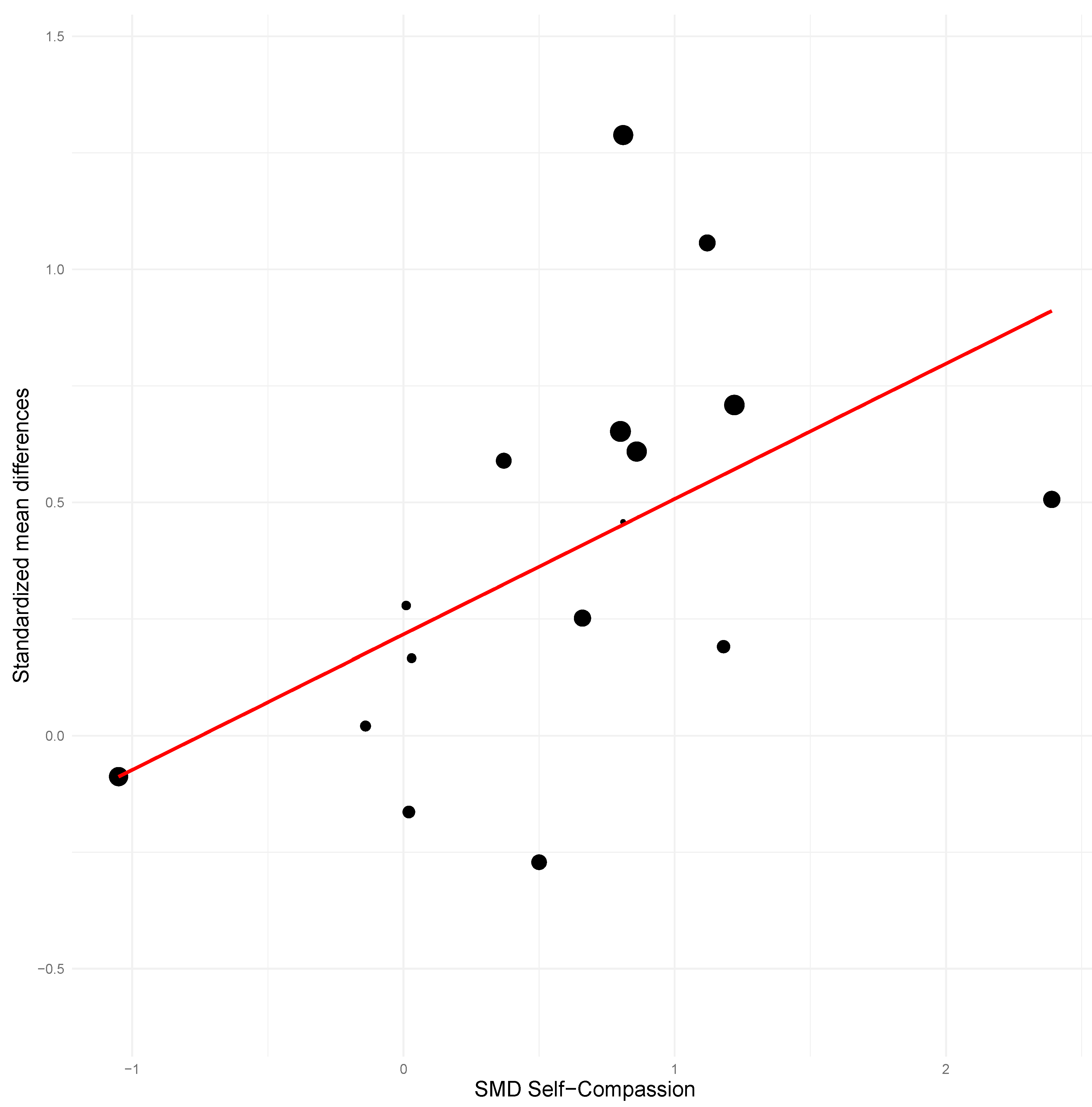

Disclaimer/Publisher’s Note: The statements, opinions and data contained in all publications are solely those of the individual author(s) and contributor(s) and not of MDPI and/or the editor(s). MDPI and/or the editor(s) disclaim responsibility for any injury to people or property resulting from any ideas, methods, instructions or products referred to in the content. |
© 2026 by the authors. Published by MDPI on behalf of the University Association of Education and Psychology. Licensee MDPI, Basel, Switzerland. This article is an open access article distributed under the terms and conditions of the Creative Commons Attribution (CC BY) license.