Article

Dynamic Modeling of the Human Coagulation Cascade Using Reduced Order Effective Kinetic Models
School of Chemical and Biomolecular Engineering, 244 Olin Hall, Cornell University, Ithaca, NY 14853, USA
*
Author to whom correspondence should be addressed.
Processes 2015, 3(1), 178-203; https://doi.org/10.3390/pr3010178
Submission received: 29 October 2014 / Revised: 3 March 2015 / Accepted: 10 March 2015 / Published: 16 March 2015
(This article belongs to the Special Issue Modeling and Analysis of Signal Transduction Networks)

Abstract

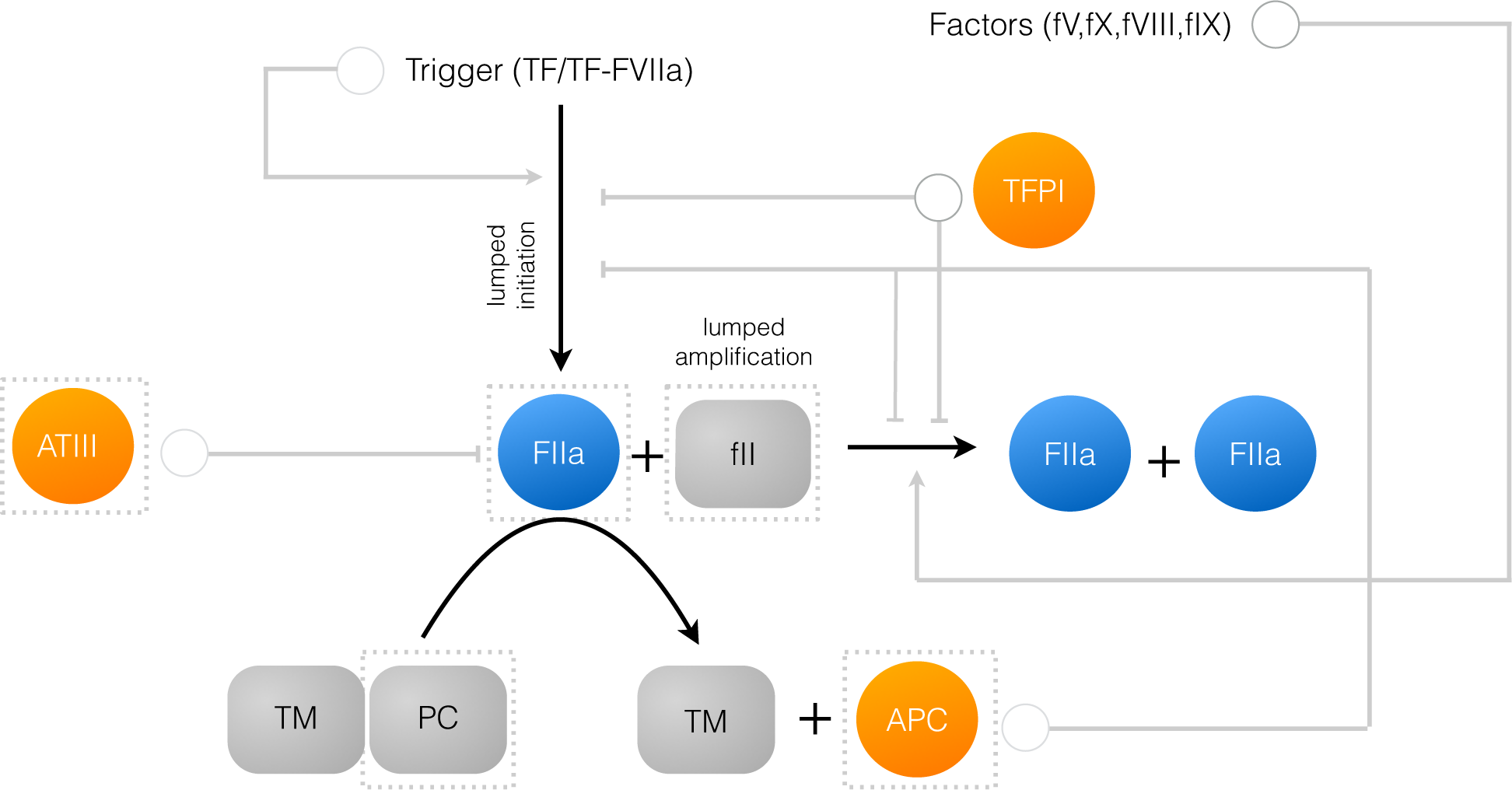
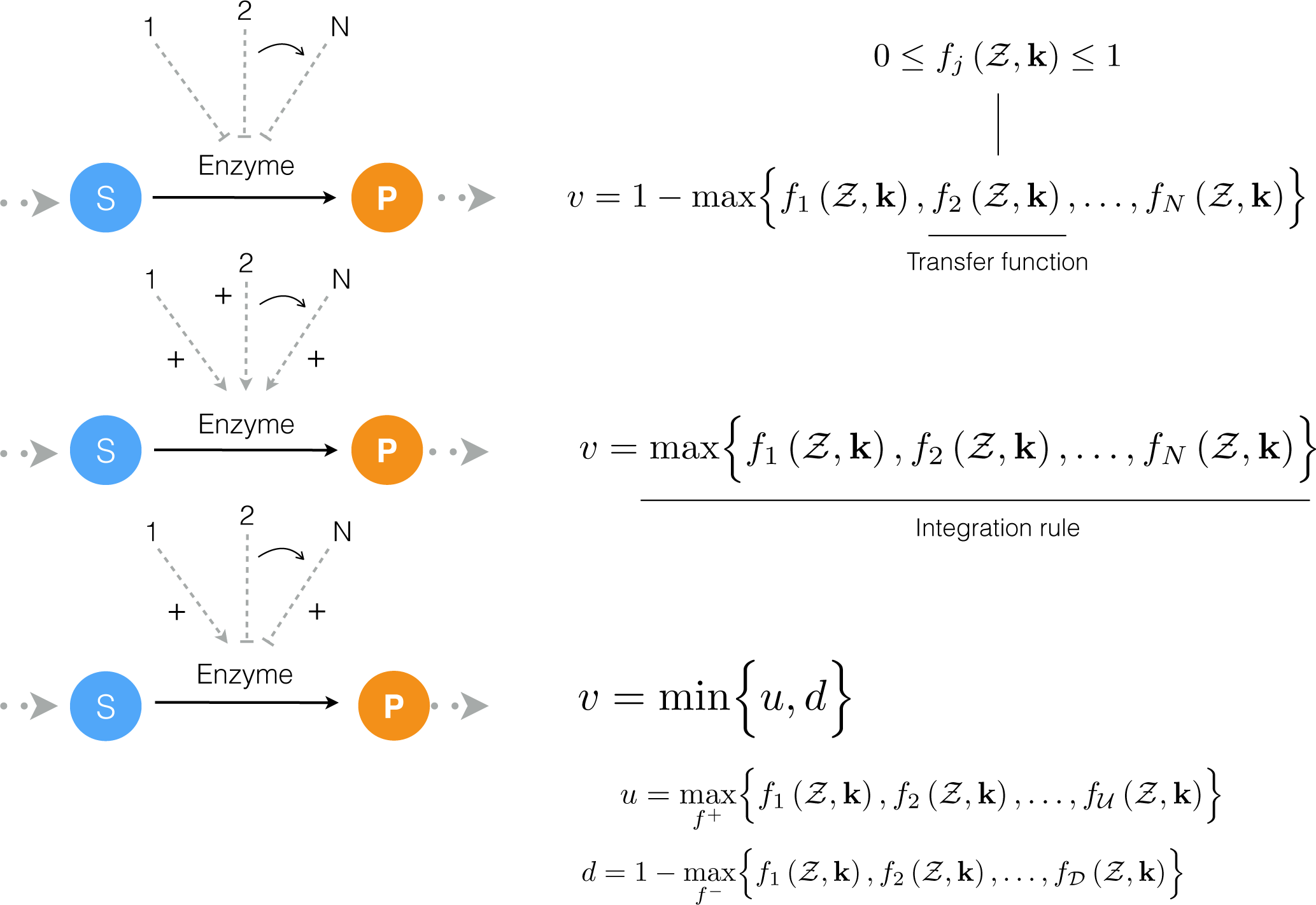
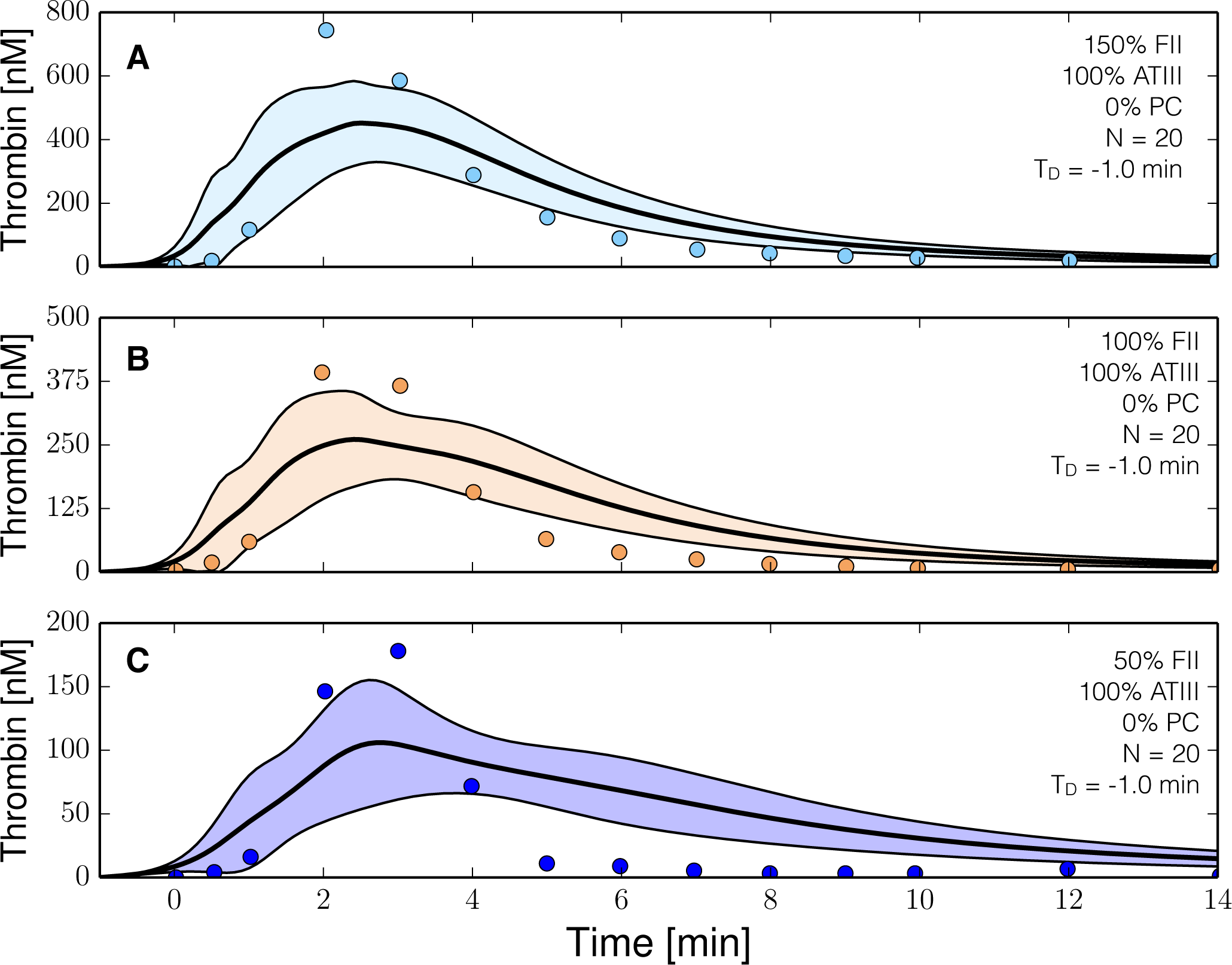
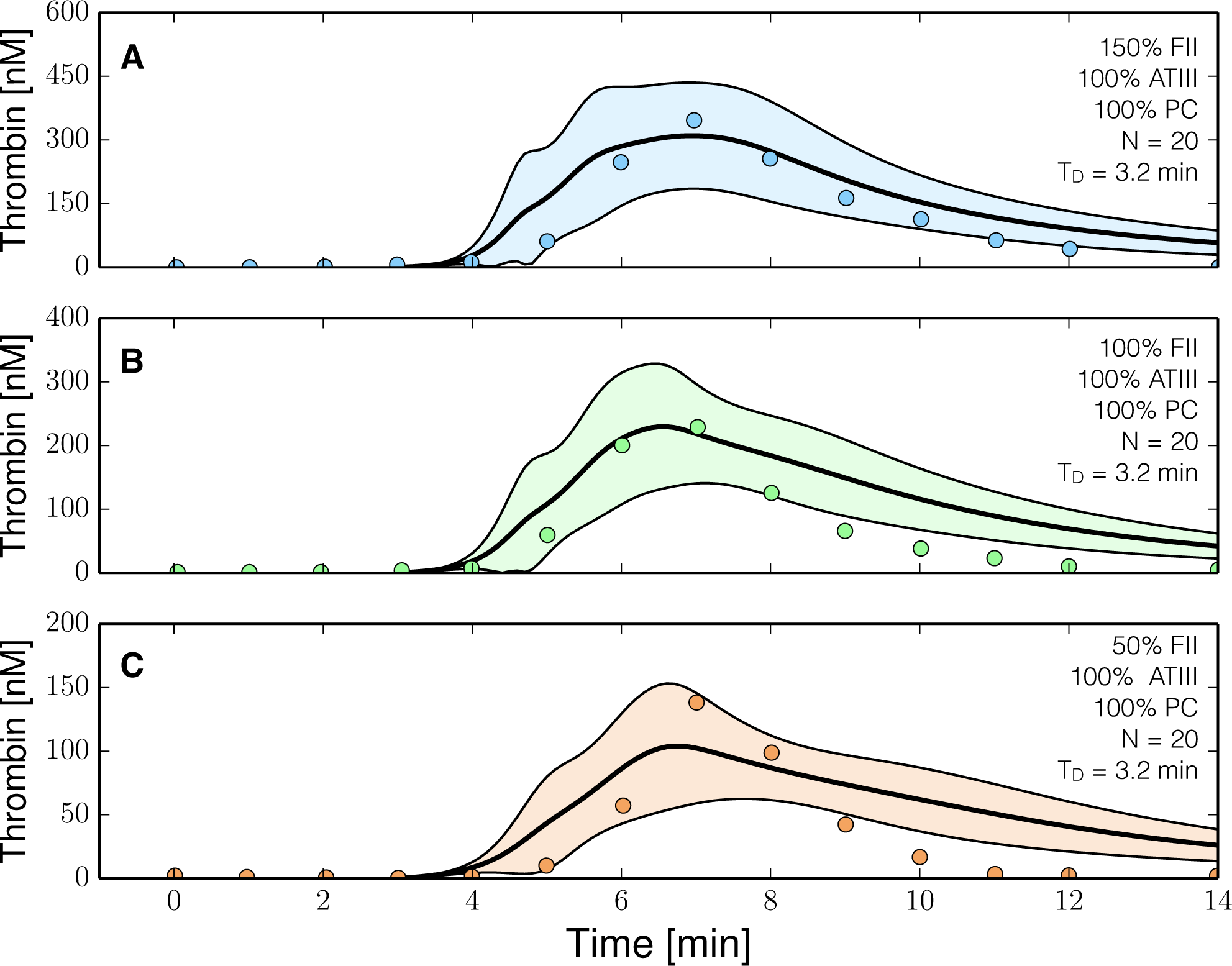
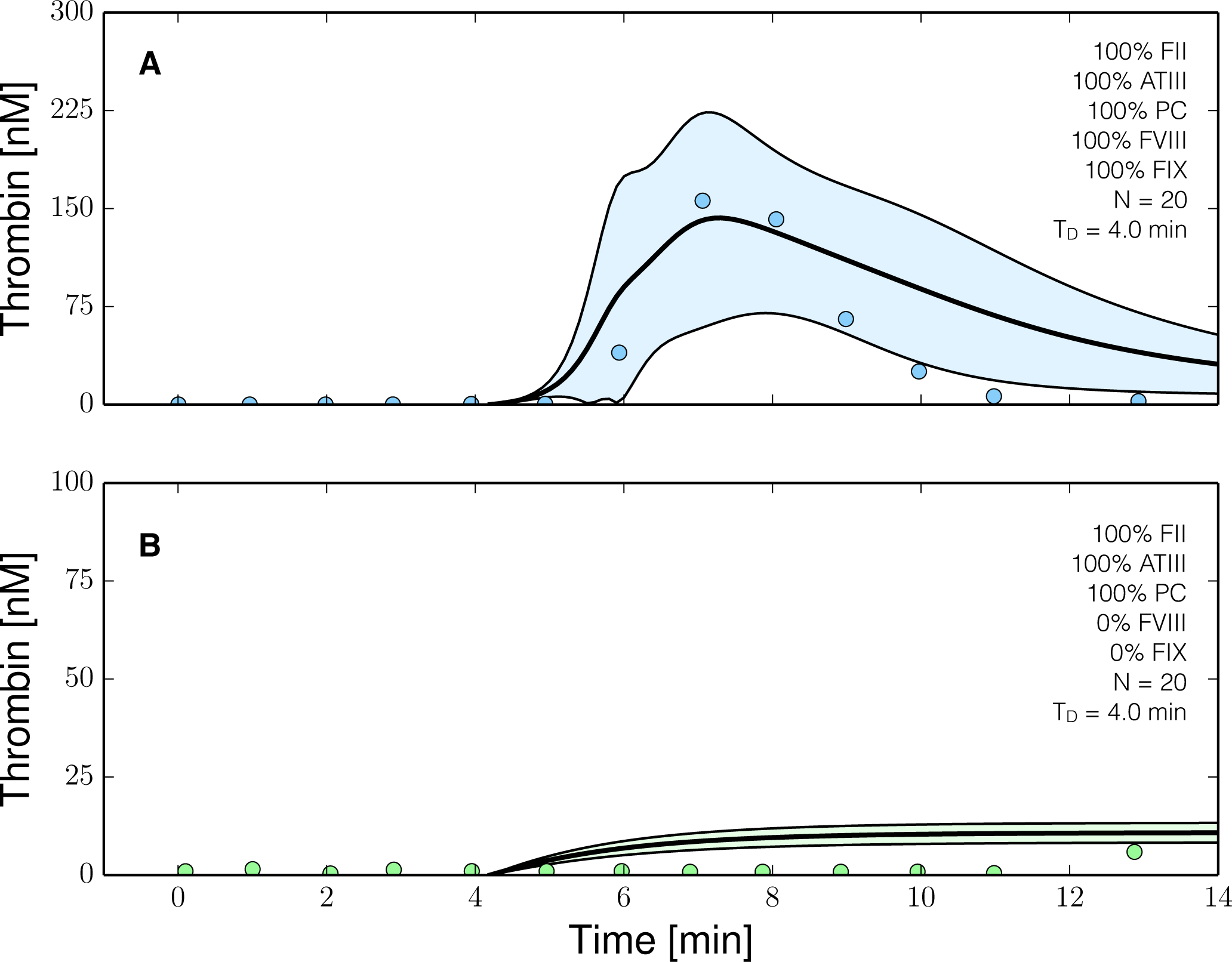
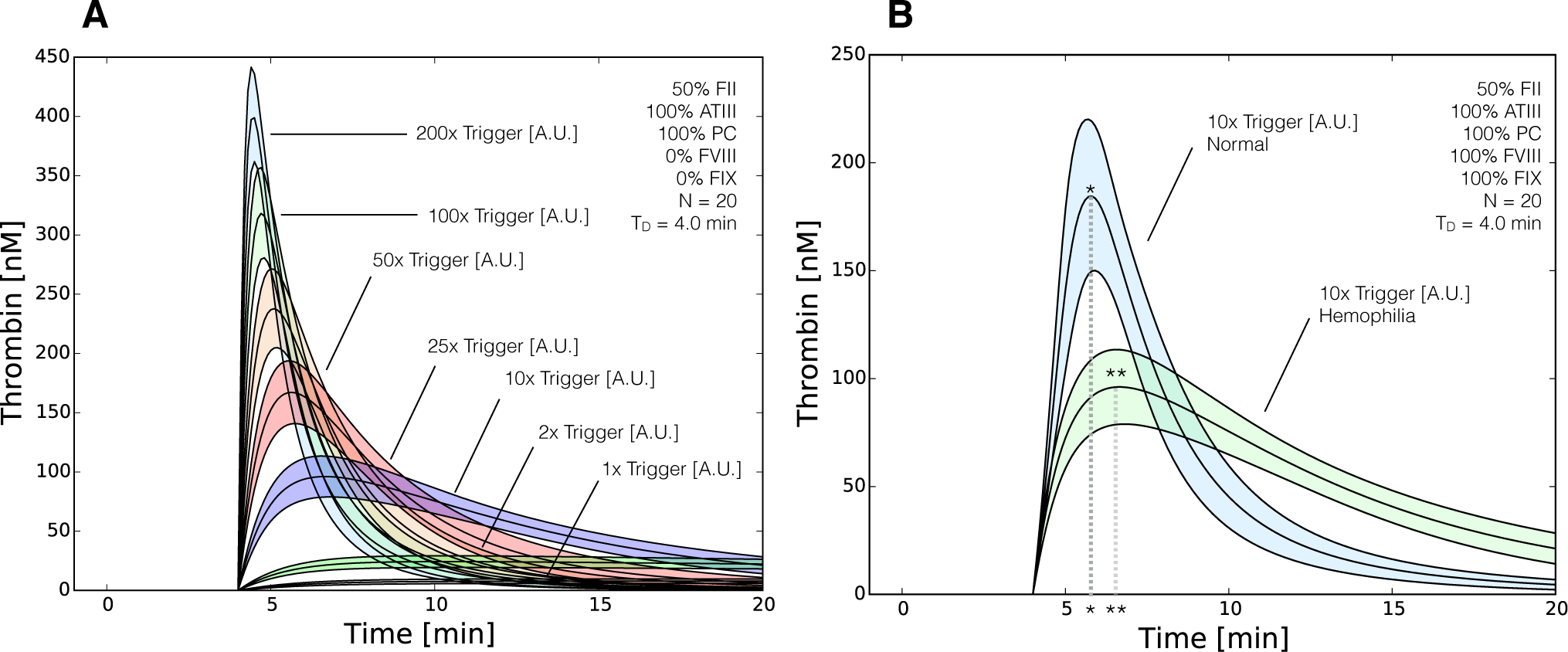
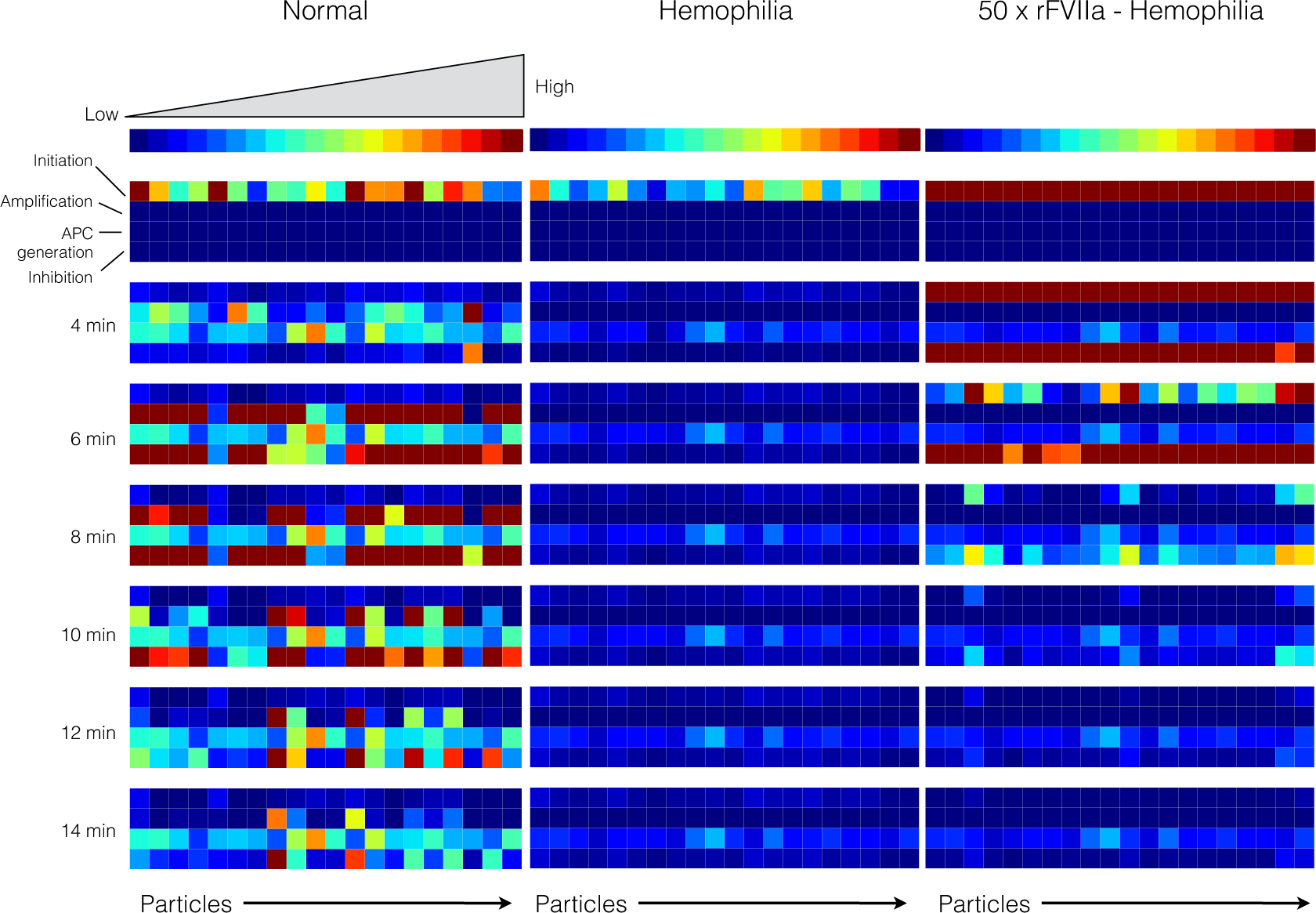
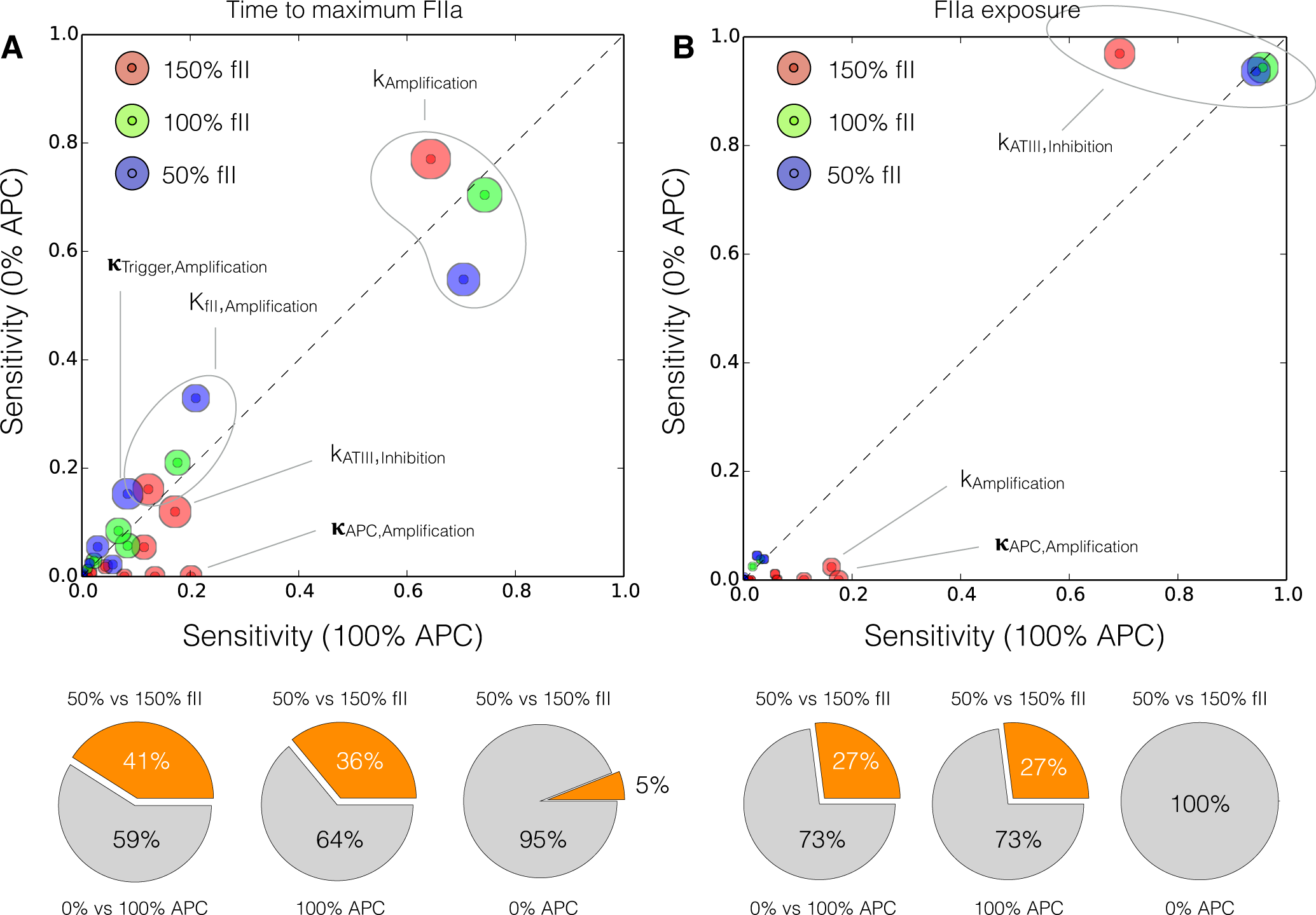
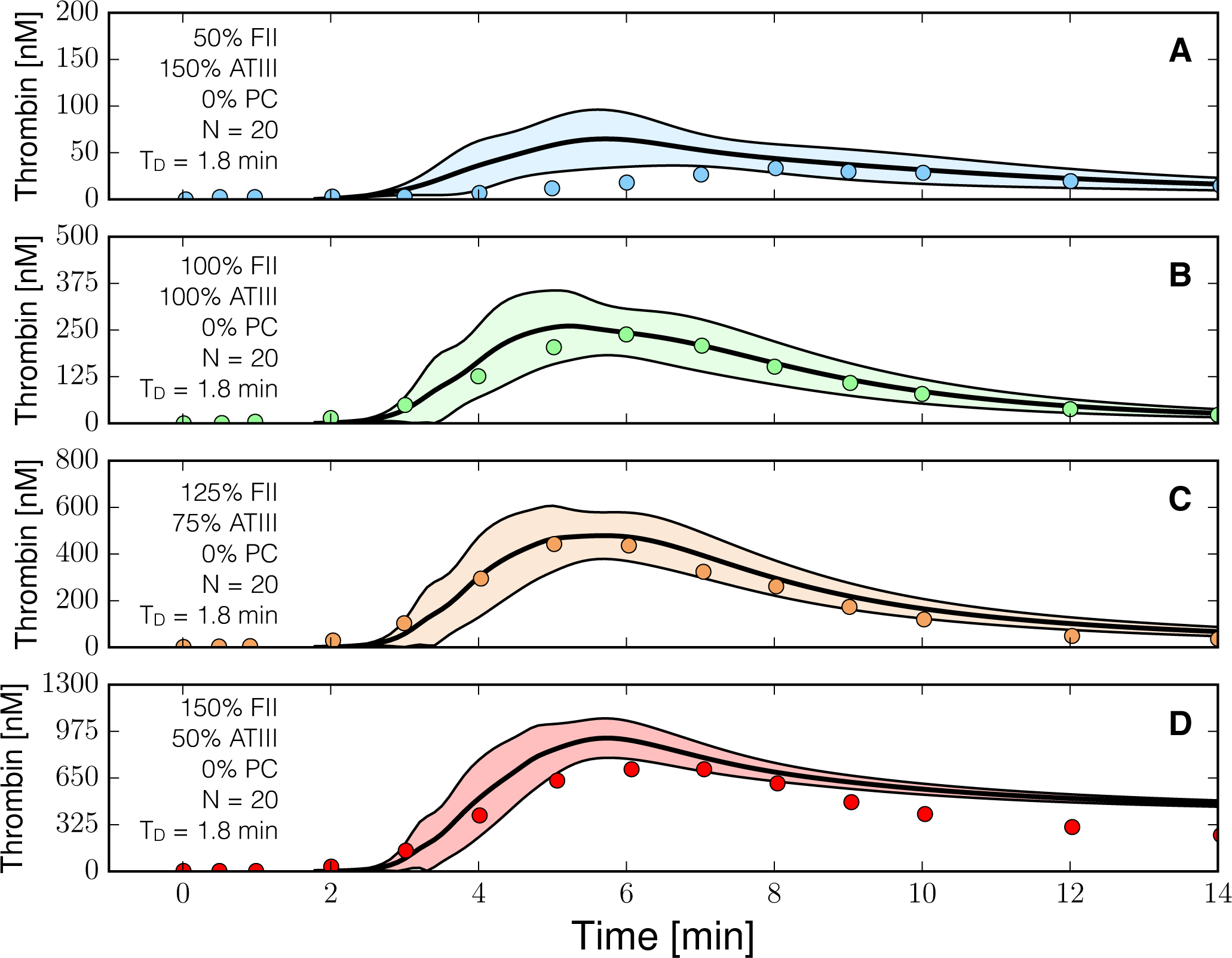
In this study, we present a novel modeling approach which combines ordinary differential equation (ODE) modeling with logical rules to simulate an archetype biochemical network, the human coagulation cascade. The model consisted of five differential equations augmented with several logical rules describing regulatory connections between model components, and unmodeled interactions in the network. This formulation was more than an order of magnitude smaller than current coagulation models, because many of the mechanistic details of coagulation were encoded as logical rules. We estimated an ensemble of likely model parameters (N = 20) from in vitro extrinsic coagulation data sets, with and without inhibitors, by minimizing the residual between model simulations and experimental measurements using particle swarm optimization (PSO). Each parameter set in our ensemble corresponded to a unique particle in the PSO. We then validated the model ensemble using thrombin data sets that were not used during training. The ensemble predicted thrombin trajectories for conditions not used for model training, including thrombin generation for normal and hemophilic coagulation in the presence of platelets (a significant unmodeled component). We then used flux analysis to understand how the network operated in a variety of conditions, and global sensitivity analysis to identify which parameters controlled the performance of the network. Taken together, the hybrid approach produced a surprisingly predictive model given its small size, suggesting the proposed framework could also be used to dynamically model other biochemical networks, including intracellular metabolic networks, gene expression programs or potentially even cell free metabolic systems.
Keywords: blood coagulation; mathematical modeling; systems biology blood coagulation; mathematical modeling; systems biology