Article

Optimizing Biodiesel Synthesis: From Process Parameters to the Distinct and Sub-Additive Effects of Water and Iron in Supercritical Methanol
1
School of Environmental and Chemical Engineering, Nanchang Hangkong University, Nanchang 330096, China
2
Key Laboratory of Greenhouse Gas Accounting and Carbon Reduction of Jiangxi Province, Institute of Energy Research, Jiangxi Academy of Sciences, Nanchang 330096, China
3
Jiangxi Carbon Neutralization Research Center, Nanchang 330096, China
*
Authors to whom correspondence should be addressed.
Processes 2026, 14(9), 1498; https://doi.org/10.3390/pr14091498
Submission received: 13 March 2026 / Revised: 1 May 2026 / Accepted: 1 May 2026 / Published: 6 May 2026
(This article belongs to the Topic Advanced Bioenergy and Biofuel Technologies)

Abstract

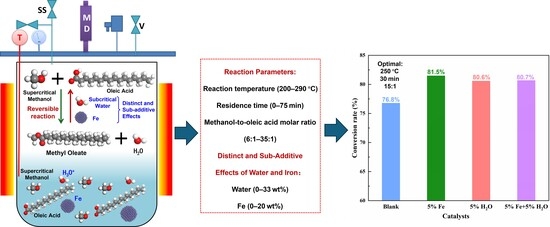
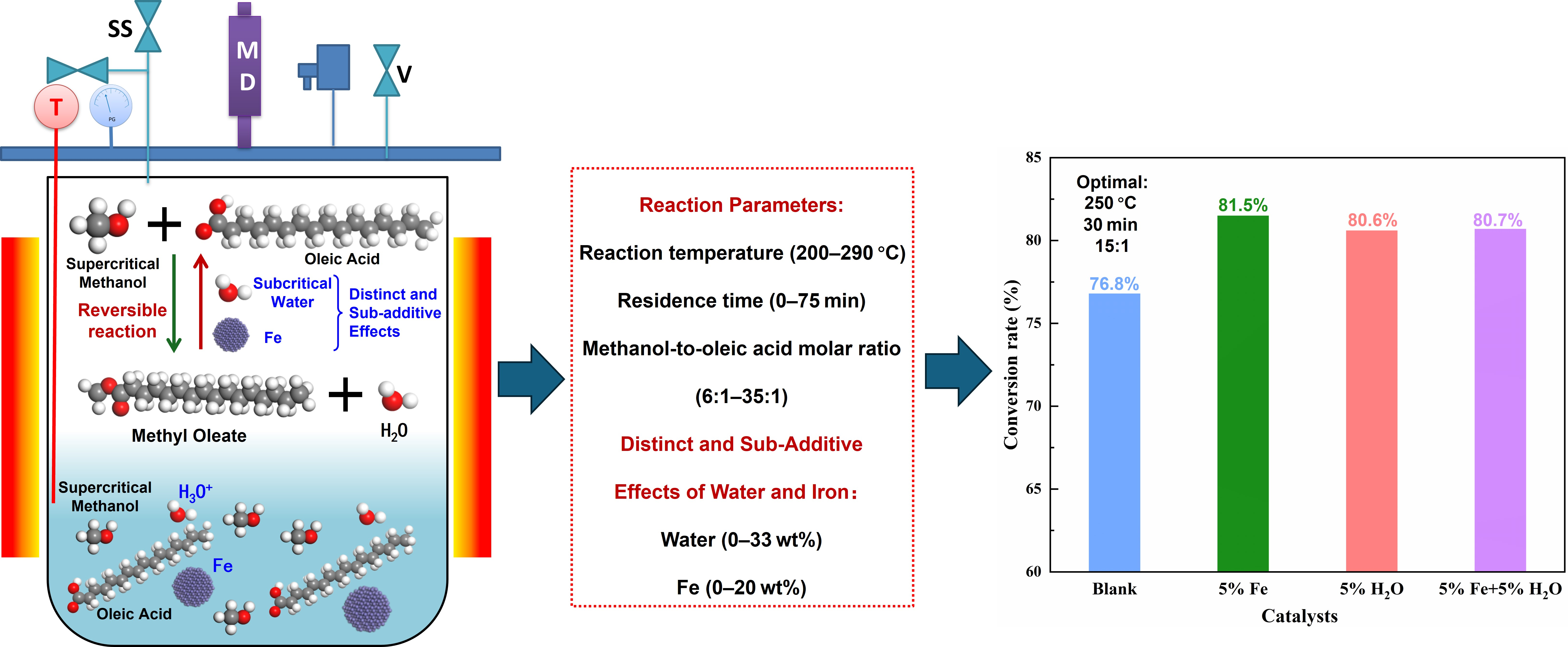
Biodiesel is a promising green and renewable fuel that can replace fossil fuels and reduce greenhouse gas emissions. The effects of reaction temperature (200–290 °C), residence time (0–75 min), and methanol-to-oleic acid molar ratio (6:1–35:1) on the esterification of oleic acid with supercritical methanol were investigated in a batch reactor. Furthermore, orthogonal experiments were designed to explore the optimal reaction conditions. and the influences of H2O (0–33.3 wt%) and Fe (0–20.0 wt%) contents were examined. Results showed that the conversion of oleic acid to methyl oleate exhibited a volcano-type dependence on both temperature and molar ratio, peaking at 250 °C and a ratio of 15:1, respectively. Conversion initially increased with residence time, then plateaued around 30 min. Under the optimal conditions of 250 °C, 30 min, and a 15:1 molar ratio, the conversion reached 76.8%. Both additives enhanced conversion at low loadings (≤5.0 wt%). However, higher water content inhibited conversion, whereas the promotional effect of Fe saturated beyond 5.0 wt%. The co-addition of 5.0 wt% water and 5.0 wt% Fe yielded a positive but sub-additive effects: conversion exceeded that with water alone but remained lower than with Fe alone. These findings contribute to advancing the high-efficiency and low-cost production of biodiesel.

Graphical Abstract

1. Introduction

The sustained consumption and combustion of fossil fuels have led to a continuous increase in CO2 emissions, exacerbating the greenhouse effect and contributing to a variety of environmental issues. In response to global climate change, significant efforts have been directed towards the advancement of clean energy and low-carbon technologies to expedite the transition of the global energy landscape [1]. Within the realm of renewable liquid fuels, biodiesel—composed primarily of fatty acid methyl esters (FAME)—presents advantages such as reduced greenhouse gas emissions, favorable combustion properties, biodegradability, and low toxicity [2]. Industrial biodiesel is typically manufactured at relatively modest temperatures through the esterification or transesterification of vegetable oils, animal fats, or waste oils with methanol in the presence of catalysts [3]. Catalysts are broadly classified as noble-metal and non-noble-metal systems [4,5,6,7]. Noble-metal catalysts typically exhibit high activity and stability [8]. For example, Marchetti et al. [9] reported a FAME conversion rate exceeding 75.0% in Au-catalyzed esterification of glycerol with methanol. Sahani et al. [10] achieved a conversion rate of 98% using Sr–Ti mixed oxides under optimized conditions (1.0 wt% catalyst, methanol/oil = 11:1, 65 °C, 80 min, 600 rpm). Borah et al. [11] realized a conversion rate of 98.0% employing a Co-doped ZnO nano catalyst at temperature of 60 °C, loading of 2.5 wt%, methanol/Mesua ferrea oil ratio of 9:1, and duration of 3 h. Despite the attractive activity, corrosion resistance, and oxidation stability of catalysts based on Au, Ti, and Co, their high cost poses a limitation on large-scale deployment. In addition, the presence of water in feedstocks can significantly impede the conversion rate. Feng et al. [12] found that the free fatty acid (FFA) conversion rate decreased from 94.3% to 55.3% with increasing water content from 0.3 wt% to 5.0 wt%. Similarly, Park et al. [13] reported an increase in water content from 0 wt% to 20.0 wt% led to a reduction in FAME content from approximately 91% to around 77.0% when sulfuric acid was used as a catalyst, the oil/methanol ratio was 1:3 and the reaction temperature was 80 °C. To reduce the use of catalysts and lower the inhibitory effect of water, supercritical methanol (Tc = 239.4 °C, Pc = 8.1 MPa) offers an alternative, catalyst-free route to produce biodiesel due to its high diffusivity, enhanced reactivity, and low dielectric constant [14,15]. The unique properties of supercritical alcohols, including their tunable solvent strength and ability to simultaneously perform extraction and reaction, have been extensively exploited for biodiesel synthesis from various feedstocks. High biodiesel yields have been reported, e.g., 95.7% from squalene oil at 287 °C, 123 bar, methanol/oil = 30:1 [14], and 78.0% from sea mango oil at 380 °C, 40 min, methanol/oil = 45:1 [15]. However, the heightened temperature, pressure, and excess methanol demanded in supercritical processes lead to increased energy requirements and solvent consumption. To address these challenges, two approaches have been investigated: (i) magnetic catalysts possessing a high specific surface area that facilitate easy recovery [16,17,18], and (ii) the utilization of water, which undergoes partial ionization under subcritical/supercritical conditions and can enhance esterification reactions [19,20]. For instance, a biodiesel yield of 99.8% was achieved using 2.0 wt% CaO@γ-Fe2O3 at 70 °C for 3 h with a methanol/soybean oil ratio of 15:1 [17]. A maximum 95% yield was reported with KF/CaO–Fe3O4 (65 °C, methanol/oil = 12:1, 4.0 wt%, 3 h) [18].
Under supercritical methanol conditions, introducing water from 0% to 20.0% resulted in an increase in biodiesel yield from 70.0% to 90.0% [20]. Transition-metal iron (Fe) is particularly appealing due to its catalytic prowess, recyclability, cost-effectiveness, and resistance to corrosion [21,22]. As characterized in our previous work [23,24], cold-rolling oily sludge is a hazardous solid waste generated in large quantities by the steel industry, which is a stable emulsion consisting of oil, water and iron fines: (i) an oil phase rich in in long-chain free fatty acids (FFAs) such as oleic acid and palmitic acid, with (FFAs) accounting for more than 80.0%; (ii) an aqueous phase; and (iii) fine iron particles, primarily composed of metallic Fe and Fe3O4. The complex and stable emulsion structure of this waste makes it difficult to treat by conventional methods, posing significant environmental risks if disposed of improperly. The simultaneous presence of FFAs, water, and iron in cold-rolling oily sludge presents both a challenge and an opportunity. While these components hinder simple separation, they also create a unique reaction environment. Supercritical methanol treatment offers a potential one-step approach to simultaneously achieve demulsification, esterification of FFAs to biodiesel, and recovery of iron resources. However, the fundamental interactions between supercritical methanol and FFAs in the presence of Fe and water—the key components of the sludge—remain poorly understood. In particular, the individual and combined effects of Fe and water on the esterification reaction are critical for optimizing process conditions for real waste valorization. Against this background, the esterification of oleic acid (as a model FFA) with supercritical methanol was systematically conducted. Specifically, the effects of reaction temperature (200–290 °C), residence time (0–75 min), and methanol-to-oleic-acid molar ratio (6:1–35:1) on the conversion rate of oleic acid to methyl oleate and the optimal conditions were investigated. In addition, the synergistic and antagonistic effects of Fe and water (the two key non-oil components in cold-rolling oily sludge) on the esterification reaction were elucidated to obtain fundamental mechanistic insights that were directly applicable to the subsequent development of an integrated process for the resource recovery of cold-rolling oily sludge. The findings of this fundamental study will provide a scientific basis for developing an integrated process for the resource recovery of hazardous oily wastes, contributing to both environmental protection and sustainable biofuel production.

2. Materials and Methods

2.1. Materials

Anhydrous methanol (99.7%, AR) and n-hexane (97.0%, AR) were purchased from Xilong Scientific Co., Ltd. (Guangdong, China). Oleic acid (AR) and methyl oleate (≥98.0%, GC) were obtained from Shanghai Aladdin Biochemical Technology Co., Ltd. (Shanghai, China). Ethyl acetate (99.7%, HPLC) and iron powder (99.0%) was supplied by Merck, Darmstadt, Germany.

2.2. Esterification Reaction of Oleic Acid and Methanol

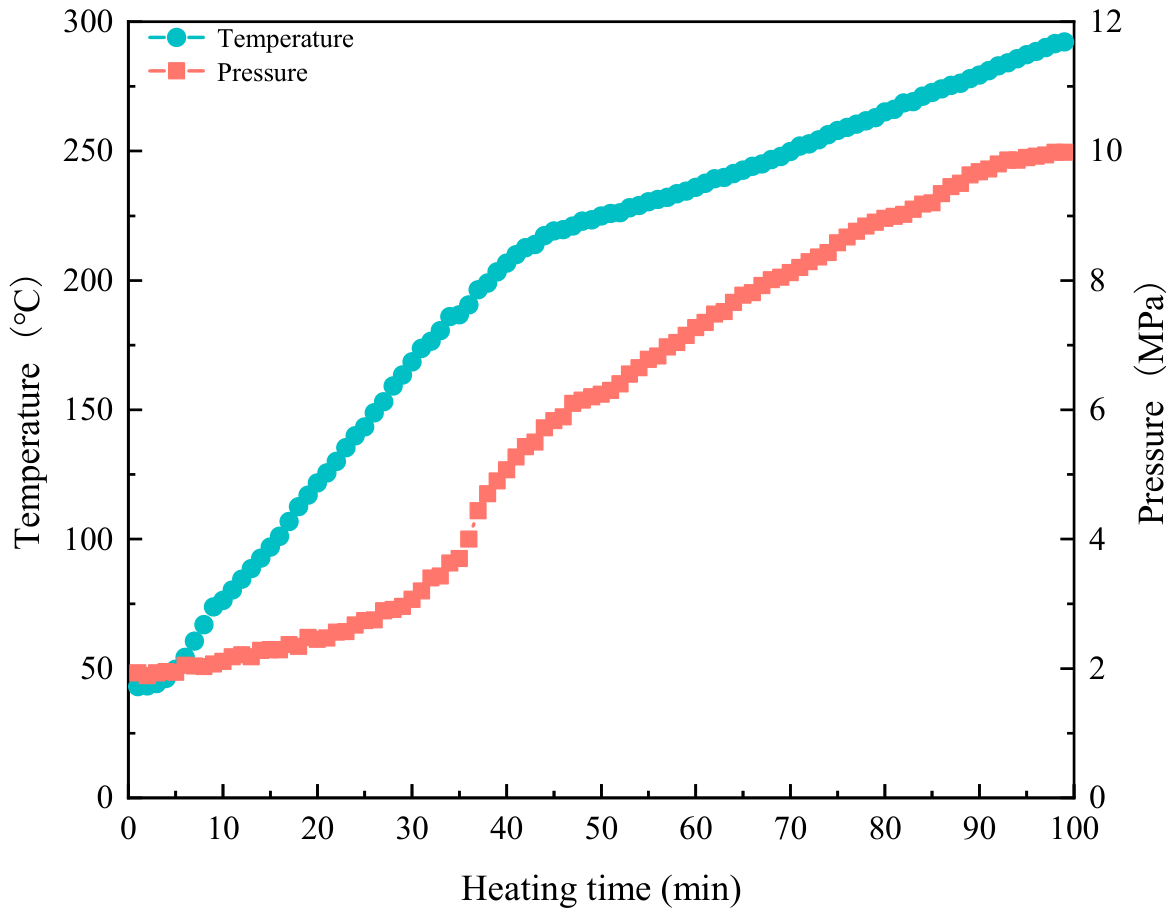
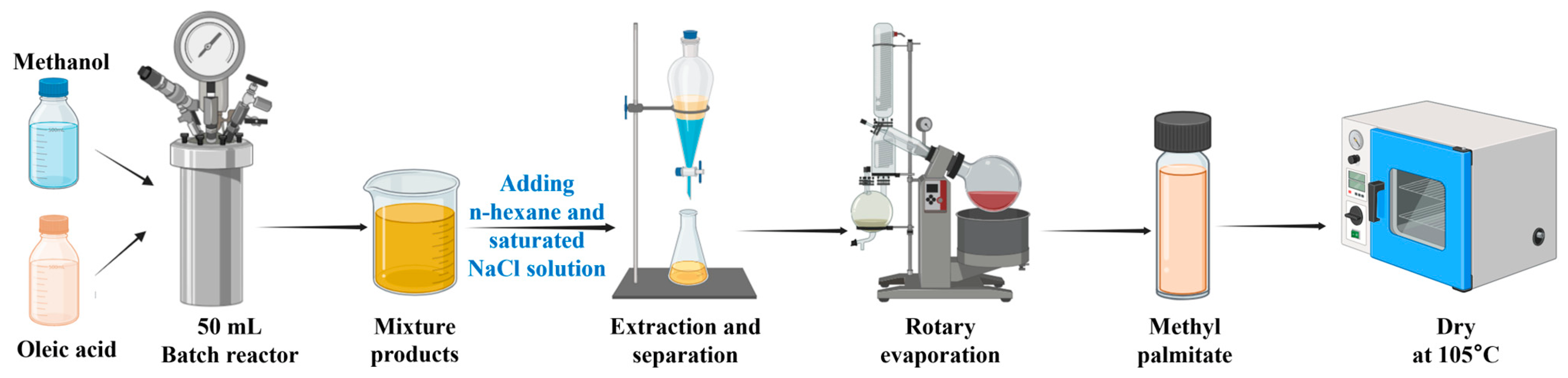
The esterification experiments were conducted following the protocol established in our previous work [25], using a 50 mL batch reactor (Shanghai LABE Instrument Co., Ltd., Shanghai, China).In a typical run, a pre-weighed amount of oleic acid and 15 mL of methanol were loaded into the reactor. The reactor was sealed and purged with nitrogen to remove air and ensure an inert atmosphere. Then, it was leak-tested and maintained at an initial pressure of approximately 2.0 MPa. The reaction mixture was heated to 200 °C at about 2.0 °C/min, followed by heating to the target temperature at about 1.0 °C/min, and held at the target temperature for a certain period, which is defined as the reaction time. The reactor is equipped with a digital pressure gauge. Figure 1 shows the temperature and pressure of the reaction system at different reaction times. At 200 °C, 225 °C, 250 °C, 270 °C, and 290 °C, the maximum pressures of the reactor were 4.7 MPa, 6.2 MPa, 8.1 MPa, 9.1 MPa, and 9.8 MPa, respectively. Pressure measurements confirmed that for all experiments at 250 °C and above, the operating pressure exceeded the critical pressure of methanol (8.1 MPa), ensuring genuine supercritical conditions. Upon completion, the reactor was rapidly cooled to room temperature in an ice-water bath and carefully depressurized. The product mixture was collected, and the reactor interior and impeller were rinsed twice with 10 mL portions of methanol to recover any residual product. All recovered liquids were combined for subsequent workup and analysis. A schematic diagram of the experimental procedure is shown in Figure 2.

2.3. Product Separation

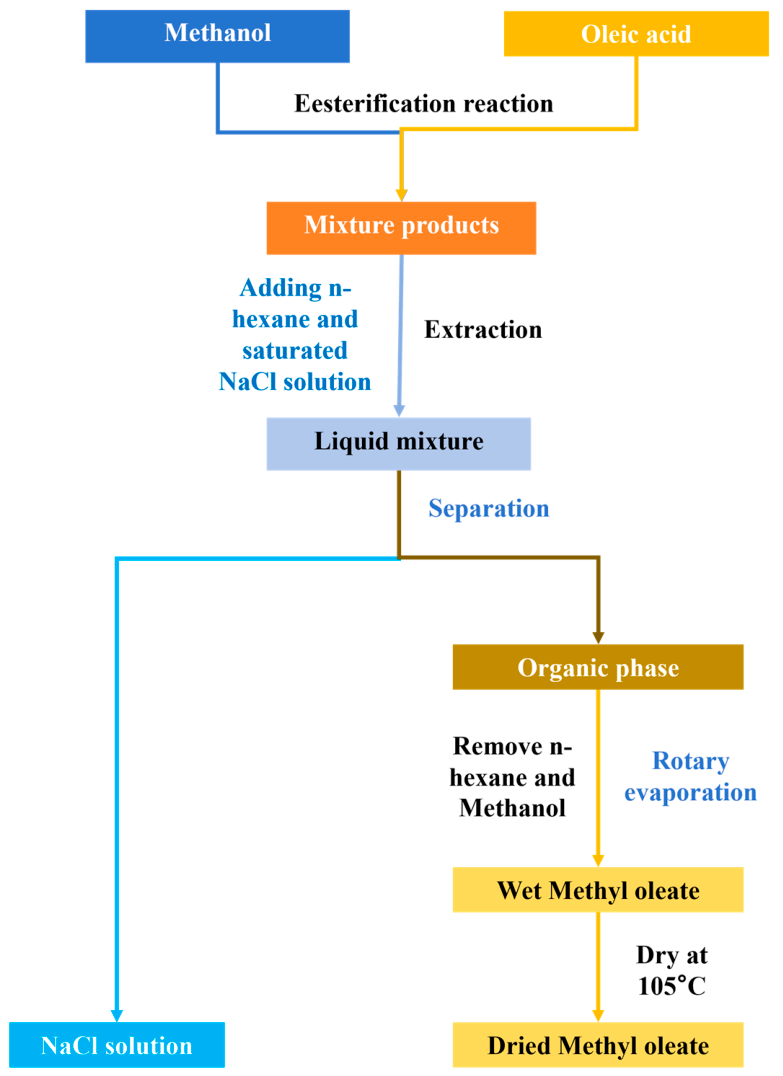
Product separation was performed using a liquid–liquid extraction method adapted from our previous study [25]. The combined product mixture was transferred to a separatory funnel, followed by the addition of 50 mL n-hexane and 10 mL of a 5.0 wt% sodium chloride solution. The funnel was shaken vigorously and allowed to stand for phase separation. The upper n-hexane layer containing the methyl oleate was collected, and the aqueous phase was extracted twice more with fresh n-hexane. The combined n-hexane extracts were dried over anhydrous sodium sulfate, and the solvent was removed using a rotary evaporator [19]. The resulting product was dried to constant weight in an oven at 105 °C for 3–4 h. A schematic diagram of the experimental procedure is shown in Figure 3.

2.4. Product Analysis

The methyl oleate content in the final product was determined using an Agilent 7820A gas chromatograph (GC) (Agilent, Santa Clara, CA, USA) equipped with a flame ionization detector (FID) and a DB-WAX capillary column (30 m × 0.25 mm × 0.25 μm). The injector and detector were maintained at 230 °C and 300 °C, respectively. The oven temperature program was: 50 °C held for 3 min, increased to 180 °C at 10 °C min−1 and held for 5 min, then increased to 230 °C at 5 °C min−1 and held for 19 min. Helium was used as the carrier gas at a constant flow rate of 1.0 mL/min. The limit of detection (LOD) and limit of quantification (LOQ) for methyl oleate, determined at signal-to-noise ratios of 3 and 10, respectively, were 0.03 μg/mL and 0.10 μg/mL. For analysis, approximately 60–70 mg of the dried product was dissolved in 2 mL of ethyl acetate, and a 1.5 μL aliquot was injected. External calibration was performed using standard solutions of methyl oleate to construct a calibration curve. The methyl oleate standard curve (peak area vs. concentration) was shown in Figure S1. For each product sample received a GC analysis, and the average peak area was used for concentration determination. The procedure for determining the concentration of methyl oleate in the reaction product is described in the Supplementary Information. The conversion rate of oleic acid to methyl oleate was then computed as:
η = n Methyl   oleat e n Oleic   acid × 100 %
where n Methyl   oleat e is the moles of methyl oleate formed and n Oleic   acid is the initial moles of oleic acid.

2.5. Orthogonal Experimental Design

The optimization of the methanol–oleic acid esterification reaction focused on three key parameters: reaction temperature (A), residence time (B), and the molar ratio of methanol to oleic acid (C). First, the feasible range for each variable was established through single-factor experiments. For reaction temperature, a range of 200–290 °C was initially investigated; the conversion exhibited a volcano-type trend, peaking at 250 °C and decreasing at higher temperatures due to thermal degradation. Therefore, three representative temperature levels—225 °C (below optimum), 250 °C (optimum), and 275 °C (above optimum)—were selected for the orthogonal design to capture the curvature of the response. For residence time, single-factor experiments showed that conversion increased rapidly up to 30 min and then plateaued; thus, 5 min (initial stage), 15 min (rising stage), and 30 min (near equilibrium) were chosen. For methanol-to-oleic acid molar ratio, conversion increased from 6:1 to 15:1 and declined beyond 15:1; therefore, 6:1 (low), 15:1 (optimal), and 20:1 (high) were selected to cover the optimal region and the declining branch. Based on these ranges, an orthogonal array design (L9, 34) was implemented to systematically evaluate the individual and interactive effects of these parameters on the conversion yield of methyl oleate. This approach was designed to efficiently determine the optimum set of experimental conditions with only 9 runs instead of the 27 required by a full factorial design. The detailed experimental matrix is shown in Table 1.

3. Results and Discussion

3.1. Effects of Different Reaction Parameters on the Esterification of Methanol and Oleic Acid

3.1.1. Effects of Reaction Temperature on the Esterification of Methanol and Oleic Acid

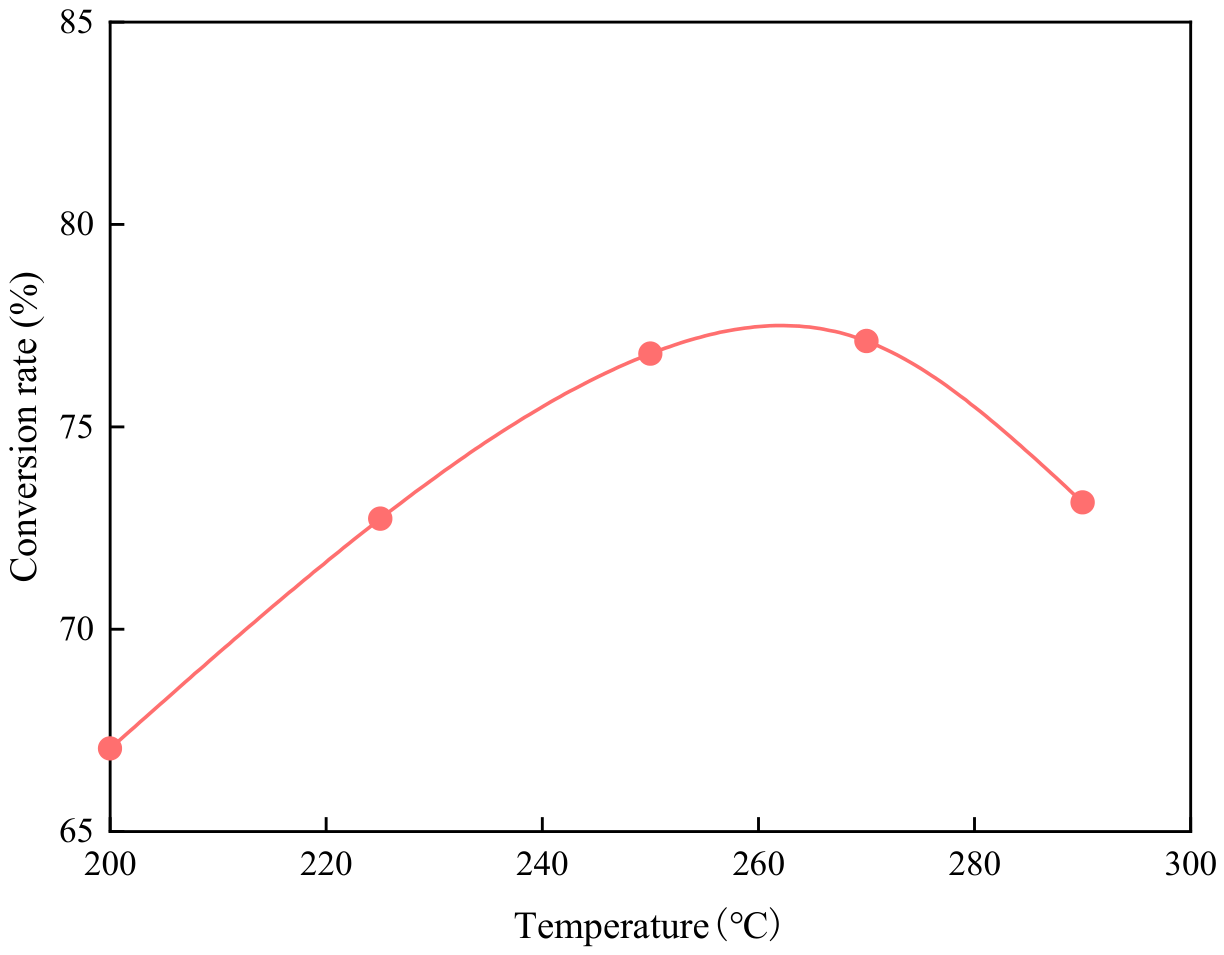
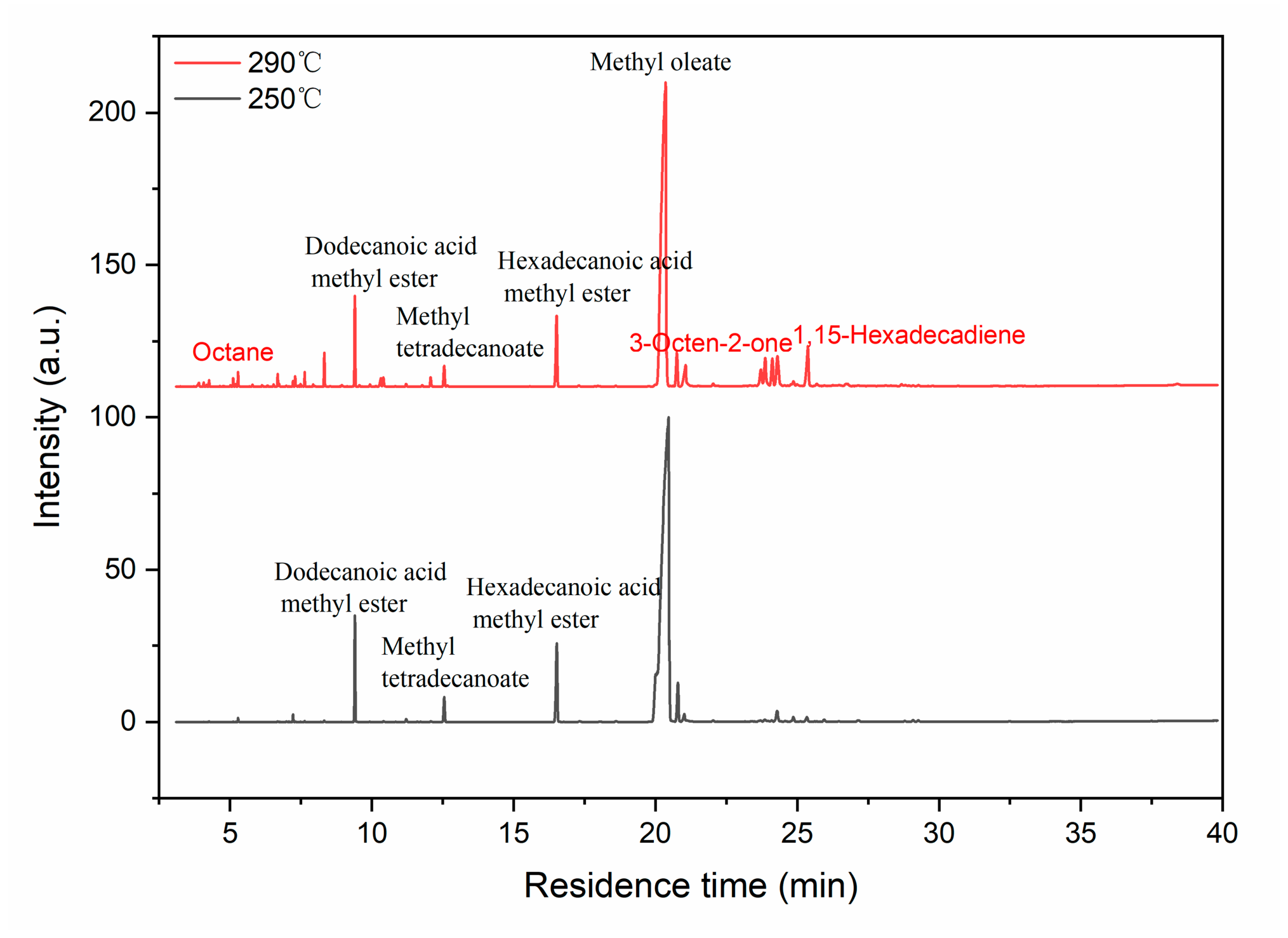
Figure 4 shows the effect of temperature on conversion rate of methyl oleate under a constant methanol-to-oleic-acid molar ratio of 15:1 and a residence time of 30 min. The temperature range of 250–290 °C was selected to ensure supercritical conditions for methanol (Tc = 239.4 °C, Pc = 8.1 MPa) and to enable a complete evaluation of temperature effects on the esterification process and fully capture the optimize temperature of the esterification reaction. The conversion rate exhibited a volcano-type dependence on temperature: increasing from 67.1% at 200 °C to 76.8% at 250 °C and rising slightly to 77.1% at 270 °C, followed by a decline to 73.1% at 290 °C. When the reaction temperature increased from 200 °C to 250 °C, the esterification reaction rate increased significantly, leading to a decrease in oleic acid content and an increase in conversion efficiency. Methanol constitutes the vast majority of the reaction mixture (methanol-to-oleic acid molar ratio = 15:1); so, its critical behavior dominates the overall phase behavior. The measured pressure at 270 °C (9.1 MPa) is above the critical pressure of pure methanol, and the temperature is above its critical temperature (Tc = 239.4 °C), satisfying the basic criteria for a supercritical state of the methanol-rich phase. However, further increasing the temperature resulted in a decrease in conversion rate, which is consistent with previous studies showing a decrease in FAME yield at higher temperatures [26,27]. This decrease in product yield and apparent conversion rate is due to the thermal degradation of oleic acid methyl ester at excessively high temperatures [28]. GC-MS analysis of the products obtained from reactions performed at 250 °C and 290 °C revealed that, in addition to the predominant peak corresponding to methyl oleate, several additional peaks appeared at shorter retention times. These peaks were identified by comparison with the NIST mass spectral library as short-chain hydrocarbons (C6–C12 alkanes/olefins) and ketones (e.g., 3-octen-2-one). The corresponding chromatographic profiles are presented in Figure 5. These observations further substantiate that the reduction in conversion observed at 290 °C can be attributed to thermal decomposition of the reaction products. Hence, it defined an optimal temperature range centered around 250 °C that strikes a balance between promoting reaction kinetics and respecting the limitations of thermal stability.

3.1.2. Effects of Residence Time on the Esterification of Methanol and Oleic Acid

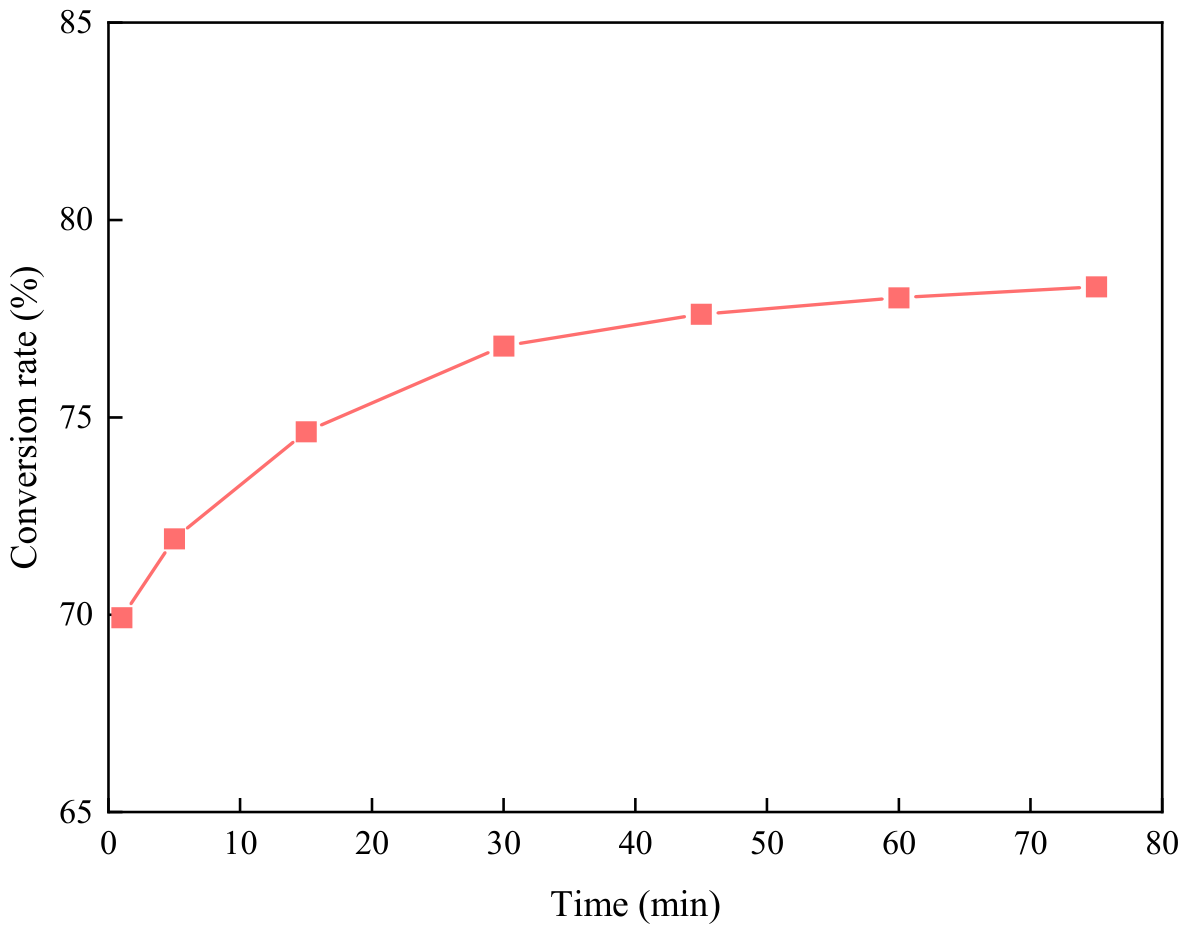
Figure 6 presents the effect of residence time on the conversion rate of methyl oleate with a methanol-to-oleic-acid molar ratio of 15:1 at 250 °C. Overall, the conversion exhibited an initial rapid increase followed by a plateau as the reaction approached thermodynamic equilibrium. Specifically, the conversion rose from 69.9% at 1 min to 74.6% at 15 min, reaching 76.8% by 30 min. Beyond this time point, only marginal gains were observed, with a final conversion of 78.0% recorded at 60 min. This trend indicates that the reaction nears completion within approximately 30 min under the specified conditions, where it becomes constrained by an equilibrium limit of ~78.0% at 250 °C and a 15:1 molar ratio. The swift initial rate is attributable to the rapid kinetics of esterification under supercritical conditions. These results are similar to the previous findings, such as those by Patil et al. [29], who reported optimal FAME conversion near 255 °C at 25 min. Hence, the results indicate that the reaction time should be controlled within 30 min during the reaction of oleic acid with supercritical methanol. In many supercritical biodiesel studies that report >90.0% yields, significantly longer reaction times (e.g., 60–120 min) or much harsher conditions (temperatures > 300 °C, methanol-to-oil ratios > 40:1) are typically used. The biodiesel yield under supercritical methanol conditions at 30 min was approximately 70.0% by Jin et al. [26,27], which is very similar to our results.

3.1.3. Effects of the Molar Ratio of Methanol and Oleic Acid on Their Esterification

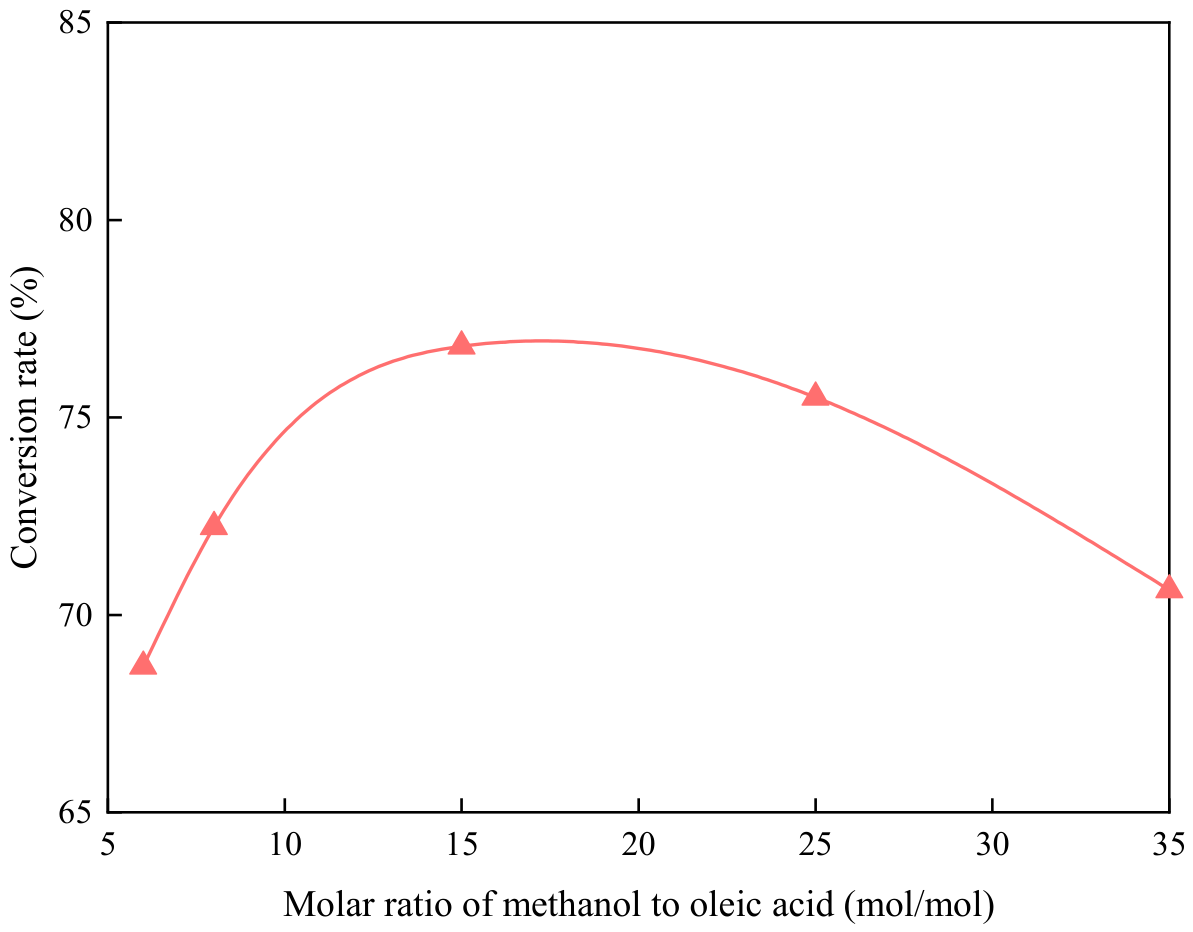
Figure 7 shows the effects of the methanol-to-oleic-acid molar ratio on the conversion rate of methyl oleate at 250 °C and a residence time of 30 min. The conversion rate increased from 68.7% at a ratio of 6:1 to a peak value of 76.8% at 15:1, indicating a beneficial effect of excess methanol within this range. However, over 15:1, the conversion rate gradually decreased, reaching 70.6% at 35:1. It is attributed to the excessive methanol diluting the concentration of oleic acid and causing a shift in the equilibrium away from ester formation, consequently reducing the observed conversion efficiency [30]. This “volcano” trend aligns with earlier findings indicating that the FAME yield initially increases and then decreases as the methanol-to-oil ratio rises [31,32], highlighting an optimal ratio around 15:1. The observed volcano-type dependence of conversion on methanol-to-oleic acid molar ratio can be explained by considering both kinetic and thermodynamic factors. At low to moderate ratios (6:1 → 15:1), increasing methanol concentration enhances both the forward reaction rate and the equilibrium conversion, consistent with Le Chatelier’s principle. However, at ratios exceeding 15:1, two competing effects emerge. First, excessive methanol dilutes the oleic acid concentration, reducing the absolute reaction rate and limiting the conversion achievable within the fixed 30 min residence time—a kinetic constraint rather than thermodynamic limitation. Second, under supercritical conditions, the non-ideal behavior of the reaction medium becomes significant at extreme methanol excess; changes in activity coefficients and solvation environments can alter the apparent equilibrium constant expressed in mole fractions [27,28]. Similar volcano-type behavior has been reported in other supercritical esterification studies and attributed to these combined effects [24,29].

3.1.4. Orthogonal Experiment Analysis

Based on the results of the single-factor experiments, an orthogonal array design was utilized to enhance the conversion efficiency of methyl oleate by exploring three variables: reaction temperature, residence time, and methanol-to-oil molar ratio. The experimental matrix and results are presented in Table 2. The results shown in Table 2 indicated that the relative influence of the factors on the esterification reaction follows the order: A (temperature, R = 4.6) > C (molar ratio, R = 2.8) > B (residence time, R = 2.5). By comparing the mean values (k1, k2, k3) for each factor level in Table 2, the optimal combination was identified as A2B3C2, corresponding to a reaction temperature of 250 °C, a residence time of 30 min, and a methanol-to-oleic acid molar ratio of 15:1. Under these optimized conditions, a methyl oleate conversion rate of 76.8 ± 0.12% was achieved, as confirmed by the single-factor experimental data.
Table 3 presents a systematic comparison between the present work and representative studies on the esterification of oleic acid with methanol under various conditions reported in the literature. From this table, it can be seen that compared with low-temperature catalytic processes, supercritical methanol esterification can be carried out without an external catalyst, thereby eliminating the need for subsequent steps such as catalyst preparation, separation, regeneration, and product purification, which significantly simplifies the process flow. Moreover, compared with subcritical methanol reactions that typically require excessively long reaction times (e.g., 2–6 h) to achieve high conversion, the supercritical process in this study achieves a conversion of 76.8% within only 30 min, representing a substantial reduction in reaction time and a marked improvement in esterification efficiency.

3.1.5. Kinetic Analysis of Oleic Acid Esterification

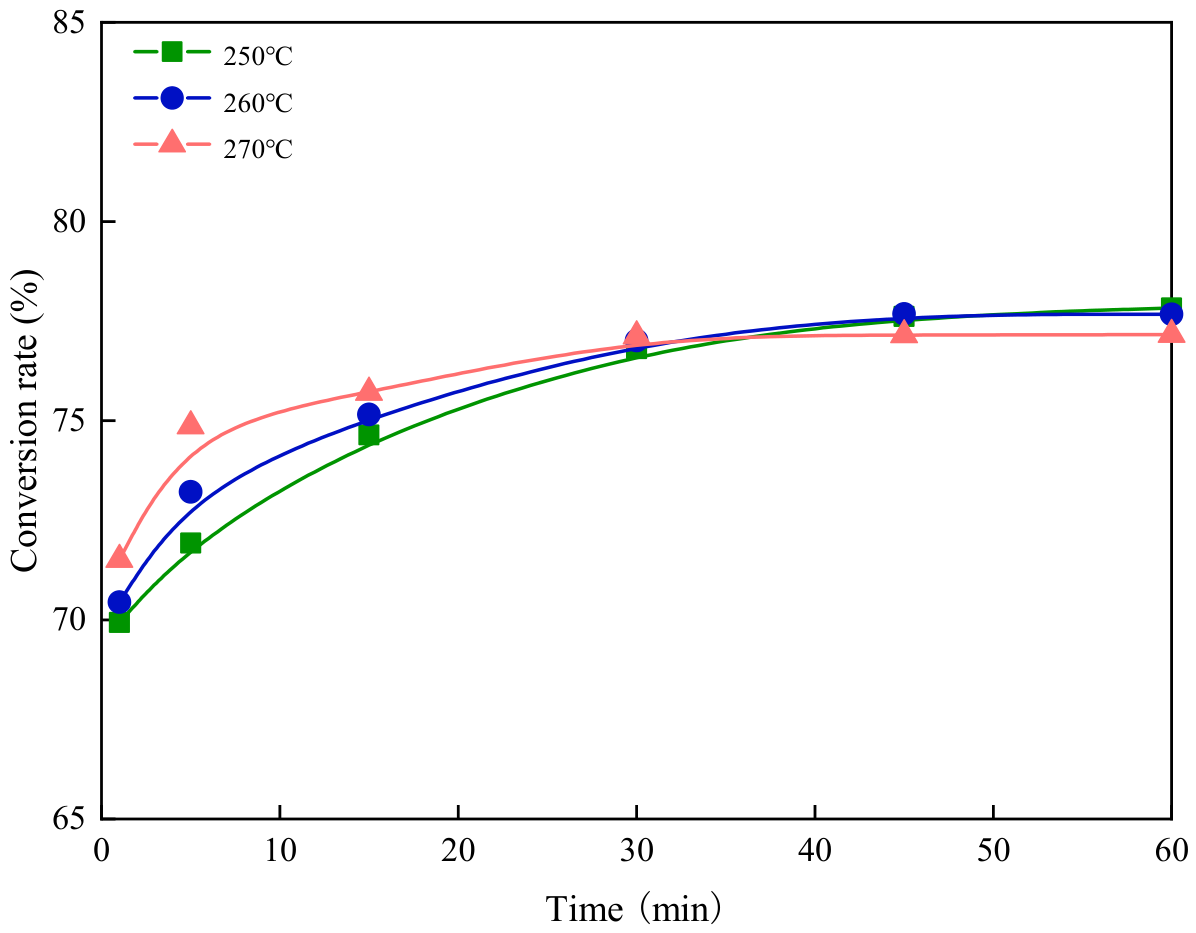
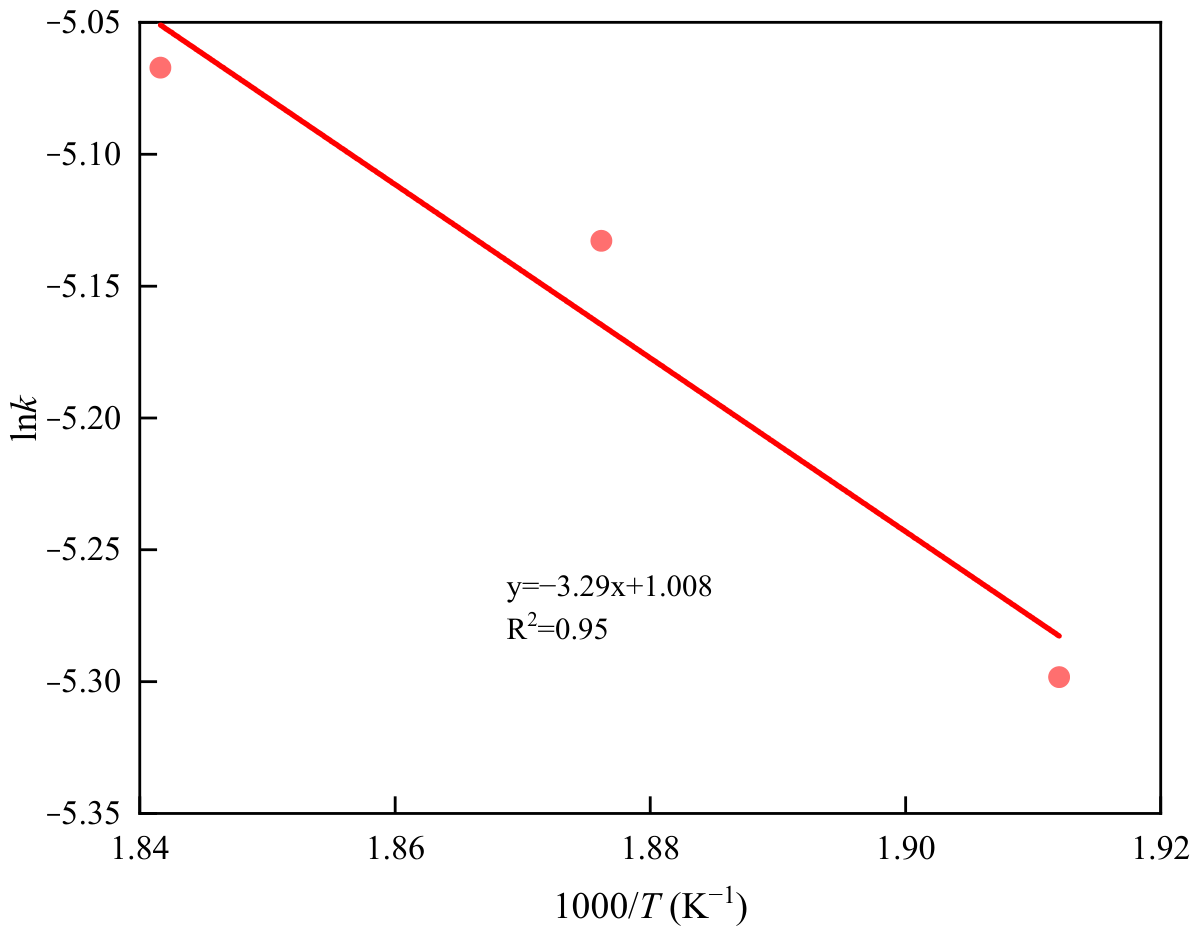
Reaction kinetics aims to reveal the effects of factors such as temperature and concentration on reaction rates. It is an important basis for understanding reaction mechanisms, guiding process scale-up, and designing reactors. To quantitatively describe the kinetic behavior of oleic acid esterification in a supercritical methanol system, under a fixed alcohol-to-oil molar ratio of 15:1, three temperature levels of 250 °C, 260 °C, and 270 °C were selected to investigate the change in oleic acid methyl ester conversion with residence time. The results are shown in Figure 8. As illustrated in the figure, the conversion of methyl oleate reached 76.8% after a reaction time of 30 min at 250 °C, and subsequently exhibited a slow increase with prolonged residence time, attaining 78.0% at 60 min. With a further increase in temperature, the conversion at equivalent residence times rose progressively. At both 260 °C and 270 °C, the reaction approached equilibrium after approximately 45 min. Notably, at 270 °C, the conversion was observed to be slightly lower than that at 250 °C over a certain time interval. This trend indicates that moderate heating is beneficial for accelerating the esterification reaction rate and improving initial conversion efficiency; however, excessively high reaction temperatures (≥270 °C) may cause thermal decomposition of the fatty acid methyl ester products or promote the reverse reaction, thereby lowering the equilibrium conversion. To further reveal the quantitative effect of reaction temperature on reaction rate, conversion-time data within the 250–270 °C range were used for linear regression to determine the reaction rate constants k at each temperature. Then, based on the Arrhenius equation, a linear fit of lnk versus 1/T was performed to obtain the activation energy Ea and the pre-exponential factor A for the oleic acid esterification reaction in the supercritical methanol system.
The esterification of oleic acid with methanol can be represented by the following reversible reaction:
C 17 H 33 COOH   +   C H 3 OH     C 17 H 33 COO H 3   +   H 2 O
Under the condition of excess methanol, the reaction kinetics can be simplified to a pseudo-first-order model with respect to oleic acid:
r A   =   d C A d t   =   k C A
where CA is the concentration of oleic acid, which can be expressed as CA0(1−X), with CA0 and X representing the initial concentration and conversion rate of oleic acid, respectively. Integrating this equation from t = 0 to t gives:
ln 1 x = k t
where X is the conversion of oleic acid at time t . Thus, a plot of l n ( 1 X ) versus time should yield a straight line with slope k .
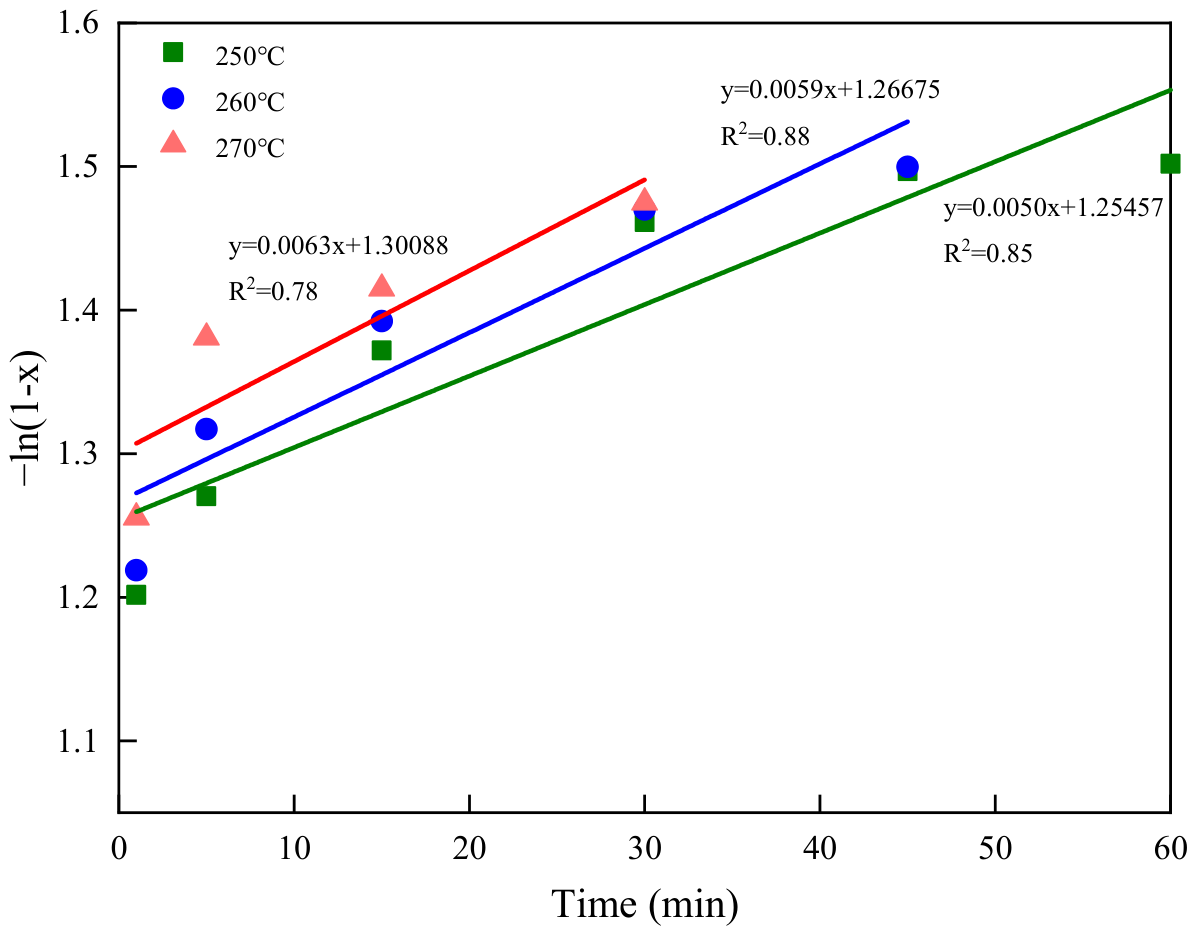
Figure 9 presents the fitted results at various temperatures, revealing a strong linear correlation between −ln(1−X) and t. This good linearity validates the assumption that the reaction follows first-order kinetics.
The temperature dependence of the rate constant follows the Arrhenius equation:
k = A e E a R T
Taking natural logarithms:
l n k = E a R T + l n A
where Ea is the activation energy (kJ/mol), A is the pre-exponential factor, R is the gas constant (8.314 J mol−1 K−1), and T is the absolute temperature (K).
Figure 10 presents the Arrhenius plot of ln k versus 1000 / T for the three temperatures.
Based on the linear Arrhenius plot shown in Figure 6 for the temperature range of 250–270 °C, the activation energy and pre-exponential factor were determined as 27.35 kJ/mol and 2.74, respectively. The activation energy obtained in this study is close to that of supercritical methanol esterification with oleate (21.98 kJ/mol) in the previous study [27], which further verifies the rationality of the reaction kinetics equation. Thus, the complete kinetic model for the esterification of oleic acid with supercritical methanol under the investigated conditions can be expressed as:
r A = d C A d t = 2.74 e 2.735 × 10 4 R T · C A

3.2. Effects of Water and Iron Contents on the Esterification of Methanol and Oleic Acid

3.2.1. Water Content

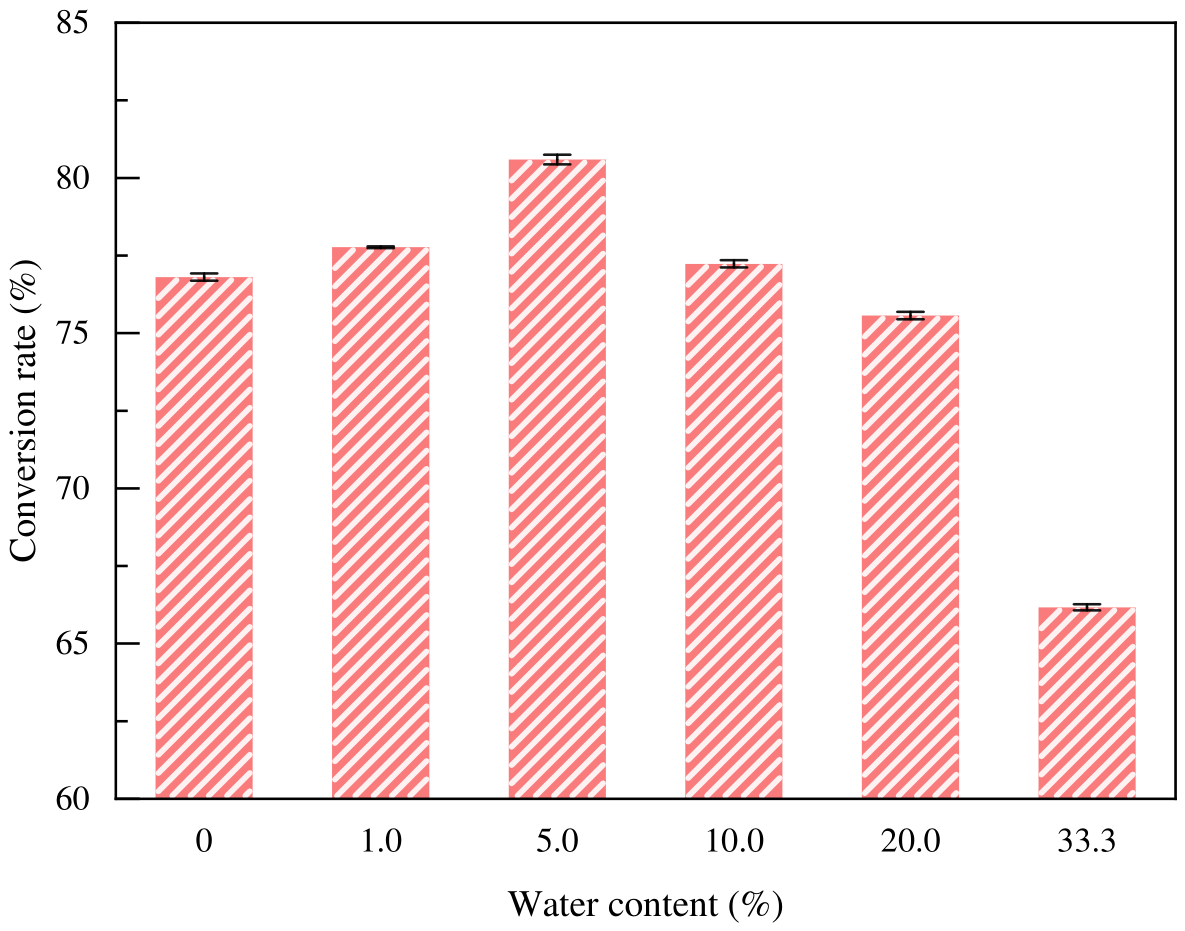
Figure 11 shows the effect of added water (wt% relative to oleic acid) on the conversion rate of methyl oleate at 250 °C, a residence time of 30 min, and a methanol-to-oleic-acid molar ratio of 15:1. The conversion rate exhibited a volcano-type dependence on water content: it increased from 76.8% at 0 wt% to a maximum of 80.6 ± 0.16% at 5.0 wt%, and then decreased to 75.6 ± 0.12% at 33.3 wt%. The initial improvement upon water addition is attributed to the partial ionization of water under supercritical methanol conditions. It is well documented that water undergoes enhanced autoionization near its critical point, generating H3O+ species that can provide acid catalysis and accelerate esterification [35]. In addition, Mao et al. [36] believe that the ionization volume of water increases with temperature and its ionization constant is maximum at 250 °C, which means that even if only 5.0 wt% of water is used, the H3O+ concentration produced by ionization at high temperature is much higher than that of pure water at room temperature, which is sufficient to play a significant acid catalytic role in the reaction system. This principle has been widely applied to explain the promotional effects of water in subcritical reaction systems [19]. At higher water contents, the forward reaction is inhibited and product hydrolysis is promoted, leading to lower conversion [37]. This results agree with prior observations that FAME yields first rise and then fall with increasing water content [19,38], indicating an optimal water addition near 5.0 wt%. Therefore, water accelerates the reaction through physicochemical changes (e.g., self-ionization to produce protons, improved mass transfer).

3.2.2. Iron Content

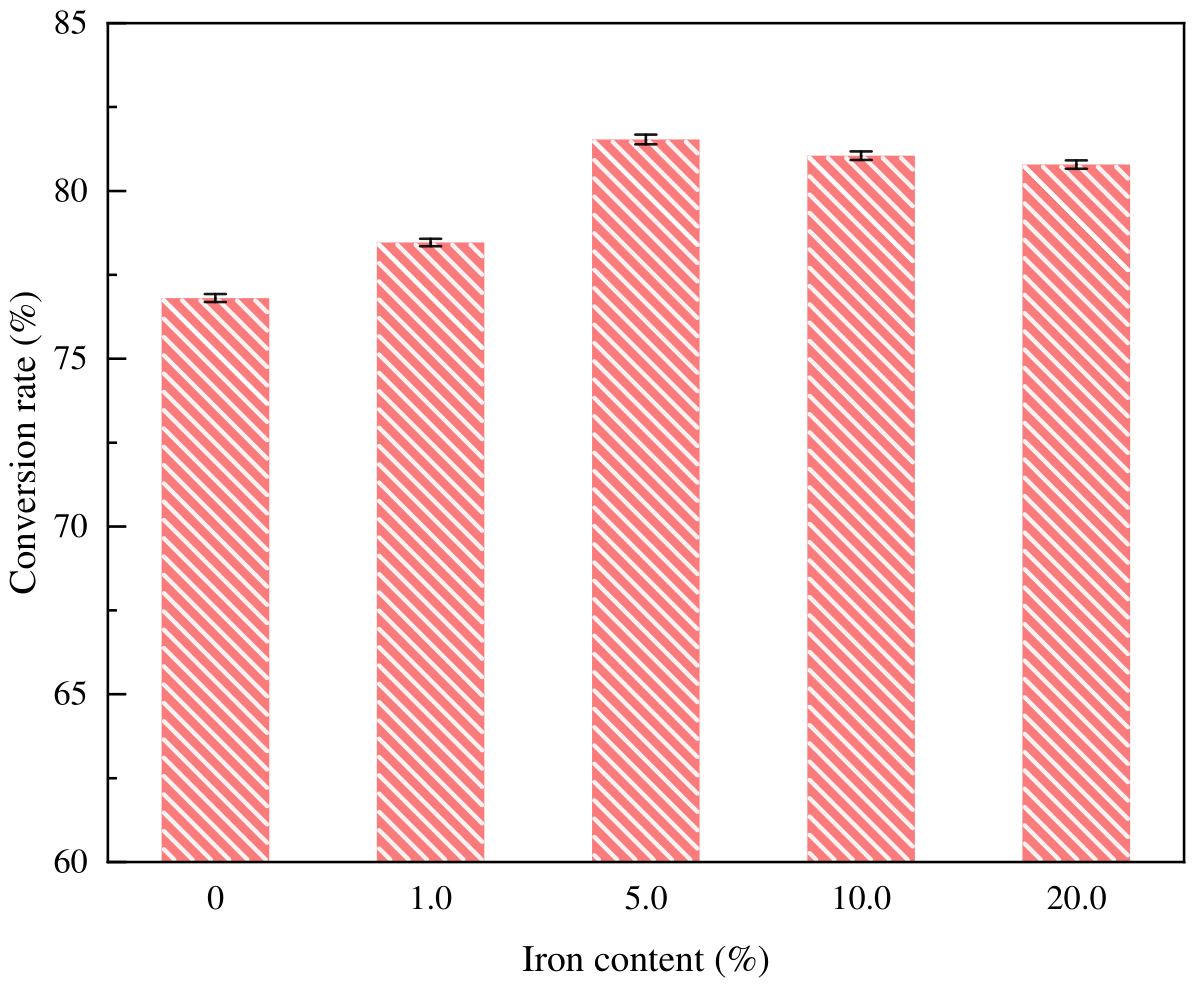
Figure 12 illustrates the effect of iron contents (relative to the mass of oleic acid) on the conversion rate of methyl oleate at 250 °C, a residence time of 30 min, and a methanol-to-oleic-acid molar ratio of 15:1. The conversion rate increased with iron loading up to 5.0 wt% and then slightly changed. It rose from 76.8% at 0 wt% to 81.5 ± 0.14% at 5.0 wt%, with negligible further gains up to 20.0 wt%. The initial enhancement is attributed to the catalytic role of metallic iron under supercritical conditions, which can promote alcohol activation and accelerate the esterification pathway (e.g., via facilitation of methanol deprotonation to methoxide and/or surface-assisted carbonyl activation), thereby increasing the effective rate toward methyl oleate formation [39]. At higher iron contents, the conversion levels off, consistent with a saturation of accessible active sites and the approach to reaction equilibrium under the stated conditions [40]. Overall, these results indicate an optimal iron loading near 5.0 wt% for maximizing conversion, beyond which additional iron provides limited benefit.

3.2.3. Effects of Iron–Water Mixture on the Conversion Rate

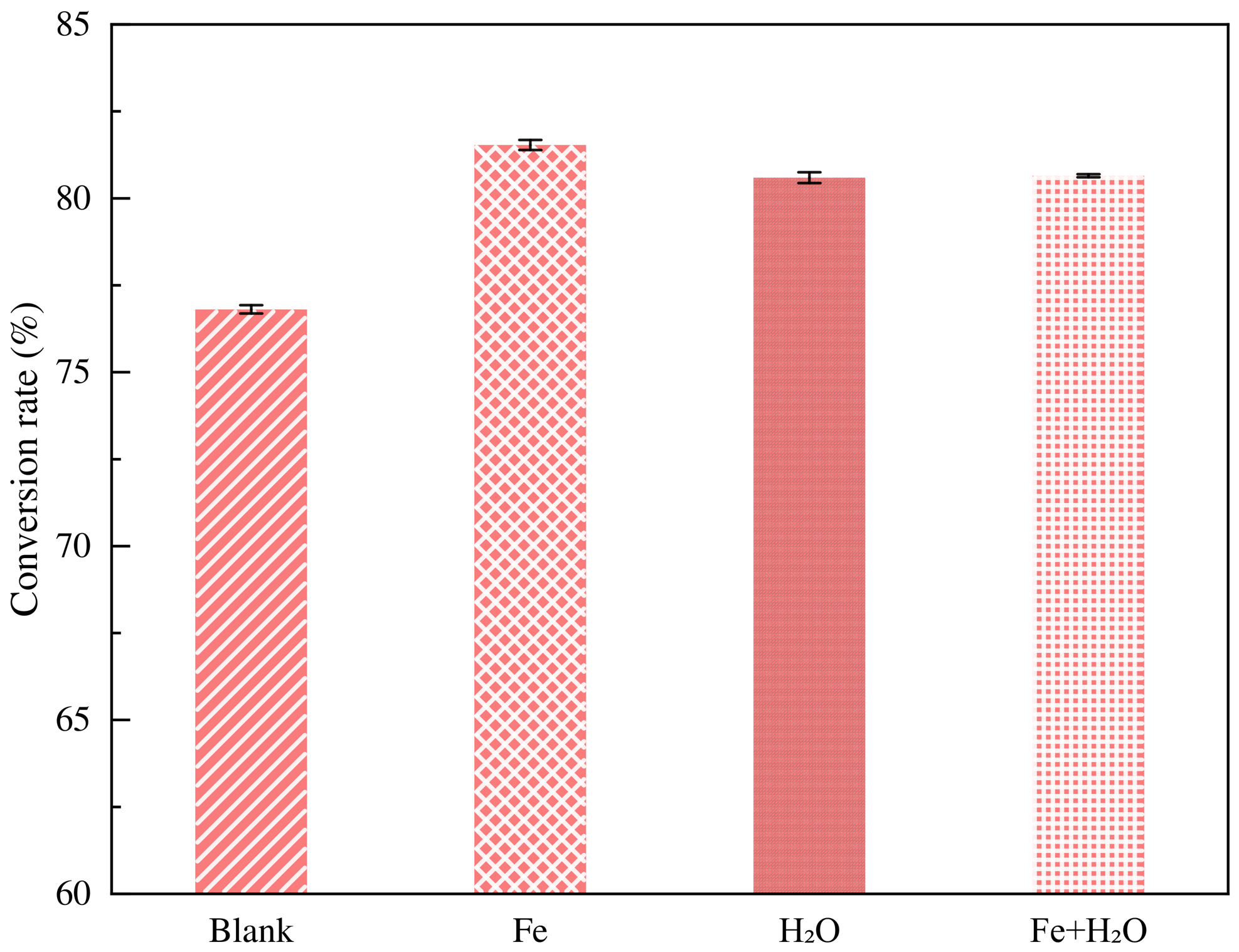
Figure 13 compares methyl oleate conversion under different catalytic conditions at 250 °C, a residence time of 30 min, a methanol-to-oleic-acid molar ratio of 15:1, and a fixed additive loading of 5.0 wt% (relative to oleic acid). The addition of either 5.0 wt% water or 5.0 wt% iron (Fe) enhanced conversion, with Fe exhibiting a stronger promotional effect than water. When 5.0 wt% Fe and 5.0 wt% water was introduced simultaneously, the conversion rate was about 80.7 ± 0.04%, which remained higher than with water alone but lower than with Fe alone. It was indicated a positive yet sub-additive effect. The diminished performance of the Fe–water combination is attributed to the reaction of metallic Fe with water under supercritical methanol.
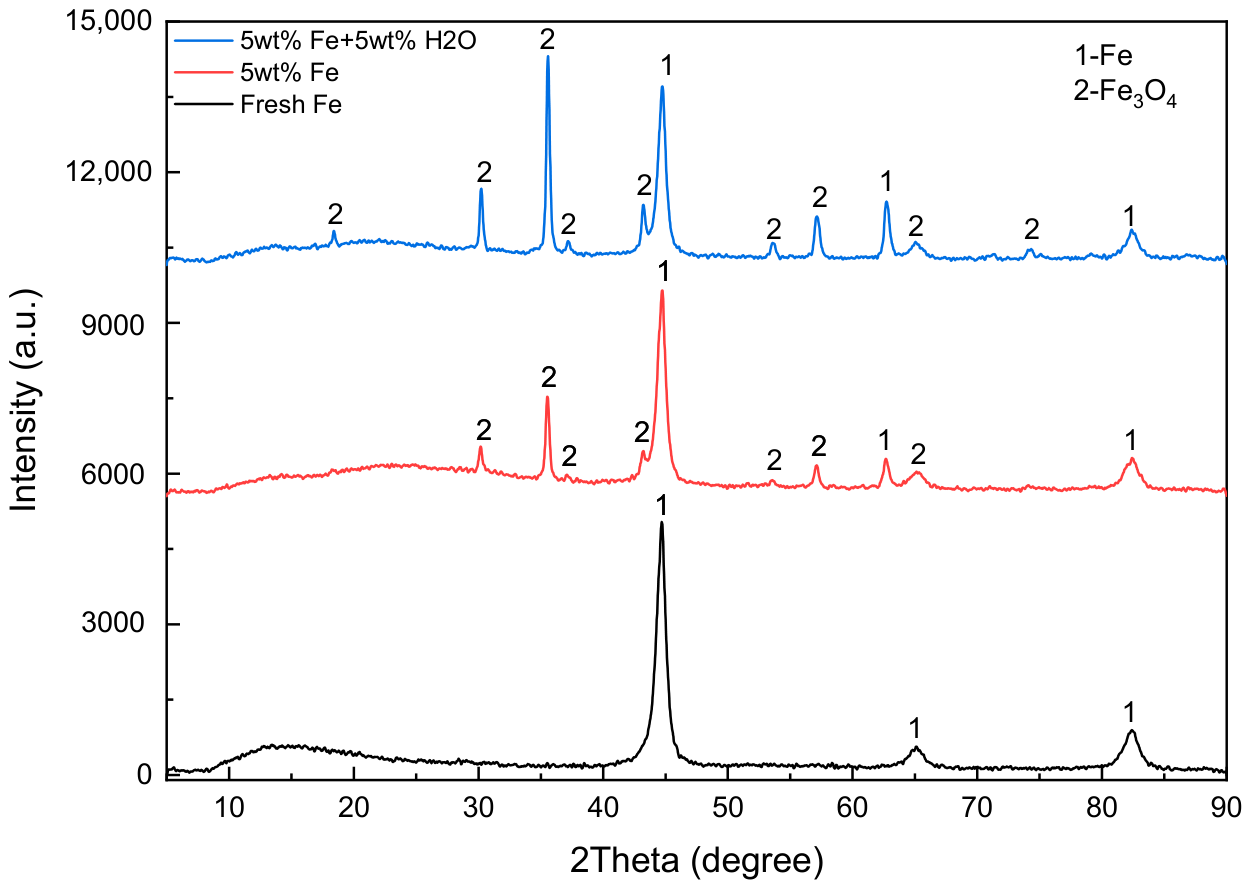
Figure 14 shows XRD analysis on iron samples before and after reaction under different conditions. The results reveal that in both the 5.0% Fe-only system and the 5.0% Fe + 5.0% H2O system, the primary phases detected are metallic Fe and Fe3O4, with both phases present in significant amounts. However, a clear and important difference in their relative proportions is observed: compared to the Fe-only system, the Fe + H2O system exhibits notably stronger Fe3O4 diffraction peaks (with several new peaks emerging, e.g., at 2θ = 18.1° and 76.2°) and distinctly weaker metallic Fe peak intensities.
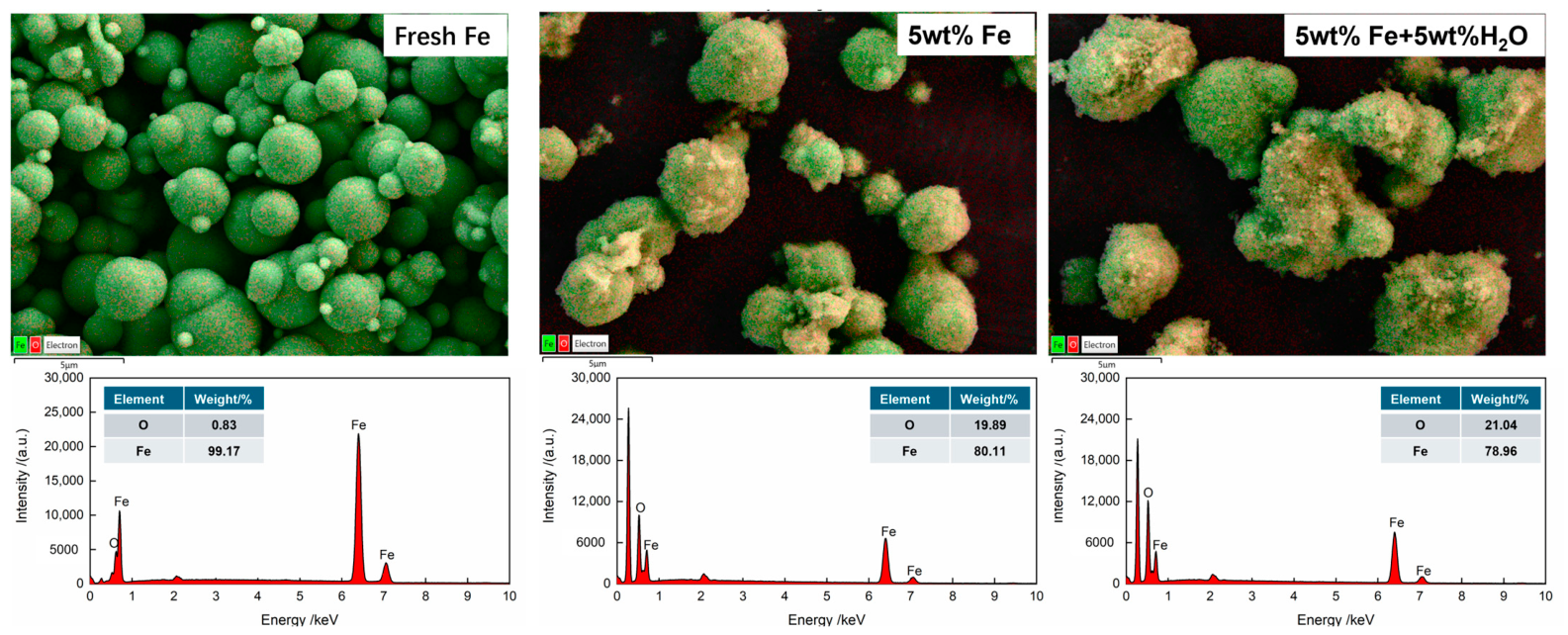
Figure 15 shows the Scanning electron microscopy (SEM) images and Energy-dispersive X-ray spectroscopy (EDS) spectra of iron samples before and after reaction under different conditions. Fresh iron powder exhibits spherical particles with smooth surfaces. After reaction in the 5.0% Fe-only system, the particles partially lose their spherical morphology, with visible surface roughening and erosion features indicating chemical attack. In contrast, after reaction in the 5.0% Fe + 5.0% H2O system, the particles completely lose their spherical shape and display significantly more severe surface erosion, extensive pitting, and fragmentation, confirming that water aggressively accelerates iron corrosion. EDS analysis provides quantitative elemental composition that corroborates these observations: oxygen content increases progressively from negligible levels in fresh Fe, to moderate levels after Fe-only reaction, and substantially higher levels after Fe + H2O reaction, with the emergence of abundant iron oxides confirming Fe3O4 formation. This progressive oxygen enrichment directly correlates with the extent of Fe3O4 formation observed by XRD, providing quantitative confirmation that water promotes the oxidation of metallic iron. Together, these results provide consistent evidence that water accelerates the oxidation and surface degradation of iron particles, consuming active metallic Fe and generating iron oxides, which directly supports the proposed mechanism for the sub-additive effect observed in the Fe + H2O system.
These results confirm that while Fe3O4 formation occurs even without added water (likely due to trace moisture or surface oxidation), the presence of water substantially accelerates the oxidation of metallic iron, consuming more active Fe0 and generating more Fe3O4. This finding directly supports the mechanism and explains the observed sub-additive effect: greater consumption of active metallic Fe in the presence of water results in lower catalytic activity compared to the Fe-only system, while the residual metallic Fe combined with possibly weak catalytic activity of Fe3O4 still yields performance superior to water alone. The resulting decrease in the amount of active Fe reduces catalytic activity relative to Fe alone, though the system still outperforms the case with water alone [41]. This behavior aligns with prior reports that metallic Fe can react with water under hydrothermal or supercritical conditions to produce hydrogen, thereby lowering the effective catalyst concentration and reducing conversion [42]. However, it should be noted that based on the characterization methods such as XRD and SEM-EDS used in this study, it is difficult to make a strict quantitative distinction between chemical oxidation and physical deactivation mechanisms. XRD can only provide semi-quantitative information on the composition of the phase (peak-intensity comparison), but cannot accurately determine the remaining amount of Fe in the metal. SEM-EDS can only provide qualitative/semi-quantitative information on the distribution of micro-areas, and it is greatly affected by the sampling location. While XRD and SEM-EDS results provide strong qualitative evidence that water accelerates Fe oxidation and reduces the amount of active Fe0, quantitative correlation between the extent of Fe3O4 formation and the observed conversion remains to be established. Therefore, it is unable to quantitatively distinguish the addition effects of Fe–water mixtures caused by chemical oxidation and physical deactivation mechanisms. Both mechanisms may exist in this reaction system, but the proportions of their contributions are difficult to quantify. These results suggest that both Fe and water promote esterification under the given conditions; however, their simultaneous use introduces competing side reactions that limit the overall catalytic benefit compared to using Fe alone.

4. Conclusions

In this study, the esterification of oleic acid with supercritical methanol was systematically investigated, with a focus on the individual and combined effects of water and iron—the two key non-oil components inherently present in cold-rolling oily sludge. The following conclusions can be drawn:
(1)
Through single-factor experiments and orthogonal design optimization, the optimal reaction conditions were identified as a temperature of 250 °C, a residence time of 30 min, and a methanol-to-oleic acid molar ratio of 15:1. Under these conditions, the conversion of oleic acid to methyl oleate reached 76.8%. The conversion exhibited a volcano-shaped dependence on both temperature and molar ratio, while it increased with residence time before reaching a plateau.
(2)
Both water and iron enhanced the esterification reaction at loadings below 5.0 wt%. With 5.0 wt% water or iron, the conversion increased to 80.6% and 81.5%, respectively. However, beyond this threshold, water exhibited an inhibitory effect, whereas the promotional effect of iron remained constant.
(3)
The co-addition of 5.0 wt% water and 5.0 wt% iron resulted in a conversion of 80.7%, which was higher than that with water alone but lower than that with iron alone, indicating a positive but sub-additive effect. Water accelerates the oxidation of metallic iron to Fe3O4, partially consuming the active Fe0 and reducing its catalytic activity. Control experiments confirmed that Fe3O4 itself is catalytically inactive, and statistical analysis confirmed that the sub-additive effect is statistically significant.
(4)
Kinetic analysis using a pseudo-first-order model yielded an activation energy of 27.35 kJ/mol, which is in good agreement with the literature value (21.98 kJ/mol), confirming the validity of the kinetic treatment under supercritical conditions.
(5)
A limitation of this study is the use of pure model compounds (oleic acid, zero-valent iron powder, and deionized water) instead of real cold-rolling oily sludge. While this study provides fundamental mechanistic insights into the individual and combined effects of Fe and water on the supercritical esterification of oleic acid (the predominant FFA in the oil phase of the sludge), further validation using real cold-rolling oily sludge is necessary to confirm the applicability of these findings to practical waste valorization. Future work will focus on supercritical methanol treatment of actual cold-rolling oily sludge to simultaneously achieve demulsification, esterification of mixed fatty acids, and recovery of iron resources.

Supplementary Materials

The following supporting information can be downloaded at: https://www.mdpi.com/article/10.3390/pr14091498/s1, Figure S1: Standard curve of methyl oleate; Table S1: Test data and conversion rate calculations for methyl oleate.

Author Contributions

Conceptualization, Z.Q. and X.Q.; methodology, J.L., K.Z., R.H., X.C. and Y.F.; software, J.L., R.H., X.C. and F.G.; validation, K.Z. and F.G.; formal analysis, R.H., X.C., F.G. and Z.Q.; investigation, Y.F., R.H., X.C. and F.G.; resources, F.G. and Z.Q.; data curation, K.Z., R.H., X.C., F.G. and Y.F.; writing—original draft preparation, K.Z. and Z.Q.; writing—review and editing, X.Q.; visualization, Z.Q.; supervision, X.Q.; project administration, Z.Q.; funding acquisition, Z.Q. All authors have read and agreed to the published version of the manuscript.

Funding

This research was funded by the China Baowu Low Car-bon Metallurgy Innovation Foudation (No. BWLCF202316), Jiangxi Provincial Natural Science Foundation (No. 20252BAC220074), Key R&D Program of Jiangxi Province (No. 20232BCJ23007, 20233BCA01002, and 20244BDF60009), and Pilot Demonstration Project for the Contract Responsibility System of the Provincial Science and Technology Plan Project of Jiangxi Academy of Sciences (No. 2023YSTZX02).

Data Availability Statement

All data are available and can be shared upon request.

Conflicts of Interest

The authors declare no conflicts of interest.

References

  1. Prajapati, N.; Singh Kachhwaha, S.; Kodgire, P.; Kumar Vij, R. A Novel High-Speed Homogenizer Assisted Process Intensification Technique for Biodiesel Production Using Soya Acid Oil: Process Optimization, Kinetic and Thermodynamic Modelling. Energy Convers. Manag. 2025, 324, 119302. [Google Scholar] [CrossRef] [Scilit]
  2. Akram, F.; Haq, I.u.; Raja, S.I.; Mir, A.S.; Qureshi, S.S.; Aqeel, A.; Shah, F.I. Current Trends in Biodiesel Production Technologies and Future Progressions: A Possible Displacement of the Petro-Diesel. J. Clean. Prod. 2022, 370, 133479. [Google Scholar] [CrossRef] [Scilit]
  3. Xu, H.; Xu, R. How to Enhance Public Acceptance and Intentions towards Biodiesel Technology: The Roles of Environmental Motivation, Trust, and Perceived Effects. Sustain. Futures 2025, 10, 101195. [Google Scholar] [CrossRef] [Scilit]
  4. Zhang, Q.; Wang, J.; Zhang, Y. Metal Oxide-Based Heterogeneous Acid Catalysts for Sustainable Biodiesel Synthesis: Recent Advances and Key Challenges. RSC Adv. 2025, 15, 31683–31705. [Google Scholar] [CrossRef] [Scilit]
  5. Lysne, A.; Saxrud, I.; Snidaro, R.L.G.; Blekkan, E.A. Noble Metal (Pt, Pd and Rh) Promoted Ni-Co/Mg(Al)O Catalysts for Steam Reforming of Tar Impurities from Biomass Gasification. J. Catal. 2024, 436, 115567. [Google Scholar] [CrossRef] [Scilit]
  6. Varamo, F.; Beine, A.K. N-Containing Carbon Materials in Metal-Free and Non-Noble Metal Liquid Phase Heterogenous Catalysis. Adv. Synth. Catal. 2025, 367, e70134. [Google Scholar] [CrossRef] [Scilit]
  7. Chouhan, A.P.S.; Sarma, A.K. Modern Heterogeneous Catalysts for Biodiesel Production: A Comprehensive Review. Renew. Sustain. Energy Rev. 2011, 15, 4378–4399. [Google Scholar] [CrossRef] [Scilit]
  8. Lycourghiotis, S.; Kordouli, E.; Bourikas, K.; Kordulis, C.; Lycourghiotis, A. The Role of Promoters in Metallic Nickel Catalysts Used for Green Diesel Production: A Critical Review. Fuel Process. Technol. 2023, 244, 107690. [Google Scholar] [CrossRef] [Scilit]
  9. Marchetti, J.M. Heterogeneous Esterification of Glycerol by Using a Gold Catalyst. Biomass Convers. Biorefinery 2016, 6, 457–463. [Google Scholar] [CrossRef] [Scilit]
  10. Sahani, S.; Roy, T.; Sharma, Y.C. Smart Waste Management of Waste Cooking Oil for Large Scale High Quality Biodiesel Production Using Sr-Ti Mixed Metal Oxide as Solid Catalyst: Optimization and E-Metrics Studies. Waste Manag. 2020, 108, 189–201. [Google Scholar] [CrossRef] [Scilit]
  11. Borah, M.J.; Devi, A.; Borah, R.; Deka, D. Synthesis and Application of Co Doped ZnO as Heterogeneous Nanocatalyst for Biodiesel Production from Non-Edible Oil. Renew. Energy 2019, 133, 512–519. [Google Scholar] [CrossRef] [Scilit]
  12. Feng, Y.; Zhang, A.; Li, J.; He, B. A Continuous Process for Biodiesel Production in a Fixed Bed Reactor Packed with Cation-Exchange Resin as Heterogeneous Catalyst. Bioresour. Technol. 2011, 102, 3607–3609. [Google Scholar] [CrossRef] [Scilit]
  13. Park, J.Y.; Wang, Z.M.; Kim, D.K.; Lee, J.S. Effects of Water on the Esterification of Free Fatty Acids by Acid Catalysts. Renew. Energy 2010, 35, 614–618. [Google Scholar] [CrossRef] [Scilit]
  14. Singh, N.K.; Singh, Y.; Sharma, A. Optimization of Biodiesel Synthesis from Jojoba Oil via Supercritical Methanol: A Response Surface Methodology Approach Coupled with Genetic Algorithm. Biomass Bioenergy 2022, 156, 106332. [Google Scholar] [CrossRef] [Scilit]
  15. Ang, G.T.; Ooi, S.N.; Tan, K.T.; Lee, K.T.; Mohamed, A.R. Optimization and Kinetic Studies of Sea Mango (Cerbera Odollam) Oil for Biodiesel Production via Supercritical Reaction. Energy Convers. Manag. 2015, 99, 242–251. [Google Scholar] [CrossRef] [Scilit]
  16. Tamjidi, S.; Esmaeili, H.; Moghadas, B.K. Performance of Functionalized Magnetic Nanocatalysts and Feedstocks on Biodiesel Production: A Review Study. J. Clean. Prod. 2021, 305, 127200. [Google Scholar] [CrossRef] [Scilit]
  17. Shi, M.; Zhang, P.; Fan, M.; Zhang, P. Influence of Crystal of Fe2O3 in Magnetism and Activity of Nanoparticle CaO@Fe2O3 for Biodiesel Production. Fuel 2017, 197, 343–347. [Google Scholar] [CrossRef] [Scilit]
  18. Hu, S.; Guan, Y.; Wang, Y.; Han, H. Nano-Magnetic Catalyst KF/CaO–Fe3O4 for Biodiesel Production. Appl. Energy 2011, 88, 2685–2690. [Google Scholar] [CrossRef] [Scilit]
  19. Go, A.W.; Tran Nguyen, P.L.; Huynh, L.H.; Liu, Y.T.; Sutanto, S.; Ju, Y.-H. Catalyst Free Esterification of Fatty Acids with Methanol under Subcritical Condition. Energy 2014, 70, 393–400. [Google Scholar] [CrossRef] [Scilit]
  20. Tan, K.T.; Lee, K.T.; Mohamed, A.R. Effects of Free Fatty Acids, Water Content and Co-Solvent on Biodiesel Production by Supercritical Methanol Reaction. J. Supercrit. Fluids 2010, 53, 88–91. [Google Scholar] [CrossRef] [Scilit]
  21. Amal, R.; Nadeem, R.; Intisar, A.; Rouf, H.; Hussain, D.; Kousar, R. An Insight into the Catalytic Properties and Process Optimization of Fe, Ni Doped Eggshell Derived CaO for a Green Biodiesel Synthesis from Waste Chicken Fat. Catal. Commun. 2024, 187, 106848. [Google Scholar] [CrossRef] [Scilit]
  22. Sibiya, N.P.; Mahlangu, T.P.; Tetteh, E.K.; Rathilal, S. Review on Advancing Heavy Metals Removal: The Use of Iron Oxide Nanoparticles and Microalgae-Based Adsorbents. Clean. Chem. Eng. 2025, 11, 100137. [Google Scholar] [CrossRef] [Scilit]
  23. Que, Z.; Fu, Y.; Shi, J.; Ai, X.; Xu, C. Pyrolysis and Volatile Evolution Behaviors of Cold-Rolling Oily Sludge. Processes 2022, 10, 543. [Google Scholar] [CrossRef] [Scilit]
  24. Fu, Y.; Que, Z.; Shi, J.; Ai, X.; Zou, W. Thermal Behavior and Gas Products of Cold Rolling Oily Sludge by TG-MS and Py-EGA/MS. Energy Rep. 2022, 8, 763–773. [Google Scholar] [CrossRef] [Scilit]
  25. Luo, J.; Que, Z.; Zhang, K.; Fu, Y.; Cheng, X.; Huang, R.; Shi, J.; Jiang, H.; Ai, X.; Deng, T.; et al. Optimization and Kinetic Study of Palmitic Acid Esterification with Subcritical Methanol via Response Surface Methodology. Reactions 2025, 6, 69. [Google Scholar] [CrossRef] [Scilit]
  26. Aboelazayem, O.; Gadalla, M.; Saha, B. Biodiesel Production from Waste Cooking Oil via Supercritical Methanol: Optimisation and Reactor Simulation. Renew. Energy 2018, 124, 144–154. [Google Scholar] [CrossRef] [Scilit]
  27. Jin, T.; Wang, B.; Zeng, J.; Yang, C.; Wang, Y.; Fang, T. Esterification of Free Fatty Acids with Supercritical Methanol for Biodiesel Production and Related Kinetic Study. RSC Adv. 2015, 5, 52072–52078. [Google Scholar] [CrossRef] [Scilit]
  28. Ghoreishi, S.M.; Moein, P. Biodiesel Synthesis from Waste Vegetable Oil via Transesterification Reaction in Supercritical Methanol. J. Supercrit. Fluids 2013, 76, 24–31. [Google Scholar] [CrossRef] [Scilit]
  29. Patil, P.D.; Gude, V.G.; Mannarswamy, A.; Deng, S.; Cooke, P.; Munson-McGee, S.; Rhodes, I.; Lammers, P.; Nirmalakhandan, N. Optimization of Direct Conversion of Wet Algae to Biodiesel under Supercritical Methanol Conditions. Bioresour. Technol. 2011, 102, 118–122. [Google Scholar] [CrossRef] [Scilit]
  30. Minami, E.; Kawamoto, H. Methyl Esterification of Oleic Acid in Supercritical Methanol with Methyl Formate. J. Jpn. Pet. Inst. 2021, 64, 188–196. [Google Scholar] [CrossRef] [Scilit]
  31. Shaah, M.A.; Hossain, M.S. Biodiesel Production from Candlenut Oil Using a Non-Catalytic Supercritical Methanol Transesterification Process: Optimization, Kinetics, and Thermodynamic Studies. RSC Adv. 2022, 12, 9845–9861. [Google Scholar] [CrossRef] [Scilit] [PubMed]
  32. Tan, K.T.; Lee, K.T.; Mohamed, A.R. Prospects of Non-Catalytic Supercritical Methyl Acetate Process in Biodiesel Production. Fuel Process. Technol. 2011, 92, 1905–1909. [Google Scholar] [CrossRef] [Scilit]
  33. Ilgen, O. Investigation of Reaction Parameters, Kinetics and Mechanism of Oleic Acid Esterification with Methanol by Using Amberlyst 46 as a Catalyst. Fuel Process. Technol. 2014, 124, 134–139. [Google Scholar] [CrossRef] [Scilit]
  34. Lie, J.; Rizkiana, M.B.; Soetaredjo, F.E.; Ju, Y.-H.; Ismadji, S. Production of Biodiesel from Sea Mango (Cerbera Odollam) Seed Using in Situ Subcritical Methanol-Water under a Non-Catalytic Process. Int. J. Ind. Chem. 2018, 9, 53–59. [Google Scholar] [CrossRef] [Scilit]
  35. Trentini, C.P.; Postaue, N.; Cardozo-Filho, L.; Reis, R.R.; Sampaio, S.C.; da Silva, C. Production of Esters from Grease Trap Waste Lipids under Supercritical Conditions: Effect of Water Addition on Ethanol. J. Supercrit. Fluids 2019, 147, 9–16. [Google Scholar] [CrossRef] [Scilit]
  36. Mao, H.; Yang, Y.; Zhang, H.; Zhang, J.; Huang, Y. A Critical Review of the Possible Effects of Physical and Chemical Properties of Subcritical Water on the Performance of Water-Based Drilling Fluids Designed for Ultra-High Temperature and Ultra-High Pressure Drilling Applications. J. Pet. Sci. Eng. 2020, 187, 106795. [Google Scholar] [CrossRef] [Scilit]
  37. Son, J.; Kim, B.; Park, J.; Yang, J.; Lee, J.W. Wet in Situ Transesterification of Spent Coffee Grounds with Supercritical Methanol for the Production of Biodiesel. Bioresour. Technol. 2018, 259, 465–468. [Google Scholar] [CrossRef] [Scilit]
  38. Pinnarat, T.; Savage, P.E. Noncatalytic Esterification of Oleic Acid in Ethanol. J. Supercrit. Fluids 2010, 53, 53–59. [Google Scholar] [CrossRef] [Scilit]
  39. Chao, H.W.; Hsu, C.-Y.; Hsu, H.C.; Tsai, S.-D.; Liu, Y.X.; Chang, T.H. Enhancing the Esterification Reaction Rate in Biodiesel Production Using Microwave with Iron Powder Catalysis. Appl. Catal. O Open 2025, 207, 207066. [Google Scholar] [CrossRef] [Scilit]
  40. Boey, P.L.; Ganesan, S.; Maniam, G.P.; Khairuddean, M.; Efendi, J. A New Heterogeneous Acid Catalyst for Esterification: Optimization Using Response Surface Methodology. Energy Convers. Manag. 2013, 65, 392–396. [Google Scholar] [CrossRef] [Scilit]
  41. Miyata, Y.; Sagata, K.; Hirose, M.; Yamazaki, Y.; Nishimura, A.; Okuda, N.; Arita, Y.; Hirano, Y.; Kita, Y. Fe-Assisted Hydrothermal Liquefaction of Lignocellulosic Biomass for Producing High-Grade Bio-Oil. ACS Sustain. Chem. Eng. 2017, 5, 3562–3569. [Google Scholar] [CrossRef] [Scilit]
  42. Liu, Y.; Wang, H.; Zhang, H.; Zheng, R.; Luo, C.; Sun, H.; Yan, M. Catalytic Solvothermal Liquefaction of Kitchen Waste over Iron-Based Catalysts Addition and Two-Step Method to Produce High-Quality Fuels. Energy Convers. Manag. 2024, 314, 118688. [Google Scholar] [CrossRef] [Scilit]
Figure 1. The curve of temperature vs. system pressure as the heating time increases.
Processes 14 01498 g001
Figure 2. Experimental flowchart of esterification reaction of oleic acid and methanol.
Processes 14 01498 g002
Figure 3. Schematic flowchart of the experimental procedure for esterification and product separation.
Processes 14 01498 g003
Figure 4. The effects of reaction temperature on the conversion rate of oleic acid to methyl oleate.
Processes 14 01498 g004
Figure 5. GC-MS analysis of reaction products obtained at 250 °C and 290 °C.
Processes 14 01498 g005
Figure 6. The effect of residence time on the conversion rate of oleic acid to methyl oleate.
Processes 14 01498 g006
Figure 7. The effect of molar ratio on the conversion rate of oleic acid to methyl oleate.
Processes 14 01498 g007
Figure 8. Effects of reaction time on conversion rate at 250~270 °C.
Processes 14 01498 g008
Figure 9. The relationship between reaction time and −ln(1−x).
Processes 14 01498 g009
Figure 10. Relationship between ln k and 1000/T.
Processes 14 01498 g010
Figure 11. Effects of water content on the conversion rate of oleic acid to methyl oleate.
Processes 14 01498 g011
Figure 12. Effects of iron content on the conversion rate of oleic acid to methyl oleate.
Processes 14 01498 g012
Figure 13. Effects of different catalysts on the conversion rate of oleic acid to methyl oleate.
Processes 14 01498 g013
Figure 14. XRD analysis of iron powder before and after reaction under different conditions.
Processes 14 01498 g014
Figure 15. SEM images and EDS spectra of iron powder before and after reaction under different conditions.
Processes 14 01498 g015
Table 1. Orthogonal array design with experimental factors and levels..
NumberA
Temperature (°C)
B
Residence Time (min)
C
Molar Ratio (mol/mol)
122556
22501515
32753020
Table 2. Orthogonal experimental results and optimal conditions..
NumberA
Temperature (°C)
B
Residence Time (min)
C
Molar Ratio (mol/mol)
Conversion Rate/%
12255666.4 ± 0.09%
2225151569.1 ± 0.11%
3225302072.5 ± 0.11%
425051575.0 ± 0.13%
5250152073.4 ± 0.12%
625030673.3 ± 0.38%
727552072.6 ± 0.12%
827515671.0 ± 0.08%
9275301575.2 ± 0.46%
K1208.0214.1210.8
K2221.8213.5219.3
K3218.9221.1218.5
k169.371.470.3
k273.971.273.1
k373.073.772.8
R3.62.32.6
Optimal levelA2B3C2
Table 3. Comparison of oleic acid esterification under different process conditions.
Methanol StateTemperatureMeOH/FFA Molar RatioTimeCatalystConversion/YieldReferences
Supercritical250 °C15:130 min-76.8%This study
Supercritical250 °C20:130 min-71.0%Jin et al. 2015 [27]
Subcritical100 °C3:12 h15.0 wt% Amberlyst 4698.6%Ilgen et al. 2014 [33]
Subcritical200 °C5:16 h-98.6%Lie et al. 2018 [34]
Disclaimer/Publisher’s Note: The statements, opinions and data contained in all publications are solely those of the individual author(s) and contributor(s) and not of MDPI and/or the editor(s). MDPI and/or the editor(s) disclaim responsibility for any injury to people or property resulting from any ideas, methods, instructions or products referred to in the content.