


Abstract
As critical equipment in the petroleum industry, coiled tubing is prone to safety hazards, including stress concentrations and fatigue failure, under complex operating conditions. An online enhanced metal magnetic memory detection method was employed to reduce noise in surface magnetic field signals from tubing subjected to 35 MPa of internal pressure across different fatigue cycles. Conventional signal processing methods have difficulty effectively extracting characteristic magnetic field signals in high-noise environments; therefore, a comprehensive comparison of the noise reduction effectiveness of five common signal processing techniques in stress-distorted regions was conducted, an in-depth analysis of the limitations of different methods was performed, and a hybrid noise reduction framework combining wavelet threshold denoising (WTD) and sequential variational modal decomposition (SVMD) was established. Concurrently, the whale optimization algorithm (WOA), which possesses global search capabilities and demonstrates good adaptability to multi-parameter coupling issues in hybrid denoising frameworks, was innovatively proposed for key parameter optimization. Using fuzzy entropy (FE) as an evaluation metric, the experimental results demonstrated that magnetic field signals in all directions achieved at least a 1.03% reduction in FE and a minimum increase of 33.1% in integrated side lobe ratio (ISLR). This provided effective technical support for reliably detecting stress-distortion zones on coiled-tubing surfaces and established the engineering necessity of implementing preventive maintenance.
1. Introduction
As a critical piece of equipment in the field of oil and gas exploration and development, coiled tubing primarily consists of ferromagnetic materials wound around reels and guide arches. This tubing is widely used in downhole operations for petroleum and natural gas extraction [1]. During actual downhole operations, coiled tubing is subjected to extreme conditions such as high pressure, corrosive media, and repeated bending. These conditions can change the intrinsic material properties of coiled tubing, leading to minor low-cycle fatigue damage defects, including swelling deformation, fatigue cracks, and stress corrosion cracking. Consequently, issues such as stress distortion and fatigue failure occur, posing safety risks and significantly reducing the service life of the tubing [2,3]. Therefore, the early-stage detection of stress distortion in continuous coiled tubing is imperative to ensure the safe transportation of oil and gas energy, maintaining the structural integrity of the load-bearing system, and preventing major accidents.
Considering the inherent magnetic memory effect of ferromagnetic materials, stress concentration zones can be inspected using metal magnetic memory (MMM) technology. Precise data acquisition can then be achieved through magnetic flux leakage (MFL) testing technology implemented using LabVIEW 2021 software [4]. However, in the non-destructive testing of coiled tubing, early-stage stress-distortion areas in ferromagnetic materials typically manifest as micro-defects, generating weak magnetic memory signals that are susceptible to being overwhelmed by complex environmental noise. This is particularly noticeable in the gradient fluctuations of magnetic flux leakage signals in various directions. As the core of magnetic flux leakage internal inspection technology, signal processing can effectively enhance the signal-to-noise ratio of acquired magnetic field data, thereby improving the detectability of stress-induced distortion zones containing micro-defects on coiled tubing. Therefore, selecting an appropriate signal-processing method for noise reduction in inspection signals is a critical step toward effectively detecting early-stage stress-distortion zones on coiled-tubing surfaces.
Currently, the most widely applied methods in the signal processing of magnetic flux leakage inspection are the wavelet threshold denoising (WTD) and empirical mode decomposition (EMD) methods, along with their various improved forms. In practice, single-method approaches often fall short under complex operating conditions. The wavelet threshold denoising (WTD) method, widely used for metal magnetic memory (MMM) signal processing, is a telling example [5]. Its denoising quality depends heavily on the selection of both the wavelet basis function and the threshold function—two parameters that lack universal criteria and are typically chosen by trial and error. Poor choices in either parameter tend to introduce artifacts into the reconstructed signal, including waveform distortion and spurious oscillations, ultimately undermining the reliability of defect detection. Some proposals and improved algorithms have been put forward to address these issues. Specifically, the hard threshold function introduces discontinuities at the threshold boundary, producing oscillations in the reconstructed signal, while the soft threshold function applies uniform shrinkage to all above-threshold coefficients, causing systematic bias and irreversible loss of high-frequency detail. In this regard, Li et al. [6] developed an adaptive wavelet threshold function within an improved WTD framework, which adaptively tunes threshold parameters according to signal noise variance, achieving a balance between denoising smoothness and signal fidelity. This method was applied to process metal magnetic memory detection signals from the deck of an armored vehicle with deformable regions. Although the improved WTD demonstrated significant effectiveness in global noise reduction, its selection of wavelet basis functions and decomposition levels primarily relied on empirical parameters. This approach possibly resulted in partial signal loss and failed to effectively eliminate noise interference from metal magnetic memory signals in the diagnosis of minute defects within early stress concentration zones and ferromagnetic materials. Therefore, because conventional WTD signal processing methods are unsuitable for fine-grained noise reduction, Leng et al. [7] proposed applying an empirical mode decomposition (EMD) method incorporating magnetic field gradient characteristics to the processing of metal magnetic memory gradient signals. Subsequently, Chen et al. [8] proposed a novel approach combining morphological filtering with EMD. Compared to the previous WTD method, this approach partially eliminated low-frequency and localized interference noise. However, EMD still suffers from issues such as mode aliasing and endpoint effects. As a result, some researchers have begun refining the EMD method. Among these, Song et al. [9] improved on EMD by transforming the separation of characteristic signals within mixed signals into a graph theory problem, SCBSS. The SCBSS-based ensemble empirical mode decomposition (EEMD) was employed to effectively extract different characteristic magnetic field signals, and this method was applied to magnetic leakage detection in steel cables. However, since the collected magnetic field signals contain residual noise and are highly sensitive to noise, using the EEMD method with iterative signal decomposition will intrinsically introduce white noise. Therefore, while ensemble averaging can significantly reduce the impact of white noise, the reconstructed noise cannot be completely eliminated.
To address the above issues, Shi et al. [10] proposed the complementary ensemble empirical mode decomposition with the adaptive noise (CEEMDAN) method. This technique adaptively added paired positive and negative white noise to signals, applying it to pipeline leakage magnetic detection and magnetic eddy current detection. The CEEMDAN method adaptively introduced paired positive and negative white noise into signals for pipeline magnetic leakage detection and magnetic eddy current detection. Although this approach addressed residual noise issues in EEMD-assisted methods, errors persisted, and pseudo-mode phenomena emerged. To address these issues, Zhang et al. [11] proposed applying the improved complete ensemble empirical mode decomposition with adaptive noise (ICEEMDAN) method for the non-contact magnetic detection of pipeline defects. Compared to traditional CEEMD, ICEEMDAN demonstrated superior performance in filtering capabilities and comprehensive sidelobe ratio metrics. However, the noise reduction capability of ICEEMDAN was shown to be directly influenced by noise standard deviation (NSTD) and the number of realizations (Nr). Additionally, discarding higher-order components may result in the loss of certain defect feature signals. To avoid these issues, Dragomiretskiy et al. [12] proposed a non-recursive variational mode decomposition (VMD) method. This approach enabled simultaneous band-enhancement filtering across multiple adaptive frequency bands within the extracted signal, effectively mitigating issues such as under-envelope, over-envelope, modal aliasing, and end-point effects inherent in signal decomposition. However, the current algorithm has been primarily applied in the field of rotating machinery fault diagnosis. Subsequently, Luo et al. [13] proposed a coupled ICEEMDAN-WTD approach based on the crested porcupine optimizer (CPO) algorithm for processing surface magnetic flux leakage signals in Q235 carbon steel plates containing micro-defects. Although this method effectively reduced noise in the enhanced magnetic memory signals from indentation defects, it has not been directly applied to the inspection of stress-induced distortion zones on coiled tubing surfaces. Regarding single-method approaches, Xu et al. [14] proposed a pipeline leak identification method combining VMD with SVM, in which noisy acoustic signals were decomposed into multiple intrinsic mode functions and those with high correlation to the reference signal were selected for reconstruction, effectively suppressing noise while preserving non-stationary and nonlinear signal characteristics. However, VMD performance remains sensitive to the pre-specified decomposition layer number K—an excessively large K induces over-decomposition and spurious mode components, while an overly small K risks omitting physically meaningful modes, ultimately compromising denoising fidelity. Subsequently, studies have further optimized the VMD approach. Nazari et al. [15] proposed the successive variational mode decomposition (SVMD) method, which adaptively adjusted the number of modes K while employing a stepwise decomposition strategy. This enhanced noise suppression capabilities, overcame the multi-parameter selection difficulties inherent to VMD, reduced computational complexity, and demonstrated clear advantages in local noise reduction. The current limitation of this method is the difficulty in selecting the optimal penalty factor α.
Therefore, by analyzing the performance of five commonly used signal processing methods, it is evident that relying solely on a single denoising method remains insufficient for effectively extracting and enhancing weak magnetic features related to stress distortion concealed within strong noise. Accordingly, identifying a signal processing approach that can effectively separate noise from useful signals after denoising and improve the efficiency of magnetic signal handling is crucial. Based on the integration of multiple methods, this study primarily employed a combined algorithmic strategy to achieve the simultaneous optimization of key parameters during the denoising process, thereby enhancing the overall denoising effectiveness of the algorithm.
Based on previous research on the metal magnetic memory (MMM) testing method, this study determined that under complex working conditions, stress-induced distortion zones often manifested as irregular micro-defects. Their features were found to be difficult to fully extract, consequently hindering the accurate inversion of irregular magnetic flux leakage defects in later stages [16]. Building on previously established enhanced magnetic memory online detection experimental systems, surface defect detection was conducted on coiled tubing subjected to 200 fatigue cycles, involving repeated plastic deformation through bend-straighten cycles. The denoising effectiveness of WTD, EMD, and their improved variants on the original signals was systematically compared, summarizing the limitations of individual methods. Subsequently, leveraging dual evaluation metrics, an innovative two-stage denoising signal-processing method, WTD-WOA-SVMD, was proposed. This method achieved a minimum reduction of 1.03% in fuzzy entropy (FE) and a minimum increase of 33.1% in the inter-sidelobe ratio (ISLR) for magnetic field signals across all directions. This work provides a foundation for the subsequent early warning detection and quantitative fatigue damage assessment of stress-induced distortion zones on the surface of coiled tubing.
2. Materials and Methods
2.1. Experimental Platform and Research Objectives
This subsection presents the enhanced magnetic memory damage detection platform developed in this study for acquiring surface magnetic leakage signals from continuous oil pipes. This platform primarily consisted of a fixing device, a continuous oil pipe damage detection apparatus, a synchronous belt slide rail, U-shaped support wheels, and analysis software. The testing platform operated at a maximum speed of 0.5 m/s, with a displacement control accuracy of 0.05 mm and an effective stroke of 1.5 m. As shown in Figure 1, the clamping of the CT130 high-strength steel specimen was primarily achieved by securing the continuous oil tubing specimen to be tested with U-shaped rollers mounted on a movable platform.
Figure 1.
Continuous oil pipe damage detection device platform. (a) Continuous oil pipe damage detection device test platform. (b) Continuous oil pipe damage detection device. (c) Magnified view of the stress–strain region.
The operating speed was controlled via external programming that adjusted the slide rails to regulate the reciprocating travel of the test section. The applied 35 MPa internal pressure first sealed both ends of the continuous oil pipe with metal seals to ensure a safe connection to the high-pressure pipe joint. Subsequently, an electric high-pressure pump, in conjunction with a pressure sensor, transmitted and measured the actual pressure value in real time. The magnetization device utilized a multi-channel DC-regulated power supply. Following the magnetization characteristics of the CT130 specimen, a 0.2 A excitation current was applied through two symmetrical U-shaped magnetic yokes to magnetize the tubing during the enhanced magnetic memory test. This magnetized the test area to a non-saturated state. Subsequently, the CPT specimen underwent 200 repeated straightening plastic deformation tests. Although no macroscopic defects appeared after 200 bending fatigue cycles, accumulated microscopic damage from repeated fatigue testing caused signal distortion when the internal magnetic field passed through the specimen surface. This distortion could then be captured and analyzed using the enhanced metal magnetic memory detection method. An array magnetic field signal acquisition device was selected to collect the raw leakage magnetic data. The CPP damage detection apparatus consisted of a removable protective casing, a U-shaped magnetic yoke, and 10 floating probes. This magnetic field detection system enabled the collection of tangential and normal components from the CPP surface after 200 fatigue cycles. The detection range for magnetic field signals in the stress–strain zone is ±30 T, with a resolution of 10 nT, a sampling frequency of 1–200 Hz, and a detection accuracy of ±0.05%.
2.1.1. Theoretical Basis for Stress-Distorted Zone Detection
Ferromagnetic materials under compressive loading exhibit two characteristic anomalies in their magnetostriction response that serve as the physical basis for stress-distorted zone detection: Zone I, defined by the Villari reversal, in which the sign of magnetostriction changes under low-to-moderate applied fields; and Zone II, defined by the slope reversal, in which the field-derivative of magnetostriction transitions from positive to negative at elevated intensities. Detecting and distinguishing these two zones requires theoretical models that link measurable magnetic signals to the underlying stress state, as established below.
Constitutive modeling. The magneto-mechanical plasticity model of Shi [17] characterizes the stress-dependent magnetization behavior of ferromagnetic materials in the weak-field regime by incorporating a stress-induced field contribution into the local effective magnetic field (Section 1, Equations (15) and (16)), reproducing the polarity reversal of the magnetostrictive response that defines Zone I. Zone II is governed by the constitutive equations of Zhang et al. [18] (Section 2, Equations (8)–(13)), which capture the field-derivative sign reversal at elevated excitation levels and demarcate the stress threshold for Zone II onset. Together, these two formulations span the full nonlinear magnetostrictive response range within which the two zones are physically distinguishable. Extending this framework to discrete stress concentrators, the nonlinear magnetic dipole model of Liu et al. [19] (Section 2, Equations (1)–(6)) couples the stress–magnetic charge relationship with dipole theory, yielding explicit dependencies of the Hp(y) signal on concentrator depth and burial depth, with predictions validated against both theoretical solutions and experimental measurements.
Magnetic detection principles. Three detection approaches operating at progressively finer spatial scales are employed for experimental resolution of the two zones. The monotonic dependence of MBN intensity on internal stress magnitude, quantified in Zhang et al. [18], provides a scalar indicator whose sign and magnitude directly encode the stress state characteristic of each zone. The surface magnetic charge density formulation of Luo et al. [20] (Section 2, Equations (1)–(5)) maps local stress distributions onto surface charge density, underpinning MMM-based spatial identification of stress-distorted regions. Geometric reconstruction of individual concentrators further draws on the Hp(y)–geometry relationships established in the constitutive modeling above [19]. The pseudo-color maps and line-profile comparisons in the Results section are interpreted within this three-tier detection framework.
2.1.2. Experimental Configuration and Raw Signal Assessment
Fatigue experiments were conducted under an internal pressure of 35 MPa with an excitation current of 0.2 A, with magnetic field signals acquired from the coiled tubing specimens at prescribed cycle intervals to capture the progressive evolution of surface damage. All data processing and numerical simulation were performed in MATLAB R2025b. To characterize the spatial distribution of magnetic anomalies near micro-defects, a magnetic memory gradient tensor was introduced alongside the raw signal profiles, providing a physically grounded representation of localized field variations associated with early-stage defect formation [21,22].
The resulting raw signal profiles and gradient line diagrams are presented in Figure 2. Although anomalous magnetic responses were discernible within the stress concentration zone, substantial stray interference superimposed on each detection path severely degraded the interpretability of the magnetic field components. The gradient signals in both the axial and transverse directions attenuated low-frequency drift to some extent, yet pronounced irregular fluctuations persisted throughout. These residual disturbances are attributed primarily to mechanical vibrations coupled through the test fixture, rather than to intrinsic changes in material magnetic state. As a result, reliable localization of stress-distorted regions from raw signal trends alone is precluded, and systematic denoising is indispensable before meaningful feature extraction can be performed. The comparative assessment of candidate denoising algorithms is presented in the following section.
Figure 2.
(a) Magnetic field tangential component Bx. (b) Magnetic field normal component By. (c) Magnetic field tangential component gradient Gx. (d) Magnetic field normal component gradient Gy.
2.1.3. Signal Preprocessing: Truncation Strategy and Noise Mitigation
The CPP probe acquires 6700 data points over a complete bidirectional scan; however, stress-distorted zone localization relies exclusively on the forward-pass signal. Beyond directional selection, two additional sources of non-stationary contamination must be addressed before spectral or time-frequency analysis can be meaningfully applied: the mechanical startup transient at the beginning of each scan and the deceleration dwell at the end. To objectively delineate the steady-state acquisition window, the instantaneous rate of change of the signal envelope variance was computed along the full record, and the boundaries were set at the points where this rate fell below a prescribed threshold. This criterion identified a 3200-point interval as the valid analysis segment, discarding the first and last 200 points, respectively. Figure 3 presents the time-domain representation of the truncation outcome, in which the retained interval (green shading) is flanked by the rejected startup-delay and stop-dwell segments (bounded by red dashed lines). The cropped signal in Figure 3b confirms that the defect feature peak is fully preserved within the retained window.
Figure 3.
Time-domain waveform comparison for cropping validation.
Spectral validation is provided in Figure 4, where the power spectral density curves of the original 6700-point record and the 3200-point segment are essentially superimposed across the entire 0–100 Hz band. The absence of any frequency-domain discrepancy between the two records confirms that the truncation introduces no spectral distortion and that all defect-relevant signal energy is retained within the selected interval. The 3200-point segment, therefore, constitutes the signal basis for all subsequent denoising and feature extraction procedures described in this section.
Figure 4.
Power spectrum consistency before and after cropping.
2.2. Data Acquisition Testing and Analysis
This study conducted a comparative analysis of the noise reduction effects on magnetic field signals in stress-distorted regions using five commonly employed noise reduction methods.
2.2.1. Wavelet Threshold Denoising
WTD is a signal denoising method based on the wavelet transform, with its core steps including wavelet decomposition, wavelet transform, threshold processing, and wavelet reconstruction. Its primary advantage lies in preserving the transient characteristics of the original signal while effectively removing most noise. To ensure the continuity of the reconstructed signal, a soft threshold was employed, achieving noise suppression to a certain extent. The results of the WTD-processed magnetic field component signals and gradient component images in different directions are shown in Figure 5.
Figure 5.
(a) Magnetic field tangential component Bx after WTD processing. (b) Magnetic field normal component By after WTD processing. (c) Magnetic field tangential component gradient Gx after WTD processing. (d) Magnetic field normal component gradient Gy after WTD processing.
Based on the results, WTD demonstrated significant effectiveness for global noise reduction, enabling a rough estimation of the approximate range of stress distortion areas. However, when selecting WTD processing, the wavelet family determined the time-frequency characteristics of the wavelet decomposition, which impacted the ability to extract signal features. Therefore, this study adopted the coif N function, suitable for high-precision reconstruction. By calculating the ISLR and FE for different wavelets, the optimal basis function N was selected as the 5th order, coif5. Second, the decomposition level (L) affected noise–signal separation. Based on the signal’s dominant frequency and low-frequency signal characteristics, and combined with over-decomposition checks, L was finally determined as 4 levels. However, this work primarily relied on empirical parameters for selecting the wavelet basis function, decomposition level, and threshold function in the WTD algorithm. This approach possibly resulted in partial signal loss, and the poor selection of any single parameter could easily affect the overall denoising effect, lacking universality.
2.2.2. EMD Denoising
EMD is an adaptive decomposition method that can decompose complex nonlinear and non-stationary signals into a series of intrinsic mode functions (IMFs) with different time scales and residual terms, effectively reducing data complexity. To better understand noise distribution and to optimize the key parameters, the three-channel signals directly facing the probe were selected for EMD analysis. The algorithm generated EMD plots for both tangential and normal components, with the waveforms shown in Figure 6. Each IMF order from the EMD decomposition was clearly visible. However, during actual EMD-based noise reduction, the resulting signal tended to become overly smoothed, as demonstrated by the red line. This indicated that excessively high-frequency intrinsic mode functions were mistakenly treated as noise and removed, leading to an unnatural final signal.
Figure 6.
(a) Decomposition diagram of the tangential component Bx signal after EMD processing. (b) Decomposition diagram of the normal component By signal after EMD processing.
The signal reconstruction process for EMD noise reduction was critically conducted as Reconstruction. The IMF terms were summed from the ( + 1)-th to the last IMFs (including the residual term) to obtain the denoised signal. The denoised signal Equation can be expressed as:
where represents the denoised signal (time function), denotes the -th intrinsic mode function (IMF), is the total number of IMF orders obtained from the EMD, is the starting index for IMF reconstruction, and is the summation index variable, which in this equation ranged from + 1 to n [23].
By examining the signal reconstruction process and decomposition waveforms of EMD, it was evident that this method effectively mitigated low-frequency and localized interference noise to a certain extent. The results of EMD processing on the magnetic field component signal and gradient component diagrams in different directions are shown in Figure 7.
Figure 7.
(a) Magnetic field tangential component Bx after EMD processing. (b) Magnetic field normal component By after EMD processing. (c) Magnetic field tangential component gradient Gx after EMD processing. (d) Magnetic field normal component gradient Gy after EMD processing.
However, in practice, it has been observed that the results obtained using the EMD method are overly smoothed and exhibit significant modal overlap. This phenomenon adversely affected both the quality of the decomposition results and computational efficiency.
2.2.3. ICEEMDAN Denoising
ICEEMDAN could mitigate the risk of mode mixing commonly encountered in traditional EMD processing by adaptively adding white noise to auxiliary decompositions and employing ensemble averaging techniques. This approach concentrated noise primarily in the initial IMF components, thereby purifying the IMF representing the true signal and facilitating clear differentiation between the two. Parameters were initially selected empirically, but to ensure suitability for actual noise, they were re-optimized based on the denoised signal. Noise-dominated IMFs were discarded, and the remaining signal-dominated IMFs and residuals were reconstructed to obtain the denoised signal [24].
Figure 8 shows the processed magnetic field component signal and gradient component images in different directions after ICEEMDAN processing. Analysis of the line diagram results indicated that ICEEMDAN processing suppressed modal overlap by injecting noise in stages, thereby effectively separating modes with closely spaced frequencies. However, its limitations remained evident. The noise standard deviation (NSTD) and integration count (NR) required manual parameter tuning. If the effective components were improperly selected, there would be a risk of discarding higher-order components, potentially leading to the loss of certain defect-feature signals.
Figure 8.
(a) Magnetic field tangential component Bx after ICEEMDAN processing. (b) Magnetic field normal component By after ICEEMDAN processing. (c) Magnetic field tangential component gradient Gx after ICEEMDAN processing. (d) Magnetic field normal component gradient Gy after ICEEMDAN processing.
2.2.4. VMD Denoising
VMD is an adaptive signal decomposition method. Compared to EMD and the improved ICEEMDAN method, VMD is based on a variational framework and possesses resistance to mode aliasing. For non-stationary complex signals, VMD can non-recursively and adaptively decompose the acquired signal into a specified number of quasi-orthogonal modal components with center frequencies. The key to VMD typically involves determining two critical parameters: the number of modes K and the penalty factor α. The main parameters used in this study and their selection methods are provided below.
The penalty parameter α primarily controlled the IMF bandwidth, thereby influencing IMF smoothness and frequency resolution. As α increased, the bandwidth narrowed and the IMF became pure, with a smaller α value resulting in a wider bandwidth, allowing the IMF to encompass more frequency components. Selection depended on the signal characteristics. Because the acquired magnetic field signals in this study predominantly consisted of low-frequency components, adjustments were made using ISLR or FE. Ultimately, a value of 2000 was chosen for α. Second, to determine the number of modes K, an empirical value was initially selected. The decomposition effectiveness was then evaluated using correlation coefficient metrics to determine the final number of IMFs extracted. The optimal K value was established as 2.
The VMD-processed magnetic field component diagram and gradient component diagrams for different directions are shown in Figure 9. Based on the noise reduction performance of VMD, it was evident that compared to traditional EMD and ICEEMDAN, VMD demonstrated superior filtering capabilities and integrated sidelobe ratio metrics. However, during practical parameter tuning, critical parameters, such as the number of modes K and the penalty factor α, had to be pre-set appropriately. Otherwise, improper selection could lead to over-decomposition or under-decomposition of the original signal, thereby compromising noise reduction effectiveness.
Figure 9.
(a) Magnetic field tangential component Bx after VMD processing. (b) Magnetic field normal component By after VMD processing. (c) Magnetic field tangential component gradient Gx after VMD processing. (d) Magnetic field normal component gradient Gy after VMD processing.
2.2.5. SVMD Denoising
SVMD has been primarily applied to the analysis of nonlinear, non-stationary signals. This method sequentially extracts the variational modes of a signal through iterative and optimized methods, ultimately enabling multi-component signal analysis. Compared to EMD and its variants, SVMD incorporates sequential optimization strategies. By replacing parallel processing with serial, stepwise extraction, it circumvents the challenge of precisely presetting the critical parameter K in VMD. Although a new parameter r was introduced in this work, its selection was far simpler and more intuitive than K, significantly enhancing decomposition accuracy and stability. Specifically, K determined the number of IMF components obtained from decomposition, with too few leading to modal aliasing and too many generating spurious components. In addition, α controlled the strictness of bandwidth constraints.
Figure 10 illustrates the processed magnetic field component signal map and gradient component maps in different directions after SVMD processing. Analysis of the noise reduction results from SVMD revealed that, compared to the previously mentioned signal processing methods, it demonstrated significant advantages in local noise reduction in terms of computational complexity, noise resistance, and mitigation of modal overlap. The current limitation of this method is the difficulty of selecting the optimal penalty factor α, which requires manual parameter tuning and struggles to achieve adaptive selection.
Figure 10.
(a) Magnetic field tangential component Bx after SVMD processing. (b) Magnetic field normal component By after SVMD processing. (c) Magnetic field tangential component gradient Gx after SVMD processing. (d) Magnetic field normal component gradient Gy after SVMD processing.
2.3. Comparative Analysis of Different Denoising Methods
The initial analysis examined the noise-reduction principles and effectiveness of five commonly used single-signal processing methods. To further visually analyze the magnetic field distribution patterns of detection signals near stress-distorted regions, high-contrast pseudo-color mapping was applied to the noise-reduced magnetic field signals from all five processing methods [25]. The results are shown in Figure 11.
Figure 11.
Comparison of processing effects using common signal processing methods.
Based on the noise-reduction imaging results, for both the tangential magnetic field signal component Bx and the normal magnetic field signal component By, the five methods generally identified the approximate locations of regions containing stress-induced distortion. However, when applying gradient signals, Gx and Gy, which better reflected signal trend changes, the denoising imaging performance significantly deteriorated, particularly for EMD, ICEEMDAN, and VMD. This indicated that single denoising methods remained ineffective at separating stress-distorted magnetic field signals from environmental interference noise, failing to clearly identify defect locations. Among these, under empirical parameter settings, WTD and SVMD demonstrated slightly superior noise reduction compared to the other three common signal processing methods.
Furthermore, to systematically evaluate the performance of the five common noise reduction algorithms from a theoretical perspective, this study considered the unavailability of pure raw signals. The conventional single metric of signal-to-noise ratio (SNR) was not selected for evaluation. Instead, a dual-metric approach combining the integrated side lobe ratio (ISLR) and Fuzzy entropy (FE) was adopted. These metrics assessed the overall performance of the five signal processing methods from the perspectives of energy dimension and the complexity/irregularity of the time series. These two metrics independently determined whether the processed signals achieved the ideal state of effective noise reduction without excessive smoothing, thereby selecting the most suitable noise reduction method for detecting magnetic leakage characteristics in continuous oil pipes.
ISLR, as a core evaluation metric in signal processing, primarily focuses on the ratio of the total energy of the main lobe to the total energy of all side lobes, reflecting the overall side lobe level. In signal denoising processing, it can more comprehensively reflect the suppression effect of denoising algorithms on the overall noise energy and more accurately evaluate denoising performance. The mathematical representation of the Equation of ISLR can be expressed as:
where represents the total noise energy within the leakage detection region and denotes the total signal energy. A higher calculated ISLR value signified better noise reduction performance, indicating that more main lobe energy was preserved and noise suppression was more effective. The following evaluation steps for ISLR were used.
Step 1: The signal path was selected using the three-channel signal path near the stress distortion region as the sample.
Step 2: The main lobe and side lobe regions were defined and computed. The sum of squares of the signal amplitude after processing was then calculated to obtain the main lobe energy . The sum of squares of the difference between the detrend signal and the noise signal processed by different denoising methods was computed to obtain the side lobe energy [26].
Step 3: The average ISLR was calculated.
FE is an entropy metric used to measure the complexity and irregularity of time series. It defines the similarity between vectors after phase space reconstruction by replacing the Heaviside function in sample entropy with a fuzzy membership function (such as the exponential function), thereby yielding more continuous and robust entropy values. During noise reduction, compared to information entropy (IF) and sample entropy (SF), FE could employ an exponential function instead of a step function. This approach avoided excessive smoothing of the denoised signal, offering superior noise resistance. It also facilitated a more accurate reflection of changes in signal complexity, thereby preserving more genuine signal features [27]. A mathematical representation of the Equation of FE can be expressed as:
where m represents the embedding dimension, r denotes the similarity tolerance, n indicates the boundary gradient, N signifies the data length, denotes vector similarity, and corresponds to the relational dimension in m-dimensional space. In this study, r and n were closely related to the boundary, where an overly narrow boundary possibly caused significant noise, while an overly wide boundary possibly resulted in signal loss.
The evaluation calculation steps for FE were as follows:
Step 1: The time series data point was set to , and the embedding dimension m and similarity tolerance r were defined, and an exponential gradient of n was specified. The time series was reconstructed as an m-dimensional vector :
Step 2: The Chebyshev distance () was calculated between spatial vectors and :
Step 3: The similarity between each vector and all other vectors was calculated, using fuzzy mapping to define similarity :
Step 4: First, the average similarity for each vector was calculated. Next, the average similarity across all vectors was computed, yielding the relational dimension in the m-dimensional space. The embedding dimension was increased to m + 1, and the above steps were repeated to obtain :
Step 5: FE was defined as the difference between the logarithms of the average similarity between m-dimensional and (m + 1)-dimensional vectors, and was calculated by the following Equation:
Two metrics were applied to evaluate the five different signal processing methods. The performance metrics of existing noise reduction methods are shown in Table 1.
Table 1.
Comparison of performance evaluation indices for different denoising methods.
The indicators calculated in the table revealed that when evaluating both indicators together, for the magnetic field tangential component, the WTD and EMD methods yielded similar processing results, with identical ISLR values differing by only 0.04% in FE. Among these, only VMD and ICEEMDAN showed superior performance in one aspect, while the SVMD method delivered the best overall results, achieving an ISLR increase of at least 21.03% and FE reduction of at least 4.47%. For the magnetic field normal component By, the WTD and SVMD methods exhibited similar processing effectiveness. Both yielded significantly higher ISLR values than the other three methods, with SVMD achieving a reduction of at least 0.8%. Among these, the SVMD method consistently delivered the best results for Bx. However, relying solely on a single approach for universal signal processing could cause external interference signals in complex operating conditions. This necessitated the development of a hybrid signal processing framework. When considering the combined effects of dual indicators and overall processing of the pseudo-color map, the noise reduction advantages of both WTD and SVMD methods became more pronounced. Figure 12 illustrates the comparison of noise reduction effects for the original signal using the five existing methods.
Figure 12.
Line chart comparing noise reduction effects of the five existing methods. (a) Comparison of effects of magnetic field tangential component Bx. (b) Comparison of effects of magnetic field normal component By.
In conclusion, when evaluating the overall processing results of dual-indicator and pseudo-color maps alongside the performance comparison plots of existing denoising methods, it was evident that the WTD and SVMD approaches demonstrated significantly superior noise reduction capabilities. However, relying solely on a single denoising method proved insufficient for effectively extracting and enhancing the faint magnetic features related to stress distortion buried within strong noise. Therefore, identifying a signal processing method that can both effectively separate noise from useful signals in the denoised output and improve the efficiency of magnetic field signal processing remains crucial.
3. Method Optimization and Application
Pipeline leak signals are inherently non-stationary and susceptible to intense background noise interference, while conventional denoising methods remain constrained by manually predefined parameters and limited adaptability. To address these challenges, this study develops a hybrid denoising framework designated WTD-WOA-SVMD. The framework synergistically integrates the broadband pre-filtering capability of wavelet threshold denoising (WTD) with the adaptive modal decomposition of successive variational mode decomposition (SVMD). Envelope entropy minimization is adopted as the fitness function, enabling the whale optimization algorithm (WOA) to perform global optimization of the SVMD penalty factor α. This configuration effectively suppresses background noise while preserving leak-related features, thereby eliminating the subjectivity and randomness inherent in manual parameter selection.
Figure 13 illustrates the overall workflow, which comprises four sequentially interconnected modules. (1) Signal acquisition: a multi-condition experimental platform is established to collect and preprocess raw acoustic leak signals, providing a reliable data foundation for subsequent analysis. (2) Method comparison: the denoising performance of five representative signal processing methods—WTD, EMD, VMD, ICEEMDAN, and SVMD—is systematically evaluated, with quantitative benchmarking results informing the method selection for the hybrid framework. (3) Hybrid denoising framework (WTD-WOA-SVMD): drawing on the comparative findings from the preceding modules, a two-stage parameter-adaptive denoising procedure is executed to achieve precise signal-to-noise separation. (4) Application validation: the denoised signals are applied to leak feature extraction and condition identification, providing an engineering-level assessment of the framework’s practicability and robustness. The coordinated design of these modules enables the framework to strike an effective balance between methodological rigor and practical engineering applicability.
Figure 13.
Global workflow of the proposed WTD-WOA-SVMD denoising framework.
3.1. Processing Model of WTD-SVMD Denoising
Pipeline leak signals are characterized by strong non-stationarity and complex multi-component composition, making effective denoising a fundamental prerequisite for subsequent defect identification. Section 2.2 systematically evaluated the denoising performance of five candidate methods—WTD, EMD, VMD, ICEEMDAN, and SVMD. EMD is prone to mode mixing and end effects, which degrade decomposition accuracy under heavy noise contamination. VMD mitigates these issues through variational optimization, yet its reliance on pre-specified mode number K and penalty factor α introduces considerable parameter uncertainty. ICEEMDAN improves upon EMD via adaptive noise assistance, but at the cost of substantially higher computational overhead; its performance also deteriorates when impulsive and Gaussian noise coexist. WTD, by contrast, offers reliable broadband suppression of Gaussian noise, while SVMD, built on VMD’s variational foundation, employs a successive single-mode extraction scheme that adaptively determines the mode number and assigns an independent penalty factor to each mode, thereby eliminating the inter-mode coupling inherent in standard VMD.
On the basis of this evaluation, WTD and SVMD were identified as the most complementary pairing for framework integration. Their functional roles are well-defined: WTD removes the bulk of broadband stochastic noise at the front end, reducing the signal complexity encountered by SVMD; SVMD then performs a second-pass decomposition on the pre-filtered signal, isolating structured components—including low-frequency modes associated with fatigue damage—from residual interference. The WTD-SVMD framework proceeds through two sequential stages:
Stage 1: WTD preprocessing. Wavelet threshold denoising is applied to the raw signal to attenuate broadband random noise while preserving the overall signal trend. The output serves as a conditioned, higher-SNR input to Stage 2.
Stage 2: SVMD. Intrinsic mode functions (IMFs) are extracted one at a time from the pre-filtered signal, each assigned an independent penalty factor. Target-relevant modes are selected and reconstructed to produce the final denoised output.
Figure 14 presents the processing results of WTD-SVMD across four magnetic field signal components. For the tangential component Bx (Figure 14a) and normal component By (Figure 14b), the raw signals (blue) carry dense high-frequency random noise; after WTD-SVMD processing (red), noise is substantially suppressed while the overall signal profile and low-frequency trend features are faithfully recovered, with peak amplitudes and waveform morphology well preserved. For the gradient components Gx (Figure 14c) and Gy (Figure 14d), impulsive interference is more prominent, with noise amplitudes comparable in magnitude to the underlying signal features. Following WTD-SVMD processing, random impulse noise is effectively removed, and the localized anomalies within the green dashed boxes are rendered clearly distinguishable, providing a clean feature basis for subsequent defect localization. These results demonstrate that WTD-SVMD simultaneously suppresses Gaussian noise and impulsive interference while maintaining high reconstruction fidelity for low-frequency damage modes relevant to pipeline defect characterization.
Figure 14.
WTD-SVMD signal processing effect. (a) Magnetic field tangential component Bx after WTD-SVMD processing. (b) Magnetic field normal component By after WTD-SVMD processing. (c) Magnetic field tangential component gradient Gx after WTD-SVMD processing. (d) Magnetic field normal component gradient Gy after WTD-SVMD.
Quantitative comparison using ISLR and FE as dual evaluation metrics is presented in Table 2, providing further confirmation that WTD-SVMD achieves the highest FE and lowest ISLR among the three configurations. WTD alone preserves the signal trend but leaves residual structured components unresolved; SVMD alone offers strong modal separation but remains susceptible to the noise floor of the raw input; the two-stage WTD-SVMD design compensates for the individual shortcomings of each method, and the resulting synergistic gain is substantiated by the quantitative results.
Table 2.
Evaluation metric comparison of denoising methods before and after improvement.
Although the WTD-SVMD hybrid architecture has shown considerable promise, the combined framework carries an inherent structural limitation rooted in parameter coupling. Specifically, three parameters jointly determine pipeline behavior: the wavelet decomposition level L in the Wavelet Threshold Denoising (WTD) stage, the mode number K in the Successive Variational Mode Decomposition (SVMD) stage, and the penalty factor α within SVMD. Because these parameters are interdependent rather than orthogonal, a poorly chosen value for any one of them introduces errors that accumulate through the remaining stages. At present, K and α are largely determined by experience, a practice that not only reflects individual operator judgment but also leaves the system vulnerable to locally optimal configurations—a risk that grows more pronounced as noise conditions fluctuate. Compounding this difficulty, L shapes the residual noise spectrum that SVMD ultimately receives, meaning that no amount of stage-by-stage manual adjustment can fully address the cross-stage interactions inherent to the framework.
To overcome these shortcomings, several established optimization algorithms were benchmarked against one another, and the Whale Optimization Algorithm (WOA) was subsequently selected for integration into the existing pipeline. Its incorporation reframes WTD-SVMD as a fully self-configuring denoising system, referred to here as WTD-WOA-SVMD, capable of resolving all three parameters simultaneously through global adaptive search, thereby eliminating the need for manual intervention.
3.2. Processing Steps of WTD-WOA-SVMD Denoising
The WTD-WOA-SVMD denoising procedure is structured around three core stages encompassing method integration and parameter optimization, as outlined in the main flowchart presented in Figure 15. First, WTD coarse denoising preprocessing involved an initial noise reduction to eliminate the most easily manageable noise, thereby reducing the burden on subsequent SVMD. This allowed the SVMD to focus more effectively on data feature extraction and the characteristic modes of stress distortion. Second, WOA was employed to optimize critical SVMD parameters. This required establishing a reasonable search space for SVMD’s complex parameters, then utilizing ISLR and FE as the fitness optimization objective functions for the WOA. Through WOA’s spiral search mechanism, the iterative optimization effect was evaluated, iteratively selecting the optimal SVMD penalty factor α to suppress the residual noise effects from multipath interference [28,29].
Figure 15.
Flowchart of WTD-WOA-SVDM method integration and parameter optimization.
3.2.1. Rationale for the WTD–SVMD–WOA Framework Selection
To clarify the motivation for adopting the WTD–SVMD–WOA combination over available alternatives such as EMD, VMD, GA, and PSO, the rationale is elaborated from the following three aspects.
(1) Selection of WTD over EMD and VMD. Unlike EMD and VMD, which decompose noisy signals directly and are therefore susceptible to noise-induced modal aliasing, WTD serves as a broadband pre-filtering step that effectively suppresses high-frequency noise prior to modal decomposition, thereby preventing noise modes from contaminating the subsequent decomposition process.
(2) Selection of SVMD over VMD and EMD. SVMD addresses a fundamental limitation of VMD—namely, the requirement to predetermine the number of modes K—through successive variational iteration. In contrast to EMD, SVMD offers a more rigorous mathematical foundation and superior anti-mode-aliasing capability, making it particularly well-suited for processing non-stationary, weak-feature guided wave signals.
(3) Selection of WOA over GA and PSO. The choice of WOA is justified on both theoretical and experimental grounds. Theoretically, the spiral bubble-net predation mechanism of WOA simultaneously balances global exploration and local exploitation, offering inherent advantages in convergence speed and hyperparameter simplicity for single continuous-variable optimization. By comparison, the crossover–mutation mechanism of GA is more naturally suited to discrete combinatorial optimization and introduces additional encoding overhead and potential precision loss in continuous real-valued search spaces. PSO, in turn, exhibits higher parameter sensitivity, as its convergence behavior is strongly influenced by the inertia weight and learning-factor settings.
Experimentally, within the WTD-SVMD multi-stage joint denoising framework, the core target of parameter optimization is the penalty factor α of SVMD (with K determined adaptively), constituting a low-dimensional, non-smooth optimization task. A comparative study was conducted under identical conditions (population size = 10; maximum iterations = 20), and the results are presented in Figure 16 and Table 3. WOA-SVMD converges as early as the 2nd iteration and reaches the lowest envelope-entropy value (31.90), while PSO-SVMD requires 8 iterations to reach a comparable value (31.95). In contrast, GA-SVMD stagnates around 54.30 throughout the 20-iteration budget, consistent with the theoretical analysis that GA’s crossover–mutation mechanism is inefficient in continuous real-valued search spaces. Moreover, WOA involves the fewest algorithm-level hyperparameters, which further reduces tuning effort and improves reproducibility. These results jointly validate the rationality of the algorithm selection in this study.
Figure 16.
Convergence curves of WOA-SVMD, GA-SVMD, and PSO-SVMD for the SVMD penalty-factor (α) optimization task (population size = 10, maximum iterations = 20). Solid lines denote the mean envelope entropy over repeated runs; shaded bands indicate the variability range. The dashed vertical line marks the convergence point of PSO-SVMD (Iter. 7).
Table 3.
Performance comparison of WOA, GA, and PSO for SVMD parameter optimization.
3.2.2. Parameters Internal Optimization Mechanism of WOA for SVMD Parameter Selection
The internal optimization procedure of WOA applied to SVMD parameter selection is described as follows.
In the proposed WTD-WOA-SVMD framework, the WOA optimization is applied exclusively to the penalty factor α of the SVMD stage, which governs the smoothness constraint imposed on each decomposed mode and is the parameter most sensitive to noise characteristics. The modal number K is not included in the optimization loop; instead, SVMD inherently determines the number of modes through its iterative convergence mechanism, thereby eliminating the need for manual K selection. Based on the physical characteristics of magnetic flux leakage (MFL) signals and prior sensitivity analysis, the search bound for α is set to [100, 25, 000], a range sufficiently wide to cover effective penalty strengths while preventing over-smoothing of defect-related signal components [15]. A population of 10 whale individuals is initialized with positions drawn uniformly at random within this one-dimensional search space. The WOA iterates for a maximum of 20 generations, with each candidate α evaluated by a cost function that quantifies the denoising quality of the SVMD output based on the ratio of reconstructed signal energy to residual noise energy. This single-parameter optimization strategy reduces computational overhead while retaining the adaptive capability of the WOA framework across varying noise environments.
Fitness Function. The minimum envelope entropy (EE) among all IMF components is adopted as the optimization objective to quantify the decomposition quality [30]. A smaller envelope entropy indicates a more concentrated energy distribution of the components and a more effective denoising result. The objective function is expressed as:
where denotes the normalized envelope amplitude of the j-th sample point [30].
Two-Phase Position Update: In each iteration, each whale updates its position based on a random probability [31]. When , the shrinking encircling mechanism is activated, driving the individual toward the current global optimum via a linearly decreasing coefficient to enhance local exploitation. When , the spiral bubble-net attacking mechanism is triggered, introducing non-linear perturbations along a logarithmic spiral path to prevent premature convergence and maintain population diversity [31]. This dual-phase strategy enables WOA to adaptively balance exploration and exploitation within the parameter space .
Termination Criteria and Output: The algorithm terminates when the iteration count reaches 50 or when the fitness variation between consecutive iterations drops below 1 × 10⁻⁶. The resulting optimal is then passed to SVMD for final signal decomposition.
3.3. Results and Discussion of WTD-WOA-SVMD
3.3.1. Denoising Performance and Signal Reconstruction of WTD-WOA-SVMD
The results obtained after processing with WTD-WOA-SVMD are shown in Figure 17.
Figure 17.
(a) Magnetic field tangential component Bx after WTD-WOA-SVMD processing. (b) Magnetic field normal component By after WTD-WOA-SVMD processing. (c) Magnetic field tangential component gradient Gx after WTD-WOA-SVMD processing. (d) Magnetic field normal component gradient Gy after WTD-WOA-SVMD processing.
To visually illustrate the spatial distribution and clearly highlight anomalous regions, the pseudo-color image obtained after denoising using the WTD-WOA-SVMD method is shown in Figure 18.
Figure 18.
(a) Pseudo-color image of the tangential component Bx of the magnetic field after WTD-WOA-SVMD processing. (b) Pseudo-color image of the normal component By of the magnetic field after WTD-WOA-SVMD processing. (c) Pseudo-color image of the gradient Gx of the tangential component of the magnetic field after WTD-WOA-SVMD processing. (d) Pseudo-color image of the gradient Gy of the normal component of the magnetic field after WTD-WOA-SVMD processing.
The noise reduction performance of the four different signal processing methods is illustrated by a line graph in Figure 19. It compares the denoised waveforms of WTD-WOA-SVMD against three baseline methods—WTD-SVMD, standalone WTD, and standalone SVMD—for the MFL signal acquired at 200 fatigue cycles.
Figure 19.
Comparison chart of noise reduction effects using improved methods. (a) Comparison of improvement effects for magnetic field tangential component Bx. (b) Comparison of improvement effects for magnetic field normal component By.
To further quantify the performance of the fusion method, ISLR and FE were subsequently employed as core evaluation metrics. The ISLR and FE values for the tangential and normal signals of the original signal, and those processed by the improved method, are shown in Table 4.
Table 4.
Comparison of performance evaluation indices for optimization-based denoising methods.
In terms of feature enhancement capability, the WTD-WOA-SVMD method achieved an ISLR value that was significantly higher than the other three methods. This quantitative result aligned with the sharp, prominent feature peaks observed in Figure 19, demonstrating the method’s effectiveness in concentrating signal energy while suppressing sidelobe energy. Simultaneously, in terms of noise suppression and sequence regularization, the FE of the magnetic field signal processed by WTD-WOA-SVMD was minimized.
In summary, both qualitative assessments based on reconstructed signal waveform plots and quantitative evaluations using the dual ISLR-FE metrics confirmed that the WTD-WOA-SVMD outperformed standalone methods, validating the effectiveness of the combined approach.
3.3.2. Robustness Analysis of WTD-WOA-SVMD Under Varying Noise Levels and Pipeline Conditions
To evaluate the robustness of the proposed WTD-WOA-SVMD method under varying noise conditions encountered in practical industrial pipeline inspection, Gaussian white noise at six signal-to-noise ratio (SNR) levels—5 dB (severe noise), 10 dB, 15 dB (moderate noise), 20 dB, 25 dB (mild noise), and 30 dB (near-clean signal)—was superimposed onto the original magnetic flux leakage (MFL) signal.
To visually demonstrate the signal reconstruction fidelity of the proposed WTD-WOA-SVMD method under different noise intensities, Figure 20 presents the Bx waveforms of Channel 3 before and after denoising at three representative SNR levels: 5 dB, 15 dB, and 25 dB.
Figure 20.
Comparison of noisy and denoised Bx waveforms (Channel 3) under different SNR levels.
As shown in Figure 20, the denoised waveforms (red curves) closely track the underlying signal trend across all three noise conditions. Even at the most challenging SNR of 5 dB, where the noisy signal (blue curve) exhibits significant amplitude fluctuations ranging from approximately −1.0 mT to 0.5 mT, the algorithm successfully recovers the characteristic Bx waveform morphology. The peak-valley amplitudes corresponding to defect locations near 150 mm and 350 mm remain clearly identifiable, and no spurious features are introduced by the denoising process. As the SNR increases to 15 dB and 25 dB, the gap between the noisy and denoised waveforms progressively narrows, which is consistent with the reduced noise energy. Importantly, the denoised curves at all three levels exhibit highly consistent morphological features—the defect-induced signal peaks, valleys, and baseline transitions are preserved with nearly identical shapes and positions—further confirming that the method does not distort the true signal structure during the denoising process.
Two complementary metrics were adopted for quantitative assessment: the integrated signal-to-leakage ratio (ISLR), defined here as the ratio of reconstructed signal energy to residual noise energy (in dB), which reflects the overall denoising gain of the method, and fuzzy entropy (FE), which characterizes the complexity and regularity of the denoised signal.
As illustrated in Figure 21, the ISLR exhibits a monotonically increasing trend with rising SNR, improving from 5.04 dB at 5 dB SNR to 18.55 dB at 30 dB SNR. Moreover, the error bars remain consistently small across all SNR levels, indicating high repeatability and stability of the denoising performance. Even under the most severe noise condition (SNR = 5 dB), this positive ISLR value confirms effective noise suppression, and the total improvement of 13.51 dB across the full SNR range demonstrates a consistent and substantial denoising gain across all tested conditions.
Figure 21.
Impact of noise levels on ISLR and Fuzzy Entropy of the extracted signal.
Meanwhile, the fuzzy entropy decreases from 0.4614 at 5 dB SNR to 0.3236 at 30 dB SNR, with a rapid convergence observed beyond 20 dB, where FE stabilizes around 0.32–0.34. The narrow confidence bands further demonstrate that the output signal complexity is well-controlled regardless of the input noise intensity. This decreasing trend in FE is consistent with the expected reduction in noise-induced randomness rather than signal over-smoothing, as confirmed by the preserved waveform morphology shown in Figure 20. This convergence behavior suggests that the WTD-WOA-SVMD method can consistently recover the intrinsic signal structure, and the residual complexity of the denoised signal is governed by the true defect features rather than by the noise level.
Figure 22 illustrates the sensitivity of the WOA optimization framework to input noise level. The optimal penalty factor α fluctuates within a narrow band of 105–155 across all tested SNR levels (5–30 dB), with no systematic dependence on noise intensity. This confirms that the WOA-optimized α is governed by signal structure rather than noise level, and requires no manual re-tuning under varying conditions. Meanwhile, the convergence iterations decrease monotonically from ~8.0 at 5 dB to ~5.5 at 30 dB, indicating that the optimization converges more efficiently as signal quality improves.
Figure 22.
Parameter sensitivity analysis of the WOA optimization framework. The blue curve (left axis) shows the optimal penalty factor α across six input SNR levels (5–30 dB); the red curve (right axis) shows the corresponding convergence iterations. The narrow fluctuation range of α (105–155) and the monotonically decreasing convergence iterations confirm the stability and efficiency of the optimization under varying noise conditions.
Table 5 presents a sensitivity analysis of the WOA optimization framework across input SNR levels ranging from 5 dB to 30 dB. A key observation is that the optimal penalty factor α remains within a narrow range of 105–155 across all tested noise conditions, representing a variation of less than 30% relative to the full search space (100–25,000). This low sensitivity confirms that the WOA-optimized α selection is robust to noise level fluctuations and does not require manual re-tuning under varying pipeline conditions. The absence of a monotonic trend in α values across SNR levels further confirms that the optimal penalty factor is determined by signal structure rather than noise intensity, and that the WOA search is not biased by initial noise conditions. Meanwhile, the number of convergence iterations decreases monotonically from approximately 8.0 at 5 dB SNR to 5.5 at 30 dB SNR, indicating that the WOA framework converges more efficiently when the input signal quality improves.
Table 5.
Sensitivity analysis of convergence performance and optimal penalty factor (α) versus input SNR.
To further evaluate the effectiveness of the proposed WTD-WOA-SVMD method under varying pipeline physical conditions, experiments were conducted on MFL signals acquired from the same pipeline specimen at three representative fatigue states, namely, initial state (0 cycles), moderate fatigue (300 cycles), and severe fatigue (500 cycles), under constant excitation conditions (35 MPa internal pressure, I = 0.2 A). The three fatigue states simulate the progressive degradation of an in-service pipeline from an intact condition toward a near-failure state, representing a realistic range of pipeline operating scenarios encountered in field inspection.
Figure 23 presents the Bx (left column) and By (right column) waveform comparisons for the representative channel before and after denoising at each fatigue level. Across all six subplots, the denoised waveforms (red curves) closely follow the underlying MFL signal morphology, with noise-induced fluctuations effectively suppressed while defect-related features are faithfully preserved. As fatigue progresses from 0 to 500 cycles, the MFL signal amplitude increases substantially: in the By component, the peak amplitude grows from approximately 0.2 mT at the initial state to over 1.2 mT at 500 cycles, reflecting the cumulative growth of stress-induced magnetic permeability contrast at defect sites. The consistent denoising quality across this wide dynamic range confirms that WTD-WOA-SVMD adapts effectively to signal-level variations associated with pipeline degradation, without introducing spurious features or distorting the underlying signal structure.
Figure 23.
Comparison of noisy and denoised MFL waveforms under three fatigue states (35 MPa, I = 0.2 A). Left column (a–c): Bx component. Right column (d–f): By component. Rows from top to bottom correspond to initial state (0 cycles), moderate fatigue (300 cycles), and severe fatigue (500 cycles), respectively.
Figure 24 presents the statistical distributions of ISLR and Fuzzy Entropy across the three fatigue states. As shown in Figure 24a, the median ISLR increases monotonically from 15.5 dB (0 cycles) to 21.0 dB (300 cycles) and 21.5 dB (500 cycles), and the Kruskal–Wallis test yields p = 0.081, indicating no statistically significant difference in denoising gain across the three groups. This confirms that the noise suppression performance of WTD-WOA-SVMD remains statistically consistent throughout the fatigue lifecycle. The mild increasing trend in ISLR is physically consistent with the progressive growth of MFL signal amplitude at more degraded defect sites, which naturally elevates the signal-to-noise energy ratio after denoising. Importantly, all ISLR values—including the minimum whisker values—remain positive across all three conditions, confirming that effective noise suppression is maintained at every fatigue stage tested.
Figure 24.
Statistical distribution of denoising performance metrics across three fatigue states. (a) ISLR (dB) boxplot (Kruskal–Wallis p = 0.081). (b) Fuzzy Entropy boxplot (Kruskal–Wallis p = 0.004). Horizontal lines within boxes indicate median values.
As shown in Figure 24b, the median Fuzzy Entropy decreases monotonically from 0.74 (0 cycles) to 0.60 (300 cycles) and 0.36 (500 cycles), with a statistically significant difference (Kruskal–Wallis p = 0.004). The progressive reduction in FE, accompanied by narrowing interquartile ranges, reflects the increasing structural regularity of MFL signals as fatigue-induced defect signatures become more spatially coherent and dominant. This trend is governed by the evolving physical state of the pipeline rather than any inconsistency in the denoising method, and is consistent with the waveform morphology observed in Figure 23.
Figure 25 summarizes the mean ISLR and mean Fuzzy Entropy across the three fatigue states. The mean ISLR increases from 9.64 dB to 12.82 dB and 15.89 dB, while the mean Fuzzy Entropy decreases from 0.61 to 0.52 and 0.36 with fatigue progression. Both trends are physically interpretable and mutually consistent: the simultaneous increase in ISLR and decrease in FE indicate that the denoised signal becomes progressively cleaner and more structurally regular as the pipeline degrades, reflecting the dominance of fatigue-induced MFL features over background noise. The standard deviation error bars in both metrics remain bounded throughout, confirming stable and repeatable denoising behavior across all tested conditions.
Figure 25.
Mean denoising performance indicators versus fatigue state (35 MPa, I = 0.2 A). Blue bars represent mean ISLR with standard deviation error bars (left axis); a red dashed line with markers represents mean Fuzzy Entropy with standard deviation error bars (right axis). Values above bars denote mean ISLR in dB.
Collectively, the waveform comparisons, statistical distributions, and mean-performance trends presented in Figure 23, Figure 24 and Figure 25 demonstrate that WTD-WOA-SVMD maintains robust and consistent denoising performance across the full fatigue lifecycle of the pipeline, with both visual fidelity and quantitative metrics confirming its effectiveness under varying pipeline physical conditions.
3.3.3. Computational Complexity and Execution Time Analysis
The computational complexity of the proposed WTD-WOA-SVMD framework arises from three sequential components: wavelet threshold denoising (WTD), successive variational mode decomposition (SVMD), and the whale optimization algorithm (WOA) used for adaptive parameter selection. WTD operates with a complexity of O(N log N) per channel, where N denotes the signal length. Each SVMD call involves iterative modal decomposition with complexity of O(K·N log N), where K is the number of decomposed modes. The WOA optimization loop invokes SVMD repeatedly across n_agents × MaxIter evaluations (10 × 20 = 200 calls in the present configuration), making the optimization stage the dominant contributor to total computation time. Figure 26 presents the measured execution times for each stage processing a single 3201-point channel.
Figure 26.
Computational cost breakdown of the WTD-WOA-SVMD method for a single channel (N = 3201 points; WOA: 10 agents × 20 iterations).
The WTD step was completed in approximately 3 ms, which is negligible relative to the other stages. The SVMD, when accumulated over 200 optimization evaluations, required 102.212 s in total, corresponding to approximately 511 ms per single call. The WOA optimization process, which incorporates all SVMD evaluations along with the search overhead, was completed in 67.621 s per channel. These results confirm that the SVMD evaluation cost within the WOA loop constitutes the primary computational bottleneck of the proposed method. To assess the impact of different optimization strategies on total processing time in multi-channel inspection scenarios, Figure 27 compares three deployment strategies across 10 signal channels.
Figure 27.
Total execution time comparison of three optimization strategies for 10-channel signal processing.
The per-channel strategy, which performs independent WOA optimization for each channel, required 676.21 s in total. By contrast, the per-fatigue strategy—performing WOA optimization once and applying the resulting parameters to all remaining channels—reduced total execution time to 72.73 s, achieving a 9.3× speed-up. The fixed-α strategy, which bypasses online optimization entirely using a pre-determined parameter, further reduced processing time to 4.97 s for 10 channels. For practical deployment, the per-fatigue strategy is recommended as it balances parameter adaptability with computational efficiency, requiring only a single offline optimization per inspection batch while maintaining the signal processing quality demonstrated in Section 3.3.1 and Section 3.3.2.
3.4. Experimental Validation and Application
Previous studies [32,33,34] discussed MMM as an emerging technique for detecting fatigue damage in ferromagnetic materials. The leakage magnetic signal response characteristics detected using this method were found to vary with different fatigue cycles, sensitively reflecting the evolution of stress concentration zones. This study verified whether the WTD-WOA-SVMD method possessed a certain degree of universality in detecting the damage severity of surface defects on continuous tubing subjected to different fatigue cycles. Under identical experimental conditions, a new CT80 material pipe was selected for testing. Building upon the analysis of signal processing results from the initial 200 fatigue cycles, this method was extended to process leakage magnetic signals from pipes subjected to varying fatigue cycles (initial cycle, 200 cycles, 400 cycles, 600 cycles, and up to 750 cycles where micro-fractures appeared). The processed pseudo-color images are shown in Figure 28.
Figure 28.
WTD-WOA-SVMD method damage detection performance diagram at different fatigue cycles.
The pseudo-color images were generated by processing magnetic leakage signals collected from new continuous tubing not subjected to bending-straightening cycles, as well as magnetic field signals collected at 200-cycle intervals until visible fractures formed. The signals were processed using the WTD-WOA-SVMD method. After WTD-WOA-SVMD noise reduction processing, it was observed that the magnetic signal characteristics became more pronounced with increasing fatigue cycles. In particular, significant micro-defects appeared in the pipe wall during later stages, and the magnetic field signals exhibited distinct anomalies. This validated the feasibility of the method proposed in this study for early detection of stress distortion zones in continuous oil pipes, laying a solid foundation for subsequently establishing a high-precision three-dimensional quantitative defect damage model for different fatigue damage levels. The model is to be achieved by applying deep learning and multi-modal adaptive learning techniques to processed magnetic flux leakage signals from the surface of continuous oil pipes [35,36].
4. Results and Discussion
Industrial Relevance and Deployment Feasibility
The experimental protocol employed in this study—collecting magnetic flux leakage signals from new coiled tubing and at every 200 bending-straightening cycles until visible fractures emerged—was deliberately designed to mirror the progressive fatigue accumulation experienced by coiled tubing during repeated downhole deployment and retrieval operations. In field practice, coiled tubing undergoes continuous cyclic bending as it passes over the gooseneck and into the wellbore, with fatigue damage accumulating incrementally across hundreds to thousands of operational cycles. The ability of the proposed WTD-WOA-SVMD method to detect characteristic anomalies in magnetic field signals prior to the formation of visible cracks directly addresses the core requirement of preventive maintenance: identifying structural degradation before irreversible failure progression occurs. This capability is particularly significant given that unplanned coiled tubing failures in high-pressure downhole environments can result in costly fishing operations, well integrity incidents, and extended non-productive time.
From a deployment perspective, the WOA-based adaptive parameter selection constitutes an offline calibration procedure performed once per pipe specification or operational condition category. Once the optimal parameters are determined, field inspection requires only the execution of the fixed-parameter WTD-SVMD pipeline, which imposes substantially lower computational demands. As demonstrated in Section 3.3.3, the WTD step required approximately 3 ms per channel, and the SVMD with fixed parameters was completed in approximately 511 ms per channel, yielding a total single-channel processing time of approximately 514 ms for a 3201-point signal. As further evidenced by the strategy comparison in Figure 27, the per-fatigue strategy—in which WOA optimization is performed once, and the resulting parameters are reused across all 10 channels—reduces total processing time from 676.21 s to 72.73 s, achieving a 9.3× speed-up. When a globally fixed α is applied without any online optimization, processing time further reduces to 4.97 s for 10 channels. This throughput is consistent with the real-time or near-real-time processing capabilities of embedded digital signal processors commonly integrated into commercial magnetic flux leakage inspection tools, confirming that the method is compatible with existing downhole inspection hardware without necessitating dedicated high-performance computing infrastructure.
Furthermore, the pseudo-color image representation derived from the processed MFL signals provides an intuitive, visually interpretable output that does not require the end user to possess specialized expertise in signal processing or modal decomposition. Field engineers can directly assess the spatial distribution and severity of stress distortion zones from the color-coded maps, enabling rapid, consistent defect screening during routine inspection workflows. This signal-to-image-to-decision pipeline effectively bridges the gap between advanced signal processing methodology and practical engineering deployment, substantially lowering the technical barrier to adoption in oilfield operations.
As shown in Table 6, the proposed WTD-WOA-SVMD method is the only framework targeting two-axis MFL signals from early-stage stress-distorted zones with fully adaptive parameter optimization. Compared with Kim et al. [37], who report an SNR gain of 35.52 dB for conventional steel pipe defect detection, the proposed method achieves a quantified improvement of no less than 33.1% in ISLR for stress-distorted zone signal denoising, demonstrating competitive denoising performance in a more challenging application scenario.
Table 6.
Comparison of the proposed method with recently published related works.
5. Conclusions
This study addressed the complex operating conditions of continuous oil tubing during actual downhole operations, using the proposed WTD-WOA-SVMD signal processing method to overcome the limitations of conventional signal processing techniques in accurately identifying stress distortion zones under strong interference environments. This approach primarily employed ISLR-FE as a dual evaluation metric and incorporated WOA for the adaptive selection of key parameters during the WTD-SVMD fusion process. Compared to five common single-signal processing methods and the superior combined WTD-SVMD approach, this method demonstrated superior performance in identifying stress distortion zones on CPP surfaces. The experimental results demonstrated the method’s applicability to magnetic field signal processing under complex C-Pipe operating conditions, maintaining a high signal-to-noise ratio while significantly reducing FE. The optimization effect was most pronounced when processing the magnetic field normal component signal. By, and the FE magnetic field signals across all directions decreased by at least 1.03%, and ISLR increased by at least 33.1%. Finally, this study verified the universality of WTD-WOA-SVMD, establishing a data foundation for constructing quantitative analysis models of C-PIPE surfaces under various fatigue damage conditions. This approach offers significant engineering value for ensuring the safe operation of C-PIPEs and enabling preventive maintenance.
Nevertheless, several limitations should be acknowledged. First, the fatigue experiments were conducted under laboratory-controlled bending-straightening cycles, which may not fully capture the combined effects of torsion, internal pressure, and corrosive environments encountered in actual downhole operations. Second, the current WTD-WOA-SVMD pipeline processes each signal channel independently, without exploiting the spatial correlation among the three-directional MFL components. Third, the WOA-based parameter optimization is performed offline; re-tuning is required when applied to pipes with substantially different material specifications or diameters. Future work will focus on: (i) extending validation to multi-condition coupled fatigue loading; (ii) developing a multi-channel joint optimization framework that leverages inter-channel dependencies; and (iii) integrating the signal processing pipeline with the deep learning and multi-modal adaptive learning model [35,36] to enable end-to-end quantitative defect characterization across varying fatigue damage levels.
Author Contributions
Conceptualization, X.L., H.Y. and W.J.; Methodology, X.L. and H.Y.; Software, L.L.; Validation, A.M. and L.K.; Formal analysis, H.Y. and L.L.; Investigation, H.Y., A.M. and L.K.; Resources, X.L.; Data curation, W.J. and L.K.; Writing—original draft, H.Y.; Writing—review & editing, H.Y.; Visualization, H.Y. and W.J.; Supervision, A.M.; Project administration, H.Y. and L.L.; Funding acquisition, X.L. All authors have read and agreed to the published version of the manuscript.
Funding
This research was funded by China Youth Development Foundation grant number 52404004, Sichuan Youth Science & Technology Foundation grant number 2024ZYD0142, and Science and Technology Department of Sichuan Province grant number 2024YFNH0022.
Data Availability Statement
The original contributions presented in this study are included in the article. Further inquiries can be directed to the corresponding author.
Conflicts of Interest
The authors declare no conflicts of interest.
References
- Huang, Y.; Liu, B.H.; Yang, G.; Liu, H.C.; Zhang, Y.S. Fatigue damage model of CT110 coiled tubes: From material characterization to generalized prediction. J. Braz. Soc. Mech. Sci. Eng. 2026, 48, 26. [Google Scholar] [CrossRef] [Scilit]
- Qu, T.T.; Tong, K.; Li, H.; Zhao, J.L.; Shen, D.; Song, J. Investigation and analysis of fracture failure of TS-110 coiled tubing used in oil and gas field in southwest China. Eng. Fail. Anal. 2023, 147, 107153. [Google Scholar] [CrossRef] [Scilit]
- Yuan, X.A.; Wang, Z.W.; Li, W.; Yin, X.K.; Bian, X.D.; Zhao, J.C. Novel semi-ring type alternating current field measurement probe for inspection of coiled tubing. Measurement 2023, 223, 113613. [Google Scholar] [CrossRef] [Scilit]
- Li, X.M.; Ding, H.S.; Bai, S.W. Research on the stress-magnetism effect of ferromagnetic materials based on three-dimensional magnetic flux leakage testing. NDT E Int. 2014, 62, 50–54. [Google Scholar] [CrossRef] [Scilit]
- Li, X.; Liao, K.; He, G.; Zhao, J. Research on Improved Wavelet Threshold Denoising Method for Non-Contact Force and Magnetic Signals. Electronics 2023, 12, 1244. [Google Scholar] [CrossRef] [Scilit]
- Li, S.; Liu, S.; Wang, J.J.; Yan, S.F.; Liu, J.H.; Du, Z.H. Adaptive wavelet threshold function-based M2M Gaussian noise removal method. IEEE Internet Things J. 2024, 11, 33177–33192. [Google Scholar] [CrossRef] [Scilit]
- Leng, J.C.; Xu, M.Q.; Zhang, J.Z. Application of empirical mode decomposition in early diagnosis of magnetic memory signal. J. Cent. S. Univ. Technol. 2010, 17, 549–553. [Google Scholar] [CrossRef] [Scilit]
- Chen, H.L.; Wang, C.L.; Zuo, X.Z.; Zhu, H.Y. Metal magnetic memory gradient tensor signal processing method. Syst. Eng. Electron. 2017, 39, 488–493. [Google Scholar] [CrossRef]
- Song, H.L.; Dong, H.B.; Yuan, Z.W.; Zhu, J.; Zhang, H.Y.; Huang, Y.J. An EEMD-Based Electromagnetic Induction Method for Nondestructive Testing of Buried Metal Conductors. IEEE Access 2019, 7, 142261–142271. [Google Scholar] [CrossRef] [Scilit]
- Shi, M.J.; Zhao, H.H.; Huang, Z.Q.; Lin, Q. Signal extraction using complementary ensemble empirical mode in pipeline magnetic flux leakage nondestructive evaluation. Rev. Sci. Instrum. 2019, 90, 075101. [Google Scholar] [CrossRef] [Scilit]
- Zhang, T.; Wang, X.H.; Chen, Y.C.; Ullah, Z.; Zhao, Y.Z. Non-Contact Geomagnetic Detection Using Improved Complete Ensemble Empirical Mode Decomposition with Adaptive Noise and Teager Energy Operator. Electronics 2019, 8, 309. [Google Scholar] [CrossRef] [Scilit]
- Dragomiretskiy, K.; Zosso, D. Variational mode decomposition. IEEE Trans. Signal Process. 2014, 62, 531–544. [Google Scholar] [CrossRef] [Scilit]
- Luo, X.; Jiang, W.B.; Xiao, Q.H.; Yin, C.B.; Deng, X.Q.; Tang, W.; Li, Y.; Wang, L.H. Research on CPO-ICEEMDAN-WTD signal processing method for enhanced magnetic memory detection. IEEE Trans. Instrum. Meas. 2025, 74, 6006313. [Google Scholar] [CrossRef] [Scilit]
- Xu, T.S.; Zeng, Z.M.; Huang, X.J.; Li, J.; Feng, H. Pipeline leak detection based on variational mode decomposition and support vector machine using an interior spherical detector. Process Saf. Environ. Prot. 2021, 153, 167–177. [Google Scholar] [CrossRef] [Scilit]
- Nazari, M.; Sakhaei, S.M. Successive variational mode decomposition. Signal Process. 2020, 174, 107610. [Google Scholar] [CrossRef] [Scilit]
- Liu, J.; Zhang, H.G.; Liu, J.H.; Shen, X.G.; Wang, L. Pipeline irregular defect inversion for magnetic flux leakage detection system based on heterogeneous multiclass feature fusion. IEEE Trans. Instrum. Meas. 2023, 72, 2509409. [Google Scholar] [CrossRef] [Scilit]
- Shi, P.P. Theoretical model of magneto-elastoplastic coupling for micro-magnetic non-destructive testing method with stress concentration and plastic zone. Chin. J. Theor. Appl. Mech. 2021, 53, 3341–3353. [Google Scholar] [CrossRef]
- Zhang, Z.Q.; Shi, P.P.; Gou, X.F. Analytical model of magnetic Barkhausen noise testing on surface-modified ferromagnetic plates with stress distributions. J. Magn. Magn. Mater. 2024, 604, 172292. [Google Scholar] [CrossRef] [Scilit]
- Liu, X.L.; Liu, B.; Shan, Z.H.; Fu, P. A new magnetic dipole model for evaluating the local stress concentration effects on metal magnetic memory signals. Phys. Scr. 2025, 100, 055009. [Google Scholar] [CrossRef] [Scilit]
- Luo, X.; Wang, L.H.; Lü, L.; Cao, S.F.; Dong, X.C.; Zhao, J.G. Forward model of metal magnetic memory testing based on equivalent surface magnetic charge theory. Acta Phys. Sin. 2022, 71, 154101. [Google Scholar] [CrossRef] [Scilit]
- Hao, G.C.; Li, X.G.; Yu, J.T.; Xu, H.F.; Bu, L.; Luo, W.; Guo, J. High lift value metal pipeline detection model based on metal magnetic memory 3-D differential method. IEEE Sens. J. 2024, 24, 4586–4595. [Google Scholar] [CrossRef] [Scilit]
- Guo, K.; Sun, C.C.; Pan, W.J.; Fan, W.Y.; Zhang, H.S. Research on characteristic quantity and intelligent classification prediction of metal magnetic memory detection signal. AIMS Math. 2024, 9, 13224–13244. [Google Scholar] [CrossRef] [Scilit]
- Chelpanov, A.; Chelpanov, M. Empirical mode decomposition application to magnetic field variations in the magnetosphere. Adv. Space Res. 2025, 76, 3647–3653. [Google Scholar] [CrossRef] [Scilit]
- Zhang, F.; Ran, H.; Li, B.; Zhang, X.; Guo, L.; Gong, X.X. An Improved OTDR Signal Denoising Method Based on ICEEMDAN-NLM Algorithm. IEEE Trans. Instrum. Meas. 2025, 74, 7006209. [Google Scholar] [CrossRef] [Scilit]
- Li, L.L.; Ren, J.; Wang, P.; Lü, Z.G.; Li, X.Y.; Sun, M.Y. An Adaptive False-Color Enhancement Algorithm for Super-8-Bit High Grayscale X-Ray Defect Image of Solid Rocket Engine Shell. Mech. Syst. Signal Process. 2022, 179, 109398. [Google Scholar] [CrossRef] [Scilit]
- Lukin, K.; Pavlo, V. Integrated sidelobe ratio in noise radar receiver. In Proceedings of the 2012 13th International Radar Symposium, Warsaw, Poland, 23–25 May 2012; pp. 478–482. [Google Scholar] [CrossRef] [Scilit]
- Xu, F.; Tse, P.W. A method combining refined composite multiscale fuzzy entropy with PSO-SVM for roller bearing fault diagnosis. J. Cent. S. Univ. 2019, 26, 2404–2417. [Google Scholar] [CrossRef] [Scilit]
- Dibaj, A.; Hassannejad, R.; Ettefagh, M.M.; Ehghaghi, M.B. Incipient fault diagnosis of bearings based on parameter-optimized VMD and envelope spectrum weighted kurtosis index with a new sensitivity assessment threshold. ISA Trans. 2021, 114, 413–433. [Google Scholar] [CrossRef] [Scilit] [PubMed]
- Nassef, M.G.A.; Hussein, T.M.; Mokhiamar, O. An adaptive variational mode decomposition based on sailfish optimization algorithm and Gini index for fault identification in rolling bearings. Measurement 2021, 173, 108514. [Google Scholar] [CrossRef] [Scilit]
- Dong, G.M.; Chen, J. Noise resistant time frequency analysis and application in fault diagnosis of rolling element bearings. Mech. Syst. Signal Process. 2012, 33, 212–236. [Google Scholar] [CrossRef] [Scilit]
- Mirjalili, S.; Lewis, A. The whale optimization algorithm. Adv. Eng. Softw. 2016, 95, 51–67. [Google Scholar] [CrossRef] [Scilit]
- Zhang, X.; Miao, Q.; Zhang, H.; Wang, L. A parameter-adaptive VMD method based on grasshopper optimization algorithm to analyze vibration signals from rotating machinery. Mech. Syst. Signal Process. 2018, 108, 58–72. [Google Scholar] [CrossRef] [Scilit]
- Su, S.Q.; Yang, Y.Y.; Wang, W.; Ma, X.P. Crack propagation characterization and statistical evaluation of fatigue life for locally corroded bridge steel based on metal magnetic memory method. J. Magn. Magn. Mater. 2021, 536, 168136. [Google Scholar] [CrossRef] [Scilit]
- Ahmad, M.I.M.; Arifin, A.; Abdullah, S. Fatigue crack effect on magnetic flux leakage for A283 grade C steel. Steel Compos. Struct. 2015, 19, 1549–1560. [Google Scholar] [CrossRef] [Scilit]
- Ma, Y.M.; Mustapha, F.; Ishak, M.R.; Mustapha, M. Structural fault diagnosis of UAV based on convolutional neural network and data processing technology. Nondestruct. Test. Eval. 2024, 39, 426–445. [Google Scholar] [CrossRef] [Scilit]
- Chen, Y.N.; Tian, Z.G.; Wei, H.T.; Dong, S.H. Reconstruction of 3-D pipeline defect profile based on MFL signals and hybrid neural networks. Reliab. Eng. Syst. Saf. 2025, 258, 110890. [Google Scholar] [CrossRef] [Scilit]
- Kim, H.S.; Yigzew, F.E.; Kim, T.; Park, S. Enhanced signal processing for MFL-based steel pipe defect detection combining ICEEMDAN with multi-feature-GA-WTD method. Struct. Health Monit. 2025, 14759217251376541. [Google Scholar] [CrossRef] [Scilit]
- Wu, F.Y.; Hu, M.Q.; Fu, Z.H.; Hu, X.X.; Bu, W.X.; Zhang, Z.X. A Novel Approach for Denoising Magnetic Flux Leakage Signals of Steel Wire Ropes via Synchrosqueezing Wavelet Transform and Dynamic Time–Frequency Masking. Processes 2025, 14, 12. [Google Scholar] [CrossRef] [Scilit]
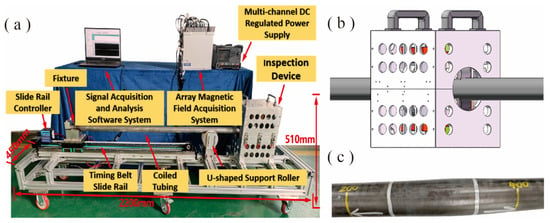
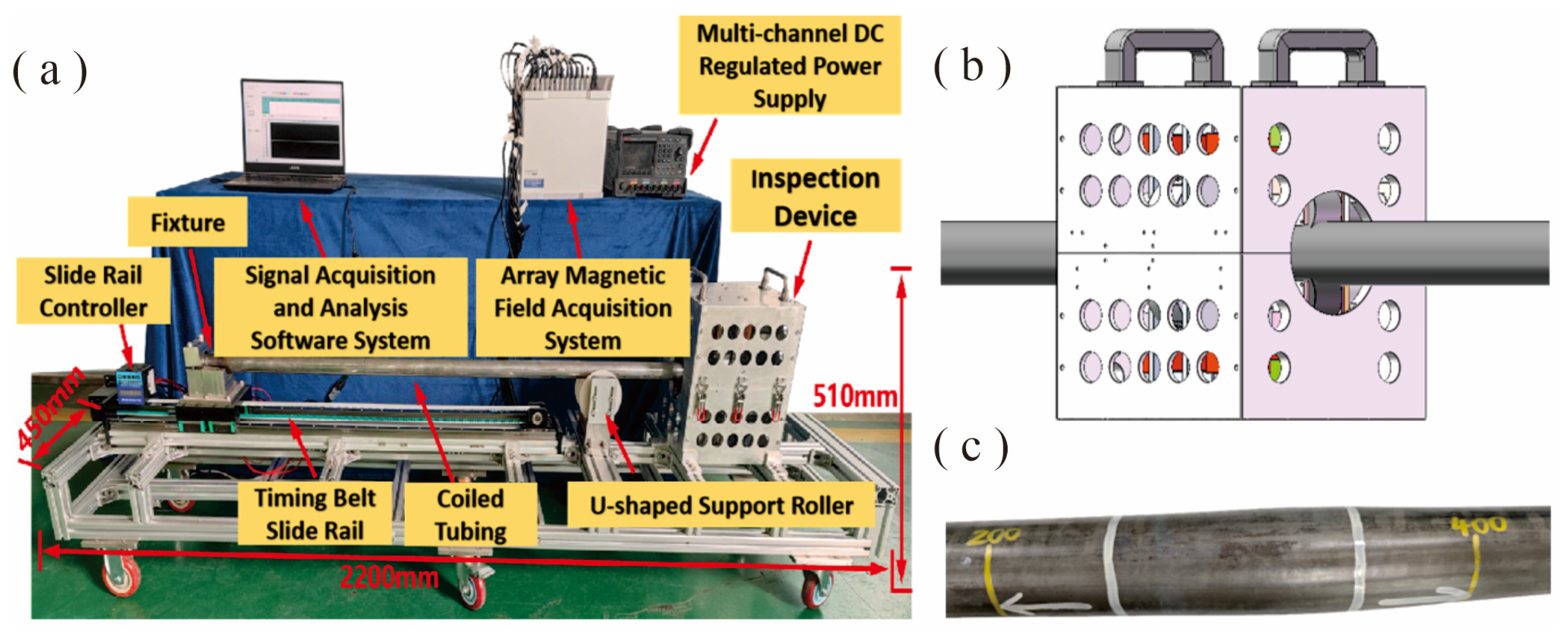
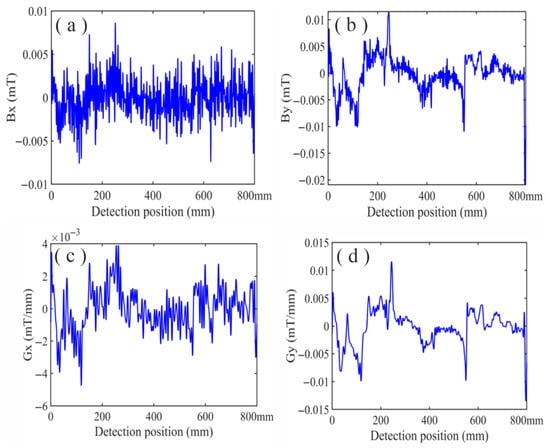
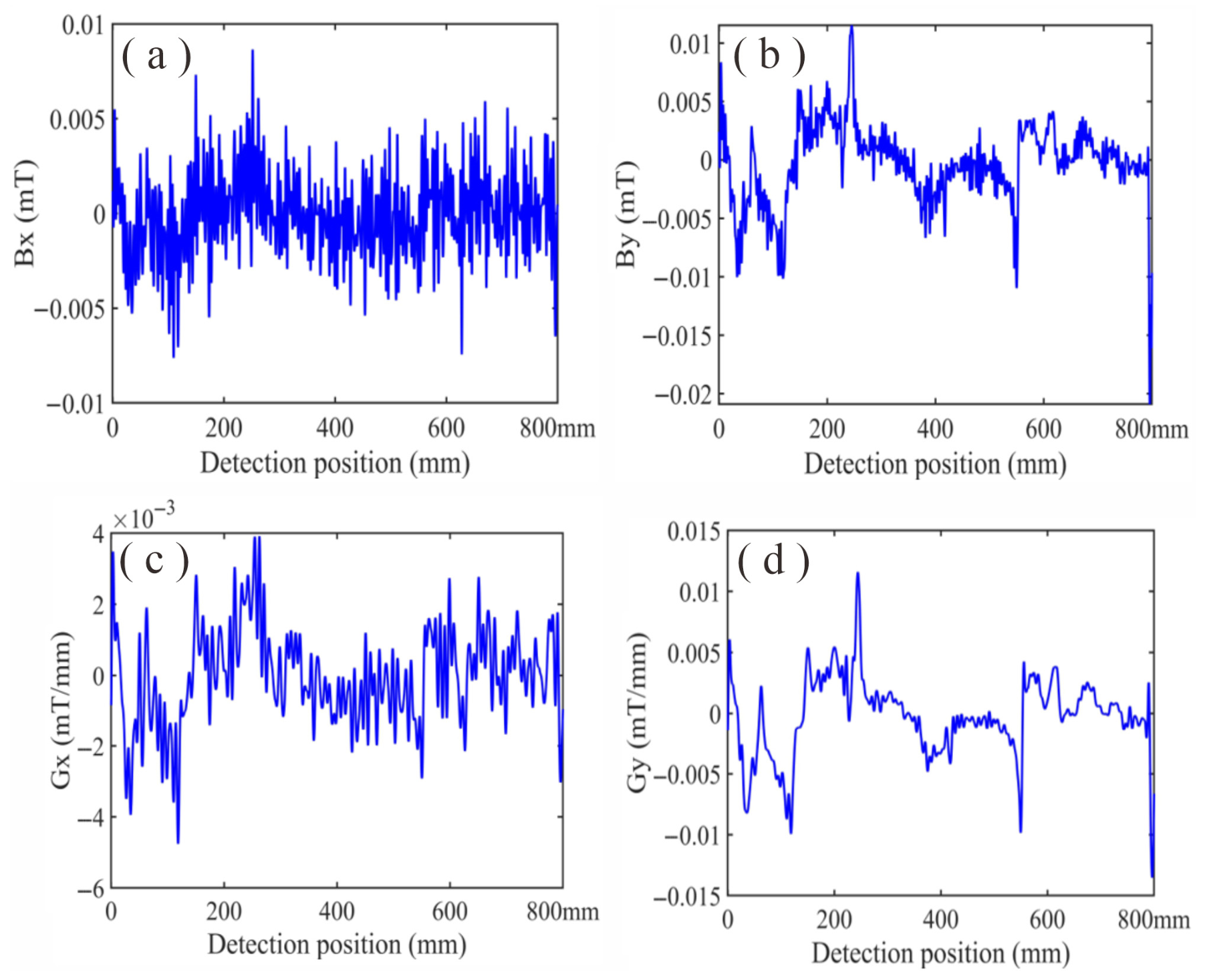
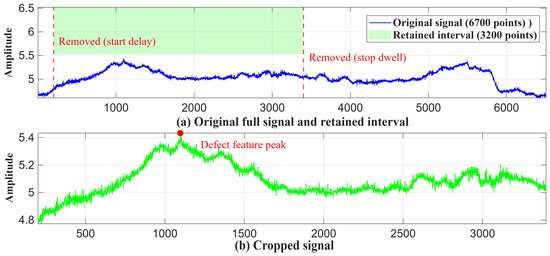
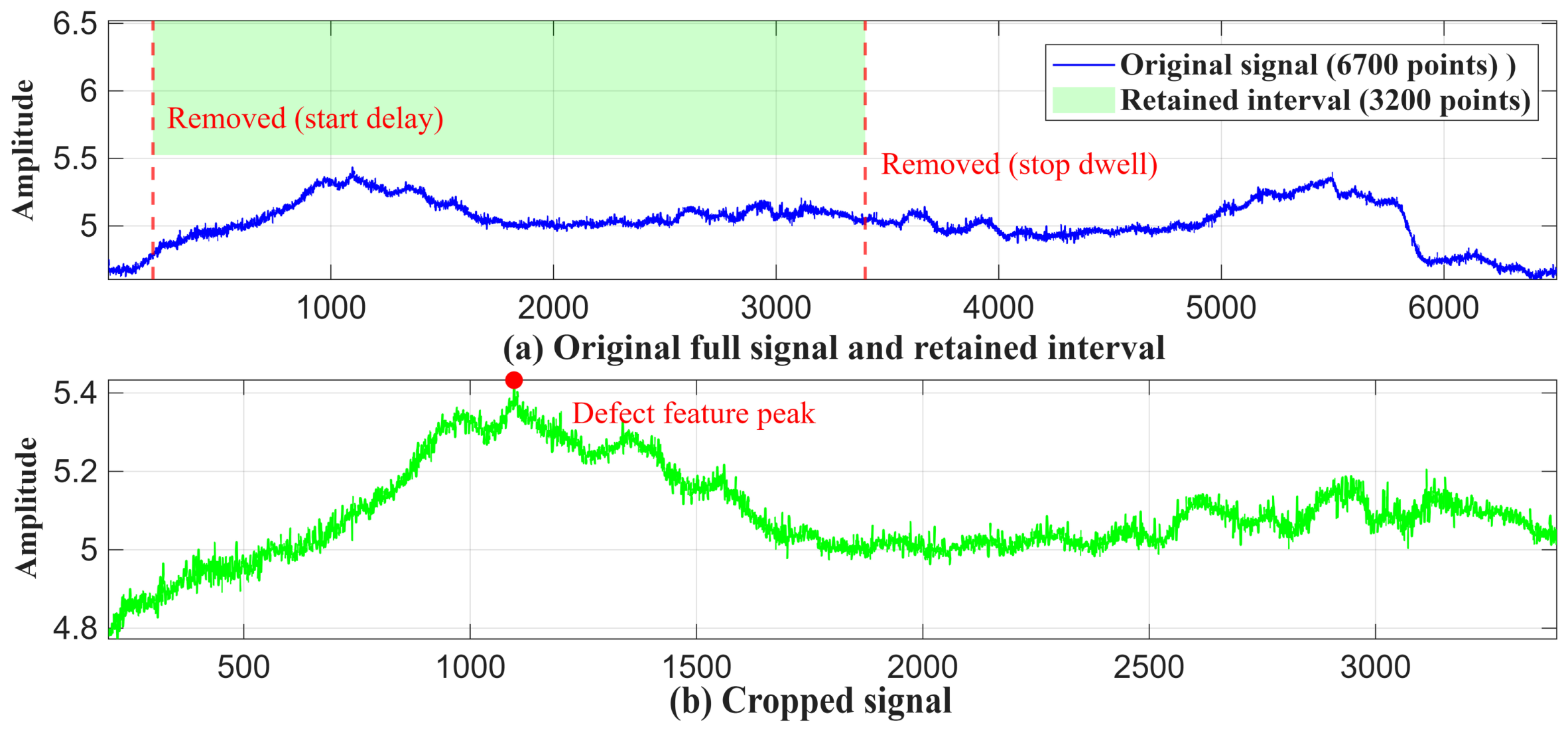
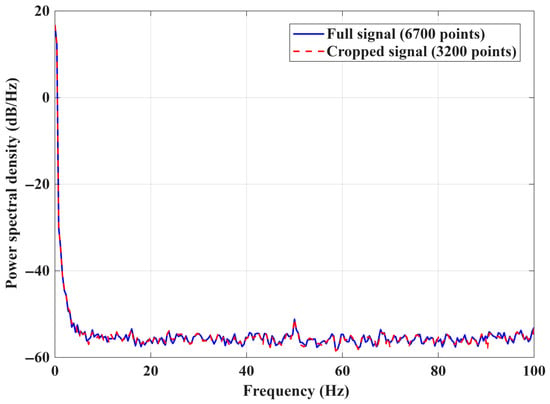
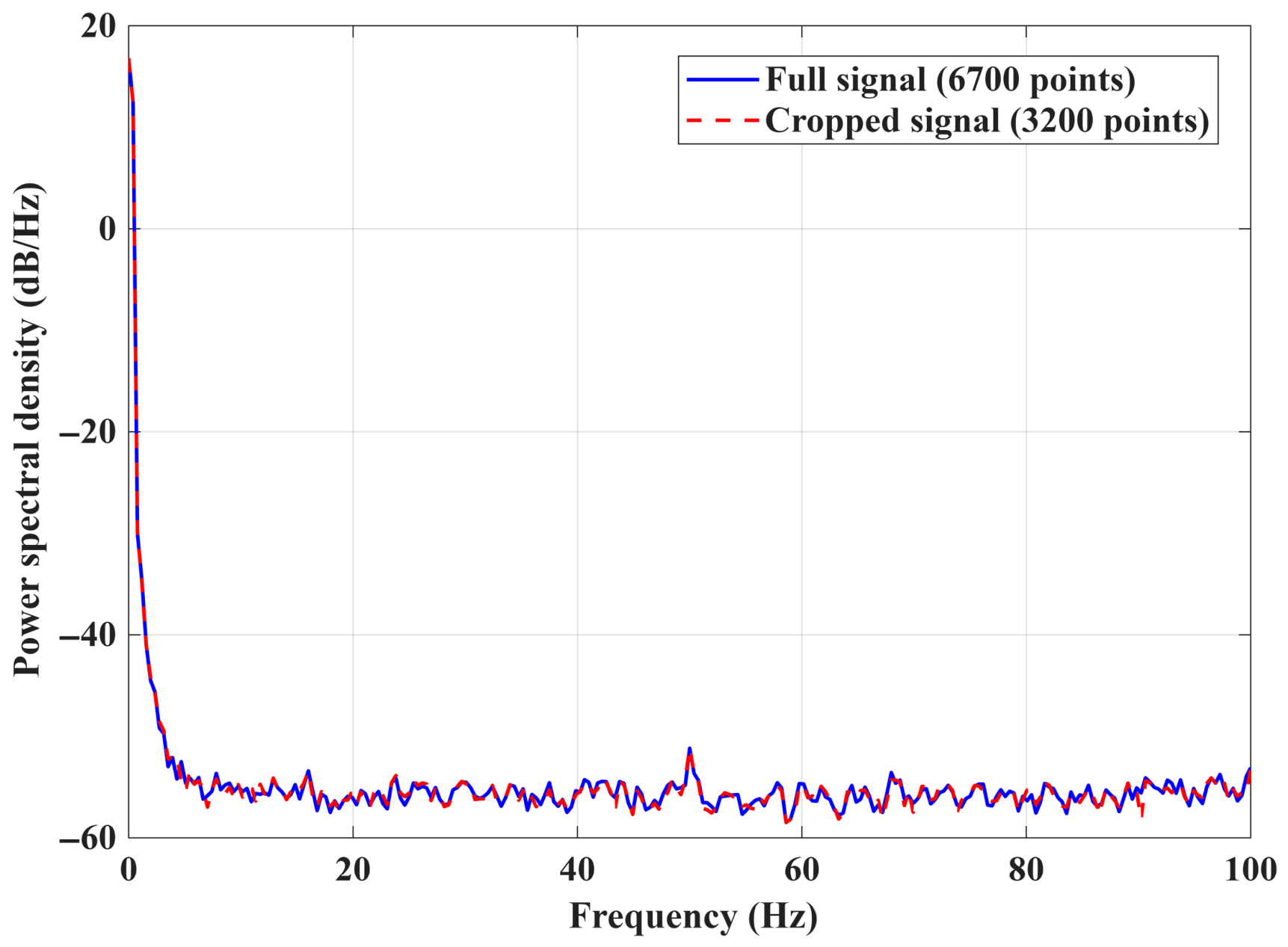
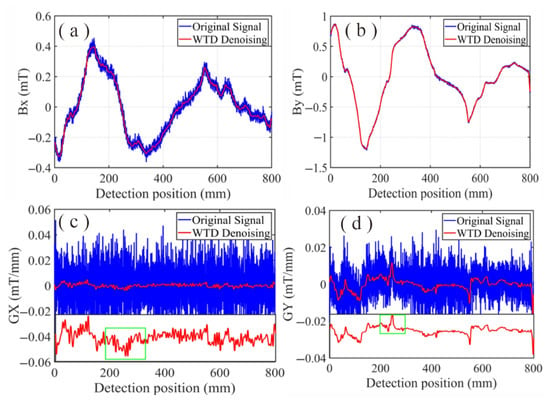
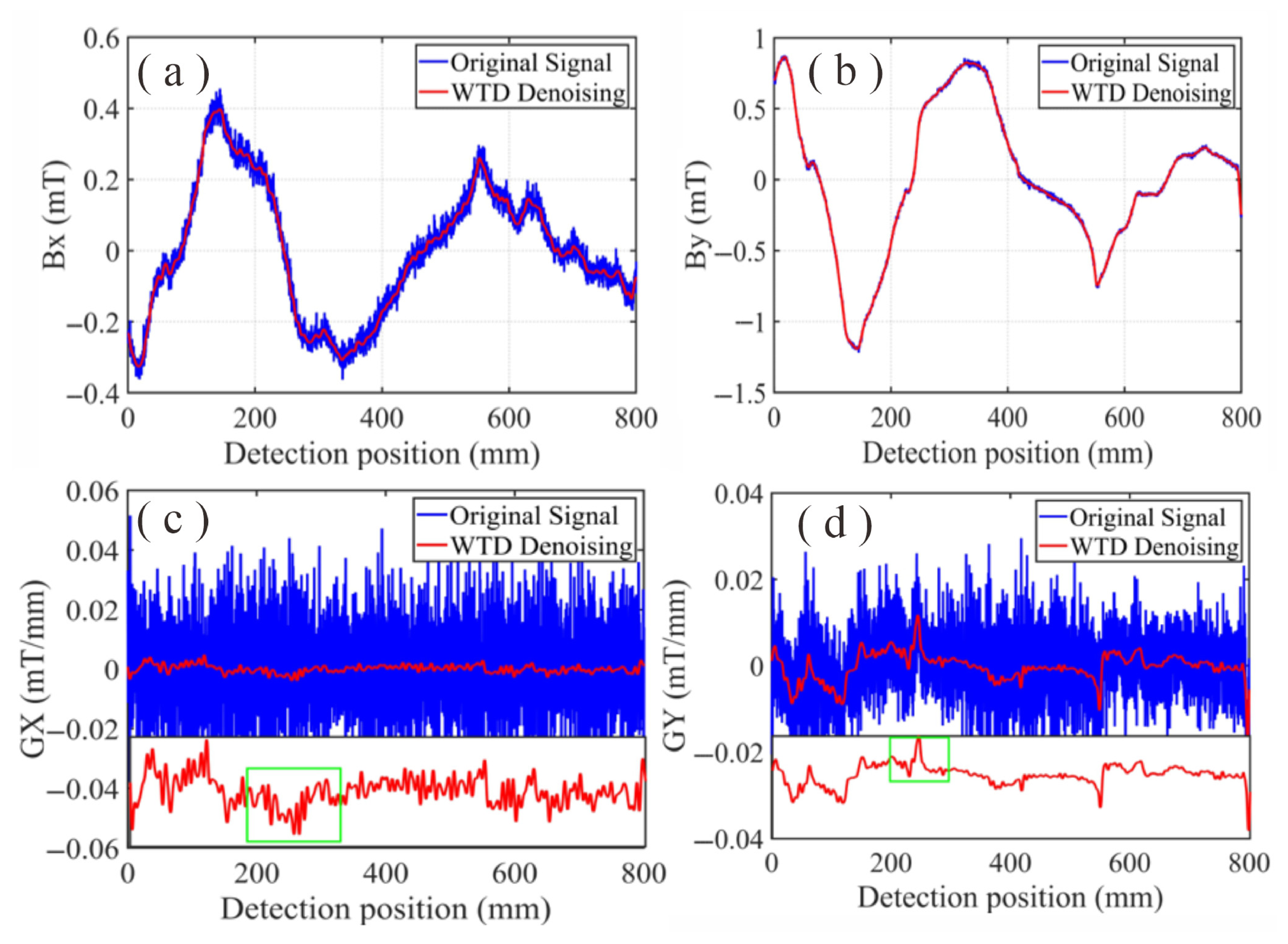
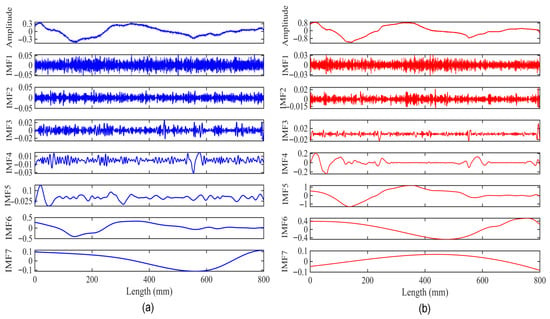
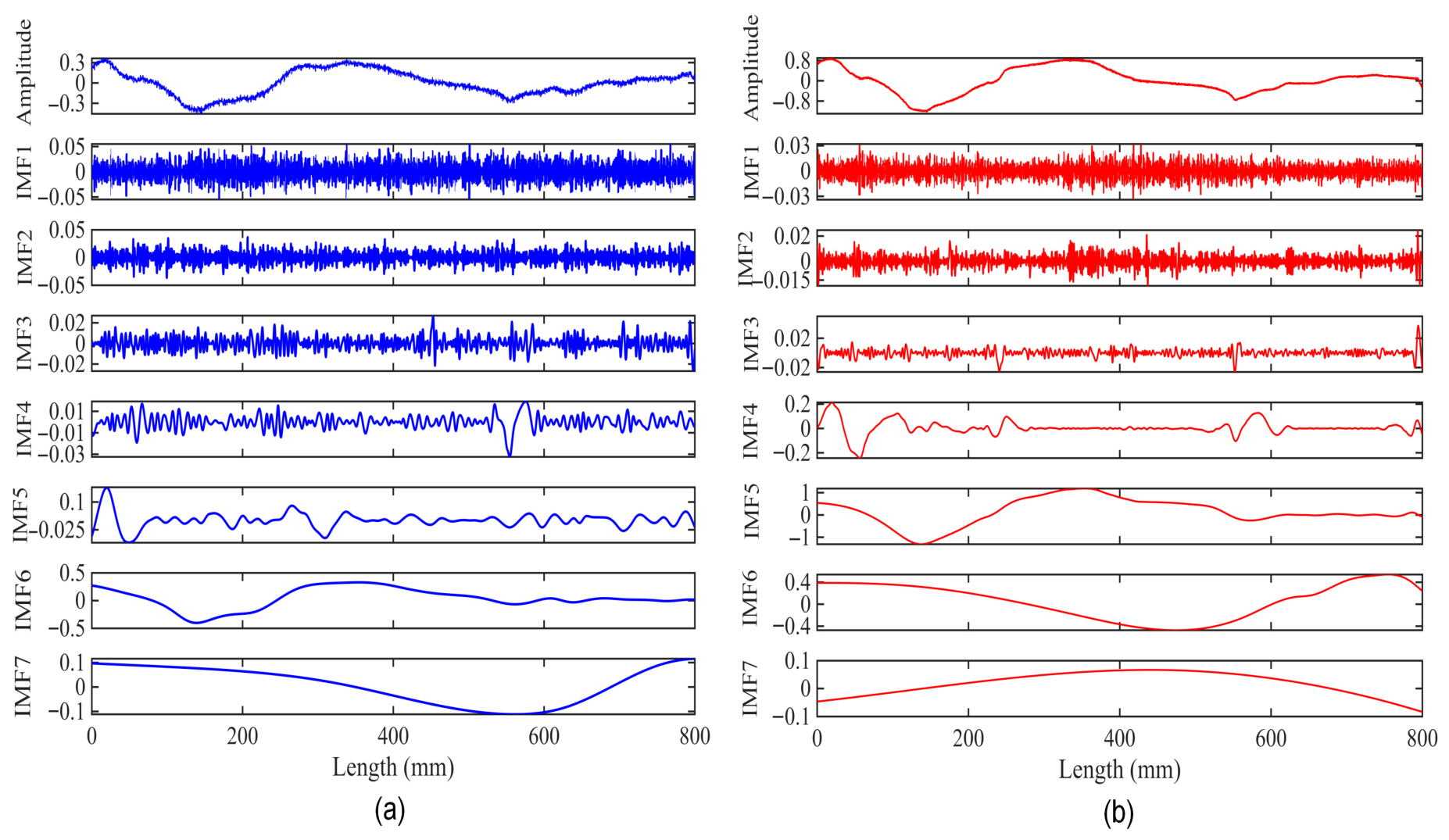
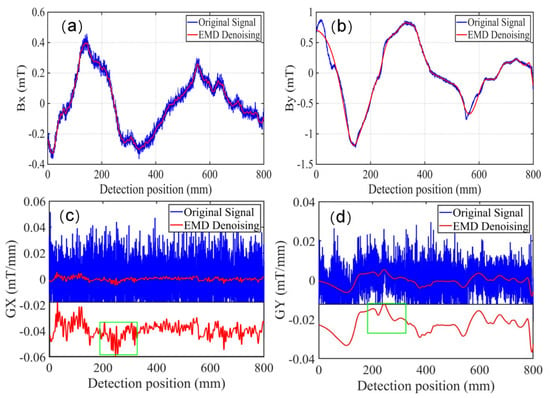
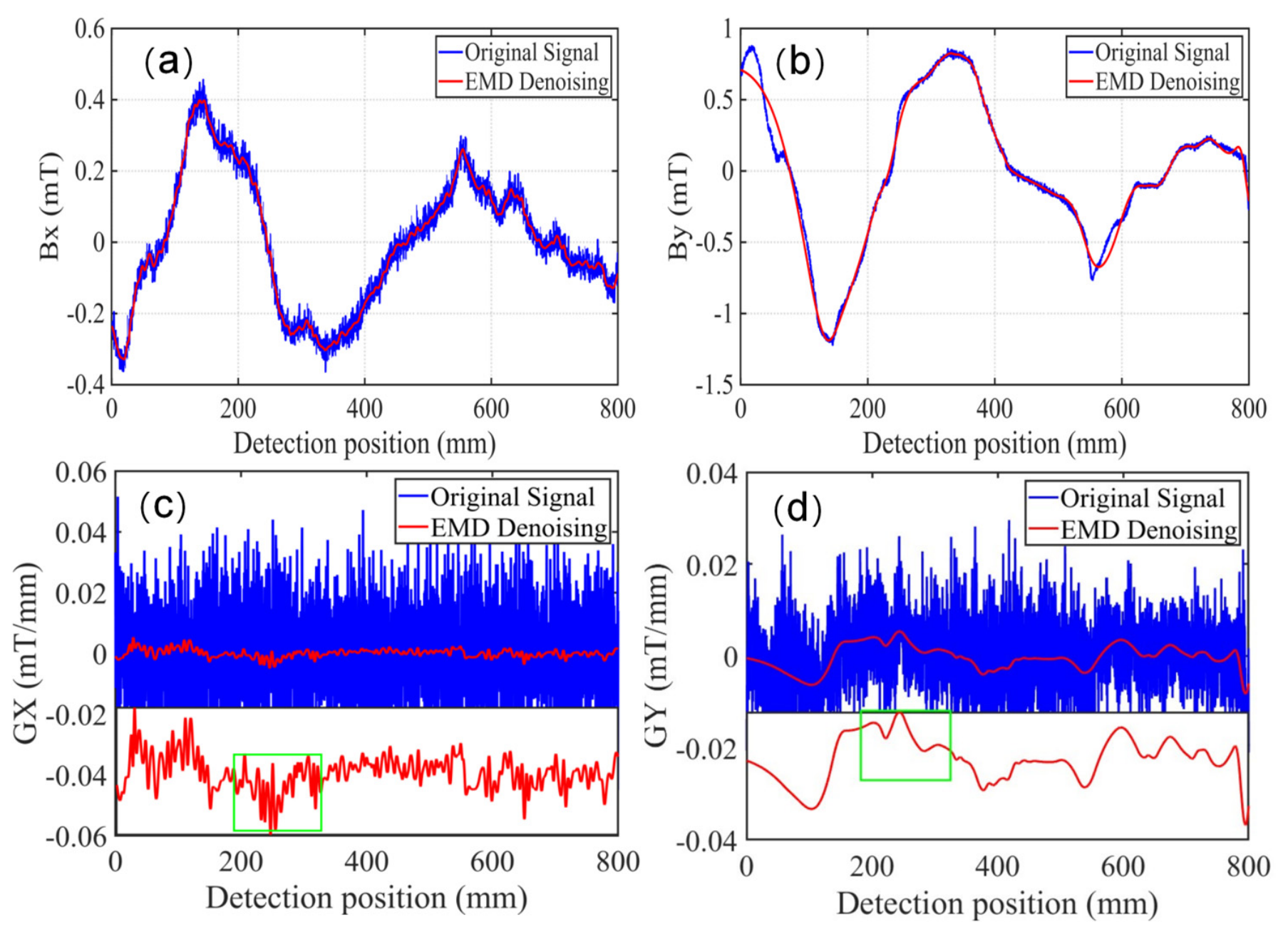
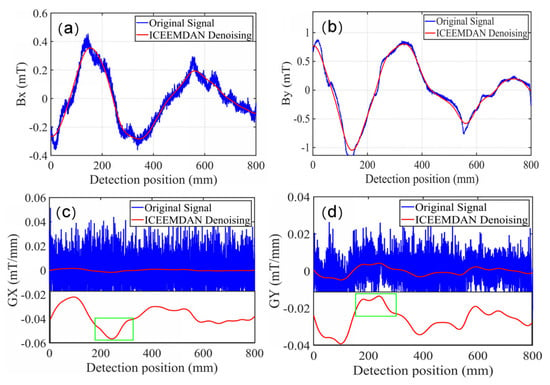
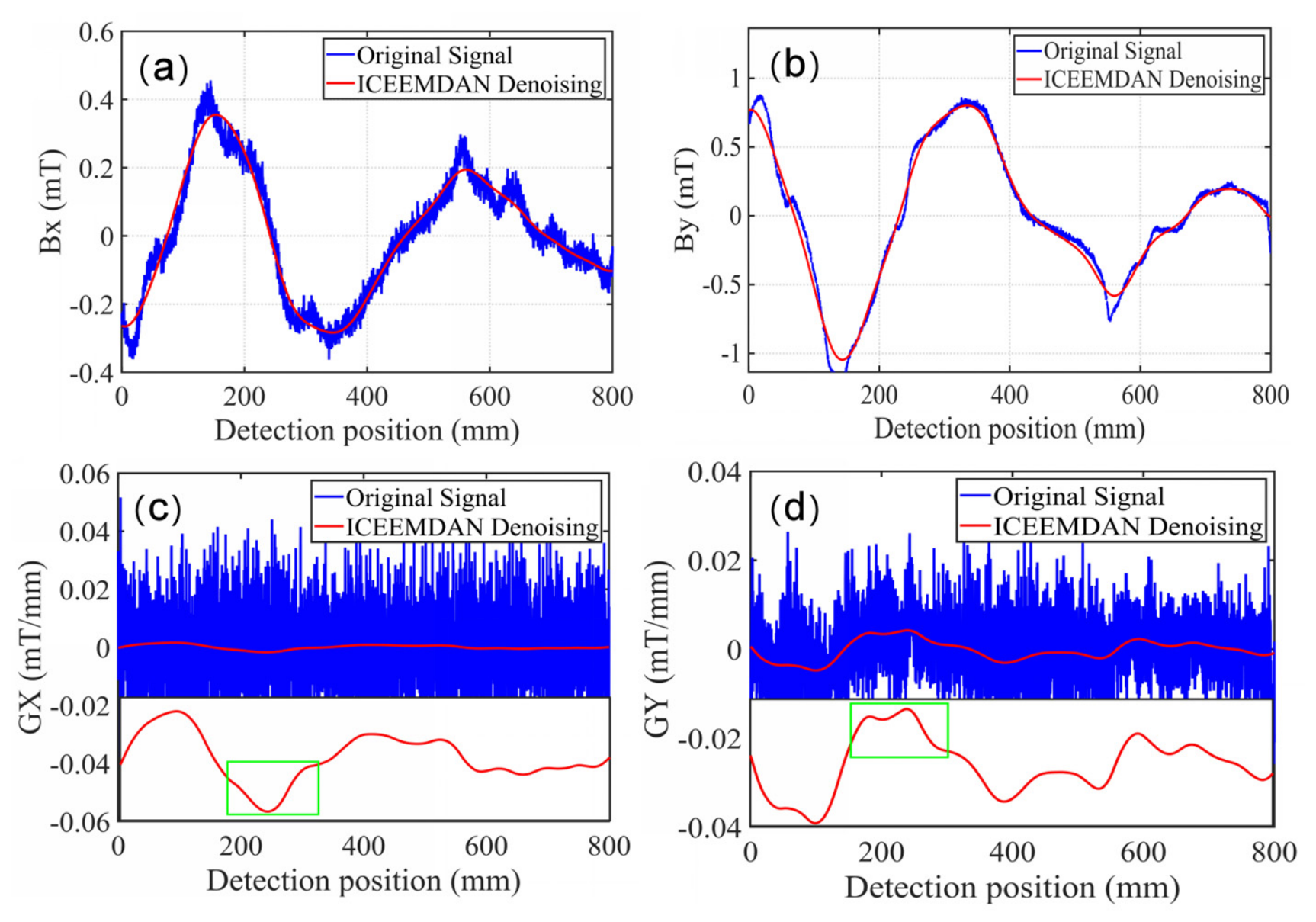
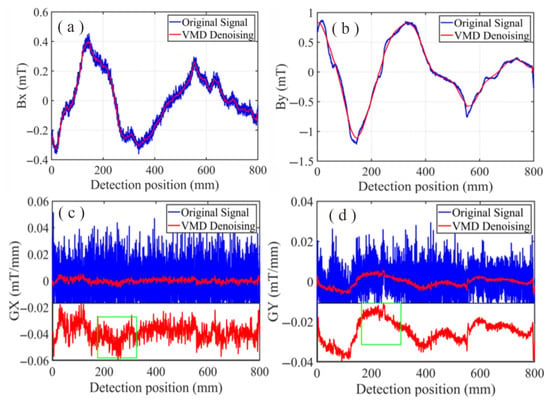
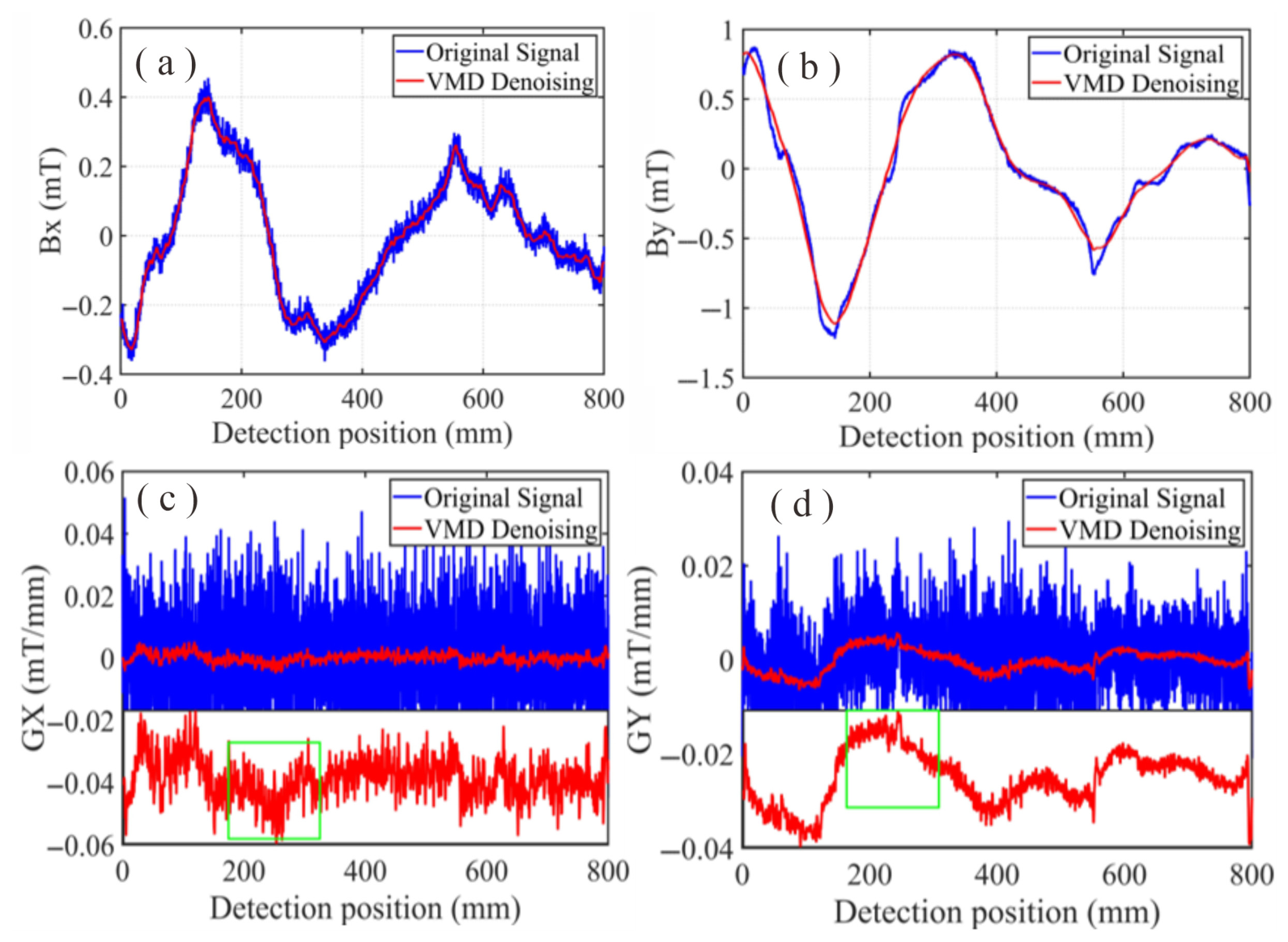
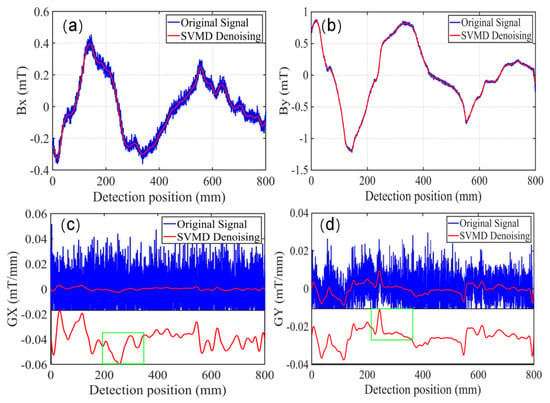
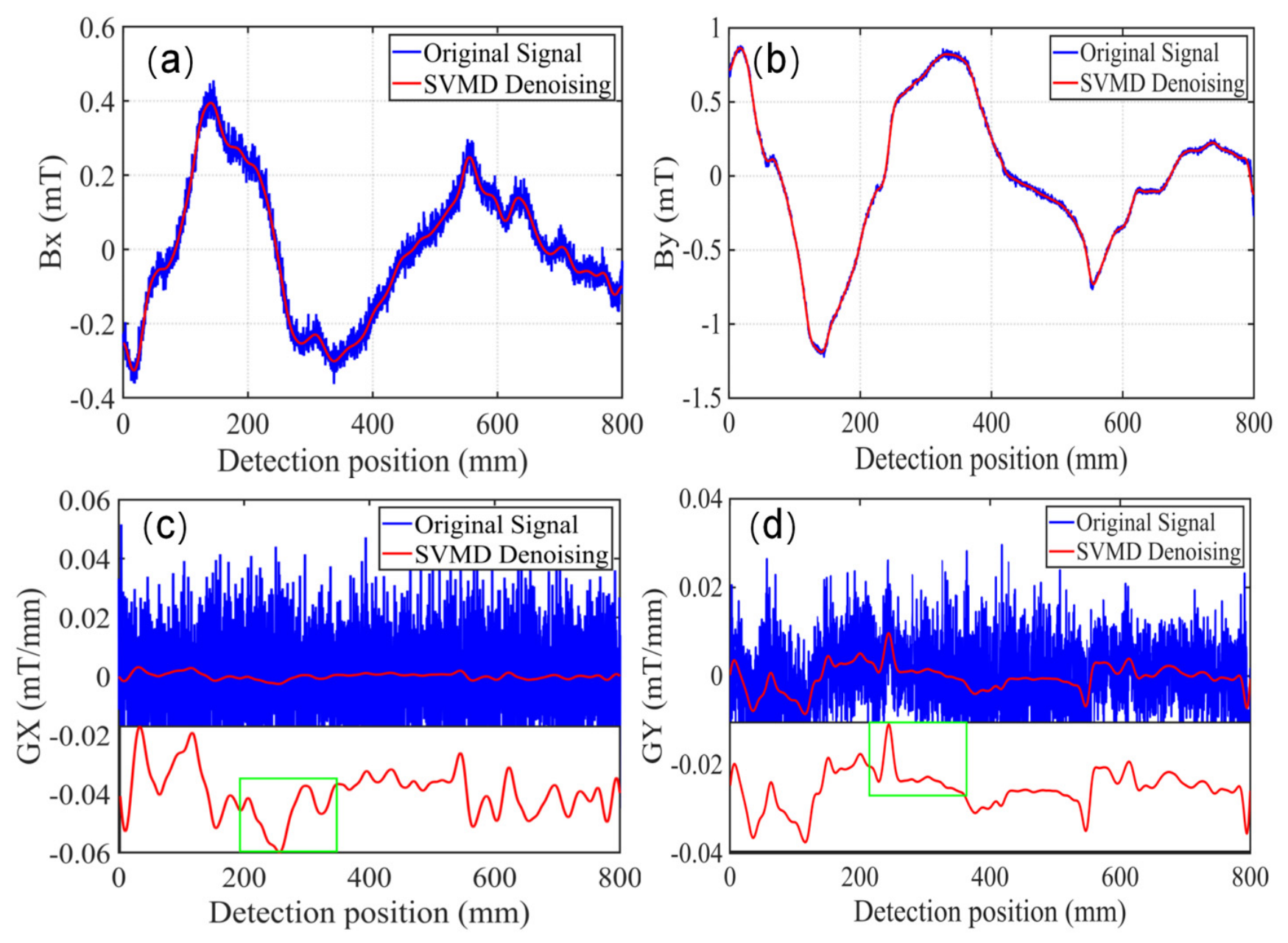
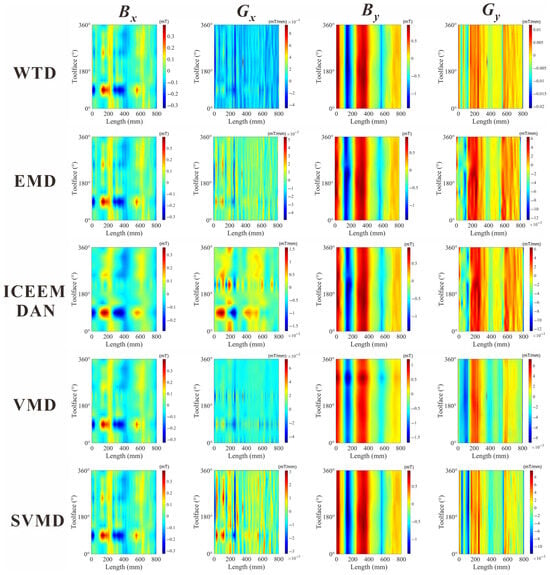
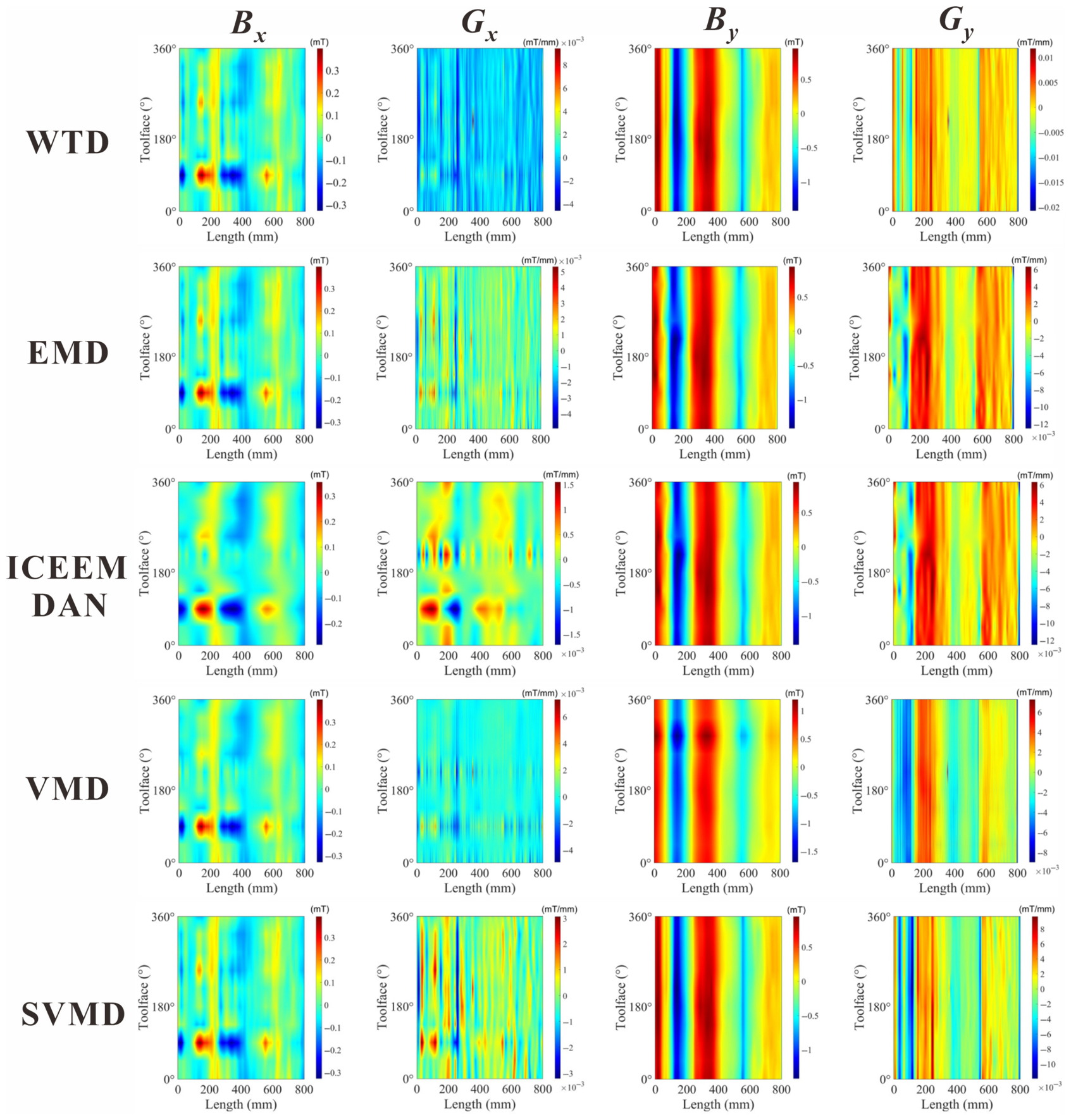
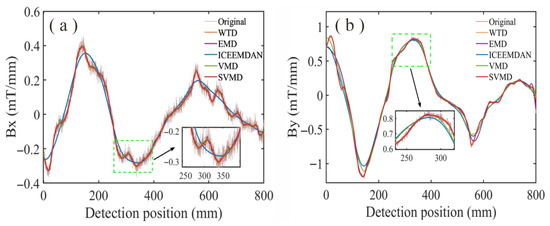
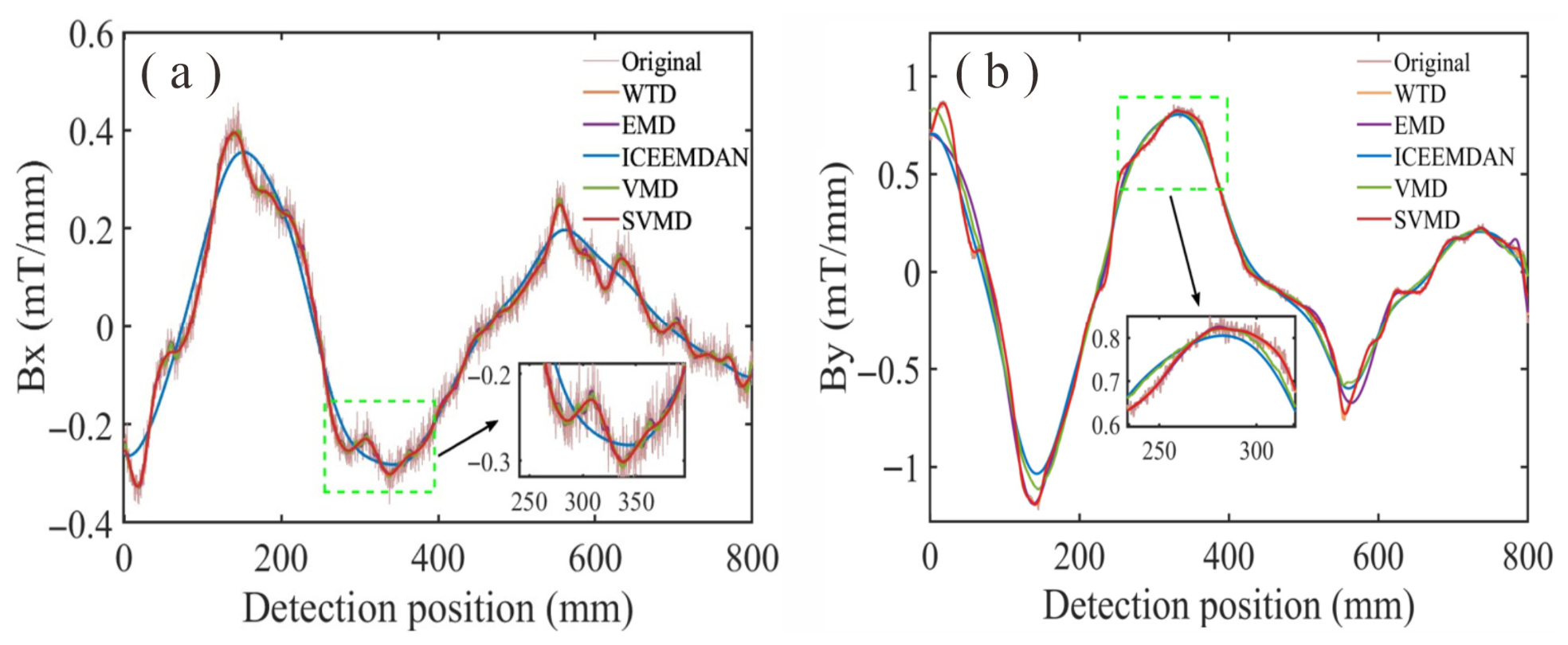
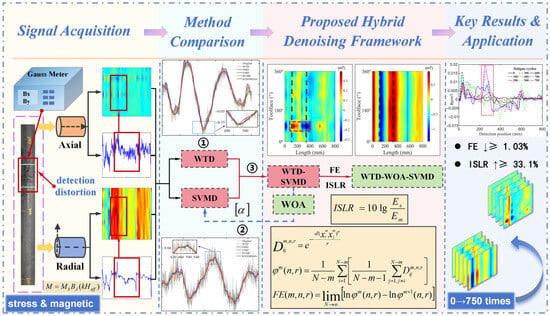
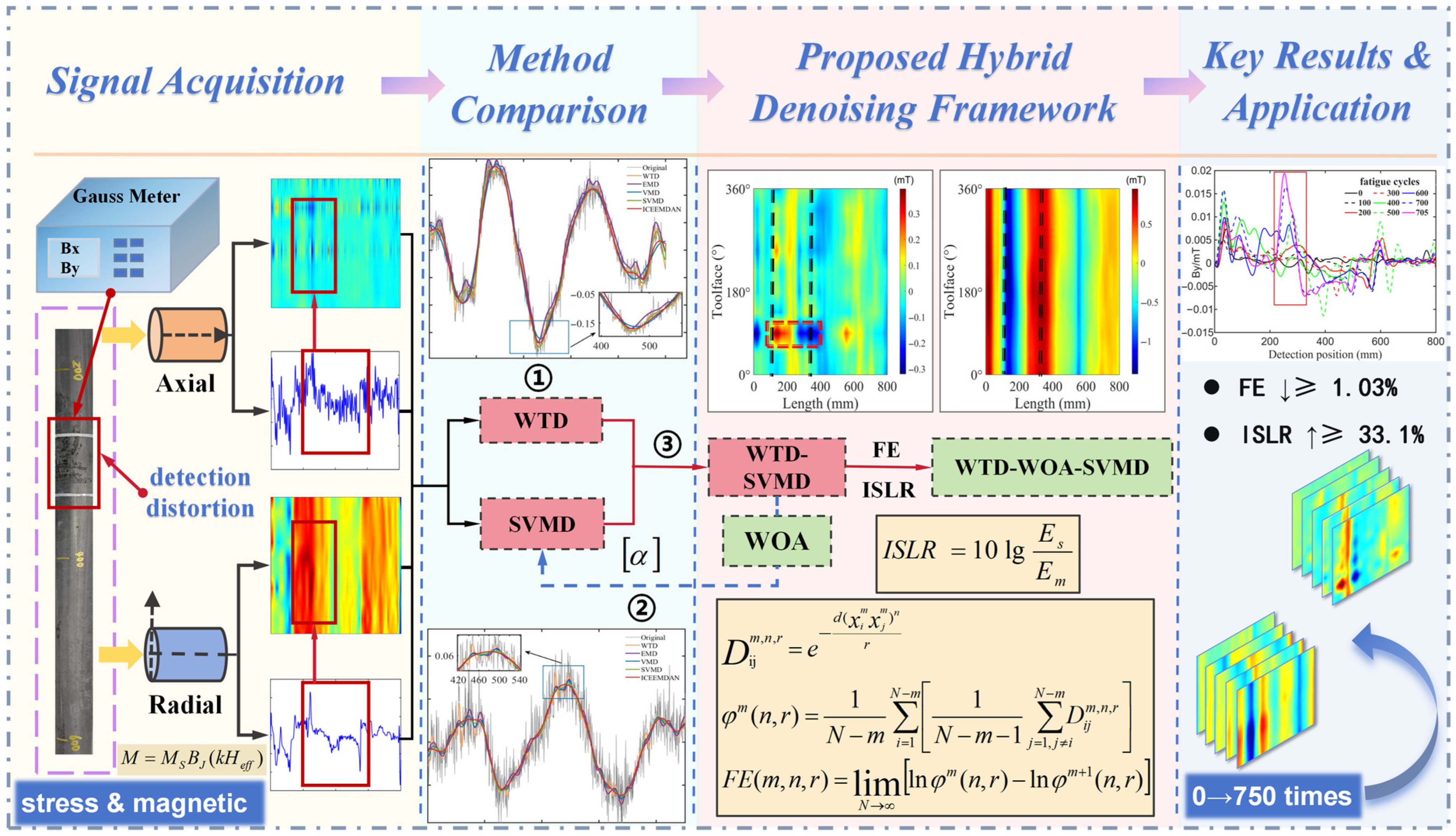
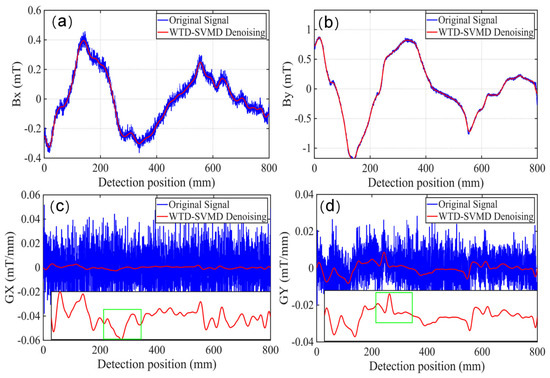
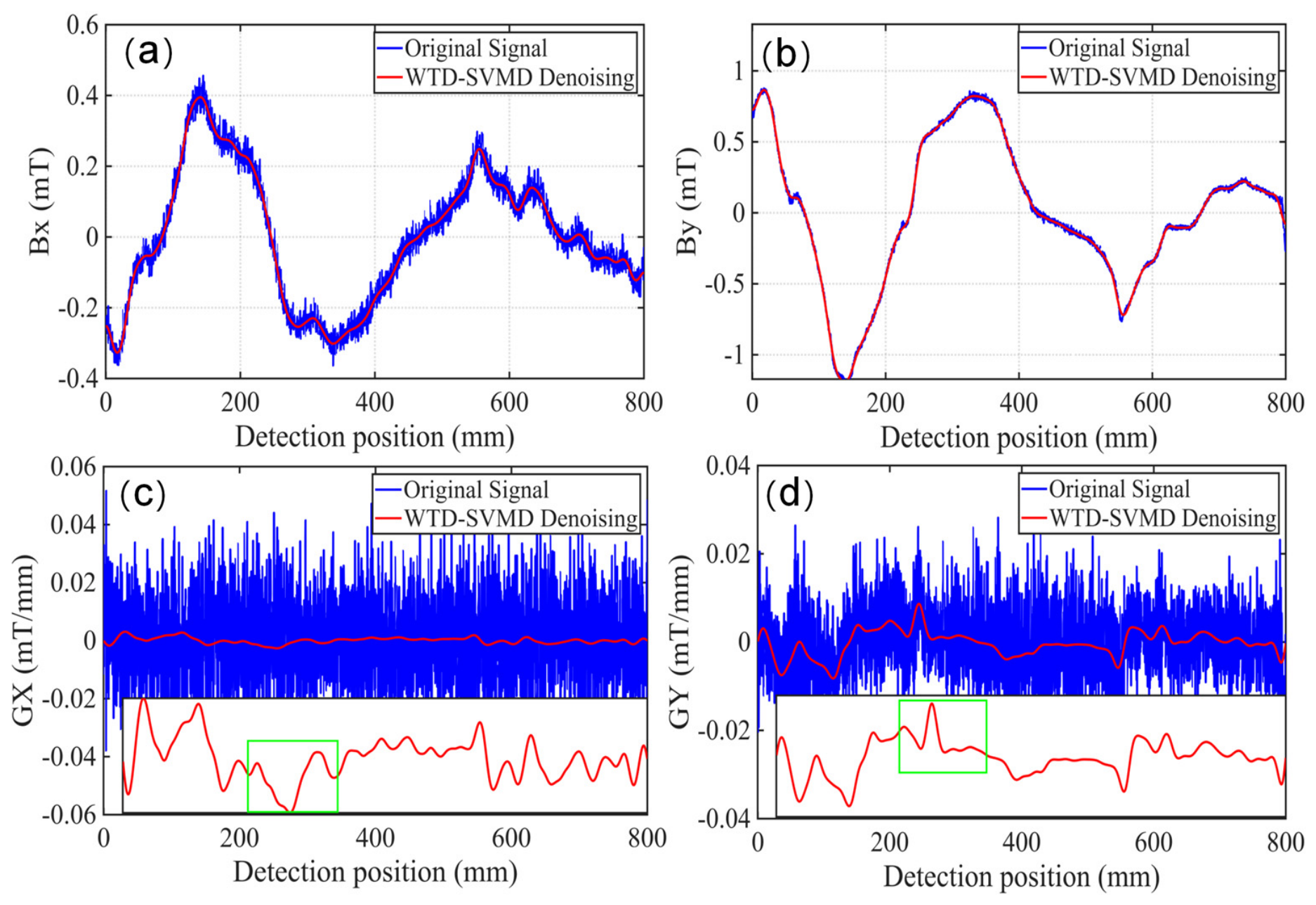
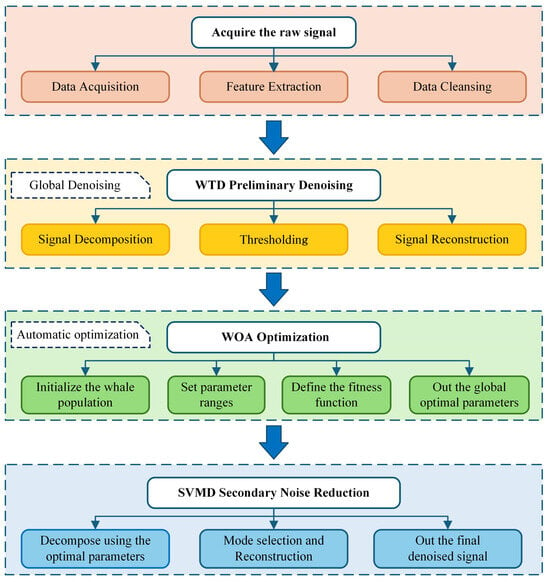
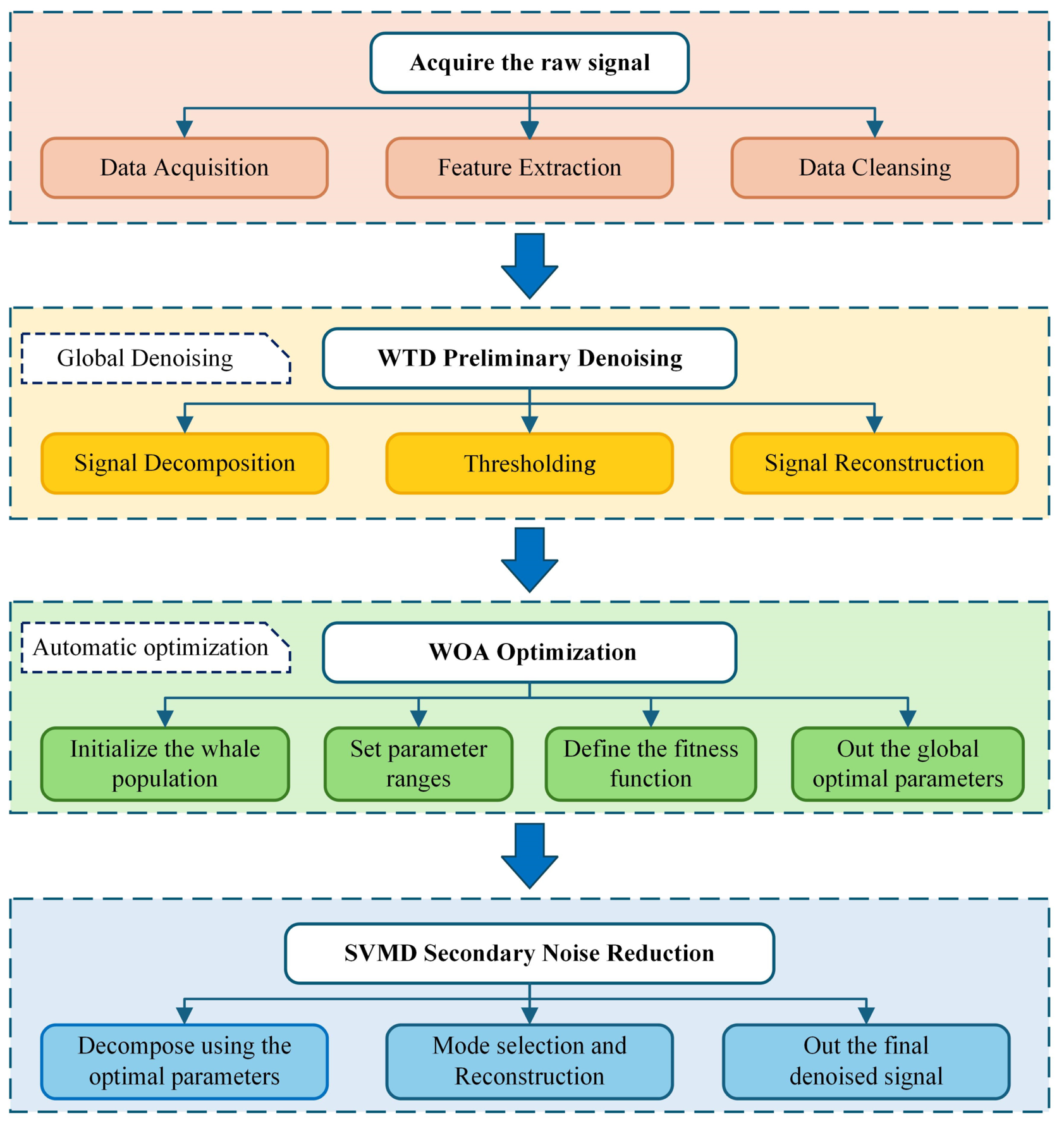
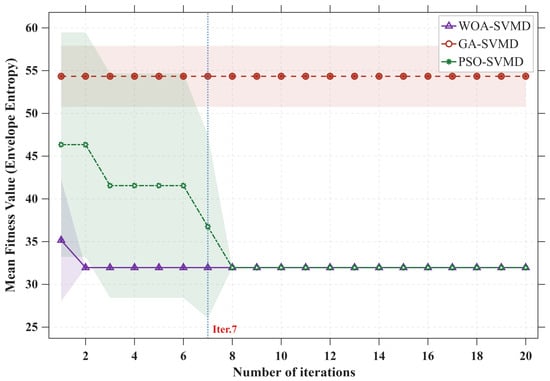
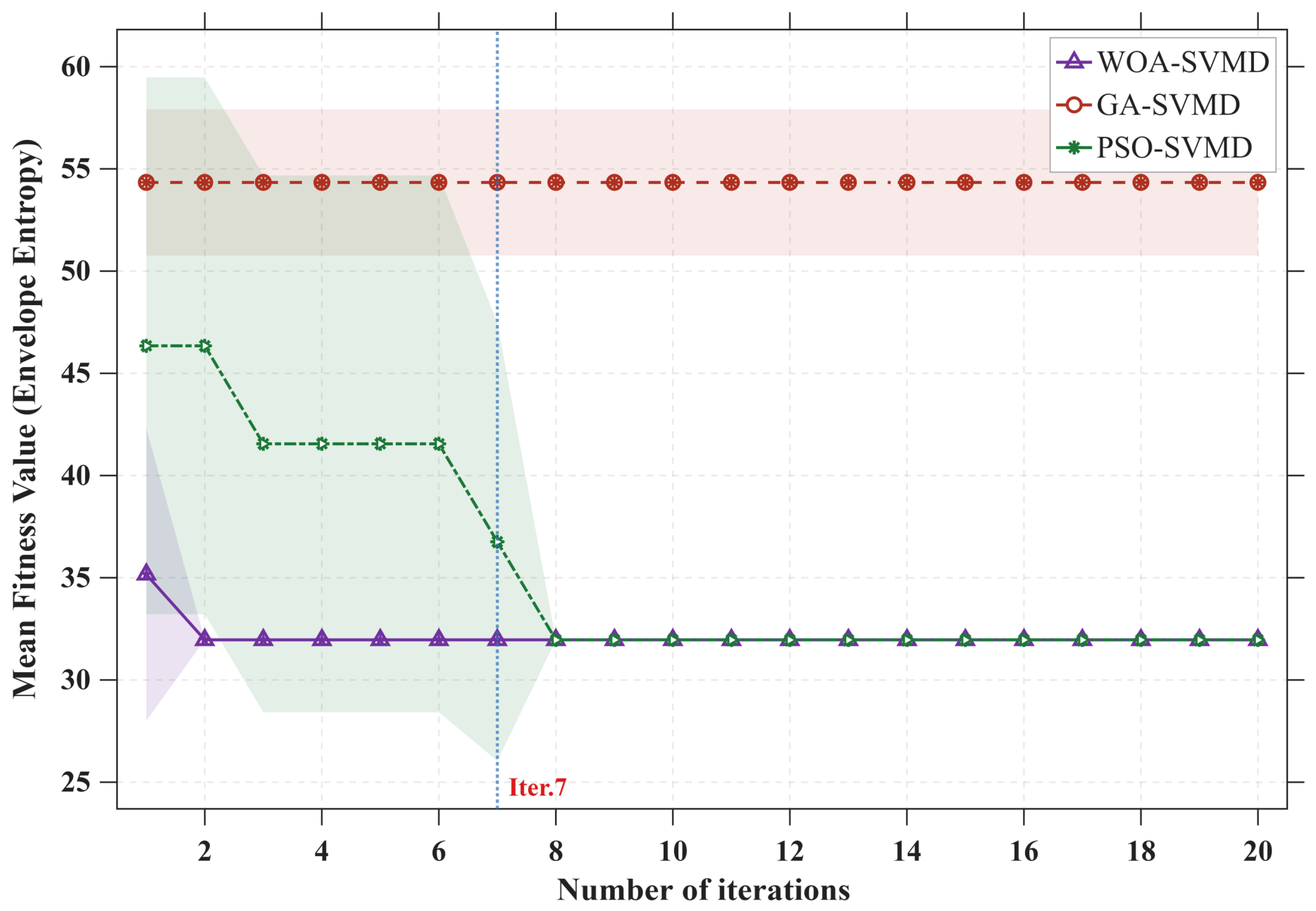
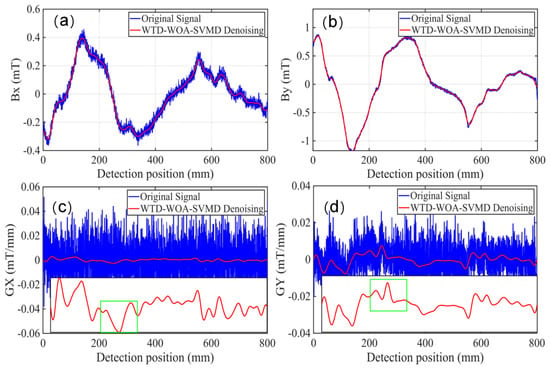
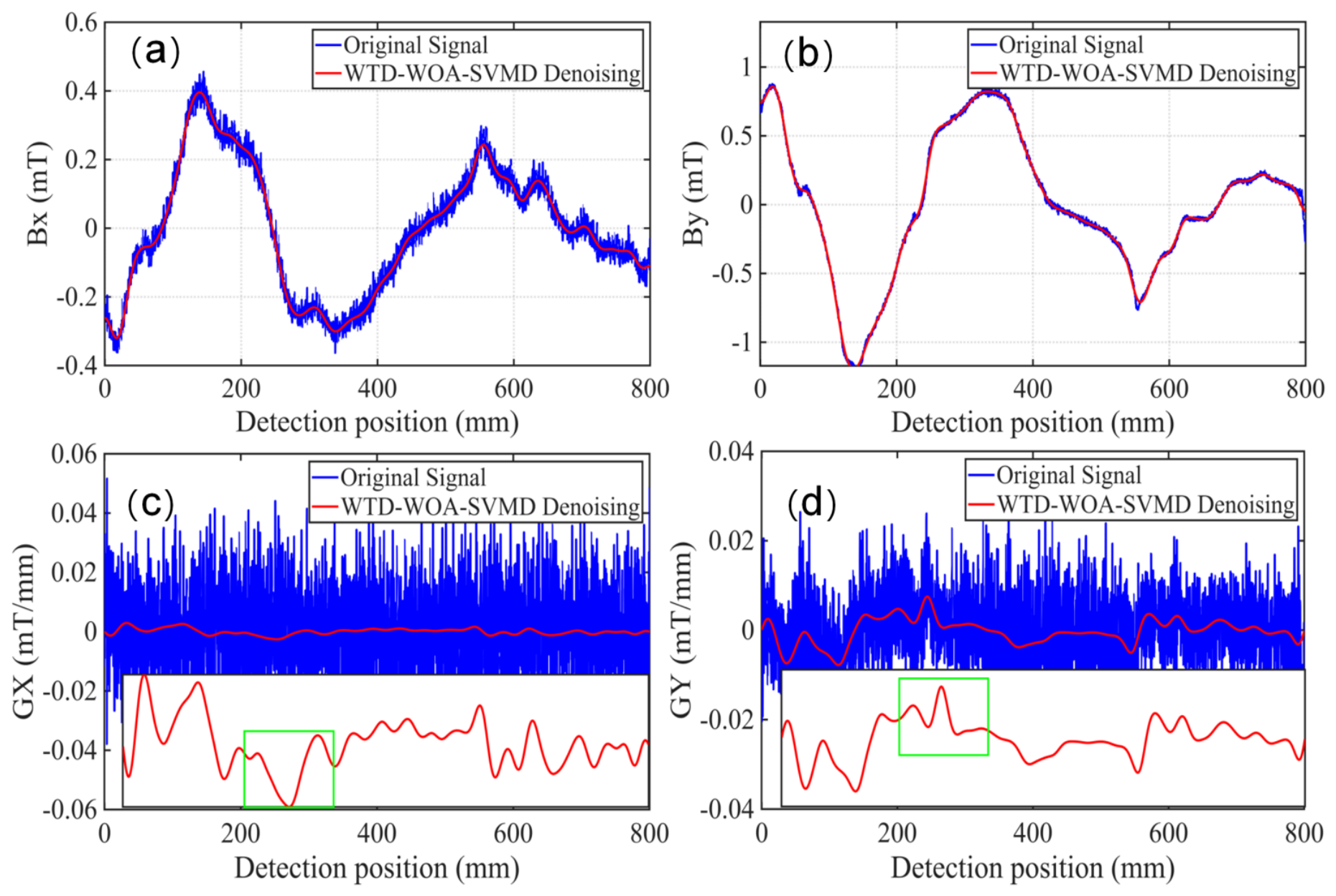
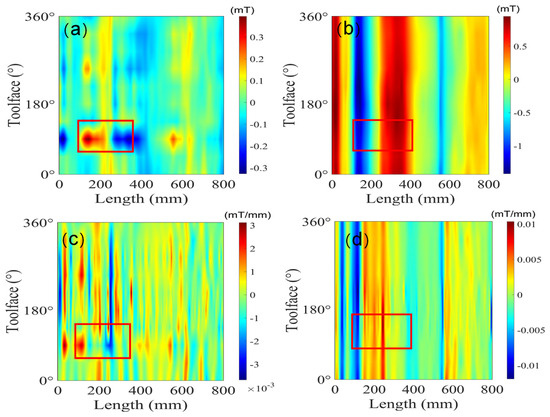
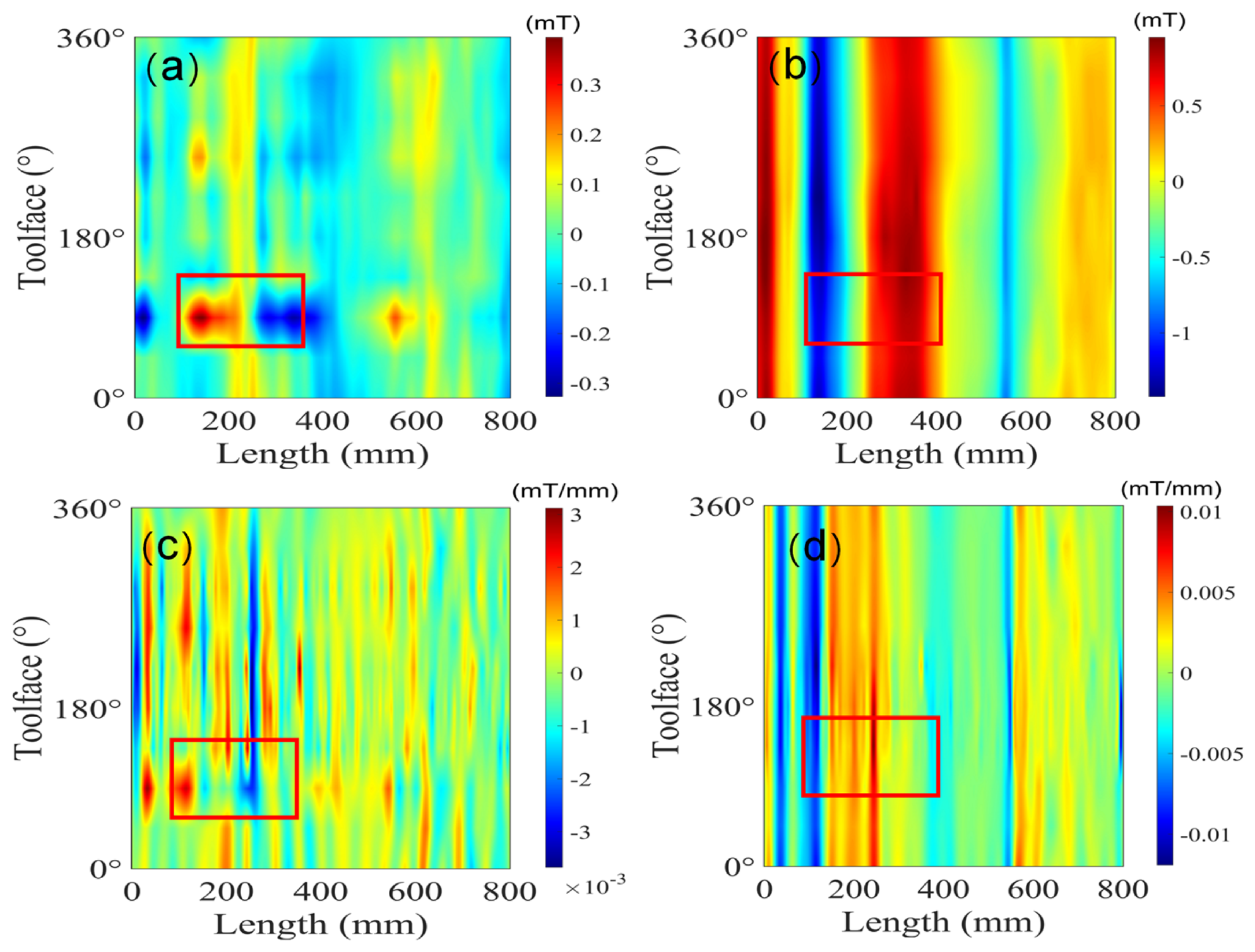
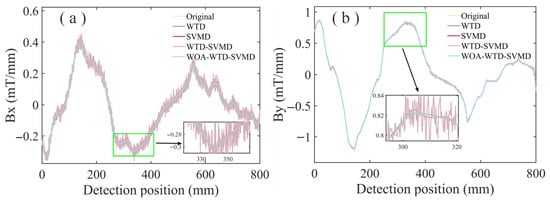
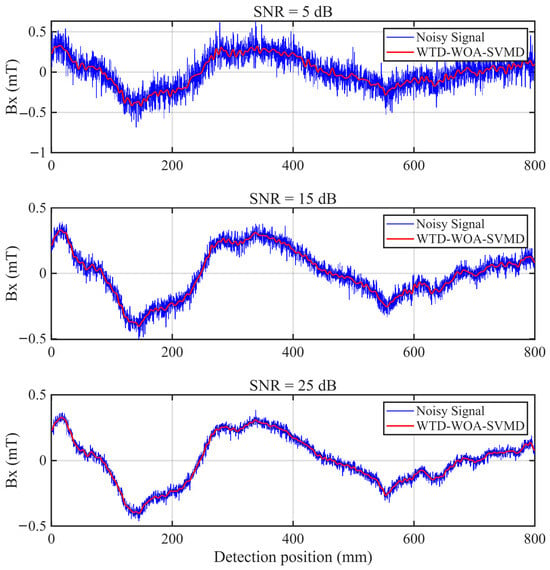
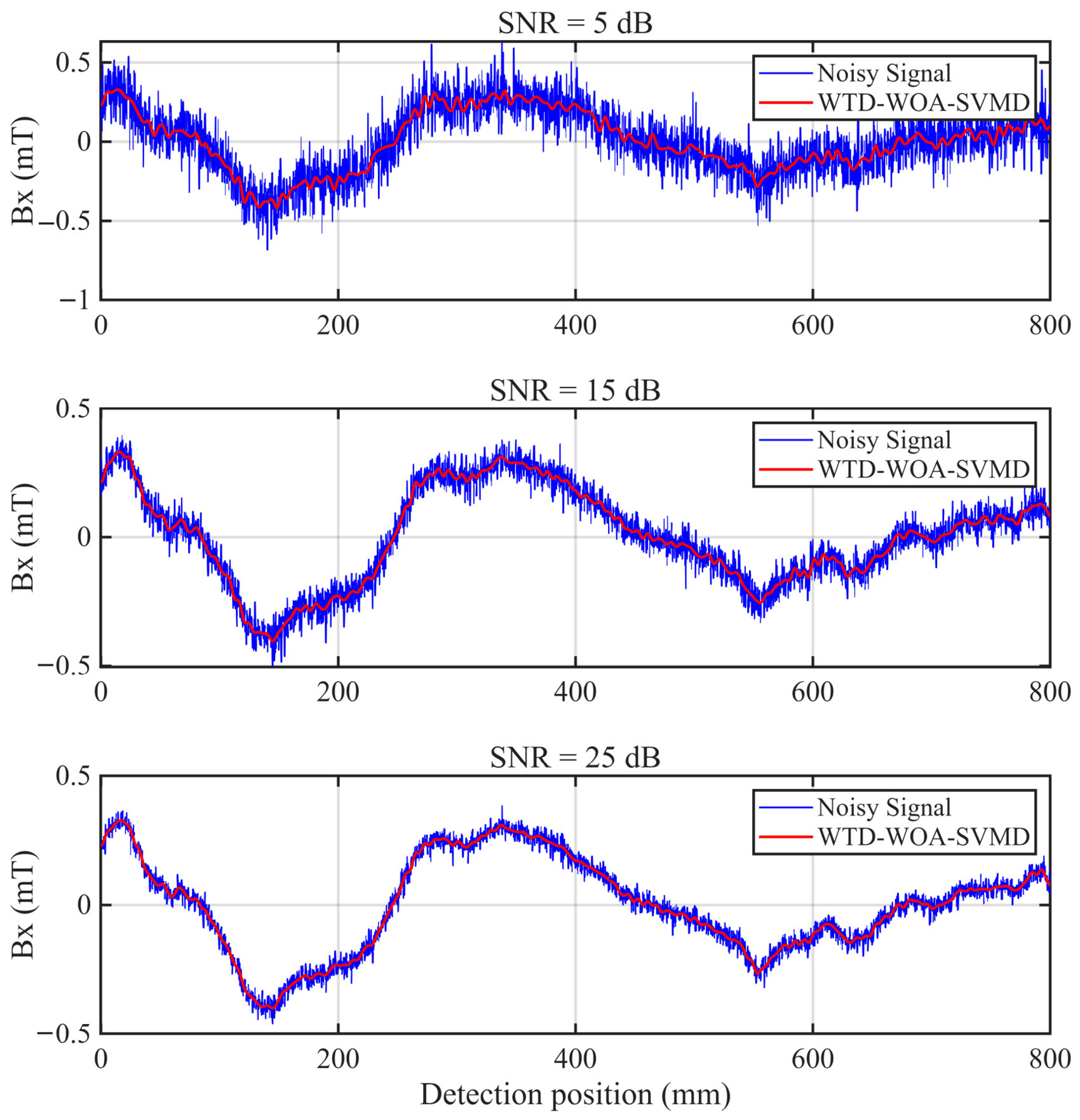
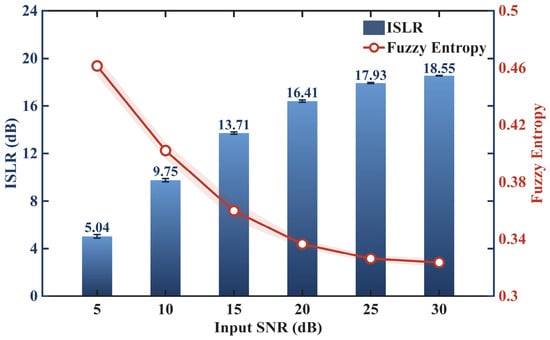
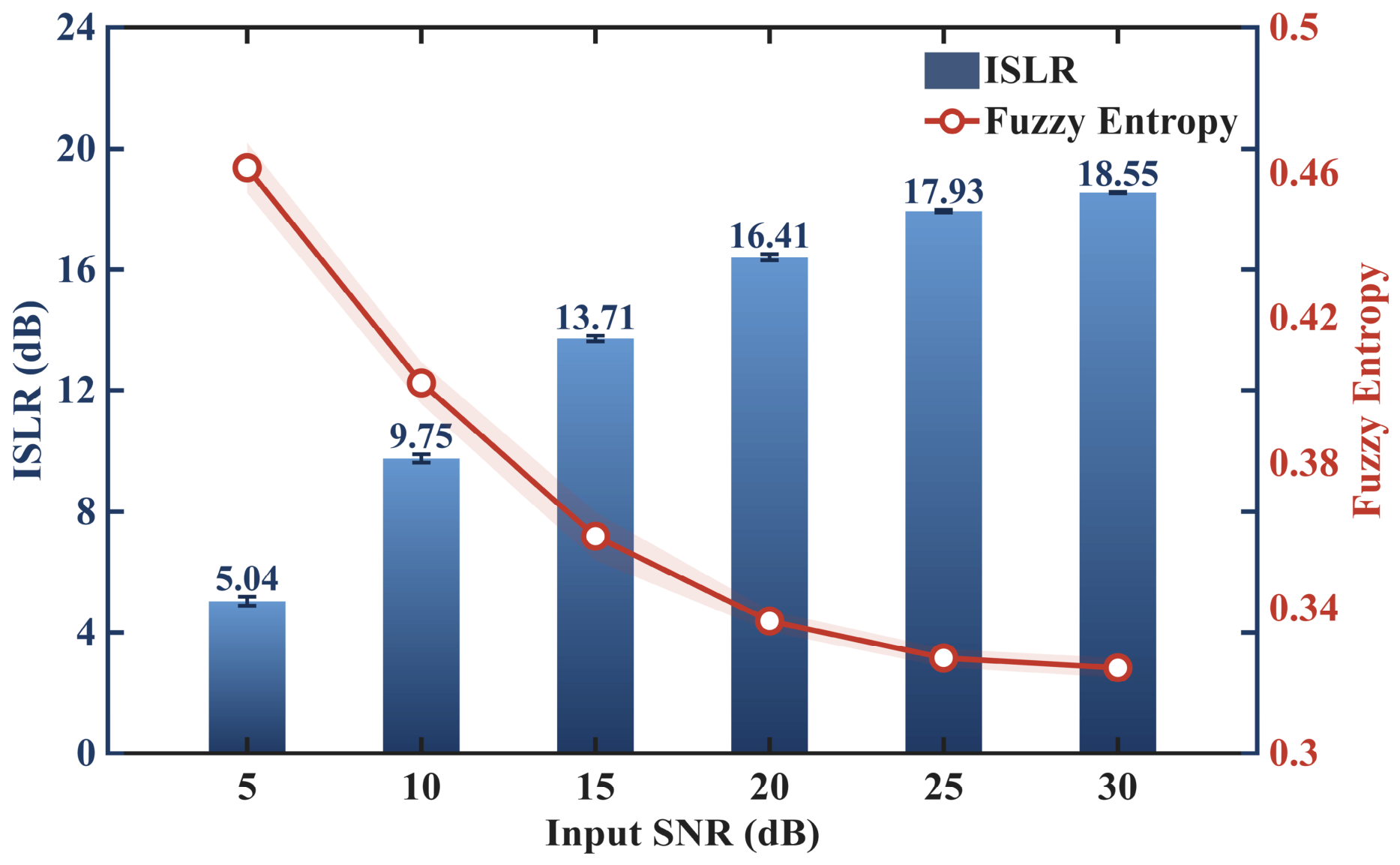
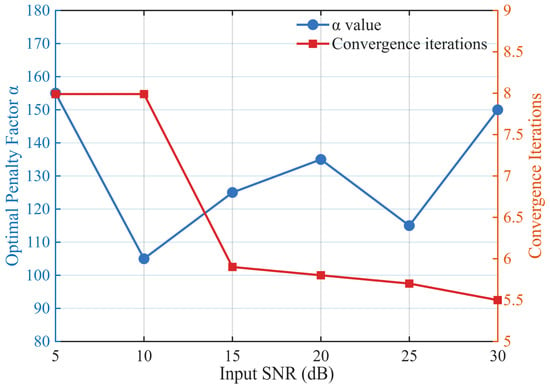
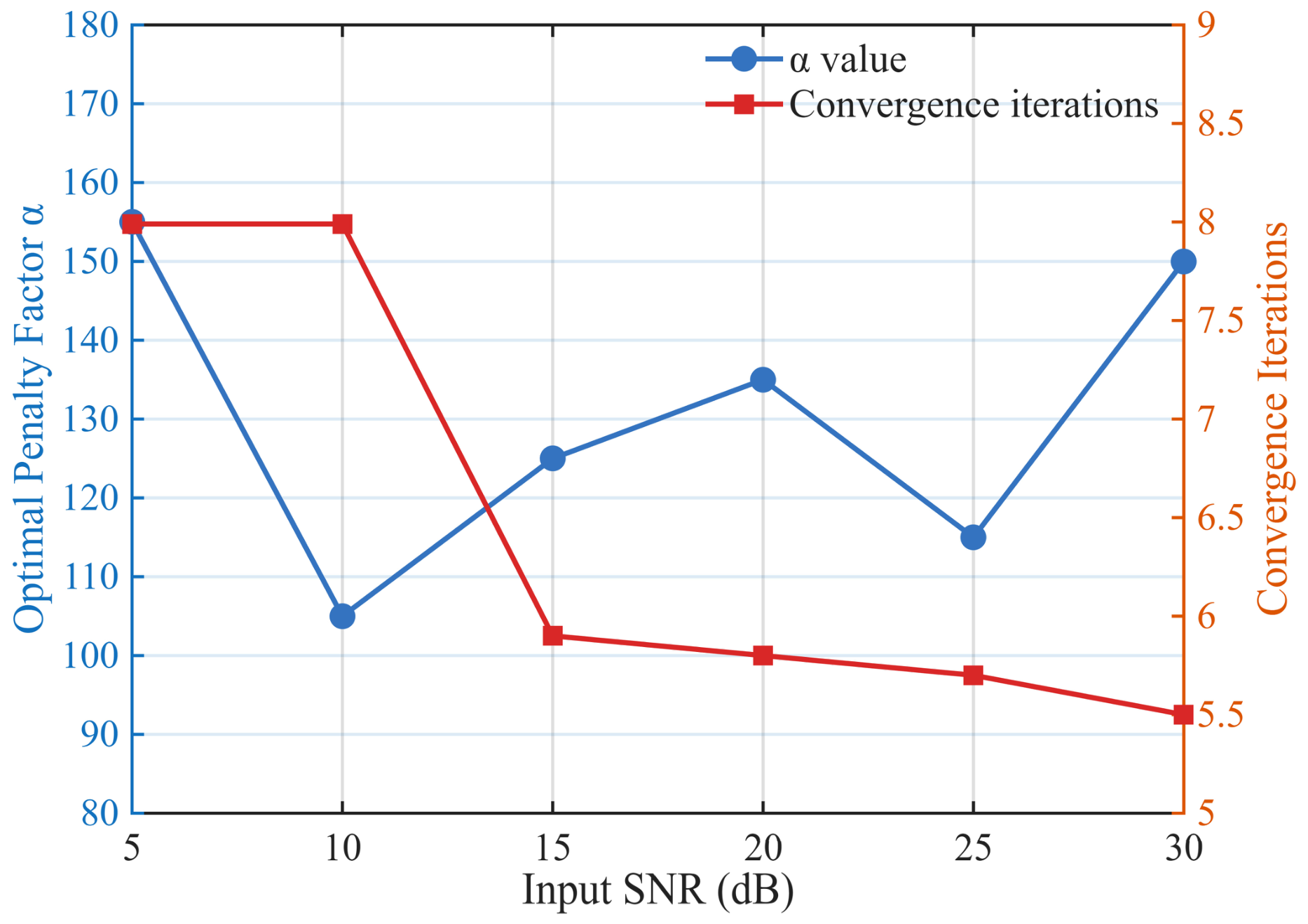
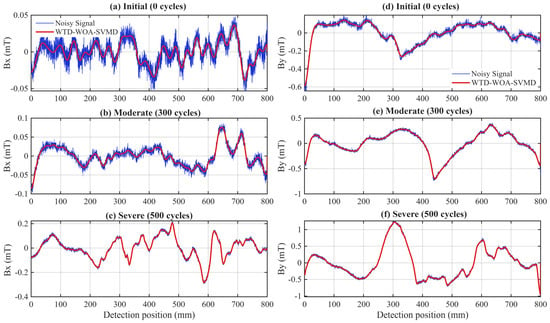
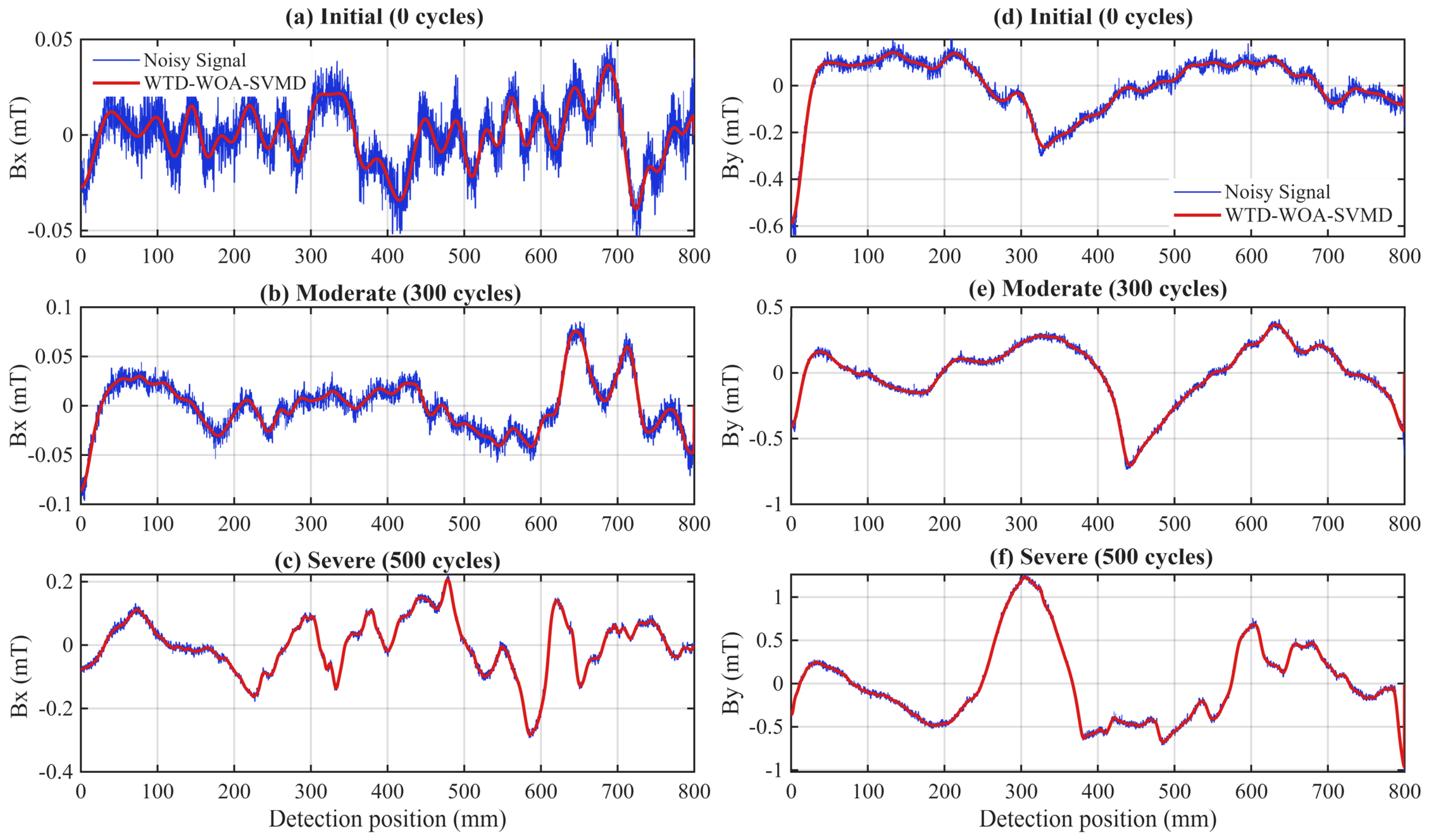
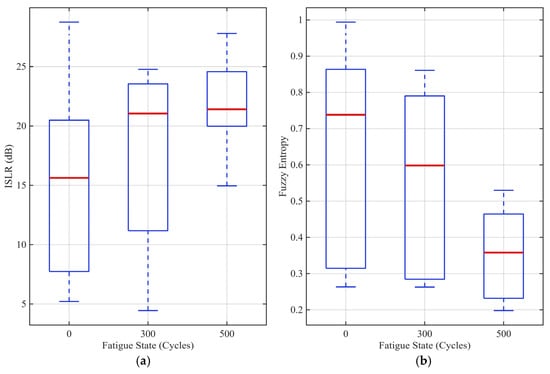
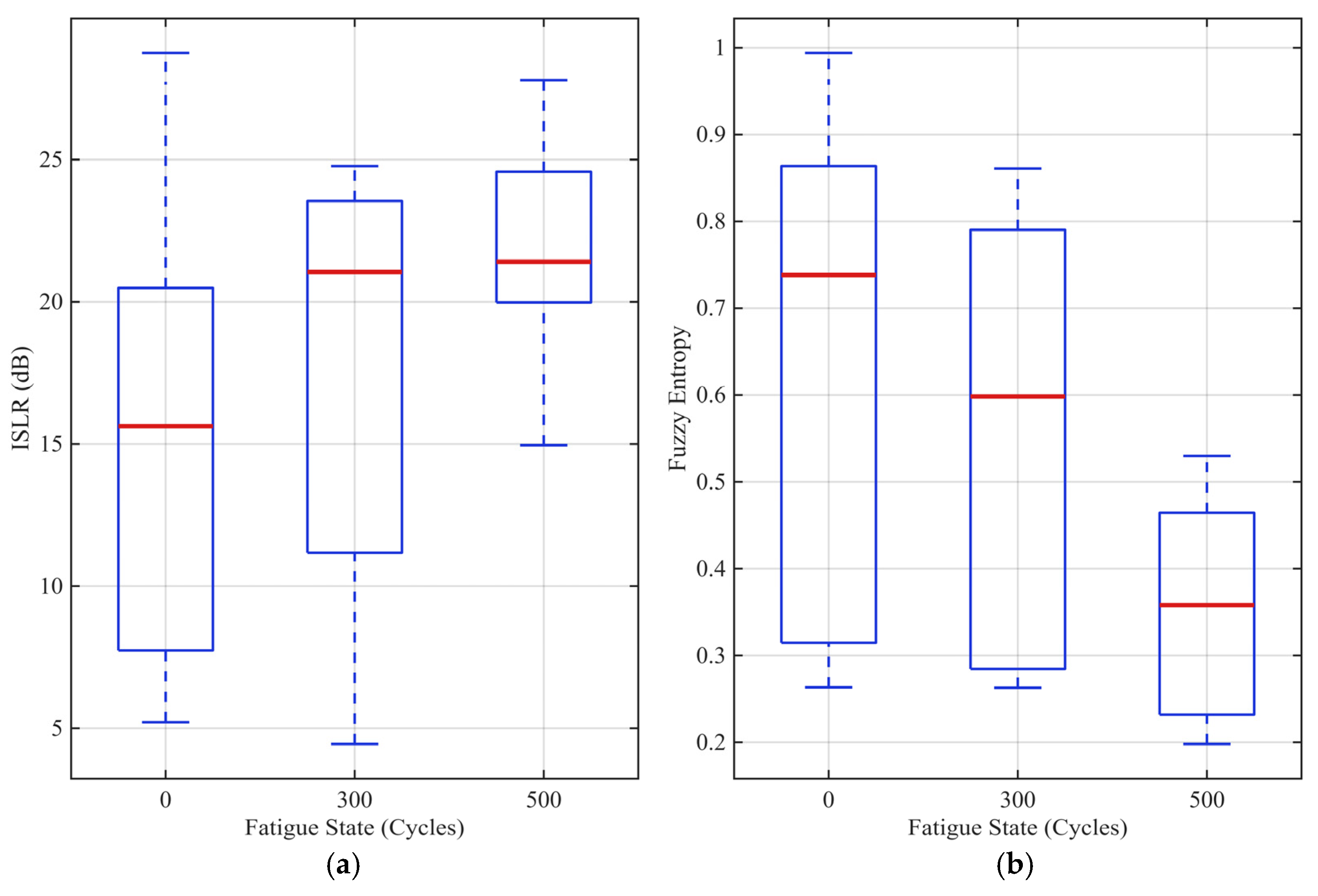
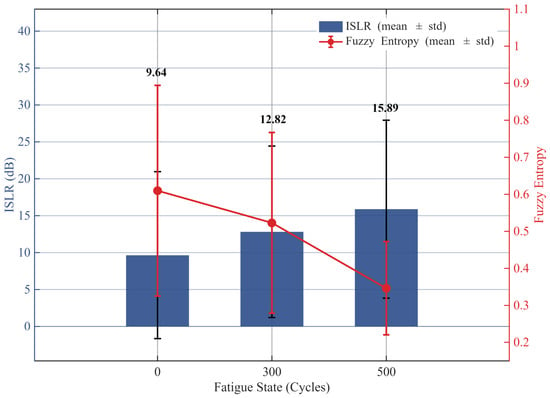
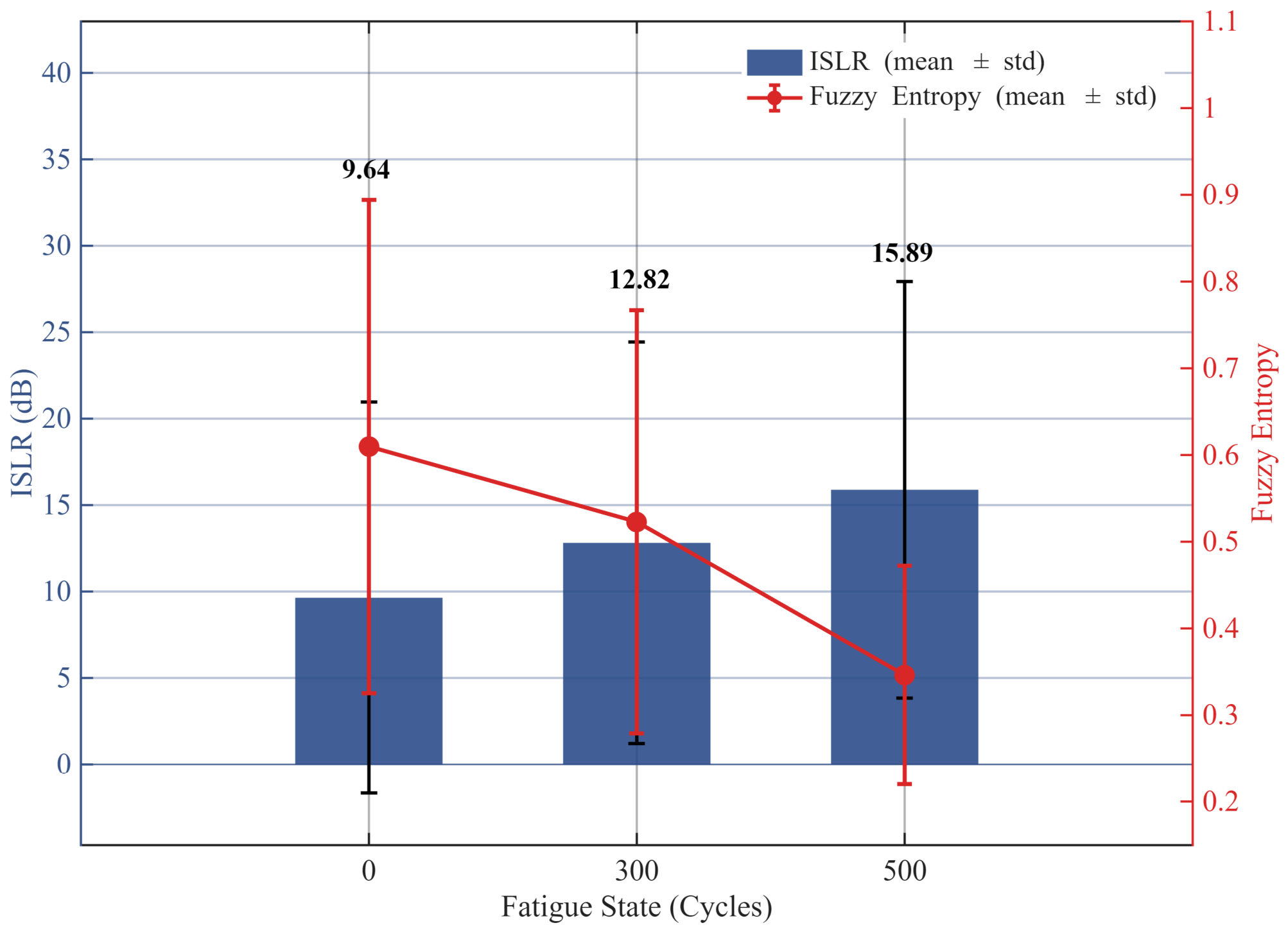
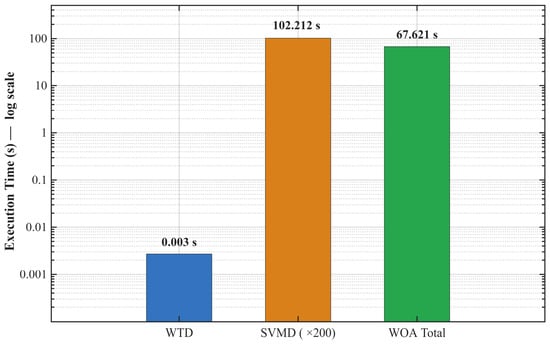
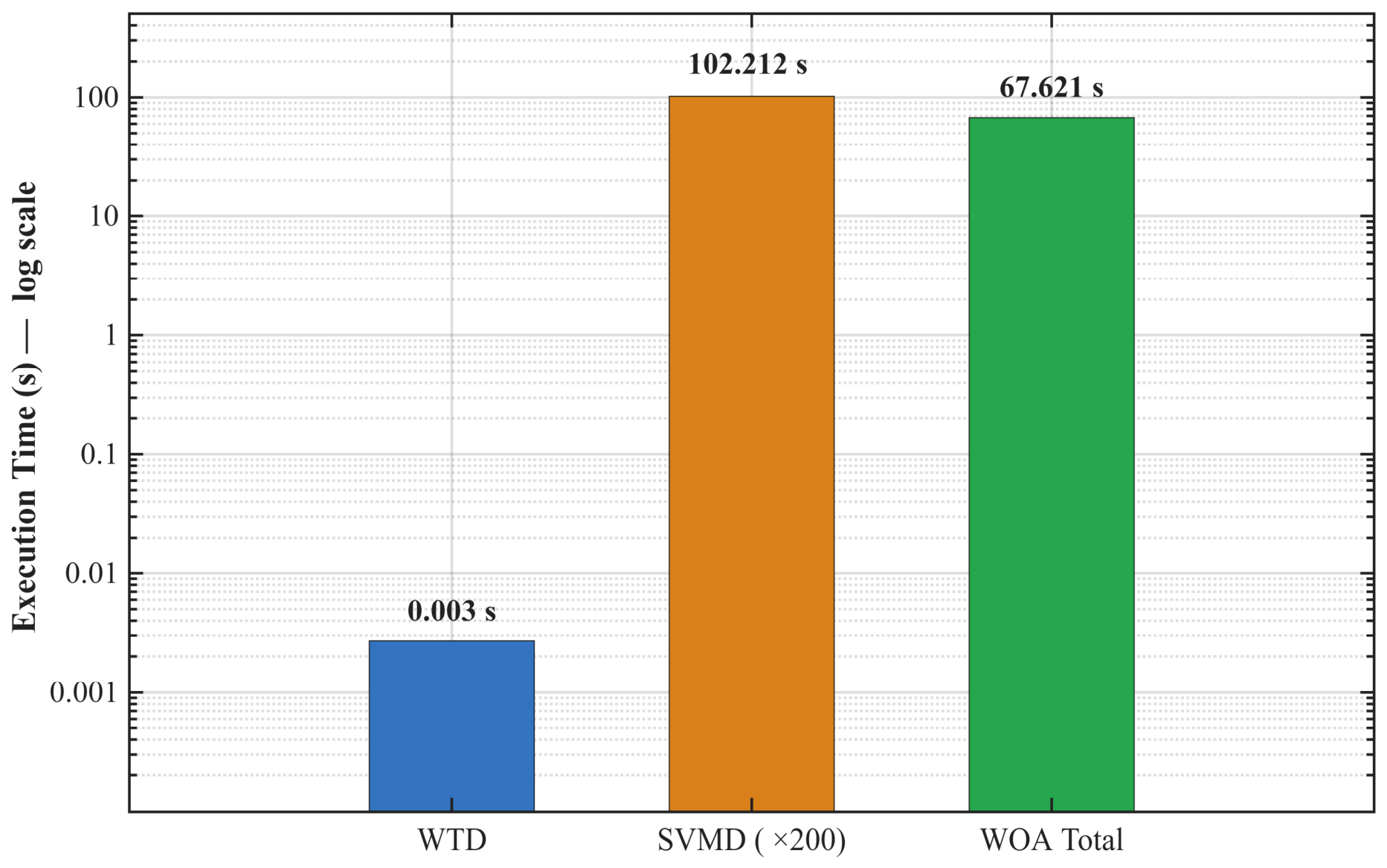
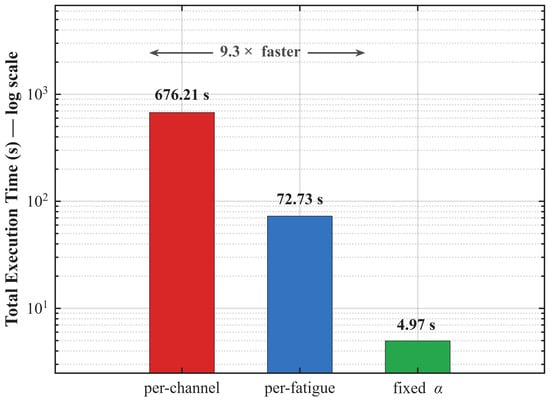
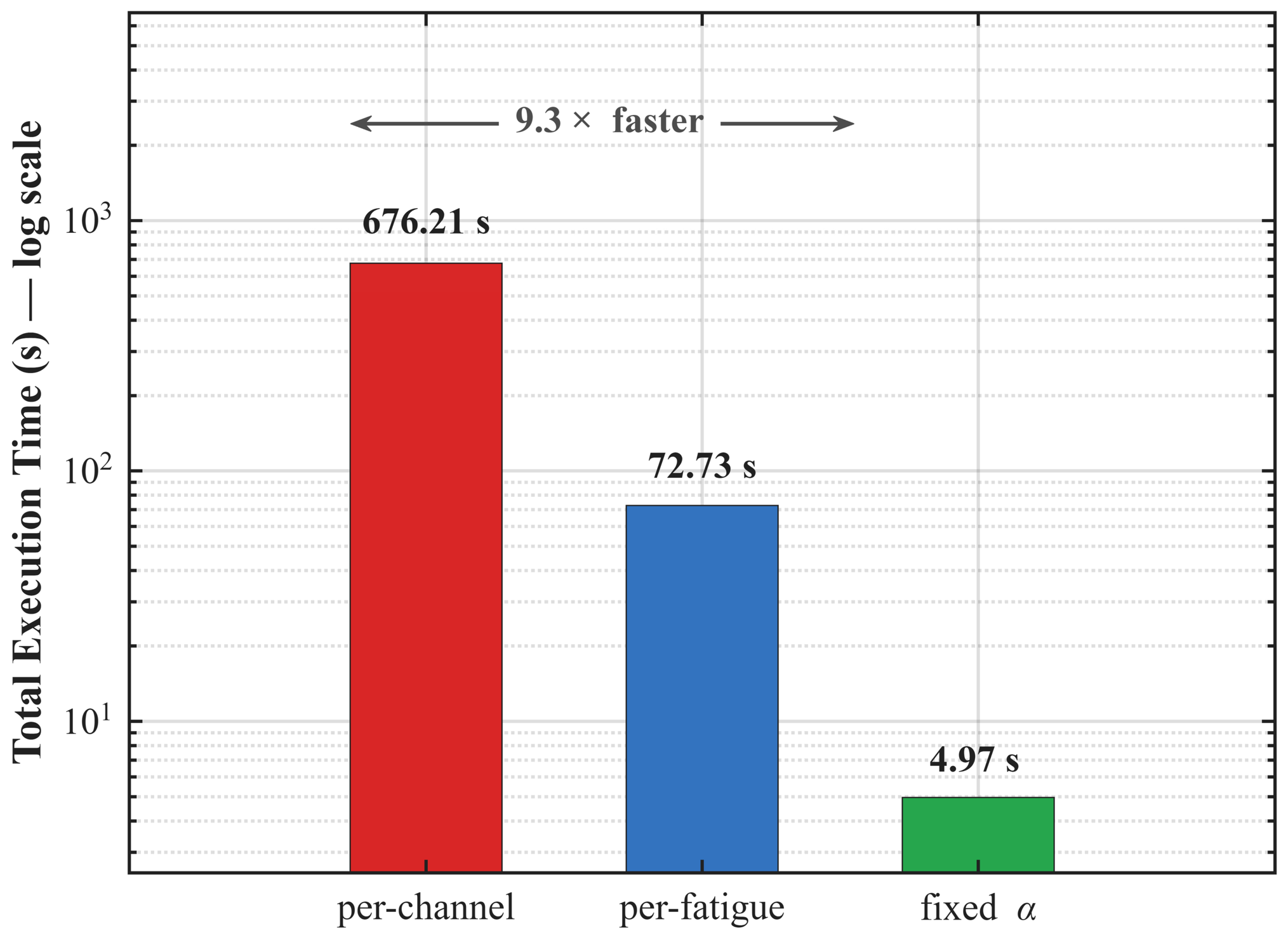
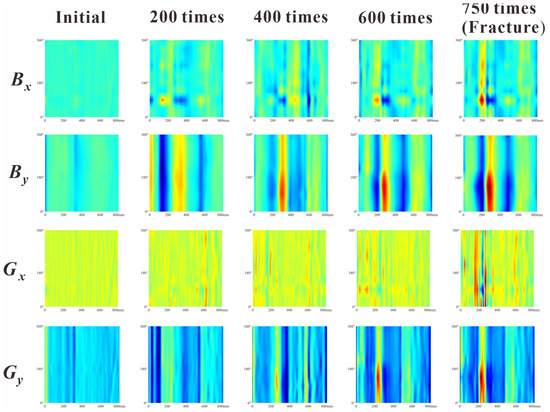
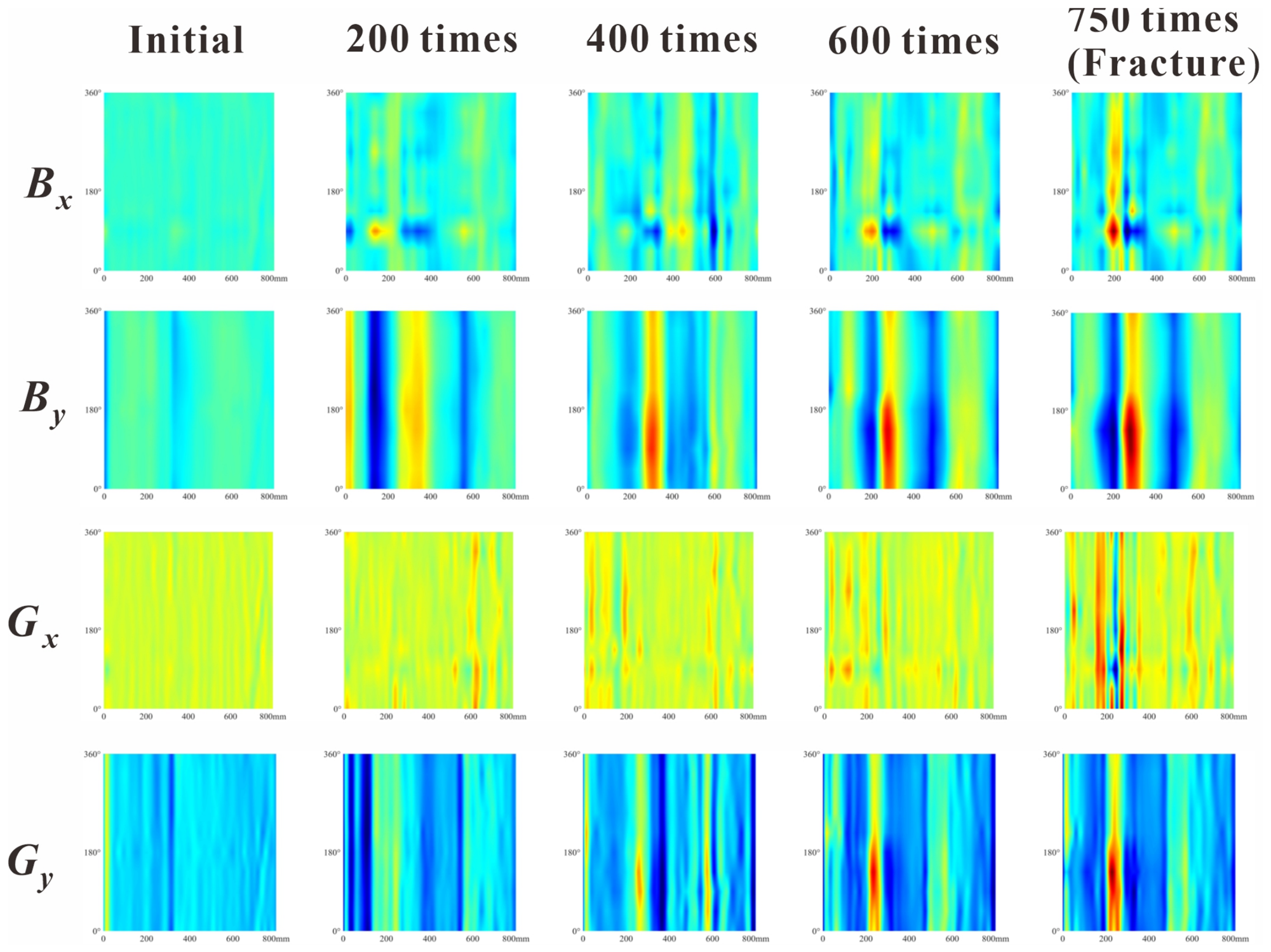

Disclaimer/Publisher’s Note: The statements, opinions and data contained in all publications are solely those of the individual author(s) and contributor(s) and not of MDPI and/or the editor(s). MDPI and/or the editor(s) disclaim responsibility for any injury to people or property resulting from any ideas, methods, instructions or products referred to in the content. |
© 2026 by the authors. Licensee MDPI, Basel, Switzerland. This article is an open access article distributed under the terms and conditions of the Creative Commons Attribution (CC BY) license.