Article

Aristolochic Acid I Adsorption onto Medicinally Activated Carbon: Assessment of Analytical Detection, Removal, and Method Greenness


by
Maria-Alexandra Pricop
1,2,
Camelia Oprean
1,3,4,
Alexandra Teodora Lukinich-Gruia
1,*,
Alexandra Ivan
1,5,
Virgil Păunescu
1,5 and
Călin Adrian Tatu
1,5
1
OncoGen Centre, County Hospital Pius Branzeu, 156 Liviu Rebreanu Blvd., 300736 Timisoara, Romania
2
Department of Applied Chemistry and Environmental Engineering and Inorganic Compounds, Faculty of industrial Chemistry, Biotechnology and Environmental Engineering, Politehnica University Timisoara, Vasile Pârvan 6, 300223 Timisoara, Romania
3
Faculty of Pharmacy, Victor Babeș University of Medicine and Pharmacy, Timișoara E. Murgu Sq., no. 2, 300041 Timișoara, Romania
4
Center for Drug Data Analysis, Cheminformatics, and the Internet of Medical Things, Victor Babeș University of Medicine and Pharmacy, Timișoara, E. Murgu Sq., no. 2, 300041 Timisoara, Romania
5
Department of Functional Sciences, Center of Immuno-Physiology (CIFBIOTEH), Victor Babeș University of Medicine and Pharmacy, Timișoara, Eftimie Murgu Sq. 2, 300041 Timisoara, Romania
*
Author to whom correspondence should be addressed.
Processes 2026, 14(8), 1217; https://doi.org/10.3390/pr14081217
Submission received: 16 March 2026 / Revised: 3 April 2026 / Accepted: 7 April 2026 / Published: 10 April 2026

Abstract

(1) Background: Aristolochia spp. are plants spread around the world and are cautiously used for medicinal purposes due to their toxic compounds. Because of their content of aristolochic acid I (AAI), a major carcinogenic compound, these plant preparations can cause acute and chronic kidney disease, which is associated with cancer. These compounds also contaminate the environment where Aristolochia plants grow, leading to indirect exposure of the population. (2) Methods: The study provides a practical solution for minimizing the toxic effects of AAI using activated charcoal (AC). An ultra-high-pressure liquid chromatography (UHPLC) coupled with a diode array detector (DAD) was used for the AAI qualitative and quantitative evaluation at different time points. Also, the greenness of the chromatographic analysis was evaluated with the AGREE method. (3) Results: A medical pill of 250 mg AC removed 125 µg/mL AAI from a methanolic solution in 30 min with 97.65% efficiency. The greenness for the analytical evaluation was 58%. (4) Conclusions: This study offers, for the first time, a low-cost medical and environmental solution for AAI contamination. The UHPLC–DAD method seems to be an environmentally responsible platform for the AAI routine analysis. AC shows efficient removal, which could be used both for Aristolochia sp. pharmaceutical preparations as well as in environmental decontamination.

1. Introduction

Global concern for improving health and quality of life has increased, with nearly 80% of the world’s population using natural medicines, as reported by the World Health Organization (WHO) [1]. The safety of traditional herbal medicines is often overlooked, but, because they may contain toxic compounds, they make kidneys more susceptible to damage from drugs and toxins compared to other organs [2]. Among these harmful compounds are aristolochic acids (AAs) and nitrophenanthrenic carboxylic acids, which are naturally produced in Aristolochiaceae plants [3,4,5]. Aristolochiaceae plants, which include over 500 species, have been used since ancient times as traditional plant remedies with analgesic and anti-inflammatory effects [2,3,6,7,8]. Even though the nephrotoxicity of AAs and their derivatives have been continuously documented [7,9], and the use of these plants has been banned [4], they are still used in various phyto-therapeutic preparations for many types of ailments [2,10,11]. In 1991, a major incident was reported in Belgium, where several hundred women developed progressive terminal renal failure and urothelial cancers following the ingestion of AA-contaminated slimming pills, with a new type of kidney disease (Chinese herbs nephropathy (CHN)) being described [2,10,12]. Other reports documented renal [10,13] and liver damage [13,14] associated with cancer correlated with exposure to AAs and their derivatives [13,15]. All these syndromes and pathologies represent cases of aristolochic acid nephropathy (AAN) [7], a medical condition whose acronym is replacing that of CHN. The susceptible population is exposed not only directly through AA-contaminated medical supplements, but AAs can also act as biogenic pollutants, accumulate in the environment and indirectly enter the human body through the food chain [16]. AAs can bioaccumulate in soil and be adsorbed by cultivated plants, and this exposure pathway most likely leads to Balkan endemic nephropathy (BEN), a chronic kidney disease manifested in rural areas along the tributaries of the Danube in Balkan countries [16,17,18,19].
The most predominant and studied AA is aristolochic acid I (AAI), which is highly nephrotoxic and carcinogenic [7,20,21], making it essential to significantly reduce exposure to this toxin to lower the incidence of AAN and BEN. Thus, methods to eliminate AAI from contaminated herbal remedies and minimize exposure through the food chain were developed [4,17,22]. The scientific literature describes experiments on removing AAI from various samples where it naturally occurs (e.g., plants) or where it contaminates different matrices (e.g., pharmaceutical, environmental, and biological samples) [22,23,24,25,26,27], by selective adsorption-based methods using porous materials (e.g., modified carbon nanotubes and microcoils) [23,27].
Following the removal experiments, the need to establish the presence of AAI in the treated samples necessitates quantification by a chromatographic method. The literature describes HPLC as a routine, common, and cheap method [28] to establish AAI presence in different Aristolochia plant-based products [29,30,31], medicinal plants [32,33], and some AAI-tainted products used for slimming [4,22,34,35], and also for detection after its removal/adsorption in different types of organic sorbents [22].
The use of an analytical method in a validation protocol involves several steps, where the use of chemicals in the analytical technique is quantified from a laboratory and an environmental safety standpoint [36]. The evaluation of the environmental sustainability and practical applicability of the analytical methodology can be performed with internationally recognized assessment tools, including AGREE for method greenness [37]. The resulting indices provide comprehensive evidence that the proposed analytical method is environmentally responsible and suitable for routine laboratory applications, and also robust and sustainable practice for toxins’ monitoring [38].
The present study continues the adsorption studies of AAI onto AC previously published by our research group [39]. The AAI adsorption mechanism was demonstrated through kinetic, thermodynamic, and equilibrium analyses. Furthermore, the present study investigates for the first time the removal of AAI in the presence of medicinally activated charcoal (AC). The quantification of AAI in the remaining AC-treated solution was made through a UHPLC–DAD system, compared to the previously used UV-VIS spectrophotometry method [39]. The use of AC as an adsorbent was to address two types of problems: detoxification and decontamination. The adsorbent and the chromatographic method are environmentally friendly and easy to apply in environmental decontamination and medical detoxification, for future studies.

2. Materials and Methods

2.1. Chemicals and Reagents

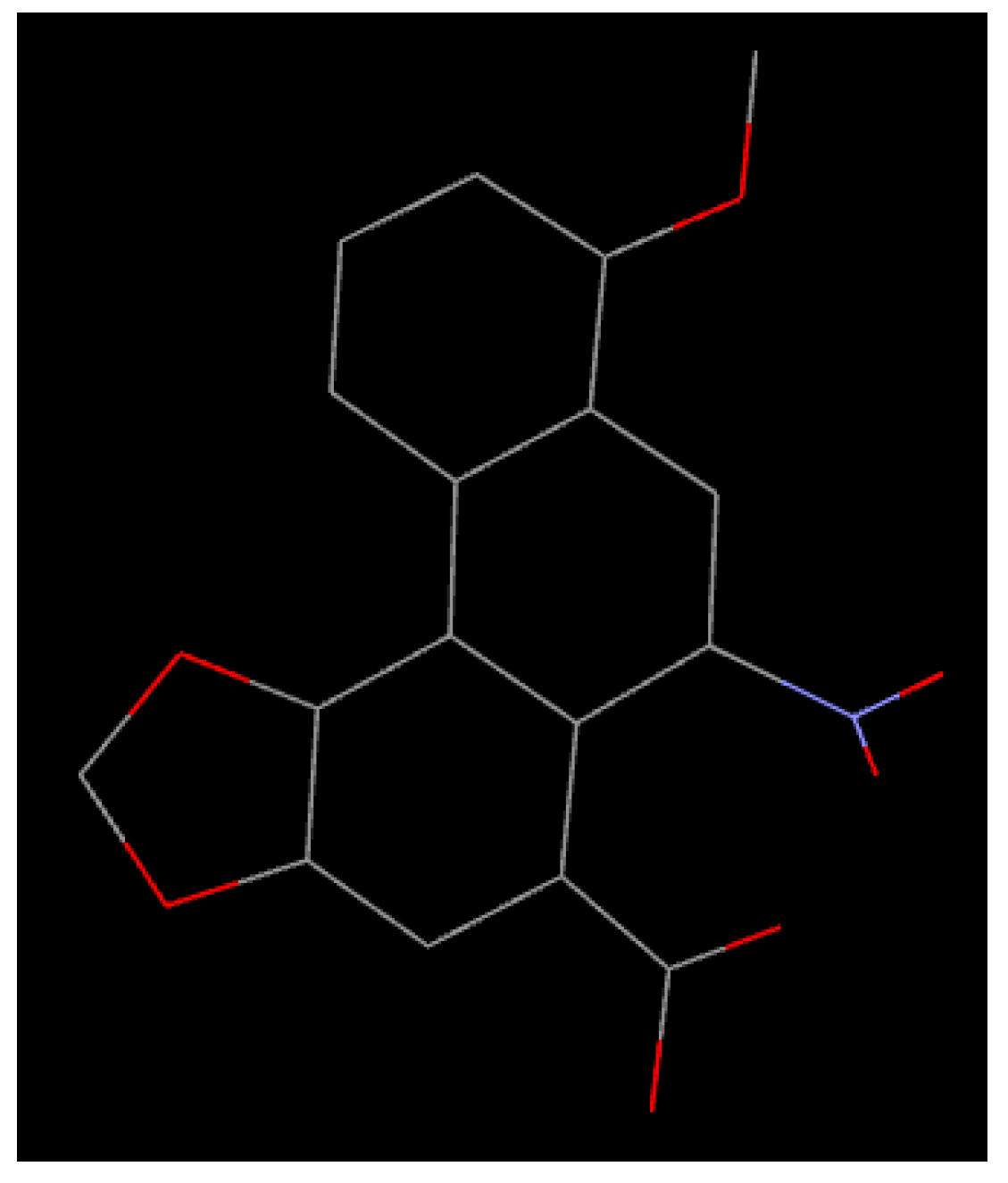
Sigma-Aldrich (Hamburg, Germany) provided a pure grade of AAI (97% purity) (Figure 1). Activated charcoal (AC) (Carbune Medicinal Sanvero Healthcare, Bucharest, Romania) was purchased from a local pharmacy from Timisoara, Romania. All solvents for liquid chromatography analysis (water, methanol, acetonitrile) were HPLC-grade and were purchased from Sigma-Aldrich (Merck Group, Darmstadt, Germany). Acetic acid 100% (glacial) is of analytical purity and purchased from Sigma-Aldrich (Merck Group, Darmstadt, Germany).

2.2. Preparation of AAI Standard Solution

A stock solution of aristolochic acid I (AAI) 0.250 mg/mL was prepared by dissolving 5 mg of the standard compound (Sigma-Aldrich, Merck Group, Darmstadt, Germany) in 20 mL of HPLC-grade methanol. A series of working standard solutions was prepared by serial dilutions in methanol to obtain concentrations ranging from 3.90 to 125 μg/mL, which were used for the calibration curve. All solutions were stored at 4 °C to prevent degradation before analysis, and for the stability of the solutions [40].

2.3. Sample Preparation

For an efficient AAI removal, the minimum amount of the required AC was determined in our previous study [39], where the adsorption conditions and adsorbent dosage were systematically evaluated. Therefore, in the present work, 250 mg of activated carbon (AC) was employed, corresponding to the amount typically found in a commercially available tablet, to better reflect practical conditions of use. This choice allows a more realistic assessment of the potential application of AC in AAI removal. For the preparation of medicinal activated charcoal (AC), samples (containing 250 mg of activated charcoal per capsule) were weighed using an analytical balance (WAS220/X, RADWAG, 2005). The removal of AAI was carried out by mixing 250 mg of AC with 10 mL of a methanolic solution of 125 µg/mL AAI. The sample matrix was represented by a methanolic solution to which AC was added, and the blank was represented by methanol. The samples were continuously mixed by rotation using a rotary mixer operating at 18 rpm at room temperature (21–22 °C) for two hours, and then collected at predefined time points (0, 5, 10, 15, 20, 30, 45, 60, and 120 min). All samples were filtered through a 0.45 µm MILLEX-HV SLH033NB polyvinylidene fluoride (PVDF) membrane filter and stored at 4 °C to prevent AAI degradation and maintain solution stability before analysis. The filtered solutions were subsequently analyzed using UHPLC–DAD to quantify the residual AAI concentration.

2.4. Chromatographic Equipment and Conditions

Ultra-high-performance liquid chromatography (UHPLC) using a Dionex UltiMate 3000 system (Thermo Scientific, Bremen, Germany) was performed to detect AAI. The system was composed of a pump and an autosampler with a 10 µL injection loop. The pressure fluctuations observed during the analysis (55–65 bar) were attributed to the relatively steep gradient applied, which caused rapid changes in the composition and viscosity of the mobile phase. The mobile phase composition was acetonitrile (ACN) and water acidified with 2% acetic acid (pH~3.4). Chromatographic separation was performed under a gradient elution program (Table 1), starting with 60% ACN, which was increased at a constant flow rate of 0.1 mL/min to 100% ACN by the end of the 15 min run. The mobile phase composition at the retention time of the AAI was modified by the gradient program to 70.1–70.3% ACN and 29.9–29.7% water-2% acetic acid solution. The mobile phase composition was returned to the initial preset gradient conditions (60% ACN and 40% water-2% acetic acid). At the beginning of each analysis, a one-minute equilibration step was included in the method to allow the system to stabilize in terms of mobile phase composition and backpressure before the injection of the next sample.
The samples were run through a nonpolar RP-C18 Varian Polaris 5 column (Agilent Technologies, Santa Clara, CA, USA) (length 50 mm, inner diameter 2 mm, particle size 5.0 µm, pore size 180 Å) maintained at a column temperature of 25 °C. A diode-array detector (DAD) was used to record spectra between 200 and 400 nm, and the intense peak identified at 272 nm was integrated (Bruker Compass 1.5 DataAnalysis Software Version 4.1, Bruker Daltonik GmbH, Bremen, Germany). Data acquisition, peak integration, and instrument control were carried out using Chromeleon Version 7.2 software (ThermoFisher Scientific, Bremen, Germany).

2.5. Method Validation

The method used in the present article was adapted after Chang et al. (2002) [33], Trujillo et al. (2006) [40]. Therefore, some of the chromatographic parameters used previously by our group for the HPLC analysis of AAI [18] were adapted and adjusted to the current type of matrix (AC), and other HPLC-DAD methods used in the analysis of AAI from Aristolochia sp. plants and products [29,30,31,41,42]. Also, the ICH guidelines were followed [43]. In the present paper, an activated charcoal powder was added to a methanolic solution containing 125 µg/mL aristolochic acid I.

2.5.1. Linearity

For the calibration curve construction, six dilutions in methanol were used, at concentration levels ranging from 3.9 µg/mL to 125 µg/mL. The calibration curve was generated by plotting the AAI peak areas against the AAI concentrations from the dilutions of the standard stock solution.

2.5.2. Limit of Detection (LOD) and Limit of Quantification (LOQ)

Both the limit of detection (LOD) and the limit of quantification (LOQ) were established by using successive serial dilutions of AAI in methanol until signal-to-noise ratios of 3:1 and 10:1, respectively, were obtained by the UHPLC–DAD system. LOD and LOQ were computed based on the standard deviation of the response (SD) and the slope of the calibration curve, approximating the LOD and LOQ according to the given formula below. Sensitivity was evaluated through the slope of the regression equation.
LOD = 3.3 × S/SD and LOQ = 10 × S/SD

2.5.3. Specificity

The specificity of the method was evaluated by comparing the chromatographic profiles of the AAI standard solution, blank samples, and matrix-containing samples.

2.5.4. Accuracy, Precision, Recovery

In order to determine the precision, accuracy, and recovery, a standard calibration solution of AAI at three levels of concentration (125.00 µg/mL, 15.63 µg/mL, and 7.81 µg/mL) was used, and nine determinations were made for each of the concentrations. The results were expressed as standard deviation (SD) and relative standard deviation (%RSD) for intra-day precision, and relative error (E, %) for accuracy. The recovery was calculated for each replicate, using the ratio between the measured and theoretical concentration, and the results are presented as %RSD.

2.6. Removal Efficiency

The removal efficiency (R%) of AC was calculated using the following formula:
R % = C 0 C f C 0 × 100 ,
where C0—initial concentration of AAI in sample matrix, (mg/L); Cf—residual concentration of AAI in sample matrix, (mg/L).

2.7. AGREE Analytical Greenness

The assessment of the chromatographic method was made with the Analytical GREEnness calculator (v.0.5.2020) [44], that provides an easy and informative result. The 12 principles of green analytical chemistry are transformed into a unified 0–1 scale, and the final score is calculated based on these principles. A pictogram indicates the final score, performance of the analytical procedure in each criterion, and weights assigned by the user. In the middle of the pictogram, the overall score is shown, and the colors closer to dark green represent a greener procedure, therefore a higher score close to one. To be applicable, the validation of the analytical procedure has to be performed, such as the range of LOD, precision, accuracy, and linearity, which need to have acceptable values.

2.8. Statistical Analysis

All standard dilutions of AAI and AC samples were injected under the same conditions. Statistical analyses were performed using the Data Analysis Tool of Microsoft® Excel® for Microsoft 365 MSO (Version 2502 Build 16.0.18526.20168) 32-bit (Microsoft Corporation, Redmond, WA, USA) package. The statistical analysis was performed by one-way ANOVA, followed by a t-test.

3. Results

A common method for AAI analysis, detection, and quantification by HPLC employs a non-polar (C18) reverse phase (RP) column, a mobile phase consisting of acidified water combined with methanol or acetonitrile in isocratic or gradient mode, and an ultraviolet (UV) or photodiode array (DAD) detector [22,32,33,40,45]. The current study represents a first-time investigation of the removal action of an activated charcoal pill of AAI dissolved in a methanolic solution. Because the paper presents a UHPLC validation protocol, 125 µg/mL AAI represented the starting concentration in the calibration curve, which gave the highest intensity at 272 nm. Methanol, widely used for the extraction of AAI from plants or biological materials [29,30,33,40], pharmaceutical Aristolochia-based products [34,40,41] and in AAI removal experiments with different types of adsorbents [46,47], was chosen for solubilization and dilution. Also, this solvent was used in the experiments where AAI was removed by some synthetic materials [46,47,48]. The time points for quantification of AAI were chosen to optimally document how fast the toxin was removed by AC and when it reached a concentration below the detection limit. The subsequent concentrations detected after the AAI removal with AC were included in the calibration curve to see the AC extraction efficiency. Some data in the literature describe AAI extraction and analysis by liquid chromatography methods, and these represent the starting point of our present research [29,30,31,34,40,49]. The RP-HPLC method was validated before, in our laboratory by our group in the analysis of AAI in environmental samples [18], by modifying some methods described in the literature [40]. RP-HPLC methods were used to assess the presence of some drugs adsorbed by activated charcoal [50]. Furthermore, this method was validated in the current study for the analysis of AAI in the presence of activated charcoal. The present method was evaluated by linear regression equations, linear ranges, and AAI recovery to demonstrate reliable qualitative and quantitative analysis across the concentration range.
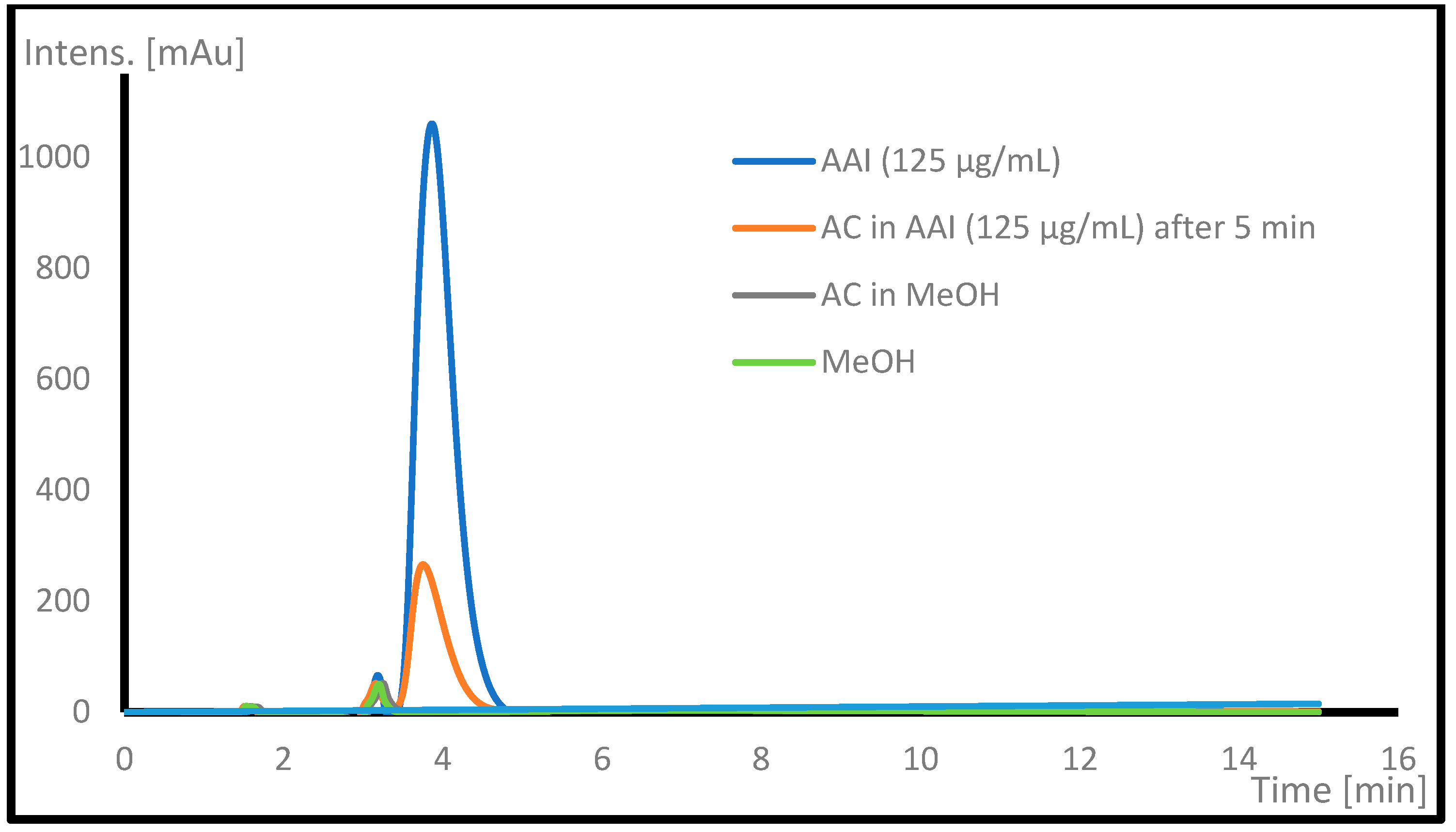
The retention times of the AAI standard and the AAI in the sample matrix were found to be 3.77 ± 0.07 and 3.87 ± 0.11 min, respectively. The retention time (min) and UV absorption spectrum of the AAI in AC samples (Figure 2-red line), matched those of the reference standard (Figure 2-blue line); also, a control of AC matrix in methanol (gray line) and a methanol solvent blank (green line) were injected under the same conditions.
A recurring chromatographic artifact was observed at RT < 3 min. Comparison with solvent methanol blanks and extraction control experiments indicated that this peak originated from leachable trace substances [e.g., plasticizers] released during the methanol extraction process. This peak was consistently observed across all extracted samples and did not impact AAI quantity, eluting discretely from the target compounds. The peak remained stable across varying injection volumes, suggesting it is a systemic artifact of the extraction protocol rather than sample degradation.

3.1. LOQ, LOD, Sensitivity

The limit of quantification (LOQ), supported by the linear range down to 2.5770 µg/mL, and the limit of detection (LOD) evaluated to be 0.8504 µg/mL, further underscores the method’s suitability for trace-level concentration analysis. The steep slope (Absorbance (mAu)/µg/mL) demonstrates a strong response per unit change in concentration, reflecting the method’s ability to detect and quantify AAI even at low concentrations. The sensitivity of the method was subsequently verified for low concentrations of standard substances, and the LODs and LOQs were determined for AAI.

3.2. Linearity

The calibration curve demonstrated excellent linearity, with a regression equation of y = 13,651,528.8281x + 16,848.4379 and a correlation coefficient (R2) of 0.9998, confirming a strong linear relationship between the peak area (y) and the analyte concentration (x). One-way ANOVA was used to statistically analyze the regression model, and the p-value of 1.92 × 10⁻⁸ < 0.0001 validates the statistical significance of the regression curve. Furthermore, the validity of the linear model for quantitative analysis is supported by the t-test for slope (absorbance (mAu)/µg/mL), which indicates that the slope is significantly different from zero (t = 132.99, p < 0.0001). Altogether, these results demonstrate the strong linearity and statistical robustness of the method across the tested concentration range.

3.3. Accuracy, Precision, Recovery

Determination of precision and accuracy was measured nine times with three levels of the standard AAI concentration: 125.00 µg/mL, 15.63 µg/mL, and 7.81 µg/mL. The intra-day results demonstrate the good precision of the method, with values of relative standard deviation (%RSD) lower than 5% at all levels of concentration (Table 2).
The accuracy, expressed as relative error (%) was lower than 5% for all three AAI analyzed concentrations (Table 2). The relative error varied between −1.17 and +1.46% for the highest concentration (125 µg/mL), between −2.80 and +4.64% for the 15.63 µg/mL, and between −4.77 and +3.47% for the 7.81 µg/mL concentrations, respectively (Table 2). The mean recovery (%), SD, and %RSD were calculated at three levels of AAI concentrations for nine determinations (Table 3). The mean recovery and the %RSD for the highest concentration were 100.285% and 0.878%, respectively, confirming excellent accuracy and precision. The %RSDs were 2.343% and 3.154%, respectively, and the mean recoveries were 99.426% and 97.243%, respectively, for the 15.63 µg/mL and 7.81 µg/mL concentrations. Analyzing the values obtained for precision, accuracy, and recovery, it can be concluded that the method is precise and accurate for use in quantitative analysis.
The validated UHPLC method was applied to detect and quantify AAI in the sample matrix. Quantification of AAI in a sample matrix was calculated using the linear equation obtained by plotting the area versus concentration of the AAI reference standard solution in the range of six concentrations between 3.9 µg/mL and 125 µg/mL. The identification of AAI in the sample matrix was made by comparing both the retention time and UV absorption spectra with those of an AAI reference standard solution. After running the experiments at different times, the data were used to calculate the removal efficiency (R%). After one minute, the initial concentration of AAI in the sample (125 µg/mL) was decreased by the AC with 53.73% removal efficiency, to a concentration of 57 µg/mL. After just 45 min of contact time, the residual concentration of AAI was below the LOQ, corresponding to a removal efficiency of 97.65% (Table 4). The analyte was not quantifiable, as its concentration was below the validated LOQ. The chosen time-points were used to calculate the removal efficiency in time, the last time-points from 45 to 120 min being below LOQ.
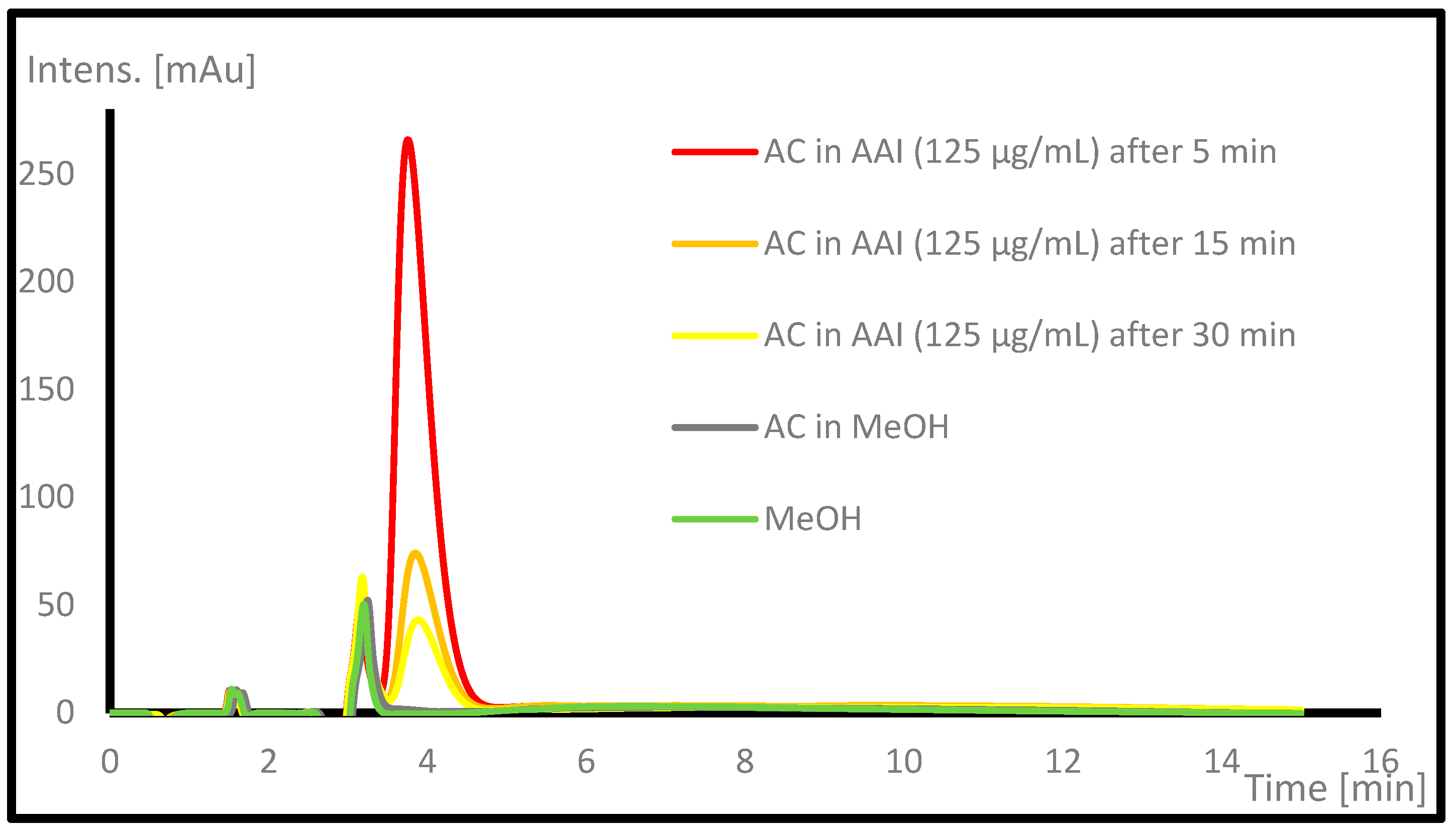
Interfering peaks were not observed near the analyte’s retention time. These observations confirm the selectivity and suitability of the method, and, as such, they allowed for accurate identification and quantification of AAI in AC matrices at different time-points (Figure 2). Therefore, it could be seen that AAI concentrations are decreasing with time, starting from minute 5 (Figure 2-red line), continuing after 15 min (Figure 3-orange line), to the last quantifiable concentration after 30 min of reaction (Figure 3-yelow line). Method contamination was checked by analyzing AC in methanol (Figure 3-gray line) and a blank solvent (methanol) under the same experimental conditions (Figure 3-green line), revealing no interference with the test sample peaks.

3.4. AGREE Report About the Performance of the Analytical Procedure

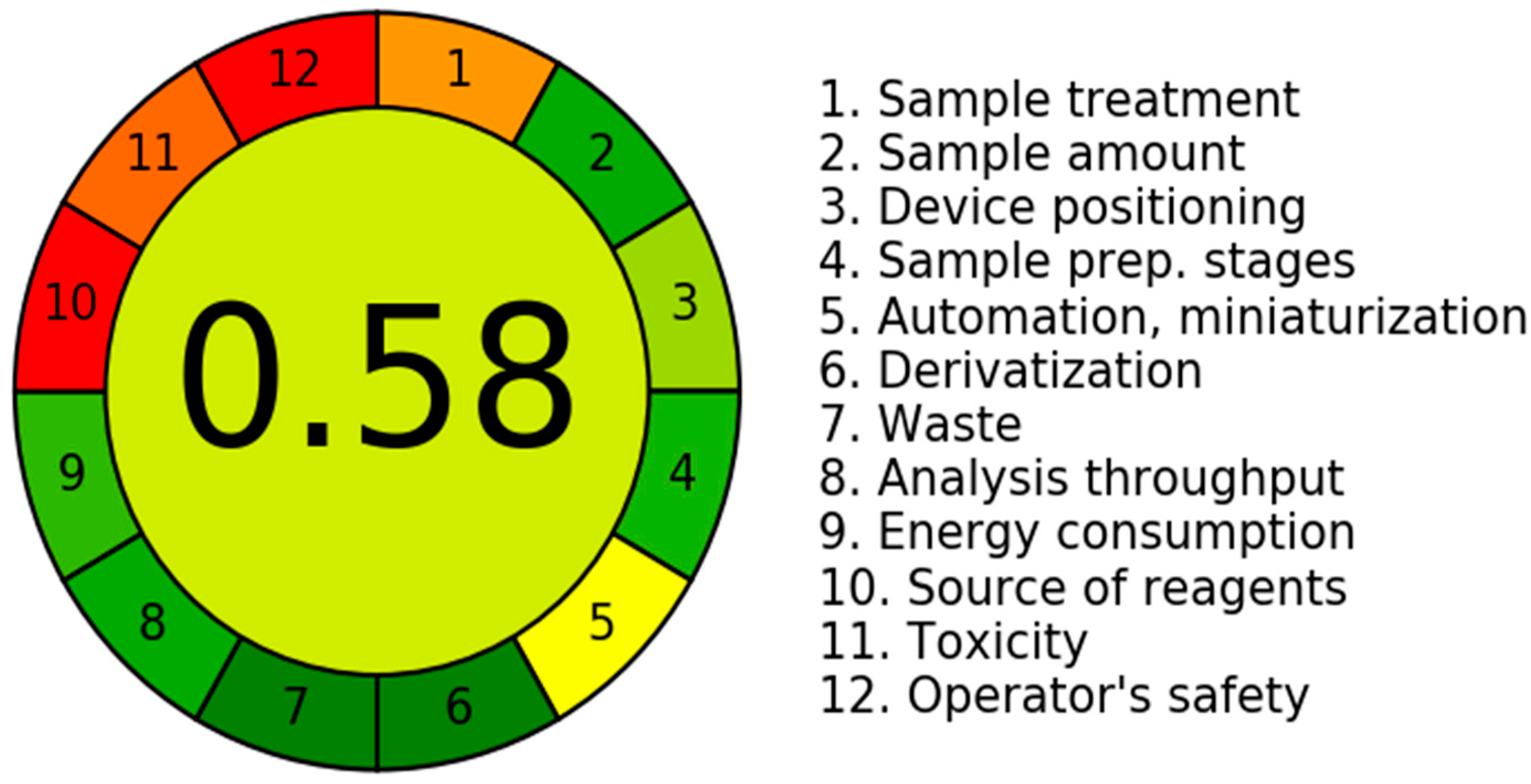
The procedure contains a mixture of the AAI solution and AC powder—all performed in small volumes and quantities in a few sample preparation steps before UHPLC–DAD analysis. The chromatographic analysis is automated, and small amounts of samples are analyzed without derivatization and with small amounts of waste. The UHPLC–DAD analysis is often used in these types of samples, even if the energy consumption is relatively high, but with the possibility of multiple single-run samples’ analysis. Unfortunately, the solvents used in the extraction and chromatographic analysis are non-bio-based sources, and therefore toxic for the environment. The method used gave a score of 0.58, the disadvantages being the use of highly flammable and toxic solvents (Figure 4).

4. Discussion

The presented paper shows for the first time that a pharmaceutically recommended dosage of active carbon for basic treatment in cases of suspected toxicant ingestion (according to the instructions of the producer, Carbune Medicinal Sanvero Healthcare, Romania) could remove a concentration of 125 µg/mL AAI in 30 min. HPLC–UV methods similar to this one have been described in the literature for the analysis of AAI [30,34,40,41]. The proposed UHPLC–DAD method is superior to those methods in its simplicity in sample preparation, and also to a previous UV-VIS spectrophotometric method used by our group in the detection of AAI adsorption onto AC [39]. Our newly developed UHPLC–DAD method shows advantages in both the analytical time and sensitivity. Compared to other methods presented in the literature, the selectivity of the current UHPLC–DAD conditions significantly minimized the AC matrix effect, which allows for this method to be applied to the mixture of AAI and AC in methanol samples analysis. The advantage of DADs compared to the UV detectors was that the samples’ analysis at multiple wavelengths (between 200 and 400 nm) could be done at the same time, this flexibility allowing us to choose the most suitable wavelength at which our samples presented the best peak separation and the best peak intensity. Therefore, the wavelength of 272 nm was selected because it provided a short-time HPLC analysis with a sharper and better-defined chromatographic peak, as reflected by a lower full width at half maximum (FWHM). In previous research, the optimal wavelength was at 390 nm [16,18], at 320 nm (detection by UV-VIS spectrophotometry) [39] or at 319 nm (detection by UV-VIS HPLC detector) [23]. Additionally, it should be noted that a different HPLC system was used in the present study, which also influenced the optimal detection wavelength. These differences could be due to matrix-dependent or different types of HPLC conditions. The analytical time in those studies was more than 15 min [29,35,41,45], while the UHPLC–DAD method described herein detected AAI within 5 min. The fast detection of AAI was given by the UHPLC system, a shorter column, and a mobile phase consisting of acetonitrile and acidified water; this composition was proved to be better than the one where methanol and water were used in different ratios [29,34,40,42]. In the literature, AAI, removed by different types of adsorbents, was determined by similar HPLC methods; the removal process was determined in different TCM prescriptions [33], Aristolochia leaves [35], Aristolochia sp. plants and medicinal tablets [40], Aristolochia chilensis plants’ extracts [42,45]. There are several studies where adsorbents removed AAI within 30 min, and gave an LOD around 0.03 ug/mL [24,51,52].
Because of AAI toxicity, the clinical and medicinal applications of AAI-tainted drugs and traditional preparations are limited and even banned in many countries [53]. Therefore, a suitable method for the removal of AAI, which is the most toxic compound and found in the highest concentration in Aristolochia sp. plants [21], must be carefully conceived [54]. Researchers have conducted extensive studies to reduce the toxicity of traditional herbal remedies containing AAI [22,55,56]. The current removal methods include microbiological [57], physical adsorption separation [46], and chemical methods [58]. The adsorption separation methods are chosen because of their specificity in neutralizing the toxicity caused by AAI, and due to the efficacy of the adsorption materials and of the other components [22]. The reported methods for the separation and enrichment of AAI include solid-phase extraction (SPE), electromembrane extraction (EME), quick, easy, cheap, effective, rugged, and safe (QuEChERS), and supercritical fluid extraction (SFE) [23,25,26,54].
One of the most common materials recommended in poisoning cases is activated charcoal (AC). Because of its ability to neutralize or eliminate the toxicity of a harmful substance [59], AC has been used during the last century for gastric decontamination and it is still widely used in clinical settings [60]. The amount of toxicants that bind to the activated charcoal is dependent on the charcoal-to-substance ratio [39,59]. Activated charcoal could be used both externally (e.g., tea preparations) and internally (e.g., medical treatment) after incidental or intentional ingestion of Aristolochia plant-based products, to remove AAI [59]. The high removal efficiency of AAI can be explained by the adsorption process occurring at the adsorbent–adsorbate interface under optimized conditions, following pseudo-second-order kinetics and fitting the Sips isotherm model, indicating a strong affinity between AAI and activated carbon. The spontaneous and endothermic nature of the process further supports the effectiveness of activated carbon as an adsorbent for AAI removal [39]. When considering the AC effects on AAI removal from Aristolochia sp. plant preparations, an improvement regarding the results obtained in the methanolic solution within 30 min can be seen after contact.

4.1. Analytical Method Greenness Profile and Applicability of the Proposed Method

To demonstrate the method’s alignment with the principles of green analytical chemistry (GAC) and its suitability for routine analytical applications, specifically, the method’s greenness was evaluated using AGREE [37]. As shown in Figure 4, AGREE generally reports the validated method’s adherence to the 12 principles of green analytical chemistry (GAC), and therefore, the entire analytical protocol is evaluated. AGREE provided a consistent score; for AGREE, consider the value to be 100, and therefore equal to 58. This score indicates that the various tools can provide a standardized and consistent assessment of the various key aspects of the method (adherence to GAC, applicability, and practicality). In bioanalysis, UHPLC–DAD is currently considered a standard method due to its specificity and sensitivity, and such instrumentation is operated in specialized laboratories (ex situ). As long as UHPLC–DAD analysis has to be carried out ex situ, and because sample volumes are small and easily transportable, bioanalytical sample preparation will remain ex situ in the near future. Because the solubility of the standard is limited to hazardous solvents, such as methanol, and the waste from this is less than 10 mL, the score value for criteria 10 to 12 will lead to a 0.58 score.

4.2. Strengths and Limitations of the Study

The present study offers, for the first time, a dual-purpose solution to AAI toxic effects. One of the solutions was an application for medical purposes, because of the acute intoxication from consuming AAI-contaminated pharmaceutical preparations. The other was applied in environmental decontamination, because of the indirect exposure to the polluted environment. Activated charcoal, a common and widely used medicine in the mitigation of various poisonings, was dosed to remove AAI in a methanolic solution. The common, easy, cheap, and sensitive method, UHPLC–DAD, was validated for the first time in quantifying the AAI in a methanolic solution where activated charcoal was present. Notably, a high removal ratio was obtained using a relatively small amount of activated charcoal, indicating that even low dosages are sufficiently high for significant decontamination during a short exposure time. These findings also highlight the fact that the activated charcoal is a low-cost, widely available, and environmentally friendly material, suitable for the remediation of aristolochic acid-contaminated samples.
However, our study has some limitations, and further experiments need to be performed to validate the action of the activated charcoal on AAI in vitro, in vivo, and in the environment. (i) Simple Matrix: The study was performed in a clean methanolic solution. Real-world applications (e.g., in a complex herbal extract, soil, water or gastrointestinal fluids) involve competition from other organic compounds for binding sites on the AC. (ii) In vitro/In vivo conditions: While the results are promising in regard to environmental impact, direct extrapolation to in vivo human detoxification applications requires caution. The AC:AAI ratio and contact time in the human gut would be different. (iii) Single Toxin: The study focused only on AAI removal. Aristolochia plants contain other toxic analogs (e.g., AAII, aristolactams) that were not tested. Investigations into the removal specificity need to be performed. AC action on the pharmacologically beneficial compounds found in Aristolochia clematitis [61] plants were not evaluated. Also, further characterization of AC material by spectroscopic methods, kinetics, thermodynamics, equilibrium, adsorption, and mass spectrometry needs to be performed.

5. Conclusions

The present study validates for the first time a UHPLC–DAD method for AAI analysis. Also, this study documents, for the first time, the removal of AAI from a methanolic solution by adding medicinally used activated charcoal. These experiments established that a 250 mg activated charcoal pill could remove 97.65% of 125 µg/mL AAI in 30 min. Greenness reveals an analytical performance score of 58%. Our study provides a solid ground for new similar experiments and for the development or improvement of the methods used for the removal or extraction of toxic AAI from the environment where Aristolochia sp. plants grow and contaminate the food chain, like in the countries affected by Balkan endemic nephropathy, or certain herbal remedies used in countries where AAN is prevalent, or even from the human body after accidental ingestion. This study offers guidance for designing low-cost separation materials to rapidly and efficiently remove fast-acting, environmentally friendly toxic substances from complex natural systems.

Author Contributions

Conceptualization, A.T.L.-G. and M.-A.P.; methodology, A.T.L.-G., M.-A.P. and C.O.; validation, A.T.L.-G., M.-A.P. and C.O.; formal analysis, M.-A.P. and C.O.; investigation, M.-A.P., C.O. and A.I.; resources, C.A.T. and V.P.; data curation, A.T.L.-G., M.-A.P., C.O. and A.I.; writing—original draft preparation, A.T.L.-G., M.-A.P. and C.O.; writing—review and editing, A.T.L.-G. and C.A.T.; visualization, A.T.L.-G. and C.A.T.; supervision, A.T.L.-G., C.A.T. and V.P. All authors have read and agreed to the published version of the manuscript.

Funding

This research received no external funding.

Institutional Review Board Statement

Not applicable.

Data Availability Statement

Data is contained within the article.

Conflicts of Interest

The authors declare no conflicts of interest.

Abbreviations

The following abbreviations are used in this manuscript:
AAIAristolochic acid I
UHPLCUltra-high performance liquid chromatography
DADDiode array detector
ACActive carbon
RPReverse phase
LODLimit of Detection
LOQLimit of Quantification
BENBalkan Endemic Nephropathy
AANAristolochic Acid Nephropathy
CHNChinese Herbs Nephropathy
RSDRelative standard deviation
SDStandard deviation
RRemoval efficiency
ACNAcetonitrile
HPLC-UVHigh-pressure liquid chromatography ultraviolet visible detector
RCResidual concentration

References

  1. The Global Burden of Disease: 2004 Update. Available online: https://www.who.int/publications/i/item/9789241563710 (accessed on 28 March 2025).
  2. Kim, E.J.Y.; Chen, Y.; Huang, J.Q.; Li, K.M.; Razmovski-Naumovski, V.; Poon, J.; Chan, K.; Roufogalis, B.D.; McLachlan, A.J.; Mo, S.-L.; et al. Evidence-Based Toxicity Evaluation and Scheduling of Chinese Herbal Medicines. J. Ethnopharmacol. 2013, 146, 40–61. [Google Scholar] [CrossRef]
  3. Arlt, V.M. Aristolochic Acid as a Probable Human Cancer Hazard in Herbal Remedies: A Review. Mutagenesis 2002, 17, 265–277. [Google Scholar] [CrossRef]
  4. Ioset, J.-R.; Raoelison, G.E.; Hostettmann, K. Detection of Aristolochic Acid in Chinese Phytomedicines and Dietary Supplements Used as Slimming Regimens. Food Chem. Toxicol. 2003, 41, 29–36. [Google Scholar] [CrossRef]
  5. Cheung, T.P.; Xue, C.; Leung, K.; Chan, K.; Li, C.G. Aristolochic Acids Detected in Some Raw Chinese Medicinal Herbs and Manufactured Herbal Products—A Consequence of Inappropriate Nomenclature and Imprecise Labelling? Clin. Toxicol. 2006, 44, 371–378. [Google Scholar] [CrossRef]
  6. Stiborová, M.; Arlt, V.M.; Schmeiser, H.H. Balkan Endemic Nephropathy: An Update on Its Aetiology. Arch. Toxicol. 2016, 90, 2595–2615. [Google Scholar] [CrossRef]
  7. Debelle, F.D.; Vanherweghem, J.-L.; Nortier, J.L. Aristolochic Acid Nephropathy: A Worldwide Problem. Kidney Int. 2008, 74, 158–169. [Google Scholar] [CrossRef]
  8. Michl, J.; Ingrouille, M.J.; Simmonds, M.S.J.; Heinrich, M. Naturally Occurring Aristolochic Acid Analogues and Their Toxicities. Nat. Prod. Rep. 2014, 31, 676. [Google Scholar] [CrossRef] [PubMed]
  9. Gökmen, M.R.; Cosyns, J.-P.; Arlt, V.M.; Stiborová, M.; Phillips, D.H.; Schmeiser, H.H.; Simmonds, M.S.J.; Cook, H.T.; Vanherweghem, J.-L.; Nortier, J.L.; et al. The Epidemiology, Diagnosis, and Management of Aristolochic Acid Nephropathy: A Narrative Review. Ann. Intern. Med. 2013, 158, 469. [Google Scholar] [CrossRef]
  10. Vanherweghem, J.-L.; Tielemans, C.; Abramowicz, D.; Depierreux, M.; Vanhaelen-Fastre, R.; Vanhaelen, M.; Dratwa, M.; Richard, C.; Vandervelde, D.; Verbeelen, D.; et al. Rapidly Progressive Interstitial Renal Fibrosis in Young Women: Association with Slimming Regimen Including Chinese Herbs. Lancet 1993, 341, 387–391. [Google Scholar] [CrossRef] [PubMed]
  11. Heinrich, M.; Chan, J.; Wanke, S.; Neinhuis, C.; Simmonds, M.S.J. Local Uses of Aristolochia Species and Content of Nephrotoxic Aristolochic Acid 1 and 2—A Global Assessment Based on Bibliographic Sources. J. Ethnopharmacol. 2009, 125, 108–144. [Google Scholar] [CrossRef] [PubMed]
  12. Cosyns, J.-P. Aristolochic Acid and Chinese Herbs Nephropathy: A Review of the Evidence to Date. Drug Saf. 2003, 26, 33–48. [Google Scholar] [CrossRef]
  13. Chen, C.H.; Dickman, K.G.; Huang, C.Y.; Moriya, M.; Shun, C.T.; Tai, H.C.; Huang, K.H.; Wang, S.M.; Lee, Y.J.; Grollman, A.P.; et al. Aristolochic Acid-Induced Upper Tract Urothelial Carcinoma in Taiwan: Clinical Characteristics and Outcomes. Int. J. Cancer 2013, 133, 14–20. [Google Scholar] [CrossRef] [PubMed]
  14. Ng, A.W.T.; Poon, S.L.; Huang, M.N.; Lim, J.Q.; Boot, A.; Yu, W.; Suzuki, Y.; Thangaraju, S.; Ng, C.C.Y.; Tan, P.; et al. Aristolochic Acids and Their Derivatives Are Widely Implicated in Liver Cancers in Taiwan and throughout Asia. Sci. Transl. Med. 2017, 9, eaan6446. [Google Scholar] [CrossRef]
  15. Chen, I.-H.; Luo, H.-L.; Su, Y.-L.; Huang, C.-C.; Chiang, P.-H.; Yu, C.-C.; Lee, N.-L.; Lin, J.-J.; Sung, M.-T. Aristolochic Acid Affects Upper Tract Urothelial Cancer Behavior through the MAPK Pathway. Molecules 2019, 24, 3707. [Google Scholar] [CrossRef]
  16. Drăghia, L.P.; Lukinich-Gruia, A.T.; Oprean, C.; Pavlović, N.M.; Păunescu, V.; Tatu, C.A. Aristolochic Acid I: An Investigation into the Role of Food Crops Contamination, as a Potential Natural Exposure Pathway. Environ. Geochem. Health 2021, 43, 4163–4178. [Google Scholar] [CrossRef]
  17. Au, C.-K.; Zhang, J.; Chan, C.-K.; Li, C.; Liu, G.; Pavlović, N.M.; Yao, J.; Chan, W. Determination of Aristolochic Acids in Vegetables: Nephrotoxic and Carcinogenic Environmental Pollutants Contaminating a Broad Swath of the Food Supply and Driving Incidence of Balkan Endemic Nephropathy. Chem. Res. Toxicol. 2020, 33, 2446–2454. [Google Scholar] [CrossRef]
  18. Gruia, A.T.; Oprean, C.; Ivan, A.; Cean, A.; Cristea, M.; Draghia, L.; Damiescu, R.; Pavlovic, N.M.; Paunescu, V.; Tatu, C.A. Balkan Endemic Nephropathy and Aristolochic Acid I: An Investigation into the Role of Soil and Soil Organic Matter Contamination, as a Potential Natural Exposure Pathway. Environ. Geochem. Health 2018, 40, 1437–1448. [Google Scholar] [CrossRef]
  19. Pavlović, N.M.; Maksimović, V.; Maksimović, J.D.; Orem, W.H.; Tatu, C.A.; Lerch, H.E.; Bunnell, J.E.; Kostić, E.N.; Szilagyi, D.N.; Paunescu, V. Possible Health Impacts of Naturally Occurring Uptake of Aristolochic Acids by Maize and Cucumber Roots: Links to the Etiology of Endemic (Balkan) Nephropathy. Environ. Geochem. Health 2013, 35, 215–226. [Google Scholar] [CrossRef] [PubMed]
  20. Anger, E.E.; Yu, F.; Li, J. Aristolochic Acid-Induced Nephrotoxicity: Molecular Mechanisms and Potential Protective Approaches. Int. J. Mol. Sci. 2020, 21, 1157. [Google Scholar] [CrossRef] [PubMed]
  21. International Agency for Research on Cancer. IARC Monographs on the Evaluation of Carcinogenic Risks to Humans, Volume 100 D, Radiation: This Publication Represents the Views and Expert Opinions of an IARC Working Group on the Evaluation of Carcinogenic Risks to Humans, Which Met in Lyon, 2–9 June 2009; IARC: Lyon, France, 2012; ISBN 978-92-832-1321-5. [Google Scholar]
  22. Wang, C.; Liu, Y.; Han, J.; Li, W.; Sun, J.; Wang, Y. Detection and Removal of Aristolochic Acid in Natural Plants, Pharmaceuticals, and Environmental and Biological Samples: A Review. Molecules 2023, 29, 81. [Google Scholar] [CrossRef]
  23. Li, F.; Gao, J.; Li, X.; Li, Y.; He, X.; Chen, L.; Zhang, Y. Preparation of Magnetic Molecularly Imprinted Polymers Functionalized Carbon Nanotubes for Highly Selective Removal of Aristolochic Acid. J. Chromatogr. A 2019, 1602, 168–177. [Google Scholar] [CrossRef]
  24. Shu, H.; Chen, G.; Wang, L.; Cui, X.; Wang, Q.; Li, W.; Chang, C.; Guo, Q.; Luo, Z.; Fu, Q. Adenine-Coated Magnetic Multiwalled Carbon Nanotubes for the Selective Extraction of Aristolochic Acids Based on Multiple Interactions. J. Chromatogr. A 2020, 1627, 461382. [Google Scholar] [CrossRef] [PubMed]
  25. Wang, L.; Zhang, C.; Chen, Y.; Deng, Q.; Wang, S. Dummy Molecularly Imprinted Silica Materials for Effective Removal of Aristolochic Acid I from Kaempfer Dutchmanspipe Root Extract. Microchem. J. 2020, 152, 104463. [Google Scholar] [CrossRef]
  26. Liang, Q.; Chow, A.H.L.; Wang, Y.; Tong, H.H.Y.; Zheng, Y. Removal of Toxic Aristolochic Acid Components from Aristolochia Plants by Supercritical Fluid Extraction. Sep. Purif. Technol. 2010, 72, 269–274. [Google Scholar] [CrossRef]
  27. Shu, H.; Ge, Y.; Xu, X.-Y.; Guo, P.-Q.; Luo, Z.-M.; Du, W.; Chang, C.; Liu, R.-L.; Fu, Q. Hybrid-Type Carbon Microcoil-Chitosan Composite for Selective Extraction of Aristolochic Acid I from Aristolochiaceae Medicinal Plants. J. Chromatogr. A 2018, 1561, 13–19. [Google Scholar] [CrossRef]
  28. Jeong, S.J.; Nam, B.E.; Jeong, H.J.; Jang, J.Y.; Joo, Y.; Kim, J.G. Age-Dependent Resistance of a Perennial Herb, Aristolochia Contorta against Specialist and Generalist Leaf-Chewing Herbivores. Front. Plant Sci. 2023, 14, 1145363. [Google Scholar] [CrossRef]
  29. Lee, T.-Y.; Wu, M.-L.; Deng, J.-F.; Hwang, D.-F. High-Performance Liquid Chromatographic Determination for Aristolochic Acid in Medicinal Plants and Slimming Products. J. Chromatogr. B 2002, 766, 169–174. [Google Scholar] [CrossRef]
  30. Kuo, C.-H.; Lee, C.-W.; Lin, S.-C.; Tsai, I.-L.; Lee, S.-S.; Tseng, Y.J.; Kang, J.-J.; Peng, F.-C.; Wei-Chu, L. Rapid Determination of Aristolochic Acids I and II in Herbal Products and Biological Samples by Ultra-High-Pressure Liquid Chromatography–Tandem Mass Spectrometry. Talanta 2010, 80, 1672–1680. [Google Scholar] [CrossRef] [PubMed]
  31. Vaclavik, L.; Krynitsky, A.J.; Rader, J.I. Quantification of Aristolochic Acids I and II in Herbal Dietary Supplements by Ultra-High-Performance Liquid Chromatography–Multistage Fragmentation Mass Spectrometry. Food Addit. Contam. Part A 2014, 31, 784–791. [Google Scholar] [CrossRef]
  32. Li, W.; Chen, Z.; Liao, Y.; Liu, H. Separation Methods for Toxic Components in Traditional Chinese Medicines. Anal. Sci. 2005, 21, 1019–1029. [Google Scholar] [CrossRef] [PubMed]
  33. Chang, Y.-S.; Deng, J.-S.; Ku, Y.-R. Determination of Aristolochic Acid in Traditional Chinese Medicinal Prescriptions, Containing Radix Aristolochiae Fangchi, by HPLC. J. Liq. Chromatogr. Relat. Technol. 2002, 25, 961–975. [Google Scholar] [CrossRef]
  34. Ang, L.P.; Yen, L.L.; Kalusalingam, A.; Khan, A.; Kotra, V.; Rahman Sarker, M.M.; Liew, K.B.; Long, C.M. Determination of Aristolochic Acid Using Isocratic RP-HPLC Method. Prog. Drug Discov. Biomed. Sci. 2021, 4, a0000234. [Google Scholar] [CrossRef]
  35. Murali, S.; Francis, M.S.; Rashmi, T.R. Determination of Aristolochic Acid I Concentration in the Four Species of Aristolochia Using HPLC. Indo Am. J. Pharm. Res. 2014, 4, 2449–2454. [Google Scholar]
  36. El-Hadi, H.R.A.; Eissa, M.S.; Eltanany, B.M.; Zaazaa, H.E.; Arafa, R.M. Greenness and Whiteness Assessment of a Sustainable Voltammetric Method for Difluprednate Estimation in the Presence of Its Alkaline Degradation Product. Sci. Rep. 2024, 14, 12088. [Google Scholar] [CrossRef] [PubMed]
  37. Pena-Pereira, F.; Wojnowski, W.; Tobiszewski, M. AGREE—Analytical GREEnness Metric Approach and Software. Anal. Chem. 2020, 92, 10076–10082. [Google Scholar] [CrossRef]
  38. Locatelli, M.; Kabir, A.; Perrucci, M.; Ulusoy, S.; Ulusoy, H.I.; Ali, I. Green Profile Tools: Current Status and Future Perspectives. Adv. Sample Prep. 2023, 6, 100068. [Google Scholar] [CrossRef]
  39. Pricop, M.-A.; Negrea, A.; Ciopec, M.; Pascu, I.B.; Oprean, C.; Lukinich-Gruia, A.T.; Cristea, I.-M.; Ivan, A.; Păunescu, V.; Tatu, C.A. Aristolochic Acid I Adsorption onto Activated Carbon: Kinetics, Equilibrium, and Thermodynamic Studies. Processes 2025, 13, 3397. [Google Scholar] [CrossRef]
  40. Trujillo, W.A.; Sorenson, W.R.; Luzerne, P.L.; Austad, J.W.; Sullivan, D. Determination of Aristolochic Acid in Botanicals and Dietary Supplements by Liquid Chromatography with Ultraviolet Detection and by Liquid Chromatography/Mass Spectrometry: Single Laboratory Validation Confirmation. J. AOAC Int. 2006, 89, 942–959. [Google Scholar] [CrossRef]
  41. Araya, M.; García, S.; González-Teuber, M. Rapid Identification and Simultaneous Quantification of Aristolochic Acids by HPLC-DAD and Confirmations by MS in Aristolochia chilensis Using a Limited Biomass. J. Anal. Methods Chem. 2018, 2018, 1–8. [Google Scholar] [CrossRef]
  42. Singh, D.V.; Singh, B.L.; Verma, R.K.; Gupta, M.M.; Banerji, S.; Kumar, S. Quantitation of Aristolochic Acid Using High Performance Liquid Chromatography with Photodiode Array Detection. J. Indian Chem. Soc. 2001, 78, 487–488. [Google Scholar]
  43. Q2B Validation of Analytical Procedures: Methodology. Available online: https://www.fda.gov/regulatory-information/search-fda-guidance-documents/q2b-validation-analytical-procedures-methodology (accessed on 1 April 2025).
  44. Wojciech Wojnowski—Profil Naukowy—MOST Wiedzy. Available online: https://mostwiedzy.pl/pl/wojciech-wojnowski,174235-1/AGREE (accessed on 25 February 2026).
  45. Urzúa, A.; Olguín, A.; Santander, R. Aristolochic Acids in the Roots of Aristolochia chilensis, a Dangerous Chilean Medicinal Plant. J. Chil. Chem. Soc. 2013, 58, 2089–2091. [Google Scholar] [CrossRef]
  46. Ge, Y.; Guo, P.; Xu, X.; Chen, G.; Zhang, X.; Shu, H.; Zhang, B.; Luo, Z.; Chang, C.; Fu, Q. Selective Analysis of Aristolochic Acid I in Herbal Medicines by Dummy Molecularly Imprinted Solid-phase Extraction and HPLC. J. Sep. Sci. 2017, 40, 2791–2799. [Google Scholar] [CrossRef]
  47. Fang, L.; Tian, M.; Yan, X.; Xiao, W.; Row, K.H. Dual Ionic Liquid-Immobilized Silicas for Multi-Phase Extraction of Aristolochic Acid from Plants and Herbal Medicines. J. Chromatogr. A 2019, 1592, 31–37. [Google Scholar] [CrossRef]
  48. Wei, J.; Shao, X.; Guo, J.; Zheng, Y.; Wang, Y.; Zhang, Z.; Chen, Y.; Li, Y. Rapid and Selective Removal of Aristolochic Acid I in Natural Products by Vinylene-Linked iCOF Resins. J. Hazard. Mater. 2024, 461, 132140. [Google Scholar] [CrossRef] [PubMed]
  49. Huang, C.-Y.; Tseng, M.-C.; Lin, J.-H. Analyzing Aristolochic Acids in Chinese Herbal Preparations Using LC/MS/MS. J. Food Drug Anal. 2020, 13, 15. [Google Scholar] [CrossRef]
  50. Alotaibi, M.; Fataftah, A.; Alkhanbashi, K.; Al-Dhawailie, A.; Alanazi, F.; Khurshid, F.; Alsultan, M. Dose Determination of Activated Charcoal in Management of Amitriptyline-Induced Poisoning by Reversed-Phase High-Performance Liquid Chromatography. Trop. J. Pharm. Res. 2015, 14, 655. [Google Scholar] [CrossRef]
  51. Ge, Y.-H.; Shu, H.; Xu, X.-Y.; Guo, P.-Q.; Liu, R.-L.; Luo, Z.-M.; Chang, C.; Fu, Q. Combined Magnetic Porous Molecularly Imprinted Polymers and Deep Eutectic Solvents for Efficient and Selective Extraction of Aristolochic Acid I and II from Rat Urine. Mater. Sci. Eng. C 2019, 97, 650–657. [Google Scholar] [CrossRef]
  52. Xiong, H.; Fan, Y.; Mao, X.; Guo, L.; Yan, A.; Guo, X.; Wan, Y.; Wan, H. Thermosensitive and Magnetic Molecularly Imprinted Polymers for Selective Recognition and Extraction of Aristolochic Acid I. Food Chem. 2022, 372, 131250. [Google Scholar] [CrossRef]
  53. Chan, C.-K.; Liu, Y.; Pavlović, N.; Chan, W. Aristolochic Acids: Newly Identified Exposure Pathways of This Class of Environmental and Food-Borne Contaminants and Its Potential Link to Chronic Kidney Diseases. Toxics 2019, 7, 14. [Google Scholar] [CrossRef]
  54. Fan, Y.; Li, Z.; Xi, J. Recent Developments in Detoxication Techniques for Aristolochic Acid-Containing Traditional Chinese Medicines. RSC Adv. 2020, 10, 1410–1425. [Google Scholar] [CrossRef]
  55. Ang, L.P.; Ng, P.W.; Lean, Y.L.; Kotra, V.; Kifli, N.; Goh, H.P.; Lee, K.S.; Sarker, M.M.R.; Al-Worafi, Y.M.; Ming, L.C. Herbal Products Containing Aristolochic Acids: A Call to Revisit the Context of Safety. J. Herb. Med. 2021, 28, 100447. [Google Scholar] [CrossRef]
  56. Lukinich-Gruia, A.T.; Nortier, J.; Pavlović, N.M.; Milovanović, D.; Popović, M.; Drăghia, L.P.; Păunescu, V.; Tatu, C.A. Aristolochic Acid I as an Emerging Biogenic Contaminant Involved in Chronic Kidney Diseases: A Comprehensive Review on Exposure Pathways, Environmental Health Issues and Future Challenges. Chemosphere 2022, 297, 134111. [Google Scholar] [CrossRef]
  57. Wang, X.; Jiang, D.; Shi, Q.; Ren, G.; Liu, C. Microbial Degradation of Aristolochic Acid I by Endophytic Fungus A.h-Fs-1 of Asarum heterotropoides. Front. Microbiol. 2022, 13, 917117. [Google Scholar] [CrossRef] [PubMed]
  58. Chan, C.-K.; Tung, K.-K.; Pavlović, N.M.; Chan, W. Remediation of Aristolochic Acid-Contaminated Soil by an Effective Advanced Oxidation Process. Sci. Total Environ. 2020, 720, 137528. [Google Scholar] [CrossRef] [PubMed]
  59. Zellner, T.; Prasa, D.; Färber, E.; Hoffmann-Walbeck, P.; Genser, D.; Eyer, F. The Use of Activated Charcoal to Treat Intoxications. Dtsch. Ärzteblatt Int. 2019, 116, 311–317. [Google Scholar] [CrossRef]
  60. Silberman, J.; Galuska, M.A.; Taylor, A. Activated Charcoal. In StatPearls; StatPearls Publishing: Treasure Island, FL, USA, 2025. [Google Scholar]
  61. Pricop, M.-A.; Lukinich-Gruia, A.T.; Cristea, I.-M.; Păunescu, V.; Tatu, C.A. Aristolochia clematitis L. Ethanolic Extracts: In Vitro Evaluation of Antioxidant Activity and Cytotoxicity on Caco-2 Cell Line. Plants 2024, 13, 2987. [Google Scholar] [CrossRef] [PubMed]
Figure 1. AAI structure.
Processes 14 01217 g001
Figure 2. Chromatographic overlay profiles: AAI standard solution (125 µg/mL) (blue line); sample Matrix (250 mg AC in 10 mL of 125 µg/mL AAI standard solution) after 5 min (orange line); AC in MeOH (gray line); MeOH-solvent blank (green line).
Processes 14 01217 g002
Figure 3. UHPLC–DAD chromatogram overlays of 125 µg/mL AAI methanolic solution subjected to AC-containing sample matrix after 5 min (red line), after 15 min (orange line), after 30 min (yellow line); AC in MeOH (gray line); MeOH-solvent blank (green line).
Processes 14 01217 g003
Figure 4. AGREE analytical report.
Processes 14 01217 g004
Table 1. Mobile phase composition.
Time (min)ACNWater-2% Acetic AcidFlow Rate
060%40%0.1 mL/min
3.7570%30%
7.580%20%
11.2590%10%
15100%0%
1 (equilibration step)60%40%
Table 2. Precision of the UHPLC–DAD method (n = 9/group).
Theoretical-
Concentration (µg/mL)
Experimental-
Concentration
(µg/mL)
Standard
Deviation
(SD)
Relative Standard Deviation
(%RSD)
Mean Relative Error
(E, %)
125.00125.360.0010.930.29
15.6315.540.0042.48−0.57
7.817.600.0033.34−2.75
Table 3. Recovery of the developed UHPLC–DAD method (n = 9).
Concentration (µg/mL)Measured Concentration (µg/mL)Mean Recovery (%)SD%RSD
125.00125.36100.2850.8810.878
15.6315.5499.4262.3292.343
7.817.6097.2433.0673.154
Table 4. UHPLC–DAD quantification of AAI in samples and AC removal efficiency.
S/no.Time (min)AAIRC (µg/mL)R%
1157.8453.73
2526.6378.69
31010.4791.62
4156.4294.86
5204.3896.5
6302.9497.65
745below LOQ-
860below LOQ-
9120below LOQ-
RC—residual concentration.
Disclaimer/Publisher’s Note: The statements, opinions and data contained in all publications are solely those of the individual author(s) and contributor(s) and not of MDPI and/or the editor(s). MDPI and/or the editor(s) disclaim responsibility for any injury to people or property resulting from any ideas, methods, instructions or products referred to in the content.