Article

Measurement of Biomass in Small-Scale Microalgal and Microalgal–Bacterial Systems for Wastewater Treatment: Mini Review and Experimental Evaluation


by
Amrita Ranjan
*,
Philadelphia V. Ngobeni
and
Pamela Jean Welz
*
Applied Microbial and Health Biotechnology Institute, Cape Peninsula University of Technology, Bellville Campus, Cape Town 7530, South Africa
*
Authors to whom correspondence should be addressed.
Processes 2026, 14(7), 1145; https://doi.org/10.3390/pr14071145
Submission received: 3 March 2026 / Revised: 25 March 2026 / Accepted: 30 March 2026 / Published: 2 April 2026
(This article belongs to the Special Issue Applications of Microorganisms in Wastewater Treatment)

Abstract

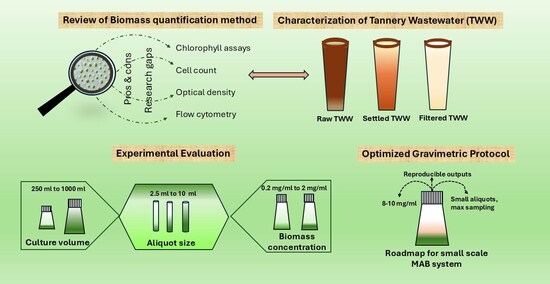
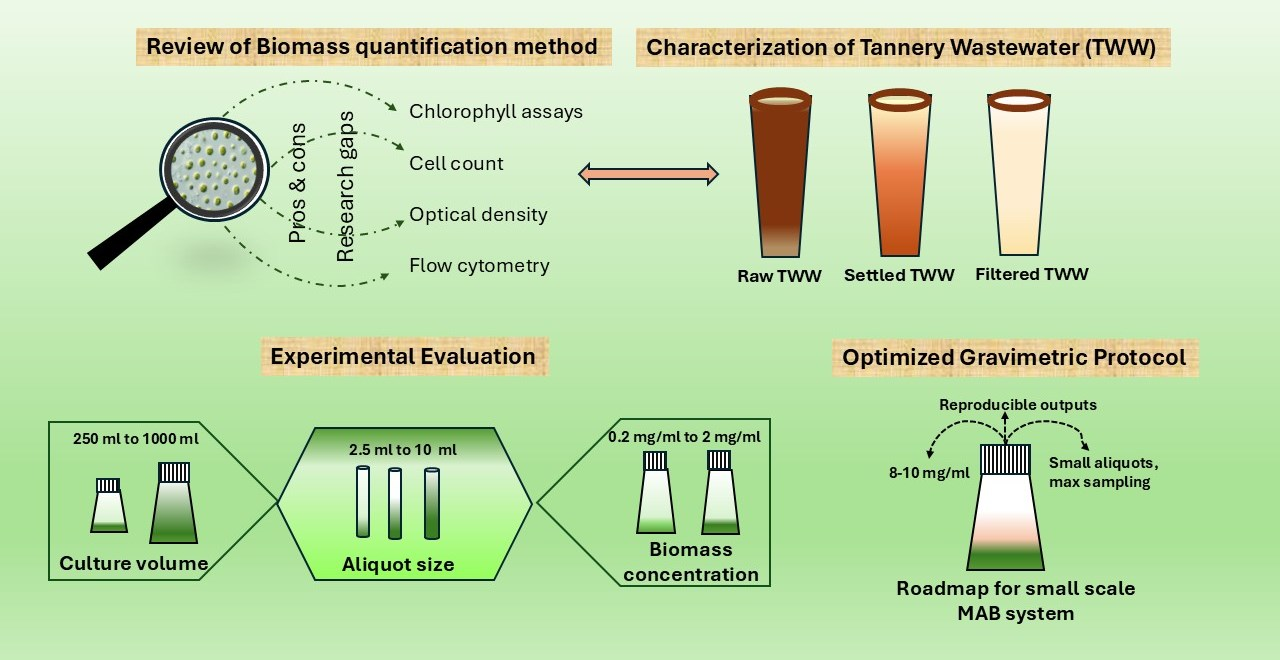
Accurate biomass quantification is important for evaluating growth kinetics and performance of microalgal and microalgal–bacterial wastewater treatment systems. However, small-scale studies frequently encounter methodological limitations due to low biomass concentrations, limited sampling volumes, and/or interference from non-biotic solids in complex wastewaters. This work adopts a two-fold approach: (i) a concise review of current biomass quantification methods for bench-scale systems, and (ii) an experimental evaluation of a gravimetric protocol for complex wastewaters. The review discusses commonly applied techniques, highlights their strengths and weaknesses, and identifies research gaps in data comparability and reproducibility. The laboratory investigations evaluated the effects of key factors, namely culture volume (250 mL to 1 L), test aliquots (2.5 mL to 10 mL), and the absolute weight of total suspended solids (3.43 g to 14.5 g) on total suspended solids measurements. Aliquots containing <5 mg total suspended solids produced statistically significant variability, whereas reliable and reproducible results were obtained when >8–10 mg absolute total suspended solids per aliquot was present. In complex wastewater matrices, approximately 18% of total suspended solids consisted of non-volatile solids, demonstrating that the method can systematically over-estimate true dry cell weight in microalgal–bacterial systems. The findings emphasized the need for procedural standardization. Finally, a practical gravimetric protocol is proposed for both axenic and consortium-based small-scale studies dealing with complex wastewater, providing an evidence-based roadmap for obtaining more reliable biomass estimations.

Graphical Abstract

1. Introduction

In bacterial, microalgal or microalgal–bacterial (MAB) wastewater treatment systems ‘biomass’ refers to the cellular material that is derived from the microorganisms and the associated extracellular polymeric substances (EPS) [1]. Bacterial biomass is characterized by small cells (0.5 µm to 5 µm) with high surface-area-to-volume ratios, while microalgae are typically much larger (5 µm to >100 µm), translating into higher relative quantities of biomass with lower surface-area-to-volume ratios [2,3]. Lipids, carbohydrates, and proteins make up the majority of bacterial and microalgal cells, but microalgae tend to contain more pigments, particularly chlorophyll [4].
During wastewater remediation, bacterial species play significant roles in organic carbon cycling and nutrient transformations, including nitrification and denitrification [2,3]. Microalgae exhibit features common to photosynthetic eukaryotes and prokaryotes, allowing them to adapt to diverse environments [5]. Remediation mechanisms differ from those of bacteria, for example, ammonia removal is accomplished via uptake for cellular function as opposed to bacterial conversion of ammonia to nitrite for energy [6]. These physiological and structural differences influence not only remediation mechanisms but also biomass measurement accuracy.
In full-scale wastewater treatment plants, the sludge retention time (SRT), sludge recycling rate (SRR) and sludge wasting rate (SWR) are adjusted to optimize the food to microorganism (FM) ratio to ensure that there is sufficient functional biomass for efficient plant performance [7]. Measurement of microbial biomass in full-scale wastewater treatment plants is performed using standard methods for quantifying total suspended solids (TSS) and volatile suspended solids (VSS) [8]. The TSS is the dried weight of all matter retained on a 0.45 µm filter, while the VSS is the combustible (550 °C, 1 h) fraction of the TSS, assumed to consist mostly of biomass. When large sample volumes (≥1 L) with sufficient solids are tested, accurate VSS results can be obtained using this filtration and combustion method [8]. However, for wastewater with high concentrations of solids, filtration may not be possible due to filter clogging [9]. Conversely, inaccuracies from small losses due to the filtering, transferring, and combustion processes can occur in samples with low concentrations of solids [9].
In most small-scale studies, the growth, productivity and remediation kinetics of bacteria and/or microalgae need to be monitored, but, unlike full-scale systems, there is usually insufficient biomass for accurate temporal VSS determinations as sample sizes are limited [10]. Different alternative direct and indirect methods that require less volumes are therefore used. All have some drawbacks, and some that have been widely applied have notable shortcomings. This combined review and short communication seeks to provide more clarity on these issues.
The content of this manuscript is divided into two main sections: a short review of current literature (Section 2) and experimental results (Section 3). The most common methods for measurement of microalgal biomass in small-scale studies are collated and critically discussed, and research gaps are identified in Section 2. This is followed by a presentation of experimental results and a discussion of gravimetric evaporation measurements with different sample sizes and types of tannery wastewater (TWW) (raw, settled, filtered) in Section 2. The manuscript concludes with recommendations for gravimetric evaporation measurements in small-scale studies, particularly for remediation studies using complex wastewaters.

2. Common Methods for Biomass Quantification in Small-Scale Studies

Quantification of biomass in small-scale microalgal and MAB studies is commonly achieved using either direct or indirect methods. Direct methods aim to determine biomass concentration independently of calibration curves, whereas indirect methods rely on correlations between measurable optical or biochemical parameters and biomass concentration. Each approach presents distinct advantages and limitations, particularly when applied to complex wastewater matrices (Table 1).

2.1. Direct Quantification Methods

2.1.1. Gravimetric Methods (Dry Cell Weight)

Gravimetric determination of TSS, referred to as dry cell weight (DCW), is widely regarded as the reference method against which alternative biomass quantification techniques are evaluated [11]. The DCW contains the entire ash fraction so that the amount of biomass is over-estimated if other solids are present, for example, when microalgae are grown in high-salt media or unfiltered wastewater [12]. To counter this, dissolved solids can be removed by washing the solids with distilled water (dH2O) or the results can be adjusted to increase the accuracy of DCW measurements.
The volumes of wastewater used for measuring DCW are rarely provided in the literature, so the minimum amount of biomass and sample volumes that are required to obtain accurate results in small-scale studies is largely unknown.
Two principal approaches are used to determine DCW, filtration and evaporation. The former is based on standard methods [8], albeit with smaller volumes. Samples are vacuum filtered through pre-weighed 0.45 µm membrane filters and dried, after which the filters with the dried samples are re-weighed, and the DCW is determined by deducting the weight of the filter from the total weight of the filter and sample [13]. Filtrates are often rinsed in dH2O, albeit with the risk of losing biomass during the process [14,15,16]. Samples have been dried at various temperatures and/or for different times, for example 105 °C for 24 h [13,17], 105 °C for 16 h for [16], and 80 °C overnight [15]. Although drying times differ, they should be long enough at a given temperature to ensure that constant DCWs are achieved from the amount of sample used in each study [14]. Alternatively, lyophilization can be used to dry the biomass after filtration [18]. The filtration method is problematic with low concentrations of solids, unless the sample volumes are increased to cater for this. For example, de Souza et al. (2019) measured the biomass of Chlorella sorokiniana grown in bold basal medium (BBM) in the range 0.04 gDCW/L to 0.7 gDCW/L and reported poor results in the lower range [10]. They countered this by filtering each sample until the membranes were saturated, i.e., larger volumes for lower biomass concentrations and vice versa. However, it is not always possible to sacrifice large volumes of culture medium to accomplish this. In terms of volumes and biomass concentrations needed for accurate results, Griffiths et al. (2011) used 20 mL volumes of Chlorella vulgaris, Scenedesmus sp., and Nannochloropsis sp. grown in defined media to determine the DCW for constructing standard graphs of DCW against optical density (OD) and achieved good results, showing a linear relationship with each culture [15]. Carneiro et al. (2020) achieved good results with 10 mL samples of cultures of Nannochloropsis oceanica grown in defined media containing 0.5 to 0.7 gDCW/L [14], and McGinn et al. (2017) measured 0.1 gDCW/L to 0.3 gDCW/L of Scenedesmus sp. AMDD grown in BBM in photobioreactors with samples of (unspecified) “known volume” [18], while Choe et al. (2025) used 10 mL of cultures of Chlorella sp. ABC001 (up to 3.16 gDCW/L) and Chlorella sp. HS2 (up to 3.39 gDCW/L) grown in defined media and did not report any analytical anomalies [19].
The second method commonly used to determine DCW is the evaporation method, where the moisture is evaporated and the solid fraction is dried to constant weight in a pre-weighed container [20]. Provided all solids settle sufficiently, centrifugation is often employed to pellet the solids prior to evaporation [16,20]. Not only does this speed up the evaporation process, but dissolved solids can be removed by decanting the supernatant fluid, although some researchers still wash the pellets in dH2O [16]. The drying temperature and duration required to achieve constant weights can differ according to the amounts of solids, residual liquid, and the size and shape of the container. For example, centrifuged and washed pellets of Chlorella sp. NCTU-2 grown in artificial seawater (2.47 gDCW/L to 4.94 gDCW/L) at 105 °C for 16 h [16], and 100 mL of uncentrifuged C. vulgaris CCAP 211/11b grown in defined medium dried in crucibles at 105 °C for 24 h [21]. In the latter, the amount of biomass in the 100 mL sample from the tubular photobioreactors appeared sufficient for the authors to determine the VSS (0.2 gVSS/L to 0.6 gVSS/L) [21]. Fekete et al. (2024) determined the DCW of 40 mL uncentrifuged samples of Chlorella vulgaris Beijerinck CCAP 211/11b grown in defined medium and dried by evaporation at 90 °C to a constant weight in crucibles [13]. They also filtered the supernatant fluid from parallel centrifuged samples and dried the filtrate, which was deemed to represent the salt content (1.974 g/L) of the defined culture medium, which was used to adjust the DCW.

2.1.2. Cell Counts

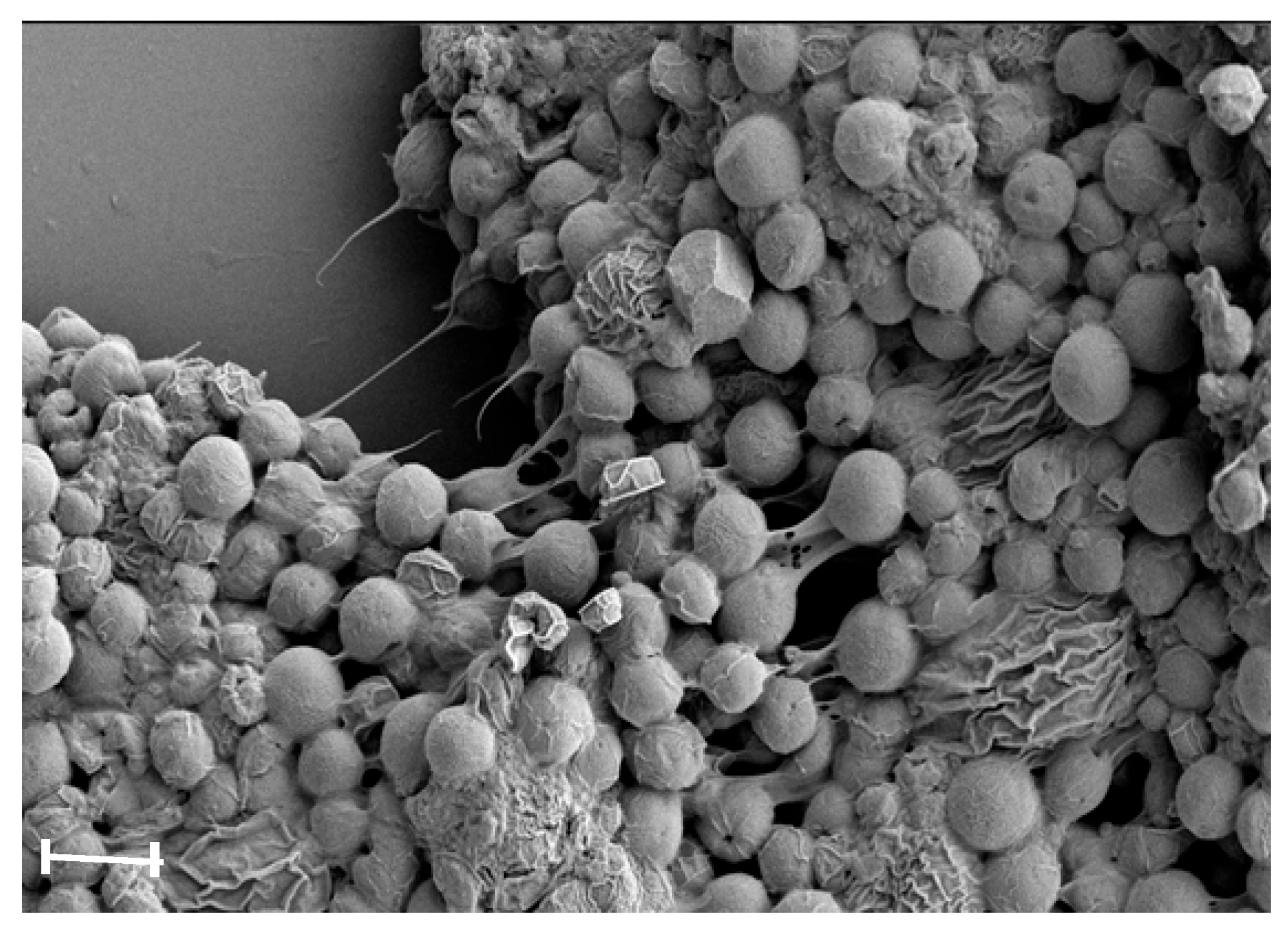
Microalgal biomass is commonly quantified microscopically using counting chambers such as Bürker or Neubauer types that have etched surfaces separating pre-defined sections of precise volumes [10,16]. Cells within one or more of the sections are counted and converted into the number of cells/L (cellsn/L) using stipulated conversion factors for each type of counting chamber. In some studies, good correlations between microscopic cell numbers and DCW have been found, for example R2 values of 0.986 and 0.993 for the filtration and evaporation methods, respectively, with dilutions of a stock culture of C. vulgaris Beijerinck CCAP 211/11b [13]. While this may be true for microalgal monocultures grown under the same conditions, there is considerable variation between the size, volume and density of microalgal cells, both inter-species and within the same strain under different physicochemical conditions, rendering counting inaccurate for biomass quantification in most circumstances, especially if microalgal consortia are present [19,22]. The accuracy of microscopic counts can be increased by using specialized equipment and well-calibrated imaging software that can determine cells sizes and cell numbers [13,19]. A Coulter counter (Beckman Coulter Inc., Breas, CA, USA), originally designed to count blood cells has also been used to determine both cell counts and cell volumes, allowing for more accurate biomass measurements in the absence of other solids [18,19,23]. Such determinations cannot be performed if microalgal cells clump together in coenobia (Figure 1), a phenomenon which is common when growth conditions are sub-optimal [12]. By the same token, the counting of cells is not appropriate for estimating biomass in MAB or other systems containing granules or flocs.
Microalgal cells have also been counted using flow cytometry. It can be a rapid and reliable method, but several methodological challenges are encountered due to the unique physiological and structural characteristics of microalgae. These include their rigid and variable cell wall composition, small cell size, and the presence of pigments and secondary metabolites that can interfere with fluorescent signals. In addition, sample preparation for microalgal analysis often requires relatively high biomass concentrations, chemical fixation, and, in some cases, extraction or permeabilization of cellular components to allow proper staining and detection. These additional preparation steps can introduce variability and increase the complexity of the analysis, particularly when working with low-volume or low-biomass samples [24].

2.1.3. Packed Cell Volume

Measurement of packed cell volume (PCV) is simple and requires small sample volumes. It has not gained traction because it can only provide rough estimates of wet biomass. The method consists of loading defined volumes of microalgal culture into haematocrit tubes, centrifuging and measuring the amount of deposit using a scale. Schagerl et al. (2022) only found moderate correlations (R2 = 0.81) between DCW and PCV in cultures of Limnospira fusiformis in defined medium [25]. The authors attributed historic inaccuracies to differences in cell shapes, packing densities, and buoyancies.

2.2. Indirect Quantification Methods

2.2.1. Turbidimetry (Optical Density)

The presence of microalgae and/or bacteria increase the turbidity of liquid media, decreasing the amount of light transmitted through the medium. The optical density (OD) is the magnitude of light ‘absorption’ measured spectroscopically. Turbidimetry is a simple method applied extensively to estimate the biomass of pure microalgal (or bacterial) cultures from regression graphs of OD measurements plotted against DCW [15]. The test is most sensitive in the 0.1 to 1.0 OD range, and samples may require diluting to fall within this range [15]. Measurement of OD requires small volumes, is rapid, and does not require specialized equipment. However, it is only an indirect method for biomass and is prone to significant errors [23].
The Importance of Choosing the Correct Turbidimetric Wavelength/s
Turbidimetry is inaccurate when the culture medium is opaque, especially when microalgal concentrations are low [26]. In addition, pigments and other colors can introduce errors by absorbing light at the chosen wavelength/s [10,20]. For microbial cultures in general, good OD response signals are obtained at wavelengths between 400 and 460 nm and 650 and 680 nm, and these wavelengths have been ubiquitously applied for estimating algal biomass as noted by Fekete et al. (2024) [13], de Souza et al. (2019) [10], and Griffiths et al. (2011) [15] among others. Such results are inevitably skewed with microalgae because chlorophylls and carotenoids absorb light in these ranges, and the pigment contents of cells change under different cultivation conditions [10,15,23,24,25,26]. Griffiths et al. (2011) compared the absorbances of bleached and unbleached cells of three microalgal strains and noted maximum absorption peaks at 440 nm, 480 nm, and 680 nm with the unbleached cells which were not present with the bleached cells, confirming that pigments account for absorption at these wavelengths [15]. Consistent with these results, 750 and 550 nm have been recommended for biomass estimation as absorption by microalgal pigments in these regions is limited [10,15].
While it is important to account for interference by pigments [10], measurements conducted within the chlorophyll-a (chl-a) absorbance range can be useful for distinguishing between microalgal and non-microalgal biomass [23], but in such circumstances it may be more accurate to extract and measure the absolute amount of chl-a as described in Section 2.2.2. In addition, accounting for pigments does not necessarily solve the problem of interference, as other substances like intracellular starches can also contribute to absorption by microalgae that is unrelated to biomass abundance [10].
Inter- and Intra-Strain Inaccuracies in Measuring Microalgal Biomass Using Turbidimetry
It is important to establish linear regression relationships between absolute biomass and OD for each microalgal strain separately because the scattering of light depends on the size and shape of microalgal cells. For example, Schagerl et al. (2022) found that the OD750 of round Chlorella sp. was almost five times higher than that of the elongated Limnospira fusiformis at 1.0 gDCW/L [25]. Ranjan et al. (2025) also found differences in the linear slopes (OD680 vs. DCW) of four microalgal strains [12]. Although differences were minor for the closely related strains with similar boat-shaped morphologies (Tetradesmus obliquus CPUT-L1, Tetradesmus dimorphus CPUT-L2, Tetradesmus obliquus CCAP 276/1A), differences were more pronounced with the round Neochloris sp. CPUTW1 [27].
Despite the limitations, good linear correlations are invariably obtained when OD is plotted against DCW with dilutions of pure microalgal cultures from one sampling instance [11,12,13,16,23,24,25,26]. However, this relationship is dynamic because microalgal cells change under different physiological conditions. Many studies have highlighted the pitfalls of relying on turbidometry as the sole source of biomass estimation for temporal studies, even with one microalgal strain. For example, Nielsen and Hansen established good linear regression correlations between cell counts and OD750 of Rhodomonas salina in artificial media under stable culture conditions but reported errors in biomass estimation from 44% to 95% under varied light saturation and nitrogen (N) availability [23]. Similarly, in 2011 Griffiths et al. measured notable error ranges for OD750 plotted against DCW at different time points and with varying N availability: C. vulgaris (4–34% error), Scenedesmus sp. (5–22% error), Spirulina platensis (8–21% error), and Nannochloropsis sp. (5–8% error) [15]. de Souza et al. (2019) found that intracellular starch accumulation by Chlorella sorokiniana grown in BBM in the stationary growth phase increased the DCW to a greater relative extent than the OD and advised against the use of OD to measure microalgal cell growth in starch-accumulating cultures [10]. Another group of researchers noted a temporal increase in the DCW to OD750 ratio in batch cultures (Chlorella sp. 0.19 to 0.44; Scenedesmus sp. 0.36 to 0.53, Chlorococcum sp. 0.48 to 0.75) and concluded that OD was not suitable as an indirect method for biomass in batch cultures [28]. For these reasons, turbidimetry should not be the method of choice as an indirect method for biomass of microalgal consortia.

2.2.2. Chlorophyll-a Quantification

The concentration of chlorophyll can be measured by UV-visible spectroscopy or fluorimetry, either directly, or more accurately after extraction from ruptured cells with acetone, ethanol, or methanol [29,30].
In microalgae, chl-a is the most abundant form of chlorophyll, while chlorophyll-b (chl-b) is absent or found in trace amounts [31]. Chl-a absorbs light in the blue and red regions of the visible spectrum around 430 nm and 662 nm, respectively, while chl-b absorbs at around 453 and 642 nm, respectively, although there are variations and notable overlaps with other chlorophylls and pigments such as carotenoids [25,29,30]. Equations are therefore required to calculate chl-a concentrations from visible spectral absorbance measurements [15,29,30]. Two of these are provided as examples (Equation (1) [15], Equation (2) [29]).
chl-a (mg/L) = 12.47 (ABS665) − 3.62 (ABS649)
chl-a (mg/L) = −0.3319(ABS630) − 1.7485(ABS647) + 11.9442(ABS664) − 1.4306(ABS691)
Fluorimetry measures fluorescent light emitted light after chl-a is excited by a specific wavelength of light [32], for example, red light at 650 nm [33]. Sophisticated fluorimetry techniques can measure the photosynthetic activity of viable cells [13,32]. An advantage of fluorimetry is that it can be used as an in situ tool [18] and it has been used for decades to monitor algal productivity and to correlate algal biomass abundance with factors such as nutrient status, irradiance, and temperature [33,34]. As an example, meta-analysis of chl-a data obtained from 357 northern lakes allowed researchers to establish that when nutrients are present, algal growth is promoted and blooms are most likely when solar radiation and surface water temperatures increase in spring [34]. In another study, the method was used to evaluate microphytobenthic photosynthetic variations due to microalgal migrations at different water depths [33]. While fluorimetry is useful in such settings, inherent inaccuracies render the method unreliable in laboratory studies where more accurate measurements are required.
There are wide inter-species variations in chl-a concentrations, and even within the same microalgal strain, concentrations vary due to external factors such as light and nutrient availability [12,25,27,31]. Both UV-vis and fluorimetry are therefore inherently sensitive to variations in the chlorophyll content of microalgal cells associated with environmental factors such as stress, nutrient supply, light conditions, and chemicals [21,35]. As seen with the OD method, some researchers have reported good correlations between DCW and chl-a with dilutions of pure microalgal monocultures [15,26]. However, this is not common, especially with consortia. Ramaraj et al. (2013) found no discernable relationships between DCW and chl-a, chl-b, and chl-a + chl-b (F-test, t-tests and linear, quadratic, cubic and other models) when growing a consortium of microalgae (Anabaena, Chlorella, Oedogonium and Oscillatoria) in river water [31].
The age and physiological status of microalgae influence the production of chl-a, and concentrations can vary by orders of magnitude under different growth conditions [25]. When nutrients are limited, the chl-a to biomass ratio decreases to allow the allocation of nutrients for growth rather than pigment production [36,37]. At higher light intensities, algae can produce additional pigments (sunscreen pigments) that protect chlorophylls from damage, but their production relies on nutrient availability [36]. In cultures of Chlorella vulgaris and Haematococcus lacustris grown in bubble column reactors under different N availabilities, Schagerl et al. (2022) found significant differences in cellular chl-a concentrations because N availability promoted growth, resulting in turbidity [25]. To counter the reduced light availability, the cells produced more chl-a. In terms of chemicals, Chao et al. (2025) found that the presence of triclosan decreased the chl-a measured by fluorimetry, but not the biomass measured by VSS (approx. 0.50 to 0.55 mg/L) [35].
In summary, monitoring chl-a has a place in environmental studies, in understanding microalgal metabolism, and can be a useful tool for distinguishing between bacterial and microalgal biomass [38]. However, as an indirect method for biomass estimation in the laboratory, it is not a reliable tool.

3. Gravimetric Biomass Measurements

3.1. Introduction

As outlined in Section 2, TSS is arguably the most simple, accessible and accurate means of estimating biomass DCW in flask-based studies. However, standard TSS methods are only applicable for large volumes, and no standardized protocol exists for instances where only small volumes are available for testing. As a starting point, this study sought to determine the minimum amount of biomass and working volumes required for accurate temporal DCW measurements of microalgae. Secondly, to assess how DCW measurements may be confounded when microalgae are grown in a complex wastewater, parallel experiments were conducted using raw, settled and filtered TWW.
Tannery wastewater is the effluent produced from leather tanning and processing operations. It typically contains high concentrations of suspended solids, salts, organic matter, metals, dyes, sulfides, and other toxic compounds, requiring multi-stage treatment before safe discharge [27,39,40]. The turbid nature of the effluent exacerbates the inherent inaccuracies of OD measurements [41]. Similarly, non-microalgal particulates can clog instruments or generate false signals from flow cytometry [42]. To ensure the accuracy and reproducibility of gravimetric DCW measurements for biomass estimation, it is important to account for the influence of suspended and colloidal solids inherent to complex wastewater, such as TWW, on these measurements.

3.2. Materials and Methods

3.2.1. Microalgal Culture

A microalgal consortium was developed using four robust, halotolerant strains, as previously described by Ranjan and Welz (2025) [27]. The consortium consisted of one commercial strain, Tetradesmus obliquus CCAP 276/1A, and three in-house isolates: Tetradesmus obliquus CPUT-L1 (NCBI accession number SAMN44272498), Tetradesmus dimorphus CPUT-L2 (NCBI accession number SAMN44272499), and Neochloris sp. CPUT-W1 (NCBI accession number SAMN44272500). Cultures were maintained in shaking incubators at 160 rpm at 27 °C with a 14:10 h (light:dark) photoperiod. Light was provided in the deep-red, far-red and blue spectral range using 17 W 31 µmol/s Sylvania (Budapest, Hungary) Gro-Lux LED grow bulbs at a photosynthetic photon flux density of 31 µmol/m2·s−1. All strains were maintained in defined Bold’s Basal Medium (3N-BBM+V) modified with a triple nitrate concentration and supplemented with a vitamin solution (+V) containing Vitamin B1 (thiamine hydrochloride) and Vitamin B12 (cyanocobalamin). Prior to experimental use, the consortium was acclimated to growth in TWW as previously described [27].

3.2.2. Tannery Wastewater

Raw TWW was collected from a local tannery (Western Cape region, South Africa), transported to the laboratory in airtight containers and stored at 4 °C (short term), or −20 °C (long term). Prior to use, the TWW was homogenized manually by stirring to ensure uniform distribution of suspended and colloidal solids. Experiments were conducted using raw TWW, settled TWW and filtered TWW. The settled TWW was prepared by allowing 5 L of raw TWW to settle for 72 h at 4 °C whereafter the supernatant was carefully decanted. The filtered TWW was prepared by centrifuging settled TWW at 6000 rpm for 10 min followed by passing the supernatant through a gravity filtration unit using Whatman No. 1 filter paper, and was further vacuum filtered using 0.45 um filter papers. The characteristics measured in the raw, filtered and settled TWW used for each experiment are given in Table 2.

3.2.3. Experimental Set-Up and Procedures

Flasks containing TWW were inoculated with 20% v/v of a consortium containing equal quantities of each microalgal strain (Section 3.2.1) as previously reported [27].
For the initial experiments, a range of flask and working volume ratios were applied: (i) 250 mL:150 mL, (ii) 250 mL:200 mL, (iii) 500 mL:300 mL and (iv) 1000 mL:600 mL. The TSS measurements were conducted using different aliquot sizes (2.5 mL and/or 10 mL). Based on these results, a second set of experiments were conducted in triplicate using raw, settled and filtered TWW in 500 mL flasks (350 mL working volume) with 10 mL sample aliquots for biomass measurements taken at regular intervals (Figure 2), and 5 mL sample aliquots for chemical analyses at the start of the experiment (day 0) and after 5 days.

3.2.4. Analytical Procedures

Chemical Analyses
Raw, settled, and filtered TWW and selected flask samples were characterized by analyzing total alkalinity (T.Alk), total chemical oxygen demand (CODt), soluble chemical oxygen demand (CODs), sulfate (SO42−), total nitrogen (TN), volatile organic acids (VOA), and ammonia nitrogen (NH3-N). Analyses were performed using a Merck Spectroquant Pharo spectrophotometer (Merck, Darmstadt, Germany) with appropriate standards and quality controls, following the manufacturer’s instructions, as previously described by Ranjan and Welz (2025) [27]. The pH was measured using a Eutech pH 700 m equipped with a glass pH electrode (Eutech Instruments, Singapore).
Gravimetric Analysis
Temporal DCWs were estimated using the gravimetric TSS method as previously described [27]. Briefly, after carefully discarding the supernatant, centrifuged pellets from sample aliquots (2.5 mL or 10 mL) were dried in pre-weighed 2 mL polypropylene tubes in an oven at 65 °C overnight or until constant weights were achieved. The TSS was calculated by deducting the weights of the tubes from the weights of the tubes and dried contents.
Reactors Total Suspended Solids and Total Volatile Solids
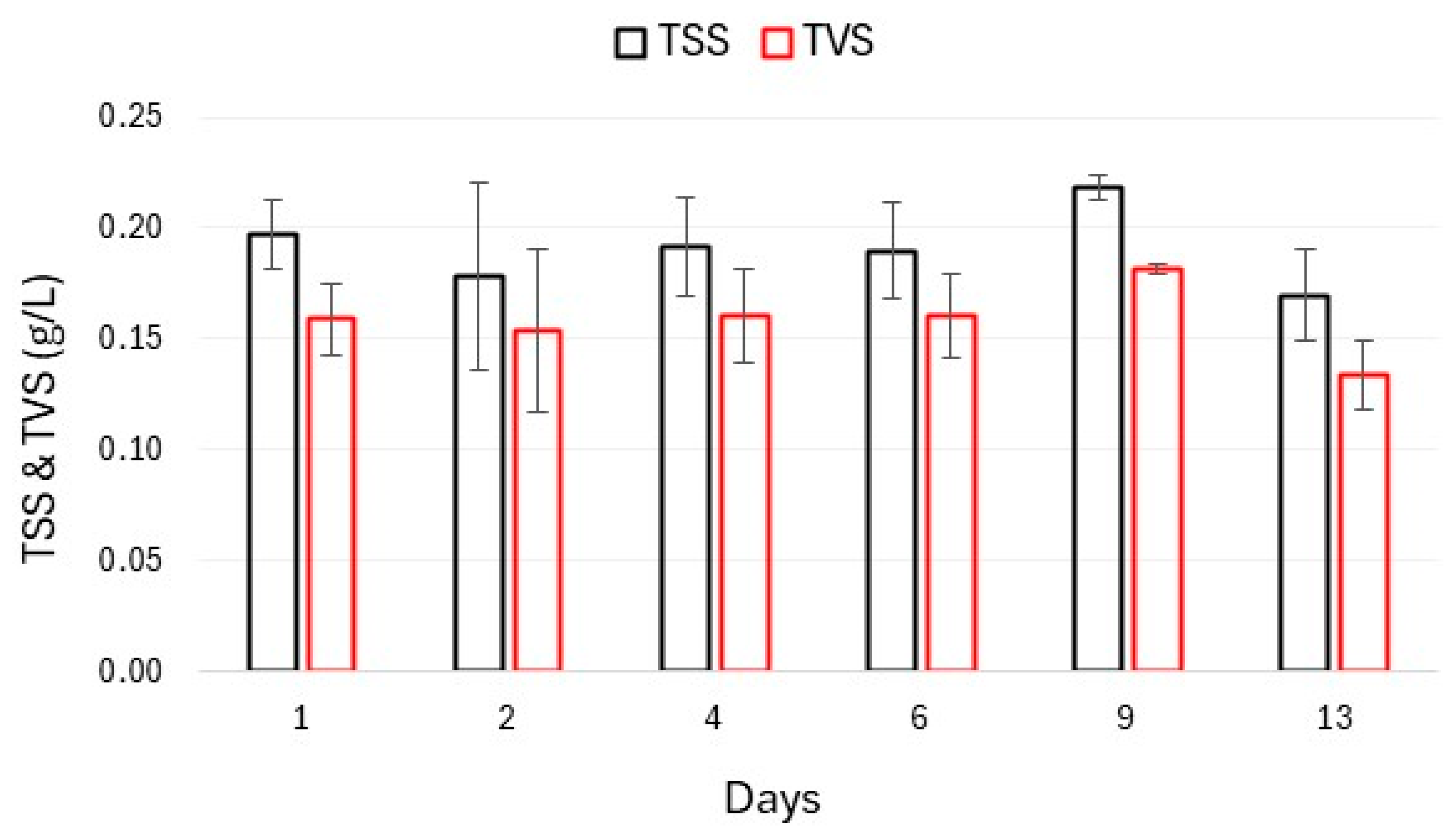
Total suspended solids (TSS) and total volatile solids (TVS) were conducted using 1 L mixed liquor from two 17 L (working volume) photobioreactors treating TWW using standard methods [8]. Each analysis was conducted in duplicate.

3.3. Results and Discussion

3.3.1. Total Suspended Solids Measurements with Different Working and Sampling Volumes

Aliquots for TSS measurements for the estimation of DCW were taken from experimental flask cultures every day for 19 days or until the volumes in the flasks became insufficient for further sampling. The major focus of this study was to determine the amounts of TSS required for accurate DCW measurements using the evaporation method. Growth mechanisms and reasons behind growth trends are not discussed. Temporal trends are, however, noted as a means of comparing results obtained from different working volumes.
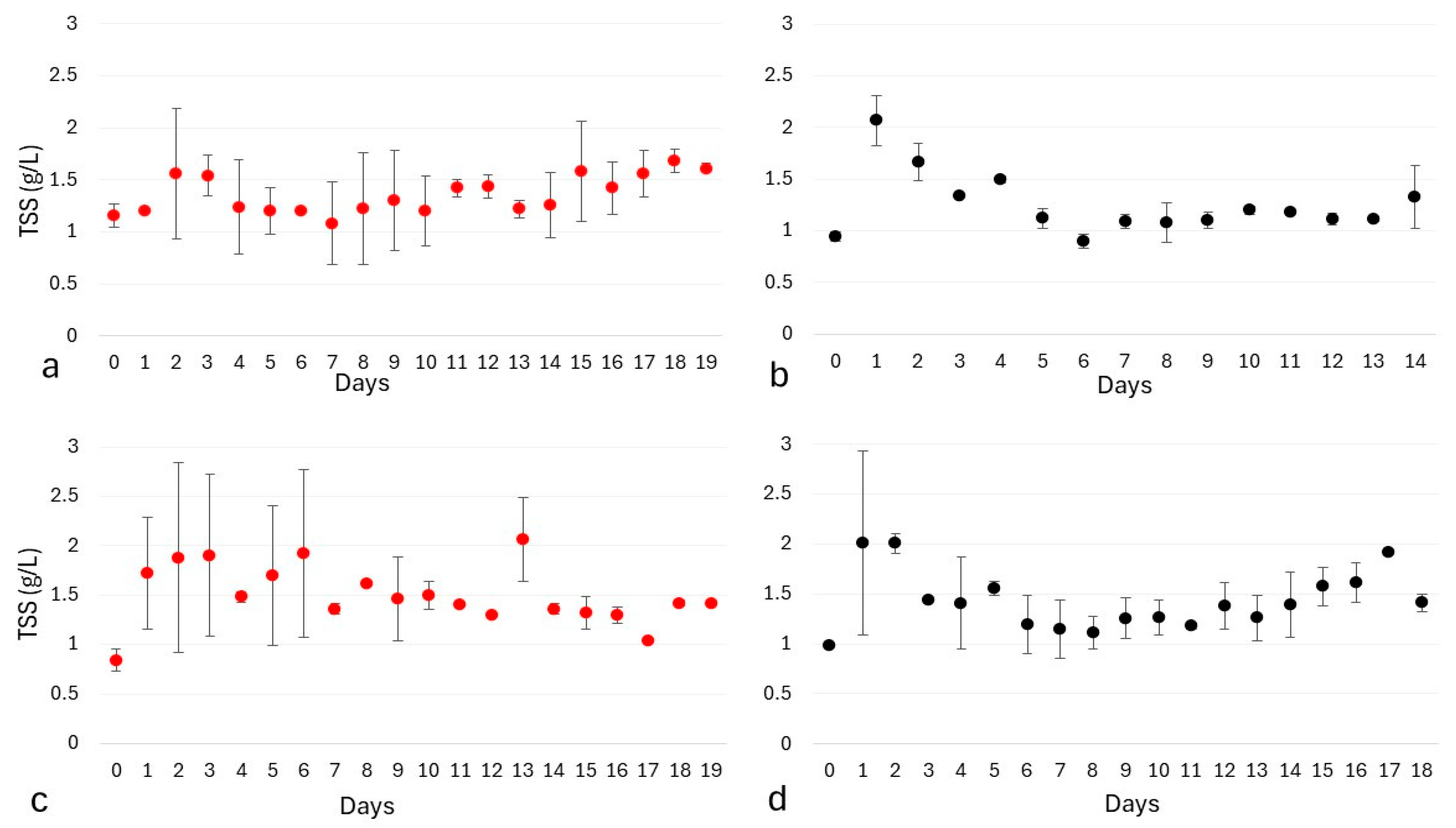
The TSS measurements followed similar temporal trends in flasks initially containing 150 mL TWW and 200 mL TWW (Figure 3). Spikes were followed by declines and later increases. The working volumes in the flasks were reduced by sampling four times more rapidly when 10 mL aliquots were removed for testing than when 2.5 mL aliquots were taken. Notably, differences in sampling volumes and residual liquid in the flasks did not translate into differences in the temporal DCW measurements (Figure 2).
Differences in TSS measurements between replicates were significant in 2.5 mL samples (two-tailed paired t-test, tcrit > t, p < 0.05), as evidenced by the magnitude of the error bars in Figure 3a,c. No significant differences were noted in the TSS measurements between replicates in the 10 mL aliquots (Table 3). It was concluded that the 3.43 mg DCW and 3.75 mg DCW (150 mL and 200 mL working volumes, respectively) in the 2.5 mL aliquots (Table 3) were not sufficient for obtaining accurate TSS results. Such inaccuracies may be larger using the filtration method rather than the evaporation method used in this study, as small losses during the filtration process may have greater impacts on the readings. The few studies available that include relevant data on TSS/DCW measurements did not report the absolute amounts of DCW that were weighed (Section 2.2.1). However, from the available data, it was extrapolated that good results were achieved with 5–7 mg DCW of a culture of N. oceanica grown in defined medium [14], and 32–34 mg of Chlorella spp. grown in defined media. In conjunction with these findings, it is recommended that a minimum of 8 mg, preferably >10 mg TSS should be present for accurate measurements.
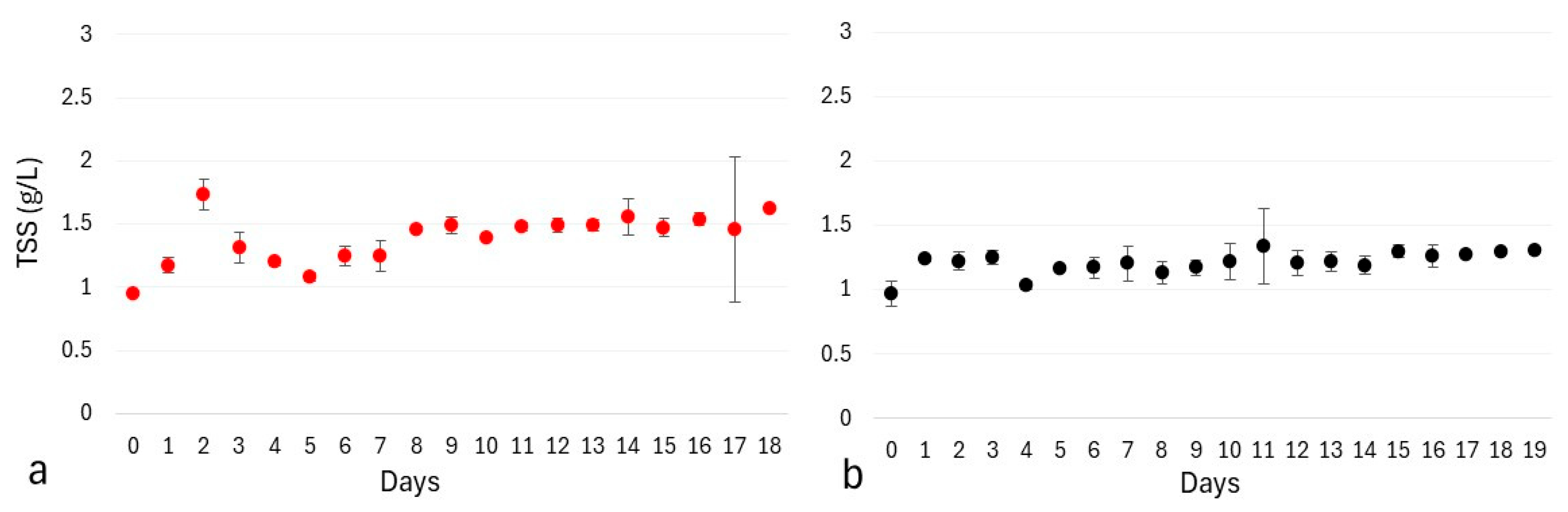
In comparison to the flasks with 150 mL and 200 mL working volumes, similar temporal TSS trends to the lower working volumes were noted when the volume was increased to 300 mL (Figure 4a), but more uniform temporal trends with slightly lower TSS measurements were noted when it was increased to 600 mL (Figure 4b). This was attributed to increased shading with higher volumes and/or lower gas exchange with reduced surface to volume ratios as described by Nayana et al. (2022) [43]. Variations between replicates lessened with increases in working volumes (Figure 3 and Figure 4). This suggested that differences between replicates that were obtained with >10 mg TSS in 10 mL at lower volumes (Table 3) were true reflections of differences in TSS concentrations.
While increasing the working volume is often desirable from a scaling perspective, reduced growth can offset the benefits. When conducting flask experiments, researchers need to consider how light paths and gas transfer rates are affected by the size of the flasks and the working volumes, as well as the impact of microbial density and medium turbidity on these factors and the downstream applications [43,44,45]. Nevertheless, the relative consistency of the results obtained with 150 mL to 300 mL working volumes (Table 3) show that the working volume and aliquot volume can be tailored according to need within this range, provided sufficient TSS is available for accurate results.
To gain insight into the solids in the TWW, six 1 L samples were taken from two 16.7 L MAB photobioreactors (R1, R2) treating the same batch of TWW used in the flask experiments (Figure 2), allowing the TSS and VSS to be determined using standard methods with 1 L of mixed liquor. The VSS fraction constituted 82 ± 2.8% (range 79–86%) of the TSS, indicating that around a fifth of the DCW was not biotic (ash fraction) and would likely remain relatively constant. The ash fraction does not reflect DCW; so, in wastewaters with high concentrations of non-DCW solids, it may be prudent to apply a correction factor to cater for the ash fraction as large inaccuracies may be expected from calcining and weighing small amounts of VSS.

3.3.2. Influence of Wastewater Pretreatment on Dry Cell Weight Determination

In MAB wastewater treatment systems, solids in the influent may be hydrolyzed to some extent during bioremediation [46]. In addition, some inorganic and/or organic solids may provide growth nutrients, while others may inhibit microalgal and/or bacterial growth [46,47]. Solids can also cause physical shading, limiting the amount of light for photosynthetic growth of microalgae [46]. This study was based on the premise that the presence of solids in wastewater will confound TSS measurements for DCW when used to estimate biomass abundance and evaluate growth kinetics.
Many researchers use optically clear, defined media or filtered wastewater for flask experiments [48,49,50]. While these practices may ensure that TSS/DCW measurements are true reflections of biomass, remediation results may be skewed in comparison to those obtained using real, unfiltered wastewater. Remediation studies should ideally strive to reflect ‘real world’ scenarios. Although microbes are added from MAB pre-cultures in flask studies, wastewater also contains important functional microbial taxa [51]. These may be removed by settling or filtration, exacerbating the other challenges associated with the removal of solids. This study was not intended to optimize removal efficiencies, but basic physicochemical analyses of the raw, settled and filtered TWW were measured in conjunction with TSS measurements in 500 mL flasks (350 mL working volume) (Section 3.2.2). Although the CODs concentration in the raw TWW was higher than in the settled or filtered TWW on day 0, the concentration on day 5 was lowest (raw < settled < filtered), and the removal rate was notably higher (raw > settled > filtered) (Table 4). These results suggest loss of heterotrophic bacterial activity due to settling and filtering of the TWW. Soluble NH3-N was measured because removal of this toxic chemical is an important function of MAB systems treating TWW. Higher removal rates were achieved in the filtered TWW (filtered > raw > settled). However, TWW contains high concentrations of particulate proteins that are broken down to NH3-N during remediation. This can skew NH3-N removal results. Overall, these results clearly demonstrate that removal of solids has an impact on TWW remediation efficiency.
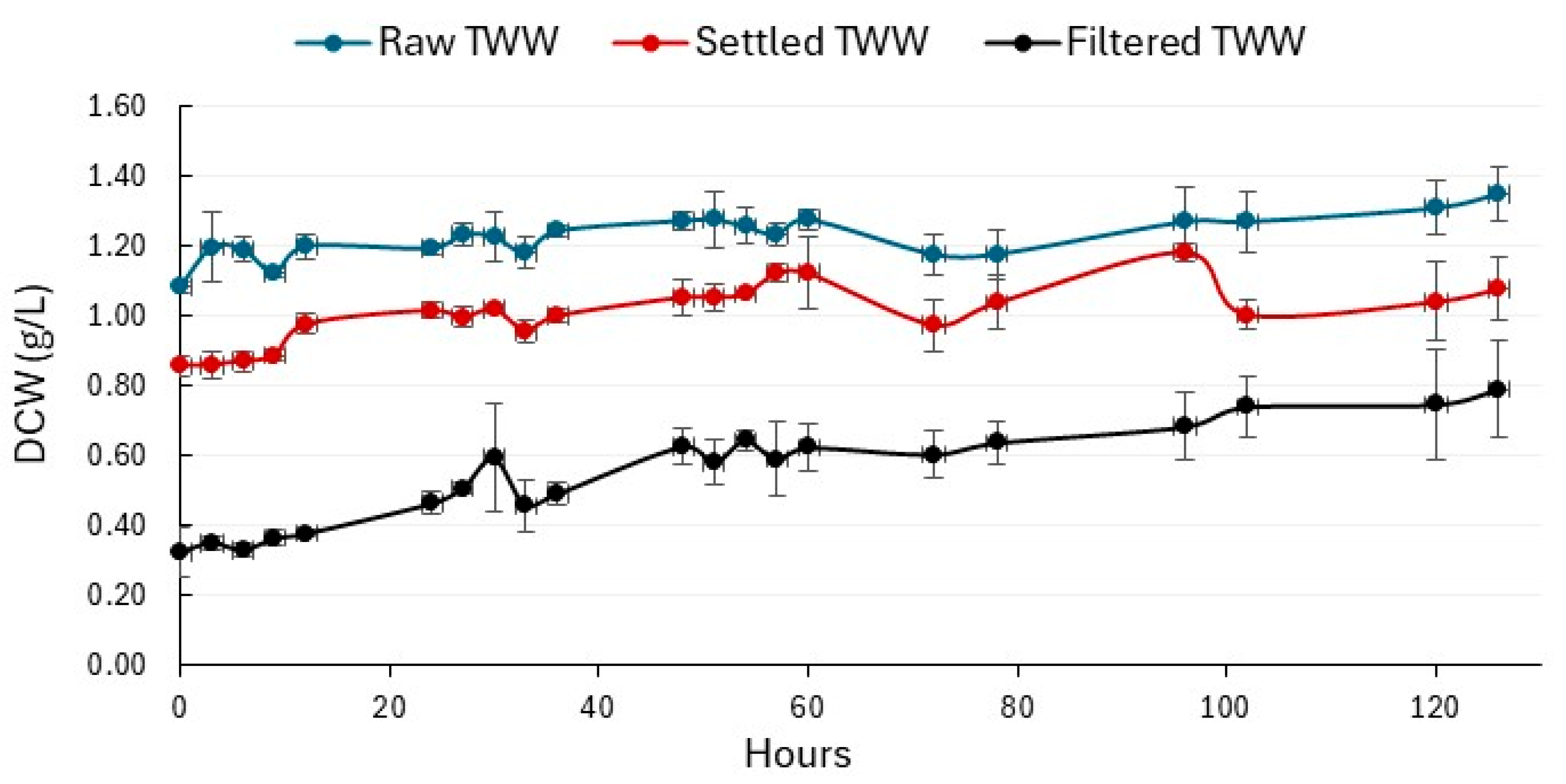
To gain insight into how solids may influence interpretation of MAB growth kinetics and TSS/DCW measurements when dealing with complex wastewater in flask studies, temporal results obtained with raw, filtered and settled TWW were compared (Figure 5). Distinct patterns were observed across the three wastewater fractions, reflecting the combined influences of nutrient availability, organic load, suspended solids, and inhibitory constituents inherent to TWW. At t = 0, the TSS in the flasks containing filtered TWW was 0.32 g/L. On the assumption that the TSS in these flasks was made up entirely of biomass (DCW) from the inoculum, only 30% and 38% of the TSS in the flasks containing the settled (0.85 g/L) and raw TWW (1.05 g/L) was biomass from the inoculum [52].
The increases in TSS concentrations over the 125 h experimental period were 0.27 g/L, 0.22 g/L and 0.45 g/L for raw, settled and filtered TWW respectively. The growth kinetics in the filtered TWW were clear, indicating a gradual increase in absolute biomass (as DCW) over time (Figure 5). However, those obtained using settled and raw TWW were difficult to interpret. It was not possible to elucidate whether MAB growth was masked by hydrolysis of organic solids, in which case the absolute increase may have been on a par with the results obtained with filtered TWW. Conversely, growth may have been inhibited to some extent by increased shading and/or inhibitors from the solids in the settled and raw TWW or promoted by important nutrients in the solids fraction. It can be concluded that TSS concentrations in MAB or microalgal flask studies are a poor reflection of DCW. The term DCW is thus erroneous in such instances, and results should rather be reported as TSS. If growth kinetics form an important part of a study, filtered wastewater should be used, with the acknowledgement that remediation studies may be compromised.

3.4. Conclusions and Recommendations

In full-scale wastewater treatment plants, biomass is estimated relatively accurately by measuring VSS. In flask-studies, there are insufficient solids, so alternative methods need to be applied. No method is exact, but commonly used indirect methods (turbidimetry, chlo-a quantification) are often highly inaccurate and are therefore not recommended. While sophisticated cell counting methods may yield better results, specialized equipment is required and cells must be present in singular form, which is rarely the case. Gravimetric measurements of TSS are simple to perform and reproducible. The evaporation method has been widely used to approximate DCW and monitor changes in biomass in flask studies. However, the presence of non-volatile solids can confound the results.
The study described in this manuscript focused on gaining insight into some of the anomalies associated with TSS measurements as an indirect method for biomass DCW in flask experiments. Results, in conjunction with those obtained from the literature have been used to provide some methodological recommendations.
Firstly, the experimental design needs to cater for regular sampling of sufficient reactor contents for accurate measurements. The minimum aliquot volumes depend on the TSS concentrations, and larger volumes may be required if ancillary tests are performed. The results of this study indicated that similar results can be achieved with working volumes from 150 mL to 300 mL, irrespective of the amount of medium that is extracted at each sampling instance. Larger working volumes may result in reduced temporal increases and decreases in microalgal growth due to factors such as increased shading and reduced gas transfer.
Secondly, in experiments where it is important to measure temporal MAB or pure microalgal growth patterns in complex wastewaters, it is recommended that the wastewater is filtered to remove non-microbial solids as confounding variables. Furthermore, it is suggested that parallel remediation studies using non-filtered wastewater are run if remediation is a study focus.
Based on a minimum requirement of 10 mg TSS per sample, Table 5 provides basic guidelines illustrating the minimum aliquot volumes required ( V m i n ) and the maximum number ( n m a x ) of sample aliquots of V m i n   ( V a l i q u o t ) that can be extracted from up to 80% of the working volume ( V w o r k i n g ) in the recommended range (150–300 mL), with TSS concentrations ranging from 0.1 to 2.0 mg/mL.
At low TSS concentrations, larger aliquot volumes are required to achieve the minimum recommended 10 mg TSS per aliquot, consequently limiting the number of samples that can be withdrawn from each experimental flask. As represented in Table 5, an initial TSS concentration of 0.1 mg/mL (0.1 g/L) permits only a single sampling aliquot of 100 mL for working volumes of 150 and 200 mL, and a maximum of two aliquots for working volumes of 250 and 300 mL. Conversely, the aliquot volume required to meet the minimum mass criterion reduces with high TSS concentrations. For example, with 2 mg/mL (2 g/L) TSS, a minimum aliquot volume of only 5 mL is sufficient, allowing multiple sampling events ranging from 24 to 48 aliquots, depending on the working volume.

Author Contributions

Conceptualization, P.J.W. and A.R.; Methodology, P.J.W. and A.R.; validation, P.J.W. and A.R.; formal analysis, P.J.W., P.V.N. and A.R.; investigation, P.J.W., P.V.N. and A.R.; resources, P.J.W. and A.R.; data curation, P.J.W., P.V.N. and A.R.; writing—original draft preparation, P.J.W. and A.R.; writing—review and editing, P.J.W., P.V.N. and A.R.; visualization, P.J.W. and A.R.; supervision, P.J.W. and A.R.; project administration, P.J.W. and A.R.; funding acquisition, P.J.W. All authors have read and agreed to the published version of the manuscript.

Funding

This research was funded by the Water Research Commission of South Africa (WRC) [grant number 2022/2023-00923]. Any opinions, findings, conclusions, or recommendations expressed in this material are those of the authors, and the funding organization does not accept any liability in this regard.

Data Availability Statement

Data will be made available upon request.

Acknowledgments

The authors gratefully acknowledge Ikumi for securing funding as the Principal Investigator of the project funded by the Water Research Commission (WRC). The financial support provided through this project made this research possible and is sincerely appreciated.

Conflicts of Interest

The authors declare no conflicts of interest.

References

  1. Zhou, Y.; Cui, X.; Wu, B.; Wang, Z.; Liu, Y.; Ren, T.; Xia, S.; Rittmann, B.E. Microalgal extracellular polymeric substances (EPS) and their roles in cultivation, biomass harvesting, and bioproducts extraction. Bioresour. Technol. 2024, 406, 131054. [Google Scholar] [CrossRef]
  2. Felz, S.; Vermeulen, P.; van Loosdrecht, M.C.M.; Lin, Y.M. Chemical characterization methods for the analysis of structural extracellular polymeric substances (EPS). Water Res. 2019, 157, 201–208. [Google Scholar] [CrossRef]
  3. Hammes, F.; Egli, T. Cytometric methods for measuring bacteria in water: Advantages, pitfalls and applications. Anal. Bioanal. Chem. 2010, 397, 1083–1095. [Google Scholar] [CrossRef]
  4. Satiro, J.; Gomes, A.; Florencio, L.; Simões, R.; Albuquerque, A. Effect of microalgae and bacteria inoculation on the startup of bioreactors for paper pulp wastewater and biofuel production. J. Environ. Manag. 2024, 362, 121305. [Google Scholar] [CrossRef]
  5. Cosenza, A.; Lima, S.; Gurreri, L.; Mancini, G.; Scargiali, F. Microalgae in the Mediterranean area: A geographical survey outlining the diversity and technological potential. Algal Res. 2024, 82, 103669. [Google Scholar] [CrossRef]
  6. Salbitani, G.; Carfagna, S. Ammonium Utilization in Microalgae: A Sustainable Method for Wastewater Treatment. Sustainability 2021, 13, 956. [Google Scholar] [CrossRef]
  7. Waqas, S.; Harun, N.Y.; Sambudi, N.S.; Abioye, K.J.; Zeeshan, M.H.; Ali, A.; Abdulrahman, A.; Alkhattabi, L.; Alsaadi, A.S. Effect of Operating Parameters on the Performance of Integrated Fixed-Film Activated Sludge for Wastewater Treatment. Membranes 2023, 13, 704. [Google Scholar] [CrossRef] [PubMed]
  8. APHA (American Public Health Association). American Water Works Association Standard Methods for Examination of Water and Wastewater, 24th ed.; Water Environment Federation: Alexandria, VA, USA, 2025. [Google Scholar]
  9. Queenan, K.; Burton, C.H.; Bechir, C. Development of a centrifuge-based procedure to analyse agricultural effluents for total and volatile suspended solids. Bioresour. Technol. 1996, 57, 259–263. [Google Scholar] [CrossRef]
  10. De Souza, M.F.; Rodrigues, M.A.; da Silva Bon, E.P.; Freitas, S.P. Interference of starch accumulation in microalgal cell growth measurement. J. Appl. Phycol. 2019, 31, 249–254. [Google Scholar] [CrossRef]
  11. Battula, S.R.; Sen, R. Leveraging the dynamice of microalgal CO2 capture to estimate the maximum inherent photosynthetic potential. J. Chem. Technol. Biotechnol. 2024, 99, 2320–2325. [Google Scholar] [CrossRef]
  12. Ranjan, A.; Lilly, M.; Deepnarain, N.; Welz, P.J. Valorisation of tannery wastewater with indigenous microalgal strains: Acclimation, identification, biomass characterization and remediation. Algal Res. 2025, 86, 103953. [Google Scholar] [CrossRef]
  13. Fekete, G.; Sebok, A.; Klatyik, S.; Varga, Z.I.; Grosz, J.; Czinkota, I.; Aleksza, L. Comparative analysis of laboratory-based and spectroscopic methods used to estimate the algal density of Chlorella vulgaris. Microorganisms 2024, 12, 1050. [Google Scholar] [CrossRef]
  14. Carneiro, M.; Cicchi, B.; Maia, I.B.; Pereira, H.; Zitelli, G.C.; Varela, J.; Malcata, F.X.; Torzillo, G. Effect of temperature on growth, photosynthesis and biochemical composition of Nannochloropsis oceanica, grown outdoors in tubular photobioreactors. Algal Res. 2020, 49, 101923. [Google Scholar] [CrossRef]
  15. Griffiths, M.J.; Garcin, C.; van Hille, R.P.; Harrison, S.T.L. Interferences by pigment in the estimation of microalgal biomass concentration by optical density. Microbiol. Methods 2011, 85, 119–123. [Google Scholar] [CrossRef]
  16. Chiu, S.Y.; Tsai, M.T.; Kao, C.Y.; Ong, S.C.; Lin, C.S. The air-lift photobioreactors with flow patterning for high density culture of microalgae and carbon dioxide removal. Eng. Life Sci. 2009, 9, 254–260. [Google Scholar] [CrossRef]
  17. Dube, A.; Cowan, A.K. Algal settling ponds contribute to final effluent quality of integrated algal pond systems for municipal sewage treatment. Water Environ. J. 2023, 37, 232–241. [Google Scholar] [CrossRef]
  18. McGinn, P.J.; MacQuarrie, S.P.; Choi, J.; Tartakovsky, B. Maximizing the productivity of the microalgae Scenedesmus AMDD cultivated in a continuous photobioreactor using flow rate control. Bioprocess Biosyst. Eng. 2017, 40, 63–71. [Google Scholar] [CrossRef] [PubMed]
  19. Choe, H.W.; Kim, D.; Choi, Y.J.; Koh, H.G.; Park, W.K. Influence of Microalgal Cell Division Tendency on OD to DCW Conversion Factor and Chlorophyll Contents. J. Microbiol. Biotechnol. 2025, 9, e2412049. [Google Scholar] [CrossRef]
  20. Calmes, B.; Strittmatter, M.; Jacquemin, B.; Perrineau, M.M.; Rosseau, C.; Badis, Y.; Cock, J.M.; Destombe, C.; Valero, M.; Gachon, C.M.M. Parallelisable non-invasive biomass, fitness and growth measurement of macroalgae and other protists with nephelometry. Algal Res. 2020, 46, 101762. [Google Scholar] [CrossRef]
  21. Lopes, A.P.; Santos, F.M.; Silva, T.E.C.V.; Vilar, V.J.P.; Pires, J.C.M. Outdoor cultivation of the microalga Chlorella vulgaris in a new photobioreactor configuration: The effect of ultraviolet and visible radiation. Energies 2020, 13, 1962. [Google Scholar] [CrossRef]
  22. Pahija, E.; Hui, C.W. A systematic study on the effect of dynamic environments on microalgae concentration. Algal Res. 2019, 42, 101599. [Google Scholar] [CrossRef]
  23. Nielsen, S.L.; Hansen, B.W. Evaluation of the robustness of optical density as a tool for estimation of biomass in microalgal cultivation: The effects of growth condition and physiological state. Agric. Res. 2019, 50, 2698–2706. [Google Scholar] [CrossRef]
  24. Čertnerová, D.; Galbraith, D.W. Best practices in the flow cytometry of microalgae. Cytometry 2021, 99, 359–364. [Google Scholar] [CrossRef]
  25. Schagerl, M.; Siedler, R.; Konopácová, E.; Ali, S.S. Estimating biomass and vitality of microalgae for monitoring cultures: A roadmap for reliable measurements. Cells 2022, 11, 2455. [Google Scholar] [CrossRef] [PubMed]
  26. Almomani, F.A.; Örmeci, B. Monitoring and measurement of microalgae using the first derivative of absorbance and comparison with chlorophyll extraction method. Environ. Monit. Assess. 2018, 190, 90. [Google Scholar] [CrossRef] [PubMed]
  27. Ranjan, A.; Welz, P.J. Influence of season, inoculum density and ammonia concentration on biomass abundance and ammonia utilization of a microalgal consortium for tertiary remediation of tannery wastewater and valorization of biomass. Algal Res. 2025, 90, 104137. [Google Scholar] [CrossRef]
  28. Liang, F.; Ya, Q.; Du, W.C.; Wen, X.B.; Geng, Y.H.; Li, Y.G. The relationships between optical density, cell number, and biomass (dry weight) of four microalgae. Acta Ecol. Sin. 2014, 34, 6156–6163. [Google Scholar] [CrossRef]
  29. Tang, C.D.; Hu, Y.R.; Zhang, M.; Chen, S.L.; He, Z.W.; Li, Z.H.; Tian, Y.; Wang, X.C. Role of phosphate in microalgal-bacterial symbiosis system treating wastewater containing heavy metals. Environ. Pollut. 2024, 349, 123951. [Google Scholar] [CrossRef]
  30. Ritchie, R.J. Universal chlorophyll equations for estimating chlorophylls a, b, c, and d and total chlorophylls in natural assemblages of photosynthetic organisms using acetone, methanol or ethanol solvents. Phototsynthetica 2008, 46, 115–126. [Google Scholar] [CrossRef]
  31. Ramaraj, R.; Tsai, D.D.W.; Chen, P.H. Chlorophyll is not accurate measurement for algal biomass. Chiang Mai J. Sci. 2013, 40, 547–555. [Google Scholar]
  32. Patil, S.P.; Anil, A.C. Simulation experiments to elucidate variable fluorescence as a potential proxy for bulk microalgal viability from natural water, sediments and biofilms: Implication in ships ballast water management. J. Environ. Manag. 2018, 222, 242–249. [Google Scholar] [CrossRef]
  33. Serôdio, J.; da Silva, J.; Catarino, F. Use of in vivo chlorophyll a fluorescence to quantify short-term variations in the productive biomass of intertidal microphytobenthos. Mar. Ecol. Prog. Ser. 2001, 218, 45–61. [Google Scholar] [CrossRef]
  34. Adams, H.; Ye, J.; Persaud, B.; Slowinski, S.; Pour, H.K.; Van-Cappellen, P. Chlorophyll-a growth rates and related envrionmental variable in global temperate and cold-temperate lakes. Earth Syst. Sci. Data 2022, 14, 5139–5156. [Google Scholar] [CrossRef]
  35. Chao, Q.; Wang, T.Y.; Tang, C.C.; Wang, R.; He, Z.W.; Li, Z.H.; Tian, Y. Effects of triclosan on microalgal-bacterial symbiosis system operating in stable phase: Performances and mechanisms. J. Water Process Eng. 2025, 72, 107568. [Google Scholar] [CrossRef]
  36. Lewis, K.M.; Arntsen, A.E.; Coupel, P.; Joy-Warren, H.; Lowry, K.E.; Matsouka, A.; Mills, M.M.; Dijken, G.L.; Selz, V.; Arrigo, K.R. Photoacclimation of Arctic Ocean phytoplankton to shifting light and nutrient limitation. Limnol. Oceanogr. 2018, 64, 284–301. [Google Scholar] [CrossRef]
  37. Inomura, K.; Omta, A.W.; Talmy, D.; Bragg, J.; Deutsch, C.; Follows, M.J. A Mechanistic Model of Macromolecular Allocation, Elemental Stoichiometry, and Growth Rate in Phytoplankton. Front. Microbiol. 2020, 11, 86. [Google Scholar] [CrossRef] [PubMed]
  38. Gan, K.; Mou, X.; Xu, Y.; Want, H. Application of ozonated piggery wastewater for cultivation of oil-rich Chlorella pyrenoidosa. Bioresour. Technol. 2014, 171, 285–290. [Google Scholar] [CrossRef] [PubMed]
  39. Kozik, V.; Barbusinski, K.; Thomas, M.; Sroda, A.; Jampilek, J.; Sochanik, A.; Smolinski, A.; Bak, A. Taguchi Method and Response Surface Methodology in the Treatment of Highly Contaminated Tannery Wastewater Using Commercial Potassium Ferrate. Materials 2019, 12, 3784. [Google Scholar] [CrossRef] [PubMed]
  40. Ngobeni, P.V.; Mpofu, A.B.; Ranjan, A.; Welz, P.J. A Critical Review of Systems for Bioremediation of Tannery Effluent with a Focus on Nitrogenous and Sulfurous Species Removal and Resource Recovery. Processes 2024, 12, 1527. [Google Scholar] [CrossRef]
  41. Ali, S.K.; Abdou, M.M.; Emara, M.M.; Farag, R.S.; Mubarak, M.F. Eco-friendly solutions: A comprehensive review of natural coagulants for sustainable water treatment. Environ. Geochem. Health 2025, 47, 535. [Google Scholar] [CrossRef]
  42. Ma, L.; Mao, G.; Liu, J.; Yu, H.; Gao, G.; Wang, Y. Rapid quantification of bacteria and viruses in influent, settled water, activated sludge and effluent from a wastewater treatment plant using flow cytometry. Water Sci. Technol. 2013, 68, 1763–1769. [Google Scholar] [CrossRef]
  43. Nayana, K.; Vidya, D.; Soorya, K.; Dineshan, A.; Menon, A.S.; Mambad, R.; Arunkumar, K. Effect of Volume and Surface Area on Growth and Productivity of Microalgae in Culture System. Bioenergy Res. 2023, 16, 1013–1025. [Google Scholar] [CrossRef]
  44. Benner, P.; Meier, L.; Pfeffer, A.; Krüger, K.; Vargas, J.E.O.; Weuster-Botz, D. Lab-scale photobioreactor systems: Principles, applications, and scalability. Bioprocess Biosyst. Eng. 2022, 45, 791–813. [Google Scholar] [CrossRef]
  45. Marchese, A.; Lima, S.; Cosenza, A.; Giambalvo, F.; Scargiali, F. Effects of Light Quality Adjustment in Microalgal Cultivation: Flashing Light and Wavelength Shifts in Photobioreactor Design. Processes 2025, 13, 1159. [Google Scholar] [CrossRef]
  46. Sibisi, S.; Mogany, T.; Bux, F.; Rawat, I. Development and performance of microalgae-based symbiotic systems for high-strength chemical oxygen demand wastewater treatment from the sugar mills. Algal Res. 2024, 84, 103773. [Google Scholar] [CrossRef]
  47. Vo, T.P.; Danaee, S.; Chaiwong, C.; Pham, B.T.; Poddar, N.; Kim, M.; Kuzhiumparambil, U.; Songsomboon, C.; Pernice, M.; Ngo, H.H.; et al. Microalgae-bacteria consortia for organic pollutants remediation from wastewater: A critical review. J. Environ. Chem. Eng. 2024, 12, 114213. [Google Scholar] [CrossRef]
  48. Chen, H.; Chu, Z.; Bai, Z.; Hu, J.; Ma, J. The phototactic collection of microalgae and its implications for the comprehensive utilization of microalgal biomass. Ind. Crops Prod. 2025, 233, 121353. [Google Scholar] [CrossRef]
  49. Gawali, S.; Alam, S.N.; Tilva, J.; Jagadale, K.; Singh, B.; Guldhe, A. Development of scalable cultivation strategy for microalgal biomass generation using wastewater and integrated biorefinery approach for biofuel production. J. Environ. Chem. Eng. 2025, 13, 115441. [Google Scholar] [CrossRef]
  50. Kang, D.; Kim, K.T.; Heo, T.Y.; Kwon, G.; Lim, C.; Park, J. Inhibition of Photosynthetic Activity in Wastewater-Borne Microalgal–Bacterial Consortia Under Various Light Conditions. Sustainability 2019, 11, 2951. [Google Scholar] [CrossRef]
  51. Horn, E.J.; van Hille, R.P.; Oyekola, O.O.; Welz, P.J. Functional microbial communities in hybrid linear flow channel reactors for desulfurization of tannery effluent. Microorganisms 2022, 10, 2305. [Google Scholar] [CrossRef] [PubMed]
  52. Welz, P.J.; De Jonge, N.; Lilly, M.; Kaira, W.M.; Mpofu, A.B. Integrated biological system for remediation and valorization of tannery wastewater: Focus on microbial communities responsible for methanogenesis and sulfidogenesis. Bioresour. Technol. 2024, 395, 130411. [Google Scholar] [CrossRef] [PubMed]
Figure 1. Scanning electron microscopic image of microalgae (Neochloris sp.) growing in coenobia (Image acquired at 3.00 kV accelerating voltage using SE2 detector at 2.00 KX magnification; scale bar = 5 µm; working distance = 8.1 mm).
Processes 14 01145 g001
Figure 2. Total suspended solids (TSS) and total volatile solids (TVS) measured in two photobioreactors treating tannery wastewater (n = 4) Error bars represent the standard deviation from the mean (n = 2).
Processes 14 01145 g002
Figure 3. Temporal total suspended solids (TSS) measurements from aliquots of microalgal–bacterial consortium cultures grown in raw tannery wastewater. 2.5 mL aliquots from 150 mL working volume (a), 10 mL aliquots from 150 mL working volume (b), 2.5 mL aliquots from 200 mL working volume (c), 10 mL aliquots from 200 mL working volume. (d) Error bars represent the standard deviation from the mean (n = 2).
Processes 14 01145 g003
Figure 4. Temporal total suspended solids (TSS) measurements from aliquots of microalgal–bacterial consortium cultures grown in raw tannery wastewater: 10 mL aliquots from 300 mL (a) and 600 mL (b) working volumes. Error bars represent the standard deviation from the mean (n = 2).
Processes 14 01145 g004
Figure 5. Temporal dry cell weight measurements from a microalgal–bacterial consortium cultivated in raw, settled and filtered tannery wastewater (TWW).
Processes 14 01145 g005
Table 1. Comparison of common microalgal and microalgal–bacterial quantification methods.
MethodAdvantagesDisadvantages
Direct Methods
Dry cell weight:
Centrifugation
Absolute measurement
Can be accurate
Current gold standard method
Can be conducted with standard laboratory equipment
Time consuming
May require larger volumes depending on biomass density
Can over-estimate in presence of non-biomass solids
Dry cell weight:
Filtration
As per centrifugation methodAs per centrifugation method
Biomass can clog filters
Losses can occur with small volumes
Microscopic cell countsAbsolute measurement
Small sample volumes
Good for assessing changes in cell numbers
Can combine with digital software to determine cell counts and sizes
Expertise required
Inaccuracies due to differences in size, volume, density of cells
Cannot measure if cells are clumped together
Automated cell counterAbsolute measurement
Can accurately measure cell numbers and cell volumes
Small sample volumes
Specialized equipment required
Clumps of cells, granules or flocs reduce accuracy
Interference if other solids are present
Cannot account for cell density
Packed cell volumeAbsolute measurement
Simple and rapid
Small sample volumes
Inaccuracies due to various factors affecting cell packing density
Only wet weight determined
Indirect Methods
TurbidimetryRapid (once standard curve has been constructed)
Small sample volumes
Indirect method
Careful consideration of applicable wavelength for each situation
Not suitable for turbid culture media or wastewater
Notable differences for different strains can be found
Notable differences in same strain under different conditions can be found
Need for standard graphs for each microalgal strain
Only suitable for pure cultures
Often used ‘blindly’ at sub-optimal wavelengths
Chlorophyll-a
UV-vis and fluorimetry
Rapid (once standard curve has been constructed)
Relatively small sample volumes
Indirect method
Highly unreliable for biomass
Careful consideration of applicable wavelength for each situation
Notable differences for different strains can be found
Notable differences in same strain under different conditions can be found
Need for standard graphs for each microalgal strain
Only suitable for pure cultures
Need to account for interference by other chlorophylls and pigments
Table 2. Characteristics of raw, filtered and settle tannery wastewater (n = 3).
ParameterRawSettledFiltered
pH6.66.846.83
CODt (mg/L)5190 ± 201150 ± 11882 ± 4
CODs (mg/L)5000 ± 392553 ± 1692153 ± 50
VOA (mg/L)1246 ± 4398.5 ± 6.498.5 ± 6.4
NH3-N (mg/L)40.7 ± 1.130.6 ± 0.530.6 ± 0.5
NO3-N (mg/L)4.8 ± 0.42.65 ± 0.12.65 ± 0.1
NO2-N (mg/L)0.97 ± 0.060.85 ± 0.20.85 ± 0.2
T.Alk (mgCaCO3/L)782 ± 68276 ± 8.5276 ± 8.5
TP (mg/L)8.4 ± 0.061.25 ± 0.071.25 ± 0.07
SO42− (mg/L)1657 ± 80487.5 ± 3.5487.5 ± 3.5
Cl (mg/L)1373 ± 23745 ± 7.07745 ± 7.07
S2− (mg/L)5.4 ± 0.40.280.28
TurbidityHighly turbidPartially turbidClear
CODt = total chemical oxygen demand; CODs = soluble chemical oxygen demand; VOA = volatile organic acid; NH3-N = ammonia as nitrogen; NO3-N = nitrates as nitrogen; NO2-N = nitrites as nitrogen; T.Alk = total alkalinity; TP = total phosphate; SO42− = sulphate; Cl = chloride; S2− = sulfide.
Table 3. Average total suspended solid concentrations and absolute values.
Working/Flask Volumes (mL)TSS Concentration (g/L)Absolute TSS (mg)
2.5 mL Aliquot10 mL Aliquot2.5 mL Aliquot10 mL Aliquot
150/2501.37 *1.233.4312.3
200/2501.50 *1.453.7514.5
300/500-1.39-13.9
600/1000-1.21-12.1
* Significant differences between replicates (paired t-test, two-tailed) t > tcrit, p < 0.05.
Table 4. Comparison of remediation of raw, settled and tannery wastewater.
RawSettledFiltered
CODs day 0 (mg/L)2735 ± 3082553 ± 1692153 ± 50.1
CODs day 5 (mg/L)1140 ± 32.81418 ± 34.01441 ± 119
Removal (%)58.344.533.1
NH3-N day 0 (mgN/L)66 ± 8.865 ± 1175 ± 0.4
NH3-N day 5 (mgN/L)52 ± 2.059 ± 5.749 ± 6.6
Removal (%)21.29.2334.7
pH day 0 (units)6.86.87.5
pH day 5 (units)9.18.99.1
CODs = soluble chemical oxygen demand, NH3-N = ammonia as nitrogen. Averages and standard deviation from the mean (n = 3).
Table 5. Total suspended solids measurements based on 10 mg TSS in each aliquot.
TSS
(mg/mL)
Working Vol.
V w o r k i n g (mL)
Minimum Aliquot Volume
V m i n (mL)
Maximum Number of Aliquots
n m a x (n)
V m i n m L = 10   m g T S S   ( m g m L ) n m a x = 0.80 × V w o r k i n g V a l i q u o t
0.101501001
2001
2502
3002
0.20150502
2003
2504
3004
1.001501012
20016
25020
30024
2.00150524
20032
25040
30048
Disclaimer/Publisher’s Note: The statements, opinions and data contained in all publications are solely those of the individual author(s) and contributor(s) and not of MDPI and/or the editor(s). MDPI and/or the editor(s) disclaim responsibility for any injury to people or property resulting from any ideas, methods, instructions or products referred to in the content.