


Abstract
Ultrasound-assisted vacuum drying (USVD) has emerged as an increasingly studied food drying approach to overcome mass and energy transfer limitations associated with conventional vacuum drying. This study aims to clarify the behavior of the USVD process by synthesizing findings from product- and condition-specific studies. This review critically examines 38 core USVD studies published between 2014 and 2025, complemented by related comparative research, to assess the effects of USVD on drying efficiency, product quality, and key process parameters across diverse food matrices. The reviewed literature consistently demonstrates that USVD enhances drying kinetics, with increases in drying rate reaching approximately 94%, depending on product characteristics and operating conditions. Due to shorter drying times, USVD also provides potential economic advantages through reduced energy costs, equipment utilization and overall process costs. Furthermore, research has found that USVD retains quality attributes including color and bioactivity of a wide range of foods. USVD-dried products commonly exhibit improved microstructural integrity and enhanced porosity, which imparts superior rehydration. In conclusion, this study highlights the strong potential of USVD to enhance drying efficiency while preserving product quality.
1. Introduction
Foods naturally have high water activity, making them susceptible to microbial growth, enzymatic degradation, and chemical deterioration [1]. Drying addresses these issues by reducing water activity to inhibit microbial growth, slowing enzymatic and chemical reactions, and decreasing product volume/weight for easier storage and transport [2]. For these reasons, dried foods have become an integral component of both traditional and modern food production chains, encompassing a wide range of food systems, including fruits and vegetables, meat and seafood products, dairy products, cereals, and liquid or semi-liquid food matrices.
Early drying strategies, such as sun and shade drying, emerged thousands of years ago as natural food preservation methods. While these traditional techniques allowed for long-term storage of seasonal foods, they were heavily reliant on climate and offered limited control over outcomes [3]. The evolution of drying technology has advanced from these ancient methods to 19th-century hot air drying, and further to sophisticated 20th-century techniques like spray drying, drum drying, vacuum drying, and freeze drying [4].
Vacuum drying has emerged as a globally adopted industrial technology becoming prominent for oxygen-sensitive materials, heat-sensitive products, and applications requiring gentle dehydration. However, it faces limitations such as structural shrinkage, pore collapse, reduced moisture mobility, and limited convective heat transfer due to low air density, along with dependence on conduction from heated surfaces [5,6,7]. These challenges often result in prolonged drying times and increased energy demand, prompting the exploration of hybrid intensification approaches.
In recent decades, this pursuit has contributed to the development of hybrid and novel drying technologies aimed at intensifying heat and mass transfer within controlled environments [8,9]. Depending on the application, such strategies may emphasize improved product quality and nutritional retention or enhanced drying performance and energy efficiency. In this context, USVD represents a novel approach aimed at mitigating selected process limitations by enhancing internal moisture transport and accelerating drying behavior under vacuum conditions.
Although a growing number of studies have investigated the application of USVD to various food products, the available findings are largely derived from product- and condition-specific studies, limiting the development of a consolidated understanding of the USVD process behavior and performance. Unlike previous reviews that addressed ultrasound drying more broadly, the present review specifically focuses on USVD and provides an integrated assessment of USVD system design, performance parameters, and their reported effects on drying behavior and quality attributes across different food matrices. The objective of this review was to identify and synthesize peer-reviewed studies on USVD, in which ultrasonic energy is applied simultaneously during vacuum drying to improve process conditions.
A structured literature search was conducted in Scopus, Web of Science, ScienceDirect, and Google Scholar to enhance transparency in the review methodology. The search covered peer-reviewed studies published between 2014, when the first food-related USVD study published, and December 2025. Specific search keywords included “ultrasound-assisted vacuum drying”, “ultrasonic vacuum drying”, and the abbreviations “USVD”, “UAVD”, and “USV”, which were used in combination with food-related terms to identify relevant studies. Studies were included when they directly addressed food-related USVD applications, defined as the simultaneous application of ultrasonic energy during the vacuum-drying step. Two categories of studies were excluded from the core comparison: those employing ultrasound solely as a pre-treatment, to avoid conflating fundamentally different mechanisms and performance outcomes, and hybrid vacuum-drying configurations in which ultrasound was combined with other drying-enhancement approaches (e.g., microwave- or infrared-assisted vacuum drying), which were considered outside the scope of this USVD-focused review. In total, 38 research articles and one book chapter directly addressing USVD were included as core studies. Additional literature was consulted as secondary sources to support the conceptual discussion. In addition, the reference lists of the identified studies were also checked to identify any relevant articles that may not have been captured in the initial database search. Evidence was synthesized qualitatively and organized according to process fundamentals, performance parameters, and applications across food matrices, using a narrative and analytical approach to provide a critical and structured overview of USVD applications. Owing to heterogeneity in system design, ultrasonic reporting practices, and experimental conditions, a formal meta-analysis was not performed.
2. Ultrasound-Assisted Vacuum Drying (USVD)
2.1. Concept and Definition of USVD
The USVD approach for food drying was first reported by Başlar et al. [2], following an R&D project conducted between 2012 and 2013. This method involves the simultaneous application of ultrasonic energy to food materials during vacuum drying to enhance internal mass transfer and improve overall drying efficiency. Figure 1 presents the first reported indirect-USVD system, in which ultrasonic energy is transmitted to the food material through a water medium.
Figure 1.
Schematic diagram of the indirect-USVD system, redrawn by the authors based on Başlar et al. [2].
This technique has been referred to in the literature using different but closely related terms [2,5,10,11,12,13,14,15,16,17]. Among these, “ultrasound-assisted vacuum drying” appears to be the most conceptually appropriate term, as vacuum drying represents the principal dehydration mechanism, while ultrasound serves as a supportive treatment. However, no full consensus has been established regarding its abbreviation, and forms such as USV, USVD, and UAVD have all been reported. In the present review, the abbreviation USVD is adopted. This choice is based on the common use of “US” as the standard abbreviation for ultrasound in ultrasound-based processes, whereas inclusion of the word “assisted” in the acronym is not essential for preserving the conceptual meaning of the term. Accordingly, the full expression “ultrasound-assisted vacuum drying” is retained at the descriptive level, while “USVD” is used throughout the manuscript to ensure terminological consistency and reduce confusion.
2.2. Fundamentals of Vacuum Drying
Vacuum drying is a well-established dehydration technique in which moisture removal is carried out under reduced-pressure conditions, allowing water to evaporate at lower temperatures than under atmospheric pressure. However, its major limitation is restricted by internal mass transfer, especially during the later stages of drying, when moisture diffusion from the interior of the product becomes the rate-limiting step. As a result, prolonged drying times and non-uniform moisture distribution may still occur, highlighting the need for additional mechanisms to intensify internal moisture transport to the food surface under vacuum conditions.
During vacuum drying, structural changes occurring within the food matrix further contribute to mass transfer limitations. As moisture is removed, many food materials undergo shrinkage and pore collapse, which reduce internal porosity and restrict moisture transport pathways [18]. Moreover, water-soluble components may also be transported toward the surface together with moisture, potentially contributing to surface layer formation that may hinder moisture removal and adversely affect the retention of soluble constituents and overall product quality [19].
Under vacuum conditions, the significant reduction in air density leads to a substantial decrease in convective heat transfer within the drying chamber. As noted by Ratti [6] this forces a reliance on conduction from heated shelves, which often provides limited heat penetration. This fundamental limitation motivates the integration of ultrasound, which provides a non-thermal mechanical input to intensify internal mass transfer regardless of the low-density atmosphere. As a result, heat transfer during vacuum drying occurs predominantly through conduction from heated shelves (or heated contact surfaces) to the food material [6,7]. Because this mode of heating depends largely on direct contact, it often provides limited heat penetration into the product interior, particularly for thick, dense, or low-porosity materials. Consequently, internal regions may experience insufficient thermal energy to support effective moisture migration, further intensifying internal mass transfer resistance. Owing to these limitations, various approaches have been explored to improve heat transfer under vacuum drying conditions, reflecting ongoing efforts to overcome inherent process constraints [8,9].
2.3. Role of Ultrasound in Drying Processes
Ultrasound refers to mechanical sound waves with frequencies above 20 kHz and represents a form of physical energy capable of inducing physical changes to food in food processing systems [20]. When ultrasonic waves propagate through a medium, alternating compression and rarefaction cycles lead to the formation and collapse of microscopic cavities, a phenomenon commonly described as acoustic cavitation. The collapse of these microbubbles generates localized stresses and microscale agitation, which constitute the fundamental physical basis of ultrasound-induced effects [21].
In food processing applications, ultrasound has been widely employed to assist a variety of operations by influencing physical and functional properties rather than acting as a thermal process. In drying processes, ultrasound is primarily used to intensify mass transfer, improve moisture migration, and enhance drying efficiency [22].
In the context of drying, the effects of ultrasound are mainly associated with improvements in heat and mass transfer behavior. Key mechanisms include mechanical vibrations, microstreaming, degassing, and disruption of boundary layers at the product-environment interface. Ultrasonic vibrations induce localized oscillatory motion near the material surface, which can reduce external mass transfer resistance and facilitate the removal of evaporated moisture. Accordingly, ultrasound functions as an effective assisting tool that supports moisture migration without increasing thermal load, providing a mechanistic basis for its integration into advanced drying processes [5].
2.4. Mechanisms of USVD
The USVD process operates through the simultaneous application of reduced-pressure conditions and ultrasonic energy, resulting in a coupled enhancement of heat and mass transfer mechanisms. USVD integrates ultrasonic energy as an assisting physical input, primarily exerting mechanical effects, within the vacuum drying environment. This simultaneous operation creates a novel process condition in which pressure-driven moisture transport and mechanically induced mass transfer occur concurrently [2].
Under vacuum conditions, the reduction in external pressure facilitates surface evaporation at lower temperatures, establishing strong moisture gradients between the interior of the food matrix and its surface [6]. The ultrasonic energy under these conditions induces mechanical vibrations and oscillatory stresses within the product structure, which can dynamically disturb internal moisture pathways. These oscillatory effects promote the movement of liquid water through capillaries, porous regions, and structurally constrained moisture domains, reducing internal diffusion resistance that typically limits vacuum drying efficiency [5].
The primary mechanism of ultrasound is acoustic cavitation, generated by alternating compression and rarefaction cycles that form microscopic bubbles in the medium. Depending on ultrasonic intensity, cavitation occurs in two forms: transient and stable. At higher intensities (typically above ~10 W/cm2), bubbles grow rapidly and collapse violently, producing localized extreme conditions such as high temperature, pressure, shock waves, and microjets. This phenomenon, known as transient cavitation, may induce strong mechanical disruption. In contrast, ultrasonic intensities between approximately 1–3 W/cm2 generally produce stable cavitation [21]. Under these conditions, bubbles oscillate without violent collapse, generating acoustic effects such as degassing and microstreaming. The oscillatory motion of bubbles creates localized fluid circulation and microcurrents, thereby enhancing heat and mass transfer [23]. Therefore, in USVD applications, where the primary objective is to intensify moisture transport rather than induce chemical or structural modification, stable cavitation is generally considered more favorable. Through enhanced interfacial movement and microchannel formation, cavitation facilitates the removal of moisture bound within the food matrix, thereby accelerating drying without excessive structural damage.
In addition to enhancing internal moisture mobility, ultrasonic vibrations may influence the microstructural behavior of food materials during dehydration. Periodic mechanical stresses can temporarily expand existing pores, disrupt collapsed pathways, and mitigate structural compaction caused by shrinkage. Such effects support more uniform moisture removal and may delay the onset of case hardening, particularly in dense or low-porosity food matrices. As a result, USVD can achieve an accelerated drying rate [24].
2.5. USVD System Design
Two main approaches to ultrasonic energy delivery have been reported in the USVD literature: indirect USVD, where ultrasound is transferred through an intermediate medium, and direct USVD, where ultrasonic energy is introduced directly into the vacuum chamber [5]. These differences in system design can markedly influence cavitation behavior, mass transfer pathways, and drying efficiency.
The indirect USVD system, typically implemented as an ultrasonic bath-based configuration, represents the earliest and most commonly reported system design, as illustrated in Figure 1 [2]. In this system, ultrasonic energy is transmitted sequentially through the bath liquid, the vessel wall (typically a vacuum flask), and finally into the food. For bath-based systems, the properties of the coupling medium—including bath liquid volume, depth, temperature, and degassing state—strongly influence cavitation behavior and ultrasonic wave propagation. Variations in these factors may alter energy transmission efficiency and partly account for discrepancies observed among USVD studies conducted under similar nominal operating conditions.
The direct USVD system is based on the direct introduction of ultrasonic energy into the vacuum chamber or vacuum oven through integrated ultrasonic transducers, as schematically illustrated in Figure 2 [5]. This system enables more direct ultrasonic coupling with the material during vacuum drying and minimizes energy losses associated with indirect transmission pathways. Direct USVD systems have been employed predominantly in studies involving liquid or semi-liquid matrices [25,26,27,28]. Using this system design, Jiang et al. [27] reported that USVD reduced drying time by up to 94%, demonstrating the strong intensification potential achievable through direct ultrasonic energy delivery under vacuum conditions.
Figure 2.
Schematic diagram of the direct-USVD system, redrawn by the authors based on Başlar et al. [5].
Taken together, these two system designs highlight that USVD performance is not solely governed by ultrasonic and vacuum parameters, but also by the system design through which ultrasonic energy is delivered to the product. As a result, system design should be explicitly considered and reported when evaluating USVD processes, and differences in USVD systems should be taken into account when comparing results across studies.
3. USVD Performance Parameters
3.1. Ultrasonic Parameters
Ultrasonic treatment serves as an assisting technology to further accelerate heat and mass transfer during the USVD process; however, the extent of this enhancement depends strongly on the selected ultrasonic operating conditions. Previous studies have shown that ultrasonic-related factors—such as intensity, power (or amplitude), frequency, and application mode—have pronounced effects on both drying kinetics and product quality attributes.
3.1.1. Ultrasonic Energy Input
In the USVD literature, different ultrasonic energy input parameters have been reported depending on experimental design. These include ultrasonic intensity [29,30], ultrasonic power [16], ultrasonic energy density [11,17], ultrasonic power density [31], and amplitude [14,32]. Although expressed using different units, these parameters are conceptually related and collectively describe the magnitude of ultrasonic energy supplied to the system. Among these parameters, ultrasonic intensity (W/cm2) is one of the most widely used descriptors and is defined as the acoustic energy transmitted through a unit surface area per unit time. Ultrasonic power represents the total electrical or acoustic power supplied to the ultrasonic system (W), whereas ultrasonic energy or power density is expressed as the energy delivered per unit volume or mass of the processed material.
Several studies have demonstrated that increasing ultrasonic intensity or related energy input parameters progressively reduces drying time under USVD conditions [16,25,28], with this enhancement approaching saturation at higher energy levels [17,27]. The influence of ultrasonic intensity on USVD performance is closely associated with cavitation behavior [33]. These findings indicate that ultrasonic energy input should be optimized according to the food matrix, as further increases beyond a material-specific threshold provide limited additional benefits.
In addition to its effects on drying kinetics, excessive ultrasonic energy input may adversely affect product quality. Wang et al. [16] reported that moderate ultrasonic power levels provided effective drying while preserving phenolic compounds and antioxidant activity, whereas further increases in ultrasonic intensity resulted in a partial decline in these quality attributes. This finding highlights the need to balance drying efficiency with quality preservation at elevated ultrasonic energy levels.
3.1.2. Ultrasonic Frequency
Ultrasound is a form of mechanical energy characterized by sound waves with frequencies above the audible range (>20 kHz). In food processing applications, high-intensity ultrasound typically operates within the frequency range of 20–100 kHz. Ultrasonic frequency (f) is defined as the number of oscillations or sound vibrations occurring per second and is expressed in Hertz (Hz) [34]. Frequency plays a critical role in determining cavitation behavior, energy distribution, and the effectiveness of ultrasound-assisted processes such as USVD [27,35].
Ultrasonic frequency has been identified as a critical factor influencing USVD performance, with 40 kHz being the most frequently employed frequency across different food matrices. In this context, Jiang et al. [35] demonstrated superior drying performance at 40 kHz compared to both lower and higher frequencies (20, 28, 33, and 68 kHz) in honey samples. Similarly, Jiang et al. [27] reported that 40 kHz was at least 50% more effective in terms of drying rate than 28 and 68 kHz for honey, further supporting the preferential performance of 40 kHz in viscous liquid systems.
Nevertheless, successful and effective drying outcomes have also been reported at other frequencies, including 43 kHz [25,26] and 28 kHz [17,28], indicating that efficient USVD operation is not limited to a single frequency range. Overall, these findings suggest that while 40 kHz represents the most widely adopted and often highly effective frequency, the optimal ultrasonic frequency in USVD is strongly dependent on the characteristics of the food matrix and processing conditions.
3.2. Vacuum and Temperature Conditions
Vacuum and temperature are the two primary operating parameters governing moisture removal during vacuum drying and remain critical factors in the USVD process. Under ambient conditions, food materials are exposed to atmospheric pressure acting on all constituents of the food matrix, including liquid water, dissolved gases, and entrapped air within cellular and intercellular structures. When vacuum is applied, the external pressure surrounding the food matrix is reduced, while the internal vapor and gas pressures remain relatively higher [5]. This pressure imbalance, together with vapor pressure and concentration gradients, drives the diffusion of water vapor and entrapped gases toward the product surface, thereby facilitating moisture removal. The effectiveness of this vacuum-driven mass transfer is further enhanced by increasing temperature, as elevated temperatures increase vapor pressure, reduce water viscosity, and improve molecular mobility [6]. Consequently, in conventional vacuum drying, the combined effect of lower pressure and higher temperature is well known to accelerate drying kinetics and shorten drying time.
In the context of USVD, the influence of temperature on drying performance has been widely investigated, with several studies reporting that increasing temperature generally enhances drying rates [2,25,36]. In line with these findings, elevated temperatures under USVD conditions markedly intensify ultrasonic-assisted mass transfer and drying kinetics. Mason et al. [20] reported that ultrasonic processing above 50 °C enhances the synergy of thermosonication by intensifying cavitation activity. However, Zhu et al. [28], who investigated USVD at temperatures ranging from 30 to 50 °C, reported that increased temperature did not exert a significant influence on drying rate.
In comparison to temperature effects, fewer studies have directly examined the effect of vacuum level in USVD systems [28,37]. This likely stems from the use of standard laboratory vacuum ovens that typically operate at their maximum capacity, rather than employing precision pressure-control valves that would allow for the exploration of vacuum as a dynamic process variable. Available studies indicate that increasing vacuum (i.e., reducing pressure) enhances drying rates; however, this effect has not been clearly isolated from the inherent contribution of vacuum drying itself, and the specific role of ultrasound in this enhancement has not been explicitly established [28,37]. In ultrasonic food processing, the application of ultrasound under external pressure (manosonication) has been widely studied, with increased pressure shown to intensify bubble collapse and processing effectiveness [38]. By contrast, USVD operates under reduced pressure, and its cavitation behavior therefore differs fundamentally from that observed in manosonication. Notably, USVD often provides drying enhancements beyond those achievable by temperature elevation alone in conventional vacuum drying, reflecting a synergistic interaction between thermal and ultrasonic effects. Nevertheless, this synergy is condition dependent, and optimal temperature selection (rather than indiscriminate temperature increase) is required to maximize drying efficiency while preserving product quality.
3.3. Process Configuration
Process configuration can play an important role in USVD performance, as it determines how operational variables are structured and implemented throughout the drying process. Beyond individual parameter values, configuration aspects, such as USVD system type (direct or indirect), pulsed or continuous ultrasound operation, stage-specific drying operation strategies, and product loading relative to system capacity, collectively influence mass transfer behavior and drying efficiency. Accordingly, process configuration represents an integrated operational framework that shapes the overall effectiveness of USVD applications.
Ultrasonic energy may be delivered either indirectly or directly through the appropriately named USVD system. This choice strongly influences cavitation intensity, and the spatial distribution of ultrasonic energy within the drying chamber. Previous studies have generally reported superior drying performance for direct USVD systems [16,25,27] relative to indirect systems [29,30,31]. Accordingly, appropriate system selection in relation to product characteristics is essential for optimizing USVD performance.
The mode of ultrasound application (continuous or pulse mode) also influences dehydration performance. In the majority of studies reported to date, ultrasound has been applied in a continuous mode, whereas pulsed operation remains comparatively less explored. Pulsed ultrasound, defined as the intermittent on–off application of ultrasonic energy, has been investigated as a means of modulating ultrasonic exposure during different drying stages. Qi et al. [26] demonstrated that a balanced pulsed-USVD configuration (10 s on/10 s off; 50% duty cycle) achieved drying performance and quality attributes comparable to continuous ultrasound application. In contrast, when the delivery cycle was excessively reduced (10 s on/90 s off), drying efficiency decreased markedly, particularly at lower drying temperatures, where the ultrasonic contribution to moisture transport became nearly negligible. Similarly, in carrot samples, pulsed USVD was reported to increase drying time by approximately 55% under certain operating conditions, highlighting the importance of maintaining a minimum effective ultrasound exposure level [39].
Stage-dependent drying behavior can be considered an important operational aspect in USVD. During the pre-drying stage, when free or weakly bound water is abundant and pore structures remain relatively open, ultrasonic mechanical effects can markedly enhance moisture removal. In contrast, during the post-drying stage, moisture transport becomes increasingly diffusion controlled, and the relative contribution of ultrasound may change. Although studies explicitly addressing stage-specific process configuration are limited (e.g., [26,28]), available evidence suggests that adjusting temperature, vacuum level, and ultrasonic parameters according to drying stage may improve process efficiency. For example, Zhu et al. [28] demonstrated that ultrasonic frequency effects were stage dependent, with 40 kHz being more effective in the pre-drying stage, whereas 28 kHz showed superior performance in the post-drying stage. These findings indicate that ultrasonic–moisture interactions may evolve as drying progresses.
In all drying systems, including hot-air, vacuum, and ultrasound-assisted configurations, drying performance is governed by the relationship between product load and effective system capacity. The core issue remains the balance between energy supplied to the system and the rate of moisture removal. This balance directly affects drying kinetics, product quality, and structural stability. In USVD studies, considerable variation in sample mass and volume has been reported, with product loads ranging from approximately 30 g [29,40] to 50 g [41] or 500 mL [11], depending on the experimental setup.
3.4. Food Material Characteristics
Food matrix characteristics, such as structural organization, moisture distribution, sample geometry and thickness, porosity, and diffusion-related mass transfer limitations, constitute critical factors influencing drying time [10,31,41] as well as product quality attributes [13,42]. The impact of USVD varies considerably depending on the type and structure of the material. For example, drying time was reduced by up to 83% in hawthorn fruit juice [25], 20–22% in turkey breast samples [40], approximately 6% in blueberry samples [43], and up to 55% in carrot slices [39]. The relative drying time reductions in these products due to USVD indicate food surface properties has a significant effect on drying time effects. For example, USVD has a minimal effect on reducing drying time for blueberries with a skin compared to juice and carrots that have no or less of a surface skin layer. These findings demonstrate that food material characteristics fundamentally influence USVD performance, as product structure and composition govern moisture transport mechanisms and drying behavior. Accordingly, drying kinetics under USVD conditions may vary substantially depending on the origin, physical state, and compositional properties of the material.
Product thickness, geometric shape, and size are additional structural factors influencing USVD performance [2,40]. For effective ultrasonic energy transmission into solid foods, the interfacial geometry between the ultrasonic source and the product should allow efficient energy coupling. Flat surfaces with minimal void spaces are expected to facilitate more uniform ultrasonic transfer and enhance mass transfer. In contrast, oval or irregularly shaped products may receive ultrasonic energy primarily through limited contact regions under vacuum conditions, potentially reducing ultrasonic effectiveness, particularly during the initial stages of drying. Product thickness is another critical variable. Previous studies have employed different thicknesses—for example, 0.5 cm [44] and 1 cm [2]. However, no study has yet systematically evaluated the influence of product thickness to determine an optimal thickness for USVD applications.
Food compositional factors, including protein, carbohydrate, and fat content, can significantly influence internal diffusion resistance and moisture transport during USVD. For example, in a comparative study on different fish species, Başlar et al. [36] reported that salmon, characterized by higher dry matter and fat content, exhibited a faster drying rate than trout, indicating that compositional differences may alter moisture migration behavior and overall drying kinetics. This indicates that compositional differences may influence moisture-binding behavior and drying performance under USVD conditions.
In solid materials, the internal cellular structure, water-binding behavior, and tissue organization differ markedly between animal [2] and plant matrices [29], leading to pronounced differences in moisture mobility and drying response. In contrast, liquid and semi-liquid systems generally allow more efficient moisture removal due to the absence of rigid cellular structures and shorter internal mass transfer paths, provided that surface-related limitations such as crust formation, foaming, or excessive viscosity are avoided [16,27]. These matrix-dependent differences clearly indicate that the performance of USVD is strongly coupled to food material properties and cannot be assessed independently of product structure and geometry.
Accordingly, food materials investigated in USVD studies can be broadly categorized as animal-based materials, plant-based materials, and liquid or semi-liquid matrices, each exhibiting distinct structural and moisture-related characteristics. The specific effects of USVD on these categories are discussed in detail in the following section (see Section 4).
4. Effects of USVD on Different Food Matrices
4.1. Meat and Seafood Products
Fresh meat and seafood are inherently characterized by low acidity, high water activity, and a rich nutritional composition. Owing to these properties, fresh meat is highly susceptible to microbial growth, and drying has been utilized since ancient times as an effective means of extending its shelf life [45,46]. However, in terms of drying behavior and structural characteristics, these products require separate consideration from plant-based foods and liquid matrices, as their animal cellular structure, fibrous tissue organization, and the presence of localized fat deposits or layered fat structures result in a fundamentally different matrix.
Drying may be applied directly to fresh meat to enhance storage stability, or employed as a key processing stage in the manufacture of processed meat products, as well as a fundamental step in the production of traditional products such as dry fermented sausages and dry-cured meats [47,48]. In this context, a literature survey identified five studies investigating the effects of USVD on meat, poultry, and seafood products, and their main findings are summarized in Table 1. Although the number of studies remains limited, the application of USVD to various products—beef, minced meat, poultry, fish fillets, and mussels—provides sufficient evidence to evaluate its effectiveness in meat systems.
Table 1.
Applications of USVD in meat and seafood products.
Studies examining the applicability of the USVD technique (Table 1) have demonstrated that USVD can be successfully employed in the drying of meat and meat products by providing an increase in drying rate ranging from approximately 7.4% to 42.1% compared with conventional vacuum drying (VD). This effect becomes more evident when evaluated on a product-specific basis. In terms of drying rate and kinetics, the USVD method provides faster drying rates than vacuum drying during the drying of beef and chicken breast meat within the temperature range of 55–75 °C. On the other hand, increasing the drying temperature during USVD treatment further shortens the drying time of meat products. This behavior can be attributed to the enhancement of heat and mass transfer associated with elevated temperature levels [2]. Similarly, in a study investigating the drying of turkey breast meat using USVD and vacuum drying methods, it was reported that USVD applied at 70 °C resulted in approximately 22% faster drying compared with vacuum drying [40]. In studies conducted on seafood products, the drying of salmon and trout fillets was comparatively evaluated using vacuum drying and USVD techniques, and consistent with observations reported for beef and poultry meat, USVD provided more than 27% improvement in drying performance compared to vacuum drying [36]. The increased drying rates achieved with USVD compared with VD have been explained through several underlying scientific mechanisms. Accordingly, the application of ultrasound in meat processing has been reported to enhance process efficiency during the drying stage by increasing the permeability of muscle tissue [50]. Moreover, the enhanced performance of the USVD technique compared with vacuum application alone during meat drying can be attributed to the compression and expansion phenomena induced by ultrasonic waves, which generate pressure variations within the product matrix. This phenomenon, commonly referred to in the literature as the sponge effect, facilitates the transport of water molecules located within the interior of the product toward the surface region, thereby enhancing moisture removal [51].
The effects of the USVD process on meat products are not limited to drying rate and drying kinetics; changes in product quality characteristics induced by USVD have also been investigated (Table 1). In a study conducted on a seafood product, mussels dried using the USVD method exhibited significant decreases in the L* and b* color values as drying progressed, whereas the reduction observed in the a* value was comparatively limited [49]. In a study focusing on the drying of minced beef using the USVD method, a markedly broader range of quality attributes was investigated [10]. Peroxide compounds are reaction products formed during the autoxidation mechanism and are commonly used as indicators of the extent of oxidative deterioration in food products [52]. In the study where USVD, vacuum drying, and freeze-drying were independently applied to the drying of minced beef, the lowest peroxide values were detected in samples dried using the USVD technique. This reduction in peroxide values may be attributed to the reduced application of heat in USVD since peroxides are generated by higher temperatures and longer exposure to thermal treatment. With respect to rehydration capacity, USVD resulted in higher values compared with VD, which was attributed to the formation of a porous structure induced by internal stresses generated during ultrasonic treatment. While no significant difference in shrinkage values of minced beef was observed between VD and USVD at a drying temperature of 25 °C, a substantial increase in shrinkage was detected in VD-dried samples as the drying temperature increased, compared with those dried using USVD. Examination of microstructural changes induced by USVD and VD revealed that USVD led to the formation of a considerably higher number of pores relative to VD; however, increasing the drying temperature resulted in partial pore blockage by fat in both USVD and VD samples. Furthermore, USVD treatment was also found to result in less overall color changes compared with VD [10].
Başlar et al. [2], reported that USVD resulted in slightly higher energy consumption during the drying of beef and chicken breast samples. Conversely, in Başlar et al. [36], where different fish species were dried, USVD exhibited lower energy consumption compared with conventional vacuum and oven drying methods. Ideally, the energy performance of USVD should be evaluated by comparing USVD with its corresponding vacuum-drying control under identical system conditions, in order to determine whether the additional energy input associated with ultrasound is compensated by the reduction in drying time. Therefore, based on the currently available data, it is not possible to draw a definitive conclusion regarding the net energy efficiency of USVD solely in terms of total energy consumption. Nevertheless, as noted by Tekin et al. [53], the reduction in drying time achieved by USVD is expected to lower overall processing costs, suggesting that the technique may be economically advantageous from an operational perspective.
4.2. Fruits, Vegetables, and Related Food Materials
Plant-based foods, particularly fruits and vegetables, are typically seasonal commodities characterized by very high moisture content, often ranging between 80–95%. For this reason, they are generally subjected to appropriate processing and preservation methods during the harvest season to enable year-round availability, and in some cases, such as fruit juice concentrates, to ensure storage stability until the following production cycle. Structurally, fruits and vegetables are composed of plant tissues containing rigid cell walls, low fat content, and varying levels of simple sugars, starch, and other carbohydrates. Many fruits and certain vegetables are also characterized by high concentrations of soluble sugars and a rich composition of bioactive compounds, including phenolics, flavonoids, carotenoids, and anthocyanins. These compositional and structural characteristics fundamentally differentiate plant matrices from animal-based and liquid systems. Accordingly, the drying behavior of fruits and vegetables, as well as their response during different drying periods, exhibits distinct mass transfer patterns and structural transformations compared to animal tissues and liquid food materials.
In this context, USVD has been most extensively applied to plant-based food materials, particularly fruits and vegetables. Among these, marine macroalgae (e.g., green laver) have also been investigated and are included in this category due to their plant-like cellular structure and high moisture content, which result in drying behaviors comparable to those of terrestrial fruits and vegetables. As of 2025, excluding studies conducted on liquid food matrices (e.g., fruit juices), a total of 23 studies focusing on plant-based solid materials have been published, and the major findings of these studies are summarized in Table 2.
Table 2.
Applications of USVD in fruits, vegetables, and related food materials.
Studies evaluating the effects of USVD and other alternative drying techniques on fruits and vegetables have primarily focused on drying performance (drying rate), physical quality parameters (rehydration capacity and color), bioactive properties (total bioactive compound content, individual phenolic constituents, antioxidant and antimicrobial activities), volatile compound profiles, sensory characteristics, and microstructural as well as instrumental texture attributes.
4.2.1. Dehydration Rate
Regardless of the drying method employed, increasing the drying temperature leads to an enhancement in drying rate for fruits and vegetables [32,41,53]. Moreover, numerous studies investigating fruit and vegetable drying at identical temperature levels have demonstrated that USVD provides more efficient and faster moisture removal, approximately 7–55%, compared with vacuum drying (VD) [13,39,53,55]. The superior drying performance of USVD compared with VD has been attributed to the ultrasonic effect on of the drying process. While vacuum drying facilitates moisture removal by lowering ambient pressure and promoting evaporation, the incorporation of ultrasound further enhances drying through cavitation-induced microvoid formation within the product matrix. Moreover, ultrasound reduces water adhesion within the tissue structure, thereby accelerating moisture migration. The enhancement of both heat and mass transfer during ultrasonic treatment has also been cited as a contributing mechanism underlying the improved drying efficiency [13,32].
A limited number of studies conducted on certain fruit matrices have reported contrasting results, indicating that USVD increased drying time by approximately 58–110% compared with VD, thereby slowing the process [42,55,60]. In the study by Kasapoglu [55], USVD times at 50, 60, and 70 °C were reported as 390 min, 300 min, and 330 min, respectively, indicating an unexpected increase in drying time at 70 °C. This finding contradicts the widely accepted assumption that increasing temperature enhances both ultrasonic and vacuum effectiveness. As the study does not clearly report experimental replication, this deviation from established drying theory may be attributable either to product-specific characteristics or to potential methodological or systematic experimental limitations. In the study by Ozkan et al. [60,61], which reported that USVD prolonged the drying time of black Isabel grapes, this outcome may be attributed to two potential factors. First, within the indirect-USVD configuration, ultrasonic waves are first transmitted to the water medium, then to the vacuum Erlen flask, and finally to the food material. Since ultrasound is a mechanical form of energy that cannot propagate in a vacuum, the transmission of ultrasonic energy to the grapes would be limited to the contact points between the base of the vacuum flask and the product under vacuum conditions. Given that the grapes were dried in small bunches with stems intact, it is plausible that insufficient ultrasonic energy transmission or other system-related limitations contributed to the reported slowdown. Second, the product loading conditions may also have influenced system performance. Indirect-USVD systems based on vacuum Erlenmeyer flasks are typically laboratory-scale setups with limited acoustic transmission capacity. Under potential overload conditions, where the product load approaches or exceeds the effective transmission capacity of the system, uneven energy distribution and attenuation effects may occur. In contrast, the vacuum oven and hot-air drying systems used for comparison appear to be more capacity-optimized and industrially standardized units. Therefore, careful selection of sample mass relative to system capacity is recommended to ensure a fair evaluation of USVD performance. In such cases, the observed prolongation of drying time may reflect loading-dependent system constraints rather than an intrinsic inefficiency of the USVD mechanism itself.
In terms of alternative drying techniques, USVD has also been shown to reduce drying time compared with freeze-drying (FD) and hot-air drying (HAD), whereas infrared drying (ID) reported to be more effective in terms of drying rate. Reported reductions in drying time relative to HAD typically range from approximately 24% to 80% in fruit matrices. Due to its intrinsic mechanism, (FD) generally requires longer processing times than USVD [14,43,44,56,58,59].
4.2.2. Bioactive Compounds and In Vitro Digestion
One of the most extensively investigated quality changes during drying of fruits and vegetables is retention of bioactive compounds. The impact of the drying method on these compounds has been evaluated in terms of retention of total (TPC, TFC, TAC) and individual bioactive compounds, antioxidant capacity, and the stability of pigments. In addition, in vitro digestion models were used to evaluate the bioaccessibility of bioactive constituents as affected by different drying methods [13,42,55].
The retention of bioactive compounds during drying is strongly influenced by the thermal load (temperature × time), and oxygen availability. Increasing the thermal load during drying negatively affects the phenolic content and antioxidant capacity [32,41,53]. Conventional hot-air based methods, operating at elevated temperatures for longer durations in the presence of oxygen, have been shown to promote greater deterioration of phenolic compounds compared to advanced drying technologies that operate at lower temperatures, shorter duration and lower oxygen atmospheres [58].
Hot-air drying typically shows the lowest retention of bioactive compounds at the same temperatures compared with USVD and other methods and may reduce some compounds to below their detection limit, highlighting the pronounced degradative impact of HAD [43,44,58,59]. In contrast to HAD and USVD, freeze-drying (FD) generally provides the most favorable outcomes in terms of retaining bioactive and antioxidant compounds, yielding levels closest to those of fresh counterparts [44,58,59]. However, an exception has been reported for goji berry, where USVD exhibited higher TFC retention compared with FD, although this advantage did not extend to individual phenolic compounds [14]. In studies comparing USVD and VD, USVD has been reported to provide superior retention of bioactive compounds [12,14,58]. The favorable performance of USVD in preserving bioactive compounds across various drying processes is generally attributed to its shorter processing time, thereby minimizing thermal degradation. Additionally, ultrasound-induced cavitation, which disrupts plant tissue structures and creates microcapillary channels, potentially enhancing the extractability and measurable retention of bioactive compounds [12,44,53]. These findings suggest that USVD may offer advantages in preserving heat-and oxidation-sensitive bioactive compounds in various fruit and vegetable matrices [39].
Across fruit and vegetable matrices, USVD most consistently enhanced the retention of antioxidant capacity and bioactive compound groups such as TPC, TFC, and TAC relative to VD, ID and HAD, with several studies reporting outcomes close to FD [12,14,43,44,58,59]. Similar trends were also observed for individual bioactives and nutrients, indicating that USVD may better preserve compounds such as ascorbic acid, certain carotenoids, phenolic acids, anthocyanins, and other certain oxidation-sensitive constituents depending on the matrix. Additionally, USVD resulted in lower hydroxy methyl furfural (HMF) formation compared to ID and HAD [58,59]. Nevertheless, studies reporting superior performance of VD over USVD also exist, indicating that the effectiveness of USVD remains matrix and compound dependent [42].
Retention of bioactive compounds during drying alone is not sufficient and these compounds are also expected to exhibit high bioaccessibility during in vitro digestion. In studies evaluating the in vitro digestion phases of dehydrated fruits, USVD performed better for bioaccessibility ratios of total and individual phenolics as well as antioxidant compounds compared to VD dried [42] and HAD dried samples [58]. In addition, TPC and antioxidant recovery values were also found to be higher in USVD samples compared to FD [12]. The relatively high bioaccessibility observed in USVD dried samples may be attributed to ultrasound-induced structural modifications, which enhance bioavailability of bioactive compounds and potentially facilitate their release during gastrointestinal digestion.
4.2.3. Instrumental Color
The effect of drying on product’s color characteristics (L*, a*, and b*) may vary depending not only on the selected drying method but also on the type of raw material used. Among the drying techniques applied to fruits and vegetables, FD is often considered the most effective method to preserve color values close to those of the fresh product. During drying, HAD, USVD, and ID generally lead to reductions in color parameters compared to fresh samples [12,43,44,58,59]. Compared with conventional drying methods, the color-preserving effect of USVD appears to be variable: in some fruit and vegetable matrices, USVD resulted in better color retention, whereas in others its effect was comparable to or less favorable than that of alternative methods [14,30,39,41,42,53]. Multiple factors such as moisture loss, enzymatic and non-enzymatic browning reactions including Maillard reaction and polyphenol oxidase activity, the degradation of natural color pigments such as anthocyanins, and structural alterations including removal or modification of the waxy layer present on the fruit surface, play a critical role in overall color changes [42,43,53,59].
4.2.4. Microstructure and Rehydration Rate
The microstructure of fruits and vegetables dried with different techniques is commonly evaluated through scanning electron microscopy (SEM). Studies conducted on dried fruits and vegetables demonstrate that freeze-drying (FD) preserves the microstructural integrity of the product, whereas hot-air drying (HAD) causes severe structural damage, resulting in less favorable SEM appearances compared to alternative drying techniques [12,44,59]. Microstructural outcomes vary depending on the product matrix, drying temperature, process duration, and the presence of ultrasound treatment. USVD has also been reported to induce desirable structural modifications comparable to FD under certain conditions [43], whereas several studies have noted that VD-dried samples exhibit a smoother surface appearance than those dried by USVD. The most frequently used descriptor for the microstructure of USVD-dried fruits is a “more porous structure” [39,42,54,55], followed by features such as “microgranular aggregates on the surface layer”, “structural disruption”, and “unevenly distributed microchannels” [42,55,56].
The rehydration capacity of dried fruits and vegetables is influenced not only by structural changes such as pore formation and shrinkage occurring during drying, but also by whether the product is dried in whole, granular, or sliced form. In some cases, USVD provides superior rehydration performance compared to conventional drying methods by preserving the sponge-like structure of the dried tissue [39,59]. However, this effect was not consistent across all products, and lower rehydration ratios were also reported in some fruit matrices [41,42].
4.2.5. Energy Consumption
Energy cost represents a major operational expense in drying processes, and is a key factor for industrial application. According to the comprehensive energy analysis reported by Ozdemir et al. [56], USVD required slightly higher instantaneous power due to the operation of the additional ultrasonic unit; however, because of the shorter drying time, it was reported to be a more economical drying method overall. In other studies, energy consumption was directly measured using power meters. In carrot drying [39], USVD reduced energy consumption under optimized conditions, while in nectarine drying [30] it showed values comparable to vacuum drying. In contrast, higher total energy consumption was reported for green beans [53], red pepper [41], and blood orange slices [32]. Nevertheless, because USVD often shortens drying time, it may still reduce overall operational costs related to labor, storage, and equipment use [53].
Overall, the effect of USVD on energy performance is not uniform and depends strongly on the product, system configuration, operating conditions, and evaluation criteria. Across the available studies, total energy consumption under USVD was reported to either decrease or, in some cases, be slightly higher. Even when energy cost was partially higher, the shorter drying times achieved by USVD could still reduce overall operational costs by lowering labor, storage, and equipment usage. Therefore, when energy consumption is evaluated together with process duration, USVD may be considered a more economical drying alternative overall. While FD is considered the gold standard for retention of product quality, it also has a relatively long freezing time and energy cost compared to USVD [62,63]. In addition, Kaveh et al. [64] compared FD to non-vacuum hot air, microwave and infrared drying methods and found FD had the highest energy costs and longest drying times for green peas.
4.2.6. Other Quality Parameters
In addition to physicochemical characteristics, fruit and vegetable samples dried by USVD have also been evaluated in terms of textural and microbiological properties, as well as volatile compound profiles. Regarding volatile composition, the highest total terpene and alkane chromatographic areas were found in the USVD group. Notably, for alkane-type volatile compounds, the intensity observed in the USVD and VD groups was markedly higher than that in the HAD and FD treatments [61]. Drying process generally increases hardness in fruits and vegetables compared with the fresh state. A limited study suggests that USVD tends to produce lower hardness values than some conventional drying methods, particularly HAD [29,31,61]. In addition, the USVD process at 75 °C was found to be more effective than the control treatment in reducing yeast and mold counts [41].
4.3. Liquid Food Matrices
In addition to solid food matrices, food materials can also be categorized as liquid systems, which require distinct processing strategies due to their rheological behavior and heat-mass transfer characteristics. Liquid foods are widely subjected to drying or concentration processes for purposes such as shelf-life extension, volume reduction, transportation efficiency, and the preservation of heat-sensitive bioactive compounds. In this context, vacuum-based drying and concentration techniques have gained considerable importance, as reduced pressure conditions allow moisture removal at lower temperatures, thereby minimizing thermal degradation.
Vacuum drying plays a particularly critical role in liquid food processing, especially for fruit juices, plant extracts, and other bioactive-rich solutions where quality preservation is a primary concern. However, the intrinsic limitations of vacuum systems—such as reduced convective heat transfer and internal mass transfer resistance—have encouraged the integration of auxiliary technologies, including ultrasound.
A review of the literature indicates that USVD has been investigated in liquid food systems in a limited but growing number of studies. To date, ten studies have addressed this application area, focusing on drying kinetics, energy efficiency, and quality preservation. The key results of these studies are summarized in Table 3.
Table 3.
Applications of USVD in liquid food matrices.
As summarized in Table 3, several studies have demonstrated that USVD can substantially intensify mass transfer and shorten drying time in such systems, while its influence on product quality is highly dependent on processing conditions and material characteristics [15,16,25,26,27].
Across a wide range of liquid matrices, USVD consistently resulted in pronounced acceleration of drying kinetics compared to conventional vacuum drying. For fruit juice systems, such as hawthorn and wolfberry juices, the application of ultrasound markedly accelerated drying, with the drying rate increasing with greater ultrasound intensities. In the case of hawthorn juice, drying time was reduced by approximately 75–83% [25,26] (see Table 3). Similar trends were observed in viscous systems such as honey, where USVD shortened drying time by approximately 40–94%, depending on ultrasonic power, frequency, and vacuum conditions [27,28,35]. Plant-derived liquid extracts also exhibited marked improvements in drying efficiency, with reported drying time reductions ranging from 9% to over 70% under optimized USVD conditions [15,16]. Overall, these findings indicate that ultrasonic assistance is highly effective in overcoming mass transfer limitations inherent to liquid and semi-liquid matrices.
Findings obtained from liquid food and liquid-derived matrix studies provide important insight into the mechanisms underlying USVD-enhanced drying. Experimental evidence from LF-NMR analyses consistently showed that ultrasonic application promotes the conversion of weakly immobilized water into more mobile fractions by weakening intermolecular interactions within the matrix [16,17,35]. This increase in water mobility facilitates moisture migration toward the evaporation front during vacuum drying. Complementary SEM observations further revealed that ultrasonic treatment induces structural disruption and increased porosity in viscous liquid matrices, thereby reducing internal mass transfer resistance [16,35]. These findings are consistent with the well-established “sponge effect” mechanism described for high-intensity ultrasound [66].
In addition to drying kinetics, the impact of USVD on quality attributes of liquid-derived powders is strongly material and condition dependent. In fruit juices and plant extracts, USVD generally resulted in improved retention of color, flavonoids, and antioxidant activity compared to vacuum drying, particularly when moderate ultrasonic power levels were applied [15,25,26]. Conversely, excessive ultrasonic intensity was found to partially degrade measured phenolic compounds and antioxidant activity in several systems, underscoring the trade-off between drying efficiency and quality preservation [16]. These findings emphasize the need to optimize ultrasound intensity for each liquid matrix rather than assuming monotonic quality improvements with increasing power. Notably, for ultrasound-sensitive functional components such as egg yolk lecithin, USVD caused substantial structural modification and a pronounced reduction in emulsifying capacity compared to vacuum drying [11]. Given that emulsification represents the primary functional role of lecithin, these results indicate that USVD should be applied with caution for such materials, and that quality-oriented optimization using lower ultrasonic intensity or pulsed ultrasound may be required.
The degradation of sensitive compounds is influenced not only by the ultrasound treatment itself but also by ultrasound-related processing parameters. The collapse of cavitation bubbles formed during ultrasound treatment causes localized fluctuations in temperature and pressure, which allow the generation of water-derived free radicals such as H+ and OH−. These reactive species may induce structural modifications in oxidation-sensitive molecules, including phenolic bioactive compounds [67]. Prolongation of ultrasound treatment time and an increase in probe size (from 13 mm to 19 mm) constitute another factor that may elevate the formation of free radicals capable of damaging bioactive compounds [68]. Likewise, increasing the ultrasound power from 200 W to 500 W, together with extending the treatment time to 60 min, has been reported to exert destructive effects on antioxidant capacity and anthocyanin compounds [69]. In addition, in the presence of oxygen, the interaction of glucose with ultrasound-induced free radicals may lead to the formation of glucosyl radicals and their polymers, thereby promoting the development of dark pigments [70].
In liquid food matrices, rheological and structural characteristics may influence ultrasonic energy transmission and the resulting drying behavior. Therefore, the response to USVD may vary depending on the nature of the liquid system. Although the reviewed studies did not directly report rheological measurements, the available results suggest that matrix-related properties, particularly viscosity, may affect USVD performance in liquid foods. Honey, as a highly viscous matrix, showed pronounced improvements in drying rate and moisture mobility under ultrasound, whereas fruit juices also exhibited substantial reductions in drying time together with improved quality retention. This suggests that USVD may be particularly effective in highly viscous liquid systems, although direct rheological interpretation remains limited by differences in product type and processing conditions across studies.
Overall, the studies summarized in Table 3 demonstrate that USVD is a highly effective drying intensification strategy for liquid food matrices, capable of dramatically reducing drying time and enhancing mass transfer [15,25,27]. Nevertheless, its successful application relies on careful optimization of ultrasonic parameters, drying temperature, and vacuum level to balance drying efficiency, energy input, and product quality. Importantly, USVD should not be considered a universally optimal solution, but rather a flexible processing tool whose benefits are maximized when tailored to the specific physicochemical properties and functional requirements of the target liquid system.
4.4. Comparative Evaluation Across Food Categories
The drying performances reported in Table 1, Table 2 and Table 3 show that USVD generally provides shorter drying times than conventional vacuum drying across different food matrices. To visually summarize this trend, Figure 3 presents the reported drying-time reduction ranges achieved by USVD relative to vacuum drying across selected foods from different categories. The ranges were defined using the minimum and maximum reported reductions, while midpoint values were included to indicate the central tendency.
Figure 3.
Drying-time reduction ranges achieved by USVD across selected foods.
When the effects of USVD across different food matrices are evaluated holistically, the available literature (Table 1, Table 2 and Table 3) indicates that the position of USVD among drying methods should be discussed explicitly. A substantial portion of the studies report that USVD can be more advantageous than vacuum drying (VD), particularly by increasing drying rate, supporting structural porosity, and improving certain quality indicators such as color in specific products [10,39,41]. By contrast, the effects of USVD relative to VD in terms of the retention of bioactive components, including phenolics, flavonoids, anthocyanins, and antioxidant capacity, appear to be product and condition dependent. While comparable outcomes have been reported in some studies [13,29], variable trends have been observed in others [53,55].
Moreover, when studies comparing USVD with freeze-drying (FD) are considered collectively, FD is generally regarded as superior for many quality parameters, except for drying time. Nevertheless, some studies have shown that USVD can yield quality outcomes that are close to, or occasionally better than, those achieved by FD. For instance, SEM-based observations and structural evidence in certain products indicate that the porosity obtained by USVD can be comparable to that of FD [12,54,59], whereas other cases report that FD remains more advantageous [42,55]. In addition, lower peroxide values were reported for USVD-dried minced beef [10]. Overall, the evidence suggests that USVD offers a balance between performance and potential cost advantages (shorter processing time and possible energy/operational benefits) and quality preservation, and that it tends to occupy an intermediate position between VD and FD in many applications. Table 4 summarizes, based on the available findings, the process-efficiency advantages of USVD relative to FD and the continued superiority of FD in quality retention.
Table 4.
Comparative overview of freeze-drying and USVD.
5. Conclusions
This review highlights USVD as a promising process-intensification strategy capable of overcoming the intrinsic mass-transfer limitations of conventional vacuum drying. The reviewed studies indicate that USVD generally results in substantial reductions in drying time, reaching up to approximately 94% under certain conditions, and in many cases improves the preservation of structural and quality-related attributes across diverse food matrices. Across many studies, USVD was associated with reduced shrinkage, less structural collapse, and the formation of more porous microstructures, often leading to improved rehydration behavior and enhanced retention of quality-related attributes. In some matrices, these structural effects suggest that USVD may narrow the quality gap between conventional vacuum drying and freeze-drying.
The available literature indicates that USVD performance is governed by multiple interacting factors, including ultrasonic operating conditions, system configuration, and the drying environment. In particular, ultrasound-related parameters, direct and indirect system designs, and the combined effects of vacuum level and temperature were identified as key determinants of process performance. At the same time, the wide variation among reported findings suggests that material-related characteristics strongly influence the magnitude of the observed responses.
Despite the considerable potential of USVD, several important limitations in the current literature, key research gaps, and practical barriers to broader application remain unresolved. The existing evidence base is derived predominantly from laboratory-scale studies, and important issues related to scale-up, industrial implementation, equipment cost and operational complexity, long-term storage stability, and system standardization have not yet been adequately clarified.
Future studies should carefully consider system scale and loading conditions when evaluating USVD performance. Many laboratory-scale indirect configurations employ small vacuum flasks assisted by ultrasonic baths, where ultrasonic energy transmission may be limited; therefore, the relationship between product load and system capacity should be carefully considered when comparing such setups with pilot- or industrial-scale dryers. Controlled experiments conducted within the same physical system, with and without ultrasound activation, also remain limited and should be expanded to better isolate true ultrasonic effects from system-related influences. Accordingly, future work should report product loading conditions, ultrasound equipment characteristics, and the operational specifications of reference drying systems in sufficient detail to ensure comparability and reproducibility.
Overall, USVD emerges as a next-generation dehydration technology with strong potential for processing high-value, heat-sensitive foods. Continued advances in process optimization, ultrasonic dryer design, and industrial-scale validation will be critical for translating the promising laboratory results of USVD into robust and economically viable industrial drying systems.
Author Contributions
Conceptualization, A.B., B.Y., M.B. and P.L.D.; methodology, A.B., B.Y. and M.B.; validation, A.B., B.Y., M.B. and P.L.D.; resources, A.B., B.Y., M.B. and P.L.D.; data curation, A.B., B.Y. and M.B.; writing—original draft preparation, A.B., B.Y. and M.B.; writing—review and editing, A.B., B.Y., M.B. and P.L.D.; visualization, A.B., B.Y., M.B. and P.L.D.; project administration, M.B. All authors have read and agreed to the published version of the manuscript.
Funding
This research received no external funding.
Data Availability Statement
Data sharing is not applicable.
Conflicts of Interest
Author Mehmet Başlar was employed by the company iPeak Academy Ltd. The remaining authors declare that the research was conducted in the absence of any commercial or financial relationships that could be construed as a potential conflict of interest.
References
- Akpinar, E.K. Mathematical modelling of thin layer drying process under open sun of some aromatic plants. J. Food Eng. 2006, 77, 864–870. [Google Scholar] [CrossRef] [Scilit]
- Başlar, M.; Kılıçlı, M.; Toker, O.S.; Sağdıç, O.; Arici, M. Ultrasonic vacuum drying technique as a novel process for shortening the drying period for beef and chicken meats. Innov. Food Sci. Emerg. Technol. 2014, 26, 182–190. [Google Scholar] [CrossRef] [Scilit]
- Mothibe, K.J.; Zhang, M.; Nsor-atindana, J.; Wang, Y.C. Use of ultrasound pretreatment in drying of fruits: Drying rates, quality attributes, and shelf life extension. Dry. Technol. 2011, 29, 1611–1621. [Google Scholar] [CrossRef] [Scilit]
- Hayashi, H. Drying technologies of foods-their history and future. Dry. Technol. 1989, 7, 315–369. [Google Scholar] [CrossRef] [Scilit]
- Başlar, M.; Toker, Ö.S.; Karasu, S.; Tekin, Z.H.; Yildirim, H.B. Ultrasonic applications for food dehydration. In Handbook of Ultrasonics and Sonochemistry; Springer: Singapore, 2015; pp. 1247–1270. [Google Scholar] [CrossRef] [Scilit]
- Ratti, C. Freeze and vacuum drying of foods. In Drying Technologies in Food Processing; Chen, X., Mujumdar, A.S., Eds.; Blackwell Publishing: Oxford, UK, 2008; pp. 225–252. [Google Scholar]
- Demir, H.; Cihan, E.; Demir, H. 3D Simulation of Transport Phenomena of Onion Drying with Moving Boundary in a Vacuum Oven. J. Food Process Eng. 2020, 43, e13361. [Google Scholar] [CrossRef] [Scilit]
- Pankyamma, V.; Mokam, S.Y.; Debbarma, J.; Rao, B.M. Effects of microwave vacuum drying and conventional drying methods on the physicochemical and microstructural properties of squid shreds. J. Sci. Food Agric. 2019, 99, 5778–5783. [Google Scholar] [CrossRef] [Scilit]
- Bozkir, H.; Tekgül, Y.; Erten, E.S. Effects of tray drying, vacuum infrared drying, and vacuum microwave drying techniques on quality characteristics and aroma profile of orange peels. J. Food Process Eng. 2021, 44, e13611. [Google Scholar] [CrossRef] [Scilit]
- Aksoy, A.; Karasu, S.; Akcicek, A.; Kayacan, S. Effects of different drying methods on drying kinetics, microstructure, color, and the rehydration ratio of minced meat. Foods 2019, 8, 216. [Google Scholar] [CrossRef] [Scilit]
- Bai, X.; Gao, J.; Yang, Y.; Zhu, W.; Fan, J. Effects of drying methods on the structure and emulsifying capacity of egg yolk lecithin. Int. J. Agric. Biol. Eng. 2020, 13, 238–244. [Google Scholar] [CrossRef] [Scilit]
- Tekin Cakmak, Z.H.; Kayacan Cakmakoglu, S.; Avcı, E.; Sagdic, O.; Karasu, S. Ultrasound-assisted vacuum drying as alternative drying method to increase drying rate and bioactive compounds retention of raspberry. J. Food Process. Preserv. 2021, 45, e16044. [Google Scholar] [CrossRef] [Scilit]
- Goztepe, B.; Kayacan, S.; Bozkurt, F.; Tomas, M.; Sagdic, O.; Karasu, S. Drying kinetics, total bioactive compounds, antioxidant activity, phenolic profile, lycopene and β-carotene content and color quality of Rosehip dehydrated by different methods. LWT 2022, 153, 112476. [Google Scholar] [CrossRef] [Scilit]
- Turan, B.; Tekin-Cakmak, Z.H.; Kayacan Çakmakoglu, S.; Karasu, S.; Kasapoglu, M.Z.; Avci, E. Effect of different drying techniques on total bioactive compounds and individual phenolic composition in goji berries. Processes 2023, 11, 754. [Google Scholar] [CrossRef] [Scilit]
- Wang, X.; Xu, S.; Wu, Z.; Li, Y.; Wang, Y.; Wu, Z.; Yang, M. A novel ultrasound-assisted vacuum drying technique for improving drying efficiency and physicochemical properties of Schisandra chinensis extract powder. Food Sci. Nutr. 2022, 10, 49–59. [Google Scholar] [CrossRef] [Scilit] [PubMed]
- Wang, X.; Wang, X.; Zhang, Y.; Wang, Y.; Li, Y.; Xiong, Y.; Wu, Z. Effects of ultrasonic power on drying kinetics and product quality of licorice extract during ultrasound-assisted vacuum drying. J. Sci. Food Agric. 2024, 104, 4004–4014. [Google Scholar] [CrossRef] [Scilit] [PubMed]
- Liu, S.; Zhu, W.; Bai, X.; You, T.; Yan, J. Effect of ultrasonic energy density on moisture transfer during ultrasound enhanced vacuum drying of honey. J. Food Meas. Charact. 2019, 13, 559–570. [Google Scholar] [CrossRef] [Scilit]
- Wu, L.; Orikasa, T.; Ogawa, Y.; Tagawa, A. Vacuum drying characteristics of eggplants. J. Food Eng. 2007, 83, 422–429. [Google Scholar] [CrossRef] [Scilit]
- Huang, L.L.; Lian, M.M.; Duan, X.; Li, B.; Yang, S.Z. Studies on the quality and moisture distribution of kiwifruit dried by freeze drying combined with microwave vacuum drying. J. Food Process Eng. 2021, 44, e13581. [Google Scholar] [CrossRef] [Scilit]
- Mason, T.J.; Riera, E.; Vercet, A.; Lopez-Buesa, P. Application of ultrasound. In Emerging Technology for Food Processing; Sun, D.W., Ed.; Academic Press: Amsterdam, The Netherlands, 2005; pp. 323–351. [Google Scholar] [CrossRef] [Scilit]
- Feng, H.; Yang, W. Ultrasonic processing. In Nonthermal Processing Technologies for Food; Zhang, H.Q., Barbosa-Cánovas, G.V., Balasubramaniam, V.M.B., Dunne, C.P., Farkas, D.F., Yuan, J.T.C., Eds.; Blackwell Publishing: Malden, MA, USA, 2011; pp. 135–154. [Google Scholar]
- Baslar, M. An Innovative Approach in Gastronomy: Ultrasound Technology. Int. J. Gastron. Res. 2024, 3, 24–29. [Google Scholar] [CrossRef] [Scilit]
- Santos, H.M.; Lodeiro, C.; Capelo-Martínez, J.L. The power of ultrasound. In Ultrasound in Chemistry: Analytical Applications; Capelo-Martínez, J.-L., Ed.; Wiley: Hoboken, NJ, USA, 2009; pp. 1–16. [Google Scholar] [CrossRef] [Scilit]
- Turkmen, F.; Karasu, S.; Karadag, A. Effects of different drying methods and temperature on the drying behavior and quality attributes of cherry laurel fruit. Processes 2020, 8, 761. [Google Scholar] [CrossRef] [Scilit]
- Li, Y.; Wang, X.; Wu, Z.; Wan, N.; Yang, M. Dehydration of hawthorn fruit juices using ultrasound-assisted vacuum drying. Ultrason. Sonochem. 2020, 68, 105219. [Google Scholar] [CrossRef] [Scilit]
- Qi, Y.; Yu, F.; Wang, X.; Wan, N.; Yang, M.; Wu, Z.; Li, Y. Drying of wolfberry fruit juice using low-intensity pulsed ultrasound. LWT 2021, 141, 110953. [Google Scholar] [CrossRef] [Scilit]
- Jiang, M.; Bai, X.; Sun, J.; Zhu, W. Implication of ultrasonic power and frequency for the ultrasonic vacuum drying of honey. Dry. Technol. 2021, 39, 1389–1400. [Google Scholar] [CrossRef] [Scilit]
- Zhu, Y.; Lv, H.; Jiang, M.; Zhu, W.; Jin, Y.; Wang, X.; Wang, Y. Effect of dual-frequency ultrasonic vacuum drying on drying characteristics and quality of honey. LWT 2024, 213, 117071. [Google Scholar] [CrossRef] [Scilit]
- Silva Júnior, E.V.; Melo, L.L.; Medeiros, R.A.B.; Barros, Z.M.P.; Azoubel, P.M. Influence of ultrasound and vacuum assisted drying on papaya quality parameters. LWT 2018, 97, 317–322. [Google Scholar] [CrossRef] [Scilit]
- da Silva, E.S.; Brandão, S.C.R.; da Silva, A.L.; da Silva, J.H.F.; Coêlho, A.C.D.; Azoubel, P.M. Ultrasound-assisted vacuum drying of nectarine. J. Food Eng. 2019, 246, 119–124. [Google Scholar] [CrossRef] [Scilit]
- Chen, Y.; Li, M.; Dharmasiri, T.S.K.; Song, X.; Liu, F.; Wang, X. Novel ultrasonic-assisted vacuum drying technique for dehydrating garlic slices and predicting the quality properties by low field nuclear magnetic resonance. Food Chem. 2020, 306, 125625. [Google Scholar] [CrossRef] [Scilit]
- Yilmaz, D.; Tekin-Cakmak, Z.H.; Karasu, S. Impact of Ultrasound Pretreatment and Temperature on Drying Kinetics and Quality Characteristics of Blood Orange Slices: Comparison with Different Drying Methods. Processes 2025, 13, 1596. [Google Scholar] [CrossRef] [Scilit]
- Zhou, S.; Chen, W.; Chitrakar, B.; Fan, K. Ultrasound technology for enhancing drying efficiency and quality of fruits and vegetables: A review. Food Bioprocess Technol. 2024, 17, 4506–4536. [Google Scholar] [CrossRef] [Scilit]
- Torley, P.J.; Bhandari, B.R. Ultrasound in food processing and preservation. In Handbook of Food Preservation; Rahman, M.S., Ed.; CRC Press: Boca Raton, FL, USA, 2007; pp. 713–741. [Google Scholar]
- Jiang, M.; Sun, J.; Obadi, M.; Bai, X.; Zhu, W. Effects of ultrasonic vacuum drying on the drying kinetics, dynamic moisture distribution, and microstructure of honey drying process. Food Sci. Technol. Int. 2021, 27, 426–440. [Google Scholar] [CrossRef] [Scilit]
- Başlar, M.; Kılıçlı, M.; Yalınkılıç, B. Dehydration kinetics of salmon and trout fillets using ultrasonic vacuum drying as a novel technique. Ultrason. Sonochem. 2015, 27, 495–502. [Google Scholar] [CrossRef] [Scilit]
- Ramadhan, W.; Sitepu, N.K.B.; Salmiragga, T.S.; Fauzan, M.N.; Hardiningtyas, S.D.; Kurnia, K.A.; Uju. Effect of Ultrasound-Assisted Vacuum Drying on Moisture Transport Behavior and Physicochemical Properties of Nori-like Products Prepared from Green Laver (Ulva lactuca). Food Biophys. 2025, 20, 102. [Google Scholar] [CrossRef] [Scilit]
- Weiss, J.; Gulseren, I.; Kjartansson, G. Physicochemical effects of high-intensity ultrasonication on food proteins and carbonhidrates. In Nonthermal Processing Technologies for Food; Zhang, H.Q., Barbosa-Cánovas, G.V., Balasubramaniam, V.M.B., Dunne, C.P., Farkas, D.F., Yuan, J.T.C., Eds.; Blackwell Publishing: Malden, MA, USA, 2011; pp. 109–130. [Google Scholar]
- Chen, Z.G.; Guo, X.Y.; Wu, T. A novel dehydration technique for carrot slices implementing ultrasound and vacuum drying methods. Ultrason. Sonochem. 2016, 30, 28–34. [Google Scholar] [CrossRef] [Scilit] [PubMed]
- Çakır, M.A.; Kabil, E.; Yalınkılıç, B.; Başlar, M. Investigation of Drying Kinetics of Turkey Breast Meat Using Vacuum and Ultrasound-assisted Vacuum Drying. Int. J. Agric. Environ. Food Sci. 2025, 9, 725–732. [Google Scholar] [CrossRef] [Scilit] [PubMed]
- Tekin, Z.H.; Baslar, M. The effect of ultrasound-assisted vacuum drying on the drying rate and quality of red peppers. J. Therm. Anal. Calorim. 2018, 132, 1131–1143. [Google Scholar] [CrossRef] [Scilit]
- Yener, E.; Saroglu, O.; Sagdic, O.; Karadag, A. The effects of different drying methods on the in vitro bioaccessibility of phenolics, antioxidant capacity, and morphology of European plums (Prunes domestica L.). ACS Omega 2024, 9, 12711–12724. [Google Scholar] [CrossRef] [Scilit] [PubMed]
- Akcicek, A.; Avci, E.; Tekin-Cakmak, Z.H.; Kasapoglu, M.Z.; Sagdic, O.; Karasu, S. Influence of different drying techniques on the drying kinetics, total bioactive compounds, anthocyanin profile, color, and microstructural properties of blueberry fruit. ACS Omega 2023, 8, 41603–41611. [Google Scholar] [CrossRef] [Scilit]
- Ozay-Arancioglu, I.; Bekiroglu, H.; Karadag, A.; Saroglu, O.; Tekin-Çakmak, Z.H.; Karasu, S. Effect of different drying methods on the bioactive, microstructural, and in-vitro bioaccessibility of bioactive compounds of the pomegranate arils. Food Sci. Technol. 2021, 42, e06221. [Google Scholar] [CrossRef] [Scilit]
- Mediani, A.; Hamezah, H.S.; Jam, F.A.; Mahadi, N.F.; Chan, S.X.Y.; Rohani, E.R.; Abas, F. A comprehensive review of drying meat products and the associated effects and changes. Front. Nutr. 2022, 9, 1057366. [Google Scholar] [CrossRef] [Scilit]
- Kabil, E.; Çakır, M.A.; Yalınkılıç, B.; Başlar, M. Quality and Microstructural Changes in Salted Goose Meat Dried by Hot-Air, Infrared, and Microwave Techniques. Processes 2025, 13, 3223. [Google Scholar] [CrossRef] [Scilit]
- Yalınkılıç, B.; Kaban, G.; Ertekin, Ö.; Kaya, M. Determination of volatile compounds of sucuk with different orange fiber and fat levels. Kafkas Univ. Vet. Fak. Derg. 2015, 21, 233–239. [Google Scholar] [CrossRef] [Scilit]
- Yalınkılıç, B.; Suncak, F.Y.H.; Kaban, G.; Aksu, M.İ.; Kaya, M. Influences of Chloride Salts on Enzymatic Activity, Lipid Oxidation and Volatile Compounds of Reduced-Sodium Salt Pastırma. Appl. Sci. 2025, 15, 10390. [Google Scholar] [CrossRef] [Scilit]
- Kocabay, Ö.G. The experimental study and modelling the drying kinetics of mussels using ultrasound assisted vacuum drying. J. Indian Chem. Soc. 2021, 98, 100148. [Google Scholar] [CrossRef] [Scilit]
- Alarcon-Rojo, A.D.; Janacua, H.; Rodriguez, J.C.; Paniwnyk, L.; Mason, T.J. Power ultrasound in meat processing. Meat Sci. 2015, 107, 86–93. [Google Scholar] [CrossRef] [Scilit] [PubMed]
- Mulet, A.; Cárcel, J.A.; Sanjuan, N.; Bon, J. New food drying technologies-Use of ultrasound. Food Sci. Technol. Int. 2003, 9, 215–221. [Google Scholar] [CrossRef] [Scilit]
- Dragoev, S.G. Lipid peroxidation in muscle foods: Impact on quality, safety and human health. Foods 2024, 13, 797. [Google Scholar] [CrossRef] [Scilit]
- Tekin, Z.H.; Başlar, M.; Karasu, S.; Kilicli, M. Dehydration of green beans using ultrasound-assisted vacuum drying as a novel technique: Drying kinetics and quality parameters. J. Food Process. Preserv. 2017, 41, e13227. [Google Scholar] [CrossRef] [Scilit]
- Ceylan, C.M.; Cakmakoglu, S.K.; Bekiroglu, H.; Yaman, M.; Akcicek, A.; Sagdic, O.; Karasu, S. Effects of Drying Methods on Different Characteristics of Chokeberry. J. Sci. Ind. Res. 2024, 83, 1284–1294. [Google Scholar] [CrossRef] [Scilit]
- Kasapoglu, M.Z. Innovative drying methods of kiwi fruit: Effects on phenolic content, antioxidant activity, and microstructural properties. Ital. J. Food Sci. 2025, 37, 427–436. [Google Scholar] [CrossRef] [Scilit]
- Ozdemir, M.; Pehlivan, S.; Gungor-Bilgicer, V. Ultrasound-assisted vacuum drying of limequat peels and characterization of thermal, morphological and functional properties. Therm. Sci. Eng. Prog. 2024, 54, 102841. [Google Scholar] [CrossRef] [Scilit]
- Brandão, S.C.; Diniz, G.F.; da Silva, J.H.; da Silva, E.S.; de Medeiros, R.A.; Azoubel, P.M. Ultrasound-Assisted Vacuum Drying of Melon: Influence on Kinetics, Water Activity and Color. In Melon Breeding and Genetics: Developments in Food Quality & Safety; American Chemical Society: Washington, DC, USA, 2022; pp. 127–136. [Google Scholar] [CrossRef] [Scilit]
- Kayacan, S.; Karasu, S.; Akman, P.K.; Goktas, H.; Doymaz, I.; Sagdic, O. Effect of different drying methods on total bioactive compounds, phenolic profile, in vitro bioaccessibility of phenolic and HMF formation of persimmon. LWT 2020, 118, 108830. [Google Scholar] [CrossRef] [Scilit]
- Kayacan, S.; Sagdic, O.; Doymaz, I.; Karasu, S. The effect of different drying methods on total bioactive properties, individual phenolic compounds, rehydration ability, color, and microstructural characteristics of Asian pear. J. Food Process. Preserv. 2022, 46, e16682. [Google Scholar] [CrossRef] [Scilit]
- Ozkan, K.; Karadag, A.; Sagdic, O. The effects of different drying methods on the in vitro bioaccessibility of phenolics, antioxidant capacity, minerals and morphology of black ‘Isabel’ grape. LWT 2022, 158, 113185. [Google Scholar] [CrossRef] [Scilit]
- Ozkan, K.; Karadag, A.; Sagdic, O.; Ozcan, F.S.; Ozer, H. The effects of different drying methods on the sugar, organic acid, volatile composition, and textural properties of black ‘Isabel’ grape. J. Food Meas. Charact. 2023, 17, 1852–1861. [Google Scholar] [CrossRef] [Scilit]
- Nwankwo, C.S.; Okpomor, E.O.; Dibagar, N.; Wodecki, M.; Zwierz, W.; Figiel, A. Recent Developments in the Hybridization of the Freeze-Drying Technique in Food Dehydration: A Review on Chemical and Sensory Qualities. Foods 2023, 2, 3437. [Google Scholar] [CrossRef] [Scilit] [PubMed]
- Zhang, Y.; Abatzoglou, N. Review: Fundamentals, applications and potentials of ultrasound-assisted drying. Chem. Eng. Res. Des. 2020, 154, 21–46. [Google Scholar] [CrossRef] [Scilit]
- Kaveh, M.; Abbaspour-Gilandeh, Y.; Fatemi, H.; Chen, G. Impact of different drying methods on the drying time, energy, and quality of green peas. J. Food Process. Preserv. 2021, 45, e15503. [Google Scholar] [CrossRef] [Scilit]
- Jiang, M.; Chen, P.; Wang, X.; Zhu, W.; Wu, J. Effect of ultrasonic vacuum drying on the structural characteristics of whole-egg protein powder. LWT 2024, 191, 115490. [Google Scholar] [CrossRef] [Scilit]
- Gallego-Juárez, J.A.; Riera, E.; De la Fuente Blanco, S.; Rodríguez-Corral, G.; Acosta-Aparicio, V.M.; Blanco, A. Application of high-power ultrasound for dehydration of vegetables: Processes and devices. Dry. Technol. 2007, 25, 1893–1901. [Google Scholar] [CrossRef] [Scilit]
- Huang, D.; Men, K.; Li, D.; Wen, T.; Gong, Z.; Sunden, B.; Wu, Z. Application of ultrasound technology in the drying of food products. Ultrason. Sonochem. 2020, 63, 104950. [Google Scholar] [CrossRef] [Scilit]
- Aktı, N.; Yildiz, S. Exploring ultrasound-induced free radical formation: A comparative study in water and sour cherry juice using glutathione and terephthalic acid indicators. Ultrason. Sonochem. 2025, 112, 107193. [Google Scholar] [CrossRef] [Scilit]
- Sun, J.; Mei, Z.; Tang, Y.; Ding, L.; Jiang, G.; Zhang, C.; Bai, W. Stability, antioxidant capacity and degradation kinetics of pelargonidin-3-glucoside exposed to ultrasound power at low temperature. Molecules 2016, 21, 1109. [Google Scholar] [CrossRef] [Scilit]
- Kardos, N.; Luche, J.-L. Sonochemistry of carbohydrate compounds. Carbohydr. Res. 2001, 332, 115–131. [Google Scholar] [CrossRef] [Scilit]
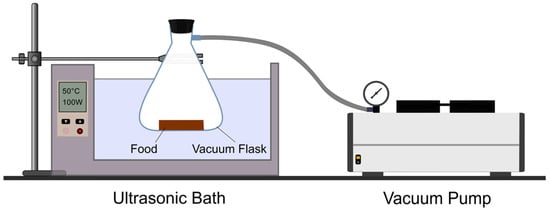
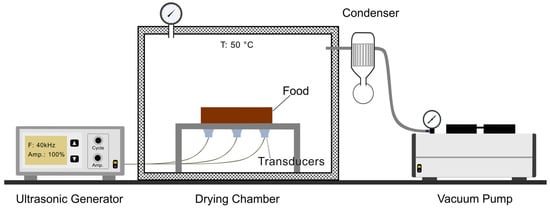
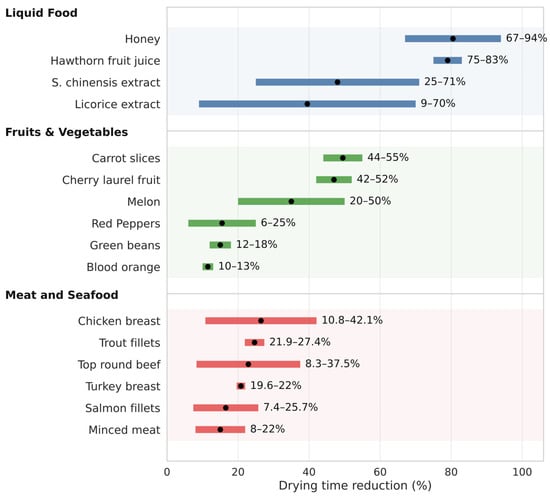
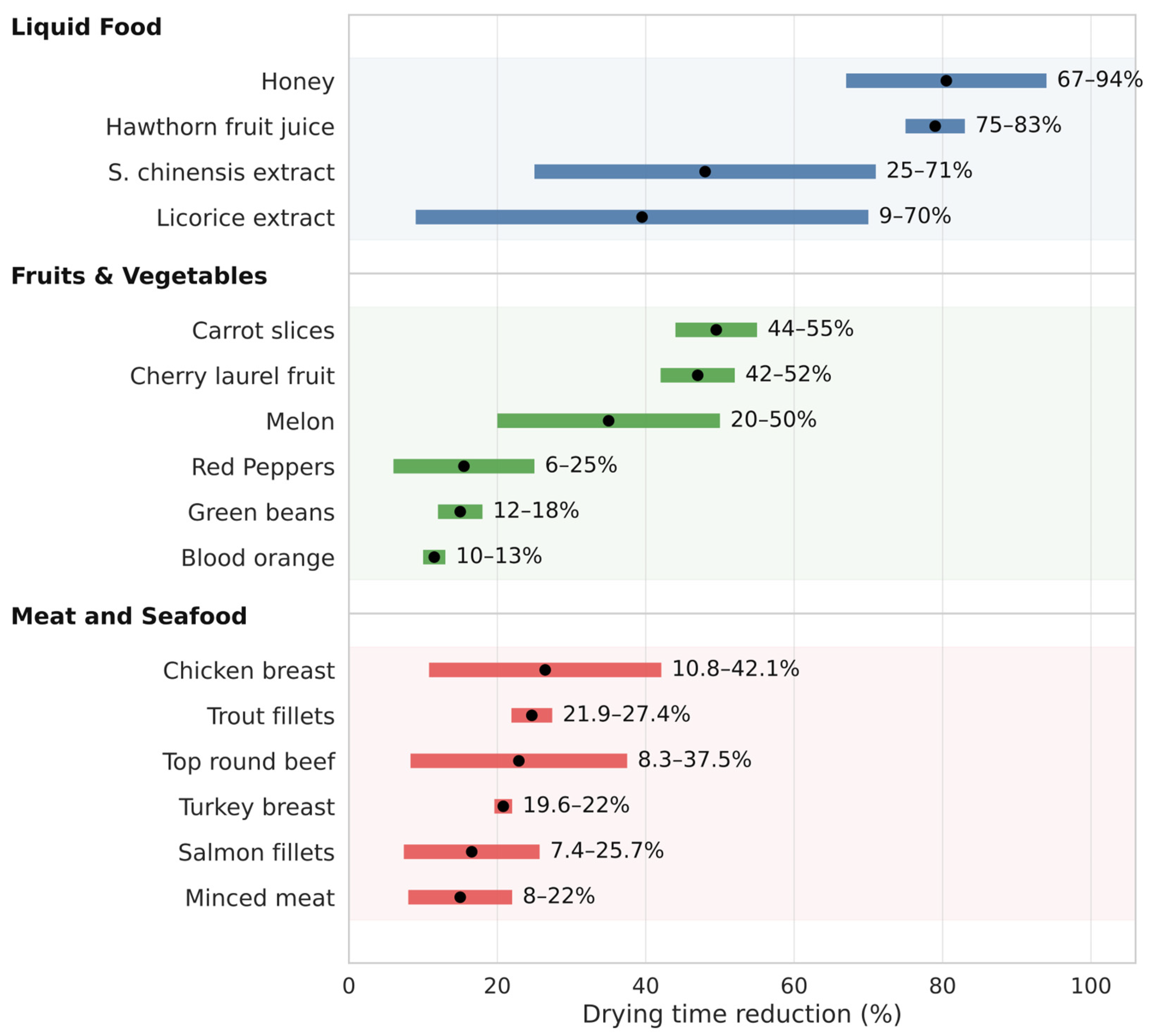

Disclaimer/Publisher’s Note: The statements, opinions and data contained in all publications are solely those of the individual author(s) and contributor(s) and not of MDPI and/or the editor(s). MDPI and/or the editor(s) disclaim responsibility for any injury to people or property resulting from any ideas, methods, instructions or products referred to in the content. |
© 2026 by the authors. Licensee MDPI, Basel, Switzerland. This article is an open access article distributed under the terms and conditions of the Creative Commons Attribution (CC BY) license.