Article

A Study on the Optimization of the Preparation of Recycled-Rare Earth Polishing Powder

1
Hunan Jingyi Xiangtai Environmental High-Tech Development Co., Ltd., Xiangtan 411201, China
2
Shenzhen Yuepeng Environmental Protection Technology Co., Ltd., Shenzhen 518000, China
3
College of Civil Engineering, Hunan University of Science and Technology, Xiangtan 411201, China
*
Author to whom correspondence should be addressed.
Processes 2026, 14(4), 687; https://doi.org/10.3390/pr14040687
Submission received: 3 December 2025 / Revised: 14 January 2026 / Accepted: 26 January 2026 / Published: 18 February 2026
(This article belongs to the Section Chemical Processes and Systems)

Abstract

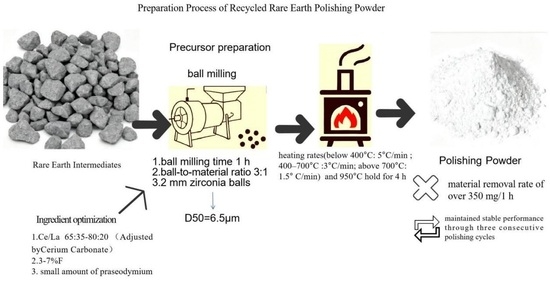
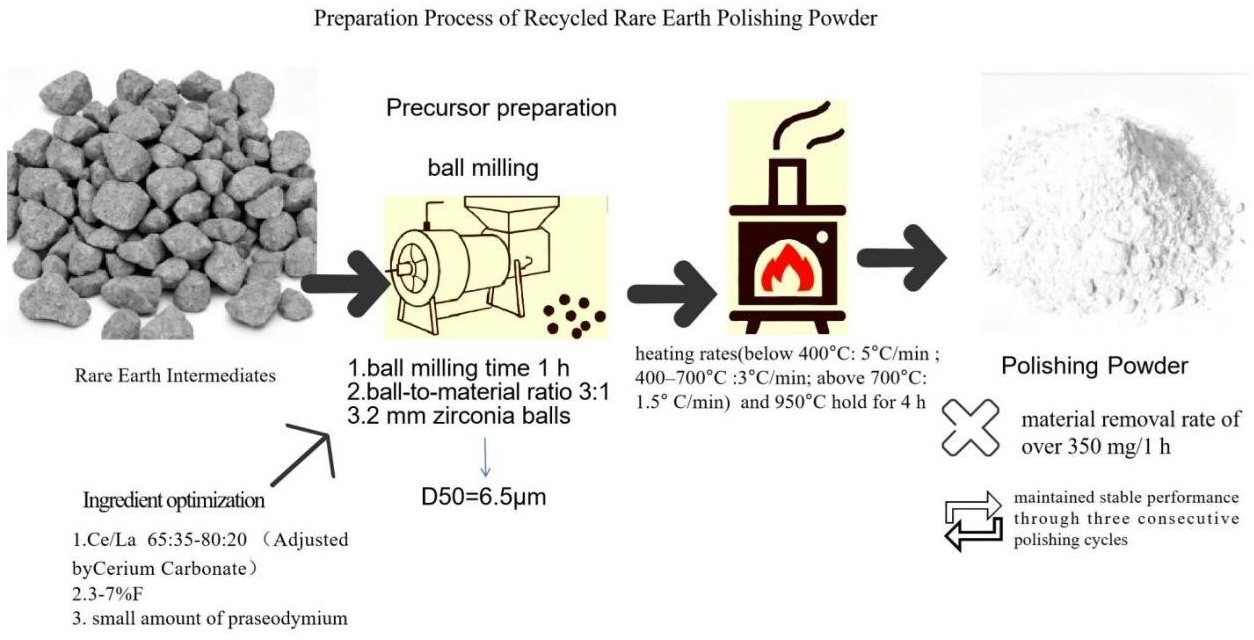
To realize the efficient recovery and utilization of rare earth resources, this study systematically investigates the preparation process of recycled-rare earth polishing powder using rare earth intermediates (purified from waste polishing slag) as raw materials. This work focuses on two core stages: precursor synthesis and high-temperature calcination. During the precursor preparation stage, the particle size of the precursor was controlled by optimizing the ball milling process (with a ball milling time of 1 h, a ball-to-material ratio of 3:1, and 2 mm zirconia balls), yielding an optimal D50 of 6.5 μm. The Ce/La ratio was modulated by adding cerium carbonate (the conventional ratio is 65:35, which can be adjusted as needed within the range of 65:35–80:20). Furthermore, fluorine (3–7%) and a small amount of praseodymium were incorporated to enhance the polishing performance. In the high-temperature roasting stage, single-factor tests were conducted to determine the optimal staged heating rates (below 400 °C: 5 °C/min; 400–700 °C: 3 °C/min; above 700 °C: 1.5 °C/min) and a holding time of 4 h at 950 °C. Under these optimized conditions, the resulting polishing powder exhibits a material removal rate exceeding 350 mg·h−1 and maintains stable performance over three consecutive polishing cycles. This study demonstrates that by regulating the chemical composition and physical parameters of the precursor, as well as optimizing the high-temperature roasting process, recycled-rare earth polishing powders with tailored performance characteristics can be custom-manufactured. This approach balances the polishing ability and production cost, thus providing technical support for the industrial production of recycled-rare earth polishing powder.

Graphical Abstract

1. Introduction

Rare earths are strategic key metals that underpin low-carbon energy, aerospace, and national defense technologies [1]. Rare earths can be combined with other materials to synthesize a wide variety of new high-performance composite materials with excellent properties, and are widely used in the defense industry, electronics, new energy and many other fields; they are known as “industrial vitamins” [2]. According to the U.S. Geological Survey 2020 statistics, the world’s rare earth reserves in 2019 were about 120 million t, of which China’s reserves were 44 million t, accounting for about 38% of the global rare earth reserves, ranking first in the world [3].
As an important application of rare earths, rare earth polishing powder is widely used in various fields. Rare earth polishing materials possess advantages including uniform particle size, moderate hardness, high polishing efficiency, long service life, excellent polishing quality, and environmental friendliness, making them extensively applicable for polishing liquid crystal displays, mobile phone cover glass, integrated circuits, optical glass, precision optical components, and high-end jewelry [4], and as display panels develop toward larger sizes and ultra-thin profiles, the market’s requirements for customized performance of polishing powders are becoming increasingly stringent. However, China’s rare earth industry has, to a certain extent, developed at the cost of excessive resource consumption and severe ecological and environmental damage [5]. Currently, the resource utilization rate of domestic rare earth mines is generally about 60%, while the utilization rate of private rare earth mines is less than 40% [6], with problems such as mining-related ecological damage (soil heavy metal accumulation, vegetation degradation). Meanwhile, the recovery rates of rare earth elements (La, Ce) from waste rare earth polishing residues generated by enterprises annually are inadequate, leading to both resource wastage and an increased risk of solid-waste pollution. Therefore, the rare earth industry should follow policy directions, strengthen industry–university research and international cooperation, and achieve a transformation and upgrade from being resource-dependent to technology-driven [7].
In the research on the preparation of recycled-rare earth polishing powder, the preparation method serves as the foundation, as different methods exert a significant influence on the powder’s performance. There are three methods for preparing polishing powders [8]: the gas-phase method, the liquid-phase method, and the solid-phase method. Polishing powders prepared by different methods also differ in properties. Although current research has made progress in the field of recycled-rare earth recovery, Myoung-Han Oh et al. [9] studied the effects of hydrothermal synthesis on the performance of ceria polishing powders and concluded that the particle size distribution of the ceria slurry had a large impact on the polishing performance of the powder; Namil and Hirato [10] employed a hydrometallurgical method for separating rare earth elements from rare earth-polishing powder wastes and confirmed the possibility of their effective separation from such wastes. CR Borra and TJH Vlugt et al. [11] used a novel combined reductive acid leaching and alkali treatment process to completely (>99%) recover rare earth (La and Ce) oxides from polishing waste, with about 70% dissolved in the first leaching step and the remaining converted to oxides/hydroxides by alkali treatment and dissolved in the second leaching step for complete rare earth recovery. Li and Cui et al. [12] investigated the effects of different roasting conditions and milling times of powders on polishing ability; Han [13] et al. used spray-drying to prepare CeO2-SiO2 composite polishing powders and studied the effect of different cerium–silicon contents on the polishing performance of the composites. However, existing studies lack integrated end-to-end optimization of the “precursor composition—physical parameters—calcination process,” have limited customized-production capacity, and face challenges in balancing polishing performance and production costs, which restrict the industrial application of recycled-rare earth polishing powders. To address these research gaps and industry challenges, this study employs rare earth intermediates (derived from recovered and purified waste polishing slag) as raw materials and conducts systematic investigations focusing on two core stages: “precursor preparation—high-temperature calcination.” Multidimensional process innovations can overcome current technical bottlenecks. First, in particle size control: although Wu [14] used orthogonal experiments to study milling parameters, they only focused on the effects of ball-to-material ratio (7.5:1), milling time (5 h), and slurry-to-solid ratio on particle size, without optimizing the type of grinding media. This study breaks through the traditional single-parameter control mode and, through orthogonal tests, determined a synergistic process with a milling time of 1 h, a ball-to-material ratio of 3:1, and 2 mm zirconia balls as media, precisely controlling the precursor D50 to 6.5 μm. Second, in composition customization: although Wang et al. [15] attempted to add fluorine to improve cutting performance by introducing fluoride ions via sodium fluoride and hydrofluoric acid to enhance the cutting force of the polishing powder, they did not involve doping with rare earth elements such as praseodymium, resulting in insufficient product hardness. In contrast, this study innovatively modulates the Ce/La ratio by adding cerium carbonate, expanding the ratio range to 65:35–80:20, while incorporating 5–6.5% fluorine (sodium/ammonium fluoride) and 0–1.5% praseodymium (praseodymium carbonate). Fluorine promotes the breakup of agglomerates into angular grains (increasing material removal rate by 25%), and praseodymium enhances particle hardness (increasing Mohs hardness by 0.3), addressing the limitation of single-component adjustment in existing studies. Third, regarding the calcination process, the conventional process of calcining at 800 °C for 2 h was used by Liang Enwu; Wang et al. [16] clarified the hold time parameter but did not distinguish heating rates in different temperature ranges. This study optimized a stepwise heating regime through single-factor experiments (below 400 °C at 5 °C/min, 400–700 °C at 3 °C/min, above 700 °C at 1.5 °C/min) combined with holding at 950 °C for 4 h. The core physicochemical rationale lies in the precise adaptation to the pyrolysis characteristics and crystal reconstruction rules of the rare earth oxalate precursor: the temperature range of 270–450 °C corresponds to the stage of crystal water removal and preliminary oxalate decomposition, where a relatively high heating rate can accelerate water escape and prevent particle agglomeration; the range of 400–700 °C is the stage of violent oxalate decomposition and massive CO2 release, and a moderate heating rate ensures uniform gas diffusion, thus avoiding particle fragmentation induced by internal pressure gradients and the retention of carbonaceous impurities; when the temperature exceeds 700 °C, the process proceeds to the stage of crystal reconstruction and defect remediation, during which a low heating rate facilitates the ordered rearrangement of atoms, inhibits abnormal grain coarsening and sintering, reduces the lattice distortion rate, and simultaneously circumvents the formation of core–shell structures or microcracks caused by thermal stress. By coupling and optimizing full-process parameters, this research achieved customized production of regenerated rare earth polishing powders with different performance profiles, providing a technical paradigm for efficient rare earth resource recovery and supporting the resolution of the “performance stability–cost control” conflict in industrial production. The related results can further improve the performance evaluation system for rare earth polishing powders and promote high-quality development of the regenerated rare earth industry.

2. Preparation of Precursors for Regenerated Rare Earth Polishing Powders

Rare earth polishing powders are available in a wide range of specifications and models, with cerium oxide (CeO2) as the primary component. Typically, the classification of polishing powders is based on the CeO2 content. The polishing characteristics of the powders are mainly related to the cerium oxide concentration and physicochemical properties (activity, viscosity) [17]. From a practical-application perspective, the glass cover plate industry imposes stringent requirements on polishing efficiency and surface quality. The cerium oxide content in the rare earth polishing powder used generally needs to be above 60%. This is because CeO2, as the core active component, directly determines the intensity of the chemical–mechanical interaction during the polishing process. The higher content enhanced the polishing. However, high-cerium polishing powders are relatively costly due to the high difficulty of raw-material purification and substantial energy consumption.
This study employs rare earth intermediates as raw materials, regulating the chemical composition of recycled-rare earth polishing powders by adjusting the La/Ce molar ratio, CeO2 content, and incorporation of other rare earth elements. Additionally, this study controls the physical parameters of the precursors—such as particle size distribution and micro-morphology—by optimizing process parameters including reaction temperature, reaction rate, and seed crystal preparation technology. By controlling the chemical composition of the rare earths in the precursor preparation stage, reaction temperature, reaction rate, and seed parameters, different-parameter rare earth precursor intermediates can be produced. These precursor products with different parameters will yield regenerated rare earth polishing powders with different properties in subsequent processing. The polishing parameters are presented in the Table 1 below.

2.1. Influence of Particle Size of Recycled-Rare Earth-Polishing Powder Precursors

Oxalate-rare earth particles are large, so the oxalate rare earth must be milled to adjust the particle size of the milled oxalate rare earth to a suitable range to obtain the rare earth precursor. Stirred ball mills are commonly used for milling, with zirconia balls as the milling media. The rare earth particles contact the milling media inside the mill, and under the grinding and stripping action of the milling media, the particle size of the oxalate rare earth decreases. Through the analysis of the work conducted by B Özakın et al. [18], it can be inferred that the exclusive employment of 2 mm zirconia balls in our grinding procedure, with no zirconia balls of alternative diameters involved, might induce variations in grain size. Since this aspect falls outside the scope of the present study, no investigation was carried out regarding the effects of zirconia balls with different diameters on grain size variations.

2.1.1. Effect of Milling Time on Rare Earth Polishing Powder

Ball-milling time directly affects the particle size of the precursor. In this study, a series of experiments focusing on milling time were systematically conducted. The experimental conditions for the ball-milling-time investigations were as follows: a ball-to-material ratio of 3:1 was maintained, the milling slurry concentration was set at 45%, and 2 mm zirconia balls were used as the milling media. The relationship between milling time and the particle size of the precursor is presented in Table 2.
As shown in Table 2, the particle size of the rare earth precursor gradually decreases with the extension of ball-milling time. This variation trend is consistent with the fundamental characteristics of mechanical powder grinding. In the initial stage of ball milling, the particles are relatively large, leading to a high collision frequency among them. Consequently, the particle size experiences a rapid decrease. As ball milling proceeds, the particle size gradually approaches a critical value. At this stage, the refinement rate slows down. Furthermore, prolonged ball milling may induce particle agglomeration, which in turn adversely affects the uniformity of particle size. Considering both cost factors and the results of previous pilot-scale tests, the ball-milling time was determined to be 1 h. Under this condition, a rare earth precursor with a D50 of 6.5 μm can be obtained. This particle size not only satisfies the requirements for particle uniformity in subsequent high-temperature calcination but also circumvents the economic issues associated with excessive ball milling.

2.1.2. Effect of Milling Charge Ratio on Rare Earth Polishing Powder

Numerous factors affect milling performance. In addition to milling time, the ball-to-material ratio is also of paramount importance. In this study, fine milling was performed using 2 mm zirconia balls, and no tests were conducted with zirconia balls of other diameters. The primary focus was on evaluating the impact of the ball-to-material ratio. The test conditions for the ball-to-material ratio were as follows: the milling slurry concentration was set at 45%, the milling media consisted of 2 mm zirconia balls, and the milling time was 1 h. The test results for various ball-to-material ratios are presented in Table 3.
As indicated in Table 3, the ball-to-material ratio exhibits a direct correlation with the particle size of the rare earth precursor. Specifically, an elevated ball-to-material ratio yields an improved grinding effect. This is because an increase in the ratio implies a greater quantity of grinding media per unit volume. Consequently, there is a heightened probability of collision between particles and zirconia balls, resulting in enhanced grinding intensity and more thorough particle refinement. However, a higher ball-to-material ratio also leads to a reduced amount of material processed per unit volume of equipment and a decline in production capacity. When the ratio surpasses 3:1, an augmentation in zirconia ball usage not only escalates equipment wear but also increases production costs. Considering both equipment investment costs (a higher ratio typically requires a larger ball mill volume) and operating costs (zirconia ball consumption and energy consumption), this study adopts a ball-to-material ratio of 3:1. At this ratio, the D50 of the precursor is approximately 6.8 μm. Which not only meets the particle size requirements but also maintains high production efficiency, aligning with the economic demands of industrial production.

2.2. Effect of Ce/La Ratio on Regenerated Rare Earth-Polishing Powder Precursors

The quality of rare earth polishing powder is intrinsically linked to the Ce/La ratio. Specifically, an elevated Ce content corresponds to enhanced polishing performance. The lanthanum-cerium rare earth mixture produced by Northern Rare Earth in Baotou City has the largest production volume in China. Remarkably, 80% of the rare—earth polishing powder available on the market utilizes Northern Rare Earth’s lanthanum—cerium mixture as the raw material. This particular rare—earth mixture features a Ce:La ratio of 65:35.
The waste rare earth polishing powder used in this study was sourced from factories such as Lens Technology, with all of their polishing powder raw materials originating from Northern Rare Earth. Consequently, the rare—earths in the precursors recovered in this study predominantly consist of Ce and La in a mass ratio of 65:35. However, in light of the gradually increasing and diversifying social requirements, it has become imperative to adjust the Ce/La ratio. In this study, the Ce/La ratio was modulated by incorporating cerium carbonate. Cerium carbonate and rare—earth oxalate were combined and subjected to ball—milling in a ball mill for 1 h to achieve homogenization, thereby ensuring a thorough mixture of the two components. The common control parameters for rare—earth precursor ratios are presented in Table 4.
As presented in Table 4, the commonly employed ratios of lanthanum to cerium in rare earth precursors exhibit a broad range of variation. In the context of this study, different synthesis parameters of the precursor can be finely adjusted during the precursor preparation stage. This adjustment enables the subsequent synthesis of rare earth polishing powders with diverse parameters.

2.3. Effect of Other Components

To enhance the polishing rate of rare earth polishing powders, fluoride is commonly incorporated into the polishing powder to augment the material removal rate. The fluorine (F) content significantly influences both the polishing rate and the surface finish of the polished material [19]. For instance, Hu [20] introduced RF3 into mixed rare earth chlorides to investigate the role of fluorine during calcination. The study concluded that, during the heat-treatment process for preparing rare earth polishing powder, fluorine functions as a mineralizing agent. In general, the amount of fluoride added typically ranges from 3% to 7%. The controlled proportions of fluoride content and other components in the rare earth precursor used in this study are presented in Table 5.
Table 5 indicates that fluorine serves as the principal additive in the rare earth precursor, accompanied by a minor quantity of the rare earth element praseodymium. The incorporation of fluorine can accentuate the crystal edges of the rare earth polishing powder, thereby enhancing its polishing performance. Meanwhile, the addition of praseodymium can influence particle hardness and elevate the cutting rate.

3. Optimal Preparation Conditions of Recycled-Rare Earth Polishing Powder

3.1. Particle Size Effect on Product Performance

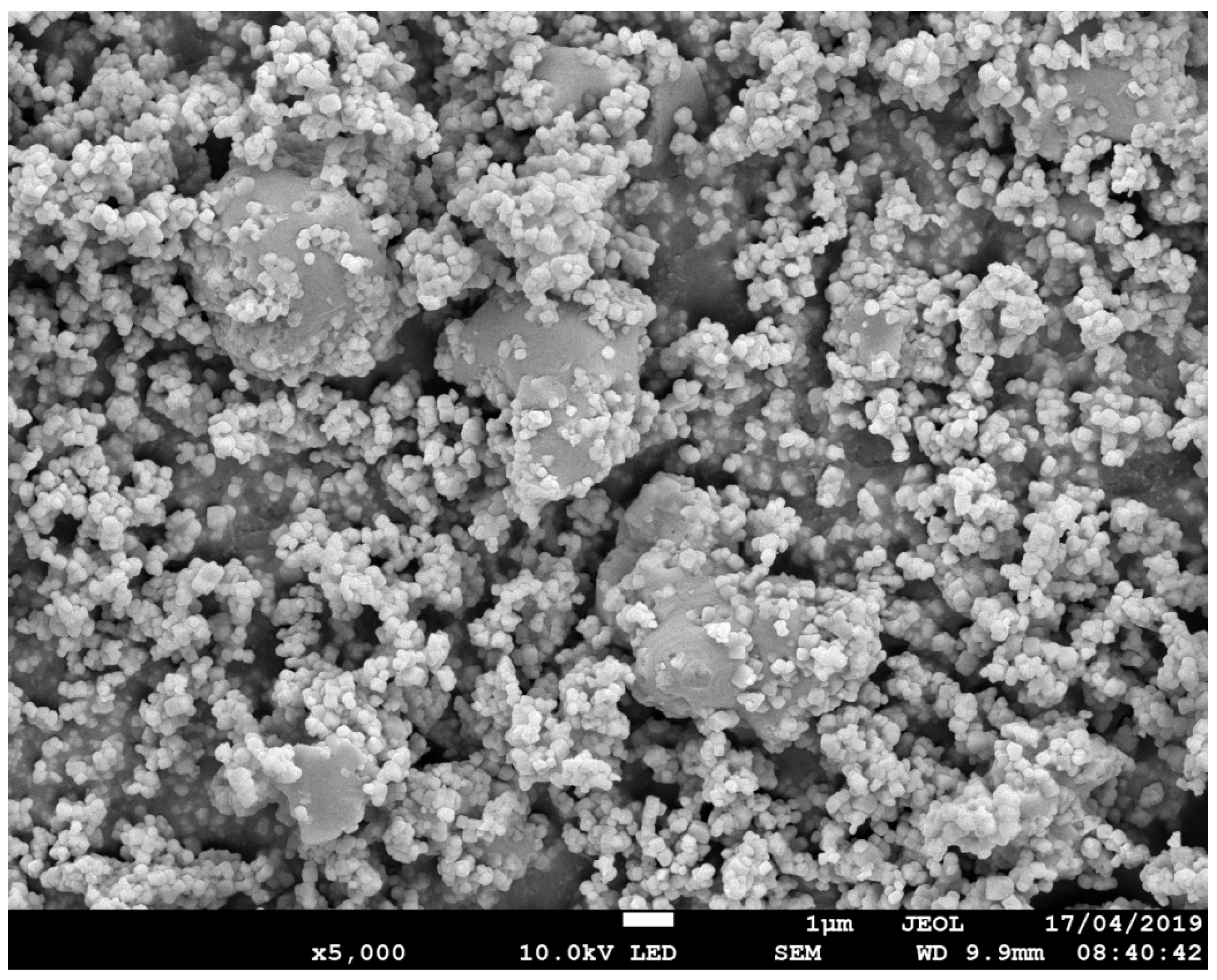
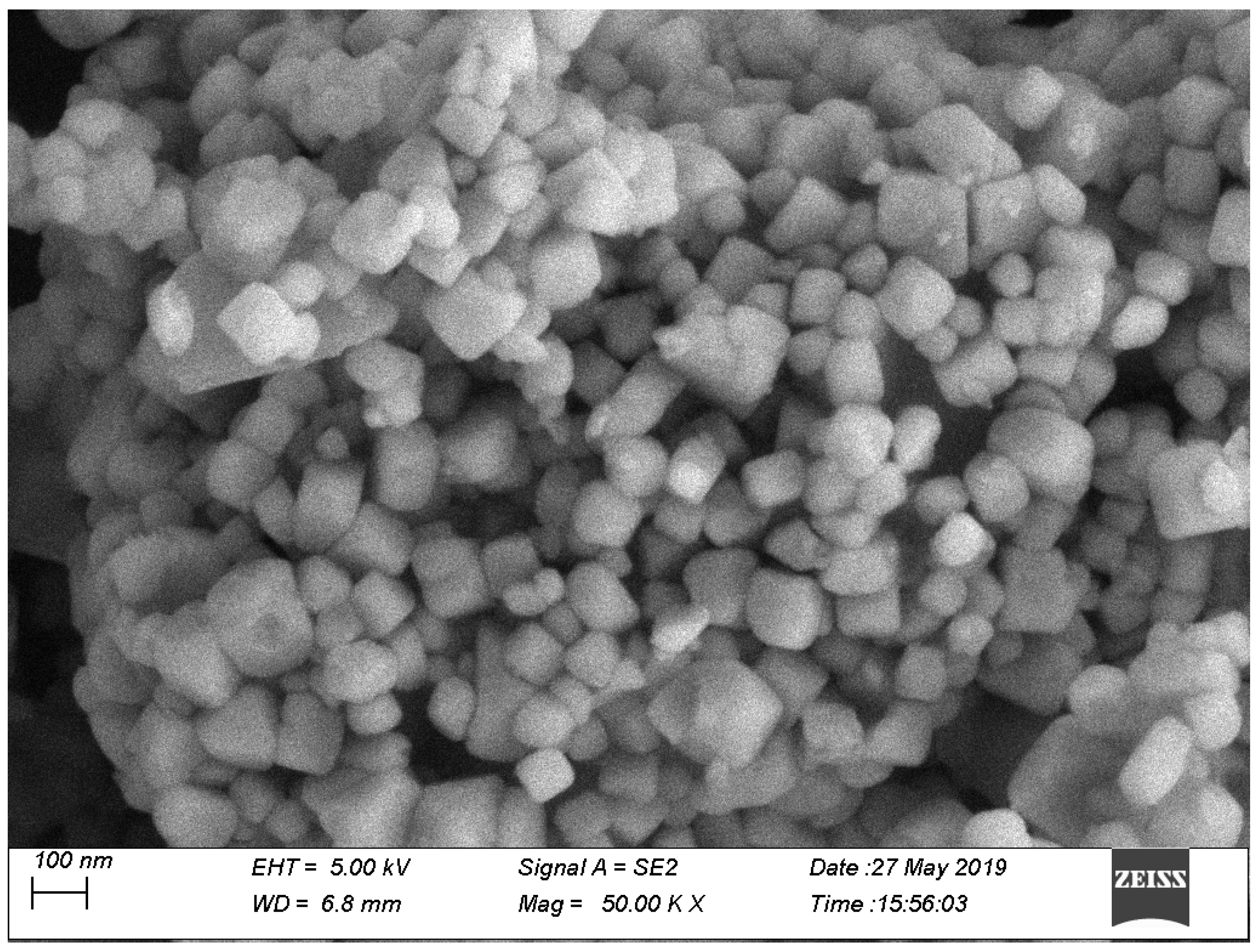
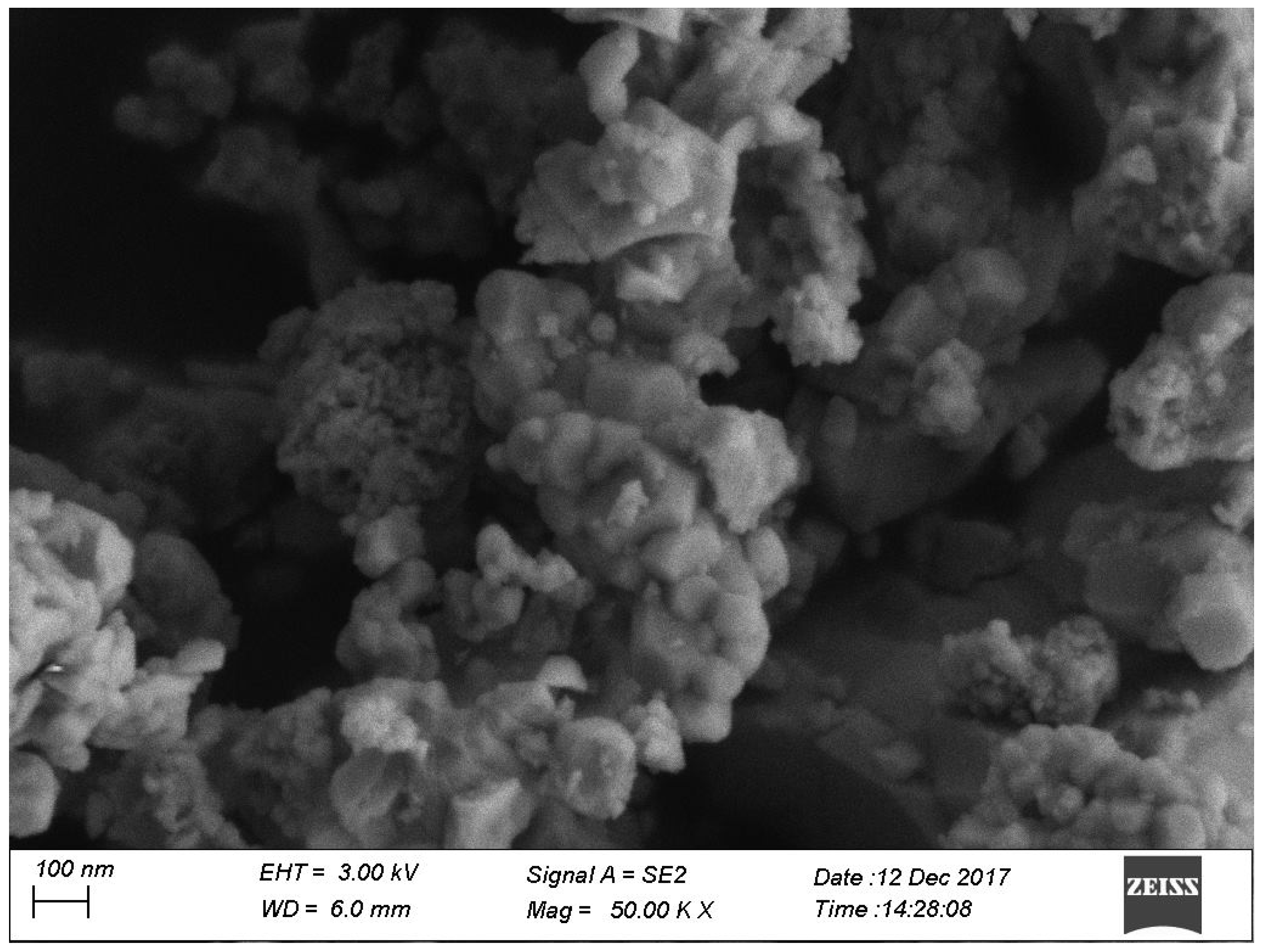
Liu [21] and others demonstrated that the crystallinity, particle size, and morphology of the precursor are related to those of the final product. Advantages in the crystallinity and particle size of the precursor will be reflected in the final product. During the high-temperature calcination of the rare earth precursor, rare earth oxide particles grow from the precursor particles, and the morphology and particle size of the rare earth precursor directly influence the morphology and particle size of the rare earth oxides formed. Generally, rare earth precursors with smaller particle sizes yield polishing powders with smaller particle sizes. This study investigated the effect of precursor particle size on the particle size and morphology of the product after high-temperature calcination. Except for the difference in precursor particle size, all other conditions during the high-temperature calcination process were identical. The heating rate was 5 °C/min below 400 °C; 3 °C/min between 400 and 700 °C; and 1.5 °C/min above 700 °C. The holding temperature in the high-temperature zone was 950 °C; the residence time in the high-temperature zone was 4 h; the fluorine content was 6.5%, and no praseodymium was added. Figure 1 shows the final rare earth polishing powder produced by high-temperature calcination of a rare earth precursor with a D50 of 6.5 μm; Figure 2 shows the final rare earth polishing powder produced by high-temperature calcination of a rare earth precursor with a D50 of 10.8 μm.
As shown in Figure 1 and Figure 2, the product derived from the precursor with a D50 of 6.5 μm exhibits a uniform particle size distribution without large agglomerates. In contrast, the product derived from the precursor with a D50 of 10.8 μm shows an uneven particle size distribution, with obvious large agglomerates observed in the figure. This indicates that the larger the particle size of the precursor, the larger the resulting particle size of the product. The underlying mechanism of this phenomenon is that large precursor particles have an internal temperature gradient. This gradient causes significant differences in reaction rates between the inner and outer regions of the particles during thermal decomposition, easily leading to the formation of a “core–shell” structure and thus uneven particle sizes of the final oxide. Furthermore, large precursor particles tend to fuse with each other during calcination, resulting in the formation of large agglomerates. Therefore, controlling the precursor D50 to be around 6.5 μm is a critical process step for ensuring the uniformity of the polishing powder particle size distribution.

3.2. Fluorine Effect on Product Performance

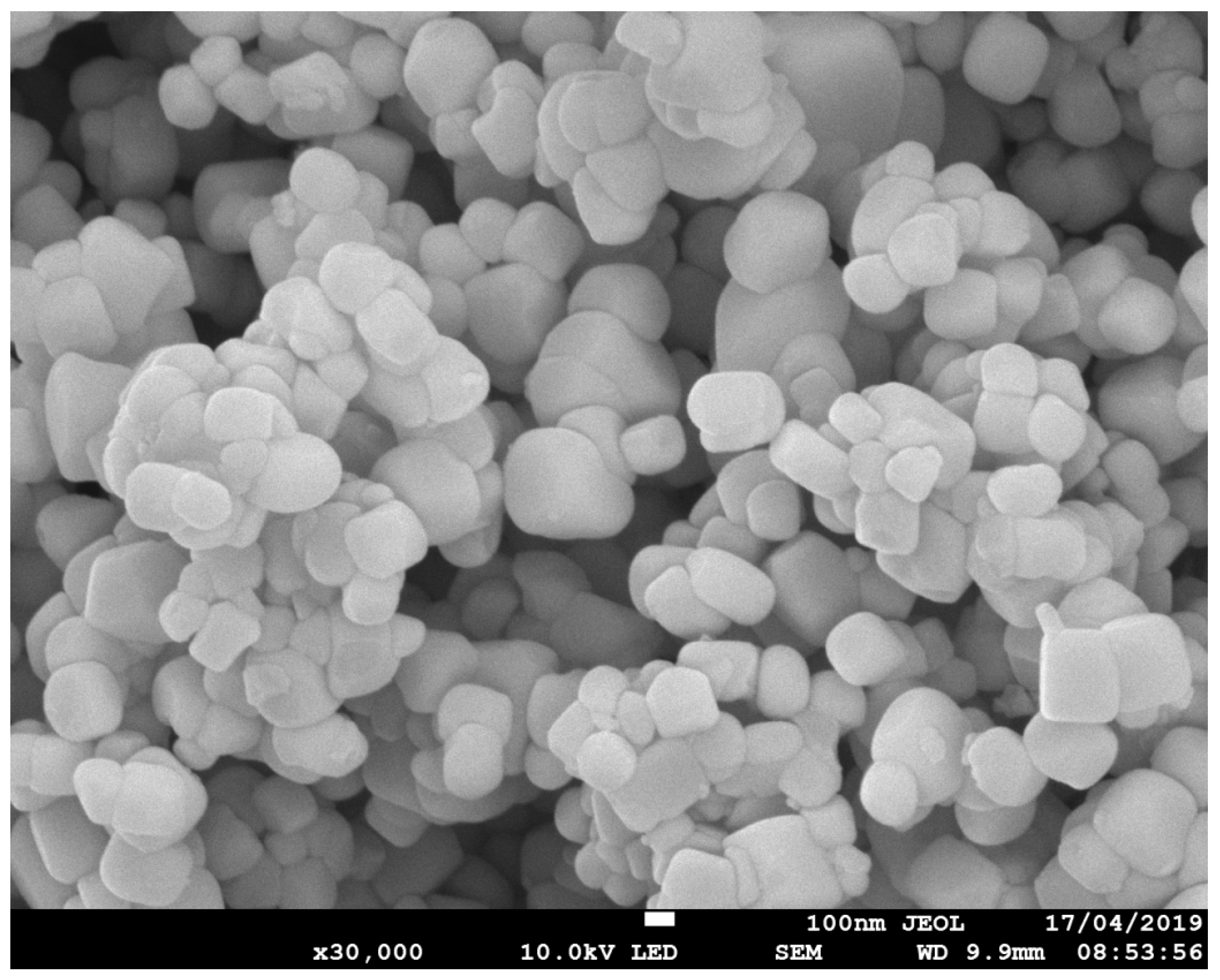
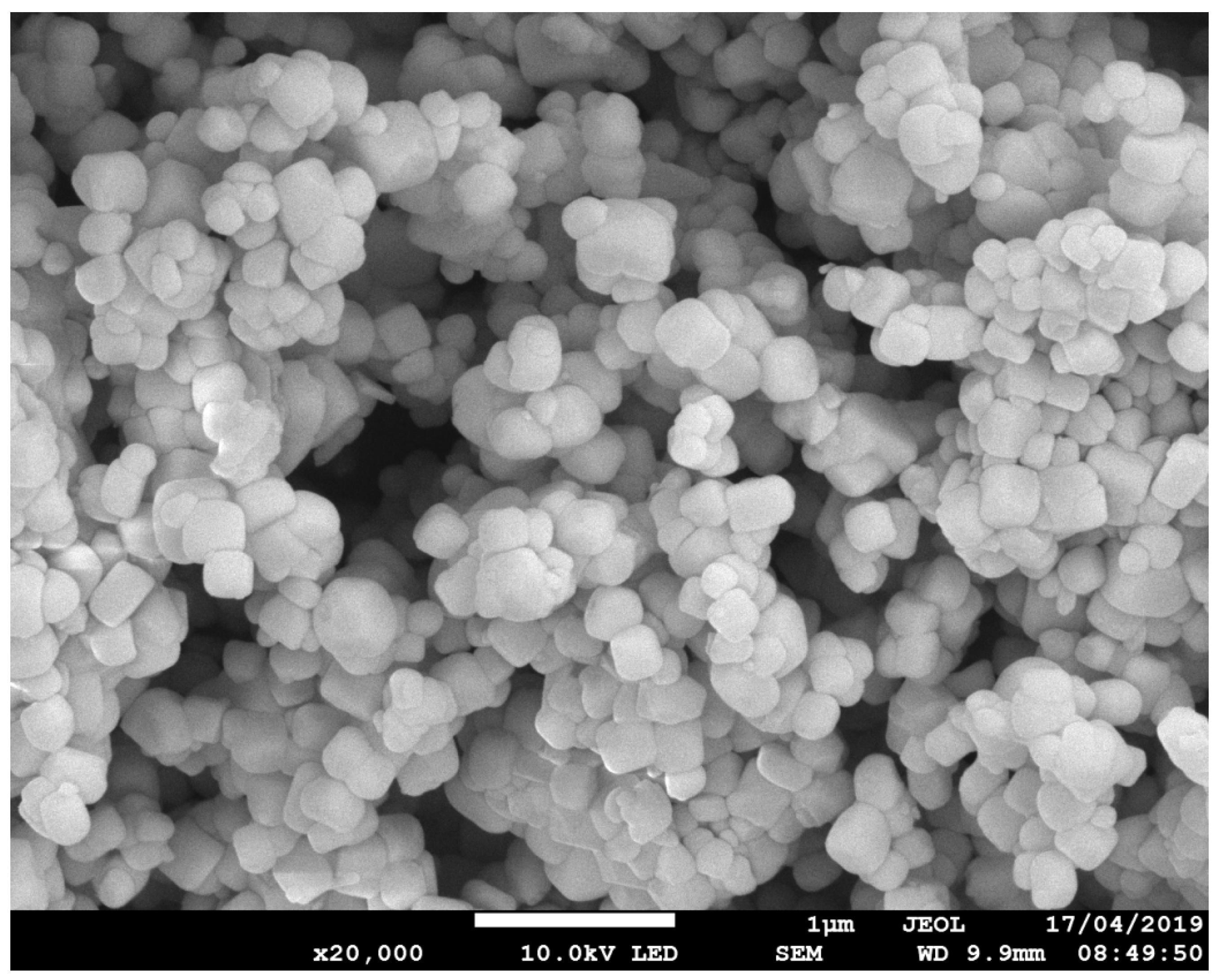
This study investigated the effect of fluorine content in the precursor on the particle size and morphology of the product after high-temperature calcination. Except for variations in the fluorine content of the precursor, all other conditions during the high-temperature calcination process were identical. The heating rate was 5 °C/min below 400 °C, 3 °C/min between 400 °C and 700 °C, and 1.5 °C/min above 700 °C. The holding temperature in the high-temperature zone was 950 °C, and the residence time in this zone was 4 h. No praseodymium (Pr) was added. As shown in Figure 3, Figure 4 and Figure 5, the final rare earth polishing powders produced after high-temperature roasting of rare earth precursors with fluorine contents of 0, 2%, and 6%, respectively, are presented.
As shown in Figure 3, Figure 4 and Figure 5, when no fluorine is incorporated into the rare earth polishing powder, the particles are nearly spherical. When the fluorine content is increased to 3%, a small portion of the particles are spherical, while most exhibit a block-like morphology. As the fluorine content is further elevated to 6%, the particles transform into small cubes with sharp edges.
This morphological evolution is directly related to the mineralizing effect of fluorine. In the absence of fluorine, cerium oxide crystals grow following the principle of surface energy minimization, leading to spherical or near-spherical particles. With the increase in fluorine content, fluoride ions preferentially adsorb on specific crystal planes (e.g., the (100) plane), inhibiting the growth of these planes and directing crystal growth toward a cubic structure. Consequently, particles with distinct edges and corners are formed. When the added fluorine content is less than 7%, a higher fluorine content results in smaller product particles. This is because fluorine can reduce the surface energy of rare earth oxides, promote crystal refinement, and simultaneously inhibit sintering and agglomeration between particles, thereby minimizing the formation of large particles.
The addition of fluorine can significantly enhance the morphology and particle size of rare earth polishing powder. In the market, the typical fluorine content ranges from 3% to 7%, which is determined by balancing polishing performance and application safety. Specifically, 3% is the critical threshold for fluorine to exert its mineralizing effect; below this content, it cannot effectively modify the particle morphology. On the other hand, 7% is the upper limit to prevent excessive corrosion. Exceeding this limit can induce intense chemical reactions between the polishing powder and the glass surface, producing soluble fluosilicates and reducing surface smoothness. In this study, a fluorine content in the range of approximately 3% to 7% was selected to maximize the cutting rate while ensuring polishing quality, closely aligning with mainstream application requirements.

3.3. Effect of Temperature on Product Performance

Utilizing the rare earth intermediate product as the raw material, a rare earth-precursor powder is synthesized. Subsequently, this rare earth-precursor powder undergoes high-temperature calcination, followed by crushing and classification processes to yield the final rare earth-polishing powder product. Notably, the calcination conditions of the rare earth precursor have a direct impact on the polishing performance of the final product.

3.3.1. Effect of Calcination Temperature on Product Performance

With the composition of the rare earth precursor unchanged, the temperature during high-temperature calcination has the most significant impact on the performance of the final product. The principle underlying the preparation can be expressed using Equations (1) and (2) as follows.
Ce2(C2O4)3 + 2O2 =△= 2CeO2 + 6CO2
2La2(C2O4)3 + 3O2 =△= 2La2O3 +12CO2
Cerium oxalate, a typical representative of rare earth oxalates, exhibits distinct temperature-dependent thermal decomposition behavior. Based on combined thermogravimetric–differential scanning calorimetry (TG—DSC) and X-ray diffraction (XRD) analyses, it can undergo complete decomposition to cerium oxide (CeO2) within the temperature range of 270 to 450 °C [22]. Nevertheless, the decomposition products obtained at this temperature, as calculated by the Scherrer equation, exhibit grain sizes in the range of 10–20 nm, and the lattice distortion rate reaches as high as 1.2 × 10⁻³. This indicates the presence of a substantial number of oxygen vacancies and structural defects within the crystals. Studies have revealed that the glass-polishing efficiency is largely contingent upon the calcination temperature. Only cerium oxide prepared at temperatures above approximately 700 °C can be employed as a polishing agent [23]. The impact of roasting temperature on polishing performance is presented in Table 6. The roasting conditions were as follows: a heating rate of 5 °C/min below 400 °C, 3 °C/min in the range of 400–700 °C, and 1.5 °C/min above 700 °C, with a high-temperature hold time of 3 h. The polishing conditions involved air-milling the product after cooling, preparing a polishing slurry with a solid concentration of 15% polishing powder, and conducting polishing tests.
From Table 6, it is evident that when the roasting temperature is 850 °C, the material removal rate is relatively low. If the calcination temperature is too low, microcrystal growth is incomplete, the crystal structure contains defects, and the hardness of the polishing powder particles is relatively low, resulting in an extremely low material removal rate. Moreover, due to the incomplete structure, the material removal rate drops rapidly in the second and third polishing runs. When the calcination temperature reaches 950 °C, the rare earth polishing powder produced by calcination achieves a material removal rate of 350 mg·h−1, and after three consecutive polishing cycles, the material removal rate remains stable. As the temperature continues to rise, the increase in the material removal rate is not significant. This suggests that after 950 °C, the rare earth precursor decomposes, the resulting rare earth oxide particles gradually grow, and at higher temperatures, crystal growth is sufficient and the structure is more complete. Consequently, a high removal rate can still be maintained after multiple material removal runs. Considering cost factors, a high-temperature holding temperature of 950 °C is adopted in production.

3.3.2. Effect of High-Temperature Holding Time on Product Performance

KS Lau [24] discovered that prolonging the holding time is beneficial for particle growth and enhances crystallinity. During continuous holding, small particles of the contacting rare earth polishing powder fuse and grow together. Meanwhile, local defects within the crystals gradually diminish during the growth process. Consequently, both particle size and defect quantity can be effectively controlled by adjusting the holding time. Based on this, this study conducted a series of tests to investigate the effect of holding time on polishing performance, and the test results are presented in Table 7. The firing conditions were as follows: the heating rate was set at 5 °C/min below 400 °C, 3 °C/min in the range of 400–700 °C, and 1.5 °C/min above 700 °C, with the high-temperature segment fixed at 950 °C. Polishing conditions: After cooling, jet-milling was conducted, and samples were prepared into a polishing slurry with a concentration of 15%. Subsequently, polishing tests were conducted.
Table 7 shows that the polishing performance degrades when the holding times are 1 h and 2 h, with the etching rates decreasing progressively. Specifically, the third etching rate at a 1 h holding time was 32.9 mg/h lower than the first one. This is mainly due to the insufficient holding time, which results in a higher number of crystal defects. These defective crystals are more prone to wear during the polishing process, resulting in performance degradation. After 3 h of holding, the polishing rate gradually stabilizes, with the difference in etching rates between the three passes being reduced to 1.8 mg/h. Further extending the holding time does not improve the polishing rate. For example, the difference in the etching rate between a 5 h and a 4 h holding period is less than 1 mg/h. This is because crystal growth reaches saturation at 4 h, and both grain size and crystallinity become stable.
Considering production consistency and stability, insufficient holding time may cause performance fluctuations between different batches, while excessive holding time increases the production cycle and energy consumption. Therefore, this study adopted a 4 h holding time for production. This parameter ensures stable performance across batches while maintaining production efficiency.

3.3.3. Effect of Heating Rate on Product Performance

The heating process has a direct impact on the particle size distribution and particle size of the rare earth polishing powder. Specifically, an excessively high heating rate leads to the formation of more small particles. The impact of the heating rate on polishing performance is presented in Table 8.
Firing conditions: High-temperature segment set at 950 °C. The heating rate was 5 °C/min below 400 °C and 3 °C/min in the range of 400–700 °C. The batches used in the tests were identical. Above 700 °C, heating rates of 1 °C/min, 1.5 °C/min, and 2 °C/min were tested separately. Regarding the polishing conditions, after cooling, jet-milling was performed. Subsequently, samples were prepared into a polishing slurry with a concentration of 15%, and polishing tests were performed.
As demonstrated in Table 8, at a heating rate of 1 °C/min, the polishing rate remains stable, with the difference in material removal over three polishing cycles being a mere 3.2 mg/(1 h). A lower heating rate allows crystal particles more time for growth, resulting in crystals with a more complete morphology and higher crystallinity. This is because slow heating provides atoms with sufficient time for rearrangement, thereby reducing lattice defects. However, a slower heating rate necessitates longer production line equipment for the same output. Specifically, it requires an increase in the length of the calcination furnace to ensure adequate heating time, which in turn increases costs. For products with a heating rate of 2 °C/min, the polishing rate is slightly lower, and the material removal in the third polishing cycle decreases more significantly. The difference between the third and first cycles reaches 5.4 mg/(1 h). This is attributed to the fact that rapid heating results in a small number of unrepaired lattice defects in the crystals. These defects become exposed after multiple polishing cycles, leading to performance degradation. Based on the results of this experiment, a heating rate of 1.5 °C/min is adopted in production. This parameter ensures crystal integrity, as evidenced by a three-cycle material removal difference of 4.2 mg/(1 h). Simultaneously, it effectively controls equipment investment and the production cycle, meeting the practical requirements of industrial production.

3.4. XRD Phase and Crystal Structure Analysis of the Product

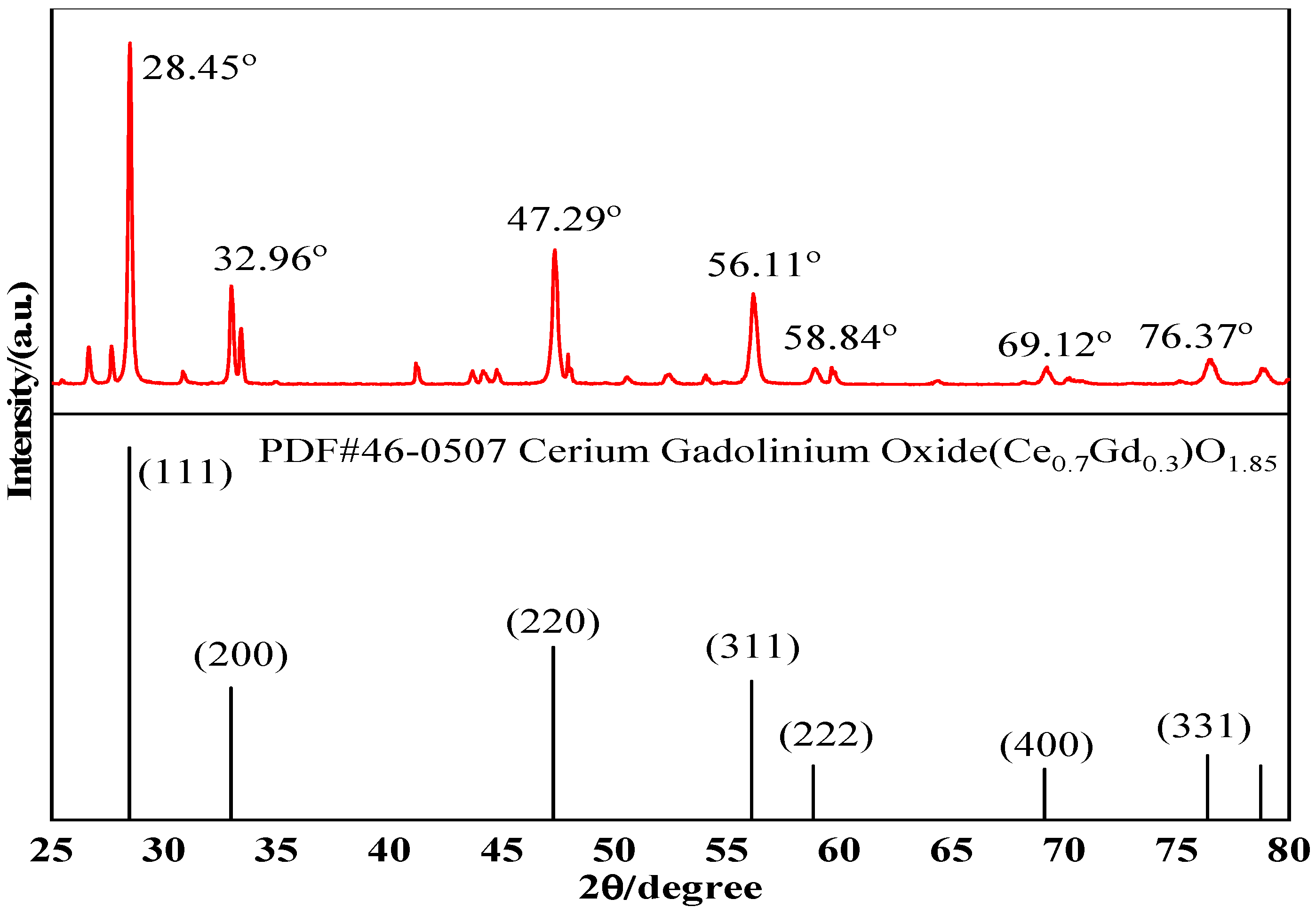
Figure 6 displays the X-ray diffraction (XRD) patterns of the as-prepared samples. The measurements were conducted using Cu Kα radiation (λ = 0.15406 nm) within a scanning range of 2θ = 25°~80°.
By matching the characteristic XRD peaks of the samples against the standard PDF card corresponding to the target product, it can be observed that the diffraction peaks at 2θ = 28.45°, 32.96°, 47.29°, 56.11°, 58.84°, 69.12° and 76.37° are perfectly assigned to the (111), (200), (220), (311), (222), (400) and (331) crystal planes of the target product, exhibiting an exact match with the standard peak positions.
No impurity peaks are detected in the XRD patterns, which demonstrates that the obtained samples are a pure-phase target product with high crystallinity.

4. Conclusions

This study prepared recycled-rare earth polishing powders from purified intermediates of waste polishing slag, addressing key issues in existing research, including inadequate end-to-end process optimization, limited customization capability, and the performance–cost trade-off. It optimized the precursor by controlling particle size (D50 = 6.5 μm) through ball milling, adjusting the Ce/La ratio (65:35–80:20) with CeCO3, and introducing 5–6.5% F and 0–1.5% Pr. The calcination process used staged heating and a 4 h hold at 950 °C to ensure complete oxalate decomposition and stabilize the etching rate (>350 mg/h with <1% decay after three cycles). By adjusting the F content (3–7%), particle morphology was transformed from spherical to angular cubic (6% F optimized for high-end applications). This process is suitable for industrial scaling, supports technological advancement in the rare earth industry, and facilitates large-scale application in the display and optical sectors.

Author Contributions

Conceptualization, Date curation, Formal analysis, Investigation, Methodology, Writing—proginal draft, F.X.; Formal analysis, Investigation, Project administration, S.L.; Resources, Supervision, Funding acquisition, Y.L.; Visualization, Writing—proginal draft, S.Z.; Data curation, Formal analysis, Investigation, Y.C.; Formal analysis, Investigation, R.C.; Methodology, Writing—review & editing, G.Z. All authors have read and agreed to the published version of the manuscript.

Funding

This research received no external funding.

Data Availability Statement

The original contributions presented in this study are included in the article. Further inquiries can be directed to the corresponding author.

Acknowledgments

This work was financially supported by the Foundation of the Science and Technology Department at Hunan Jingyi Xiangtai Environmental High-tech Development Co., Ltd.

Conflicts of Interest

Authors Fubing Xie, Shoulong Liu, Yideng Liu and Sheng Zhong were employed by Hunan Jingyi Xiangtai Environmental High-Tech Development Co., Ltd. Authors Ying Cao and Renke Chen were employed by Shenzhen Yuepeng Environmental Protection Technology Co., Ltd. The remaining authors declare that the research was conducted in the absence of any commercial or financial relationships that could be construed as a potential conflict of interest. The companies had no role in the design of the study; in the collection, analyses, or interpretation of data; in the writing of the manuscript, or in the decision to publish the results.

References

  1. Tang, L.; Wang, P.; Chen, W.; Han, Y.; Jin, Y.; Peng, Z.; Chen, W. China’s rare earths trade flow analysis: Trade patterns and strategic insights. Bull. Chin. Acad. Sci. 2024, 39, 2074–2085. [Google Scholar]
  2. He, H.P.; Yang, W.B. Mineral Resources in China: Review and Perspective. Geotecton. Metallog. 2022, 46, 829–841. [Google Scholar]
  3. Xie, D.Y.; Fu, C.P. Current Status of Rare Earth Resources in China and Progress of Extracting Technology. Conserv. Util. Miner. Resour. 2021, 41, 152–160. [Google Scholar]
  4. Lv, H.W.; Yan, C. Research on Hardware Optimization Scheme of Green Classification System for Rare Earth Polishing Powder. Inn. Mong. Sci. Technol. Econ. 2025, 5, 151–155+160. [Google Scholar]
  5. Zheng, Z.J. Study on the Scale Economics and Innovative Policies of Rare Earth Industry. Ph.D. Thesis, China University of Geosciences (Beijing), Beijing, China, 2015. [Google Scholar]
  6. Wei, X.; Xia, A.; Zhao, D.; Yan, C.; Qian, J.; Ma, C.; Wang, Q.; Wang, S. Exploring strategies for the sustainable development of China’s rare earth industry. China Min. Mag. 2024, 33, 5–9. [Google Scholar]
  7. Man, J.J. Life Cycle Assessment-Based Carbon Footprint Evaluation of Rare Earths Oxide and Its System Development. Master’s Thesis, Inner Mongolia University of Science & Technology, Baotou, China, 2025. [Google Scholar]
  8. Li, M.; Wang, M.T.; Liu, Z.G.; Hu, Y.H.; Wu, J.X. Cerium dioxide with large particle size prepared by continuous precipitation. J. Rare Earths 2009, 27, 991–996. [Google Scholar] [CrossRef]
  9. Oh, M.H.; Nho, J.S.; Cho, S.B.; Lee, J.S.; Singh, R.K. Polishing behaviors of ceria abrasives on silicon dioxide and silicon nitride CMP. Powder Technol. 2011, 206, 239–245. [Google Scholar] [CrossRef]
  10. Namil, U.M.; Hirato, T. A hydrometallurgical method of energy saving type for separation of rare earth elements from rare earth polishing powder wastes with middle fraction of ceria. J. Rare Earths 2016, 34, 536–542. [Google Scholar] [CrossRef]
  11. Borra, C.R.; Vlugt, T.J.; Yang, Y.; Spooren, J.; Nielsen, P.; Amirthalingam, M.; Offerman, S.E. Recovery of rare earths from glass polishing waste for the production of aluminium-rare earth alloys. Resour. Conserv. Recycl. 2021, 174, 105766. [Google Scholar] [CrossRef]
  12. Li, X.S.; Cui, L.X.; Yang, G.S.; Huang, S.D.; Guo, D.D. Preparation Method and Technological Condition Effects of TCE Rare Earth Polishing Powder. Chin. Rare Earths 2003, 6, 48–51. [Google Scholar]
  13. Han, L.; Li, M.; Liu, Z.; Wang, M.; Hu, Y.; Tao, B. Preparation of CeO2-SiO2 Composite Polishing Powders by Spray Drying. China Powder Sci. Technol. 2015, 21, 16–20. [Google Scholar]
  14. Wu, T. Particle Size and Morphology Controlled Synthesis of Ceria and Their Polishing Properties. Master’s Thesis, Nanchang University, Nanchang, China, 2020. [Google Scholar]
  15. Wang, J.; Jin, Y.Z.; Wang, Z.B. Effect of fluoride doping on properties of rare earth polishing powders. Inorg. Chem. Ind. 2019, 51, 37–41. [Google Scholar]
  16. Liang, E.W.; Wang, B.; Zhang, S.S.; Feng, Z.; Liu, M.Y. Preparation and Color Development Mechanism of Rare Earth Polishing Powder. Chin. Rare Earths 2020, 41, 102–110. [Google Scholar]
  17. Hu, S.S.; Han, D.; Yang, J.Y. Rare earth polishing powder industry: Status and prospects. China Rare Earth Inf. 2023, 29, 20–24. [Google Scholar]
  18. Özakın, B.; Gültekin, K.; Uğuz, G. Investigation of the effect of particle size on dispersion stability and viscosity in kaolin particles-doped bio-based palm nanolubricants. Arab. J. Sci. Eng. 2025, 50, 4223–4241. [Google Scholar] [CrossRef]
  19. Jia, H.L. First-Principles Study on Fluorination Behavior of Cerium-Based Rare Earth Polishing Powder. Ph.D. Thesis, Beijing University of Chemical Technology, Beijing, China, 2017. [Google Scholar]
  20. Hu, T.R. Action of F Heat Treatment of Producing Rare Earth Polishing Power. In Proceedings of the First Youth Academic Conference of the Chinese Society of Rare Earths, Baotou, China, 1 August 2005. [Google Scholar]
  21. Liu, Q.S.; Xiao, H.; Qiu, T.S. Effect of precursor on morphology and structure of lanthanum oxide powder. Nonferrous Met. Sci. Eng. 2022, 13, 122–128. [Google Scholar]
  22. Yuan, S.W.; Yang, J.Y.; Zhou, G.C.; Xie, F.; Huang, Y.H.; Tian, B.Q.; Wu, D.H.; Hou, X.F.; Huang, X.; Hao, H.H. Thermal Decomposition Process and Kinetics of Cerium Oxalate Decahydrate. Chem. Ind. Eng. 2021, 38, 1–12. [Google Scholar]
  23. Janoš, P.; Ederer, J.; Pilařová, V.; Henych, J.; Tolasz, J.; Milde, D.; Opletal, T. Chemical mechanical glass polishing with cerium oxide: Effect of selected physico-chemical characteristics on polishing efficiency. Wear 2016, 362, 114–120. [Google Scholar] [CrossRef]
  24. Lau, K.S.; Hassan, Z.; Lim, W.F.; Quah, H.J. Investigation on the effect of vacuum annealing time on structural and optical properties of YAG: Ce nanoparticles prepared by mixed-fuel microwave solution combustion synthesis. Opt. Laser Technol. 2022, 154, 108296. [Google Scholar] [CrossRef]
Figure 1. The product obtained from the raw material with a D50 of 6.5 μm.
Processes 14 00687 g001
Figure 2. The product obtained from the raw material with a D50 of 10.8 μm.
Processes 14 00687 g002
Figure 3. Regenerated rare earth polishing powder without fluorine.
Processes 14 00687 g003
Figure 4. Regenerated rare earth polishing powder with 3% fluorine content.
Processes 14 00687 g004
Figure 5. Regenerated rare earth polishing powder with 6% fluorine content.
Processes 14 00687 g005
Figure 6. XRD Patterns of the Product.
Processes 14 00687 g006
Table 1. Polishing test information.
Polishing Conditions
Peristaltic pump flow rate: 40 rpm
Upper plate rotation speed: 20 rpm
Lower plate rotation speed: 70 rpm
Pressure: 5 kg
Material: Large mobile phone glass
Polishing Test Results
Detection ItemTime (h)Grinding Amount (mg)
0223-1 (Synthesized at 40 °C)LJ-22A0306-1 (950 °C)0307-1 (1000 °C)0308-1 (1050 °C)0309-1 (1100 °C)
1st test1256.9393.1349.4450.6498.2408.4
2nd test1280.7425.1381.8479.1417.6492.8
3rd test1234.4393.7481.2448.6461.9385.7
4th test1255.8393.5458.4411.2458481.8
5th test1223.2416.2441.6464.3455.6469
NoteThe formula for samples tested at different temperatures was modified: 0.15% sodium hydroxide was added to the original formula, and the pH value is 8–9.
Table 2. Relationship between milling time and particle size of rare earth precursor.
No.Milling Time/hD10/µmD50/µmD90/µmD99/µm
105.115.428.136.0
20.53.210.819.625.9
31.02.16.510.312.7
41.51.15.08.310.6
Table 3. Relationship between ball-to-material ratio and the particle size of the rare earth precursor.
No.Ball-to-Material Ratio (Weight Ratio)D10/µmD50/µmD90/µmD99/µm
11:16.317.032.742.9
22:13.19.617.422.5
33:12.66.811.213.9
44:10.84.56.78.3
Table 4. Control of the La/Ce ratio in rare earth precursors.
No.Ce/La RatioCerium/% (Calculated as REO)Lanthanum/% (Calculated as REO)Note
165:3560.5%32.6%Total REO Content: 93%
270:3065.1%18.6%
375:2569.8%23.3%
480:2074.4%18.6%
Table 5. Rare earth precursor component control Table.
No.Total Rare Earth Content/%
(Calculated as REO)
F/%Praseodymium/%
(Calculated as Oxide)
193.2%6.5%0%
292.8%6.5%0.4%
393.0%6.0%0.8%
493.2%5.0%1.5%
Note: The total rare earth content in the table does not include praseodymium.
Table 6. Comparison of the effect of roasting temperature on polishing erosion rate.
No.Calcination TemperatureFirst Polishing Erosion Rate/
(mg·h−1)
Second Polishing Erosion Rate/
(mg·h−1)
Third Polishing Erosion Rate/
(mg·h−1)
1850170.9150.4140.8
2900340.3330.1325.0
3950354.4355.2353.7
41000356.7352.3354.6
51050360.5350.8356.4
Table 7. Comparison of high-temperature holding time and polishing performance.
No.Holding Time/hFirst Polishing Erosion Rate/(mg·h−1)Second Polishing Erosion Rate/
(mg·h−1)
Third Polishing Erosion Rate/
(mg·h−1)
11338.6330.5305.7
22345.8342.1340.3
33352.9356.2354.4
44356.0357.5355.6
55354.5356.9356.7
Table 8. Comparison of heating rates and polishing performance.
No.Heating Rate/(°C·min−1)First Polishing Erosion Rate/(mg·h−1)Second Polishing Erosion Rate/
(mg·h−1)
Third Polishing Erosion Rate/
(mg·h−1)
11365.5364.1362.3
21.5364.9366.0361.8
32364.6362.7359.2
Disclaimer/Publisher’s Note: The statements, opinions and data contained in all publications are solely those of the individual author(s) and contributor(s) and not of MDPI and/or the editor(s). MDPI and/or the editor(s) disclaim responsibility for any injury to people or property resulting from any ideas, methods, instructions or products referred to in the content.