Bioactive Compounds and the Organoleptic Characteristics of Functional Foods: Mechanisms and Technological Innovations




Abstract
1. Introduction
2. Bioactive Compounds in Functional Foods
3. Flavor Compounds in Functional Foods
3.1. Mechanisms of Flavor Compound Formation
3.1.1. Flavor Development in Non-Processed Foods
Gene-Encoded Enzymes Involved in Flavor Compound Synthesis
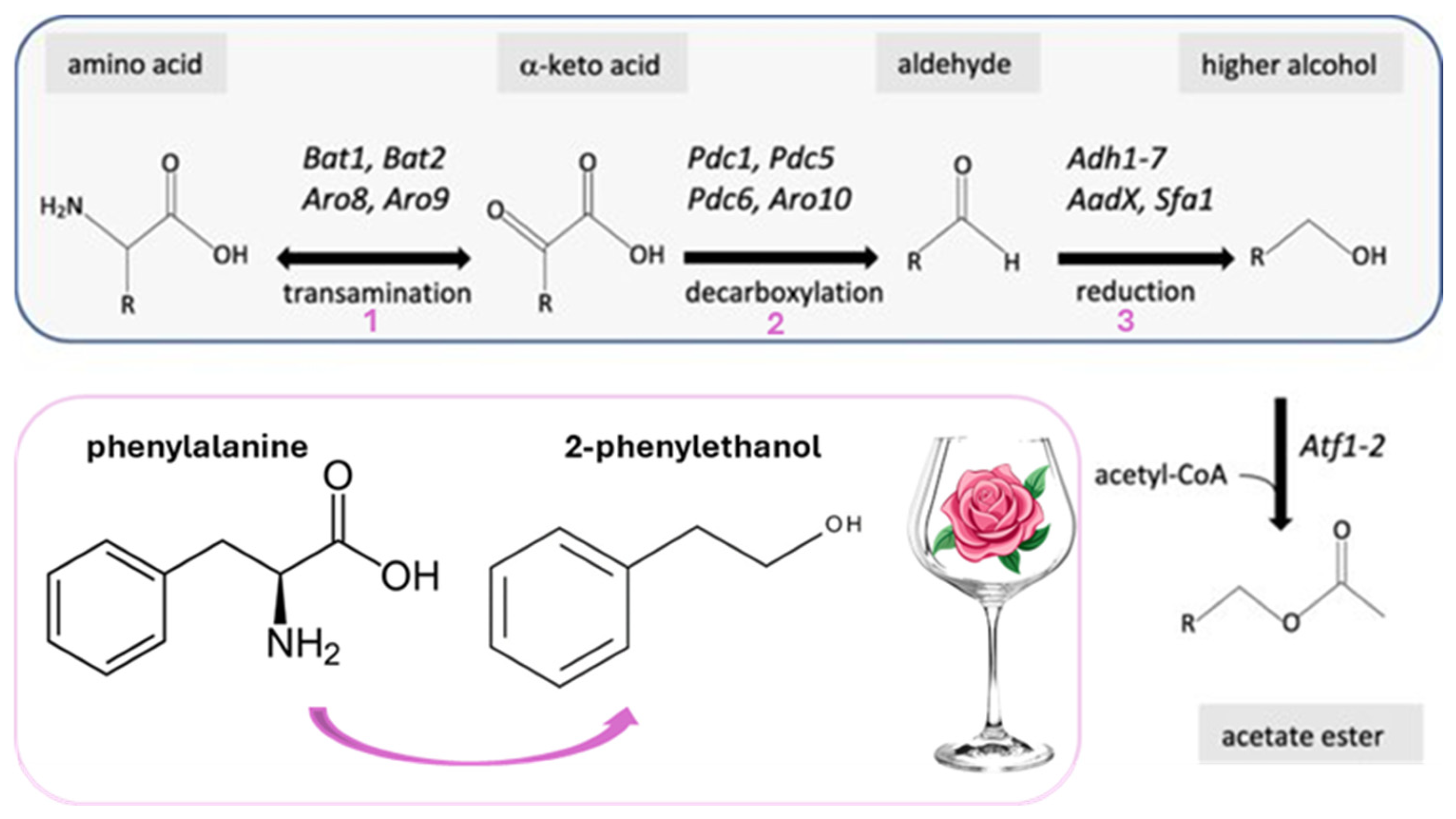
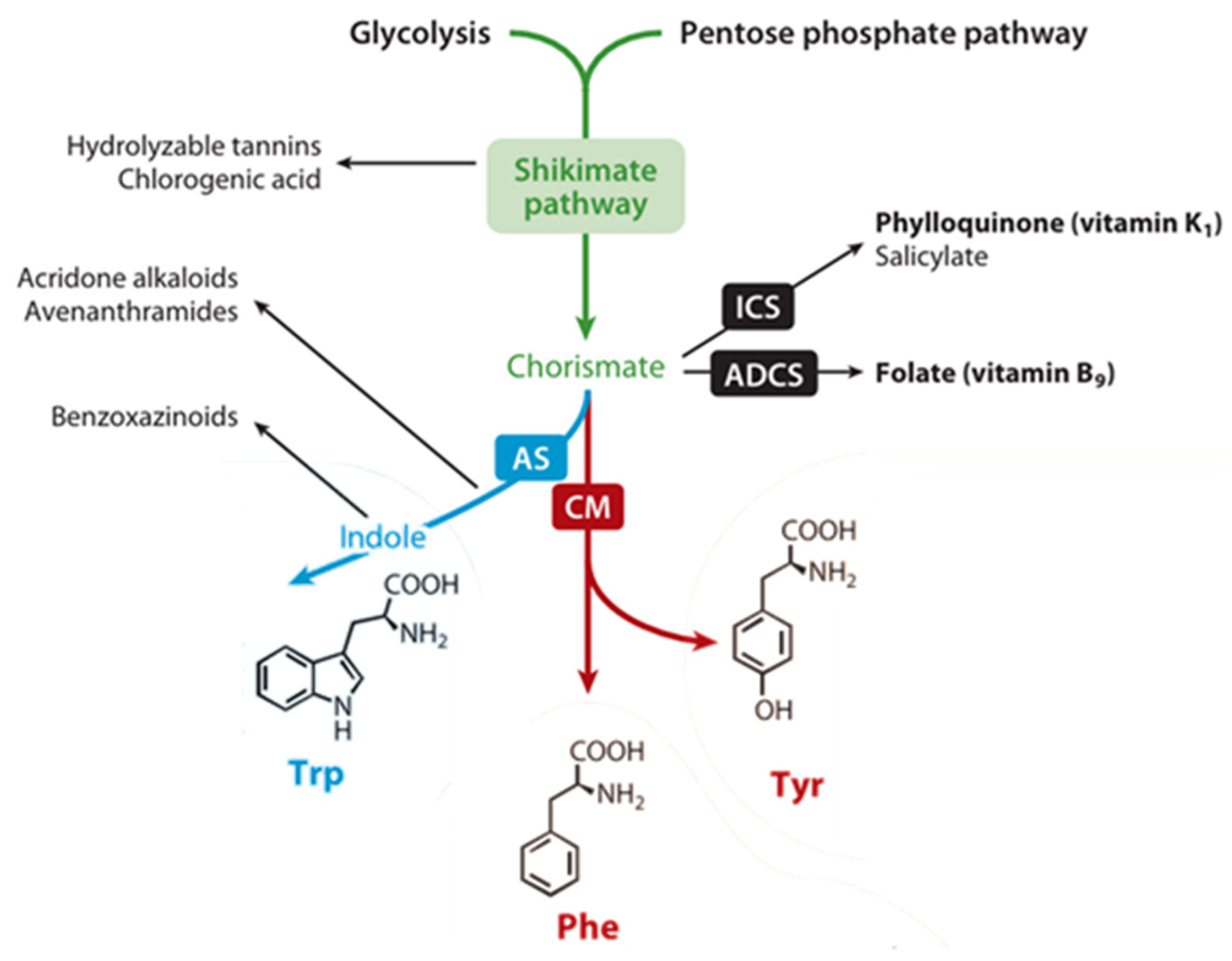
Biosynthetic Pathways and Engineering
3.1.2. Flavor Development in Processed Foods
Microbial Contributions to Flavor
Microbial Succession and Biocatalysis
Challenges and Off-Flavor Mitigation
3.2. Technological Advances in Flavor Compound Production
3.2.1. Biocatalyst Encapsulation and Stabilization
3.2.2. Flavor Recovery

| Technique | Principle/Method | Key Advantages | Limitations/Considerations | References |
|---|---|---|---|---|
| Distillation/Stripping | Separation of volatiles by heating and condensation | Widely used, effective for many volatiles | Can be energy-intensive, may degrade sensitive flavors | [150,151,154] |
| Pervaporation | The selective membrane separates and concentrates volatiles from liquids | High selectivity, effective for low-boiling-point compounds | Flavor loss is possible due to leakage, and needs optimization | [150,151,152] |
| Supercritical Fluid Extraction | Uses supercritical CO2 or other fluids to extract flavors | High selectivity, uses natural solvents, suitable for sensitive matrices | Less commonly applied, needs further research | [150,151] |
| Adsorption (Solid-Phase Extraction, SPE) | Volatiles are adsorbed onto solid sorbents, then desorbed for analysis/recovery. | Can be tailored for specific compounds, good for complex matrices | Requires careful selection of sorbents and conditions | [150,151,153,155] |
| Solvent-Assisted Flavor Evaporation (SAFE) | Uses solvents to assist in evaporating and recovering volatiles | Effective for a wide range of volatiles | Fat content reduces the recovery of high-boiling volatiles | [155,156] |
| Salting-Out Re-distillation (SRD) | Uses salt to enhance the separation and recovery of odor-active compounds | High recovery rates improve flavor quality | Requires optimization of salt and process parameters | [154] |
| Headspace Techniques (SPME, HSSE, DTD) | Volatiles were collected from the headspace above samples using various sorbents. | Non-destructive, suitable for screening and analysis | May not recover all compound types equally | [156] |
| Flash Distillation | Rapid distillation under reduced pressure | Suitable for heat-sensitive flavors | High energy consumption, possible degradation | [151] |
3.3. Knowledge Gaps, Innovation Needs, Challenges, and Future Directions
4. Advances in Food Biochemistry Technologies
4.1. Innovative Technologies Applied to Bioactive Compounds Extracted from Algae
4.2. Emerging Techniques in Functional Food and Bioactive Compound Processing
4.2.1. Ultrasound
4.2.2. Artificial Intelligence and Big Data
4.2.3. 3D Food Printing/Additive Manufacturing
4.2.4. Nanotechnology
5. Regulatory Framework for Novel Foods, Nanomaterials, and Health Claims
6. Final Remarks
Author Contributions
Funding
Data Availability Statement
Conflicts of Interest
References
- Martirosyan, D.; Kanya, H.; Nadalet, C. Can functional foods reduce the risk of disease? Advancement of functional food definition and steps to create functional food products. Funct. Foods Health Dis. 2021, 11, 213–221. [Google Scholar] [CrossRef]
- Perez-Gregorio, R.; Simal-Gandara, J. A critical review of bioactive food components and their functional mechanisms, biological effects, and health outcomes. Curr. Pharm. Des. 2017, 23, 2731–2741. [Google Scholar] [CrossRef] [PubMed]
- McClements, D.J. Future Foods: How Modern Science Is Transforming the Way We Eat; Springer: Cham, Switzerland, 2019; pp. 1–392. [Google Scholar] [CrossRef]
- Guaadaoui, A.; Benaicha, S.; Elmajdoub, N.; Bellaoui, M.; Hamal, A. What is a bioactive compound? A combined definition for a preliminary consensus. Int. J. Nutr. Food Sci. 2014, 3, 174–179. [Google Scholar] [CrossRef]
- Shetty, K.; Sarkar, D. Introduction: Metabolic-driven ecological rationale to advance biotechnological approaches for functional foods. In Functional Foods and Biotechnology: Biotransformation and Analysis of Functional Foods and Ingredients; Shetty, K., Sarkar, D., Eds.; CRC Press: Boca Raton, FL, USA, 2019; p. 454. [Google Scholar]
- Rivero-Montejo, S.J.; Vargas-Hernandez, M.; Torres-Pacheco, I. Nanoparticles as novel elicitors to improve bioactive compounds in plants. Agriculture 2021, 11, 134. [Google Scholar] [CrossRef]
- Samtiya, M.; Aluko, R.; Dhewa, T.; Moreno-Rojas, J. Potential health benefits of plant food-derived bioactive components: An overview. Foods 2021, 10, 839. [Google Scholar] [CrossRef]
- Rodríguez-Meizoso, I.; Jaime, L.; Santoyo, S.; Señoráns, F.J.; Cifuentes, A.; Ibáñez, E. Subcritical water extraction and characterization of bioactive compounds from Haematococcus pluvialis microalga. J. Pharm. Biomed. Anal. 2010, 51, 456–463. [Google Scholar] [CrossRef]
- Salazar-López, N.J.; Domínguez-Avila, J.A.; Yahia, E.M.; Belmonte-Herrera, B.H.; Wall-Medrano, A.; Montalvo-González, E.; González-Aguilar, G.A. Avocado fruit and by-products as potential sources of bioactive compounds. Food Res. Int. 2020, 138, 109774. [Google Scholar] [CrossRef]
- Schwab, W.; Davidovich-Rikanati, R.; Lewinsohn, E. Biosynthesis of plant-derived flavor compounds. Plant J. 2008, 54, 712–732. [Google Scholar] [CrossRef]
- Xu, L.; Zang, E.; Sun, S.; Li, M. Main flavor compounds and molecular regulation mechanisms in fruits and vegetables. Crit. Rev. Food Sci. Nutr. 2023, 63, 11859–11879. [Google Scholar] [CrossRef]
- Li, H.; Lin, Q.; Yan, M.; Wang, M.; Wang, P.; Zhao, H.; Wang, Y.; Ni, D.; Guo, F. Relationship between secondary metabolism and miRNA for important flavor compounds in different tissues of tea plant (Camellia sinensis) revealed by genome-wide miRNA analysis. J. Agric. Food Chem. 2021, 69, 2001–2012. [Google Scholar] [CrossRef]
- Zhao, S.; Cheng, H.; Xu, P.; Wang, Y. Regulation of biosynthesis of the main flavor-contributing metabolites in tea plant (Camellia sinensis): A review. Crit. Rev. Food Sci. Nutr. 2023, 63, 10520–10535. [Google Scholar] [CrossRef] [PubMed]
- Zhao, S.; Mi, X.; Guo, R.; Xia, X.; Liu, L.; An, Y.; Yan, X.; Wang, S.; Guo, L.; Wei, C. The biosynthesis of main taste compounds is coordinately regulated by miRNAs and phytohormones in tea plant (Camellia sinensis). J. Agric. Food Chem. 2020, 68, 6221–6236. [Google Scholar] [CrossRef] [PubMed]
- Recharla, N.; Riaz, M.; Ko, S.; Park, S. Novel technologies to enhance solubility of food-derived bioactive compounds: A review. J. Funct. Foods 2017, 39, 63–73. [Google Scholar] [CrossRef]
- Alam, A.U.M.; Khatun, M.; Alam, M.A.U. Recent trends in nanotechnology applications to improve bioaccessibility of lycopene by nanocarriers: A review. J. Food Chem. Nanotechnol. 2022, 8, 162–180. [Google Scholar] [CrossRef]
- Carreira-Casais, A.; Otero, P.; Garcia-Perez, P.; Garcia-Oliveira, P.; Pereira, A.G.; Carpena, M.; Soria-Lopez, A.; Simal-Gandara, J.; Prieto, M.A. Benefits and drawbacks of ultrasound-assisted extraction for the recovery of bioactive compounds from marine algae. Int. J. Environ. Res. Public Health 2021, 18, 9153. [Google Scholar] [CrossRef] [PubMed]
- Cui, Z.; Qi, C.; Zhou, T.; Yu, Y.; Wang, Y.; Zhang, Z.; Zhang, Y.; Wang, W.; Liu, Y. Artificial intelligence and food flavor: How AI models are shaping the future and revolutionary technologies for flavor food development. Compr. Rev. Food Sci. Food Saf. 2025, 24, e70068. [Google Scholar] [CrossRef]
- Yue, J.; Li, T.; Ouyang, J.; Xu, J.; Tan, H.; Chen, Z.; Han, C.; Li, H.; Liang, S.; Liu, Z.; et al. TastePepAI: An artificial intelligence platform for taste peptide de novo design. PLoS Comput. Biol. 2025, 21, e1013602. [Google Scholar] [CrossRef]
- Hasler, C.M. Functional foods: Benefits, concerns and challenges—A position paper from the American Council on Science and Health. J. Nutr. 2002, 132, 3772–3781. [Google Scholar] [CrossRef]
- Granato, D.; Branco, G.F.; Nazzaro, F.; Cruz, A.G.; Faria, J.A.F. Functional foods and nondairy probiotic food development: Trends, concepts, and products. Compr. Rev. Food Sci. Food Saf. 2010, 9, 292–302. [Google Scholar] [CrossRef]
- Tuorila, H.; Cardello, A.V. Consumer responses to an off-flavour in juice in the presence of specific health claims. Food Qual. Prefer. 2002, 13, 561–569. [Google Scholar] [CrossRef]
- Drewnowski, A.; Gomez-Carneros, C. Bitter taste, phytonutrients, and the consumer: A review. Am. J. Clin. Nutr. 2000, 72, 1424–1435. [Google Scholar] [CrossRef] [PubMed]
- Bigliardi, B.; Galati, F. Innovation trends in the food industry: The case of functional foods. Trends Food Sci. Technol. 2013, 31, 118–129. [Google Scholar] [CrossRef]
- Jaeger, S.R.; MacFie, H.J.H. The effect of advertising format and means–end information on consumer expectations for apples. Food Qual. Prefer. 2001, 12, 189–205. [Google Scholar] [CrossRef]
- Verbeke, W. Consumer acceptance of functional foods: Socio-demographic, cognitive and attitudinal determinants. Food Qual. Prefer. 2005, 16, 45–57. [Google Scholar] [CrossRef]
- European Commission. Functional Foods; Food, Agriculture & Fisheries & Biotechnology: Brussels, Belgium, 2010. [Google Scholar]
- Shahidi, F.; Ambigaipalan, P. Phenolics and polyphenolics in foods, beverages and spices: Antioxidant activity and health effects—A review. J. Funct. Foods 2015, 18, 820–897. [Google Scholar] [CrossRef]
- Scalbert, A.; Johnson, I.T.; Saltmarsh, M. Polyphenols: Antioxidants and beyond. Am. J. Clin. Nutr. 2005, 81, 215S–217S. [Google Scholar] [CrossRef]
- Lesschaeve, I.; Noble, A.C. Polyphenols: Factors influencing their sensory properties and their effects on food and beverage preferences. Am. J. Clin. Nutr. 2005, 81, 330S–335S. [Google Scholar] [CrossRef]
- Soares, S.; Brandão, E.; Mateus, N.; de Freitas, V. Sensorial properties of red wine polyphenols: Astringency and bitterness. Crit. Rev. Food Sci. Nutr. 2017, 57, 937–948. [Google Scholar] [CrossRef]
- Delgado-Vargas, F.; Jiménez, A.R.; Paredes-López, O. Natural pigments: Carotenoids, anthocyanins, and betalains. Crit. Rev. Food Sci. Nutr. 2000, 40, 173–289. [Google Scholar] [CrossRef]
- Galanakis, C.M. Recovery of high added-value components from food wastes: Conventional, emerging technologies and commercialized applications. Trends Food Sci. Technol. 2012, 26, 68–87. [Google Scholar] [CrossRef]
- Prakash, B.; Kujur, A.; Singh, P.P.; Kumar, A.; Yadav, A. Plant-derived bioactive compounds as functional food ingredients and food preservatives. J. Nutr. Food Sci. 2017, 2, 100005. [Google Scholar]
- Helkar, P.B.; Sahoo, A.K.; Patil, N.J. Review: Food industry by-products used as a functional food ingredients. Int. J. Waste Resour. 2016, 6, 1000248. [Google Scholar] [CrossRef]
- Gómez-Mejía, E.; Rosales-Conrado, N.; León-González, M.E.; Madrid, Y. Citrus peels waste as a source of value-added compounds: Extraction and quantification of bioactive polyphenols. Food Chem. 2019, 295, 289–299. [Google Scholar] [CrossRef] [PubMed]
- Martirosyan, D.; Singh, J. A new definition of functional food by FFC: What makes a new definition unique? Funct. Foods Health Dis. 2015, 5, 209–223. [Google Scholar] [CrossRef]
- Tolve, R.; Simonato, B.; Rainero, G.; Bianchi, F.; Rizzi, C.; Cervini, M.; Giuberti, G. Wheat bread fortification by grape pomace powder: Nutritional, technological, antioxidant, and sensory properties. Foods 2021, 10, 75. [Google Scholar] [CrossRef]
- Elmaliklis, I.N.; Liveri, A.; Ntelis, B.; Paraskeva, K.; Goulis, I.; Koutelidakis, A. Increased functional foods’ consumption and Mediterranean diet adherence may have a protective effect in the appearance of gastrointestinal diseases: A case–control study. Medicines 2019, 6, 50. [Google Scholar] [CrossRef]
- Suleria, H.A.R.; Osborne, S.; Masci, P.; Gobe, G. Marine-based nutraceuticals: An innovative trend in the food and supplement industries. Mar. Drugs 2015, 13, 6336–6351. [Google Scholar] [CrossRef]
- Karasawa, M.G.; Mohan, C. Fruits as prospective reserves of bioactive compounds: A review. Nat. Prod. Bioprospect. 2018, 8, 335–346. [Google Scholar] [CrossRef]
- Cianciosi, D.; Valera-Lopez, A.; Forbes-Hernandez, T.Y.; Gasparrini, M.; Afrin, S.; Reboredo-Rodriguez, P.; Zhang, J.; Quiles, J.L.; Nabavi, S.F.; Battino, M.; et al. Targeting molecular pathways in cancer stem cells by natural bioactive compounds. Pharmacol. Res. 2018, 135, 150–165. [Google Scholar] [CrossRef]
- Nuhu, A.A. Bioactive micronutrients in coffee: Recent analytical approaches for characterization and quantification. ISRN Nutr. 2014, 2014, 384230. [Google Scholar] [CrossRef]
- Jeszka-Skowron, M.; Sentkowska, A.; Pyrzyńska, K.; Paz De Peña, M. Chlorogenic acids, caffeine content and antioxidant properties of green coffee extracts: Influence of green coffee bean preparation. Eur. Food Res. Technol. 2016, 242, 1403–1409. [Google Scholar] [CrossRef]
- Koutelidakis, A.; Kapsokefalou, M. Holistic approaches of tea bioactivity: Interactions of tea and meal components studied in vitro and in vivo. In Tea in Health and Disease Prevention; Preedy, V., Ed.; Elsevier: Amsterdam, The Netherlands, 2012; pp. 36–42. [Google Scholar]
- Kongpichitchoke, T.; Chiu, M.T.; Huang, T.C.; Hsu, J.L. Gallic acid content in Taiwanese teas at different degrees of fermentation and its antioxidant activity by inhibiting PKC activation: In vitro and in silico studies. Molecules 2016, 21, 1346. [Google Scholar] [CrossRef] [PubMed]
- Kowalska, K.; Olejnik, A. Current evidence on the health-beneficial effects of berry fruits in the prevention and treatment of metabolic syndrome. Curr. Opin. Clin. Nutr. Metab. Care 2016, 19, 446–452. [Google Scholar] [CrossRef] [PubMed]
- Konstantinidi, M.; Koutelidakis, A.E. Functional foods and bioactive compounds: A review of their possible role on weight management and obesity’s metabolic consequences. Medicines 2019, 6, 94. [Google Scholar] [CrossRef]
- Del Rio, D.; Borges, G.; Crozier, A. Berry flavonoids and phenolics: Bioavailability and evidence of protective effects. Br. J. Nutr. 2010, 104, S67–S90. [Google Scholar] [CrossRef]
- Nile, S.H.; Park, S.W. Edible berries: Bioactive components and their effect on human health. Nutrition 2014, 30, 134–144. [Google Scholar] [CrossRef]
- Ambigaipalan, P.; de Camargo, A.C.; Shahidi, F. Identification of phenolic antioxidants and bioactives of pomegranate seeds following juice extraction using HPLC-DAD-ESI-MSn. Food Chem. 2017, 221, 1883–1894. [Google Scholar] [CrossRef]
- Singh, B.; Singh, J.P.; Kaur, A.; Singh, N. Phenolic compounds as beneficial phytochemicals in pomegranate (Punica granatum L.) peel: A review. Food Chem. 2018, 261, 75–86. [Google Scholar] [CrossRef]
- Fischer, U.A.; Carle, R.; Kammerer, D.R. Identification and quantification of phenolic compounds from pomegranate (Punica granatum L.) peel, mesocarp, aril, and differently produced juices by HPLC-DAD-ESI/MSn. Food Chem. 2011, 127, 807–821. [Google Scholar] [CrossRef]
- Akhavan, H.; Barzegar, M.; Weidlich, H.; Zimmermann, B.F. Phenolic compounds and antioxidant activity of juices from ten Iranian pomegranate cultivars depend on extraction. J. Chem. 2015, 2015, 907101. [Google Scholar] [CrossRef]
- Martin-Pelaez, S.; Covas, M.I.; Fito, M.; Kusar, A.; Pravst, I. Health effects of olive oil polyphenols: Recent advances and possibilities for the use of health claims. Mol. Nutr. Food Res. 2013, 57, 760–771. [Google Scholar] [CrossRef] [PubMed]
- Coni, E.; Di Benedetto, R.; Di Pasquale, M.; Masella, R.; Modesti, D.; Mattei, R.; Carlini, E.A. Protective effect of oleuropein, an olive oil biophenol, on low density lipoprotein oxidizability in rabbits. Lipids 2000, 35, 45–54. [Google Scholar] [CrossRef] [PubMed]
- Mahmoud, R.H.; Elnour, W.A. Comparative evaluation of the efficacy of ginger and orlistat on obesity management, pancreatic lipase, and liver peroxisomal catalase enzyme in male albino rats. Eur. Rev. Med. Pharmacol. Sci. 2013, 17, 75–83. [Google Scholar] [PubMed]
- Maghraby, Y.R.; Labib, R.M.; Sobeh, M.; Farag, M.A. Gingerols and shogaols: A multi-faceted review of their extraction, formulation, and analysis in drugs and biofluids to maximize their nutraceutical and pharmaceutical applications. Food Chem. X 2023, 20, 100947. [Google Scholar] [CrossRef] [PubMed]
- Adesulu-Dahunsi, A.T.; Sanni, A.I.; Jeyaram, K. Production, characterization, and in vitro antioxidant activities of exopolysaccharide from Weissella cibaria GA44. LWT–Food Sci. Technol. 2018, 87, 432–442. [Google Scholar] [CrossRef]
- O’Shea, N.; Arendt, E.K.; Gallagher, E. Dietary fibre and phytochemical characteristics of fruit and vegetable by-products and their recent applications as novel ingredients in food products. Innov. Food Sci. Emerg. Technol. 2012, 16, 1–10. [Google Scholar] [CrossRef]
- Elleuch, M.; Bedigian, D.; Roiseux, O.; Besbes, S.; Blecker, C.; Attia, H. Dietary fibre and fibre-rich by-products of food processing: Characterisation, technological functionality and commercial applications: A review. Food Chem. 2011, 124, 411–421. [Google Scholar] [CrossRef]
- Rosell, C.M.; Santos, E.; Collar, C. Physico-chemical properties of commercial fibres from different sources: A comparative approach. Food Res. Int. 2009, 42, 176–184. [Google Scholar] [CrossRef]
- McClements, D.J. Encapsulation, protection, and delivery of bioactive proteins and peptides using nanoparticle and microparticle systems: A review. Adv. Colloid Interface Sci. 2018, 253, 1–22. [Google Scholar] [CrossRef]
- McClements, D.J.; Decker, E.A.; Park, Y.; Weiss, J. Structural design principles for delivery of bioactive components in nutraceuticals and functional foods. Crit. Rev. Food Sci. Nutr. 2009, 49, 577–606. [Google Scholar] [CrossRef]
- Desai, K.G.H.; Park, H.J. Recent developments in microencapsulation of food ingredients. Dry. Technol. 2005, 23, 1361–1394. [Google Scholar] [CrossRef]
- Gouin, S. Microencapsulation: Industrial appraisal of existing technologies and trends. Trends Food Sci. Technol. 2004, 15, 330–347. [Google Scholar] [CrossRef]
- Fang, Z.; Bhandari, B. Encapsulation of polyphenols: A review. Trends Food Sci. Technol. 2010, 21, 510–523. [Google Scholar] [CrossRef]
- de Vos, P.; Faas, M.M.; Spasojevic, M.; Sikkema, J. Encapsulation for preservation of functionality and targeted delivery of bioactive food components. Int. Dairy J. 2010, 20, 292–302. [Google Scholar] [CrossRef]
- Salvia-Trujillo, L.; Soliva-Fortuny, R.; Rojas-Graü, M.A.; McClements, D.J.; Martín-Belloso, O. Edible Nanoemulsions as Carriers of Active Ingredients: A Review. Annu. Rev. Food Sci. Technol. 2017, 8, 439–466. [Google Scholar] [CrossRef]
- McClements, D.J.; Rao, J. Food-grade nanoemulsions: Formulation, fabrication, properties, performance, biological fate, and potential toxicity. Crit. Rev. Food Sci. Nutr. 2011, 51, 285–330. [Google Scholar] [CrossRef]
- Van Boekel, M.; Fogliano, V.; Pellegrini, N.; Stanton, C.; Scholz, G.; Lalljie, S.; Somoza, V.; Knorr, D.; Jasti, P.R.; Eisenbrand, G. A review on the beneficial aspects of food processing. Mol. Nutr. Food Res. 2010, 54, 1215–1247. [Google Scholar] [CrossRef]
- Liang, Z.; Huang, Y.; Zhang, P.; Fang, Z. Impact of fermentation on the structure and antioxidant activity of selective phenolic compounds. Food Biosci. 2023, 56, 103147. [Google Scholar] [CrossRef]
- Kanimozhi, N.V.; Sukumar, M. Harnessing probiotic fermentation to enhance the bioavailability and health impact of dietary phytochemicals. Food Wellness 2025, 1, 100018. [Google Scholar] [CrossRef]
- Nicoli, M.C.; Anese, M.; Parpinel, M. Influence of processing on the antioxidant properties of fruit and vegetables. Trends Food Sci. Technol. 1999, 10, 94–100. [Google Scholar] [CrossRef]
- Abuajah, C.I.; Ogbonna, A.C.; Osuji, C.M. Functional components and medicinal properties of food: A review. J. Food Sci. Technol. 2015, 52, 2522–2529. [Google Scholar] [CrossRef] [PubMed]
- Granato, D.; Barba, F.J.; Bursać Kovačević, D.; Lorenzo, J.M.; Cruz, A.G.; Putnik, P. Functional foods: Product development, technological trends, efficacy testing, and safety. Annu. Rev. Food Sci. Technol. 2020, 11, 93–118. [Google Scholar] [CrossRef] [PubMed]
- Mildner-Szkudlarz, S.; Bajerska, J.; Zawirska-Wojtasiak, R.; Górecka, D. White grape pomace as a source of dietary fibre and polyphenols and its effect on physical and nutraceutical characteristics of wheat biscuits. J. Sci. Food Agric. 2013, 93, 389–395. [Google Scholar] [CrossRef] [PubMed]
- Kaderides, K.; Goula, A.M.; Adamopoulos, K.G. A process for turning pomegranate peels into a valuable food ingredient using ultrasound-assisted extraction and encapsulation. Innov. Food Sci. Emerg. Technol. 2015, 31, 204–215. [Google Scholar] [CrossRef]
- Marsanasco, M.; Márquez, A.L.; Wagner, J.R.; Chiaramoni, N.S.; Alonso, S.V. Bioactive compounds as functional food ingredients: Characterization in a model system and sensory evaluation in chocolate milk. J. Food Eng. 2015, 166, 55–63. [Google Scholar] [CrossRef]
- Pinto, T.; Aires, A.; Cosme, F.; Bacelar, E.; Morais, M.; Oliveira, I.; Ferreira-Cardoso, J.; Anjos, R.; Vilela, A.; Gonçalves, B. Bioactive (poly)phenols and volatile compounds from vegetables, medicinal and aromatic plants. Foods 2021, 10, 106. [Google Scholar] [CrossRef]
- Grigore-Gurgu, L.; Dumitrașcu, L.; Aprodu, I. Aromatic herbs as a source of bioactive compounds: An overview of their antioxidant capacity, antimicrobial activity, and major applications. Molecules 2025, 30, 1304. [Google Scholar] [CrossRef]
- Masyita, A.; Sari, R.M.; Astuti, A.D.; Yasir, B.; Rumata, N.R.; Emran, T.B.; Nainu, F.; Simal-Gándara, J. Terpenes and terpenoids as main bioactive compounds of essential oils: Their roles in human health and potential application as natural food preservatives. Food Chem. X 2022, 13, 100217. [Google Scholar] [CrossRef]
- Christaki, E.; Bonos, E.; Giannenas, I.; Florou-Paneri, P. Aromatic plants as a source of bioactive compounds. Agriculture 2012, 2, 228–243. [Google Scholar] [CrossRef]
- Duque-Soto, C.; Ruiz-Vargas, A.; Rueda-Robles, A.; Quirantes-Piné, R.; Borrás-Linares, I.; Lozano-Sánchez, J. Bioactive potential of aqueous phenolic extracts of spices for their use in the food industry—A systematic review. Foods 2023, 12, 3031. [Google Scholar] [CrossRef]
- Fabela-Morón, M. Bioactive compounds, sensory attributes, and flavor perceptions involved in taste-active molecules in fruits and vegetables. Front. Nutr. 2024, 11, 1427857. [Google Scholar] [CrossRef] [PubMed]
- Marcinkowska, M.; Jeleń, H. Role of sulfur compounds in vegetable and mushroom aroma. Molecules 2022, 27, 6116. [Google Scholar] [CrossRef] [PubMed]
- Jiang, L.; Gong, X.; Ji, M.; Wang, C.; Wang, J.; Li, M. Bioactive compounds from plant-based functional foods: A promising choice for the prevention and management of hyperuricemia. Foods 2020, 9, 973. [Google Scholar] [CrossRef] [PubMed]
- Görgüç, A.; Gençdağ, E.; Yılmaz, F. Bioactive peptides derived from plant-origin by-products: Biological activities and techno-functional utilizations in food development—A review. Food Res. Int. 2020, 136, 109504. [Google Scholar] [CrossRef] [PubMed]
- Direito, R.; Barbalho, S.; Sepodes, B.; Figueira, M. Plant-derived bioactive compounds: Exploring neuroprotective, metabolic, and hepatoprotective effects for health promotion and disease prevention. Pharmaceutics 2024, 16, 577. [Google Scholar] [CrossRef] [PubMed]
- Huang, L.; Ho, C.T.; Wang, Y. Biosynthetic pathways and metabolic engineering of spice flavors. Crit. Rev. Food Sci. Nutr. 2021, 61, 2047–2060. [Google Scholar] [CrossRef] [PubMed]
- Vilela, A.; Pinto, T. Grape infusions: Between nutraceutical and green chemistry. Sustain. Chem. 2021, 2, 441–466. [Google Scholar] [CrossRef]
- Zeng, Y.; Wang, M.; Hunter, D.; Matich, A.; McAtee, P.; Knäbel, M.; Hamiaux, C.; Popowski, E.; Jaeger, S.; Nieuwenhuizen, N.; et al. Sensory-directed genetic and biochemical characterization of volatile terpene production in kiwifruit. Plant Physiol. 2020, 183, 51–66. [Google Scholar] [CrossRef]
- Sharon-Asa, L.; Shalit, M.; Frydman, A.; Bar, E.; Holland, D.; Or, E.; Lavi, U.; Lewinsohn, E.; Eyal, Y. Citrus fruit flavor and aroma biosynthesis: Isolation, functional characterization, and developmental regulation of Cstps1, a key gene in the production of the sesquiterpene aroma compound valencene. Plant J. 2003, 36, 664–674. [Google Scholar] [CrossRef]
- Rusdi, N.A.; Goh, H.-H.; Sabri, S.; Ramzi, A.B.; Mohd Noor, N.; Baharum, S.N. Functional characterisation of a new sesquiterpene synthase from the Malaysian herbal plant Polygonum minus. Molecules 2018, 23, 1370. [Google Scholar] [CrossRef]
- Simkin, A.J.; Schwartz, S.H.; Auldridge, M.; Taylor, M.G.; Klee, H.J. The tomato carotenoid cleavage dioxygenase 1 genes contribute to the formation of the flavor volatiles β-ionone, pseudoionone, and geranylacetone. Plant J. 2004, 40, 882–892. [Google Scholar] [CrossRef] [PubMed]
- Zhou, Y.; Peng, Q.; Zhang, L.; Cheng, S.; Zeng, L.; Dong, F.; Yang, Z. Characterization of enzymes specifically producing chiral flavor compounds (R)- and (S)-1-phenylethanol from tea (Camellia sinensis) flowers. Food Chem. 2019, 280, 27–33. [Google Scholar] [CrossRef] [PubMed]
- Frydman, A.; Weisshaus, O.; Bar-Peled, M.; Huhman, D.; Sumner, L.; Marín, F.; Lewinsohn, E.; Fluhr, R.; Gressel, J.; Eyal, Y. Citrus fruit bitter flavors: Isolation and functional characterization of the gene Cm1,2RhaT encoding a 1,2-rhamnosyltransferase, a key enzyme in the biosynthesis of bitter flavonoids of citrus. Plant J. 2004, 40, 88–100. [Google Scholar] [CrossRef] [PubMed]
- Dai, X.; Shi, X.; Yang, C.; Zhao, X.; Zhuang, J.; Liu, Y.; Gao, L.; Xia, T. Two UDP-glycosyltransferases catalyze the biosynthesis of bitter flavonoid 7-O-neohesperidoside through sequential glycosylation in tea plants. J. Agric. Food Chem. 2022, 70, 2354–2365. [Google Scholar] [CrossRef]
- Suh, J.; Madden, R.; Sung, J.; Chambers, A.; Crane, J.; Wang, Y. Pathway-based metabolomics analysis reveals biosynthesis of key flavor compounds in mango. J. Agric. Food Chem. 2022, 70, 10389–10399. [Google Scholar] [CrossRef]
- Zhang, P.; Fuentes, S.; Siebert, T.; Krstic, M.; Herderich, M.; Barlow, E.W.R.; Howell, K. Terpene evolution during the development of Vitis vinifera L. cv. Shiraz grapes. Food Chem. 2016, 204, 463–474. [Google Scholar] [CrossRef]
- Wei, Y.; Meng, N.; Wang, Y.; Cheng, J.; Duan, C.; Pan, Q. Transcription factor VvWRKY70 inhibits both norisoprenoid and flavonol biosynthesis in grape. Plant Physiol. 2023, 193, 2055–2070. [Google Scholar] [CrossRef]
- Shi, N.; Pei, X.; Li, M.; Chen, W.; Li, H.; Yang, G.; Duan, C.; Wang, J. Metabolomics of Vitis davidii Foëx grapes from southern China: Flavonoids and volatiles reveal the flavor profiles of five spine grape varieties. Food Chem. 2024, 454, 139732. [Google Scholar] [CrossRef]
- Maoz, I.; Kaplunov, T.; Raban, E.; Dynkin, I.; Degani, O.; Lewinsohn, E.; Lichter, A. Insights into the chemosensory basis of flavor in table grapes. J. Sci. Food Agric. 2020, 100, 1405–1417. [Google Scholar] [CrossRef]
- Moriyama, K.; Kono, A.; Matsuzaki, R.; Azuma, A.; Onoue, N.; Sekozawa, Y.; Sato, A.; Sugaya, S. Diversity of flavour characteristics of table grapes and their contributing volatile compounds analysed by the solvent-assisted flavour evaporation method. Hortic. Res. 2024, 11, uhae048. [Google Scholar] [CrossRef]
- Parker, M.; Capone, D.; Francis, I.L.; Herderich, M. Aroma precursors in grapes and wine: Flavor release during wine production and consumption. J. Agric. Food Chem. 2018, 66, 2281–2286. [Google Scholar] [CrossRef] [PubMed]
- Ferreira, V.; Lopez, R. The actual and potential aroma of winemaking grapes. Biomolecules 2019, 9, 818. [Google Scholar] [CrossRef] [PubMed]
- Leonard, W.; Zhang, P.; Ying, D.; Fang, Z. Surmounting the off-flavor challenge in plant-based foods. Crit. Rev. Food Sci. Nutr. 2023, 63, 10585–10606. [Google Scholar] [CrossRef] [PubMed]
- Dai, J.; Li, K.; Song, N.; Yao, W.; Xia, H.; Yang, Q.; Zhang, X.; Li, X.; Wang, Z.; Yao, L.; et al. Zygosaccharomyces rouxii, an aromatic yeast isolated from chili sauce, is able to biosynthesize 2-phenylethanol via the shikimate or Ehrlich pathways. Front. Microbiol. 2020, 11, 597454. [Google Scholar] [CrossRef] [PubMed]
- Larroudé, M.; Nicaud, J.-M.; Rossignol, T. Yarrowia lipolytica chassis strains engineered to produce aromatic amino acids via the shikimate pathway. Microb. Biotechnol. 2021, 14, 2420–2434. [Google Scholar] [CrossRef] [PubMed]
- Li, M.; Lang, X.; Cabrera, M.; De Keyser, S.; Sun, X.; da Silva, N.A.; Wheeldon, I. CRISPR-mediated multigene integration enables shikimate pathway refactoring for enhanced 2-phenylethanol biosynthesis in Kluyveromyces marxianus. Biotechnol. Biofuels 2021, 14, 3. [Google Scholar] [CrossRef]
- Zhou, R.; Song, Q.; Xia, H.; Song, N.; Yang, Q.; Zhang, X.; Yao, L.; Yang, S.; Dai, J.; Chen, X. Isolation and identification of non-Saccharomyces yeast producing 2-phenylethanol and study of the Ehrlich and shikimate pathways. J. Fungi 2023, 9, 878. [Google Scholar] [CrossRef]
- Schieber, A.; Wüst, M. Volatile phenols—Important contributors to the aroma of plant-derived foods. Molecules 2020, 25, 4529. [Google Scholar] [CrossRef]
- Cai, J.; Wang, N.; Zhao, J.; Zhao, Y.; Xu, R.; Fu, F.; Pan, T.; Yu, Y.; Guo, Z.; She, W. Accumulation of polyphenolics and differential expression of genes related to the shikimate pathway during fruit development and maturation of Chinese olive (Canarium album). Agronomy 2023, 13, 895. [Google Scholar] [CrossRef]
- Maeda, H.; Dudareva, N. The shikimate pathway and aromatic amino acid biosynthesis in plants. Annu. Rev. Plant Biol. 2012, 63, 73–105. [Google Scholar] [CrossRef]
- Reifenrath, M.; Boles, E. Engineering of hydroxymandelate synthases and the aromatic amino acid pathway enables de novo biosynthesis of mandelic and 4-hydroxymandelic acid in Saccharomyces cerevisiae. Metab. Eng. 2018, 45, 246–254. [Google Scholar] [CrossRef] [PubMed]
- Dong, P.; Fan, Y.; Huo, Y.; Sun, L.; Guo, S. Pathway-adapted biosensor for high-throughput screening of O-methyltransferase and its application in vanillin synthesis. ACS Synth. Biol. 2024, 13, 2873–2886. [Google Scholar] [CrossRef] [PubMed]
- Zhang, S.; Shang, Z.; Liu, Z.; Hu, X.; Yi, J. Flavor production in fermented chayote inoculated with lactic acid bacteria strains: Genomics- and metabolomics-based analysis. Food Res. Int. 2022, 163, 112224. [Google Scholar] [CrossRef] [PubMed]
- Shahidi, F.; Oh, W. Lipid-derived flavor and off-flavor of traditional and functional foods: An overview. J. Food Bioact. 2020, 10, 20–31. [Google Scholar] [CrossRef]
- Shahidi, F.; Hossain, A. Role of lipids in food flavor generation. Molecules 2022, 27, 5014. [Google Scholar] [CrossRef] [PubMed]
- Wang, B.; Wang, S.; Wang, Y.; Zhang, S.; Lin, X.; Xu, X.; Ji, C.; Liang, H.; Dong, L. Deep exploration of lipid oxidation into flavor compounds: A density functional theory study on (E)-2-decenal thermal oxidative reaction. Food Chem. 2023, 428, 136725. [Google Scholar] [CrossRef]
- Smit, B.A.; Engels, W.J.M.; Smit, G. Branched-chain aldehydes: Production and breakdown pathways and relevance for flavour in foods. Appl. Microbiol. Biotechnol. 2009, 81, 987–999. [Google Scholar] [CrossRef]
- Kumar Verma, D.; Al-Sahlany, S.T.G.; Kareem Niamah, A.; Thakur, M.; Shah, N.; Singh, S.; Baranwal, D.; Patel, A.R.; Lara Utama, G.; Noe Aguilar, C. Recent trends in microbial flavour compounds: A review on chemistry, synthesis mechanisms, and applications in food. Saudi J. Biol. Sci. 2022, 29, 1565–1576. [Google Scholar] [CrossRef]
- Xiao, Y.; Xiong, T.; Peng, Z.; Liu, C.; Huang, T.; Yu, H.; Xie, M. Correlation between microbiota and flavours in fermentation of Chinese Sichuan Paocai. Food Res. Int. 2018, 114, 123–132. [Google Scholar] [CrossRef]
- Xiang, L.; Jiang, B.; Xiong, Y.; Zhou, L.; Zhong, F.; Zhang, R.; Tahir, A.; Xiao, Z. Beany flavor in pea protein: Recent advances in formation mechanisms, analytical techniques, and microbial fermentation mitigation strategies. Food Biosci. 2023, 56, 103166. [Google Scholar] [CrossRef]
- Ayseli, M.T.; Ayseli, Y.I. Flavors of the future: Health benefits of flavor precursors and volatile compounds in plant foods. Trends Food Sci. Technol. 2016, 48, 69–77. [Google Scholar] [CrossRef]
- Zhang, K.; Zhang, T.; Guo, R.; Ye, Q.; Zhao, H.; Huang, X. Regulation of key flavors in traditional fermented foods by microbial metabolism: A review. Food Chem. X 2023, 19, 100871. [Google Scholar] [CrossRef] [PubMed]
- Miao, Y.; Sun, M.; Huo, R.; Chen, Y.; Xie, J.; Dong, T.; Zhang, M. Metagenomics and volatile metabolomics reveal microbial succession and flavor formation mechanisms during fermentation of novel pasture-style Laozao. Food Chem. X 2025, 28, 102598. [Google Scholar] [CrossRef] [PubMed]
- Bai, C.; Fan, B.; Hao, J.; Yao, Y.; Ran, S.; Wang, H.; Li, H.; Wei, R. Changes in microbial community diversity and the formation mechanism of flavor metabolites in industrial-scale spontaneous fermentation of Cabernet Sauvignon wines. Foods 2025, 14, 235. [Google Scholar] [CrossRef]
- An, F.; Wu, J.; Feng, Y.; Pan, G.; Ma, Y.; Jiang, J.; Yang, X.; Xue, R.; Wu, R.; Zhao, M. A systematic review on the flavor of soy-based fermented foods: Core fermentation microbiome, multisensory flavor substances, key enzymes, and metabolic pathways. Compr. Rev. Food Sci. Food Saf. 2023, 22, 2773–2801. [Google Scholar] [CrossRef]
- Liang, T.; Jiang, T.; Liang, Z.; Zhang, N.; Dong, B.; Wu, Q.; Gu, B. Carbohydrate-active enzyme profiles of Lactiplantibacillus plantarum strain 84-3 contribute to flavor formation in fermented dairy and vegetable products. Food Chem. X 2023, 20, 101036. [Google Scholar] [CrossRef]
- Wang, F.; Wang, M.; Xu, L.; Qian, J.; Xu, B.; Gao, X.; Ding, Z.; Cui, K. Application and possible mechanism of microbial fermentation and enzyme catalysis in regulation of food flavour. Foods 2025, 14, 1909. [Google Scholar] [CrossRef]
- Xiong, S.; Xu, X.; Zhang, L.; Du, T.; Huang, T.; Huang, J.; Ren, H.; Xiong, T.; Xie, M. Integrated metatranscriptomics and metabolomics reveal microbial succession and flavor formation mechanisms during the spontaneous fermentation of Laotan Suancai. Food Res. Int. 2024, 177, 113865. [Google Scholar] [CrossRef]
- Chen, J.; Huang, Y.; Wang, X.; He, J.; Li, W.; Lu, M.; Sun, X.; Yin, Y. Revealing core functional microorganisms in the fermentation process of Qicaipaojiao (Capsicum annuum L.) based on microbial metabolic network. Food Res. Int. 2024, 187, 114315. [Google Scholar] [CrossRef]
- Liu, L.; Liu, T.; Wang, H.; Zhao, Y.; Xu, X.; Zeng, M. Identification and validation of core microbes for the formation of the characteristic flavor of fermented oysters (Crassostrea gigas). Food Chem. 2024, 449, 138970. [Google Scholar] [CrossRef]
- Shen, Y.; Wu, Y.; Wang, Y.; Li, L.; Li, C.; Zhao, Y.; Yang, S. Contribution of autochthonous microbiota succession to flavor formation during Chinese fermented mandarin fish (Siniperca chuatsi). Food Chem. 2021, 348, 129107. [Google Scholar] [CrossRef] [PubMed]
- Liu, S.; Chen, Q.; Zou, H.; Yu, Y.; Zhou, Z.; Mao, J.; Zhang, S. A metagenomic analysis of the relationship between microorganisms and flavor development in Shaoxing mechanized Huangjiu fermentation mashes. Int. J. Food Microbiol. 2019, 303, 9–18. [Google Scholar] [CrossRef] [PubMed]
- Tan, Y.; Du, H.; Zhang, H.; Fang, C.; Jin, G.; Chen, S.; Wu, Q.; Zhang, Y.; Zhang, M.; Xu, Y. Geographically associated fungus–bacterium interactions contribute to the formation of geography-dependent flavor during high-complexity spontaneous fermentation. Microbiol. Spectr. 2022, 10, e01844-22. [Google Scholar] [CrossRef] [PubMed]
- Sun, X.; Yu, L.; Xiao, M.; Zhang, C.; Zhao, J.; Narbad, A.; Chen, W.; Zhai, Q.; Tian, F. Exploring core fermentation microorganisms, flavor compounds, and metabolic pathways in fermented rice and wheat foods. Food Chem. 2025, 463, 141019. [Google Scholar] [CrossRef]
- Paulino, B.N.; Sales, A.; Felipe, L.; Pastore, G.M.; Molina, G.; Bicas, J.L. Biotechnological production of non-volatile flavor compounds. Curr. Opin. Food Sci. 2021, 41, 26–35. [Google Scholar] [CrossRef]
- Singh, S.; Sharma, P.; Chaturvedi, S.; Kumar, P.; Nannaware, A.D.; Kalra, A.; Rout, P.K. Biocatalysts for the synthesis of natural flavouring compounds as food additives: Bridging the gap toward a more sustainable industrial future. Food Chem. 2024, 435, 137217. [Google Scholar] [CrossRef]
- English, M.; Okagu, O.D.; Stephens, K.; Goertzen, A.; Udenigwe, C.C. Flavour encapsulation: A comparative analysis of relevant techniques, physicochemical characterization, stability, and food applications. Front. Nutr. 2023, 10, 1019211. [Google Scholar] [CrossRef]
- Vasilescu, C.; Paul, C.; Marc, S.; Hulka, I.; Péter, F. Development of a tailored sol–gel immobilized biocatalyst for sustainable synthesis of the food aroma ester n-amyl caproate in a continuous solventless system. Foods 2022, 11, 2485. [Google Scholar] [CrossRef]
- Trbojević Ivić, J.; Veličković, D.; Dimitrijević, A.; Bezbradica, D.; Dragačević, V.; Gavrović-Jankulović, M.; Milosavić, N. Design of a biocompatible immobilized Candida rugosa lipase with potential application in the food industry. J. Sci. Food Agric. 2016, 96, 4281–4287. [Google Scholar] [CrossRef]
- Carrillo, G.; Vaschetto, E.; Ferrero, G.; Eimer, G. Development of mesoporous biocatalysts synthesized from a biomass surfactant for flavorings production. Microporous Mesoporous Mater. 2025, 387, 113536. [Google Scholar] [CrossRef]
- Vasilescu, C.; Todea, A.; Nan, A.; Cîrcu, M.; Turcu, R.; Benea, I.; Péter, F. Enzymatic synthesis of short-chain flavor esters from natural sources using tailored magnetic biocatalysts. Food Chem. 2019, 296, 1–8. [Google Scholar] [CrossRef] [PubMed]
- Felipe, L.O.; Bicas, J.L.; Changwatchai, T.; Nakajima, M.; Neves, M.A. Oil-in-water nanoemulsion loaded with a biotransformation product containing limonene and α-terpineol stabilized with Tween® 20: Formation and physicochemical stability over time. Food Biosci. 2023, 55, 102989. [Google Scholar] [CrossRef]
- Saifullah, M.; Shishir, M.R.I.; Ferdowsi, R.; Rahman, M.R.T.; Van Vuong, Q. Micro- and nano-encapsulation, retention, and controlled release of flavor and aroma compounds: A critical review. Trends Food Sci. Technol. 2019, 86, 230–251. [Google Scholar] [CrossRef]
- Sá, A.G.A.; Meneses, A.C.; Araújo, P.H.H.; Oliveira, D. A review on enzymatic synthesis of aromatic esters used as flavor ingredients for food, cosmetics, and pharmaceutical industries. Trends Food Sci. Technol. 2017, 69, 95–105. [Google Scholar] [CrossRef]
- Dias, A.; Santos, P.; Martínez, J. Supercritical CO2 technology applied to the production of flavor ester compounds through lipase-catalyzed reactions: A review. J. CO2 Util. 2018, 23, 159–178. [Google Scholar] [CrossRef]
- Saffarionpour, S.; Ottens, M. Recent advances in techniques for flavor recovery in liquid food processing. Food Eng. Rev. 2018, 10, 81–94. [Google Scholar] [CrossRef]
- Junaidi, L. Natural flavor: Production, sources, isolation, and recovery techniques. Indones. J. Ind. Res. 2008, 25, 45–58. [Google Scholar]
- She, M.; Hwang, S.-T. Recovery of key components from real flavor concentrates by pervaporation. J. Membr. Sci. 2006, 279, 86–93. [Google Scholar] [CrossRef]
- Pua, A.; Yeam, C.; Huang, Y.; Goh, R.; Ee, K.; Lassabliere, B.; Liu, S.; Yu, B. Sequential combination of solid-phase sorbents to enhance the selectivity of organosulfur compounds for flavour analysis. Talanta 2022, 241, 123234. [Google Scholar] [CrossRef]
- Wang, C.; Li, J.; Zhang, Y.; Wu, X.; He, Z.; Zhang, Y.; Zhang, X.; Li, Q.; Huang, J.; Liu, Z. Salting-out redistillation combined with sensory-directed analysis to recover odor-active compounds for improving the flavor quality of instant Pu-erh tea. Food Chem. X 2022, 14, 100310. [Google Scholar] [CrossRef]
- Sullivan, R.; Fagan, C.; Parker, J. Improved recovery of higher boiling point volatiles during solvent-assisted flavour evaporation. Food Anal. Methods 2021, 14, 2486–2493. [Google Scholar] [CrossRef]
- Zhang, Y.; Stöppelmann, F.; Zhu, L.; Liang, J.; Rigling, M.; Wang, X.; Jin, Q.; Zhang, Y. A comparative study on flavor trapping techniques from the viewpoint of odorants of hot-pressed rapeseed oil. Food Chem. 2023, 426, 136617. [Google Scholar] [CrossRef] [PubMed]
- Oliveira, J.; Gomes, S.; Ladeira, K.; Cameron, L.; Macedo, A.; Koblitz, M. Recovery of flavor compounds from vanilla bagasse by hydrolysis and identification through UPLC–MSE. Food Res. Int. 2023, 168, 112739. [Google Scholar] [CrossRef] [PubMed]
- Sharma, A.; Sharma, P.; Singh, J.; Singh, S.; Nain, L. Prospecting the potential of agro-residues as substrates for microbial flavor production. Front. Sustain. Food Syst. 2020, 4, 18. [Google Scholar] [CrossRef]
- Bel-Rhlid, R.; Berger, R.G.; Blank, I. Bio-mediated generation of food flavors—Towards sustainable flavor production inspired by nature. Trends Food Sci. Technol. 2018, 78, 134–143. [Google Scholar] [CrossRef]
- Tian, X.; Zheng, X.; Chen, L.; Wang, Z.; Liu, B.; Bi, Y.; Li, L.; Shi, H.; Li, S.; Li, C.; et al. Recent advances in photoluminescent fluorescent probe technology for food flavor compound analysis. Food Chem. 2024, 459, 140455. [Google Scholar] [CrossRef]
- Qian, R.; Sun, C.; Bai, T.; Yan, J.; Cheng, J.; Zhang, J. Recent advances and challenges in the interaction between myofibrillar proteins and flavor substances. Front. Nutr. 2024, 11, 1378884. [Google Scholar] [CrossRef]
- Hu, Y.; Badar, I.; Zhang, L.; Yang, L.; Xu, B. Odor and taste characteristics, transduction mechanisms, and perceptual interactions in fermented foods: A review. Crit. Rev. Food Sci. Nutr. 2025, 65, 3947–3965. [Google Scholar] [CrossRef]
- Berger, R.G. Biotechnology of flavours—The next generation. Biotechnol. Lett. 2009, 31, 1651–1659. [Google Scholar] [CrossRef]
- Rezagholizadeh-Shirvan, A.; Soltani, M.; Shokri, S.; Radfar, R.; Arab, M.; Shamloo, E. Bioactive compound encapsulation: Characteristics, applications in food systems, and implications for human health. Food Chem. X 2024, 24, 101953. [Google Scholar] [CrossRef]
- Donn, P.; Prieto, M.A.; Mejuto, J.C.; Cao, H.; Simal-Gandara, J. Functional foods based on the recovery of bioactive ingredients from food and algae by-products using emerging extraction technologies and 3D printing. Food Biosci. 2022, 49, 101853. [Google Scholar] [CrossRef]
- Otero, P.; Carpena, M.; Fraga-Corral, M.; Garcia-Oliveira, P.; Soria-Lopez, A.; Barba, F.J.; Xiao, J.; Simal-Gandara, J.; Prieto, M. Aquaculture and agriculture by-products as sustainable sources of omega-3 fatty acids for the food industry. eFood 2021, 2, 209–233. [Google Scholar] [CrossRef] [PubMed]
- Usman, I.; Hussain, M.; Imran, A.; Afzaal, M.; Saeed, F.; Javed, M.; Afzal, A.; Ashfaq, I.; Al Jbawi, E.; Saewan, S.A. Traditional and innovative approaches for the extraction of bioactive compounds. Int. J. Food Prop. 2022, 25, 1215–1233. [Google Scholar] [CrossRef]
- Yang, Y.; Hassan, S.H.A.; Awasthi, M.K.; Gajendran, B.; Sharma, M.; Ji, M.-K.; Salama, E.-S. Recent progress on bioactive compounds from algal biomass for human health applications. Food Biosci. 2022, 51, 102267. [Google Scholar] [CrossRef]
- Monroy-García, I.N.; Torres-Romero, S.; Castro-Ochoa, L.D.; Mendoza-Acosta, A.; Viveros-Valdez, E.; Ayala-Zavala, F.J. Bioactive compounds from marine macroalgae: A natural defense against oxidative stress-related diseases. Stresses 2025, 5, 22. [Google Scholar] [CrossRef]
- Zhang, S.; Sun, L.; Ju, H.; Bao, Z.; Zeng, X.-A.; Lin, S. Research advances and applications of pulsed electric fields on proteins and peptides in food. Food Res. Int. 2021, 139, 109914. [Google Scholar] [CrossRef]
- Cai, Y.; Lim, H.R.; Khoo, K.S.; Ng, H.-S.; Wang, J.; Chan, A.-T.-Y.; Show, P.L. An integrated study of microalgae bioactive retention: From microalgal biomass to bioactive nanoparticles. Food Chem. Toxicol. 2021, 158, 112607. [Google Scholar] [CrossRef]
- Shaghaghian, S.; McClements, D.J.; Khalesi, M.; Garcia-Vaquero, M.; Mirzapour-Kouhdasht, A. Digestibility and bioavailability of plant-based proteins intended for use in meat analogues: A review. Trends Food Sci. Technol. 2022, 129, 646–656. [Google Scholar] [CrossRef]
- Pankaj, S.K.; Keener, K.M. Cold plasma: Background, applications, and current trends. Curr. Opin. Food Sci. 2017, 16, 49–52. [Google Scholar] [CrossRef]
- Noore, S.; Tiwari, B.K.; Jambrak, A.R.; Dukić, J.; Wanigasekara, J.; Curtin, J.F.; Fuentes-Grünewald, C.; O’Donnell, C. Extraction yield and biological activity of phycobiliproteins from Porphyridium purpureum using atmospheric cold plasma discharge and jet systems. LWT 2023, 187, 115204. [Google Scholar] [CrossRef]
- Ekezie, F.-G.C.; Cheng, J.-H.; Sun, D.-W. Effects of nonthermal food processing technologies on food allergens: A review of recent research advances. Trends Food Sci. Technol. 2018, 74, 12–25. [Google Scholar] [CrossRef]
- Zhou, J.; Wang, M.; Berrada, H.; Zhu, Z.; Grimi, N.; Barba, F.J. Pulsed electric fields, pressurized liquid extraction, and combined PEF–PLE processes: Effects on Spirulina microstructure, biomolecule recovery, and polyphenol composition. Innov. Food Sci. Emerg. Technol. 2022, 77, 102989. [Google Scholar] [CrossRef]
- Mirzapour-Kouhdasht, A.; Garcia-Vaquero, M.; Huang, J.-Y. Algae-derived compounds: Bioactivity, allergenicity, and technologies enhancing their value. Bioresour. Technol. 2024, 406, 130963. [Google Scholar] [CrossRef] [PubMed]
- Hossain, A.; Yeo, J.; Dave, D.; Shahidi, F. Phenolic compounds and antioxidant capacity of sea cucumber (Cucumaria frondosa) processing discards as affected by high-pressure processing. Antioxidants 2022, 11, 337. [Google Scholar] [CrossRef] [PubMed]
- O’Connor, J.; Garcia-Vaquero, M.; Meaney, S.; Tiwari, B.K. Bioactive peptides from algae: Traditional and novel generation strategies, structure–function relationships, and bioinformatics as predictive tools for bioactivity. Mar. Drugs 2022, 20, 317. [Google Scholar] [CrossRef] [PubMed]
- Álvarez-Viñas, M.; Rodríguez-Seoane, P.; Flórez-Fernández, N.; Torres, M.D.; Díaz-Reinoso, B.; Moure, A.; Domínguez, H. Subcritical water extraction and hydrolysis of proteins and other fractions from agro-food wastes and algae: A review. Food Bioprocess Technol. 2021, 14, 373–387. [Google Scholar] [CrossRef]
- Yay, C.; Cinar, Z.O.; Donmez, S.; Tumer, T.B.; Guneser, O.; Hosoglu, M.I. Optimizing bioreactor conditions for Spirulina fermentation by Lactobacillus helveticus and Kluyveromyces marxianus: Impact on chemical and bioactive properties. Bioresour. Technol. 2024, 403, 130832. [Google Scholar] [CrossRef]
- Wang, X.; Zhang, X. Separation, antitumor activities, and encapsulation of polypeptides from Chlorella pyrenoidosa. Biotechnol. Prog. 2013, 29, 681–687. [Google Scholar] [CrossRef]
- Castejón, N.; Luna, P.; Señoráns, F.J. Microencapsulation by spray drying of omega-3 lipids extracted from oilseeds and microalgae: Effect on polyunsaturated fatty acid composition. LWT 2021, 148, 111789. [Google Scholar] [CrossRef]
- Meng, W.; Sun, H.; Mu, T.; Garcia-Vaquero, M. Spray drying and rehydration of β-carotene-encapsulated Pickering emulsions stabilized with chitosan and seaweed polyphenols. Int. J. Biol. Macromol. 2024, 268, 131654. [Google Scholar] [CrossRef]
- Beyrer, M.; Pina-Perez, M.C.; Martinet, D.; Andlauer, W. Cold plasma processing of powdered Spirulina algae for spore inactivation and preservation of bioactive compounds. Food Control 2020, 118, 107378. [Google Scholar] [CrossRef]
- Li, L.; Chen, Z.; Acheampong, A.; Huang, Q. Low-temperature plasma promotes growth of Haematococcus pluvialis and astaxanthin accumulation by regulating histone H3 lysine 4 trimethylation. Bioresour. Technol. 2022, 343, 126095. [Google Scholar] [CrossRef] [PubMed]
- Nkurunziza, D.; Sivagnanam, S.P.; Park, J.-S.; Cho, Y.-J.; Chun, B.S. Effect of wall materials on spray-drying encapsulation of brown seaweed bioactive compounds obtained by subcritical water extraction. Algal Res. 2021, 58, 102381. [Google Scholar] [CrossRef]
- Rodríguez García, S.L.; Raghavan, V. Green extraction techniques from fruit and vegetable waste to obtain bioactive compounds: A review. Crit. Rev. Food Sci. Nutr. 2022, 62, 6446–6466. [Google Scholar] [CrossRef] [PubMed]
- Kumar, K.; Srivastav, S.; Sharanagat, V.S. Ultrasound-assisted extraction of bioactive compounds from fruit and vegetable processing by-products: A review. Ultrason. Sonochem. 2021, 70, 105325. [Google Scholar] [CrossRef] [PubMed]
- Galanakis, C.M. Functionality of food components and emerging technologies. Foods 2021, 10, 128. [Google Scholar] [CrossRef]
- Marvin, H.J.P.; Janssen, E.M.; Bouzembrak, Y.; Hendriksen, P.J.M.; Staats, M. Big data in food safety: An overview. Crit. Rev. Food Sci. Nutr. 2017, 57, 2286–2295. [Google Scholar] [CrossRef]
- Ding, H.; Tian, J.; Yu, W.; Wilson, D.I.; Young, B.R.; Cui, X.; Xin, X.; Wang, Z.; Li, W. Applications of artificial intelligence and big data in the food industry. Foods 2023, 12, 4511. [Google Scholar] [CrossRef]
- Kalra, J.; Batra, D.; Diwan, N.; Bagler, G. Nutritional profile estimation in cooking recipes. In Proceedings of the 2020 IEEE 36th International Conference on Data Engineering Workshops (ICDEW); IEEE: New York, NY, USA, 2020; pp. 82–87. [Google Scholar] [CrossRef]
- Tran, J.L. 3D-printed food. Minn. J. Law Sci. Technol. 2016, 17, 855. [Google Scholar] [CrossRef]
- Dankar, I.; Haddarah, A.; El Omar, F.; Sepulcre, F.; Pujolà, M. 3D printing technology: The new era for food customization and elaboration. Trends Food Sci. Technol. 2018, 75, 231–242. [Google Scholar] [CrossRef]
- Eswaran, H.; Ponnuswamy, R.D.; Kannapan, R.P. Perspective approaches of 3D-printed foods for personalized nutrition: A comprehensive review. Ann. 3D Print. Med. 2023, 12, 100125. [Google Scholar] [CrossRef]
- Le-Bail, A.; Maniglia, B.C.; Le-Bail, P. Recent advances and future perspectives in additive manufacturing of foods based on 3D printing. Curr. Opin. Food Sci. 2020, 35, 54–64. [Google Scholar] [CrossRef]
- Nachal, N.; Moses, J.A.; Karthik, P.; Anandharamakrishnan, C. Applications of 3D printing in food processing. Food Eng. Rev. 2019, 11, 123–141. [Google Scholar] [CrossRef]
- Calzoni, E.; Cesaretti, A.; Polchi, A.; Di Michele, A.; Tancini, B.; Emiliani, C. Biocompatible polymer nanoparticles for drug delivery applications in cancer and neurodegenerative disorders. J. Funct. Biomater. 2019, 10, 4. [Google Scholar] [CrossRef] [PubMed]
- Kasote, D.; Tiozon, R.N., Jr.; Sartagoda, K.J.D.; Itagi, H.; Roy, P.; Kohli, A.; Regina, A.; Sreenivasulu, N. Food processing technologies to develop functional foods with enriched bioactive phenolic compounds in cereals. Front. Plant Sci. 2021, 12, 771276. [Google Scholar] [CrossRef] [PubMed]
- Srivastava, S. Lycopene: Metabolism and functional aspects. In Bioactive Molecules in Food; Mérillon, J.-M., Ramawat, K.G., Eds.; Springer: Cham, Switzerland, 2019; pp. 903–918. [Google Scholar] [CrossRef]
- Gupta, R.K.; Gawad, F.A.E.; Ali, E.A.E.; Karunanithi, S.; Yugiani, P.; Srivastav, P.P. Nanotechnology: Current applications and future scope in food packaging systems. Meas. Food 2024, 13, 100131. [Google Scholar] [CrossRef]
- European Parliament and Council of the European Union. Regulation (EU) 2015/2283 of the European Parliament and of the Council of 25 November 2015 on novel foods, amending Regulation (EU) No 1169/2011 of the European Parliament and of the Council and repealing Regulation (EC) No 258/97 and Commission Regulation (EC) No 1852/2001. Off. J. Eur. Union 2015, L327, 1–22. [Google Scholar]
- European Food Safety Authority (EFSA). Guidance on the scientific requirements for an application for authorisation of a novel food pursuant to Regulation (EU) 2015/2283. EFSA J. 2024, 22, e08961. [Google Scholar] [CrossRef]
- European Food Safety Authority (EFSA). Guidance on technical requirements for regulated food and feed product applications to establish the presence of small particles, including nanoparticles. EFSA J. 2021, 19, e06769. [Google Scholar] [CrossRef]
- European Parliament and Council of the European Union. Regulation (EC) No 1924/2006 of the European Parliament and of the Council of 20 December 2006 on nutrition and health claims made on foods. Off. J. Eur. Union 2006, L404, 9–25. [Google Scholar]
- U.S. Food and Drug Administration (FDA). Guidance for Industry: Considering Whether an FDA-Regulated Product Involves the Application of Nanotechnology; FDA: Silver Spring, MD, USA, 2014. Available online: https://www.fda.gov/regulatory-information/search-fda-guidance-documents/considering-whether-fda-regulated-product-involves-application-nanotechnology (accessed on 18 January 2026).
- U.S. Food and Drug Administration (FDA). Authorized Health Claims That Meet the Significant Scientific Agreement (SSA) Standard; FDA: Silver Spring, MD, USA, 2024. Available online: https://www.fda.gov/food/nutrition-food-labeling-and-critical-foods/authorized-health-claims-meet-significant-scientific-agreement-ssa-standard (accessed on 18 January 2026).
- U.S. Food and Drug Administration (FDA). Code of Federal Regulations, Title 21, Section 101.14: Health Claims—General Requirements; FDA: Silver Spring, MD, USA, 2023. Available online: https://www.ecfr.gov/current/title-21/chapter-I/subchapter-B/part-101/subpart-A/section-101.14 (accessed on 18 January 2026).

| Food/Beverage | Key Bioactive Compounds | Typical Concentration Ranges * | Stability Considerations | Main Analytical Methods | References |
|---|---|---|---|---|---|
| Coffee (Green & Roasted) | Caffeine, Chlorogenic acids, Trigonelline | Caffeine: 34–81 g/kg dry mass of extract; chlorogenic acids: 130–221 g/kg dry mass of lyophilized brews of coffee extracts (green beans) | Thermal degradation; oxidation | HPLC-DAD; HPLC-MS/MS | [43,44] |
| Tea | Epigallocatechin gallate, Catechin, Epicatechin, Galactatechin, Epigallocatechin, Galactoatechin gallate, Gallic acid | Gallic acid: 1.67–21.98 mg/g; epigallocatechins: 0.02–3.46 mg/g; catechin: 0.50–2.20 mg/g; epigallocatechin gallate: 13.34–14.03 mg/g; epicatechin: 0.95–8.86 mg/g; gallocatechin gallate: 0.49–1.21 mg/g; epicatechin gallate: 0.22–2.42 mg/g | Oxidation; heat sensitivity | HPLC-DAD; HPLC-MS/MS | [45,46] |
| Berries (e.g., Blueberry, Strawberry; Bilberry; Black currant) | Anthocyanins, Catechins, Epicatechin, Quercetin, Proanthocyanidins, Ellagitannins, Phenolic acids | Quercetin: 17–122 mg/kg; myricetin: 89–203 mg/kg; ellagitannins: 77.1–315.1 mg/100 g of fw | Sensitivity to oxygen; enzymatic activity; temperature; light exposure; pH | HPLC-DAD; HPLC-MS/MS | [47,48,49,50] |
| Pomegranate (Fruit, Juice, Peel) | Ellagitannins (punicalagins, granatins), Anthocyanins, Catechins, Epicatechin, Quercetin, Ellagic acid, Gallic acid | Total phenolic compounds: 1.03–3.39 mg GAE/g and 1562–2342 mg GAE/L (juice); Punicalagin A: 5.40–285 mg/L (juice), Punicalagin B: 25.9–884 mg/L (juice), Ellagic acid: 17.4–928 mg/L (juice), total anthocyanins: 2.1–168.5 mg/L (juice) | Light and oxygen sensitivity; thermal degradation; hydrolysis | HPLC; HPLC-DAD-ESI-MSn | [48,51,52,53,54] |
| Olive Oil | Oleic acid, Oleuropein, Polyphenols, Tocopherols | Polyphenols: 50–800 mg/L, Oleuropein: 2.04 mg/L, Total tocopherols: 238 mg/L | Oxidation; light exposure; thermal degradation | HPLC-DAD, HPLC-MS/MS | [48,55,56] |
| Ginger | Gingerols, Shogaols | Gingerols: 2.1–22 mg/g dry weight depending on the extraction method | Thermal conversion (gingerols to shogaols); oxidation | HPTLC, GC, GC/MS, HPLC, LC-MS | [48,57,58] |
| Food Type/System | Key Microbes Driving Flavor | Main Contributions | References |
|---|---|---|---|
| Vegetables (Paocai, Suancai, peppers) | Lactobacillus, Leuconostoc, Weissella, Companilactobacillus, Pichia | Organic acids, esters, sulfides, terpenes; sourness, fruity, complex aroma | [123,127,132,133] |
| Soy-based foods | Aspergillus, Bacillus, LAB, yeasts | Strong proteolysis, amino acid and lipid metabolism; umami, roasted, savory | [126,129] |
| Meat & fish (sour meat, fish, oysters) | Lactobacillus, Weissella, Staphylococcus, Psychrilyobacter, Fusobacterium, Saccharomyces | Alcohols, esters, nitrogen compounds, marine, and meaty notes | [134,135] |
| Cereals & alcoholic drinks (rice/wheat foods, baijiu, wine, huangjiu) | Saccharomyces, non-Saccharomyces yeasts, LAB, Bacillus, filamentous fungi | Ethanol, higher alcohols, esters, organic acids, heterocyclics | [127,128,136,137,138] |
| Algae Species | Bioactive Compound | Technology | Beneficial Effects | References |
|---|---|---|---|---|
| Arthrospira platensis | Protein, phenolic compounds, and volatile organic compounds | Precision fermentation by Lactobacillus helveticus (B-4526) and Kluyveromyces marxianus (Y-329) | Enriched essential amino acids, cardioprotective, anticarcinogenic, and antioxidant activity | [181] |
| Chlorella pyrenoidosa | Bioactive peptides | Encapsulation | Potentiates bioavailability in the intestinal tract | [182] |
| Nannochloropsis gaditana | Lipids (rich in ω-3 FA) | Encapsulation | Enhanced bioavailability | [183] |
| Saccharina jaonica | Polyphenols | Encapsulation | Enhanced bioavailability | [184] |
| Arthrospira platensis | Protein, phenolic compounds | Cold plasma | Potentiates antioxidant activity | [185] |
| Haematococcus pluvialis | Astaxanthin | Cold plasma | Potentiates antioxidant activity | [186] |
| Chlorella pyrenoidosa | Protein, polyphenol, pigments, and minerals | Pulsed electric field | Potentiates antioxidant activity | [120] |
| Saccharina japonica | Phenolic compounds | Subcritical water extraction | Potentiates antioxidant activity | [187] |
| Haematococcus pluvialis | Phenolic compounds | Subcritical water extraction | Potentiates antioxidant activity | [8] |
Disclaimer/Publisher’s Note: The statements, opinions and data contained in all publications are solely those of the individual author(s) and contributor(s) and not of MDPI and/or the editor(s). MDPI and/or the editor(s) disclaim responsibility for any injury to people or property resulting from any ideas, methods, instructions or products referred to in the content. |
© 2026 by the authors. Licensee MDPI, Basel, Switzerland. This article is an open access article distributed under the terms and conditions of the Creative Commons Attribution (CC BY) license.
Share and Cite
Pinto, T.; Vilela, A.; Cosme, F. Bioactive Compounds and the Organoleptic Characteristics of Functional Foods: Mechanisms and Technological Innovations. Processes 2026, 14, 529. https://doi.org/10.3390/pr14030529
Pinto T, Vilela A, Cosme F. Bioactive Compounds and the Organoleptic Characteristics of Functional Foods: Mechanisms and Technological Innovations. Processes. 2026; 14(3):529. https://doi.org/10.3390/pr14030529
Chicago/Turabian StylePinto, Teresa, Alice Vilela, and Fernanda Cosme. 2026. "Bioactive Compounds and the Organoleptic Characteristics of Functional Foods: Mechanisms and Technological Innovations" Processes 14, no. 3: 529. https://doi.org/10.3390/pr14030529
APA StylePinto, T., Vilela, A., & Cosme, F. (2026). Bioactive Compounds and the Organoleptic Characteristics of Functional Foods: Mechanisms and Technological Innovations. Processes, 14(3), 529. https://doi.org/10.3390/pr14030529