1. Introduction
Alumina production from high-silica and refractory aluminum-bearing raw materials may involve sintering, sinter leaching, purification of the resulting aluminate solution, and subsequent precipitation of Al(OH)
3. For solutions produced by sintering routes, desilication represents a critical processing step because dissolved SiO
2 promotes the formation of aluminosilicate compounds, thereby increasing aluminum losses and reducing the purity of the final aluminum hydroxide product [
1,
2,
3,
4,
5].
In addition to conventional alumina recovery routes, various approaches to the comprehensive utilization of red mud have been investigated. Recent studies have demonstrated the possibility of using red mud for the production of potassium-containing fertilizers through simultaneous alumina extraction, as well as for the preparation of Fe/C/ceramic composite materials with microwave-absorption properties [
6,
7]. These studies highlight the potential of red mud as a secondary raw material for the recovery of valuable components and the production of value-added materials.
In this study, high-temperature and lime-assisted desilication were employed. The mechanism of lime-assisted desilication involves the formation of sparingly soluble calcium-containing products in the CaO–Na
2O–Al
2O
3–SiO
2–H
2O system and demonstrates that increasing the CaO dosage and treatment duration enhances silicon removal, while the phase composition of the resulting products depends on temperature and carbonate content [
8]. At temperatures of 145–195 °C, hydrogarnet, tricalcium aluminate, and zeolitic phases may form [
9]. Combining high-temperature pretreatment with subsequent CaO treatment therefore provides a promising approach for achieving deep silica removal from aluminate solutions.
Following desilication, aluminum can be recovered from the solution by carbonation. The absorption of CO
2 neutralizes free alkali, decreases the stability of aluminate ions, and generates supersaturation with respect to aluminum hydroxide. Carbonation simultaneously involves gas–liquid mass transfer of CO
2, neutralization reactions, and Al(OH)
3 crystallization. Consequently, temperature, alkalinity, aluminum concentration, CO
2 flow rate, and agitation affect not only the extent of aluminum precipitation but also the polymorphic composition and particle-size characteristics of the resulting product [
9,
10,
11,
12].
Published studies indicate that Al(OH)
3 phase formation strongly depends on solution concentration. Dilute solutions tend to favor bayerite formation, whereas increasing the NaOH concentration promotes gibbsite formation; both phases may coexist within an intermediate concentration range [
10]. During the carbonation of aluminate solutions, variations in temperature and treatment duration also affect the purity, morphology, and particle size of the precipitated product [
9]. In carbonate-containing systems, competition with sodium-containing hydroalumocarbonate phases, including the dawsonite-like phase NaAlCO
3(OH)
2, also plays an important role [
11].
Despite extensive research on the individual processing stages, limited information is available on the combined effects of preliminary desilication efficiency, solution density, and carbonation temperature on Al2O3 recovery and the phase composition of precipitates obtained from aluminate solutions produced by red mud sinter processing. Of particular interest is identifying the concentration boundary at which gibbsite formation gives way to the precipitation of a sodium-containing hydroalumocarbonate phase.
The aim of this study was to determine the effects of two-stage desilication, aluminate solution density, and carbonation temperature on Al2O3 recovery and the phase composition of the precipitate, and to establish the rational operating range for obtaining a predominantly gibbsite aluminum hydroxide product.
The scientific novelty of this study lies in the experimental demonstration of the relationship between the sequential application of two-stage desilication of the aluminate solution obtained by sinter leaching, controlled carbonation, and the quality of the resulting aluminum hydroxide product.
2. Materials and Methods
The methodology involved sequential two-stage desilication of the alkaline aluminate solution obtained by leaching red mud (RM) sinter from alumina production, carbonation precipitation of aluminum hydroxide, solid–liquid separation, and characterization of the chemical, phase, and particle-size compositions of the resulting products. To establish rational technological parameters for carbonation, the temperature and solution density were varied, and their effects on Al2O3 recovery and the characteristics of the resulting aluminum hydroxide precipitate were evaluated. The initial aluminate solution was not an industrial process solution; it was prepared under laboratory conditions at the preceding stage of the study by leaching red mud sinter with a soda–alkaline solution.
At the first stage, the aluminate solution was desilicated in an autoclave at 145 °C for 60 min. The chemical composition of the purified solution was determined in terms of caustic Na
2O (Na
2Ocaust), carbonate Na
2O (Na
2Ocarb), total Na
2O (Na
2Ototal), Al
2O
3, SiO
2, Ga
2O
3, and V
2O
5 concentrations. The efficiency of silica removal was additionally evaluated from the change in the silica modulus (μSi), calculated as the ratio of the Al
2O
3 concentration to the SiO
2 concentration:
where CAl
2O
3 is the Al
2O
3 concentration, g/dm
3; and C
SiO2 is the SiO
2 concentration, g/dm
3.
The caustic modulus of the aluminate solution was calculated using the following equation [
13]:
The second stage of desilication was carried out in a thermostatically controlled cell at 90 °C for 120 min. CaO was used as the desilication reagent at a dosage of 8 g/dm3 of solution.
To investigate the effect of solution density on the carbonization process, a series of desilicated soda–caustic solutions with densities of 1.10, 1.20, 1.30, 1.35, and 1.40 g/cm3 were prepared by dilution or evaporation.
The effect of temperature on the carbonization process was investigated at 20, 50, 70, and 90 °C. The process duration was 8 h. Carbon dioxide was supplied to the solution from a gas cylinder under continuous stirring. Carbonization was continued until the residual concentration of caustic Na2O (Na2Ocaustic) decreased to the specified level.
To monitor changes in the solution composition over time during carbonation, the concentrations of caustic Na2O (Na2Ocaust), Al2O3, and SiO2 were measured. The resulting time-dependent profiles were used to describe the sequential changes in alkalinity and aluminum precipitation; however, no kinetic model or rate constants were determined in this study. After the target degree of carbonation was reached, the CO2 supply was stopped, and the slurry was subjected to a post-carbonation aging stage (“digestion”) by stirring without CO2 injection for 60–90 min to complete precipitation and promote the formation of aluminum hydroxide particles.
Aluminum recovery was evaluated from the change in Al2O3 content between the initial and final solutions, taking into account the corresponding liquid-phase volumes. The rational carbonation conditions were selected based on a comprehensive assessment of Al2O3 recovery, residual Na2O_caust concentration, product phase composition, filtration behavior, and particle-size characteristics.
The phase compositions of the precipitates obtained after desilication and carbonation were determined by X-ray diffraction (XRD) analysis on a BRUKER D8 ADVANCE diffractometer (Freiburg, Germany) with copper radiation at an accelerating voltage of 36 kW and a current of 25 mA, with initial and final shooting angles from 7 to 90 degrees, a shooting step of 0.02 degrees and a delay time for each shooting step of 0.75–1.2 s.
Particular attention was paid to the identification of gibbsite [Al(OH)3], boehmite (AlOOH), hydroaluminosilicate phases, and hydroalumocarbonate compounds. The content of the predominant crystalline phase was used to evaluate the phase purity of the resulting aluminum hydroxide.
The particle-size distribution of aluminum hydroxide was determined by laser diffraction using a Winner2000E particle-size analyzer (Jinan Winner Particle Instrument Stock Co., Ltd., Jinan, China). Three measurements were performed for the experimental product, and the mean particle size was calculated from the obtained results. The same measurements were performed for industrial aluminum hydroxide produced by the Pavlodar Aluminum Plant (PAP), which was used as a reference sample. Mean values were calculated from three replicate measurements.
To characterize the technological properties of the powdered product, bulk density, angle of repose, and loss on ignition were determined. The angle of repose was used as a comparative indicator of powder flowability and interparticle interactions, allowing the behavior of the experimental product to be compared with that of industrial aluminum hydroxide during storage, dosing, and transportation. This parameter was not used as evidence of seeding activity.
The angle of repose was determined by allowing the powder to flow freely through a funnel onto a horizontal surface, followed by measuring the height (h) and radius (r) of the resulting powder cone. The angle of repose was calculated using the following equation:
where α is the angle of repose, degrees; h is the height of the powder cone, cm; and r is the radius of the cone base, cm.
Abbreviations and notation used:
Na2Ototal—total alkali content;
Na2Ocaust—caustic alkali content;
Na2Ocarb—carbonate alkali content;
μm—micrometer;
LOI—loss on ignition.
3. Results
The present study is a continuation of our previous research aimed at developing an integrated technology for processing RM generated during alumina production from low-grade, high-silica bauxites of the Krasnogorsk deposit in the Republic of Kazakhstan. At the previous stage of the research, the behavior of RM during sintering with lime and the subsequent leaching of the resulting sinter, with aluminum being transferred into a soluble aluminate form, was investigated [
14].
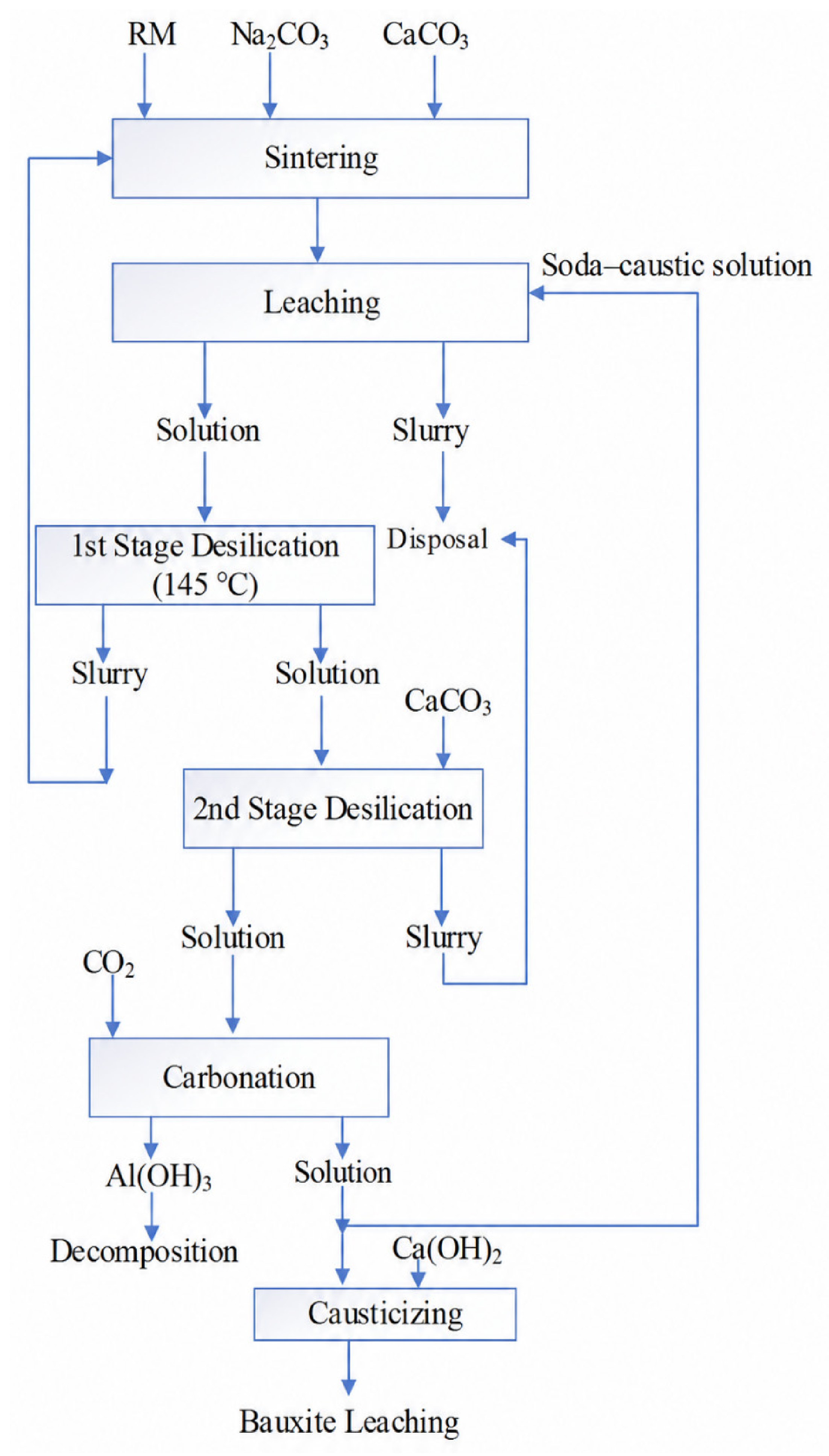
In the present study, the object of investigation was the aluminate solution obtained at the preceding technological stage by leaching the RM sinter. Thus, this study represents a logical continuation of the previously developed process flowsheet and focuses on the subsequent processing of the resulting aluminate solution (
Figure 1). Particular attention was paid to its deep purification from silica by two-stage desilication, followed by the precipitation of aluminum hydroxide via carbonization.
The experiments were conducted using a laboratory-prepared aluminate solution obtained by the authors at a previous stage of the study through leaching of RM sinter with a soda–alkaline solution. The RM sinter was a technogenic product of alumina production, while the aluminate solution had been prepared previously under laboratory conditions as part of the technological flowsheet under development [
14].
The chemical composition of the initial aluminate solution was as follows, g/dm3: 125 Na2Ocaust; 115 Na2Ocarb; 240 Na2Ototal; 34.25 Al2O3; 1.1 SiO2; 0.02 Ga2O3; and 0.045 V2O5; αk = 6 and μSi = 31.1.
Figure 1.
Process flowsheet for the carbonization treatment of RM sinter leach solutions.
Figure 1.
Process flowsheet for the carbonization treatment of RM sinter leach solutions.
After the first stage of desilication, an aluminate solution with the following composition was obtained, g/dm3: 110 Na2Ocaust; 115 Na2Ocarb; 225 Na2Ototal; 34.25 Al2O3; 0.3 SiO2; 0.02 Ga2O3; and 0.045 V2O5; αk = 6 and μSi = 114.1.
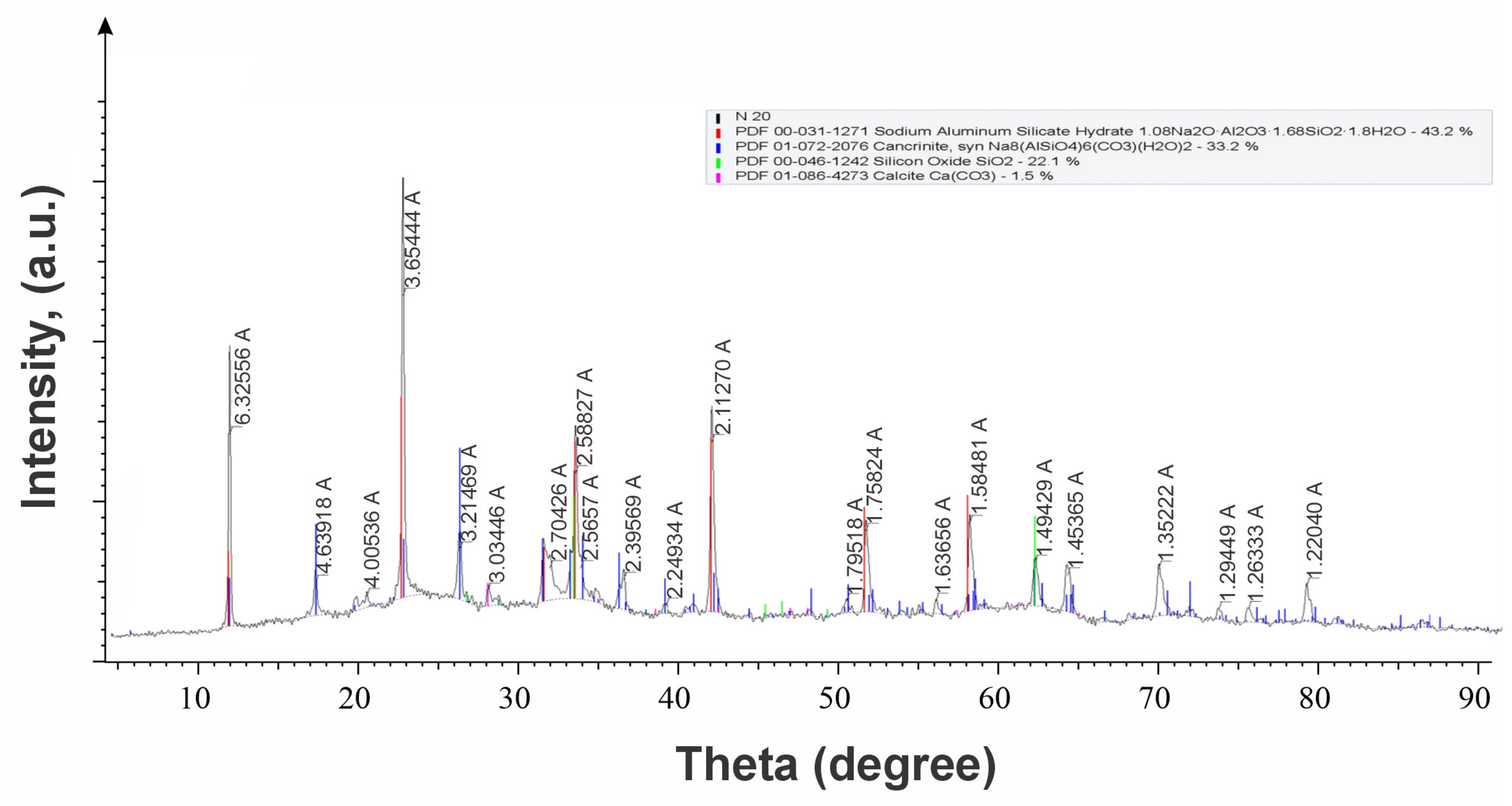
The X-ray diffraction pattern of the precipitate obtained during the first stage of desilication is shown in
Figure 2.
According to the obtained data, the first stage of high-temperature desilication produced a precipitate containing sodium hydroaluminosilicate and sodium hydroaluminosilicate carbonate. During the second stage, the addition of CaO further reduced the SiO2 concentration in the solution from 0.30 to 0.03 g/dm3. Unambiguous quantitative identification of the calcium-containing phases would require the assignment of the identified diffraction peaks and/or quantitative phase analysis, for example, by Rietveld refinement. Since such data were not available in the present dataset, the specific mechanism by which calcium-containing phases bind silicon cannot be considered experimentally confirmed in this study.
Figure 2.
X-ray diffraction pattern of the precipitate obtained during the first stage of desilication.
Figure 2.
X-ray diffraction pattern of the precipitate obtained during the first stage of desilication.
After the second desilication stage, an aluminate solution with the following composition was obtained (g/dm3): 125 Na2Ocaust, 115 Na2Ocarb, 240 Na2Ototal, 32.3 Al2O3, 0.03 SiO2, 0.019 Ga2O3, and 0.04 V2O5; αk = 6.3; μSi = 1076; and ρ = 1.35 g/cm3.
Changes in the composition of the aluminate solution at different processing stages are presented in
Table 1.
The Ca content in the liquid phase after CaO treatment was not determined in the original experimental dataset; therefore, it is not reported here. A separate analytical determination would be required to establish a complete calcium mass balance.
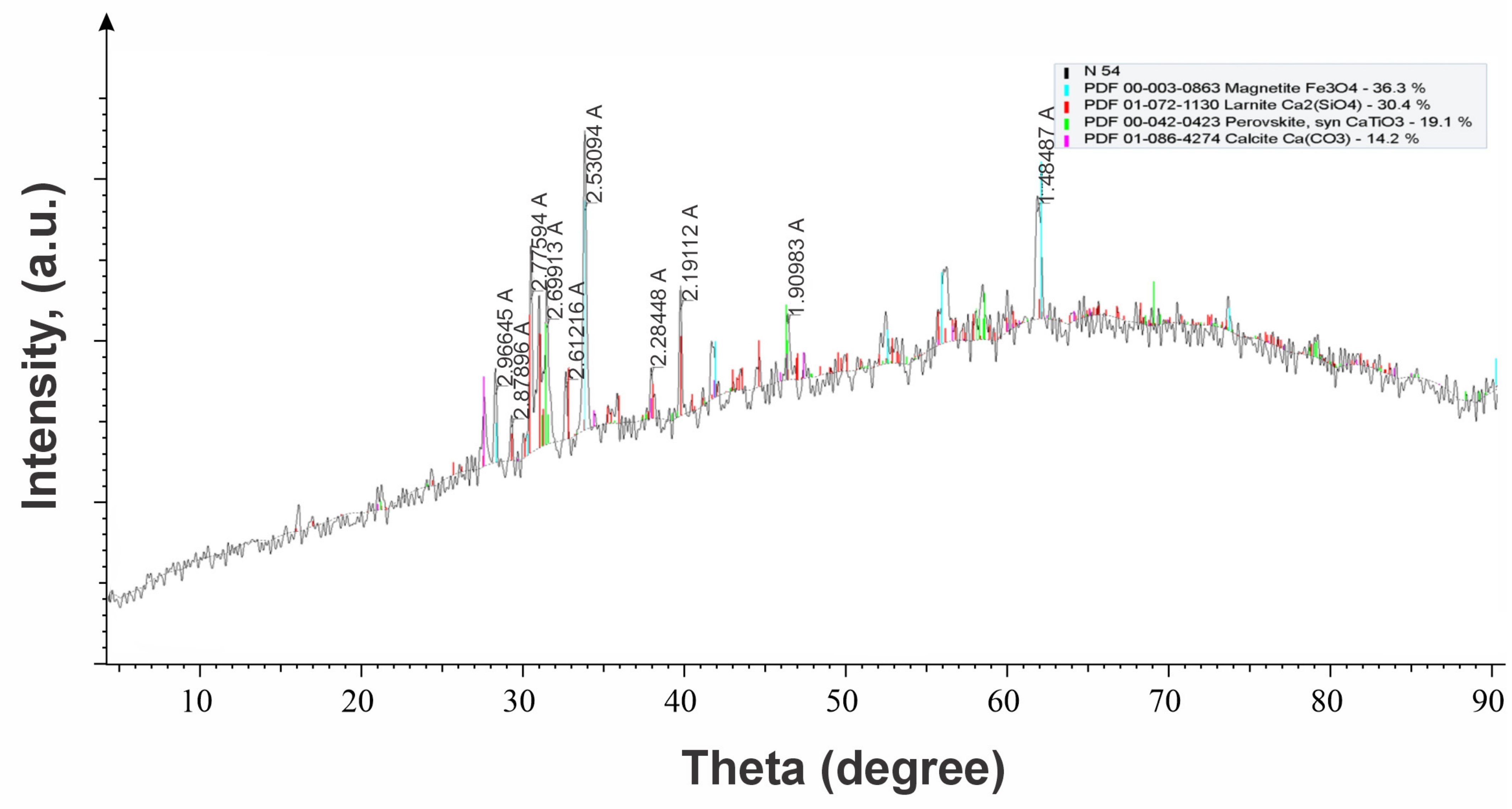
The X-ray diffraction analysis of the precipitate obtained after the second desilication stage is presented in
Figure 3.
Figure 3.
X-ray diffraction pattern of the precipitate obtained after the second desilication stage.
Figure 3.
X-ray diffraction pattern of the precipitate obtained after the second desilication stage.
Thus, as a result of the two-stage desilication process, the μSi increased from 31.1 to 1076, corresponding to an approximately 34.6-fold increase. This increase resulted from a decrease in the SiO2 concentration from 1.10 to 0.03 g/dm3, while the Al2O3 concentration decreased from 34.25 to 32.3 g/dm3.
The solution obtained after desilication was subsequently subjected to carbonation to precipitate aluminum hydroxide. Carbonation was continued until the residual Na2Ocaust concentration in the solution reached 10–20 g/dm3. To determine the rational carbonation conditions, experiments were conducted using solutions with densities ranging from 1.10 to 1.40 g/cm3, prepared by dilution or evaporation. The carbonation experiments were performed at temperatures ranging from 20 to 90 °C for 8 h, with CO2 gas supplied from a cylinder.
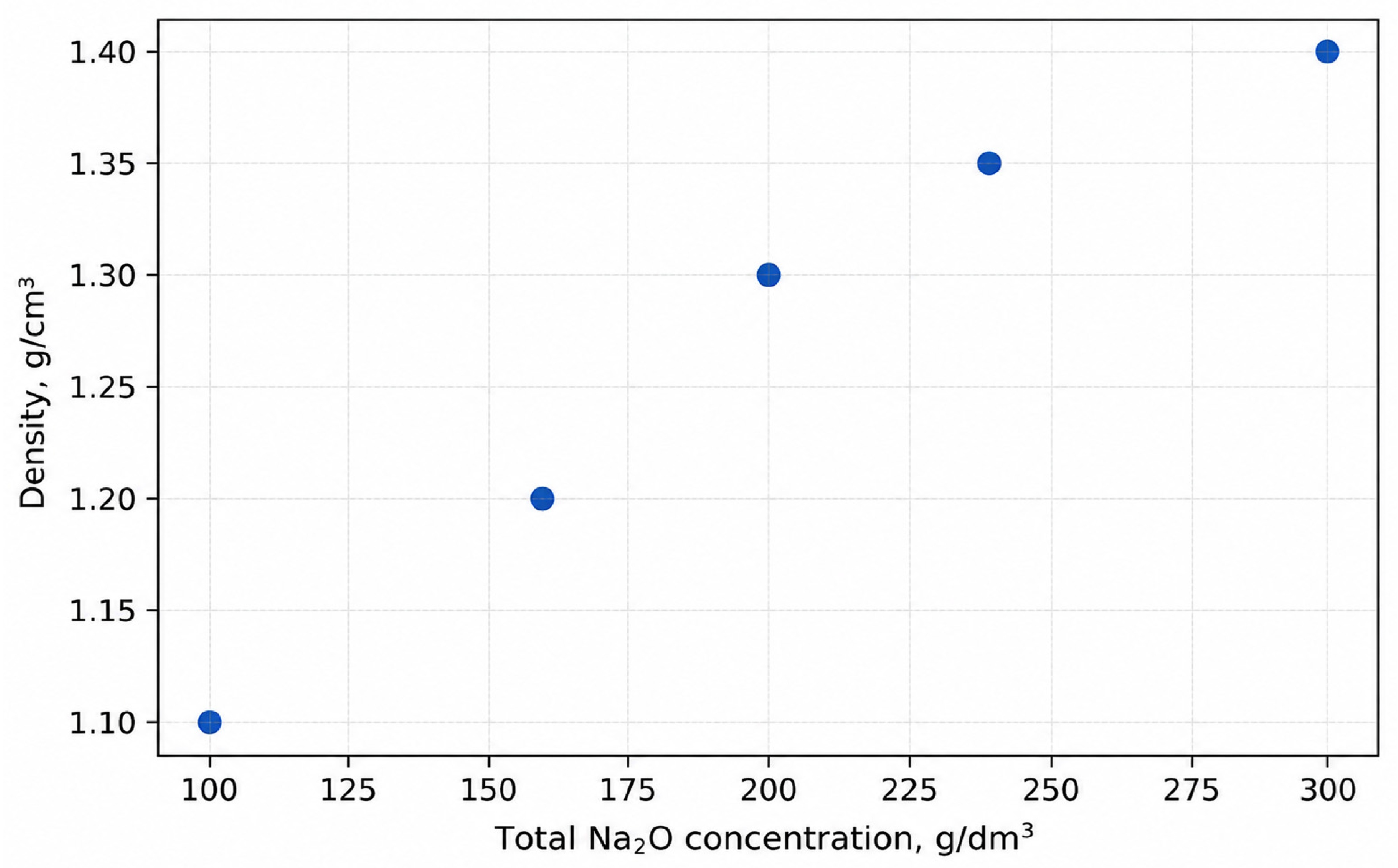
Figure 4 presents the experimentally measured relationship between the density of the soda–alkaline solution and the total Na
2O concentration: 100 g/dm
3—1.10 g/cm
3; 160 g/dm
3—1.20 g/cm
3; 200 g/dm
3—1.30 g/cm
3; 240 g/dm
3—1.35 g/cm
3; and 300 g/dm
3—1.40 g/cm
3. To avoid implying a calculated continuous relationship, the data are presented as discrete experimental points.
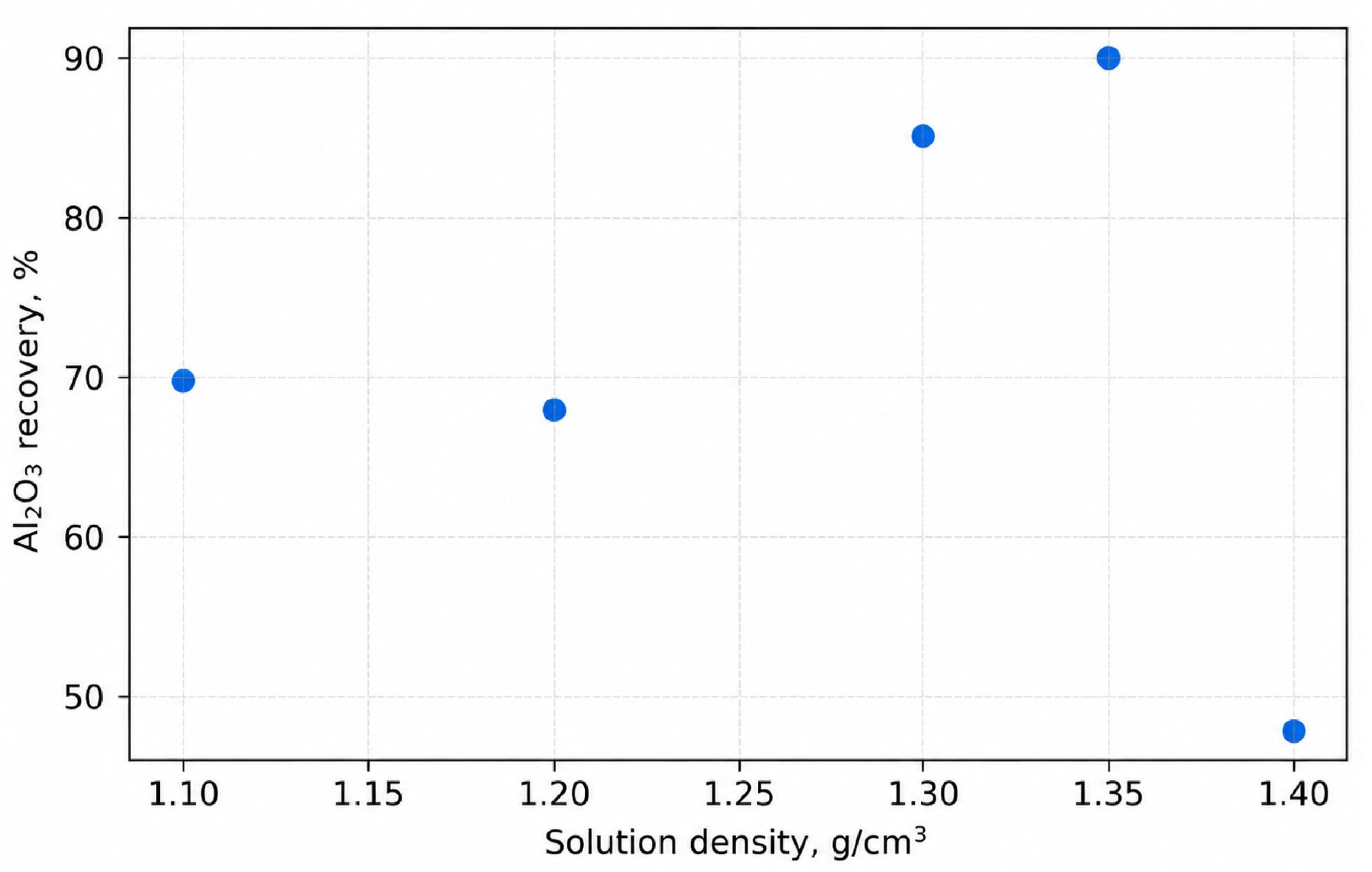
The effect of soda–alkaline solution density on Al
2O
3 recovery during carbonation was investigated at 90 °C (
Figure 5).
The obtained results show that increasing the solution density from 1.10 to 1.35 g/cm3 at 90 °C increased Al2O3 recovery from 69.7 to 90.1%. However, a further increase in solution density to 1.40 g/cm3 caused a sharp decrease in Al2O3 recovery to 47.9% and changed the predominant solid phase from Al(OH)3 to NaAlCO3(OH)2. These results demonstrate that the observed dependence is non-monotonic and is governed not only by the filtration properties of the slurry but also by the chemical state of the highly alkaline carbonate–aluminate system. At high total alkalinity and elevated concentrations of sodium carbonate species, conditions favor the stabilization of a sodium-containing hydroalumocarbonate phase, which competes with gibbsite precipitation and retains part of the aluminum in an alternative solid-phase form. Therefore, the solution-density range of 1.30–1.35 g/cm3 was considered rational, whereas a density of 1.40 g/cm3 was technologically unfavorable because it resulted in lower Al2O3 recovery, formation of NaAlCO3(OH)2, and poorer filtration behavior.
Figure 4.
Density of soda–alkaline solutions containing 50% caustic Na2O as a function of total Na2O concentration.
Figure 4.
Density of soda–alkaline solutions containing 50% caustic Na2O as a function of total Na2O concentration.
Figure 5.
Effect of soda–alkaline solution density on Al2O3 recovery during carbonation.
Figure 5.
Effect of soda–alkaline solution density on Al2O3 recovery during carbonation.
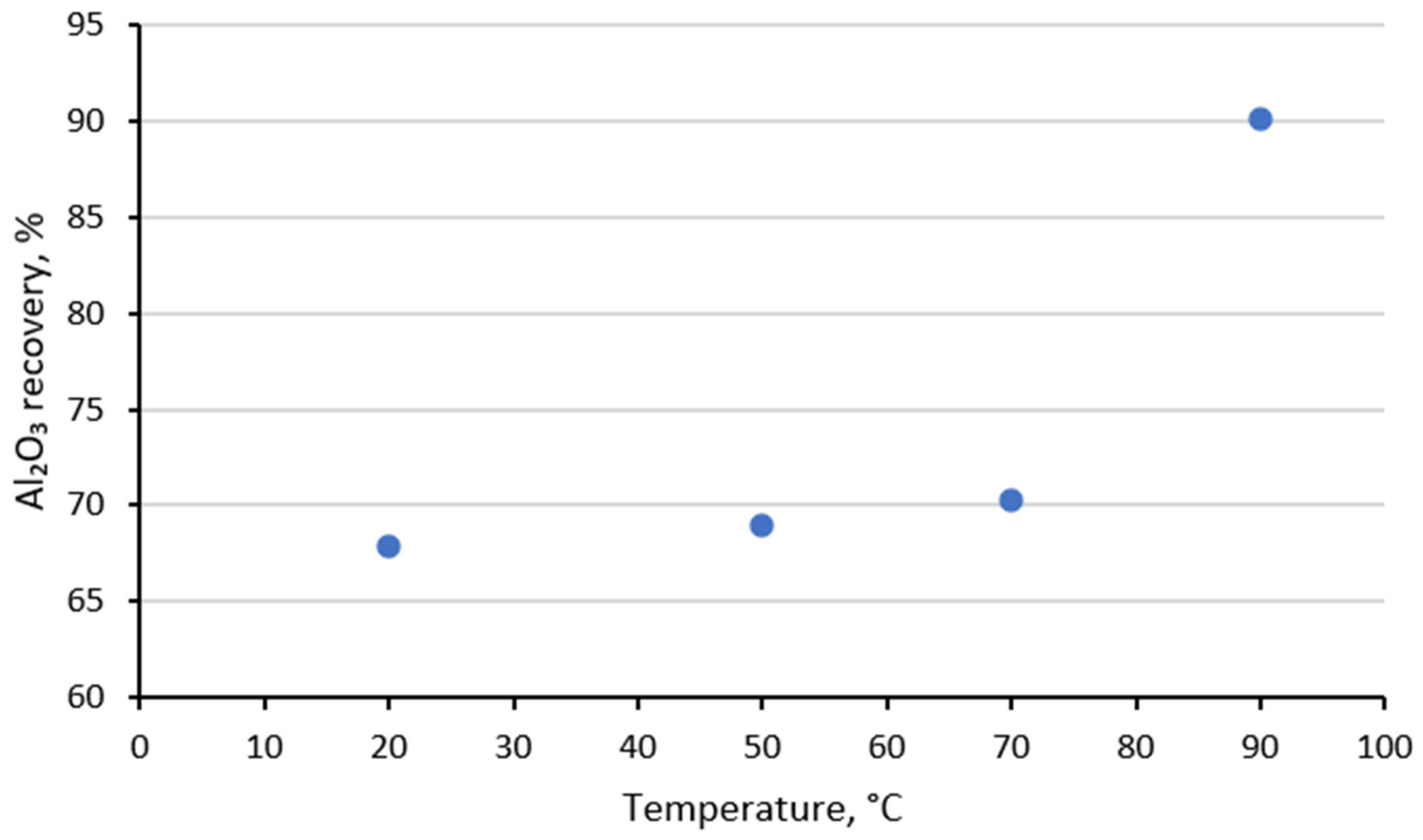
The effect of temperature on Al
2O
3 recovery during carbonation was investigated at a solution density of 1.35 g/cm
3 (
Figure 6).
Figure 6.
Effect of carbonation temperature on Al2O3 recovery at a solution density of 1.35 g/cm3.
Figure 6.
Effect of carbonation temperature on Al2O3 recovery at a solution density of 1.35 g/cm3.
The obtained relationship demonstrated that increasing the carbonation temperature had a positive effect on Al2O3 recovery.
The carbonation results as a function of temperature, solution density, and solution concentration are presented in
Table 2.
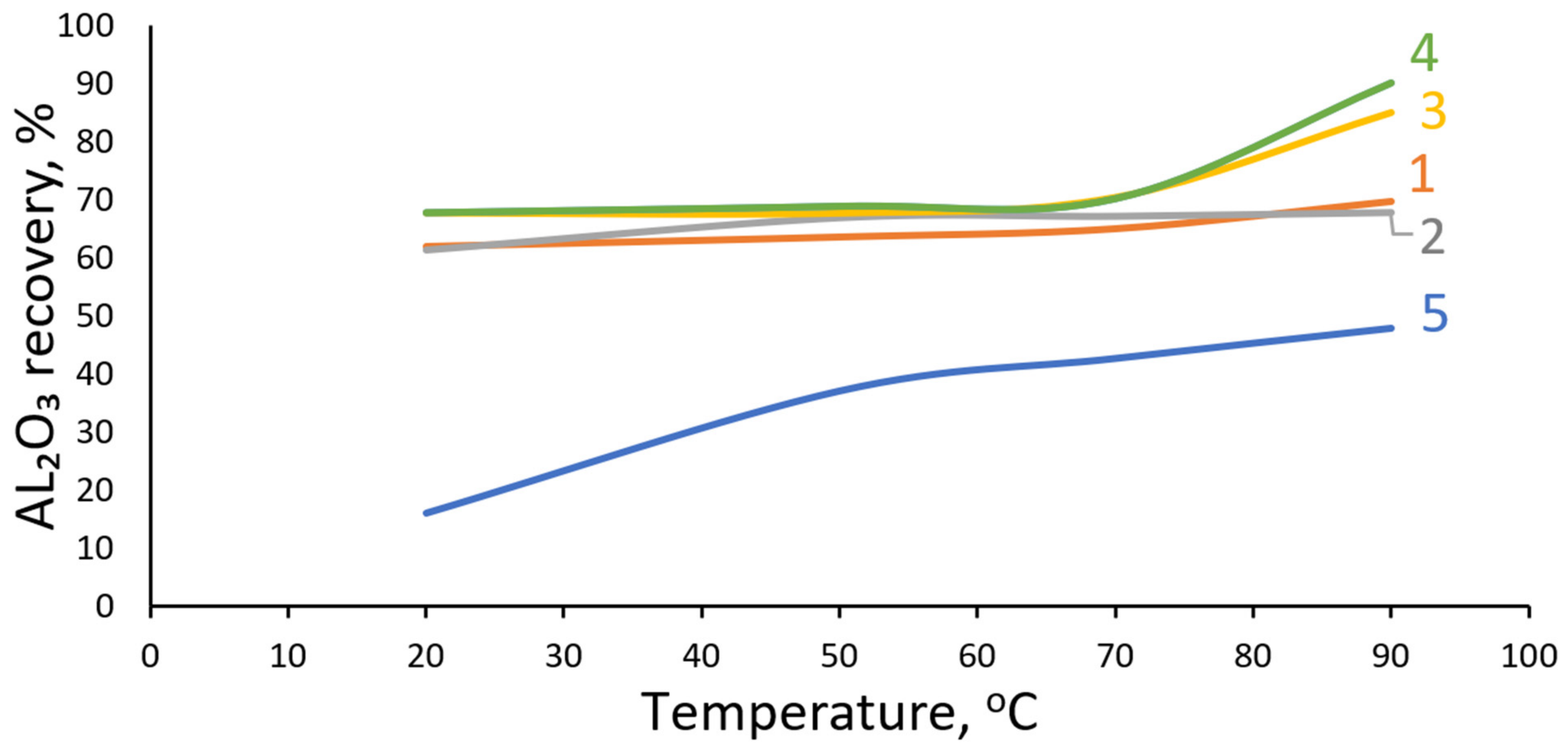
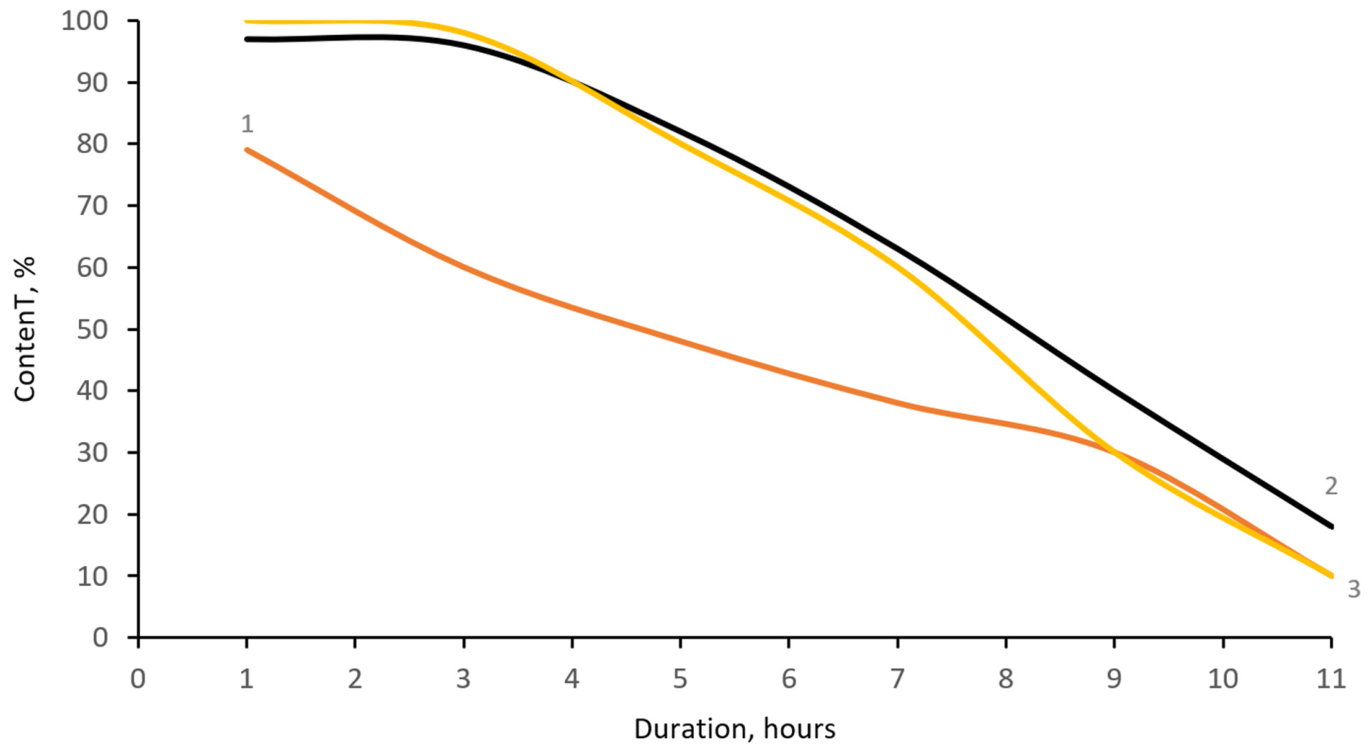
Figure 7 presents the kinetic curves of Al
2O
3 recovery into the precipitate during carbonization as a function of temperature and solution density.
Figure 7.
Al2O3 recovery into the precipitate during carbonization as a function of temperature and solution density, g/cm3: 1—1.10; 2—1.20; 3—1.30; 4—1.35; 5—1.40.
Figure 7.
Al2O3 recovery into the precipitate during carbonization as a function of temperature and solution density, g/cm3: 1—1.10; 2—1.20; 3—1.30; 4—1.35; 5—1.40.
Analysis of the time-dependent Al2O3 recovery profiles at different solution densities and carbonation temperatures showed that increasing the temperature generally enhanced Al2O3 recovery. The most pronounced effect was observed for the solution with a density of 1.35 g/cm3, for which Al2O3 recovery reached 90.1% at 90 °C. These data describe the evolution of the process over time but do not constitute an independent kinetic model, since neither rate constants nor kinetic model parameters were determined.
The rational operating conditions were selected based on the simultaneous fulfillment of three criteria: (i) maximization of Al2O3 recovery; (ii) formation of predominantly gibbsite Al(OH)3 without NaAlCO3(OH)2 becoming the major phase; and (iii) maintenance of acceptable slurry filterability. Based on these criteria, the following carbonation conditions were identified as rational:
-Soda–alkaline solution density: 1.30–1.35 g/cm3;
-Temperature: 90 °C;
-Residual Na2O_caust concentration: 10–12 g/dm3.
Under these conditions, aluminum hydroxide precipitated predominantly in the form of gibbsite.
Changes in the concentrations of the major solution components over time during carbonation of the soda–alkaline solution with a density of 1.35 g/cm
3 were investigated (
Figure 8).
Figure 8.
Changes in the concentrations of the major solution components over time during carbonation: 1—Na2Ocaustic, 2—Al2O3, 3—SiO2.
Figure 8.
Changes in the concentrations of the major solution components over time during carbonation: 1—Na2Ocaustic, 2—Al2O3, 3—SiO2.
During carbonation, the concentration of caustic alkali decreased steadily, whereas the aluminum concentration changed only slightly during the initial stage. As alkalinity continued to decrease and the stability of the aluminate solution declined, intensive aluminum precipitation occurred, accompanied by a decrease in the Al2O3 concentration in the liquid phase. At the same time, the SiO2 concentration also decreased, indicating the concurrent transfer of silica from the solution to the solid phase.
Under the optimal carbonization conditions, the degree of aluminum recovery into the precipitate as aluminum hydroxide reached 90%.
The chemical composition of the aluminum hydroxide was as follows: wt.%: Al2O3—65.37; Na2O—0.24; SiO2—0.02; Ga2O3—0.014; V2O5—0.05; other products (o.p.)—34.306.
The chemical composition of the aluminate solution after carbonization was as follows, g/dm3: Na2Ocaustic—12.5; Na2Ocarbonate—227.5; Na2Ototal—240; Al2O3—3.25; SiO2—0.02; Ga2O3—0.008; and V2O5—0.018.
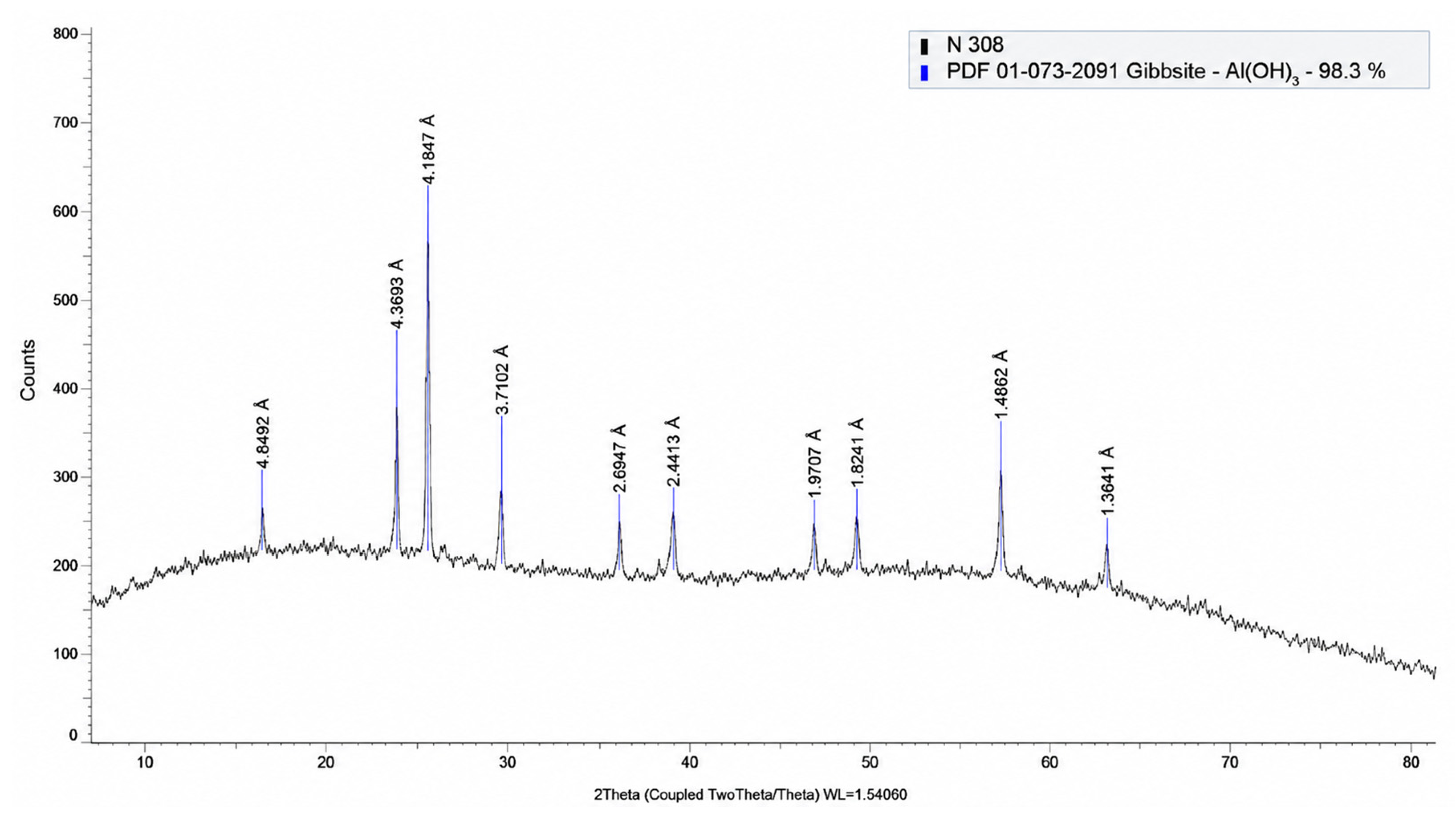
According to the X-ray diffraction analysis, the carbonization precipitate consisted of 98.3% gibbsite, Al(OH)
3 (
Figure 9).
Figure 9.
X-ray diffraction pattern of the carbonization precipitate.
Figure 9.
X-ray diffraction pattern of the carbonization precipitate.
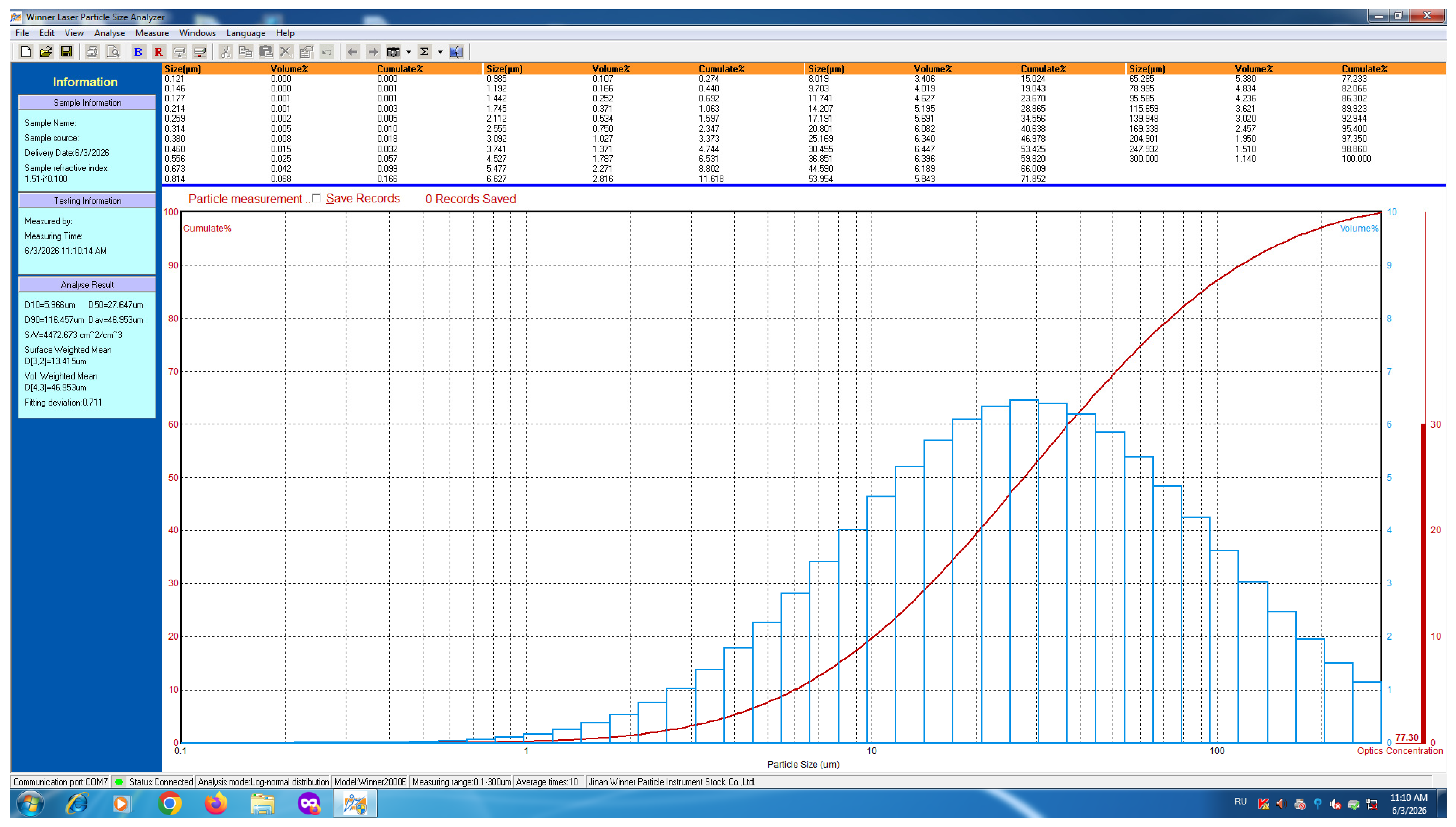
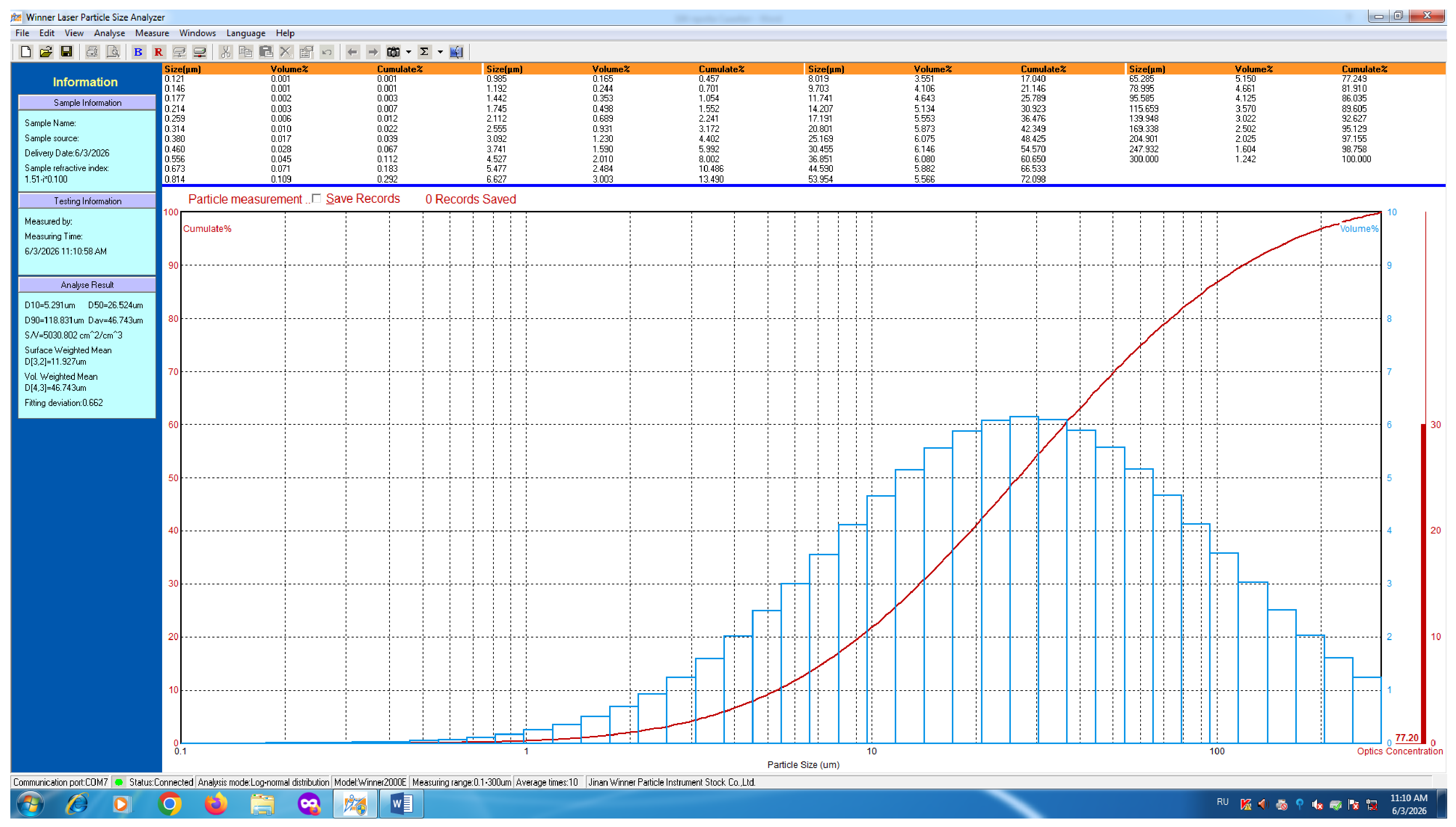
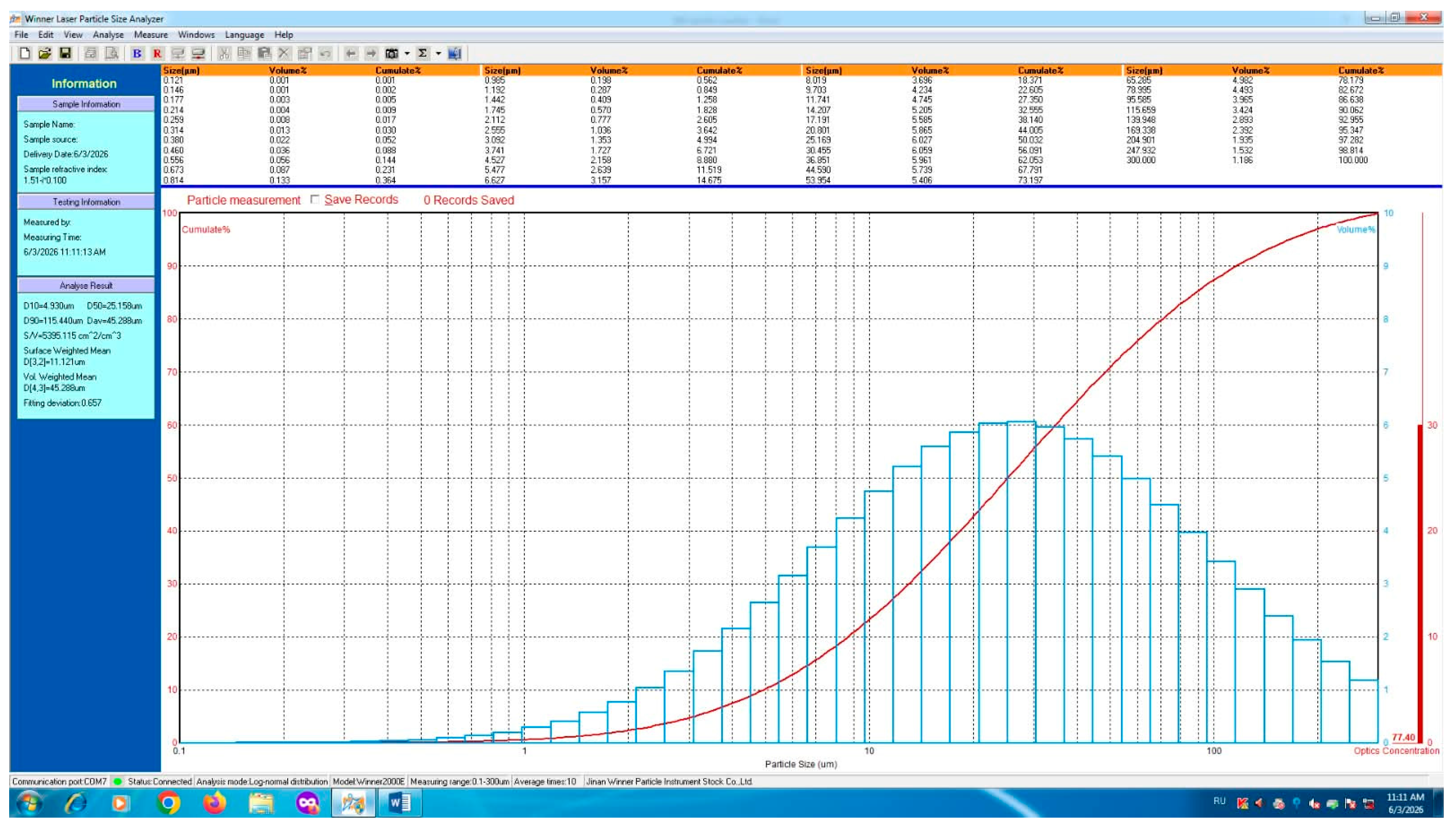
Based on three replicate measurements, the mean particle size of the obtained aluminum hydroxide was 46.328 μm, with individual values of 46.953, 46.743, and 45.288 μm. The variation among the measurements reflects the reproducibility of the mean particle-size determination. The mass fraction of the +45 μm size fraction, determined separately and reported in
Table 3, was 46%.
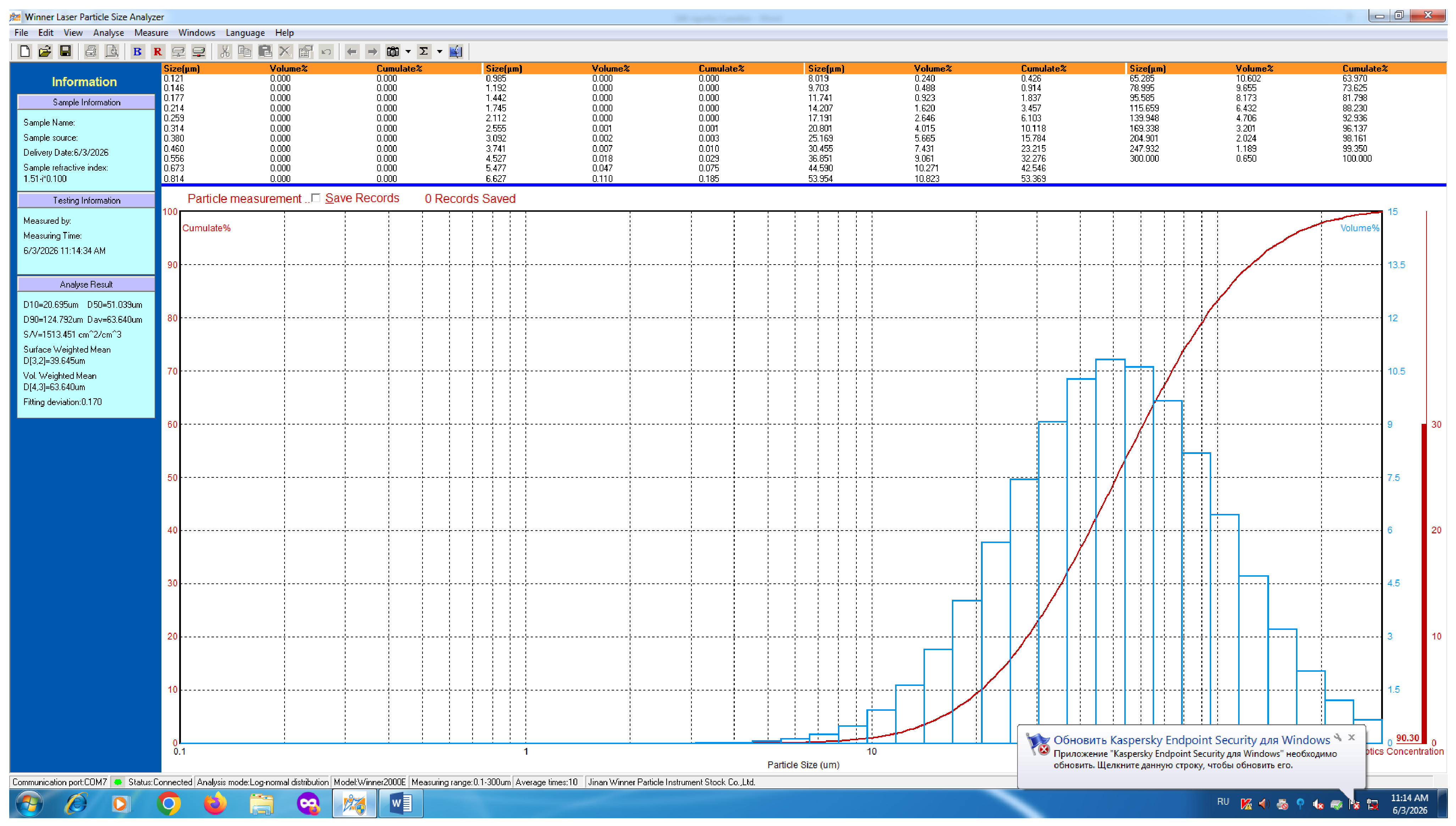
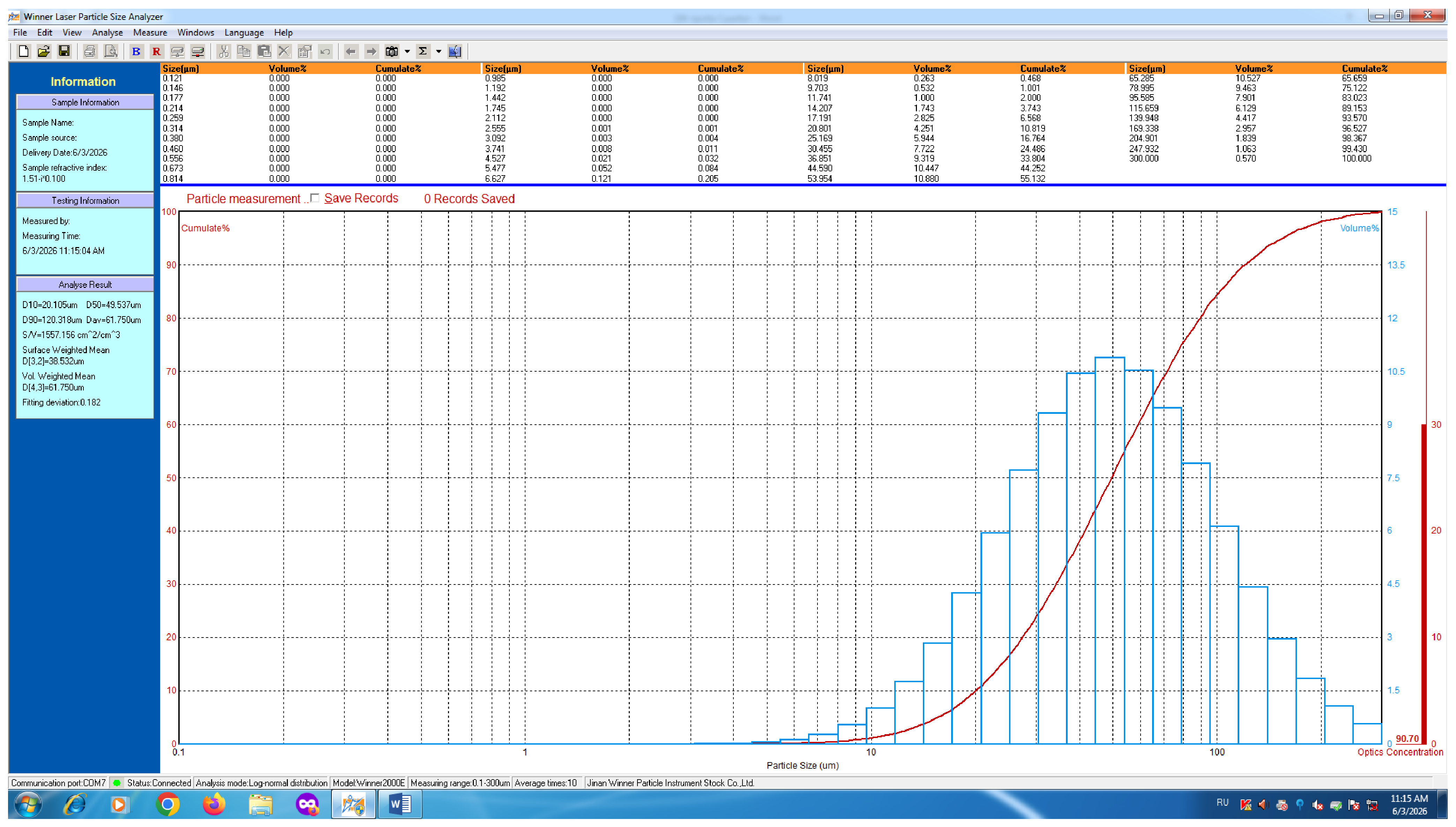
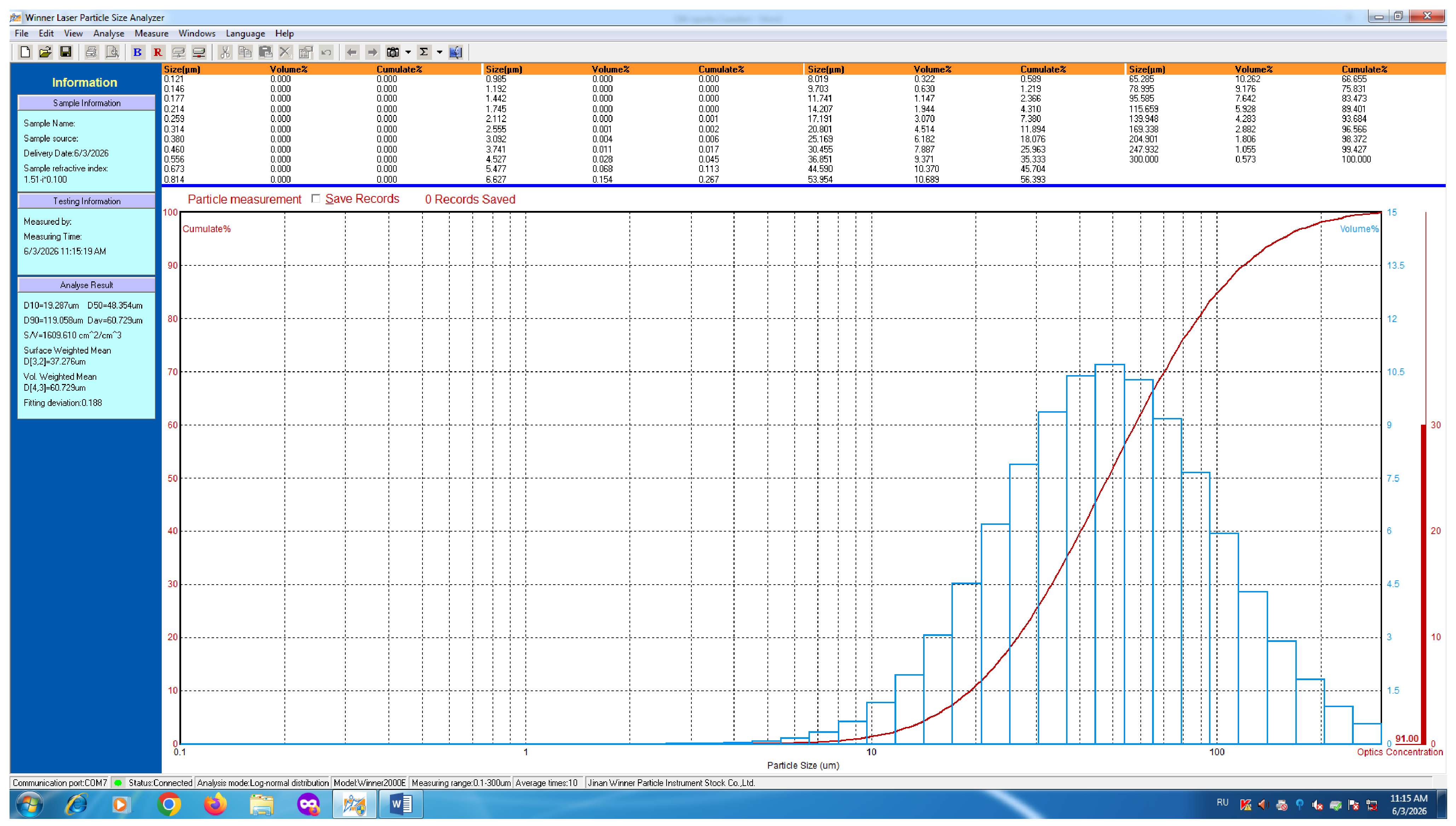
For comparison, the particle-size distribution of an industrial aluminum hydroxide sample obtained from the PAP was analyzed. Three replicate measurements were performed, and the results are presented in
Figure 13,
Figure 14 and
Figure 15.
Figure 10.
Particle-size distribution of the obtained aluminum hydroxide (average particle size: 46.953 μm).
Figure 10.
Particle-size distribution of the obtained aluminum hydroxide (average particle size: 46.953 μm).
Figure 11.
Particle-size distribution of the obtained aluminum hydroxide (average particle size: 46.743 μm).
Figure 11.
Particle-size distribution of the obtained aluminum hydroxide (average particle size: 46.743 μm).
Figure 12.
Particle-size distribution of the obtained aluminum hydroxide (average particle size: 45.288 μm).
Figure 12.
Particle-size distribution of the obtained aluminum hydroxide (average particle size: 45.288 μm).
Figure 13.
Particle-size distribution of aluminum hydroxide from the PAP (average particle size: 63.640 μm).
Figure 13.
Particle-size distribution of aluminum hydroxide from the PAP (average particle size: 63.640 μm).
Figure 14.
Particle-size distribution of aluminum hydroxide from the PAP (average particle size: 61.750 μm).
Figure 14.
Particle-size distribution of aluminum hydroxide from the PAP (average particle size: 61.750 μm).
Figure 15.
Particle-size distribution of aluminum hydroxide from the PAP (average particle size: 60.729 μm).
Figure 15.
Particle-size distribution of aluminum hydroxide from the PAP (average particle size: 60.729 μm).
Based on the results of the three measurements, the average particle size of the aluminum hydroxide produced by PAP was also calculated and found to be 62.03 μm, which is approximately 25% larger than that of the aluminum hydroxide obtained during the first stage of carbonization.
The comparative characteristics of the aluminum hydroxide currently produced by PAP and the aluminum hydroxide obtained in the present study are given in
Table 3.
The LOI of the obtained aluminum hydroxide was 34.3%. The high LOI value is attributed to the presence of chemically bound water in aluminum hydroxide, Al(OH)3. The obtained value is close to the theoretical mass loss associated with gibbsite dehydration (34.6%), confirming the high purity of the precipitate and agreeing well with the X-ray diffraction results, according to which the product consists of 98.3% gibbsite.
Carbonization resulted in the production of aluminum hydroxide whose main physicochemical characteristics are comparable to those of the industrial PAP sample. The angle of repose of the experimental product was 31°, compared with 33° for the industrial sample, indicating similar flow characteristics and satisfactory flowability of the material.
The main difference was observed in the particle-size distribution. The mean particle size of the obtained aluminum hydroxide was 46 μm, whereas that of the industrial sample from the PAP was 62 μm. The higher dispersity of the experimental product is an experimentally established characteristic; however, this feature alone does not demonstrate enhanced seeding activity. Such a conclusion would require separate decomposition experiments using equal dosages of the experimental and industrial seed materials, together with comparisons of precipitation rates, particle-size distributions, and product morphology.
It should be noted that the particle-size characteristics of the obtained product do not meet the requirements for aluminum hydroxide intended for metallurgical-grade alumina production: the preferred mean particle size should be at least 70 μm, while the fraction of particles smaller than 45 μm should not exceed 25%. The required particle size contributes to favorable flowability, improved alumina dissolution behavior in the electrolyte, and reduced dust formation. Therefore, the finer experimental product should be regarded not as a finished material for metallurgical-grade alumina production, but rather as an intermediate product requiring further particle growth to achieve the desired size characteristics.
The high phase purity of the precipitate, consisting of 98.3% gibbsite [Al(OH)3], combined with its low Na2O and SiO2 contents and relatively high dispersity, suggests that the obtained product may have potential as a seed material for the subsequent decomposition of aluminate solutions. However, its effectiveness as a seed material was not experimentally evaluated in the present study. Confirming this potential application would require comparative experiments with an industrial seed, determination of the specific surface area and particle morphology, and evaluation of the effect of seed dosage on the precipitation rate and particle-size distribution of the resulting Al(OH)3.




 ,
,