1. Introduction
With the global energy transition, offshore wind power has become a core pillar of renewable energy development. According to reports from the International Energy Agency (IEA), global power systems are undergoing major transformations [
1], and the Global Wind Energy Council (GWEC) predicts that offshore wind installations will continue to reach new record highs [
2]. However, offshore wind farms are subject to harsh geographic environments, resulting in extremely high costs for layout and power system optimization [
3]. Consequently, optimizing inspection paths to reduce operation and maintenance (O & M) costs has become a critical challenge. Regarding the application of Genetic Algorithms (GA), Peng et al. optimized inspection paths by combining GA with K-means [
4], while Zhang et al. proposed a modified GA for the topology optimization of wind farm collection systems [
5]. D. Chen further explored the broad application of improved GA in path planning [
6]. Furthermore, regarding algorithmic performance, Razali and Geraghty investigated the impact of different selection strategies on GA [
7], and Fu et al. successfully addressed the Traveling Salesman Problem (TSP) using an improved algorithm [
8].
Swarm intelligence algorithms have also demonstrated immense potential in path planning, particularly the Particle Swarm Optimization (PSO) introduced by Kennedy in 1995 [
9]. Mohemmed et al. proved the effectiveness of PSO in solving shortest path problems [
10], while Wu et al. applied an improved PSO to the path planning of Unmanned Combat Aerial Vehicles (UCAV) [
11]. Notably, the optimization logic of PSO offers cross-domain reference values; for example, M. Chen et al. applied it to the navigation optimization of medical service robots [
12]. To address complex environments, Han and Han integrated PSO with the Wolf Pack Algorithm (WPA) for ship path optimization [
13], and Y. Chen et al. conducted in-depth research on the applications of the WPA itself [
14].
In terms of multi-objective optimization and path balancing, Ant Colony Optimization (ACO) has been utilized to solve the balanced multiple TSP [
15]. Simulated Annealing (SA) provides diverse perspectives for path optimization through the integration of relative coordinates [
16] and its established theoretical and application frameworks [
17]. Recently, the Discrete Grey Wolf Optimizer (GWO) has achieved significant results in solving symmetric TSP [
18].
Recent advances in machine learning have also contributed to path planning and decision-making problems. Reinforcement learning (RL), in particular, has demonstrated promising capabilities in solving sequential optimization and routing problems under uncertain environments [
19,
20]. These approaches enable agents to learn adaptive navigation policies through interactions with dynamic environments, providing an alternative paradigm for intelligent route planning.
Despite the diversity of these algorithms, the actual execution of offshore wind turbine inspections in Taiwan must return to legal and practical constraints. According to the Labor Standards Act [
21] and the record of the 25th meeting of the Labor Standards Advisory Council [
22], personnel work arrangements must comply with safety and regulatory guidelines. This study combines geographic information system (GIS) coordinate data from the Taiwan Wind Power Office (TWPO) [
23] and refers to the domestic marine fuel historical prices provided by CPC, Taiwan [
24], to establish a path model that integrates geographic constraints, vessel fuel consumption, and labor costs. Through experimental verification, we focus on comparing the performance of PSO and GA in this specific scenario, which holds significant practical value for enhancing the O & M efficiency of offshore wind farms in Taiwan.
Although algorithms such as ACO, Simulated Annealing, Tabu Search, and Reinforcement Learning have also been applied to routing problems, PSO and GA were selected because they are among the most widely adopted metaheuristic algorithms in offshore maintenance optimization and provide a representative comparison between swarm intelligence and evolutionary search approaches.
Despite the extensive application of heuristic algorithms in path planning and offshore wind farm maintenance optimization, most existing studies primarily focus on minimizing travel distance or improving computational efficiency. Limited attention has been paid to integrating practical operational constraints, such as labor regulations, vessel fuel consumption, and varying sea-state conditions, into a unified decision-making framework. Furthermore, comparative studies evaluating the suitability of different optimization algorithms under both large-scale inspection and targeted maintenance scenarios remain relatively scarce.
Therefore, this study addresses these research gaps by developing an inspection route optimization framework tailored for offshore wind farm maintenance in Taiwan. The novelty and main contributions of this study are summarized as follows:
- (1)
A comprehensive cost evaluation model is established by integrating GIS-based turbine locations, vessel fuel consumption, sea-state conditions, and labor costs regulated by Taiwan’s Labor Standards Act.
- (2)
A comparative analysis of Particle Swarm Optimization (PSO) and Genetic Algorithm (GA) is conducted under two representative operational scenarios, including full-field routine inspections and targeted maintenance missions.
- (3)
A practical decision-support framework is developed to assist offshore wind farm operators in selecting suitable optimization strategies according to task scale and operational requirements.
Accordingly, the objectives of this study are as follows: (i) to develop a route optimization framework for offshore wind farm inspection and maintenance operations; (ii) to evaluate the performance differences between PSO and GA under different mission scenarios; and (iii) to identify the most cost-effective optimization strategy for improving offshore wind farm O & M efficiency.
2. Parameter Settings for Inspection Route Optimization
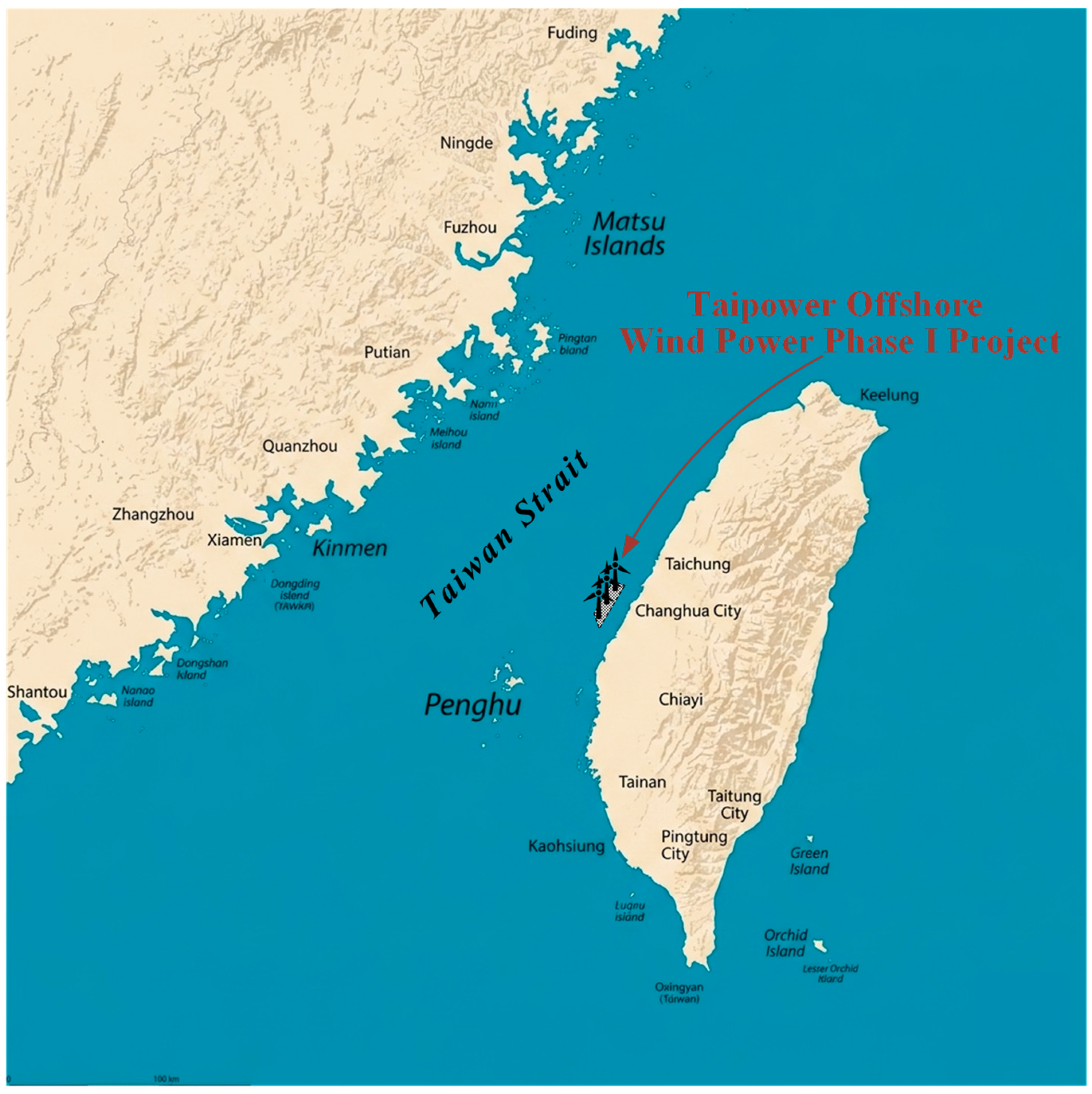
The inspection path optimization system developed in this study is designed to address the extreme and volatile sea conditions in the offshore waters of western Taiwan. As illustrated in
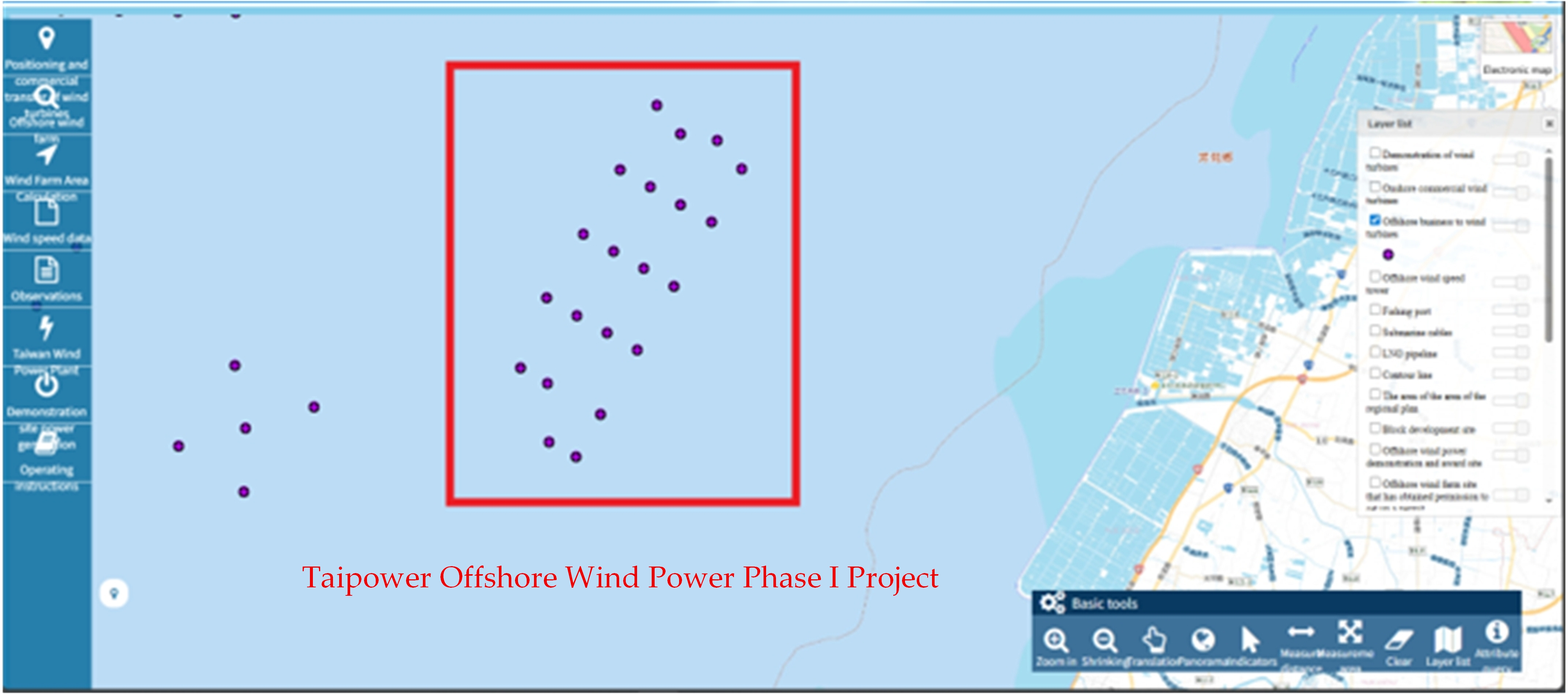
Figure 1, the Taipower Offshore Wind Power Phase I Project is situated in the offshore region of Changhua within the Taiwan Strait. This area is frequently disrupted by typhoons in the summer and subjected to powerful northeast monsoons in the winter. Such conditions lead to significant sea-state uncertainty, which severely constrains the operational windows for maintenance vessels. Consequently, this research establishes an automated decision-making framework that integrates Geographic Information System (GIS) spatial data with heuristic algorithms. This framework precisely transforms failure alerts detected by sensor systems into cost-effective execution routes.
The modeling foundation of this system is based on geographic data provided by the “Wind Power Information Integration Platform” of the Energy Administration, Ministry of Economic Affairs. It aggregates the coordinates and relative distances of 21 wind turbines within the Taipower Offshore Wind Power Phase I Project in Changhua County (as shown in
Figure 2). Knowing the precise locations of turbines within the field is critical for constructing the spatial distance matrix, avoiding redundant travel, and enhancing inspection efficiency. These geographic coordinates not only define the fundamental physical paths of the inspection but also serve as the core parameters for calculating path costs within the fitness function. Detailed latitude and longitude coordinates of the wind turbines are presented in
Table 1.
2.1. Experimental Flow, Task Scenarios, and Algorithm Application
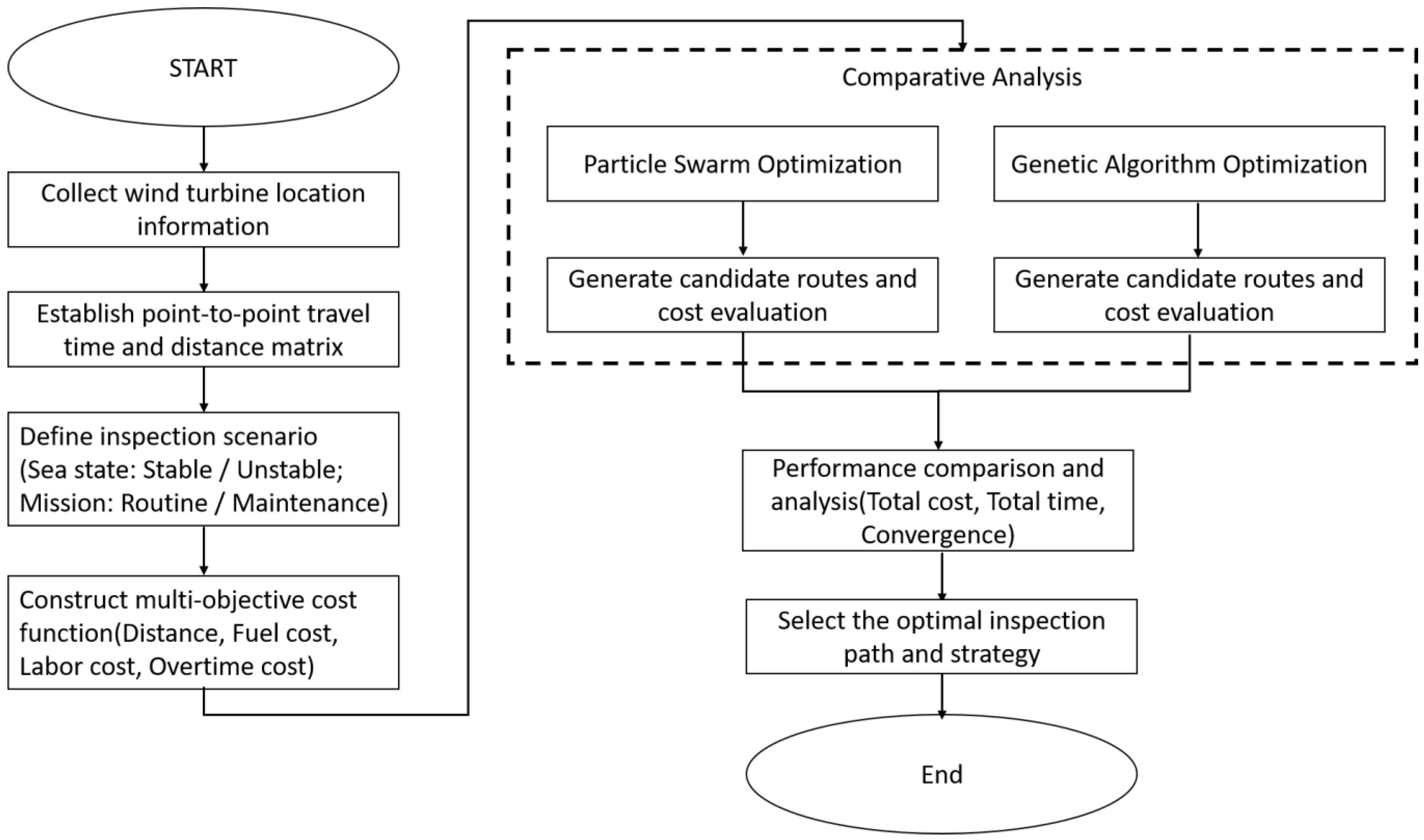
The overall decision-making architecture of this study is illustrated in
Figure 3. The experimental procedure is categorized into three core phases: geographic data processing, dynamic scenario configuration, and heuristic algorithm optimization, ensuring that path planning precisely addresses the complex environments of western Taiwan’s offshore waters. At the system’s onset, wind turbine coordinates from the Taipower Offshore Wind Power Phase I Project are imported via GIS, while real-time maritime data (e.g., wave height, wind speed) are integrated as environmental constraints. Based on the impact of sea states on vessel dispatch, the scenarios are defined as “stable” and “unstable.” Under stable conditions, the vessel maintains a standard full speed of 26 knots (approx. 48.152 km/h); under unstable conditions, speed is halved to 13 knots (approx. 24.076 km/h) for navigational safety.
To align the optimization with practical O & M requirements, inspection tasks are further subdivided into “Routine Inspection” and “Maintenance.” Routine inspection requires visiting all 21 turbines and is modeled as a classic Traveling Salesman Problem (TSP). The assumed stay duration of 20 min per turbine was determined based on consultations with experienced offshore wind farm operation and maintenance (O & M) personnel and current industry practice. During routine inspections, technicians primarily perform visual inspections, operational status verification, meter readings, and supervisory monitoring checks rather than detailed maintenance or repair activities. Therefore, a 20-min service duration was considered representative of routine inspection operations.
Maintenance tasks focus on turbines with sensor-detected failure alerts and involve fault diagnosis, troubleshooting, and repair activities. Consequently, a longer stay duration of 90 min per turbine was adopted for maintenance scenarios. For these four scenarios (the intersection of two sea states and two task types), a multi-objective fitness function was constructed using Equations (1)–(4)—incorporating fuel consumption, technician salaries, and overtime—to evaluate path quality.
Regarding algorithmic optimization, Particle Swarm Optimization (PSO) and Genetic Algorithms (GA) were employed for parallel solving and comparative analysis. The optimization algorithms were implemented and coded using MATLAB R2023a (MathWorks, Natick, MA, USA). PSO utilizes social experience sharing and swarm intelligence to find the minimum-cost path, while GA ensures evolutionary diversity through selection, crossover, and mutation operators to avoid local optima under complex constraints. By comparing convergence speed, stability, and cost-reduction efficiency across different iterations, the system dynamically adjusts parameters based on task urgency and environmental risk, ultimately outputting optimized navigational sequences with high practical and economic value.
2.2. Cost Calculation
This study focuses on the Taipower Offshore Wind Power Phase I Project in Changhua County, recording the actual positions and relative distribution of its 21 wind turbines, as illustrated in
Figure 2. Particle Swarm Optimization (PSO) and Genetic Algorithms (GA) were used to analyze and optimize the minimum travel time and the optimal inspection paths. Based on the calculated path distances and durations, personnel salaries and vessel fuel costs were estimated. Specifically, salary calculations were conducted in accordance with Taiwan’s Labor Standards Act. The overall cost evaluation model was implemented following the logic defined in Equations (1)–(4). The basis for calculating each cost component is described as follows:
2.2.1. Labor Costs and Overtime Compensation
In estimating labor costs, this study strictly adheres to the principles and regulations of the Taiwan Labor Standards Act to ensure that O & M decisions comply with local operational legal constraints. The basic labor salary cost () is based on the number of employees () and the monthly salary per person (), and dynamically calculates the total actual working hours for the task. Number of personnel assigned to the experiment (). For four people, the base monthly salary for each technician () NT $40,000, based on the standard monthly working hours (), 168 h is used as the basis for calculating the hourly wage.
2.2.2. Vessel Fuel Costs ()
Total fuel cost is () represents another major variable cost in offshore wind O & M, and its calculation accuracy depends on the vessel’s physical performance and energy prices. Referring to current offshore wind operational standards and relevant technical literature, this study selects a Crew Transfer Vessel (CTV) as the simulation platform. The cruising speed () is set at 26 knots (approximately 48.152 km/h) under calm sea states and 13 knots (approximately 24.076 km/h) under rough sea states, with the propulsion system’s hourly fuel consumption rate () set at 500 L/h.
Regarding the fuel unit price (
), this study uses the domestic marine fuel oil (MF-380) price announced by CPC (CPC), Taiwan, as the benchmark. To ensure the experiment’s contemporary relevance, historical price data from 19 May 2025 were used for calculations, with detailed parameters presented in
Table 2. The fuel unit price (
) is set at NT
$17.452 per liter. Finally, the fuel cost is calculated based on vessel navigation time derived from the total travel distance (
) and vessel speed. (
).
By summing the labor and fuel expenditures, the total O & M cost for a single mission (
) is obtained. Through this rigorous parametric model, the system visualizes abstract algorithmic iterations into maintenance budget analyses that align with current market conditions. The calculation interface is illustrated in
Table 3.
3. Research Methodology
As offshore wind farms scale, the growing number of turbines and the complexity of their spatial distribution pose significant logistical challenges for O & M inspections. Periodic inspection is a core measure to ensure equipment stability and power generation efficiency. However, traditional manual scheduling methods often struggle to generate economically viable decisions under fluctuating maritime conditions for large-scale wind farms. Therefore, this study formulates the inspection path optimization problem as a TSP—a classic combinatorial optimization problem in operations research—seeking the shortest route among multiple checkpoints to minimize time and energy costs.
To solve this NP-hard problem, the primary challenge is avoiding redundant paths and inefficient detours. Rather than employing traditional exact algorithms, this research concurrently implements two robust heuristic algorithms: PSO and GA, to evaluate their planning performance across various O & M tasks.
The experimental logic of this study aims to enable the inspection vessel to traverse target equipment in the shortest time under complex maritime constraints through algorithmic optimization. Based on two common task types in offshore wind farms—“Routine Full-field Patrols” and “Specific Turbine Maintenance”—the algorithms generate paths according to the number of targets (multi-target vs. few-target). PSO, through its group intelligence and information-sharing mechanism, and GA, through its biologically inspired genetic operators, both use the cost model defined in
Section 2.2 as the fitness evaluation criterion to provide economically efficient decision support for wind farm O & M.
3.1. Particle Swarm Optimization (PSO)
The PSO algorithm, proposed by Kennedy and Eberhart in 1995, is inspired by the collective behavior of bird flocks and fish schools as they search for food. It has since been widely applied to various engineering optimization problems. The core concept of this algorithm is to simulate particle movement within a search space to find an optimal solution. In this model, each particle represents a potential inspection path solution and is characterized by key parameters such as position and velocity. The system dynamically evaluates the fitness (i.e., path execution cost) of each particle and adjusts its movement direction and distance based on its personal best
experience and the current global best
result of the swarm. Through continuous iteration and updates, the swarm progressively converges toward the global optimum. The update rules are defined in Equations (5) and (6)
In the aforementioned equations, denotes the velocity of the -th particle during the -th iteration, while represents the updated velocity for the subsequent time step and direction. is the inertia weight used to balance the global search and local exploitation capabilities of the algorithm. and are the cognitive and social coefficients, respectively, which control the weighting of the particle’s learning from its own experience versus the swarm’s collective experience. represents random values between 0 and 1, providing the necessary perturbations during the search process to avoid falling into local optima. denotes the individual’s best position found by the -th particle up to the current iteration, while is the global best position discovered by the entire swarm. is the current coordinate position of the particle, and represents the new position to which the particle moves according to the updated velocity.
3.2. Genetic Algorithm (GA)
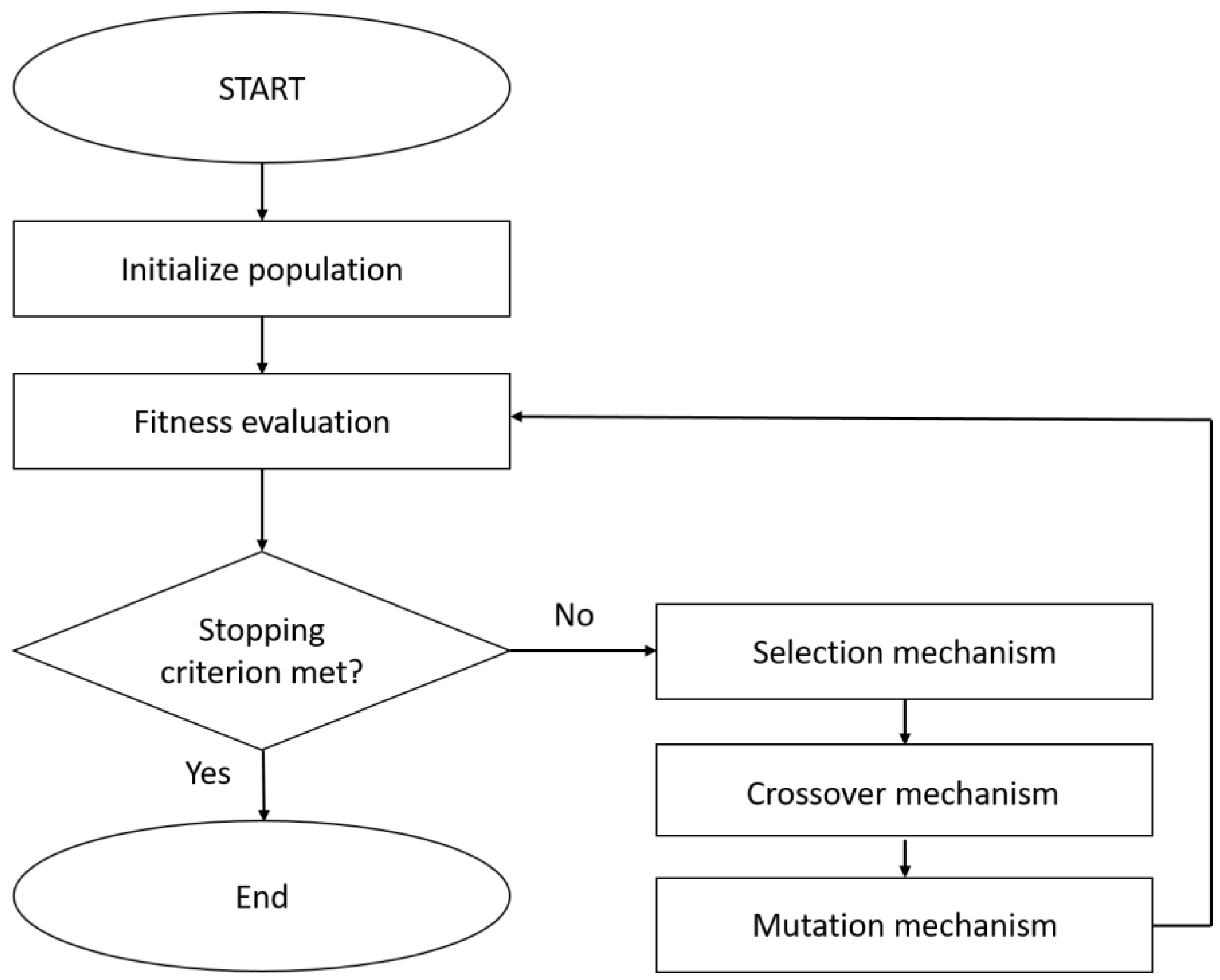
In 1975, John Holland proposed a heuristic method known as the GA, inspired by Charles Darwin’s theories of “survival of the fittest” and “natural selection” presented in On the Origin of Species in 1859. The GA primarily solves optimization problems by simulating evolutionary mechanisms. Its fundamental concept is that a population consists of individuals, each representing a potential inspection path solution composed of multiple genes (representing wind turbine IDs). Since each individual encodes complete routing information, the sequence within an individual can be viewed as a chromosome representing a specific inspection order. The basic execution flow of the GA is illustrated in
Figure 4.
Initially, the system randomly generates multiple sets of inspection schemes as an initial population, and each scheme’s fitness is evaluated using the cost model established in
Section 2.2. Under this mechanism, paths with lower inspection costs yield higher fitness values, thereby conferring a survival advantage for transmission to the next generation.
Subsequently, the algorithm enters the critical evolutionary phase. First, the Selection operator ensures that high-fitness individuals have a greater probability of being retained. This is followed by the Crossover mechanism, which exchanges path segments from parent individuals to combine potential new inspection sequences. To prevent the search process from converging toward local optima, a Mutation mechanism is incorporated, randomly swapping turbine sequences with a low probability to inject diversity into the population. Through this repetitive iterative evolution, the most economically efficient optimal inspection route is ultimately selected.
3.3. Parameter Settings
To improve the reproducibility of the proposed optimization framework, fixed parameter settings were adopted for both the Particle Swarm Optimization (PSO) and Genetic Algorithm (GA) throughout all experiments. The parameters were determined based on the original algorithm implementations and preliminary testing. Using consistent parameter configurations ensures a fair comparison between the two algorithms under identical operational scenarios. The detailed parameter settings are summarized in
Table 4.
For PSO, the maximum number of iterations was set to 500 to ensure sufficient convergence of the particle swarm. For GA, the maximum number of generations was set to 50, which was found to provide stable solutions during preliminary testing. The optimization process was terminated when the predefined maximum iteration or generation limit was reached.
In the GA implementation, Roulette-Wheel Selection, Circular-Shift Crossover, and Swap Mutation were adopted to maintain population diversity and generate feasible routing solutions. These operators help balance exploration and exploitation during the search process and improve the effectiveness of route optimization.
To reduce the influence of randomness inherent in metaheuristic algorithms, both PSO and GA were independently executed multiple times under identical parameter settings for each experimental scenario. The results reported in this study correspond to the best solutions obtained from these repeated runs. The observed performance trends were consistent across the repeated experiments, indicating the robustness of the proposed optimization framework.
4. Experimental Results
This study uses 21 wind turbines from the Taipower Offshore Wind Power Phase I Project in Changhua as the experimental subjects, with Coordinate Point 1 designated as the inspection starting point. The experiments are divided into two major mission scenarios: “Full-field Patrol” and “Partial Maintenance.” In the “Full-field Patrol,” the operation time for each turbine is 20 min; in “Partial Maintenance,” which targets eight specific turbines, the operation time is extended to 90 min. In addition to navigation distance, the economic cost model developed in this study integrates labor overtime costs based on the Taiwan Labor Standards Act and vessel fuel costs.
4.1. Results of the Particle Swarm Optimization
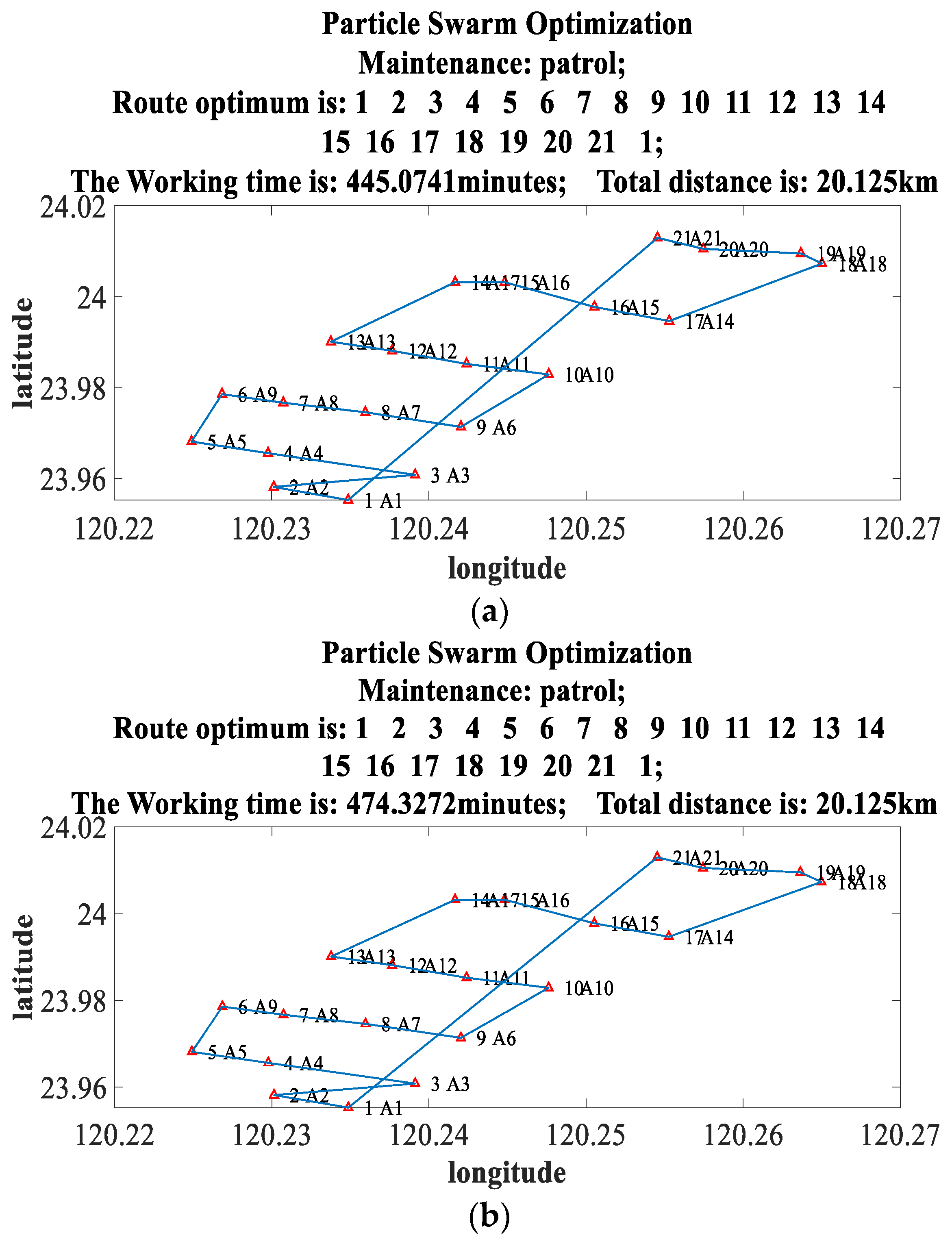
The simulation results for the four tasks are as follows: Under favorable maritime conditions, the inspection route for all 21 turbines in the wind farm was planned using the particle swarm optimization (PSO) algorithm, as shown in
Figure 5a. For the same full-field patrol task under adverse maritime conditions, the optimization result is presented in
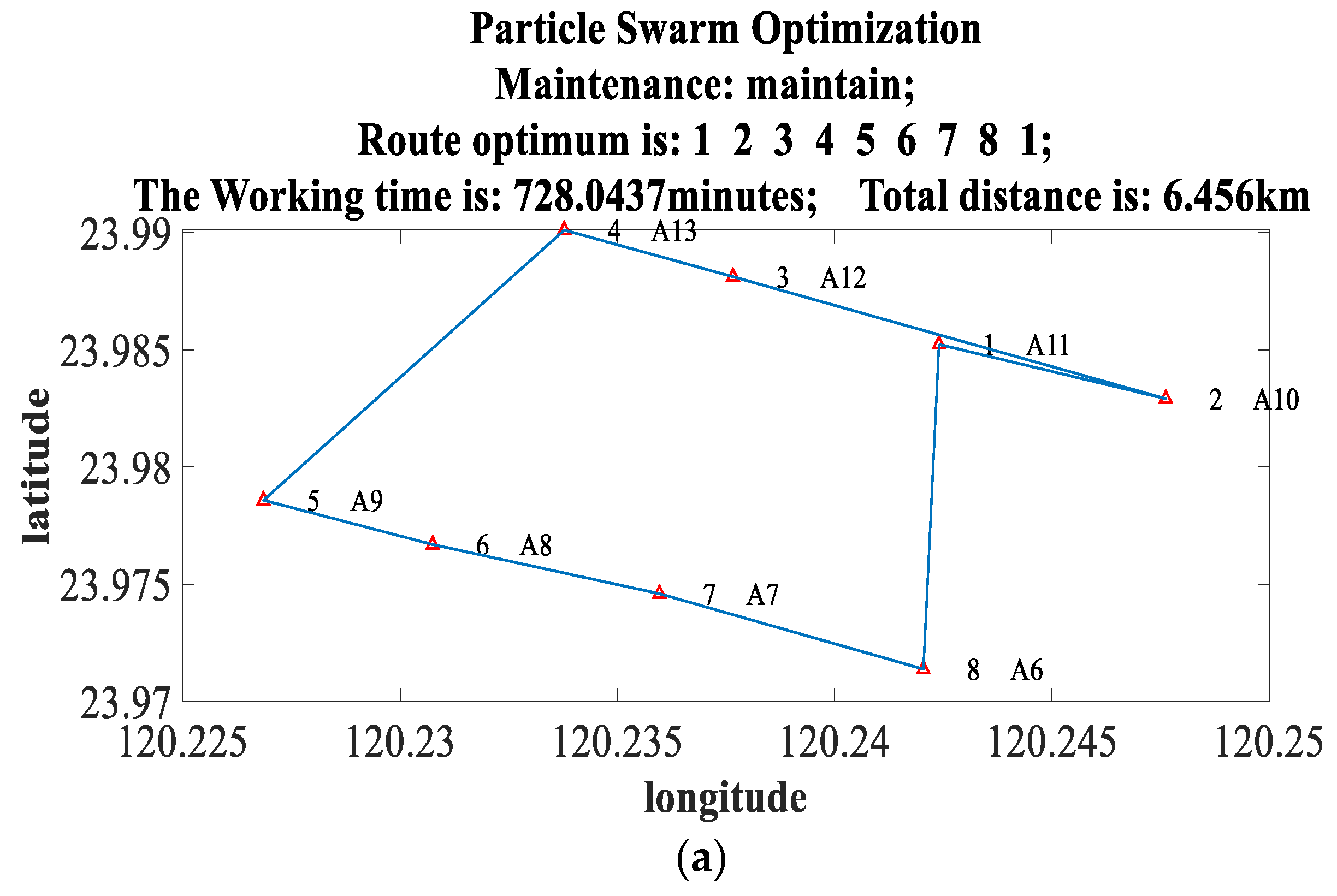
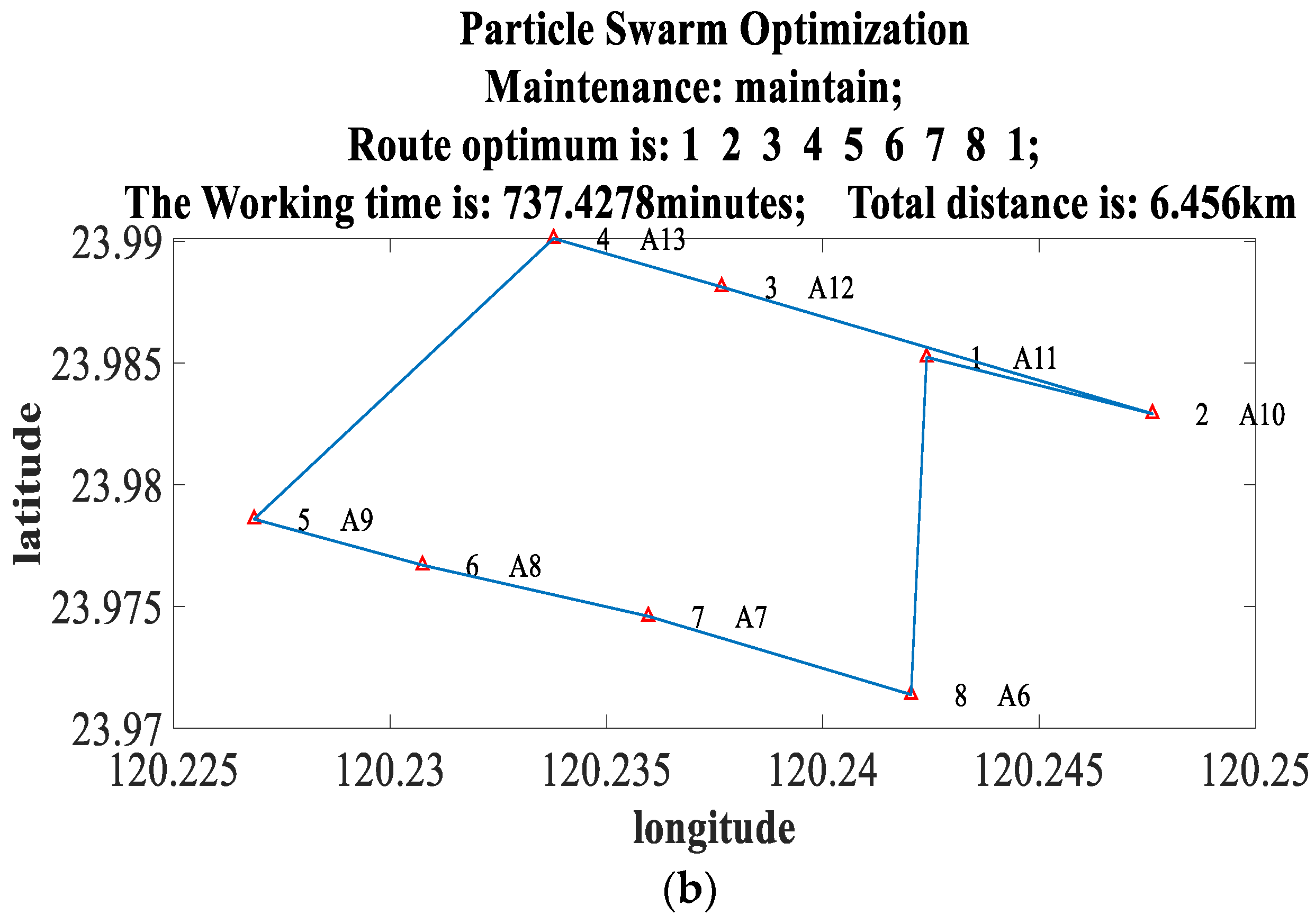
Figure 5b. If maintenance is performed on only a subset of turbines starting from point A11, the path planning generated under stable sea conditions is shown in
Figure 6a, while the corresponding result under adverse weather is illustrated in
Figure 6b. These figures illustrate the optimal inspection paths generated by the algorithm under various scenarios.
4.2. Results of the Genetic Algorithm
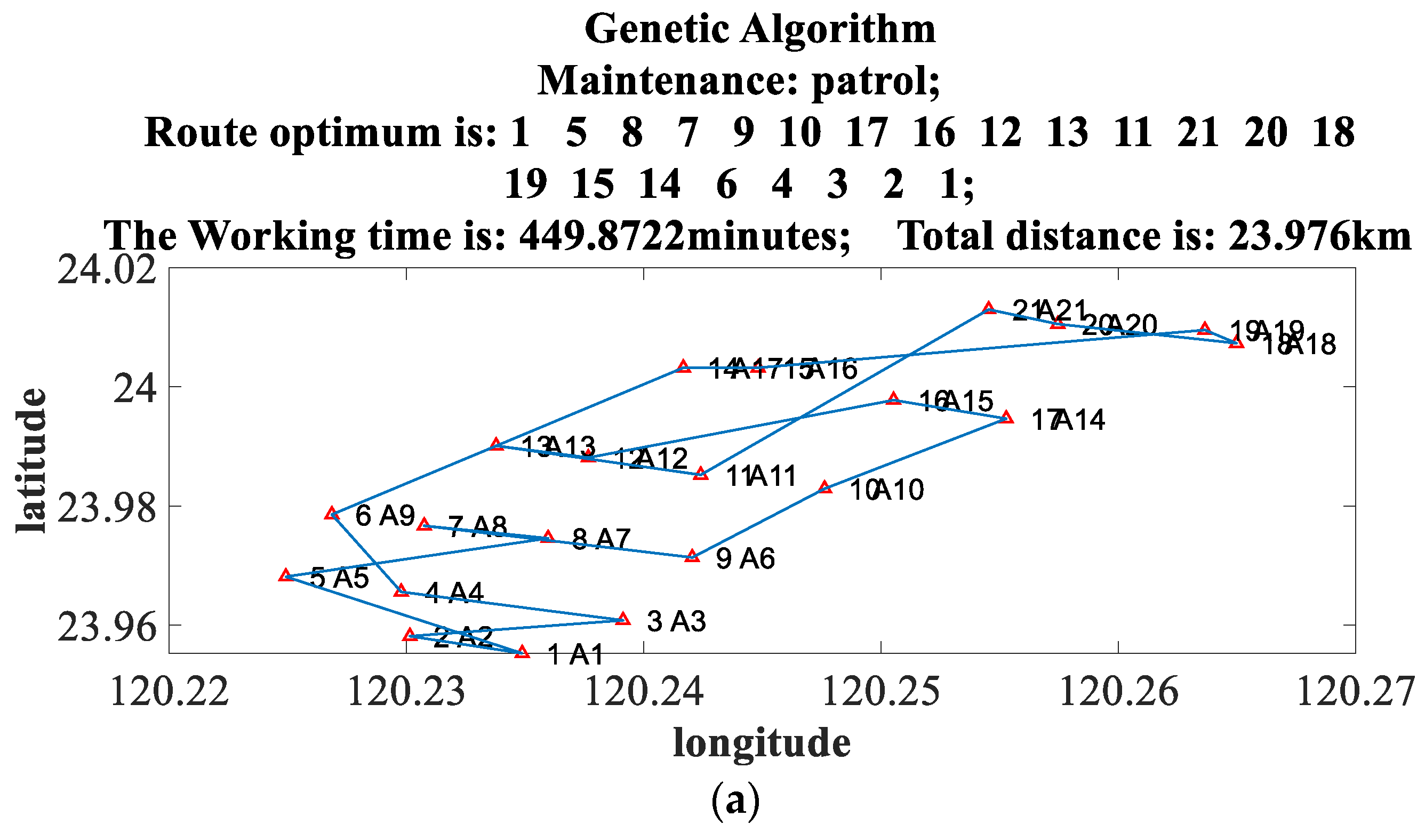
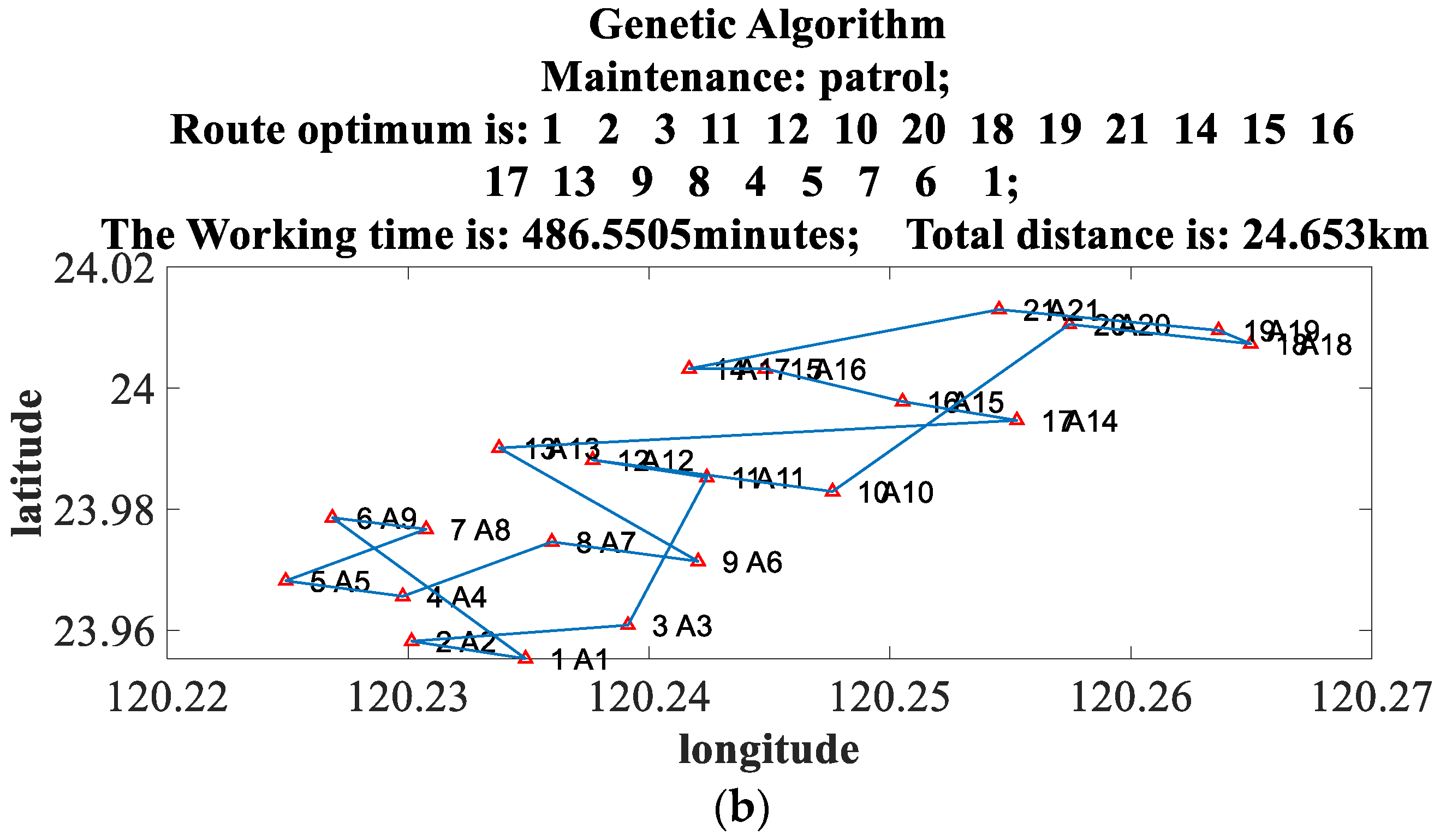
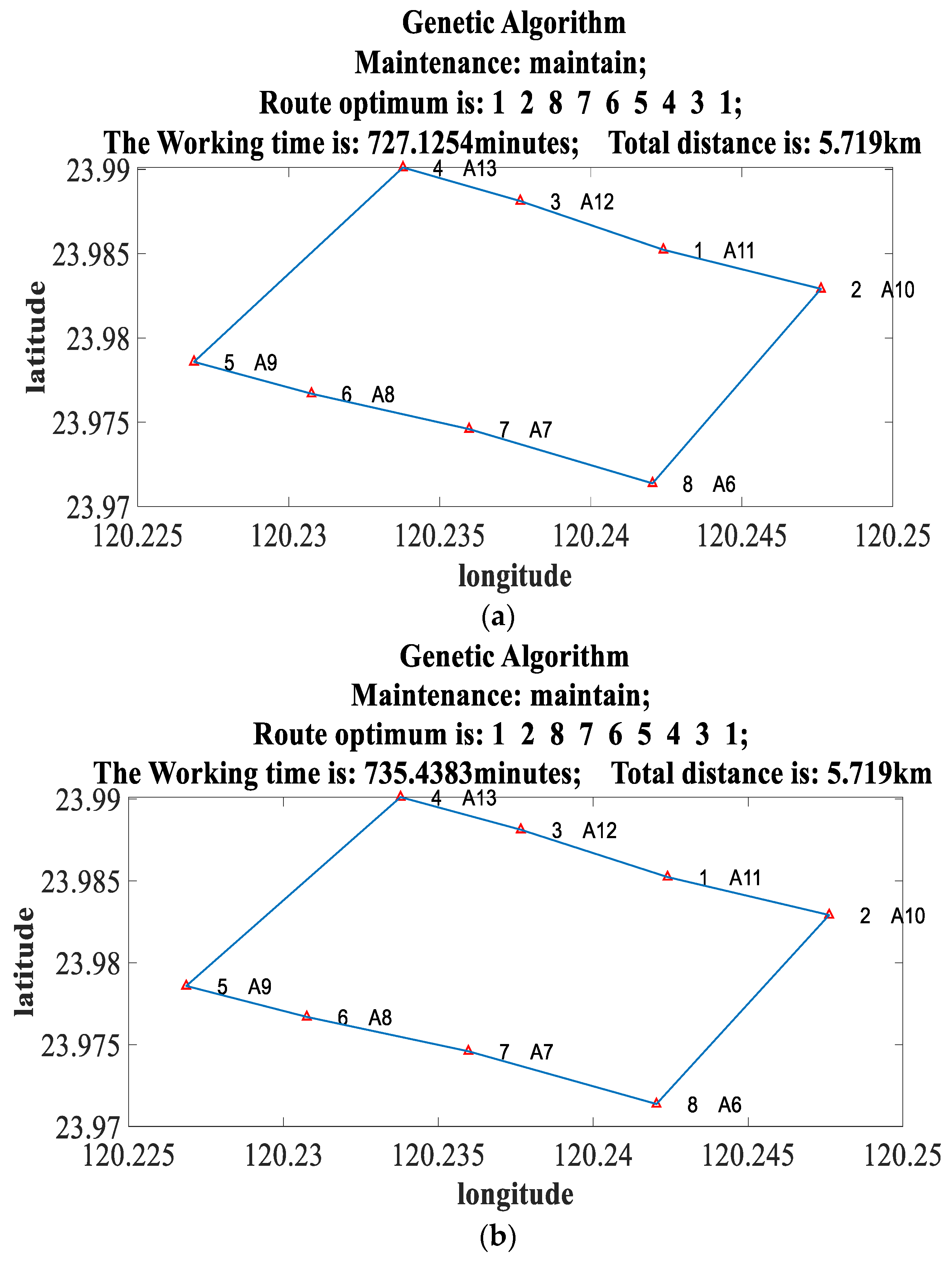
To further evaluate the effectiveness of the proposed route planning framework, the same inspection tasks were re-executed using the genetic algorithm (GA) under identical operational conditions as those applied in the PSO simulations. The optimization results obtained from the GA are presented in
Figure 7 and
Figure 8. Under favorable maritime conditions, the GA successfully generated inspection routes covering all 21 turbines in the wind farm, as illustrated in
Figure 7a, while the corresponding optimization result under adverse sea conditions is shown in
Figure 7b. In addition, for the partial maintenance task initiated from point A11, the optimized inspection path under stable maritime conditions is presented in
Figure 8a, whereas the route generated under unfavorable weather conditions is illustrated in
Figure 8b. These results demonstrate the capability of the genetic algorithm to produce feasible inspection routes across different operational scenarios and provide a basis for subsequent comparative analysis with the PSO-based approach.
4.3. Path Optimization Results
According to the data in
Table 5, PSO demonstrated superior path compression in the “Full-field Patrol Mission” covering 21 turbines. Under favorable sea states, the total path distance planned by PSO was only 20.125 km, significantly outperforming GA’s 23.976 km and keeping the total mission duration at 445.07 min. However, in the “Partial Maintenance” task with only 8 targets, GA achieved a path length of 5.719 km, surpassing PSO’s 6.456 km. This confirms that PSO has better global convergence for large-scale node planning, while GA offers higher precision in local optimization for small-scale targets.
Table 6 further reveals the impact of environmental variables on economic costs. For the 21-turbine patrol, experimental data show that PSO offers a significant cost- saving advantage in large- scale scenarios. Under favorable sea states, the total O & M cost for PSO was NT
$10,711.68. Even when costs rose to NT
$14,823.02 due to halved vessel speeds in poor weather, PSO still saved approximately NT
$1835.12 compared to GA. This demonstrates that for high-node tasks, PSO’s superior global path planning can effectively offset additional fuel and time costs caused by environmental degradation, exhibiting higher economic stability.
In contrast, the “Partial Maintenance” task for 8 turbines exhibited different cost characteristics. In this scenario, the 90-min dwell time per turbine caused the total duration to approach the overtime threshold stipulated by the Labor Standards Act, making even minor optimizations in navigation distance economically significant. Data show that GA’s path (5.719 km) was approximately 11.4% shorter than PSO’s (6.456 km), resulting in a total cost of NT $12,653.45, which is NT $157.86 less than PSO. Although the total duration differed by only 0.92 min, GA leveraged its precise local path optimization to effectively reduce the cumulative expenditures of vessel fuel and overtime pay. Consequently, this study recommends that O & M units dynamically adjust strategies: prioritize PSO for large-scale inspections to ensure global efficiency, and utilize GA for few-target maintenance to precisely minimize O & M expenditures.
5. Discussion
The results demonstrate that the suitability of optimization algorithms depends strongly on the operational characteristics of offshore wind farm maintenance activities. For the full-field inspection scenario involving 21 wind turbines, Particle Swarm Optimization (PSO) achieved a shorter inspection route and lower overall operation and maintenance (O & M) cost than the Genetic Algorithm (GA). Specifically, PSO reduced the route distance to 20.125 km compared with 23.976 km obtained by GA. In contrast, for the targeted maintenance scenario involving only eight turbines, GA generated a shorter route of 5.719 km compared with 6.456 km achieved by PSO, resulting in lower fuel consumption and total maintenance cost.
Previous studies have demonstrated the effectiveness of both PSO and GA in solving path-planning and routing optimization problems. For example, Mohemmed et al. [
10] reported that PSO can efficiently solve shortest-path optimization problems, while Peng et al. [
4] successfully applied GA-based optimization techniques to wind turbine inspection routing. Consistent with these studies, both algorithms in the present work were capable of generating feasible and economically efficient inspection routes. However, the results indicate that their relative performance may vary depending on the scale of maintenance tasks and the operational constraints considered in the optimization model. Although GA is generally recognized for its exploration capability through genetic operators such as selection, crossover, and mutation, and PSO is often associated with rapid convergence through information sharing among particles, the findings suggest that algorithm suitability is influenced not only by these theoretical characteristics but also by practical factors, including the number of inspection targets, vessel operating conditions, labor regulations, and fuel-cost considerations. Therefore, the selection of optimization algorithms should be based on specific operational requirements rather than relying solely on general algorithmic characteristics.
From a practical O & M perspective, the proposed framework provides a useful decision-support tool for offshore wind farm operators. By integrating GIS-based turbine locations, sea-state conditions, labor regulations, and vessel fuel consumption into a unified cost evaluation model, maintenance planners can quantitatively evaluate alternative routing strategies and select the most cost-effective inspection plans. Such a framework may contribute to reducing maintenance expenditures, improving vessel utilization efficiency, and enhancing the overall operational performance of offshore wind farms.
Nevertheless, several limitations should be acknowledged. First, only two representative metaheuristic algorithms, namely PSO and GA, were investigated in this study. Other optimization approaches, such as Ant Colony Optimization (ACO), Grey Wolf Optimizer (GWO), Reinforcement Learning (RL), and hybrid optimization methods, may yield different results and warrant further investigation. Second, the environmental conditions were simplified into stable and unstable sea-state scenarios. In real offshore environments, maintenance operations are influenced by continuously changing weather conditions, wave heights, vessel availability, and turbine failure uncertainty. Future studies may incorporate real-time meteorological forecasting, digital twin technologies, dynamic vessel scheduling mechanisms, and additional optimization algorithms to further improve the adaptability and practical applicability of offshore wind farm maintenance planning.
6. Conclusions
By integrating GIS data and multi-objective decision-making models, this study optimized inspection paths for the Changhua offshore wind farm. Simulation results confirm that Particle Swarm Optimization (PSO) demonstrates superior global planning capabilities and cost stability in large-scale inspection tasks involving 21 turbines. For full-field inspections, PSO achieved the shortest route distance of 20.125 km, compared with 23.976 km obtained by GA, while reducing the total O & M cost to NTD 10,711.68. Conversely, the Genetic Algorithm (GA) significantly reduces navigation energy consumption and O & M costs in targeted maintenance tasks involving 8 turbines, owing to its precise local optimization capabilities. For maintenance tasks involving eight turbines, GA generated a shorter route of 5.719 km compared with 6.456 km achieved by PSO and reduced the total O & M cost to NTD 12,653.45. Consequently, it is recommended that O & M units flexibly select algorithms based on task scale—utilizing PSO for multi-target inspections and GA for specific maintenance—to maximize the inspection efficiency and economic benefits of offshore wind farms.
Future studies may incorporate real-time weather forecasting, reinforcement learning techniques, digital twin technologies, and dynamic vessel scheduling mechanisms to further improve the adaptability and practical applicability of offshore wind farm maintenance planning under uncertain marine environments.