1. Introduction
The discharge of heavy metals of anthropogenic origin into aquatic ecosystems remains a global problem affecting environmental integrity and public health. Among these pollutants is divalent mercury (Hg
2+) [
1,
2,
3]. This cation is inherently dangerous due to its high abundance in the environment, rapid bioaccumulation in fauna via the aquatic food chain, and the extreme neurotoxicity of this transition metal, even at low concentrations [
4,
5,
6]. Chronic exposure to Hg
2+ triggers neurological deterioration, permanent kidney damage, and permanent cellular dysfunction, demanding the development of high-capacity remediation mechanisms [
7,
8,
9,
10]. Large-scale carbon materials, such as graphene quantum dots (GQDs), have emerged as potential solutions to heavy metal capture problems owing to their high surface area, high chemical stability, and strong affinity for other materials [
11,
12,
13,
14,
15]. Due to their nanoscale quantum confinement, GQDs possess a wide range of electronic profiles that can be tailored for specialized adsorption interactions on a target [
16,
17]. However, pristine undoped carbon networks exhibit low chemical affinity for transition metals and rely on weak, non-selective physical adsorption. To transform these materials from passive matrices into highly active chemical traps, doping with heteroatoms has proven to be a useful and functional structural engineering strategy [
18]. Replacing carbon atoms with non-metallic heteroatoms, such as phosphorus, fundamentally disrupts the uniform electron distribution in the graphene π lattice, generating asymmetric and localized charge gradients [
19,
20]. Phosphorus doping represents an advanced and efficient pathway for environmental remediation due to two competing effects. First, its larger relative atomic radius compared to carbon introduces out-of-plane structural distortions that deform the lattice and geometrically expose the active sites [
21,
22,
23]; second, the lone pairs of electrons in its 3p orbitals significantly increase the material’s electron-donating capacity [
24,
25,
26,
27]. This electronic enrichment transforms the doped site into a strong Lewis base, specifically optimized to act as a highly stable coordination site capable of forming dactyl complexes with soft Lewis acids such as Hg
2+ [
28,
29,
30]. To successfully guide the rational design of these engineered nanomaterials without relying on empirical trial-and-error chemistry, the macroscopic efficiency of the adsorption process must be quantitatively linked to microscopic electronic-structure parameters. First-principles simulations based on Density Functional Theory (DFT) provide a bridge to decode these interactions at the atomic level [
30,
31,
32,
33,
34,
35,
36]. Crucially, the environmental capacity of a modified GQD is dictated by quantum mechanical indicators: shifts in the frontier molecular orbital gap ΔE
gap map the electronic stabilization gained upon metal entrapment, changes in the Partial density of states (PDOS) reveal orbital hybridization, and global reactivity descriptors, such as chemical hardness (η), electronic chemical potential (μ), and the electrophilicity index (ω), systematically evaluate the donor–acceptor dynamics governing the capture mechanism.
In this study, we present a comprehensive new DFT investigation into the structural, thermodynamic, and electronic responses of GQDs to Hg2+ ions as a function of phosphorus-doping concentration and configuration (one, two, and three P atoms). Utilizing a multi-pronged computational approach, we systematically trace changes in global reactivity descriptors, frontier molecular orbital topologies, and non-covalent interaction surfaces (NCIS) across different configurations. By mapping these abstract electronic properties directly onto the thermodynamic binding profiles of the resulting complexes, this work unravels the precise atomistic and electronic mechanisms that drive efficient mercury capture and stabilization, offering a predictive theoretical foundation for advanced carbon-based environmental remediation.
3. Results and Discussion
3.1. Optimized Structures and Adsorption Geometry
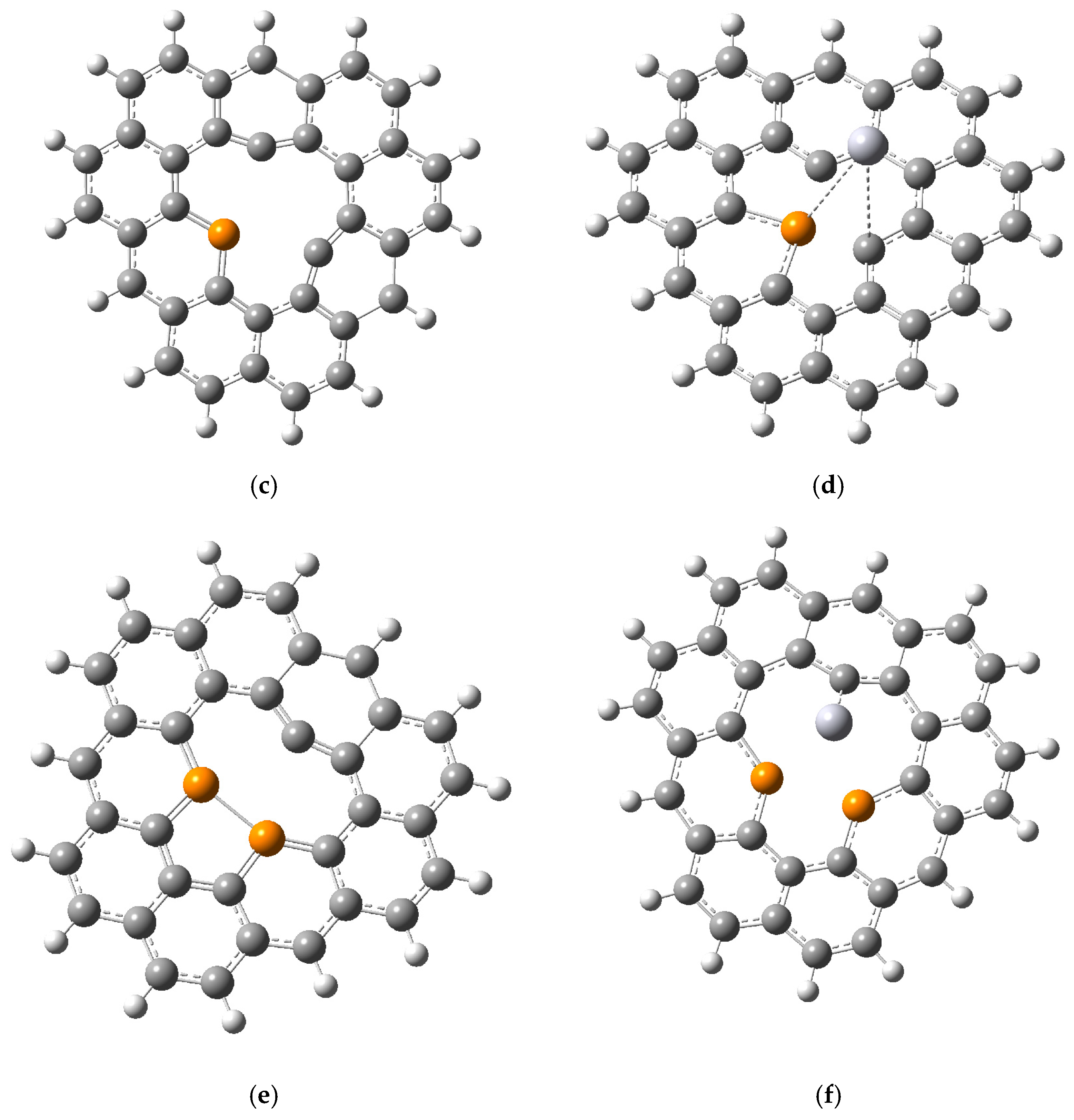
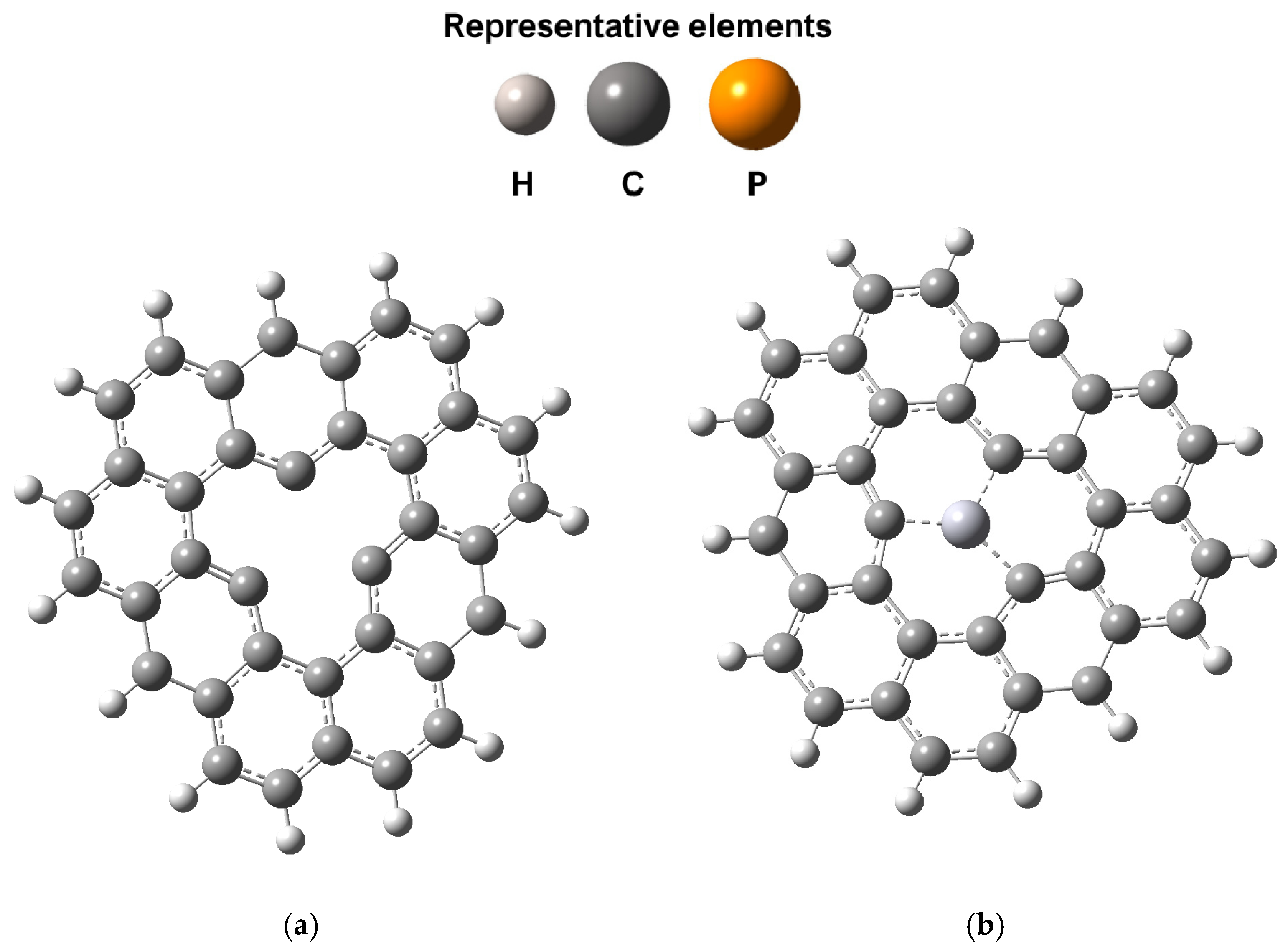
The optimized geometric structures of the defective graphene quantum dots (GQDs) and their phosphorus-doped derivatives before Hg
2+ adsorption are shown in
Figure 1. All systems were modeled using the density functional theory (DFT) density functional theory (DFT) using the M06-2X exchange-correlation functional in combination with the def2-TZVP basis set. The M06-2X functional is particularly suitable for describing non-covalent interactions, charge-transfer processes, and adsorption phenomena in π-conjugated carbon systems, providing a reliable balance between accuracy and computational efficiency for metal–organic interactions. All models considered in this study are based on a graphene quantum dot (GQD) containing a pre-existing central vacancy, intentionally introduced into the carbon framework. This vacancy-defect model is chemically relevant because the removal of a central carbon atom generates a localized disruption of the conjugated π-electron system, producing unsaturated carbon sites and a localized electron-rich region that significantly enhances the system’s chemical reactivity. As a result, the vacancy acts as a preferential adsorption center for metal ions such as Hg
2+.
The defective GQD preserves the general hexagonal arrangement of the carbon network, with average C-C bond lengths close to 1.42 Å. However, the presence of the vacancy induces local structural relaxation around the defect region due to the loss of atomic coordination. This relaxation modifies the electronic distribution of neighboring carbon atoms and creates a chemically active environment relative to a perfect graphene lattice.
Phosphorus (P) doping was introduced into the molecule by substituting one or two carbon atoms in the immediate vicinity of the central vacancy site, thereby generating the 1P-GQD and 2P-GQD systems. The selection of substitution sites was chemically guided, as atoms surrounding the vacancy exhibit undercoordination and localized charge accumulation due to disruption of the π-conjugated network. This makes them the most chemically reactive positions for heteroatom incorporation, favoring substitution at sites where electronic density is locally enhanced and structural stability is partially compromised. This strategy allows a systematic evaluation of how both dopant concentration and spatial distribution influence the electronic structure and adsorption properties of the defect-active region. From a chemical standpoint, phosphorus incorporation at these positions is energetically and electronically favorable because it enables effective coupling between phosphorus lone-pair electrons and the electron-rich region induced by the vacancy in the graphene framework. As a consequence, a pronounced redistribution of charge density occurs in the vicinity of the defect, which is directly relevant for subsequent interactions with Hg2+ cations. Structural modifications further reinforce these electronic effects. Thanks to the larger covalent radius of the phosphorus atom (1.06 Å) compared to that of a carbon atom (0.77 Å), the incorporation into the system induces local out-of-plane distortions and bond rearrangements around the defect region. These distortions increase the accessibility of the active site and modify the spatial distribution of electron density, thereby facilitating the strategy and stabilizing the metal ion.
The adsorption mechanism of Hg2+ can be described as follows: initially, the central vacancy serves as the primary adsorption center due to its intrinsic electron deficiency and localized electronic perturbation, thereby generating a highly reactive region within the π-conjugated system. Upon P-substitution, this region becomes further activated by charge polarization and increased localization of electron density. As Hg2+ approaches the surface, the interaction is driven by the electrostatic attraction between the cation and the electron-rich vacancy region, along with orbital interactions involving donation from phosphorus lone pair electrons and the graphene π-system into the vacant acceptor orbitals of Hg2+. This results in partial charge transfer and the formation of a stabilized adsorption complex. Then, an electronic redistribution occurs across the adsorbent–adsorbate interface, leading to polarization of the graphene complex and strengthening of the metal–surface interaction. The adsorption process is mandated by the synergistic effect of vacancy-induced reactivity and phosphorus-driven electronic re-adjusting, which together create an optimized environment for Hg2+ capture compared with the undoped vacancy system.
3.2. Adsorption Energies and Thermodynamic Evaluation of Hg2+ Capture
The adsorption energies obtained for the interaction between Hg
2+ and the vacancy-defective graphene quantum dots (GQDs) and their phosphorus-doped derivatives are summarized in
Table 1. The adsorption energy (ΔE
ads) was calculated using Equation (2), where E(GQD_Hg
2+) denotes the total electronic energy of the adsorbed complex, E(GQD) is the energy of the isolated adsorbent, and E(Hg
2+) is the energy of the isolated mercury ion. Negative values of ΔE
ads indicate an exothermic interaction and the formation of a thermodynamically preferred adsorbed state.
A detailed description of the calculations used to generate the values in
Table 1 is included in
Appendix A.
The obtained adsorption energies range from −65.21 to −104.54 kcal mol−1, which are significantly larger than those of typical van der Waals-driven physisorption. This indicates that Hg2+ capture is dominated by strong chemisorption contributions, in which electrostatic attraction, charge transfer, and orbital interactions play a major role in stabilizing the adsorbed complexes. From a chemical and electronic structure perspective, the adsorption behavior arises from the intrinsic nature of vacancy graphene systems. Removing the central carbon atom generates multiple under-coordinated carbon centers with unsaturated valence states, leading to a localized increase in electron density and symmetry breaking of the π-conjugated system. This defect acts as a Lewis basic site, capable of interacting strongly with the Lewis acidic Hg2+ cation through electrostatic attraction and partial orbital overlap.
In addition to intrinsic reactivity, phosphorus doping introduces an additional electronic modulation of the defect region. Phosphorus (P), being less electronegative than carbon (C) and possessing a lone pair of electrons in its valence shell, acts as an electron donor center. When the P atom substitutes for a C atom near the vacancy site, it improves local charge polarization and increases electron density accumulation around the defect. This produces a more nucleophilic adsorption environment, favoring stronger interaction with Hg2+ through coordinate-like bonding and charge-transfer stabilization.
The GQD complex shows an adsorption energy of −65.21 kcal mol−1, confirming that even without dopants, the vacancy site provides a chemically active region capable of attracting and binding the Hg2+ cation. This interaction is mostly given by the electrostatic attraction between the Hg2+ cation and the localized electron-rich π-vacancy region, complemented by weak orbital mixing between the metal empty orbitals and graphene π-states. The 1P-GQD system shows an increase in the adsorption energy (−104.54 kcal mol−1), which represents the most favorable configuration. A synergistic electronic effect between the vacancy and the phosphorus dopant can explain this behavior. The lone-pair electrons on phosphorus increase local electron density and promote directional charge donation to Hg2+ vacant orbitals (primarily 6s/6p character). At the same time, the vacancy provides a confinement region that localizes this electron density, enhancing orbital overlap efficiency. This combination results in stronger partial covalent character in the metal–surface interaction, which explains the significantly more negative adsorption energy.
The 2P-GQD complex shows a lower adsorption energy than the single P-doped complex (−73.47 kcal mol−1), despite the presence of a double P dopant. This occurrence can be attributed to electronic over-saturation and the redistribution of charge density across competing P sites, thereby reducing the localization of electron density to a single optimal adsorption center. So instead of strengthening the interaction within the system, the second phosphorus atom introduces electronic competition and structural strain into the complex, which weakens the effective orbital alignment between Hg2+ and the most active adsorption site.
3.3. Frontier Molecular Orbitals and Electronic Structure
The frontier molecular orbitals (FMOs), such as the Highest Occupied Molecular Orbital (HOMO), known as the electron-donating site, and the Lowest Unoccupied Molecular Orbital (LUMO), known as the electron-accepting site, control the electron-donating and electron-accepting behavior of a molecular system, respectively. The energy difference between the two orbitals, known as the energy gap (Egap), is a key descriptor of chemical stability, electronic reactivity, and polarizability; the lower it is, the more reactive a molecule is.
The HOMO, LUMO, and energy gap values for the systems are summarized in
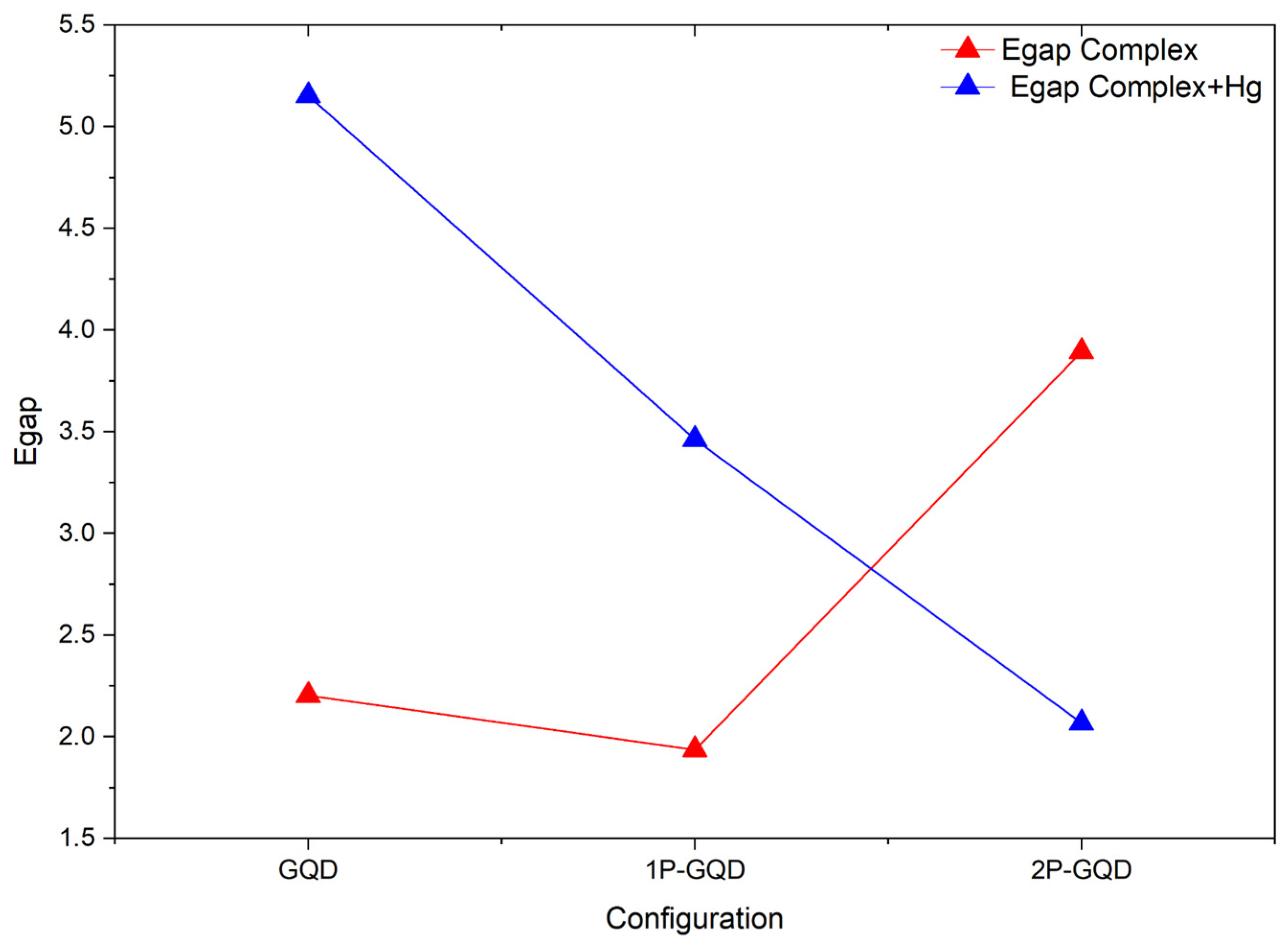
Table 2. The evolution of Egap before and after Hg
2+ adsorption is presented in
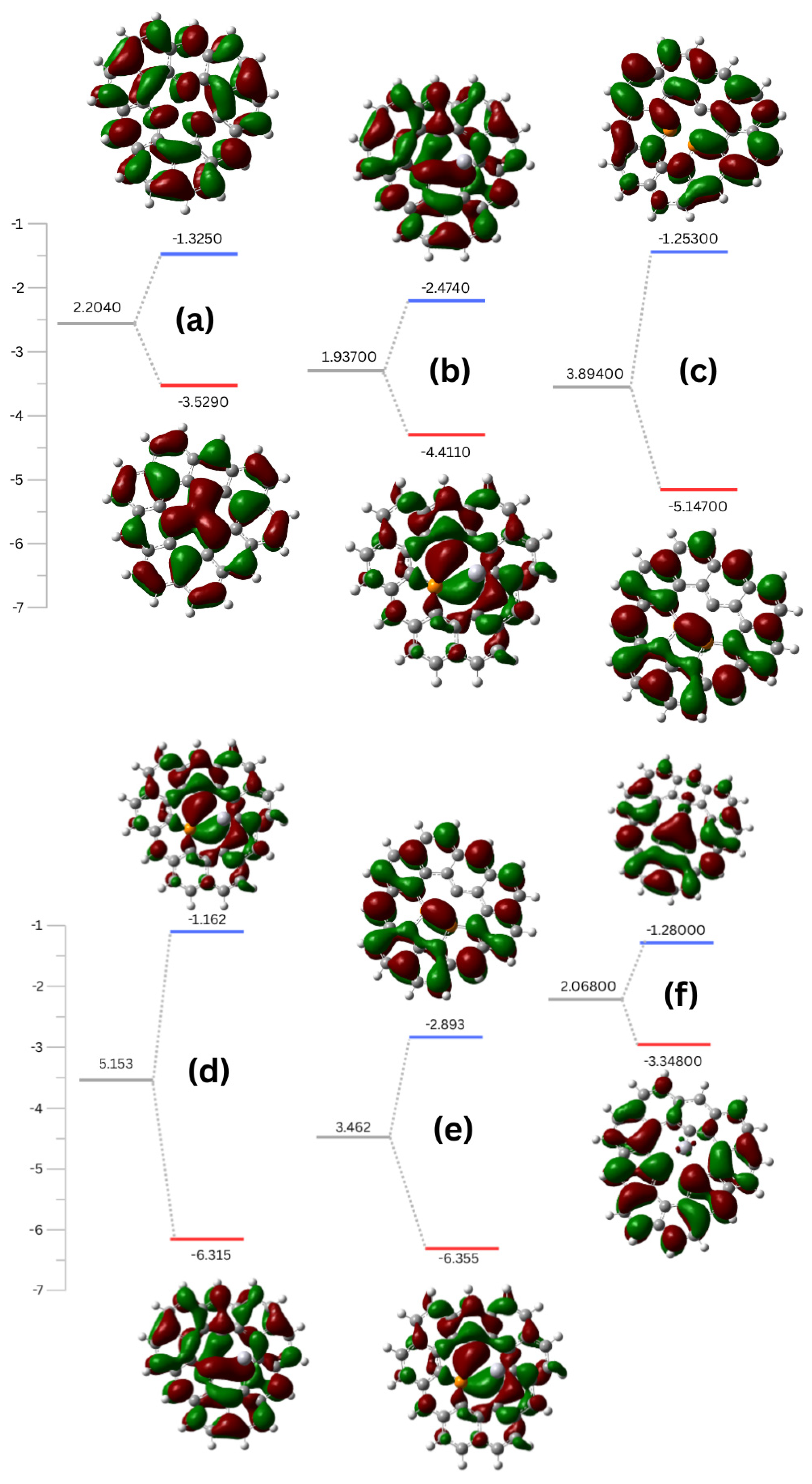
Figure 2, and the spatial distribution of FMOs is shown in
Figure 3.
For GQD, the gap increases from 2.204 eV to 5.153 eV after adsorption. This strong widening is mainly due to a pronounced stabilization of the HOMO level, indicating that electron density is strongly withdrawn from the graphene framework upon mercury binding. This suggests a transition toward a more electronically stable but less reactive configuration. For 1P-GQD, the Egap increases from 1.937 eV to 3.462 eV after the Hg2+ adsorption. This behavior indicates that Hg2+ adsorption induces a strong electronic rearrangement localized around the P-doped vacancy, reinforcing the role of P as the primary active adsorption site. In contrast, 2P-GQD shows a decrease in Egap from 3.894 eV to 2.068 eV after adsorption. This reduction is associated with an upward shift of the HOMO energy, indicating destabilization of occupied states and a stronger disruption of the electronic structure. Suggesting that the excessive doping introduces competing electronic effects that weaken orbital stabilization upon metal adsorption.
In all isolated systems (GQD, 1P-GQD, and 2P-GQD), the HOMO is predominantly localized around the vacancy defect region and phosphorus dopant sites. This localization confirms that these regions act as electron-rich donor centers with high electron-donating capability, making them the primary active sites for the interaction with electrophilic species, such as Hg
2+. The LUMO is more delocalized across the extended π-conjugated graphene complexes. This indicates that electron acceptance is not localized at a single atomic site but is distributed across the carbon matrix, thereby facilitating charge delocalization upon excitation of the systems. In 1P-GQD, the HOMO shows the strongest localization at the phosphorus-doped vacancy, indicating enhanced electronic density concentration at the adsorption site. This explains its superior interaction with Hg
2+ observed in adsorption energy analysis (
Section 3.2). After Hg
2+ adsorption, a clear redistribution of both HOMOs and LUMOs is observed. In GQD_Hg
2+ and 1P-GQD_Hg
2+ systems, the HOMO becomes more localized and stabilized closer to the binding region, while the LUMO shifts toward the graphene backbone. This indicates strong electronic coupling between Hg
2+ and the defect-doped region, consistent with charge transfer and coordination-like interaction. For 2P-GQD_Hg
2+, the orbital distribution becomes more disrupted and less localized, indicating electronic frustration caused by excessive doping. This reduced orbital coherence is consistent with its lower adsorption efficiency compared to 1P-GQD.
The combined analysis of HOMO-LUMO energies, Egap evolution, and orbital spatial distribution demonstrates that phosphorus doping plays a critical role in tuning the electronic structure of vacancy-defective graphene quantum dots. Among all configurations, 1P-GQD exhibits the most favorable balance between orbital localization and energy gap modulation, leading to optimal electronic conditions for Hg2+ adsorption.
3.4. Dipole Moment and Thermodynamic Parameters
The thermodynamic parameters and total dipole moments obtained for vacancy-defective graphene quantum dots (GQDs) and their phosphorus-doped derivatives before and after Hg
2+ adsorption are summarized in
Table 3. The total electronic energy, enthalpy, and Gibbs free energy are reported for completeness; however, these absolute quantities scale strongly with system size and composition, particularly in systems with different numbers of atoms. Therefore, direct comparison of absolute thermodynamic values between different doped structures is not physically meaningful. However, the dipole moment provides a more reliable descriptor of electronic redistribution, as it directly reflects the symmetry breaking and charge separation induced by doping and metal adsorption.
As shown in
Table 2, the GQD presents a low dipole moment of 0.8192 D, indicating an almost balanced charge distribution regardless of the presence of a structural defect such as a vacancy. This suggests that the vacancy alone introduces localized electronic perturbations without significantly breaking the global symmetry of the π-conjugated system. Upon P doping, the dipole moment increases, reaching 4.6729 D for 1P-GQD and 5.7557 D for 2P-GQD. This increase of approximately 5.7 times relative to the undoped vacancy system confirms that P incorporation significantly enhances charge asymmetry. This effect arises from two main factors: the higher electronegativity and the different valence electronic configuration of P compared to that of C, and the structural distortion induced in the system by the larger covalent radius of P (1.06 Å vs. 0.77 Å for carbon). These effects, combined, break the local symmetry around the vacancy and generate a permanent dipole moment via uneven charge redistribution in the complex. After the Hg
2+ adsorption, distinct trends are observed depending on the dopant configuration. For the GQD_Hg
2+ system, the dipole moment increases from 0.8192 D to 1.1239 D, indicating a modest polarization induced by electrostatic interaction between the positively charged Hg
2+ ion and the electron-rich vacancy region. This confirms that the defect site acts as a weak but active polarization center for metal binding. The 1P-GQD_Hg
2+ complex shows a decrease in dipole moment from 4.6729 D to 3.7788 D (around a 19% reduction). This reduction suggests a partial charge compensation when the cation is adsorbed into the complex. The electron density redistribution between P sites and Hg
2+ leads to a more balanced internal electronic structure. This occurs despite the complex showing the strongest adsorption energy (−104.54 kcal mol
−1), indicating that high adsorption strength does not necessarily correlate with increased molecular polarity but rather with efficient charge-transfer stabilization. A different behavior is observed in the 2P-GQD_Hg
2+ system, where the dipole moment abruptly increases to 15.1505 D, nearly 2.6 times that of the isolated 2P-GQD. This large enhancement indicates the formation of a highly asymmetric charge distribution induced by the simultaneous presence of two phosphorus atoms and the Hg
2+ ion. In this configuration, charge accumulation is strongly localized, generating an intense internal electric field and significant polarization of the electronic density. This result is consistent with the weaker adsorption energy observed in this system (−73.47 kcal mol
−1), suggesting that excessive dopant density leads to an electronic imbalance rather than optimized charge stabilization.
The dipole-moment analysis reveals that phosphorus doping is the dominant factor governing charge polarization in vacancy-defective GQDs. At the same time, Hg2+ adsorption acts as a secondary perturbation whose effect strongly depends on the local dopant environment. The non-monotonic behavior observed upon adsorption demonstrates that molecular polarity is governed by a competition between doping-induced symmetry breaking and charge redistribution upon metal binding. These results are fully consistent with the adsorption energy trends and confirm that the 1P-GQD configuration provides the most electronically balanced and energetically favorable environment for Hg2+ capture.
3.5. Conceptual Density Functional Theory Global Reactivity Descriptors
The global reactivity descriptors derived from conceptual density functional theory (CDFT), including chemical potential (μ), electronegativity (χ), hardness (η), softness (S), electrophilicity index (ω), ionization potential (I), and electron affinity (A), are summarized in
Table 4. These descriptors, obtained directly from frontier molecular orbital energies, provide a quantitative framework to understand how phosphorus doping and Hg
2+ adsorption modify the electronic and the overall reactivity of defective graphene quantum dots (GQD), P-doped systems (1P-GQD and 2P-GQD), and their Hg
2+-adsorbed complexes.
The chemical potential (μ) descriptor describes the tendency of donating electrons from the system towards other species, while electronegativity (χ) is its opposite; it indicates the tendency to attract electrons toward the complex. GQD shows a relatively moderate μ value (−2.427 eV), consistent with a balanced electron distribution around the vacancy active site. After the P-doping, μ becomes more negative (−3.4425 eV for 1P-GQD and −3.200 eV for 2P-GQD). This shows that doping stabilizes the complex’s electronic structure and increases the system’s overall electron-attracting character.
This trend becomes more pronounced after Hg2+ absorption, especially for the 1P-GQD_Hg2+ system (μ = −4.624 eV), confirming strong stabilization due to charge transfer from the system to the metal cation. The observed data are consistent with chemisorption interactions. The Ionization potential (I) and electron affinity (A) clarify the reactivity balance between these systems. A higher ionization potential indicates greater difficulty in removing electrons from the system, while electron affinity indicates the system’s ability to accept additional electron density. The results show that 2P-GQD has the highest I value (5.147 eV), indicating it is more electronically rigid and less likely to donate electrons to other species than 1P-GQD (4.411 eV). Even so, despite its electronic rigidity, the absorption value is not superior, indicating that the rigidity limits charge and redistribution during Hg2+ bonding. Hardness (η) and softness (S) are key descriptors for understanding chemical reactivity. Hardness represents the resistance to deformation of a complex’s electron cloud, and softness is associated with the system’s electronic polarizability and reactivity. The data clearly show that 1P-GQD has the lowest hardness and highest softness (η = 0.9685 eV and S = 0.4843 eV−1) among the systems, indicating an electron cloud that is easily deformed and favors interaction with external species such as Hg2+. Meanwhile, for 2P-GQD, it is harder (η = 1.947 eV), meaning its density is more localized and less adaptable. These values explain why, even with dopants, adsorption efficiency does not necessarily increase, as dopant hardness reduces the ability to form optimal charge-transfer interactions with Hg2+.
The electrophilicity index (ω) descriptor integrates the ability to accept charge and the energetic stabilization upon gaining electrons, making it a descriptor relevant for adsorption processes involving cationic species like Hg2+. Before adsorption, 2P-GQD exhibits the highest ω value (9.9686 eV), indicating the system has a strong tendency to accept electrons. However, this isolated high electrophilicity does not directly translate into superior adsorption because it does not account for orbital localization or access to vacant sites. After Hg2+ binding, an increase in ω is observed for GQD_Hg2+ (18.0051 eV) and 1P-GQD_Hg2+ (18.5056 eV), indicating strong charge-transfer stabilization and confirming that adsorption significantly boosts the electron-accepting character of the system. In contrast, 2P-GQD_Hg2+ shows a sharp decrease in ω (2.7683 eV), reflecting electronic saturation and a loss of responsiveness after metal coordination, consistent with weakened or less efficient charge-redistribution pathways.
The comparison of all descriptors demonstrates that the most favorable electronic configuration for Hg2+ capture is achieved in the single-phosphorus-doped system (1P-GQD). This structure combines moderate hardness, high softness, and strong post-adsorption stabilization of chemical potential and electrophilicity, which together facilitate efficient charge transfer and stable coordination with Hg2+. In contrast, the double-doped system (2P-GQD), although more electrophilic in its isolated state, becomes too rigid and electronically imbalanced upon adsorption, resulting in less optimal interaction behavior.
3.6. Total Density of States (TDOS) and Partial Density of States (PDOS)
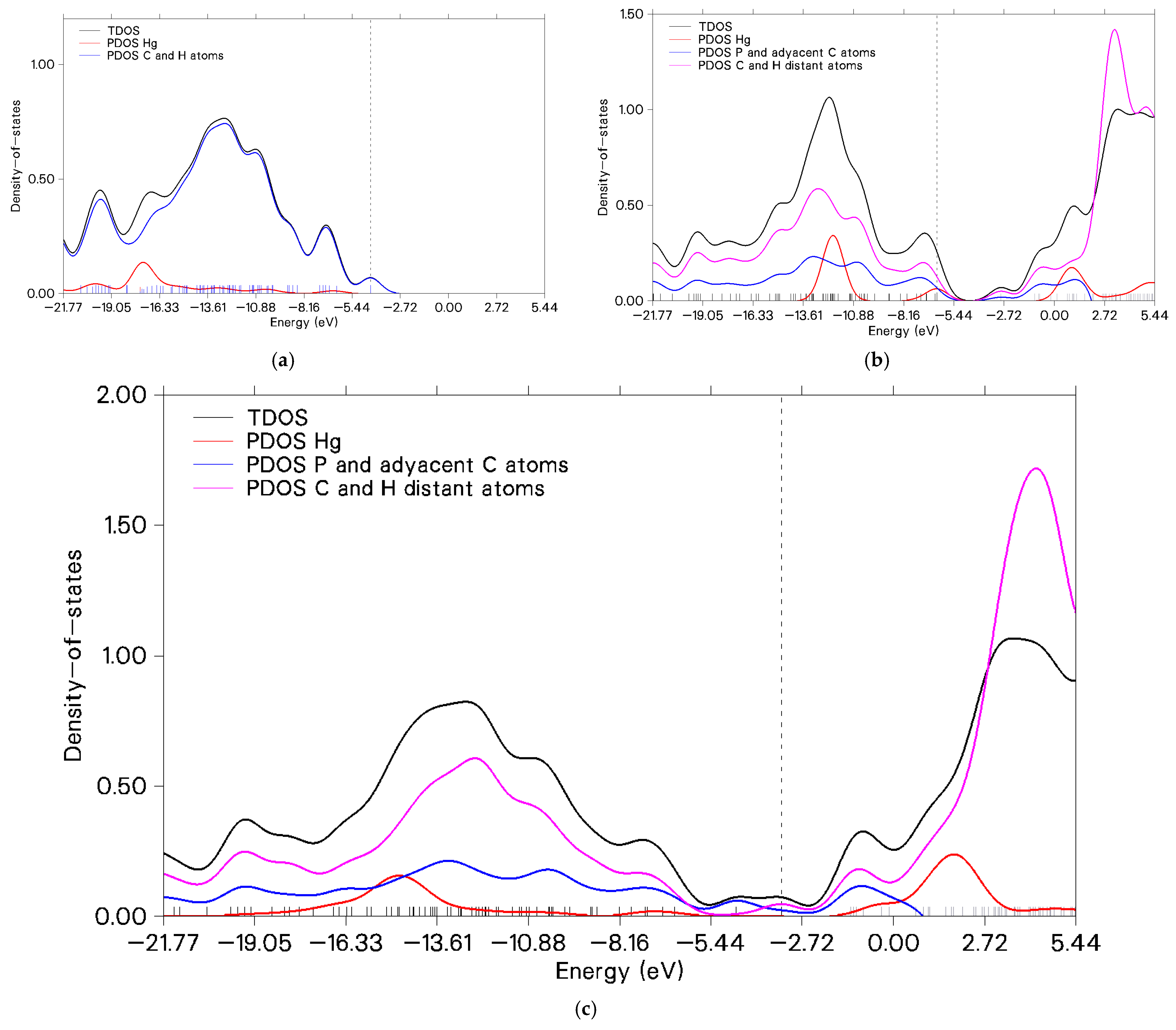
To clarify the orbital interactions and charge-transfer mechanisms governing Hg
2+ adsorption, the total density of states (TDOS) and projected density of states (PDOS) were analyzed using the Multiwfn program. These results, shown in
Figure 4, provide insight into the electronic-structure modifications induced by Hg
2+ binding.
Figure 4.
Partial density of states (PDOS) of (a) GQD_Hg2+, (b) P-GQD_Hg2+, and (c) 2 P-GQD_Hg2+.
Figure 4.
Partial density of states (PDOS) of (a) GQD_Hg2+, (b) P-GQD_Hg2+, and (c) 2 P-GQD_Hg2+.
For the GQD, the TDOS is mainly dominated by delocalized π states of the carbon framework, extending from approximately −21.7 eV up to the Fermi level (−4.45 eV). The PDOS contribution from Hg2+ is weak and localized, with small features around −17.2 eV and between −8.2 eV and −5.4 eV. The absence of a significant overlap between Hg fragments and the C and H atom fragments indicates negligible orbital hybridization, suggesting that Hg2+ adsorption is mainly governed by weak electrostatic cation-π interactions rather than chemical bonding.
The monodoped phosphorus system (1P-GQD_Hg2+) shows a clear electronic coupling between Hg2+ and the P and adjacent C atoms. A strong PDOS overlap is observed in the energy range from −13.6 to −10.9 eV, where the Hg peak (approx. 0.35 states/eV at −12.2 eV) aligns with P and neighboring C states. This confirms effective orbital hybridization and a σ-type donor–acceptor interaction, where the phosphorus lone pair donates electron density to Hg2+. Additional hybridized states near and above the Fermi level (0.0–2.7 eV) indicate enhanced charge-transfer channels and are consistent with the reduced HOMO-LUMO gap.
For the double-phosphorus system (2P-GQD_Hg2+), the interaction is weaker and less efficient. The Hg2+ PDOS peak shifts to −14.3 eV with reduced intensity (approx. 0.16 states/eV), indicating decreased orbital coupling. The two P atoms do not contribute cooperatively to Hg2+ binding, leading to a partial energy mismatch between the doped states and Hg2+ orbitals. This reduces orbital overlap and weakens charge transfer in the complex.
3.7. Analysis of Non-Covalent Interactions (NCIS)
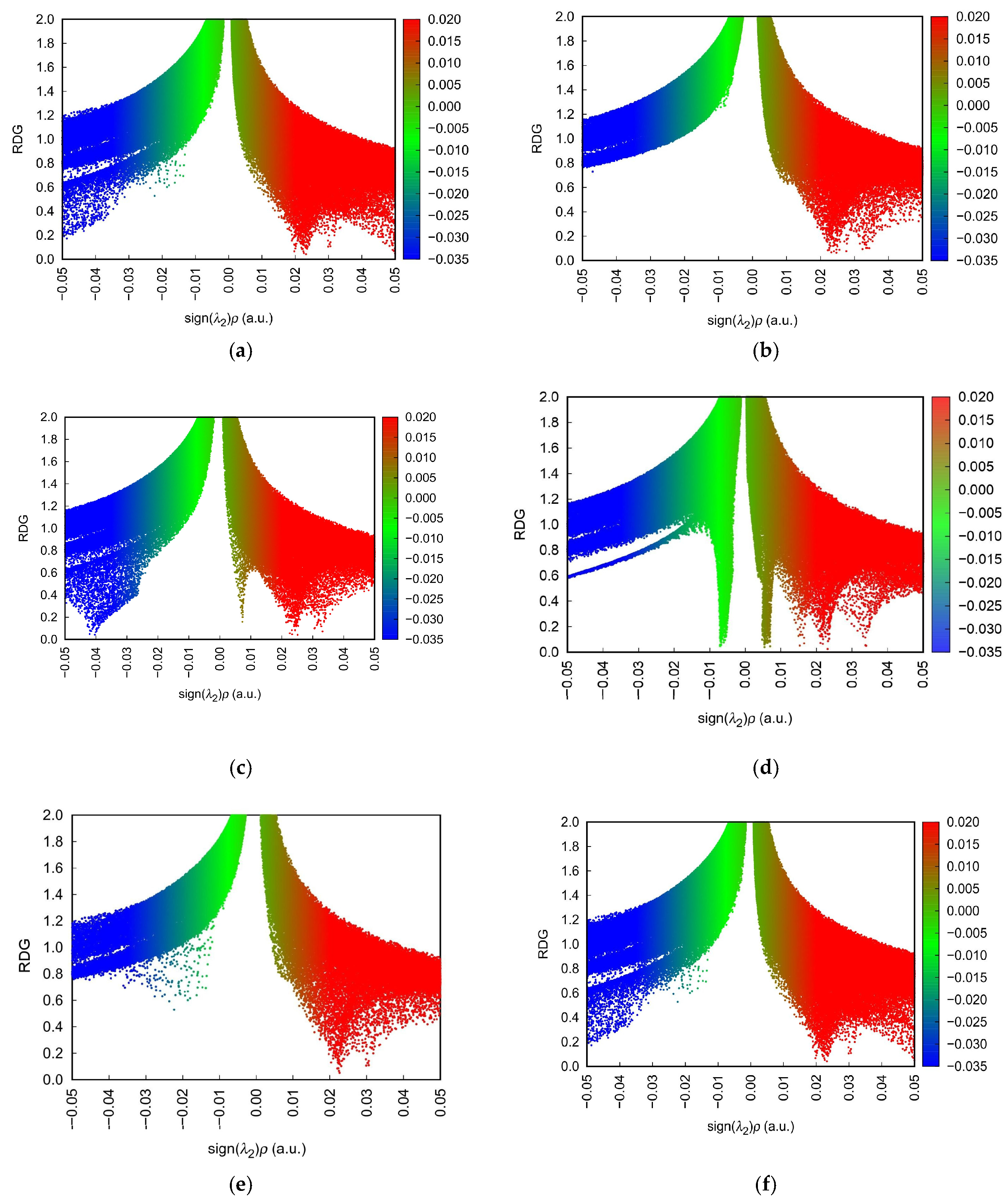
The Non-Covalent Interaction (NCI) analysis based on the Reduced Density Gradient (RDG) provides a real-space visualization of weak and strong intermolecular interactions governing the stability of defective graphene quantum dots (GQD), phosphorus-doped systems (1P-GQD and 2P-GQD), and their Hg
2+-adsorbed complexes. As shown in
Figure 5. This approach is particularly powerful because it allows the direct identification of attractive, dispersive, and repulsive interactions through the combined analysis of RDG values and the sign of the second eigenvalue of the electron-density Hessian, sign(λ
2ρ). In this representation, negative values of sign(λ
2)ρ (typically <−0.02 a.u.) correspond to attractive interactions such as coordination bonding or strong electrostatic attraction, which are visualized in the blue region of the plot. Values close to zero (−0.01 to 0.01 a.u.) are associated with weak, non-covalent van der Waals interactions and dispersion forces between the molecules, represented in green. The positive values (>0.02 a.u.) indicate steric repulsion and destabilizing interactions arising from the electron cloud overlap, shown in red. Hence, the distribution of points across these regions directly reflects the balance between stabilizing and destabilizing forces within each system.
The RDG analysis provides a clear visualization of the weak and strong interactions that reinforce the stability of the graphene quantum dots and their Hg2+ complexes. In the RDG plots, blue regions correspond to attractive interactions, green regions indicate weak van der Waals forces, and red regions represent steric repulsion due to electron-density overlap. The comparison between the undoped, doped, and Hg2+-adsorbed systems reveals a gradual transition from dispersion-dominated stabilization to localized coordination interactions.
For the GQD system, the RDG profile is mostly characterized by a broad distribution in the green region, indicating that its stability is largely given by dispersive π–π interactions within the aromatic C-C system. Some small red spikes are also observed; they reflect the intrinsic steric repulsion associated with the planar sp2 carbon network. After P incorporation, the RDG topology changes noticeably. In 1P-GQD, the appearance of additional red points between 0.02 and 0.05 a.u. indicates local strain generated by the larger P atom. However, the balance of weak attractive interactions is largely preserved. The 2P-GQD exhibits a much denser and broader red region, particularly between 0.02 and 0.04 a.u., suggesting increased steric congestion and electronic frustration caused by the presence of two neighboring phosphorus atoms.
The adsorption of Hg2+ produces significant changes in the interaction pattern. For the GQD_Hg2+ system, moderate points appear in the weakly attractive region (−0.01 to −0.02 a.u.), indicating that adsorption is mainly given by van der Waals and cation–π interactions. The 1P-GQD_Hg2+ complex shows the most pronounced attractive peaks, with a sharp one located between −0.025 and −0.035 a.u., characteristic of a strong, localized P-to-Hg coordination interaction. This result coincides with its highest adsorption energy (−98.14 kcal mol−1) and confirms that single P-doping promotes efficient charge transfer and orbital overlap with the metal ion.
In the case of 2P-GQD_Hg2+, although attractive interactions are still observed, the corresponding peaks are broader and less intense than those of the monodoped system. At the same time, the steric region becomes highly populated and denser, indicating strong competition between Hg2+ binding and repulsive interactions generated by adjacent phosphorus atoms. This electronic congestion reduces charge-transfer efficiency and weakens the overall adsorption process. Overall, the RDG results demonstrate that 1P-GQD provides the most favorable environment for Hg2+ capture, while excessive phosphorus doping introduces steric and electronic effects that limit adsorption performance.
4. Discussion
The electronic properties obtained from DFT calculations for graphene quantum dot matrices reveal that phosphorus (P) doping plays an important role in controlling the adsorption behavior toward Hg
2+. As shown in
Table 4, the monodoped system (1P-GQD) presents the most favorable electronic characteristics for Hg
2+. This structure exhibits the lowest hardness (η = 0.9685 eV) and the highest softness (S = 0.4843 eV
−1), indicating that its electron cloud can be more easily polarized upon interacting with other species. After the Hg
2+ adsorption, the chemical potential becomes more negative (μ = −4.624 eV), and the electrophilicity reaches its highest value (ω = 18.51 eV), suggesting a strong stabilization of the system through charge transfer between the P-doped active site and the Hg
2+. A similar effect has been reported experimentally by Ubhi et al. [
21], who studied P-doped graphene oxide (P-GO) for the removal of heavy metals such as Pb
2+ and As
+3. Their results showed a maximum adsorption capacity of 388.8 mg g
−1 for Pb
2+, significantly higher than that of undoped graphene oxide (GO). According to the authors, the incorporation of P generated additional vacancy sites and p-containing functional groups that acted as active centers for adsorption. This interpretation agrees well with this work’s DFT calculations, where the phosphorus atom modifies the electronic structure around the vacancy defect and promotes the localization of HOMO density near the adsorption site, facilitating electron donation toward Hg
2+.
The influence of P-containing active sites has also been observed in other carbon-based adsorbents. For example, Qi et al. [
43] reported an adsorption capability of 661.2 mg g
−1 for Pb
2+, 505.8 mg g
−1 for Cu
2+, and 327.2 mg g
−1 for Cd
2+ using MgO-loaded N, P-self-doped biochar. The authors of this work concluded that P functional groups contribute directly to metal complexation and metal–π interactions. Zhou et al. [
44] also found that P-doped porous biochar increased mercury adsorption capacity from only 36.58 μg g
−1 in the undoped material to 15,047.64 μg g
−1 after the P-doping. The XPS analysis in their study revealed that P-containing groups were the main active sites responsible for Hg
2+ capture through chemisorption. These observations are in good agreement with the study results, in which the P-doped system exhibits stronger adsorption energies and greater electronic stabilization upon Hg
2+ adsorption than the undoped GQD.
The work of Zhang et al. [
45] also supports this study’s findings, as they employed graphene quantum dots as fluorescent probes for Hg
2+ detection and reported a detection limit of 0.23 μM. Their study demonstrated that Hg
2+ strongly interacts with electron-rich surface sites, thereby quenching fluorescence through charge-transfer processes. A similar phenomenon is observed in this study’s calculations, in which Hg
2+ adsorption induces significant changes in the frontier molecular orbitals and global reactivity descriptors. The pronounced decrease in chemical potential, together with the increase in electrophilicity after adsorption, suggests that electron transfer plays a fundamental role in stabilizing the metal–adsorbent complex.
Both the theoretical results obtained in this work and the experimental evidence reported in the literature indicate that P-doping significantly enhances the interaction between graphene-based materials and heavy metal ions. More importantly, the present results suggest that a single phosphorus atom provides the most favorable balance between electronic flexibility, charge-transfer capability, and adsorption strength, making 1P-GQD the most efficient configuration for Hg2+ capture among the systems studied.