1. Introduction
Deep underground metal mining operations at 400–900 m depth face three specific operational constraints regarding cemented tailings backfill (CTB), an indispensable geotechnical support system [
1,
2]: (1) rapid strength development during the critical 2–3 day free-standing period is essential to prevent shallow stope failure during early exposure [
2]; (2) cold ambient conditions significantly inhibit cement hydration kinetics [
3]; and (3) traditional high binder dosages generate substantial carbon emissions. These constraints directly affect operational efficiency and economic feasibility [
4]. The Pb-Zn skarn deposit in northern Chifeng (Inner Mongolia, China) situated at 400–900 m depth with mean annual temperature ~2 °C exemplifies these challenges. Conventional CTB formulations at this site require elevated binder dosages to achieve operational stope turnover schedules, significantly escalating operating costs and associated carbon emissions [
5]. This context motivates investigation of process innovations that simultaneously enhance early strength and reduce carbon footprint.
Conventional early-strength improvement strategies encompass three primary approaches:
Supplementary cementitious materials (SCM): Pozzolanic additives (silica fume, fly ash, ground granulated blast furnace slag) contribute strength through secondary hydration reactions, but 1-3 day early-age contribution remains limited (<10% strength gain) [
6,
7,
8];
High-performance binders: Calcium sulfoaluminate cements or alkali-activated binders accelerate early hydration kinetics; however, applicability in cold environments (<5 °C) is severely constrained, and material costs escalate 30–50% above ordinary Portland cement [
9,
10,
11];
Slurry formulation optimization: Reduced water-to-binder ratio, elevated solids concentration, and dispersant additions improve flowability-strength relationships but do not fundamentally decouple the “slow early strength” versus “high binder demand” constraint [
12,
13,
14]. The shared limitation of these methods is dependence on conventional cement silicate mineral hydration pathways, mechanisms inherently constrained by temperature, mineralogy, and aggregate characteristics. Applicability in deep cold environments remains limited.
CO2-assisted mineralization: Research evolution and current knowledge gaps.
CO
2-induced carbonate mineralization has attracted research attention over the past decade because dissolved CO
2 promotes carbonate precipitation that simultaneously densifies cementitious matrices and sequesters atmospheric carbon [
15,
16,
17,
18,
19,
20,
21,
22]. Existing research progresses through three developmental stages:
Stage I (Fundamental mechanism research, 2006–2015): Early investigations demonstrated that CO
2 treatment accelerates cement hydration, promotes ettringite–monosulfate phase transitions, and induces carbonate precipitation [
15,
16,
17]. Rostami et al. [
16] first demonstrated early carbonation curing pore structure optimization; El-Hassan et al. [
17] quantified CO
2 effects on Portland limestone cement strength. However, these studies focused exclusively on precast concrete systems; applicability to geologic substrates (mine tailings) remained unexplored;
Stage II (Engineering application research, 2016–2021): Research expanded to specialized matrices including ceramic waste concrete [
18] and recycled aggregate concrete. Semi-quantitative verification was consistent with broad applicability of CO
2 mineralization. However, studies consistently emphasized “porosity densification” while overlooking “mineral phase templating”-the critical phenomenon of how neoformed carbonates interact crystallographically with primary minerals. Carbonate sedimentology literature extensively documents this interaction [
23,
24,
25,
26], yet its application to cementitious systems remains unexplored;
Stage III (Mine backfill application, 2022-present): Only Liu et al. [
27] and Bersisa et al. [
19] reported CO
2 mineralization applied to cemented backfill systems; however, neither addressed systematic pH regulation strategies or ionic pre-conditioning. Danieli et al. [
20] and Teune et al. [
21] reviewed carbon capture-utilization and carbonation thermodynamics respectively, but neither quantitatively modeled pH-dependent behavior in multi-mineral tailings systems.
Critical research gaps:
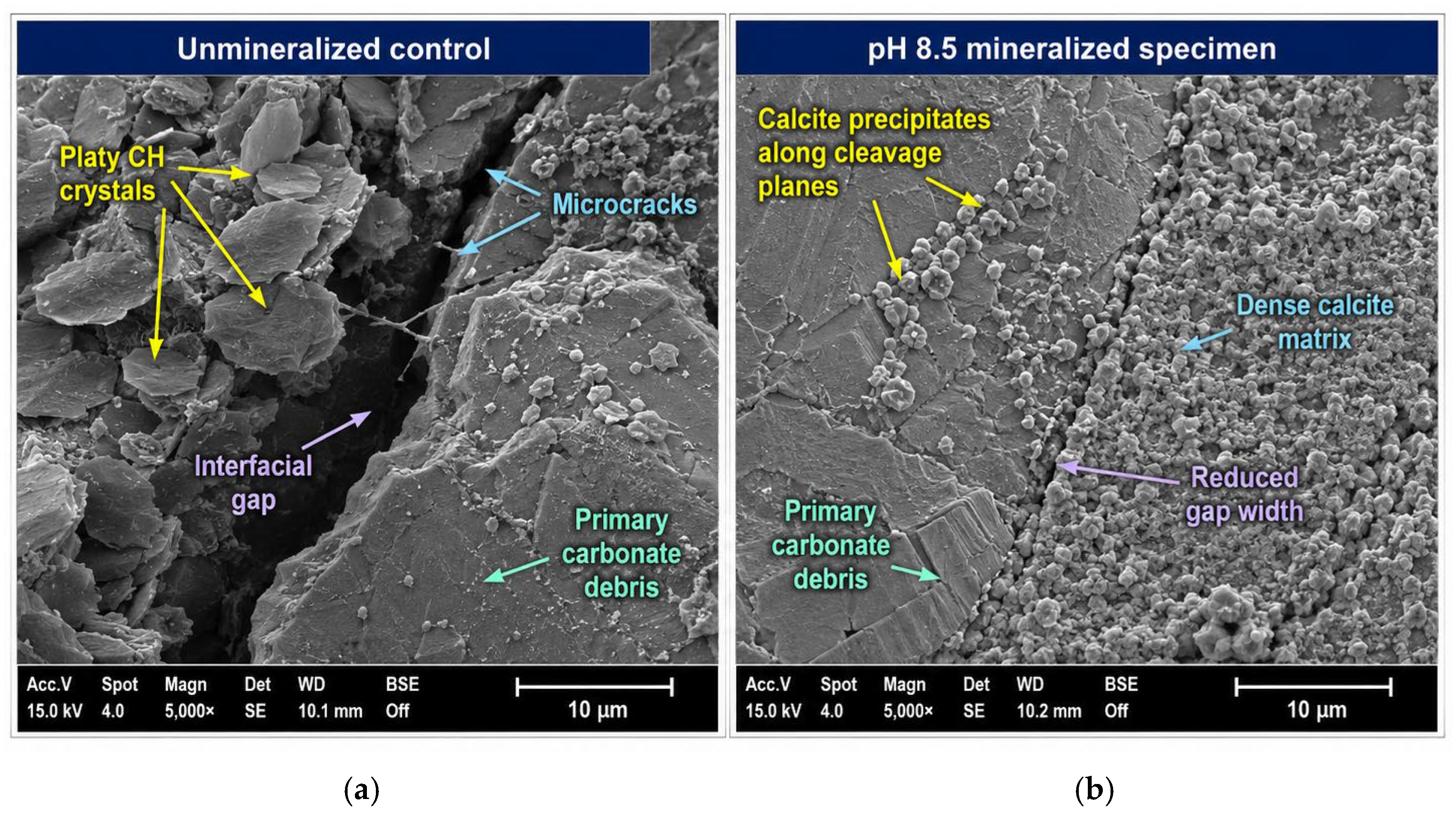
Synthesizing the above literature reveals four key research deficiencies: (1) quantitative investigation of how tailings mineral composition (specifically primary carbonate minerals) buffers pH evolution and affects CO2 mineralization behavior remains absent; (2) the role of nominal pH adjustment and its associated ionic legacy has not been systematically evaluated in carbonate-rich CTB systems (pre-treatment pH manipulation) to modulate carbonate nucleation kinetics and saturation index; (3) current kinetic models (primarily shrinking-core formulations) lack pH-dependent correction terms, preventing strength prediction across variable mine wastewater compositions; and (4) current interfacial strengthening mechanisms are described at the “pore filling” level, lacking crystallographic evidence for how neoformed carbonates interact with primary detrital carbonate debris. This study addresses these four critical gaps through pH-controlled ionic pre-conditioning, EBSD/TEM crystallographic characterization of debris-overgrowth interfaces, Rietveld XRD semi-quantitative phase analysis, and development of pH-corrected kinetic modeling.
Three principal advances of this investigation:
1. Process-parameter characterization under pH and ionic pre-conditioning: Nominal pH and ionic pre-conditioning was evaluated as a controllable process variable for carbonate-rich cemented tailings backfill, rather than as an isolated thermodynamic pH effect. Pore-solution pH evolution during the 0–4 h pre-set period was monitored to characterize carbonate-buffered alkalinity convergence and the associated ionic legacy. The subsequent variations in UCS and TGA-derived CO
2 uptake were, therefore, interpreted as responses to the combined nominal pH adjustment and ionic pre-conditioning history, rather than to pH alone [
21,
22,
24,
28];
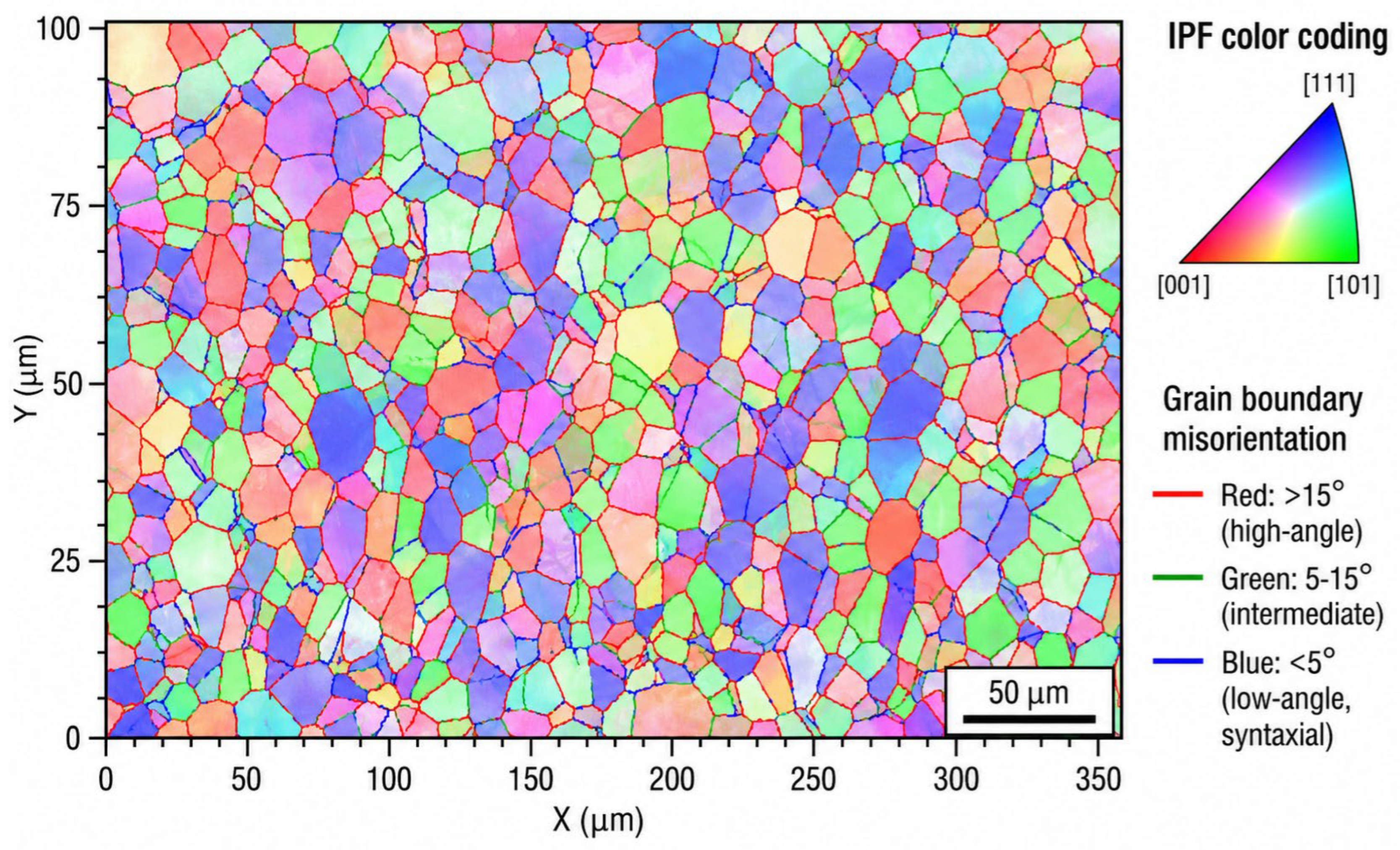
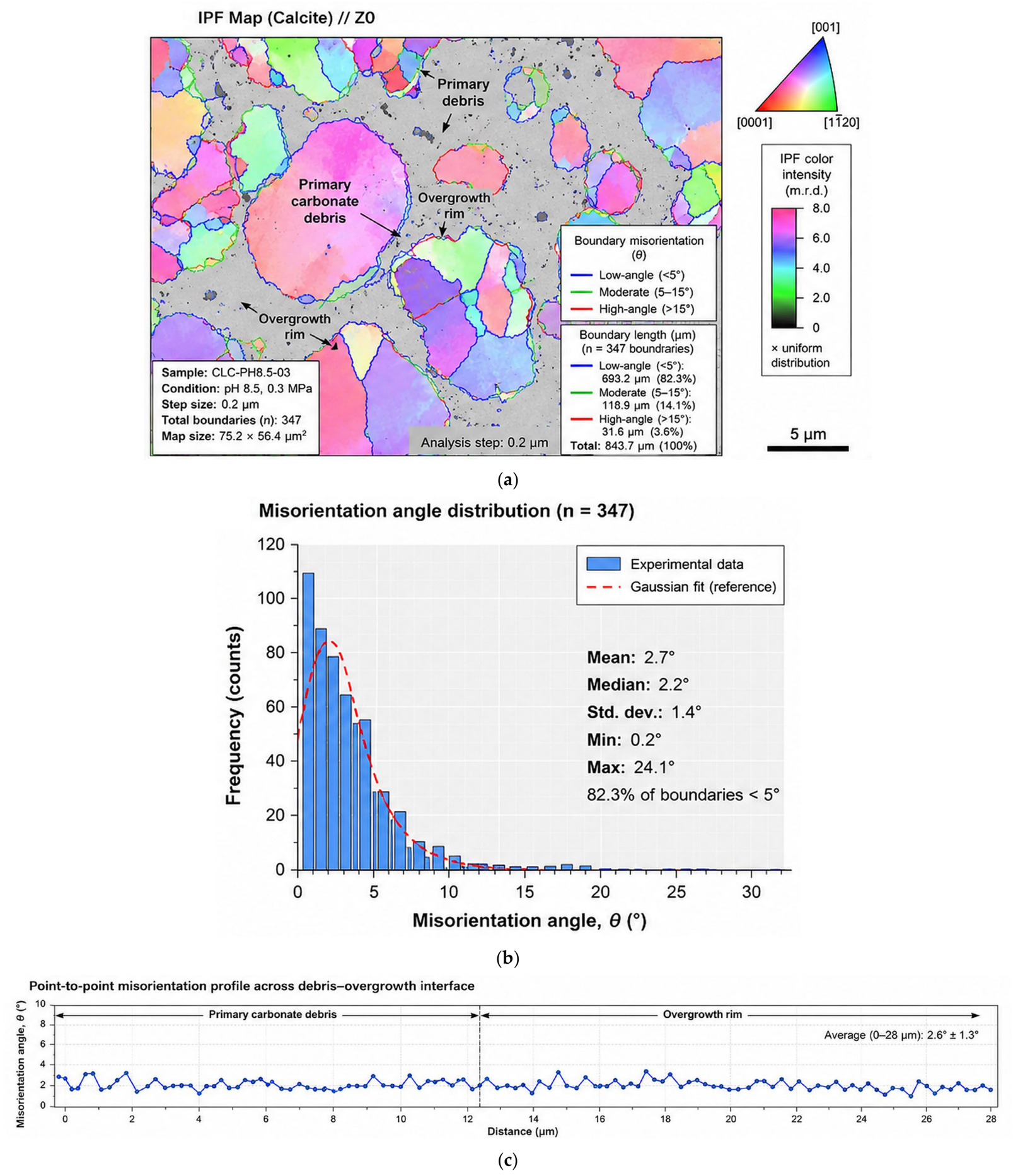
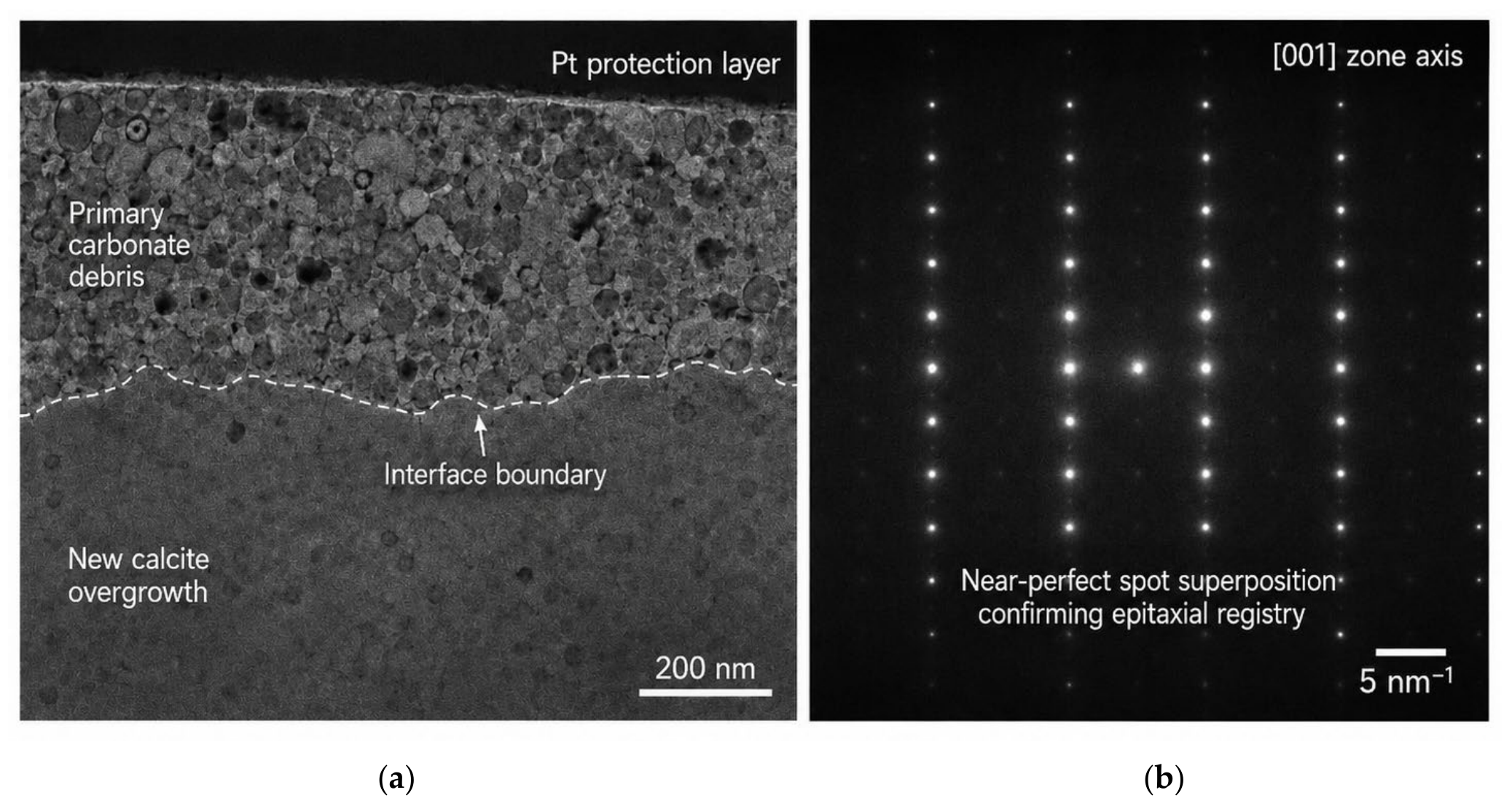
2. Direct crystallographic evidence of interfacial strengthening mechanisms: EBSD analysis of 347 grain boundaries and TEM-SAED examination of six independent cross-section foils provide the first direct proof of syntaxial calcite overgrowth (82.3% of grain boundaries exhibiting <5° misorientation) on detrital carbonate substrates. This crystallographically templated growth mechanism, well-established in carbonate sedimentology over geological timescales [
23,
24,
25,
26], is demonstrated here to operate on cementitious mineral systems within hours under elevated CO
2 pressure;
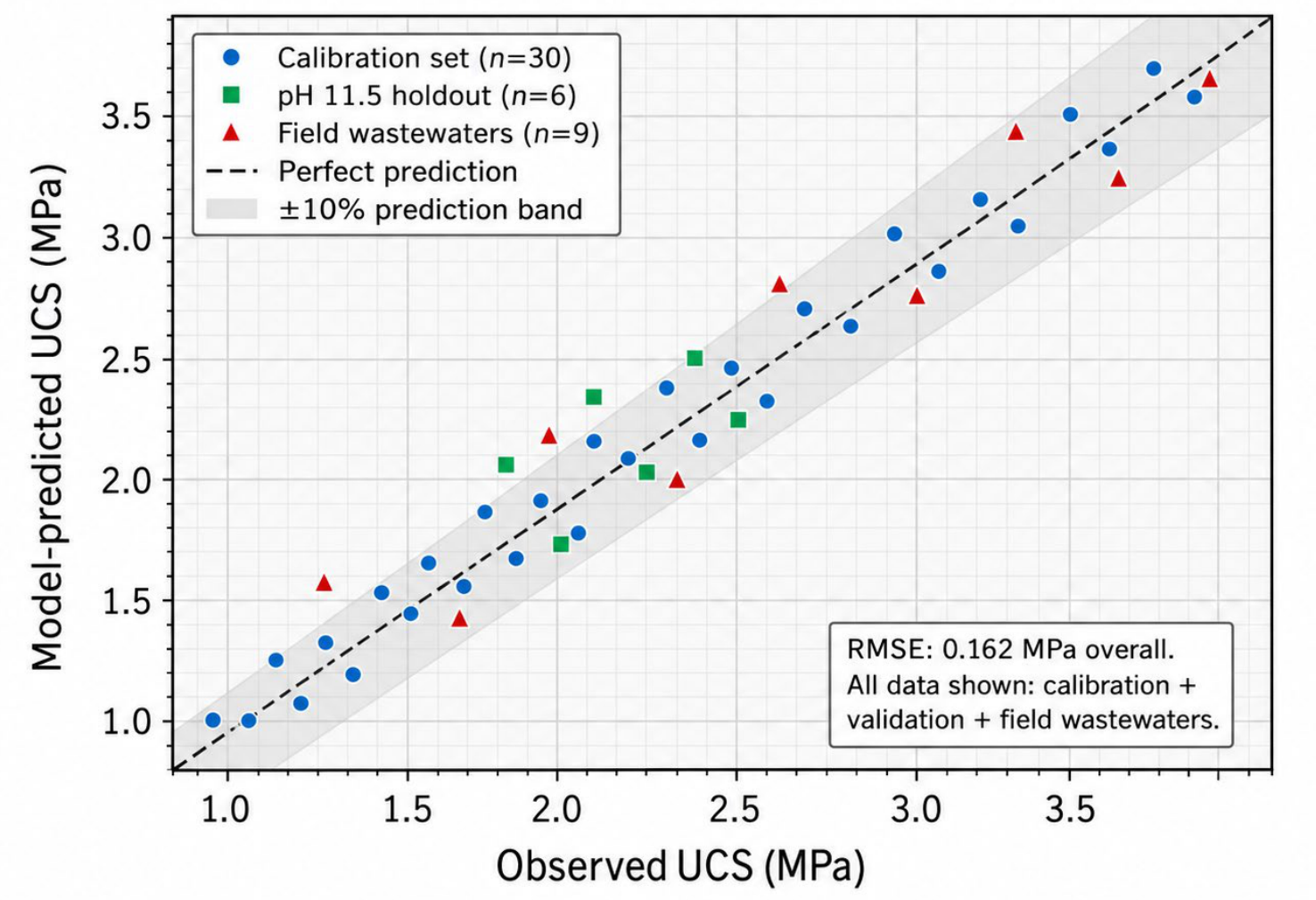
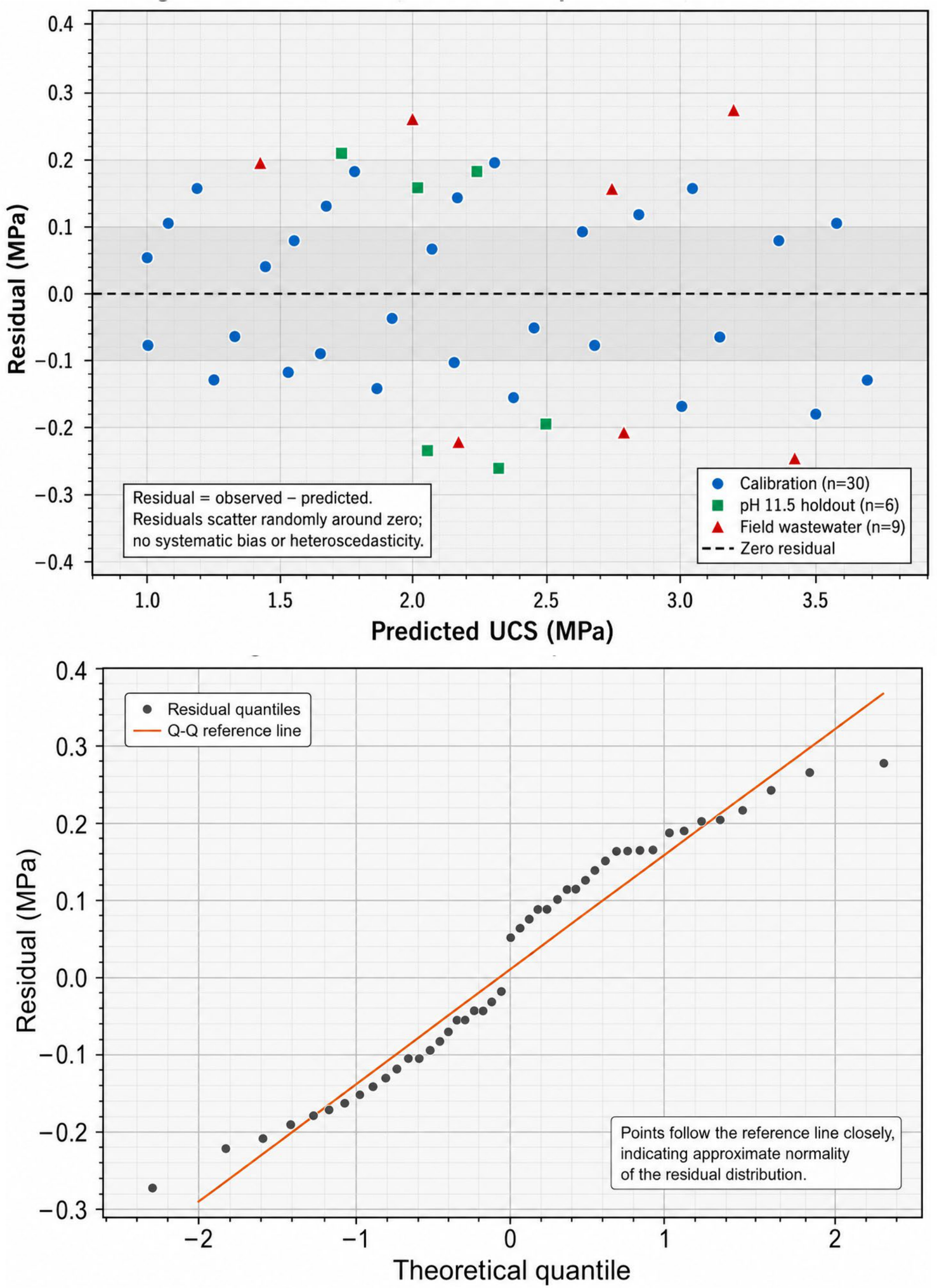
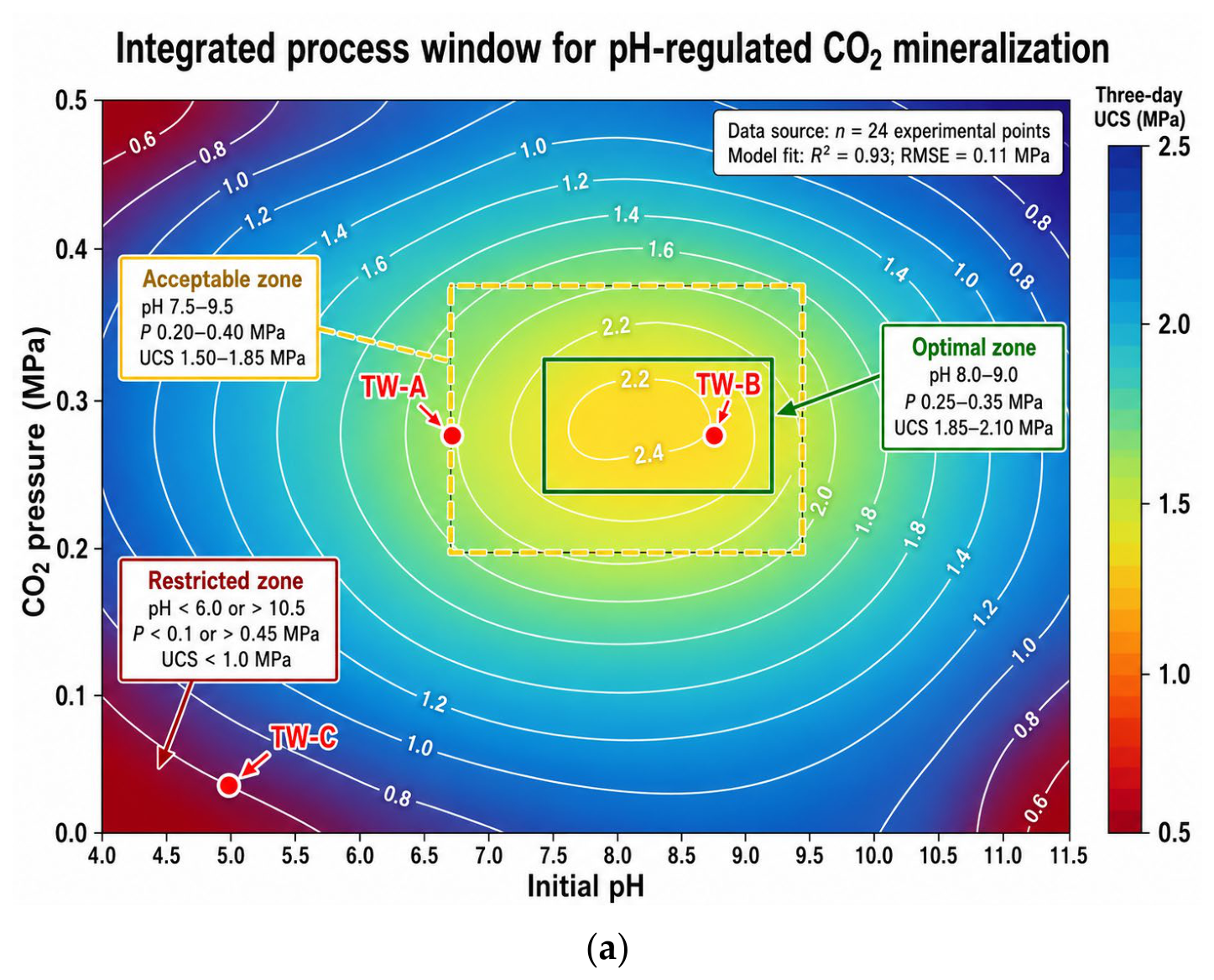
3. Quantitative process modeling and pilot-scale field assessment: A shrinking-core kinetics-Ryshkewitch composite model incorporating pH-dependent correction functions was developed as a semi-empirical screening tool for 3-day strength prediction. Validation with site wastewaters showed acceptable agreement for TW-A and TW-B, whereas TW-C defined an acidic and sulfate-rich boundary outside the model’s reliable applicability (see Appendix section Site Wastewater Chemical Composition and
Table A10). Underground coring at −500 m depth provided pilot-scale evidence that a 23 mm mineralized shell can contribute to shallow exposed-face stabilization during the critical 2–3-day free-standing period, but further long-term field monitoring is required before engineering-scale generalization.
2. Materials and Methods
2.1. Raw Materials and Mixing Waters
Total tailings were sampled directly from the thickener underflow stream at the Pb-Zn mine concentrator facility (Chifeng, China). The deposit represents a classic skarn-type Pb-Zn orebody occurring at the contact zone between Permian-age limestone and Yanshanian granite. The mine employs sublevel stoping with delayed cemented backfill placement at depths ranging from −200 to −600 m.
Tailings samples were oven-dried to a constant mass and prepared via riffle splitting to ensure representative sampling. Laser diffraction particle size analysis (Mastersizer 3000, Malvern Panalytical, Beijing, China) yielded d
10 = 4.27 μm, d
50 = 31.47 μm, d
90 = 118.63 μm, and uniformity coefficient C
u = 9.92, indicating a moderately well-distributed size spectrum. X-ray fluorescence (XRF) analysis determined CaO content at 16.74 wt%, while Rietveld refinement of the XRD patterns was used to estimate the total carbonate mineral content (calcite + dolomite combined) as 34.7 wt%. This elevated carbonate content reflects the skarn paragenesis of the ore deposit and results from Permian limestone contributing substantial carbonate debris to the flotation processing stream. The high carbonate mineral abundance creates a distinctive pH-buffering effect during early cement hydration, a phenomenon that becomes critically important in regulating subsequent CO
2 mineralization behavior and is therefore a central focus of this investigation [
21,
23,
24,
28].
Ordinary Portland cement (P.O 42.5) served as the sole binder phase; no supplementary cementitious materials or pozzolanic additions were incorporated to ensure that pH and CO2 effects on mineralization and strength development could be isolated without confounding pozzolanic reaction pathways.
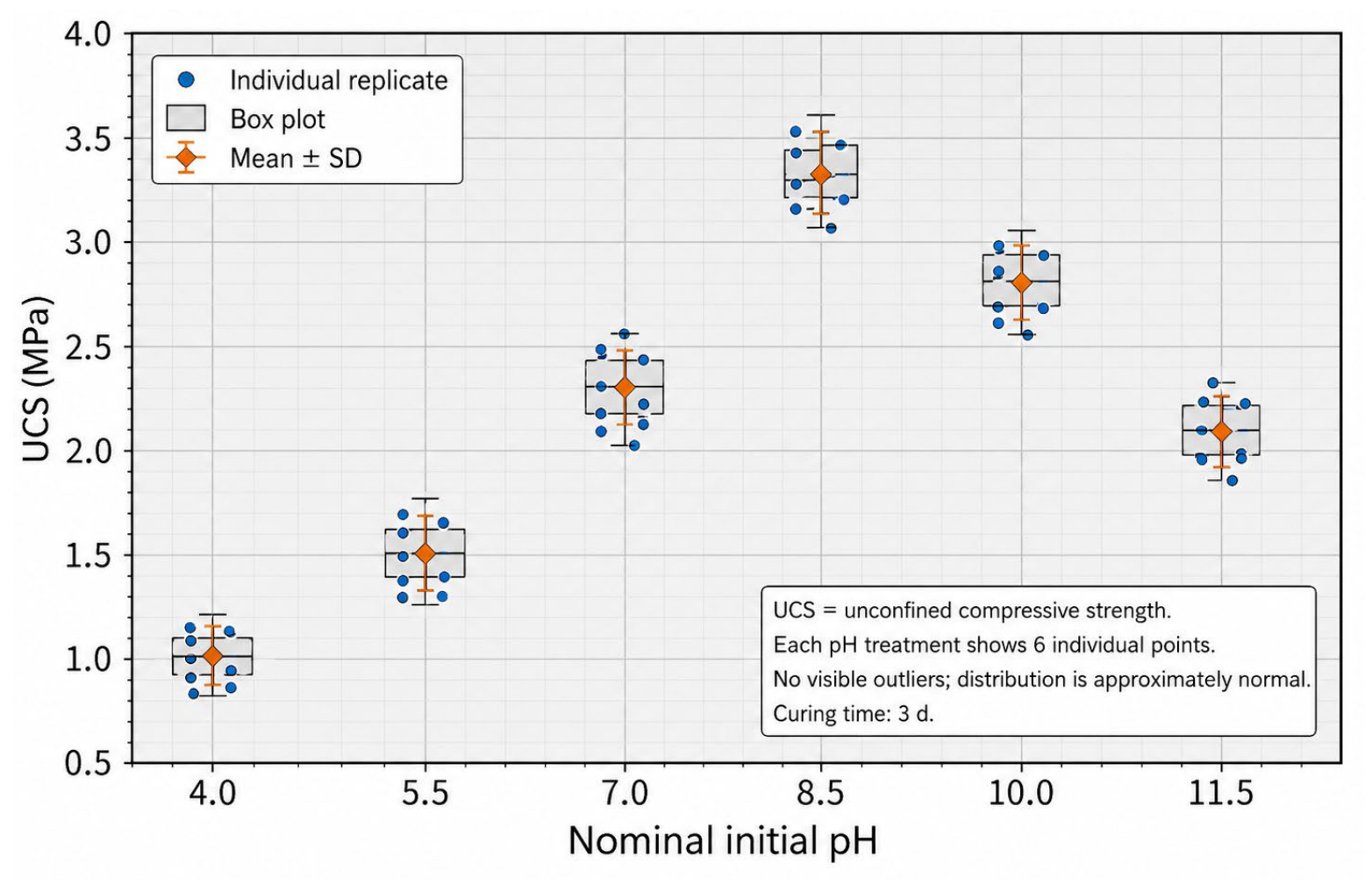
Mixing waters were prepared from deionized water adjusted to nominal initial pH values of 4.0, 5.5, 7.0, 8.5, 10.0, and 11.5 using analytical-grade HCl or NaOH. These six pH treatments served as experimentally distinct pre-conditioning protocols designed to interrogate the effect of ionic environment history. Actual pore solution pH at the time of CO
2 introduction was measured independently (cf. Results,
Section 3.1). At extreme pH adjustments, ionic strength contributions became non-negligible: chloride anion concentration from HCl reached approximately 0.15 mol/L at pH 4.0, while sodium cation concentration from NaOH reached approximately 0.03 mol/L at pH 11.5. These ionic strength effects are acknowledged as confounding variables; however, they were retained in the investigation to more accurately represent water chemistry variations encountered at operational mine sites [
19,
21,
22].
Consequently, the process investigated in this study should be interpreted as pH and ionic pre-conditioning rather than as a purely thermodynamic pH effect. Because no constant ionic strength control series was performed, the independent contributions of pH, Cl−, Na+, and total ionic strength cannot be fully separated. The observed response, therefore, reflects the combined effect of nominal pH adjustment and the associated ionic legacy during the 0–4 h pre-set period.
High-purity bottled CO2 (≥99.5 vol.% purity) was used exclusively throughout all mineralization experiments.
2.2. Experimental Design and Process Parameters
A one-factor-at-a-time (OFAT) screening strategy was systematically applied to characterize the individual and independent effects of each process parameter on strength development and carbonation outcomes. Although OFAT methodology does not capture higher-order parameter interactions, this approach is particularly well-suited to early-stage process characterization investigations where elucidation of dominant mechanisms must precede factorial design optimization [
29]. Baseline experimental conditions were established at cement-to-tailings ratio 1:6, slurry concentration 72 wt%, initial pH 7.0, CO
2 partial pressure 0.3 MPa, and mineralization duration 48 h.
Cylindrical test specimens (diameter 50 mm, height 100 mm) were demolded at approximately 4 h post-casting, corresponding to initial set stage as determined by penetration resistance testing (≈3.5 MPa per ASTM C403 [
30]), and immediately transferred to a pressurized stainless steel reactor (working volume 50 L, specimen spacing maintained at ≥20 mm to ensure uniform gas contact). Static CO
2 pressure was maintained at (20 ± 2) °C ambient temperature and (60 ± 5)% relative humidity for 48 h duration, with measured specimen mass loss of (0.8 ± 0.2)%. Following mineralization treatment, specimens were transferred to a standard moisture-controlled chamber ((20 ± 2) °C, ≥95% RH) and maintained under these conditions until mechanical testing. Control specimens omitted CO
2 exposure and were cured under identical temperature and humidity conditions. Preliminary thermogravimetric analysis supported that film-sealed versus unsealed control specimens cured at ≥95% RH differed by less than 0.3 wt.% in the 600–800 °C decomposition mass loss window, establishing that negligible atmospheric carbonation occurred under these curing conditions; consequently, no additional sealant protection was applied. Each experimental group comprised six replicate specimens (mean ± standard deviation reported throughout).
2.3. Testing and Characterization
Mechanical characterization: Uniaxial compressive strength (UCS) was determined using an MTS-815 servo-hydraulic testing system (MTS Systems Corporation, Beijing, China) operating at a constant displacement rate of 0.5 mm/min.
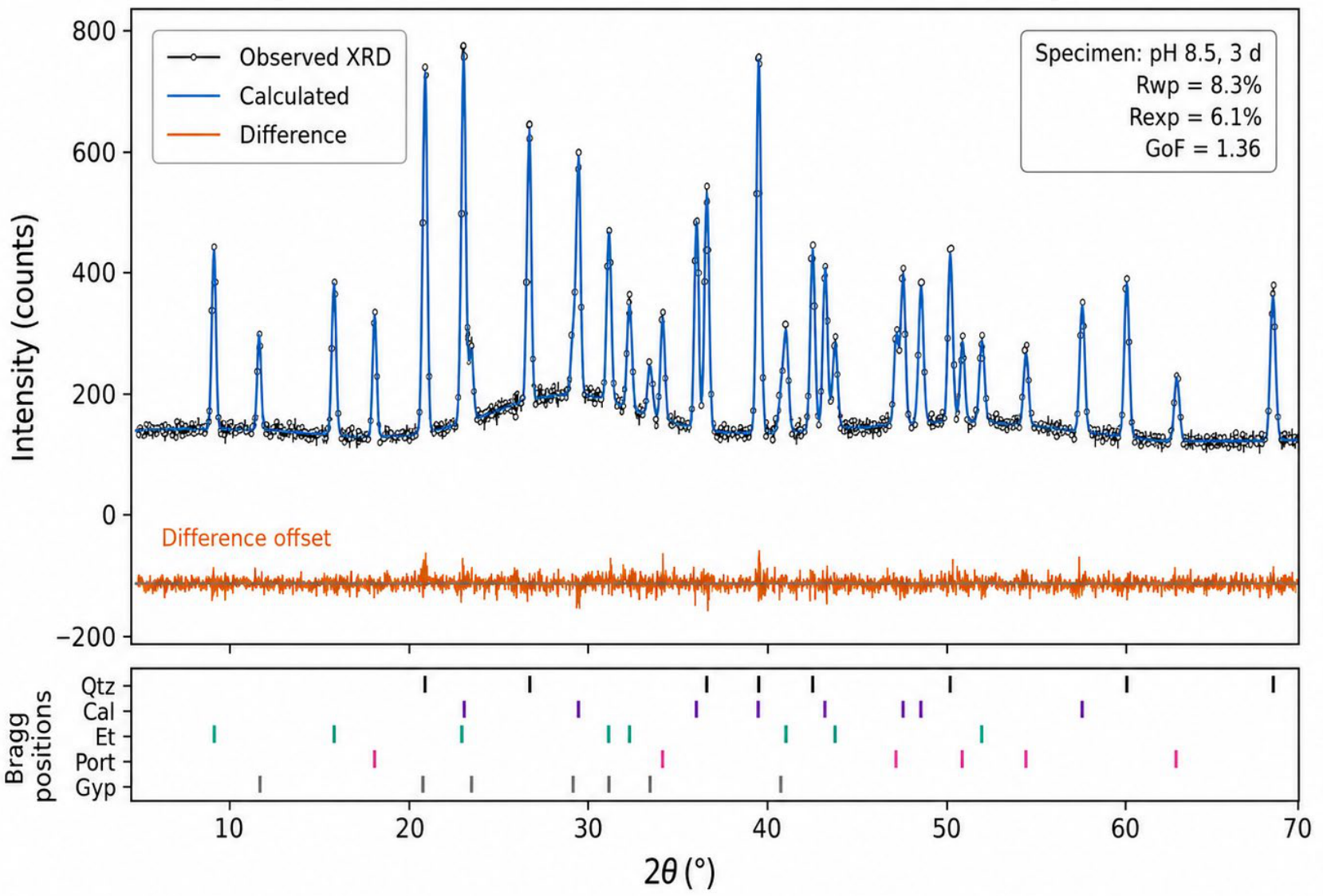
Phase analysis and thermochemistry: X-ray diffraction (XRD) employed a Bruker D8 ADVANCE instrument (Bruker, Beijing, China, Cu Kα radiation, 40 kV acceleration voltage, 5–70° 2θ range, 0.02° step increment). Rietveld refinement was used only for semi-quantitative comparison of phase-evolution trends under identical refinement settings from XRD patterns while explicitly accounting for the multi-phase nature of cemented tailings backfill. Because the specimens contain multiple crystalline phases as well as poorly crystalline components, the resulting phase contents are reported and interpreted as semi-quantitative, with emphasis on comparative trends under identical measurement and refinement settings rather than on high-precision absolute fractions. In this framework, “unreacted cement clinker” is treated as a composite term representing overlapping reflections from multiple clinker minerals, rather than a single independent crystalline phase. Refinement quality is assessed using standard fit indicators (Rwp, Rexp, and GoF), and convergence is defined by a stringent residual criterion (relative residual < 10
−6) (see
Appendix A.1.2,
Table A2,
Table A3, and
Figure A12). Thermogravimetric analysis (TGA) was performed on a Netzsch STA 449 F5 system (NETZSCH-Gerätebau GmbH, Beijing, China) at a heating rate of 10 °C/min under nitrogen atmosphere (see
Appendix A.1.1 and
Table A1).
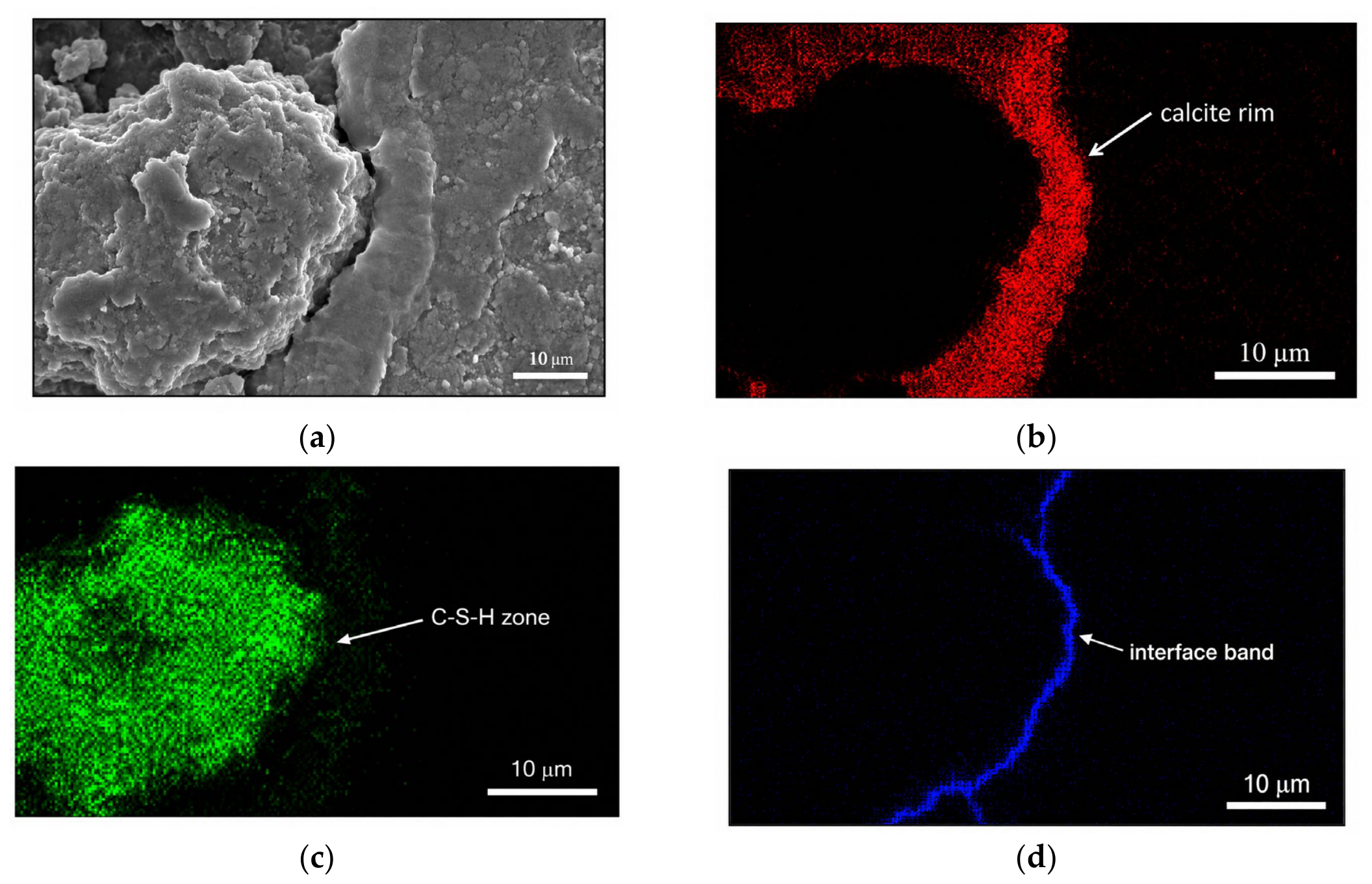
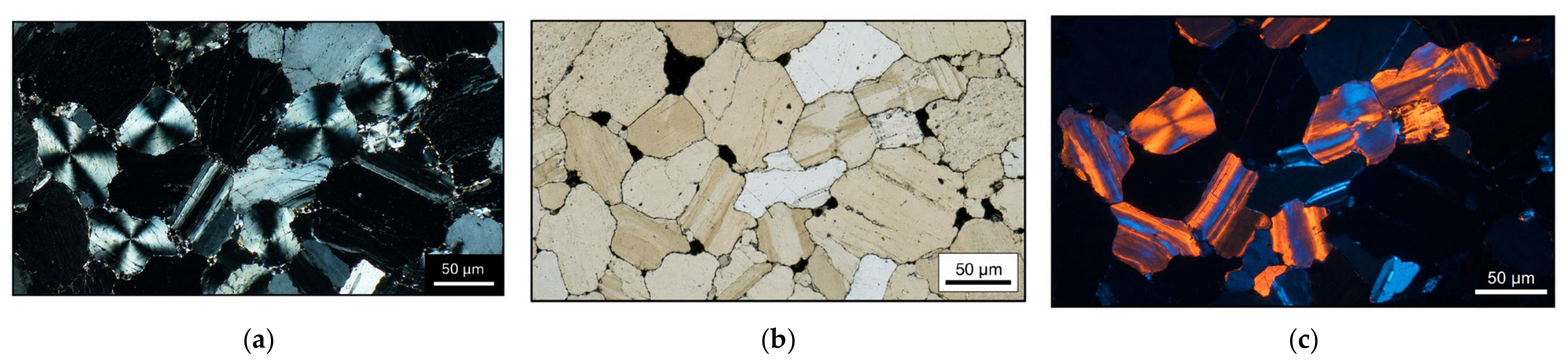
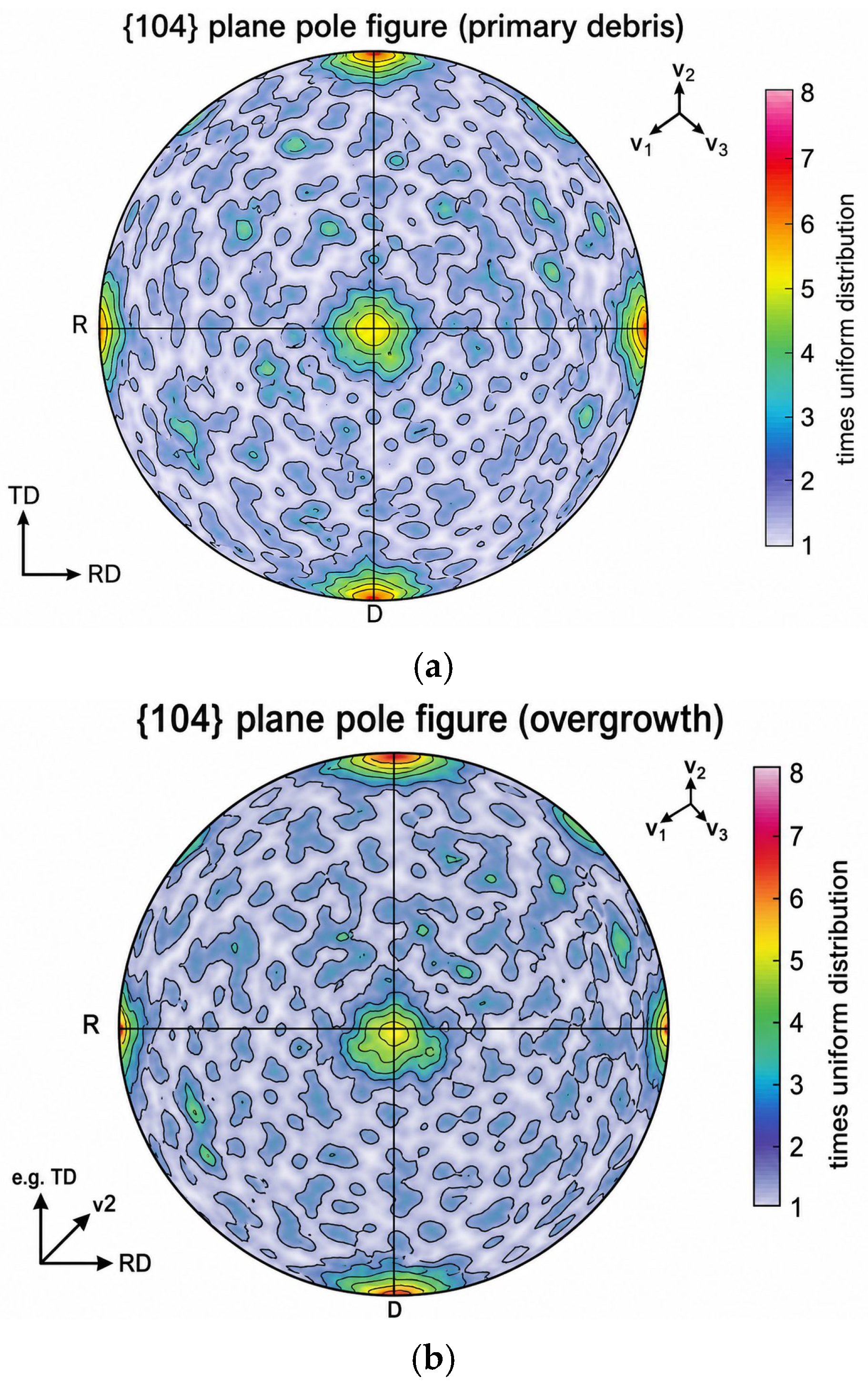
Microstructural characterization: Electron backscatter diffraction (EBSD) orientation mapping was conducted using a Zeiss Gemini 300 field-emission scanning electron microscope (Carl Zeiss AG, Inner Mongolia, China) equipped with an Oxford Symmetry EBSD detector (Oxford Instruments, Beijing, China), employing a 0.2 μm scan step. Specimens were prepared by argon ion beam polishing (Leica TIC 3X, 6 kV, 2 h duration) to remove surface-deformed material. Primary carbonate debris was systematically distinguished from newly formed calcite through assessment of spatial positioning, crystal morphology, and cathodoluminescence response. A total of 347 grain boundaries extracted from four representative specimens were quantitatively analyzed, achieving an average indexing rate of 63.4% (see
Appendix A.2.1 and
Table A4).
Transmission electron microscopy (TEM) observations were conducted on an FEI Tecnai G2 F20 instrument operating (Thermo Fisher Scientific, Beijing, China) at 200 kV acceleration voltage, coupled with selected-area electron diffraction (SAED) analysis. Six focused-ion-beam (FIB) prepared cross-section foils from three specimens were examined to assess lattice-scale crystallographic relationships. All six foils crossed the debris-overgrowth interface; five showed clear and interpretable SAED patterns suitable for spot-superposition assessment, while one foil was used only for bright-field interface morphology because of local thickness-related diffraction degradation (see
Appendix A.2.2 and
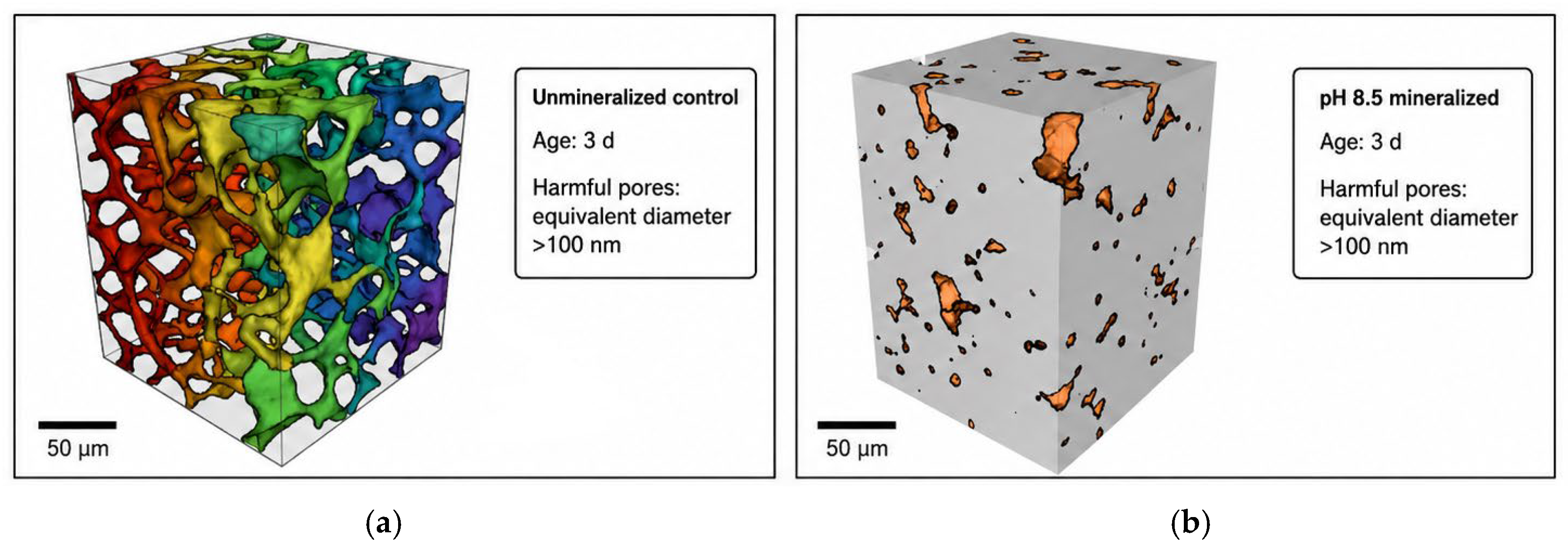
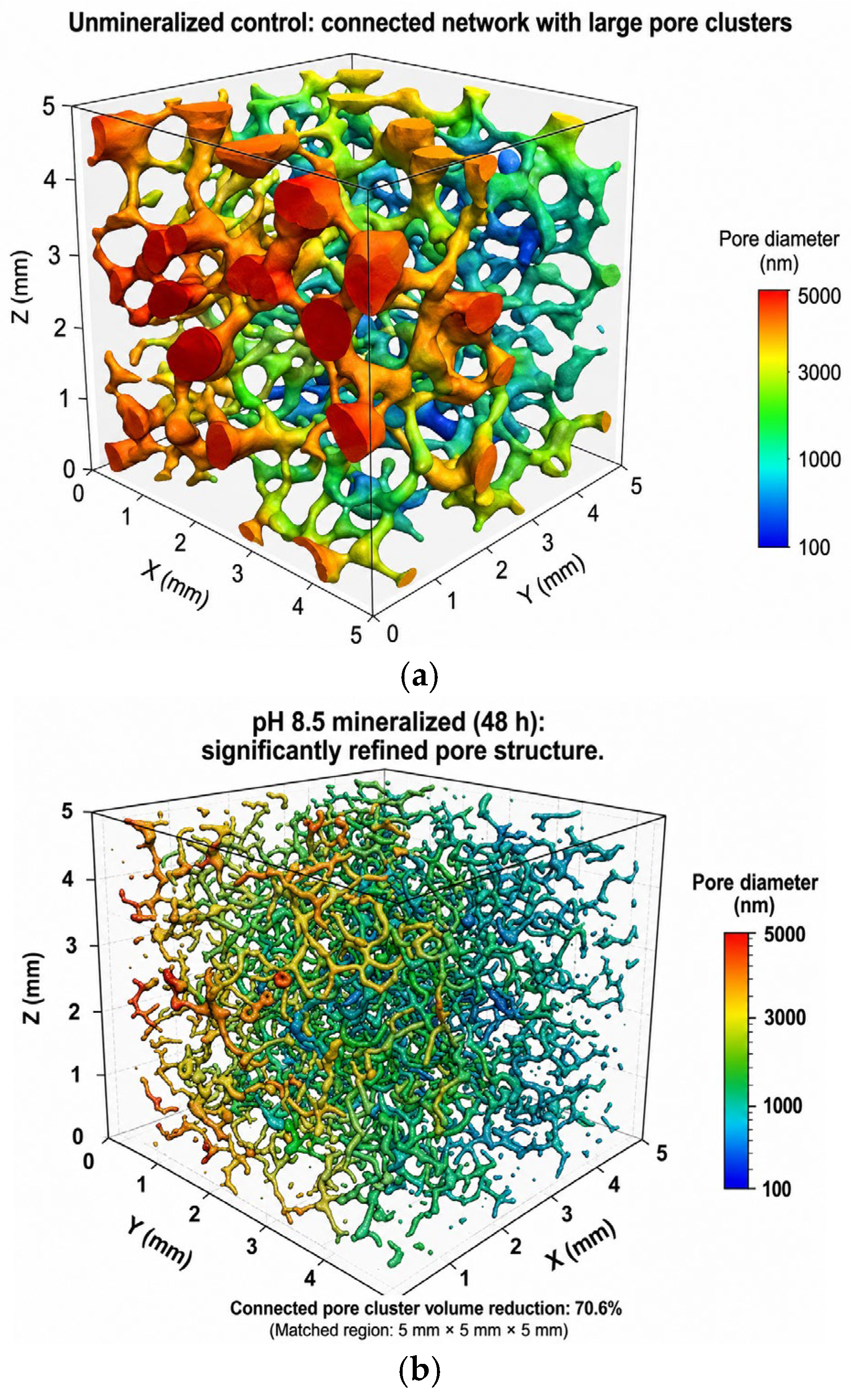
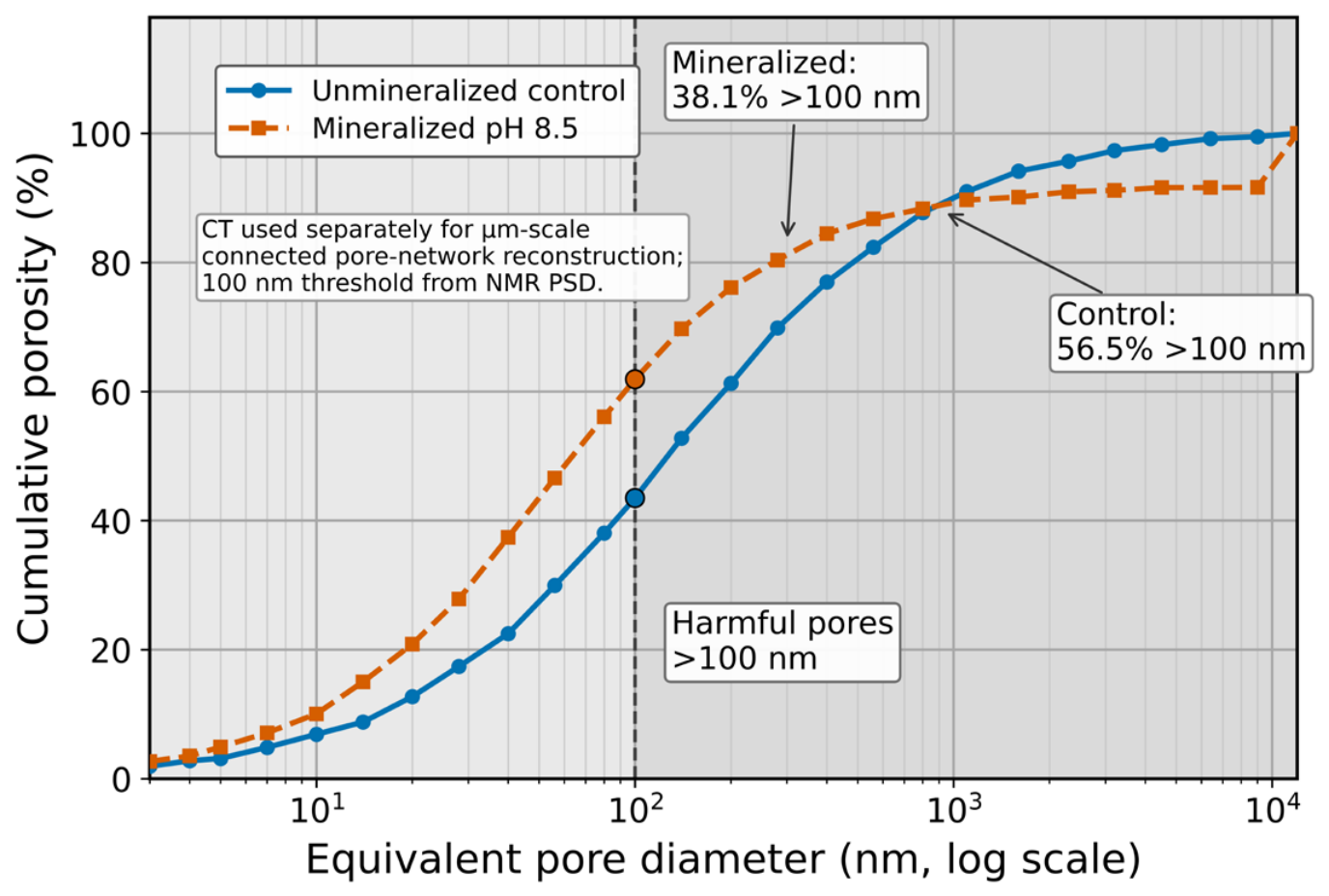
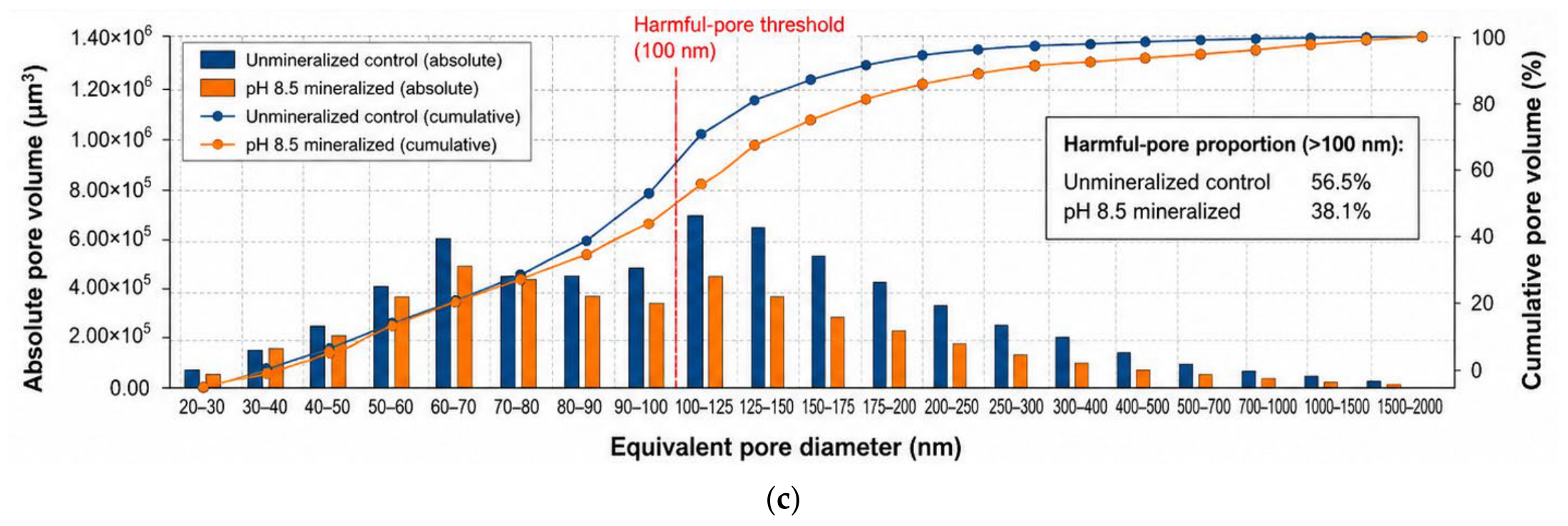
Table A5). X-ray computed tomography (Zeiss Xradia 510 Versa, 2.5 μm voxel resolution, Carl Zeiss AG, Beijing, China) was employed to reconstruct micrometer-scale three-dimensional pore-network geometries and to quantify connected macro-pore cluster volume. Because this voxel resolution cannot resolve submicrometer pores, CT data were not used to define the 100 nm harmful-pore threshold. Low-field nuclear magnetic resonance (NMR; Niumag MesoMR 23-060, Suzhou Niumag Analytical Instrument Co., Ltd., Beijing, China) was applied to obtain quantitative pore-size distributions, effective porosity, and the fraction of pores exceeding the 100 nm equivalent-diameter threshold (see
Appendix B.3).
Pore solution chemistry: At initial set (~4 h post-casting), pore solutions were extracted via vacuum filtration through 0.45 μm polyethersulfone membranes from three companion specimens per pH treatment group. pH values were measured immediately upon extraction using a calibrated glass electrode referenced to buffer standards. Tailings-only control blanks (cement absent) were prepared to quantify carbonate mineral buffering capacity independently of cement hydration effects.
Heavy metal leaching assessment: Toxicity characteristic leaching procedure (TCLP) tests were conducted following Chinese standard HJ 557-2010 [
31] protocol (horizontal oscillation at 30 rpm, specimen fraction < 9.5 mm, liquid-to-solid mass ratio 10:1). Elemental analysis of Zn
2+, Pb
2+, Cd
2+, and As was performed by inductively coupled plasma mass spectrometry (ICP-MS) with three replicates per treatment group.
Carbon sequestration quantification: Net CO
2 uptake was calculated according to:
where Δ
mmin and Δ
mctrl represent TGA mass losses (wt%) in the 600–800 °C decomposition window for mineralized and control specimens, respectively. This temperature window specifically isolates CaCO
3 decomposition, avoiding overlap with CH dehydration (400–500 °C) and C-S-H dehydration (100–300 °C).