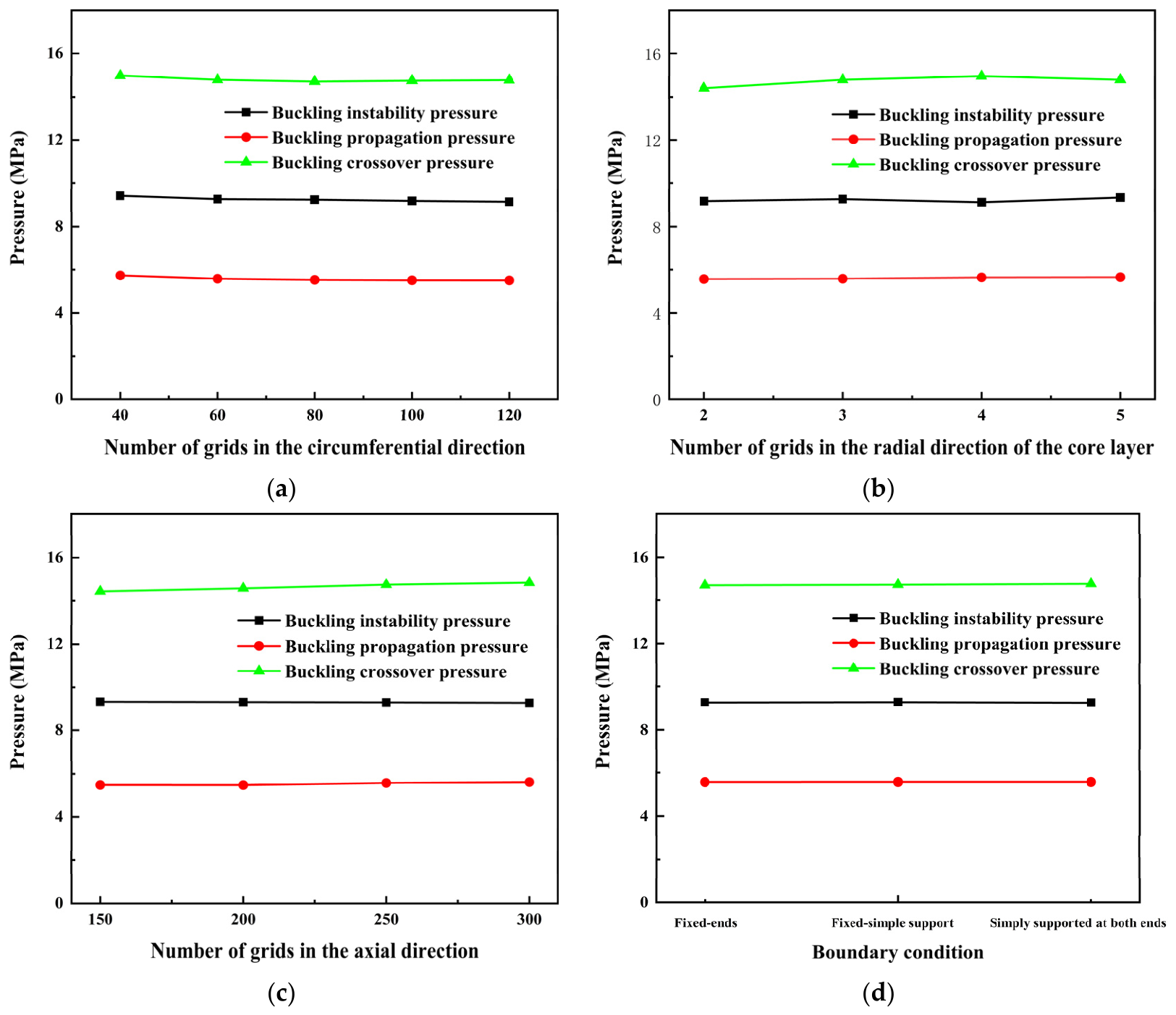
1. Introduction
As the development of offshore oil and gas resources continues to advance into deep and ultra-deep waters, deep-sea subsea pipelines face severe challenges in terms of flow assurance and structural integrity [
1,
2]. The development of sandwich pipes with both good thermal insulation and structural strength has become an important technical pathway. It ensures the strategic safety of deep-sea oil and gas development. However, with the increase in the service life of the pipeline, the local or overall thinning of the pipe wall caused by corrosion significantly weakens the structural resistance of the pipeline. Under high hydrostatic pressure in deep water, this can easily induce buckling instability failure, leading to overall pipeline failure and causing serious economic losses [
3,
4,
5,
6]. Therefore, it is of great significance for guiding the design and safe operation of deep-sea submarine pipelines to carry out research on the evaluation of the buckling arrest performance of corroded sandwich pipes.
In early 1970, Mesloh et al. first discovered the phenomenon of buckle propagation in subsea pipelines through laboratory experiments. Their study pointed out that attempting to design deepwater pipelines to completely avoid buckle propagation would be extremely costly [
7]. In order to prevent buckling propagation in pipelines, Johns et al. proposed the method of using an arrestor to suppress buckling propagation in 1978 and published the corresponding test results [
8]. Since then, various types of arrestors have gradually become a hot topic in the study of buckling control over submarine pipelines [
9,
10,
11,
12,
13,
14,
15,
16,
17,
18,
19,
20,
21,
22]. Kyriakides et al. conducted research on three types of buckle arrestors (slip-on, spiral, and integral) and provided empirical formulas relating buckle arrestor length, thickness, and material properties to arresting efficiency [
9,
10,
11]. Through a combination of experiments and numerical simulations, Lee et al. found that the arresting efficiency formula proposed by Kyriakides is too conservative for certain combinations of arrestors and pipe yield stress [
12,
13]. For this reason, the design formula was modified through a broader parametric analysis, and finally, an arresting efficiency formula with a wider range of applicability was obtained. Gong et al. investigated the buckle crossover pressure of welded-ring buckle arrestors under external pressure; revealed the effects of weld size, geometric characteristics, and material properties on arrestor efficiency; and established an empirical expression for the crossover pressure of welded-ring arrestors. Combined with a lower-bound envelope line, this expression can reasonably estimate arresting efficiency [
14]. Huang investigated the performance of spiral buckle arrestors using scaled-model tests. It was found that the buckle crossover pressure depends on the pipe diameter-to-thickness ratio and mechanical properties, as well as the rod diameter, number of turns, and mechanical properties of the spiral buckle arrestor [
15]. Lee et al. conducted research on the arresting efficiency of snap-on buckle arrestors for pipelines applicable to moderately deep and deep water. Through experiments and full-scale numerical simulations, they performed parametric analyses of arrestor efficiency and proposed a corresponding empirical formula for arrestor efficiency [
16]. Prasad et al. proposed a new type of Double-C clamp arrestor to improve the buckling load capacity of a pipeline. The experimental results show that the addition of an arrestor has a significant effect on the critical buckling load of the pipeline. When a Double-C clamp buckle arrestor is used, the critical buckling load of the pipeline is significantly higher than that of a single group configuration and a pipeline without the device, which is 42.8% higher than that of the pipeline without the arrestor device and 19% higher than that of the pipeline only equipped with the single group arrestor [
17].
With the advancement of new materials, carbon fiber buckle arrestors have emerged as a research focus in the field of submarine pipeline buckling control, attributed to their excellent properties such as low weight, high strength, and corrosion resistance. Compared with conventional metal buckle arrestors, carbon fiber composites offer higher arresting efficiency while reducing structural weight, thereby demonstrating great application potential in medium-deep and deep-water pipeline engineering [
23,
24,
25,
26,
27,
28]. Wang et al. investigated the effects of the number of carbon-fiber-reinforced polymer (CFRP) layers, CFRP thickness, and adhesive performance on the crossover pressure through small-scale pipe collapse experiments and non-linear finite element simulations. They found that the number of CFRP layers and CFRP thickness significantly influence the arresting performance of CFRP arrestors, while the effect of interface bonding performance on the arresting ability is less significant [
23,
24]. Alrsai et al. investigated the feasibility and efficiency of CFRP buckle arrestors in steel pipelines through high-pressure laboratory tests. The arrestors were fabricated using prepreg, wet layup, and vacuum bagging and were subjected to rough and fine sand surface treatments. The results showed that the efficiency of CFRP buckle arrestors produced by different methods ranged from 0.74 to 1.0, with the highest efficiency achieved by the wet layup technique using fine grinding and circumferentially oriented fibers. Moreover, under the same efficiency conditions, CFRP buckle arrestors can be much thinner than conventional snap-on or integral buckle arrestors [
25,
26]. Wang et al. studied the effect of interfacial bonding behavior on the arresting efficiency of carbon-fiber-reinforced plastic buckling arrestors. The failure mechanism of the interface between the pipe and the carbon-fiber-reinforced plastic arrestor was revealed [
27]. Yu et al. employed a multi-objective optimization method based on the Non-Dominated Sorting Genetic Algorithm III (NSGA-III) algorithm to optimize the fiber shape of CFRP laminates, with the objectives of maximizing arresting efficiency and structural fundamental frequency while minimizing fiber waviness. Through parametric studies on the optimization results, they verified the feasibility of this optimization method and the application value of the novel buckle arrestor [
28].
Based on the above research, a large number of scholars have carried out systematic research on arrestors, focusing on the influence of structural parameters, material parameters, the number of arrestors, and interface bonding performance on the arresting efficiency. However, most of these studies have taken intact pipelines as the evaluation object, and the established arresting efficiency indicators are all based on the load-bearing capacity of intact pipelines. Directly applying the above research results obtained from intact pipelines to the arresting evaluation and arrestor design of corroded sandwich pipes often leads to problems such as unreasonable design and low arresting efficiency.
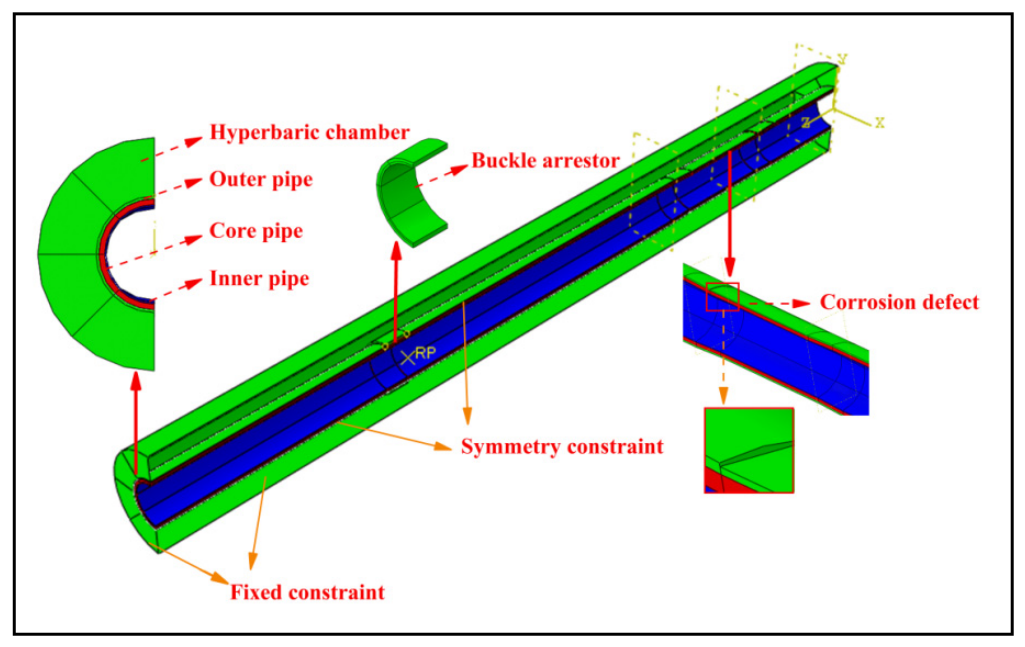
Thus, the main purpose of this research is to develop a comprehensive methodology for evaluating the effectiveness of buckling arrestors for sandwich pipes with corrosion defects. This purpose involves solving the following key tasks: conducting physical and numerical modeling of the buckle-crossing process of the buckling arrestor, taking into account corrosion defects; analyzing the influence of structural and material parameters of buckling arrestors on their effectiveness; the development of an empirical GA-BP methodology and algorithm for predicting buckling arrest performance; and the creation of practical recommendations on the design of buckling arrestors for pipelines with corrosion damage.
4. Parameter Study
Currently, common buckling arrestors can be classified into four types: integral, slip-on, welded-ring, and spiral arrestors. Among them, the integral buckle arrestor is recognized as the best choice to suppress buckling propagation in deep-sea and ultra-deep-sea submarine pipelines due to its continuous structure, high strength, and good reliability. Therefore, this paper selects the integral buckle arrestor as the research object to carry out subsequent analysis.
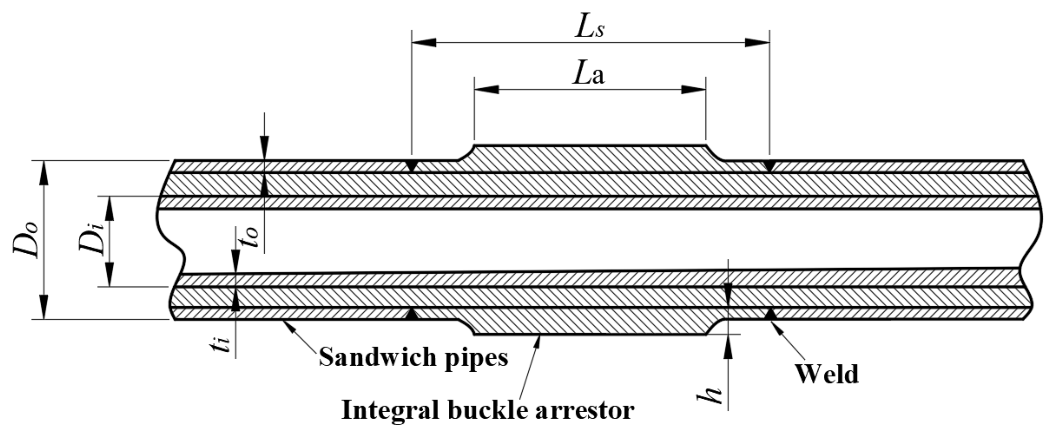
The integral buckle arrestor is a small reinforced structure welded between two sections of the outer pipe. Its inner diameter is consistent with the inner diameter of the outer pipe, but the wall thickness is significantly increased, so it has higher strength and stiffness, which can effectively suppress the propagation of buckling along the axial direction of the pipe. As shown in
Figure 9, the main geometric parameters of this arrestor include the total length
Ls, the effective length
La, and the reinforcement thickness
h, as well as the outer diameter Do and wall thickness t
o, which match those of the outer pipe. Among these,
La and
h are the key design parameters affecting the arresting efficiency.
4.1. Friction Coefficient
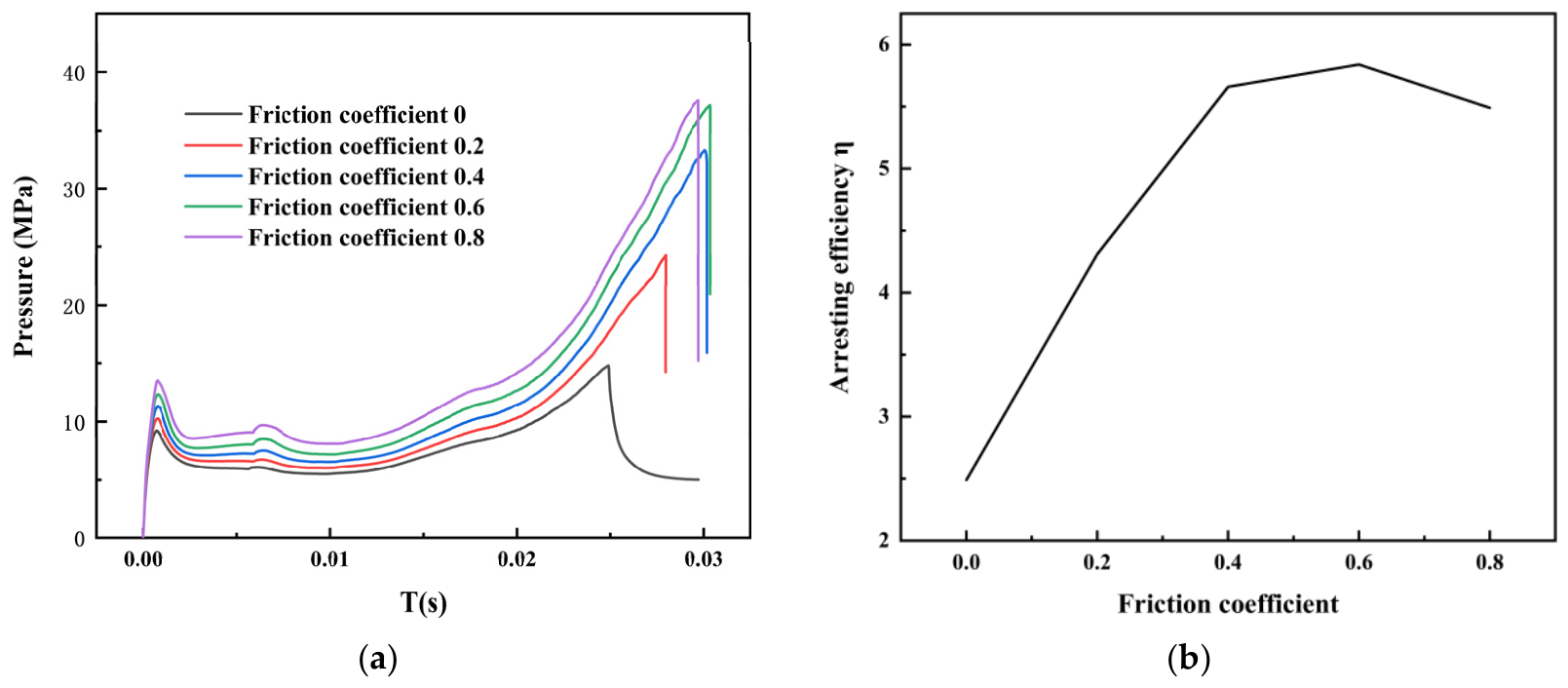
The arresting efficiency of the sandwich pipe is closely related to the contact model between layers. The magnitude of the contact force directly affects the buckling instability pressure, buckling propagation pressure, and arrestor crossover pressure and can usually be characterized by the interlayer frictional coefficient.
Figure 10 illustrates the effect of the frictional coefficient on the arresting efficiency. It can be seen from
Figure 10a that as the frictional coefficient increases, the buckling instability pressure, buckling propagation pressure, and arrestor crossover pressure all show an increasing trend, but with significant differences in the rates of increase. Among them, the buckling instability pressure and the buckling propagation pressure increase slowly, while the arrestor crossover pressure first increases rapidly and then slowly. This leads to a situation where the increase rate of the denominator in the arresting efficiency formula is first lower than that of the numerator and then greater than that of the numerator, resulting in the arresting efficiency first rising rapidly and then declining slowly, as clearly shown in
Figure 10b.
4.2. Arrestor Length
In order to analyze the effect of the arrestor length on the arresting efficiency
η, the study was conducted using arrestors with lengths
La of 0.5Do, 1.0Do, 1.5Do, 2.0Do and 2.5D
O.
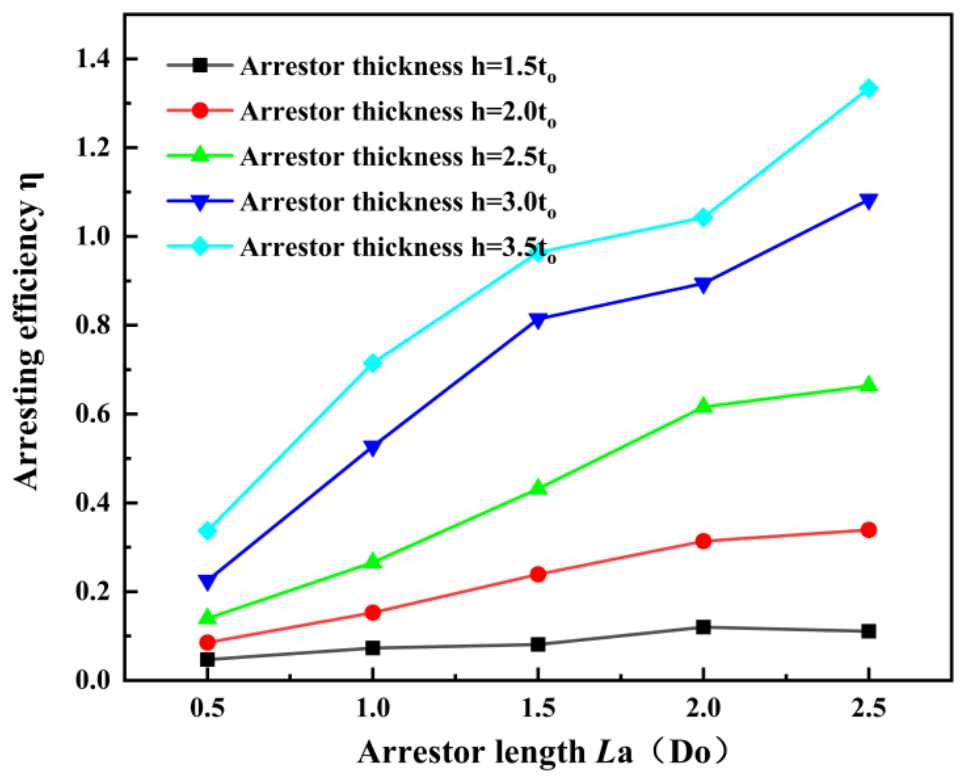
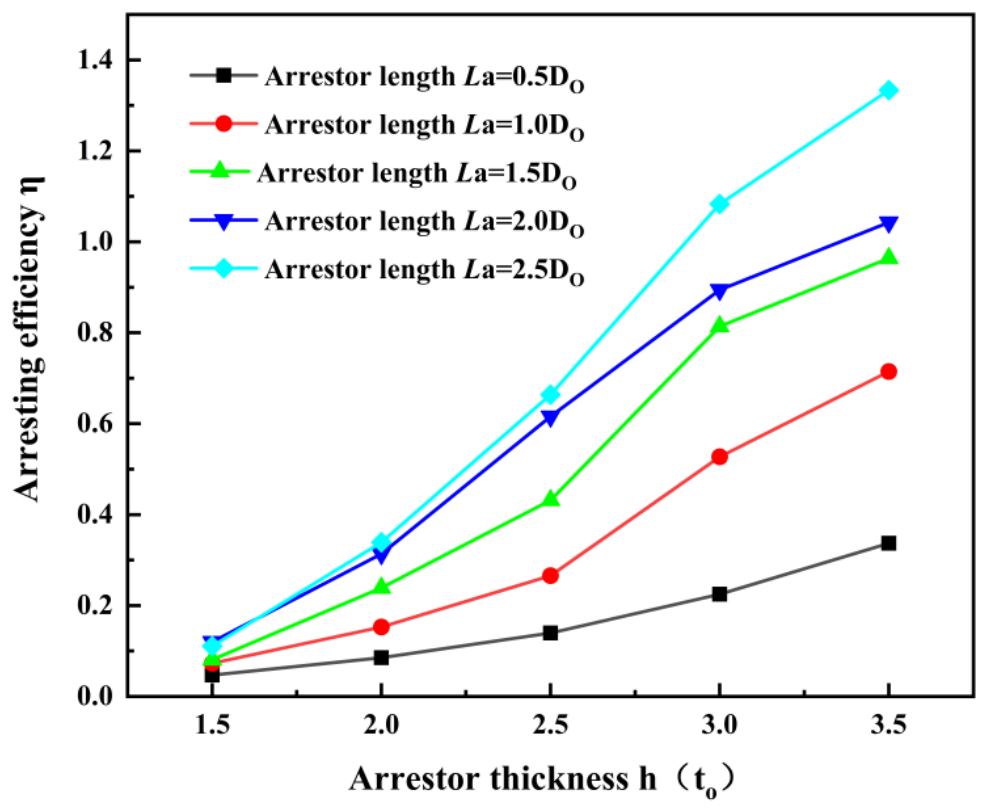
Figure 11 illustrates the effect of arrestor length on arresting efficiency. It can be observed that as the arrestor length increases, the arresting efficiency
η shows an increasing trend. Under fixed corrosion depth and width conditions, when the arrestor length increases from 0.5Do to 2.5Do and the arrestor thickness increases from 1.5t
o to 3.5t
o in increments of 0.5t
o, and the arresting efficiency increases by 135.24%, 296.77%, 375.08%, 381.70%, and 295.85%.
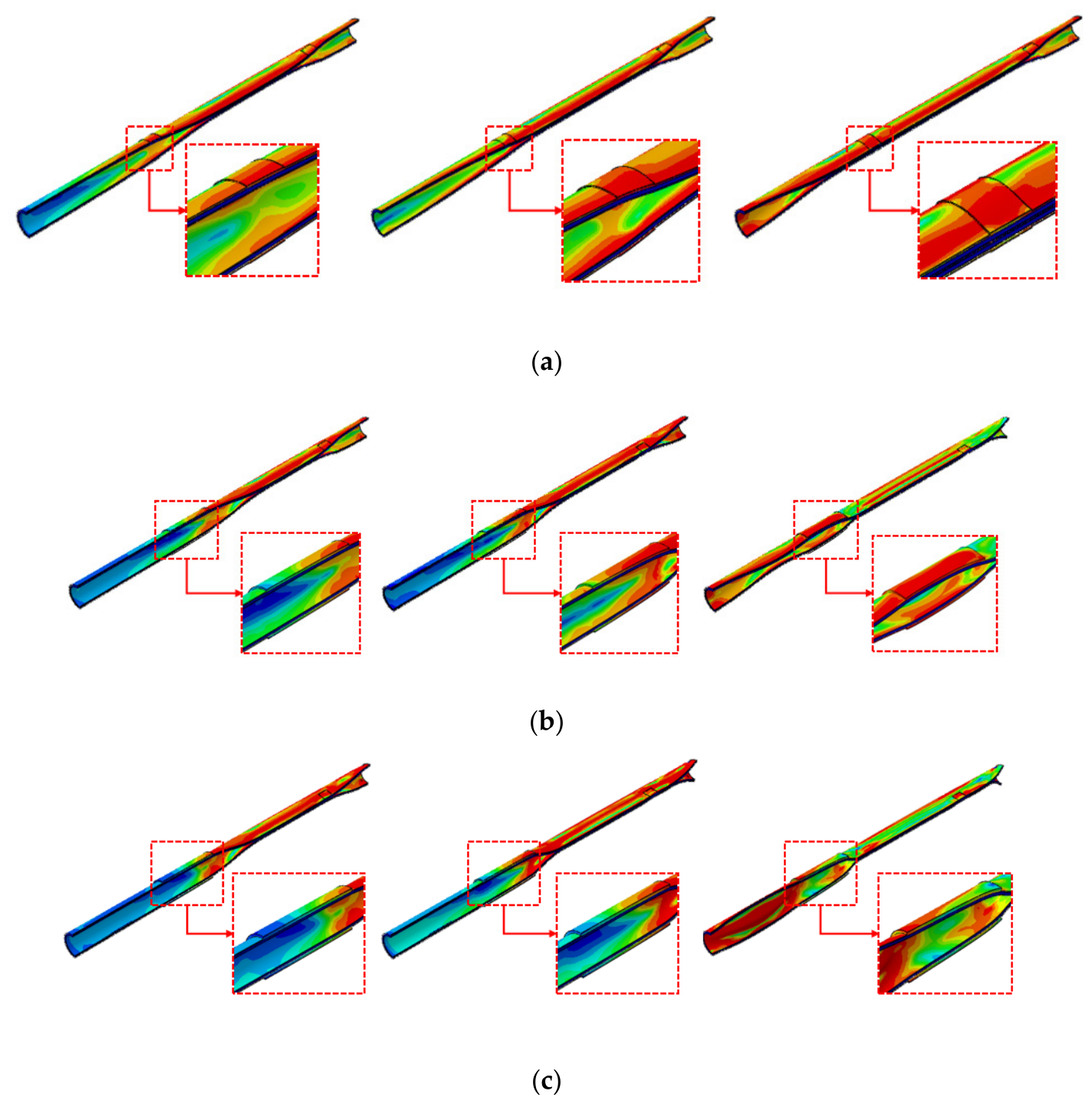
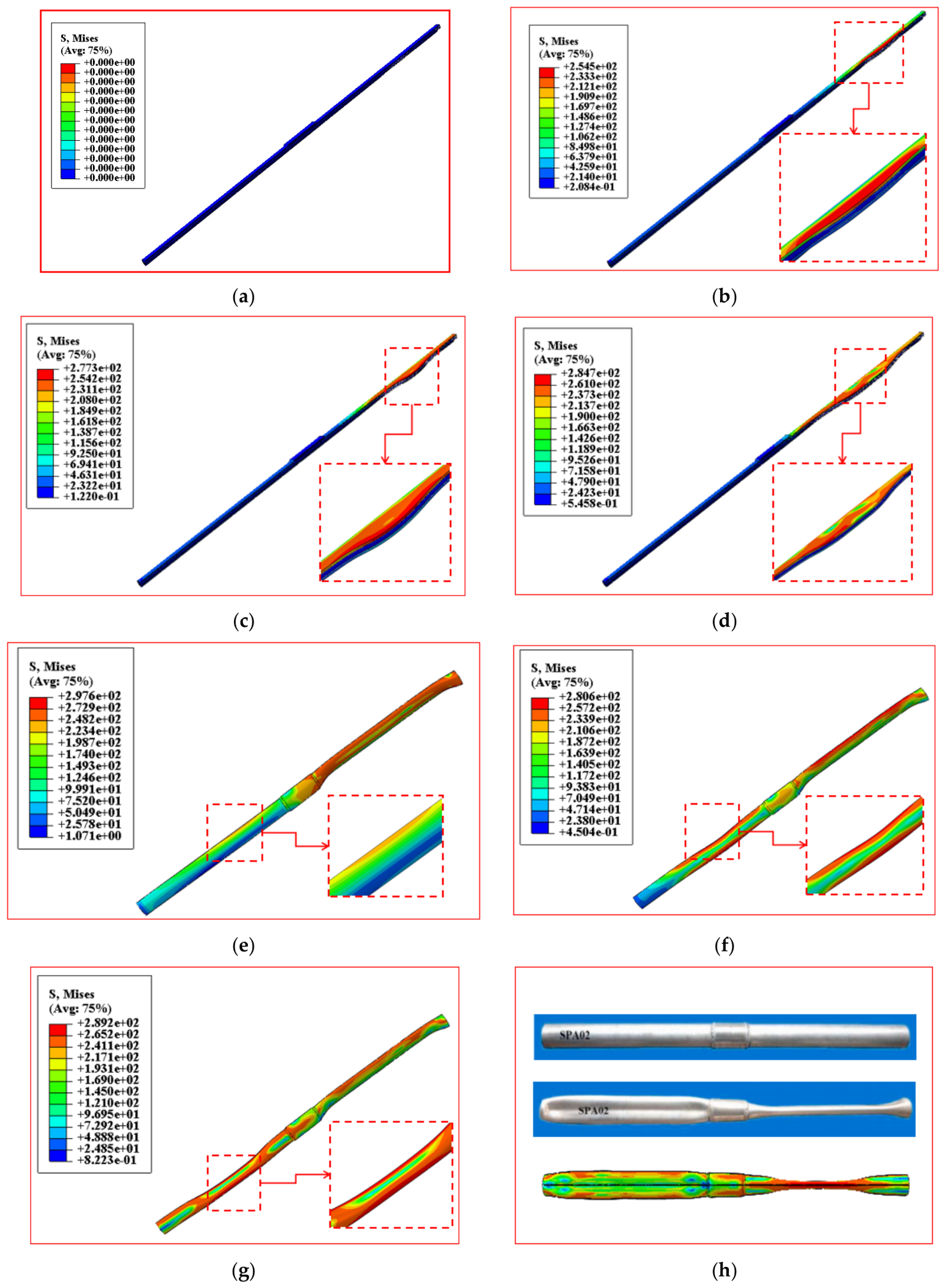
As the arrestor length increases, the arrestor crossover modes of the locally corroded sandwich pipe change. When the arrestor is short, it behaves like a high-stiffness but narrow ring. Buckling propagation cannot effectively propagate along the length direction, leading to stress concentration at the arrestor edges. The buckling propagation forms a concentrated plastic hinge at the end of the arrestor and directly passes through it. As the arrestor length further increases, the arrestor behaves as a long shell and begins to show an overall structural response. In this case, buckling propagation is often completely prevented within the arrestor, or it gradually transitions via axisymmetric bulging. This phenomenon can be clearly observed in
Figure 12.
Figure 12 shows the influence of the length of the arrestor on the arrestor crossover modes of the local corrosion sandwich pipe arrestor.
Figure 12a,
Figure 12b and
Figure 12c correspond to three different arrestor crossover modes. The first and second types of arrestor crossover modes belong to the parallel crossing category, while the third type is orthogonal crossing, and the arresting efficiency of orthogonal crossing is generally higher than that of parallel crossing.
4.3. Arrestor Thickness
To investigate the effect of arrestor thickness on arresting efficiency, five arrestors with different thicknesses are selected for comparative analysis in this subsection. The arrestor thicknesses
h are 1.5t
o, 2.0t
o, 2.5t
o, 3.0t
o, and 3.5t
o.
Figure 13 shows the effect of the thickness of the arrestor on the arresting efficiency. It can be found that with the increase in the thickness of the arrestor, the arresting efficiency
η of the arrestor shows an increasing trend. Under fixed corrosion depth and width conditions, as the arrestor thickness increases from 1.5t
o to 3.5t
o and the arrestor length increases from 0.5Do to 2.5Do in increments of 0.5Do, the arrest efficiency
η increases by 616.00%, 879.64%, 1088.87%, 769.12%, and 1104.84%, respectively. In addition, it is found that with the increase in the thickness of the arrestor, the arrestor crossing mode of the locally corroded sandwich pipe changes regularly. When the arrestor thickness is small, the first type of crossing mode tends to occur. When the thickness increases to a certain extent, it transitions to the second type of crossing mode. With a further increase in thickness, the third type of crossing mode appears.
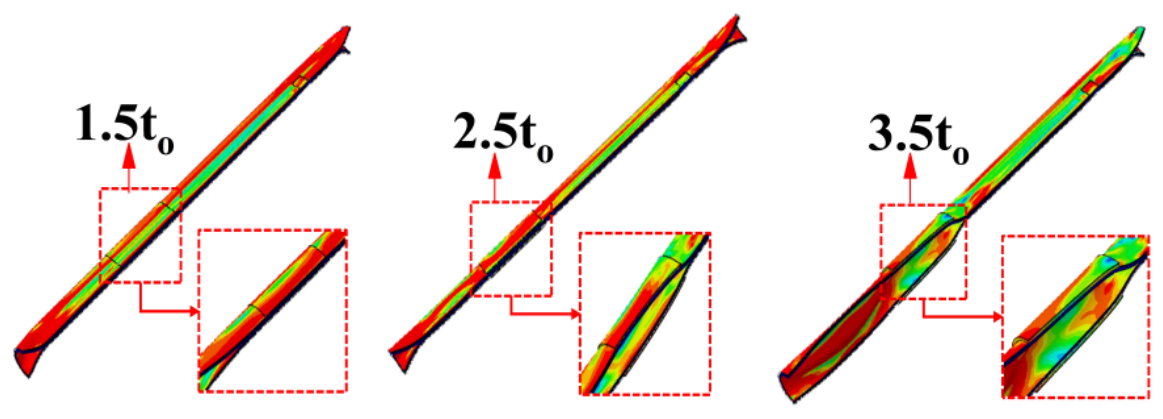
Figure 14 shows the arrestor crossover modes of the locally corroded sandwich pipe with an arrestor length of 2.5Do and arrestor thicknesses of 1.5t
o, 2.5t
o, and 3.5t
o. The beneficial effect of increasing arrestor thickness can be clearly observed. When the arrestor thickness is 1.5t
o, the structural stiffness of the sandwich pipe is insufficient to resist buckling, resulting in the collapse of the arrestor and direct crossing. When the arrestor thickness is 2.5t
o, the structural stiffness of the sandwich pipe is enhanced, and the arrestor undergoes axisymmetric bulging followed by gradual collapse. When the thickness increases to 3.5t
o, the arrestor, with sufficient stiffness, successfully blocks the buckling propagation path. This indicates that increasing arrestor thickness can significantly improve its structural stiffness, thereby enhancing the ability to resist buckling crossing.
4.4. Arrestor Material
To investigate the effect of arrestor material on the arrest efficiency of the locally corroded sandwich pipe, this section selects X-series pipe materials commonly used in engineering as the research object, specifically X65, X80, and X100.
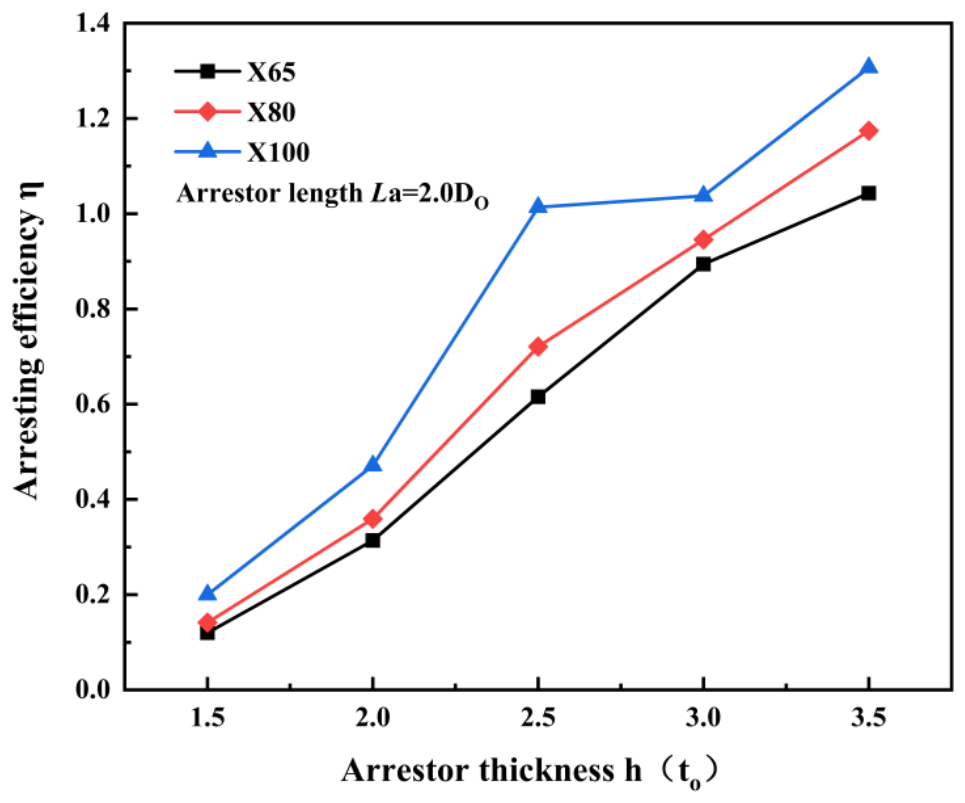
Figure 15 reflects the effect of different arrestor materials on the arresting efficiency
η. It can be observed that as the strength of the arrestor material increases, the arresting efficiency
η shows an increasing trend. Under a constant arrestor length, when the arrestor thickness increases from 1.5t
o to 3.5t
o and the arrestor materials are X65, X80, and X100, the arresting efficiency
η increases by 769.12%, 729.74%, and 553.31%, respectively, with the growth rate exhibiting a decreasing trend. This phenomenon is mainly attributed to the fact that while increasing the material strength enhances the arrestor crossover pressure of the arrestor, it simultaneously increases the buckle propagation pressure. The combined effect of these two factors leads to a gradual reduction in the increase in the arresting efficiency
η.
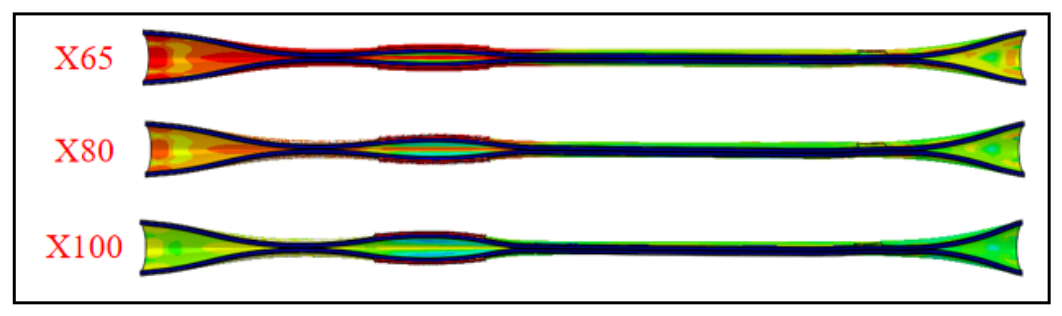
In addition, in this study, it is found that with the increase in steel strength, the arrestor crossover modes of the local corrosion sandwich pipe also change regularly, from the first type of arrestor crossover modes at lower strength to the second and even the third type of arrestor crossover modes, which further reflects the enhancement effect of material strength on the buckling performance of the arrestor.
Figure 16 shows the influence of different strength materials on the arrestor crossover modes. From the stress cloud diagram, it can be found that the buckle crossover modes of the X65 material arrestor are close to the first type of arrestor crossover modes. With the increase in material strength, the resistance provided by the arrestor increases, and the ability to hinder buckling propagation is enhanced, which promotes the evolution of the arrestor crossover modes from the first type to the second type at lower strength. On the whole, the influence of the material on the arrestor crossover modes of the arrestor is less than that of the structural parameters of the arrestor itself.
4.5. Arrestor Structural Optimization
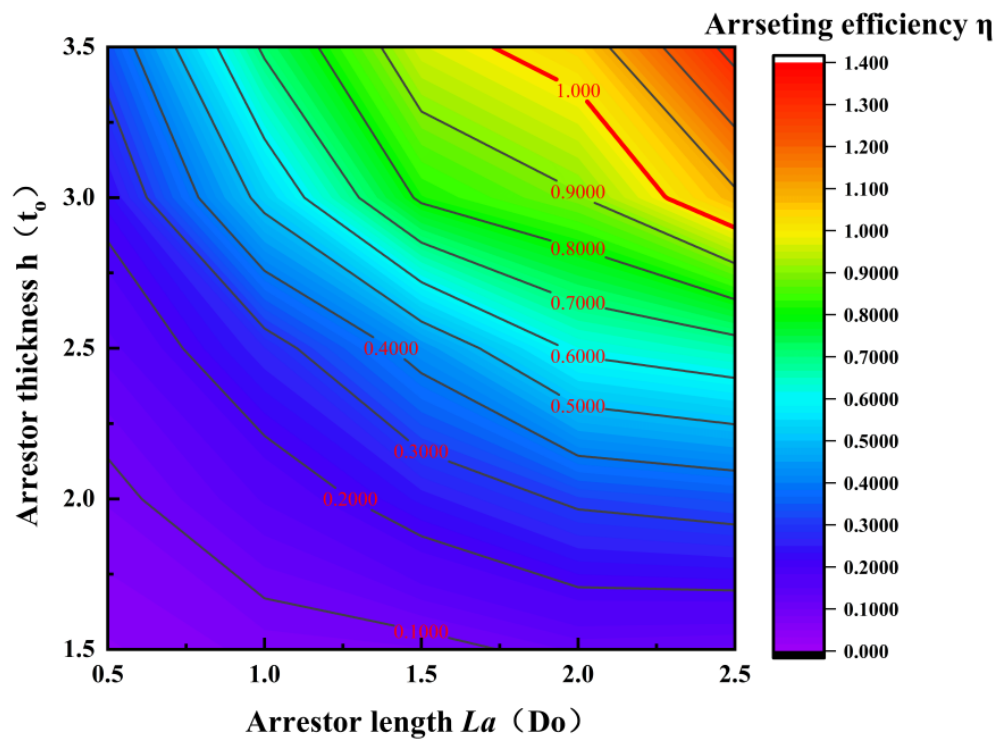
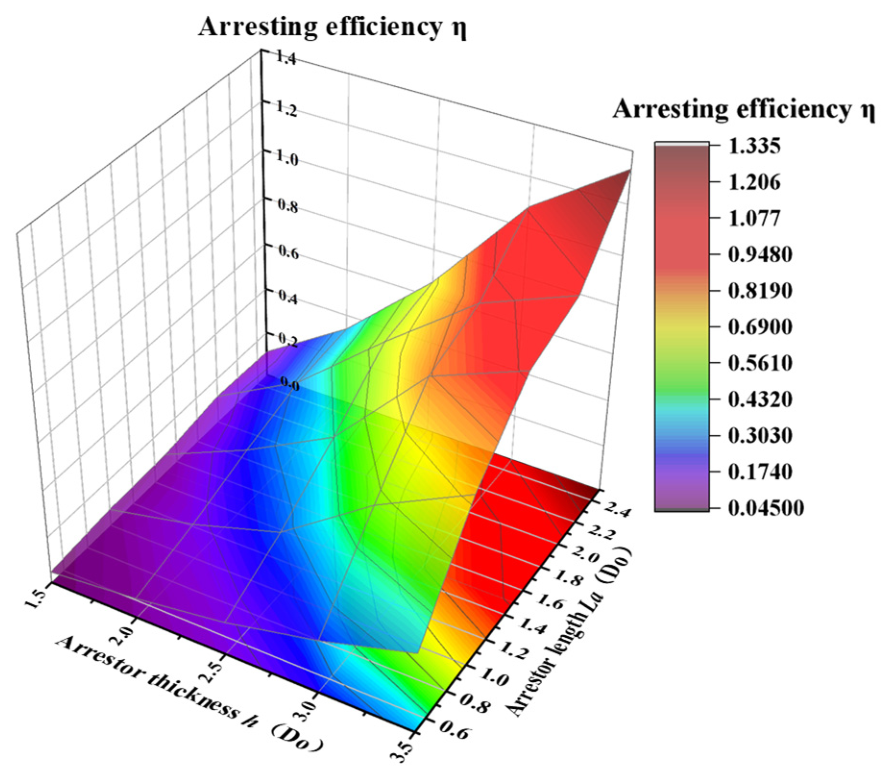
Figure 17 shows the effect of the length and thickness of the arrestor on the arresting efficiency
η of the locally corroded sandwich pipe. The thickness range of the arrestor is 1.5t
o~3.5t
o, and the length range is 0.5Do~2.5Do. From
Figure 17, it can be seen that the area with higher arresting efficiency is concentrated in the upper right corner of the figure. The closer to the upper-right corner, the higher the arresting efficiency, with
η even exceeding 1, which indicates that the arrestor can effectively enhance the buckle propagation resistance of the pipeline and provide an additional safety margin. In the field application process, it is generally believed that when the arresting efficiency
η = 1, the arresting effect of the arrestor is the best. Based on this, when designing the structural parameters of the arrestor, it is recommended to use
η = 1 as the design basis. This benchmark ensures that the arrestor functions fully when necessary and avoids material waste caused by excessive design.
In order to facilitate the engineering application, the recommended chart of arresting efficiency is given in the form of a contour line in
Figure 18, which visually displays the distribution of arresting efficiency under different combinations of arrestor structural parameters. Engineering designers can directly check the chart to obtain parameter combinations that meet the arrest efficiency requirements, thereby quickly completing the preliminary selection and structural dimensioning of the arrestor.
5. Prediction of Arresting Efficiency
In the deep-sea environment, corrosion is one of the key factors that induces local or even overall collapse of pipelines. However, the existing evaluation methods for the arresting efficiency of submarine pipelines are difficult to effectively apply to a sandwich pipe structure with local corrosion defects. Through structural analysis of locally corroded sandwich pipes, it can be found that corrosion parameters, structural parameters, and arrestor structural parameters are all closely related to the arresting efficiency. Specifically, corrosion weakens the effective load-bearing area of the pipe wall, induces local stress concentration, and consequently reduces the load-carrying capacity and buckling instability pressure of the pipe. Meanwhile, the structural parameters of the sandwich pipe not only affect its buckling instability pressure but also further influence the buckling propagation pressure and the buckling crossover pressure. The arrestor structure parameter itself directly determines the magnitude of the crossover pressure. Variations in these parameters ultimately lead to changes in the arresting efficiency. Therefore, to ensure the safe operation of locally corroded sandwich pipes during their service life, it is necessary to accurately reveal the intrinsic relationships among corrosion parameters, structural parameters, arrestor structural parameters, and the arresting efficiency. Based on the above numerical simulation analysis, this paper further supplements the calculation and obtains a total of 1200 sets of data. Based on this, an evaluation model of buckling efficiency suitable for locally corroded sandwich pipes is established. The model can provide a theoretical basis and engineering guidance for the rational design of the arrestor.
Based on the parameter ranges from the existing literature [
33,
36,
37], the parameters selected in this paper are shown in
Table 3.
According to the calculation formula of arresting efficiency, it can be found that arresting efficiency
η is closely related to buckling instability pressure, arrestor crossing pressure and buckling propagation pressure. These parameters are related to material properties, corrosion parameters, sandwich pipe section parameters and arresting device structure parameters. Thus, this can be expressed by Equation (3):
Since
, the function can be expressed as a power function, as shown in Equation (4):
Further, the arresting efficiency model for the locally corroded sandwich pipe can be obtained, and the arrest efficiency
η can be expressed by Equation (5):
By analyzing Equation (5), the process of solving for the arrest efficiency η essentially involves determining the coefficients
π,
π0,
π1,
π2,
π3,
π4,
π5,
π6,
π7, and
π8 in this expression. In order to determine the undetermined coefficients in Equation (5), this paper uses the singular value decomposition method to solve it. The singular value decomposition method is a numerical method for solving the least squares problem. By applying a logarithmic transformation to both sides of Equation (5), it is converted into a linear relationship with respect to the coefficients
π,
π0,
π1,
π2,
π3,
π4,
π5,
π6,
π7, and π
8, as shown in Equation (6).
Therefore, based on m sets of input–output experimental data pairs, a system of linear equations containing 10 unknown coefficients and m equations can be established, as shown in Equation (7).
The matrix form of the above equation can be expressed by Equation (10).
The singular value decomposition of matrix
can be expressed by Equation (14):
where
is a diagonal matrix,
is the number of input–output data pairs,
and
are m-order and k-order unitary matrices, respectively, and
is all non-zero singular values of matrix
.
At this point, the coefficient matrix
can be obtained by the following formula:
Based on a total of 1200 pairs of input
and output data
obtained from parametric analysis, the arrest efficiency model for the locally corroded sandwich pipe is derived using dimensional analysis and the singular value decomposition method, as shown in Equation (16).
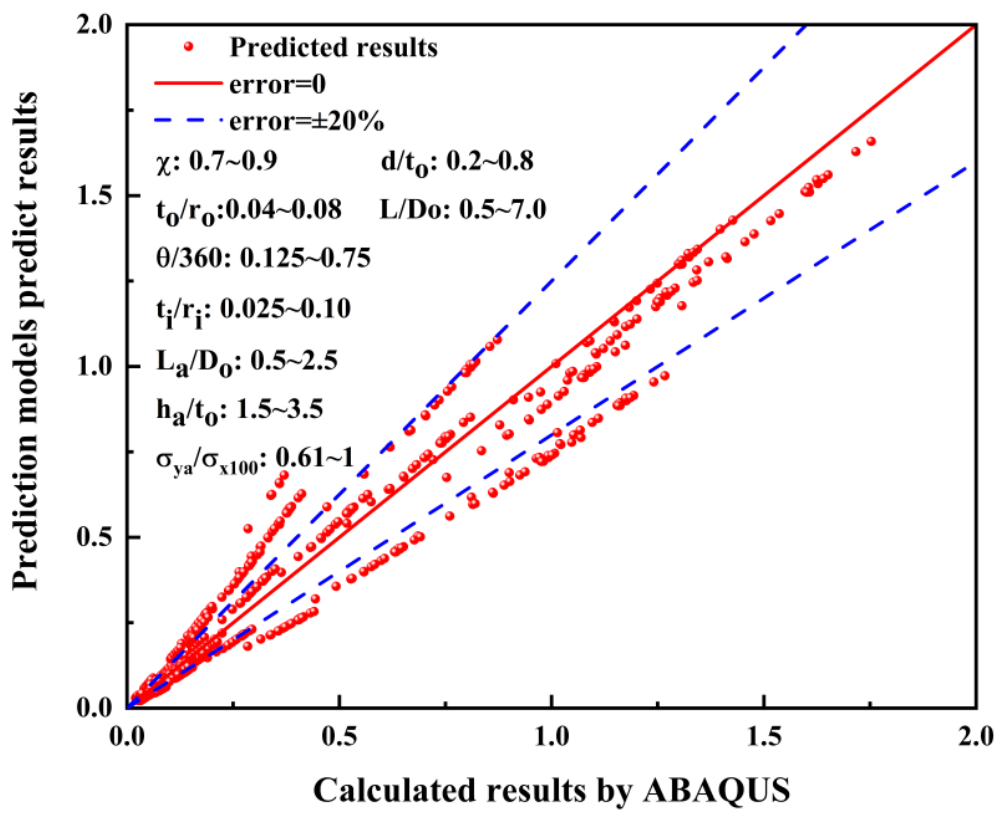
Figure 19 compares the finite element calculation results with the prediction model calculation results. The calculated coefficient of determination R
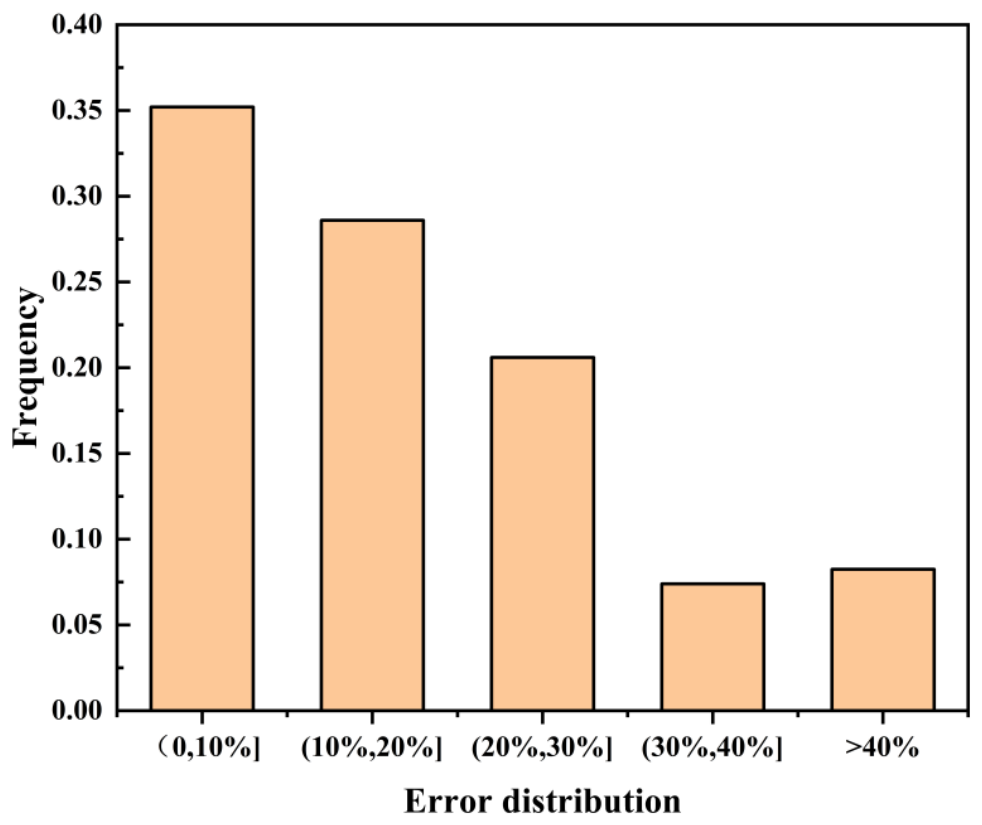
2 is 0.93788, indicating that the model has a good fitting effect. To further elucidate the error distribution between the predicted results and the sample data, an error analysis was conducted on the prediction results of 1200 sets of locally corroded sandwich pipes, and the results are shown in
Figure 20. It can be seen from the figure that the error between the prediction model results and the sample data results is mainly concentrated within 20%, accounting for 62.16%. The proportion of samples with errors within 30% reached 83.52%. This shows that the prediction model has high accuracy, the error distribution is relatively concentrated, and the overall agreement is good, but the accuracy of the model still has room for further improvement.
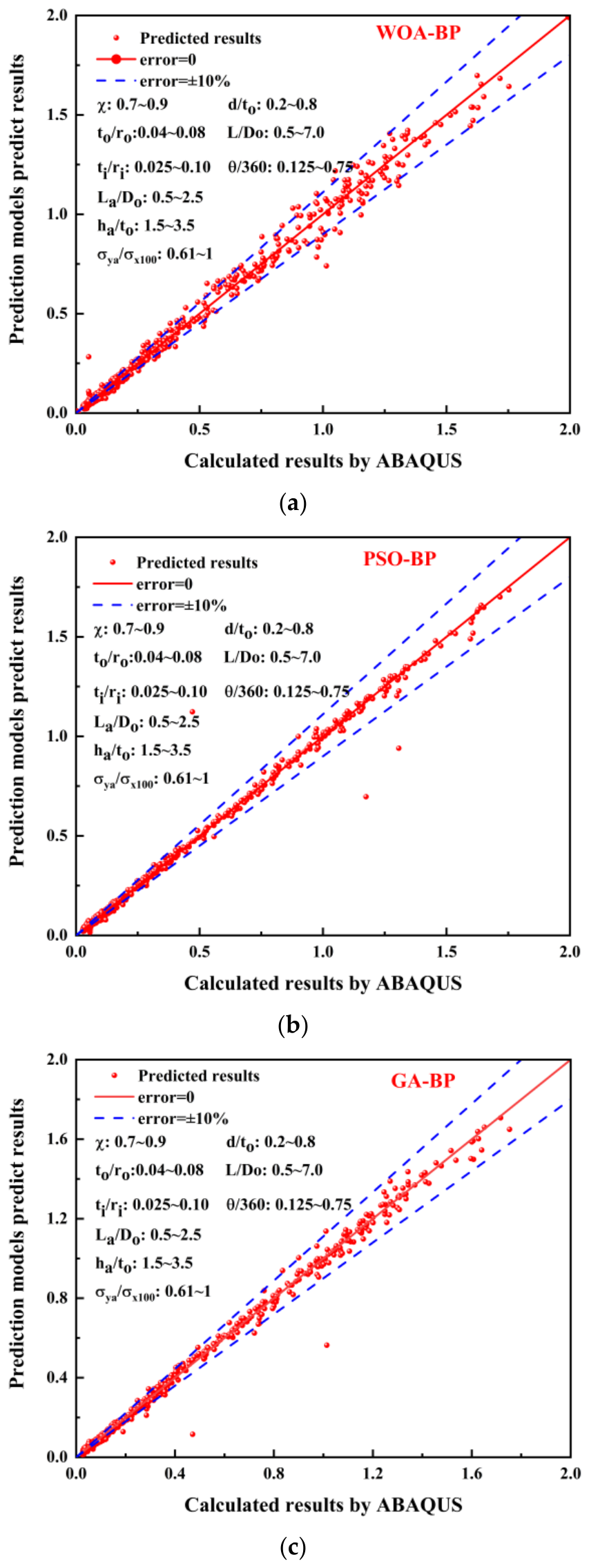
In order to improve the accuracy of the prediction model, three neural network models, GA-BP, PSO-BP and WOA-BP, were used to establish the prediction model of the arresting efficiency of the local corrosion sandwich pipe. The input variables of the model are corrosion parameters, structural parameters and arrestor parameters, and the output variable is arresting efficiency. The training set and the test set were divided according to a ratio of 80% and 20%. In order to optimize the optimization algorithm that is most suitable for the prediction of local corrosion sandwich pipe arresting efficiency, the prediction effects of the WOA-BP, PSO-BP and GA-BP models were compared. It can be seen from
Figure 21 that the three optimization algorithms have greatly improved the prediction accuracy of the prediction model compared with the empirical formula.
Table 4 shows the distribution of prediction errors based on different optimization algorithms.
As shown in
Table 4, the prediction accuracy of the three optimization algorithms is superior to that of the empirical formulas established by the empirical method, demonstrating good predictive performance. Specifically, for the WOA-BP algorithm, 68.5% of the samples have prediction errors below 10%, while for the PSO-BP and GA-BP algorithms, the proportion of samples with errors below 10% exceeds 80%. Under the condition of errors below 20%, the sample proportions for the WOA-BP, PSO-BP, and GA-BP algorithms reach 91.33%, 95.09%, and 94.42%, respectively. This indicates that the adopted optimization methods can effectively improve the accuracy and stability of the model, but in comparison, the prediction accuracy of the WOA-BP algorithm is slightly inferior to that of the PSO-BP and GA-BP algorithms.
To systematically evaluate the performance of the three optimization models, four evaluation metrics are selected. They are mean squared error (MSE), root mean squared error (RMSE), mean absolute error (MAE), and coefficient of determination (R
2). A comprehensive comparison of the prediction results from the three models is conducted. This allows for the selection of a suitable prediction model for the buckling arrest efficiency of locally corroded sandwich pipes. The calculation formulas for MSE, RMSE, MAE, and R
2 are expressed by Equations (17)–(20). The results are shown in
Table 5.
where
m denotes the number of samples,
is the difference between the actual value and the predicted value, and
is the difference between the mean value and the actual value.
As shown in
Table 5, the differences in the evaluation metrics among the three optimization algorithms are not significant, and their prediction accuracies are relatively close. Based on this, we further examined the training time of the three optimization algorithms, and the results are presented in
Table 6. It can be seen that the GA-BP algorithm requires the least training time, significantly outperforming the other two algorithms. In engineering applications, model training efficiency is often as important as prediction accuracy. Therefore, taking into account both the error distribution and training time, the GA-BP algorithm is recommended as the optimal algorithm for predicting buckling efficiency.