1. Introduction
Tobacco is one of the most widely cultivated industrial crops in the world. As the largest producer and consumer of tobacco, China’s tobacco production between 2005 and 2024 ranged from 2.1 to 3.3 million tons annually [
1], among them, waste tobacco leaves, such as those from the upper stalk that have been overexposed to sunlight, resulting in thick and hard leaves, or those from the lower stalk that are thin, lacking in oil content and insufficient aroma, which make up 20% of tobacco raw materials are discarded during processing [
2,
3]. Most of those low-grade tobacco leaves are incinerated or sent to landfills; this practice releases harmful substances, including polycyclic aromatic hydrocarbons and heavy metals, into the environment, thus resulting in atmospheric and soil pollution.
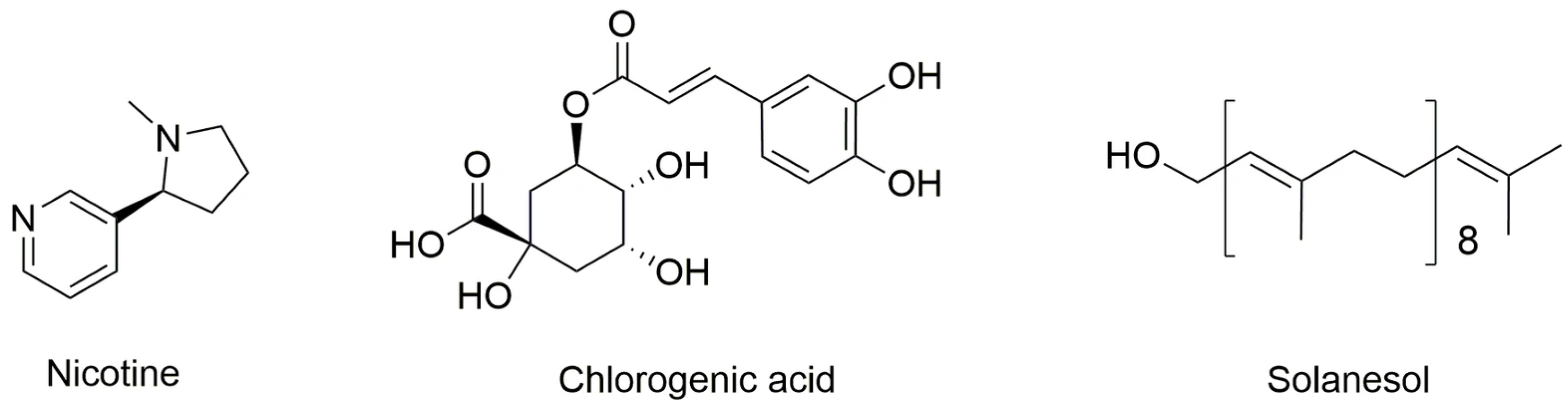
Tobacco leaves or waste tobacco leaves are rich in secondary metabolites; among them, nicotine, chlorogenic acid, and solanesol are found in high concentrations and possess valuable applications (The chemical structures of these three are shown schematically in
Figure 1). Along with the disposal of waste tobacco leaves, these active components are likewise wasted. Therefore, the extraction and utilization of bioactive components from tobacco waste holds significant practical value. It can help reduce solid waste pollution in the tobacco industry while enhancing resource utilization efficiency.
Nicotine, a characteristic component of tobacco leaves, accounts for about 2% of their dry weight. Nicotine is an important alkaloid widely used in medicine (e.g., smoking cessation aids and neurological drugs), agriculture (as an insecticide), and the chemical industry [
4]. Studies have shown that nicotine exerts therapeutic effects in patients with post-encephalitic Parkinson’s disease, Alzheimer’s disease, and Tourette syndrome [
5].
Chlorogenic acid is a bioactive constituent of numerous traditional Chinese medicines, such as
Lonicera japonica Thunb., and it likewise occurs in waste tobacco leaves. Chlorogenic acid has attracted significant attention for its anti-inflammatory [
6], antibacterial [
7], and anti-tumor properties [
8]. Moreover, there are also reports that chlorogenic acid has a potential role in the regulation of blood sugar and as an aid for the management of obesity [
9,
10]. Potential uses of chlorogenic acid are suggested in pharmaceuticals, foodstuffs, feed additives, and cosmetics [
11].
Solanesol is predominantly distributed in plants of the Solanaceae family, among which tobacco possesses the highest content (reaching up to 3% of dry weight) and represents the only commercially viable raw material for the industrial extraction of solanesol. It serves as a key precursor in the chemical synthesis of quinones and vitamin K. Notably [
12]. Researchers reported the antiproliferative activity, anti-bacterial activity, and proposed utilization of solanesol for producing drugs and for the treatment of many diseases [
13]. In addition, solanesol is used to synthesize coenzyme Q10, which has a cardiotonic effect and can serve as a lipid antioxidant [
14,
15].
The current process of bioactive components from tobacco waste has primarily focused on single-component extraction and purification. Examples include ultrasonic-assisted extraction and supercritical fluid extraction for nicotine [
16], macroporous resin (MAR) purification for chlorogenic acid [
17], and silica gel column chromatography for isolating and purifying solanesol [
18]. However, single-component extraction processes suffer from several limitations, including low raw material utilization, high production costs, and difficulty in scaling up for industrial applications. Furthermore, existing methods often rely on toxic organic solvents, raising environmental and safety concerns. To address these challenges, this study aims to use waste tobacco leaves as raw material to systematically explore an efficient, economic sequential extraction and purification process for nicotine, chlorogenic acid, and solanesol. Process parameters will be optimized to improve extraction efficiency and reduce solvent consumption, thereby providing technical support for the comprehensive utilization of waste tobacco leaves.
2. Materials and Methods
2.1. Materials and Reagents
Raw materials: Tobacco leaf material from the lower stalk, which is low-oil, low-aroma, thus unsuitable for cigarette manufacturing, was used as waste tobacco material in the current research. Waste tobacco leaves from eight sources of a local tobacco processing plant were first subjected to a preliminary evaluation of their three active ingredient contents. Subsequently, the three tobacco leaf sources with the highest levels of these ingredients were selected for further process research. In total, 10 kg of such selected material was stored at room temperature under light-proof and dry conditions. Prior to extraction, the leaves were crushed into powder using a herbal grinder, and then sifted the powder through a 100-mesh sieve.
Chemical reagents: Ethanol, hydrochloric acid, sodium hydroxide, petroleum ether, ethyl acetate, and n-butanol (all of analytical grade) were purchased from Sinopharm Chemical Reagent Co., Ltd. (Shanghai, China). Ethanol solutions in different ratios were prepared with ethanol and distilled water. The standard of nicotine (supplied as (−)-Nicotine Dihydrogen Ditartrate), chlorogenic acid and solanesol were purchased from J&K Scientific Co., Ltd. (Beijing, China).
Macroporous adsorption resins (AB-8, HPD-600, LSA-10, D201, D301) were all of industrial grade, purchased from Xi’an Sunresin New Materials Co., Ltd. (Xi’an, China).
2.2. Analytical Methods
2.2.1. Instrumentation
HPLC analysis was performed using an Agilent 1260 II high-performance liquid chromatography (HPLC) system (Waldbronn, Baden-Württemberg, Germany) equipped with a diode array detector (DAD). Separation was carried out on a ZORBAX Eclipse XDB-C18 column (4.6 × 250 mm, 5 μm) with a flow rate of 1 mL/min, maintained at a temperature of 30 °C.
2.2.2. Elution Program and Detection Conditions
The mobile phase consisted of methanol, isopropanol, and water containing 0.2% formic acid, using a gradient elution program (
Table 1). The flow rate was set at 1.0 mL/min, and the injection volume was 5 μL. Detection wavelengths were 210 nm for solanesol and 254 nm for nicotine and chlorogenic acid.
2.2.3. Quantitative Analysis
Each standard compound (1.0 mg) was dissolved in 4 mL of ethanol for the stock solution; 100 μL of the stock solution was pipetted and dissolved in 600 μL of mobile phase, and then was injected for HPLC analysis. Each standard was analyzed individually to determine its retention time and peak area.
The tobacco extract or purified extract was freeze-dried, and about 0.3 g of solid was dissolved in 40 mL of ethanol. An aliquot of 100 μL solution was pipetted and diluted with 1.5 mL of mobile phase, then was injected for HPLC analysis. The content of the three target compounds in each extract was calculated using the following formula:
Here, Aanalyte is the peak area of each target compound of nicotine, chlorogenic acid or solanesol, while Astandard is the peak area of the corresponding standard, Msample is the weight of the extract.
2.3. Extraction and Purification Process
2.3.1. Extraction of Tobacco Waste
Ethanol, acid-assisted ethanol, and alkali-assisted ethanol were evaluated for their extraction efficiency of nicotine, chlorogenic acid, and solanesol from tobacco waste. The goal of this step was to find a suitable solvent system for comprehensive multi-component extraction.
(1) Extraction method using ethanol: Raw materials (1000 g) were mixed with 10 volumes of 95% ethanol and extracted under reflux for 2 h, at a temperature of 80 °C. After extraction, the residue was removed by suction filtration, and the filtrate was concentrated to dryness under reduced pressure at a temperature of 40 °C. A 0.40 g aliquot of the extract was dissolved in 40 mL of ethanol and analyzed by HPLC for quantification.
(2) Extraction method using acid-assisted ethanol: The 95% ethanol adjusted to pH 2 using hydrochloric acid was used as the extraction solvent. All other procedures were the same as those described for the ethanol extraction method.
(3) Extraction method using alkali-assisted ethanol: The 95% ethanol adjusted to pH 10 using NaOH was used as the extraction solvent. The extraction and concentration procedures were identical to those described above.
2.3.2. Enrichment of Solanesol
To achieve the targeted separation and enrichment of nicotine, chlorogenic acid, and solanesol, two stepwise enrichment strategies were designed. The core procedures are described below.
(1) Stepwise Extraction Method
Alkaline aqueous phase extracted with ethyl acetate: A 100 g aliquot of the extract from
Section 2.3.1 was suspended in 1000 mL of water; subsequently, the solution was extracted with petroleum ether to remove impurities such as pigments and resins. The residual aqueous phase was adjusted to pH 9 and extracted with ethyl acetate (1000 mL, three times); the combined ethyl acetate layer was evaporated to dryness, labeled as JE1.
Acidic aqueous phase extracted with ethyl acetate: A 100 g aliquot of the extract was suspended in 1000 mL of water; subsequently, the solution was extracted with petroleum ether to remove impurities such as pigments and resins. The residual aqueous phase was adjusted to pH 5 and extracted with ethyl acetate (1000 mL, three times); the combined ethyl acetate layer was evaporated to dryness, labeled as SE1.
(2) Stepwise Extraction Followed by Back-extraction Method
Acidic aqueous phase extracted with ethyl acetate followed by alkaline back-extraction: A 100 g aliquot of the extract was suspended in 1000 mL of water; subsequently, the solution was extracted with petroleum ether to remove impurities such as pigments and resins. The residual aqueous phase was acidified with hydrochloric acid to pH 5 and extracted with ethyl acetate (1000 mL, three times); the combined ethyl acetate layer was re-extracted three times with an equal volume of pH 9 ammonia solution. After that, the ethyl acetate layer was evaporated to dryness, labeled as SE2, and the alkaline aqueous layer was combined with the previous acidic aqueous layer for the following experiments.
Alkaline aqueous phase extracted with ethyl acetate followed by acidic back-extraction: A 100 g aliquot of the extract was suspended in 1000 mL of water; subsequently, the solution was extracted with petroleum ether to remove impurities such as pigments and resins. The residual aqueous phase was acidified with ammonia to pH 9 and extracted with ethyl acetate (1000 mL, three times); the combined ethyl acetate layer was extracted three times with an equal volume of pH 5 hydrochloric acid aqueous solution. After that, the ethyl acetate layer was evaporated to dryness, labeled as JE2, and the acidic aqueous layer was combined with the previous alkaline aqueous layer for the following MAR experiment.
2.3.3. Enrichment of Nicotine and Chlorogenic Acid by MAR
The combined aqueous layer obtained from the above solvent extraction was used as the starting material; it was adjusted to pH 7. Five types of MARs—AB-8, HPD-600, LSA-10, D201 and D301—were evaluated for their adsorption–desorption performance to optimize the purification process for nicotine and chlorogenic acid. The core procedures were as follows: The resin was first soaked and swelled by water, and then loaded onto the open glass column. After sampling, gradient elution was performed sequentially with acidic water (containing 0.2% hydrochloric acid), 10% or 30% ethanol, and 95% ethanol. Each elution fraction was collected, concentrated to dryness under reduced pressure, weighed, and subjected to HPLC analysis for quantification.
2.4. Statistical Analysis
All experiments were conducted in triplicate, and the results obtained were expressed as means ± S.D. Statistical analysis was done using one-way analysis of variance (ANOVA), and the mean values were considered to be significantly different when p < 0.05.
3. Results
3.1. Detection of Bioactive Compounds in Extracts
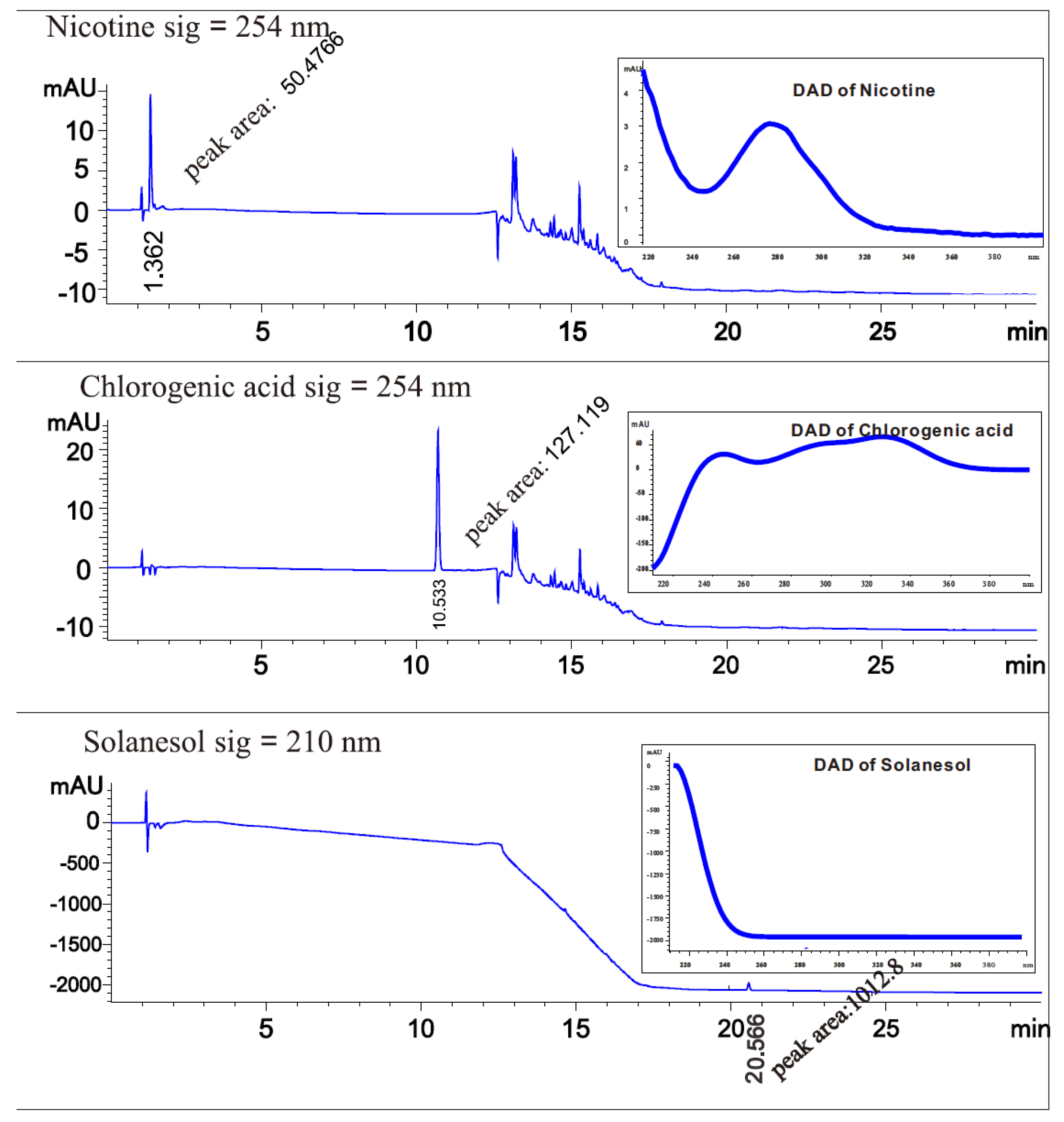
HPLC analysis was used for the qualitative and quantitative analysis of nicotine, chlorogenic acid, and solanesol; this technique is commonly employed for the identification and characterization of compounds in extract materials [
19]. Representative HPLC chromatograms of the nicotine, chlorogenic acid, and solanesol standards are provided in
Figure 2. Under optimized chromatographic conditions, the retention times of nicotine, chlorogenic acid, and solanesol standards were 1.36 min, 10.53 min, and 20.5 min; the target compounds in the extracts were identified by comparing their retention times (A tolerance of ±0.2 min is allowed) and UV spectra with those of commercial standards.
3.2. Extraction Methods for Waste Tobacco Leaves
The three extraction methods displayed markedly different efficiencies. Acid-assisted extraction afforded the highest nicotine yield and was substantially more effective than either ethanol or alkali-assisted extraction. As we know, the nicotine molecule contains two basic nitrogen atoms. The pKa value of the pyridine nitrogen is approximately 3.1, while the pKa value of the pyrrolidine nitrogen is approximately 8.0. This pronounced improvement can be attributed to the protonation of both basic nitrogen atoms under acidic conditions of 0.5% HCl, which converts the alkaloid into a highly polar, water-soluble salt that greatly enhances both solubility and extraction recovery.
As shown in
Table 2, the alkaline-assisted system afforded a balanced recovery of the three target compounds—nicotine, chlorogenic acid, and solanesol. Among the direct extraction methods evaluated, it delivered the highest solanesol yield with almost no loss of any target components. Accordingly, this method was adopted as the foundational extraction step for the subsequent separation and purification process.
3.3. Enrichment of Solanesol via Liquid–Liquid Partitioning
Liquid–liquid partitioning uses medium-to-low polarity solvents, aiming for targeted enrichment of solanesol. Ethyl acetate and dichloromethane were selected, considering the emulsifying characteristics of dichloromethane; finally, ethyl acetate was selected. As shown in
Table 3 and
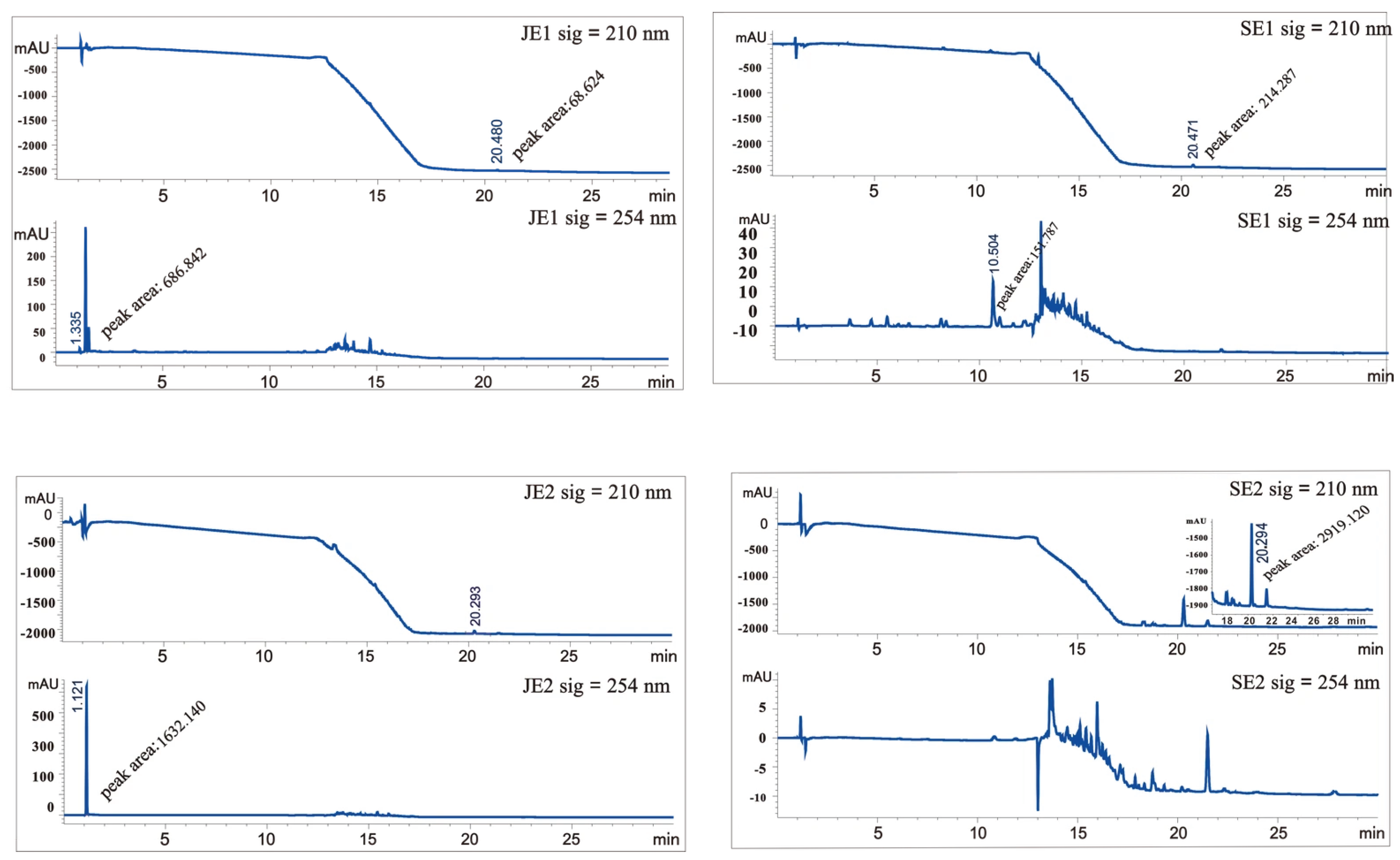
Figure 3 in stepwise method 1, the initial alkaline ethyl acetate extract (JE1) and acidic ethyl acetate extract (SE1) contained only 1.9% and 1.1% solanesol, respectively; comparing the solanesol content in the crude extract from
Table 2, solanesol in the crude extract has not been sufficiently enriched.
In contrast, stepwise method 2 utilized acidic ethyl acetate extraction directly coupled with alkaline back-extraction (SE2). This approach afforded a solanesol content of 13.5%, with overall recovery of 71.9% from waste tobacco extract; further, almost no nicotine and chlorogenic acid were co-extracted. It is most likely that alkaline back-extraction not only alkalizes chlorogenic acid, keeping it in the aqueous phase, but also reduces the polarity of solanesol, making it easier for solanesol to remain in the ethyl acetate layer. These results demonstrate that acidic ethyl acetate extraction followed by alkaline back-extraction constitutes an effective strategy for the independent enrichment of highly lipophilic solanesol. Accordingly, the stepwise extraction method of acidic aqueous phase extracted with ethyl acetate, followed by alkaline back-extraction, was selected as the preferred approach for solanesol recovery in the subsequent integrated process.
3.4. Evaluation of Enrichment Method Using MAR
To enrich nicotine and chlorogenic acid in the combined aqueous phase obtained from
Section 3.3, different types of MARs, namely AB-8, HPD-600, LSA-10, D201, and D301, were used as separation media, with ethanol–water solvent as the elution solvent, to investigate their enrichment efficiency for nicotine and chlorogenic acid. Nicotine and chlorogenic acid are difficult to separate from each other on D201 and D301 resins using a suitable elution gradient, possibly due to the partial ion adsorption mechanism of these two resins toward the two components. As for AB-8, HPD-600, and LSA-10 resins, they exhibit significant differences in purification performance, primarily attributable to their charge properties, polarity, specific surface area, and average pore diameter [
20]. Resins with smaller pores and larger specific surface area typically exhibit higher porosity, which enhances adsorption capacity for target compounds and improves contact with the desorbent, thereby increasing purification efficiency.
HPD-600 resin demonstrated the highest enrichment efficiency for nicotine, with the 95% ethanol eluate containing 33.40% nicotine, thereby rendering it particularly suitable for the selective extraction of nicotine with high purity; however, it suffers from low yield and incomplete separation from chlorogenic acid. This superior performance for nicotine is attributed to the resin’s large specific surface area (550–600 m
2/g) and moderate polarity [
21], facilitating highly compatible adsorption–desorption behavior toward the weakly polar nicotine molecule while exhibiting poor enrichment efficacy for chlorogenic acid and solanesol.
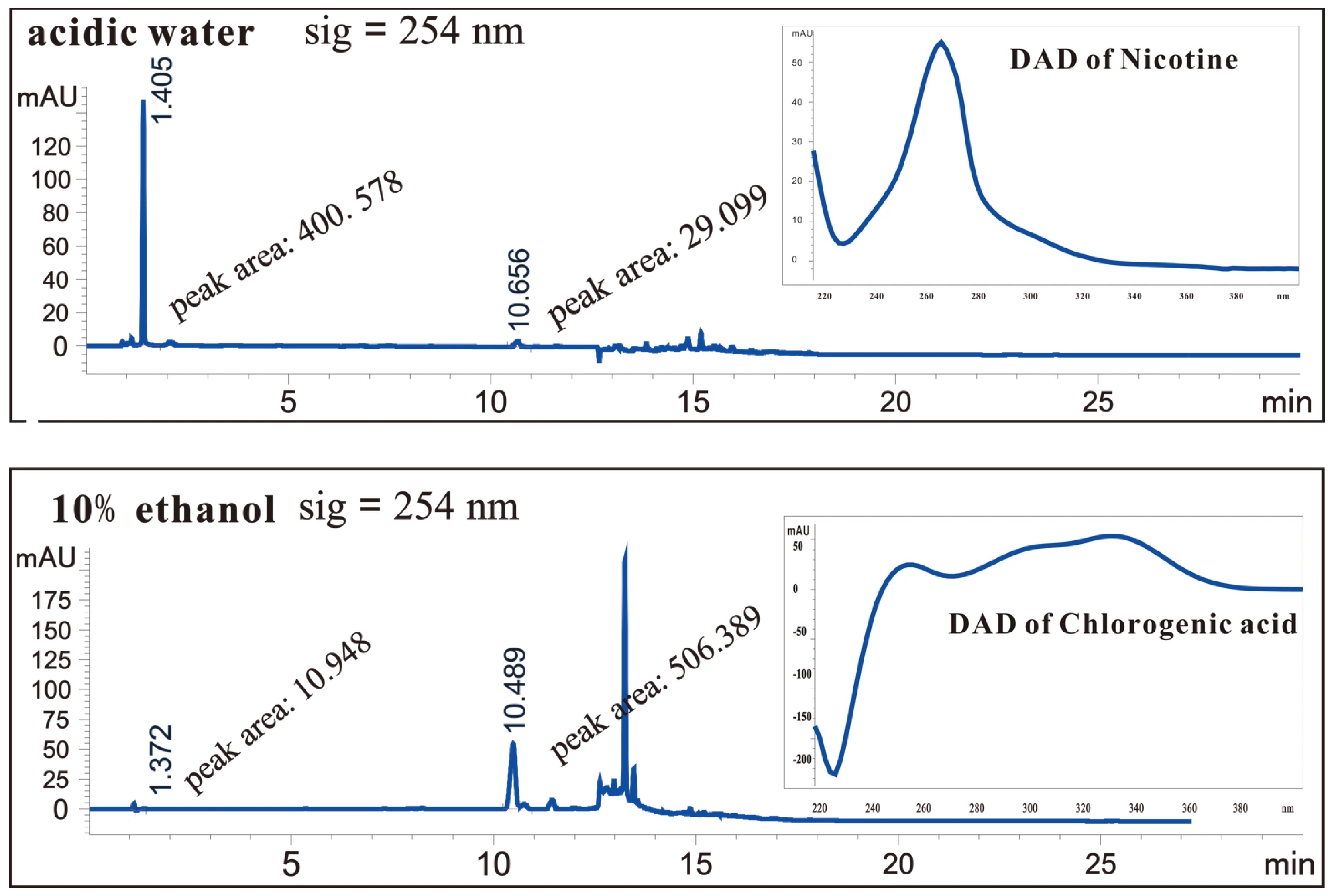
LSA-10 macroporous resin was identified as the optimal choice for simultaneous multi-component purification. The fraction obtained by elution with acidic water (containing 0.2% hydrochloric acid) and 10% ethanol contained 22.6% nicotine and 17.2% chlorogenic acid, respectively, with overall recovery of 78.6% and 93.3% from waste tobacco extract, respectively, representing the most favorable result among the evaluated protocols (
Figure 4 and
Table 4). The polar nature of LSA-10, characterized by surface hydroxyl groups, enables hydrogen bonding with the carboxyl and phenolic hydroxyl moieties of chlorogenic acid, a typical polyphenol. It is established that hydrogen-bonding interactions enhance adsorption onto macroporous resins, with adsorption affinity correlating directly with the number of available hydrogen-bonding sites in polyphenolic molecules [
22]. Concurrently, LSA-10 exhibits a strong affinity for the moderately polar nicotine, thus enabling the preliminary separation of chlorogenic acid and nicotine from nonpolar solanesol. Moreover, LSA-10 resin is readily regenerable, making it well-suited for industrial-scale extraction, and the potential for pH-adjusted stepwise elution of nicotine and chlorogenic acid provides a feasible route for subsequent high-purity product preparation.
AB-8 resin exhibited moderate overall performance, with its enrichment and separation efficiency for the three target constituents proving inferior to those of HPD-600 and LSA-10, a limitation linked to its smaller specific surface area. Studies report a specific saturated adsorption capacity of approximately 48 mg/g and a surface area range of 480–520 m
2/g for AB-8 [
23]. Although AB-8 finds wide application in separating flavonoids and saponins and possesses favorable adsorption kinetics [
24,
25,
26], its comprehensive adsorptive capacity for nicotine, chlorogenic acid, and solanesol in tobacco extracts falls short of that offered by the higher-surface-area HPD-600 and the polyphenol-specific LSA-10.
3.5. The Ultimate Optimized Process for Sequential Extraction and Purification of Nicotine, Chlorogenic Acid, and Solanesol
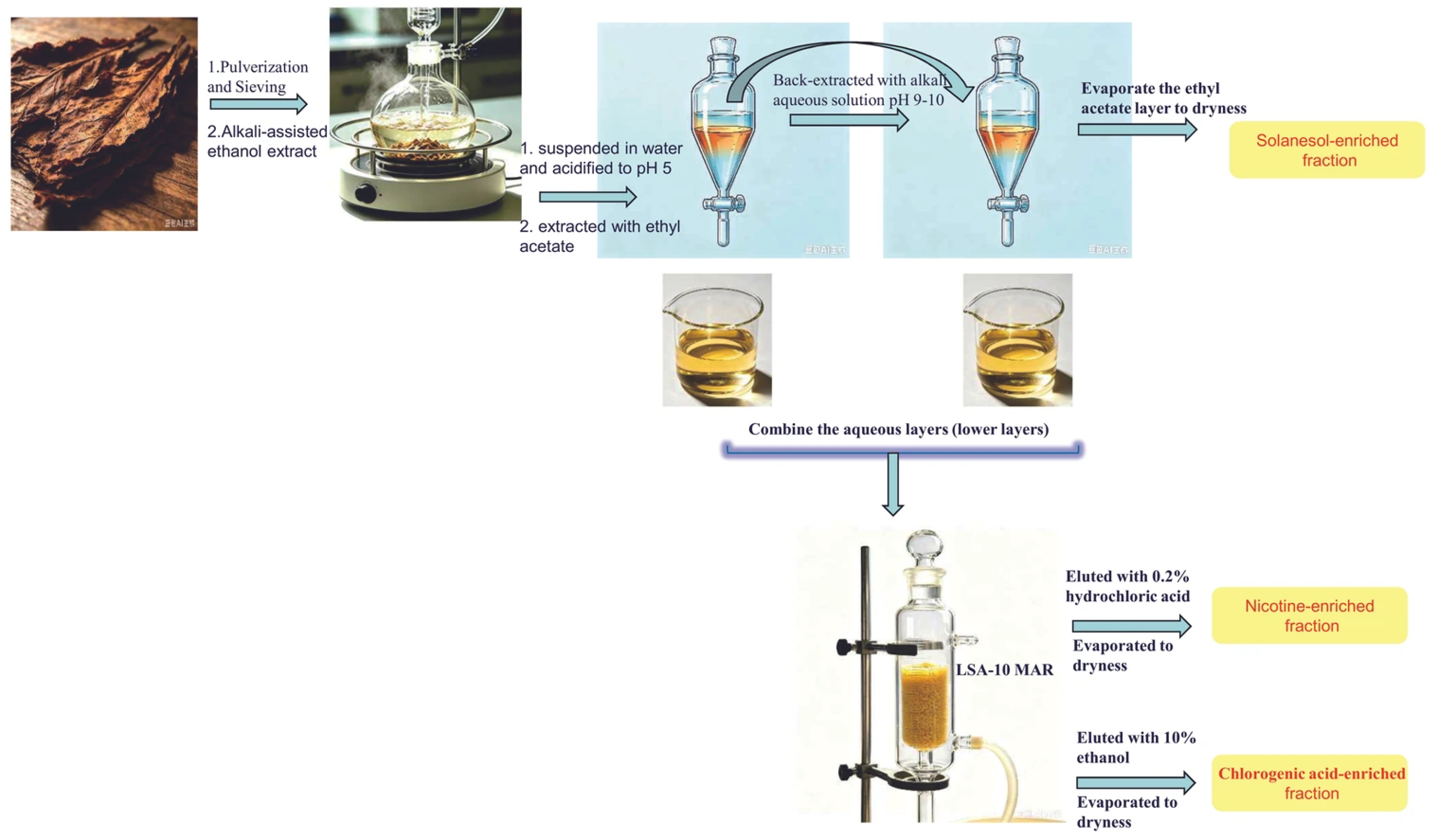
Based on the experimental results presented above, the optimal continuous extraction process for nicotine, chlorogenic acid, and solanesol from tobacco waste was established (see
Figure 5). The detailed procedure is as follows:
Step 1: Alkaline ethanol extraction of waste tobacco
Waste tobacco powder was weighed, mixed with 10 volumes of 95% ethanol, and adjusted to pH 10 with NaOH. Following extraction, the residue was removed by suction filtration, and the collected filtrate was concentrated to dryness by rotary evaporation to afford a crude tobacco extract, which was subsequently used for separation and purification.
Step 2: Enrichment of solanesol using fractional extraction
A 100 g portion of the extract was dissolved in water and extracted with petroleum ether to remove lipophilic impurities. The aqueous phase was acidified to pH 5 and subsequently extracted three times with 1000 mL portions of ethyl acetate. The combined organic phases were back-extracted once with 2000 mL of an alkaline aqueous solution (pH 9–10), and the resulting ethyl acetate layer was evaporated to dryness; thus, an extract enriched with solanesol is obtained. Then the alkaline aqueous solution, as well as the previous acidic aqueous layer, was combined and adjusted to pH 7, which made the following MAR experiment feasible.
Step 3: Purification of nicotine and chlorogenic acid using MAR
The combined aqueous solution was directly loaded onto an LSA-10 MAR column, and then eluted with acidic water (containing 0.2% hydrochloric acid) and 10% ethanol, affording fractions enriched in nicotine and chlorogenic acid, respectively. A final elution with 95% ethanol was then performed to remove low-polarity components retained on the resin, thus restoring MAR.
4. Discussion
When tobacco waste is discarded, nicotine is among the most environmentally hazardous components, as it is toxic to organisms and can contaminate the food chain [
27]. Therefore, considerable research has focused on reducing nicotine content through microbial or enzymatic degradation [
28,
29]. In contrast, this study adopts a waste-to-wealth strategy by extracting nicotine, chlorogenic acid, and solanesol from tobacco waste, thereby not only enhancing economic value but also mitigating environmental hazards.
For the extraction of the three bioactive components, previous studies have achieved promising results. For nicotine extraction, a relatively successful method is Supercritical CO
2 extraction, which can achieve an initial purity of up to 61.71% [
16]. For chlorogenic acid, macroporous adsorption resin or microwave-assisted solvent extraction are commonly used methods, achieving a chlorogenic acid concentration of up to 2.12 mg/mL [
30]. For solanesol, continuous counter-current extraction and silica gel column chromatography are frequently employed methods for purification, achieving an initial purity of 15–20%, while the purified product reached over 95% using silica gel column chromatography [
18,
31].
Due to the polarity differences among nicotine, chlorogenic acid, and solanesol, there are currently few studies on the simultaneous extraction and enrichment of all three substances. Only a few literature reports have addressed the simultaneous extraction of two active components, such as the use of microwave-assisted extraction for nicotine and chlorogenic acid [
32], ultrasound-assisted extraction of chlorogenic acid and solanesol [
16], and simultaneous extraction of nicotine and solanesol by silica gel column chromatography [
2].
As previously mentioned, continuous counter-current extraction and silica gel column chromatography are frequently employed methods for purification. In the course of our attempts at solanesol purification using MAR, Solanesol exhibits strong irreversible adsorption on various separation media; no discernible solanesol peak was eluted even after flushing with more than five column volumes of 95% ethanol or with ethyl acetate. Similar behavior was observed on ion-exchange resins, such as D201 and D301, and C18-modified silica; HPLC analysis of those eluates revealed no discernible solanesol peak, a finding that persisted even upon prolonged elution or increased elution strength . Consistent with previous reports, this observation may be attributed to the irreversible retention of solanesol on the hydrophobic surface of the MAR or other resins, driven by strong hydrophobic interactions [
33]. Moreover, previous work about the adsorption isotherms or kinetic modeling of tobacco extracts on various MAR indicated that the Freundlich isotherm equation is commonly applicable for the adsorption of solanesol. Due to mechanisms such as multi-layer adsorption and intraparticle diffusion within the resin, the desorption of solanesol becomes difficult once it has been adsorbed [
34], which leads to the infeasibility of implementing the resin enrichment method that uses green elution solvents; consequently, an ethyl acetate extraction and back-extraction method was adopted to enrich solanesol in this process, despite its reliance on a non-green solvent of ethyl acetate.
MAR was employed for the enrichment of nicotine and chlorogenic acid. Owing to the basic nitrogen atom in nicotine, it can be rapidly eluted with 0.2% aqueous hydrochloric acid, while chlorogenic acid was unaffected, and subsequently eluted using 10% ethanol. In this process step, nearly all solvents are green and of low toxicity. When a comparable neutral eluent was employed, nicotine and chlorogenic acid were unable to be separated from one another. This prompted us to consider using an acidic aqueous solution to achieve the simultaneous separation of nicotine and chlorogenic acid.
In the current work, during the process development, the components of each extract solution were qualitatively and quantitatively determined by HPLC analysis. The results further validated the effectiveness of the developed process for the separation and enrichment of the three target constituents from waste tobacco leaves. The corresponding peaks exhibited satisfactory symmetry, with resolution values exceeding 1.5 for all adjacent peak pairs and no evidence of significant tailing or fronting. The chromatographic profile displayed minimal interference from extraneous peaks, all of which showed low response intensities. Notably, a single gradient elution run afforded simultaneous quantification of nicotine, chlorogenic acid, and solanesol within 30 min; thus, the process can conveniently take all three active ingredients into comprehensive consideration. This enables us to perform a global optimization of the extraction and enrichment processes for the three active compounds in this research work.
Because the process requires taking into account the overall yield of the three active components, the extracts obtained are fractions where each component is separately enriched. Although the initial concentrations of nicotine, chlorogenic acid, and solanesol were 22.6%, 17.2%, and 13.5%, respectively, the purity of the individual enriched fractions did not achieve the optimal values reported in the literature. The main contribution of this work lies in providing an integrated approach for coupled extraction and enrichment, while the purity can be further enhanced through subsequent processes, such as preparative HPLC and silica gel column chromatography.