Article

Numerical Simulation of Heat-Transfer Characteristics of Organic Heat Carrier Furnace Helical Coil Under Coking Conditions


1
School of Energy and Power Engineering, Jiangsu University, Zhenjiang 212013, China
2
Jiangsu Special Equipment Safety Supervision and Inspection Institute, Nanjing 210036, China
*
Author to whom correspondence should be addressed.
Processes 2026, 14(11), 1722; https://doi.org/10.3390/pr14111722
Submission received: 12 May 2026 / Revised: 21 May 2026 / Accepted: 22 May 2026 / Published: 26 May 2026
(This article belongs to the Section Process Control, Modeling and Optimization)

Abstract

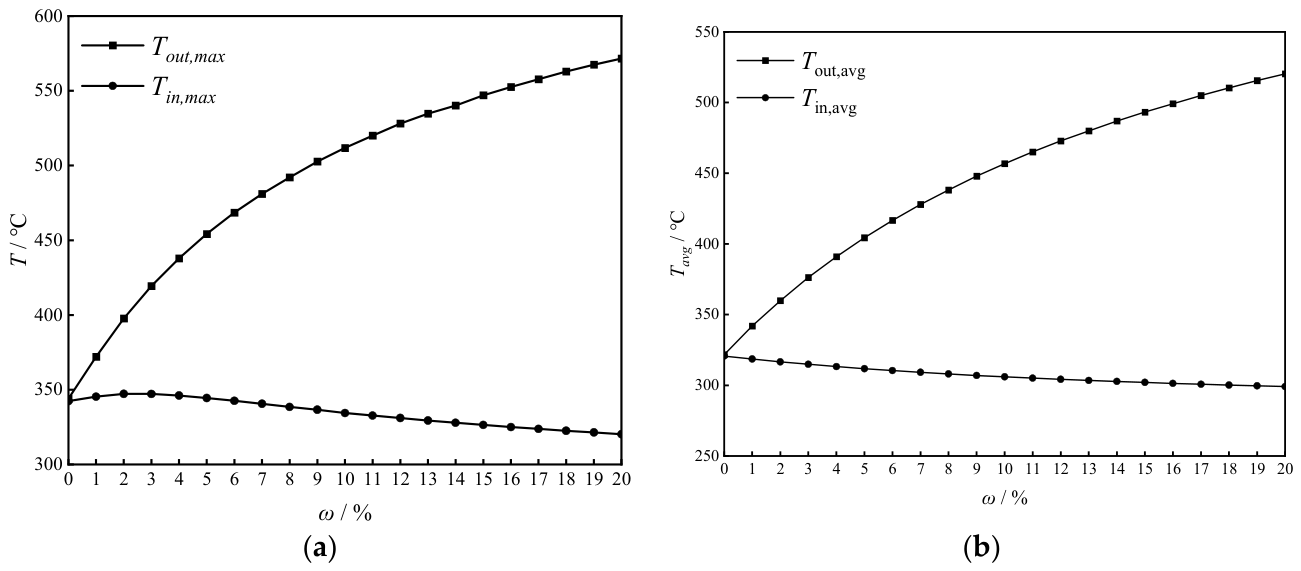
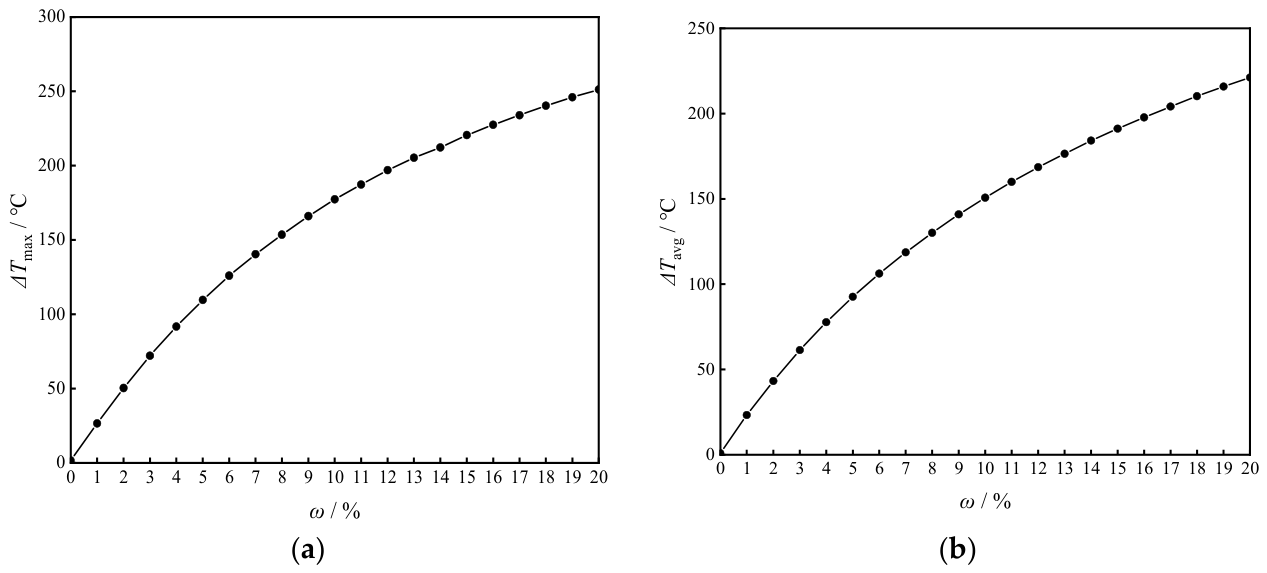
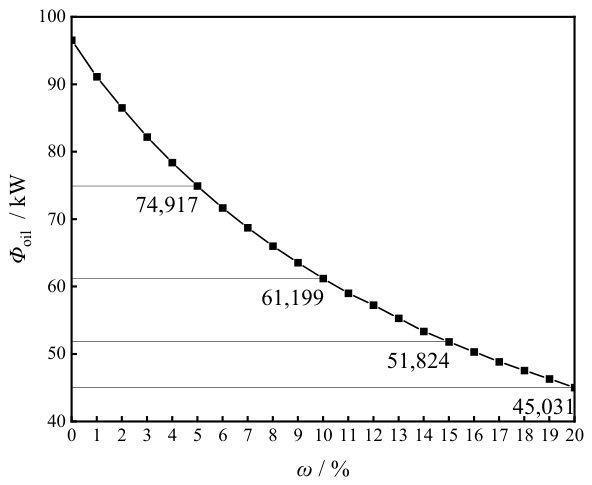
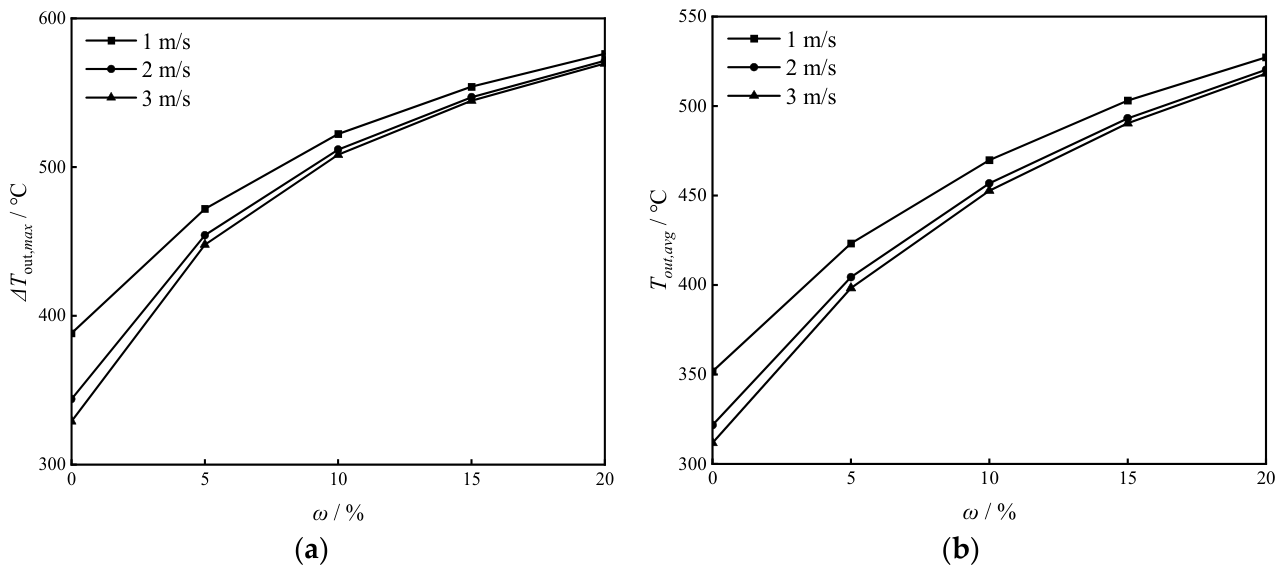
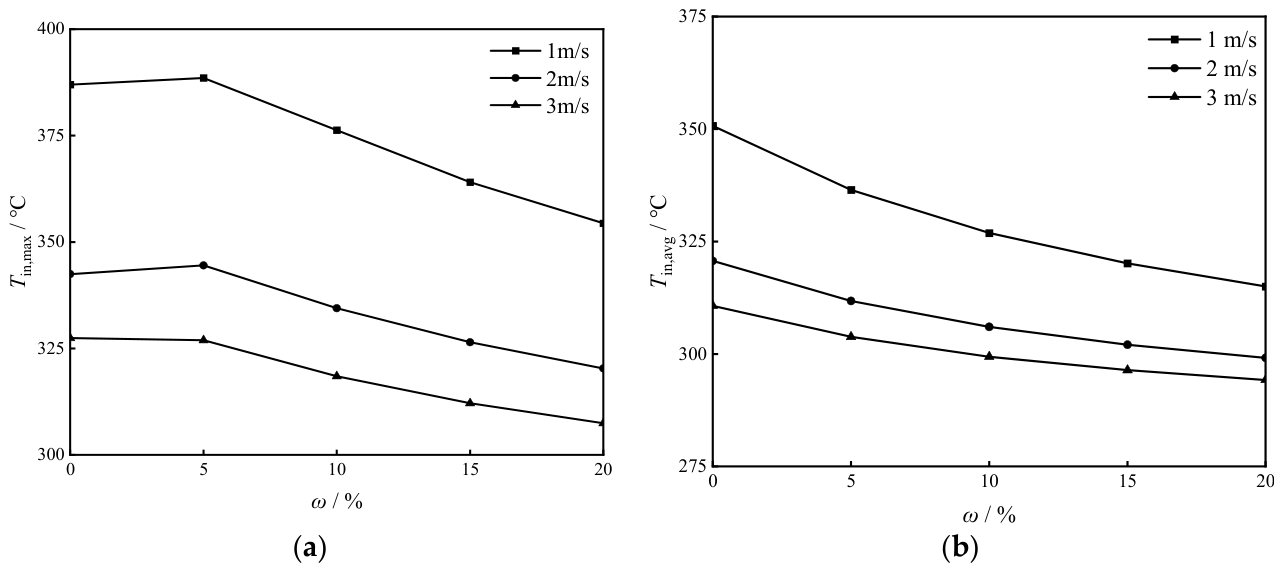
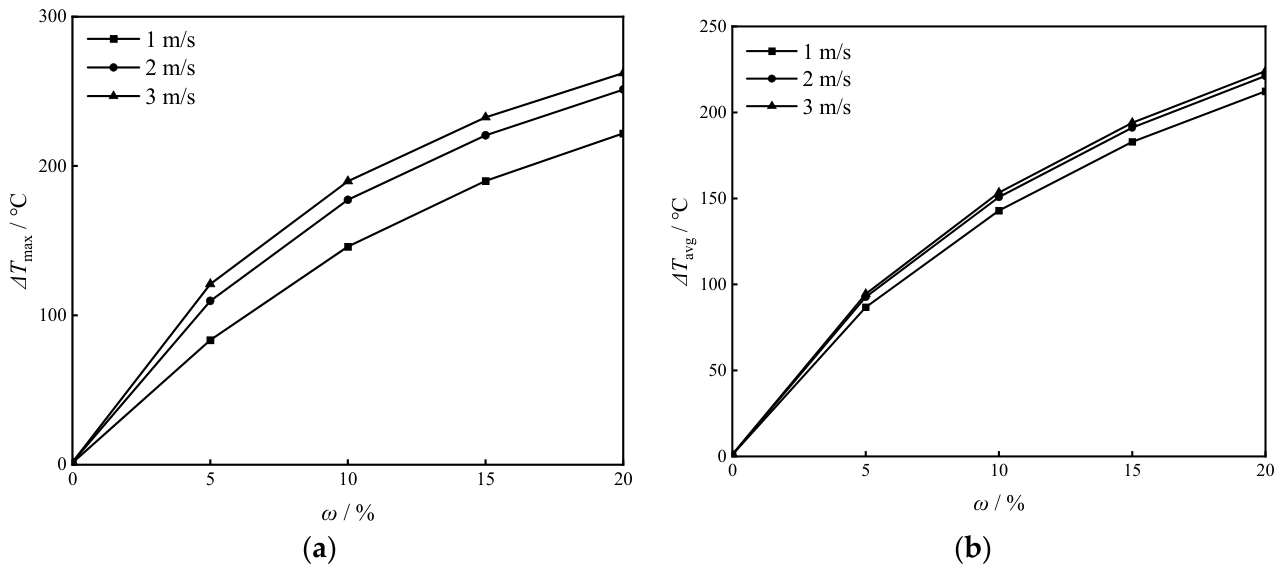
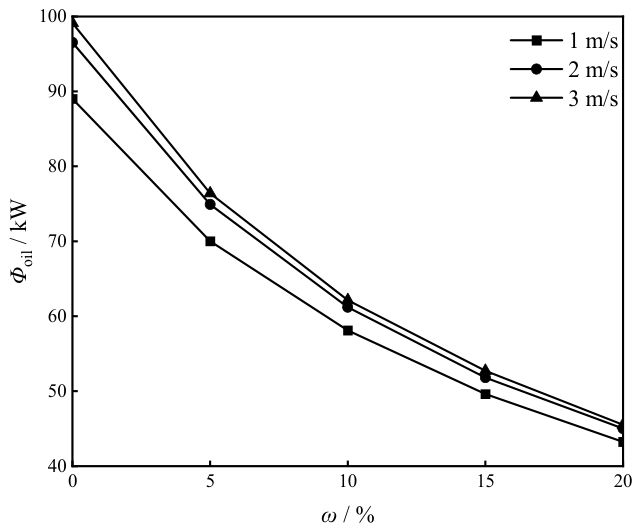
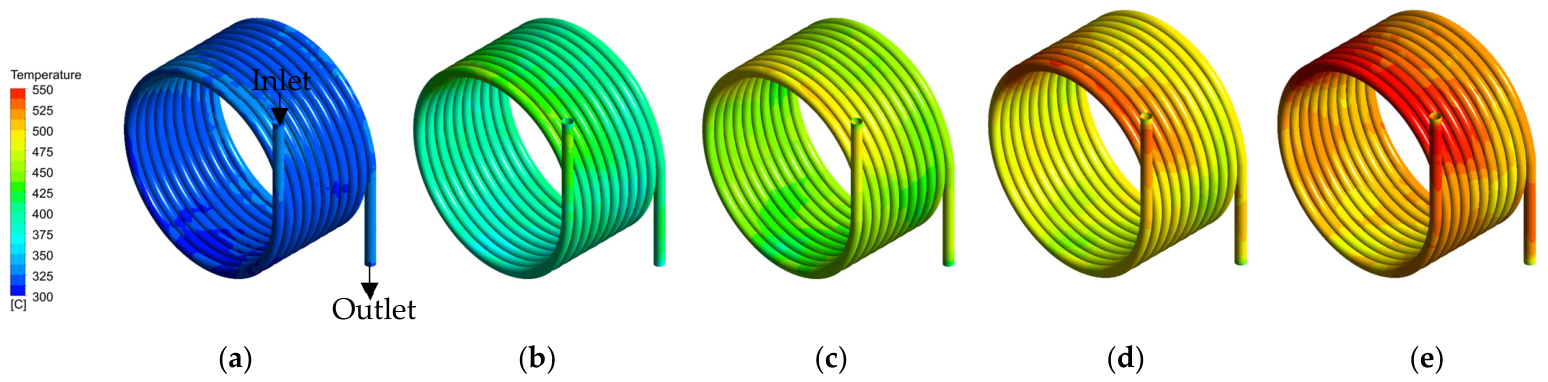
Coke deposition on the inner wall of helical coils in organic heat carrier (OHC) furnaces imposes additional thermal resistance, which impairs heat transfer and may trigger tube over-temperature failure. However, the quantitative coupling among the coking degree, flow conditions, and wall temperature response in helical coils remains insufficiently characterized. To address this gap, a three-dimensional steady-state conjugate heat-transfer model that resolves the additional thermal resistance of the coke layer is established using computational fluid dynamics (CFD). A dimensionless coking degree ω, defined as the ratio of coke layer thickness to inner tube radius, is introduced to parameterize the deposition state. Parametric simulations are performed at ω = 0–20%, with oil inlet velocities of 1–3 m/s. As ω increases from 0% to 20%, the maximum outer wall temperature rises by 66.1% (344 °C to 572 °C), whereas the maximum inner wall temperature decreases by 6.5%. The inner–outer wall temperature difference increases by over two orders of magnitude (1.61 °C to 251 °C), and the heat absorption of thermal oil declines by 53.4%. Raising the inlet velocity lowers the outer-wall temperature under clean-wall conditions, whereas this cooling effect is markedly diminished under severe coking. These findings provide a quantitative basis for the early-stage diagnosis of coking and safety evaluation of OHC furnaces.
Keywords: organic heat carrier furnace; helical coil; coking; conjugate heat transfer; computational fluid dynamics (CFD); tube wall temperature organic heat carrier furnace; helical coil; coking; conjugate heat transfer; computational fluid dynamics (CFD); tube wall temperature