Article

Developmental Characteristics of Post-Rift Faults and Palostress Field Inversion in the Bozhong 19-6 Structural Belt

1
China National Offshore Oil Corporation Research Institute Co., Ltd., Beijing 100028, China
2
Frontiers Science Center for Deep Ocean Multispheres and Earth System, Key Lab of Submarine Geosciences and Prospecting Techniques, MOE and College of Marine Geosciences, Ocean University of China, Qingdao 266100, China
3
Laboratory for Marine Mineral Resources, Laoshan Laboratory, Qingdao Marine Science and Technology Center, Qingdao 266237, China
4
Faculty of Earth Sciences, Northeast Petroleum University, Daqing 163318, China
*
Author to whom correspondence should be addressed.
Processes 2025, 13(9), 2726; https://doi.org/10.3390/pr13092726
Submission received: 4 August 2025 / Revised: 16 August 2025 / Accepted: 21 August 2025 / Published: 26 August 2025

Abstract

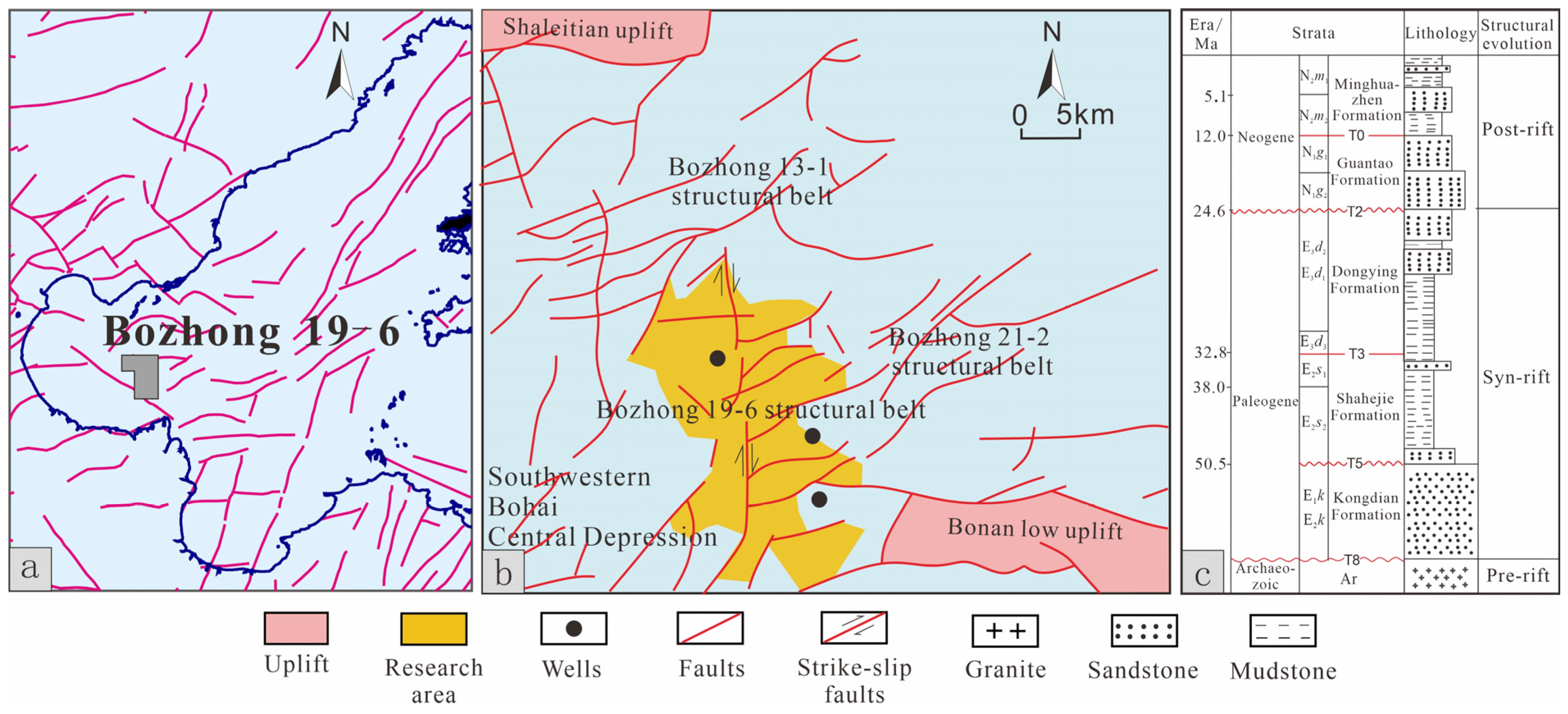
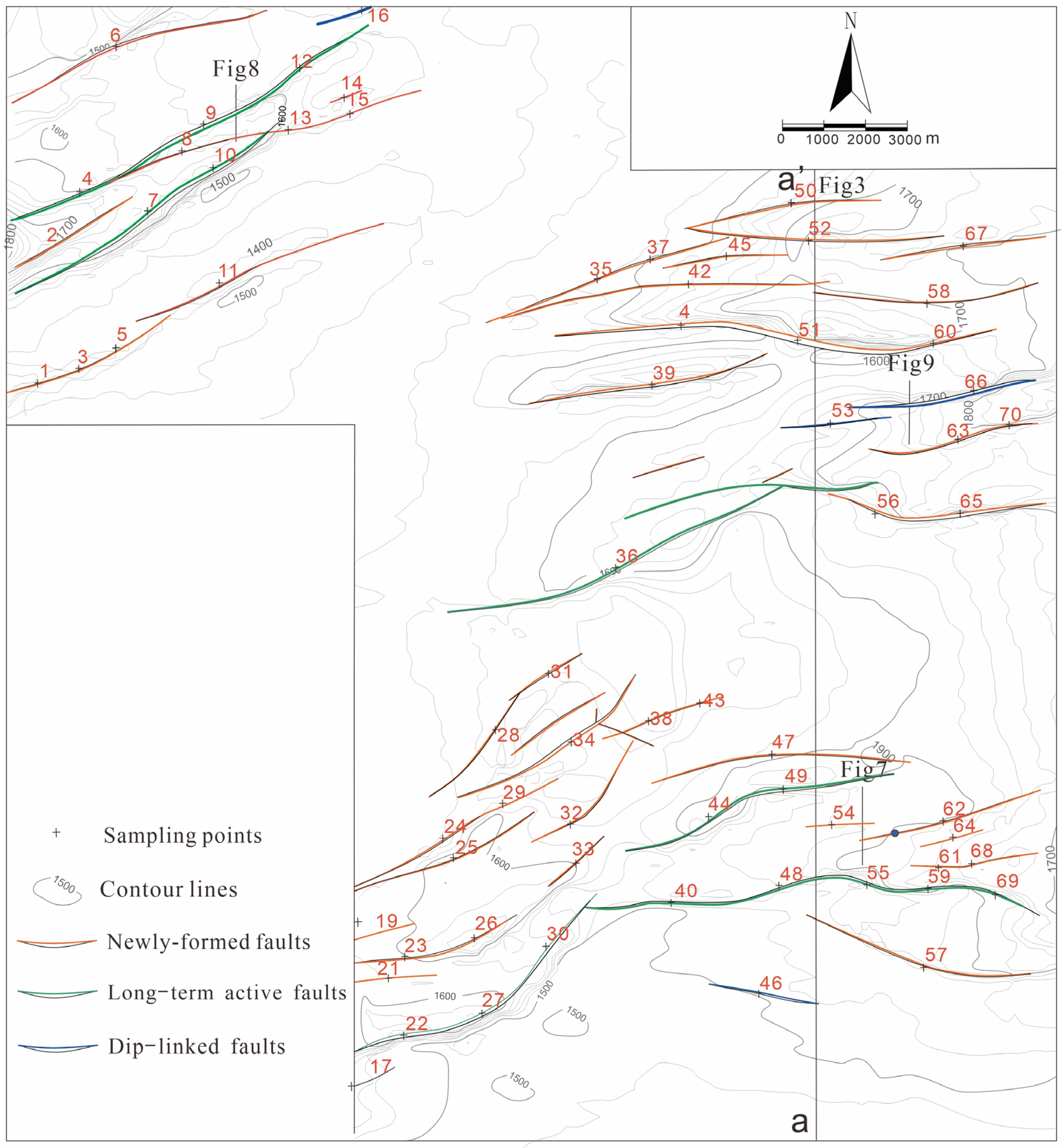
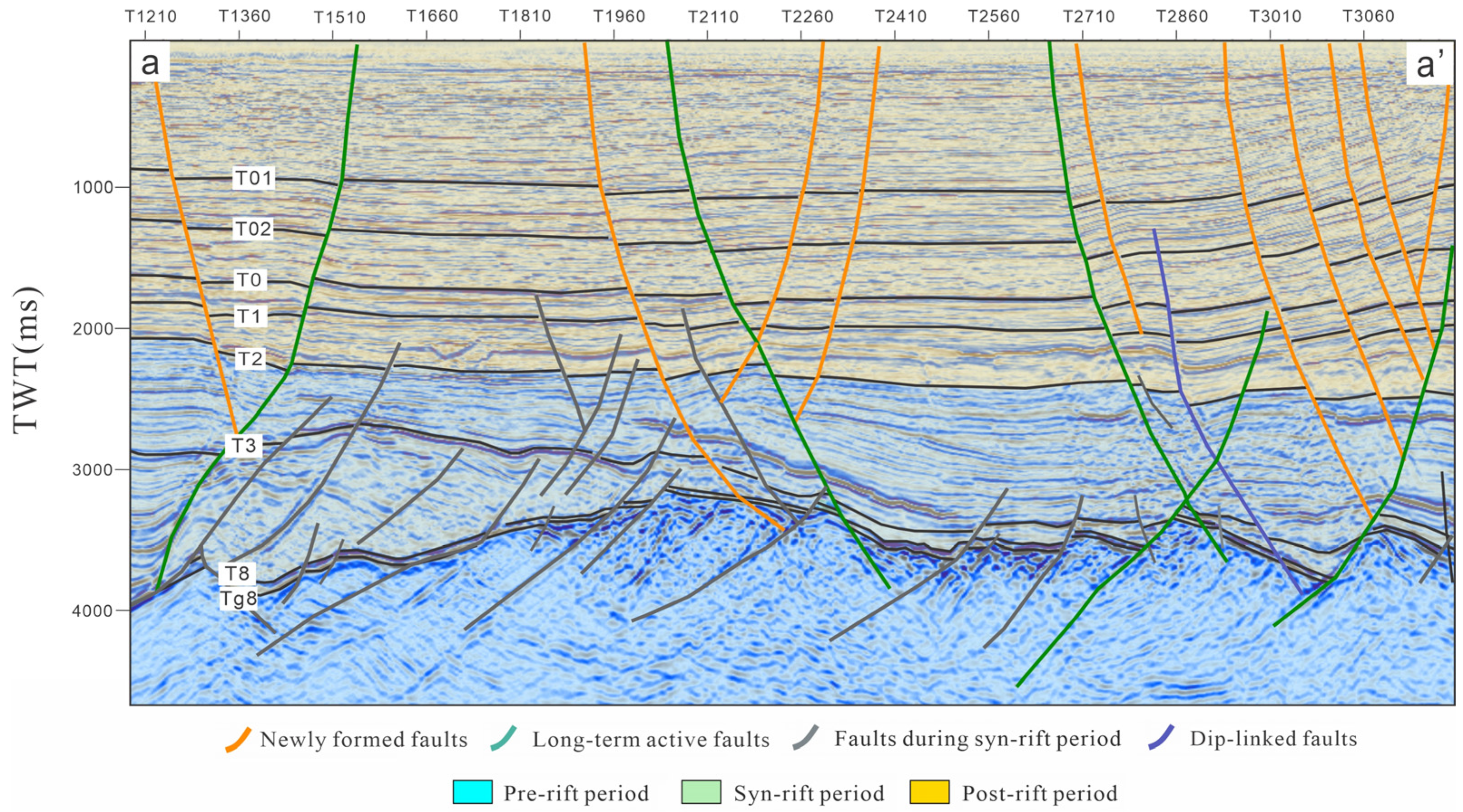
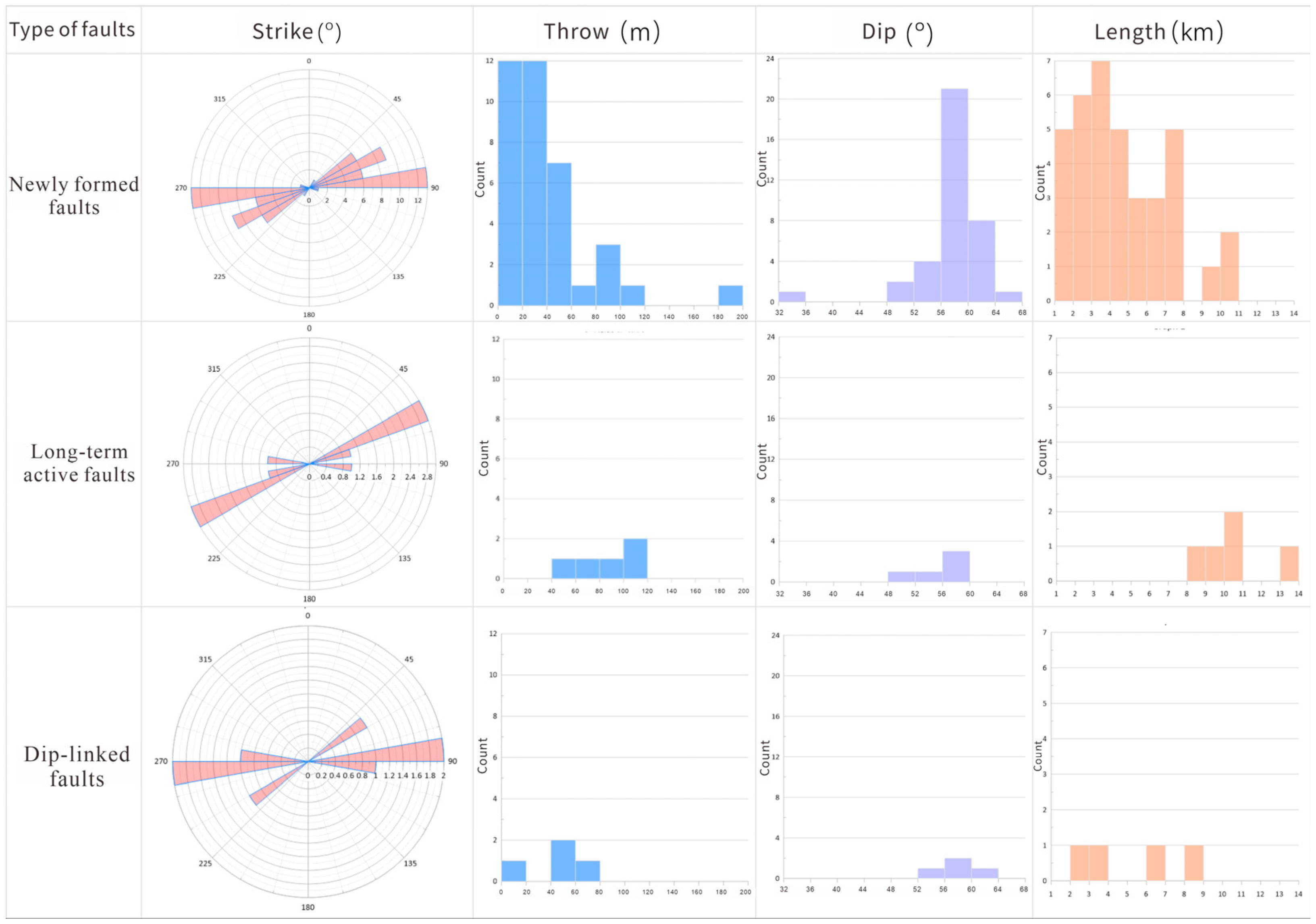
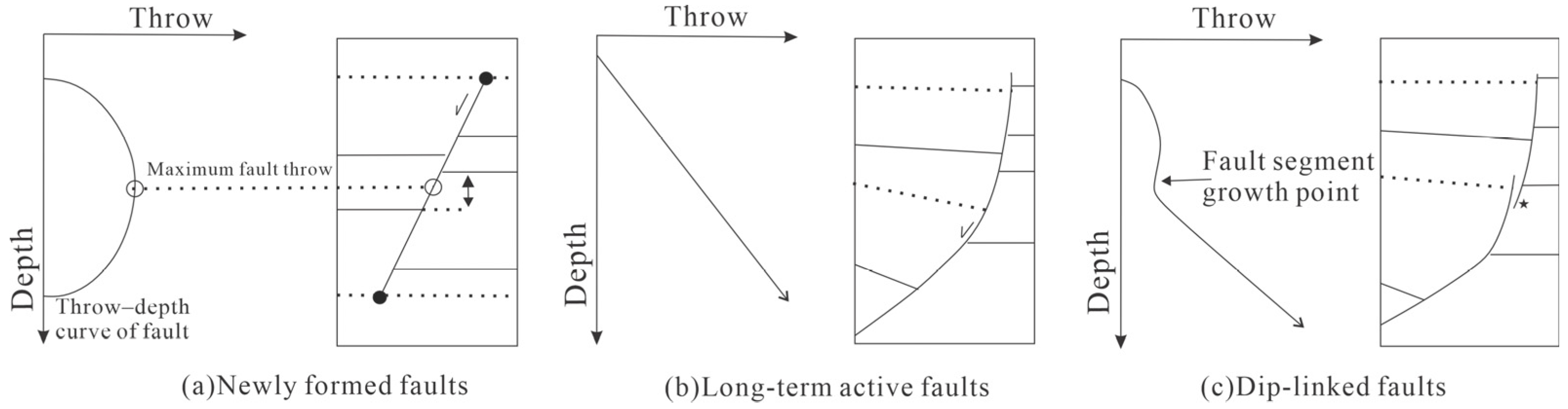
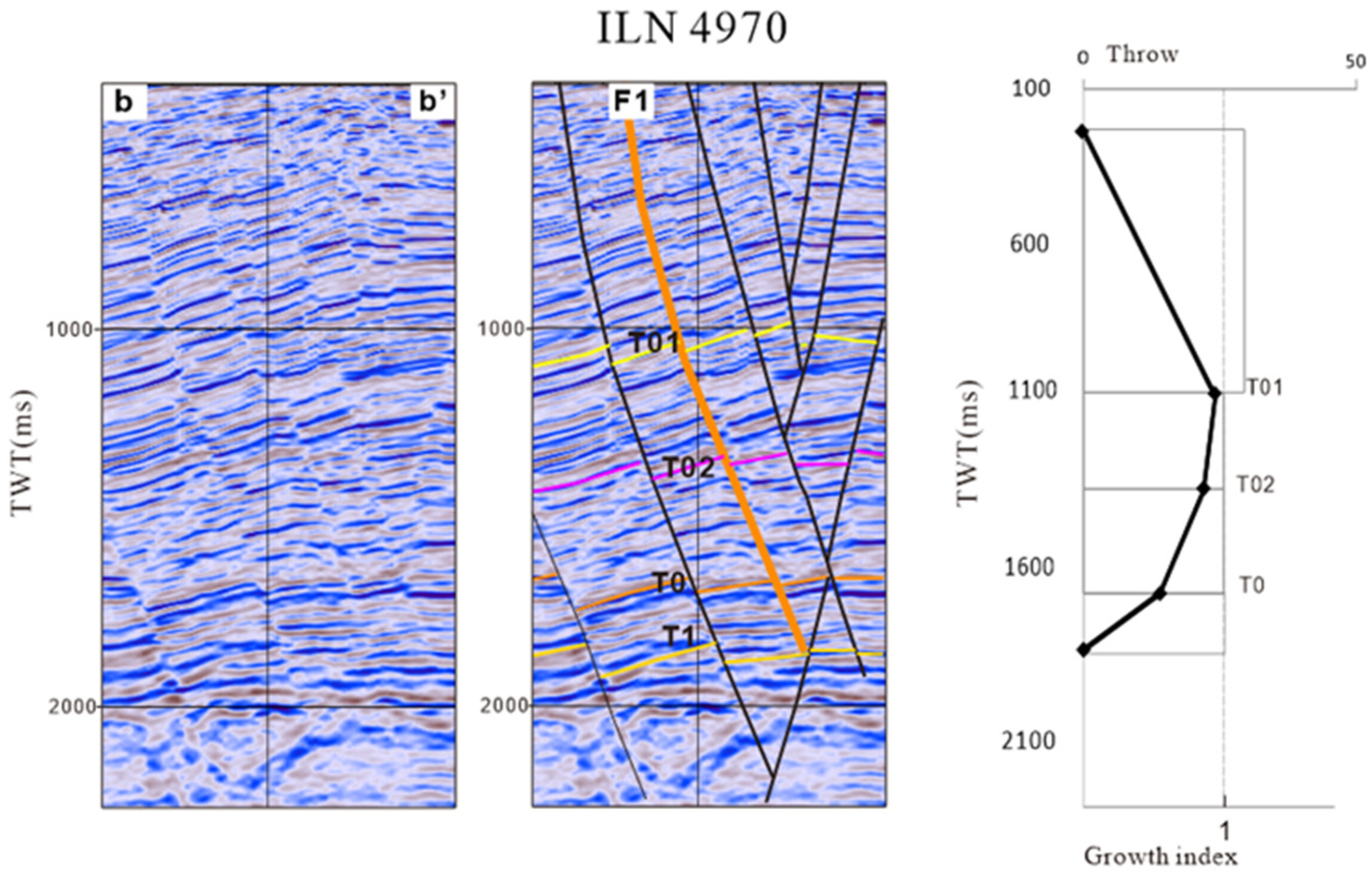
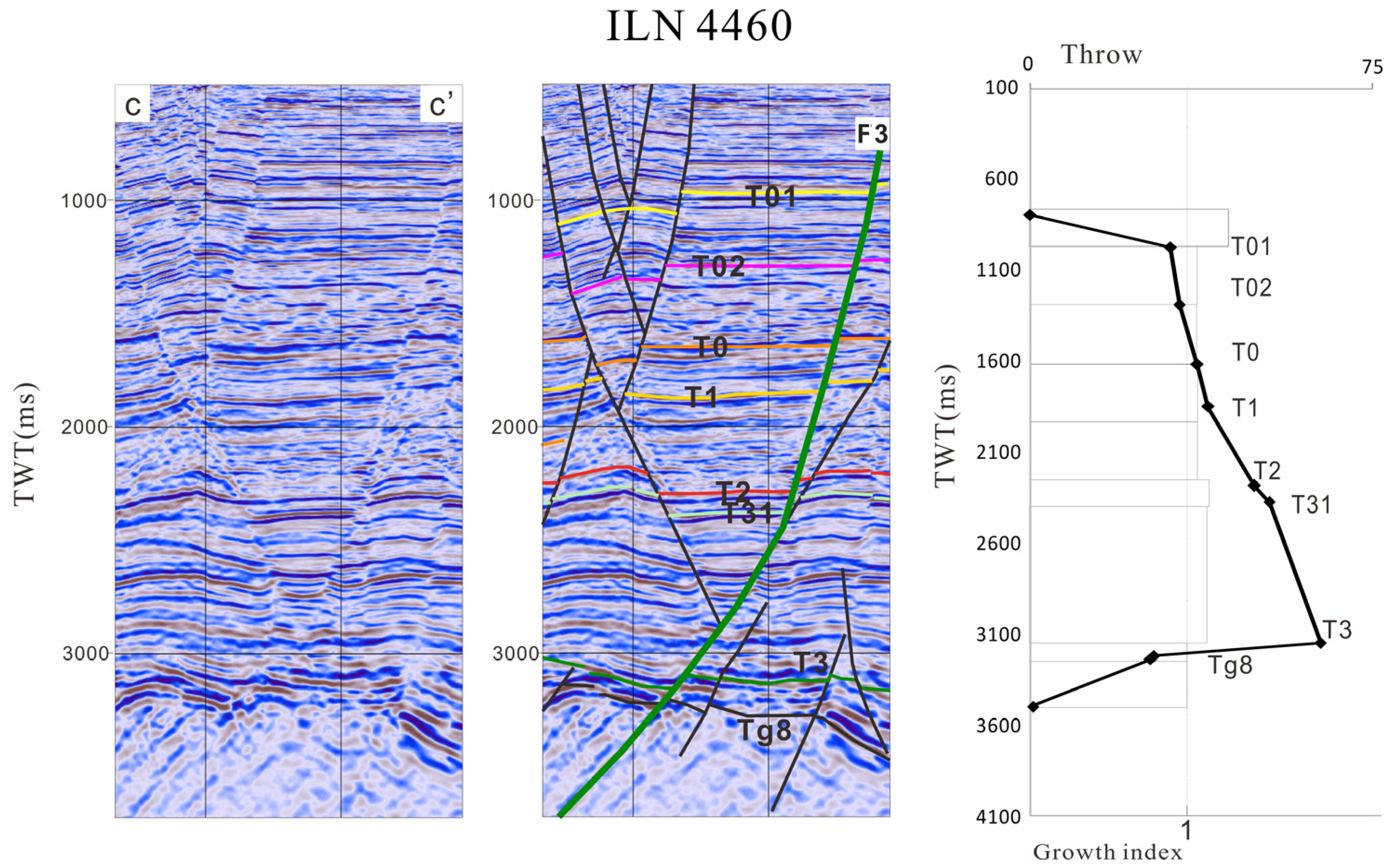
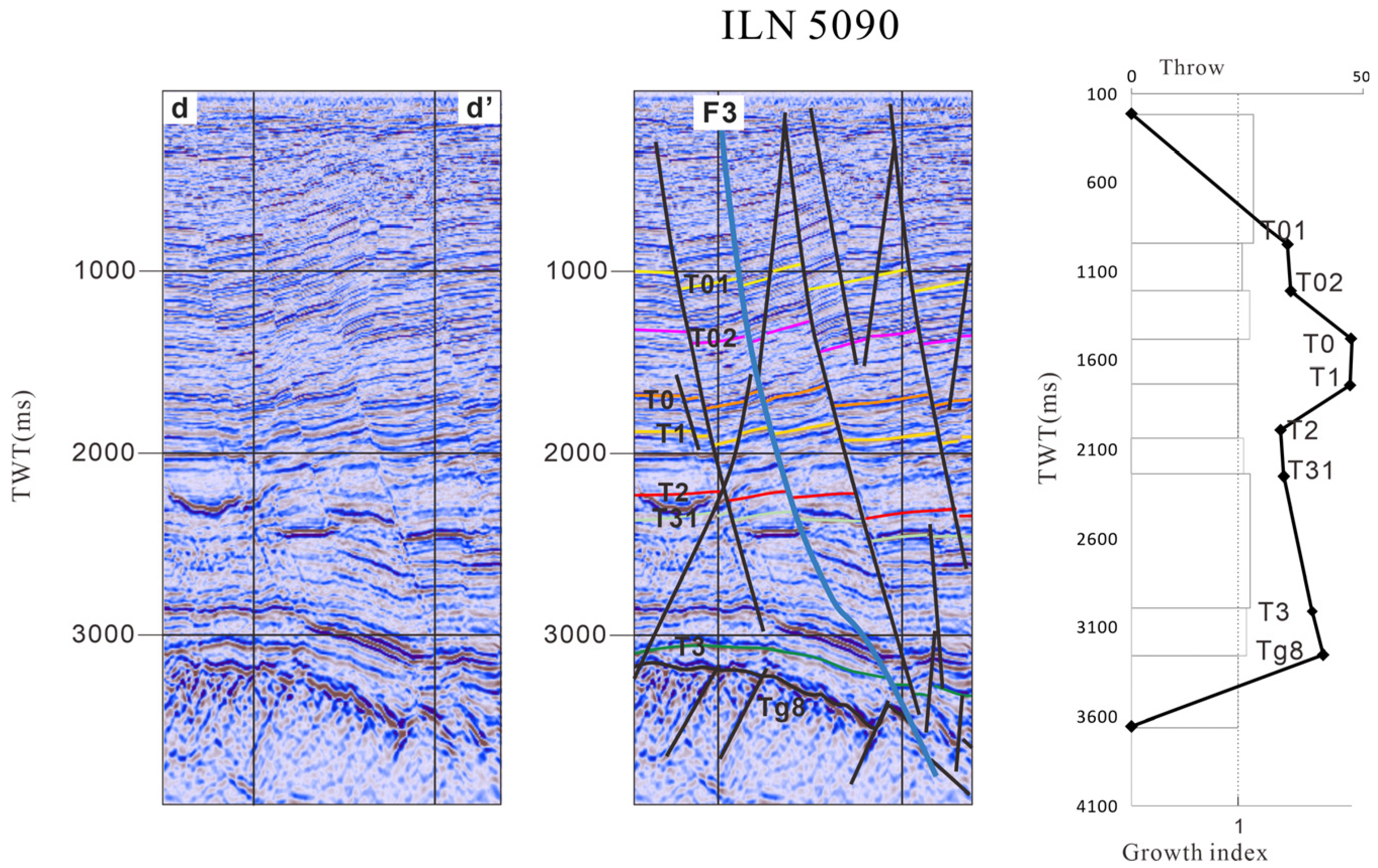
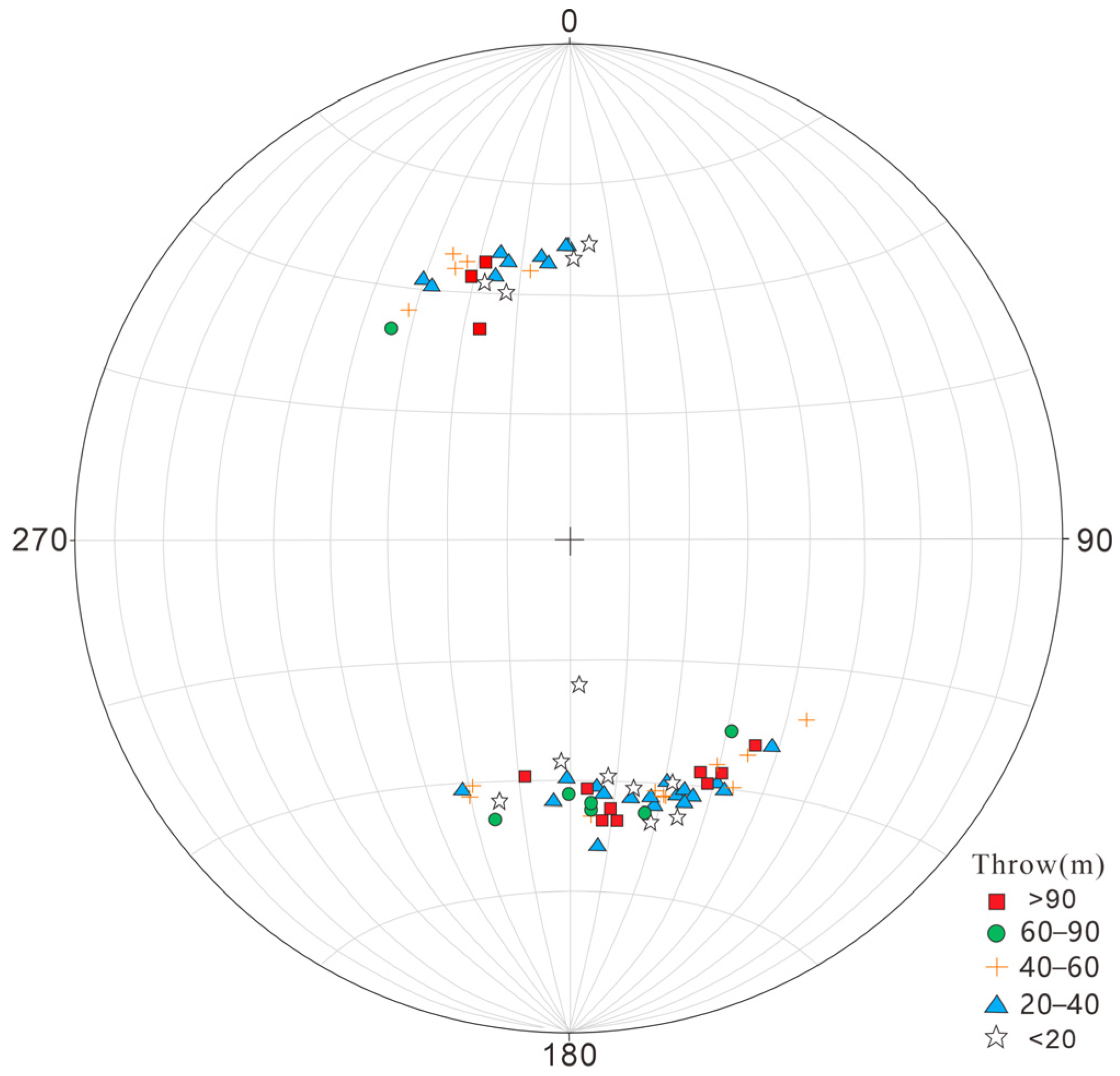
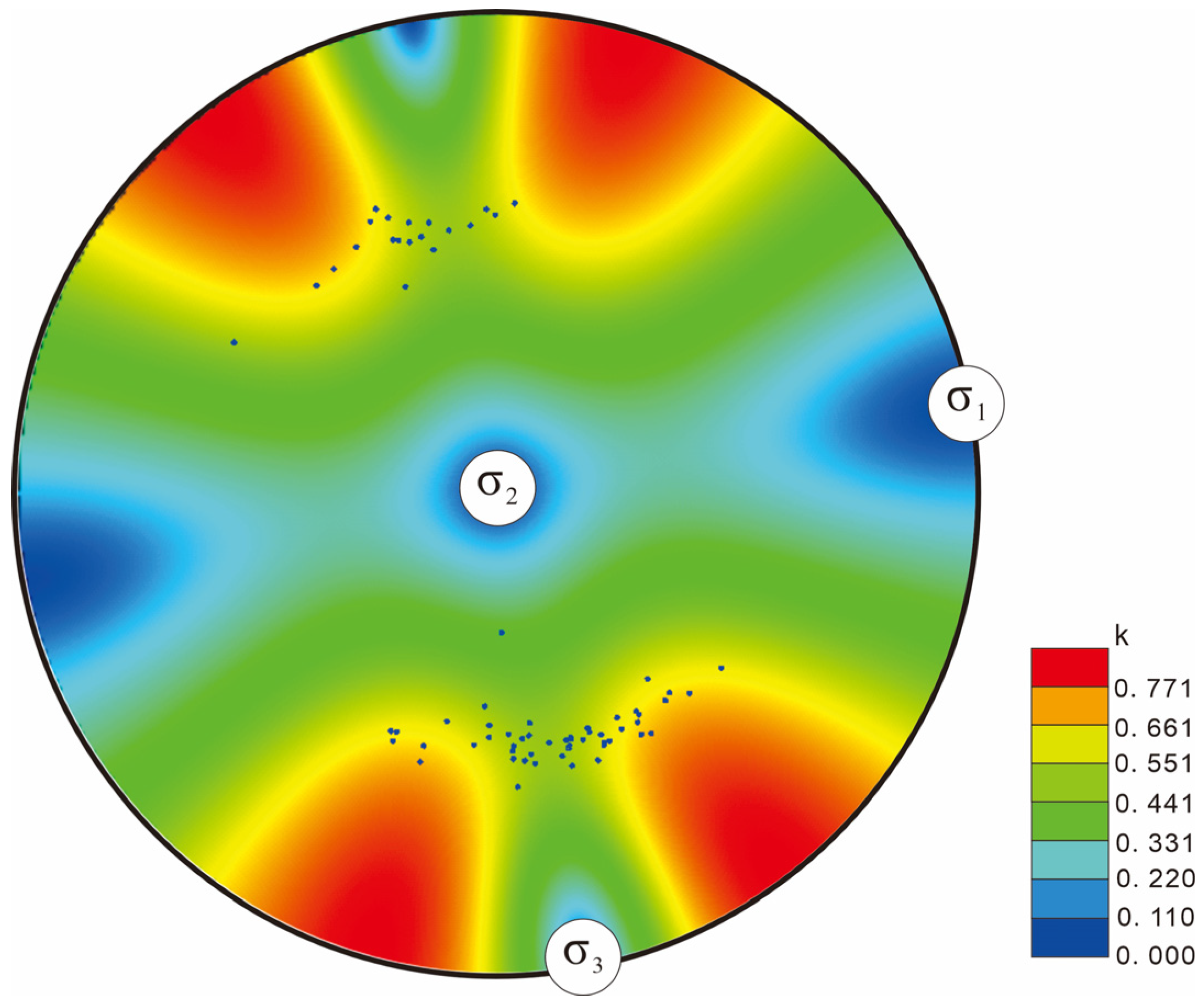
The faults in the post-rift period have an important controlling effect on the migration and accumulation of oil and gas in the shallow strata of Bohai Bay Basin. Based on the seismic interpretation data of Bozhong 19-6 Structural Belt, this paper analyzes the geometric characteristics and growth history of the faults in the post-rift period and inverts the tectonic paleostress that caused the fault activities in the post-rift period. Finally, the developmental characteristics of the faults in the post-rift period are deeply understood from three aspects: fault geometry, kinematics, and dynamics. In the study area, the trend of post-rift faults are mainly east–west, followed by NEE. According to the fault activity, it can be divided into three types: newly formed faults, long-term active faults, and deep-linked faults. The latter two types are faults that existed before and then reactivated during post-rifted period. The inversion result of the Neogene is the strike-slip stress field, showing that the intermediate principal stress axis (σ2) is oriented vertically, the minimum principal stress (σ3) is oriented N170°, the maximum principal stress axis (σ1) is oriented N80°, and σ31 = 0.24, σ21 = 0.62. The data used in this inversion method is easily obtained in the oil and gas industry, and the inversion results can provide an important reference for analyzing the regional tectonic evolution and clarifying the fault activity at the key moment of oil and gas accumulation.
Keywords: seismic data; slip tendency; throw; paleostress inversion seismic data; slip tendency; throw; paleostress inversion