Article

Effects of Supercritical CO2 Immersion Time on CO2/CH4 Gas Seepage Characteristics in Coal

1
Chinese Institute of Coal Science, Beijing 100013, China
2
Shaanxi Coal Industry Company Limited, Xi’an 710054, China
3
Huangling Mining Group Company Limited, Yan’an 727307, China
4
College of Safety Science and Engineering, Xi’an University of Science and Technology, Xi’an 710054, China
5
College of Safety Science and Engineering, Henan Polytechnic University, Jiaozuo 454003, China
*
Author to whom correspondence should be addressed.
Processes 2025, 13(5), 1419; https://doi.org/10.3390/pr13051419
Submission received: 20 March 2025 / Revised: 20 April 2025 / Accepted: 21 April 2025 / Published: 7 May 2025

Abstract

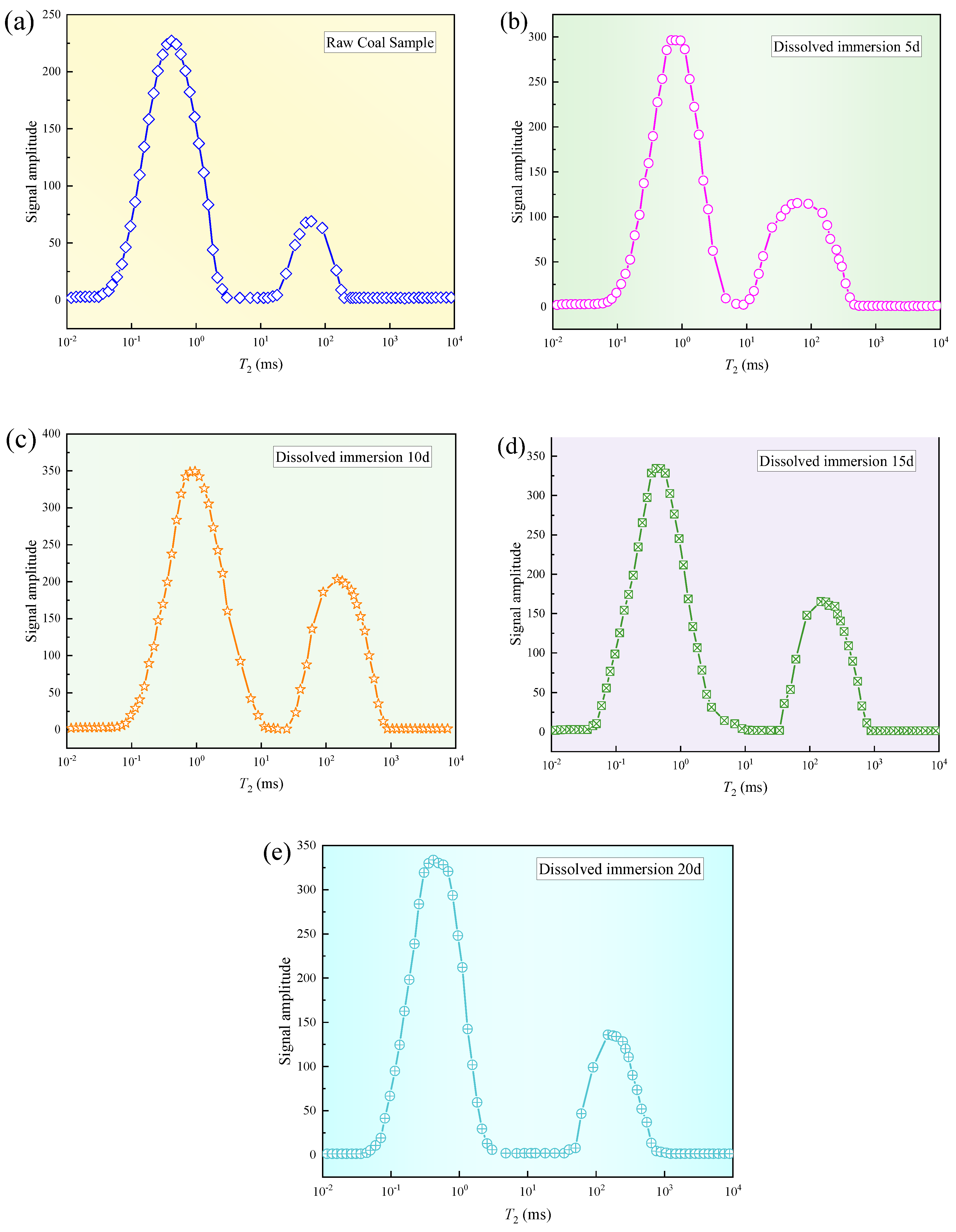
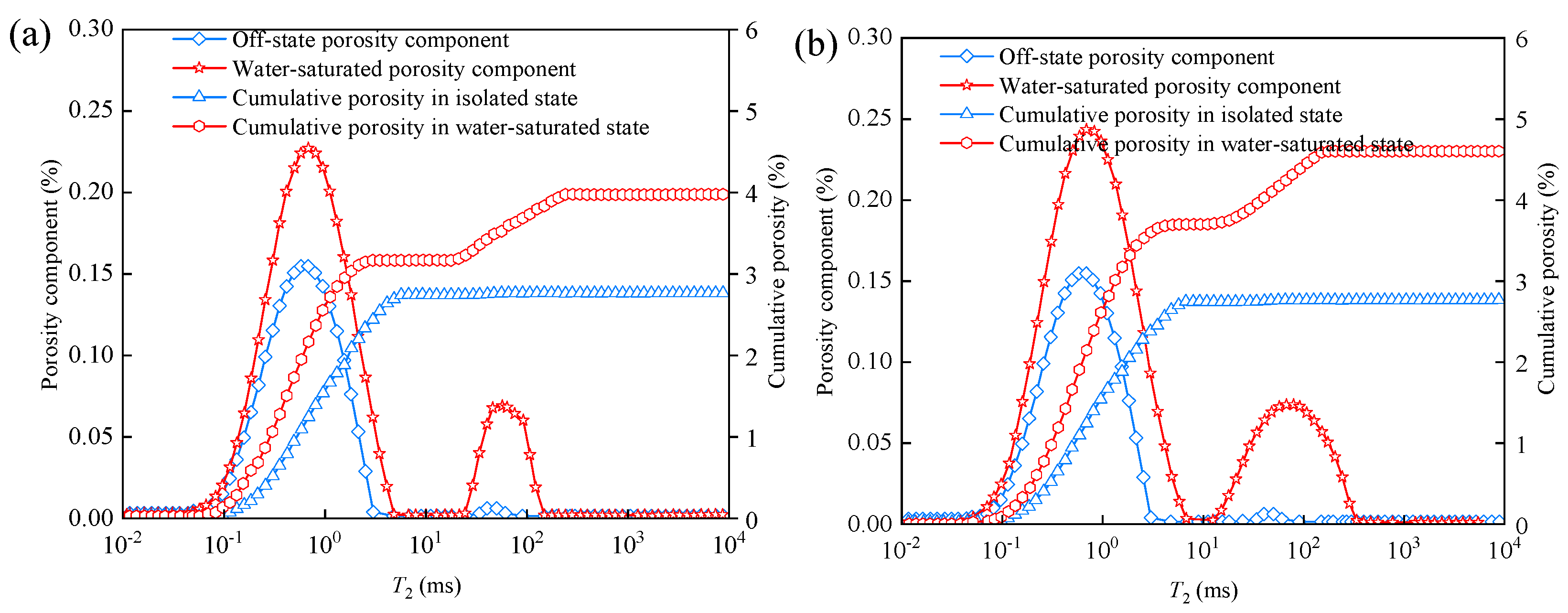
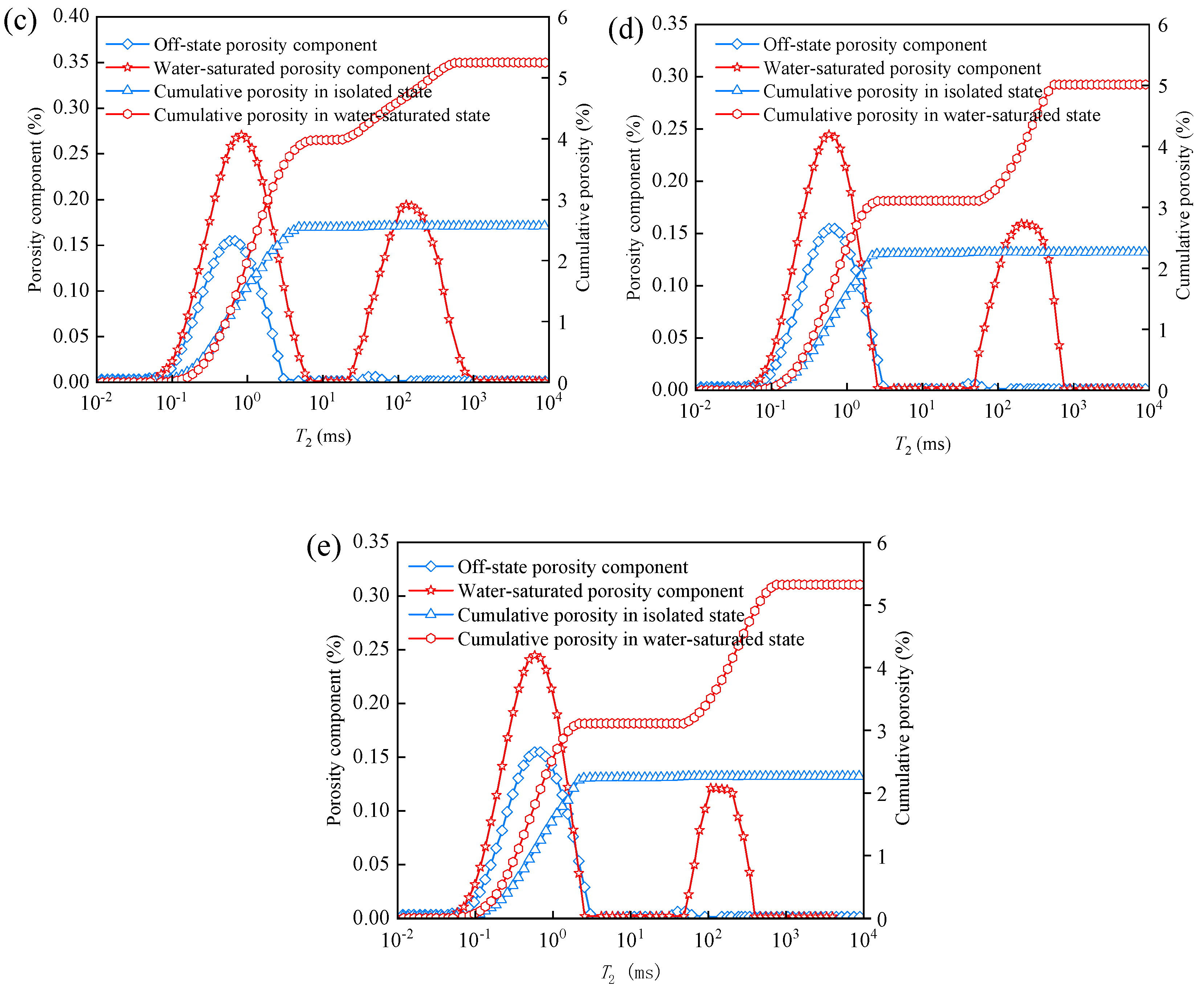
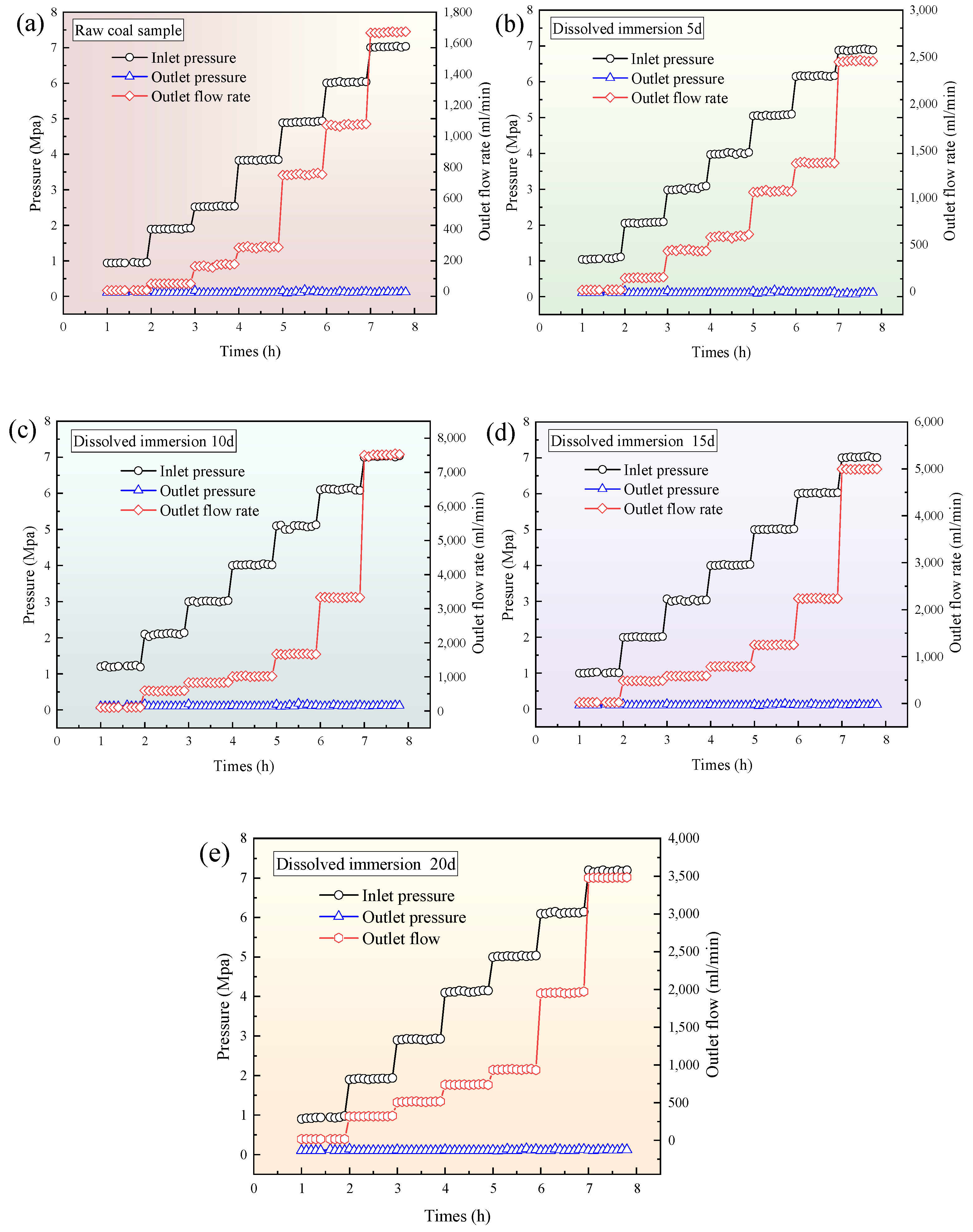
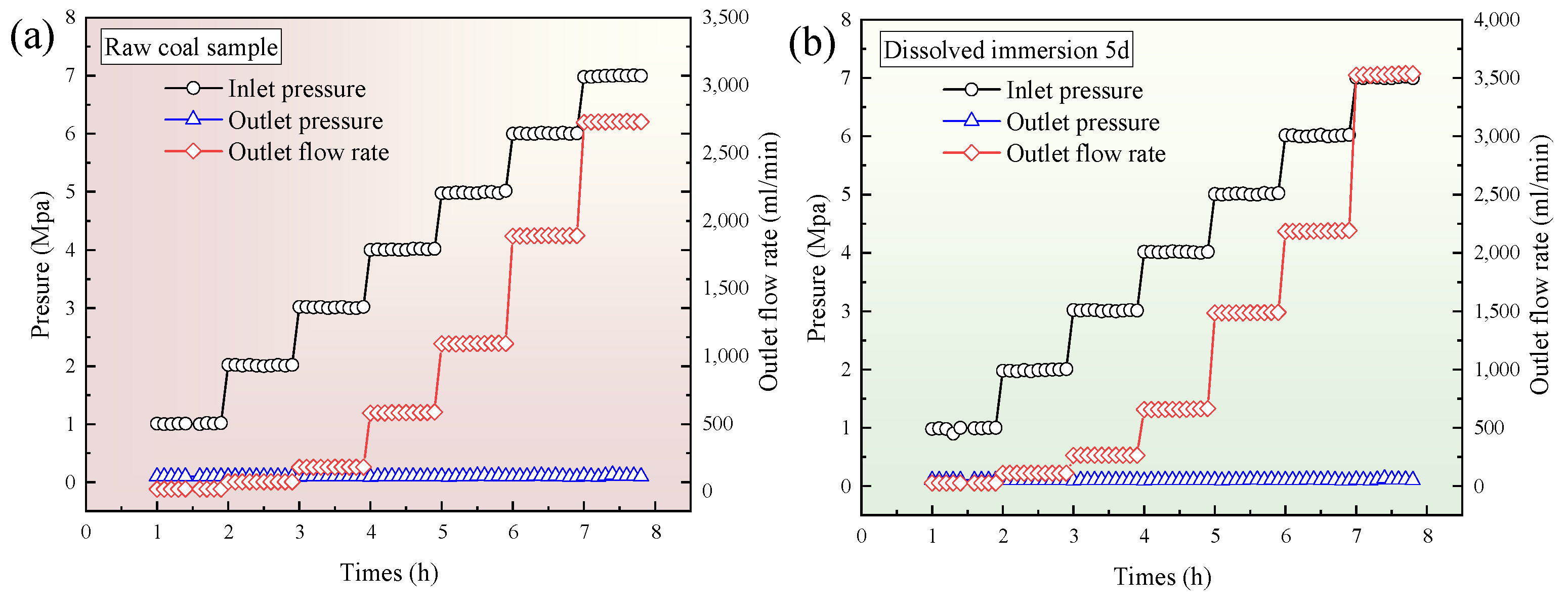
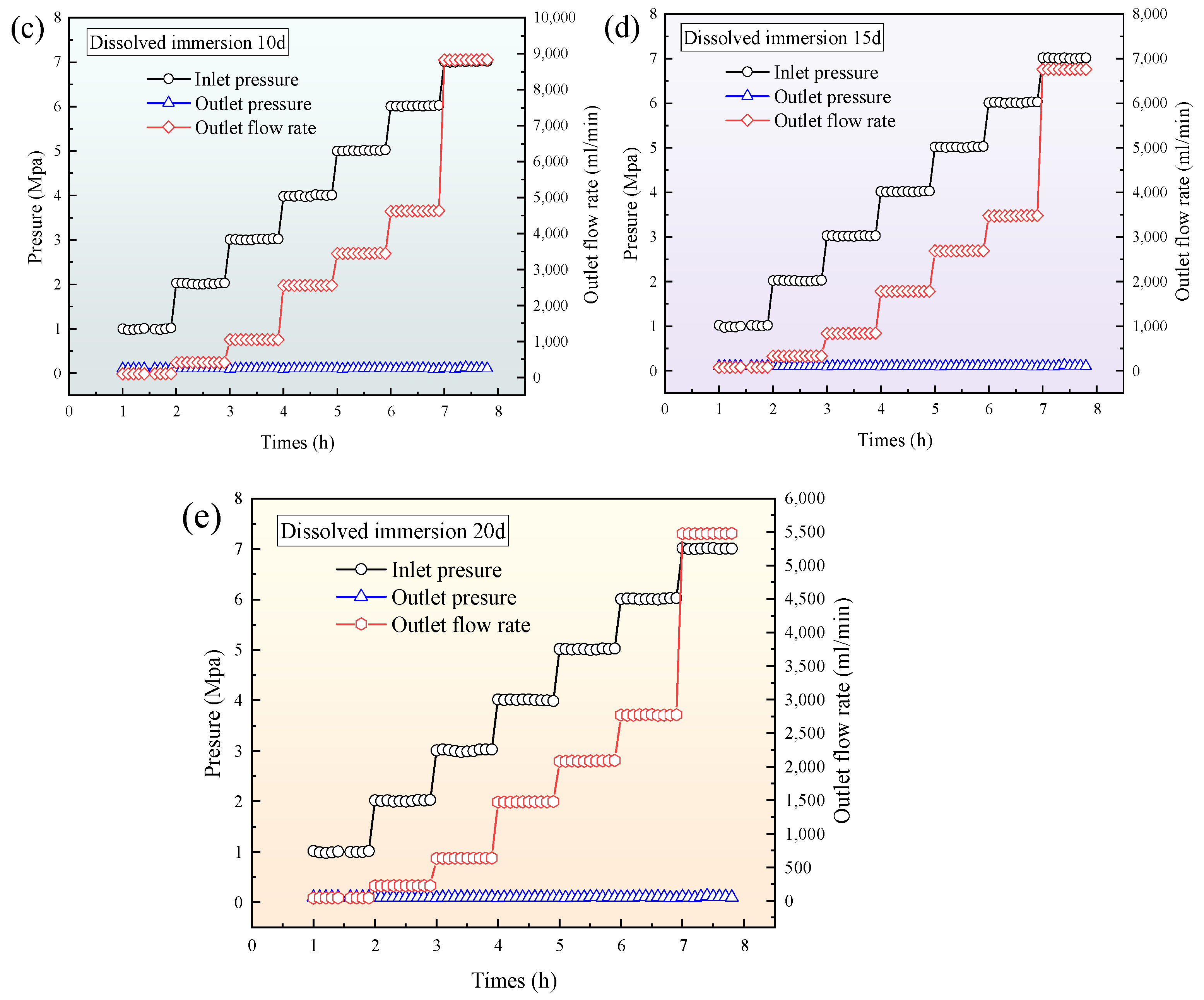
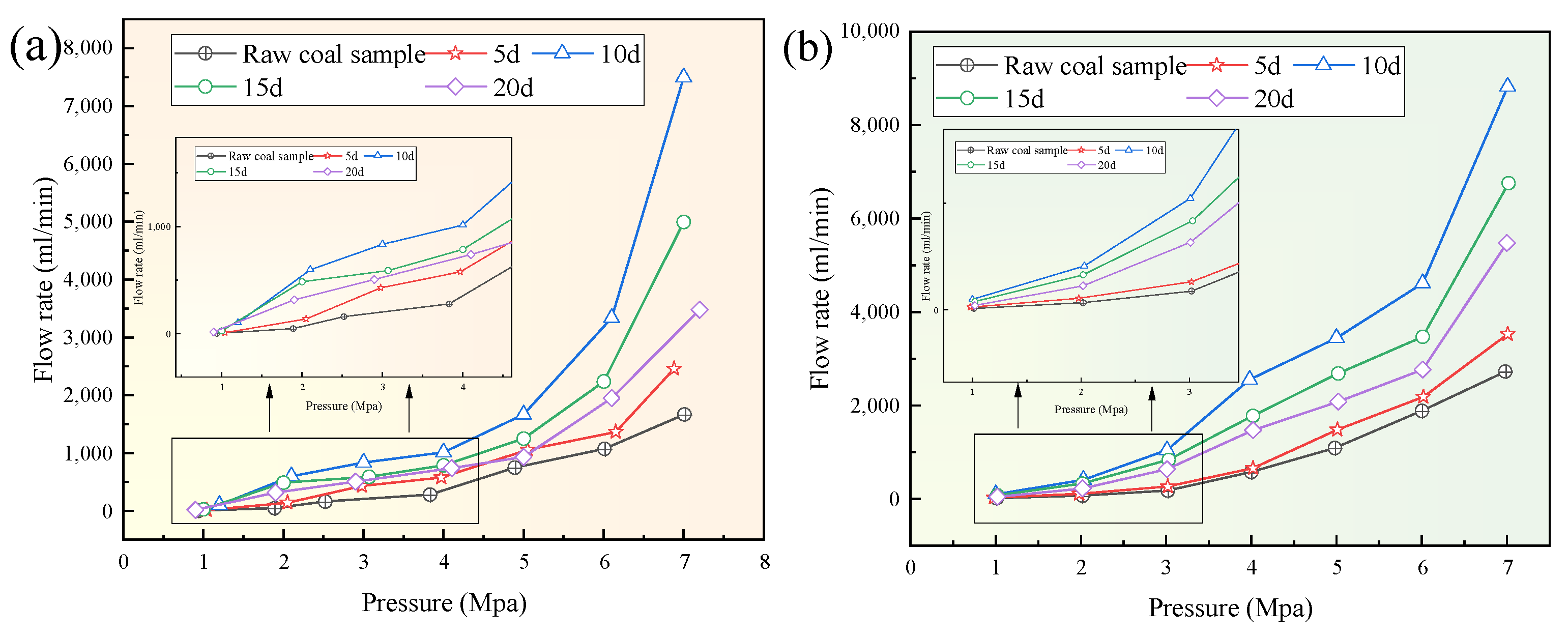
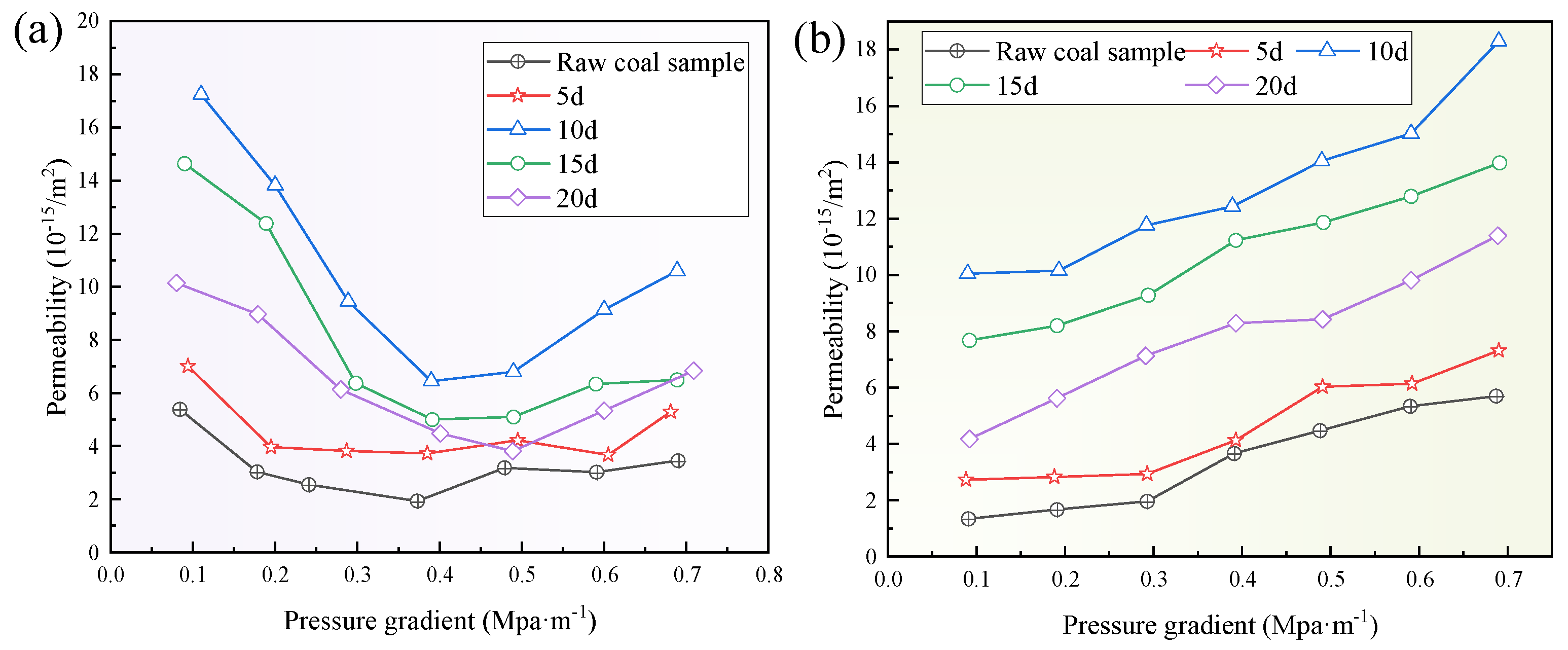
Low permeability has always limited the efficient extraction of coalbed methane (CBM) in China. To investigate the permeability enhancement effect of supercritical CO2 on coal seams, experiments were conducted using a self-developed supercritical CO2 immersion system and a single-component gas (CO2 and CH4) seepage experimental apparatus, considering different immersion times and injection pressures. The gas seepage characteristics of CO2 and CH4 in coal seams were studied under various conditions. Additionally, nuclear magnetic resonance (NMR) was used to obtain the porosity components of the coal samples at different immersion times. The changes in permeability before and after the experiment were compared to analyze the permeability enhancement effect of supercritical CO2 on the coal samples. The results show that the original porosity of the coal sample was 2.06%. After 5, 10, 15, and 20 days of immersion, the porosity of the coal samples increased by 2.78%, 3.26%, 3.22%, and 2.86%, respectively. After immersion in supercritical CO2, the porosity exhibited a trend of initially increasing and then decreasing. During the single-component gas seepage experiment following supercritical CO2 immersion, the outlet flow rates of both CO2 and CH4 reached their maximum on the 10th day of immersion. Compared with the 0-day immersion, the outlet flow rates of CO2 and CH4 increased by 4.49 times and 3.23 times, respectively. After immersion, the CH4 permeability within the coal sample was stronger than that of CO2.
Keywords: supercritical CO2; dissolution time; coal; CO2/CH4; seepage supercritical CO2; dissolution time; coal; CO2/CH4; seepage