Article

Research and Application of Gas Drainage Negative Pressure Regulation Method Considering Permeability Differences


1
China Coal Energy Research Institute Co., Ltd., Xi’an 710054, China
2
Shaanxi Qinan Coal Mine Safety Evaluation Services Limited, Xi’an 710054, China
3
Research Center of Fluid Machinery Engineering and Technology, Jiangsu University, Zhenjiang 212013, China
*
Author to whom correspondence should be addressed.
Processes 2025, 13(4), 1236; https://doi.org/10.3390/pr13041236
Submission received: 21 March 2025 / Revised: 15 April 2025 / Accepted: 16 April 2025 / Published: 19 April 2025
(This article belongs to the Special Issue Advances in Coal Processing, Utilization, and Process Safety)

Abstract

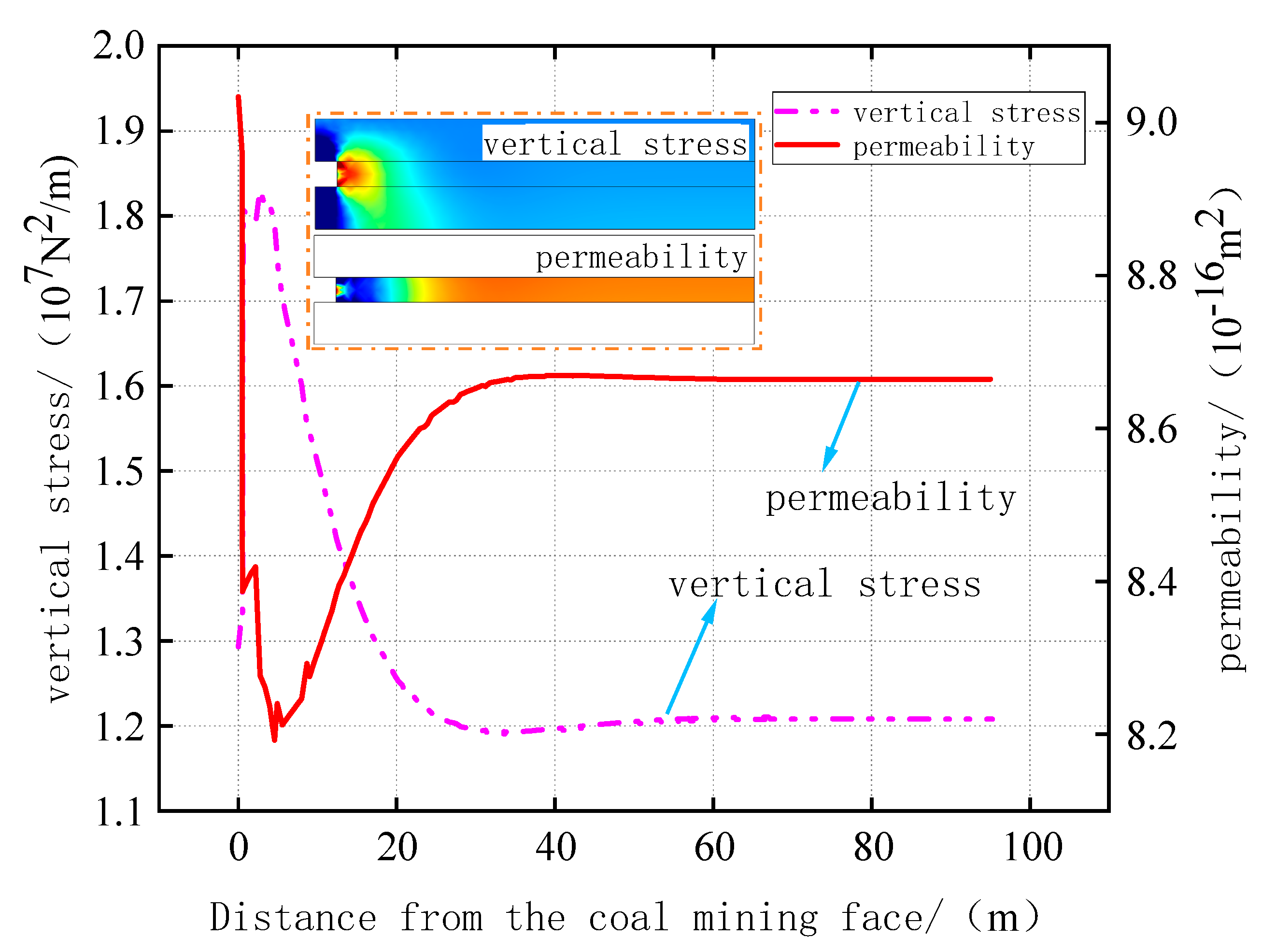
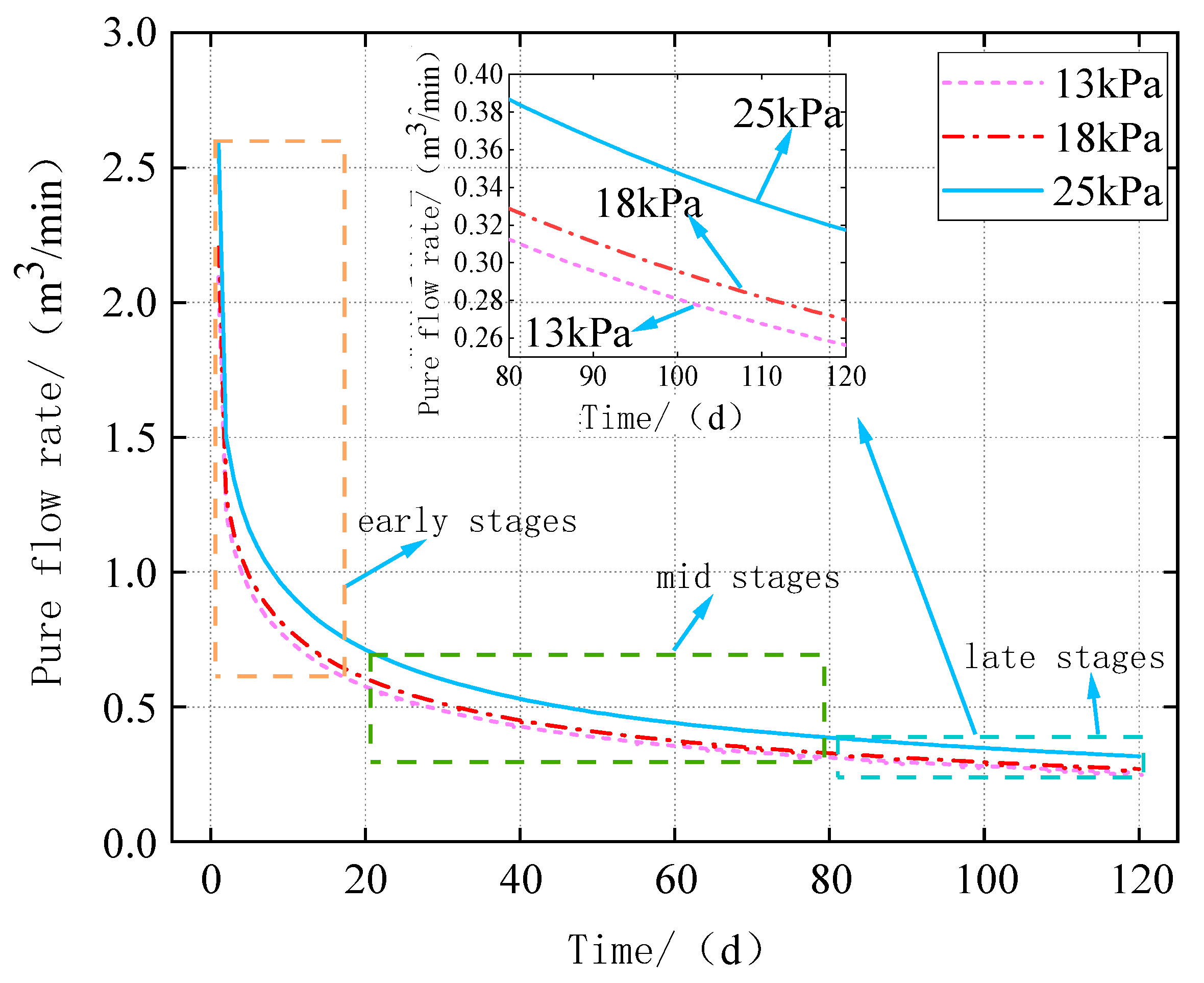
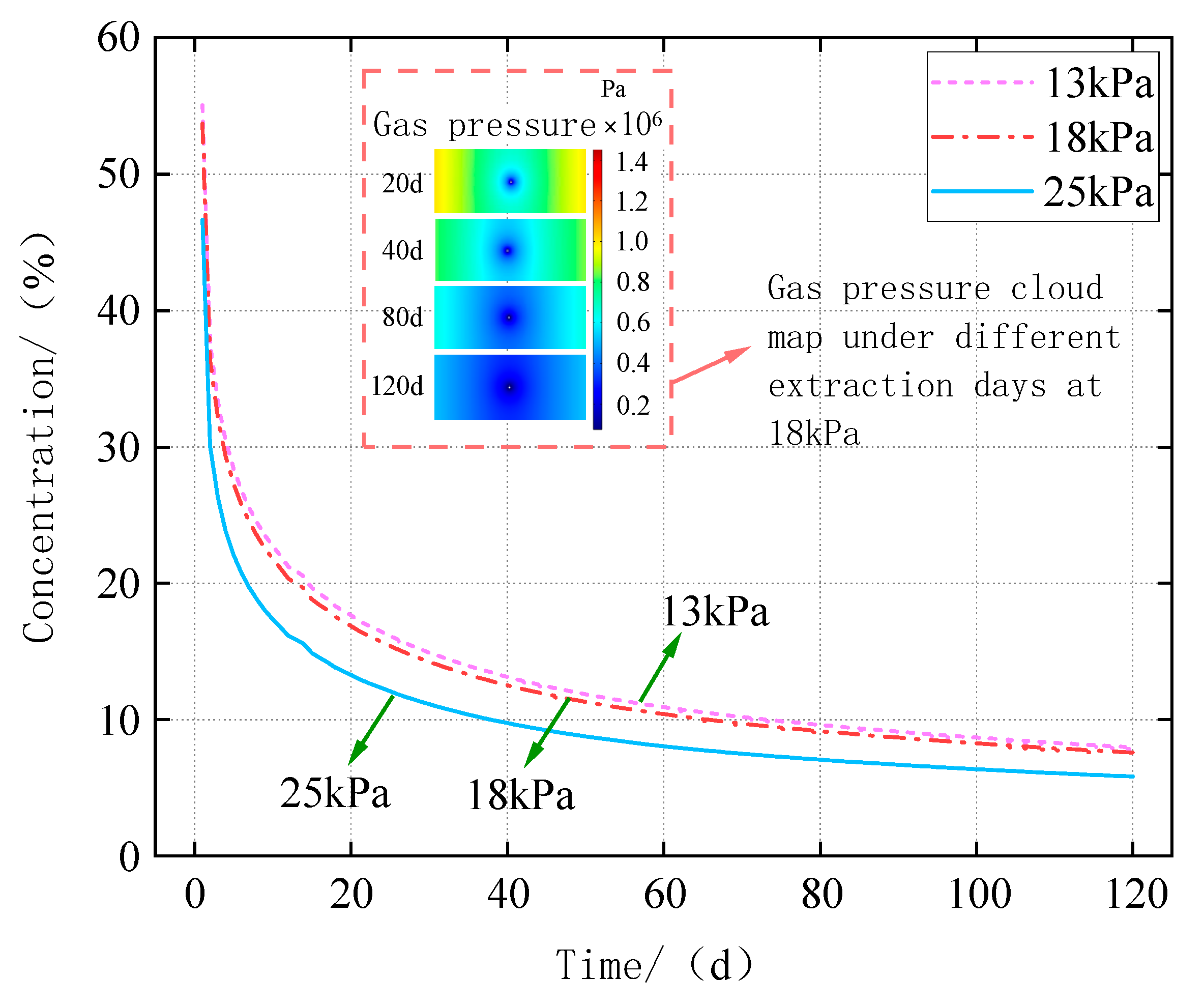
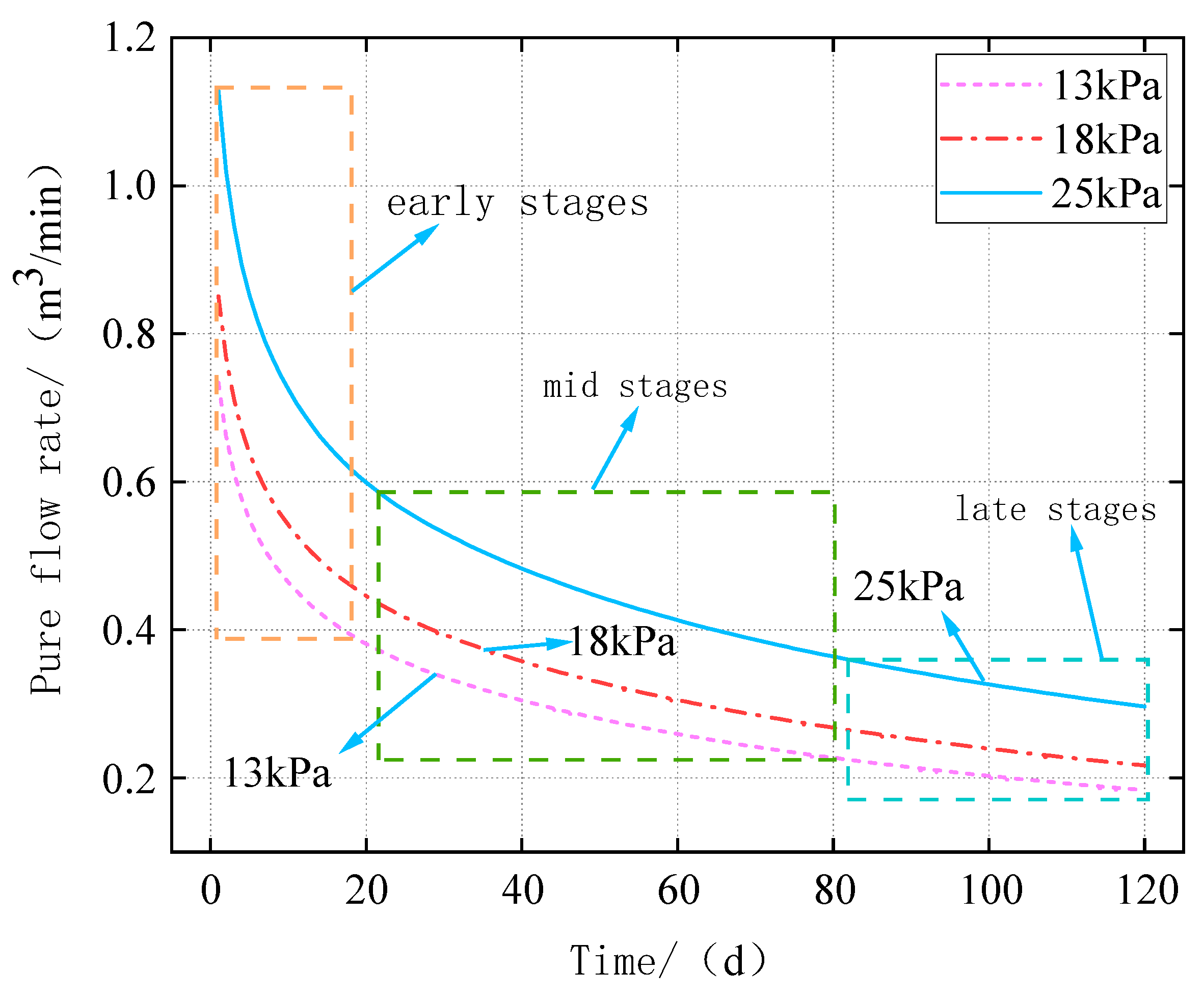
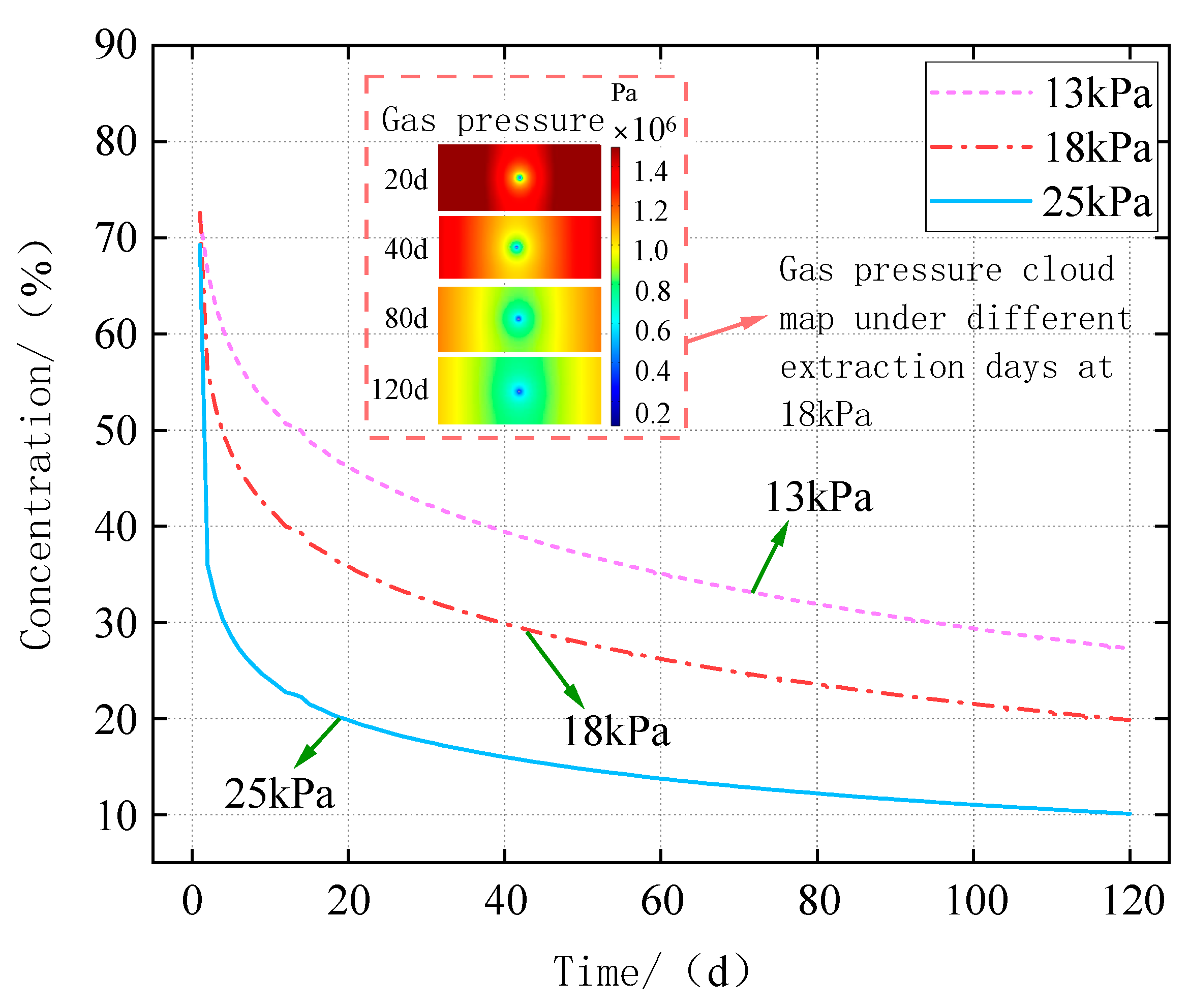
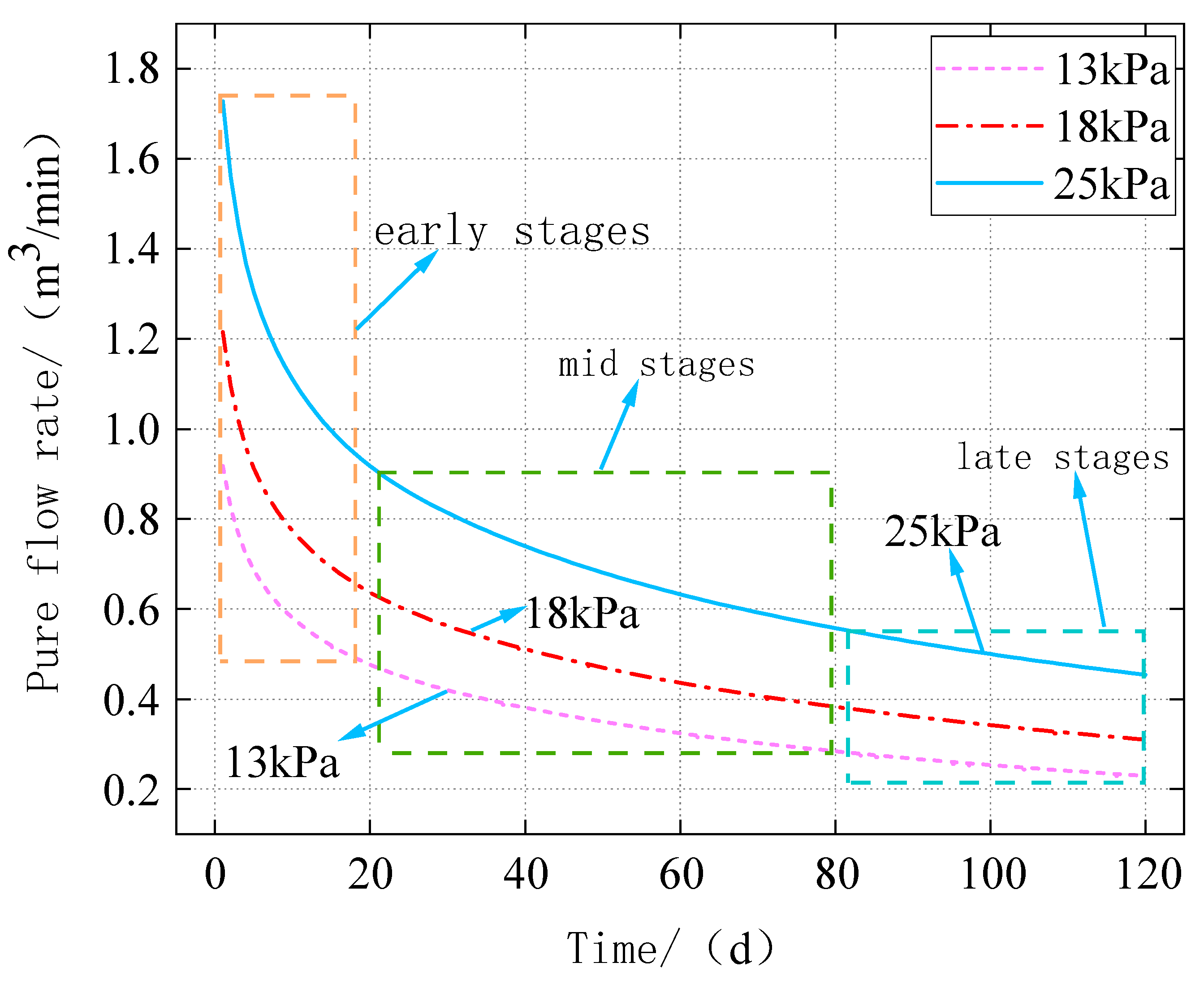
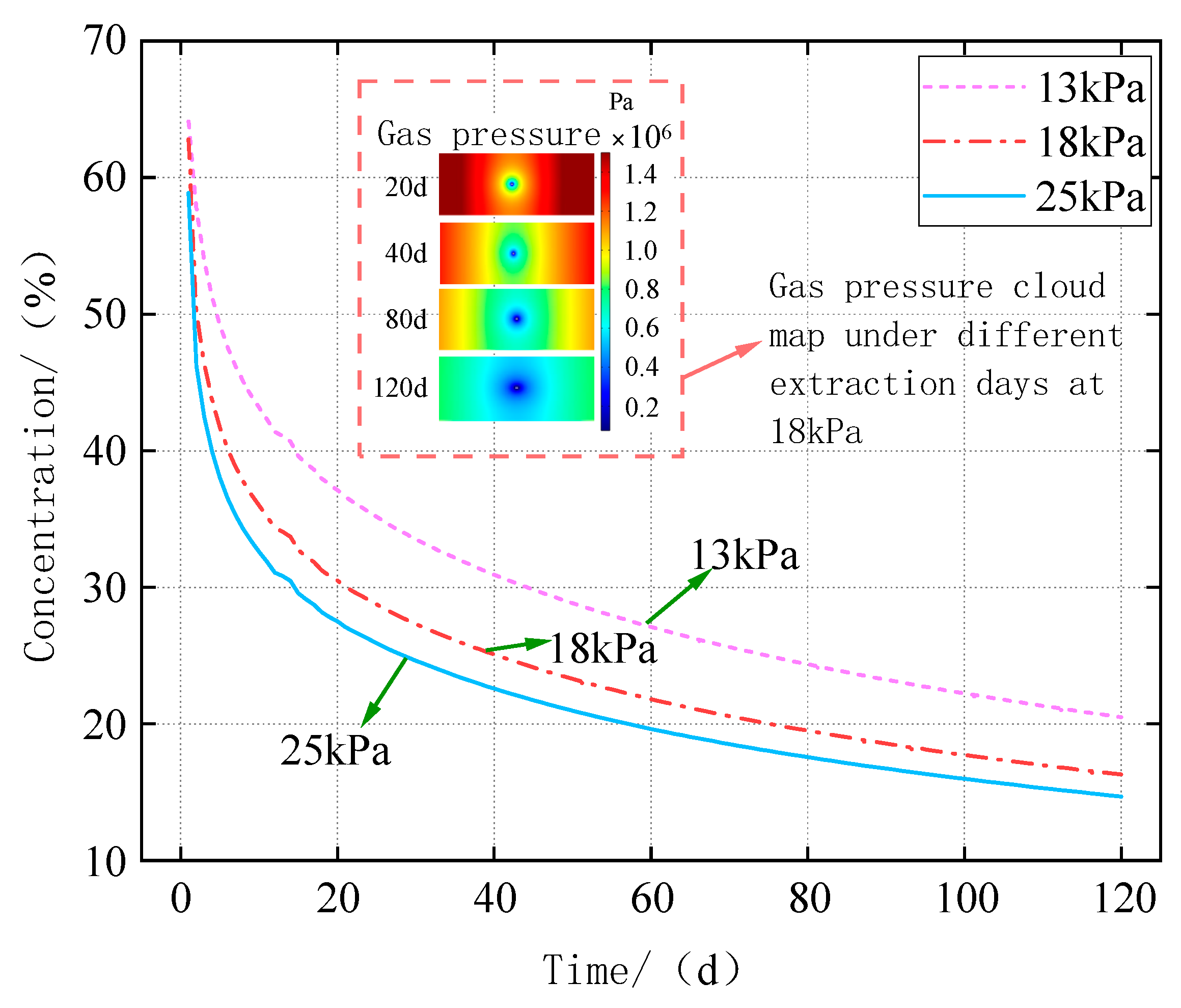
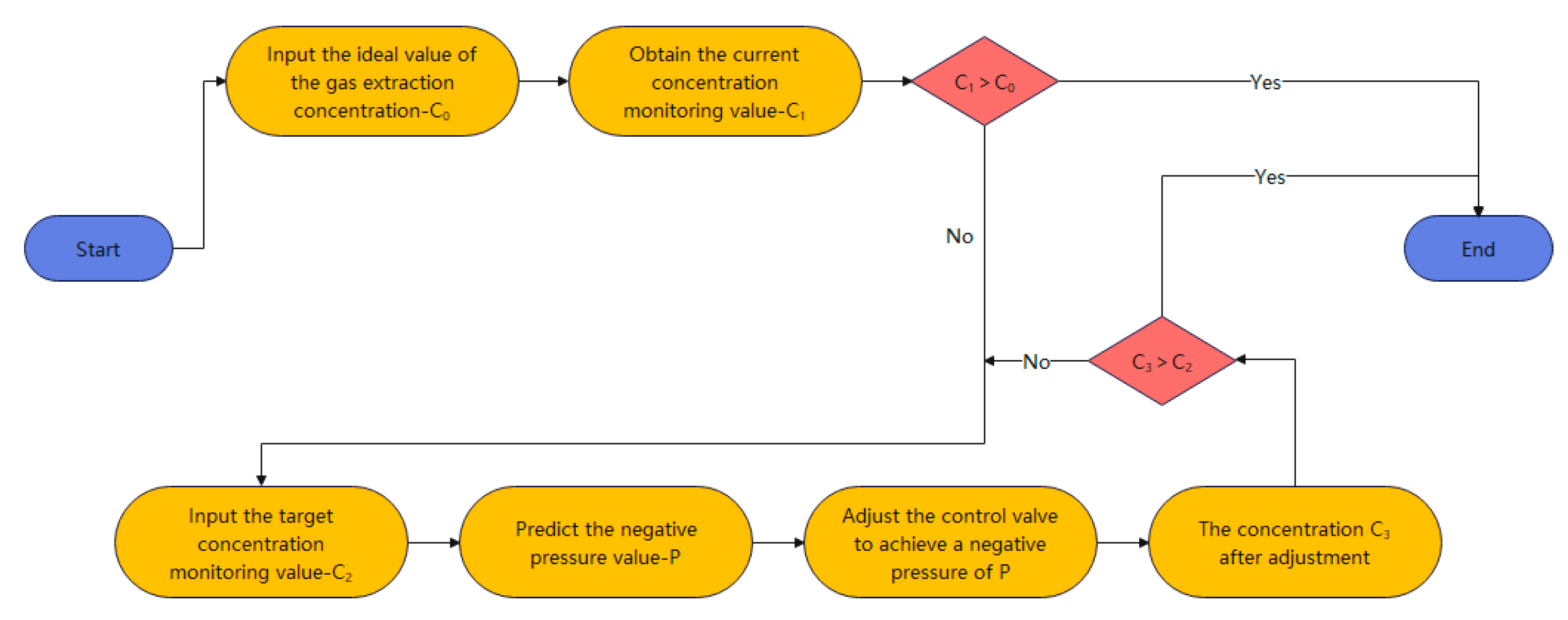
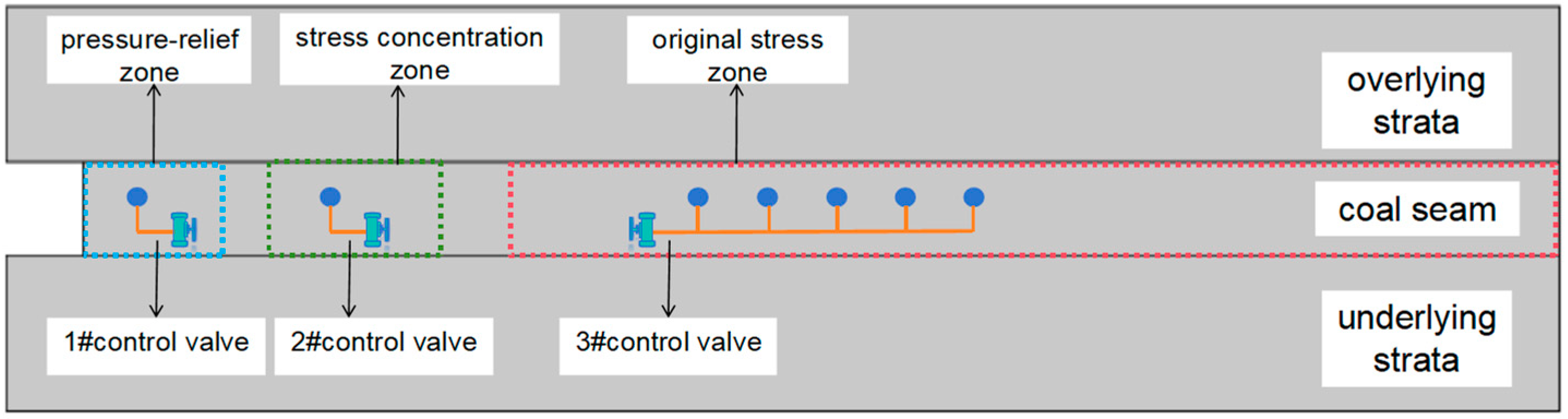
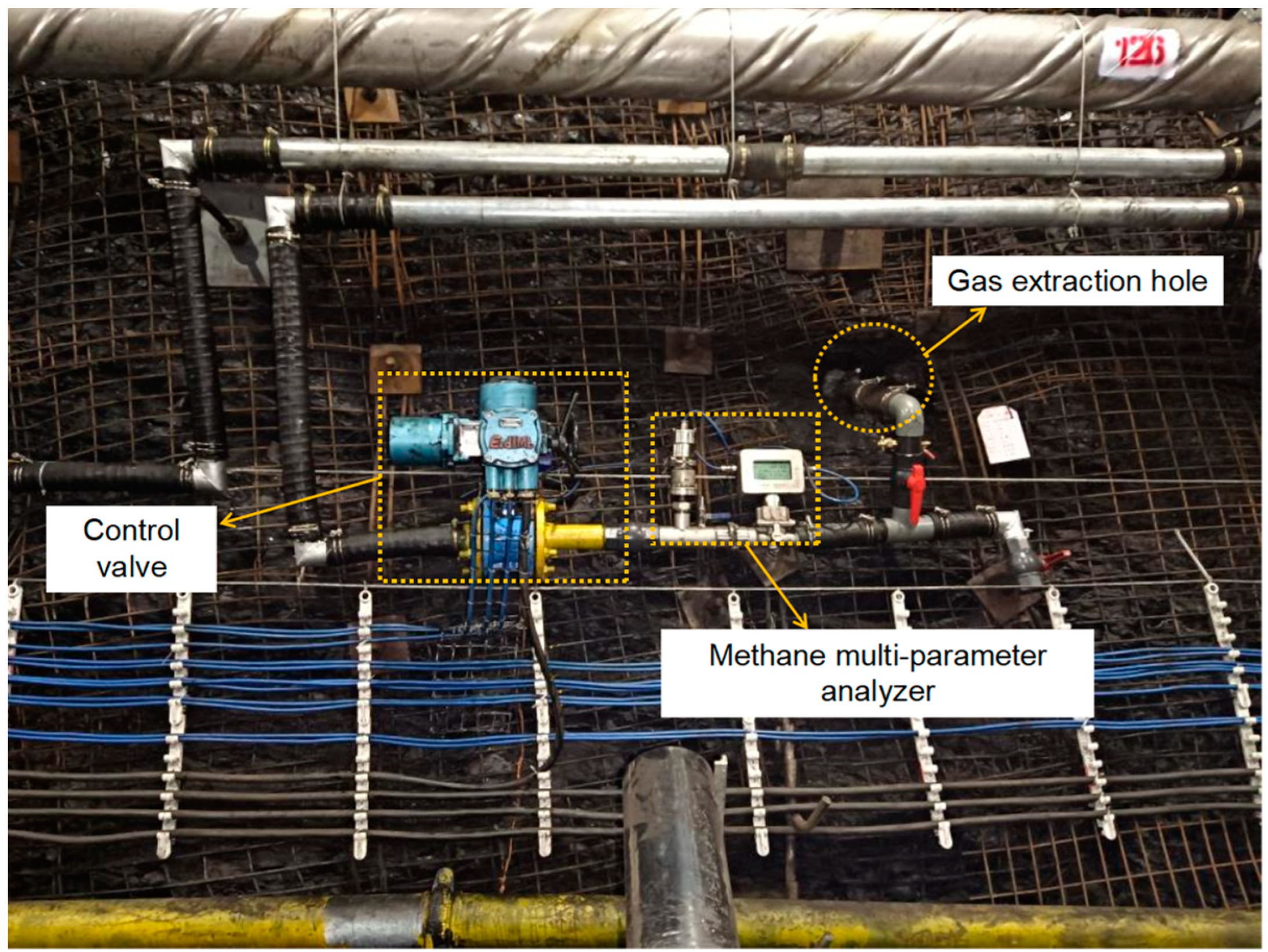
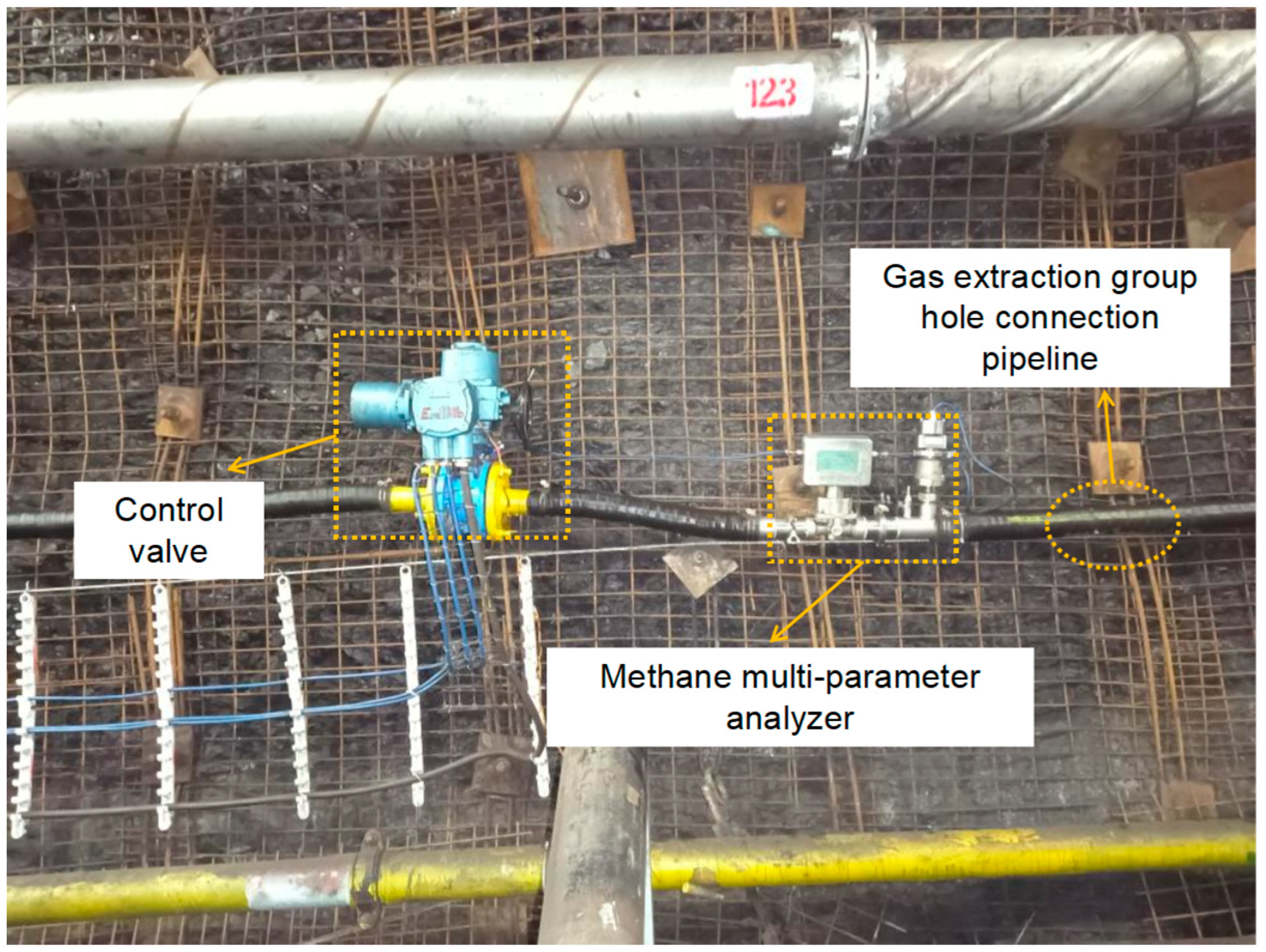
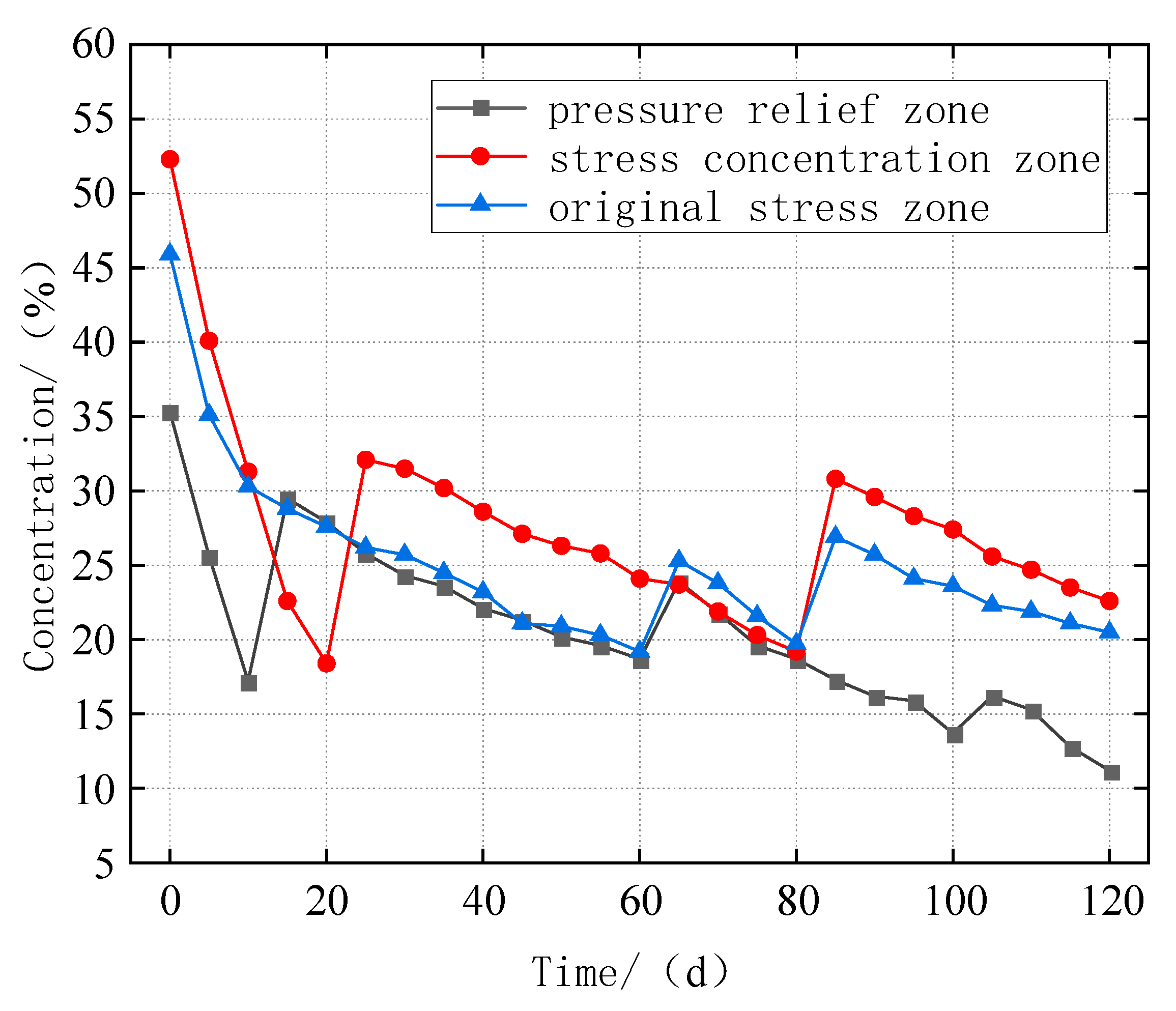
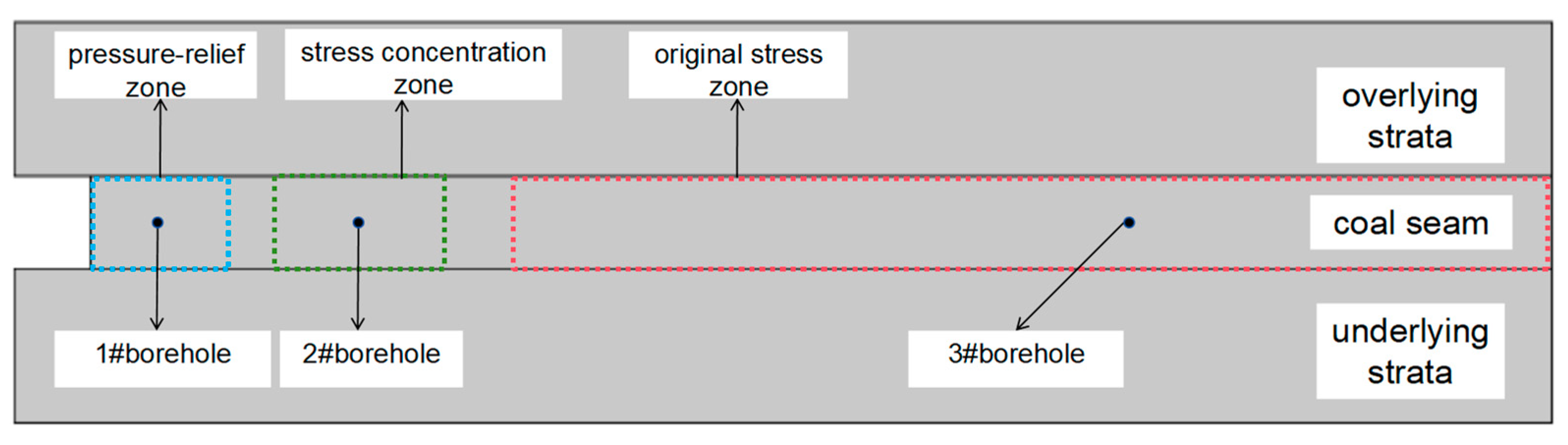
This study investigates a dynamic regulation strategy for intelligent gas drainage negative pressure using a comprehensive approach involving numerical simulations, intelligent algorithms, and field experiments. In the numerical simulation component, a permeability evolution model was developed to characterize the area in front of the mining face. Simulations were performed under three negative pressure settings (13 kPa, 18 kPa, and 25 kPa) to investigate the relationships among drainage negative pressure, gas concentration, and flow rate. For the intelligent algorithm, a Long Short-Term Memory (LSTM) prediction model was developed to forecast drainage negative pressure. Based on the predictions, a dynamic regulation strategy for intelligent gas drainage negative pressure was formulated. For field validation, a 120-day in situ experiment was carried out. Intelligent control valves and monitoring instruments were deployed across various sections of the coal seam ahead of the mining face, validating the proposed regulation strategy. The results indicate that permeability is highest in the pressure-relief zone ahead of the mining face and lowest in the stress concentration zone. In the original stress zone, which is unaffected by mining disturbances, the permeability remains unchanged. Drainage negative pressure is positively correlated with gas flow rate, but negatively correlated with gas concentration. In the stress concentration zone, when drainage negative pressure reaches 25 kPa, permeability ceases to be the dominant factor influencing gas flow. At this stage, the pressure gradient between the gas in coal fractures and the drainage system becomes the primary driving force for gas flow. The intelligent dynamic regulation strategy for gas drainage, underpinned by the LSTM prediction model, demonstrated strong performance in field applications. Following intelligent regulation, gas concentrations in various regions showed significant improvement. The findings of this study actively contribute to the advancement of intelligent gas drainage technology.
Keywords: permeability; drainage negative pressure; drainage concentration; negative pressure dynamic regulation permeability; drainage negative pressure; drainage concentration; negative pressure dynamic regulation