


Abstract
Alkaline delignification is a keystone pretreatment that governs carbohydrate accessibility, energy use, and yields across pulp and biorefinery value chains, yet its kinetic understanding remains fragmented and largely confined to bench-scale studies. This review provides an integrated assessment of the evolution and current state of kinetic approaches applied to alkaline delignification of lignocellulosic biomass, aiming to bridge academic research and industrial application. A systematic review following PRISMA (Preferred Reporting Items for Systematic Reviews and Meta Analyses) guidelines identified 74 peer-reviewed articles and 359 patents published between 1995 and 2025. Kinetic models were classified into conventional (nth-order and pseudo-first-order) and emerging categories (Avrami/Š–B, diffusion-based, mechanistic multistep, isoconversional, and ML/statistical). The results show that pseudo-first-order kinetics and batch-scale studies dominate the literature, while pilot-scale validation and hybrid mechanistic data-driven frameworks remain limited. Patent analysis revealed technological convergence within D21C and C08B IPC domains, reflecting growing industrial interest in alkaline pulping and cellulose valorization. Unlike previous reviews, this work uniquely integrates conventional and emerging kinetic models with a patent-based technological perspective, providing a unified view of academic and industrial progress. The insights presented here provide a foundation for advancing future research, particularly by encouraging the development of standardized experimental protocols and the validation of kinetic models across multiple scales. Moreover, this review provides a consolidated reference for both academic researchers and industrial practitioners seeking to enhance delignification efficiency, reduce reagent consumption, and improve the sustainability of biorefinery processes.
1. Introduction
Alkaline delignification represents a key operation in the processing of lignocellulosic biomass, as it enables the selective removal of lignin and enhances cellulose accessibility for subsequent conversion into biofuels, biomaterials, and platform chemicals [1,2]. Its performance is central to the economic and environmental viability of biorefinery systems, where efficient fractionation directly determines downstream process yields and energy demand [3,4]. Kinetic modeling provides the quantitative foundation for understanding and controlling delignification behavior by correlating temperature, alkali concentration, and residence time with reaction rate and selectivity. Accurate kinetic models allow the prediction of delignification severity, the optimization of chemical consumption, and a reduction in operational variability, thereby improving process consistency and efficiency. In industrial contexts, where pretreatment stages can account for up to 40% of the total process costs [5], such models are essential for cost reduction and process intensification. Moreover, in emerging applications such as cellulose nanofiber production, kinetic analysis has proven instrumental in aligning process scalability with economic feasibility and product quality [6,7].
Despite its importance, the current body of knowledge on alkaline delignification remains fragmented. Most kinetic studies have been developed under laboratory batch conditions and focus on specific biomass types, while the integration of kinetic understanding into pilot or industrial scale applications remains limited. Previous reviews have generally addressed partial aspects, such as pretreatment mechanisms, solvent composition, or reactor configurations, but few have offered a comprehensive synthesis that connects academic modeling advances with industrial process innovation. This fragmentation hinders the identification of unifying modeling trends, the comparison of kinetic parameters, and the establishment of methodological standards. Furthermore, the lack of systematic correlation between kinetic performance and process sustainability highlights a knowledge gap at the interface between reaction engineering and circular bioeconomy objectives.
In response to this gap, the present review provides a systematic and integrated analysis of kinetic models applied to alkaline delignification over the past three decades. The study combines bibliometric and content-based evaluations of peer-reviewed literature with a targeted examination of patent activity, using International Patent Classification (IPC) codes to trace technological development and industrial relevance under subcritical conditions (T < 374 °C, P ≤ 22 MPa) [7].
The main objectives are fourfold: (i) to map the chronological and geographical evolution of scientific and technological efforts in alkaline delignification; (ii) to classify and critically assess kinetic modeling approaches, emphasizing their assumptions, parameterization, and applicability; (iii) to identify emerging operational domains, particularly subcritical systems, that link fundamental kinetics with industrial feasibility; and (iv) to outline research opportunities for the development of hybrid mechanistic–machine learning models and standardized experimental frameworks aligned with sustainability and circular economy principles. By articulating these academic and industrial dimensions, this review aims to provide a coherent foundation for advancing alkaline delignification toward predictive, scalable, and environmentally consistent biorefinery applications.
2. Research Questions (RQs)
RQ1. State of Knowledge: What are the main kinetic modeling approaches applied to alkaline delignification (conventional vs. emerging), and how have they evolved over the past 30 years?
RQ2. Model Performance and Research Focus: Under which conditions (biomass type, alkali concentration, temperature severity, scale, and model family) do these kinetic approaches show greater representation and application in the literature?
RQ3. Industrial and Patent Perspective: What technological trends are revealed by patents (IPC) related to alkaline delignification, and how do these align or diverge from academic progress in kinetic modeling?
RQ4. Global Trends: Which countries concentrate the highest number of scientific publications and patents on alkaline delignification and kinetic modeling?
3. Literature Review
A systematic literature review was conducted to identify and analyze publications focused on kinetic modeling of delignification processes in lignocellulosic biomass. The search strategy involved two major academic databases: Scopus and Google Scholar, from which 937 and 284 articles were initially retrieved, respectively. Articles list are listed in Supplementary File S1 and Table S1. Only publications written in English, categorized as articles, and indexed under the “journal” source type were considered. Furthermore, the analysis was restricted to documents in their final publication stage.
Prior to defining the final search equation, an exploratory search was carried out to identify the most frequently used keywords, synonymous terms, and relevant descriptors associated with alkaline delignification and kinetic modeling. These terms were then standardized and combined to construct the final Boolean search equation. In the case of Google Scholar, results were sorted by relevance, and only those articles matching the search equation and appearing within the first ten result pages were considered for screening. The search was conducted in the databases using the following equation:
TITLE-ABS-KEY (lignin* OR delignificat* OR lignocellulos* OR lignobiomass) AND (kinetic* OR “reaction model*” OR “reaction rate*” OR “kinetic model*” OR “reaction kinetics”) AND (alkaline OR alkali* OR “sodium hydroxide” OR NaOH OR “alkaline pretreatment”).
The search was limited to documents published between 1995 and 2025, as an upward trend in the number of publications was observed starting in 1995 based on the SCOPUS database’s timeline graph (Figure 1). The resulting bar chart shows a steady increase in publication activity over the years, particularly from 2010 onward. A notable acceleration in research output can be observed after 2008, reaching a peak in 2023. This trend suggests a growing interest in understanding and modeling the reaction kinetics of alkaline delignification processes, likely driven by advancements in biobased technologies and the increasing relevance of lignin valorization.
Figure 1.
Alkaline Delignification Kinetics (1995–2025) Based on Scopus Database.
Additionally, the resulting dataset provides insight into the global distribution of research on alkaline delignification and kinetic modeling. As shown in Figure 2, research is concentrated mainly in Asia, North America, and Europe, with China, India, and the United States leading in publication output. Other regions, such as Africa and parts of Latin America, show lower activity, reflecting regional disparities in research focus or capacity.
Figure 2.
Global distribution of research output on alkaline delignification according to the Scopus database.
3.1. Literature Identification and Selection Process
The scientific literature was systematically reviewed following the PRISMA (Preferred Reporting Items for Systematic Reviews and Meta-Analyses) guidelines [8], which outline a four-step process to ensure transparency and clarity. To focus specifically on studies related to alkaline delignification and kinetic model development, a filtering procedure was applied. After removing duplicates, 1067 unique records were identified and screened through multiple stages, as shown in Figure 3 and Supplementary File S2. The first stage involved title-based screening, where 789 articles were excluded due to their lack of relevance to reaction kinetics, delignification, cellulose extraction, or the absence of any reference to lignocellulosic materials. After this step, 278 articles remained.
Figure 3.
Literature Selection Workflow for the Review.
A second screening was conducted based on the abstracts. Articles were retained only if they met the following logical condition: the presence of biomass and either alkaline delignification or a kinetic model for delignification. Any abstract not satisfying this combined condition was considered not relevant ((biomass ∧ (alkaline delignification ∨ kinetic model for delignification))) and subsequently excluded, leading to the removal of 28 additional articles. Furthermore, 26 supplementary publications were identified through manual search methods, which included citation tracking and expert recommendations. Citation tracking involved reviewing the reference lists of the selected papers as well as identifying newer articles that had cited them, allowing the inclusion of studies not captured by the initial database queries. At this point, 74 articles met all inclusion criteria and were assessed in full text for this review. Articles list are listed in Supplementary File S3 and Table S3.
3.2. Content Base Literature Analysis
A database in MS Excel (see Supplementary Materials), obtained from the previously described article selection process, was used. From this, a conceptual framework was established to guide content-based analysis. This is presented in Table 1.
Table 1.
Classification of alkaline delignification studies by biomass, process conditions, and kinetic models.
The information shown in Figure 4 presents the percentage distribution of the different lignocellulosic biomass types used in the delignification studies reviewed.
Figure 4.
Percentage Distribution of Biomass Types in the Articles Reviewed.
Agricultural residues: Agricultural residues represent the most studied category, accounting for 22% of the total publications. Within this group, sugarcane bagasse stands out with seven studies, followed by wheat straw (five studies) and corn stover (three studies). Less frequently studied materials include cocoa pod husk, grape stalks, rice husk, oat hull, and Parthenium weed. This category comprises lignocellulosic materials derived from post-harvest agricultural by-products, which are widely available and cost-effective. Their high representation in the literature reflects both their accessibility and potential for biorefinery applications, particularly in agro-industrial regions where such residues are generated in large volumes.
Aquatic plants: Aquatic plants form a minor category, representing only 3% of the publications. The identified studies focus on Typha fibers (a type of Cattail) and water hyacinth (Eichhornia crassipes), with one and two studies, respectively. These species are known for their rapid growth and adaptability to eutrophic environments. Their inclusion in delignification studies is driven by the interest in valorizing problematic biomass through sustainable conversion technologies.
Energy grasses: Energy grasses account for 6% of the total publications and represent an emerging category in this research field. Investigated species include giant reed (Arundo donax), napier grass (Pennisetum purpureum), common reed (Phragmites australis), and switchgrass (Panicum virgatum). These perennial grasses are cultivated specifically as energy crops due to their high productivity, resilience, and favorable lignocellulosic composition. The growing scientific interest in these species is linked to their potential within second-generation bioenergy schemes, especially in sustainable agricultural systems.
Hardwood: Studies on hardwoods represent 18% of the analyzed literature. This category includes species such as Eucalyptus globulus, Eucalyptus nitens, poplar (Populus spp.), white birch (Betula papyrifera), beech (Fagus sylvatica), sugar maple (Acer saccharum), and others less frequently studied like acacia, cottonwood, holm oak, and chestnut shell. Hardwoods are known for their density and structural complexity, which makes them suitable models for kinetic studies aimed at understanding more intensive delignification processes.
Softwood: Softwoods also account for 22% of the total, matching the frequency of agricultural residues. Frequently cited species include Scots pine (Pinus sylvestris, four studies), southern pine (two studies), fir softwood, loblolly pine, maritime pine, and western hemlock, as well as reference woods like black spruce. This group comprises coniferous trees whose lignin is predominantly the guaiacyl type, a factor that significantly influences their chemical reactivity during delignification. Their study is crucial for the development of technologies applied in the pulp and paper industry.
Mixed: Biomass classified as “mixed” makes up 16% of the publications. This heterogeneous group includes natural fibers such as flax, jute, hemp, and kenaf, along with combinations like kenaf and roselle, Moso bamboo, and lignin-rich wood. These materials do not fit neatly into traditional categories due to their hybrid structures or non-standard compositions. The diversity of this group reflects a growing trend toward analyzing complex lignocellulosic matrices that combine coarse and woody fibers with both industrial and agricultural relevance.
Industrial residues: Industrial residues represent 11% of the publications and include a variety of by-products from agro-industrial processes. Notable examples are hemp core (three studies), empty fruit bunch, oil palm empty fruit bunches (two studies), sawdust, bamboo, palm mesocarp, and palm kernel. It also encompasses agroindustrial by-products such as date palm empty fruit bunches. These materials are common by-products in the timber and palm oil industries, making them attractive candidates for valorization through delignification processes. Their utilization contributes to circular economic initiatives and the reduction in industrial waste.
Model compounds: Finally, model compounds represent only 2% of the studies, reflecting a more controlled and fundamental research focus. This category includes representative chemical compounds such as isolated lignin. Although limited in number, these studies provide critical insights into reaction mechanisms and kinetic parameters under conditions that eliminate the variability inherent to natural biomass. Their use is particularly relevant in early-stage kinetic model development.
To provide a comprehensive overview of how research efforts are distributed across the main methodological dimensions of this field, Figure 5 integrates the results of the article count analysis across six key categories: Alkaline Process Subtype, Alkali Concentration, Kinetic Model Family, Temperature Severity, Experimental Scale, and Research Driver. This enables a comparative assessment of publication trends, highlighting both prevailing research preferences and less explored areas.
Figure 5.
Distribution of articles (a) Alkaline Process Subtype; (b) Alkali Concentration; (c) Kinetic Model Family; (d) Temperature Severity; (e) Experimental Scale; (f) Research Driver.
Figure 5a shows a clear predominance of non-standard alkaline approaches grouped under the “Other” category, highlighting a growing shift away from classical systems such as Kraft, Soda-AQ, or alkaline peroxide. This group encompasses diverse and emerging strategies, including deep eutectic solvents (DES), lime-based or organosolv alkaline hybrids, and assisted treatments using ultrasound, microwaves, or cavitation. It also includes biological integrations, ammonia-based systems, and generalized process-es like “alkaline pulping” or subcritical water extraction, which lack the specificity required for conventional classification. Traditional methods remain well represented. The Kraft process, utilizing NaOH and sodium sulfide (Na2S), was the second most cited. This reflects its historical industrial relevance and continued use as a benchmark for performance. Similarly, “Simple soda (NaOH)” pulping, which employs sodium hydroxide alone, appeared in several studies, often associated with lab-scale or pre-industrial exploration due to its simplicity and ease of implementation.
Figure 5b shows a clear preference for medium alkali concentrations (2–10% NaOH), high concentrations (>10%) are also frequently used. In contrast, low concentrations (<2%) are less common in the literature reviewed.
Figure 5c reveals a clear predominance of pseudo-first-order models in the kinetic modeling of lignocellulosic biomass delignification. This reflects a strong preference for simplified approaches based on first-order decay of lignin concentration, likely due to their ease of application and good empirical fit in lab-scale systems. Mechanistic multistep models are the second most reported, highlighting growing interest in representing delignification as a series of complex, sequential, or parallel reactions.
The “Other” category encompasses a range of conventional models not explicitly labeled in the chart, such as zero-order, second-order, third-order, and power-law kinetics. This indicates that although these classical models are still in use, they are applied less frequently or reported under generalized labels, limiting visibility of their individual contributions.
Models such as nth-order, diffusion/shrinking-core, and Avrami/Š–B solid-state frameworks appear with much lower frequency, suggesting that physically grounded or structurally specific models are less commonly adopted. Meanwhile, iso-conversional and ML/statistical approaches remain largely underutilized, pointing to significant opportunities for advancing the field through data-driven methodologies and model-free kinetic analysis capable of capturing intrinsic variability in biomass behavior.
As shown in Table 1, the review reveals that first-order kinetic models are predominant over other modeling approaches. It is essential to recognize, however, that each framework has virtues and limitations that determine its applicability and interpretation. First-order models are the most widely used due to their simplicity and their ability to pro-vide better fits to experimental data. Their main strength lies in their capacity to describe lignin removal under homogeneous conditions, which enables consistent comparisons between studies [78]. However, their empirical nature limits the description of more complex phenomena such as diffusive effects or parallel reactions, which constrain their validation at industrial scale or under heterogeneous conditions [79].
In contrast, multistage or mechanistic models provide deeper insight into the process by considering the structurally diverse nature of biomass and the variety of chemical reactions involved. These models reproduce more faithfully the dynamics of delignification and their dependence on temperature, alkali concentration, and reaction time [79]. Nevertheless, their application requires more detailed experimental information and a larger number of kinetic parameters, which can hinder practical implementation.
In recent years, machine-learning-based approaches have begun to offer new perspectives for kinetic modeling. These methods stand out for their capacity to identify nonlinear patterns and predict system behavior from large data sets [80]. Yet their use remains limited, partly because of the scarcity of standardized databases and the reduced physicochemical interpretability of purely statistical models. Nonetheless, recent machine-learning frameworks have started to close this gap by providing more transparent and physically consistent interpretations of the delignification process [81].
Figure 5d shows that most studies operate within a medium temperature severity range (120–160 °C), indicating a balance between reaction efficiency and biomass preservation. Low and high temperature conditions appear to be equally explored, suggesting a balanced opportunity for growth in both areas. The limited number of articles without specified temperature data highlights a general trend toward transparent reporting of thermal conditions in kinetic delignification studies.
Figure 5e illustrates a strong prevalence of studies conducted at the lab batch scale, indicating that most kinetic investigations on alkaline delignification are performed in small, controlled systems. This trend reflects the early-stage nature of most research efforts, where precise control and replicability are prioritized over scalability. Only a limited number of works extend to lab continuous flow setups, and just two cases approach pilot or simulation-based evaluations, while no industrial-scale implementations were identified. This distribution highlights a significant gap in translating kinetic modeling from lab conditions to applied or operational scales.
Figure 5f illustrates the dominant research motivations guiding studies on lignocellulosic biomass delignification. Most publications are oriented toward understanding reaction kinetics, reflecting a strong academic emphasis on mechanistic insight and kinetic modeling development. In contrast, comparatively fewer studies focus on practical outcomes such as yield optimization or residue valorization, which, although relevant for applied contexts, appear secondary in current research agendas. Notably, only a small number of works address emerging technologies, environmental impact mitigation, or energy and chemical consumption reduction, suggesting that sustainability oriented and process intensification goals remain underexplored in the field. This distribution highlights a predominantly fundamental research approach, with limited translation into scaled or integrative process improvements.
A review of the literature on the development of kinetic models for biomass delignification, was conducted to understand the key parameters and the historical evolution of kinetic models addressed in relation to alkaline delignification of lignocellulosic biomass using NaOH or KOH under sub-critical conditions (T < 374 °C, P ≤ 22 MPa) [7]. The summary of those models is shown in Table 2 and Table 3.
Table 2.
Review of Kinetic Studies on Lignocellulosic Biomass Delignification (1980 to 2010).
Table 3.
Review of Kinetic Studies on Lignocellulosic Biomass Delignification (2011 to 2025).
4. Patents Review
4.1. Patent Identification and Selection Process
To identify patents relevant to alkaline delignification, a structured search was conducted using the PATENTSCOPE database with the keyword delignification. The same search strategy using the PRISMA guidelines [83] was applied, excluding terms related to kinetic modeling to focus specifically on patents describing methods, technologies, or materials associated with the delignification process. The initial search yielded a total of n = 2459 patent documents. The first screening was applied to exclude patents not directly related to alkaline processes. This was done by filtering for documents that did not contain terms such as “alkaline”, “alkali*”, “sodium hydroxide”, “NaOH”, or “alkaline pretreatment” in conjunction with delignification. After this step, n = 957 patents remained.
To refine the selection further, an additional filtering phase based on International Patent Classification (IPC) codes was carried out [84]. The objective was to retain only those patents whose IPC codes were relevant to alkaline delignification processes. This involved two key actions:
- Identification of general IPC categories associated with the broader topic of delignification, including classes such as D21 (pulp production), C08B (modification of carbohydrates), C12P (fermentation/enzymatic treatment), and B27K (wood treatment).
- Selection of specific subcategories directly linked to alkaline delignification, such as D21C3/20 (alkaline pulping), D21H17/64 (fiber treatment with alkaline agents), or C08B1/00 (chemical modification of cellulose using alkalis). Patents that did not fall under any of the selected IPC codes were excluded.
After this IPC-based filtering process, a total of n = 359 patents were retained for further analysis. Patents list is listed in Supplementary Table S2. This rigorous methodology ensured that only patents strictly relevant to alkaline delignification technologies were included in the final dataset. The filtering and selection system described above is summarized in Figure 6, which illustrates the step-by-step process used to identify and retain only those patents directly related to alkaline delignification.
Figure 6.
Patents Selection Workflow for the Review.
4.2. IPC Categories Related to Alkaline Delignification
The International Patent Classification (IPC) is a hierarchical system used worldwide to categorize patents according to the specific technological areas they address. As part of the selection process, IPC codes were used to identify patents directly related to alkaline delignification [85].
The categories listed below in Table 4 represent IPC classes and subclasses that were found to be directly relevant to the topic, encompassing chemical treatments, enzymatic processes, cellulose modification, and effluent management, all within the context of alkaline-based delignification of lignocellulosic biomass. These classifications served as the final filter to retain only patents falling within highly specific technological domains aligned with the scope of the study.
Table 4.
IPC Related to Alkaline Delignification of Lignocellulosic Biomass.
The IPC system includes several classes directly linked to the kinetic modeling of alkaline delignification. The most significant is D21, which covers paper-making and cellulose production from lignocellulosic biomass. Within this class, D21C is the most relevant because it encompasses the removal of non-cellulosic substances such as lignin and hemicellulose through alkaline or oxidative methods, precisely the focus of kinetic modeling studies. Subgroups like D21C 1/06 and D21C 3/02 relate to alkaline pulping with NaOH or other inorganic bases, while D21C 3/26 and D21C 3/22 cover multi-stage or enhanced pulping operations suited for modeling stepwise or complex reaction kinetics. Complementary subclasses, such as D21H and D21B, address chemical modification of fibers, kraft pulping, and mechanical disintegration, all steps directly involved in or following alkaline delignification.
Other IPC categories broaden the kinetic modeling context. C12P, from the biochemical domain, includes enzyme- or fermentation-based processes where alkaline delignification serves as a pretreatment to improve sugar yields and enzymatic accessibility. Similarly, C08B concerns the chemical modification of cellulose and the preparation of alkali cellulose, key outcomes of alkaline delignification relevant to kinetic analysis. B27K contributes through its coverage of wood impregnation and bleaching using alkaline compounds, influencing diffusion and reaction dynamics modeled in delignification studies.
Finally, environmental and valorization aspects appear in C02F, which focuses on the treatment of effluents from biomass processing, and in A23K/A23L, where delignified plant materials are applied in feed or food formulations. These classes capture downstream implications of alkaline delignification, such as residue treatment, lignin recovery, or the use of pretreated biomass, demonstrating that kinetic modeling connects not only to reaction engineering but also to circular bioeconomy applications.
Figure 7 shows the distribution of International Patent Classification (IPC) codes associated with alkaline delignification technologies. The D21C class dominates, reflecting a strong focus on alkaline pulping and fiber treatment. Other significant classes include D21H (pulp modification), C12P (biochemical processes), C08B (cellulose pretreatment), and C02F (wastewater treatment). Additional codes such as B27K, A23K, and A23L indicate broader applications in wood processing, feed, and food. This distribution underscores the industrial and multidisciplinary relevance of alkaline delignification.
Figure 7.
Distribution of IPC Codes Related to Alkaline Delignification.
4.3. Chronological Overview of Patents Related to Alkaline Delignification
An analysis of the temporal distribution of patents related to alkaline delignification reveals a long-standing industrial interest in this process (Figure 8). The earliest patent identified in this study dates to 1968, highlighting the sustained relevance of delignification technologies over several decades. This initial patent, titled “Improved method of treating fibrous material”, described a chemical delignification method using chlorine dioxide or related oxidants at acidic pH, but notably included a mild alkaline pretreatment using NaOH, marking an early example of integrating alkaline steps into lignin removal processes [86].
Figure 8.
Annual Distribution of Published Patents Related to Alkaline Delignification (1968–2025).
Since then, the publication of patents in this area has shown a steady increase, particularly in the last two decades, reflecting growing global interest in biomass valorization, sustainable pulping technologies, and bio-based chemical production. The expanding scope of patent claims, from chemical pulping enhancements to integrated biorefinery approaches and wastewater treatment, demonstrates how alkaline delignification remains central to innovation across multiple industrial sectors.
To analyze the evolution of patents related to alkaline delignification, the most representative patents were classified according to their publication period. The earliest group highlights foundational developments that established the basic principles of oxygen–alkali systems, redox catalysis, and multistage delignification. The second group includes the most recent patents, which reflect current technological trends and innovations, such as enzymatic assistance, circular reagent recovery, and applications to non-wood feedstocks. To identify each patent, the corresponding patent codes and IPCs are presented.
Both categories were identified through a systematic search in the WIPO PATENTSCOPE database, using the “Relevance” option in the search filter. This criterion, provided by the platform’s algorithm, ranks results based on keyword proximity, claim significance, and frequency within the patent text, allowing selection of the most technically pertinent inventions within the scope of alkaline delignification.
4.3.1. Early Foundations (1975–1985)
One of the earliest patents identified in this study dates to 1968, titled “Improved Method of Treating Fibrous Material”, introduced a chemical approach based on chlorine dioxide and related oxidants under acidic conditions. Notably, it also incorporated a mild alkaline pre-treatment using NaOH (0.1–0.5 N at 50 °C), combined with differential pressing to enhance delignification efficiency without damaging the fibers, marking an early example of integrating controlled alkaline stages into lignin removal processes [87].
However, in general, the first generation of patents between 1975 and 1985 defined the conceptual and operational framework for modern alkaline delignification. The decade opened with multistep soda and kraft-type pulping that combined diluted alkali stages with oxygen delignification FR2256283 [85]; GB1434232 [86], operating typically at 160–195 °C, ≤120 min, and 2–14 kg cm−2 O2, yielding 55–65% pulp from wood, straw, or bagasse.
Shortly afterward, patents such as FR2304718 [87] introduced oxygen carriers based on quinones to avoid high-pressure O2, while US4012280 [88] pioneered the use of anthraquinone (AQ) as a redox catalyst to accelerate lignin removal. By 1977, combinations of alkali with aluminum sulfate FR2333892 [89] were proposed to suppress saponification, and continuous three-zone reactors FR2353673 [90] enabled sequential alkaline, washing, and oxygen stages in pressurized operation.
Between 1978 and 1980, a cluster of patents refined this chemistry through manganese-catalyzed O2–alkali reactions [91] (US4087318 [92]; CA1039908 [93]), maintaining pH at 7–11 and temperatures at 100–170 °C to improve selectivity. Complementary filings optimized oxygen transfer by using pre-saturated high-consistency pulp systems (US4089737) [94] and dual-catalyst formulations of AQ + nitrobenzene (FR2374464) [95]. Several designs also explored batch-continuous liquor management (CA1043515) [96], cyclic amino accelerants (US4134787) [97], and soda–O2 sequences coupled with cyanide or carbonate additives (CA1050212 [98] or US4155806) [99] to reduce hydroxide demand.
By the early 1980s, efforts turned to sulfur-free keto reagents such as anthrone CA1073161 [100], vapor-phase AQ pulping for improved heat and mass transfer EP0010451 [101], and low-dose quinone/hydroquinone promoters effective at only 0.001–0.5 wt % (CA1104762) [102]. Redox-boosted kraft systems pairing AQ with inorganic reductants like thiosulfate (CA1110413) [103] allowed partial SO2 recovery, while continuous horizontal reactors (ES8504999) [104] and metal-salt-catalyzed peroxide delignification (CA1190360) [105] introduced energy-efficient, low-Kappa operations.
Later filings CS219091 [106]; CA1153164 [107]; EP0095239 [108] further diversified the chemistry by employing anthraquinone-derivative mixtures from dye industries, pre-oxidation of Na2S with quinones, and even microbial benzoquinones from Aspergillus, confirming the broad transition from harsh single-stage cooks toward controlled, redox-assisted, multistage delignification that preserved cellulose integrity.
4.3.2. Contemporary Developments (2000–2025)
After two decades of relative consolidation, new patents since 2000 have redefined alkaline delignification around feedstock diversification, circularity, and product specificity. The 2010s saw the emergence of hybrid chemical–enzymatic–mechanical sequences tailored to agricultural residues. For instance, TH121198 (2013) [109] introduced alcoholic–alkaline delignification using H2O2 with C1–C4 alcohols to improve sugar recovery after enzymatic saccharification. WO2016013946 (2016) [110] proposed a chemical–mechanical route for nanofibers from annual stalks using O2 + NaOH + MgSO4, chlorite bleaching, and enzymatic hydrolysis.
Further optimization of the AQ–NaOH system produced high-strength, low-Kappa pulp from bagasse and corn stover (TH146910) [111], reducing Kappa from ≥60 to ≤15. Around 2017–2019, patents EP3172378 [112], EP3337925 [113], and US20190010660 [114] extended these ideas to flax, hemp, and bagasse, integrating steam pretreatment, O2 delignification, sulfite–alkali cooking, and enzymatic finishing, reaching α-cellulose > 95% and silica < 0.03%.
Novel eco-friendly approaches appeared soon after. CN110387767 (2019) [115] described KOH–O2 pulping (1–2 MPa, 155–165 °C) that simultaneously produced holocellulose pulp and humid fertilizer liquor, while RO134127 (2020) [116] combined NaOH (0.1–1 N) with fatty acid methyl esters (FAMEs) at ambient temperature, improving lignin removal by 25%.
Between 2022 and 2024, the focus shifted toward reagent recycling and biorefinery integration. RU0002763880 [117] reported a two-stage alkali–peroxide extraction of miscanthus with filtrate reuse and surfactant aids. CN117005231 (2023) [118] introduced xylanase–ligninase pretreatment to enhance wheat-straw O2–alkali pulping under mild conditions, whereas CN117107539 [119] optimized acid/alkali hydrolysis of Eucalyptus to achieve controlled low polymerization degrees suitable for viscose production. RU0002804999 [120] produced microcrystalline cellulose from hemp using NaOH + H2O2 + (NH4)2MoO4, achieving a 24% brightness gain and 50-fold reduction in dark specks.
Finally, US20240328083 (2024) [121] described a fully integrated kraft-based bamboo process combining NaOH extraction (60–100 g L−1, 60–90 °C), cooking at 155–160 °C, and two-stage O2 delignification (≤0.8 MPa), yielding > 90% brightness fluff pulp with hemicellulose recovery. Parallel developments (CN118019889) [122] introduced automated chemi-thermomechanical pulping of agricultural residues, merging chemical impregnation, thermal softening, and mechanical refining into scalable, low-cost, non-wood alternatives.
4.4. Global Trends in Patents Activity on Alkaline Delignification
Additionally, the resulting dataset provides insight into the global distribution of patent publications related to alkaline delignification reveals significant concentration in a few key regions. As illustrated in Figure 9, most patents originate from North America (notably the United States and Canada), East Asia (especially China), and several European countries, all of which maintain strong industrial ecosystems in pulp and paper processing, bioenergy, and lignocellulosic biomass valorization. These regions exhibit sustained innovation and commercial interest, driven by both industrial applications and environmental policy agendas that promote the use of renewable raw materials. Their patent activity reflects active collaboration between academia and industry, and a high level of technological maturity.
Figure 9.
Geographic Distribution of Patent Publications Related to Alkaline Delignification.
In contrast, Latin America and Africa show little to no patent activity in this field, indicating a significant gap in technological development and innovation capacity related to alkaline delignification. This disparity highlights the need for increased support in technology transfer, regional innovation strategies, and capacity building to enable broader participation in the global bioeconomy, particularly in regions rich in biomass but underrepresented in patent activity.
5. Discussion
5.1. Status and Research Outlook
From an academic standpoint, research on alkaline delignification kinetics has progressively evolved from empirical optimization toward structure-aware and multiscale modeling frameworks that integrate reaction kinetics with mass transport phenomena. In the early stages, most efforts focused on tuning operational parameters and pretreatment conditions to enhance enzymatic hydrolysis or kraft selectivity [12,45,57,81]. As the field matured, particularly after 2015, models began incorporating biomass heterogeneity, internal diffusion, and phase-dependent reactivity, leading to the development of fractal and multi-phase formulations as well as oxygen-stage couplings [6,17,54,55]. More recently, kinetic modeling has expanded to a wider range of feedstocks, including non-wood fibers and industrial hemp, and to greener solvent systems such as ionic liquids and low-transition-temperature mixtures (LTTMs). These advancements have considerably improved predictive accuracy and model robustness; however, persistent challenges re-main in describing the ultrafast initial delignification phase, minimizing carbohydrate degradation, and scaling laboratory results to industrially relevant conditions [58,59,60,61,62,63,64,65].
In parallel, industrial developments, evidenced by patent activity spanning 1975–1985 and 2013–2025, reflect a clear technological transition from reactive chemistry optimization toward integrated biorefinery process design. While earlier innovations focused on enhancing soda and kraft pulping through redox catalysts (e.g., anthraquinone, nitroaromatics) [123,124,125], multi-zone reactor configurations, and oxygen-based stages to improve yield and process control, contemporary patents reveal a shift toward circular, high-value applications [126,127,128]. Current trends prioritize the production of cellulose nanofibers, microcrystalline and α-cellulose, and co-products such as fertilizers through cleaner, resource efficient routes that combine green oxidants (O2, H2O2), enzymatic or alcoholic pre-treatments, and reagent recycling [129,130,131,132]. This industrial trajectory underscores a broader convergence between sustainability and process intensification, positioning alkaline delignification as a pivotal platform for next-generation fiber and bioproduct manufacturing. Yet, a notable gap persists: few recent patents address continuous subcritical alkaline delignification aimed at direct lignin valorization and energy optimization, an emerging frontier where industrial innovation could strongly benefit from the detailed kinetic and structural insights developed within academic research.
Figure 10 summarizes, in a single thematic map, the main kinetic model types used in alkaline delignification together with the industrial processes in which they are most frequently applied, as well as the set of keywords related to the topic obtained through the systematic review process.
Figure 10.
Thematic Distribution of Kinetic Models and Process-Related Concepts in Alkaline Delignification.
In the upper-right quadrant (Motor Themes), the map shows consolidated kinetic models, such as pseudo-first-order, multistep mechanistic, and nth-order, together with key industrial operations including delignification, kraft pulping, and reaction kinetics. In the upper-left quadrant (Niche Themes), topics like gasification, lignin degradation, and biofuel production appear as well-developed but more specialized areas. The lower-right quadrant (Basic Themes) groups fundamental concepts such as adsorption, alkali lignin, isotherms, lignin kinetics, pyrolysis, and pretreatment stages. Finally, the lower-left quadrant highlights emerging or less developed themes, including alkali treatment, thermal stability, and machine learning models, which are gaining relevance for future predictive and optimization strategies.
5.2. Research Gaps and Opportunities
Despite the remarkable advances achieved in recent years, several knowledge and implementation gaps remain that limit the consolidation of alkaline delignification as a mature, scalable, and predictive technology. First, most studies remain confined to laboratory batch conditions, with scarce validation at pilot or industrial scale. This limitation restricts the applicability of existing kinetic models to real operational environments, where factors such as mass transfer, scaling effects, and energy efficiency become dominant. To overcome this limitation, future research should prioritize the design and implementation of pilot-scale and continuous-flow experiments that enable direct validation of laboratory-derived kinetic models under realistic operating conditions. This requires systematic studies exploring a wider range of delignification conditions, such as residence time, temperature profiles, alkali loadings, and diverse lignocellulosic feedstocks, while incorporating real-time monitoring tools. Establishing these experimental pathways would help bridge the current gap between small-scale kinetics and industrial-scale performance, providing the necessary evidence to refine model parameters and ensure their predictive reliability in large-scale operations.
Another major gap concerns the limited adoption of data-driven and machine learning (ML) approaches, which hold significant potential for uncovering hidden correlations and enabling predictive modeling based on large and heterogeneous datasets. Although a few recent studies have begun integrating ML algorithms into kinetic predictions, their use remains sporadic and largely disconnected from physical interpretability, emphasizing the need for hybrid approaches that combine statistical learning with mechanistic insight.
From an industrial standpoint, patent trends reveal a clear shift toward integrated and sustainable biorefinery processes. However, the systematic incorporation of kinetic modeling and data-informed optimization remains limited, representing a key opportunity to bridge academic progress with industrial innovation. Integrating mechanistic and data-driven approaches into process design could enable dynamic control of delignification selectivity, reagent recovery, and energy performance.
Finally, the growing emphasis on circular economy principles underscores the potential to align kinetic research with sustainability metrics. Future work should prioritize multi-scale validation, the creation of open kinetic databases, and the integration of AI-assisted modeling frameworks that combine chemical, structural, and environmental parameters. Such efforts would not only enhance predictive accuracy but also support the development of cleaner, more resource-efficient alkaline delignification technologies capable of underpinning next-generation biorefineries.
6. Conclusions
This review evidences that research on alkaline delignification kinetics remains dominated by conventional pseudo-first-order models applied mainly to laboratory-scale batch systems. While these approaches have provided valuable insights into reaction behavior, they offer limited capacity to capture diffusion effects, structural heterogeneity, and dynamic process interactions typical of industrial environments. Consequently, the translation of kinetic knowledge into scalable and controllable technologies remains incipient. The concentration of studies in Asia, North America, and Europe, as well as the scarce representation of Latin America, further highlights regional disparities that restrict global technological convergence and the valorization of locally abundant biomass resources.
From a chronological perspective, both scientific and patent analyses reveal a steady rise in activity since 2008, though the pace of industrial innovation lags behind academic advances. Agricultural residues and softwoods prevail as preferred substrates, reflecting their availability and economic relevance; however, the limited kinetic exploration of energy grasses, aquatic plants, and industrial residues constrains a comprehensive under-standing of substrate-specific delignification mechanisms. Future studies should expand toward these underexplored biomass types, as their distinct morphologies and lignin chemistries could unlock new kinetic pathways and valorization opportunities.
Critically, the field now faces an urgent need to evolve beyond isolated empirical modeling. Progress should focus on the development of hybrid mechanistic–machine learning frameworks capable of integrating physical interpretability with data-driven prediction, supported by standardized experimental protocols and open kinetic databases. Moreover, validation at the pilot and demonstration scales must become a central priority to ensure that kinetic models remain reliable under realistic conditions of flow, heat transfer, and energy recovery. Integrating kinetic research with the circular economy and sustainability metrics, including reagent recycling, lignin valorization, and energy efficiency, will help transform alkaline delignification from a predominantly academic field into a predictive, optimized, and environmentally coherent technological platform for next-generation biorefineries.
Supplementary Materials
The following supporting information can be downloaded at https://www.mdpi.com/article/10.3390/pr13124038/s1, Table S1: List Scopus articles; Table S2: List Patent review; Table S3: Literature Review; Table S4: Evaluation per category Articles; File S1: Identified Articles List; File S2: List of Potentially Eligible Articles; File S3: List of Selected Articles.
Author Contributions
Conceptualization, J.B.-M., A.N., A.A., A.B. and J.M.-F.; methodology, A.N., J.B.-M. and A.A.; software, A.N. and J.B.-M.; validation, J.B.-M., A.N., A.A., A.B. and J.M.-F.; formal analysis, A.N. and J.B.-M.; investigation, A.N. and J.B.-M.; resources, J.M.-F. and A.B.; data curation, A.N. and J.B.-M.; writing—original draft preparation, A.N. and J.B.-M.; writing—review and editing, A.N. and J.B.-M.; supervision, A.B., J.M.-F. and A.A.; project administration, A.B.; funding acquisition, J.M.-F. All authors have read and agreed to the published version of the manuscript.
Funding
This research received no external funding.
Data Availability Statement
No new data were created or analyzed in this study.
Acknowledgments
The authors would like to thank Universidad de Córdoba for covering the publication costs of this article through Project No. FCB-07-24 and the Framework Agreement for Student and Faculty Mobility among undergraduate and graduate academic programs of engineering faculties of higher education institutions in the Caribbean region of Colombia. During the preparation of this manuscript, the authors used ChatGPT (OpenAI, GPT-5 model) to assist with drafting and refining certain sections of the text. The authors reviewed and edited the content generated by this tool and took full responsibility for the definitive version of the manuscript.
Conflicts of Interest
The authors declare no conflicts of interest.
Abbreviations
The following abbreviations are used in this manuscript:
| DL | Delignification |
| IPC | International Patent Classification |
| NaOH | Sodium Hydroxide |
| KOH | Potassium Hydroxide |
| AQ | Anthraquinone |
| DES | Deep Eutectic Solvent |
| LTTM | Low-Transition-Temperature Mixture |
| SCP | Shrinking Core Model |
| ML | Machine Learning |
| SEM | Scanning Electron Microscopy |
| TGA | Thermogravimetric Analysis |
| PRISMA | Preferred Reporting Items for Systematic Reviews and Meta-Analysis |
References
- Kim, J.S.; Lee, Y.Y.; Kim, T.H. A Review on Alkaline Pretreatment Technology for Bioconversion of Lignocellulosic Biomass. Bioresour. Technol. 2016, 199, 42–48. [Google Scholar] [CrossRef] [Scilit]
- Álvarez, C.; Duque, A.; Sánchez-Monedero, A.; González, E.J.; González-Miquel, M.; Cañadas, R. Exploring Recent Advances in Lignocellulosic Biomass Waste Delignification Through the Combined Use of Eutectic Solvents and Intensification Techniques. Processes 2024, 12, 2514. [Google Scholar] [CrossRef] [Scilit]
- Fernandes, A.; Cruz-Lopes, L.; Esteves, B.; Evtuguin, D.V. Microwaves and Ultrasound as Emerging Techniques for Lignocellulosic Materials. Materials 2023, 16, 7351. [Google Scholar] [CrossRef] [Scilit]
- Wagh, M.S.; Sowjanya, S.; Nath, P.C.; Chakraborty, A.; Amrit, R.; Mishra, B.; Mishra, A.K.; Mohanta, Y.K. Valorisation of Agro-Industrial Wastes: Circular Bioeconomy and Biorefinery Process—A Sustainable Symphony. Process Saf. Environ. Prot. 2024, 183, 708–725. [Google Scholar] [CrossRef] [Scilit]
- Hernández-Beltrán, J.U.; Hernández-De Lira, I.O.; Cruz-Santos, M.M.; Saucedo-Luevanos, A.; Hernández-Terán, F.; Balagurusamy, N. Insight into Pretreatment Methods of Lignocellulosic Biomass to Increase Biogas Yield: Current State, Challenges, and Opportunities. Appl. Sci. 2019, 9, 3721. [Google Scholar] [CrossRef] [Scilit]
- Evelyn, E.; Okewale, A.O.; Owabor, C.N. Optimization, Kinetics and Thermodynamic Modeling of Pulp Production from Plantain Stem Using the Kraft Process. Clean. Chem. Eng. 2025, 11, 100129. [Google Scholar] [CrossRef] [Scilit]
- Li, H.; Wang, J.; He, J.; Pan, H.; Alonso-Riaño, P.; Amândio, M.S.T.; Xavier, A.M.R.B.; Beltrán, S.; Sanz, M.T.; Bañuelos, M. Subcritical Water as Pretreatment Technique for Bioethanol Production from Brewer’s Spent Grain within a Biorefinery Concept. Polymers 2022, 14, 5218. [Google Scholar] [CrossRef] [Scilit] [PubMed]
- Lv, Z.; Liu, F.; Zhang, Y.; Tu, Y.; Chen, P.; Peng, L. Ecologically Adaptable Populus simonii Is Specific for Recalcitrance-Reduced Lignocellulose and Largely Enhanced Enzymatic Saccharification among Woody Plants. GCB Bioenergy 2021, 13, 348–360. [Google Scholar] [CrossRef] [Scilit]
- Elrhayam, Y.; Bennani, F.E.; Berradi, M.; El Yacoubi, A.; El Bachiri, A. Optimization of Eucalyptus Cellulose Fiber Using Response Surface Methodology: Effects of Sulfur Content and Refining Time on the Mechanical Characteristics of Paper Pulp. Mater. Chem. Phys. 2023, 304, 127767. [Google Scholar] [CrossRef] [Scilit]
- Mallick, A.; Ash, S.N.; Mahapatra, D.K. Pretreatment of Acacia Nilotica Sawdust by Catalytic Delignification and Its Fractal Kinetic Modeling. J. Inst. Eng. Ser. E 2016, 97, 39–45. [Google Scholar] [CrossRef] [Scilit]
- Radoykova, T.H.R.; Radeva, G.V.; Nenkova, S.K. Comparative Kinetic Analysis of Poplar Biomass Alkaline Hydrolysis. Cellul. Chem. Technol. 2016, 50, 269–274. Available online: https://www.researchgate.net/publication/304349929_Comparative_kinetic_analysis_of_poplar_biomass_alkaline_hydrolysis (accessed on 5 June 2025).
- Rauhala, T.; King, A.W.T.; Zuckerstätter, G.; Suuronen, S.; Sixta, H. Effect of Autohydrolysis on the Lignin Structure and the Kinetics of Delignification of Birch Wood. Nord. Pulp Paper Res. J. 2011, 26, 386–391. [Google Scholar] [CrossRef] [Scilit]
- Ji, Y.; Vanska, E.; Van Heiningen, A. New Kinetics and Mechanisms of Oxygen Delignification Observed in a Continuous Stirred Tank Reactor. Holzforschung 2009, 63, 264–271. [Google Scholar] [CrossRef] [Scilit]
- Santos, A.; Rodríguez, F.; Gilarranz, M.A.; Moreno, D.; García-Ochoa, F. Kinetic Modeling of Kraft Delignification of Eucalyptus globulus. Ind. Eng. Chem. Res. 1997, 36, 4114–4125. [Google Scholar] [CrossRef] [Scilit]
- Dolk, M.; Yan, J.; McCarthy, J. Lignin 25. Kinetics of Delignification of Western Hemlock in Flow-through Reactors under Alkaline Conditions. Holzforschung 1989, 43, 91–98. [Google Scholar] [CrossRef] [Scilit]
- Yedro, F.M.; Grénman, H.; Rissanen, J.V.; Salmi, T.; García-Serna, J.; Cocero, M.J. Chemical Composition and Extraction Kinetics of Holm Oak (Quercus ilex) Hemicelluloses Using Subcritical Water. J. Supercrit. Fluids 2017, 129, 56–62. [Google Scholar] [CrossRef] [Scilit]
- Nguyen, K.L.; Dang, V.Q. The Fractal Nature of Kraft Pulping Kinetics Applied to Thin Eucalyptus Nitens Chips. Carbohydr. Polym. 2006, 64, 104–111. [Google Scholar] [CrossRef] [Scilit]
- Dang, V.Q.; Nguyen, K.L. A Universal Kinetic Equation for Characterising the Fractal Nature of Delignification of Lignocellulosic Materials. Cellulose 2007, 14, 153–160. [Google Scholar] [CrossRef] [Scilit]
- Fearon, O.; Kuitunen, S.; Ruuttunen, K.; Alopaeus, V.; Vuorinen, T. Detailed Modeling of Kraft Pulping Chemistry. Delignification. Ind. Eng. Chem. Res. 2020, 59, 12977–12985. [Google Scholar] [CrossRef] [Scilit]
- Baksi, S.; Sarkar, U.; Saha, S.; Ball, A.K.; Chandra Kuniyal, J.; Wentzel, A.; Birgen, C.; Preisig, H.A.; Wittgens, B.; Markussen, S. Studies on Delignification and Inhibitory Enzyme Kinetics of Alkaline Peroxide Pre-Treated Pine and Deodar Saw Dust. Chem. Eng. Process. Process Intensif. 2019, 143, 107607. [Google Scholar] [CrossRef] [Scilit]
- Jafari, V.; Nieminen, K.; Sixta, H.; van Heiningen, A. Delignification and Cellulose Degradation Kinetics Models for High Lignin Content Softwood Kraft Pulp during Flow-through Oxygen Delignification. Cellulose 2015, 22, 2055–2066. [Google Scholar] [CrossRef] [Scilit]
- Nguyen, K.L.; Liang, H. Kinetic Model of Oxygen Delignification. Part 1—Effect of Process Variables. Appita J. 2002, 55, 162–165. Available online: https://www.researchgate.net/publication/287945189_Kinetic_model_of_oxygen_delignification_Part_1_-_Effect_of_process_variables (accessed on 5 June 2025).
- Mendonça, R.; Guerra, A.; Ferraz, A. Delignification of Pinus Taeda Wood Chips Treated with Ceriporiopsis subvermispora for Preparing High-Yield Kraft Pulps. J. Chem. Technol. Biotechnol. 2002, 77, 411–418. [Google Scholar] [CrossRef]
- Sjöblom, K. Extended Delignification in Kraft Cooking through Improved Selectivity Part 5. Influence of Dissolved Lignin on the Rate of Delignification. Nord. Pulp Paper Res. J. 1996, 11, 177–185. [Google Scholar] [CrossRef] [Scilit]
- Koncio, R.; Sarkanen, K.V. Kinetics of Lignin and Hemicellulose Dissolution during the Initial Stage of Alkaline Pulping. Holzforschung 1984, 38, 31–36. [Google Scholar] [CrossRef] [Scilit]
- Esteves, B.; Gominho, J.; Rodrigues, J.C.; Miranda, I.; Pereira, H. Pulping Yield and Delignification Kinetics of Heartwood and Sapwood of Maritime Pine. J. Wood Chem. Technol. 2005, 25, 217–230. [Google Scholar] [CrossRef] [Scilit]
- Bijok, N.; Fiskari, J.; Gustafson, R.R.; Alopaeus, V. Modelling the Kraft Pulping Process on a Fibre Scale by Considering the Intrinsic Heterogeneous Nature of the Lignocellulosic Feedstock. Chem. Eng. J. 2022, 438, 135548. [Google Scholar] [CrossRef] [Scilit]
- Macklin, L.S.; Maass, O. A Preliminary Investigation of the Manner of Removal of Lignin from Spruce in Concentrated Sodium Hydroxide Solutions. Can. J. Res. 2011, 7, 451–463. [Google Scholar] [CrossRef] [Scilit]
- Larocque, G.L.; Maass, O. The Mechanism of the Alkaline Delignification of Wood. Can. J. Res. 1941, 19b, 1–16. [Google Scholar] [CrossRef] [Scilit]
- Dang, V.Q.; Nguyen, K.L. A Universal Kinetic Model for Characterisation of the Effect of Chip Thickness on Kraft Pulping. Bioresour. Technol. 2008, 99, 1486–1490. [Google Scholar] [CrossRef] [Scilit] [PubMed]
- Obst, J.R. Kinetics of Kraft Pulping of a Middle-Lamella—Enriched Fraction of Loblolly Pine. Tappi J. 1985, 68, 100–104. Available online: https://www.fpl.fs.usda.gov/documnts/pdf1985/obst85a.pdf (accessed on 5 June 2025).
- Miao, G.; Li, H.; Zhou, Y.; He, L.; Xu, F. The Corrected H/G Factors for Accurately Describing the Delignification and Depolymerization of Industrial Hemp Stalks. Ind. Crops Prod. 2024, 219, 119074. [Google Scholar] [CrossRef] [Scilit]
- Chen, H.; Sun, C.; Hu, Y.; Xia, C.; Sun, F.; Zhang, Z. Reaction Characteristics of Metal-Salt Coordinated Deep Eutectic Solvents during Lignocellulosic Pretreatment. J. Environ. Chem. Eng. 2023, 11, 109531. [Google Scholar] [CrossRef] [Scilit]
- Choudhary, M.; Jain, S.K.; Devnani, G.L.; Sonawane, S.R.S.; Singh, D. Thermal Kinetics and Morphological Investigation of Alkaline Treated Rice Husk Biomass. J. Indian Chem. Soc. 2022, 99, 100444. [Google Scholar] [CrossRef] [Scilit]
- Muharja, M.; Fitria Darmayanti, R.; Palupi, B.; Rahmawati, I.; Arief Fachri, B.; Arie Setiawan, F.; Wika Amini, H.; Fitri Rizkiana, M.; Rahmawati, A.; Susanti, A.; et al. Optimization of Microwave-Assisted Alkali Pretreatment for Enhancement of Delignification Process of Cocoa Pod Husk. Bull. Chem. React. Eng. Catal. 2021, 16, 31–43. [Google Scholar] [CrossRef] [Scilit]
- Bianco, F.; Şenol, H.; Papirio, S. Enhanced Lignocellulosic Component Removal and Biomethane Potential from Chestnut Shell by a Combined Hydrothermal–Alkaline Pretreatment. Sci. Total Environ. 2021, 762, 144178. [Google Scholar] [CrossRef] [Scilit]
- He, L.; Chen, D.; Yang, S.; Peng, L.; Zhang, J.; Guan, Q.; Zhang, P. Deep Insights into the Atmospheric Sodium Hydroxide-Hydrogen Peroxide Extraction Process of Hemicellulose in Bagasse Pith: Technical Uncertainty, Dissolution Kinetics Behavior, and Mechanism. Ind. Eng. Chem. Res. 2020, 59, 10150–10159. [Google Scholar] [CrossRef] [Scilit]
- Lan, T.; Jiang, Y.; Zheng, W.; Wang, S.; Sang, S.; Li, H. Comprehensively Understanding Enzymatic Hydrolysis of Lignocellulose and Cellulase–Lignocellulose Adsorption by Analyzing Substrates’ Physicochemical Properties. Bioenergy Res. 2020, 13, 1108–1120. [Google Scholar] [CrossRef] [Scilit]
- Huang, G.; Peng, W.; Yang, S.; Yang, C. Delignification Kinetic Modeling of NH4OH-KOH-AQ Pulping for Bagasse. Ind. Crops Prod. 2018, 123, 740–745. [Google Scholar] [CrossRef] [Scilit]
- Feng, N.J.; Zhai, H.M.; Lai, Y.Z. On the Chemical Aspects of the Biodelignification of Wheat Straw with Pycnoporus sanguineus and Its Combined Effects with the Presence of Candida tropicalis. Ind. Crops Prod. 2016, 91, 315–322. [Google Scholar] [CrossRef] [Scilit]
- Yan, Q.; Miazek, K.; Grande, P.M.; Domínguez De María, P.; Leitner, W.; Modigell, M. Mechanical Pretreatment in a Screw Press Affecting Chemical Pulping of Lignocellulosic Biomass. Energy Fuels 2014, 28, 6981–6987. [Google Scholar] [CrossRef] [Scilit]
- Soleimani, M.; Tabil, L.G.; Niu, C. Delignification of Intact Biomass and Cellulosic Coproduct of Acid-Catalyzed Hydrolysis. AIChE J. 2015, 61, 1783–1791. [Google Scholar] [CrossRef] [Scilit]
- Singh, S.; Bharadwaja, S.T.P.; Yadav, P.K.; Moholkar, V.S.; Goyal, A. Mechanistic Investigation in Ultrasound-Assisted (Alkaline) Delignification of Parthenium hysterophorus Biomass. Ind. Eng. Chem. Res. 2014, 53, 14241–14252. [Google Scholar] [CrossRef] [Scilit]
- Sun, Y.; Yang, G.; Zhang, J.-P.; Yao, M.-S. Clean Production of Corn Stover Pulp Using Koh+Nh 4 Oh Solution and Its Kinetics During Delignification. Chem. Ind. Chem. Eng. Q. 2012, 18, 137–145. [Google Scholar] [CrossRef] [Scilit]
- Pandey, L.K.; Bansal, M.C.; Pathak, P.; Dutt, D.; Kumar, V.; Kumar, S. Kinetics of Delignification of Bast Fiber of Jute Plant (Corcorus capsularis) in Alkaline Pulping. IPPTA 2012, 4, 123–127. Available online: https://ippta.co/wp-content/uploads/2021/01/2012_Issue_2_IPPTA_Articel_11.pdf (accessed on 5 June 2025).
- Spigno, G.; Pizzorno, T.; De Faveri, D.M. Cellulose and Hemicelluloses Recovery from Grape Stalks. Bioresour. Technol. 2008, 99, 4329–4337. [Google Scholar] [CrossRef] [Scilit]
- Dutt, D.; Upadhyay, J.S.; Singh, B.; Tyagi, C.H. Studies on Hibiscus cannabinus and Hibiscus sabdariffa as an Alternative Pulp Blend for Softwood: An Optimization of Kraft Delignification Process. Ind. Crops Prod. 2009, 29, 16–26. [Google Scholar] [CrossRef] [Scilit]
- Singh, S.P.; Dabral, S.K.; Naithani, S.; Singh, S. V Kinetics of Delignification and Carbohydrate Dissolution during Kraft and Soda Cooking of Kenaf. IPPTA 2004, 16, 61–62. Available online: https://ippta.co/wp-content/uploads/2021/01/IPPTA-162-61-62-Kinetics-of-Delignification.pdf (accessed on 5 June 2025).
- Correia, F.; Roy, D.N.; Goel, K. Chemistry and Delignification Kinetics of Canadian Industrial Hemp (Cannabis Sativa L.). J. Wood Chem. Technol. 2001, 21, 97–111. [Google Scholar] [CrossRef] [Scilit]
- Petrova, S.N.; Volkova, I.Y.; Zakharov, A.G. Kinetics of Alkaline Delignification of Flax Fibre. Fibre Chem. 2004, 36, 393–395. [Google Scholar] [CrossRef] [Scilit]
- de Groot, B.; van Dam, J.E.; van’t Riet, K. Alkaline Pulping of Hemp Woody Core: Kinetic Modelling of Lignin, Xylan and Cellulose Extraction and Degradation. Holzforschung 1995, 49, 332–342. [Google Scholar] [CrossRef] [Scilit]
- de Groot, B.; van Dam, J.E.; van der Zwan, R.P.; van’t Riet, K. Simplified Kinetic Modelling of Alkaline Delignification of Hemp Woody Core. Holzforschung 1994, 48, 207–214. [Google Scholar] [CrossRef] [Scilit]
- Kim, S.; Holtzapple, M.T. Delignification Kinetics of Corn Stover in Lime Pretreatment. Bioresour. Technol. 2006, 97, 778–785. [Google Scholar] [CrossRef] [Scilit]
- Pande, H.; Roy, D.N. Delignification Kinetics of Soda Pulping of Kenaf. J. Wood Chem. Technol. 1996, 16, 311–325. [Google Scholar] [CrossRef] [Scilit]
- Yimlamai, B.; Choorit, W.; Chisti, Y.; Prasertsan, P. Cellulose from Oil Palm Empty Fruit Bunch Fiber and Its Conversion to Carboxymethylcellulose. J. Chem. Technol. Biotechnol. 2021, 96, 1656–1666. [Google Scholar] [CrossRef] [Scilit]
- Sabatier, J.; Fernández, N.; Peniche, C. Soda Pulping of Bagasse: Delignification Phases and Kinetics. Holzforschung 1993, 47, 313–317. [Google Scholar] [CrossRef] [Scilit]
- Fuentes, L.L.G.; Rabelo, S.C.; Filho, R.M.; Costa, A.C. Kinetics of Lime Pretreatment of Sugarcane Bagasse to Enhance Enzymatic Hydrolysis. Appl. Biochem. Biotechnol. 2011, 163, 612–625. [Google Scholar] [CrossRef] [Scilit] [PubMed]
- Dong, L.; Zhao, X.; Liu, D. Kinetic Modeling of Atmospheric Formic Acid Pretreatment of Wheat Straw with “Potential Degree of Reaction” Models. RSC Adv. 2015, 5, 20992–21000. [Google Scholar] [CrossRef] [Scilit]
- Gao, J.; Yang, X.; Wan, J.; He, Y.; Chang, C.; Ma, X.; Bai, J. Delignification Kinetics of Corn Stover with Aqueous Ammonia Soaking Pretreatment. Bioresources 2016, 11, 2403–2416. [Google Scholar] [CrossRef] [Scilit]
- Ghazy, M.B. Effect of Temperature and Time on the Kraft Pulping of Egyptian Bagasse. Int. J. Sci. Res. 2016, 5, 179–184. [Google Scholar] [CrossRef] [Scilit]
- Rashid, T.; Gnanasundaram, N.; Appusamy, A.; Kait, C.F.; Thanabalan, M. Enhanced Lignin Extraction from Different Species of Oil Palm Biomass: Kinetics and Optimization of Extraction Conditions. Ind. Crops Prod. 2018, 116, 122–136. [Google Scholar] [CrossRef] [Scilit]
- Yiin, C.L.; Yusup, S.; Quitain, A.T.; Uemura, Y.; Sasaki, M.; Kida, T. Delignification Kinetics of Empty Fruit Bunch (EFB): A Sustainable and Green Pretreatment Approach Using Malic Acid-Based Solvents. Clean. Technol. Environ. Policy 2018, 20, 1987–2000. [Google Scholar] [CrossRef] [Scilit]
- Peng, H.; Hu, Z.; Yu, Z.; Zhang, J.; Liu, Y.; Wan, Y.; Ruan, R. Fractionation and Thermal Characterization of Hemicelluloses from Bamboo (Phyllostachys pubescens Mazel) culm. Bioresources 2012, 7, 374–390. Available online: https://bioresources.cnr.ncsu.edu/resources/fractionation-and-thermal-characterization-of-hemicelluloses-from-bamboo-phyllostachys-pubescens-mazel-culm/ (accessed on 5 June 2025). [CrossRef] [Scilit]
- Keshwani, D.R.; Cheng, J.J. Modeling Changes in Biomass Composition during Microwave-Based Alkali Pretreatment of Switchgrass. Biotechnol. Bioeng. 2010, 105, 88–97. [Google Scholar] [CrossRef] [Scilit]
- Shatalov, A.A.; Pereira, H. Kinetics of Organosolv Delignification of Fibre Crop Arundo donax L. Ind. Crops Prod. 2005, 21, 203–210. [Google Scholar] [CrossRef] [Scilit]
- Sanni, S.E.; Akinrinola, O.; Ojima Yusuf, E.; Fagbiele, O.O.; Agboola, O. Chemical Kinetics of Alkaline Pretreatment of Napier Grass (Pennisetum purpureum) Prior Enzymatic Hydrolysis. Open Chem. Eng. J. 2018, 12, 36–56. [Google Scholar] [CrossRef] [Scilit]
- Lahboubi, N.; Karouach, F.; Bakraoui, M.; El Gnaoui, Y.; Essamri, A.; El Bari, H. Effect of Alkali-NaOH Pretreatment on Methane Production from Anaerobic Digestion of Date Palm Waste. Ecol. Eng. Environ. Technol. 2022, 23, 78–89. [Google Scholar] [CrossRef] [Scilit]
- Dang, V.; Nguyen, K.L. Characterisation of the Heterogeneous Alkaline Pulping Kinetics of Hemp Woody Core. Bioresour. Technol. 2006, 97, 1353–1359. [Google Scholar] [CrossRef] [Scilit]
- Hemida, M.H.; Moustafa, H.; Mehanny, S.; Morsy, M.; Abd ELRahman, E.N.; Ibrahim, M.M. Valorization of Eichhornia Crassipes for the Production of Cellulose Nanocrystals Further Investigation of Plethoric Biobased Resource. Sci. Rep. 2024, 14, 12387. [Google Scholar] [CrossRef] [Scilit]
- Cui, F.; Li, H.; Chen, C.; Wang, Z.; Liu, X.; Jiang, G.; Cheng, T.; Bai, R.; Song, L. Cattail Fibers as Source of Cellulose to Prepare a Novel Type of Composite Aerogel Adsorbent for the Removal of Enrofloxacin in Wastewater. Int. J. Biol. Macromol. 2021, 191, 171–181. [Google Scholar] [CrossRef] [Scilit] [PubMed]
- Salahuddin, N.; Abdelwahab, M.A.; Akelah, A.; Elnagar, M. Adsorption of Congo Red and Crystal Violet Dyes onto Cellulose Extracted from Egyptian Water Hyacinth. Nat. Hazards 2021, 105, 1375–1394. [Google Scholar] [CrossRef] [Scilit]
- Shimizu, S.; Yokoyama, T.; Akiyama, T.; Matsumoto, Y. Reactivity of Lignin with Different Composition of Aromatic Syringyl/Guaiacyl Structures and Erythro/Threo Side Chain Structures in β-O-4 Type during Alkaline Delignification: As a Basis for the Different Degradability of Hardwood and Softwood Lignin. J. Agric. Food Chem. 2012, 60, 6471–6476. [Google Scholar] [CrossRef] [Scilit]
- Yan, J.F. Molecular Theory of Delignification. Macromolecules 1981, 14, 1438–1445. [Google Scholar] [CrossRef] [Scilit]
- Yan, J.F.; Johnson, D.C. Delignification and Degelation: Analogy in Chemical Kinetics. J. Appl. Polym. Sci. 1981, 26, 1623–1635. [Google Scholar] [CrossRef] [Scilit]
- Baxi, P.B.; Pandit, A.B. Using Cavitation for Delignification of Wood. Bioresour. Technol. 2012, 110, 697–700. [Google Scholar] [CrossRef] [Scilit]
- Andérez Fernández, M.; Rissanen, J.; Pérez Nebreda, A.; Xu, C.; Willför, S.; García Serna, J.; Salmi, T.; Grénman, H. Hemicelluloses from Stone Pine, Holm Oak, and Norway Spruce with Subcritical Water Extraction—Comparative Study with Characterization and Kinetics. J. Supercrit. Fluids 2018, 133, 647–657. [Google Scholar] [CrossRef] [Scilit]
- Lusby, G.R.; Maass, O. The Delignification of Wood by Strong Alkaline Solutions. Can. J. Res. 1937, 15b, 536–544. [Google Scholar] [CrossRef] [Scilit]
- Duan, Q.; Shuai, X.; Yang, D.; Zhou, X.; Gao, T. Kinetic Analysis of Pulping of Rice Straw with P-Toluene Sulfonic Acid. ACS Omega 2020, 5, 7787–7791. [Google Scholar] [CrossRef] [Scilit] [PubMed]
- Lourenço, A.; Gominho, J.; Pereira, H. Modeling of Sapwood and Heartwood Delignification Kinetics of Eucalyptus globulus Using Consecutive and Simultaneous Approaches. J. Wood Sci. 2011, 57, 20–26. [Google Scholar] [CrossRef] [Scilit]
- Xiao, K.; Zhu, X. Machine Learning Approach for the Prediction of Biomass Waste Pyrolysis Kinetics from Preliminary Analysis. ACS Omega 2024, 9, 48125–48136. [Google Scholar] [CrossRef] [Scilit]
- Ge, H.; Liu, Y.; Zhu, B.; Xu, Y.; Zhou, R.; Xu, H.; Li, B. Machine Learning Prediction of Delignification and Lignin Structure Regulation of Deep Eutectic Solvents Pretreatment Processes. Ind. Crops Prod. 2023, 203, 117138. [Google Scholar] [CrossRef] [Scilit]
- Moher, D.; Liberati, A.; Tetzlaff, J.; Altman, D.G. Preferred Reporting Items for Systematic Reviews and Meta-Analyses: The PRISMA Statement. BMJ 2009, 339, 332–336. [Google Scholar] [CrossRef]
- International Patent Classification IPC Publication. Available online: https://ipcpub.wipo.int/?notion=scheme&version=20250101&symbol=D21B&menulang=en&lang=en&viewmode=f&fipcpc=no&showdeleted=yes&indexes=no&headings=yes¬es=yes&direction=o2n&initial=A&cwid=none&tree=no&searchmode=smart (accessed on 5 June 2025).
- Paper Chemistry Inst GB1119546 Improved Method of Treating Fibrous Material. Available online: https://patentscope.wipo.int/search/en/detail.jsf?docId=GB135288726&_cid=P20-MBKXM7-55216-1 (accessed on 5 June 2025).
- FR2256283. Delignification of Lignocellulosic Material for Paper—With Alkali Metal Hydroxide, Oxygen and Opt. Alkali Metal Sulphide. Available online: https://patentscope.wipo.int/search/en/detail.jsf?docId=FR186053108&_cid=P10-MGP3G4-69835-1 (accessed on 12 October 2025).
- GB1434232. Method of Producing Cellulose Pulp by Means of Oxygen Gas Delignification. Available online: https://patentscope.wipo.int/search/en/detail.jsf?docId=GB135617795&_cid=P10-MGP3KC-73941-1 (accessed on 12 October 2025).
- FR2304718. Delignification with Gas Contg Oxygen in Aq Alkaline Soln—Using Water-Soluble Oxygen Carrier, Ensuring Good Oxygen Transfer. Available online: https://patentscope.wipo.int/search/en/detail.jsf?docId=FR187299295&_cid=P10-MGP3RN-80563-1 (accessed on 12 October 2025).
- US4012280. Delignification of Lignocellulosic Material with an Alkaline Liquor in the Presence of a Cyclic Keto Compound. Available online: https://patentscope.wipo.int/search/en/detail.jsf?docId=US36918161&_cid=P10-MGP3TW-82533-1 (accessed on 12 October 2025).
- FR2333892. Cellulose Extraction from Vegetable Prods—By Delignification with Sodium Hydroxide Soln. Contg. e.g., Aluminium Sulphate. Available online: https://patentscope.wipo.int/search/en/detail.jsf?docId=FR186895945&_cid=P10-MGP41V-90535-1 (accessed on 12 October 2025).
- FR2353673. Alkaline Cooking, Washing and Delignification of Cellulose Shavings—For Paper Pulp in Vertical Three Zone Reactor (SW 27.12.77). Available online: https://patentscope.wipo.int/search/en/detail.jsf?docId=FR185459079&_cid=P10-MGP45I-93972-1 (accessed on 12 October 2025).
- GB1500011. Method for the Dilignification of Lignocellulosic Materia. Available online: https://patentscope.wipo.int/search/en/detail.jsf?docId=GB135684344&_cid=P10-MGP4FG-03678-1 (accessed on 12 October 2025).
- US4087318. Oxygen-Alkali Delignification of Lignocellulosic Material in the Presence of a Manganese Compound. Available online: https://patentscope.wipo.int/search/en/detail.jsf?docId=US37022957&_cid=P10-MGP4HX-06185-1 (accessed on 12 October 2025).
- CA1039908. Process for the Delignification of Lignocellulosic Material. Available online: https://patentscope.wipo.int/search/en/detail.jsf?docId=CA93439690&_cid=P10-MGP4NH-11225-1 (accessed on 12 October 2025).
- US4089737. Delignification of Cellulosic Material with an Alkaline Aqueous Medium Containing Oxygen Dissolved Therein. Available online: https://patentscope.wipo.int/search/en/detail.jsf?docId=US37025369&_cid=P10-MGP4P6-13010-1 (accessed on 12 October 2025).
- FR2374464. Delignifying Materials to Mfr. Cellulose—Using Alkaline Pulping Liq. Contg. Cyclic Ketone and Aromatic Nitro Cpd. to Increase Yield. Available online: https://patentscope.wipo.int/search/en/detail.jsf?docId=FR188303988&_cid=P10-MGP3W5-85008-1 (accessed on 12 October 2025).
- CA1043515. Method for Controlling Batch Alkaline Pulp Digestion in Combination with Continuous Alkaline Oxygen Delignification. Available online: https://patentscope.wipo.int/search/en/detail.jsf?docId=CA93443297&_cid=P10-MGP3Y6-86787-1 (accessed on 12 October 2025).
- US4134787. Delignification of Lignocellulosic Material with an Alkaline Liquor Containing a Cyclic Amino Compound. Available online: https://patentscope.wipo.int/search/en/detail.jsf?docId=US37081442&_cid=P10-MGP4T7-16769-1 (accessed on 12 October 2025).
- CA1050212. Method of Increasing Pulp Yield and Viscosity. Available online: https://patentscope.wipo.int/search/en/detail.jsf?docId=CA93450001&_cid=P10-MGP4XA-20749-1 (accessed on 12 October 2025).
- US4155806. Method for Continuous Alkaline Delignification of Lignocellulose Material in Two or More Steps, the Final of Which with Oxygen. Available online: https://patentscope.wipo.int/search/en/detail.jsf?docId=US37067658&_cid=P10-MGP4ZG-22913-1 (accessed on 12 October 2025).
- CA1073161. Delignification Process. Available online: https://patentscope.wipo.int/search/en/detail.jsf?docId=CA93472965&_cid=P10-MGP52R-25991-1 (accessed on 12 October 2025).
- EP0010451. Process for the Delignification of Lignocellulosic Material and Products Thereof. Available online: https://patentscope.wipo.int/search/en/detail.jsf?docId=EP11264495&_cid=P10-MGP54E-27596-1 (accessed on 12 October 2025).
- CA1104762. Pulping Processes. Available online: https://patentscope.wipo.int/search/en/detail.jsf?docId=CA93504567&_cid=P10-MGP57C-30337-1 (accessed on 12 October 2025).
- CA1110413. Process for Pulping Lignocellulosic Material. Available online: https://patentscope.wipo.int/search/en/detail.jsf?docId=CA93510213&_cid=P10-MGP5AM-33149-1 (accessed on 12 October 2025).
- ES8504999. Procedimiento y Aparato para la Deslignificacion Continua por Oxigeno de Materiales Fibrosos. Available online: https://patentscope.wipo.int/search/en/detail.jsf?docId=ES4846844&_cid=P10-MGP5CI-35003-1 (accessed on 12 October 2025).
- CA1190360. Catalyzed Alkaline Peroxide Delignification. Available online: https://patentscope.wipo.int/search/en/detail.jsf?docId=CA93590168&_cid=P10-MGP5EO-36728-1 (accessed on 12 October 2025).
- CS219091. Method of Alcalic Delignification of the Ligno-Cellulose Material in Presence of Derivatives of Antrachinone and Mixtures Thereof. Available online: https://patentscope.wipo.int/search/en/detail.jsf?docId=CS298344752&_cid=P10-MGP5IF-40123-1 (accessed on 12 October 2025).
- CA1153164. Process for Pulping Lignocellulosic. Available online: https://patentscope.wipo.int/search/en/detail.jsf?docId=CA93552968&_cid=P10-MGP5NG-44677-1 (accessed on 12 October 2025).
- EP0095239. Delignification of Lignocellulosic Material. Available online: https://patentscope.wipo.int/search/en/detail.jsf?docId=EP11439829&_cid=P10-MGP5PH-46360-1 (accessed on 12 October 2025).
- TH121198. Method for Producing Sugars from Lignocellulosic Biomass Comprising the Step of Alcoholic-Alkaline Delignification in the Presence of HO. Available online: https://patentscope.wipo.int/search/en/detail.jsf?docId=TH203182398&_cid=P10-MGP5RO-48077-1 (accessed on 12 October 2025).
- Kazimierczak, J.; Kopania, E.; Bloda, A.; Krzyżanowska, G.; Kluska, A.; Wietecha, J.; Ciechańska, D. Method of Preparing Cellulose Nano-Fibres from Stalks of Annual Plants. 2016. Available online: https://patents.google.com/patent/WO2016013946A1/en (accessed on 12 October 2025).
- TH146910. Pulping Processes. Available online: https://patentscope.wipo.int/search/en/detail.jsf?docId=TH203200394&_cid=P10-MGP5TQ-49817-1 (accessed on 12 October 2025).
- EP3172378. Method of Preparing Cellulose Nano-Fibres from Stalks of Annual Plants. Available online: https://patentscope.wipo.int/search/en/detail.jsf?docId=EP198048446&_cid=P10-MGP5UL-50585-1 (accessed on 12 October 2025).
- EP3337925. A Process for Producing Cellulose with Low Impurities from Sugarcane Bagasse. Available online: https://patentscope.wipo.int/search/en/detail.jsf?docId=EP222890446&_cid=P10-MGP5VH-51350-1 (accessed on 12 October 2025).
- US20190010660. Process for Producing Cellulose with Low Impurities from Sugarcane Bagasse. Available online: https://patentscope.wipo.int/search/en/detail.jsf?docId=US235906447&_cid=P10-MGP5W7-51945-1 (accessed on 12 October 2025).
- CN110387767. Method for Oxidization, Cooking and Delignification of Alkaline Potassium-Containing Compound to Realize Preparation of Pulp and Coproduction of Water-Soluble Fertilizer. Available online: https://patentscope.wipo.int/search/en/detail.jsf?docId=CN276141757&_cid=P10-MGP5WY-52693-1 (accessed on 12 October 2025).
- RO134127. Method for Alkaline Pre-Treatment of Lignocellulosic Biomass in the Presence of Fatty Acid Methyl Esters (FAME). Available online: https://patentscope.wipo.int/search/en/detail.jsf?docId=RO296231094&_cid=P10-MGP5XN-53332-1 (accessed on 12 October 2025).
- RU0002763880. Method for Producing Cellulose from Miscanthus for Chemical Processing. Available online: https://patentscope.wipo.int/search/en/detail.jsf?docId=RU349202182&_cid=P10-MGP652-59933-1 (accessed on 12 October 2025).
- CN117005231. Method for Improving Performance of Wheat Straw Oxygen Alkali Pulp through Biological Enzyme Composite Pretreatment. Available online: https://patentscope.wipo.int/search/en/detail.jsf?docId=CN414612210&_cid=P10-MGP66A-61030-1 (accessed on 12 October 2025).
- CN117107539. Eucalyptus Pulp with Low Polymerization Degree as Well as Production Process and Application Thereof. Available online: https://patentscope.wipo.int/search/en/detail.jsf?docId=CN416015274&_cid=P10-MGP679-61933-1 (accessed on 12 October 2025).
- RU0002804999. Method for Producing Microcrystalline Cellulose from Industrial Hemp Trust. Available online: https://patentscope.wipo.int/search/en/detail.jsf?docId=RU410589437&_cid=P10-MGP69H-64224-1 (accessed on 12 October 2025).
- US20240328083. Method for Preparing Fluff Pulp from Bamboos and Fluff Pulp Prepared Thereby. Available online: https://patentscope.wipo.int/search/en/detail.jsf?docId=US440278362&_cid=P10-MGP6A7-64980-1 (accessed on 12 October 2025).
- CN118019889. Method for Producing Chemical Thermal Mechanical Fiber Pulp from Non-Woody Plant Raw Materials, and Automated Production Line for Producing Said Pulp by Said Method. Available online: https://patentscope.wipo.int/search/en/detail.jsf?docId=CN429425187&_cid=P10-MGP6AZ-65727-1 (accessed on 12 October 2025).
- Hart, P.W.; Rudie, A.W. Anthraquinone—A Review of the Rise and Fall of a Pulping Catalyst. TAPPI J. 2014, 13, 23–31. [Google Scholar] [CrossRef] [Scilit]
- Sjöström, J.; Lindström, M.E.; Vikström, T.; Esteves, C.V.; Henriksson, G.; Sevastyanova, O. Chemical Pulping on the Nature of the Selectivity of Oxygen Delignification. Nord. Pulp Paper Res. J. 2024, 40, 61–69. [Google Scholar] [CrossRef] [Scilit]
- van Heiningen, A.R.P.; Ji, Y.; Jafari, V. Recent Progress on Oxygen Delignification of Softwood Kraft Pulp. Cellul. Sci. Technol. Chem. Anal. Appl. 2018, 67–97. [Google Scholar] [CrossRef] [Scilit]
- Abolore, R.S.; Jaiswal, S.; Jaiswal, A.K. Green and Sustainable Pretreatment Methods for Cellulose Extraction from Lignocellulosic Biomass and Its Applications: A Review. Carbohydr. Polym. Technol. Appl. 2024, 7, 100396. [Google Scholar] [CrossRef] [Scilit]
- Justia Patents Search. Process for Treatment of Biomass for Pulping Biorefinery Applications. U.S. Patent Application #20240401270, 5 December 2024. Available online: https://patents.justia.com/patent/20240401270?utm_source=chatgpt.com (accessed on 23 November 2025).
- Justia Patents Search. Processes for Fractionation of Biomass. U.S. Patent Application #20250075425, 6 March 2025. Available online: https://patents.justia.com/patent/20250075425?utm_source=chatgpt.com (accessed on 23 November 2025).
- Qureshi, S.S.; Nizamuddin, S.; Xu, J.; Vancov, T.; Chen, C. Cellulose Nanocrystals from Agriculture and Forestry Biomass: Synthesis Methods, Characterization and Industrial Applications. Environ. Sci. Pollut. Res. 2024, 31, 58745–58778. [Google Scholar] [CrossRef] [Scilit] [PubMed]
- Motta Neves, R.; Silveira Lopes, K.; Zimmermann, M.G.V.; Poletto, M.; Zattera, A.J. Cellulose Nanowhiskers Extracted from Tempo-Oxidized Curaua Fibers. J. Nat. Fibers 2020, 17, 1355–1365. [Google Scholar] [CrossRef] [Scilit]
- Lenfant, G.; Heuzey, M.C.; van de Ven, T.G.M.; Carreau, P.J. Gelation of Crystalline Nanocellulose in the Presence of Hydroxyethyl Cellulose. Can. J. Chem. Eng. 2017, 95, 1891–1900. [Google Scholar] [CrossRef] [Scilit]
- Izydorczyk, G.; Skrzypczak, D.; Mironiuk, M.; Mikula, K.; Samoraj, M.; Gil, F.; Taf, R.; Moustakas, K.; Chojnacka, K. Lignocellulosic Biomass Fertilizers: Production, Characterization, and Agri-Applications. Sci. Total Environ. 2024, 923, 171343. [Google Scholar] [CrossRef] [Scilit]
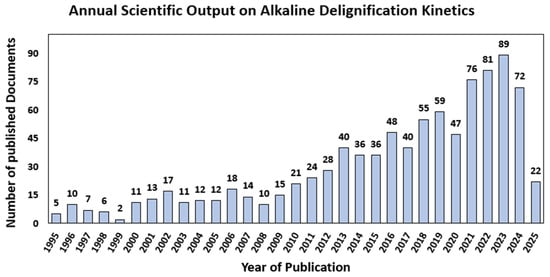
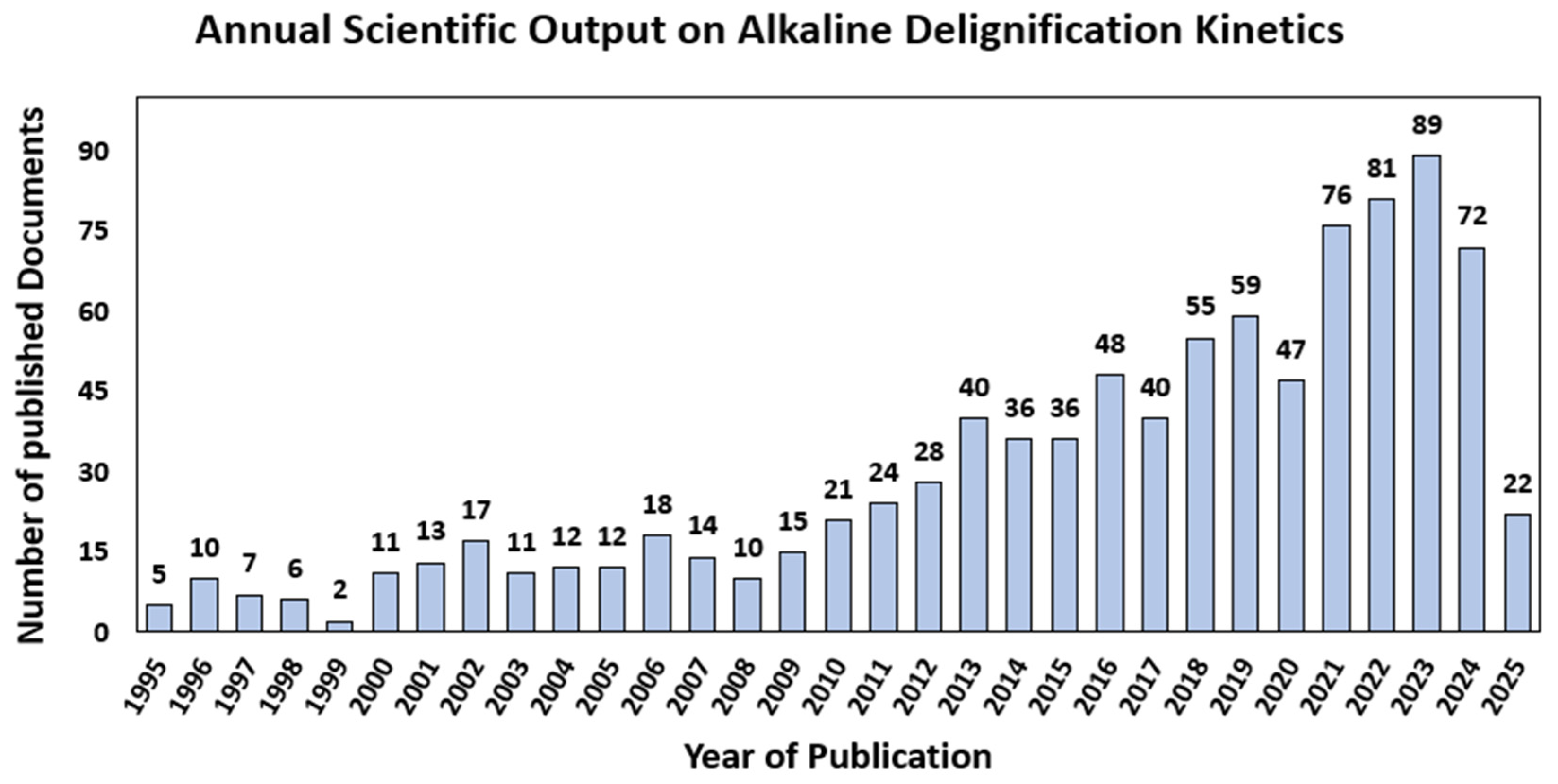
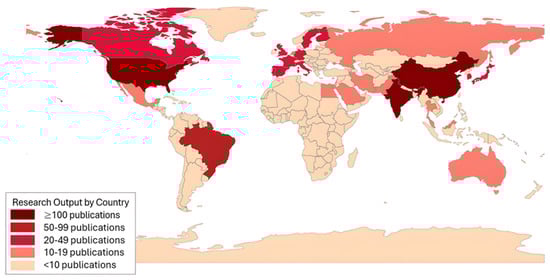
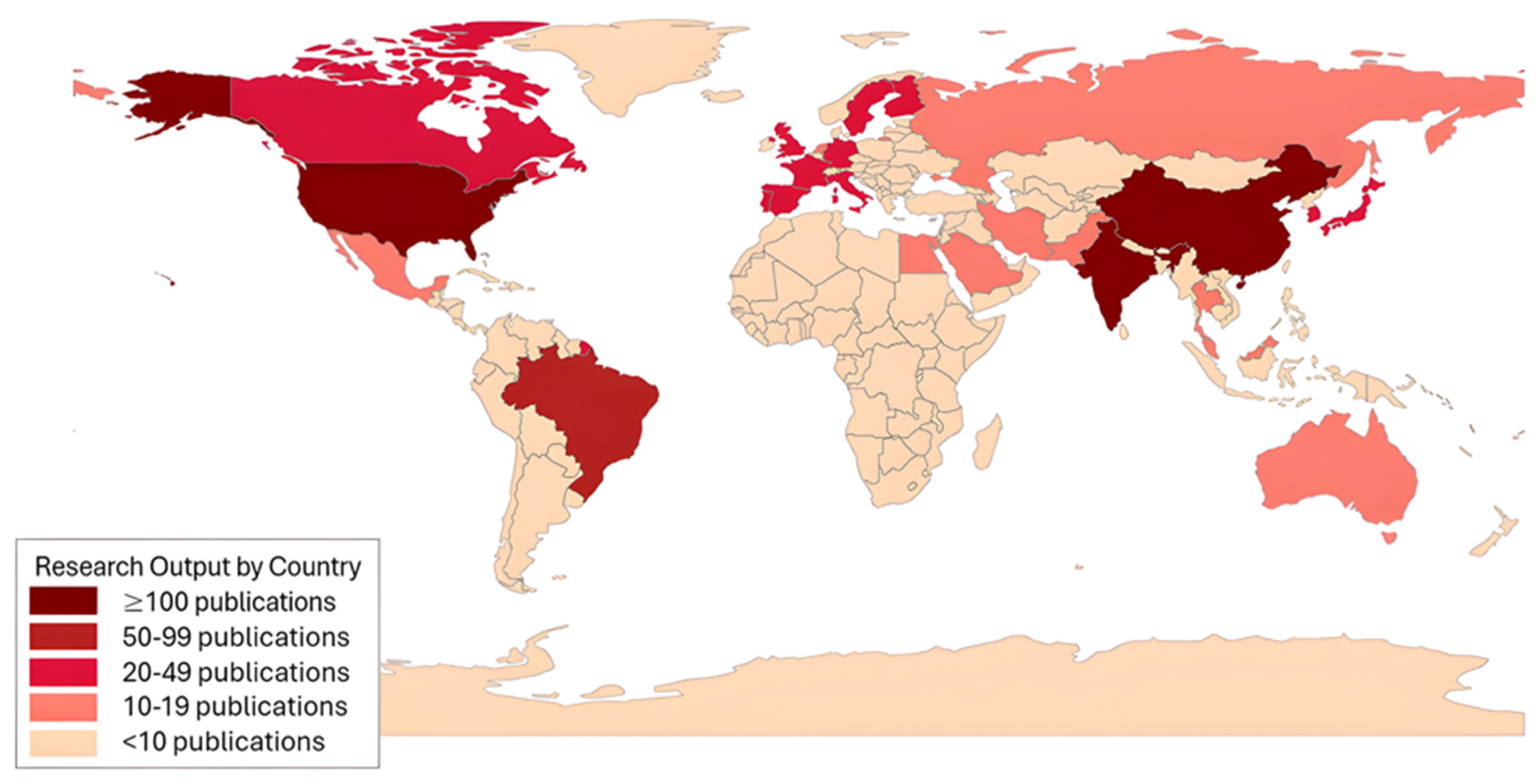
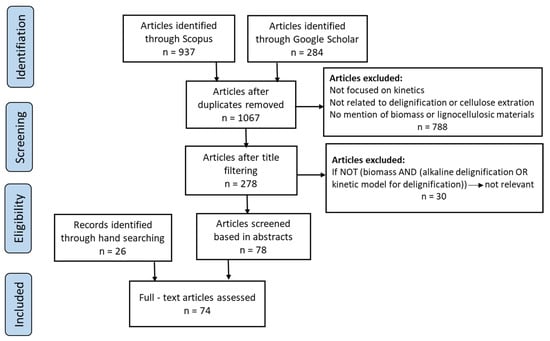
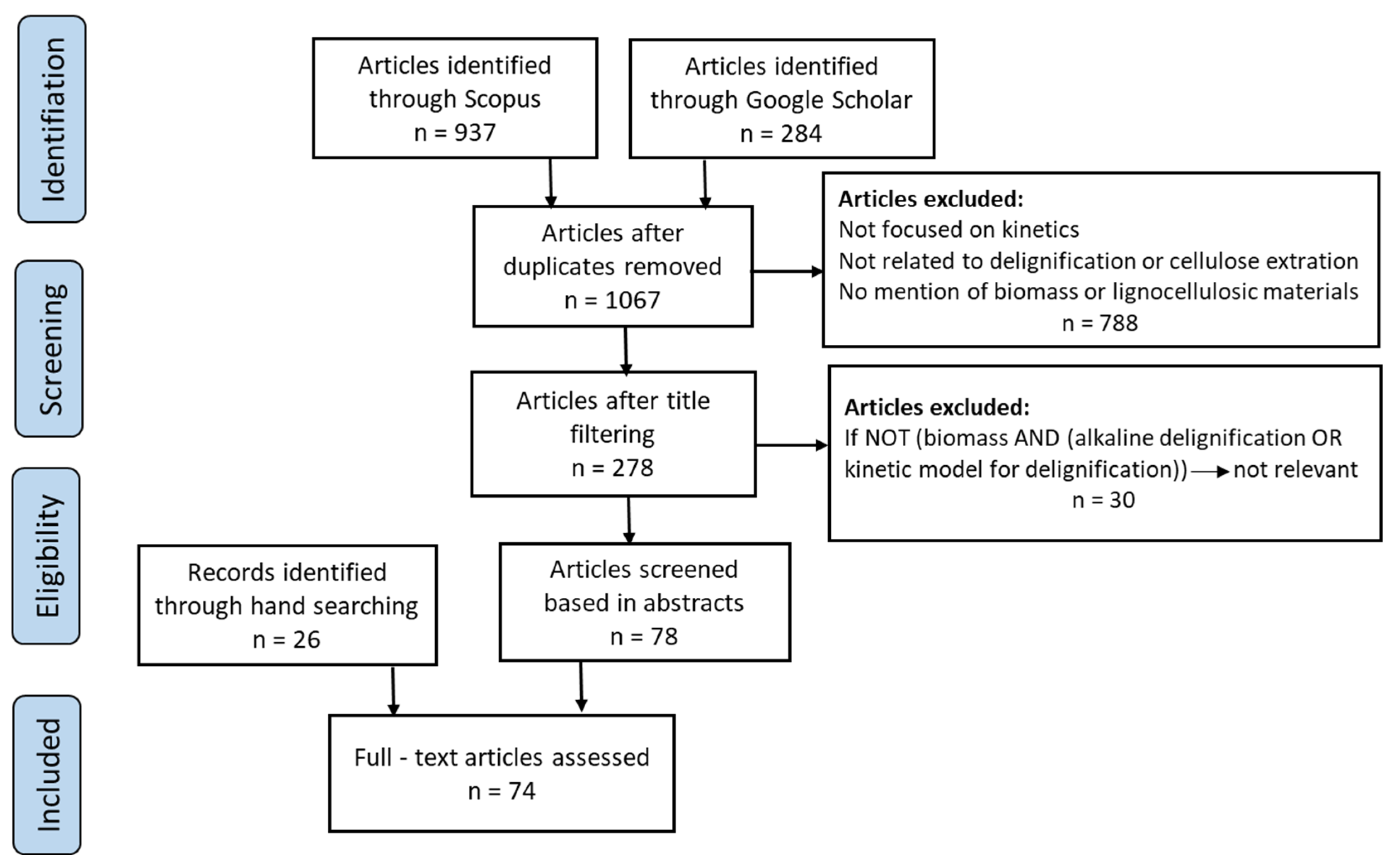
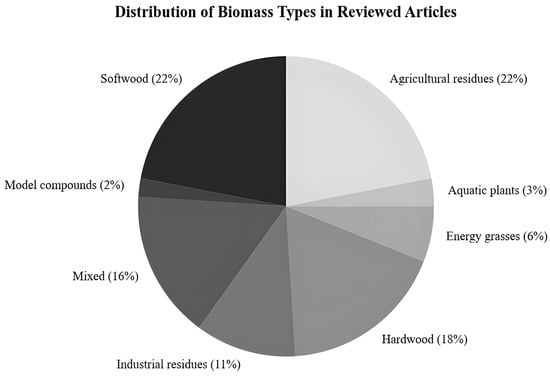
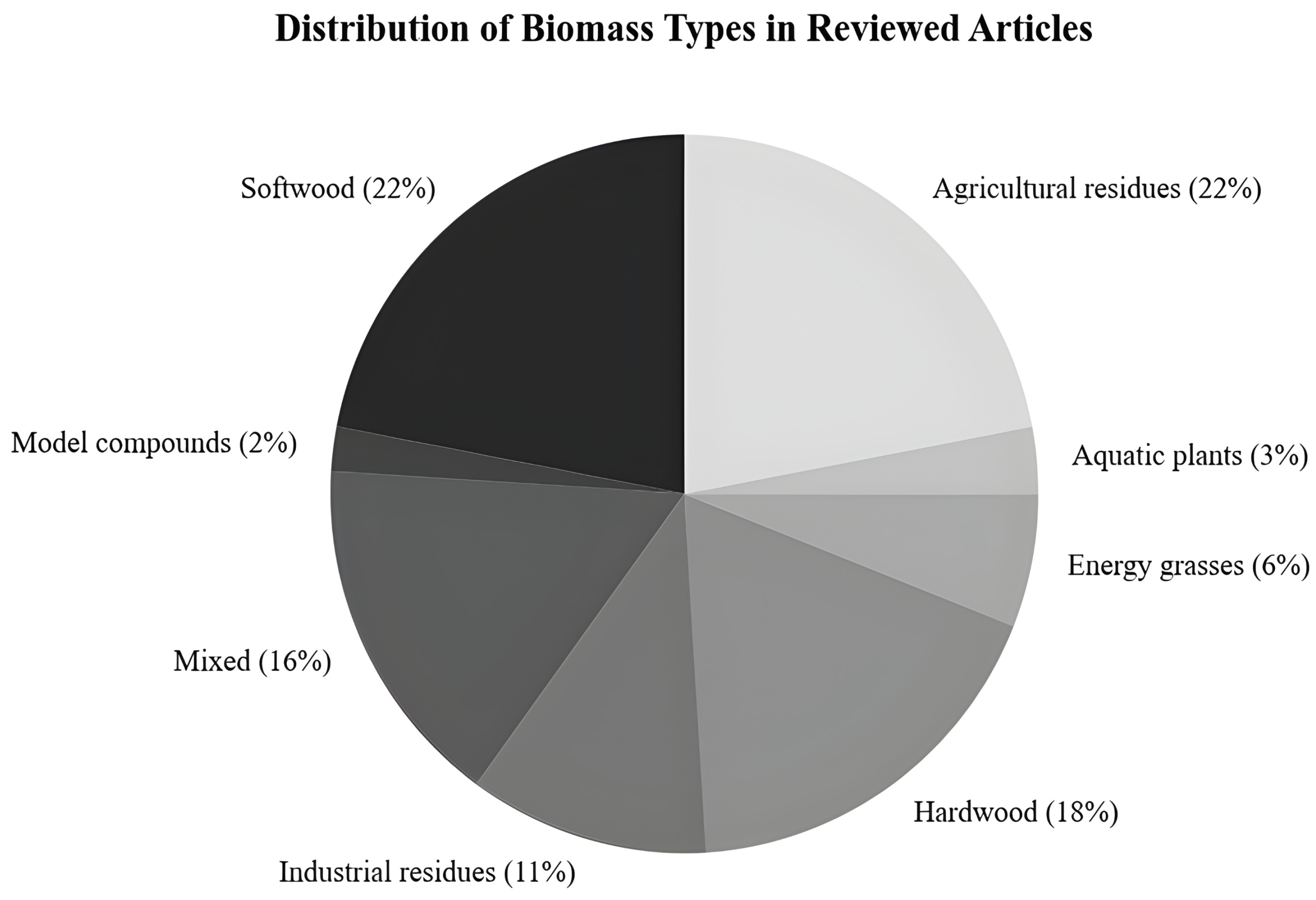
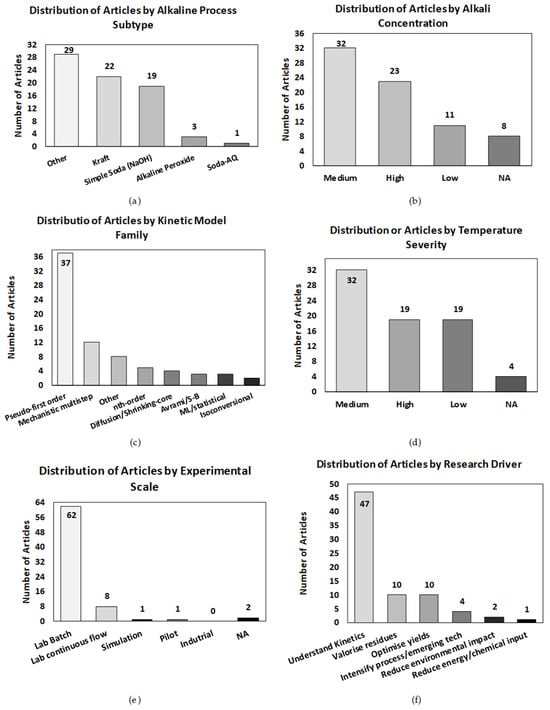
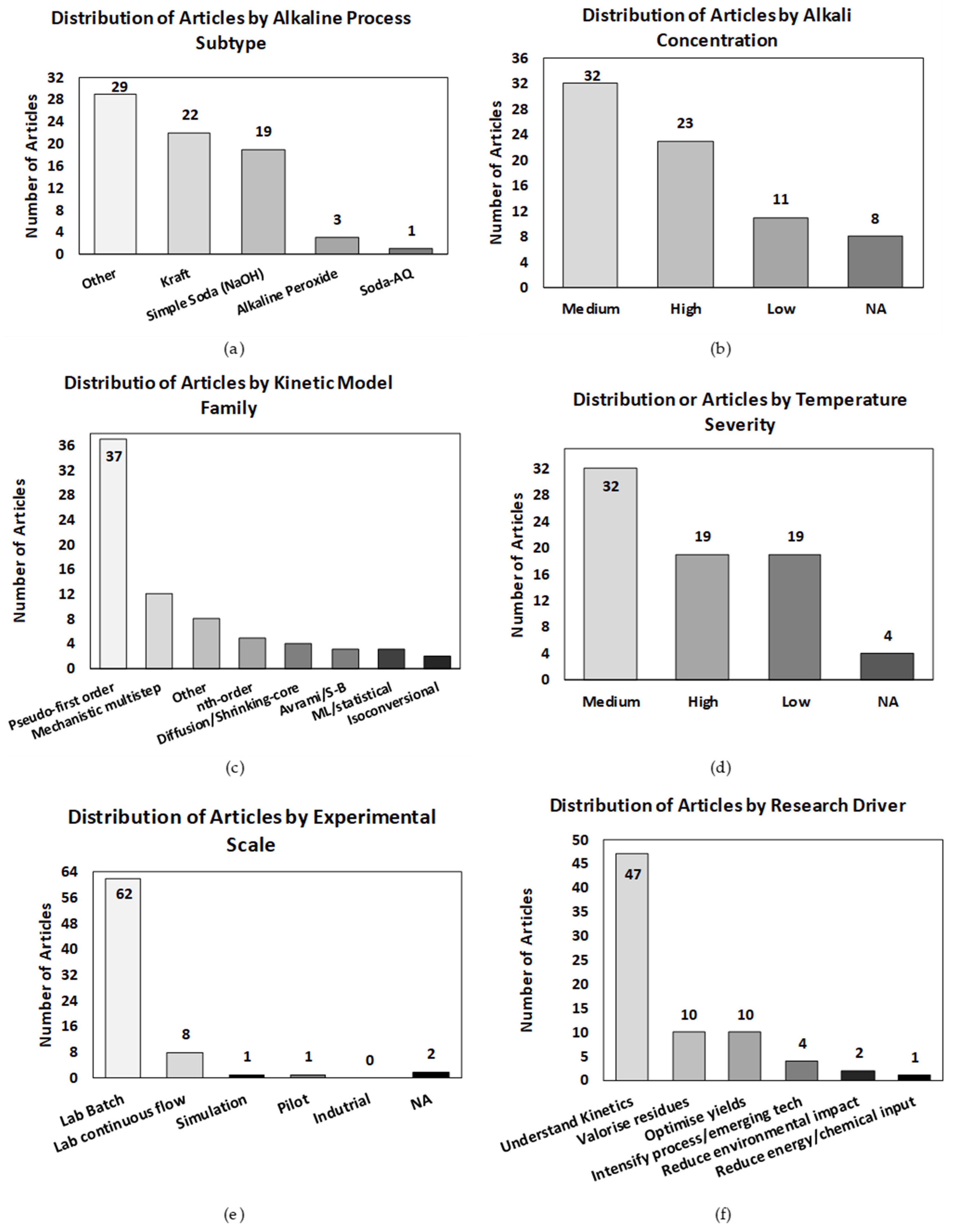
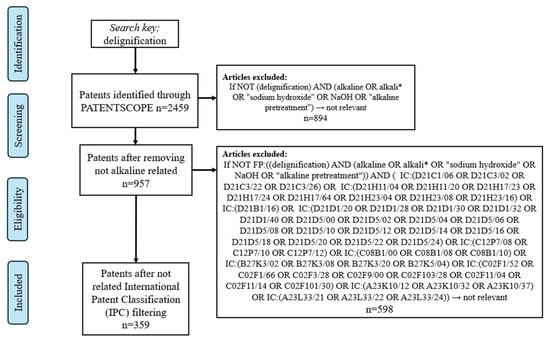
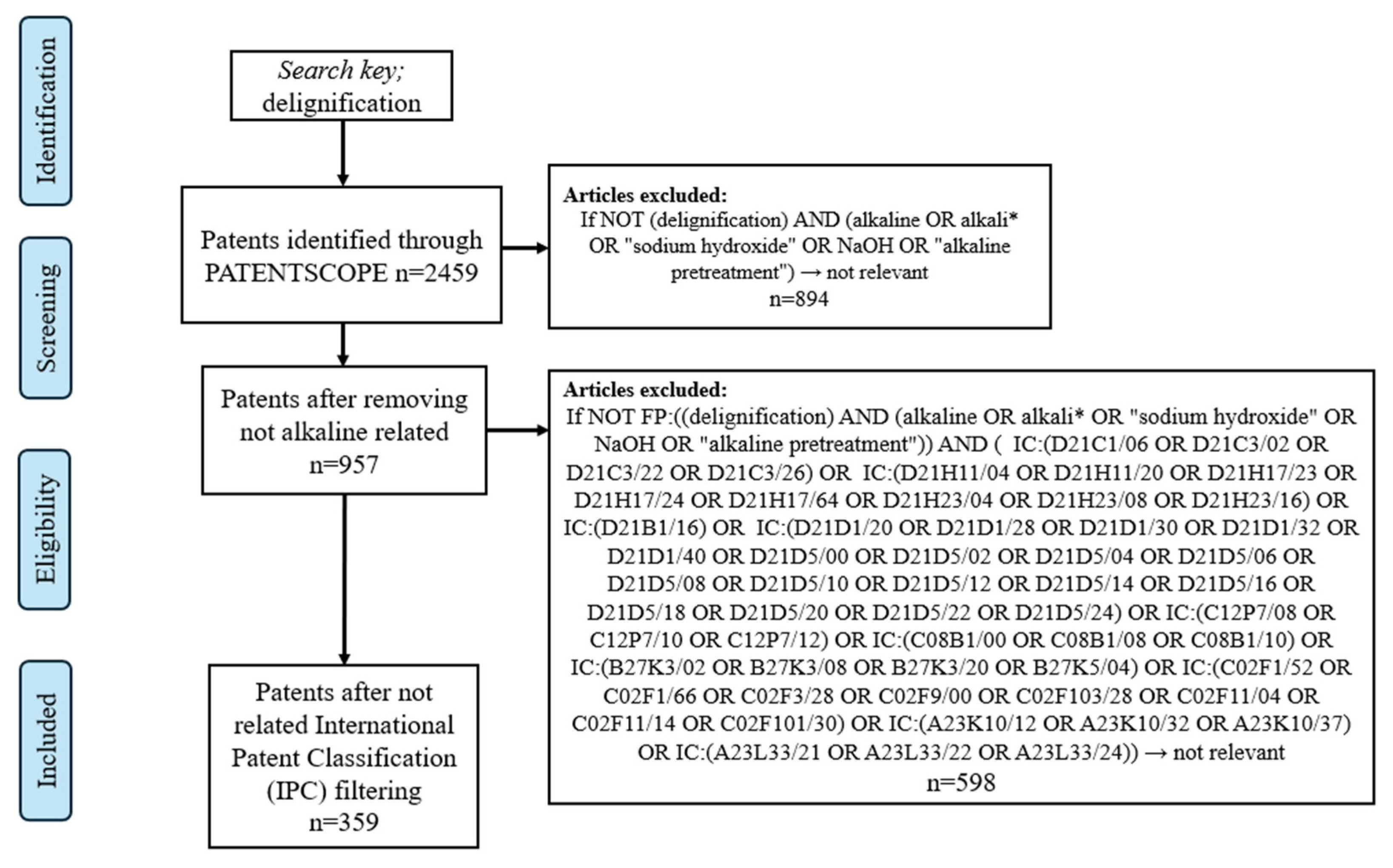
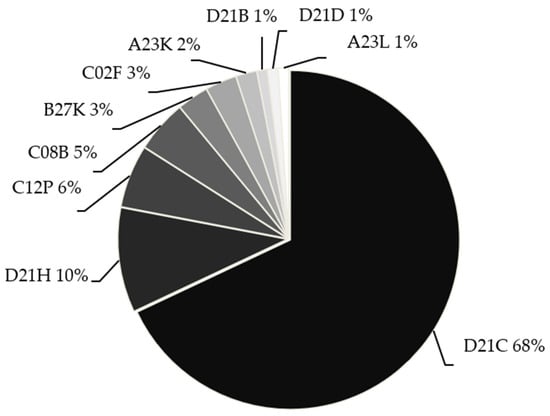
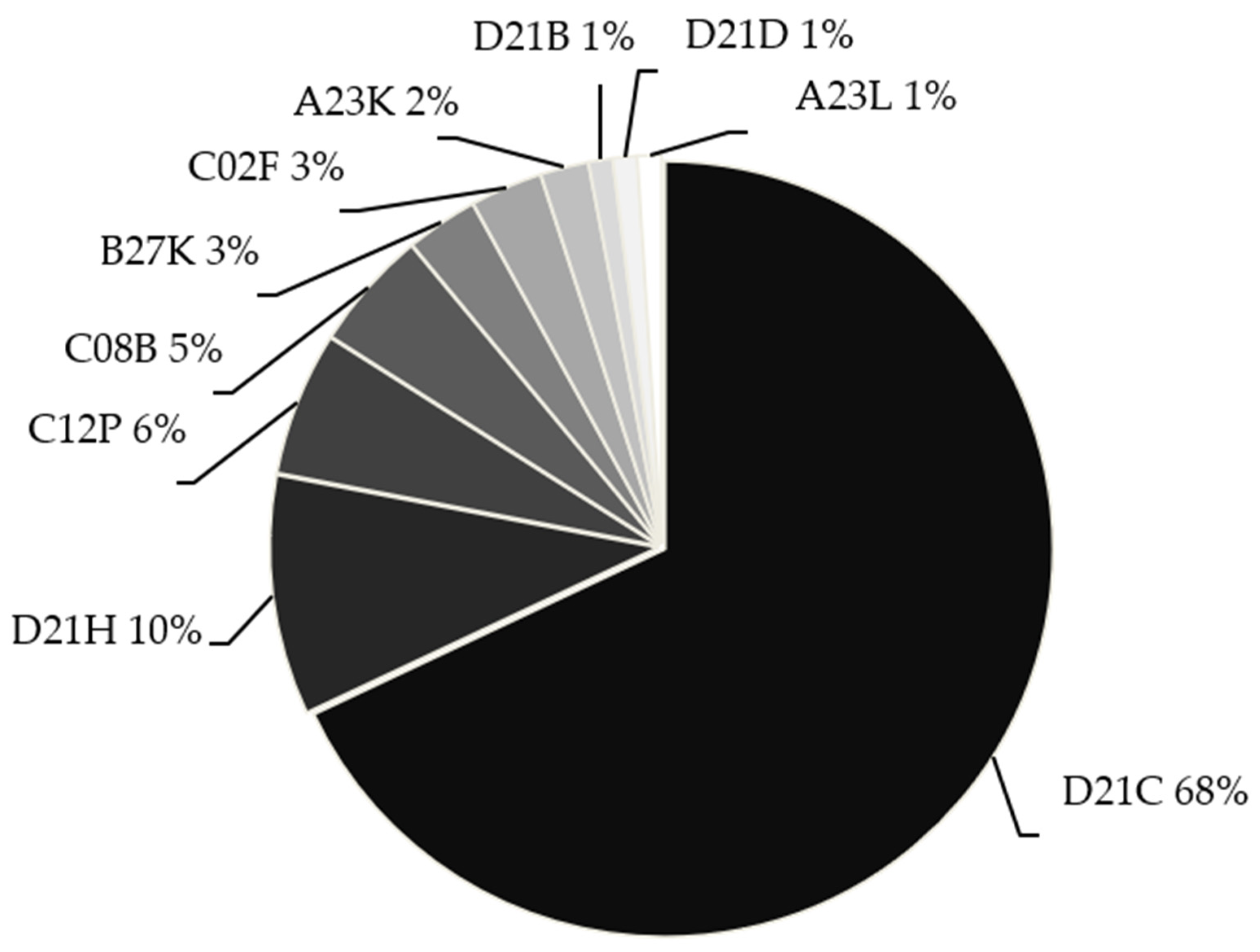
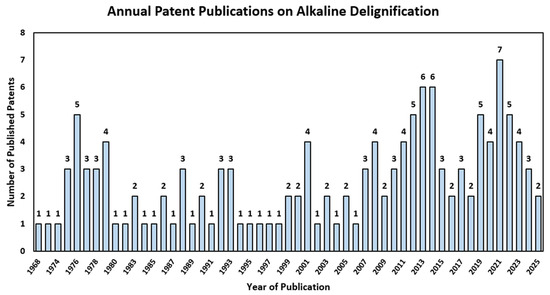
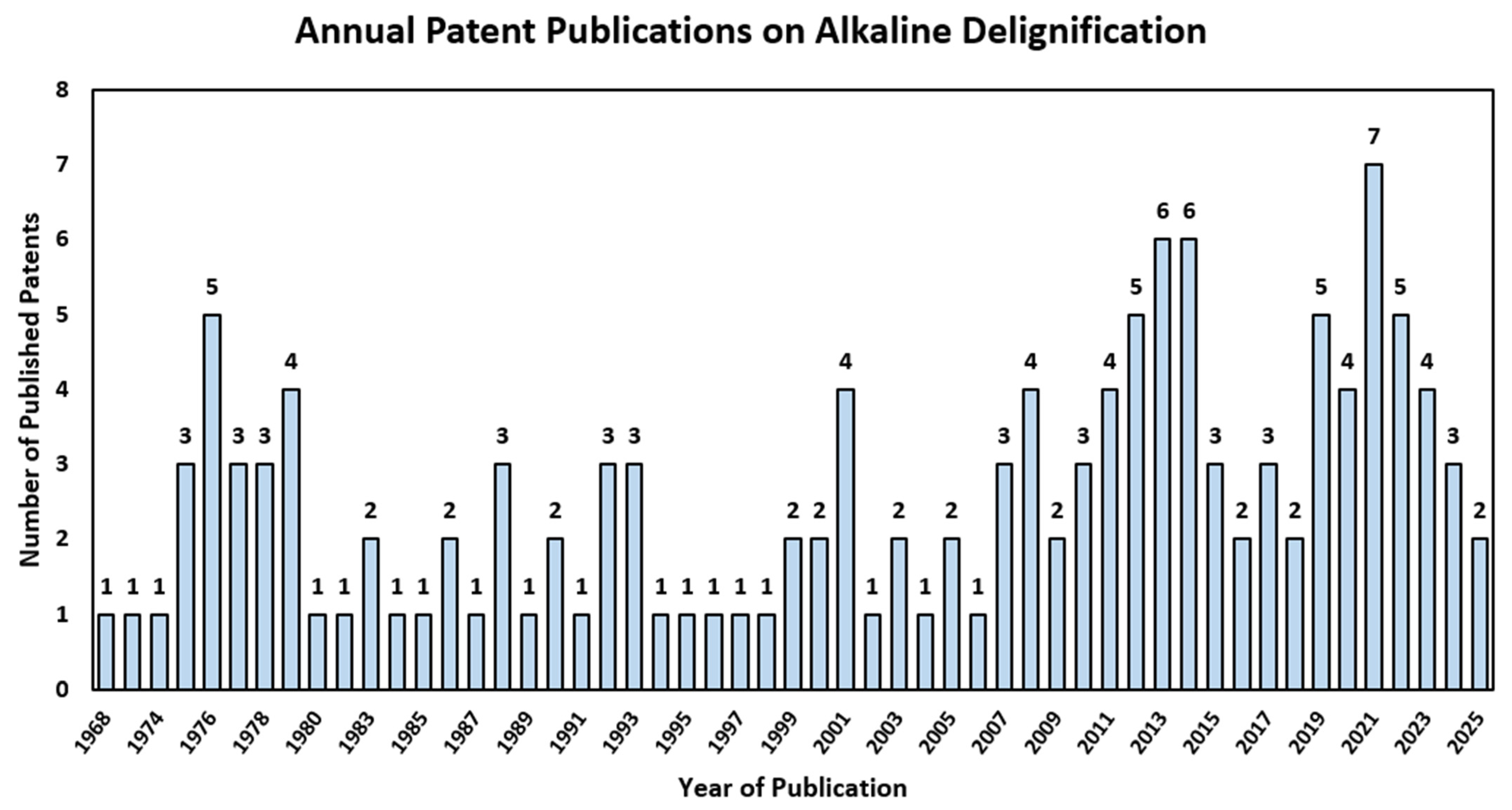
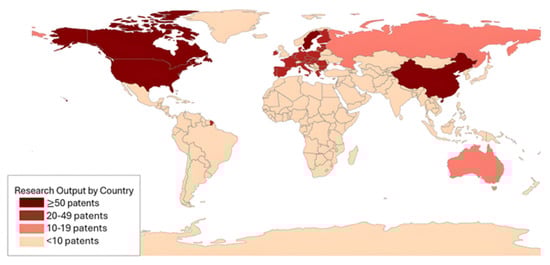
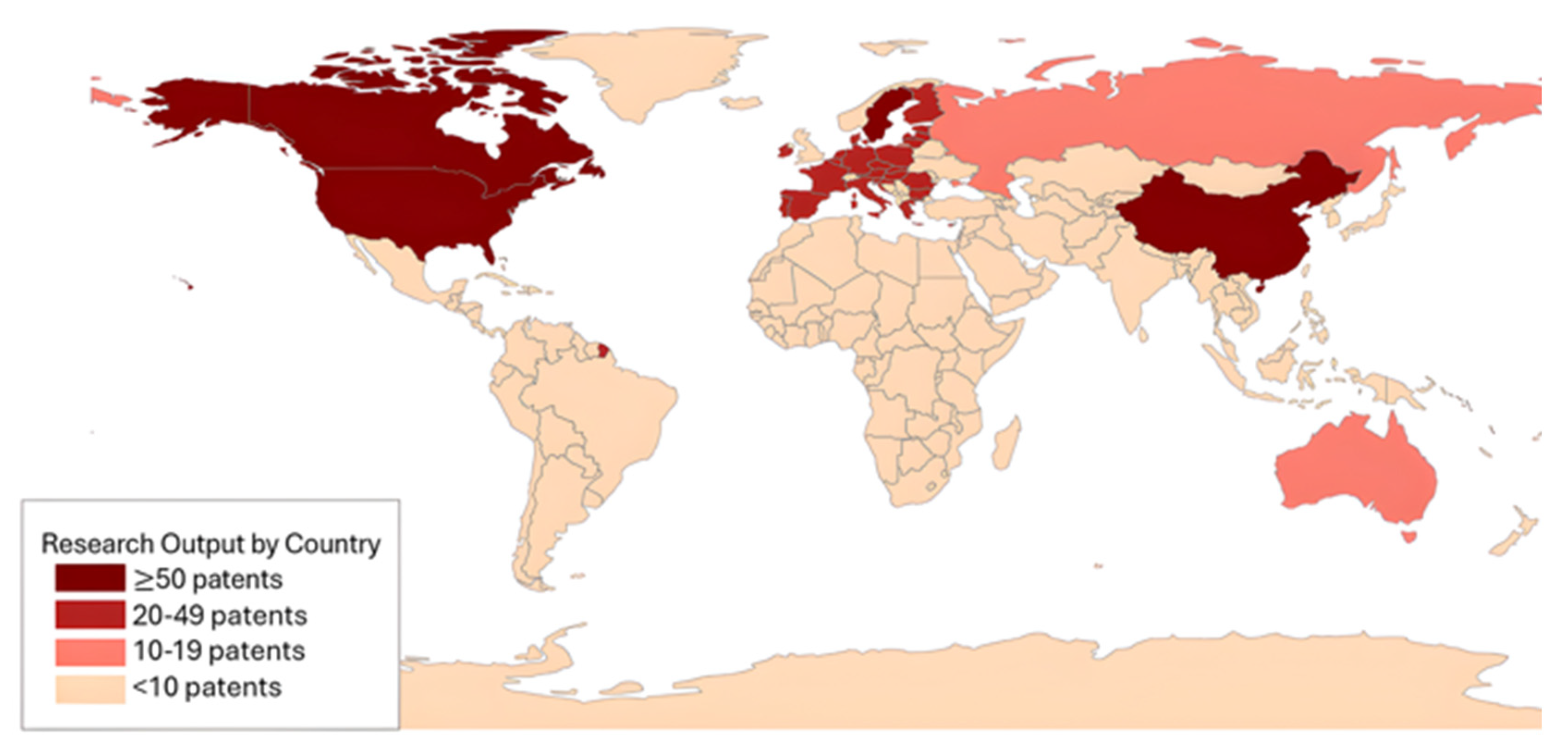
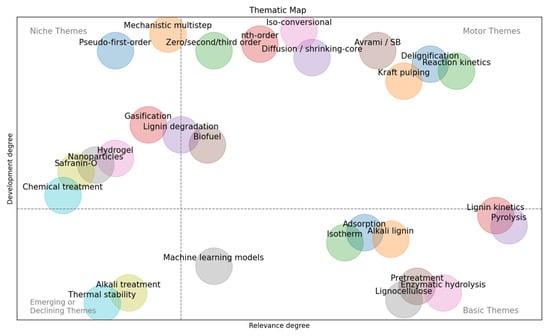
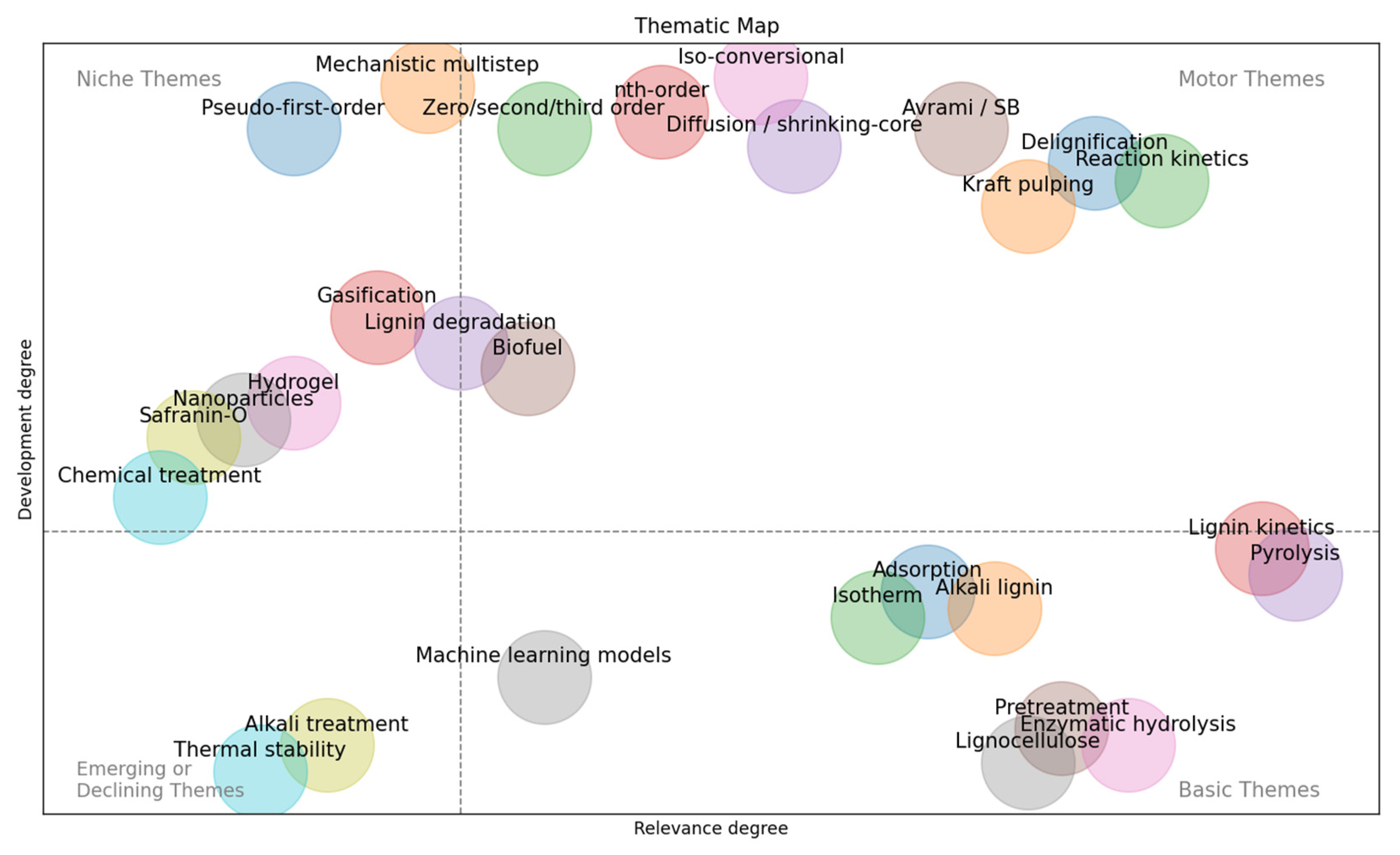

Disclaimer/Publisher’s Note: The statements, opinions and data contained in all publications are solely those of the individual author(s) and contributor(s) and not of MDPI and/or the editor(s). MDPI and/or the editor(s) disclaim responsibility for any injury to people or property resulting from any ideas, methods, instructions or products referred to in the content. |
© 2025 by the authors. Licensee MDPI, Basel, Switzerland. This article is an open access article distributed under the terms and conditions of the Creative Commons Attribution (CC BY) license (https://creativecommons.org/licenses/by/4.0/).