Article

Research on the Formation and Plugging Risk of Gas Hydrate in a Deepwater Drilling Wellbore: A Case Study

1
Engineering Technology Operation Center of CNOOC (China) Co., Ltd., Hainan Branch, Haikou 570100, China
2
Engineering Technology Branch of CNOOC Energy Development Co., Ltd., Tianjin 300450, China
3
College of Petroleum Engineering, Yangtze University, Wuhan 430100, China
*
Author to whom correspondence should be addressed.
Processes 2023, 11(2), 488; https://doi.org/10.3390/pr11020488
Submission received: 22 September 2022 / Revised: 4 December 2022 / Accepted: 12 January 2023 / Published: 6 February 2023

Abstract

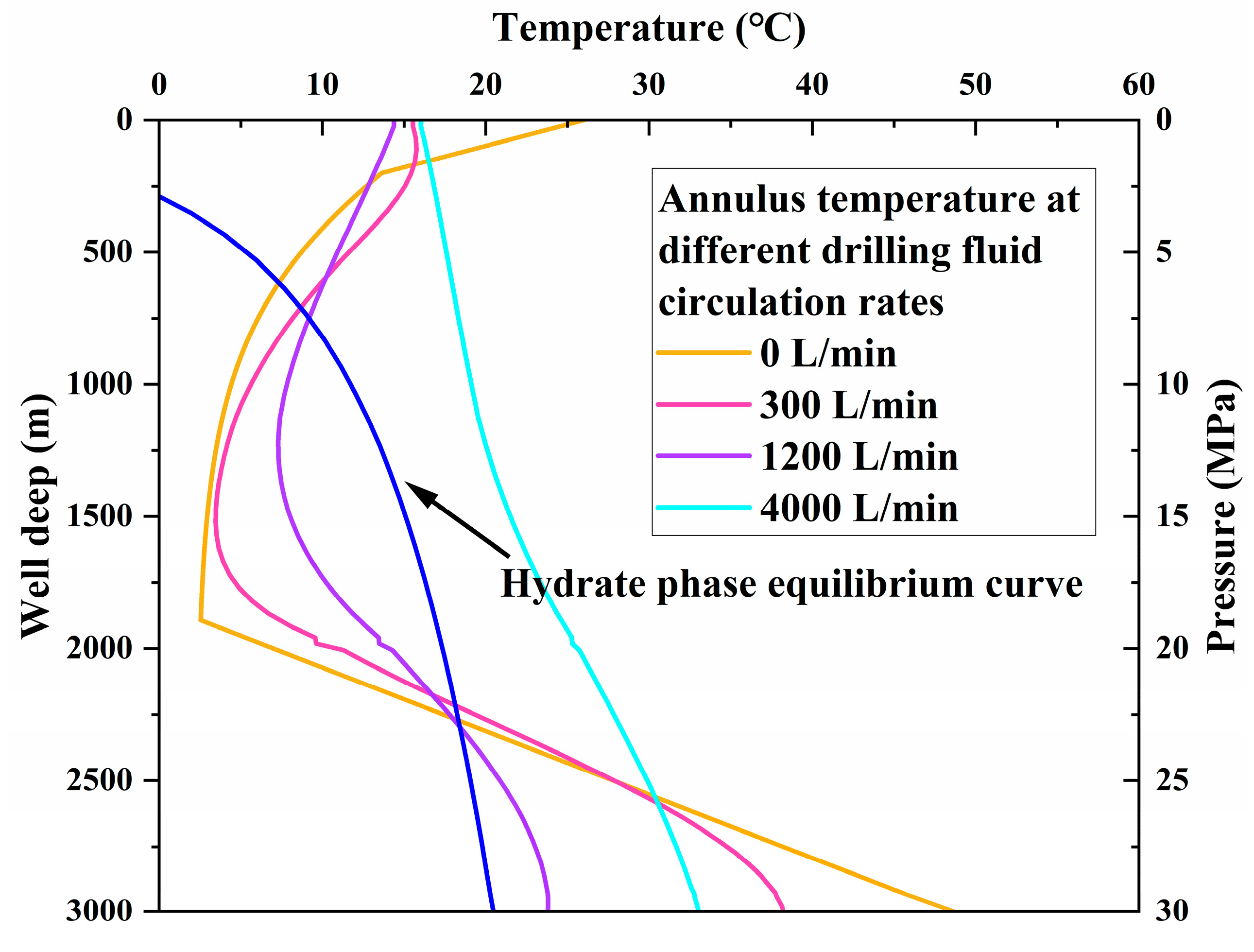
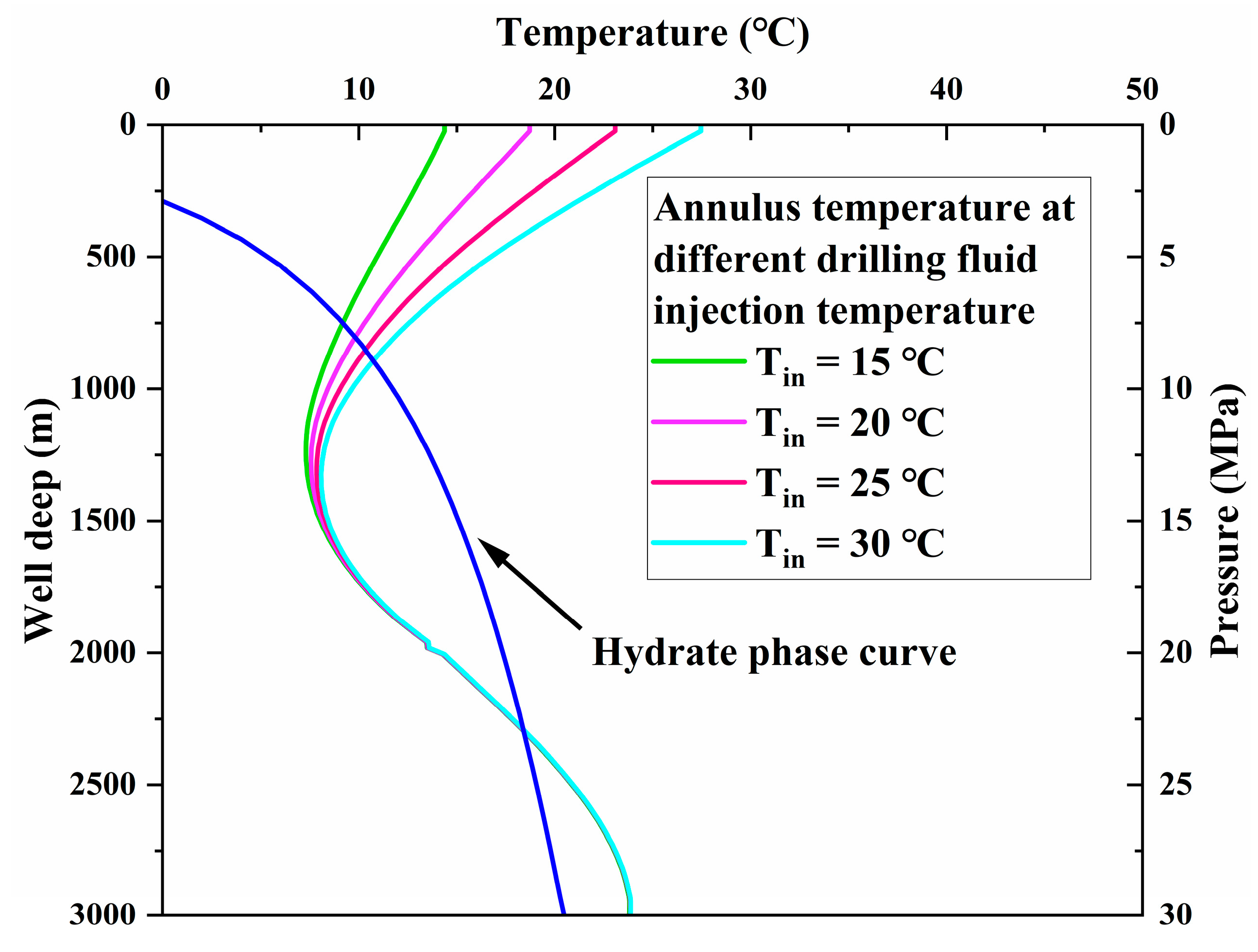
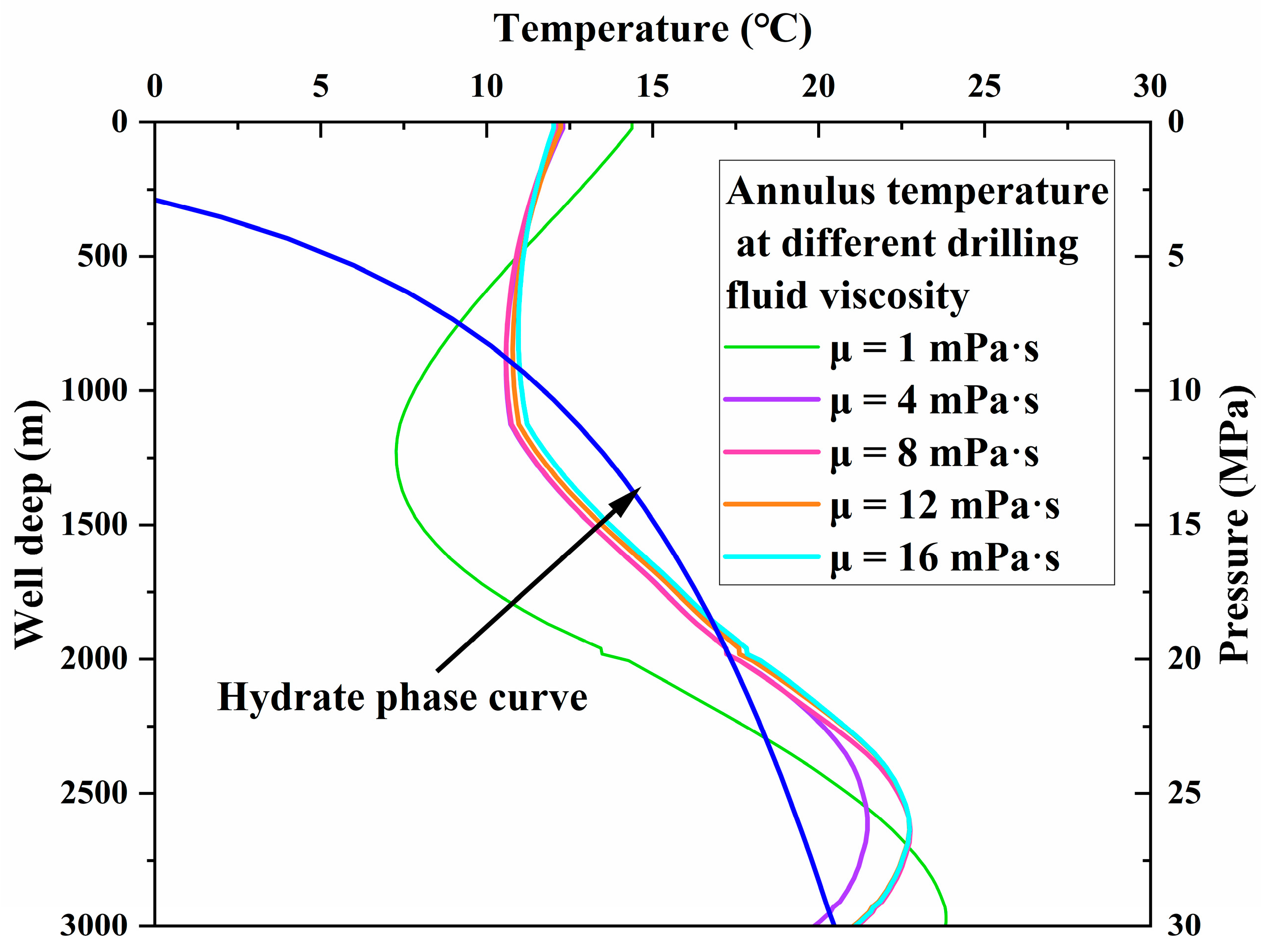
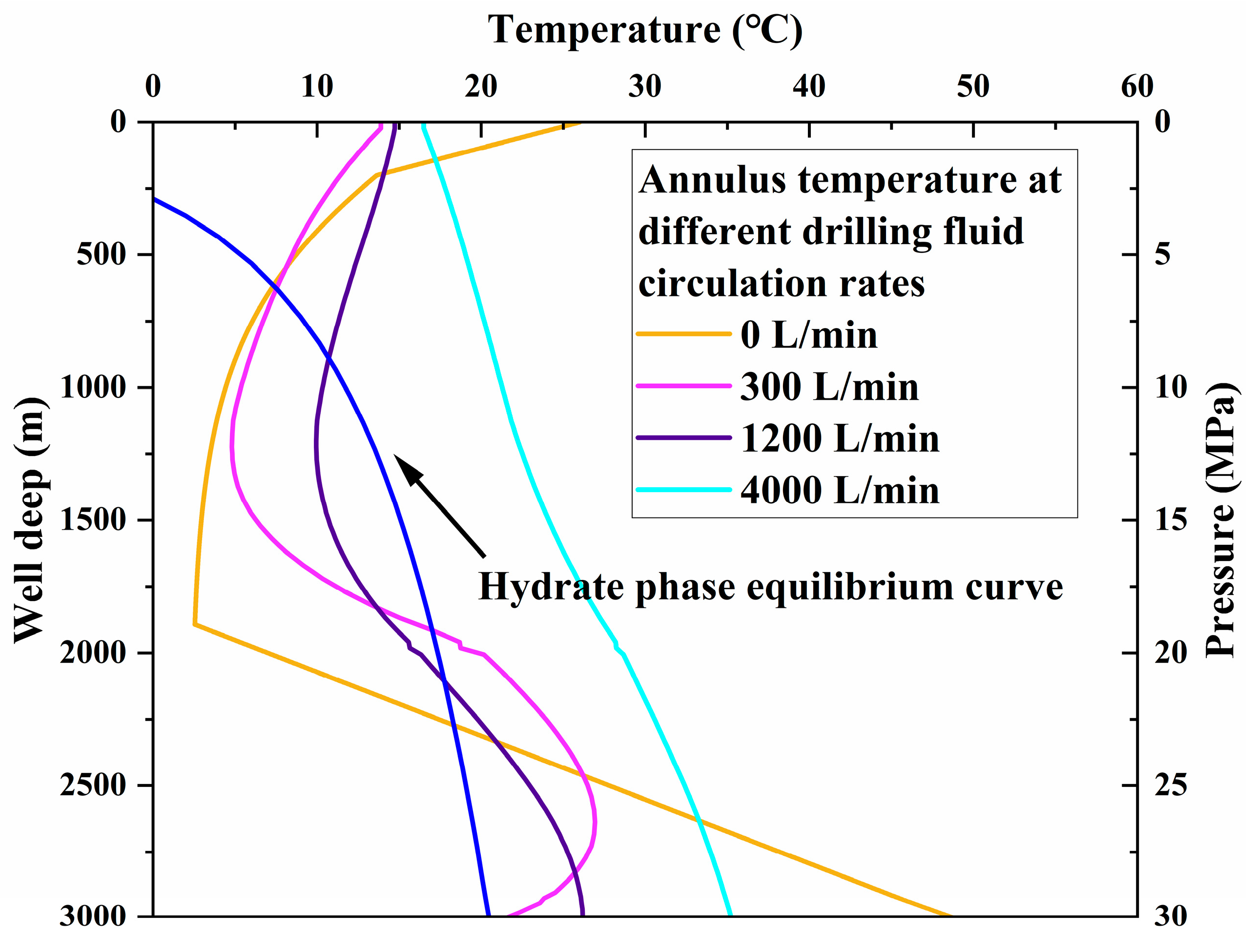
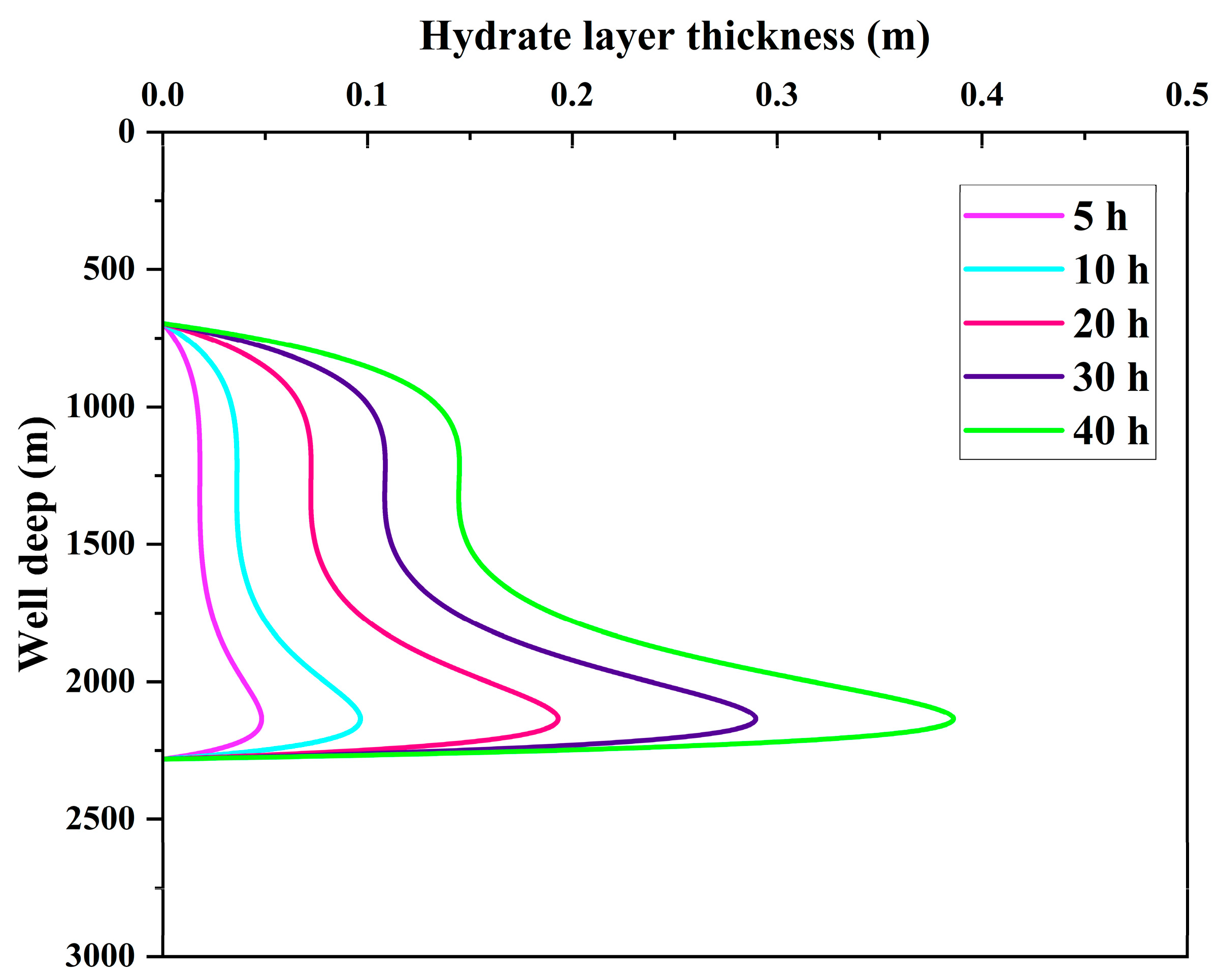
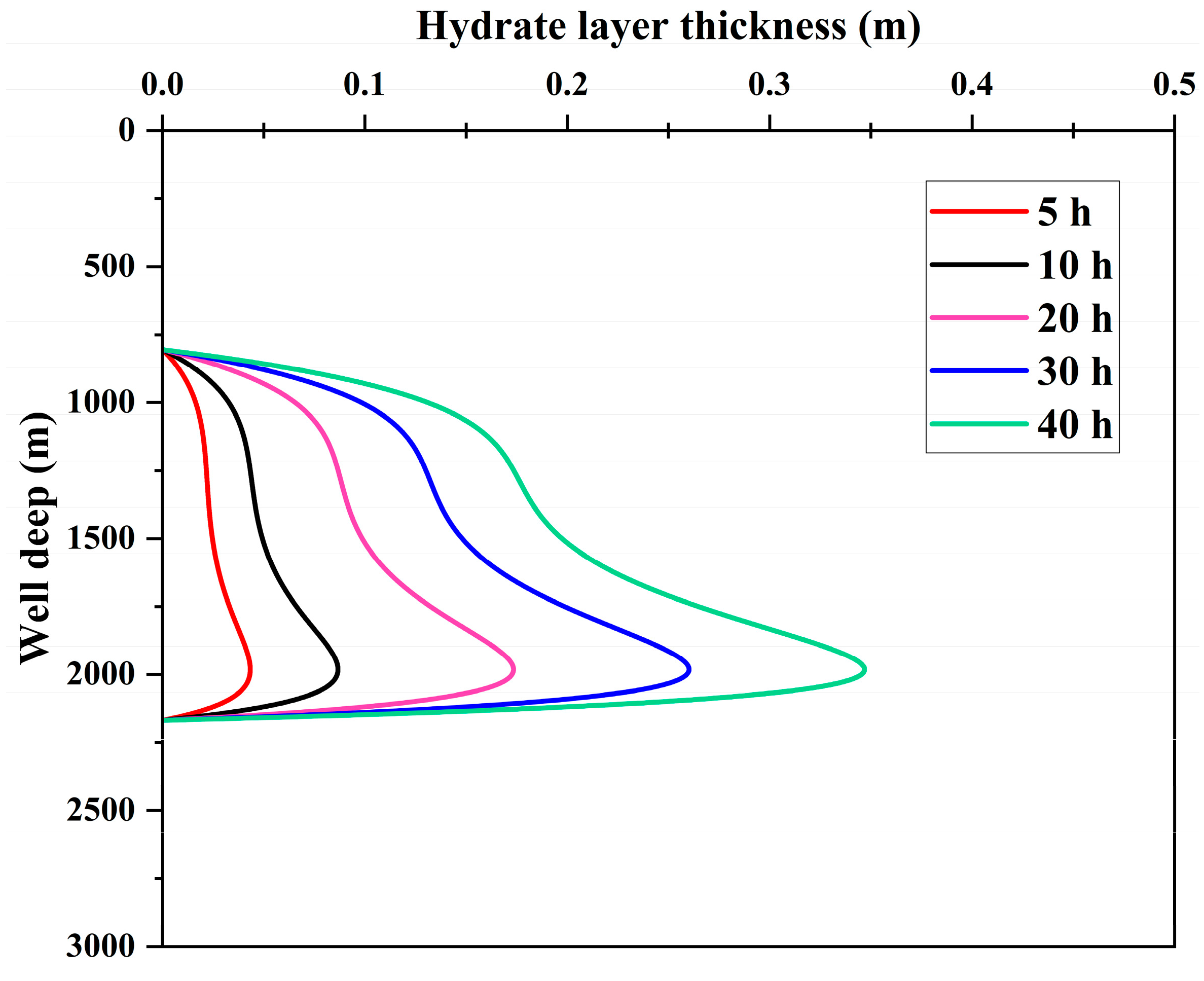
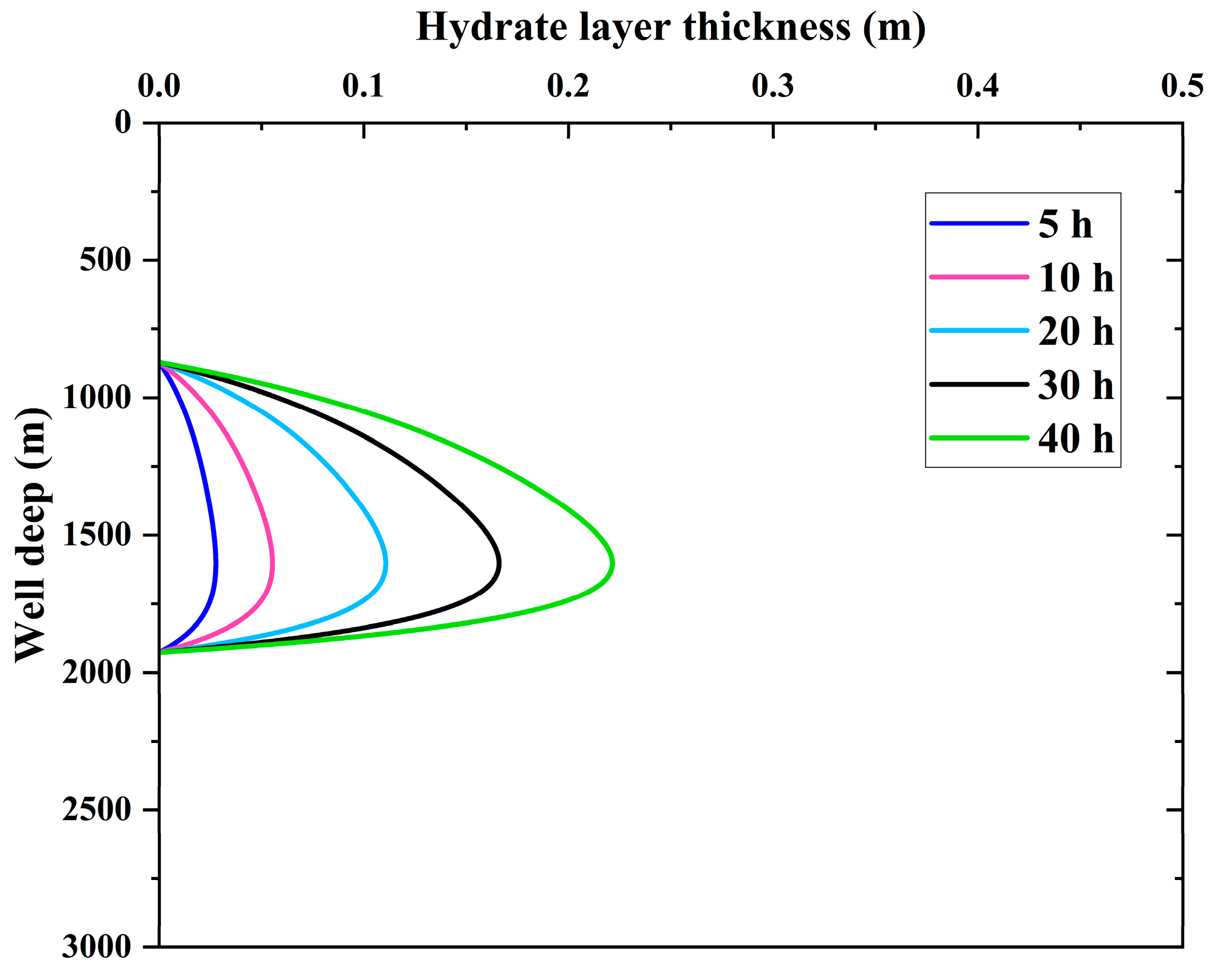
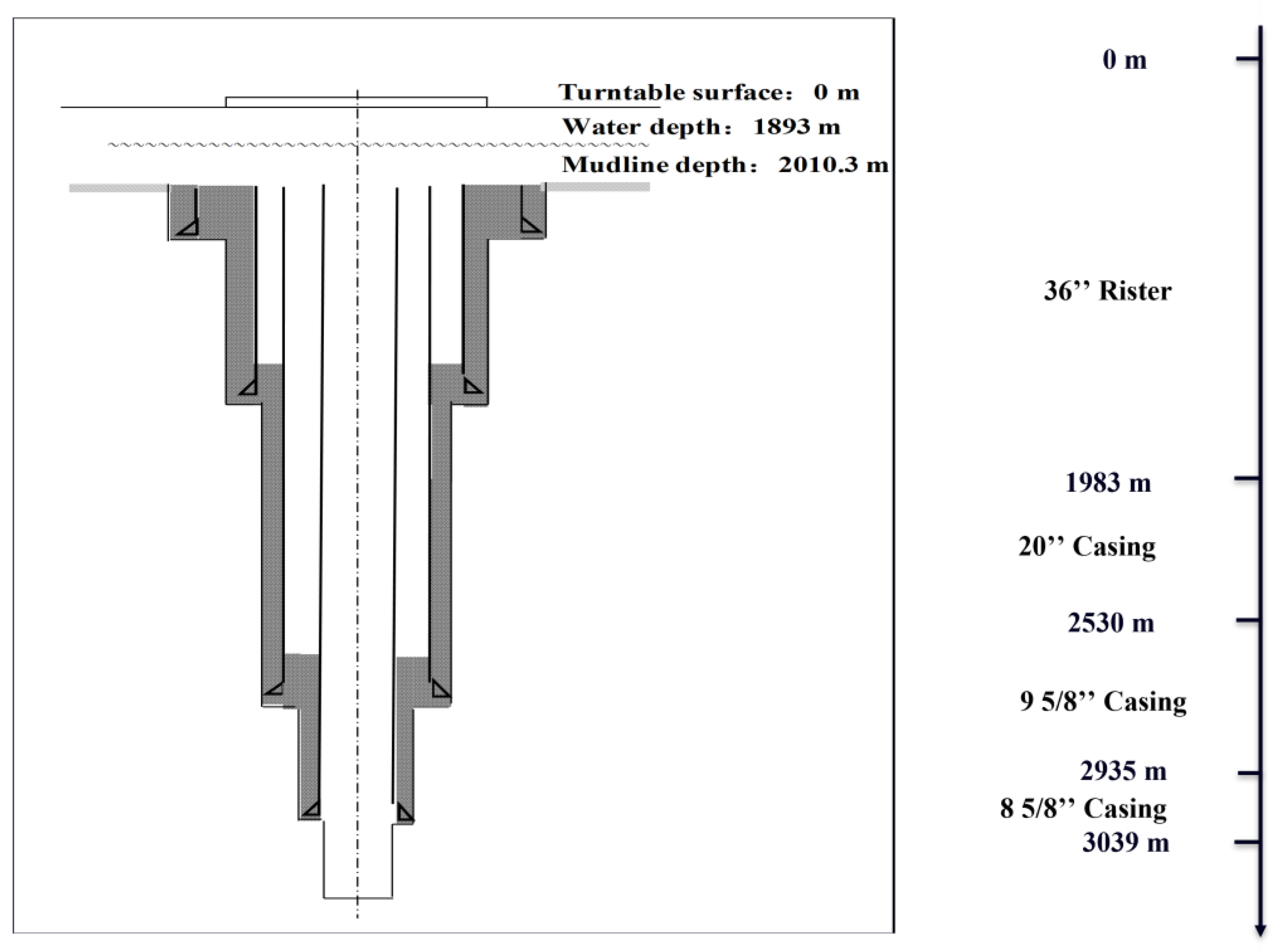
At present, the formation mechanism of gas hydrate (hereinafter referred to as hydrate) plugging in the wellbore during deepwater drilling is not clear, so there are problems such as the overuse of hydrate inhibitors and the low utilization efficiency of inhibitors. Therefore, in view of the risk of hydrate formation and plugging under different working conditions during deepwater drilling, research was carried out on the wellbore hydrate formation area and wellbore hydrate deposition and plugging. Taking an atmospheric well in the South China Sea as an example, the wellbore annulus temperature field under different working conditions was combined with the hydrate formation phase curve to analyze the hydrate formation plugging risk under different working conditions during deepwater drilling, and the hydrate formation risk region of the wellbore under different working conditions was obtained. The effects of the drilling fluid circulation rate, injection temperature and drilling fluid viscosity in the wellbore annulus on the risk zone and subcooling of the wellbore hydrate formation were predicted. A deepwater drilling wellbore hydrate deposition plugging model was developed, based on which the dynamic deposition of the hydrate in the wellbore was predicted quantitatively. The results of the study showed that: (1) Increasing the circulation rate of drilling fluid, drilling fluid inlet temperature and drilling fluid viscosity during deepwater drilling can effectively reduce the hydrate formation region and subcooling, thus reducing the hydrate formation. (2) The risk of plugging by hydrate formation basically does not occur during normal drilling. (3) Under the condition of using seawater bentonite slurry drilling fluid, the safe operating time for stopping drilling is 20 h, and the safe operating time for shutting in and killing the well is 30 h.
Keywords: deepwater drilling; natural gas hydrate; formation risk; annulus temperature; plugging deepwater drilling; natural gas hydrate; formation risk; annulus temperature; plugging