Article

Organic Matter Source, Fluid Migration, and Geological Significance of Stylolites in Organic-Lean Carbonate Rocks: A Case from the Sichuan Basin

1
PetroChina Research Institute of Petroleum Exploration & Development, Beijing 100083, China
2
School of GeoSciences, China University of Petroleum, 18 Fuxue Road, Beijing 102249, China
3
State Key Laboratory of Petroleum Resource and Prospecting, China University of Petroleum, 18 Fuxue Road, Beijing 102249, China
*
Author to whom correspondence should be addressed.
Processes 2023, 11(10), 2967; https://doi.org/10.3390/pr11102967
Submission received: 25 June 2023 / Revised: 8 September 2023 / Accepted: 25 September 2023 / Published: 13 October 2023
(This article belongs to the Special Issue Physical, Chemical and Biological Processes in Energy Geoscience)

Abstract

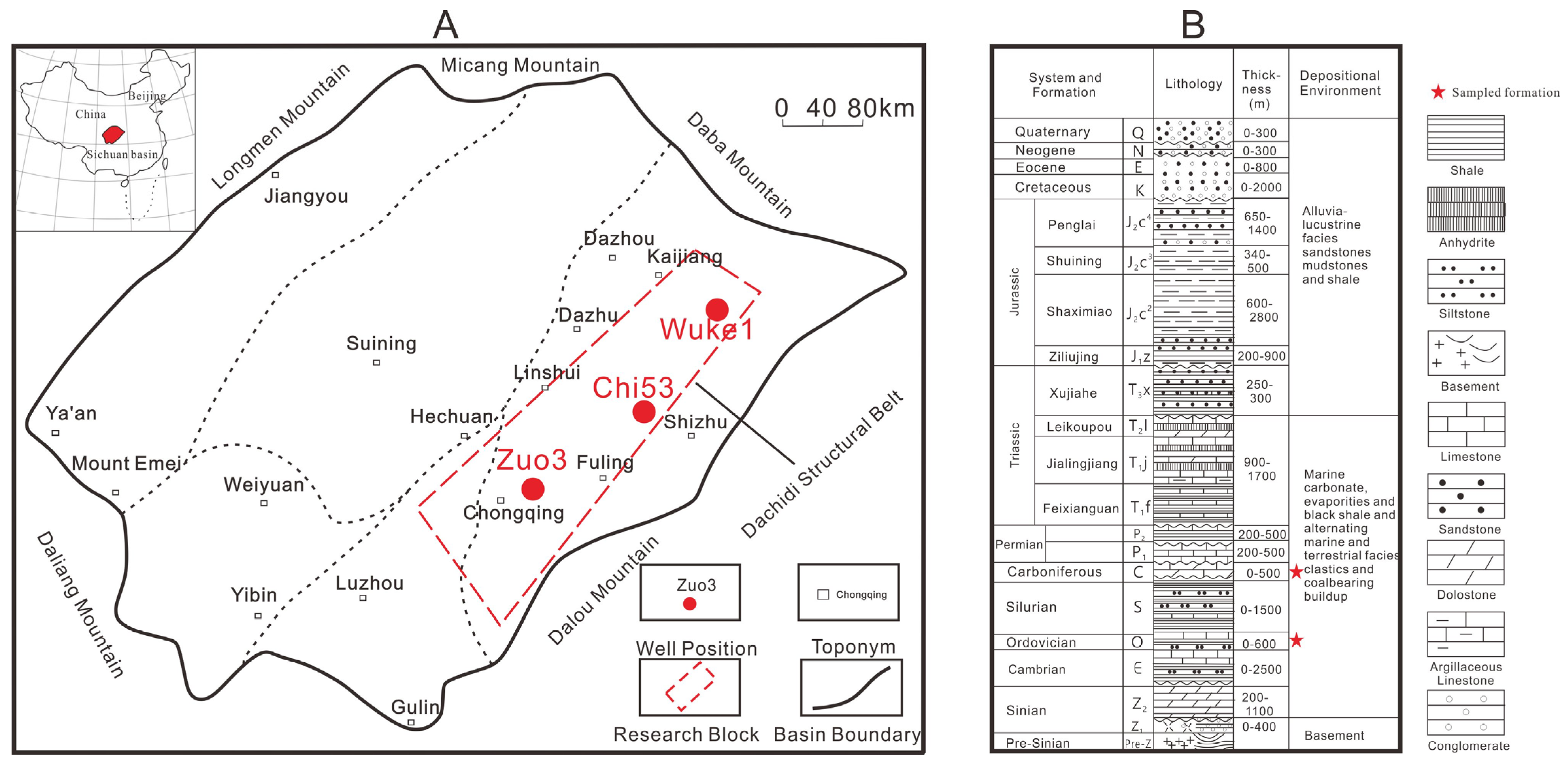
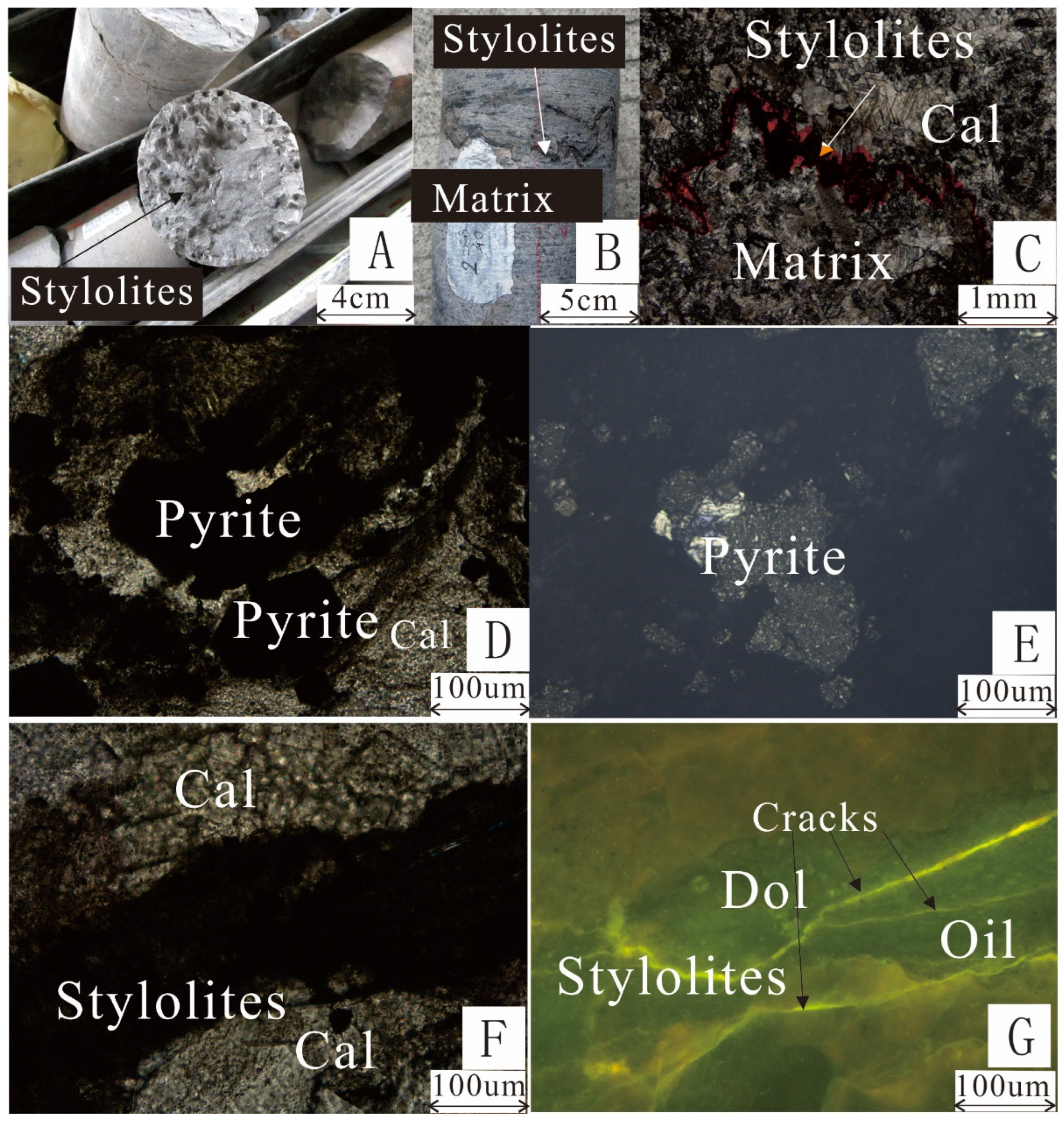
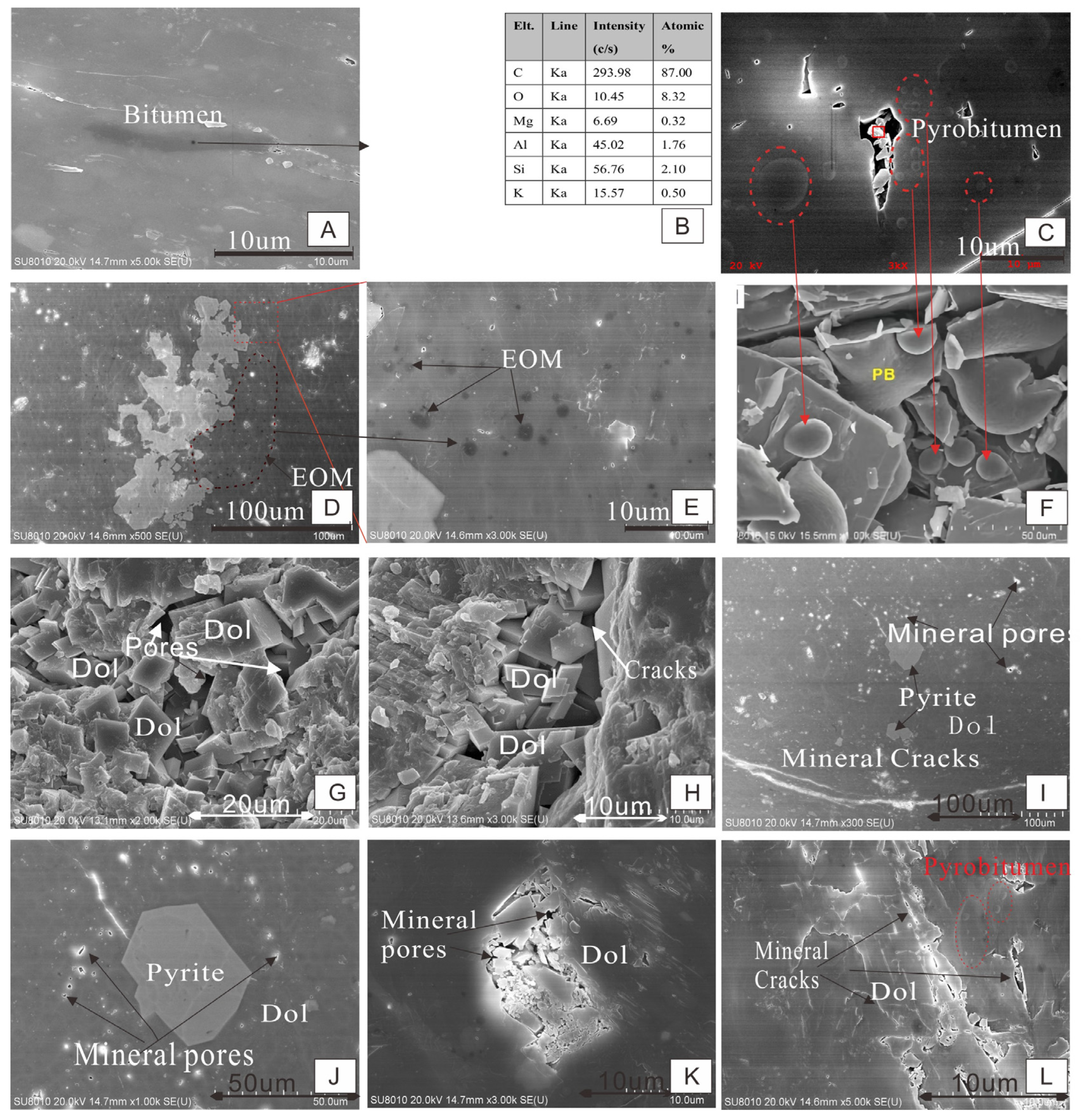
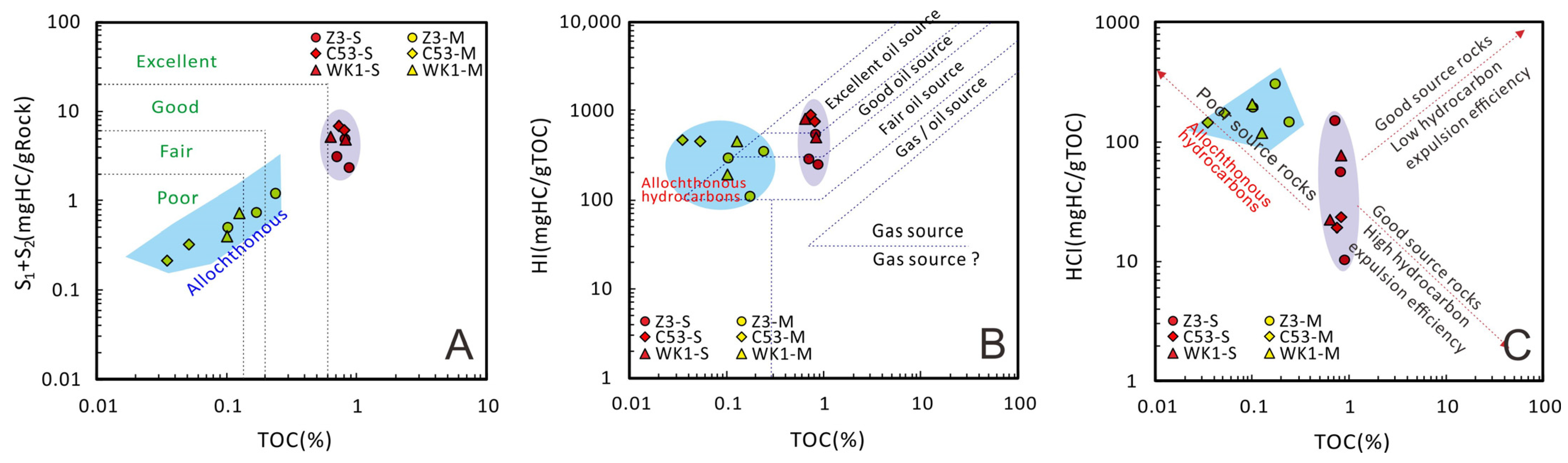
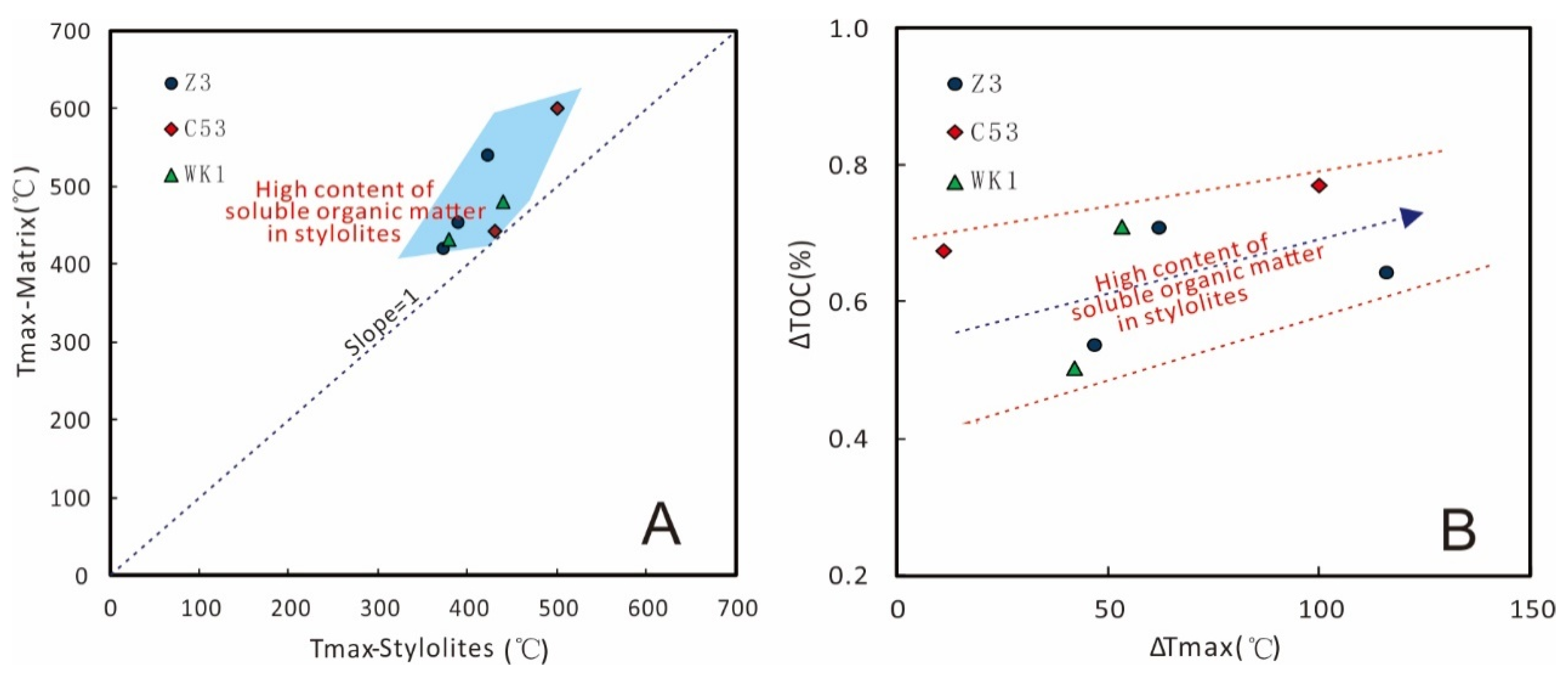
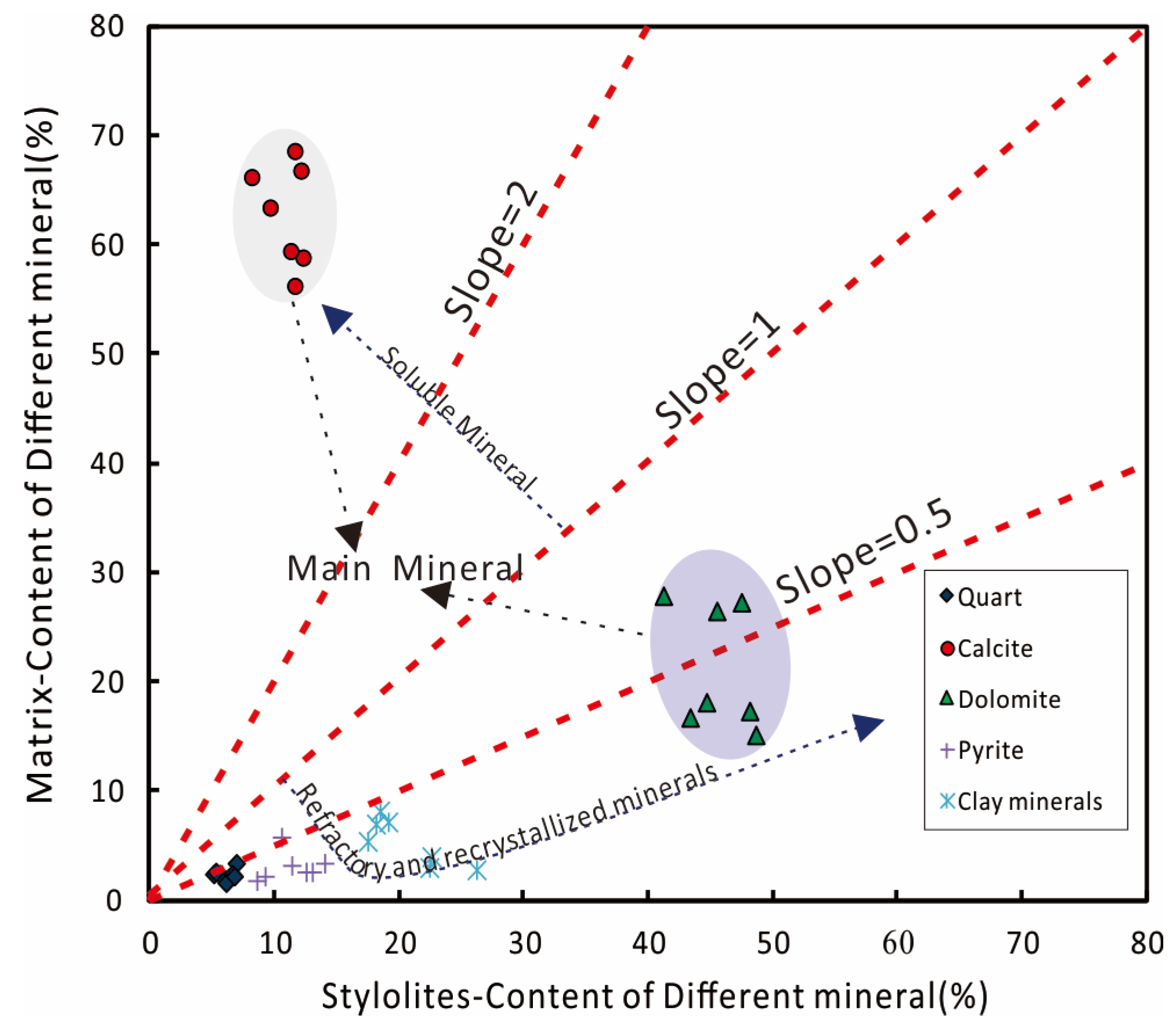
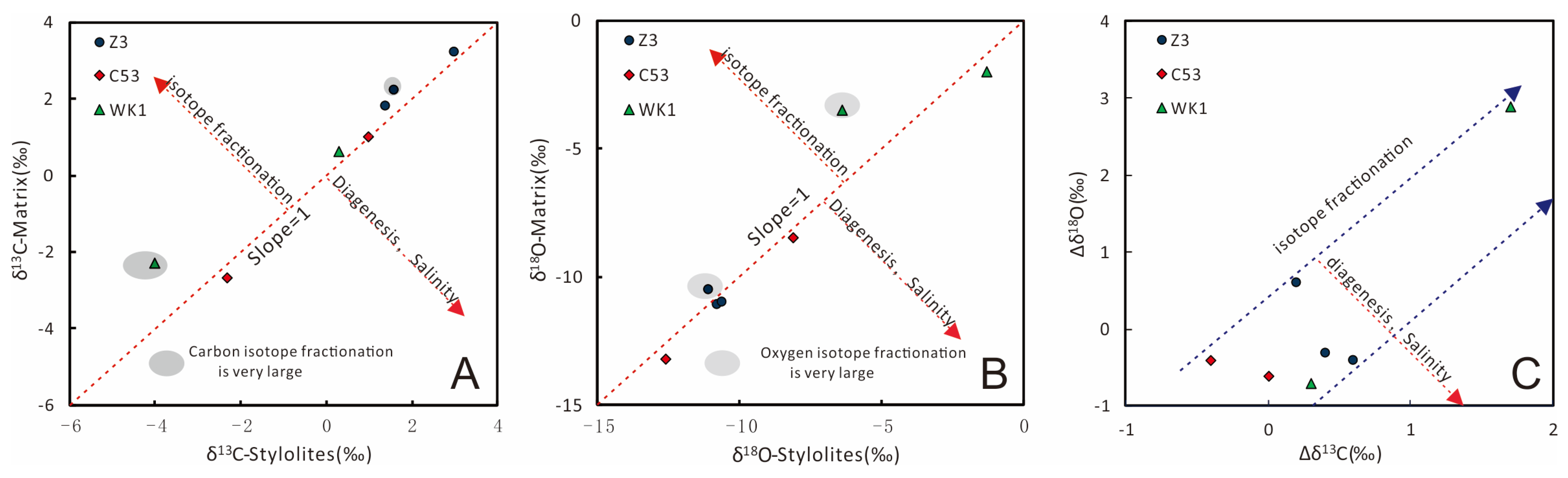
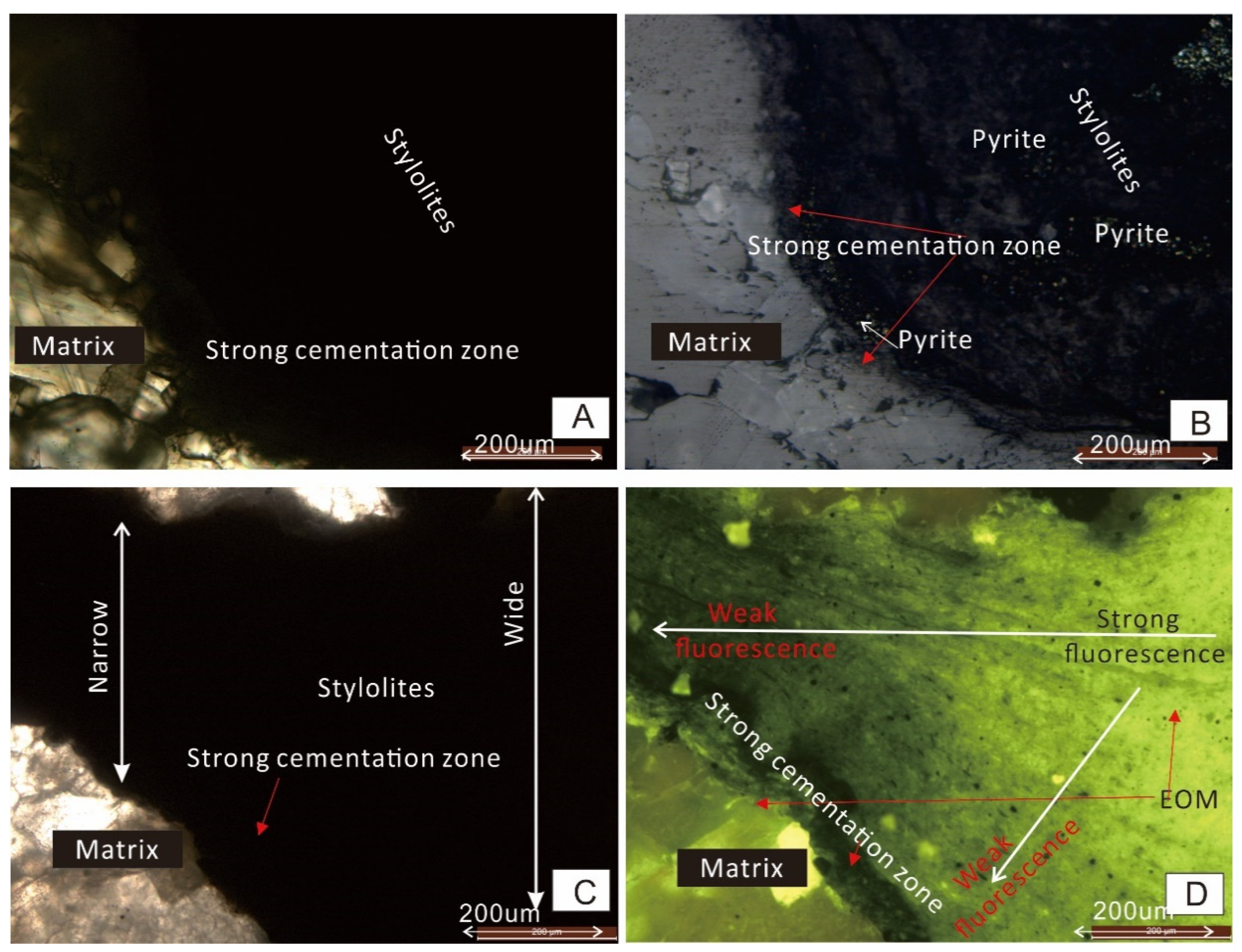
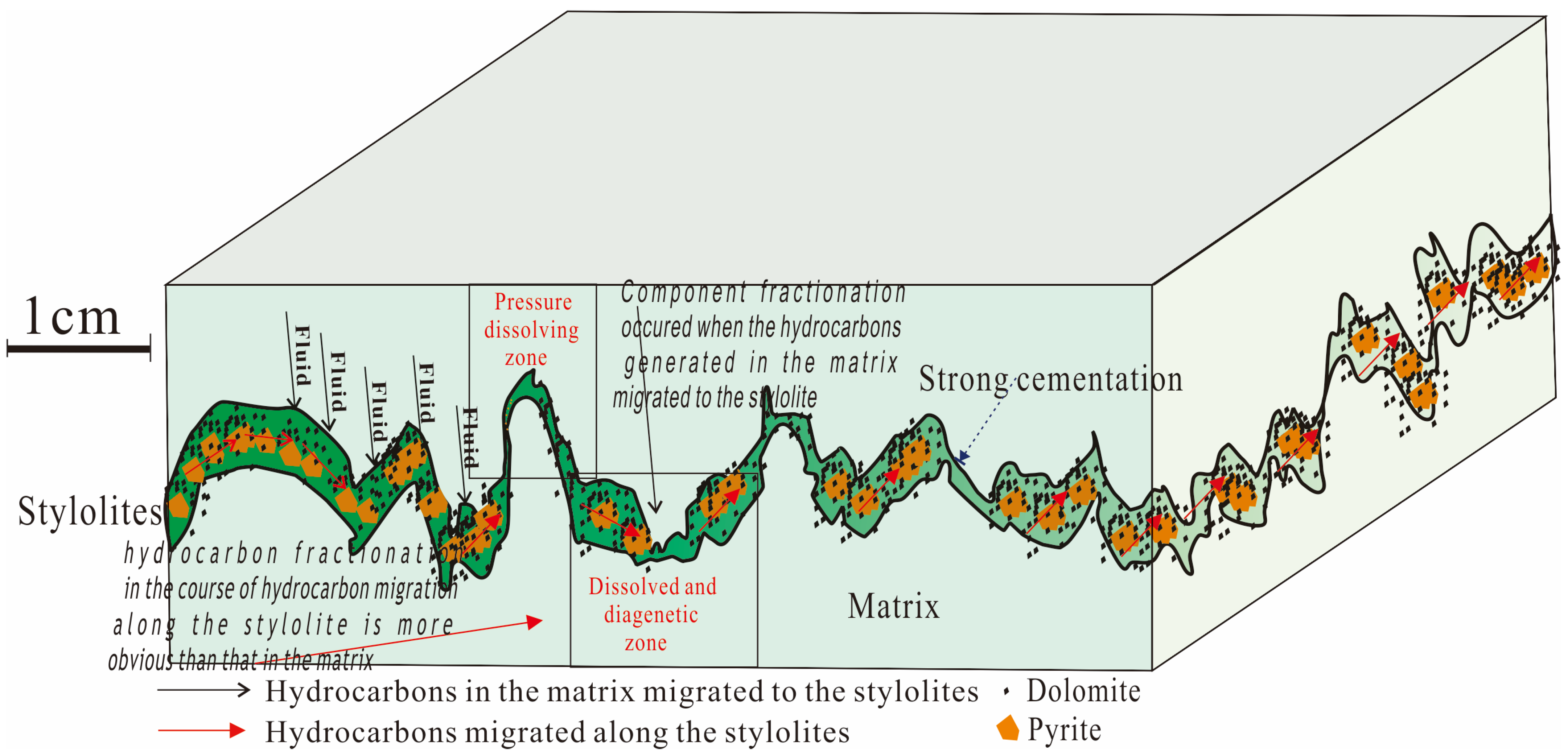
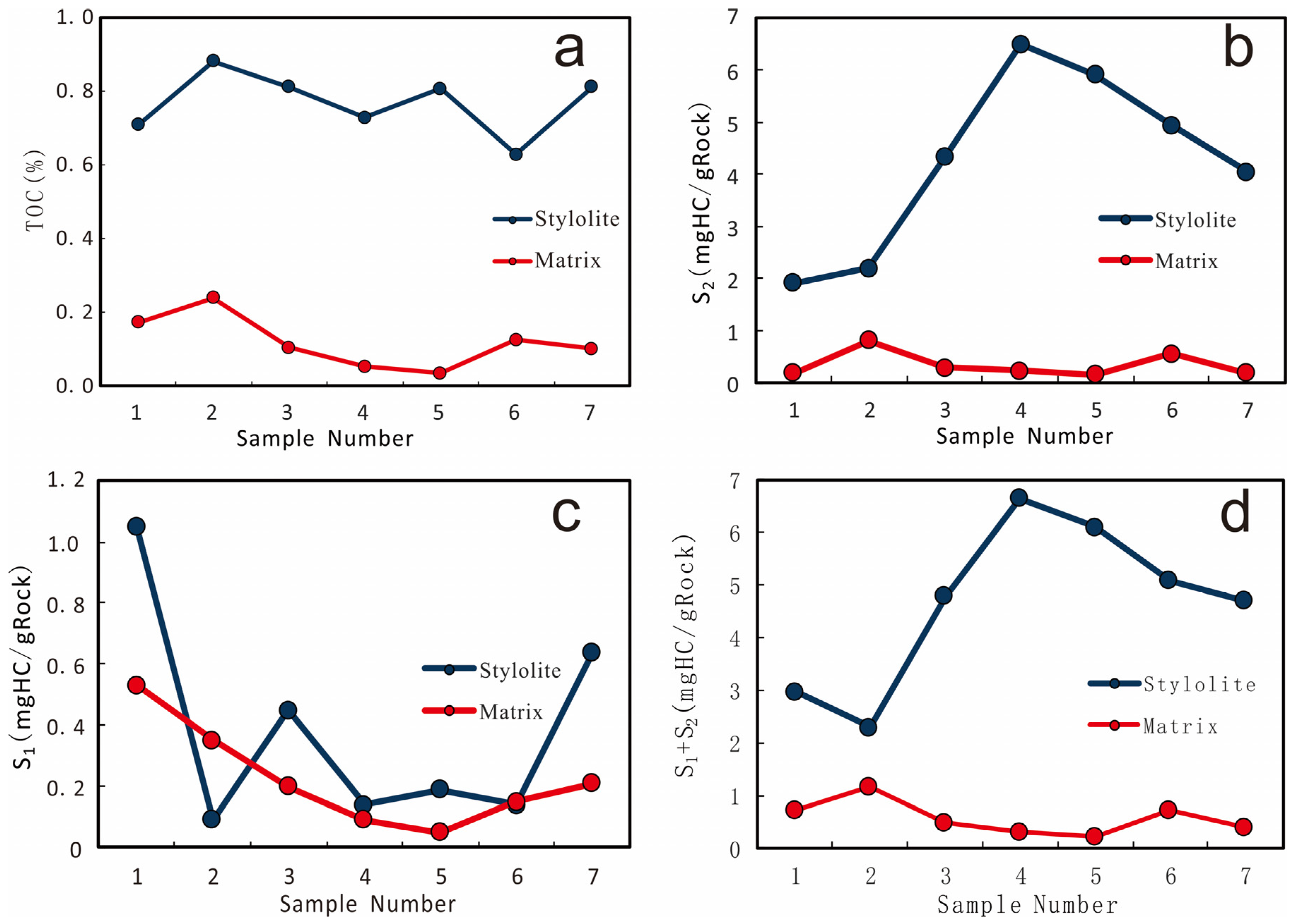
Carbonate rocks exhibit significant heterogeneity as both a source rock and reservoir. Stylolite formation plays a crucial role in the enrichment of organic matter and the migration of geofluids within carbonate rocks. In order to study the enrichment mechanism of organic matter and the geofluid migration mode in the stylolites developed in carbonate rocks, stylolite-bearing core samples from the Dachigan structural belt in the eastern Sichuan Basin were collected. The stylolites and matrix were subjected to the total organic carbon (TOC) test and Rock-Eval pyrolysis, thin-section observation under fluorescent light, whole-rock X-ray diffraction, carbon and oxygen isotope analysis, and scanning electron microscopy. The organic matter occurring in the stylolites is mainly in the form of three types: soluble organic matter, pyrobitumen, and bitumen. This suggests that the organic matter within the stylolites mainly consists of secondary migrated organic matter. The stylolites also exhibit well-developed secondary dolomite and pyrite resulting from late-diagenetic recrystallization. These minerals contribute to the preservation of intercrystalline pore spaces and fractures, providing favorable conditions for oil and gas accumulation and migration. The strong cementation observed at the contact between the stylolites and matrix, along with the presence of secondary minerals nearby, may be attributed to the fractionation of light and heavy oil components during the migration of hydrocarbon fluids from the matrix to the stylolites. The thicknesses of the stylolites vary within the bulk, indicating severe diagenesis in thinner areas. Consequently, this leads to significant fractionation effects. The fractionation of crude oil components by stylolites poses challenges for the study of definitive oil–source correlations. To overcome these challenges, future research could investigate biomarker compounds to attempt oil–source correlations. Additionally, future efforts should take into consideration the spatial variation in the crude oil properties. Understanding the role of stylolites in organic matter enrichment and geofluid migration is crucial for optimizing exploration strategies in the Sichuan Basin, a region of growing importance in the energy industry. Moreover, our findings shed light on the complex interactions within stylolite-bearing rocks, which are not limited to this specific basin. These insights offer valuable contributions to the broader field of geology and reservoir characterization, enhancing our ability to predict and interpret similar geological formations globally.
Keywords: carbon and oxygen isotopes; organic matter; fluid migration; stylolites; carbonate rock carbon and oxygen isotopes; organic matter; fluid migration; stylolites; carbonate rock