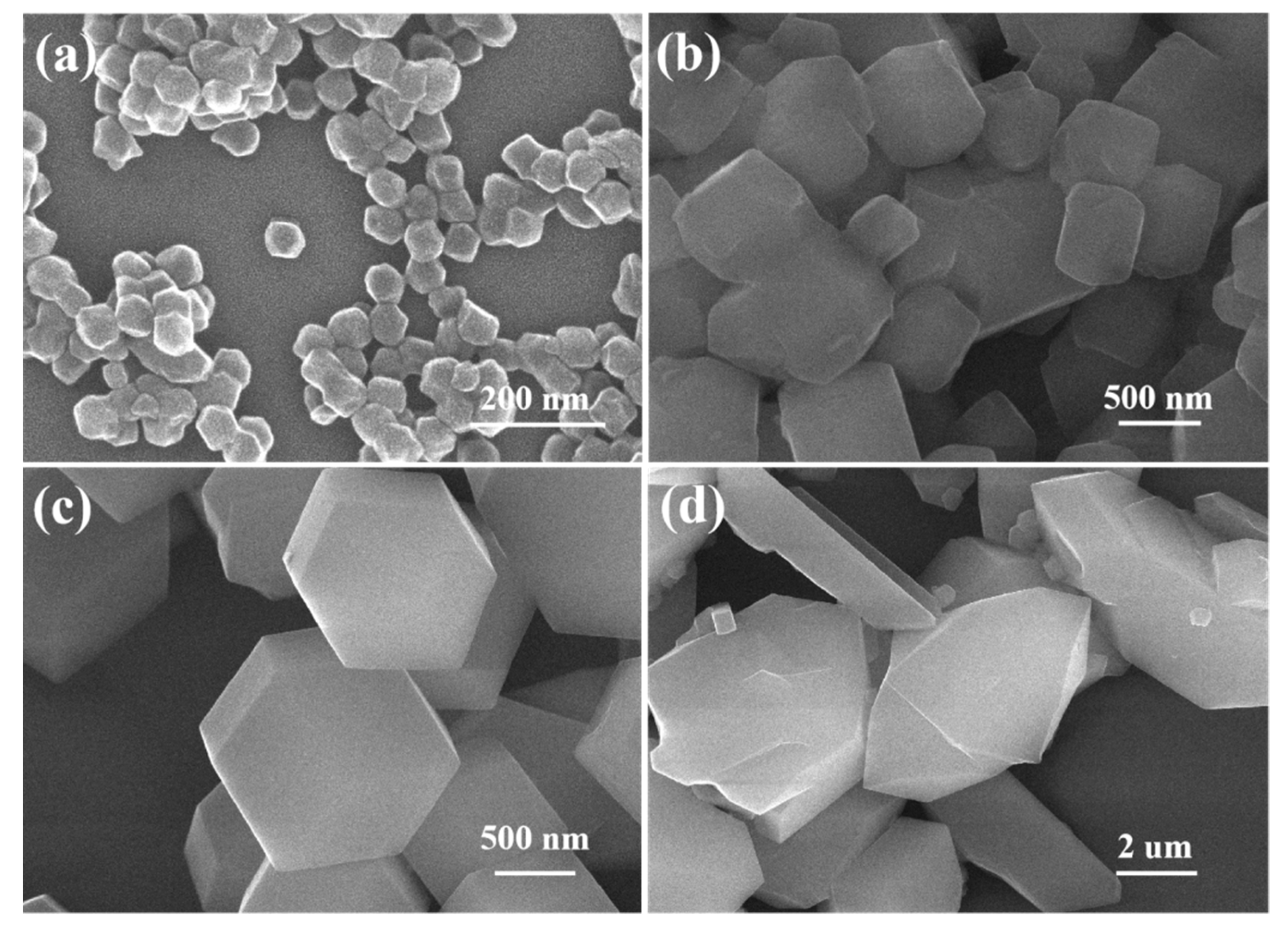
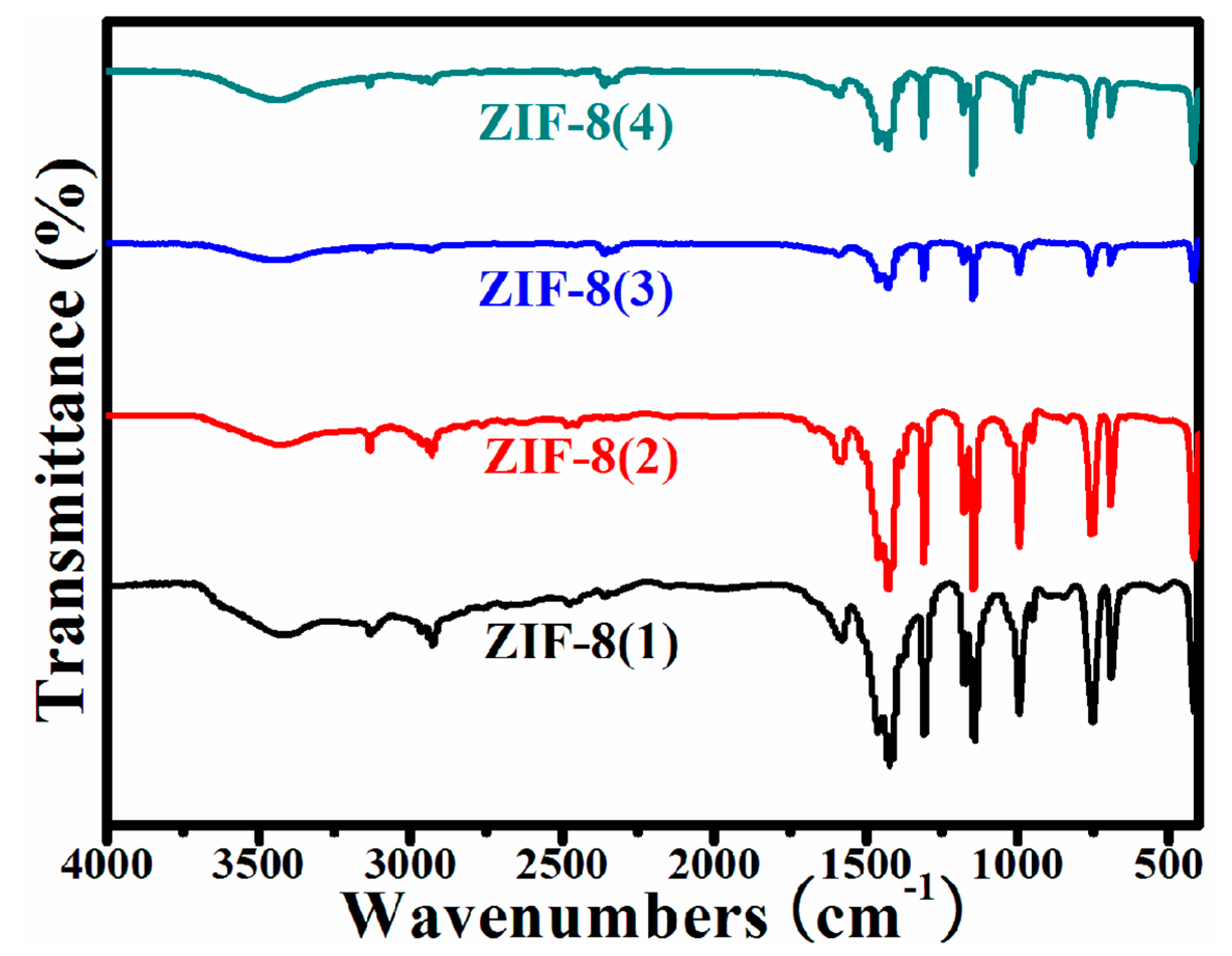
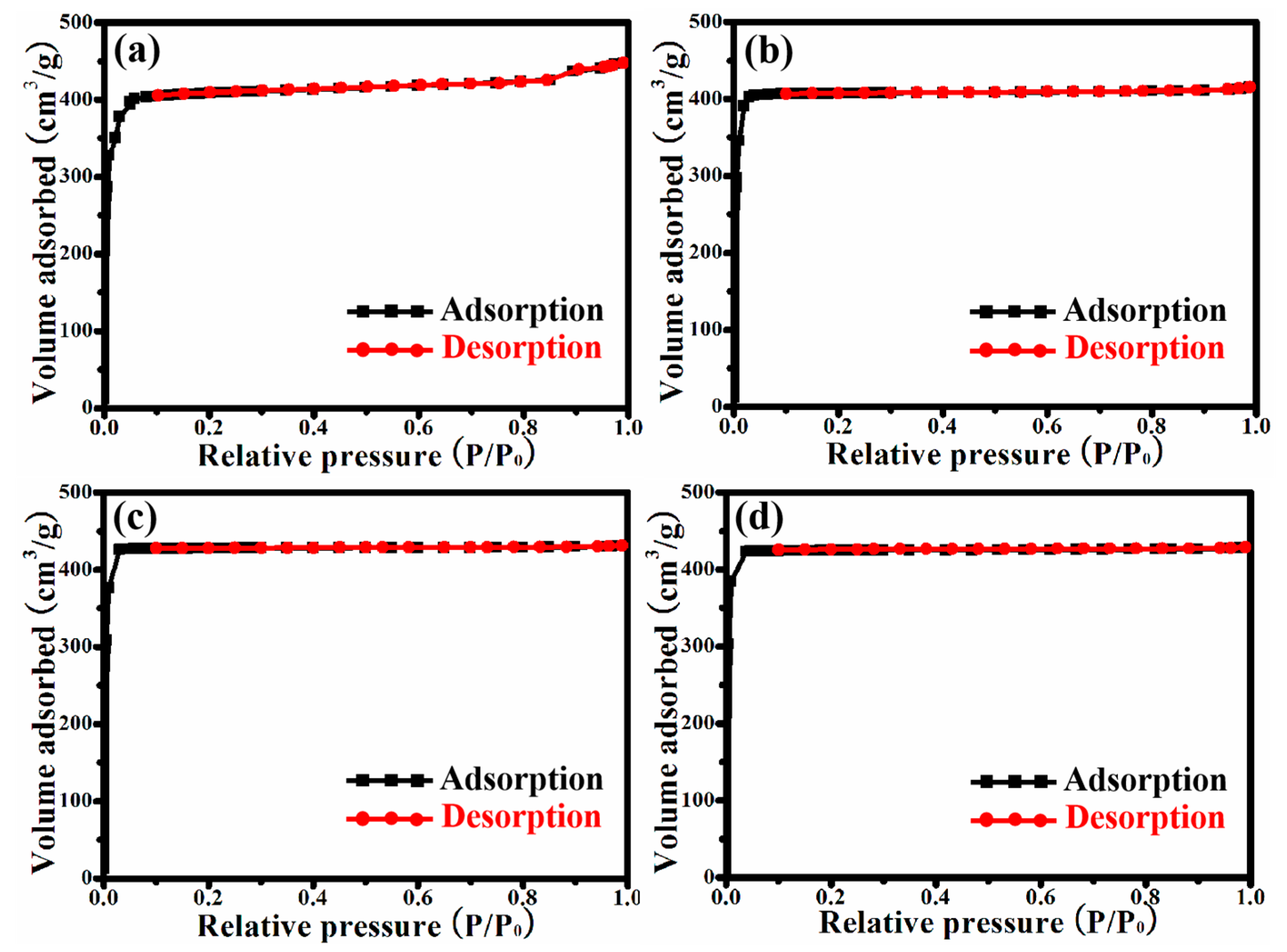
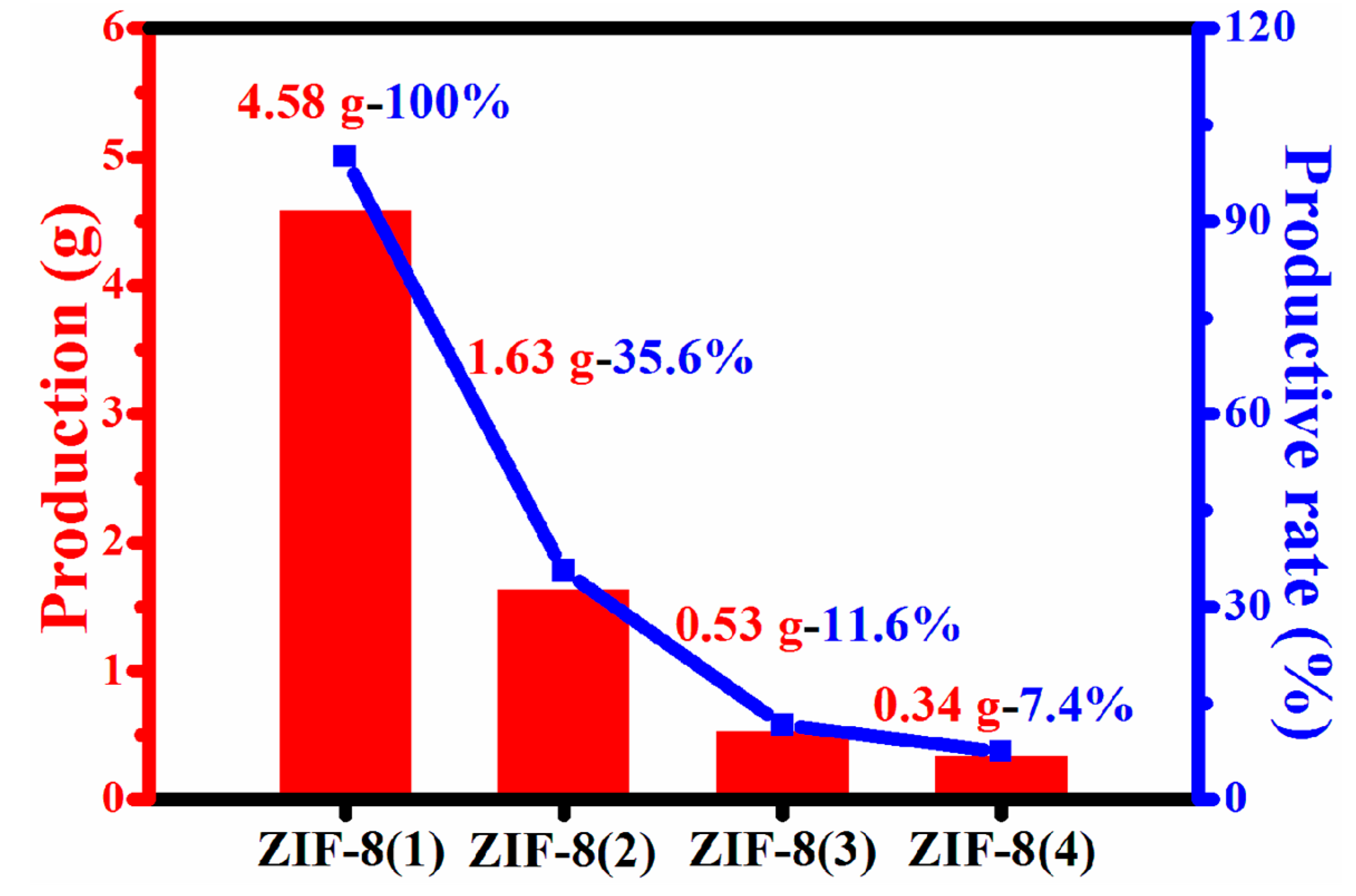
Exploring the Influence of the Reused Methanol Solution for the Structure and Properties of the Synthesized ZIF-8
Abstract
Share and Cite
Yang, X.; Song, T.; Su, T.; Hu, J.; Wu, S. Exploring the Influence of the Reused Methanol Solution for the Structure and Properties of the Synthesized ZIF-8. Processes 2022, 10, 1705. https://doi.org/10.3390/pr10091705
Yang X, Song T, Su T, Hu J, Wu S. Exploring the Influence of the Reused Methanol Solution for the Structure and Properties of the Synthesized ZIF-8. Processes. 2022; 10(9):1705. https://doi.org/10.3390/pr10091705
Chicago/Turabian StyleYang, Xiaobing, Tiantian Song, Taichao Su, Jiapeng Hu, and Shichao Wu. 2022. "Exploring the Influence of the Reused Methanol Solution for the Structure and Properties of the Synthesized ZIF-8" Processes 10, no. 9: 1705. https://doi.org/10.3390/pr10091705
APA StyleYang, X., Song, T., Su, T., Hu, J., & Wu, S. (2022). Exploring the Influence of the Reused Methanol Solution for the Structure and Properties of the Synthesized ZIF-8. Processes, 10(9), 1705. https://doi.org/10.3390/pr10091705