Article

Physical and Mechanical Characterization of a Functionalized Cotton Fabric with Nanocomposite Based on Silver Nanoparticles and Carboxymethyl Chitosan Using Green Chemistry
by
Linda Gabriela Quispe-Quispe
1,
Patricia Limpe-Ramos
2,
Carlos Alberto Arenas-Chávez
3,
Monica Marcela Gomez
4,
Christian R. Mejia
5,
Aldo Alvarez-Risco
6,
Shyla Del-Aguila-Arcentales
7,
Jaime A. Yáñez
8,9,* and
Corina Vera-Gonzales
1
1
Departamento Académico de Química, Universidad Nacional de San Agustín de Arequipa, Arequipa 04000, Peru
2
Departamento Académico de Ingeniería Metalúrgica, Universidad Nacional San Antonio Abad del Cusco, Cusco 08000, Peru
3
Departamento Académico de Biología, Universidad Nacional de San Agustín de Arequipa, Arequipa 04000, Peru
4
Facultad de Ciencias, Universidad Nacional de Ingeniería (UNI), Lima 15333, Peru
5
Escuela Profesional de Medicina Humana, Universidad Continental, Huancayo 12000, Peru
6
Carrera de Negocios Internacionales, Facultad de Ciencias Empresariales y Económicas, Universidad de Lima, Lima 15023, Peru
7
Escuela Nacional de Marina Mercante “Almirante Miguel Grau”, Callao 07021, Peru
8
Vicerrectorado de Investigación, Universidad Norbert Wiener, Lima 15046, Peru
9
Gerencia Corporativa de Asuntos Científicos y Regulatorios, Teoma Global, Lima 15073, Peru
*
Author to whom correspondence should be addressed.
Processes 2022, 10(6), 1207; https://doi.org/10.3390/pr10061207
Submission received: 20 April 2022 / Revised: 28 May 2022 / Accepted: 30 May 2022 / Published: 17 June 2022
(This article belongs to the Section Pharmaceutical Processes)

Abstract

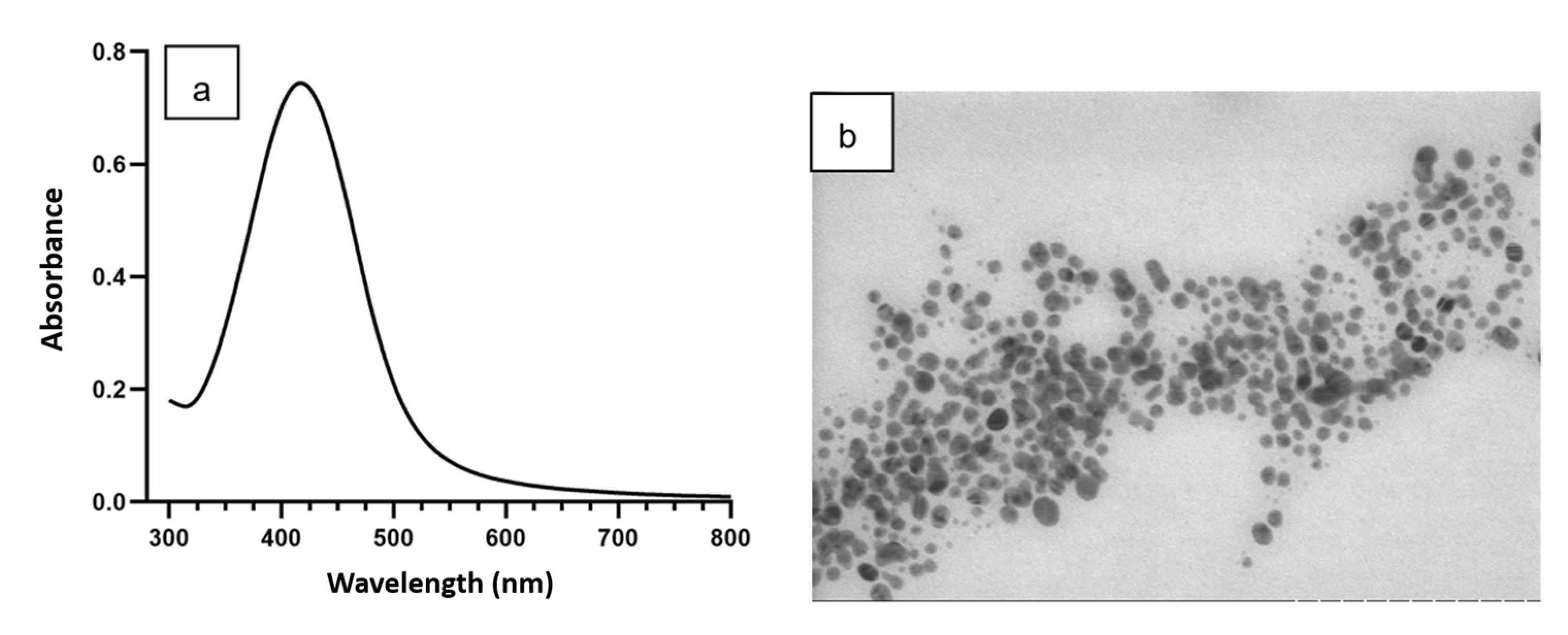
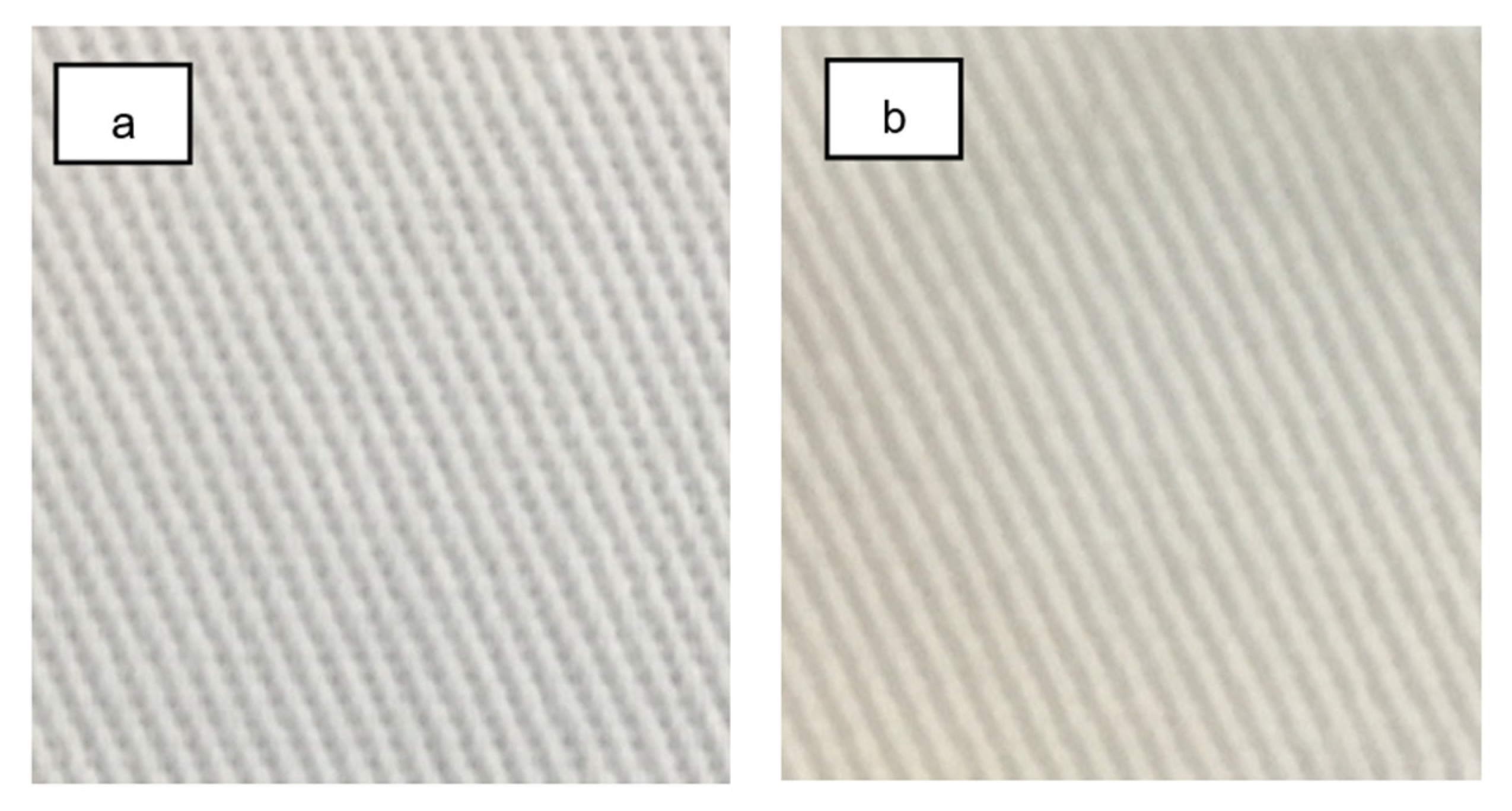
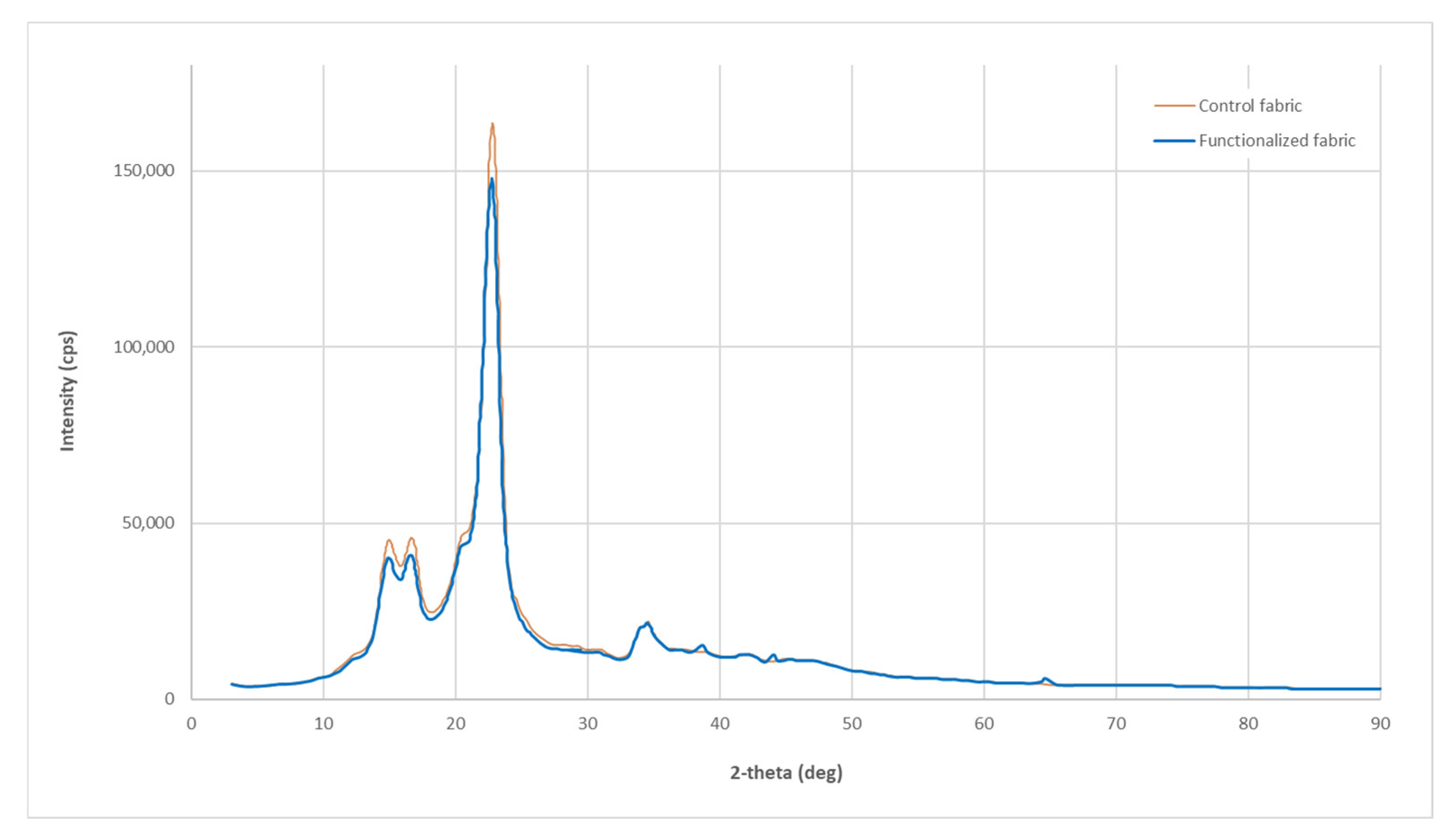
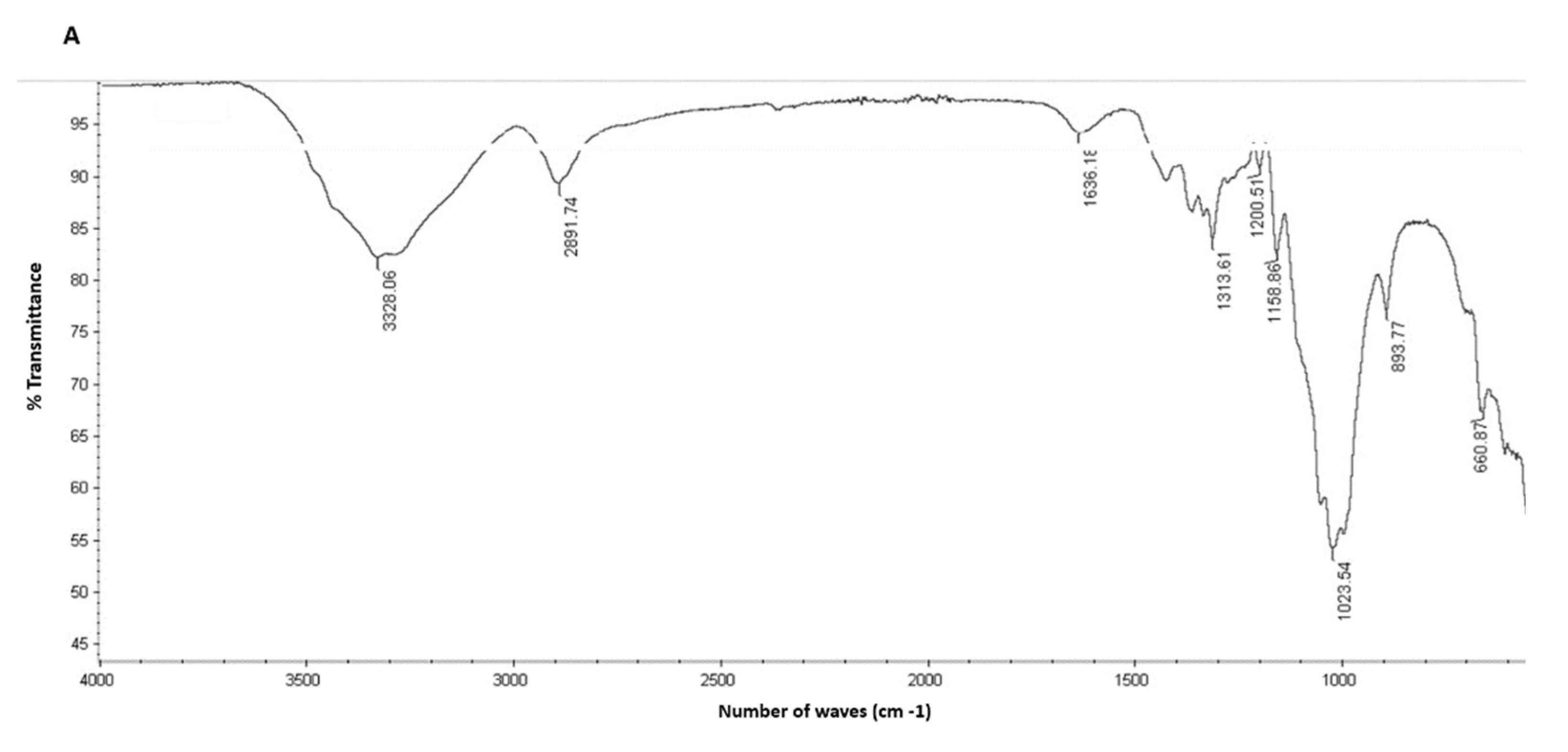
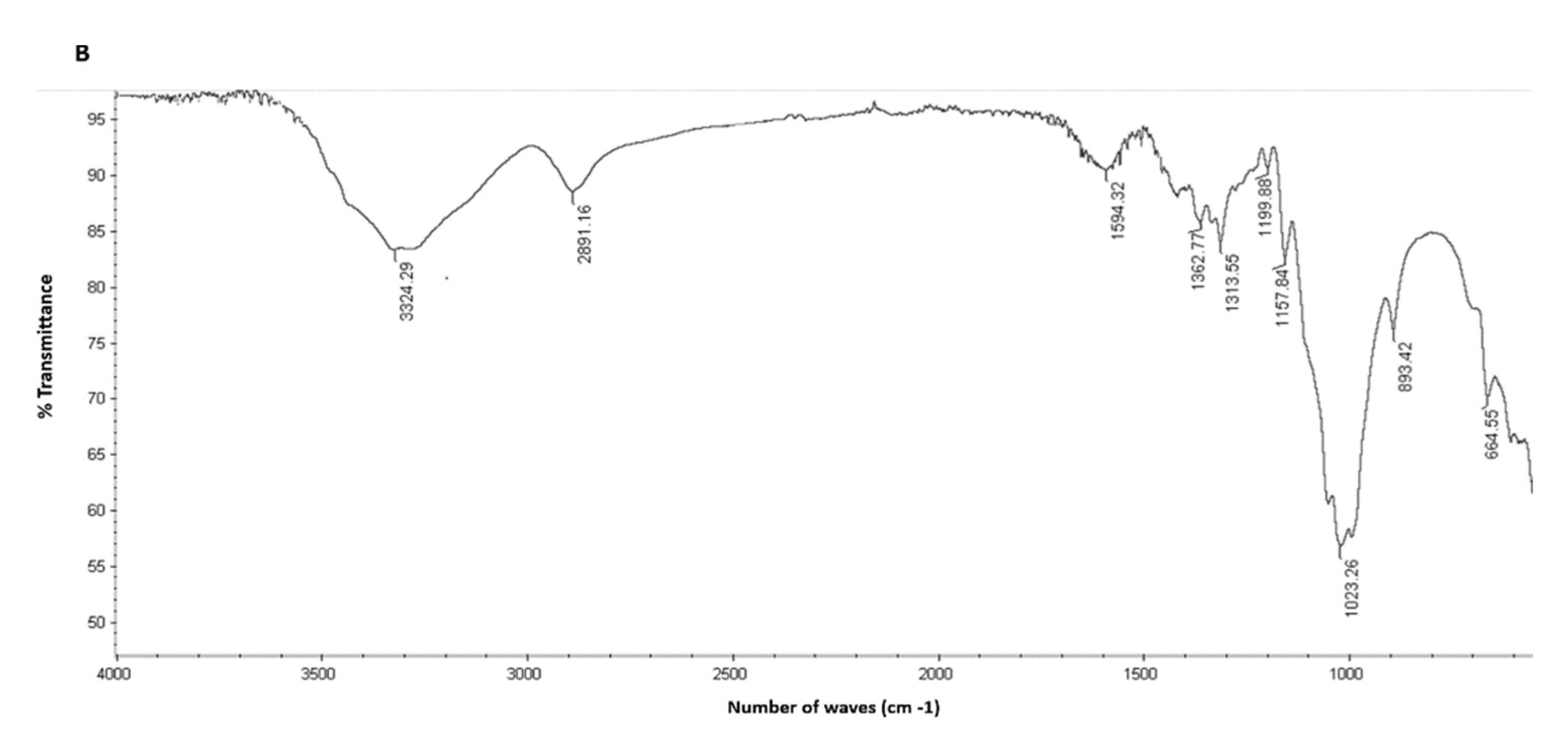
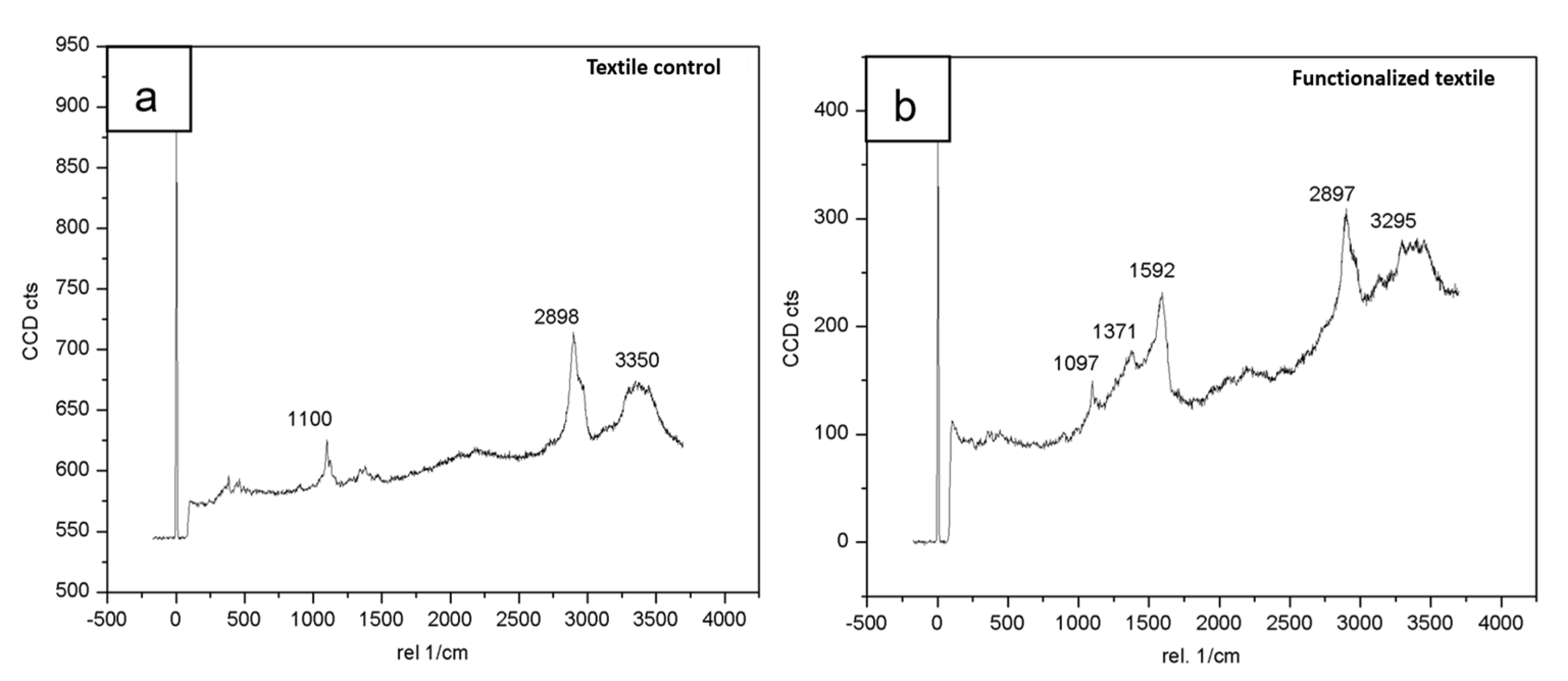
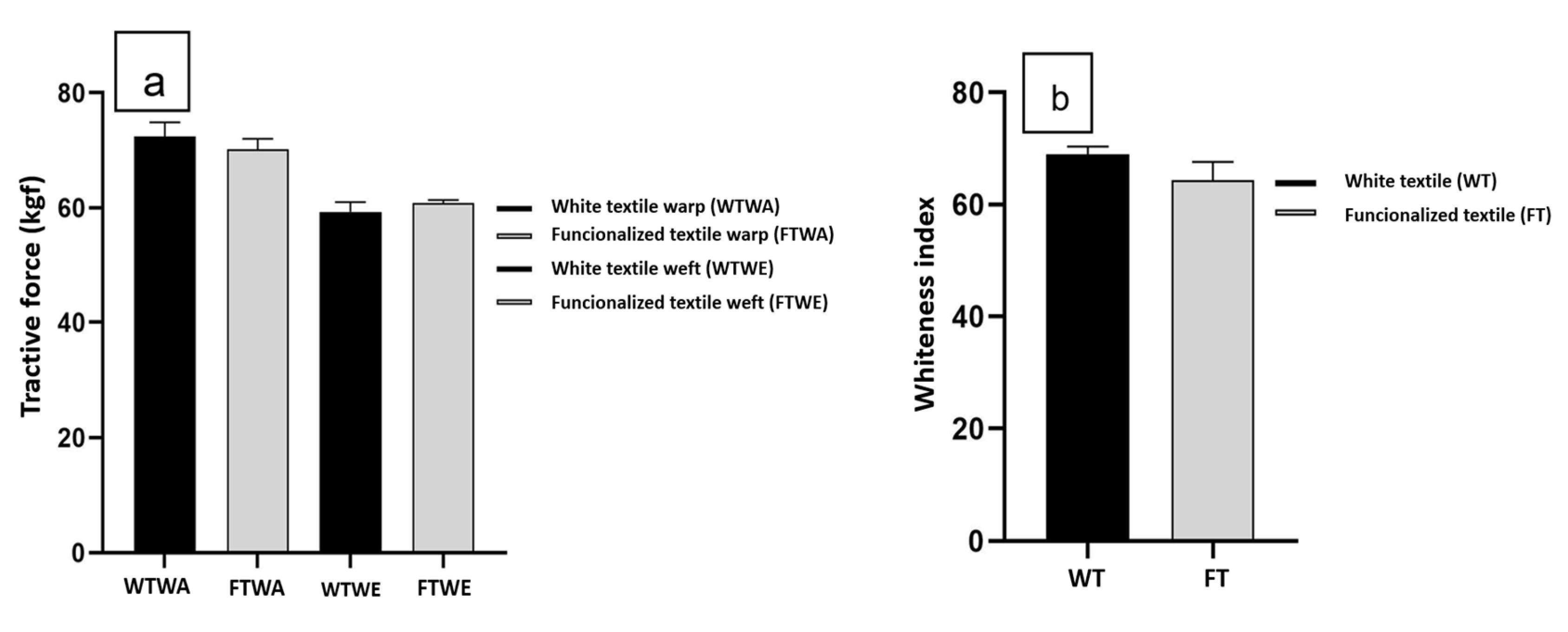
Cotton is the most widely used natural fiber for textiles but its innate capacity to absorb moisture, retain oxygen, and high specific surface area make it more prone to microbial contamination, becoming an appropriate medium for the growth of bacteria and fungi. In recent years, the incorporation of silver nanoparticles in textile products has been widely used due to their broad-spectrum antibacterial activity and low toxicity towards mammalian cells. The aim of the current study is to synthesize and characterize a nanocomposite based on silver nanoparticles and carboxymethyl chitosan (AgNPs-CMC), which was utilized to provide a functional finish to cotton fabric. The scanning electron microscope (SEM) to produce a scanning transmission electron microscope (STEM) image showed that the nanocomposite presents AgNPs with a 5–20 nm size. The X-ray diffraction (XRD) analysis confirmed the presence of silver nanoparticles. The concentration of silver in the functionalized fabric was evaluated by inductively coupled plasma optical emission spectrometry (ICP-OES), which reported an average concentration of 13.5 mg of silver per kg of functionalized fabric. SEM showed that silver nanoparticles present a uniform distribution on the surface of the functionalized cotton fabric fibers. On the other hand, by infrared spectroscopy, it was observed that the functionalized fabric variation (compared to control) had a displaced peak of intensity at 1594.32 cm−1, corresponding to carboxylate anions. Similarly, Raman spectroscopy showed an intense peak at 1592.84 cm−1, which corresponds to the primary amino group of carboxymethyl chitosan, and a peak at 1371.5 cm−1 corresponding to the carboxylic anions. Finally, the physical and mechanical tests of tensile strength and color index of the functional fabric reported that it was no different (p ˃ 0.05) than the control fabric. Our results demonstrate that we have obtained an improved functionalized cotton fabric using green chemistry that does not alter intrinsic properties of the fabric and has the potential to be utilized in the manufacturing of hospital garments.
Keywords: nanocomposite; functionalized fabric; nanocomposite; functionalized cotton fabric; tensile strength; color index nanocomposite; functionalized fabric; nanocomposite; functionalized cotton fabric; tensile strength; color index