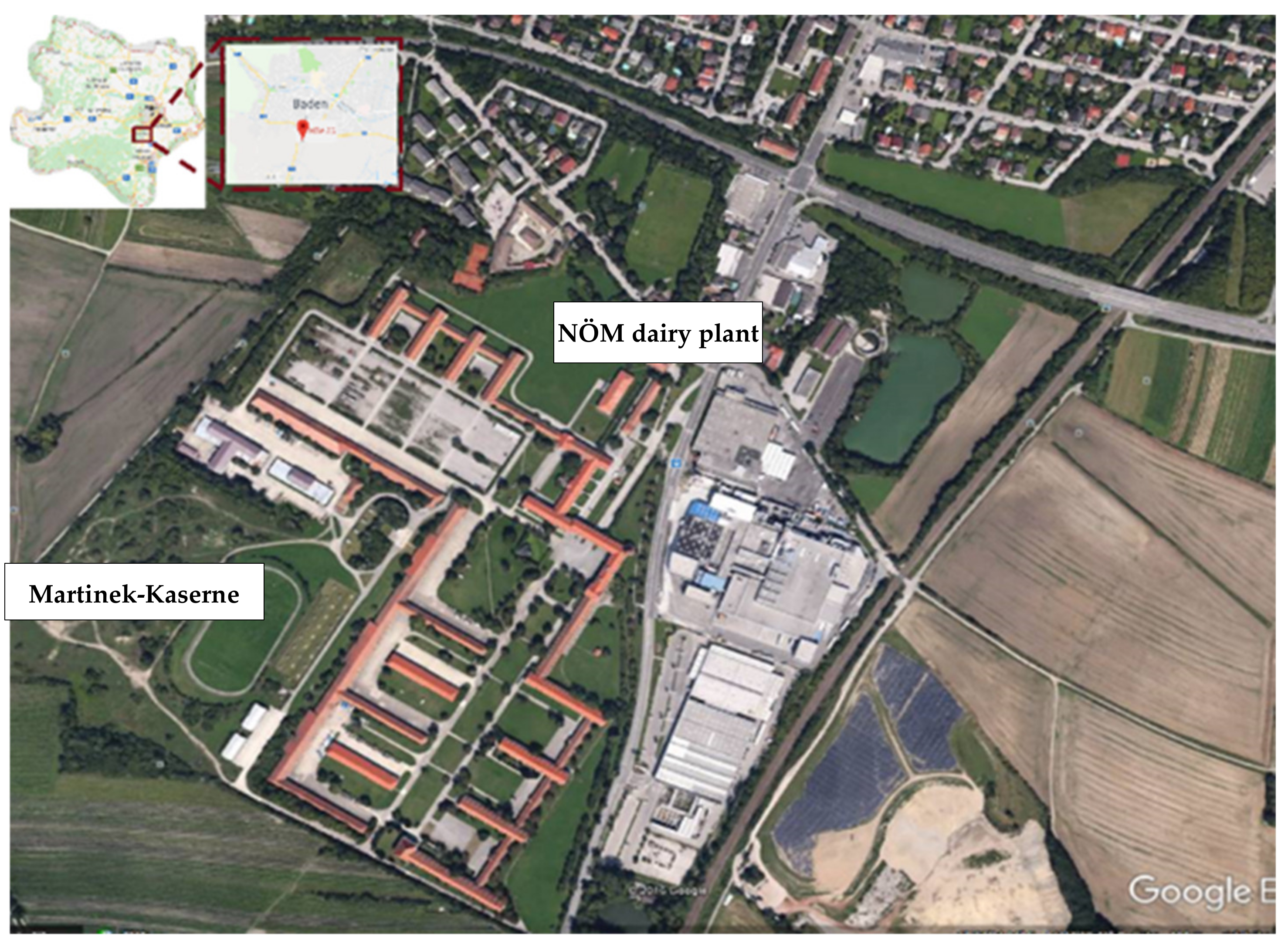
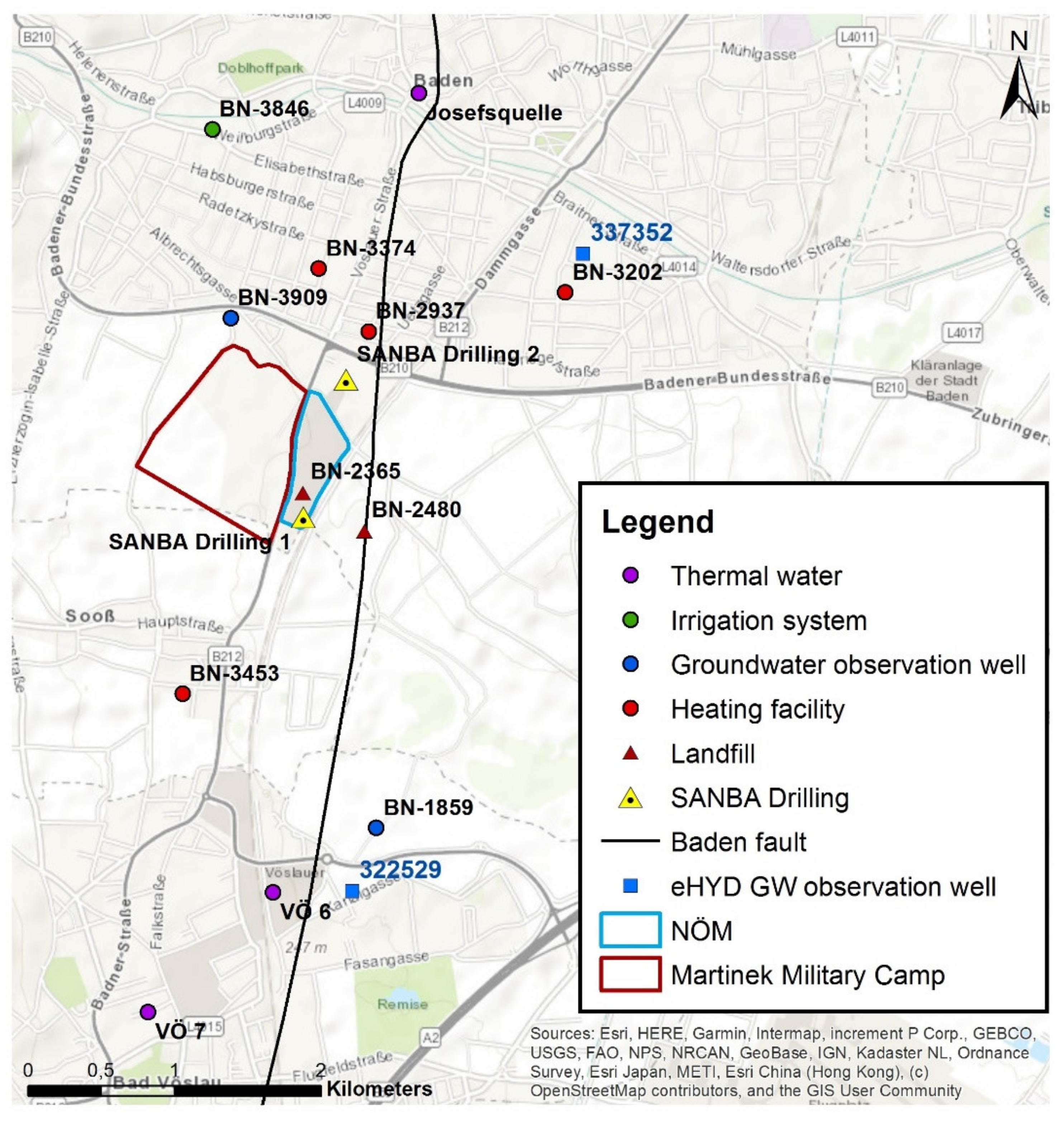
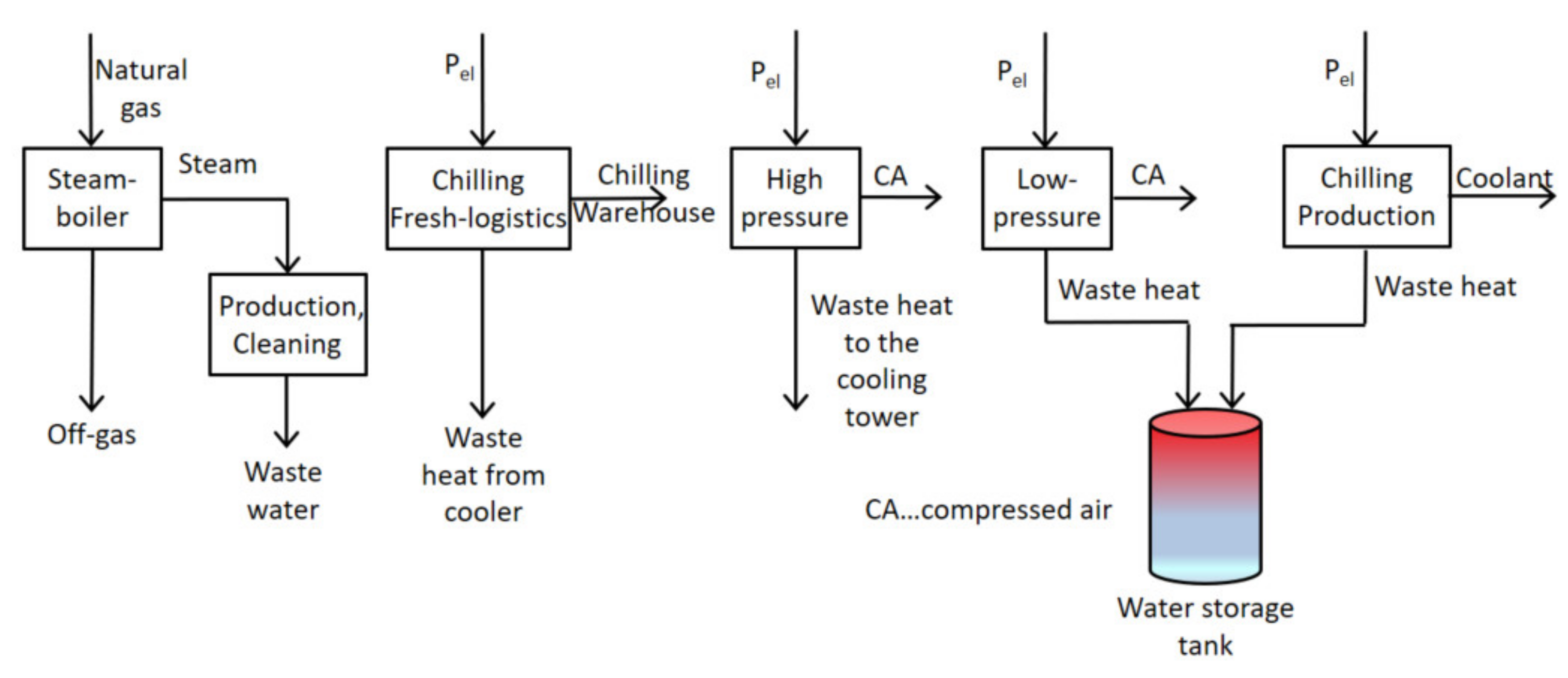
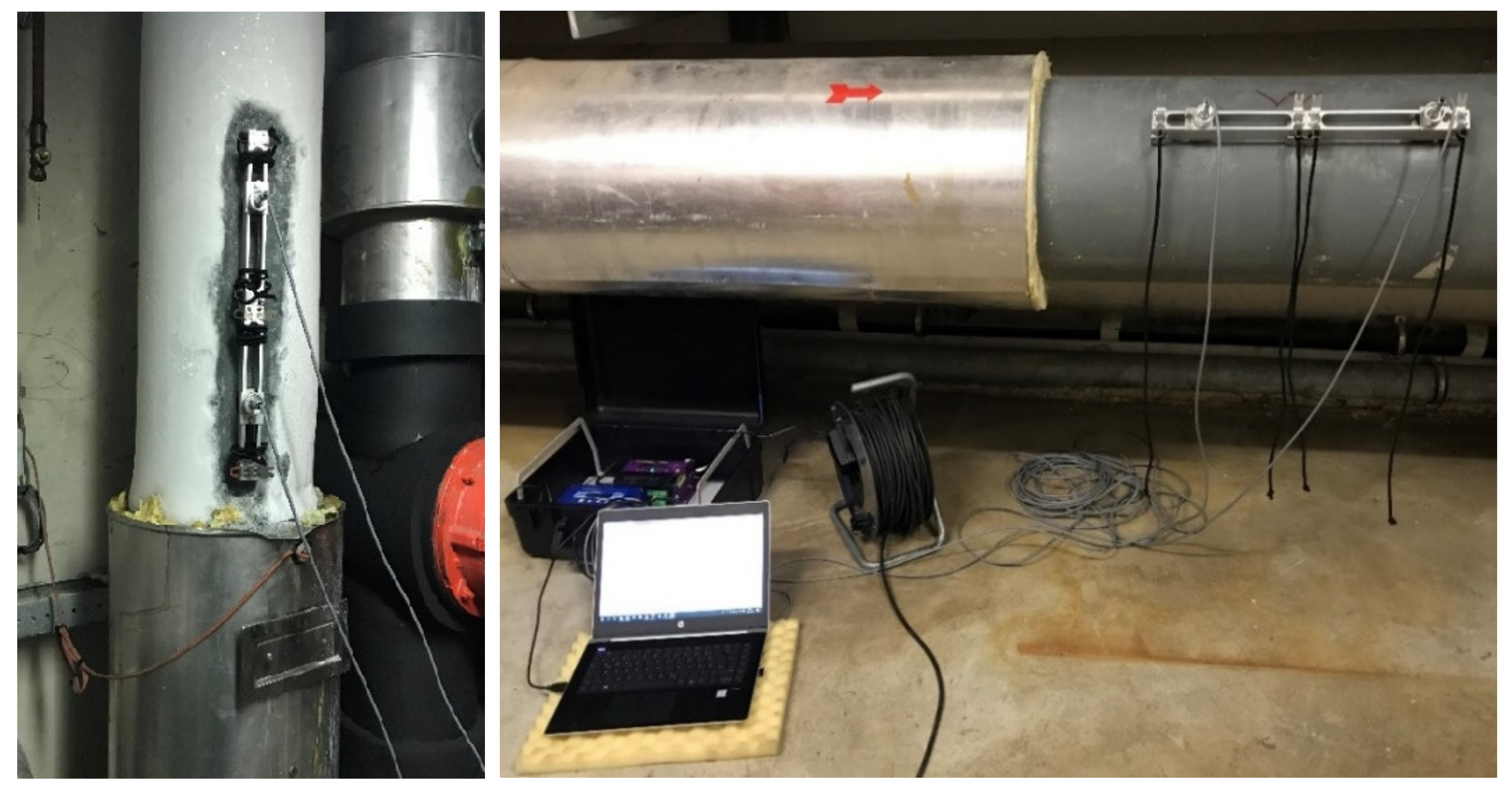
Assessment of Deep and Shallow Geothermal Resources and Measurement of Waste Heat Potentials from Industrial Processes for Supplying Renewable Heat for Industry and Urban Quarters


Abstract
Share and Cite
Haslinger, E.; Turewicz, V.; Hammer, A.; Götzl, G. Assessment of Deep and Shallow Geothermal Resources and Measurement of Waste Heat Potentials from Industrial Processes for Supplying Renewable Heat for Industry and Urban Quarters. Processes 2022, 10, 1125. https://doi.org/10.3390/pr10061125
Haslinger E, Turewicz V, Hammer A, Götzl G. Assessment of Deep and Shallow Geothermal Resources and Measurement of Waste Heat Potentials from Industrial Processes for Supplying Renewable Heat for Industry and Urban Quarters. Processes. 2022; 10(6):1125. https://doi.org/10.3390/pr10061125
Chicago/Turabian StyleHaslinger, Edith, Veronika Turewicz, Andreas Hammer, and Gregor Götzl. 2022. "Assessment of Deep and Shallow Geothermal Resources and Measurement of Waste Heat Potentials from Industrial Processes for Supplying Renewable Heat for Industry and Urban Quarters" Processes 10, no. 6: 1125. https://doi.org/10.3390/pr10061125
APA StyleHaslinger, E., Turewicz, V., Hammer, A., & Götzl, G. (2022). Assessment of Deep and Shallow Geothermal Resources and Measurement of Waste Heat Potentials from Industrial Processes for Supplying Renewable Heat for Industry and Urban Quarters. Processes, 10(6), 1125. https://doi.org/10.3390/pr10061125