Article

Supercritical Foaming and Impregnation of Polycaprolactone and Polycaprolactone-Hydroxyapatite Composites with Carvacrol
1
Faculty of Science, Aix-Marseille University, 13013 Marseille, France
2
High Pressure Processes Group, Department of Chemical Engineering and Environmental Technology, University of Valladolid, 47011 Valladolid, Spain
3
Packaging Innovation Center (LABEN), Department of Science and Food Technology, Faculty of Technology, University of Santiago of Chile (USACH), Santiago 9170201, Chile
4
Center for the Development of Nanoscience and Nanotechnology (CEDENNA), Santiago 9170124, Chile
5
Faculty of Chemistry, Wroclaw University of Science and Technology, 50-370 Wroclaw, Poland
*
Authors to whom correspondence should be addressed.
Processes 2022, 10(3), 482; https://doi.org/10.3390/pr10030482
Submission received: 30 January 2022 / Revised: 17 February 2022 / Accepted: 22 February 2022 / Published: 27 February 2022
(This article belongs to the Section Chemical Processes and Systems)

Abstract

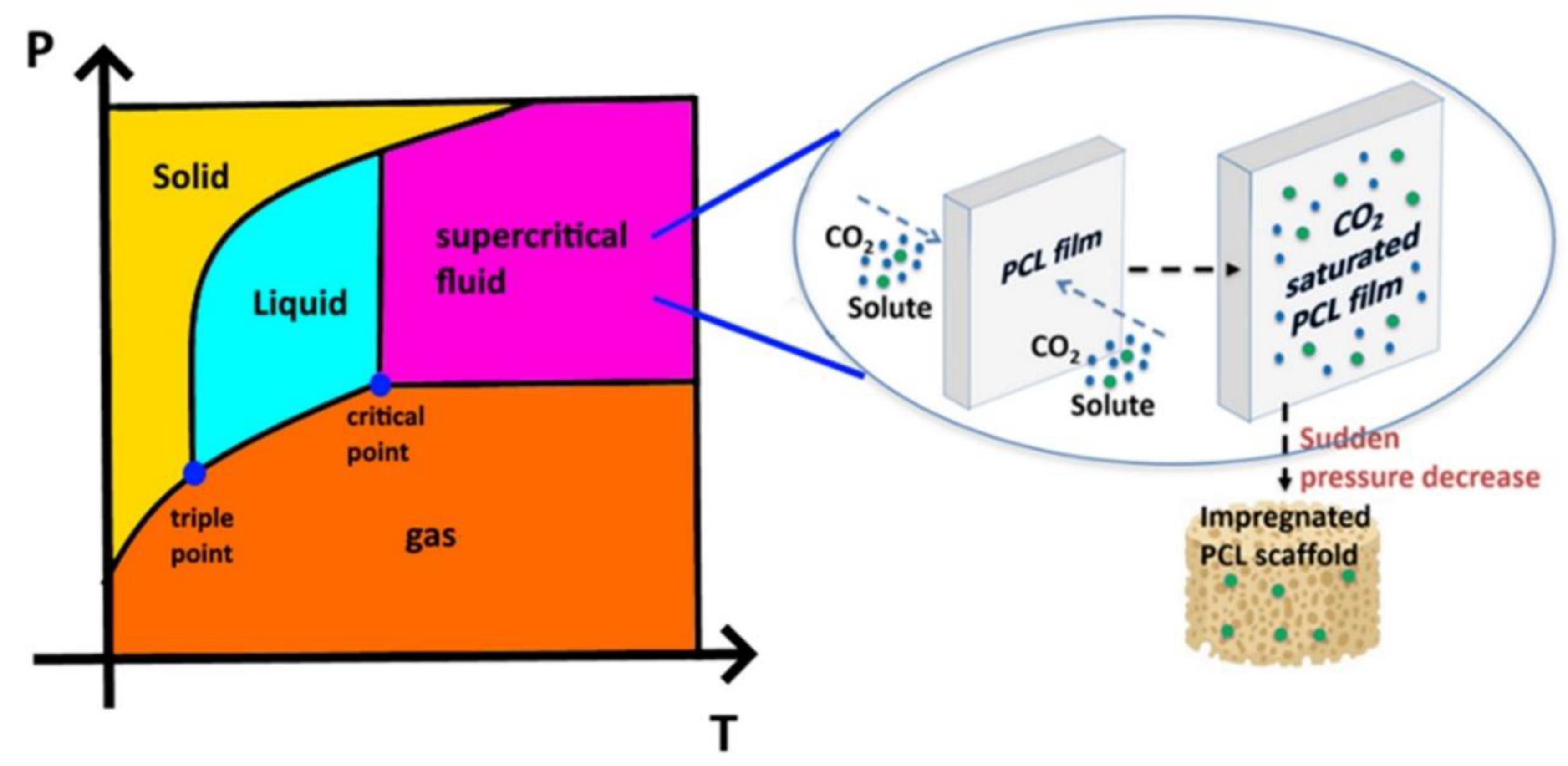
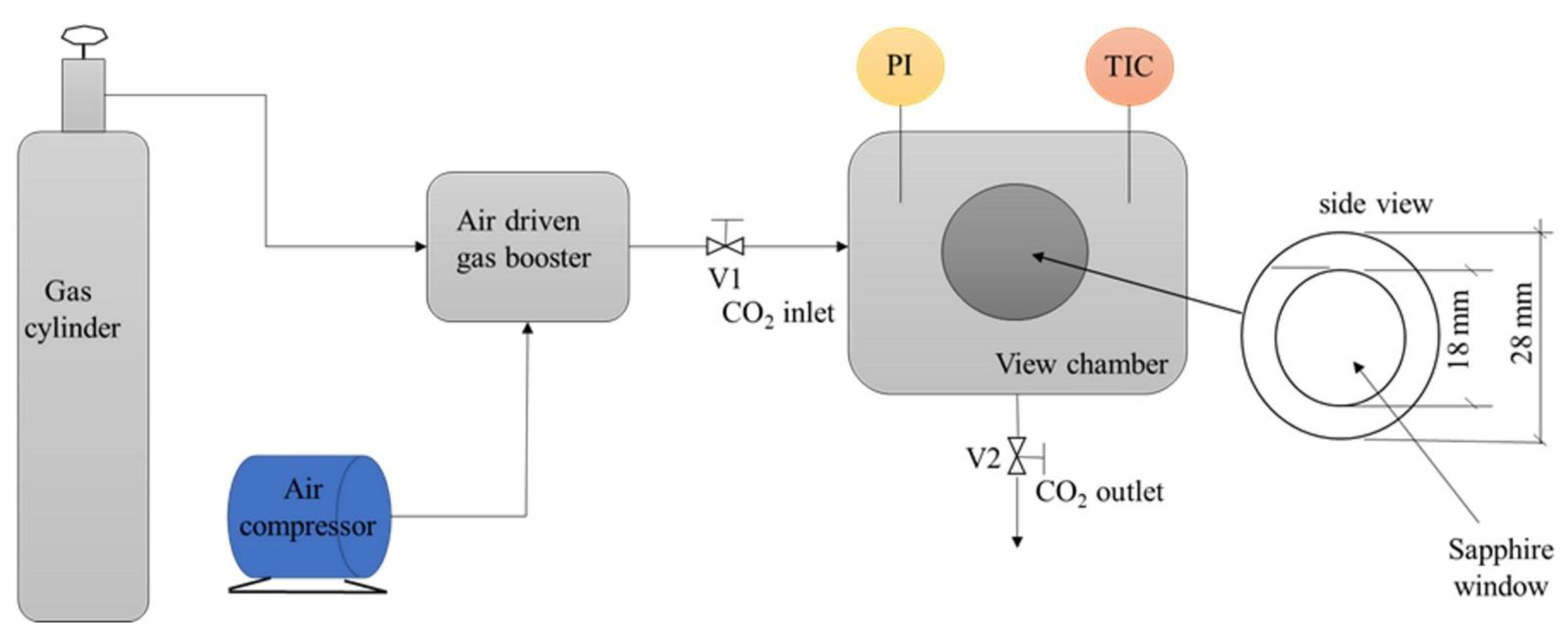
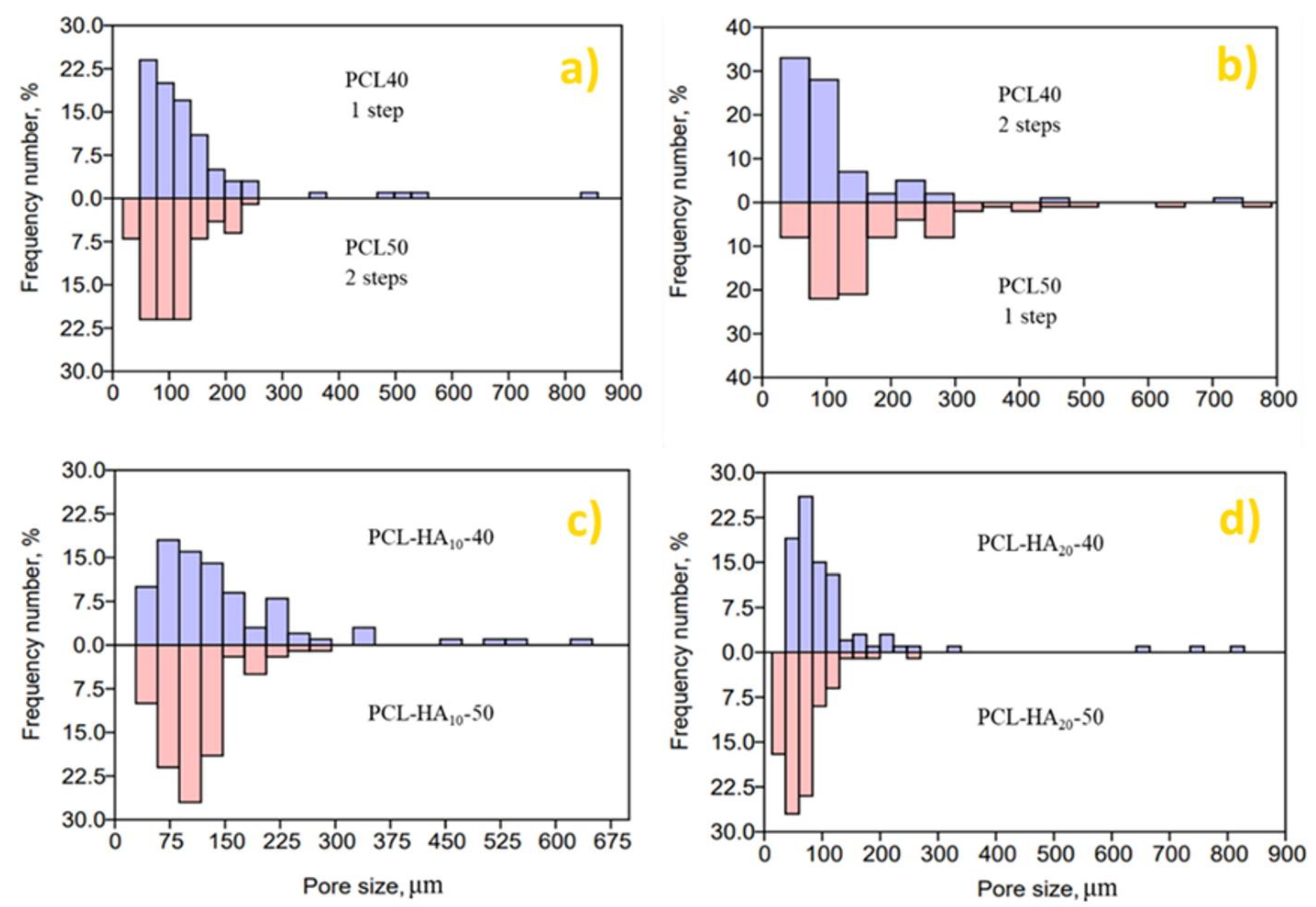
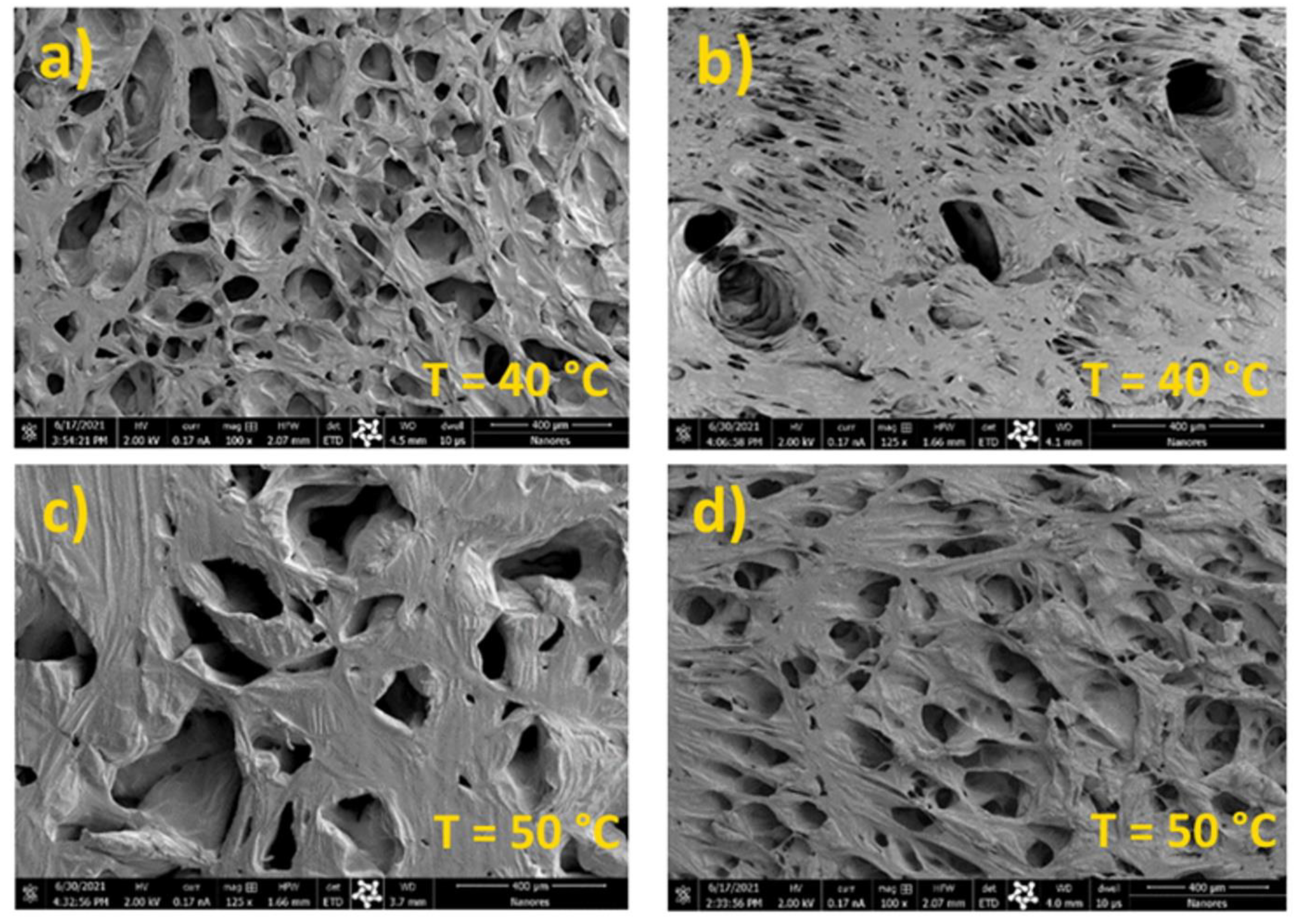
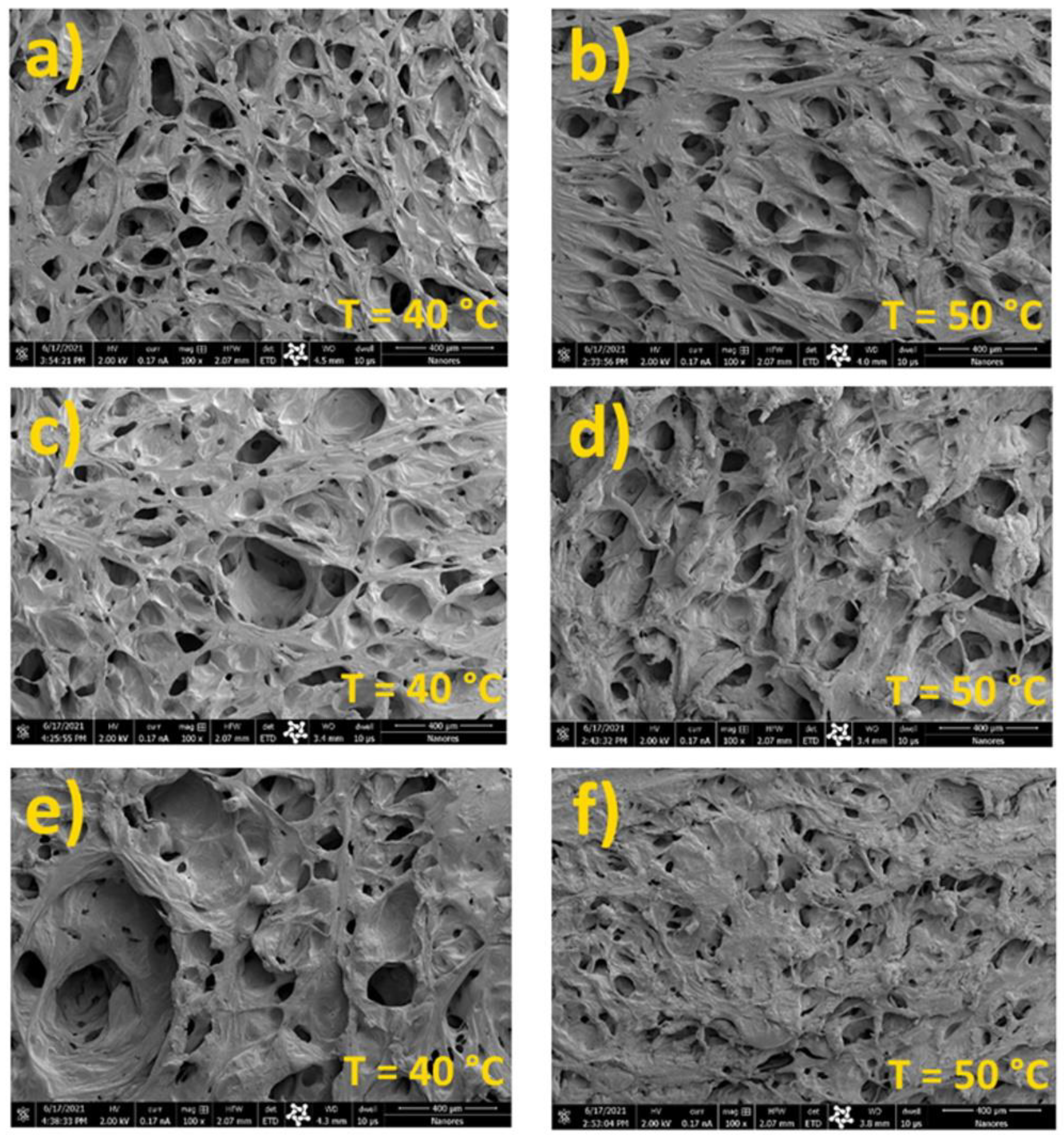
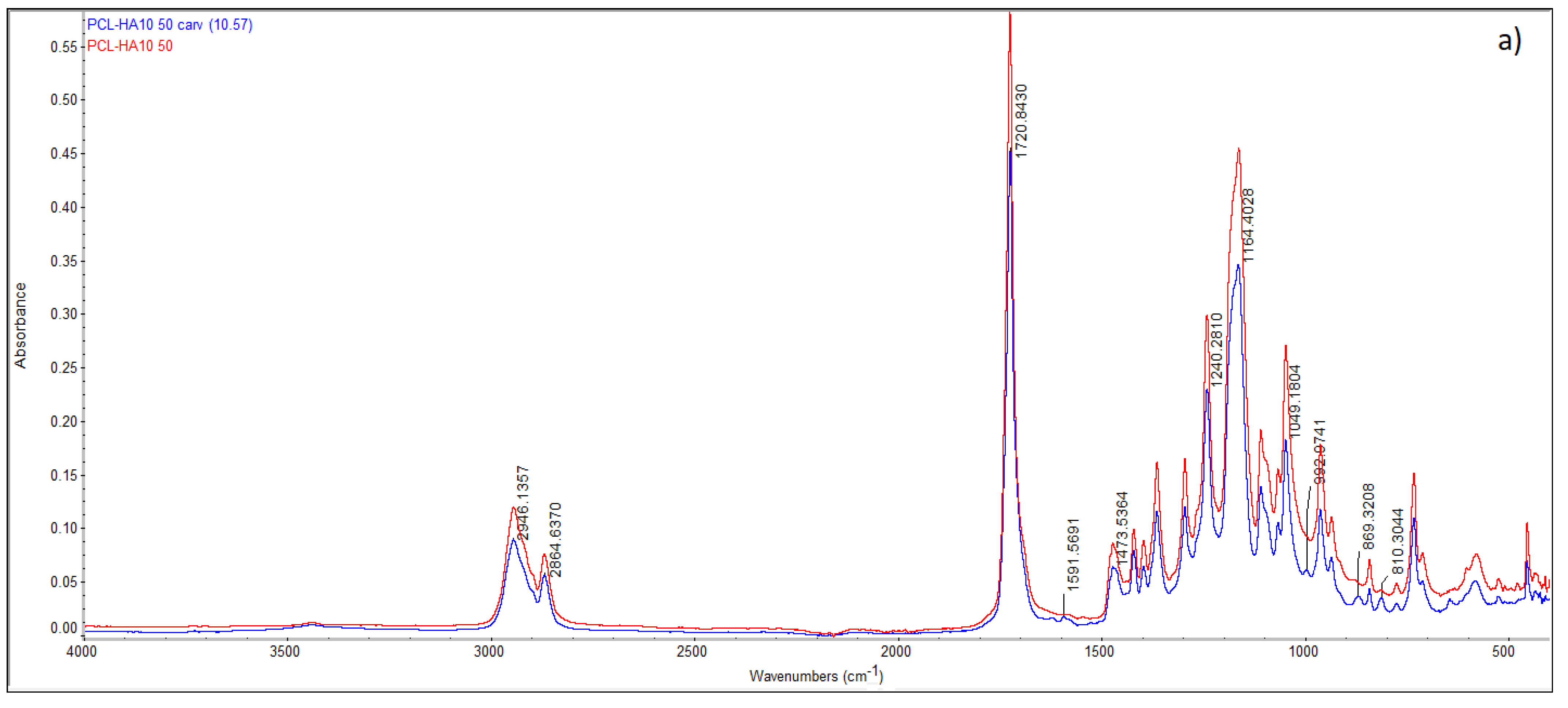
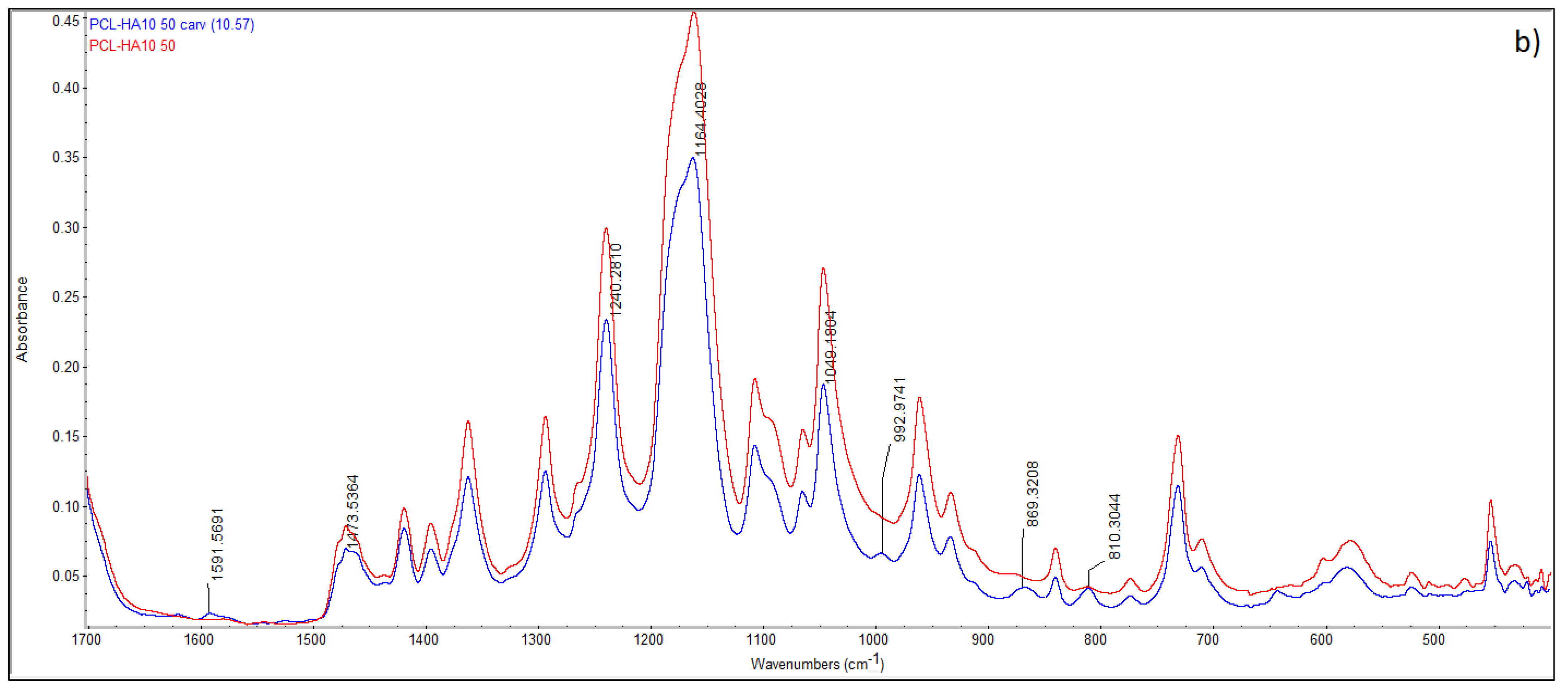
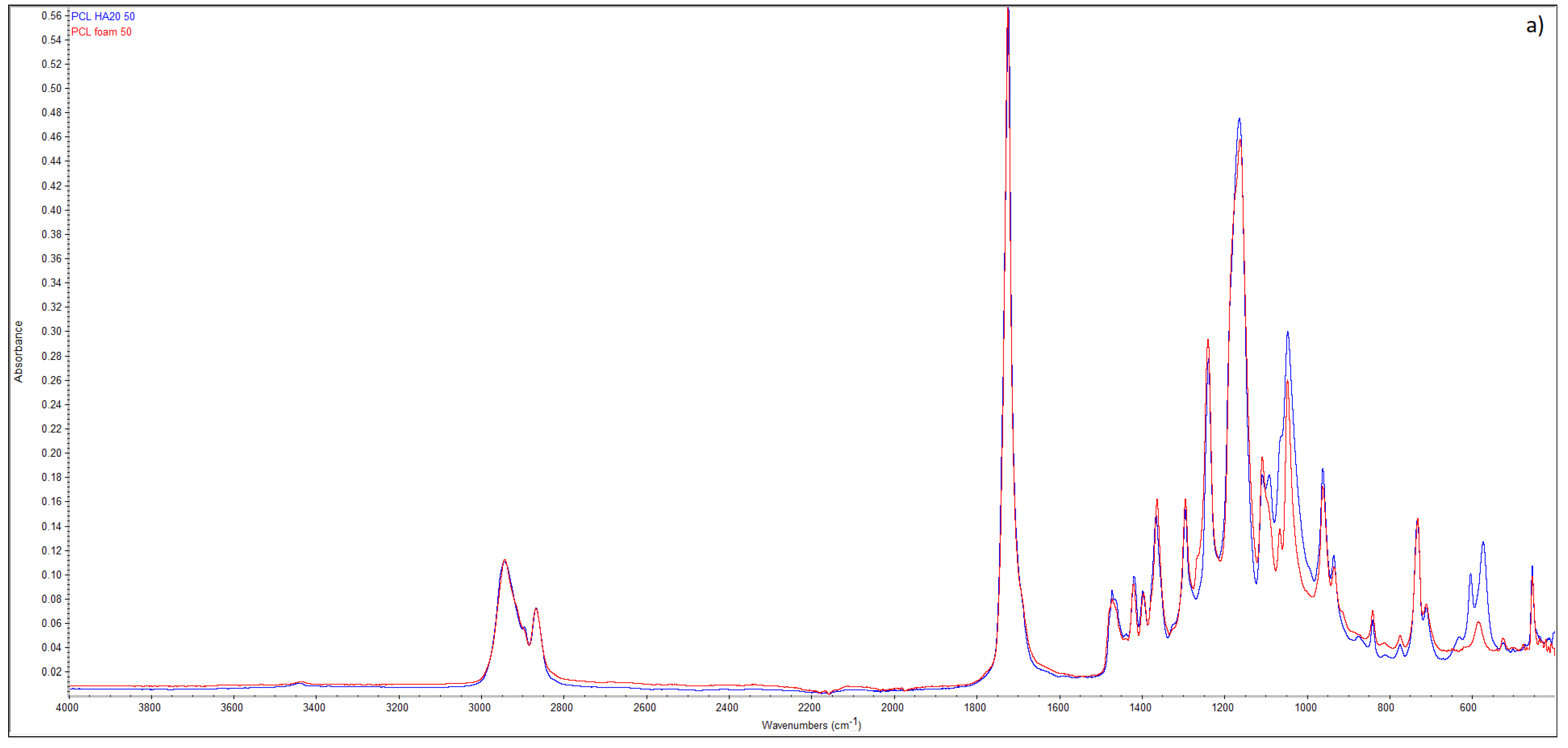
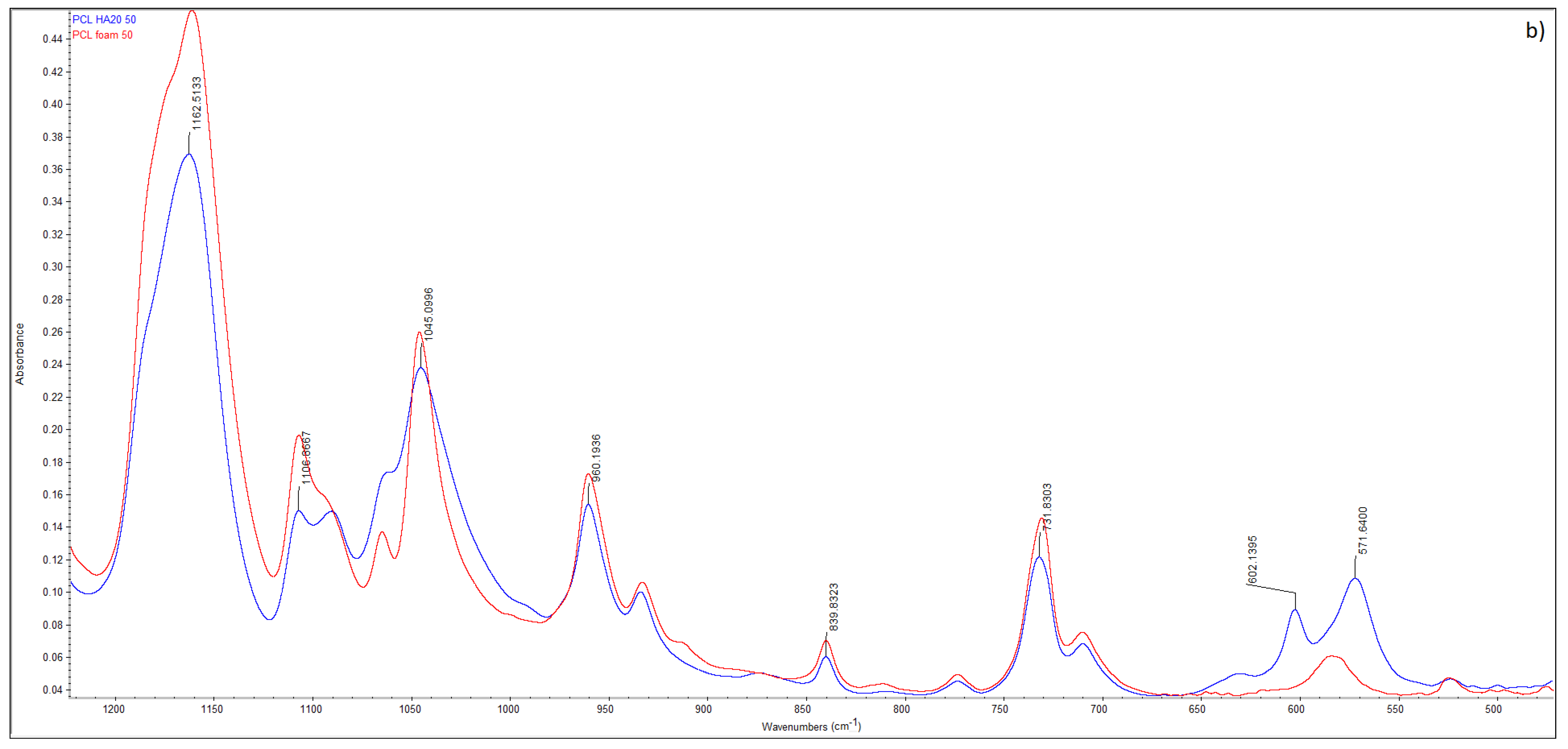
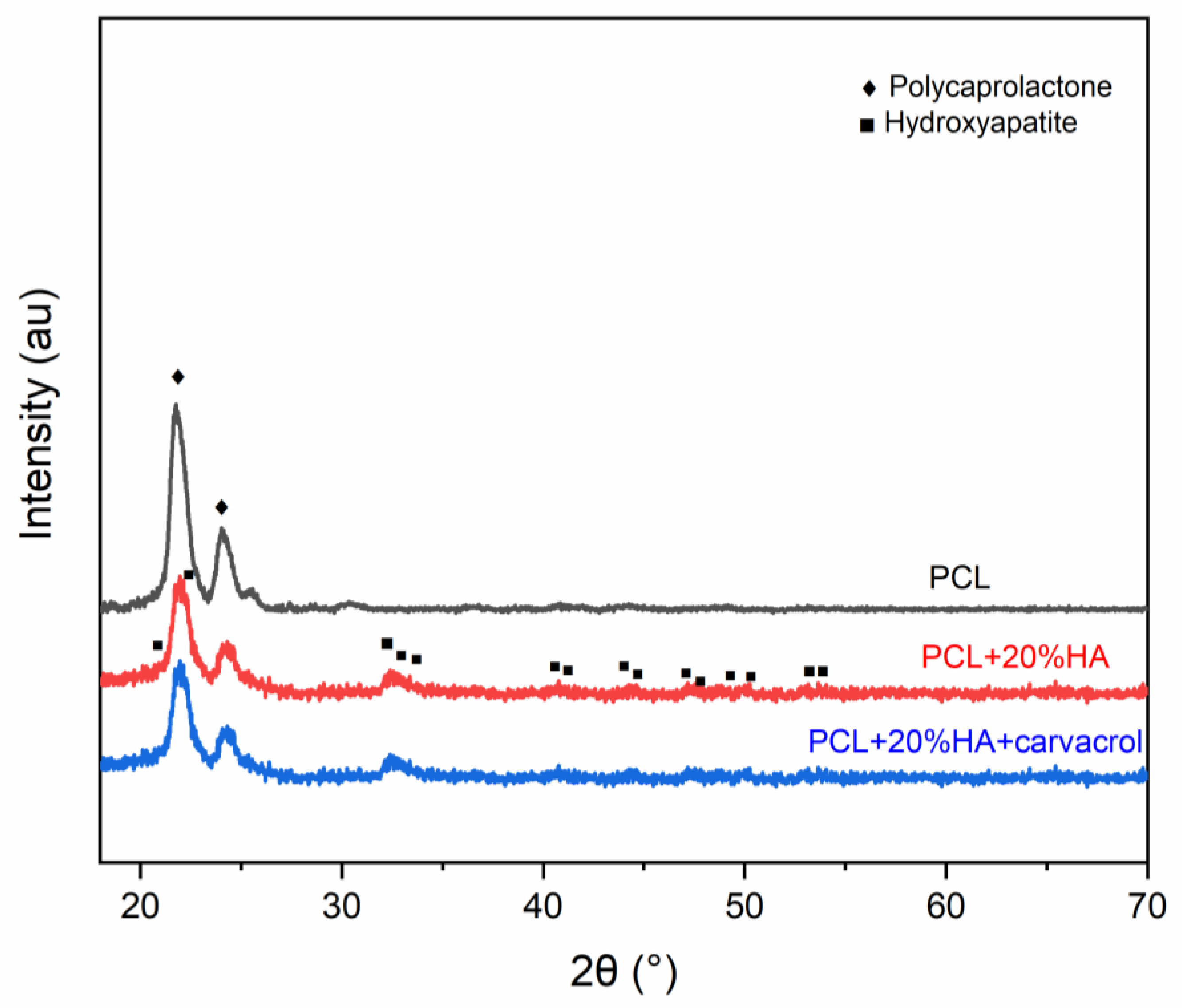
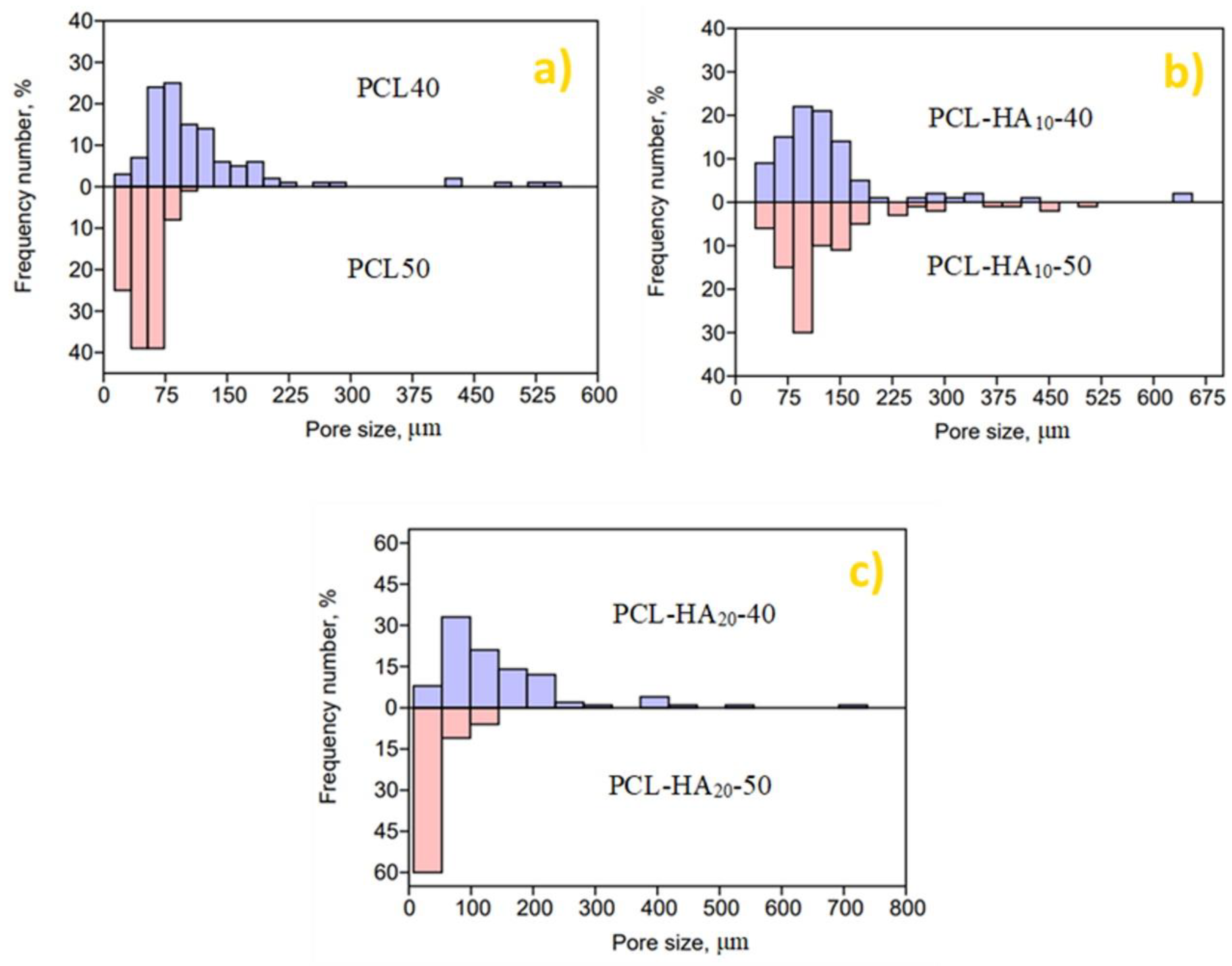
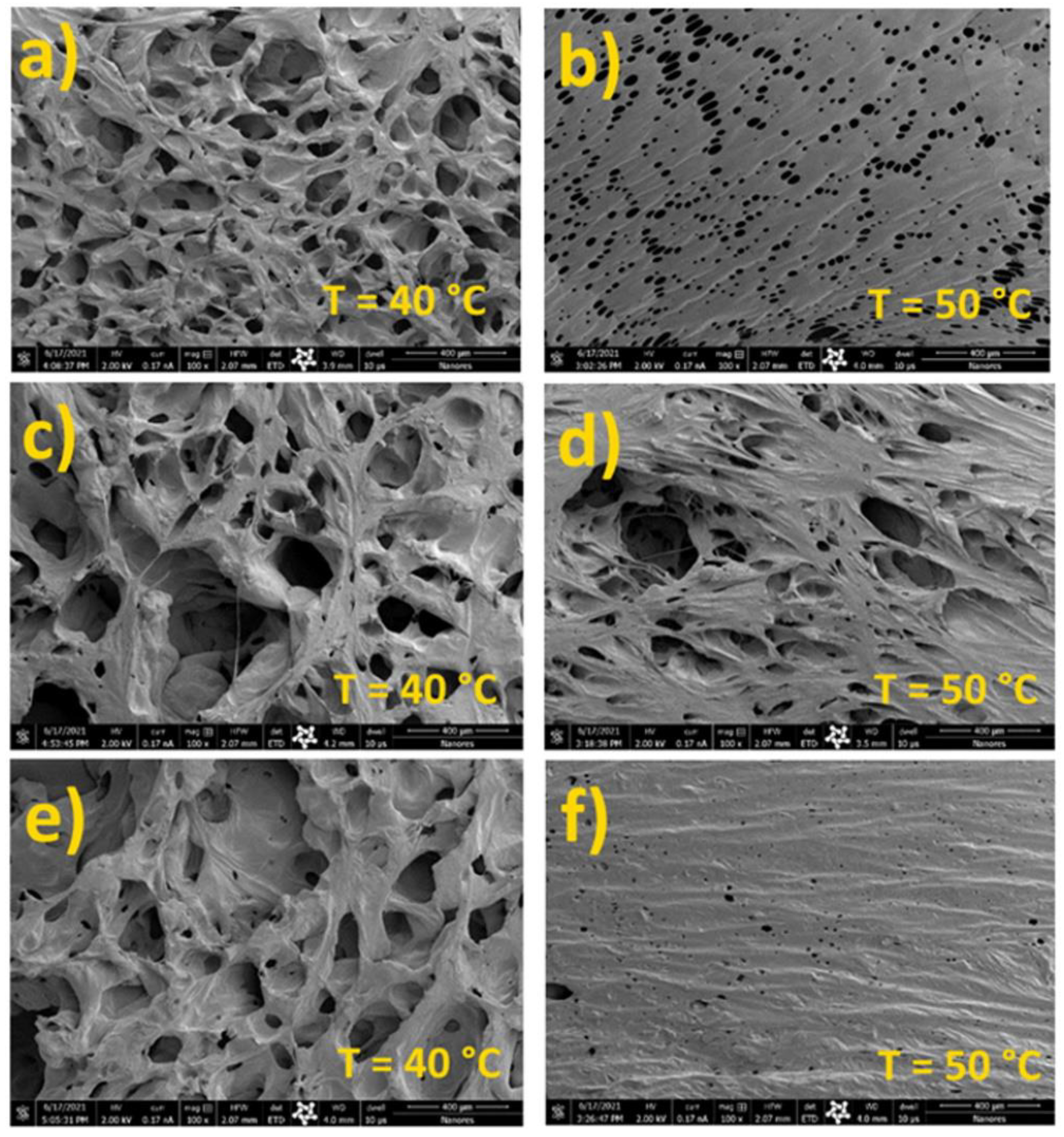
Polycaprolactone (PCL) and polycaprolactone-hydroxyapatite (PCL-HA) scaffolds were produced by foaming in supercritical carbon dioxide (scCO2) at 20 MPa, as well as in one-step foaming and impregnation process using carvacrol as an antibacterial agent with proven activity against Gram-positive and Gram-negative bacteria. The experimental design was developed to study the influence of temperature (40 °C and 50 °C), HA content (10 and 20 wt.%), and depressurization rate (one and two-step decompression) on the foams’ morphology, porosity, pore size distribution, and carvacrol impregnation yield. The characterization of the foams was carried out using scanning electron microscopy (SEM, SEM-FIB), Gay-Lussac density bottle measurements, and Fourier–transform infrared (FTIR) analyses. The obtained results demonstrate that processing PCL and PCL-HA scaffolds by means of scCO2 foaming enables preparing foams with porosity in the range of 65.55–74.39% and 61.98–67.13%, at 40 °C and 50 °C, respectively. The presence of carvacrol led to a lower porosity. At 40 °C and one-step decompression at a slow rate, the porosity of impregnated scaffolds was higher than at 50 °C and two- step fast decompression. However, a narrower pore size distribution was obtained at the last processing conditions. PCL scaffolds with HA resulted in higher carvacrol impregnation yields than neat PCL foams. The highest carvacrol loading (10.57%) was observed in the scaffold with 10 wt.% HA obtained at 50 °C.
Keywords: supercritical CO2; polycaprolactone; hydroxyapatite; scaffold; foaming; impregnation; carvacrol supercritical CO2; polycaprolactone; hydroxyapatite; scaffold; foaming; impregnation; carvacrol