2. Materials and Methods
2.2. System Design and Accessibility Framework
The proposed platform was developed using a user-centered design (UCD) framework emphasizing accessibility, inclusiveness, usability, and interoperability. The design process consisted of four iterative phases: (1) user requirement analysis, (2) persona development, (3) prototype design and refinement, and (4) participatory usability evaluation.
Representative personas were developed according to disability characteristics, healthcare access barriers, digital literacy levels, communication needs, and service utilization patterns. The personas included individuals with mobility impairments, visual impairments, hearing impairments, chronic health conditions, and users requiring continuous healthcare support.
The initial interface design was developed using low-fidelity wireframes followed by high-fidelity interactive prototypes optimized for mobile devices. Iterative feedback sessions were conducted with healthcare professionals, disability support staff, caregivers, and PWD representatives to improve readability, interface navigation, accessibility, service integration, and usability.
Accessibility principles were incorporated throughout the design process in accordance with Web Content Accessibility Guidelines (WCAG) 2.1 Level AA standards. Key accessibility features included simplified navigation structures, large touch targets, scalable font sizes, high-contrast visual elements, icon-supported interfaces, text-to-speech compatibility, visual notification alerts, and support for assistive communication methods.
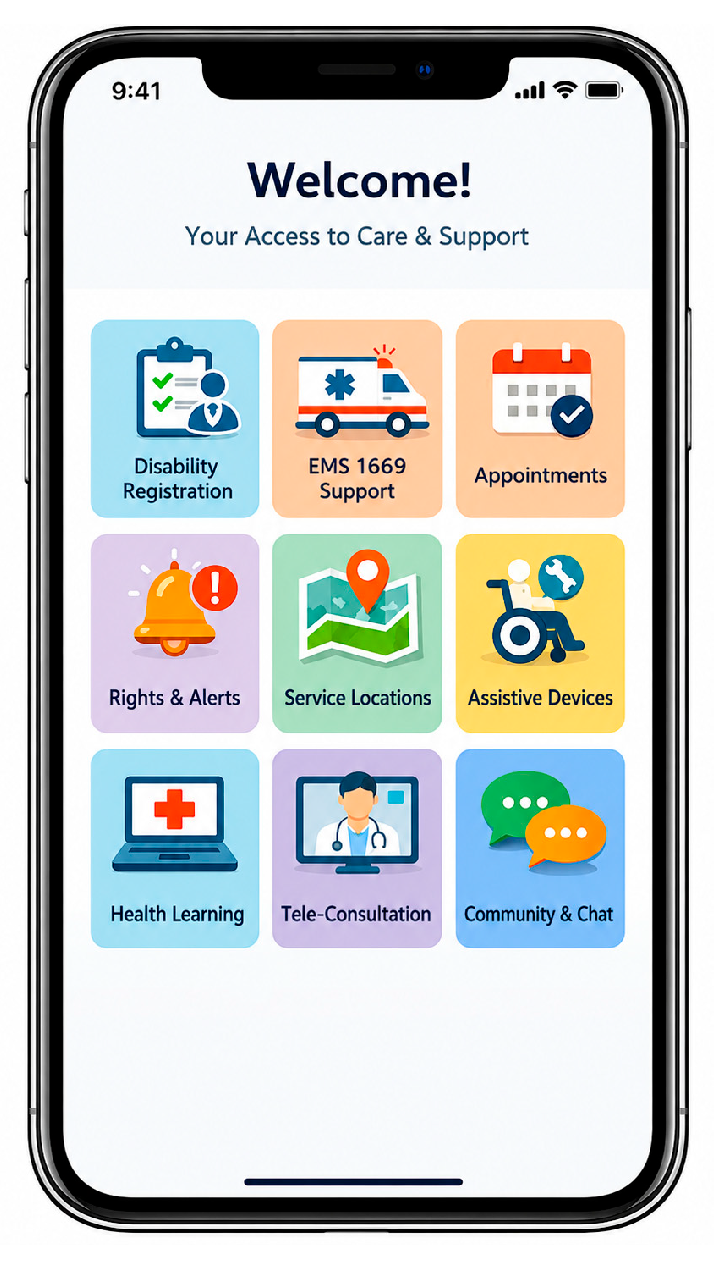
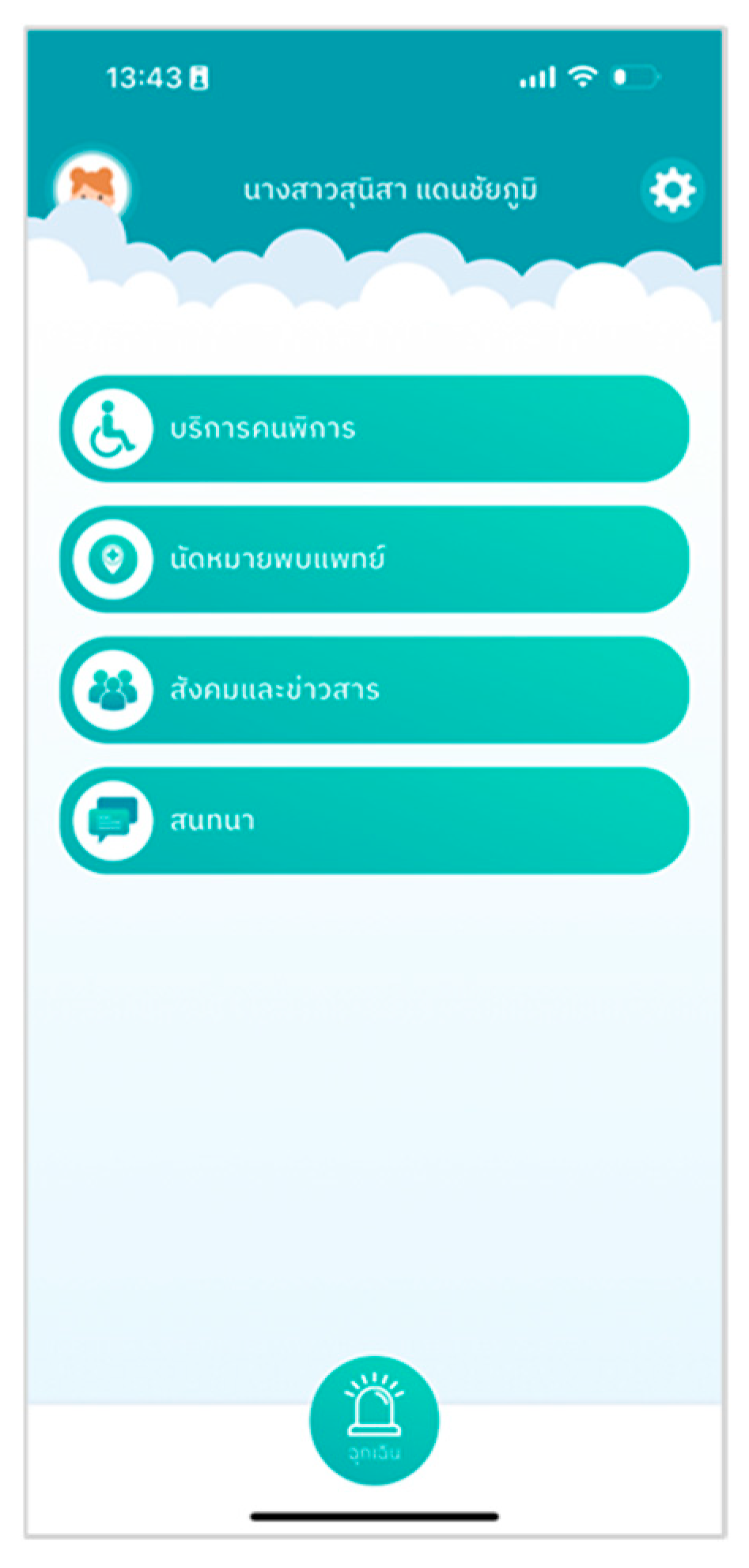
The landing page adopts a grid-based layout optimized for mobile devices, providing direct access to the platform’s core functional modules through clearly labeled icons and simplified navigation structures. The interface was specifically designed to reduce cognitive load and improve usability among users with varying digital literacy levels.
Participatory usability testing was conducted using scenario-based tasks involving appointment scheduling, emergency medical service activation, teleconsultation access, assistive device reporting, healthcare navigation, and rights notification services. User feedback regarding readability, ease of navigation, interface accessibility, and overall usability was collected and incorporated into iterative design refinements. The conceptual user interface and the nine core functional modules of the proposed mobile application are presented in
Figure 2.
2.3. Mobile Application Development
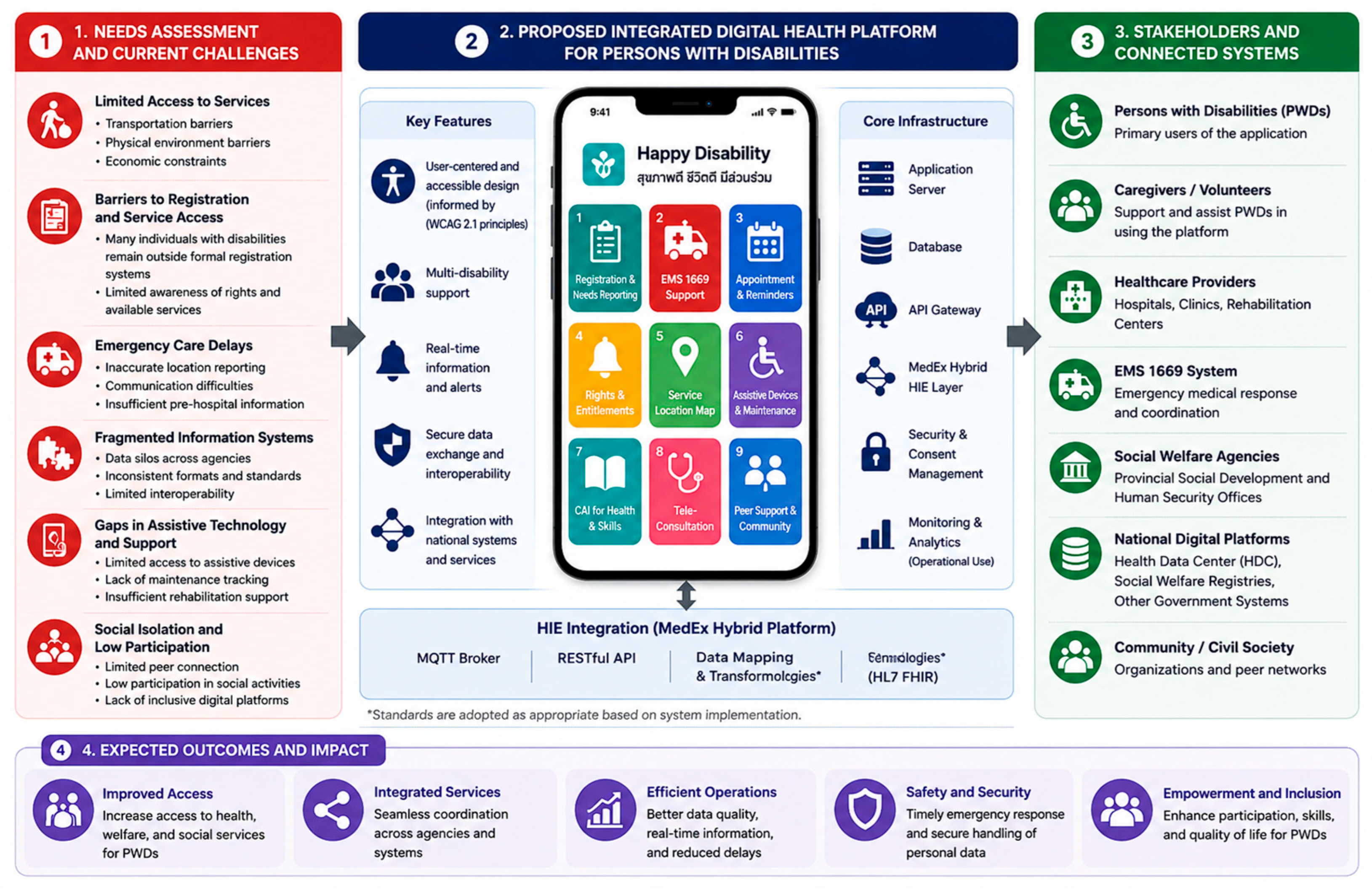
The mobile application was designed as an integrated digital health platform consisting of nine core functional modules addressing healthcare accessibility, emergency response, welfare coordination, assistive technology management, health education, and social participation for persons with disabilities (PWDs). The system was developed according to user-centered and accessibility-oriented design principles to support diverse disability groups and varying levels of digital literacy.
The platform integrates healthcare services, social welfare support, emergency medical coordination, and interoperable health information exchange within a unified digital ecosystem. The application interface adopts a grid-based layout optimized for mobile devices, enabling users to access essential services through simplified navigation structures, clearly labeled icons, scalable text display, and accessibility-oriented interface elements.
Each module was developed to address documented barriers in healthcare accessibility, service coordination, assistive technology management, and social participation among PWDs.
- A.
Disability Registration Intention and Needs Reporting Module
The application includes a module enabling PWDs to declare their intention to register for disability identification and report individual needs. National assessments indicate that many individuals with disabilities remain outside formal registration systems because of limited awareness of rights, transportation barriers, social stigma, and difficulties obtaining medical certification, particularly in rural areas [
10,
18,
19]. These limitations reduce access to welfare benefits, assistive devices, rehabilitation services, and healthcare support.
To address these barriers, the module provides a digital registration channel allowing PWDs, caregivers, or volunteers to submit essential personal information, disability type, and supporting documentation. Users can additionally report specific needs such as assistive devices, rehabilitation support, communication assistance, or workplace accommodations. Submissions are automatically routed to the appropriate provincial Social Development and Human Security Office using geolocation-based service allocation to improve administrative coordination and facilitate timely follow-up.
Evidence from Thailand’s digital inclusion initiatives suggests that mobile service platforms can improve healthcare accessibility and increase service utilization among underserved populations by reducing logistical barriers and improving information management [
20,
21]. The module therefore supports the implementation of the Persons with Disabilities Empowerment Act B.E. 2550 (2007) and Thailand’s commitments under the United Nations Convention on the Rights of Persons with Disabilities.
- B.
Emergency Medical Service (EMS 1669) Support Module
The Emergency Medical Service (EMS 1669) Support Module was developed to improve emergency medical accessibility for PWDs. Emergency response delays are frequently associated with inaccurate location reporting, communication barriers, and incomplete patient information during emergency calls [
3,
22,
23,
24,
25]. Such limitations may disproportionately affect PWDs who experience mobility or communication constraints during emergency situations.
The application enables users, caregivers, or volunteers to request emergency medical assistance directly through the system. The platform automatically captures GPS-based geolocation information and transmits emergency requests together with pre-stored health and disability information, including chronic diseases, allergies, assistive devices, and communication requirements. By integrating real-time location tracking and patient information exchange, the module supports rapid triage and personalized emergency response in accordance with mobile emergency healthcare practices [
26].
- C.
Appointment Scheduling and Reminder System
Missed medical appointments remain a major challenge in chronic disease management and continuity of care [
4,
5,
27,
28]. Transportation difficulties, communication barriers, misunderstanding appointment schedules, and forgetfulness may contribute to reduced clinic attendance among PWDs and other vulnerable populations.
To address these limitations, the application integrates a digital scheduling and reminder system connected with hospital information systems. Users can view available appointment slots, book, confirm, reschedule, or cancel appointments directly through the application. Confirmed appointments are automatically added to a personal health calendar, while automated reminders using push notifications, visual alerts, and optional text-to-speech functions help reduce missed visits and improve appointment adherence.
Previous studies have demonstrated that automated reminder systems can improve clinic attendance and reduce healthcare inefficiencies associated with missed appointments [
27]. This module additionally supports Thailand’s digital health transformation strategy and Thailand 4.0 initiative by promoting equitable access to healthcare services for PWDs and patients with chronic conditions.
- D.
Rights Notification and Entitlement Alert System
Many PWDs remain unaware of their legal rights, welfare benefits, and available support services [
6,
29]. Limited access to understandable and accessible information may reduce service utilization and create inequalities in access to social welfare systems.
The application therefore incorporates a Rights Notification and Entitlement Alert System that delivers personalized notifications regarding welfare benefits, healthcare entitlements, rehabilitation services, and legal rights. The module retrieves official updates from relevant government agencies and presents the information using accessible communication formats, including plain-language summaries, text-to-speech support, and sign-language video communication.
Notifications are customized according to disability type, employment status, and geographic location to improve service accessibility and user engagement [
30,
31]. By strengthening communication between government agencies, civil society organizations, and PWDs, the system supports national goals related to empowerment, accessibility, and social inclusion.
- E.
Service Location Mapping System
PWDs frequently experience difficulty locating appropriate healthcare, rehabilitation, and social welfare services because service information is often fragmented across multiple organizations and agencies. The Empowerment of Persons with Disabilities Act (No. 2), B.E. 2556 guarantees access to public facilities, rehabilitation services, and vocational support programs.
To improve healthcare navigation and service accessibility, the application integrates a Service Location Mapping System based on geographic information system (GIS) technologies. The module consolidates geospatial information from hospitals, rehabilitation centers, welfare offices, vocational training institutions, and disability organizations.
Users can search for services using interactive digital maps with filtering functions based on service type, geographic location, and accessibility characteristics. Previous GIS-based healthcare accessibility studies demonstrated the usefulness of geospatial systems for identifying service gaps and reducing travel-related barriers among underserved populations [
17,
32,
33]. By centralizing authoritative service information and accessibility metadata, the system supports independent living and improves access to healthcare and social welfare services for PWDs.
- F.
Assistive Device Data Management and Maintenance Notification System
Assistive devices are essential for improving mobility, independence, and quality of life among PWDs. Under the Empowerment of Persons with Disabilities Act (No. 2), B.E. 2556, disability service centers are responsible for supporting access to assistive devices necessary for daily functioning.
Previous studies reported fragmented maintenance coordination and incomplete follow-up systems for assistive devices in Thailand, resulting in service gaps after initial device delivery [
34,
35]. Research on digital assistive technology management systems further demonstrated that reminder notifications and maintenance reporting tools can improve preventive maintenance behavior and device reliability [
36,
37].
Accordingly, this module supports assistive device registration, maintenance scheduling, repair reporting, and replacement notification. Users or caregivers can record device information, including device type, serial number, issuance date, and expected lifespan, while receiving automated maintenance reminders. Digital repair requests together with supporting images or documentation can additionally be submitted directly to rehabilitation centers or healthcare providers, thereby improving maintenance coordination and reducing device downtime.
- G.
Computer-Assisted Instruction (CAI) for Health Education and Skill Development
Educational access and health literacy remain important challenges among PWDs, and national disability policies emphasize the importance of assistive learning technologies, accessible educational systems, and flexible learning resources tailored to diverse disability needs.
Previous studies demonstrated that accessible digital learning systems and assistive educational technologies can improve participation, health literacy, and social inclusion among individuals with disabilities [
38,
39]. Research on digital health education additionally reported that participatory design approaches and accessible interfaces improve usability and learning outcomes among users with impairments [
11,
12].
The CAI module was therefore developed to support health education, rehabilitation guidance, self-care training, digital literacy, and vocational skill development for PWDs. The module provides multimedia learning resources including text-based materials, audio narration, instructional videos, infographics, and accessibility-oriented learning interfaces.
Accessibility features include text-to-speech compatibility, scalable text display, simplified navigation structures, captioned multimedia content, and visual guidance icons. The educational content was designed according to inclusive learning principles and universal design concepts to support users with different disability types and varying levels of digital literacy.
- H.
Tele-Consultation System
The application integrates a Tele-Consultation System to improve access to healthcare consultations and disability-related support services for PWDs. Mobility limitations and transportation barriers frequently reduce access to in-person healthcare consultations, particularly among individuals living in underserved or rural areas.
The system supports secure video consultations, voice communication, and messaging functions between users and healthcare professionals, disability officers, or trained volunteers. All telehealth services were designed in accordance with the Medical Council of Thailand’s telemedicine guidelines (Announcement No. 54/2563) regarding authentication, confidentiality, and medical documentation.
Previous studies demonstrated that telehealth interventions can improve healthcare accessibility, continuity of care, health knowledge, and quality of life among persons with disabilities [
13,
14,
15]. By supporting remote healthcare access and communication, the module improves continuity of care and reduces transportation-related barriers for PWDs.
- I.
Peer Communication and Social Connectivity System
Social support and community participation are important determinants of psychological well-being and quality of life among persons with disabilities [
40,
41,
42]. However, many PWDs experience social isolation and limited opportunities for communication and social engagement.
The Peer Communication and Social Connectivity System was developed to provide digital communication spaces where users can participate in community forums, peer-support groups, moderated discussion channels, and virtual social activities. The module enables users to exchange experiences, seek emotional support, and strengthen social relationships through accessible online communication tools.
2.6. System Evaluation and Pilot Testing
System evaluation focused on functional testing, interoperability assessment, backend integration, communication stability, and pilot implementation across participating healthcare facilities. The evaluation aimed to assess the operational feasibility of the proposed integrated mobile health platform, including healthcare information exchange capability, system performance, interoperability readiness, and secure communication among heterogeneous hospital information systems.
Functional testing was conducted across all major system modules, including user authentication, disability registration and needs reporting, appointment scheduling, rights notification, service location mapping, assistive technology management, teleconsultation services, educational content delivery, peer communication, and Emergency Medical Service (EMS 1669) support. Additional testing scenarios included healthcare information synchronization, emergency information exchange, appointment data transfer, teleconsultation communication, and real-time retrieval of patient information from distributed HIS environments.
The evaluation further examined API communication stability, MQTT-based event messaging, synchronization reliability, and interoperability performance across hospitals operating different HIS platforms and digital infrastructure capacities. Real-time monitoring of synchronization agents, centralized hospital management functions, and distributed healthcare data exchange processes was also assessed during pilot deployment activities.
Emergency response functionality was evaluated through integration testing with Thailand’s EMS 1669 system. The assessment included SOS activation, real-time GPS location transmission, emergency notification delivery, retrieval of patient information, and communication support between healthcare personnel and emergency response teams. The results demonstrated the operational feasibility of the integrated emergency communication workflow under pilot implementation conditions.
Accessibility-oriented design principles were incorporated throughout mobile application development. Accessibility features implemented within the platform included scalable font display, high-contrast user interface elements, simplified navigation structures, icon-assisted interfaces, screen-reader compatibility, and support for text-to-speech technologies. These features were designed according to accessibility-oriented mobile interface principles and Web Content Accessibility Guidelines (WCAG) 2.1 Level AA recommendations [
45].
The pilot implementation primarily focused on institutional deployment, interoperability testing, and healthcare system integration rather than large-scale public distribution. Consequently, public mobile application download statistics do not fully reflect the extent of healthcare facility deployment and interoperability activities conducted during the pilot phase.
The current evaluation emphasized system architecture validation, interoperability readiness, communication stability, and healthcare information exchange capability rather than large-scale clinical outcome assessment or end-user usability evaluation. User-centered usability studies involving persons with disabilities, caregivers, and healthcare professionals will be conducted in future implementation and effectiveness research. Feedback obtained from healthcare personnel, information technology staff, and institutional stakeholders was incorporated into iterative system refinement and backend optimization processes.
4. Experimental Results and System Evaluation
- A.
Functional Implementation and System Validation
The Happy Disability mobile application was fully implemented and deployed as a cross-platform solution, officially released on both the Apple App Store (iOS) and Google Play Store (Android). The system was evaluated under real deployment conditions to verify functional correctness, platform stability, and consistency of user experience across mobile operating systems.
Upon launching the application, users are presented with a secure authentication interface requiring a national identification number and PIN-based access (
Figure 5a). The system supports new user registration through a step-by-step workflow, including personal information entry, contact details, and disability profile creation (
Figure 5b–f). Functional testing confirmed consistent behavior, data integrity, and accessibility across both iOS and Android platforms.
After authentication, users access a unified dashboard providing five core service categories: Disability Services, Medical Appointments, Social and News, Communication, and Emergency Services (
Figure 6). Navigation between modules was verified to be seamless, with stable performance and equivalent functionality across platforms.
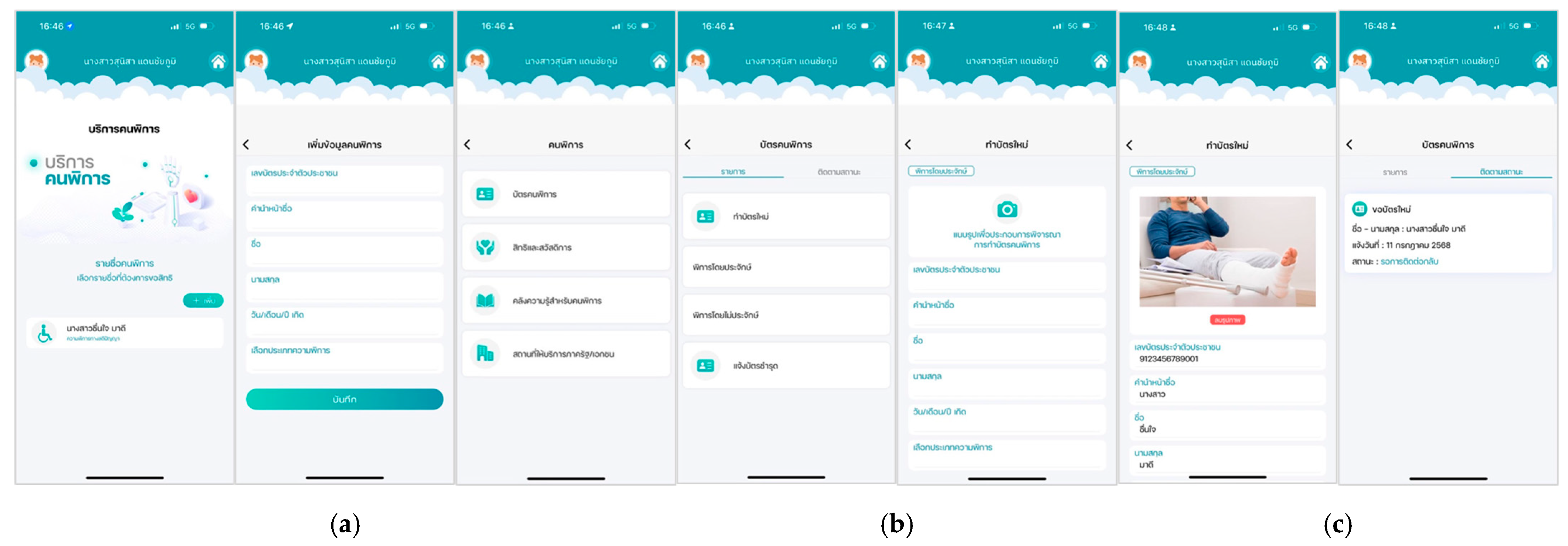
Within the Disability Services module, users can register personal disability profiles or manage records for dependents under their care. The application supports digital submission and tracking of disability identification card applications, including both observable and non-observable disabilities. Users can upload supporting documents, specify disability types, and monitor application status in real time (
Figure 7a–c). Validation confirmed accurate data handling and reliable status synchronization.
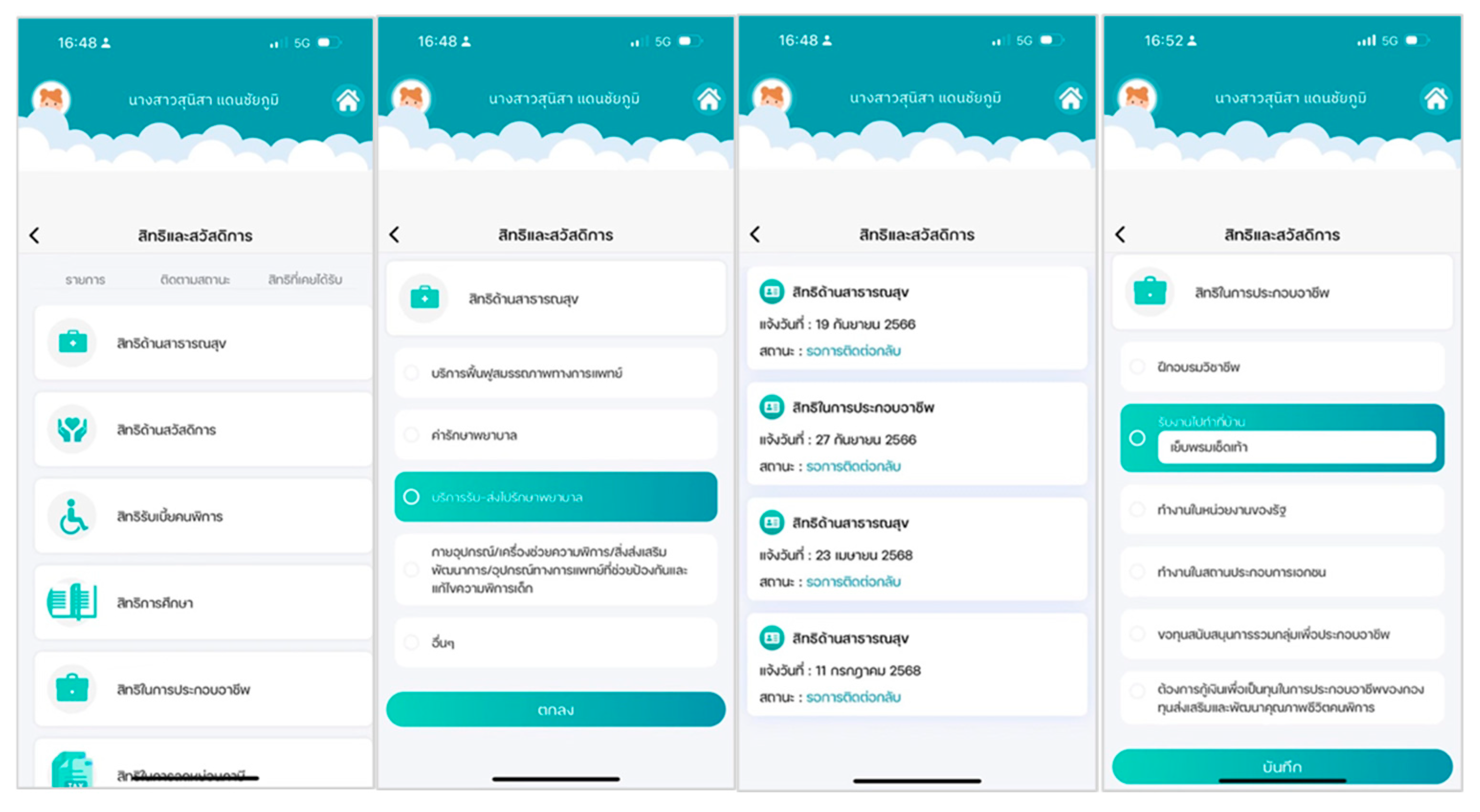
The Rights Notification and Welfare Services module enables users to access and submit requests for healthcare benefits, disability allowances, educational support, vocational assistance, tax benefits, and employment-related rights (
Figure 8). Submitted requests are automatically categorized and routed for follow-up, supporting efficient service coordination.
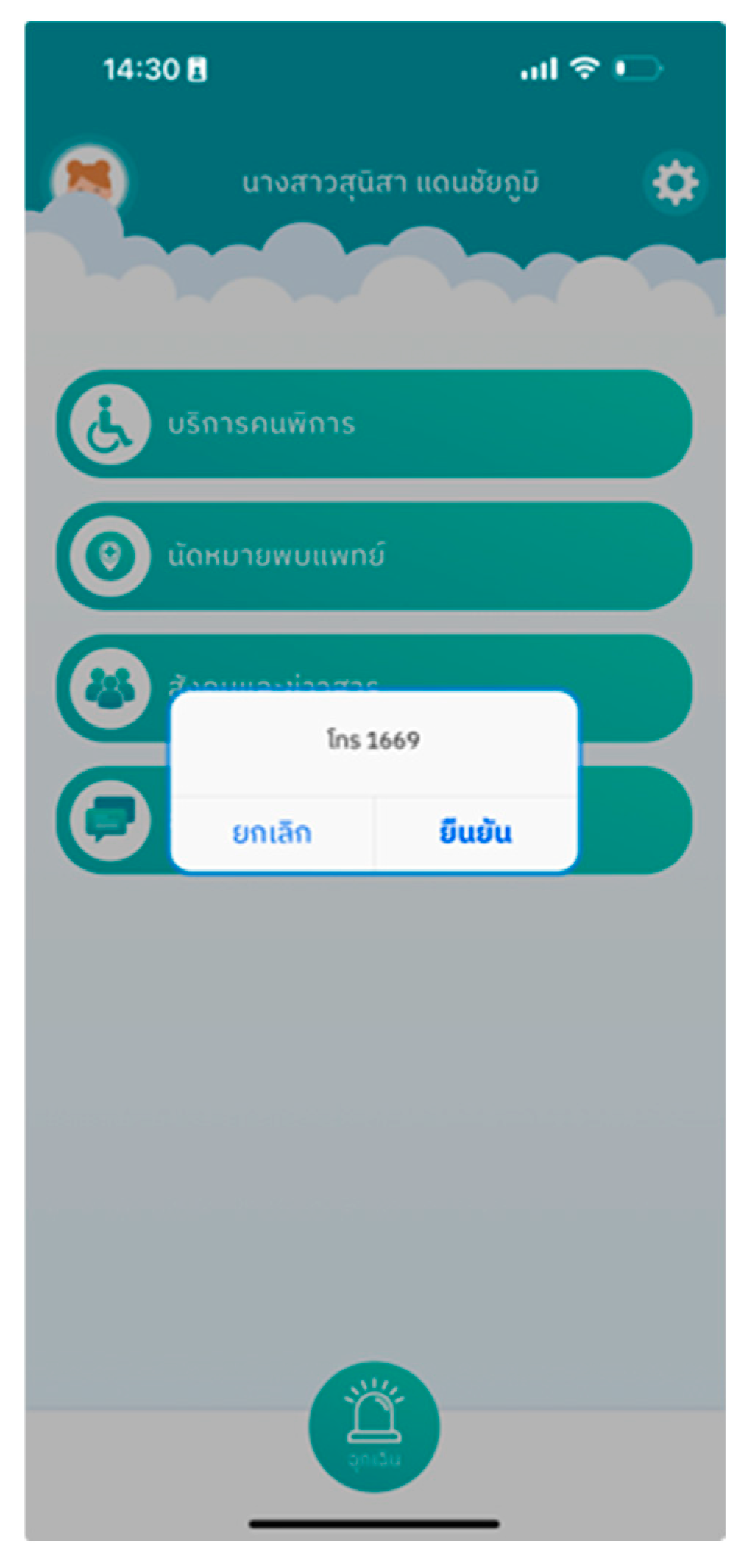
Emergency readiness was validated through direct integration with Thailand’s 1669 Emergency Medical Service, allowing one-touch emergency calls from within the application (
Figure 9). All major functional components—including disability registration, welfare services, appointment scheduling, tele-consultation, emergency support, service location mapping, knowledge dissemination, and peer communication—were systematically tested. A summary of validated modules, evaluation criteria, and outcomes is presented in
Table 1.
- B.
Usability Outcomes and Service Accessibility Impact
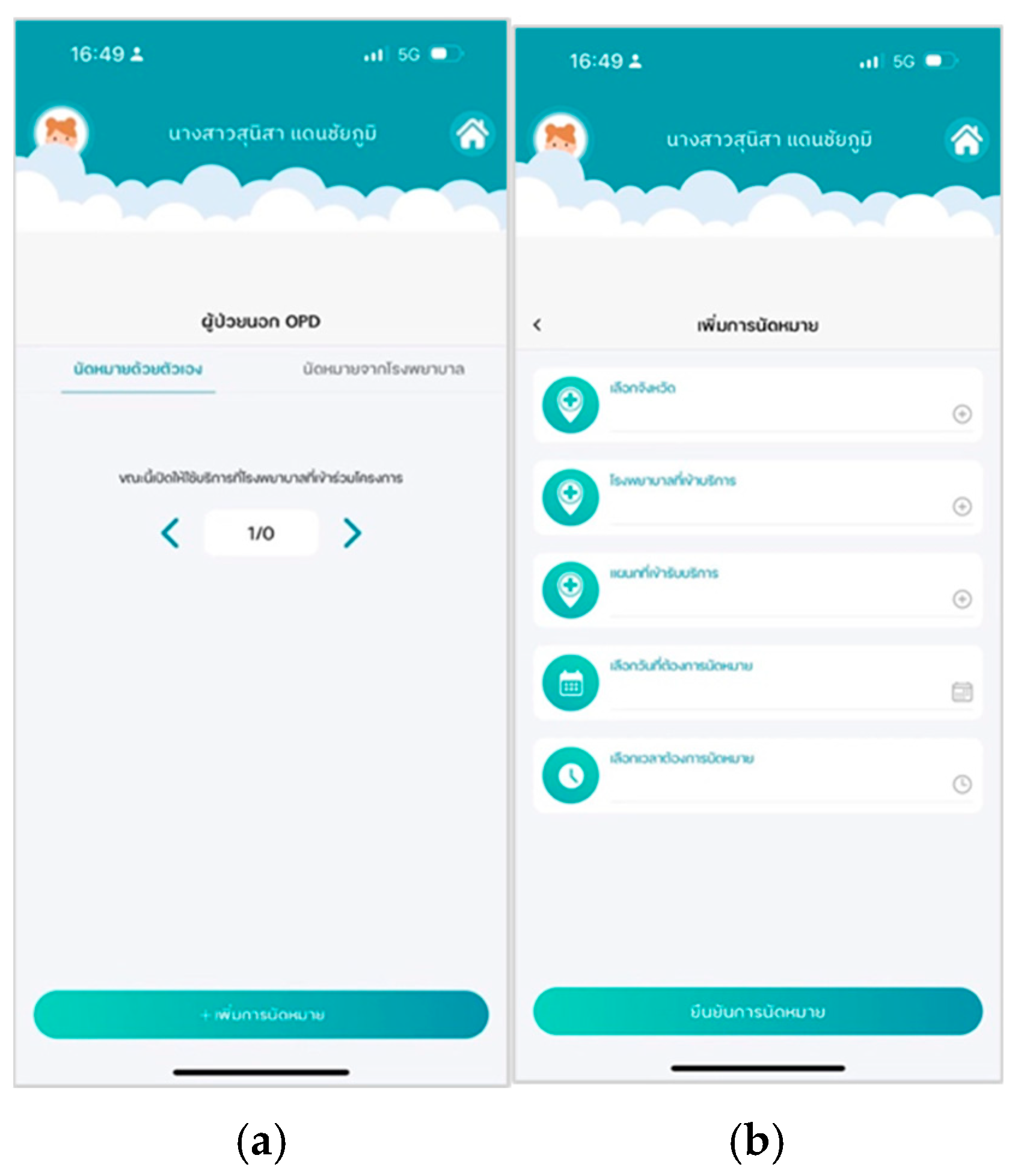
Usability evaluation emphasized accessibility, clarity of interaction, and service completeness rather than clinical outcomes. The appointment scheduling module enables users to select provinces, hospitals, departments, dates, and time slots for both in-person and telemedicine consultations (
Figure 10a,b). Consistent functionality and responsiveness were observed across iOS and Android devices.
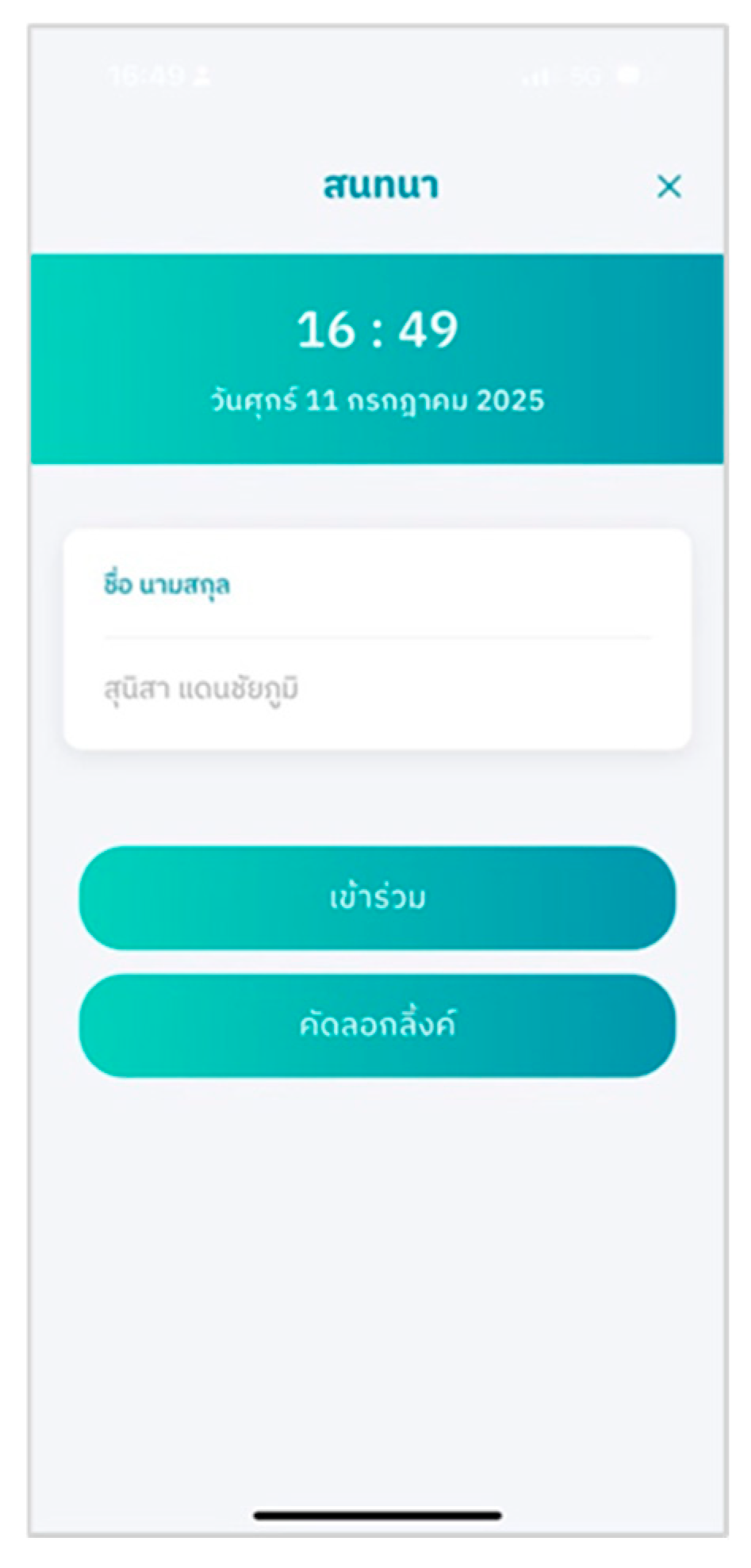
The tele-consultation and communication module supports real-time video conferencing, allowing users to create or join virtual meeting rooms and share access links externally (
Figure 11). Testing confirmed stable session initiation and ease of use, supporting healthcare consultation as well as peer interaction.
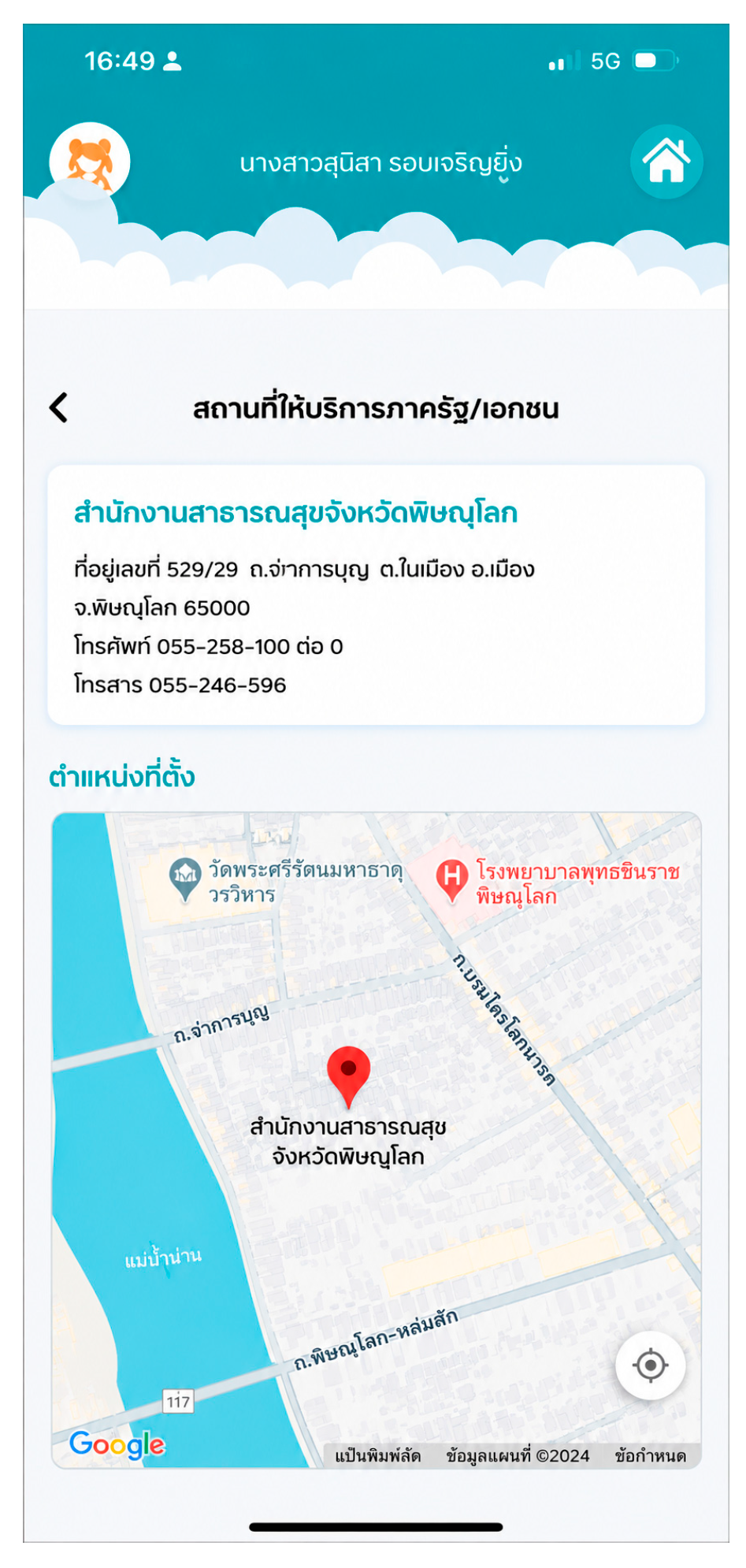
The service location mapping module visualizes nearby disability service centers, healthcare facilities, and relevant organizations using an interactive map interface (
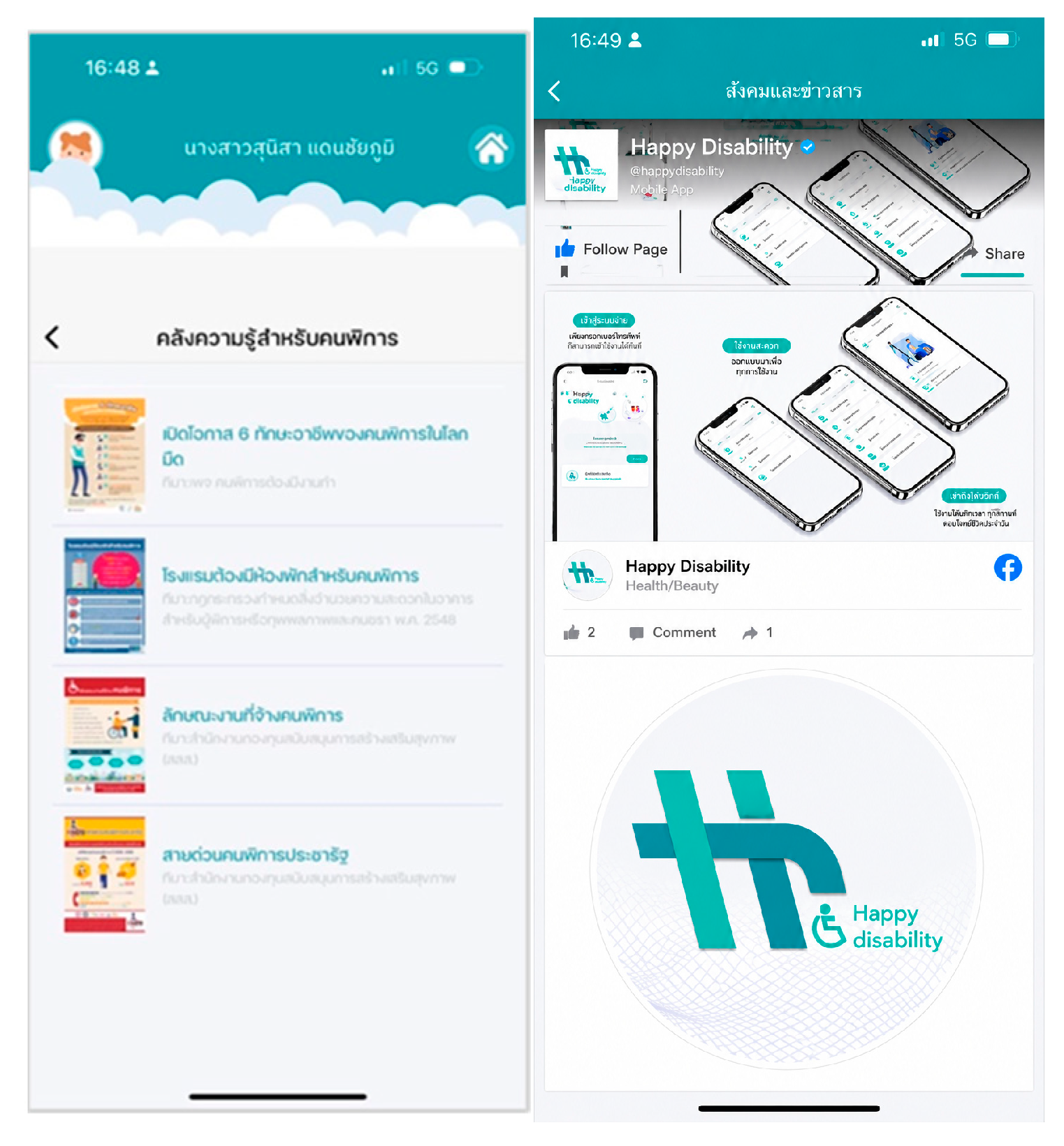
Figure 12), improving users’ ability to locate and access services. Educational and knowledge-based content is delivered through a structured CAI module, providing health education and capability-building resources adapted to different disability needs (
Figure 13).
Overall, experimental results demonstrate that the Happy Disability application—successfully deployed on both iOS and Android app stores—provides an integrated, accessible, and reliable digital platform. The system enhances service accessibility, reduces administrative burden, and strengthens communication among Persons with Disabilities, caregivers, healthcare providers, and government agencies. These findings support the application’s potential to contribute effectively to inclusive digital health services and national disability policy objectives.
- C.
Experimental Results on Hospital Information Exchange
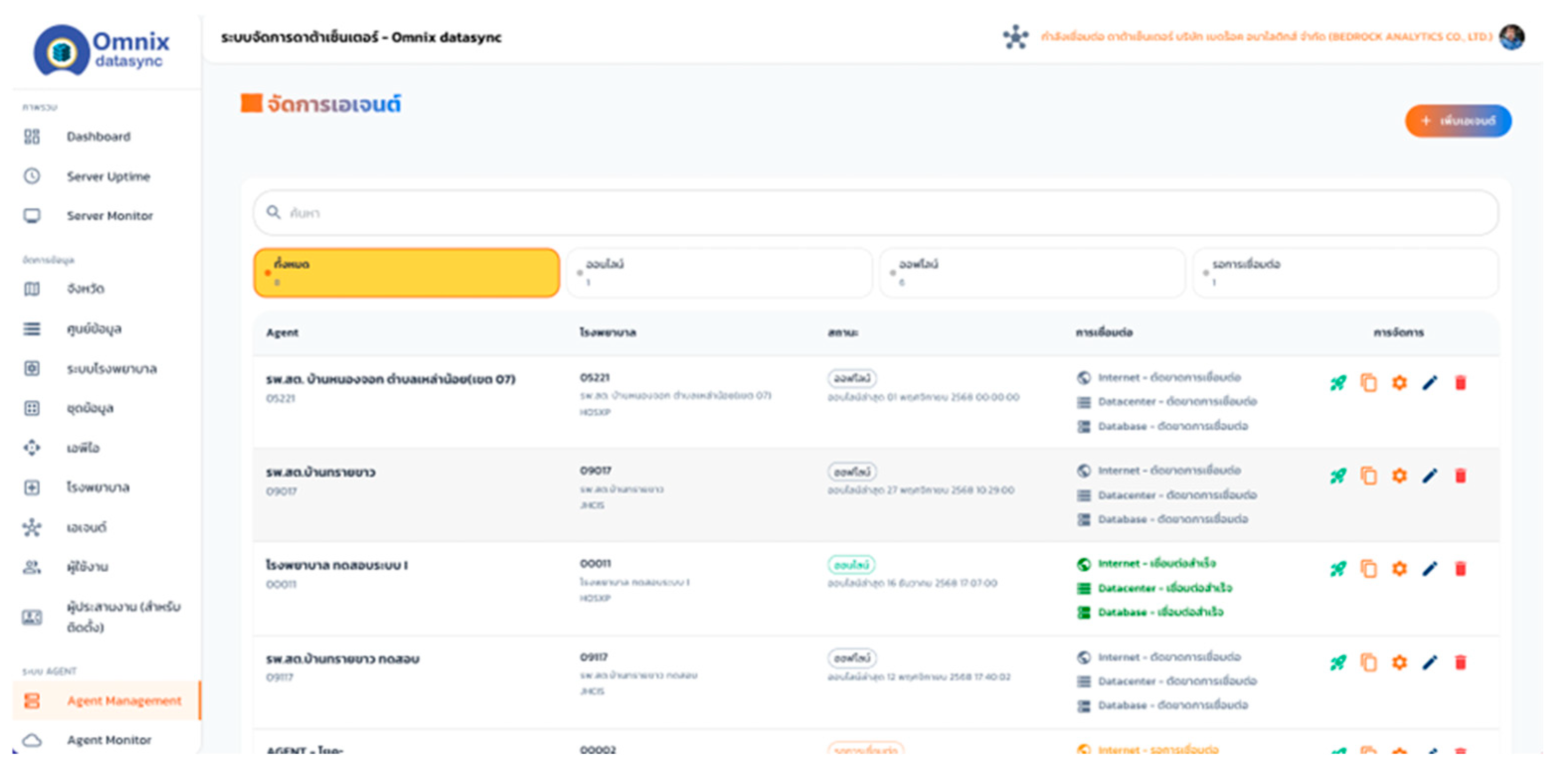
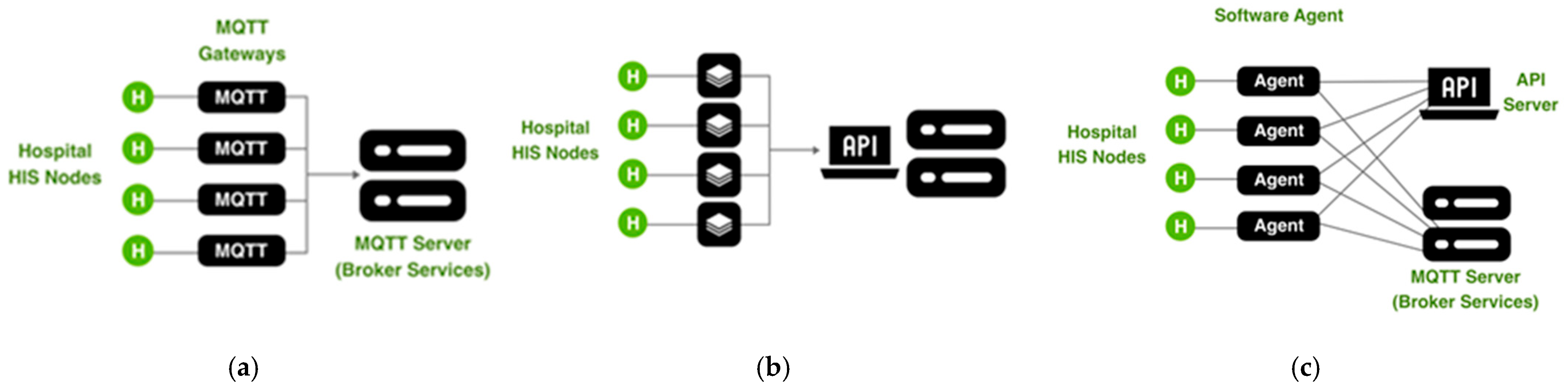
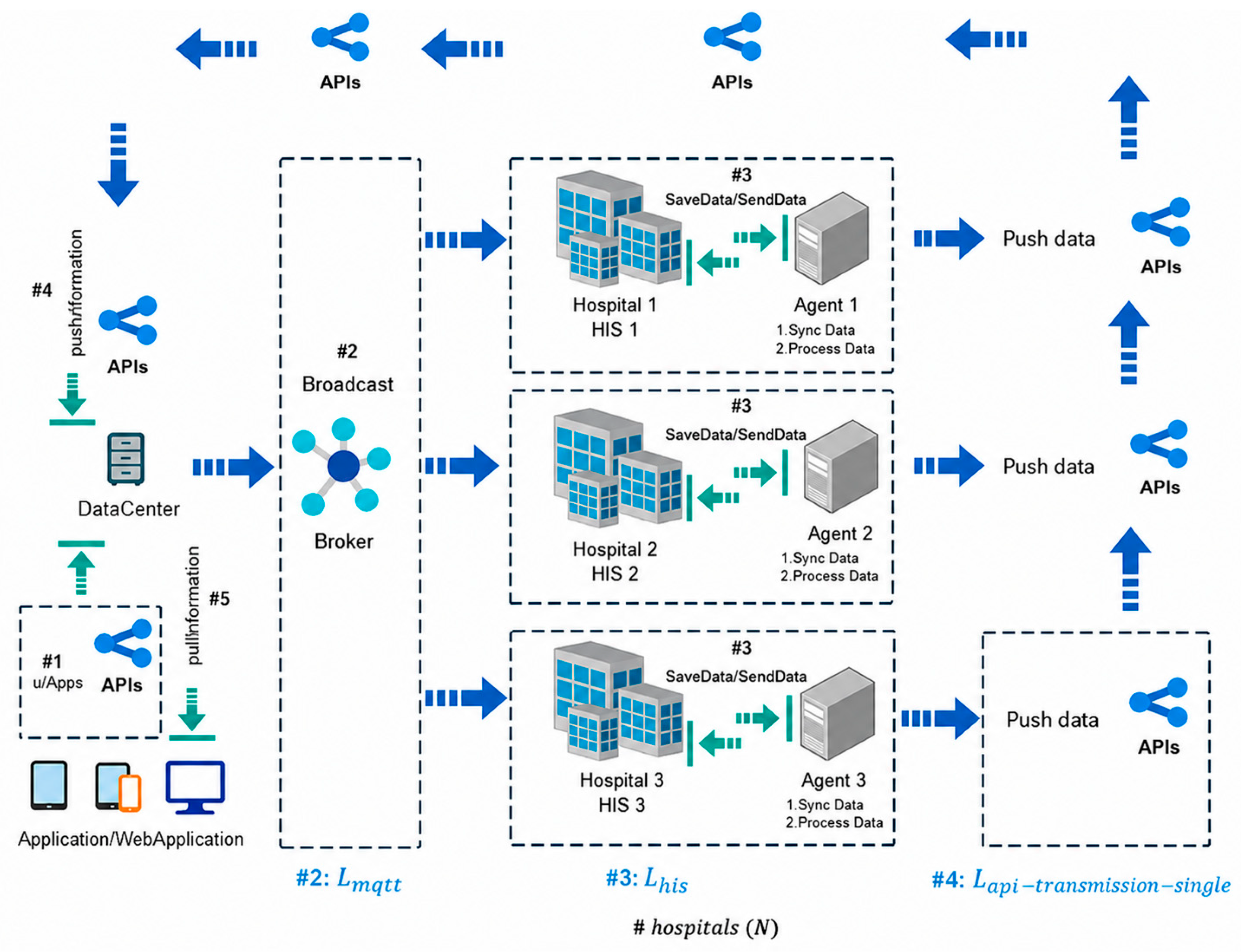
The HIE component was evaluated using the MedEx Hybrid platform, which integrates heterogeneous HISs through a hybrid MQTT–API architecture. The system was deployed across multiple hospitals operating different HIS platforms, each connected via a lightweight local software agent. The evaluation focused on system interoperability, real-time monitoring, and operational scalability.
- -
Multi-Hospital Connectivity and Centralized Management
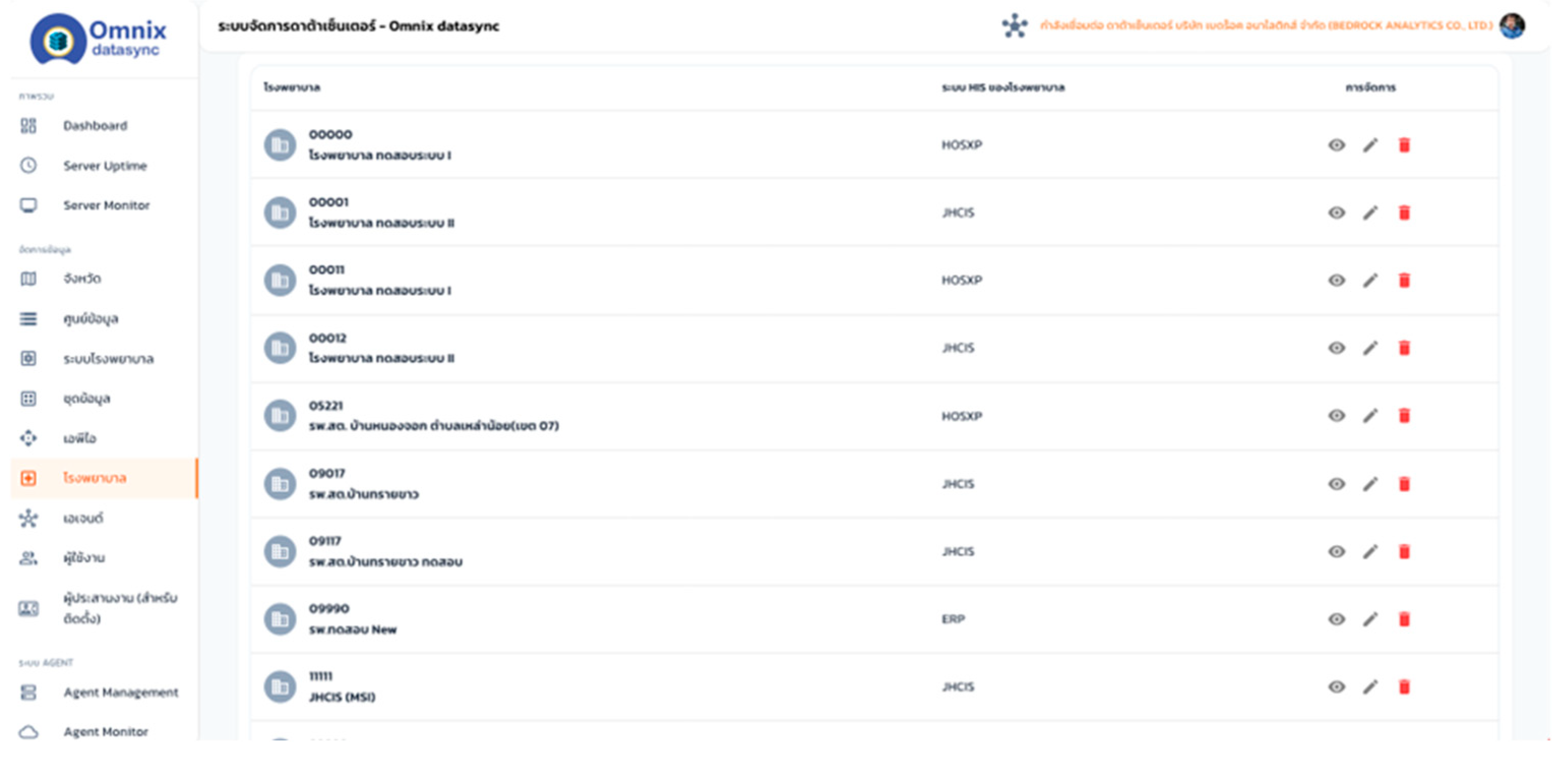
The experimental results confirm that the system effectively supports centralized management of multiple hospitals. As shown in
Figure 14, the Hospital Management module enables administrators to register hospitals, configure HIS types, and monitor connectivity status in real time. Hospitals can be dynamically added or updated without interrupting ongoing data exchange, demonstrating scalability and suitability for large-scale deployment.
- -
Agent-Based Synchronization and System Reliability
The agent-based synchronization mechanism demonstrated stable and reliable performance throughout the evaluation. Each hospital-side agent autonomously retrieves data from the local HIS and synchronizes it with the central data center according to predefined schedules. Real-time system status is visualized through the Agent Monitor dashboard (
Figure 15), which displays connectivity, database access, and last synchronization timestamps.
The system successfully detected network interruptions and enabled rapid recovery, while detailed agent logs ensured traceability and auditability of synchronization events. These results confirm that the MedEx Hybrid architecture provides robust, real-time, and scalable interoperability across heterogeneous hospital environments.
- -
HIE Connection Statistics
The proposed HIE system is part of an ongoing national initiative in Thailand aimed at integrating heterogeneous HISs across hospitals of varying sizes. At the time of evaluation, the system successfully connects 857 hospitals, demonstrating substantial progress toward nationwide interoperability. These include 7 large provincial hospitals, 50 medium-sized district hospitals, and 800 small sub-district hospitals, reflecting the system’s ability to operate across diverse healthcare settings with different infrastructure capacities.
To accommodate this heterogeneity, the implementation adopts a hybrid integration architecture combining API-based and MQTT-based communication. A lightweight software agent is deployed at each hospital to interface with the local HIS, perform data preprocessing and cleansing, and manage secure data transmission to the centralized HIE platform. This design is particularly effective for smaller hospitals with limited network resources, while still supporting high-throughput data exchange from larger facilities.
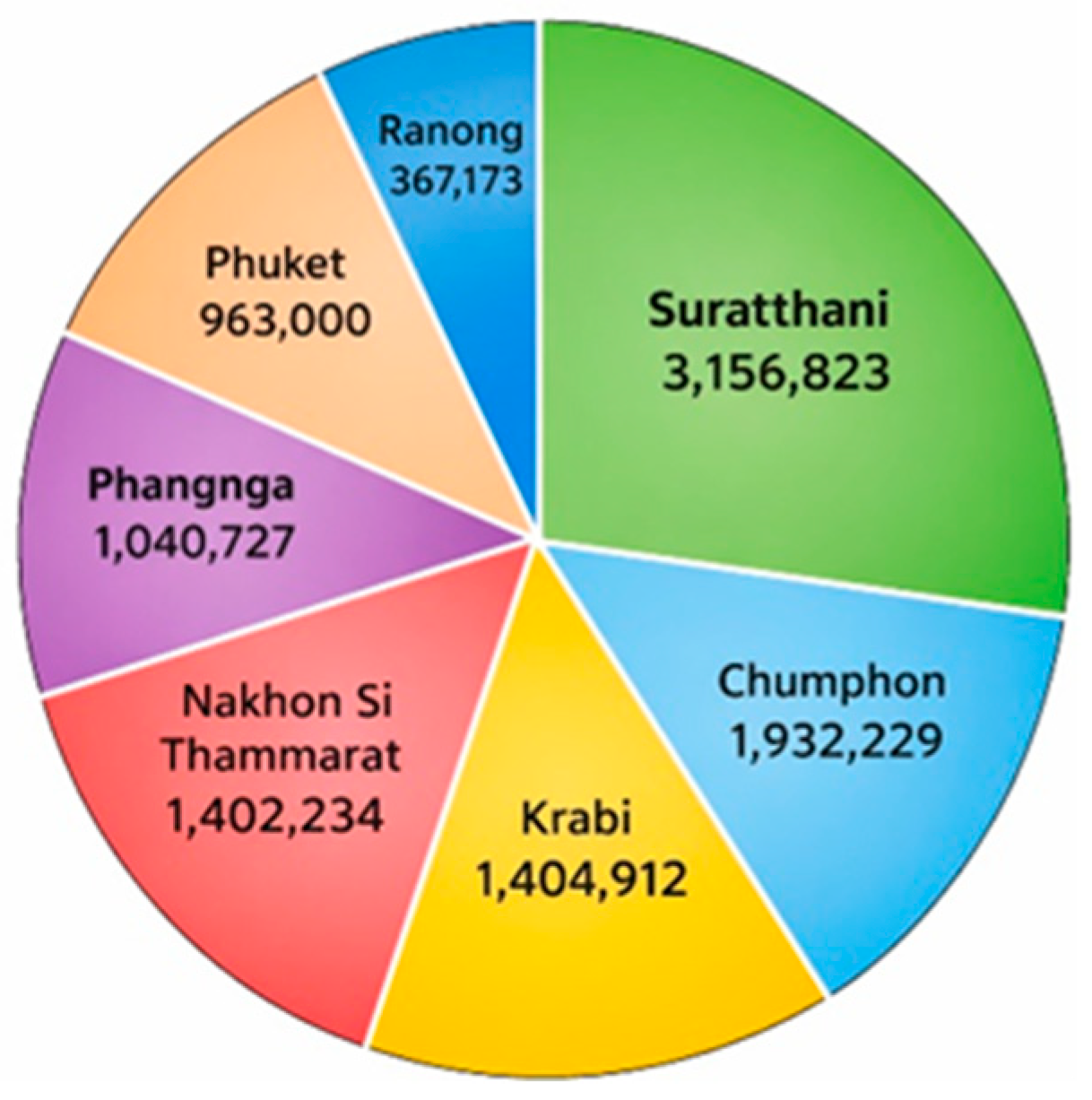
As illustrated in
Figure 16, the connected hospitals collectively contribute several million patient records across seven provinces, including Surat Thani, Chumphon, Krabi, Nakhon Si Thammarat, Phangnga, Phuket, and Ranong. Each province comprises a mix of hospital sizes and HIS platforms, underscoring the complexity of achieving interoperability at scale. The MedEx Hybrid approach addresses these challenges by enabling real-time data exchange and standardized integration across fragmented systems, either through direct HIS connections or via third-party interoperability services when required.
The results validate the technical robustness and scalability of the proposed HIE system, demonstrating its practical feasibility as a nationwide healthcare data exchange platform capable of supporting real-world operational diversity and long-term expansion.
- D.
Experimental Results on Latency
The performance of the HIE system was evaluated by measuring four latency components: MQTT Trigger Latency (L_mqtt), HIS Access Latency (L_his), API Request Latency, and API Transmission Latency (L_API-transmission-single). These metrics represent the delays associated with trigger broadcasting, data retrieval from hospital information systems (HIS), API communication, and transmission of retrieved data to the central server.
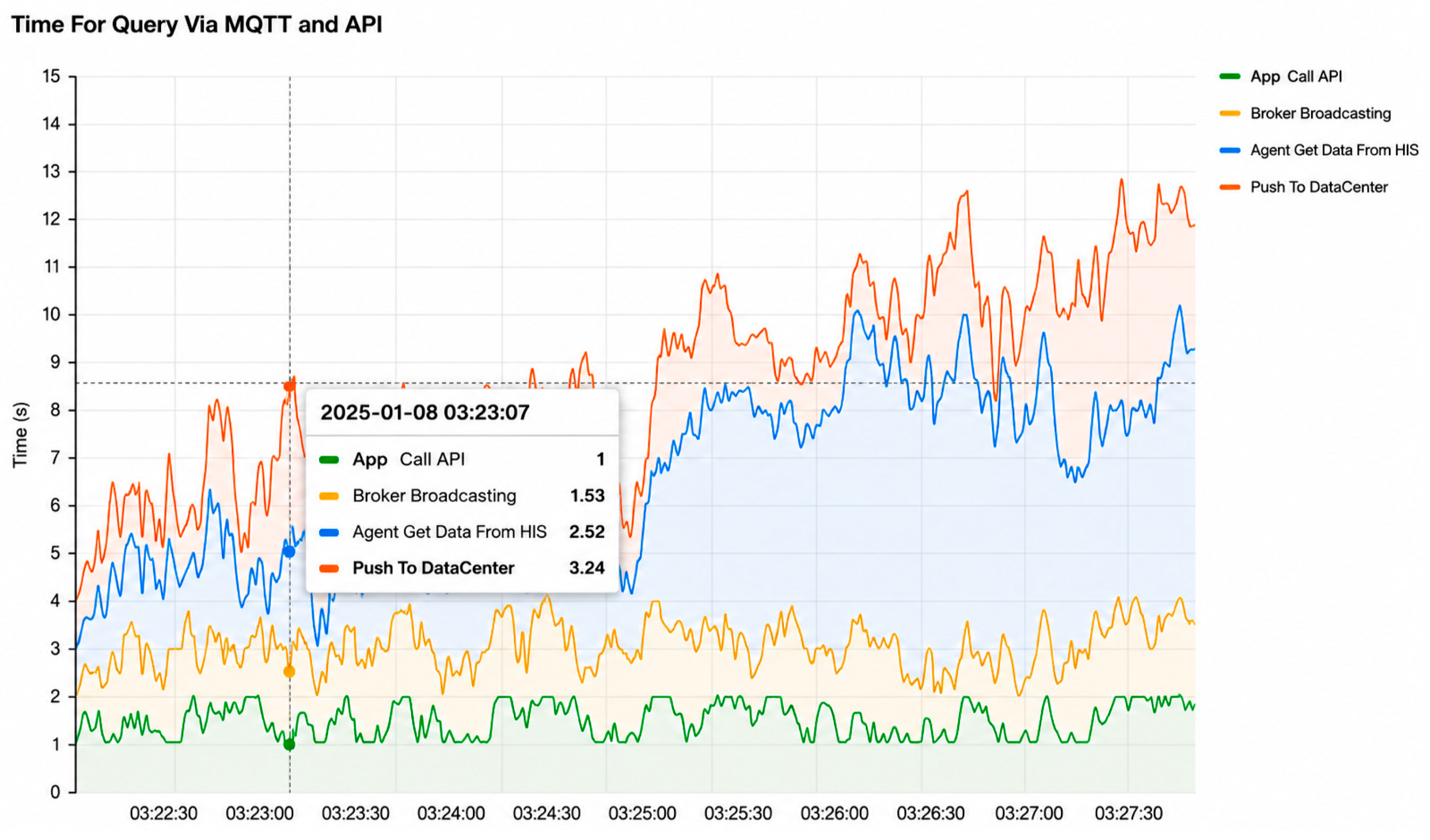
Figure 17 presents average latency values recorded over 5 s intervals between 3:22 a.m. and 3:27 a.m. HIS Access Latency was the largest contributor to overall delay, followed by API Transmission Latency, indicating that data retrieval and transfer processes account for most of the response time.
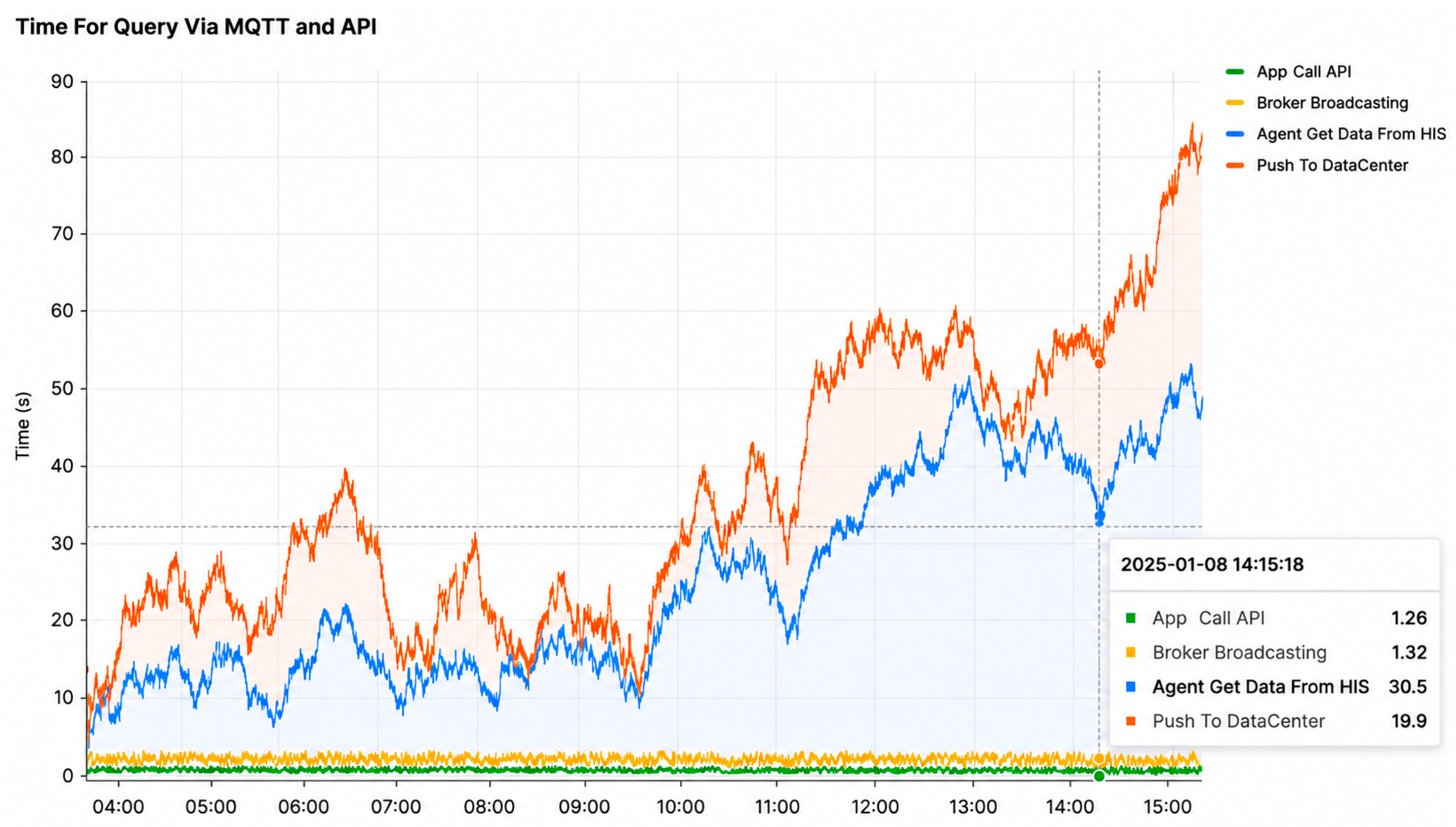
Latency patterns over a 12 h period (
Figure 18) show increased delays during peak daytime operations, corresponding to higher transaction volumes across participating hospitals. Despite these fluctuations, the system maintained stable performance and continuous real-time data exchange.
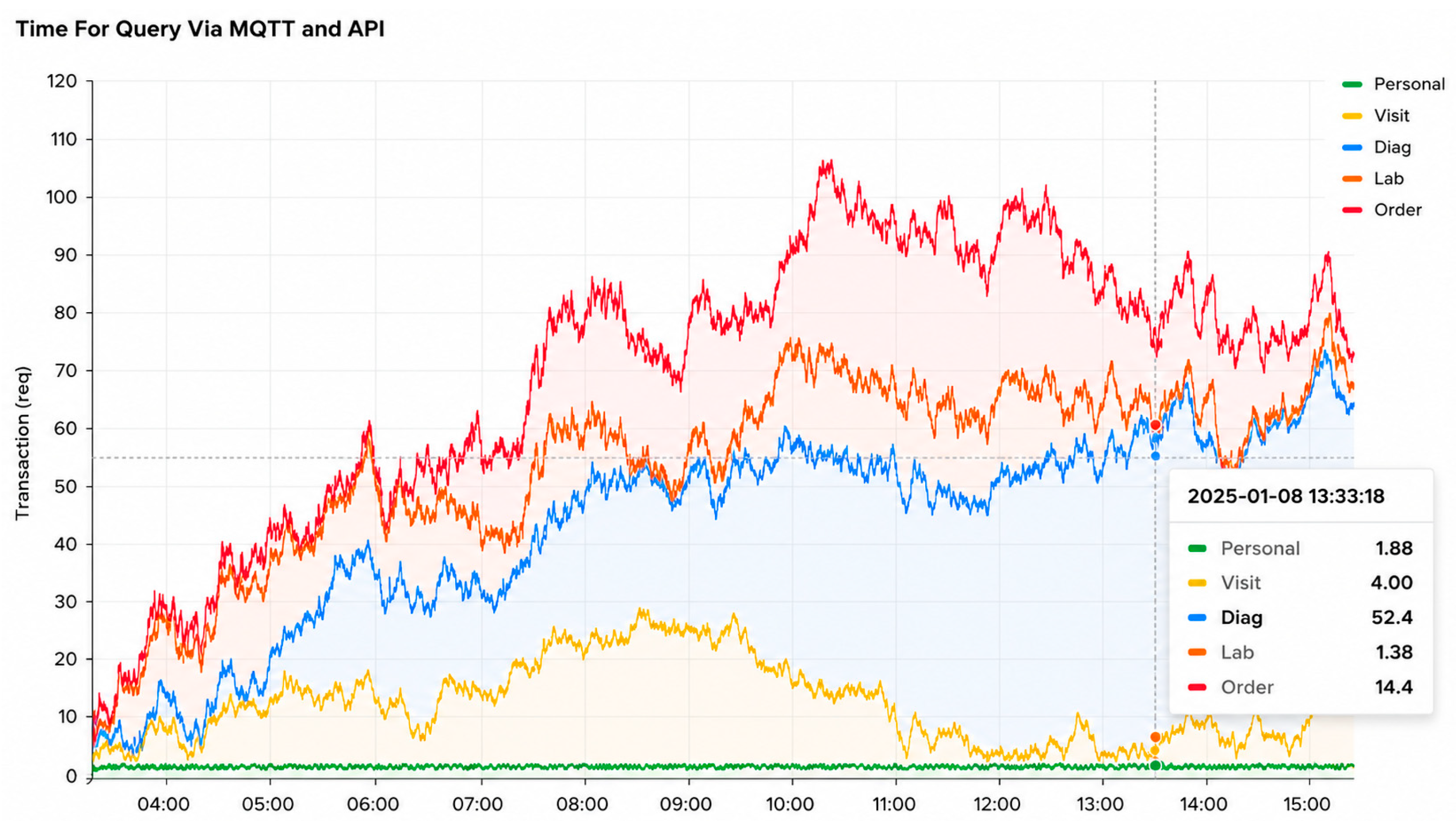
Figure 19 illustrates transaction volumes for a sample hospital over the same period. Transaction activity increased substantially during peak hours, particularly for HIS access and API transmission processes. These findings demonstrate the scalability of the proposed HIE architecture and its ability to support high-volume healthcare data exchange under varying operational workloads.
Table 2 summarizes the average latencies of different approaches for accessing the HIE system across 857 healthcare facilities over a one-hour measurement period. The evaluated approaches included the proposed hybrid architecture, API-based sequential methods, and API-based parallel communication.
The proposed hybrid approach achieved the lowest practical latency (7.55 s), combining MQTT broadcasting, local HIS retrieval, and API-based data transmission. By using lightweight local agents, requests are distributed simultaneously to participating hospitals, eliminating the need for public IP addresses and reducing communication overhead.
In contrast, API Sequential Method 1 and Method 2 exhibited substantially higher latencies of 29,581.86 s and 5492.86 s, respectively, due to the cumulative delays associated with sequential hospital queries. Although the API Parallel approach achieved a comparable latency (7.98 s), its implementation requires public IP accessibility at each hospital, which may limit deployment in resource-constrained healthcare settings.
Overall, the hybrid architecture demonstrated superior efficiency and operational feasibility, providing scalable real-time data exchange while accommodating heterogeneous healthcare infrastructures.
- E.
Mobile App–Based 1669 EMS Integration
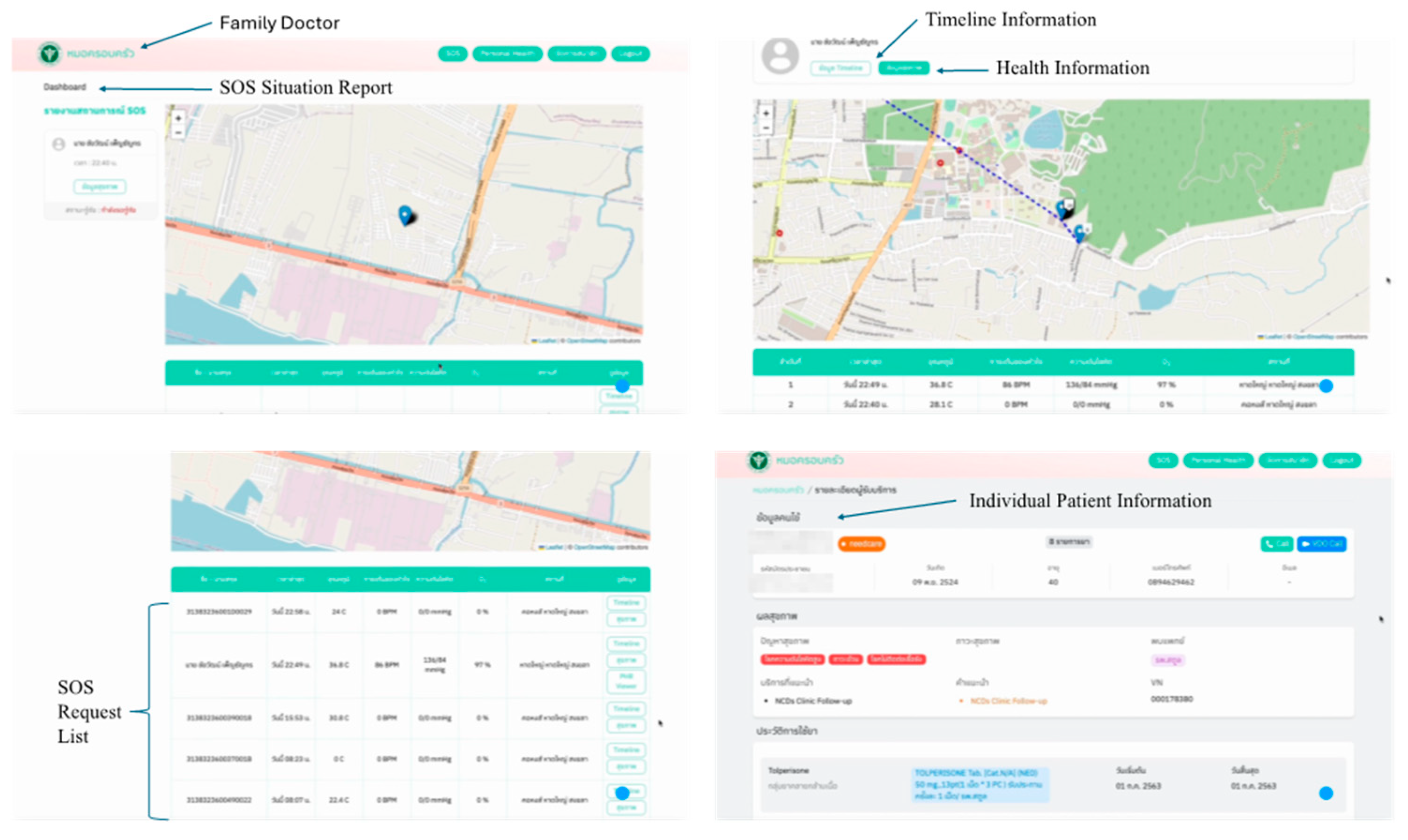
Figure 20 illustrates the integration of the HIE system with Thailand’s national Emergency Medical Service (EMS 1669) through a mobile application–based SOS mechanism. The proposed system enables PWDs to initiate an emergency request directly via the mobile application by activating an SOS button linked to the 1669 EMS service. This function is designed to reduce response time and improve emergency coordination, particularly for PWDs who may face mobility, communication, or environmental barriers during critical situations.
Once the SOS function is activated, the EMS command dashboard immediately receives the emergency alert and displays the user’s real-time GPS location on an interactive map interface. This allows EMS dispatchers and first responders to accurately identify the patient’s location and plan the most efficient response route. In parallel, the HIE system retrieves and presents the user’s electronic medical records, including demographic data, medical history, known disabilities, chronic conditions, allergies, and current medications. Access to this information enables EMS personnel and assisting healthcare providers to better understand the patient’s clinical background before arrival, supporting safer and more appropriate emergency interventions.
A key advantage of the HIE-enabled EMS integration is its ability to provide authorized helpers and EMS teams with timely access to relevant medical records of PWDs, which is particularly critical when patients are unable to communicate effectively during emergencies. This capability reduces information gaps, minimizes medical errors, and enhances continuity of care across pre-hospital and hospital settings.
The EMS dashboard also supports real-time communication features, including voice and video calls, allowing coordination among EMS operators, healthcare professionals, caregivers, or family members when necessary. This collaborative communication environment further improves situational awareness and decision-making during emergency response.
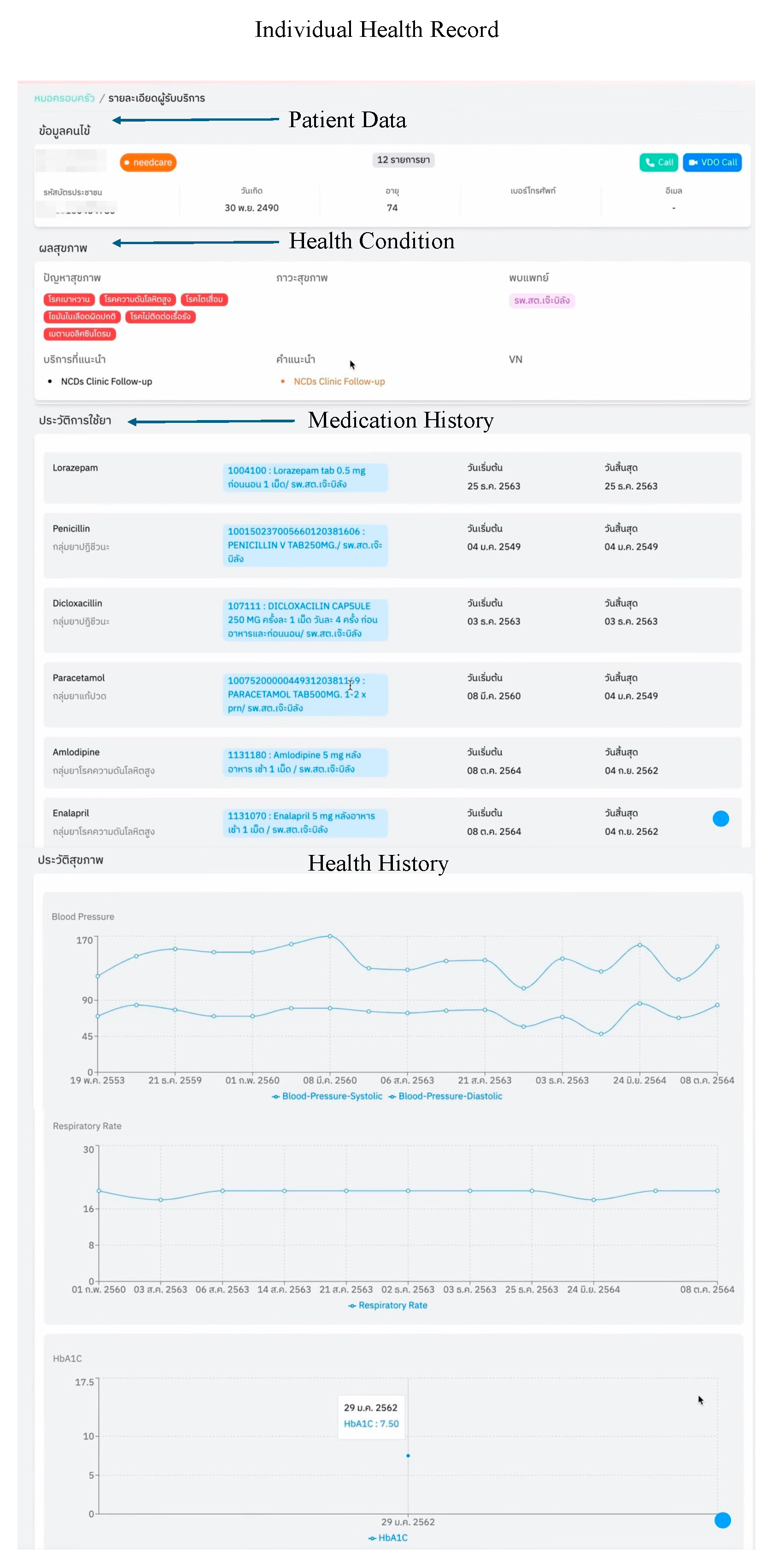
Figure 21 illustrates the implementation of a primary care dashboard, tailored for use by doctors and nurses in primary healthcare settings. This dashboard is integrated with the HIE system to provide real-time access to critical patient information, facilitating more efficient and informed decision-making.
On the web interface, the dashboard offers an overview of patient health statuses, categorized into groups such as chronic diseases, high-risk conditions, and general health. Healthcare providers can easily navigate through patient lists, prioritized alerts, and detailed profiles with just a click. The detailed patient view includes essential medical data, such as demographics, current diagnoses, and treatment plans. It also features a chronological record of medication history and graphical representations of health trends, including blood pressure, respiratory rate, and HbA1c levels, enabling longitudinal monitoring of patient conditions.
This dashboard exemplifies the integration of technology into primary healthcare workflows, enhancing interoperability between diverse healthcare systems. By providing comprehensive, real-time, and visually intuitive patient information, the system empowers medical staff to deliver more precise, timely, and patient-centered care. Its adaptability to both web and mobile platforms further ensures that healthcare providers can maintain continuity of care, regardless of location or circumstances.
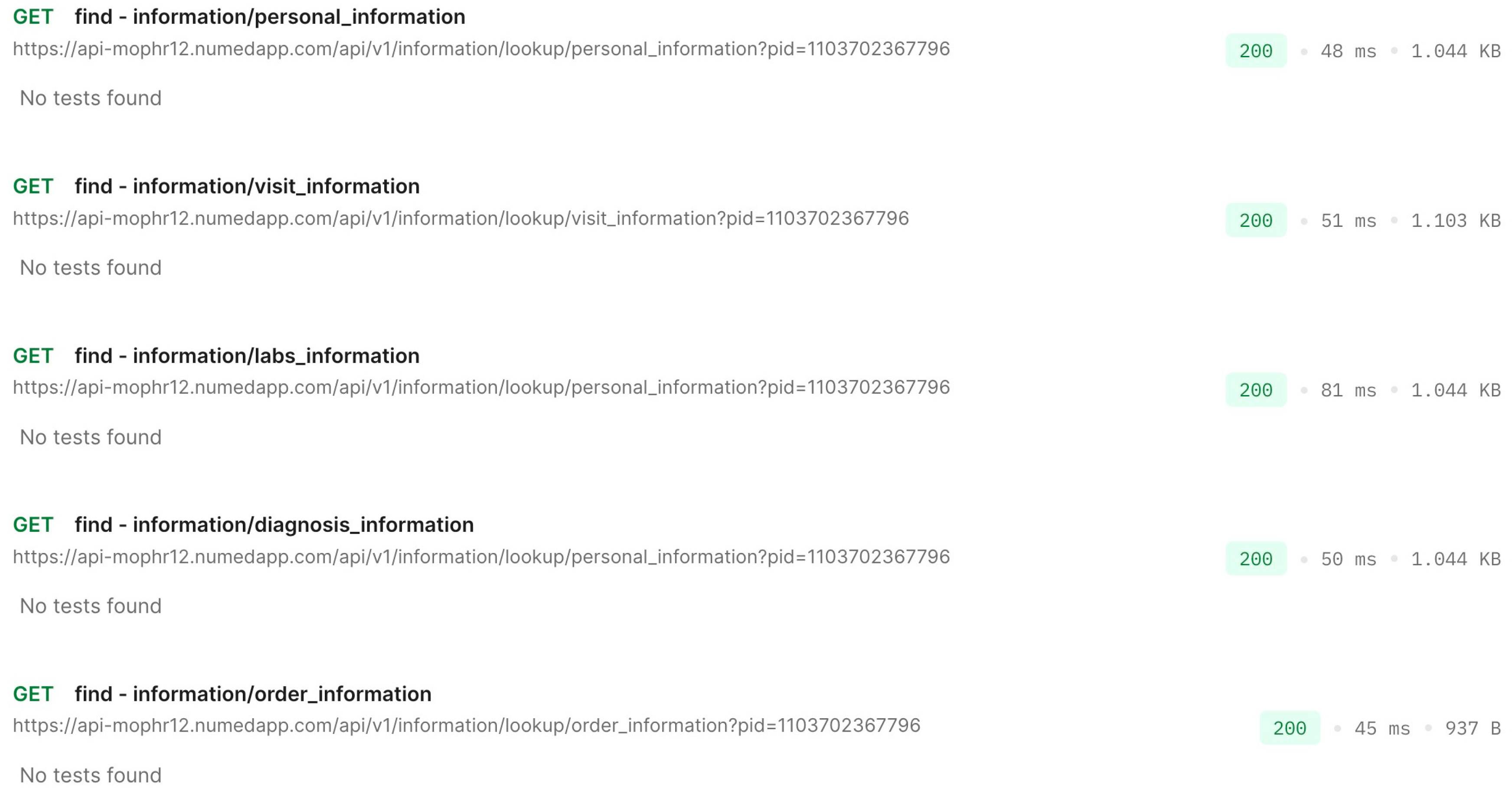
Figure 22 presents the API response time performance results obtained from the system testing using Postman, evaluated across five core data retrieval endpoints of the HIE system. All API requests returned an HTTP status code of 200, confirming successful data retrieval in all test cases. The tested endpoints include personal information, visit information, laboratory information, diagnosis information, and order information, all queried using a patient identifier (PID).
The results demonstrate consistently low response times across all endpoints. The personal_information endpoint returned a response in 48 ms with a payload size of 1.044 KB, while the visit_information endpoint responded in 51 ms with 1.103 KB. The labs_information endpoint recorded the highest response time of 81 ms with a payload of 1.044 KB, which is attributed to the relatively larger volume of laboratory data retrieved per query. The diagnosis_information endpoint responded in 50 ms with 1.044 KB, and the order_information endpoint achieved the fastest response at 45 ms with the smallest payload of 937 B.
These results confirm that the HIE system’s API layer delivers reliable and low-latency data retrieval performance, with all endpoints responding well within acceptable thresholds for real-time clinical use. The consistently successful HTTP 200 responses across all iterations further validate the stability and correctness of the system’s data exchange mechanisms across heterogeneous hospital information systems.
In summary, the integration of the mobile application with the HIE and EMS 1669 system significantly enhances emergency service delivery for PWDs. By combining rapid SOS activation, precise location tracking, and secure access to comprehensive medical records, the system enables EMS teams to deliver faster, safer, and more informed emergency care, demonstrating the practical value of HIE in real-world emergency scenarios.