1. Introduction
The preservation of cultural heritage is undergoing a paradigm shift, moving beyond the conservation of tangible monuments to the safeguarding of Intangible Cultural Heritage (ICH)—the living expressions, skills, and community practices that define a culture’s identity. According to the UNESCO Convention for the Safeguarding of the Intangible Cultural Heritage [
1], preserving these dimensions requires active engagement rather than mere documentation. However, historic communities like Wua-Lai in Chiang Mai, Thailand, renowned for its Lanna silvercraft heritage, face a critical challenge. In recent years, the community has experienced a decline in tourist engagement, particularly among younger generations who prefer self-guided exploration over traditional tours. Consequently, the deep cultural narratives and craftsmanship embedded in the silverwork tradition risk fading into obscurity, leading to both cultural detachment and reduced economic vitality for local artisans.
Digital technologies therefore need to provide more than visual enhancement; they must support participation, contextualized storytelling, and embodied learning [
2,
3]. Extended Reality (XR), particularly Location-Based Augmented Reality (LBAR), has emerged as a promising approach for connecting visitors with heritage in situ. By overlaying digital narratives onto the physical environment, LBAR allows users to construct knowledge through real-world movement and multisensory interaction. Empirical studies demonstrate that contextually grounded AR experiences can heighten curiosity, intrinsic motivation, and cognitive engagement [
4,
5]. Similarly, Location-Based Games (LBGs) have been shown to extend dwell time, reinforce cultural interpretation, and foster emotional connection with heritage environments [
6,
7]. Well-designed digital interactions can even translate cultural values—such as respect, empathy, and craftsmanship—into meaningful gameplay [
8,
9].
Despite the promise of LBAR, significant gaps remain in the literature. Prior studies have given limited attention to how such systems influence measurable learning outcomes regarding tangible versus intangible heritage. Furthermore, there is a scarcity of research examining how different age groups respond to AR-mediated cultural experiences in real-world settings. As heritage tourism encompasses diverse demographics, understanding how digital natives versus older adults process AR content is essential for designing inclusive and effective learning environments.
Addressing these gaps, this study evaluates “Silver Craft Journey,” a gamified LBAR application developed to revitalize the Wua-Lai community. The system integrates GPS-based navigation, context-aware storytelling, and gamified micro-learning to connect visitors with the community’s living heritage. Through a field evaluation, this study aims to: (1) empirically measure heritage knowledge gains facilitated by on-site AR, (2) analyze behavioral engagement patterns to identify interaction barriers, and (3) examine the moderating effect of age on learning and usability. The following research questions guide the inquiry:
RQ1: To what extent does the location-based AR application enhance cultural-heritage knowledge, and do participants across different age groups demonstrate comparable learning gains when interacting with real-world heritage locations?
RQ2: How do learning outcomes generated through the location-based AR experience differ among age groups, particularly in terms of cultural-heritage knowledge improvement?
RQ3: How do user engagement and perceived usability of the location-based AR system vary across age groups during their interaction with cultural-heritage points of interest?
RQ4: What design implications can be drawn for developing effective location-based AR applications that support cultural-heritage learning?
Author Contributions
Conceptualization, P.J. and K.P.; methodology, K.I.; software, D.P.; validation, P.J., K.I. and K.P.; formal analysis, S.S.; investigation, K.I.; resources, P.J.; data curation, D.P.; writing—original draft preparation, K.P.; writing—review and editing, K.P.; visualization, P.J.; supervision, K.P.; project administration, K.I.; funding acquisition, K.I. All authors have read and agreed to the published version of the manuscript.
Funding
This research project was supported by the Fundamental Fund 2026, Chiang Mai University, and also Thailand Science Research and Innovation 2026.
Institutional Review Board Statement
The study was conducted in accordance with the Declaration of Helsinki, and approved by the Institutional Review Board of Chiang Mai University Research Ethics Committee at Chiang Mai University COA No. 041/67.
Informed Consent Statement
Informed consent was obtained from all subjects involved in the study.
Data Availability Statement
The data presented in this study are available upon request from the corresponding author due to restrictions. The data are not publicly available.
Conflicts of Interest
The authors declare no conflicts of interest.
Abbreviations
The following abbreviations are used in this manuscript:
| AR | Augmented Reality |
| LBAR | Location-Based Augmented Reality |
| XR | Extended Reality |
| ICH | Intangible Cultural Heritage |
| PBOC | Pragmatic Behavior Observation Checklist |
| POI | Point(s) of Interest |
| LBGs | Location-Based Game(s) |
References
- Kleftodimos, A.; Evagelou, A.; Triantafyllidou, A.; Grigoriou, M.; Lappas, G. Location-Based Augmented Reality for Cultural Heritage Communication and Education: The Doltso District Application. Sensors 2023, 23, 4963. [Google Scholar] [CrossRef]
- Boboc, R.G.; Băutu, E.; Gîrbacia, F.; Popovici, N.; Popovici, D.-M. Augmented Reality in Cultural Heritage: An Overview of the Last Decade of Applications. Appl. Sci. 2022, 12, 9859. [Google Scholar] [CrossRef]
- UNESCO. Convention for the Safeguarding of the Intangible Cultural Heritage; UNESCO: Paris, France, 2003. [Google Scholar]
- Wang, H.; Gao, Z.; Zhang, X.; Du, J.; Xu, Y.; Wang, Z. Gamifying cultural heritage: Exploring the potential of immersive virtual exhibitions. Telemat. Inform. Rep. 2024, 15, 100150. [Google Scholar] [CrossRef]
- Guo, J.; Xu, H.; Zhao, S. What Factors Impact Visitors’ Intentions to Use Location-Based AR Navigation for Museum Tours? Sustainability 2023, 15, 14328. [Google Scholar] [CrossRef]
- Vassilakis, K.; Charalampakos, O.; Glykokokalos, G.; Kontokalou, P.; Kalogiannakis, M.; Vidakis, N. Learning History through Location-Based Games: The Fortification Gates of the Venetian Walls of Heraklion. In ArtsIT 2017 and DLI 2017 Proceedings; Springer: Cham, Switzerland, 2018; pp. 510–519. [Google Scholar] [CrossRef]
- Laato, S.; Pietarinen, T.; Rauti, S.; Sutinen, E. Potential Benefits of Playing Location-Based Games: An Analysis of Game Mechanics. In Computer Supported Education (CSEDU 2019), Revised Selected Papers; Springer: Cham, Switzerland, 2020; pp. 557–581. [Google Scholar] [CrossRef]
- Hunicke, R.; LeBlanc, M.; Zubek, R. MDA: A Formal Approach to Game Design and Game Research. In Proceedings of the Game Developers Conference Workshop, San Jose, CA, USA, 22–26 March 2004. [Google Scholar]
- Junior, R.; Silva, F. Redefining the MDA Framework—The Pursuit of a Game Design Ontology. Information 2021, 12, 395. [Google Scholar] [CrossRef]
- Pumketkao-Lecourt, P.; Teeraparbwong, K.; Tansukanun, P. Silver Craft and Buddhist Temple in the Shaping of Neighbourhood Communities in Wua-Lai, Chiang Mai, Thailand. Asia Pac. Viewp. 2022, 63, 379–395. [Google Scholar] [CrossRef]
- IIAS (International Institute for Asian Studies). Collective Actions and Heritage of the Neighborhood: Wua Lai, Chiang Mai. The Newsletter, 1 November 2021; p. 89. [Google Scholar]
- Hassadee, Y.; Lao-Akka, S.; Rodhetbhai, C.; Kiratiburana, Y. Harmonizing culture, society, and commerce: Preserving the cultural identity of the Muen San community through community-led participation in Wua Lai Walking Street. Int. J. Interdiscip. Soc. Community Stud. 2023, 18, 25–47. [Google Scholar] [CrossRef]
- Nadee, W.; Nochai, R.; Jomnonkwao, S.; Ratanavaraha, V. An Investigation of the Intention to Visit Smart Tourism Destinations: The Roles of Attitudes and Self-Efficacy. Sustainability 2024, 16, 10484. [Google Scholar] [CrossRef]
- Wang, F.; Peng, X.; Wang, Y.; Fan, W.; Wang, K.; Du, Y. Adopting AR wayfinding in heritage tourism: Extending the UTAUT in cultural contexts. NPJ Herit. Sci. 2025, 13, 484. [Google Scholar] [CrossRef]
- Wardiani, W.; Rusmana, A.; Damayani, N.A.; Khadija, U.L.S. The Role of Augmented Reality (AR) and Virtual Reality (VR) in Urban Heritage Tourism: A Study on Adoption and Communication Challenges. J. Comput. Sci. 2025, 21, 1908–1920. [Google Scholar] [CrossRef]
- Sailer, M.; Homner, L. The Gamification of Learning: A Meta-Analysis. Educ. Psychol. Rev. 2020, 32, 77–112. [Google Scholar] [CrossRef]
- Caponetto, I.; Earp, J.; Ott, M. Gamification and Education: A Literature Review. In Proceedings of the European Conference on Games Based Learning (ECGBL), Berlin, Germany, 9–10 October 2014; Volume 1, pp. 50–57. [Google Scholar]
- Seaborn, K.; Fels, D.I. Gamification in Theory and Action: A Survey. Int. J. Hum.-Comput. Stud. 2015, 74, 14–31. [Google Scholar] [CrossRef]
- Hamari, J.H.; Koivisto, J.; Sarsa, H. Does Gamification Work? A Literature Review of Empirical Studies on Gamification. In Proceedings of the 47th Hawaii International Conference on System Sciences, Waikoloa, HI, USA, 6–9 January 2014; pp. 3025–3034. [Google Scholar] [CrossRef]
- Landers, R.N.; Bauer, K.N.; Callan, R.C.; Armstrong, M.B. Psychological theory and the gamification of learning. In Gamification in Education and Business; Reiners, T., Wood, L.C., Eds.; Springer International Publishing: Cham, Switzerland, 2014; pp. 165–186. [Google Scholar] [CrossRef]
- Li, M.; Ma, S.; Shi, Y. Examining the Effectiveness of Gamification as a Tool Promoting Teaching and Learning in Educational Settings: A Meta-Analysis. Front. Psychol. 2023, 14, 1253549. [Google Scholar] [CrossRef] [PubMed]
- Oliveira, W.; Hamari, J.; Shi, L.; Toda, A.M.; Rodrigues, L.; Palomino, P.T. Tailored Gamification in Education: A Literature Review and Future Agenda. Educ. Inf. Technol. 2023, 28, 373–406. [Google Scholar] [CrossRef]
- Peterson, C.; Kumar, S.; Lee, M. Gamification in Education: A Scientometric, Content and Co-Occurrence Analysis. Comput. Educ. 2023, 188, 104580. [Google Scholar] [CrossRef]
- Almeida, P.; da Silva, C.P. A Systematic Literature Review of Gamification in Cultural Heritage. Heritage 2023, 6, 312. [Google Scholar]
- Liamruk, P.; Onwong, N.; Amornrat, K.; Arayapipatkul, A.; Sipiyaruk, K. Development and evaluation of an augmented reality serious game to enhance 21st century skills in cultural tourism. Sci. Rep. 2025, 15, 13492. [Google Scholar] [CrossRef]
- Bekele, M.K.; Pierdicca, R.; Frontoni, E.; Malinverni, E.S.; Gain, J. A Survey of Augmented, Virtual, and Mixed Reality for Cultural Heritage. J. Comput. Cult. Herit. 2018, 11, 36. [Google Scholar] [CrossRef]
- Mortara, M.; Catalano, C.E.; Bellotti, F.; Fiucci, G.; Houry-Panchetti, M.; Petridis, P. Learning Cultural Heritage by Serious Games. J. Cult. Herit. 2014, 15, 318–325. [Google Scholar] [CrossRef]
- Sommerauer, P.; Müller, O. Augmented Reality in Informal Learning Environments: A Field Experiment in a Mathematics Exhibition. Comput. Educ. 2014, 79, 59–68. [Google Scholar] [CrossRef]
- Trunfio, M.; Della Lucia, M.; Campana, S.; Magnelli, A. Innovating the Cultural Heritage Museum Service Model through Virtual Reality and Augmented Reality: The Effects on the Overall Visitor Experience and Satisfaction. J. Herit. Tour. 2022, 17, 1–19. [Google Scholar] [CrossRef]
- Chatsiopoulou, A.; Michailidis, P.D. Augmented Reality in Cultural Heritage: A Narrative Review of Design, Development and Evaluation Approaches. Heritage 2025, 8, 421. [Google Scholar] [CrossRef]
- Ardito, C.; Buono, P.; Costabile, M.F.; Desolda, G. Interaction with Large Displays in Public Spaces for Cultural Tourism Promotion: A Case Study. Int. J. Hum.-Comput. Stud. 2018, 112, 36–50. [Google Scholar] [CrossRef]
- Paliokas, I.; Sylaiou, S. The use of serious games in museum visits and exhibitions: A systematic mapping study. In Proceedings of the 2016 8th International Conference on Games and Virtual Worlds for Serious Applications (VS-GAMES), Barcelona, Spain, 7–9 September 2016; IEEE: Piscataway, NJ, USA, 2016; pp. 1–8. [Google Scholar] [CrossRef]
- la Cuadra, M.T.D.; Vila-Lopez, N.; Hernandez-Fernández, A. Could gamification improve visitors’ engagement? Int. J. Tour. Cities 2020, 6, 317–334. [Google Scholar] [CrossRef]
- Han, S.; Jung, J.; Gibson, A. Impact of Experiential Value of Augmented Reality on Authenticity and Satisfaction in Cultural-Heritage Tourism. Sustainability 2021, 13, 4147. [Google Scholar] [CrossRef]
- Mayer, R.E. The Cambridge Handbook of Multimedia Learning; Cambridge University Press: Cambridge, UK, 2005. [Google Scholar]
- Deci, E.L.; Ryan, R.M. The “What” and “Why” of Goal Pursuits: Human Needs and the Self-Determination of Behavior. Psychol. Inq. 2000, 11, 227–268. [Google Scholar] [CrossRef]
- Khamzina, M.; Parab, K.V.; An, R.; Bullard, T.; Grigsby-Toussaint, D.S. Impact of Pokémon Go on physical activity: A systematic review and meta-analysis. Am. J. Prev. Med. 2020, 58, 270–282. [Google Scholar] [CrossRef]
- Marques, C.G.; Pedro, J.P.; Araújo, I. A systematic literature review of gamification in/for cultural heritage: Leveling up, going beyond. Heritage 2023, 6, 5935–5951. [Google Scholar] [CrossRef]
- O’Brien, H.L.; Cairns, P.; Hall, M. A practical approach to measuring user engagement with the User Engagement Scale (UES) and User Engagement Scale Short Form (UES-SF). Int. J. Hum.-Comput. Stud. Febr. 2018, 112, 28–39. [Google Scholar] [CrossRef]
- Peleg-Adler, R.; Lanir, J.; Korman, M. The effects of aging on the use of handheld augmented reality in a route planning task. Comput. Hum. Behav. 2018, 81, 52–62. [Google Scholar] [CrossRef]
- Xu, F.; Weber, J.; Ritchie, B.W. Gamification and the Tourist Experience: A Systematic Literature Review. Tour. Manag. Perspect. 2022, 44, 101040. [Google Scholar] [CrossRef]
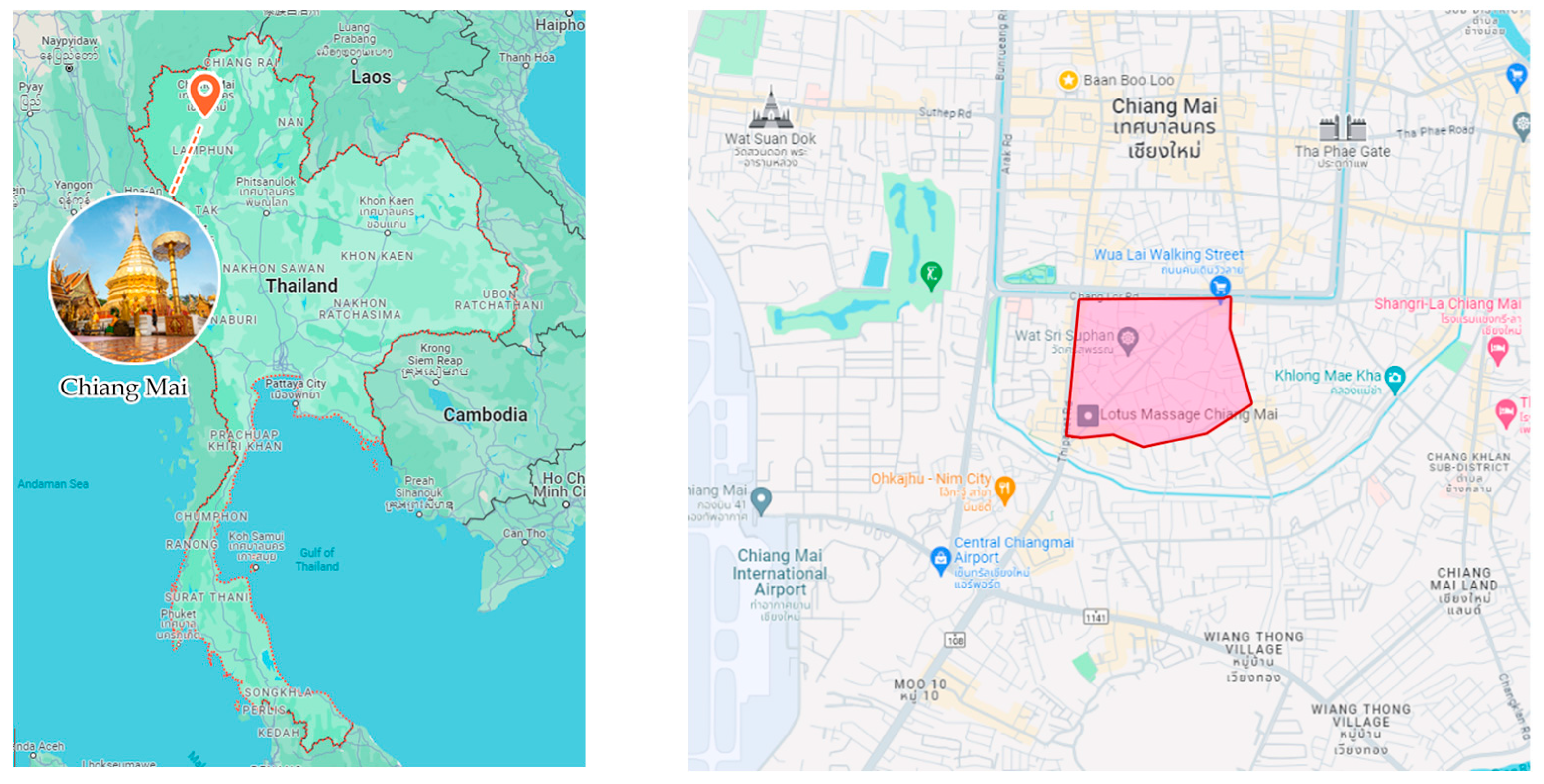
Figure 1.
Geographic and local maps showing the location and cultural context of the Wua Lai community in Chiang Mai, Thailand.
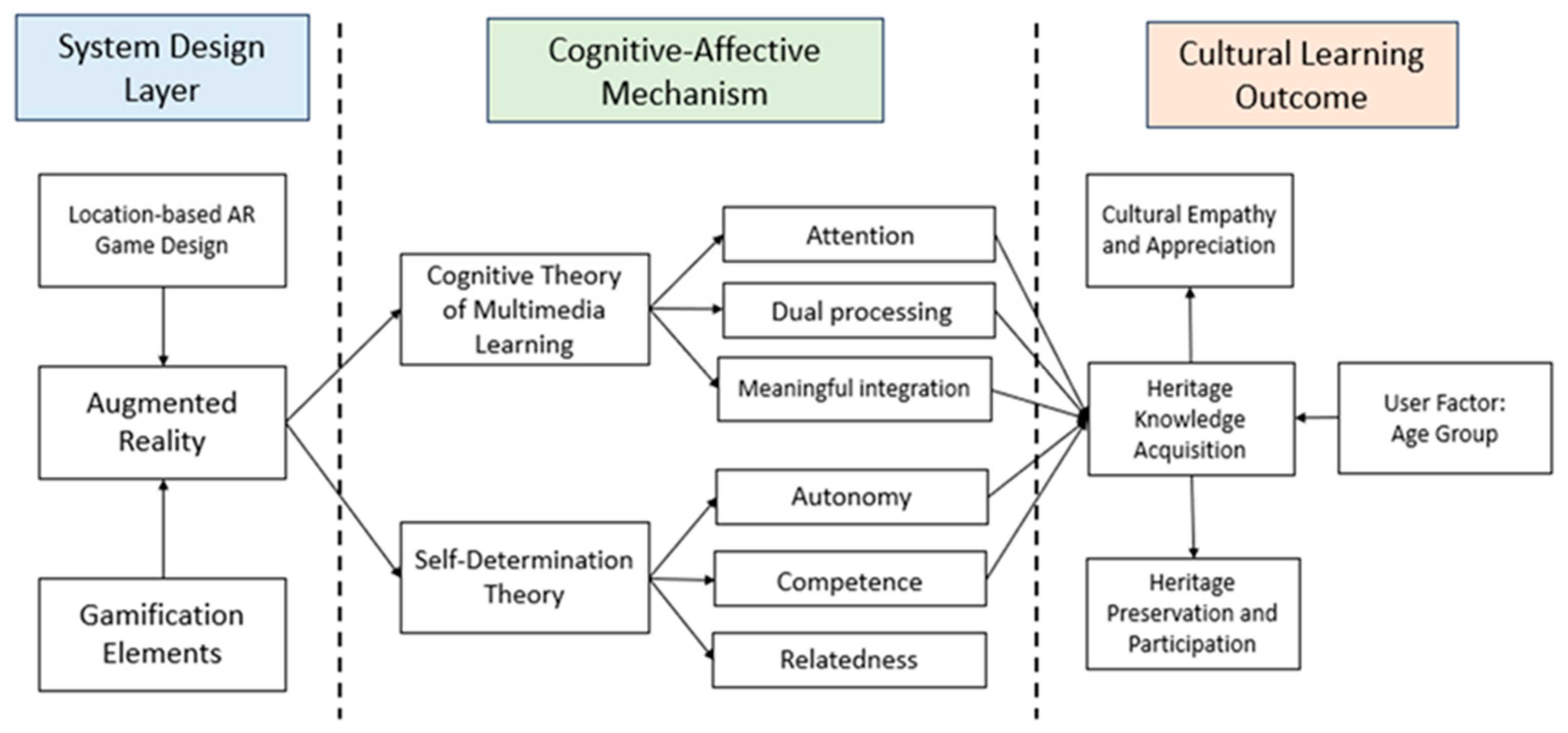
Figure 2.
Presents the conceptual framework guiding this study.
Figure 3.
The user interface of the Silver Craft Journey application, illustrating the login screen, AR navigation map, and quiz interaction.
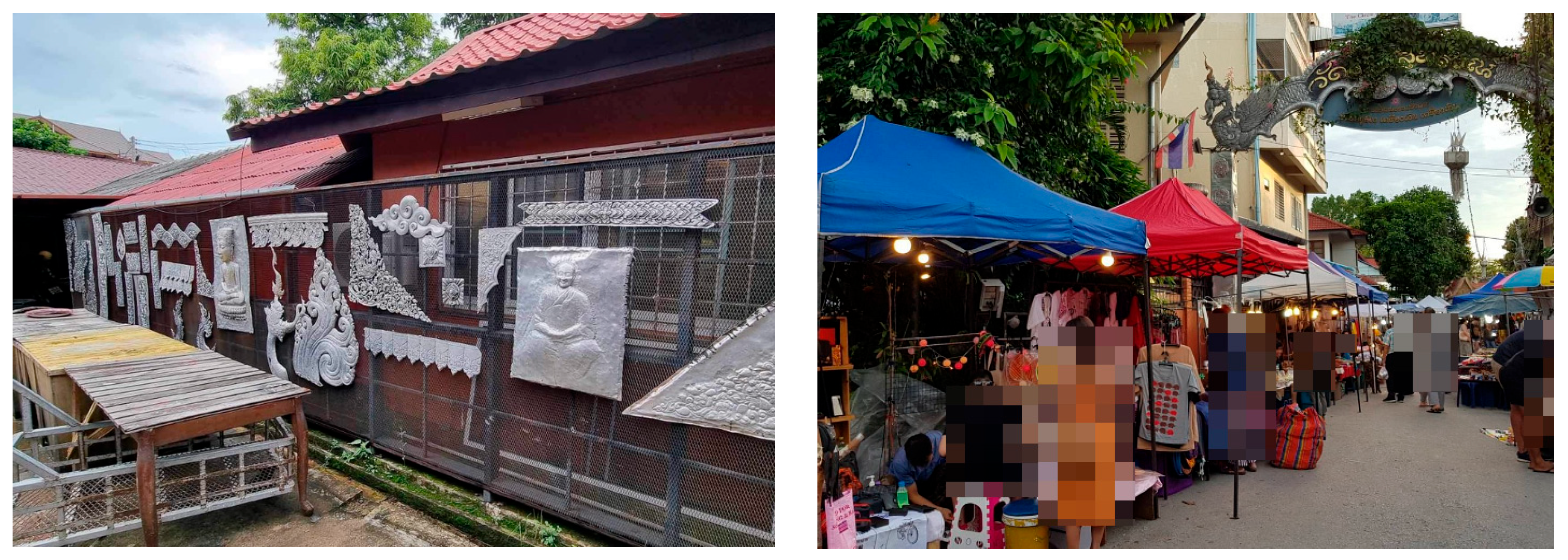
Figure 4.
Intangible heritage POIs: Lanna Art Study Center and Wua Lai Walking Street.
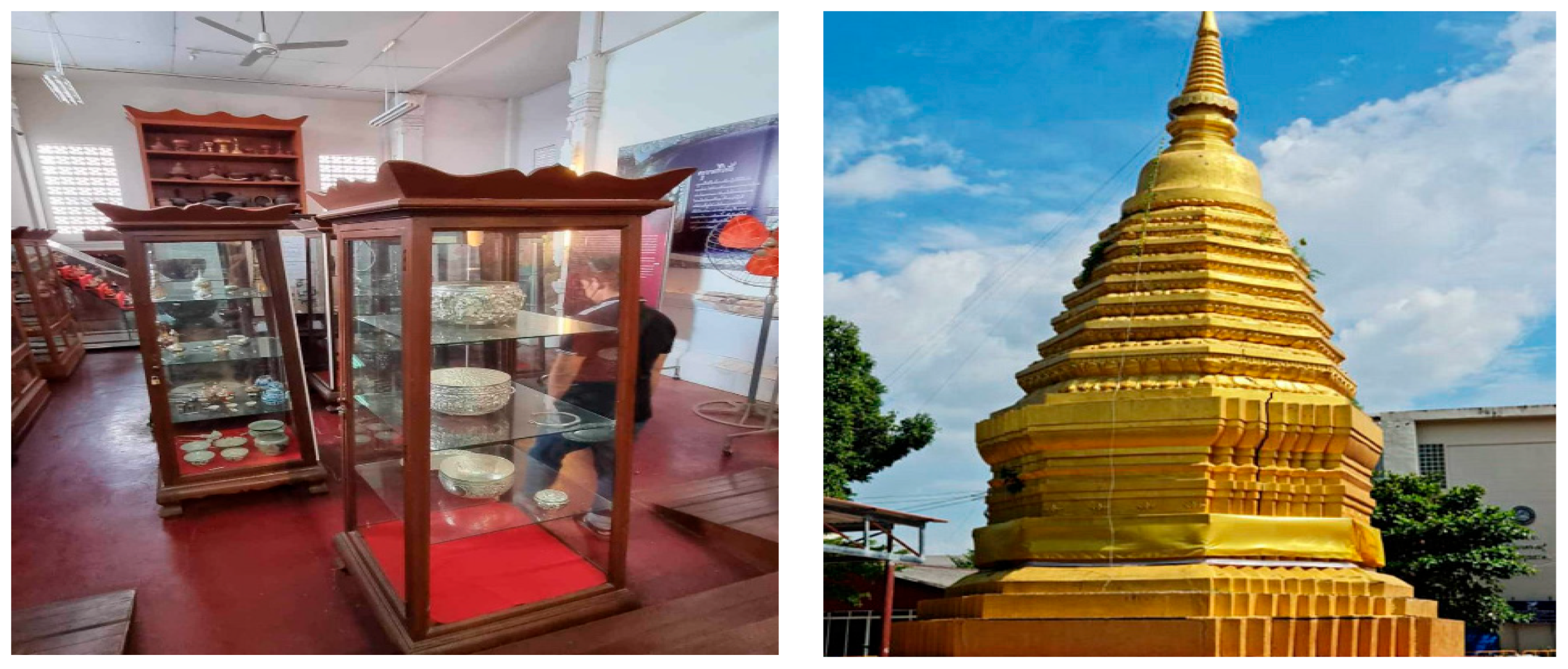
Figure 5.
Tangible heritage POIs: Silverware Museum and the two Silver Temples.
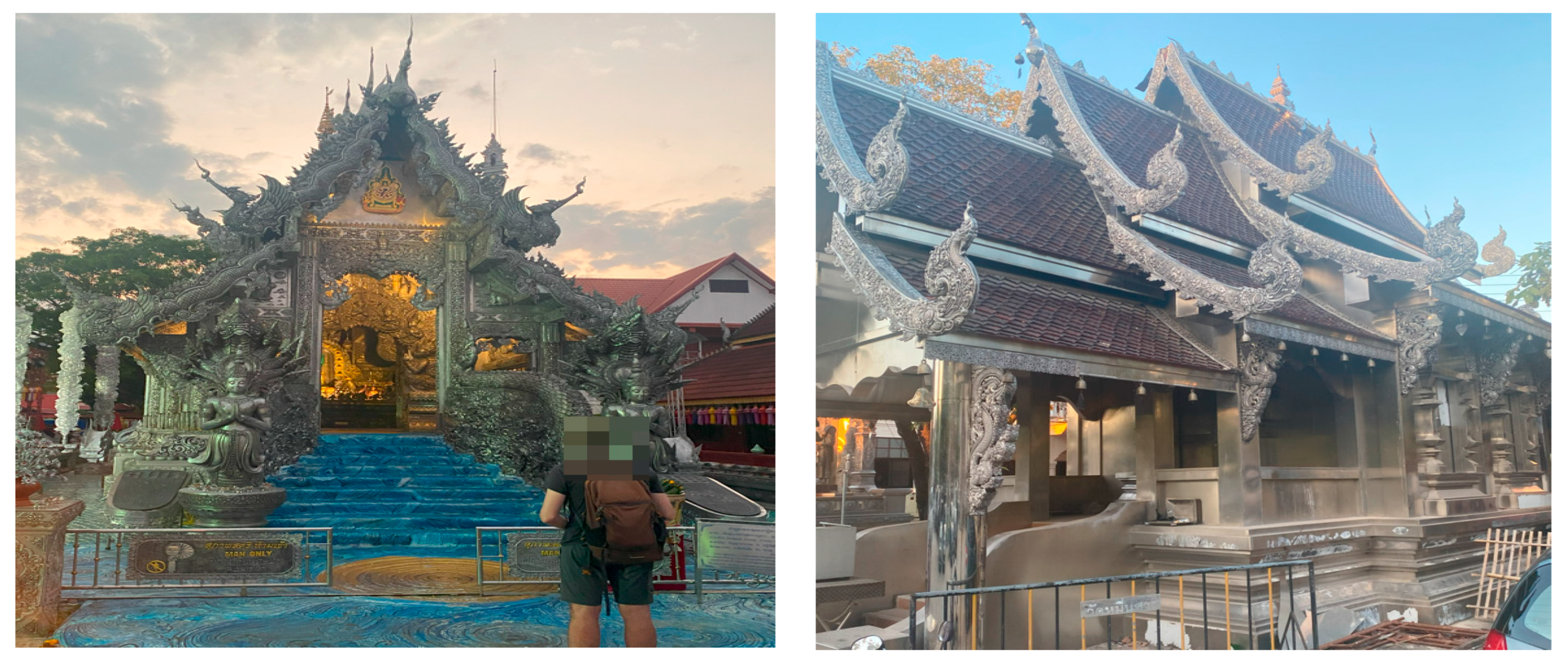
Figure 6.
Tangible heritage Points of Interest: Wat Sri Suphan, the first silver temple, and Wat Muen San, the second silver temple.
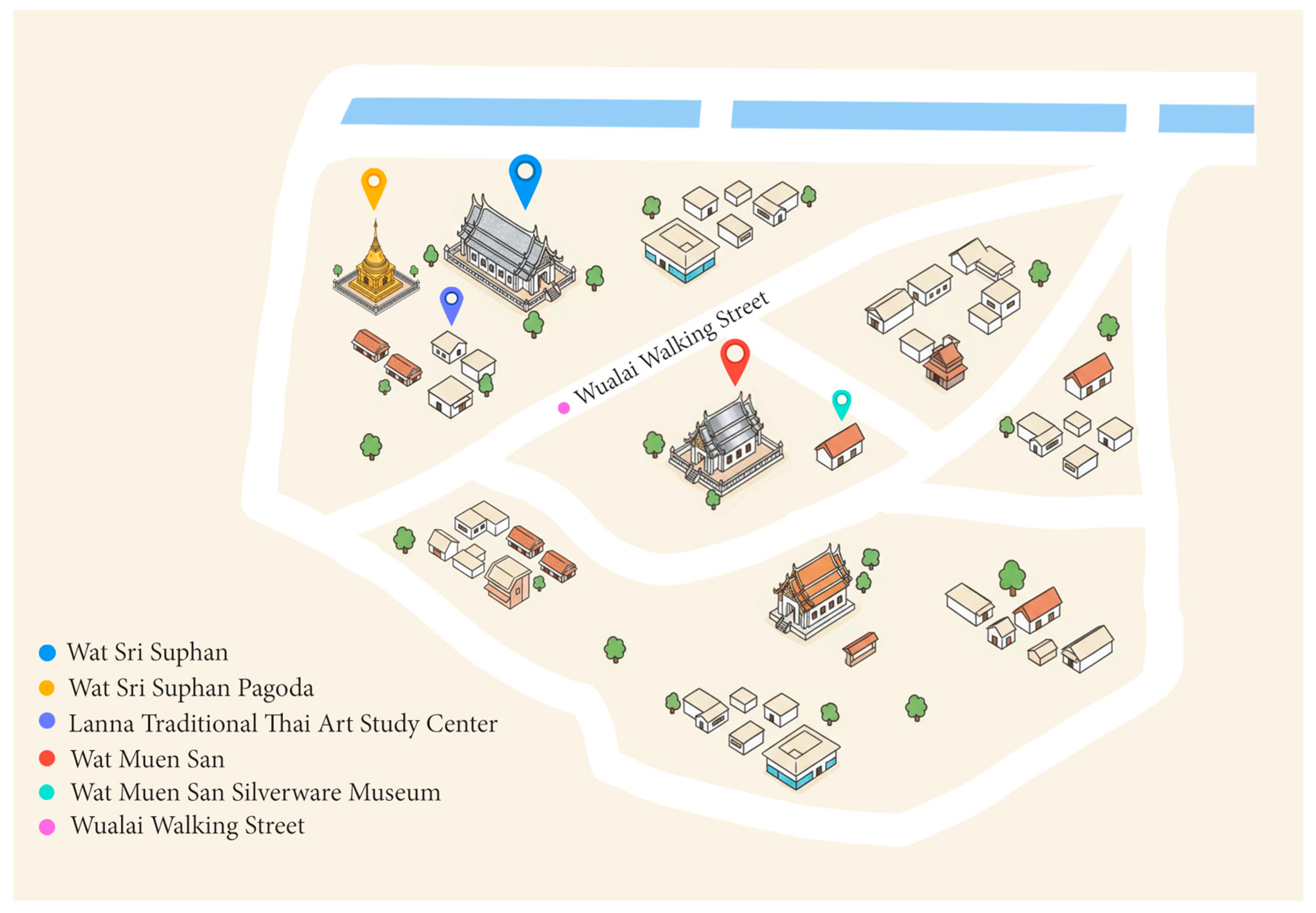
Figure 7.
Map of the Wua Lai community showing the locations of the six cultural Points of POIs.
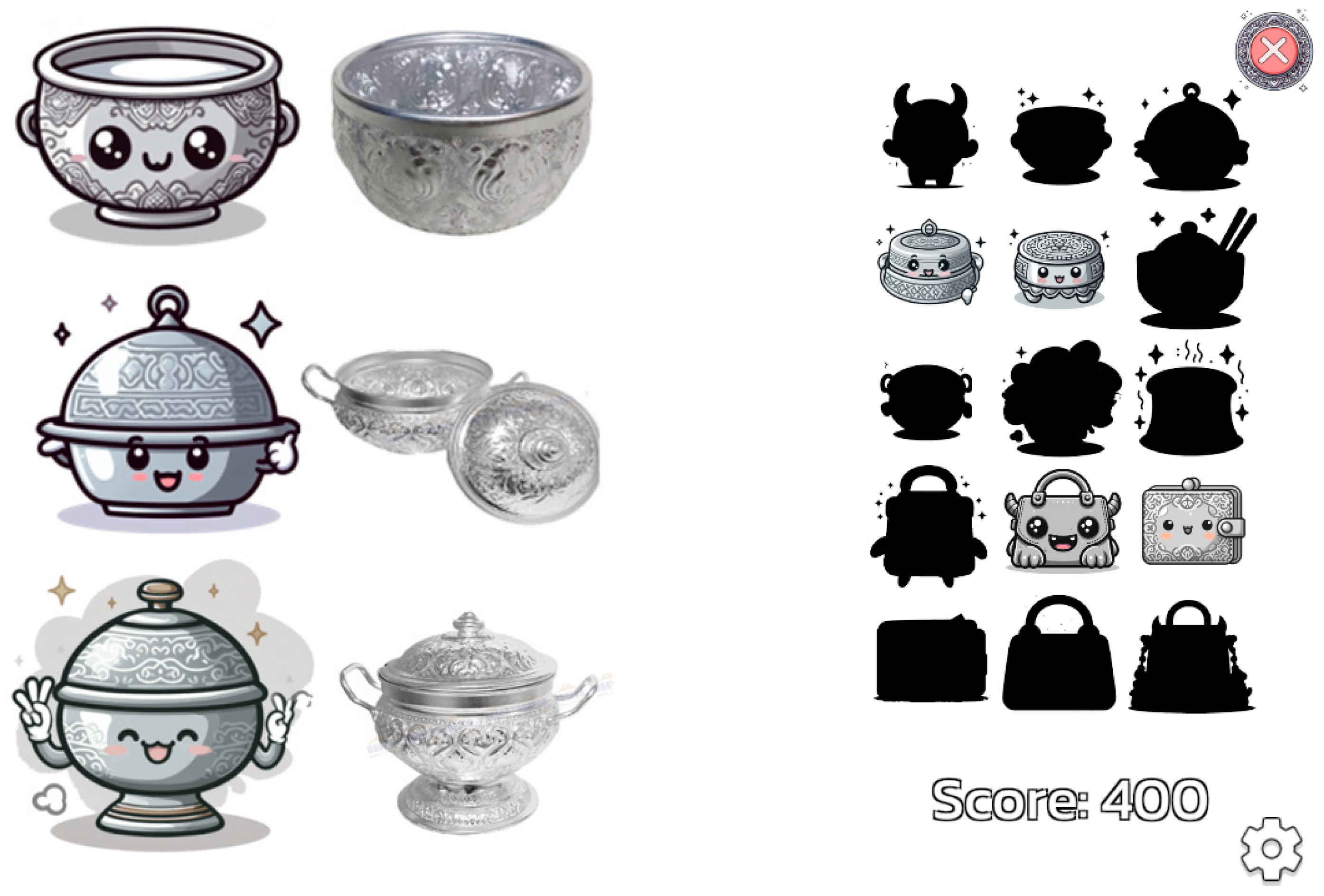
Figure 8.
Cultural-heritage-inspired monster designs derived from traditional Lanna silvercraft artifacts and integrated into the gameplay system.
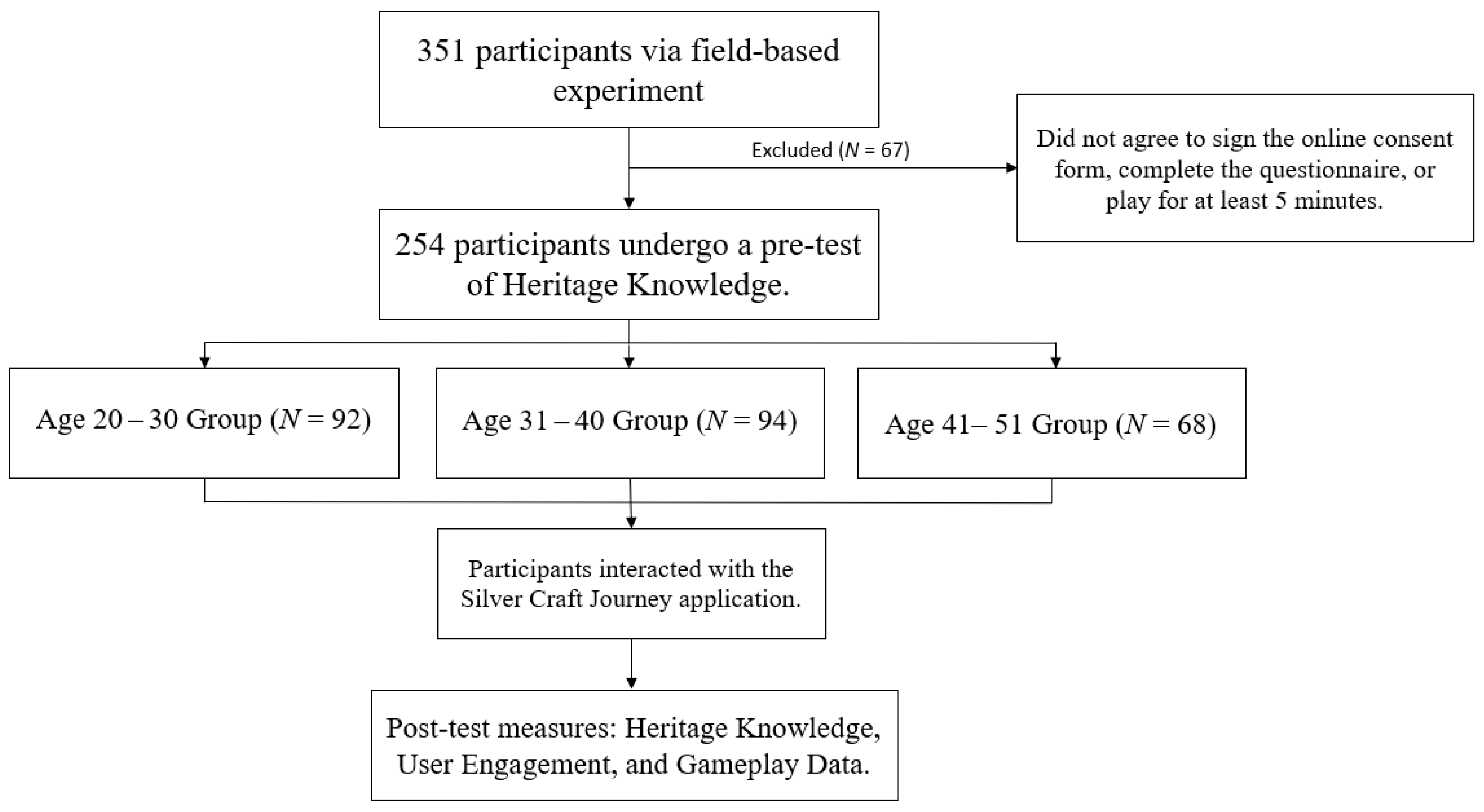
Figure 9.
Research procedure and participant flow diagram.
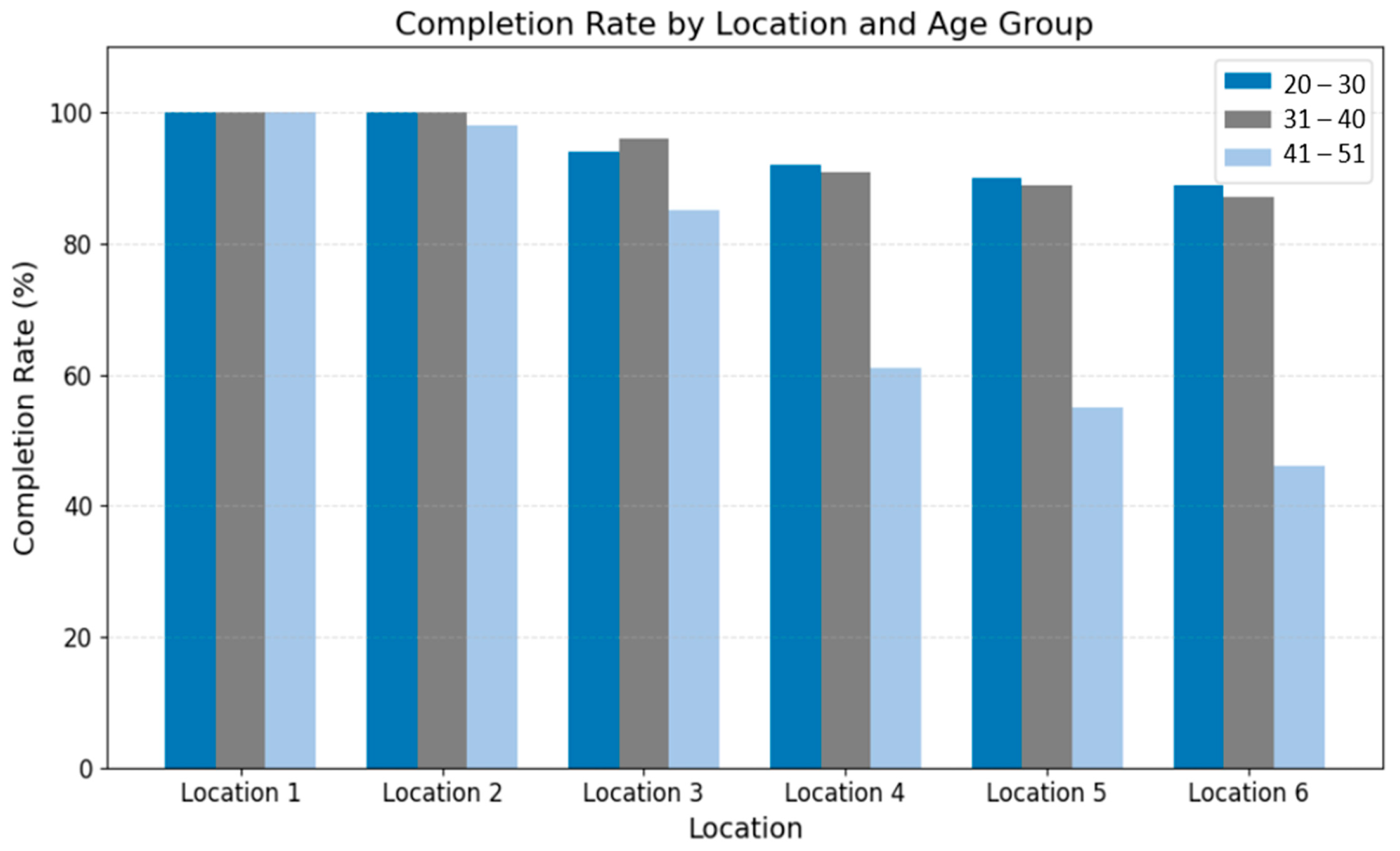
Figure 10.
The completion rates at each game location across the three age groups.
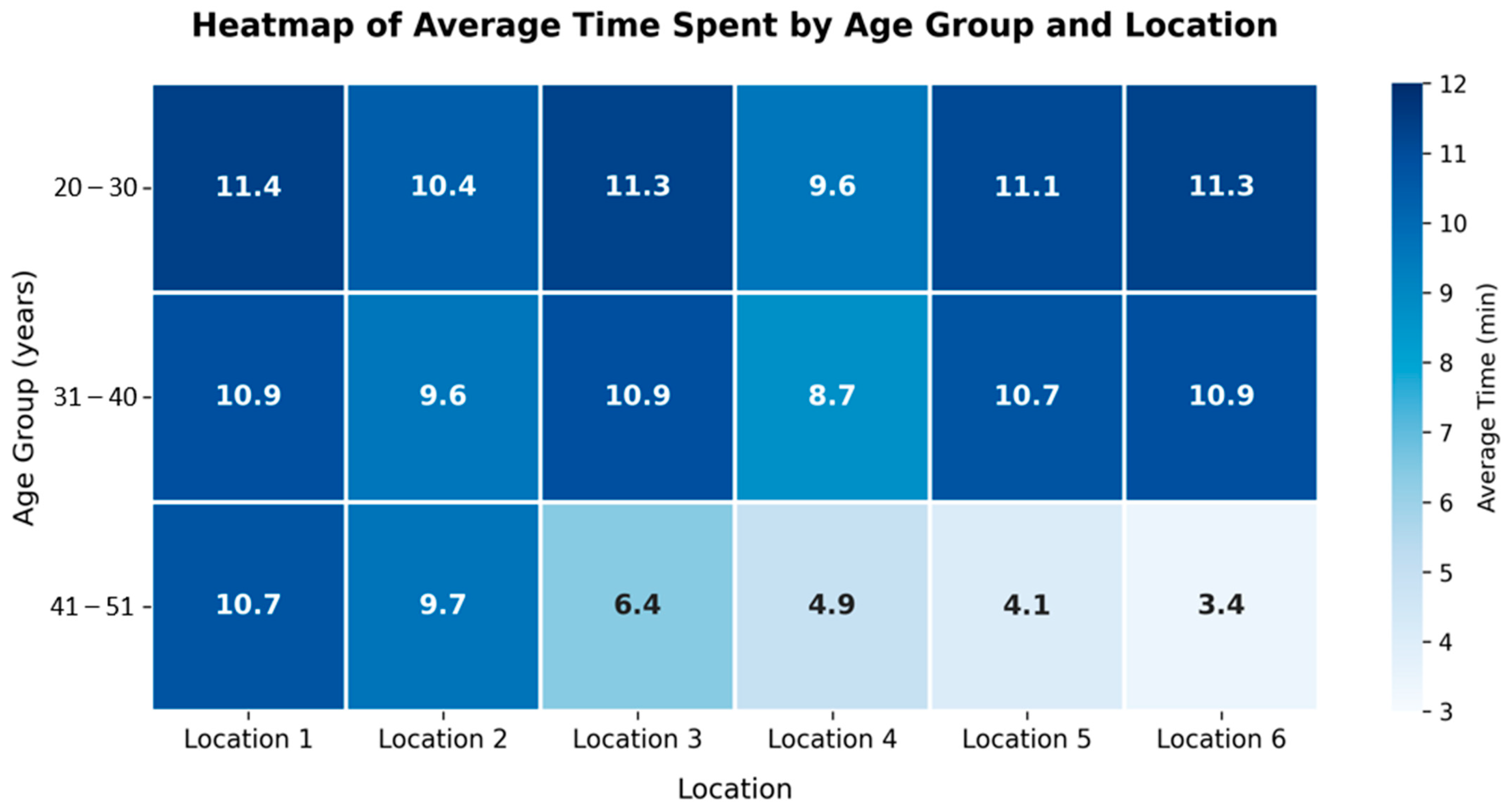
Figure 11.
Heatmap of average time spent at each location by age group.
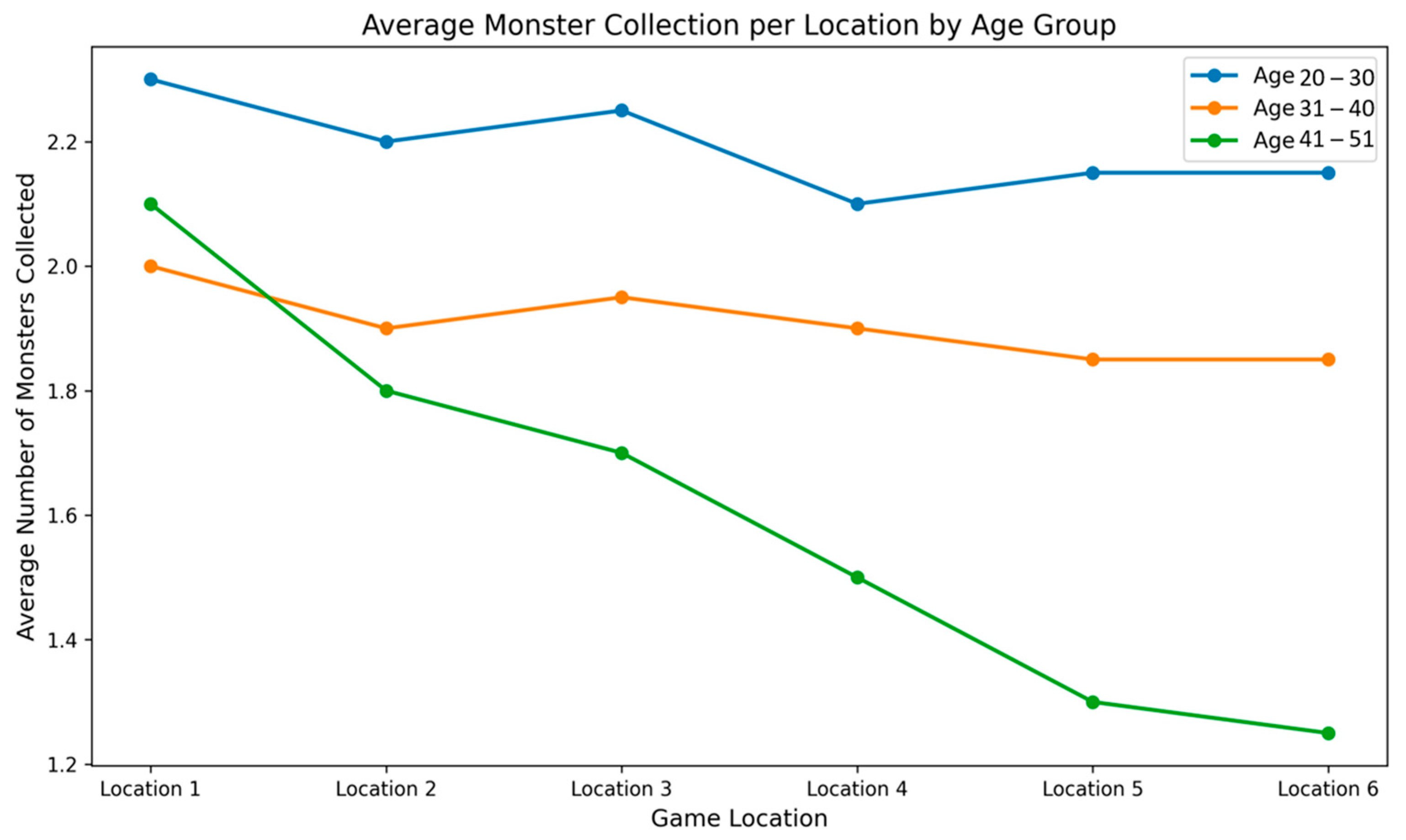
Figure 12.
Average number of monsters collected per location across age groups.
Table 1.
Operational Definitions of Learning Outcomes and Related Constructs.
| Construct | Operational Definition | Role in Conceptual Framework |
|---|
| Heritage Knowledge | Factual and conceptual understanding of Lanna silvercraft, including tools, processes, historical narratives, and symbolic meanings | Primary cognitive learning outcome |
| Tangible Heritage Learning | Understanding of physical artifacts and material craftsmanship encountered at heritage sites | Contextualized cognitive learning |
| Intangible Heritage Learning | Awareness of living traditions, cultural meanings, and community-based practices | Context-aware cultural learning |
| Cultural Awareness/Empathy | Affective appreciation and reflective understanding of cultural values beyond factual recall | Affective learning outcome |
| User Engagement | Experiential construct capturing focused attention, usability, aesthetic appeal, and reward during AR interaction | Facilitating experiential condition |
Table 2.
Point of Interest (POI) in the Silver Craft Journey Application.
| Category | Area of Interest | Description of Location |
|---|
| Intangible Knowledge | Lanna Traditional Thai Art Study Center | A center dedicated to preserving and teaching Lanna arts. It showcases traditional artworks, offers workshops, and provides educational programs for visitors seeking cultural immersion. |
| | Wua Lai Walking Street | A vibrant street famous for its weekly market of local crafts and Thai cuisine. It serves as a cultural hotspot where visitors experience performances and traditional market life. |
| Tangible Knowledge | Wat Muen San Silverware Museum | Located in the historic Wat Muen San, this museum highlights the artistry of traditional Thai silverware and offers insight into Lanna metalwork heritage. |
| | Wat Sri Suphan Pagoda | A 500-year-old pagoda symbolizing Buddhist art and architecture. It serves as a sacred relic site and a focal point for meditation and craftsmanship. |
| | Wat Sri Suphan (The First Silver Temple) | Known as the world’s first silver temple, it features intricate silver decorations that exemplify traditional Lanna craftsmanship. |
| | Wat Muen San (The Second Silver Temple) | The world’s second silver temple, celebrated for its elaborate silverwork and reflection of Wua Lai’s heritage. |
Table 3.
Demographic Profile of Participants (N = 254).
| Characteristic | Category | Frequency (N) | Percentage (%) |
|---|
| Gender | Male | 105 | 41.3 |
| Female | 149 | 58.7 |
| Age Group (years) | 20–30 | 92 | 36.2 |
| 31–40 | 94 | 37.0 |
| 41–51 | 68 | 26.8 |
| Visitor Type | Local Visitors (Chiang Mai residents) | 132 | 52.0 |
| Domestic Tourists (from other provinces) | 98 | 38.6 |
| International Tourists | 24 | 9.4 |
| Experience with Mobile Applications | Basic (daily use, non-AR) | 180 | 70.9 |
| Moderate (occasional AR/game users) | 61 | 24.0 |
| Advanced (frequent AR/game users) | 13 | 5.1 |
Table 4.
Result of A paired sample t-test of Heritage Knowledge between Group.
| Group | N | Pre-Test Mean (SD) | Post-Test Mean (SD) | Learning Gain Mean (SD) | t | p-Value | Cohen’s d |
|---|
| 20–30 | 92 | 8.74 (2.82) | 17.08 (2.91) | 8.34 (4.38) | 18.27 | <0.001 | 1.91 |
| 31–40 | 94 | 8.03 (3.20) | 16.27 (2.30) | 8.24 (3.91) | 20.41 | <0.001 | 2.11 |
| 41–51 | 68 | 7.37 (3.42) | 13.63 (3.17) | 6.26 (4.66) | 11.09 | <0.001 | 1.35 |
| All | 254 | 8.11 (3.16) | 15.85 (3.10) | 7.74 (4.37) | 28.27 | <0.001 | 1.77 |
Table 5.
One-way ANOVA of Learning Gain Across Age Groups.
| Source | SS | df | MS | F | p-Value |
|---|
| Between Groups | 203.73 | 2 | 101.86 | 5.54 | 0.004 |
| Within Groups | 4618.64 | 251 | 18.40 | - | - |
| Totals | 4822.36 | 253 | - | - | - |
Table 6.
Multiple Comparative Analyses of Learning Gain Across Age Groups (Tukey HSD).
| (I) Group | (J) Group | Mean Difference (I–J) | Std. Error | Sig. |
|---|
| 20–30 | 31–40 | 0.11 | 0.33 | 0.912 |
| 20–30 | 41–51 | 2.08 | 0.74 | 0.006 |
| 31–40 | 41–51 | 1.98 | 0.75 | 0.009 |
Table 7.
Descriptive statistics of UES across age groups.
| Group | N | Focused Attention Mean (SD) | Perceived Usability Mean (SD) | Aesthetic Appeal Mean (SD) | Reward
Mean (SD) | UES Total
Mean (SD) |
|---|
| 20–30 | 92 | 4.25 (0.44) | 3.95 (0.48) | 4.30 (0.45) | 4.00 (0.44) | 4.15 (0.42) |
| 31–40 | 94 | 3.95 (0.47) | 3.90 (0.50) | 4.22 (0.47) | 3.98 (0.46) | 4.02 (0.45) |
| 41–51 | 68 | 3.45 (0.50) | 3.88 (0.53) | 3.65 (0.52) | 3.96 (0.48) | 3.73 (0.47) |
| All participants | 254 | 3.94 (0.48) | 3.91 (0.50) | 4.06 (0.50) | 3.98 (0.47) | 3.99 (0.44) |
Table 8.
One-way ANOVA of UES Across Age Groups.
| Source | SS | df | MS | F | p-Value |
|---|
| Between Groups | 7.04 | 2 | 3.52 | 17.8 | <0.001 |
| Within Groups | 49.69 | 251 | 0.20 | - | - |
| Totals | 56.73 | 253 | - | - | - |
Table 9.
Multiple Comparative Analyses of UES Across Age Groups (Tukey HSD).
| (I) Group | (J) Group | Mean Difference (I–J) | St. Error | Sig. |
|---|
| 20–30 | 31–40 | 0.13 | 0.065 | 0.067 |
| 20–30 | 41–51 | 0.42 | 0.071 | <0.001 |
| 31–40 | 41–51 | 0.29 | 0.071 | <0.001 |
| Disclaimer/Publisher’s Note: The statements, opinions and data contained in all publications are solely those of the individual author(s) and contributor(s) and not of MDPI and/or the editor(s). MDPI and/or the editor(s) disclaim responsibility for any injury to people or property resulting from any ideas, methods, instructions or products referred to in the content. |




 ,
,