Review

Outcomes, Return to Sport, and Failures of MPFL Reconstruction Using Autografts in Children and Adolescents with Recurrent Patellofemoral Instability: A Systematic Review


1
Department of Orthopaedic, Trauma, and Reconstructive Surgery, RWTH University Hospital, 52074 Aachen, Germany
2
Department of Orthopaedic and Trauma Surgery, Eifelklinik St. Brigida, 52152 Simmerath, Germany
3
Department of Medicine, Surgery and Dentistry, University of Salerno, 84081 Baronissi, Italy
4
School of Pharmacy and Bioengineering, Faculty of Medicine, Keele University, Stoke on Trent ST4 7QB, UK
5
Centre for Sports and Exercise Medicine, Barts and the London School of Medicine and Dentistry, Mile End Hospital, Queen Mary University of London, London E1 4DG, UK
6
Department of Orthopaedic and Trauma Surgery, University Hospital of Erlangen, 91054 Erlangen, Germany
*
Author to whom correspondence should be addressed.
Children 2022, 9(12), 1892; https://doi.org/10.3390/children9121892

Submission received: 10 November 2022 / Revised: 28 November 2022 / Accepted: 30 November 2022 / Published: 2 December 2022
(This article belongs to the Special Issue Orthopedics and Trauma in Children)

Abstract

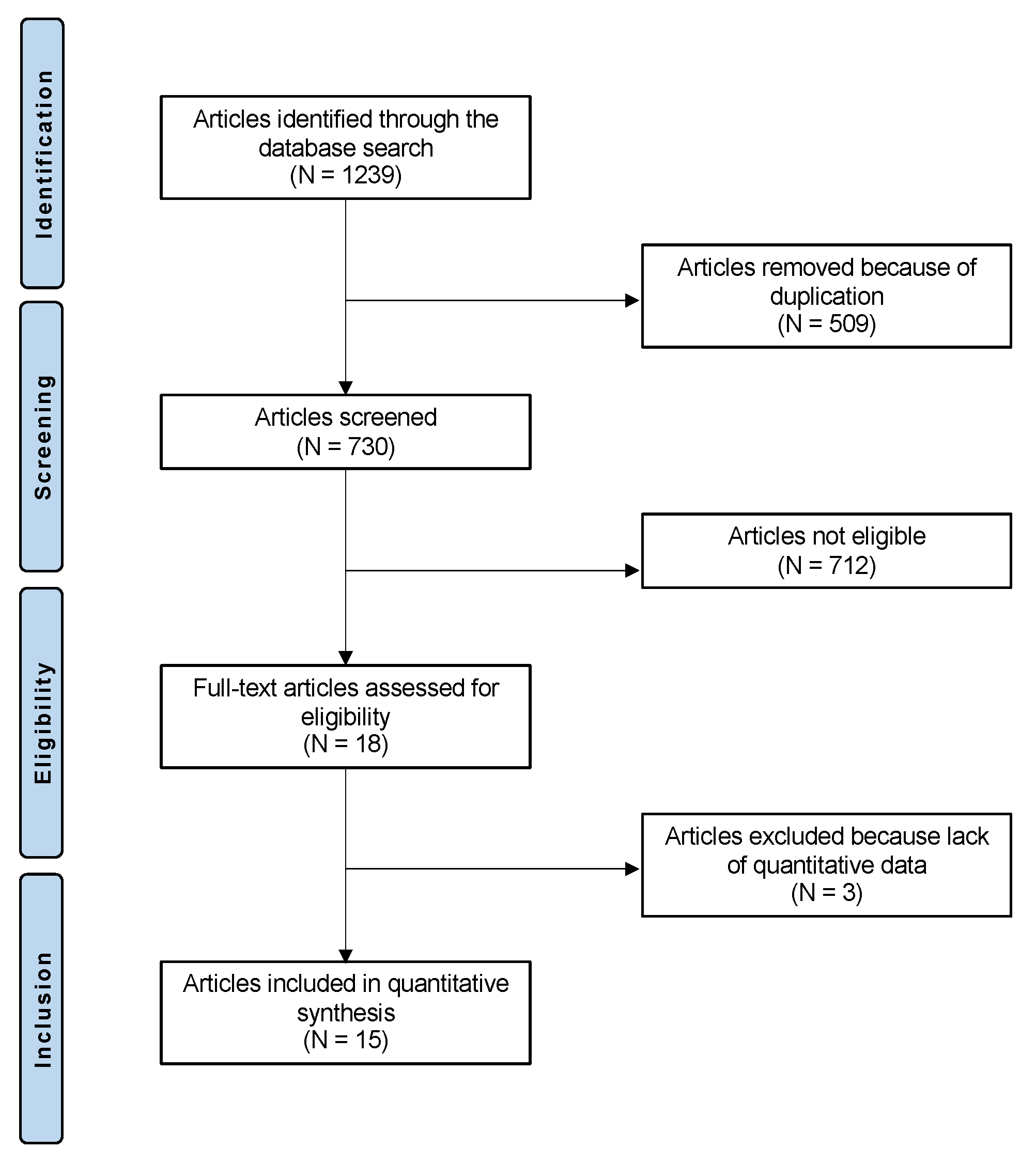
Introduction: This study systematically reviews and updates the current evidence on the outcomes of medial patellofemoral ligament (MPFL) reconstruction using autografts in children and adolescents with recurrent patellofemoral instability. The outcomes of interest were improvements in patient reported outcomes measures (PROMs), return to sport rates, and the rates of surgical failure. Methods: This systematic review was performed according to the 2020 PRISMA guidelines. The following electronic databases were accessed in October 2022: PubMed, Scopus, Web of Science. All the clinical studies which investigated the outcomes of MPFL reconstruction using autografts in children and adolescents with recurrent patellofemoral instability were accessed. Only studies which included patients younger than 18 years were considered. Techniques, case reports, guidelines, comments, editorials, letters, protocols, reviews, and meta-analyses were excluded. Studies which included patients with congenital or acute patellofemoral instability were not eligible, nor were those which focused exclusively on hyperlaxity. Results: Data from 477 patients (510 procedures) were retrieved. Of the patients, 41% (196 of 477) were women. The mean length of follow-up was 33.7 ± 28.8 months. The mean age of the patients was 14.6 ± 1.6 years. At the last follow-up, all PROMs of interest were statistically improved. The mean time to return to sport was 6.1 ± 1.1 months. Of the patients, 27% reduced their level of activity after surgical stabilization. A total of 87% of patients returned to practice sport. A total of 5% (26 of 477) and 2% (9 of 363) of patients experienced further dislocations and subluxations, respectively, during the follow-up period. Moreover, 4% (16 of 403) of patients underwent a further surgical procedure for patellofemoral instability within the follow-up period. Conclusion: MPFL reconstruction using autografts is effective in children and adolescents with recurrent patellofemoral instability.
Keywords: patellofemoral instability; recurrent; MPFL; autografts; return to sport patellofemoral instability; recurrent; MPFL; autografts; return to sport