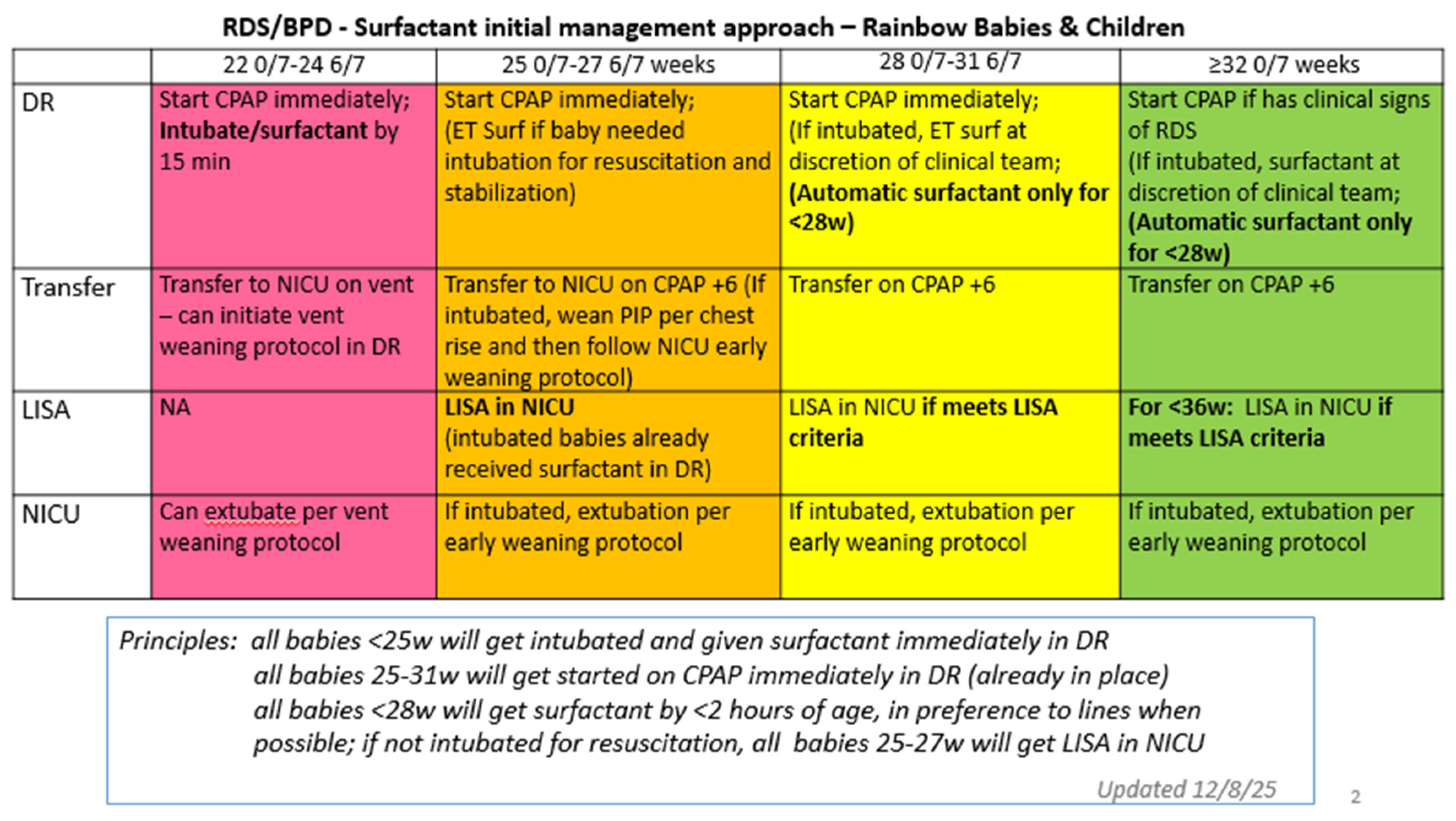
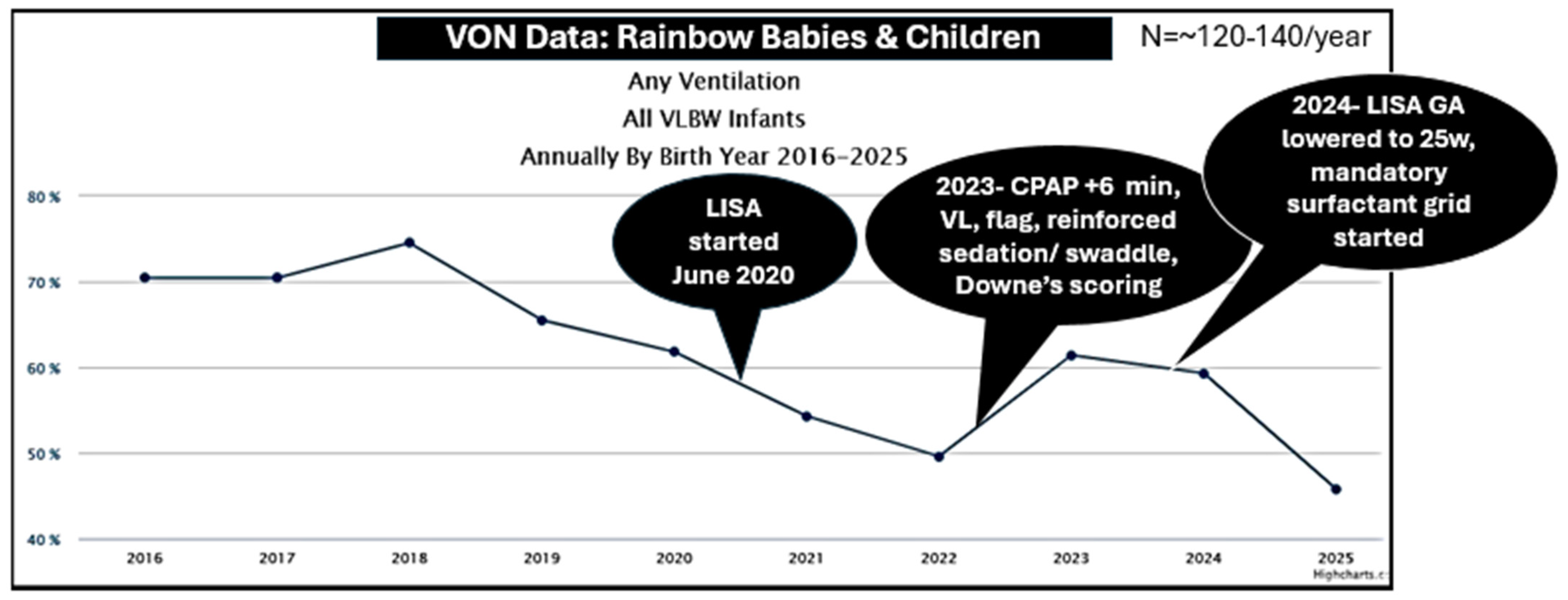
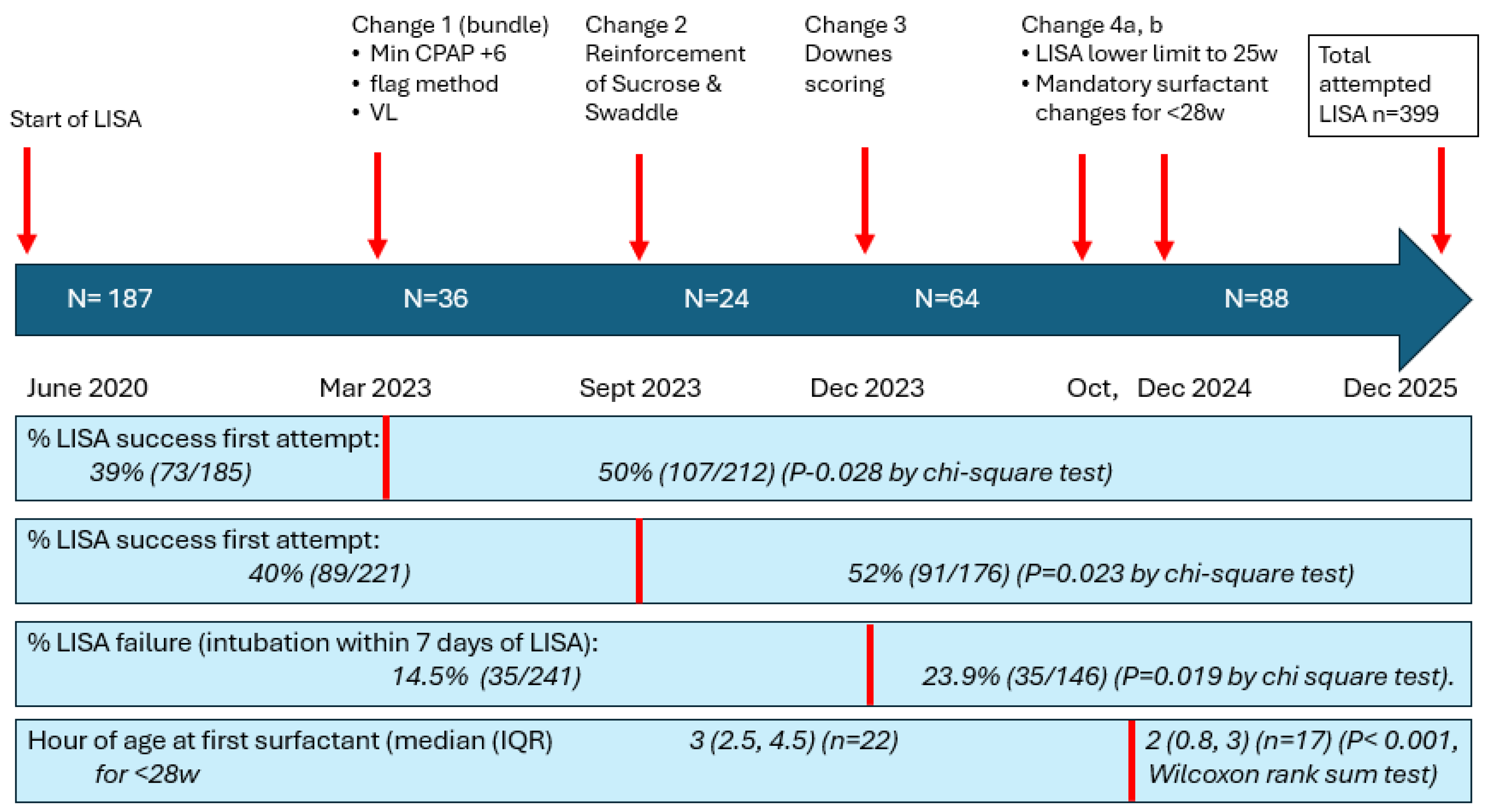
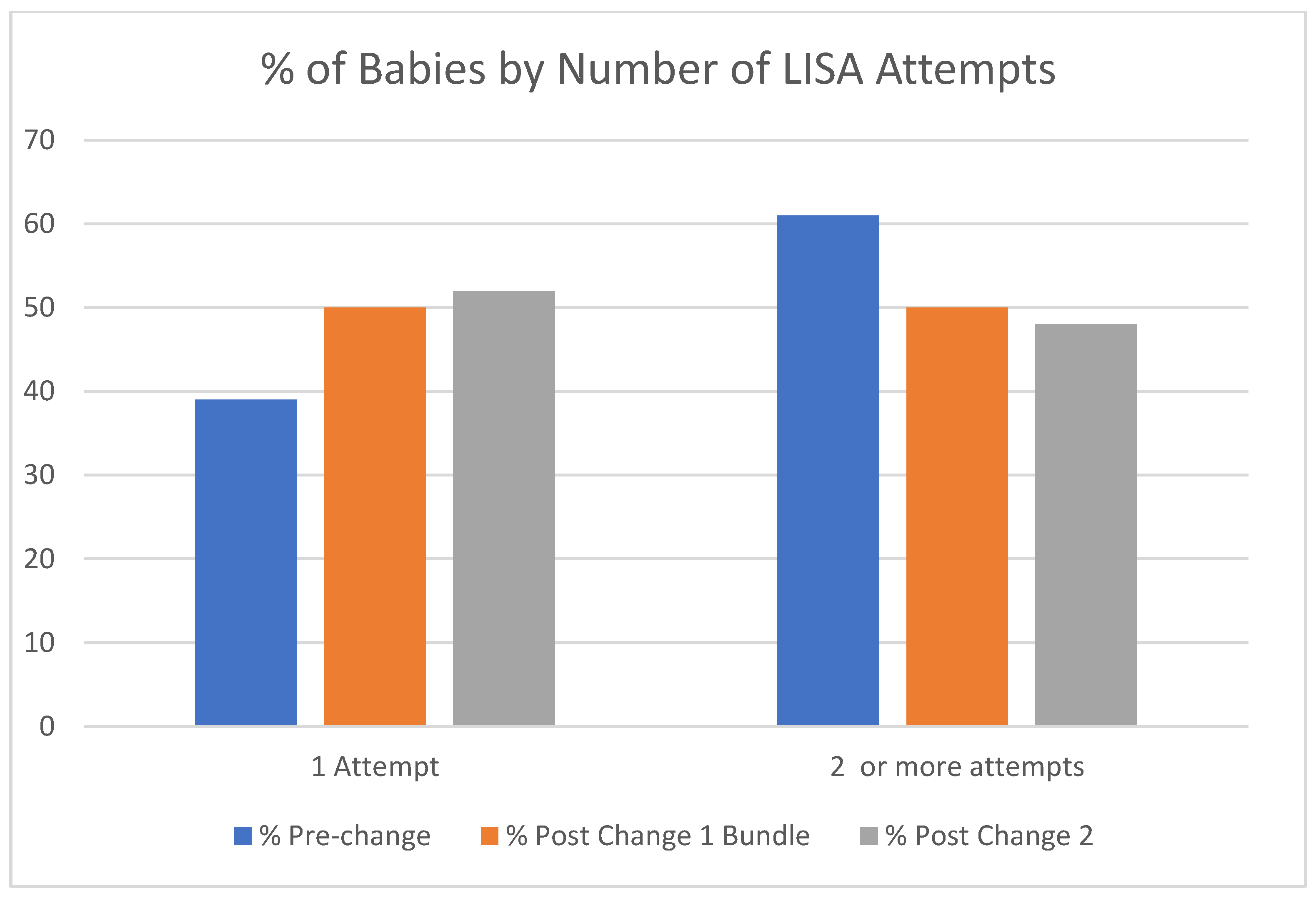
Improving LISA Practice: An Ongoing Observational Quality Improvement Initiative Following Initiation of Less-Invasive Surfactant Administration in a Level IV NICU
 and
and 
Abstract
1. Introduction
2. Methods
LISA Clinical Practice Changes—Rationale and Implementation
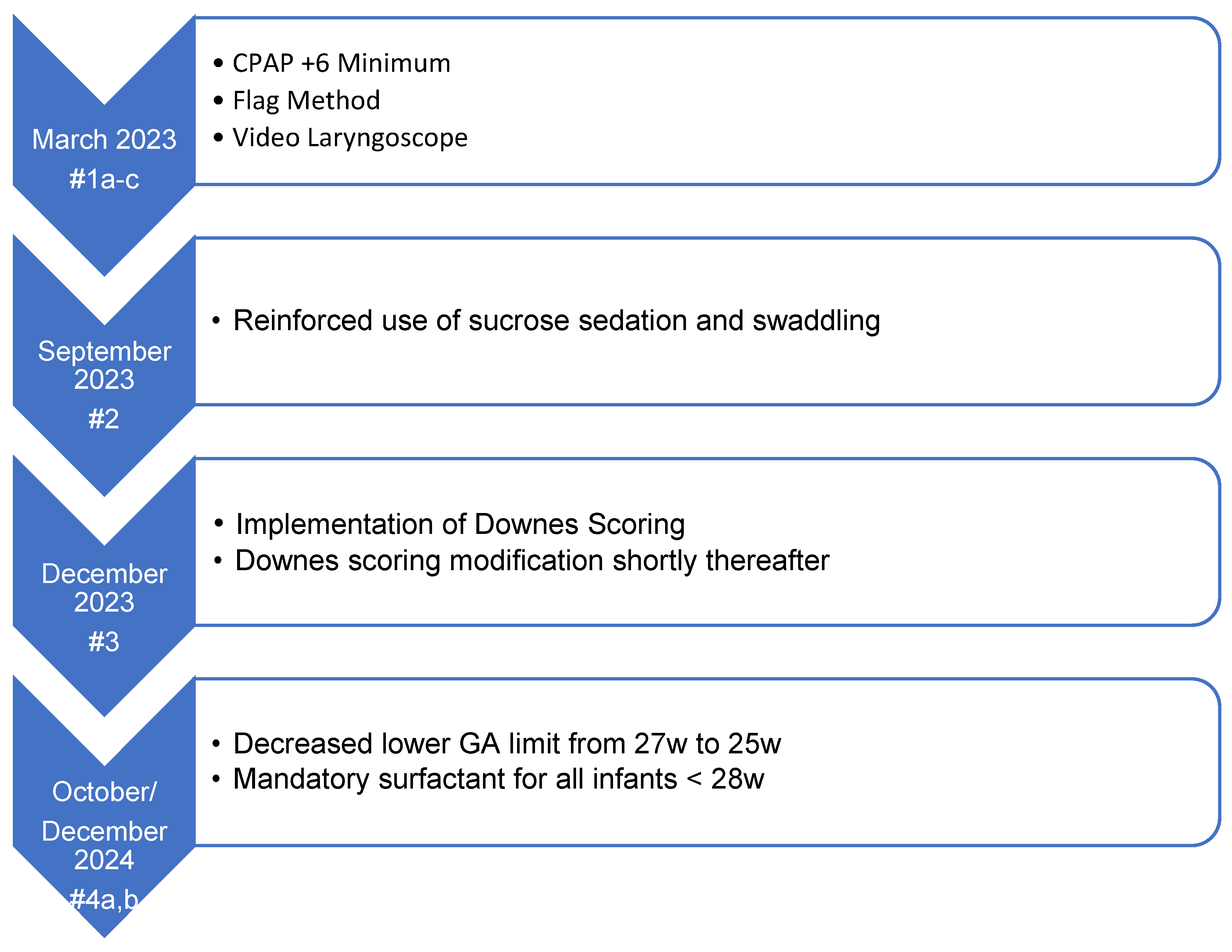
- Change #1a—LISA Criteria Minimum CPAP increased to +6; March 2023
- Rationale
- Implementation
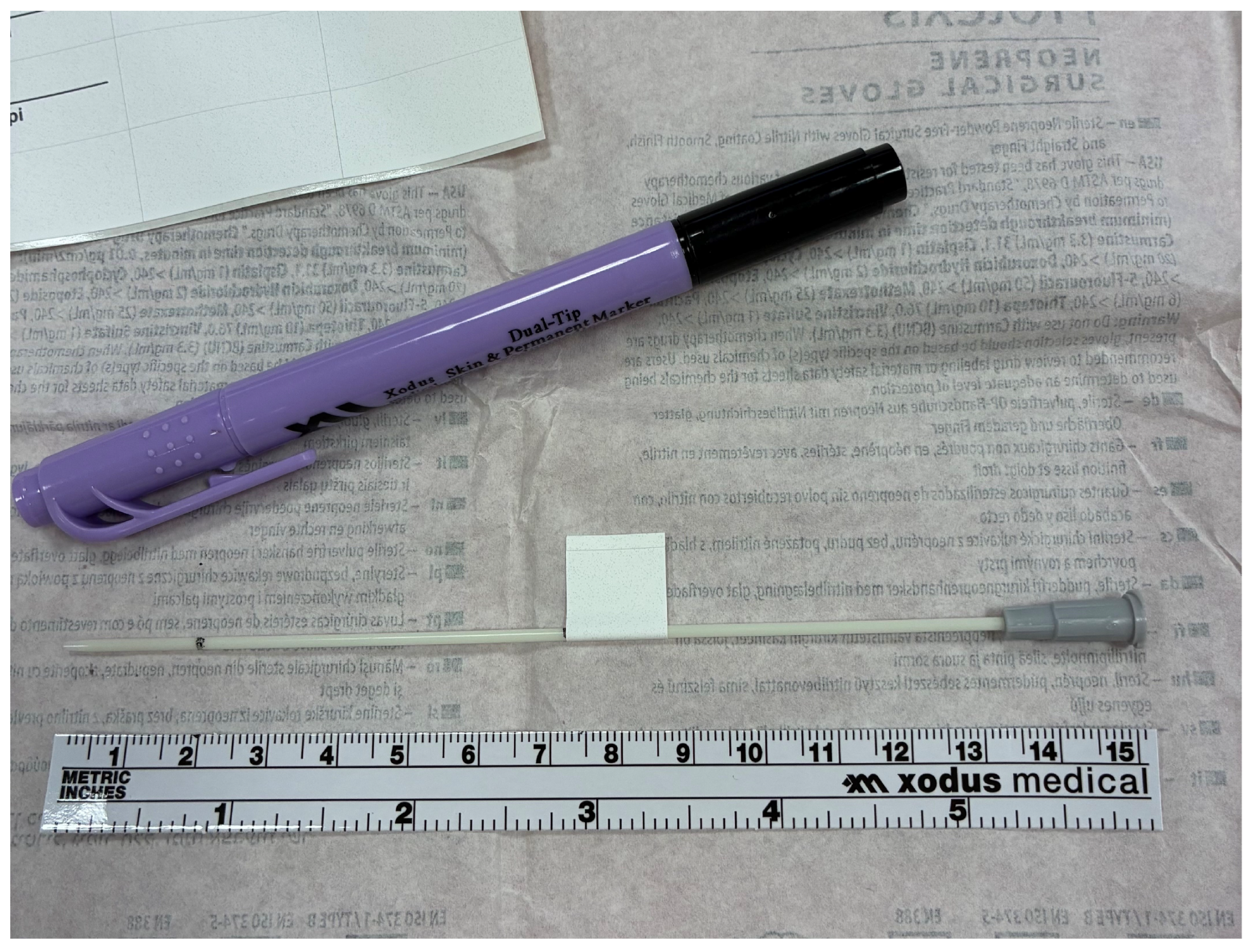
- Change #1b—Flag method to reinforce endotracheal tube distance; March 2023
- Rationale
- Implementation
- Change #1c—Introduction of Video laryngoscopy; March 2023
- Rationale
- Implementation
- Change #2—Reinforce Need for Sucrose Sedation and Swaddling; September 2023
- Rationale
- Implementation
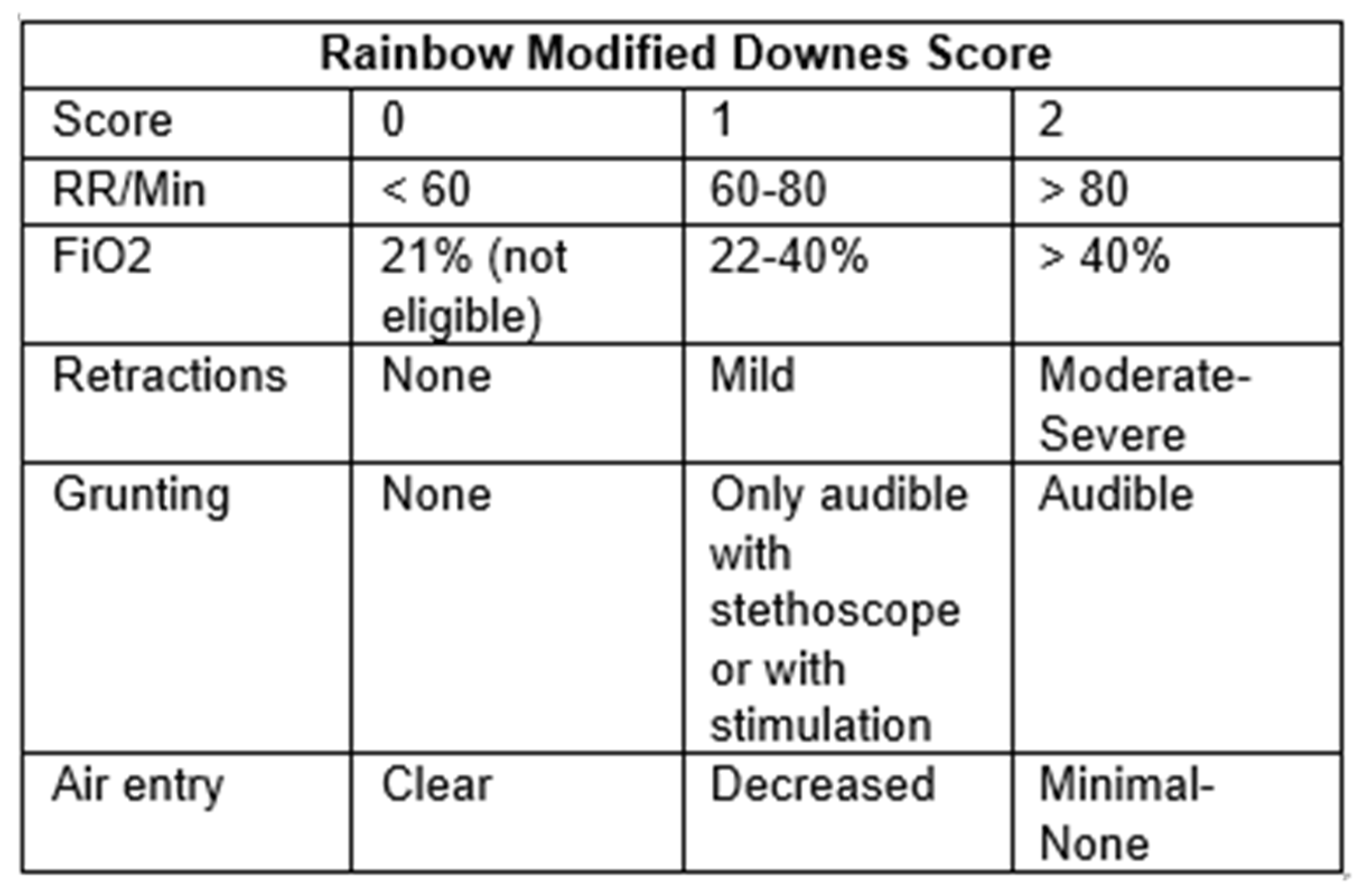
- Change #3—Addition of Downes Scoring Criteria for LISA; December 2023; modified March 2024
- Rationale
- Implementation
- Change #4a—Lowering LISA gestational age limit from 27 weeks to 25 weeks; October 2024
- Rationale
- Implementation
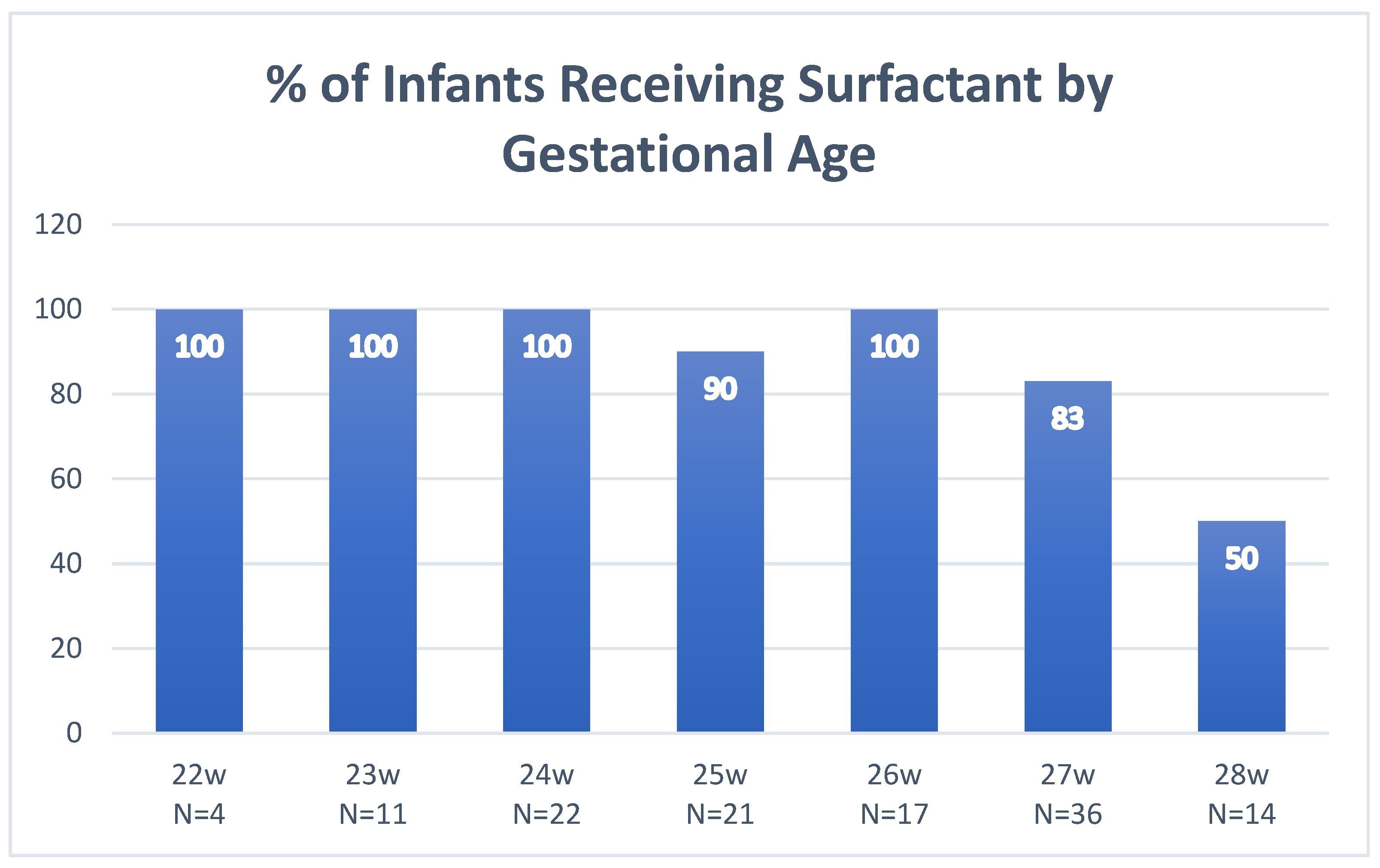
- Change #4b—More aggressive timing of surfactant treatment in general; December 2024
- Rationale
- Implementation
3. Results
4. Discussion
5. Conclusions
Supplementary Materials
Author Contributions
Funding
Institutional Review Board Statement
Informed Consent Statement
Data Availability Statement
Acknowledgments
Conflicts of Interest
Abbreviations
| MIST | Minimally Invasive Surfactant Therapy |
| LISA | Less-Invasive Surfactant Administration |
| NICU | Neonatal Intensive Care Unit |
| W | Weeks |
| GA | Gestational age |
| CPAP | Continuous positive airway pressure |
| RDS | Respiratory Distress Syndrome |
| IQR | Interquartile Range |
| ETT | Endotracheal tube |
| RT | Respiratory therapist |
| QI | Quality improvement |
| BPD | Bronchopulmonary dysplasia |
| PDSA | Plan-Do-Study-Act |
| EtCO2 | End-tidal CO2 |
| VL | Video laryngoscopy |
| DL | Direct laryngoscopy |
| MV | Mechanical ventilation |
| ELGAN | Extremely low gestational age neonate |
References
- Dargaville, P.A.; Aiyappan, A.; Cornelius, A.; Williams, C.; De Paoli, A.G. Preliminary evaluation of a new technique of minimally invasive surfactant therapy. Arch. Dis. Child. Fetal Neonatal Ed. 2011, 96, F243–F248. [Google Scholar] [CrossRef]
- Kurepa, D.; Boyar, V.; Predtechenska, O.; Gupta, V.; Weinberger, B.; Pulju, M.; Zaytseva, A.; Galanti, S.G.; Kasniya, G.; Perveen, S. Video laryngoscopy-assisted less-invasive surfactant administration quality improvement initiative. Arch. Dis. Child. Fetal Neonatal Ed. 2023, 108, 588–593. [Google Scholar] [CrossRef]
- Conlon, S.M.; Osborne, A.; Bodie, J.; Marasch, J.; Ryan, R.M.; Glenn, T. Introducing less-invasive surfactant administration into a level IV NICU: A quality improvement initiative. Children 2021, 8, 580. [Google Scholar] [CrossRef]
- Herting, E.; Kribs, A.; Härtel, C.; von der Wense, A.; Weller, U.; Hoehn, T.; Vochem, M.; Möller, J.; Wieg, C.; Roth, B.; et al. Two-year outcome data suggest that less invasive surfactant administration (Lisa) is safe. Results from the follow-up of the randomized controlled AMV (Avoid mechanical ventilation) study. Eur. J. Pediatr. 2020, 179, 1309–1313. [Google Scholar] [CrossRef]
- Isayama, T.; Iwami, H.; McDonald, S.; Beyene, J. Association of noninvasive ventilation strategies with mortality and bronchopulmonary dysplasia among preterm infants: A systematic review and meta-analysis. JAMA 2016, 316, 611–624. [Google Scholar] [CrossRef] [PubMed]
- Bhandari, V.; Black, R.; Gandhi, B.; Hogue, S.; Kakkilaya, V.; Mikhael, M.; Moya, F.; Pezzano, C.; Read, P.; Roberts, K.D.; et al. RDS-NExT workshop: Consensus statements for the use of surfactant in preterm neonates with RDS. J. Perinatol. 2023, 43, 982–990. [Google Scholar] [CrossRef] [PubMed]
- Kakkilaya, V.B.; Weydig, H.M.; Smithhart, W.E.; Renfro, S.D.; Garcia, K.M.; Brown, C.M.; He, H.; Wagner, S.A.; Metoyer, G.C.; Brown, L.S.; et al. Decreasing continuous positive airway pressure failure in preterm infants. Pediatrics 2021, 148, e2020014191. [Google Scholar] [CrossRef] [PubMed]
- Geraghty, L.E.; Dunne, E.A.; Chathasaigh, C.M.N.; Vellinga, A.; Adams, N.C.; O’currain, E.M.; McCarthy, L.K.; O’donnell, C.P. Video versus direct laryngoscopy for urgent intubation of newborn infants. N. Engl. J. Med. 2024, 390, 1885–1894. [Google Scholar] [CrossRef]
- Moussa, A.; Luangxay, Y.; Tremblay, S.; Lavoie, J.; Aube, G.; Savoie, E.; Lachance, C. Videolaryngoscope for teaching neonatal endotracheal intubation: A randomized controlled trial. Pediatrics 2016, 137, e20152156. [Google Scholar] [CrossRef]
- O’shea, J.E.; Thio, M.; Kamlin, C.O.; McGrory, L.; Wong, C.; John, J.; Roberts, C.; Kuschel, C.; Davis, P.G. Videolaryngoscopy to teach neonatal intubation: A randomized trial. Pediatrics 2015, 136, 912–919. [Google Scholar] [CrossRef]
- Volz, S.; Stevens, T.P.; Dadiz, R. A randomized controlled trial: Does coaching using video during direct laryngoscopy improve residents’ success in neonatal intubations? J. Perinatol. 2018, 38, 1074–1080. [Google Scholar] [CrossRef]
- Martinez, S.; Bhola, M.; Minich, N.M.; Nauman, C.; Deakins, K.; Oliverio, A.; Yalcinkaya, G. Improving first-attempt intubation success rate in a level iv neonatal intensive care unit through the use of a video laryngoscope: A quality improvement initiative. Am. J. Perinatol. 2025, 42, 1743–1753. [Google Scholar] [CrossRef]
- Ozawa, Y.; Ades, A.; Foglia, E.E.; DeMeo, S.; Barry, J.; Sawyer, T.; Singh, N.; Glass, K.; Jung, P.; Quek, B.H.; et al. Premedication with neuromuscular blockade and sedation during neonatal intubation is associated with fewer adverse events. J. Perinatol. 2019, 39, 848–856. [Google Scholar] [CrossRef]
- Neches, S.K.; DeMartino, C.; Shay, R. Pharmacologic adjuncts for neonatal tracheal intubation: The evidence behind premedication. NeoReviews 2023, 24, e783–e796. [Google Scholar] [CrossRef] [PubMed]
- Barrington, K. Premedication for endotracheal intubation in the newborn infant. Paediatr. Child. Health 2011, 16, 159–164. [Google Scholar] [CrossRef] [PubMed]
- Selvanathan, T.; Miller, S.P. Effects of pain, sedation and analgesia on neonatal brain injury and brain development. Semin. Perinatol. 2024, 48, 151928. [Google Scholar] [CrossRef]
- Kumar, P.; Denson, S.E.; Mancuso, T.J.; Committee on Fetus and Newborn, Section on Anesthesiology and Pain Medicine. Premedication for nonemergency endotracheal intubation in the neonate. Pediatrics 2010, 125, 608–615. [Google Scholar] [CrossRef]
- Friesen, R.H.; Honda, A.T.; Thieme, R.E. Changes in anterior fontanel pressure in preterm neonates during tracheal intubation. Anesth. Analg. 1987, 66, 874–878. [Google Scholar] [CrossRef] [PubMed]
- Janssen, L.C.; Van Der Spil, J.; van Kaam, A.H.; Dieleman, J.P.; Andriessen, P.; Onland, W.; Niemarkt, H.J. Minimally invasive surfactant therapy failure: Risk factors and outcome. Arch. Dis. Child. Fetal Neonatal Ed. 2019, 104, F636–F642. [Google Scholar] [CrossRef]
- Kribs, A.; Roll, C.; Göpel, W.; Wieg, C.; Groneck, P.; Laux, R.; Teig, N.; Hoehn, T.; Böhm, W.; Welzing, L.; et al. Nonintubated surfactant application vs conventional therapy in extremely preterm infants: A randomized clinical trial. JAMA Pediatr. 2015, 169, 723–730. [Google Scholar] [CrossRef]
- Downes, J.J.; Vidyasagar, D.; Morrow, G.M.; Boggs, T.R. Respiratory distress syndrome of newborn infants: I. New clinical scoring system (RDS score) with acid-base and blood-gas correlations. Clin. Pediatr. 1970, 9, 325–331. [Google Scholar] [CrossRef]
- Ehret, D.E.Y.; Gebremedhin, A.D.; Berhe, A.H.; Hailu, Y.; Metaferia, G.; Kessler, K.; Kessler, R.; Dunn, M.; Golan, A.; Stavel, M.; et al. High inter-rater reliability between physicians and nurses utilising modified Downes’ scores in preterm respiratory distress. Acta Paediatr. 2023, 112, 2329–2337. [Google Scholar] [CrossRef] [PubMed]
- Dargaville, P.A.; Kamlin, C.O.F.; Orsini, F.; Wang, X.; De Paoli, A.G.; Kutman, H.G.K.; Cetinkaya, M.; Kornhauser-Cerar, L.; Derrick, M.; Özkan, H.; et al. Effect of minimally invasive surfactant therapy vs sham treatment on death or bronchopulmonary dysplasia in preterm infants with respiratory distress syndrome: The optimist-a randomized clinical trial. JAMA 2021, 326, 2478–2487. [Google Scholar] [CrossRef] [PubMed]
- Bahadue, F.L.; Soll, R. Early versus delayed selective surfactant treatment for neonatal respiratory distress syndrome. Cochrane Database Syst. Rev. 2012, 2012, CD001456. [Google Scholar] [CrossRef] [PubMed]
- Stevens, T.P.; Harrington, E.W.; Blennow, M.; Soll, R.F. Early surfactant administration with brief ventilation vs. selective surfactant and continued mechanical ventilation for preterm infants with or at risk for respiratory distress syndrome. Cochrane Database Syst. Rev. 2007, 2008, CD003063. [Google Scholar] [CrossRef]
- Kandraju, H.; Murki, S.; Subramanian, S.; Gaddam, P.; Deorari, A.; Kumar, P. Early routine versus late selective surfactant in preterm neonates with respiratory distress syndrome on nasal continuous positive airway pressure: A randomized controlled trial. Neonatology 2012, 103, 148–154. [Google Scholar] [CrossRef]
- Verder, H.; Albertsen, P.; Ebbesen, F.; Greisen, G.; Robertson, B.; Bertelsen, A.; Agertoft, L.; Djernes, B.; Nathan, E.; Reinholdt, J. Nasal continuous positive airway pressure and early surfactant therapy for respiratory distress syndrome in newborns of less than 30 weeks’ gestation. Pediatrics 1999, 103, e24. [Google Scholar] [CrossRef]
- Escrig-Fernández, R.; Zeballos-Sarrato, G.; Gormaz-Moreno, M.; Avila-Alvarez, A.; Toledo-Parreño, J.D.; Vento, M. The respiratory management of the extreme preterm in the delivery room. Children 2023, 10, 351. [Google Scholar] [CrossRef]
- Dylag, A.M.; Tulloch, J.; Paul, K.E.; Meyers, J.M. A quality improvement initiative to reduce bronchopulmonary dysplasia in a level 4 NICU—Golden hour management of respiratory distress syndrome in preterm newborns. Children 2021, 8, 301. [Google Scholar] [CrossRef]
- Le, C.N.; Garey, D.M.; Leone, T.A.; Goodmar, J.K.; Rich, W.; Finer, N.N. Impact of premedication on neonatal intubations by pediatric and neonatal trainees. J. Perinatol. 2014, 34, 458–460. [Google Scholar] [CrossRef]
- Neches, S.K.; Brei, B.K.; Umoren, R.; Gray, M.M.; Nishisaki, A.; Foglia, E.E.; Sawyer, T. Association of full premedication on tracheal intubation outcomes in the neonatal intensive care unit: An observational cohort study. J. Perinatol. 2023, 43, 1007–1014. [Google Scholar] [CrossRef]
- Peterson, J.; Boer, M.C.D.; Roehr, C.C. To sedate or not to sedate for less invasive surfactant administration: An ethical approach. Neonatology 2021, 118, 639–646. [Google Scholar] [CrossRef] [PubMed]
- de Kort, E.H.M.; Reiss, I.K.M.; Simons, S.H.P. Sedation of newborn infants for the insure procedure, are we sure? BioMed Res. Int. 2013, 2013, 892974. [Google Scholar] [CrossRef] [PubMed]
- Tribolet, S.; Hennuy, N.; Snyers, D.; Lefèbvre, C.; Rigo, V. Analgosedation before less-invasive surfactant administration: A systematic review. Neonatology 2022, 119, 137–150. [Google Scholar] [CrossRef] [PubMed]
- Pinheiro, J.M.B.; Santana-Rivas, Q.; Pezzano, C. Randomized trial of laryngeal mask airway versus endotracheal intubation for surfactant delivery. J. Perinatol. 2016, 36, 196–201. [Google Scholar] [CrossRef]
- Glenn, T.J.; Grathwol, M.M.; McClary, J.D.; Wainwright, R.J.; Gorman, S.M.; Rodriguez, A.M.; Bhola, M. Decreasing time from decision to intubation in premedicated neonates: A quality improvement initiative. Pediatr. Qual. Saf. 2019, 4, e234. [Google Scholar] [CrossRef]
- Magni, T.; Ragni, C.; Pelizzi, N.; Sharma, S.; Perez-Kempner, L.; Turkstra, E.; Nathani, J.; Orlovic, M.; Meshchenkova, N. Health economic studies of surfactant replacement therapy in neonates with respiratory distress syndrome: A systematic literature review. PharmacoEconomics Open 2023, 7, 359–371. [Google Scholar] [CrossRef]
- Federici, C.; Fornaro, G.; Roehr, C.C. Cost-saving effect of early less invasive surfactant administration versus continuous positive airway pressure therapy alone for preterm infants with respiratory distress syndrome. Eur. J. Hosp. Pharm. 2021, 29, 346–352. [Google Scholar] [CrossRef]
- Mehler, K.; Broer, A.; Roll, C.; Göpel, W.; Wieg, C.; Jahn, P.; Teig, N.; Höhn, T.; Welzing, L.; Vochem, M.; et al. Developmental outcome of extremely preterm infants is improved after less invasive surfactant application: Developmental outcome after LISA. Acta Paediatr. 2020, 110, 818–825. [Google Scholar] [CrossRef]
- Reigstad, H.; Hufthammer, K.O.; Rønnestad, A.E.; Klingenberg, C.; Stensvold, H.J.; Markestad, T. Early surfactant and non-invasive ventilation versus intubation and surfactant: A propensity score-matched national study. BMJ Paediatr. Open 2022, 6, e001527. [Google Scholar] [CrossRef]
- Härtel, C.; Herting, E.; Humberg, A.; Hanke, K.; Mehler, K.; Keller, T.; Mauer, I.; Frieauff, E.; Meyer, S.; Thome, U.H.; et al. Association of administration of surfactant using less invasive methods with outcomes in extremely preterm infants less than 27 weeks of gestation. JAMA Netw. Open 2022, 5, e2225810. [Google Scholar] [CrossRef] [PubMed]
- Dargaville, P.A.; Kamlin, C.O.F.; Orsini, F.; Wang, X.; De Paoli, A.G.; Kutman, H.G.K.; Cetinkaya, M.; Kornhauser-Cerar, L.; Derrick, M.; Özkan, H.; et al. Two-year outcomes after minimally invasive surfactant therapy in preterm infants: Follow-up of the optimist-a randomized clinical trial. JAMA 2023, 330, 1054–1063. [Google Scholar] [CrossRef] [PubMed]
- Morley, C.J.; Davis, P.G.; Doyle, L.W.; Brion, L.P.; Hascoet, J.M.; Carlin, J.B. Nasal CPAP or intubation at birth for very preterm infants. N. Engl. J. Med. 2008, 358, 700–708. [Google Scholar] [CrossRef]
- SUPPORT Study Group of the Eunice Kennedy Shriver NICHD Neonatal Research Network. Early CPAP versus surfactant in extremely preterm infants. N. Engl. J. Med. 2010, 362, 1970–1979. [CrossRef] [PubMed]




| Gestational age (weeks) | 31.7 ± 2.7 |
| Birth weight (grams) | 1752 ± 590 |
| LISA procedure | |
| LISA attempted | 399 |
| LISA procedure successful | 388 (97%) |
| Number of attempts ^ per LISA | |
| 25–27 w 6 d (n = 40) a | 1 (1, 2) |
| 28–36 w 6 d (n = 357) | 2 (1, 3) |
| Age (hours) at first LISA (median (QR)) | 4 (2.5, 9.9) |
| Pre-LISA FiO2 | 32 (28, 40) |
| Post-LISA FiO2 | 23 (21, 30) |
| Adverse events during LISA procedure (n (%)) | |
| Bradycardia | 39 (8%) |
| Desaturation | 80 (20%) |
| Cough | 11 (3%) |
| Surfactant reflux | 46 (12%) |
| Emesis | 2 (<1%) |
| Trauma | 17 (4%) |
| Emergency intubation | 8 (2%) |
| Any adverse event | 165 (41%) |
| GA of all LISA-attempted babies | |
| 25–27 w | 40 (10%) |
| 28–32 w | 171 (43%) |
| 33–36 w | 188 (47%) |
| Intubation required within 7 days of LISA procedure by GA * | |
| 25–27 w | 54% |
| 28–32 w | 18% |
| 33–36 w | 11% |
| Total | 18% |
| BPD outcome (NRN 2019 criteria) N = 207 b | |
| None | 61% |
| Grade 1 | 20% |
| Grade 2 | 15% |
| Grade 3 | 2% |
| Death before 36 w | 2% |
Disclaimer/Publisher’s Note: The statements, opinions and data contained in all publications are solely those of the individual author(s) and contributor(s) and not of MDPI and/or the editor(s). MDPI and/or the editor(s) disclaim responsibility for any injury to people or property resulting from any ideas, methods, instructions or products referred to in the content. |
© 2026 by the authors. Licensee MDPI, Basel, Switzerland. This article is an open access article distributed under the terms and conditions of the Creative Commons Attribution (CC BY) license.
Share and Cite
Koenigsaecker, T.; Patel, S.; Martinez, S.C.; Ives, K.; Bodie, J.; Weagraff, C.; Bhola, M.; Ryan, R.M. Improving LISA Practice: An Ongoing Observational Quality Improvement Initiative Following Initiation of Less-Invasive Surfactant Administration in a Level IV NICU. Children 2026, 13, 571. https://doi.org/10.3390/children13040571
Koenigsaecker T, Patel S, Martinez SC, Ives K, Bodie J, Weagraff C, Bhola M, Ryan RM. Improving LISA Practice: An Ongoing Observational Quality Improvement Initiative Following Initiation of Less-Invasive Surfactant Administration in a Level IV NICU. Children. 2026; 13(4):571. https://doi.org/10.3390/children13040571
Chicago/Turabian StyleKoenigsaecker, Tynisha, Shreya Patel, Stephanie C. Martinez, Kevin Ives, Julie Bodie, Chad Weagraff, Monika Bhola, and Rita M. Ryan. 2026. "Improving LISA Practice: An Ongoing Observational Quality Improvement Initiative Following Initiation of Less-Invasive Surfactant Administration in a Level IV NICU" Children 13, no. 4: 571. https://doi.org/10.3390/children13040571
APA StyleKoenigsaecker, T., Patel, S., Martinez, S. C., Ives, K., Bodie, J., Weagraff, C., Bhola, M., & Ryan, R. M. (2026). Improving LISA Practice: An Ongoing Observational Quality Improvement Initiative Following Initiation of Less-Invasive Surfactant Administration in a Level IV NICU. Children, 13(4), 571. https://doi.org/10.3390/children13040571