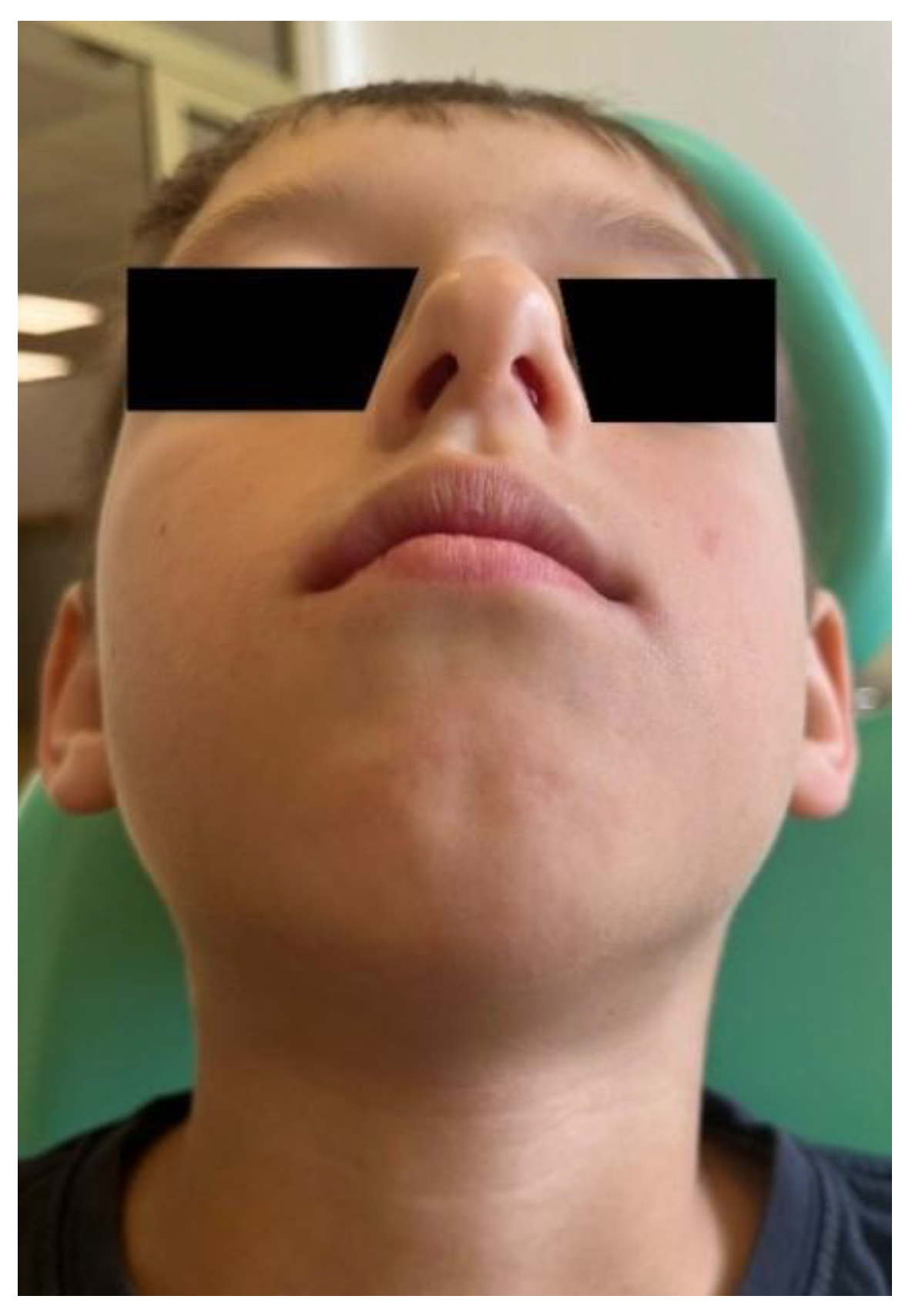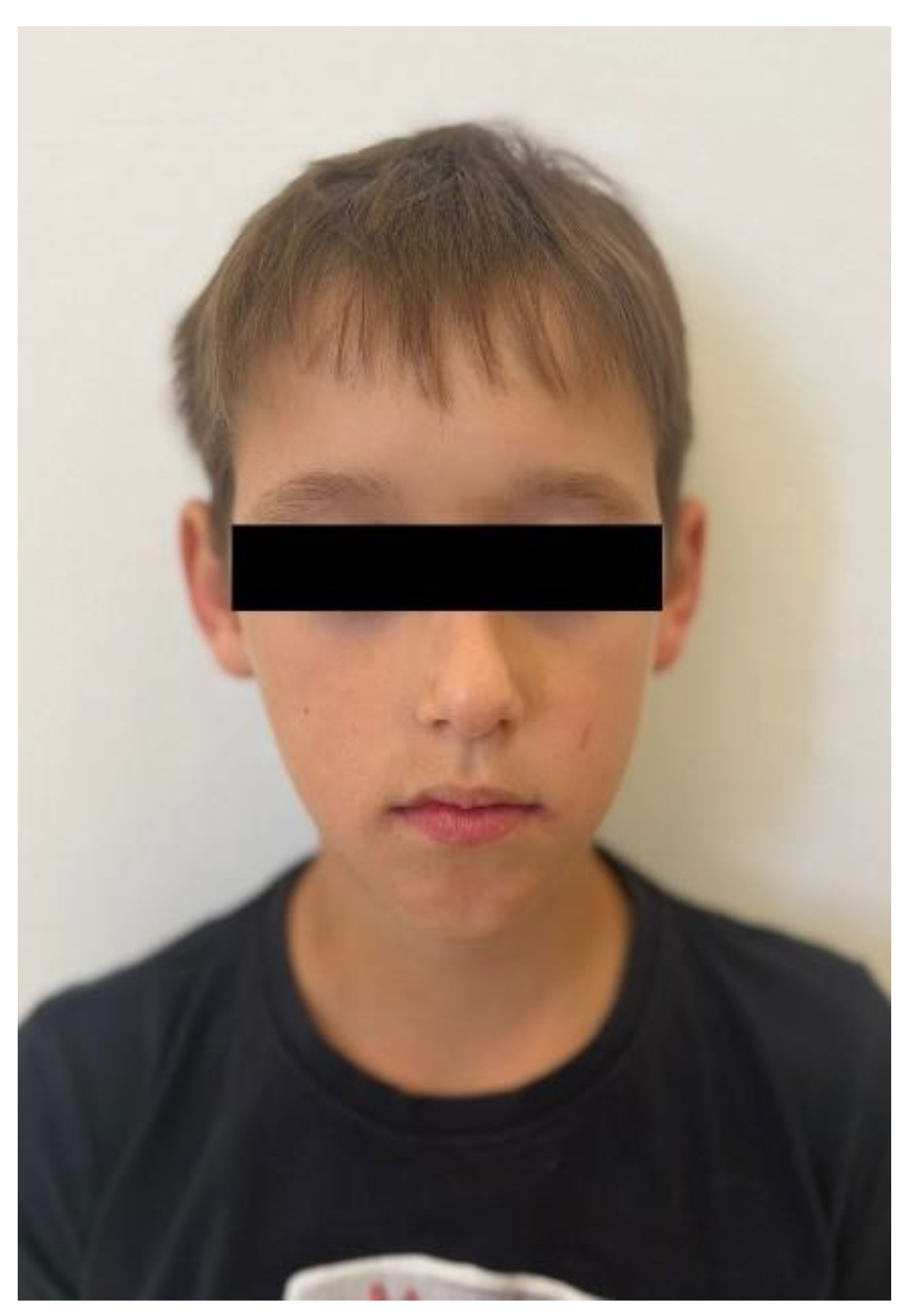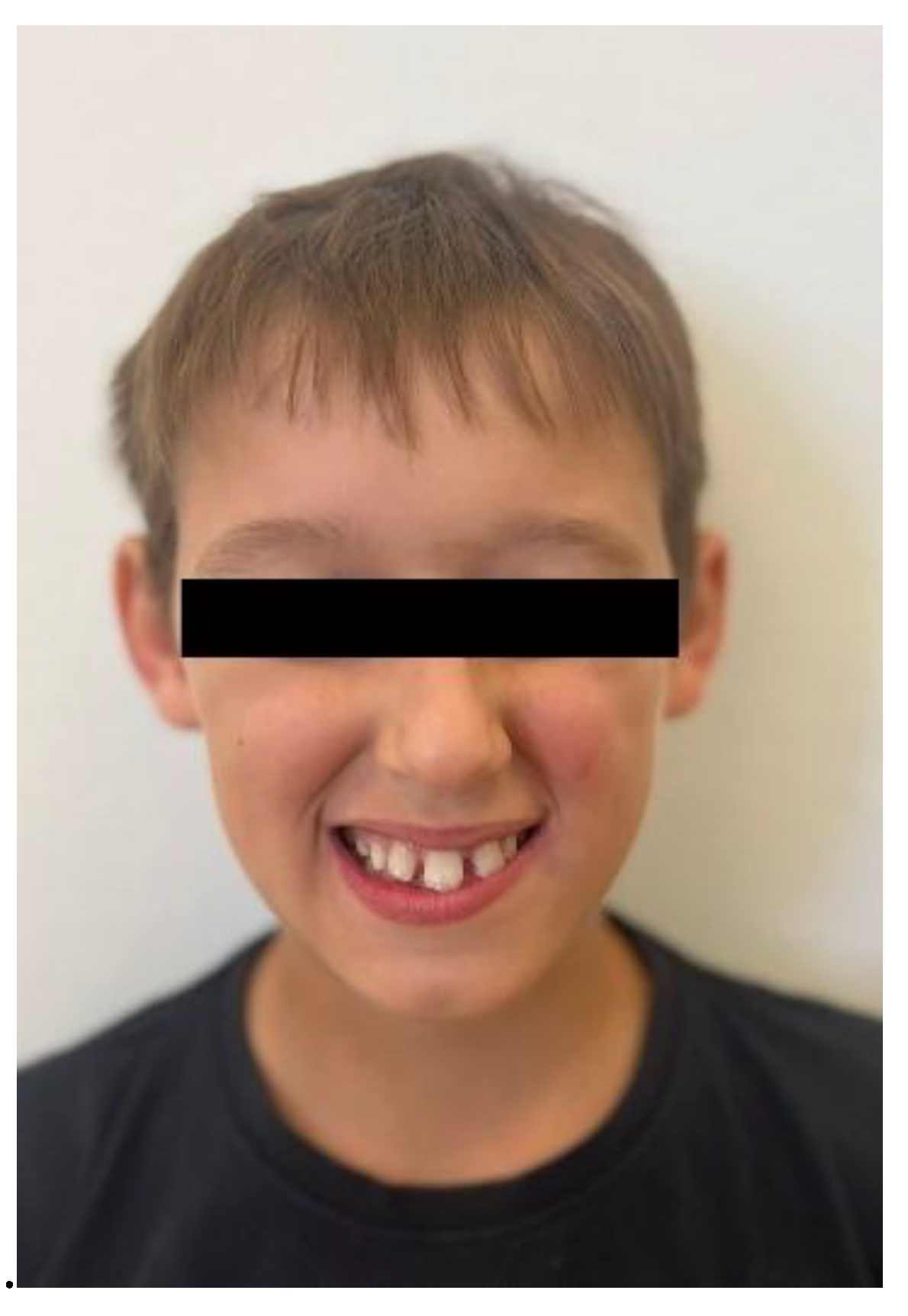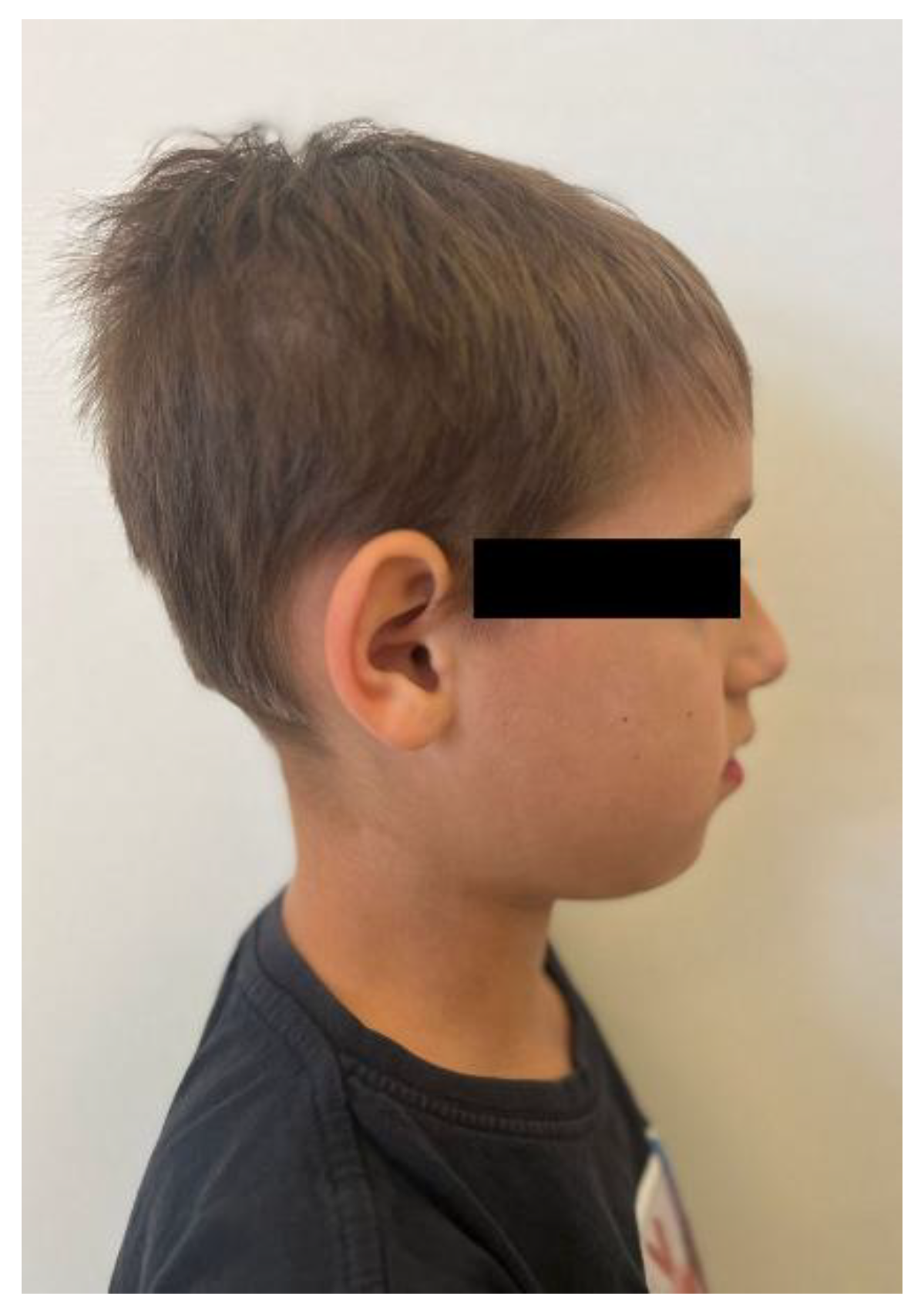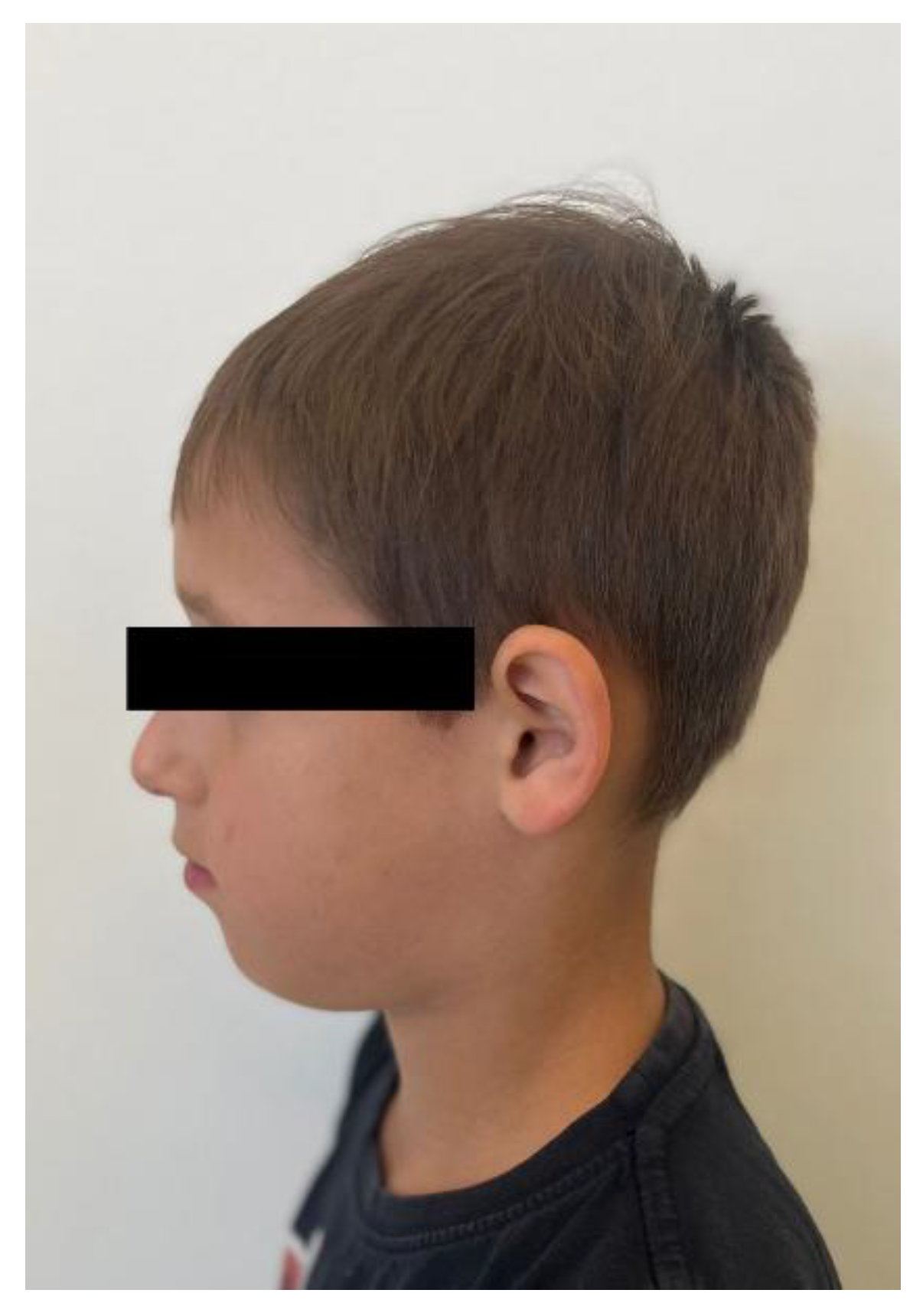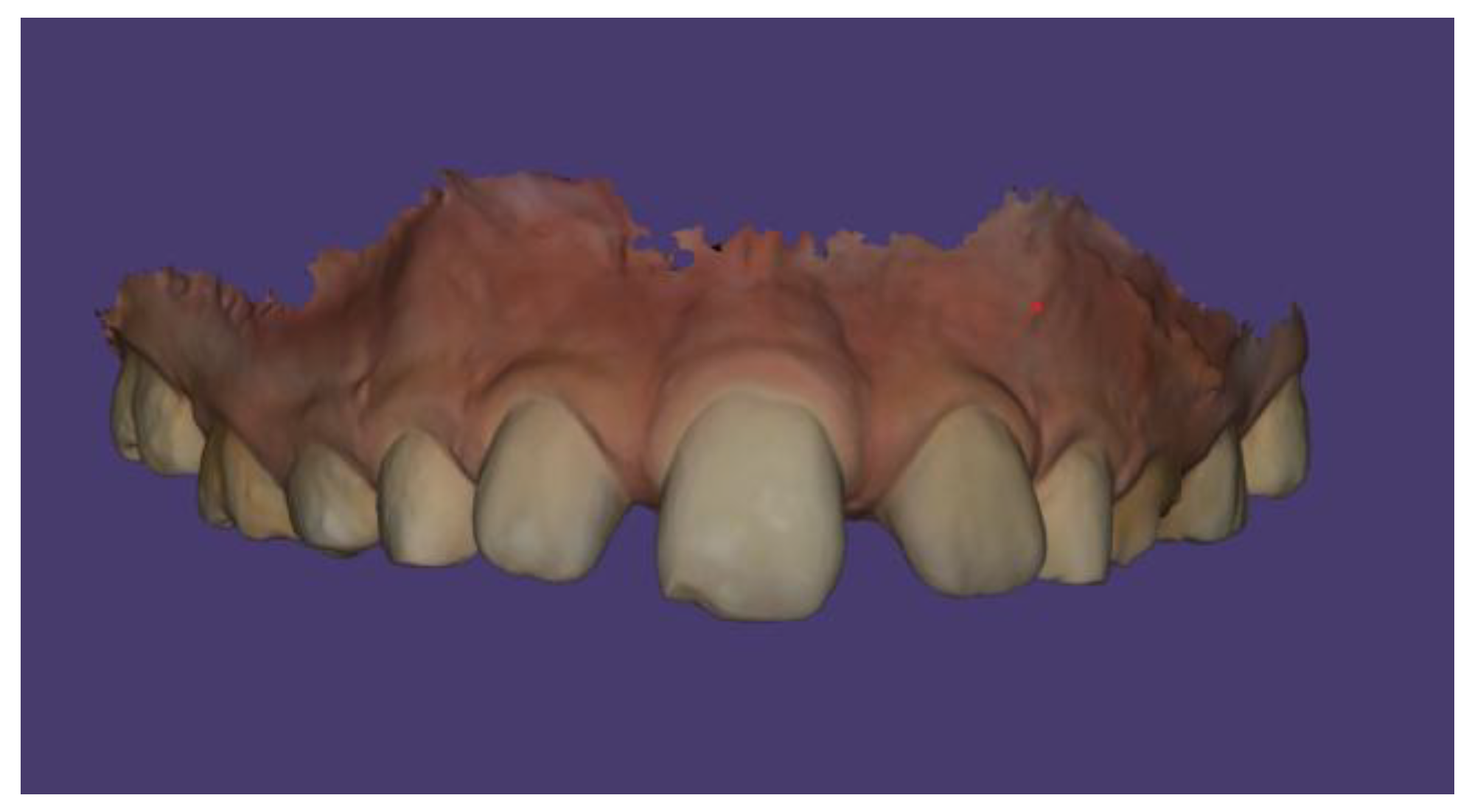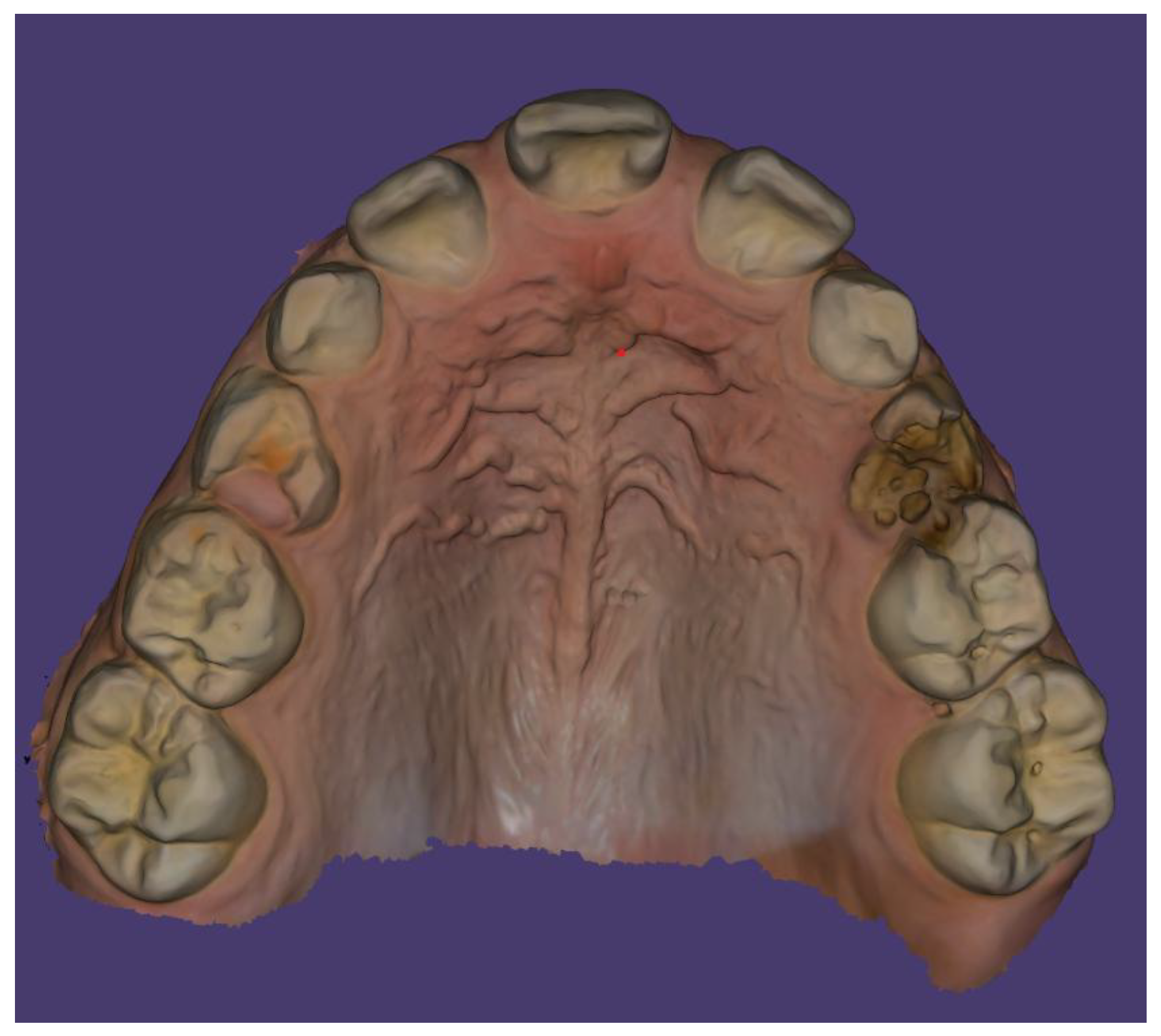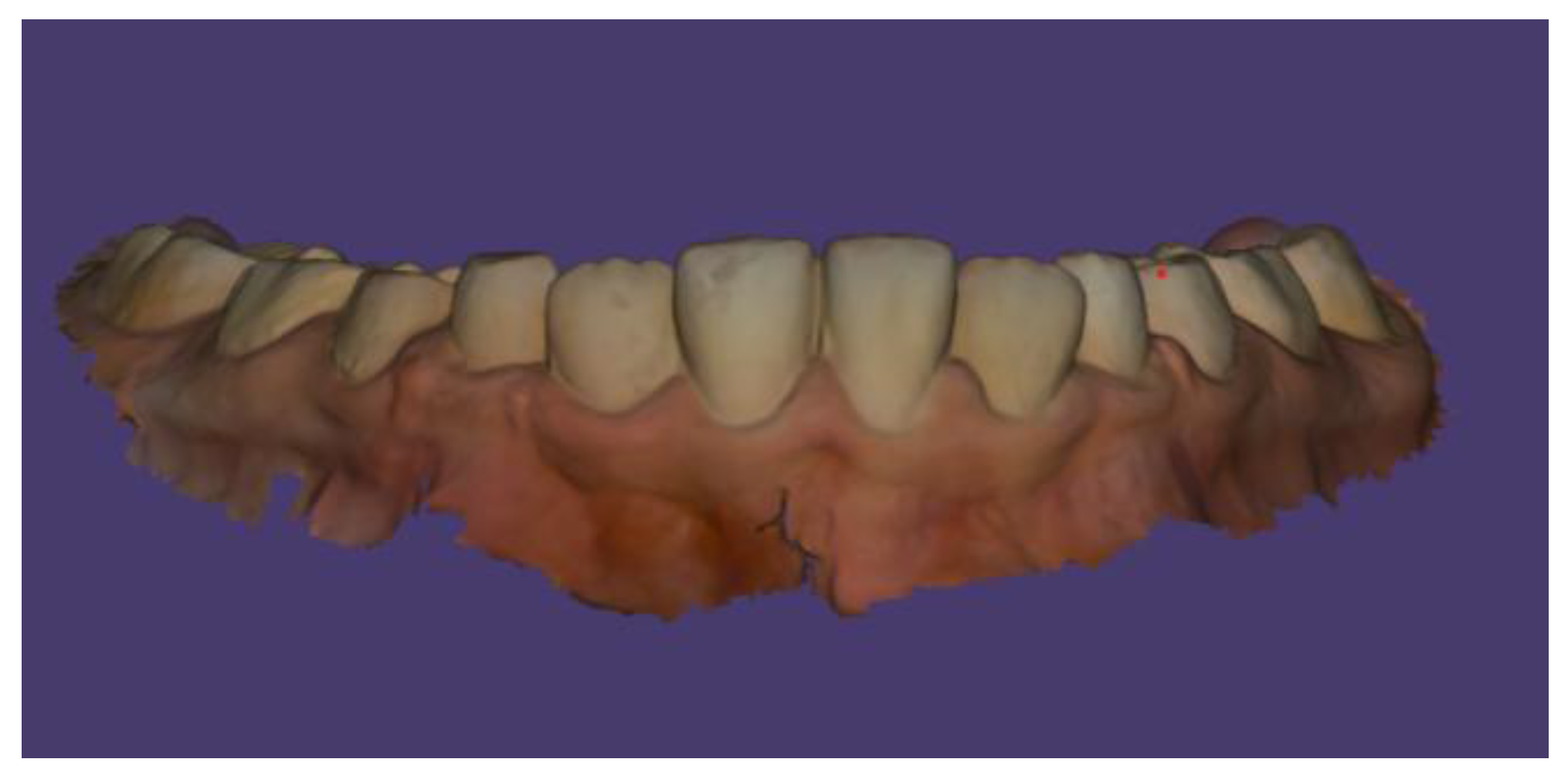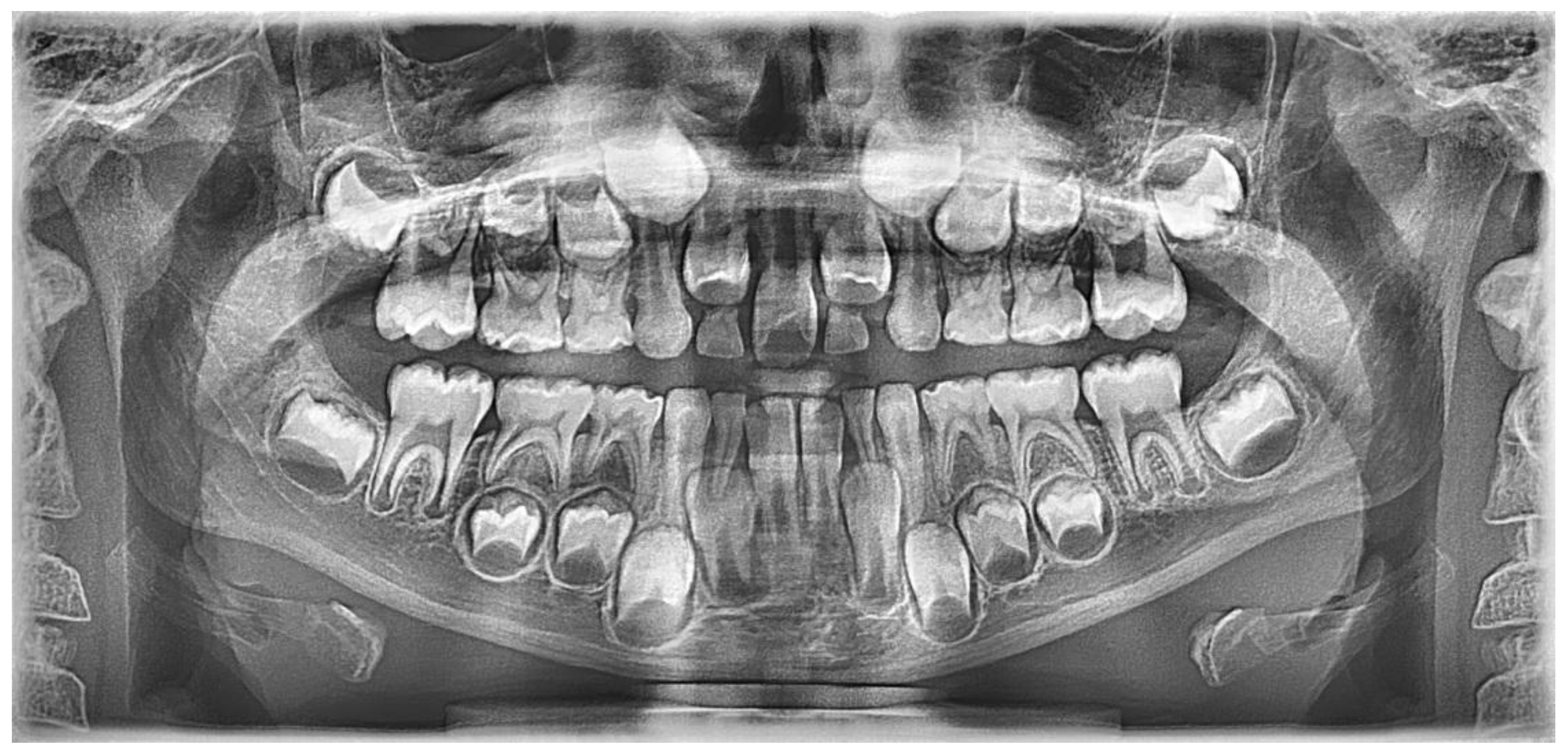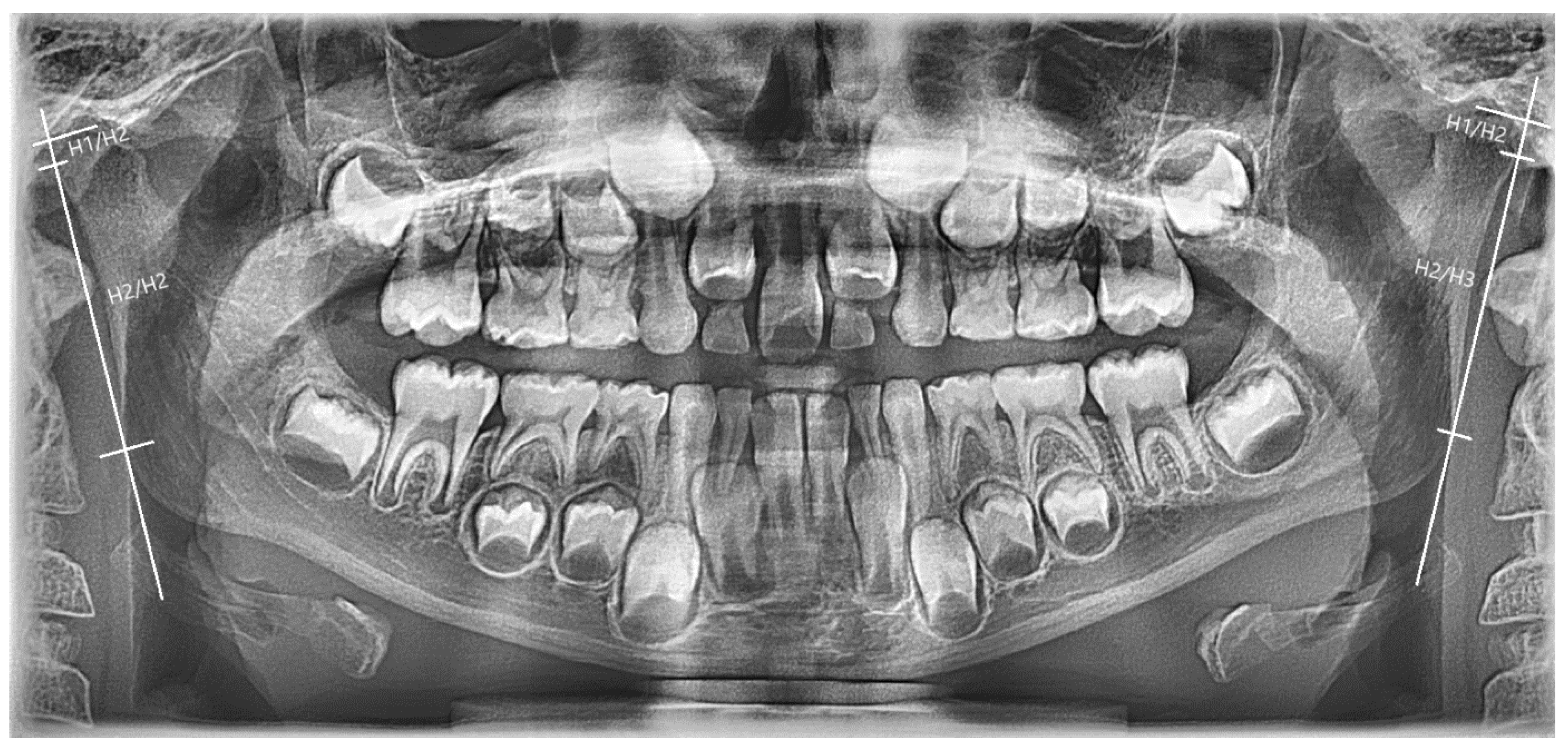


Digital Technologies in Diagnosing Solitary Median Maxillary Central Incisor Syndrome



Abstract
1. Introduction
Aim
2. Materials and Methods
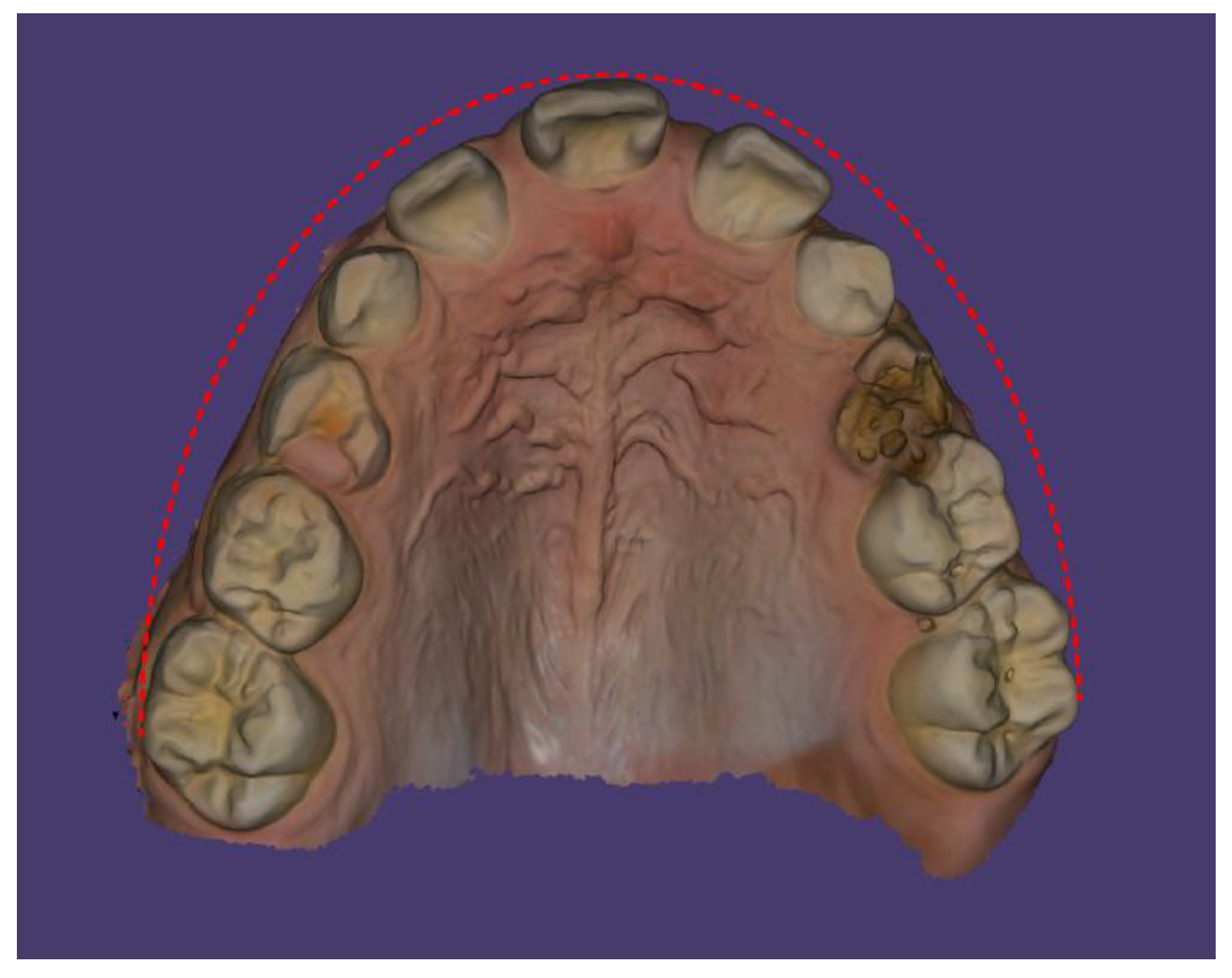
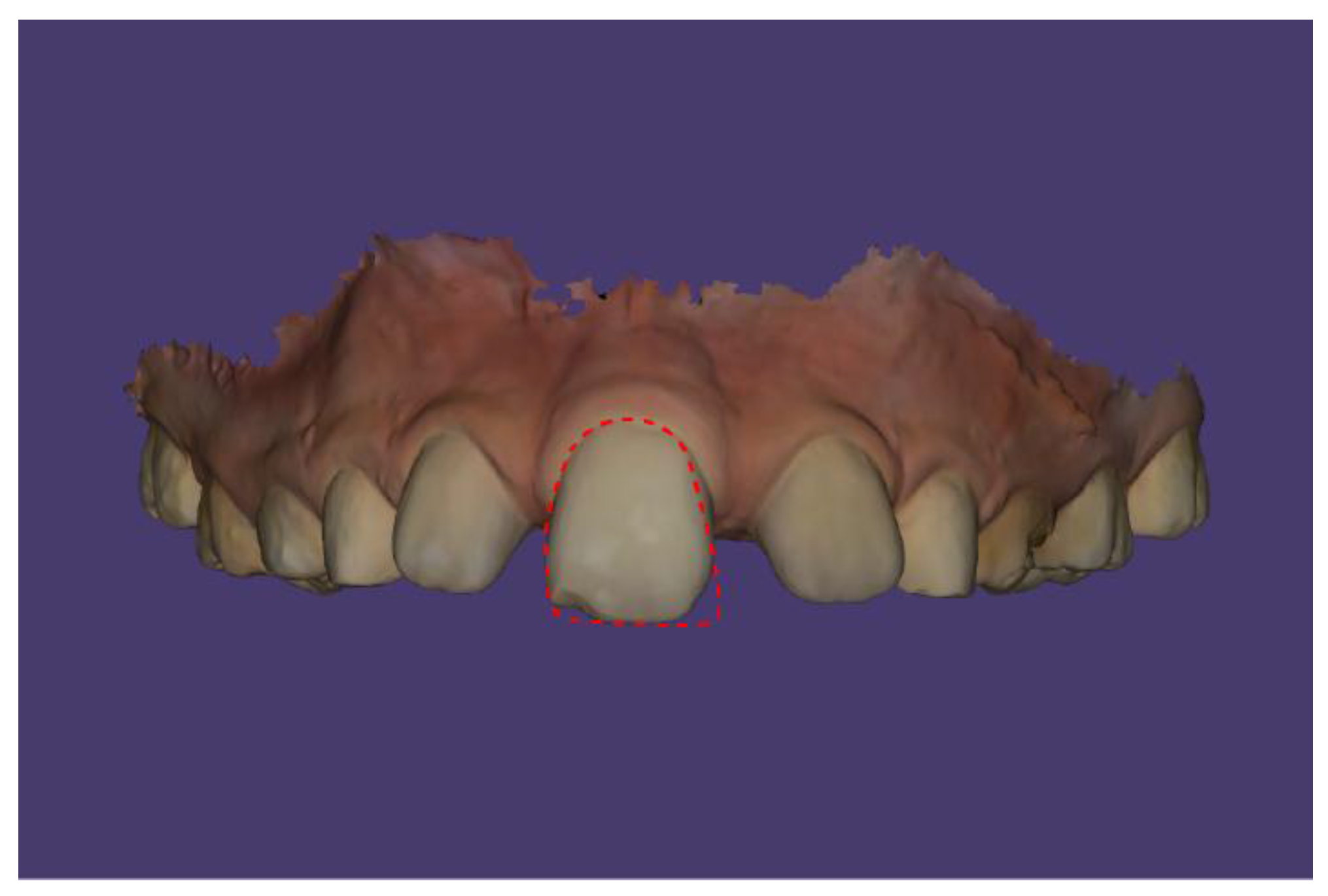
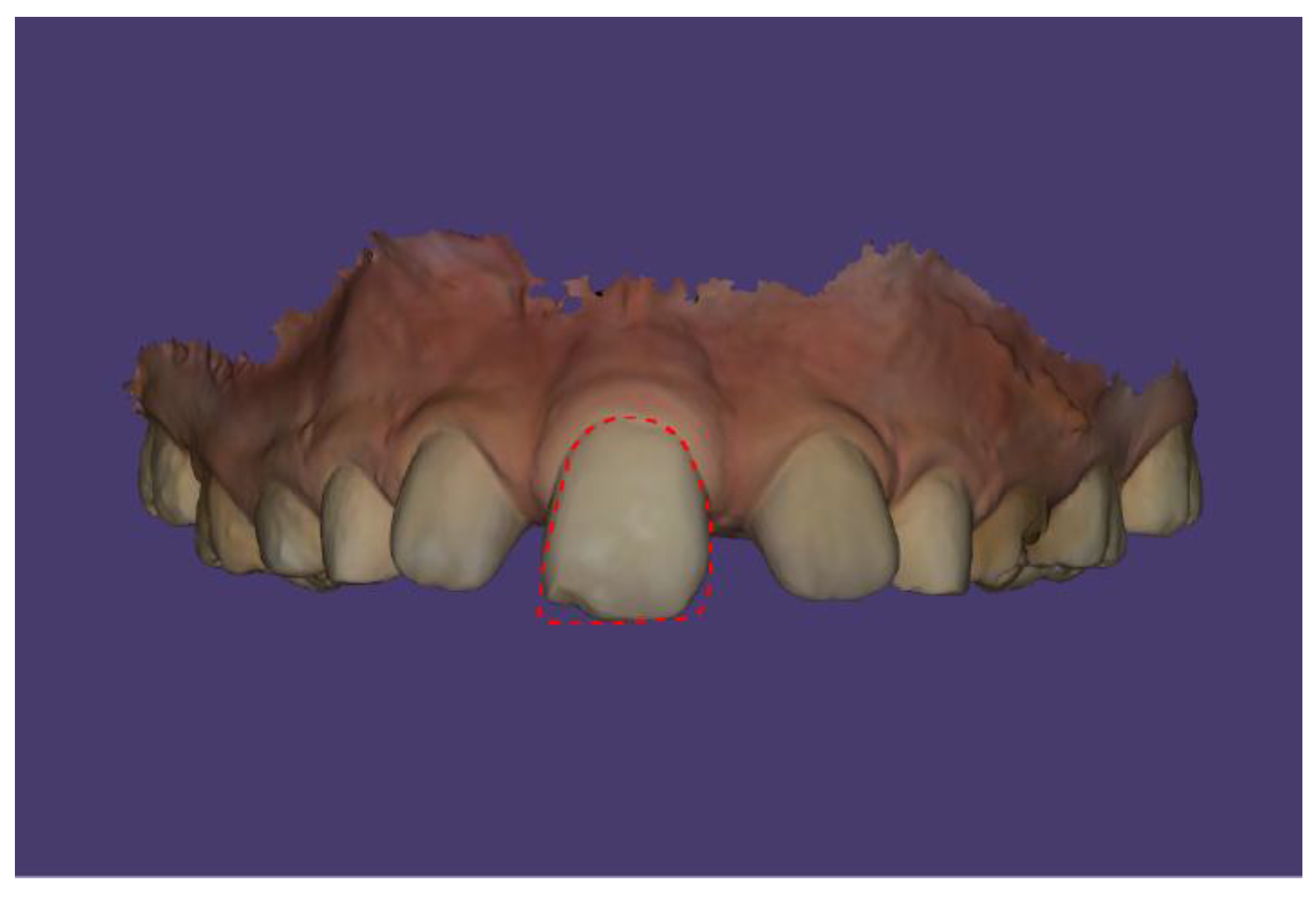
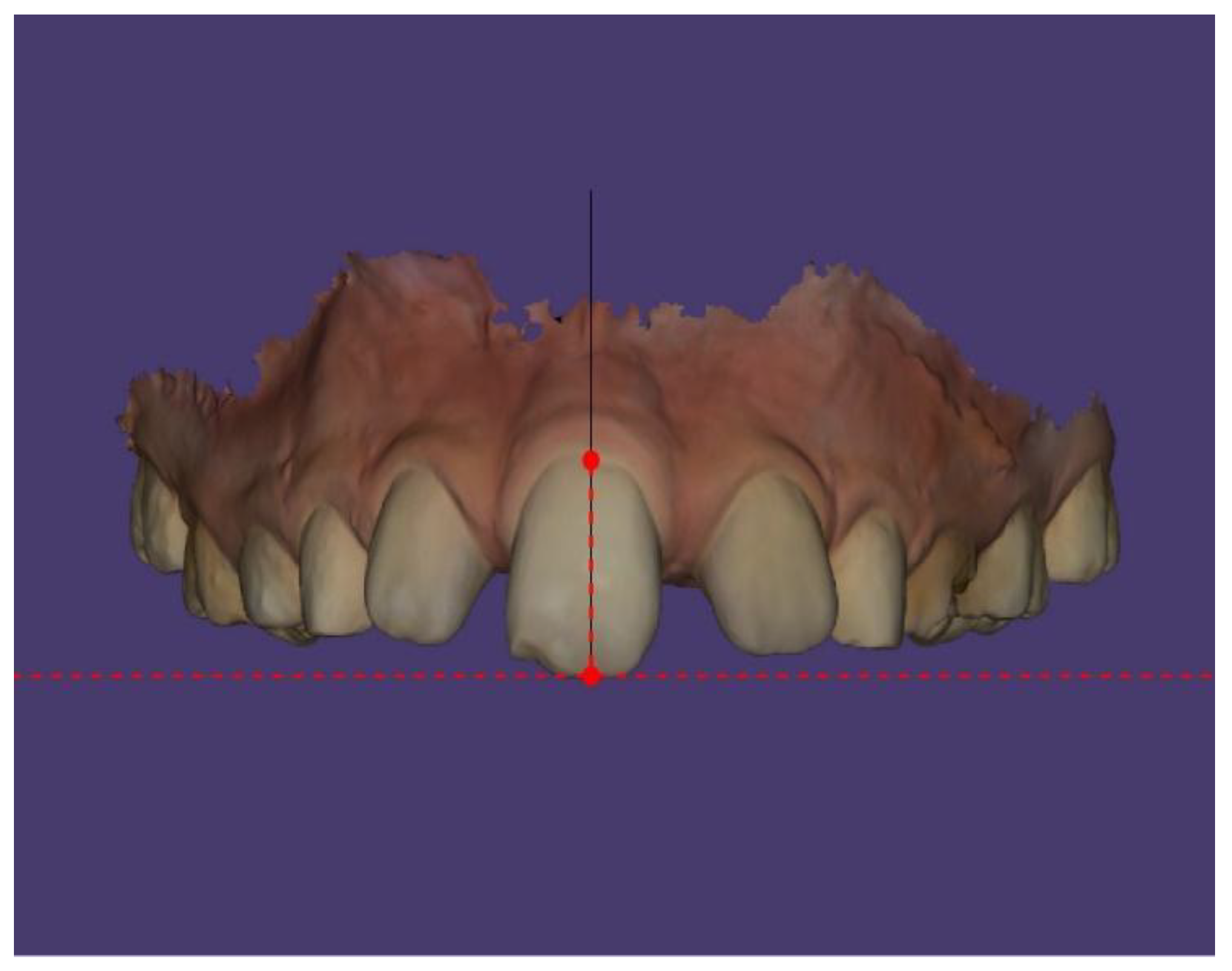
Case Description
3. Discussion
- Missense Mutations in the Shh Gene, Located at Locus 7q36.
- Genetic factors related to maxillary incisor development. The presence of a solitary incisor may result from a developmental defect in tooth morphogenesis. Aberrations in genes responsible for the formation of maxillary incisors can lead to SMMCI.
- Gene expression during embryonic development. Disruptions in the timing and localization of gene expression can contribute to abnormal craniofacial skeletal formation, including SMMCI. According to case reports in the literature, spontaneous mutations can also occur.
- Mutations in Homeobox (HOX) genes, which regulate cell growth and differentiation during embryogenesis, including dental development.
- Mutations in genes controlling midline facial movements. Dysfunction of these genes during embryonic development can result in defects in the structure of the anterior facial region. SMMCI may be inherited in an autosomal dominant manner. It is also associated with Pallister-Hall syndrome, caused by a mutation in the GLI3 gene.
Summary
Author Contributions
Funding
Institutional Review Board Statement
Informed Consent Statement
Data Availability Statement
Conflicts of Interest
References
- Hall, R.K.; Bankier, A.; Aldred, M.J.; Kan, K.; Lucas, J.O.; Perks, A.G. Solitary median maxillary central incisor, short stature, choanal atresia/midnasal stenosis (SMMCI) syndrome. Oral Surg. Oral Med. Oral Pathol. Oral Radiol. Endodontol. 1997, 84, 651–662. [Google Scholar] [CrossRef] [PubMed]
- Scott, D.C. Absence of upper central incisor. Br. Dent. J. 1958, 104, 247–248. [Google Scholar]
- Poelmans, S.; Kawamoto, T.; Cristofoli, F.; Politis, C.; Vermeesch, J.; Bailleul-Forestier, I.; Hens, G.; Devriendt, K.; Verdonck, A.; Carels, C. Genotypic and phenotypic variation in six patients with solitary median maxillary central incisor syndrome. Am. J. Med. Genet. A 2015, 167A, 2451–2458. [Google Scholar] [CrossRef] [PubMed]
- Hall, R.K. Solitary median maxillary central incisor (SMMCI) syndrome. Orphanet J. Rare Dis. 2006, 1, 12. [Google Scholar] [CrossRef] [PubMed] [PubMed Central]
- Zatoński, T.; Pazdro-Zastawny, K.; Morawska-Kochman, M.; Biela, M.; Kołtowska, A.; Rydzanicz, M.; Rozensztrauch, A.; Kosińska, J.; Dorobisz, K.; Płoski, R.; et al. Single median maxillary central incisor syndrome and variant in SMO gene associated with SHH pathway. Int. J. Pediatr. Otorhinolaryngol. 2020, 134, 110038. [Google Scholar] [CrossRef] [PubMed]
- Bazan, M.T. Fusion of maxillary incisors across the midline: Clinical report. Pediatr. Dent. 1983, 5, 220–221. [Google Scholar] [PubMed]
- Kjaer, I.; Becktor, K.B.; Lisson, J.; Gormsen, C.; Russell, B.G. Face, palate, and craniofacial morphology in patients with a solitary median maxillary central incisor. Eur. J. Orthod. 2001, 23, 63–73. [Google Scholar] [CrossRef] [PubMed]
- Kjaer, I.; Keeling, J.W.; Fischer Hansen, B.; Becktor, K.B. Midline skeletodental morphology in holoprosencephaly. Cleft Palate Craniofacial J. 2002, 39, 357–363. [Google Scholar] [CrossRef]
- Habets, L.L.M.H.; Bezuur, J.N.; Naeiji, M.; Hansson, T.L. The orthopantomo-gram, an aid in diagnosis of temporomandibular joint problems. II. The vertical symmetry. J Oral Rehabil. 1988, 15, 465–471. [Google Scholar] [CrossRef]
- Czapska, M.; Babkiewicz-Jahn, K. Solitary median maxillary central incisor syndrome—A case report and literature review. Lek. Wojsk. 2025, 103, 52–56. [Google Scholar] [CrossRef]
- Kamasaki, Y.; Fukumoto, S.; Kubota, K.; Goto, G. Clinical evaluation of a patient with single maxillary central incisor. J. Clin. Pediatr. Dent. 2002, 26, 181–186. [Google Scholar] [CrossRef]
- Molska, M.; Janiszewska, J.; Mikołajczyk, M.; Małkiewicz, K. Solitary median maxillary central incisor—Case report. Forum Ortodon./Orthod. Forum 2018, 14, 333–343. [Google Scholar] [CrossRef]
- Lygidakis, N.N.; Chatzidimitriou, K.; Petrou, N.; Lygidakis, N.A. Solitary median maxillary central incisor syndrome (SMMCI) with congenital nasal puriform aperture stenosis: Literature review and case report with comprehensive dental treatment and 14 years follow-up. Eur. Arch. Paediatr. Dent. 2013, 14, 417–423. [Google Scholar] [CrossRef] [PubMed]
- Li, J.; Liu, D.; Liu, Y.; Zhang, C.; Zheng, S. Solitary Median Maxillary Central Incisor Syndrome: An Exploration of the Pathogenic Mechanism. Front. Genet. 2022, 13, 780930. [Google Scholar] [CrossRef] [PubMed] [PubMed Central]
- Kerbrat, J.B.; Miskowiak, C.; Trost, O.; Kerbrat, A. Osteogenic distraction to treat solitary median maxillary central incisor (SMMCI) syndrome: A case report. Int. J. Oral Maxillofac. Surg. 2022, 51, 1469–1472. [Google Scholar] [CrossRef] [PubMed]
- Nanni, L.; Ming, J.E.; Du, Y.; Hall, R.K.; Aldred, M.; Bankier, A.; Muenke, M. SHH mutation is associated with solitary median maxillary central incisor: A study of 13 patients and review of the literature. Am. J. Med. Genet. 2001, 102, 1–10. [Google Scholar] [CrossRef]
- Yassin, O.M.; El-Tal, Y.M. Solitary maxillary central incisor in the midline associated with systemic disorders. Oral Surg. Oral Med. Oral Pathol. Oral Radiol. Endodontology 1998, 85, 548–551. [Google Scholar] [CrossRef] [PubMed]
- Fallet-Bianco, C. Neuropathology of holoprosencephaly. Am. J. Med. Genet. Part C Semin. Med. Genet. 2018, 178, 214–228. [Google Scholar] [CrossRef]
- Society for Maternal-Fetal Medicine (SMFM); Monteagudo, A. Holoprosencephaly. Am. J. Obstet. Gynecol. 2020, 223, B13–B16. [Google Scholar] [CrossRef]
- Marini, M.; Cusano, R.; De Biasio, P.; Caroli, F.; Lerone, M.; Silengo, M.; Ravazzolo, R.; Seri, M.; Camera, G. Previously undescribed nonsense mutation in SHH caused autosomal dominant holoprosencephaly with wide intrafamilial variability. Am. J. Med. Genet. Part A 2003, 117A, 112–115. [Google Scholar] [CrossRef]
- El-Jaick, K.B.; Fonseca, R.F.; Moreira, M.A.; Ribeiro, M.G.; Bolognese, A.M.; Dias, S.O.; Pereira, E.T.; Castilla, E.E.; Orioli, I.M. Single median maxillary central incisor: New data and mutation review. Birth Defects Res. Part A Clin. Mol. Teratol. 2007, 79, 573–580. [Google Scholar] [CrossRef] [PubMed]
- Harrison, M.; Calvert, M.L.; Longhurst, P. Solitary maxillary central incisor as a new finding in CHARGE association: A report of two cases. Int. J. Paediatr. Dent. 1997, 7, 185–189. [Google Scholar] [CrossRef] [PubMed]
- Winter, R.M.; MacDermot, K.D.; Hill, F.J. Sparse hair, short stature, hypoplastic thumbs, single upper central incisor and abnormal skin pigmentation: A possible “new” form of ectodermal dysplasia. Am. J. Med. Genet. 1988, 29, 209–216. [Google Scholar] [CrossRef] [PubMed]
- Buntinx, I.; Baraitser, M. A single maxillary incisor as a manifestation of an ectodermal dysplasia. J. Med. Genet. 1989, 26, 648–651. [Google Scholar] [CrossRef][Green Version]
- Negi, A.; Negi, A.; Mohanan, M. Solitary median maxillary central incisor syndrome: A rare entity. J. Oral Maxillofac. Pathol. 2020, 24, 402. [Google Scholar] [CrossRef]
- Utreja, A.; Zahid, S.N.; Gupta, R. Solitary median maxillary central incisor in association with hemifacial microsomia: A rare case report and review of literature. Contemp. Clin. Dent. 2011, 2, 385–389. [Google Scholar] [CrossRef] [PubMed] [PubMed Central]
- Cho, S.Y.; Drummond, B.K. Solitary median maxillary central incisor and normal stature: A report of three cases. Int. J. Paediatr. Dent. 2006, 16, 128–134. [Google Scholar] [CrossRef]
- Captier, G.; Tourbach, S.; Bigorre, M.; Saguintaah, M.; El Ahmar, J.; Montoya, P. Anatomical consideration of the congenital nasal pyriform aperture stenosis: Localized dysostosis without interorbital hypoplasia. J. Craniofacial Surg. 2004, 15, 490–496. [Google Scholar] [CrossRef]
- Becktor, K.B.; Sverrild, L.; Pallisgaard, C.; Burhøj, J.; Kjaer, I. Eruption of the central incisor, the intermaxillary suture, and maxillary growth in patients with a single median maxillary central incisor. Acta Odontol. Scand. 2001, 59, 361–366. [Google Scholar] [CrossRef]
- McNamara, T.; Field, D.; McNamara, T. A solitary maxillary central incisor treated orthodontically: A case report. Spec. Care Dent. 1999, 19, 135–138. [Google Scholar] [CrossRef]
- Chandrasekaran, D.; Yezdani, A.; Tajir, F.; Saravanan, B.; Rajasekar, L. Solitary median maxillary central incisor: A case report of a rare dental anomaly. J. Pharm. Bioallied Sci. 2015, 7, S307–S308. [Google Scholar] [CrossRef]
- Alex, T.; Shenoy, R.D. Solitary median maxillary central incisor with congenital strabismus and autoimmune thyroiditis in a young child. BMJ Case Rep. 2021, 14, e240418. [Google Scholar] [CrossRef] [PubMed] [PubMed Central]
- Ilhan, O.; Pekcevik, Y.; Akbay, S.; Ozdemir, S.A.; Memur, S.; Kanar, B.; Kirbiyik, O.; Ozer, E.A. Solitary median maxillary central incisor, holoprosencephaly and congenital nasal pyriform aperture stenosis in a premature infant: Case report. Arch. Argent. Pediatr. 2018, 116, e130–e134, (In English, Spanish). [Google Scholar] [CrossRef] [PubMed]
- Tabatabaie, F.; Sonnesen, L.; Kjaer, I. The neurocranial and craniofacial morphology in children with solitary median maxillary central incisor (SMMCI). Orthod. Craniofacial Res. 2008, 11, 96–104. [Google Scholar] [CrossRef] [PubMed]
- Barcelos, R.; Nivoloni Tannure, P.; Farinhas, J.A.; Kahn, E.; Gleiser, R. Solitary median maxillary central incisor in two healthy siblings: Case report. J. Disabilty Oral Health 2011, 12, 133–135. [Google Scholar]
- Machado, E.; Machado, P.; Grehs, B.; Grehs, R.A. Solitary median maxillary central incisor: Case report. Dent. Press J. Orthod. 2010, 15, 7. [Google Scholar]
- Bolan, M.; Derech, C.D.; Côrrea, M.; Ribeiro, G.L.U.; Almeida, I.C.S. Palatal expansion in a patient with solitary median maxillary central incisor syndrome. Am. J. Orthod. Dentofacial Orthop. 2010, 138, 493–497. [Google Scholar] [CrossRef] [PubMed]


Disclaimer/Publisher’s Note: The statements, opinions and data contained in all publications are solely those of the individual author(s) and contributor(s) and not of MDPI and/or the editor(s). MDPI and/or the editor(s) disclaim responsibility for any injury to people or property resulting from any ideas, methods, instructions or products referred to in the content. |
© 2025 by the authors. Licensee MDPI, Basel, Switzerland. This article is an open access article distributed under the terms and conditions of the Creative Commons Attribution (CC BY) license.
Share and Cite
Cieślińska, K.; Karbowska, K.; Zaborowicz, K.; Biedziak, B. Digital Technologies in Diagnosing Solitary Median Maxillary Central Incisor Syndrome. Children 2026, 13, 11. https://doi.org/10.3390/children13010011
Cieślińska K, Karbowska K, Zaborowicz K, Biedziak B. Digital Technologies in Diagnosing Solitary Median Maxillary Central Incisor Syndrome. Children. 2026; 13(1):11. https://doi.org/10.3390/children13010011
Chicago/Turabian StyleCieślińska, Katarzyna, Karolina Karbowska, Katarzyna Zaborowicz, and Barbara Biedziak. 2026. "Digital Technologies in Diagnosing Solitary Median Maxillary Central Incisor Syndrome" Children 13, no. 1: 11. https://doi.org/10.3390/children13010011
APA StyleCieślińska, K., Karbowska, K., Zaborowicz, K., & Biedziak, B. (2026). Digital Technologies in Diagnosing Solitary Median Maxillary Central Incisor Syndrome. Children, 13(1), 11. https://doi.org/10.3390/children13010011