
Article

Test–Retest Reliability of Task-Oriented Strength and Object Position in a Box Lifting Task Using the Activities of Daily Living Test and Training Device (ADL-TTD) in Children with Unilateral Spastic Cerebral Palsy

by
Haowei Guo
1,2,*,
Inge Heus
3,
Bart Snijders
4,
Nanne E. Land
5,
Menno van der Holst
6,7,
Rob. J. E. M. Smeets
1,8,
Caroline H. G. Bastiaenen
9 and
Eugene A. A. Rameckers
1,2,10
1
Department of Rehabilitation Medicine, Research School CAPHRI, Maastricht University, 6229 ER Maastricht, The Netherlands
2
Center of Expertise, Adelante Pediatric Rehabilitation, 6432 CC Hoensbroek, The Netherlands
3
Research Centre for Assistive Technology in Health Care, Zuyd University of Applied Sciences, 6419 PB Heerlen, The Netherlands
4
Department of Pediatric Rehabilitation, Revant Rehabilitation Centers, 4817 JW Breda, The Netherlands
5
Center for Rehabilitation ‘Revalidatie Friesland’, 9244 CL Friesland, The Netherlands
6
Department of Orthopaedics, Rehabilitation and Physiotherapy, Leiden University Medical Center, 2333 ZG Leiden, The Netherlands
7
Department of Innovation, Quality & Research, Basalt Rehabilitation the Hague, 2543 SW Den Haag, The Netherlands
8
CIR Clinics in Revalidatie, 5628 WB Eindhoven, The Netherlands
9
Department of Epidemiology, Research Line Functioning, Rehabilitation and Participation CAPHRI, Maastricht University, 6229 ER Maastricht, The Netherlands
10
Rehabilitation Science and Physiotherapy, Hasselt University, 3590 Diepenbeek, Belgium
*
Author to whom correspondence should be addressed.
Children 2025, 12(8), 1030; https://doi.org/10.3390/children12081030

Submission received: 17 June 2025 / Revised: 18 July 2025 / Accepted: 25 July 2025 / Published: 5 August 2025
(This article belongs to the Section Pediatric Orthopedics & Sports Medicine)

Abstract

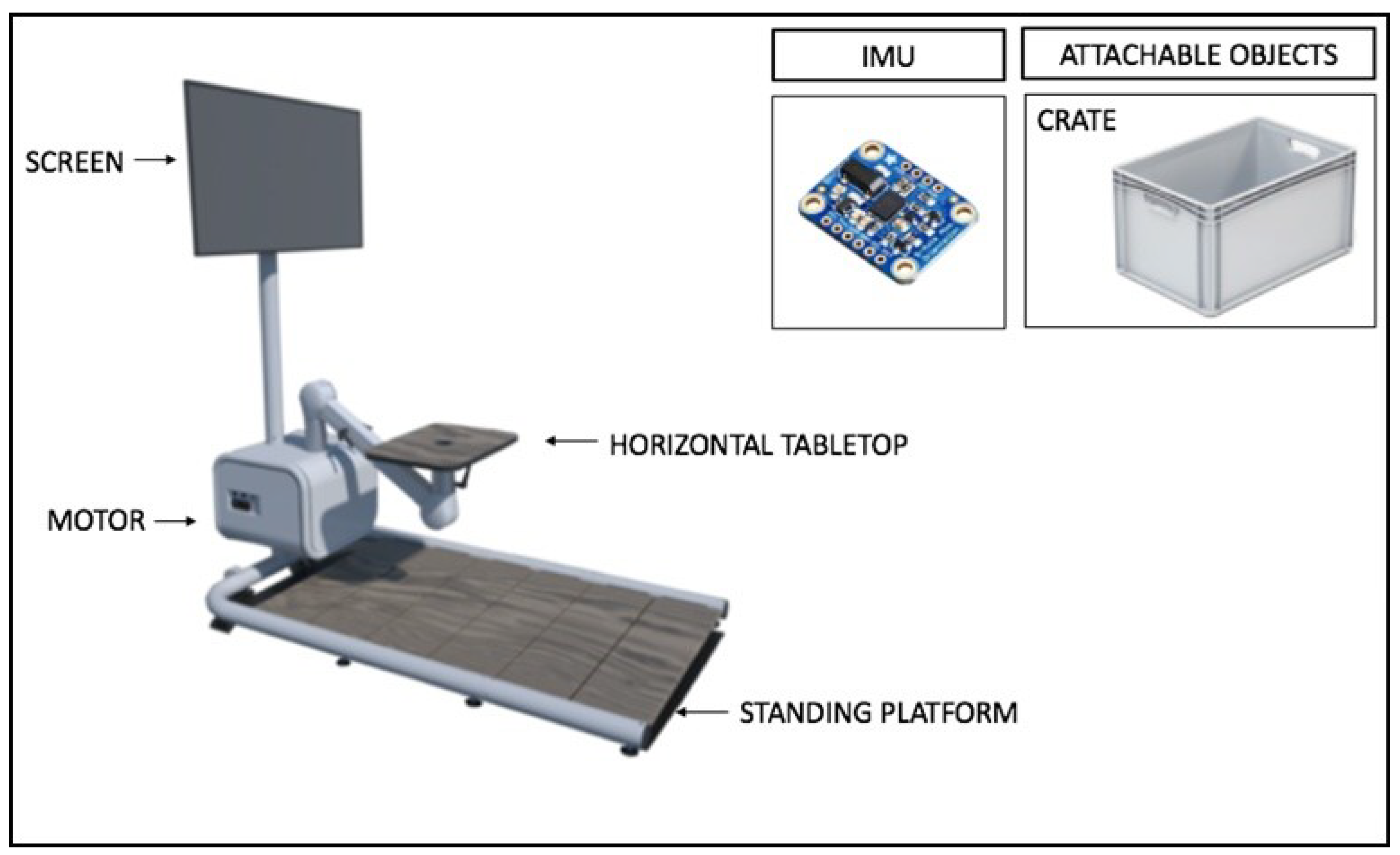
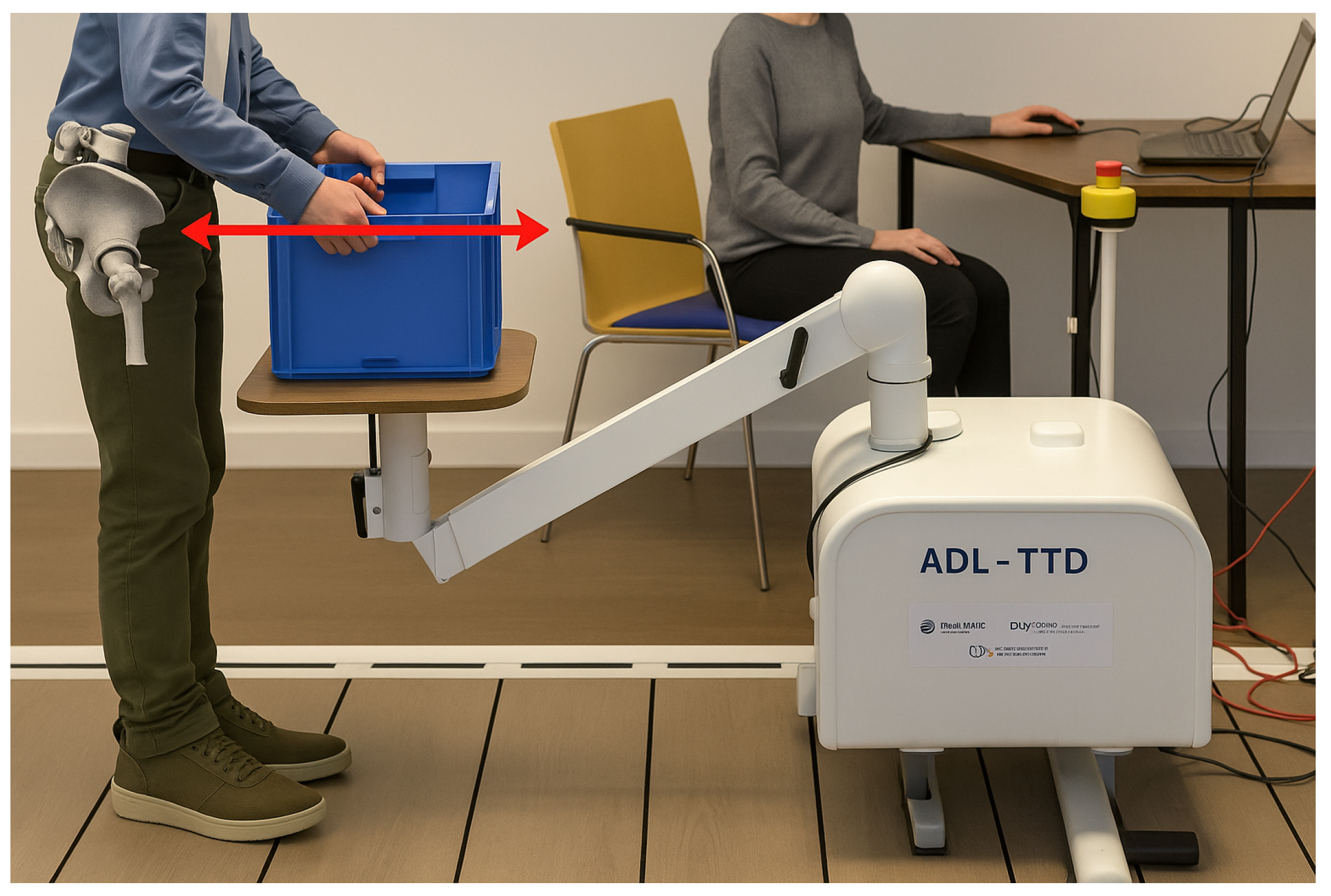
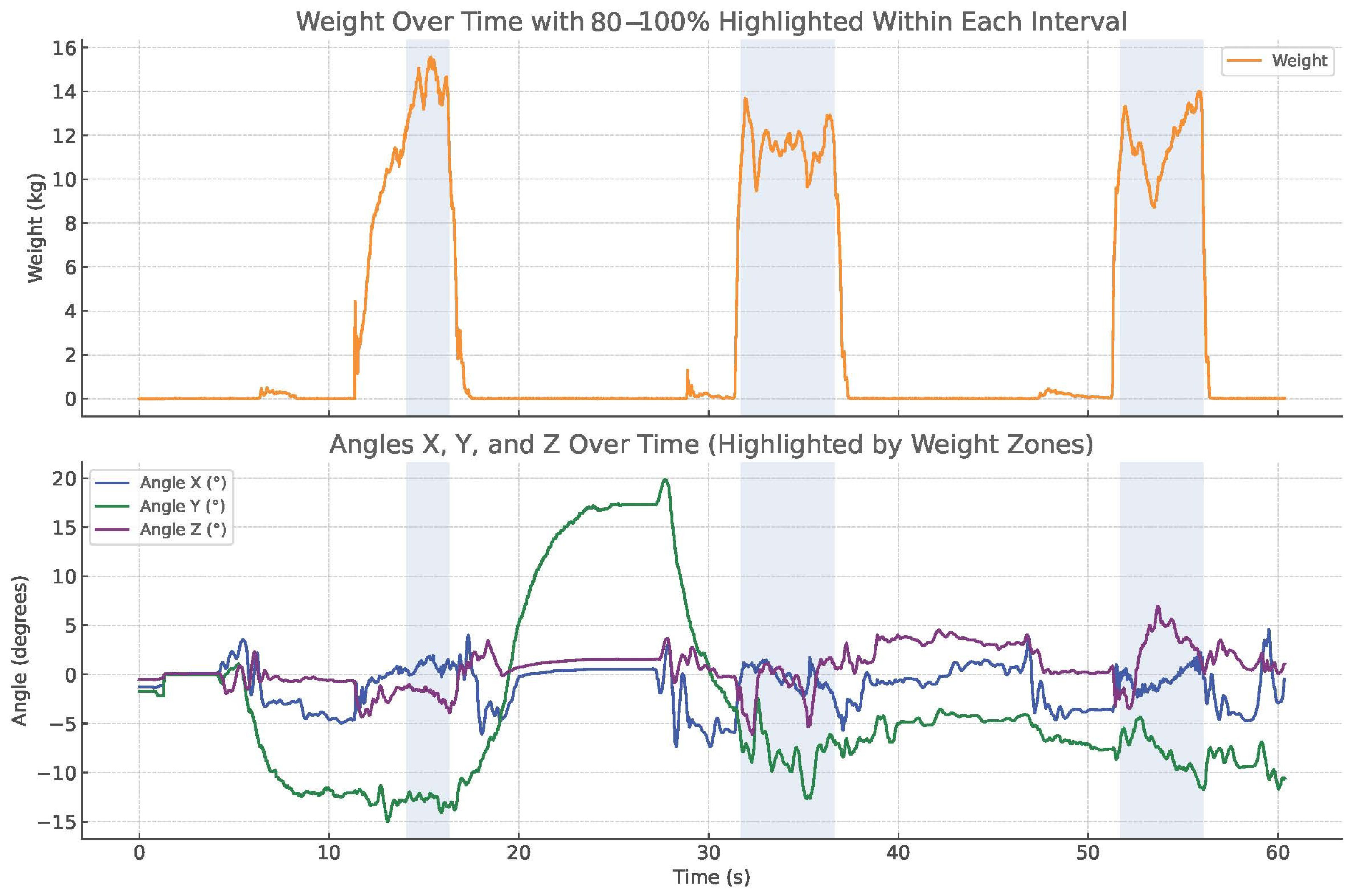
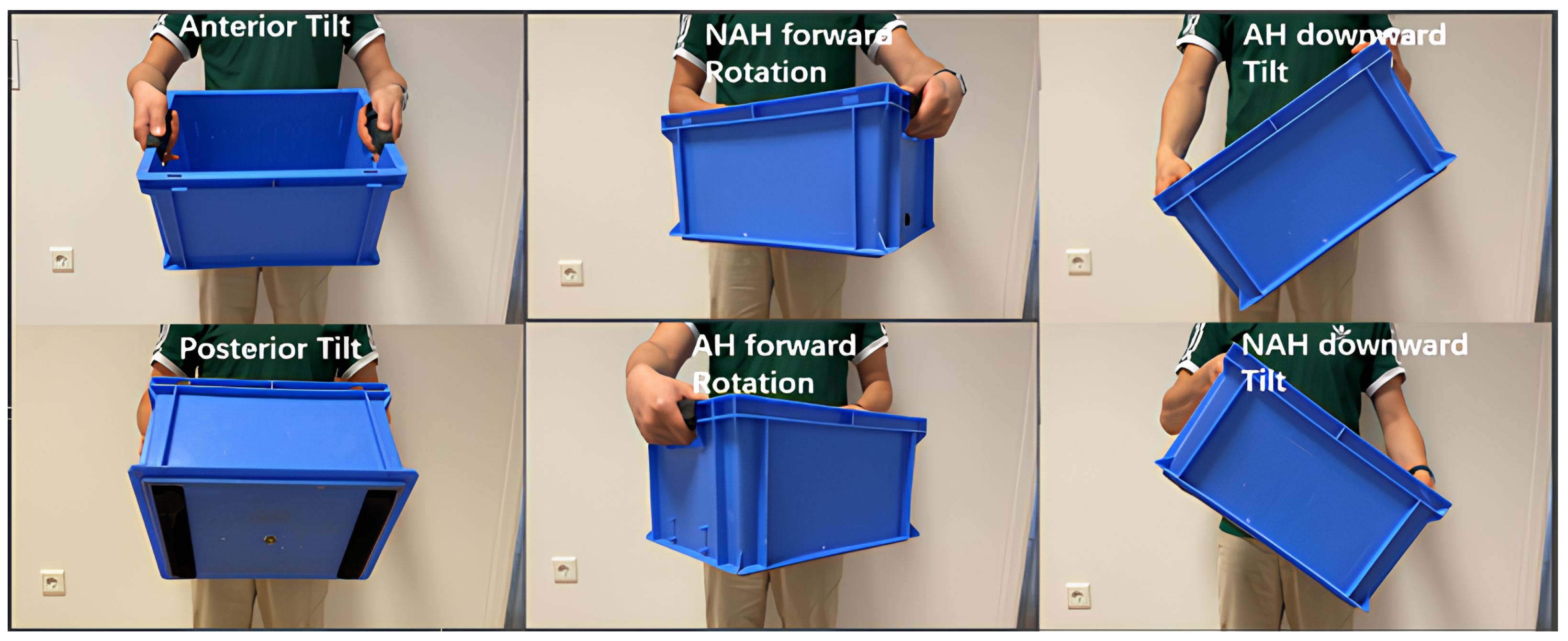
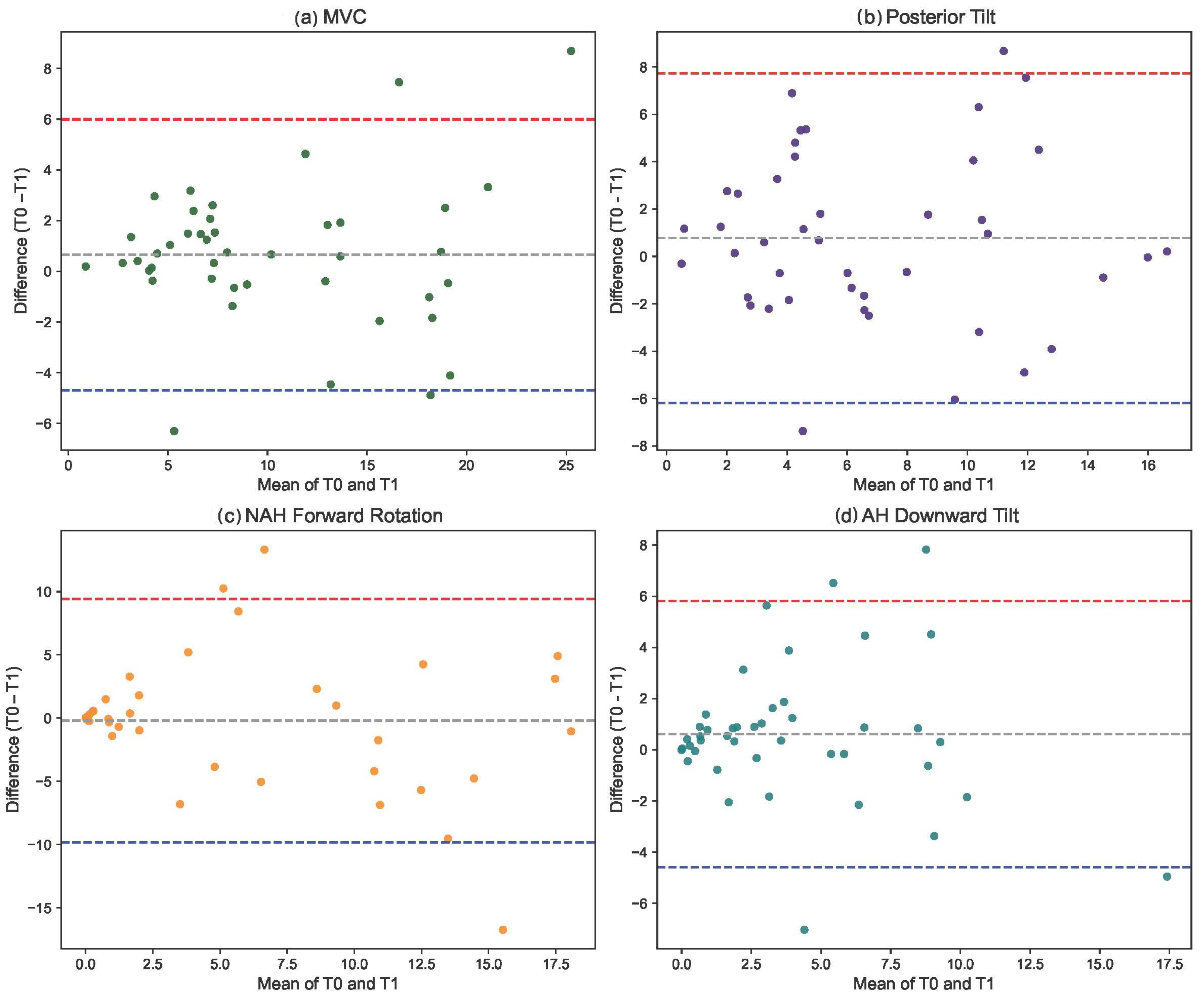
Purpose: This study investigates the test–retest reliability of maximal voluntary contraction (MVC) and integrated object positioning during bimanual box lifting tasks in children with unilateral spastic cerebral palsy (USCP), using the Activities of Daily Living Test and Training Device (ADL-TTD). Materials and Methods: Utilizing an explorative cross-sectional design, the study recruited 47 children with USCP. The ADL-TTD, equipped with an Inertial Measurement Unit (IMU) for precise object positioning, measured MVC, and object position in 3D space in a cross-sectional measurement containing two measurements in a fixed time period. Results: The findings demonstrated good test–retest reliability for MVC, with an ICCagreement of 0.95 for the mean MVC value. Additionally, good reliability was observed for object positioning in different directions measured with an IMU, with ICCagreement ranging from 0.82 to 0.86 degrees. Regarding the standard error of measurement (SEM), the SEMagreement for the mean MVC value was 5.94 kg, while the SEMagreement for object positioning was 1.48, 5.39, and 3.43 degrees, respectively. Conclusions: These results indicate that the ADL-TTD demonstrates good test–retest reliability for both MVC and object positioning, making it a valuable tool for analyzing this population in cross-sectional research by providing reliable measures of task-oriented strength and object manipulation. However, the relatively high SEMagreement, particularly in MVC, suggests that caution is needed when using this tool for repeated testing over time. This pioneering approach could significantly contribute to tailored assessment and training for children with USCP, highlighting the importance of integrating task-specific strength and positional accuracy into therapeutic interventions.
Keywords: cerebral palsy; muscle strength; positional performance; test–retest reliability; upper extremity; activity of daily living; task-oriented; technology cerebral palsy; muscle strength; positional performance; test–retest reliability; upper extremity; activity of daily living; task-oriented; technology