Systematic Review

Oral Diseases and Brain Pathologies: A Systematic Review with Narrative Synthesis of Clinical, Neuroimaging, and Mechanistic Evidence

by
Marines Vega Sanchez
1,
Francisco Córdova
1,
Maria Rodríguez Tatés
1,
Luis Chauca Bajaña
2,
Diego Quiguango Farías
3,
María Flores Araque
1 and
Byron Velásquez Ron
4,*
1
Carrera de Odontología, Facultad de Odontología, Universidad de Las Américas Ecuador (UDLA), Colon y 6 de Diciembre, Quito 170516, Ecuador
2
Dental Sciences, College Dentistry, University of Guayaquil, Guayaquil 090514, Ecuador
3
Carrera Ciencias de la Salud, Universidad de Las Américas (UDLA), Quito 170516, Ecuador
4
Department Prosthesis Research, Av. Colón y 6 Diciembre, Quito 170516, Ecuador
*
Author to whom correspondence should be addressed.
Biomedicines 2026, 14(4), 768; https://doi.org/10.3390/biomedicines14040768
Submission received: 23 February 2026 / Revised: 16 March 2026 / Accepted: 24 March 2026 / Published: 28 March 2026

Abstract

Background: Oral diseases such as periodontitis, dental infections, and oral dysbiosis have been increasingly associated with systemic conditions. Emerging evidence suggests a potential relationship between oral health and neurological disorders, including brain abscesses, structural brain alterations, and gliomas. However, the strength and mechanisms of these associations remain incompletely understood. Objective: To systematically review clinical, neuroimaging, genetic, and mechanistic evidence linking oral diseases with brain pathologies. Methods: A systematic literature search was conducted in PubMed, Scopus, Web of Science, and EBSCO, with complementary screening of SciELO, Redalyc, and LILACS databases. Studies evaluating associations between oral diseases (periodontitis, dental infections, caries, or oral microbiota alterations) and neurological outcomes were considered. Eligible study designs included observational clinical studies, Mendelian randomization analyses, neuroimaging studies, and experimental investigations. Seventeen studies met the inclusion criteria. Due to the substantial heterogeneity in study designs, outcomes, and effect metrics, quantitative meta-analysis was not feasible. Findings were therefore synthesized using a structured narrative approach following PRISMA guidelines. Results: Clinical studies consistently identified odontogenic infections as a relevant source of brain abscesses, frequently originating from chronic or clinically silent dental foci. Neuroimaging and genetic studies reported associations between poor oral health indicators and structural brain alterations, including reduced cortical thickness and white matter abnormalities. Experimental investigations suggested potential biological mechanisms involving microbial dissemination, systemic inflammation, and immune modulation. Virulence factors from Porphyromonas gingivalis have been shown to induce inflammatory signaling pathways and immune checkpoint activation in glioma cells. Conclusions: The current evidence suggests a possible association between oral diseases and several brain pathologies. Although causality cannot be established, the findings highlight the importance of oral health as a potentially modifiable factor relevant to neurological health. Further longitudinal and mechanistic studies are required to clarify these relationships.

1. Introduction

Oral diseases, such as periodontitis, dental caries, and odontogenic infections, represent a significant global public health burden [1,2]. These conditions not only affect the oral cavity but have also been associated with multiple systemic diseases, including cardiovascular disorders, diabetes, cancer, and neurodegenerative diseases [3,4]. In recent years, increasing interest has emerged in understanding the possible relationship between oral health and central nervous system diseases, particularly brain tumors and intracranial inflammatory processes [5]. Brain tumors, such as gliomas, are among the most aggressive neoplasms of the central nervous system, with high morbidity and mortality rates [6]. Despite advances in neurosurgery, radiotherapy, and molecular therapies, prognosis remains poor. In parallel, brain abscesses continue to represent a severe infectious complication, frequently associated with bacteria of oral origin [7]. These findings have prompted the exploration of the oral cavity as a potential reservoir of pathogens and inflammatory mediators affecting the brain [8,9]. Several observational, experimental, and genetic studies suggest that oral dysbiosis, periodontitis, and dental infections may influence neuroinflammation, tumor progression, and structural brain changes [10]. Proposed mechanisms include hematogenous dissemination of oral bacteria, activation of systemic immune responses, release of bacterial lipopolysaccharides, and modulation of inflammatory pathways such as Akt, NF-κB, and pro-inflammatory cytokines [11,12]. Moreover, Mendelian randomization studies have provided genetic evidence supporting a potential causal relationship between oral diseases and cerebral alterations [13], and the available literature is heterogeneous in terms of methodological designs, types of oral exposure, neurological outcomes, and effect metrics, which hinders robust quantitative meta-analyses [14]. Therefore, synthesizing the existing evidence through a narrative systematic review is essential to integrate clinical, microbiological, genetic, and mechanistic findings [15]. The objective of this systematic review is to analyze the association between oral diseases and brain pathologies, including tumors and abscesses, describe the proposed biological mechanisms, and evaluate the quality of the available evidence. This synthesis aims to contribute to a better understanding of the oral–brain axis and its clinical and preventive implications.

2. Methods

2.1. Study Design and Reporting Guidelines

This systematic review was conducted and reported in accordance with the Preferred Reporting Items for Systematic Reviews and Meta-Analyses (PRISMA 2020) guidelines. The review protocol was prospectively registered in the International Prospective Register of Systematic Reviews (PROSPERO) under registration number CRD420261290918. The completed PRISMA checklist is provided as Supplementary Material [16].
The objective of this review was to synthesize the available evidence regarding the association between oral diseases and brain pathologies, including infectious, structural, and neoplastic outcomes.

2.2. Review Question and Eligibility Framework

The review question was structured using the PICO framework:
Population: individuals with oral diseases. Exposure: periodontitis, dental caries, odontogenic infections, or alterations of the oral microbiota. Comparator: individuals without oral disease or with different levels of oral health status. Outcomes: brain abscesses, structural brain alterations (e.g., cortical thickness, white matter abnormalities), or brain tumors (e.g., glioma).
Eligible studies included:
  • Observational clinical studies (cohort, case–control, cross-sectional)
  • Mendelian randomization analyses
  • Neuroimaging studies evaluating brain structural changes
  • Experimental or mechanistic studies examining biological pathways linking oral disease with brain pathology
Narrative or systematic reviews were not included as primary analytical studies but were considered when they provided relevant contextual or mechanistic interpretation of the oral–brain relationship.
Studies were excluded if they:
  • Lacked a comparator group
  • Did not evaluate brain outcomes
  • Were purely descriptive opinion papers
  • Consisted exclusively of single case reports without microbiological or mechanistic relevance
Only studies published in English or Spanish were considered.

2.3. Search Strategy

A systematic literature search was conducted across the following electronic databases:
  • PubMed/MEDLINE
  • Scopus
  • Web of Science
  • EBSCO
To broaden coverage of regional literature, additional screening was performed in SciELO, Redalyc, and LILACS.
The search strategy combined terms related to oral diseases and neurological outcomes using Boolean operators. Keywords included combinations of the following:
(“oral disease” OR “oral health” OR “periodontal disease” OR periodontitis OR “dental infection” OR “odontogenic infection” OR “oral microbiota” OR dysbiosis OR “dental caries”) AND (“brain disease” OR “brain disorder” OR “central nervous system” OR glioma OR “brain abscess” OR neuroinflammation OR “white matter hyperintensity” OR “brain imaging” OR MRI).
Reference lists of relevant articles were also screened to identify additional eligible studies.
All retrieved records were screened in two stages. First, titles and abstracts were reviewed to identify potentially relevant studies. Second, full-text articles were assessed for eligibility according to the predefined inclusion criteria.
Reasons for exclusion at the full-text stage included narrative reviews without primary data, letters or editorials, and studies not directly examining brain outcomes.
The study selection process is summarized in the PRISMA flow diagram (Figure 1).

2.4. Data Extraction

Data extraction was performed using a standardized data collection form. Extracted variables included:
Study design;
Study population and sample size;
Type of oral exposure or phenotype;
Neurological outcome investigated [17];
Key findings and direction of association;
Study setting and country [18].
These data were used to construct summary tables describing the characteristics and main findings of the included studies.

2.5. Evidence Domain Framework and Data Synthesis

Because the included studies differed substantially in design, outcome definitions, and effect metrics, quantitative meta-analysis was not considered appropriate. Instead, a structured narrative synthesis was performed [19].
To facilitate interpretation of heterogeneous evidence, studies were organized into three predefined domains:
  • Clinical infectious evidence linking odontogenic infections with brain abscesses;
  • Neuroimaging and genetic evidence evaluating associations between oral health and structural brain alterations;
  • Experimental and mechanistic studies investigating microbial and immunological pathways [20].
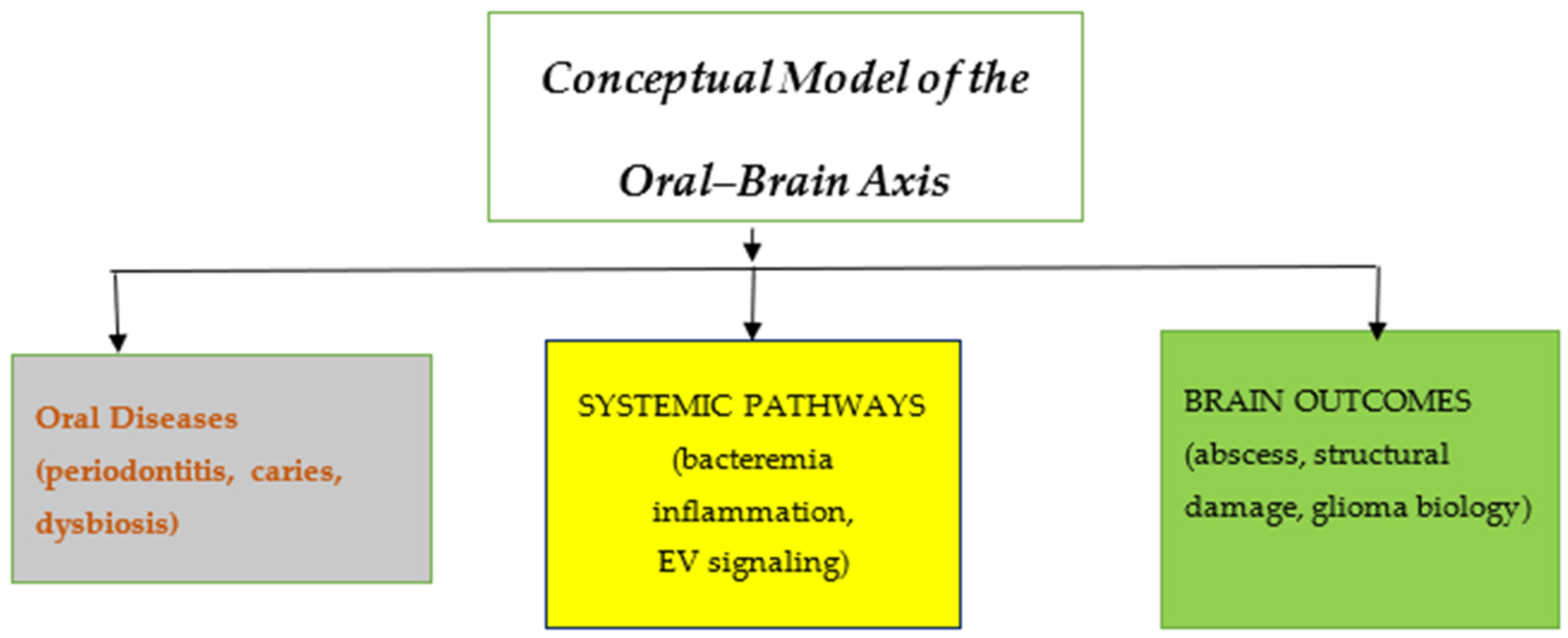
Within each domain, findings were summarized according to direction of association, biological plausibility, and methodological characteristics. These routes are illustrated in Figure 2.
Proposed pathways linking oral diseases with neurological outcomes: Periodontal disease, odontogenic infections, and oral microbiota dysbiosis may contribute to systemic dissemination of bacteria, inflammatory signaling, and extracellular vesicle–mediated communication. These mechanisms may influence brain pathologies such as cerebral abscess formation, structural brain alterations, and tumor microenvironment modulation.
Studies were categorized into evidence domains (clinical infectious, neuroimaging/genetic, microbiome, and mechanistic) to facilitate structured narrative synthesis.

3. Results

3.1. Study Selection

The database search identified 2000 records across the selected electronic databases. After removal of duplicate records and initial automated filtering, 785 records remained for title and abstract screening. Following this stage, 400 records were excluded because they did not meet the eligibility criteria. A total of 385 full-text articles were sought for retrieval, of which 247 were not available or did not meet inclusion criteria. After full-text assessment, 138 studies were evaluated for eligibility. Among these, studies were excluded for the following reasons:
  • Narrative reviews without original data (n = 75)
  • Letters or editorials (n = 13)
  • Ineligible study designs or lack of appropriate comparator groups (n = 34)
Finally, 16 studies met the inclusion criteria and were included in the qualitative synthesis.

3.2. Characteristics of Included Studies

The 16 included studies represented diverse methodological designs investigating the relationship between oral diseases and neurological outcomes.
The evidence included:
  • Population-based cohort studies
  • Case–control studies
  • Mendelian randomization analyses
  • Neuroimaging investigations
  • Experimental mechanistic studies
The main oral exposures investigated were:
  • Periodontal disease and periodontal parameters
  • Dental caries burden
  • Odontogenic infections
  • Oral microbiota composition
  • Virulence factors from oral pathogens
Neurological outcomes examined across studies included:
  • Brain abscess formation
  • Structural brain alterations, such as cortical thinning and white matter abnormalities
  • Glioma presence or progression
The characteristics of the included studies are summarized in Table 1, which classifies the evidence according to study design, exposure type, neurological outcomes, and evidence domain.

3.3. Domain 1: Clinical Evidence Linking Oral Infections with Brain Abscesses

Seven studies evaluated the association between odontogenic infections and brain abscess formation. Population-based cohort studies and retrospective clinical analyses consistently identified oral infections as a relevant source of brain abscesses, particularly in cases where no other infectious focus was identified. In a nationwide Danish cohort, odontogenic foci were detected in approximately one-quarter of brain abscess cases, and oral bacteria belonging to the Streptococcus anginous group were frequently isolated from abscess material. Similarly, retrospective analyses reported that a substantial proportion of cryptogenic brain abscesses were associated with chronic or clinically silent dental infections, including untreated periodontitis and dental caries. Case series and microbiological investigations further demonstrated that typical oral pathogens, including Fusobacterium nucleatum, Parvimonas micra, and Porphyromonas gingivalis, could be isolated from abscess material even when patients did not present overt dental symptoms. These findings suggest that occult odontogenic infections may represent an underrecognized source of cerebral abscess formation (Table 2).

3.4. Domain 2: Neuroimaging and Genetic Evidence of Structural Brain Alterations

Three studies investigated associations between oral health indicators and structural brain alterations using neuroimaging or genetic approaches. A Mendelian randomization study demonstrated that genetically predicted dental caries burden was associated with reduced cortical thickness in specific brain regions. These findings suggest a potential relationship between oral health and structural brain integrity. In a large neuroimaging cohort derived from the UK Biobank, poor oral health indicators, such as dentures or loose teeth, were associated with increased white matter hyperintensities and impaired white matter microstructural integrity. These neuroimaging markers are commonly interpreted as indicators of cerebral small vessel disease and chronic inflammatory injury. Although causal inference remains limited, these findings provide preliminary evidence linking oral health status with subclinical brain structural changes (Table 3).
Several studies investigated biological mechanisms that could explain potential links between oral diseases and neurological pathology. Experimental investigations reported that virulence factors derived from Porphyromonas gingivalis, particularly gingipains, can induce inflammatory signaling in glioma cells. Laboratory models demonstrated increased IL-6 secretion and upregulation of PD-L1 expression, suggesting potential effects on tumor immune evasion and progression. Additional studies highlighted the role of extracellular vesicles (EVs) released by periodontal tissues and oral pathogens. These vesicles contain inflammatory mediators, microRNAs, and signaling molecules capable of modulating immune responses and angiogenesis. Experimental evidence suggested that EV-derived microRNAs may activate signaling pathways involved in vascular remodeling and inflammatory responses, providing a potential systemic communication mechanism between oral inflammation and distant organs. Together, these findings support the biological plausibility of the proposed oral–brain axis, although direct causal relationships remain to be established (Table 4).
Two Mendelian randomization studies and one large neuroimaging cohort provided evidence linking oral health to structural brain changes. Wang et al. demonstrated that genetically predicted dental caries (DMFS index) was associated with reduced cortical thickness in the superior temporal sulcus, suggesting a potential causal effect of caries on brain morphology [21]. Similarly, Rivier et al. reported that poor oral health proxies (dentures or loose teeth) were associated with increased white matter hyperintensities and impaired white matter integrity. Mendelian randomization analyses supported a possible causal relationship [22].
These findings indicate that oral diseases may contribute to subclinical brain injury, potentially through chronic systemic inflammation or vascular mechanisms

3.5. Oral Microbiota and Glioma

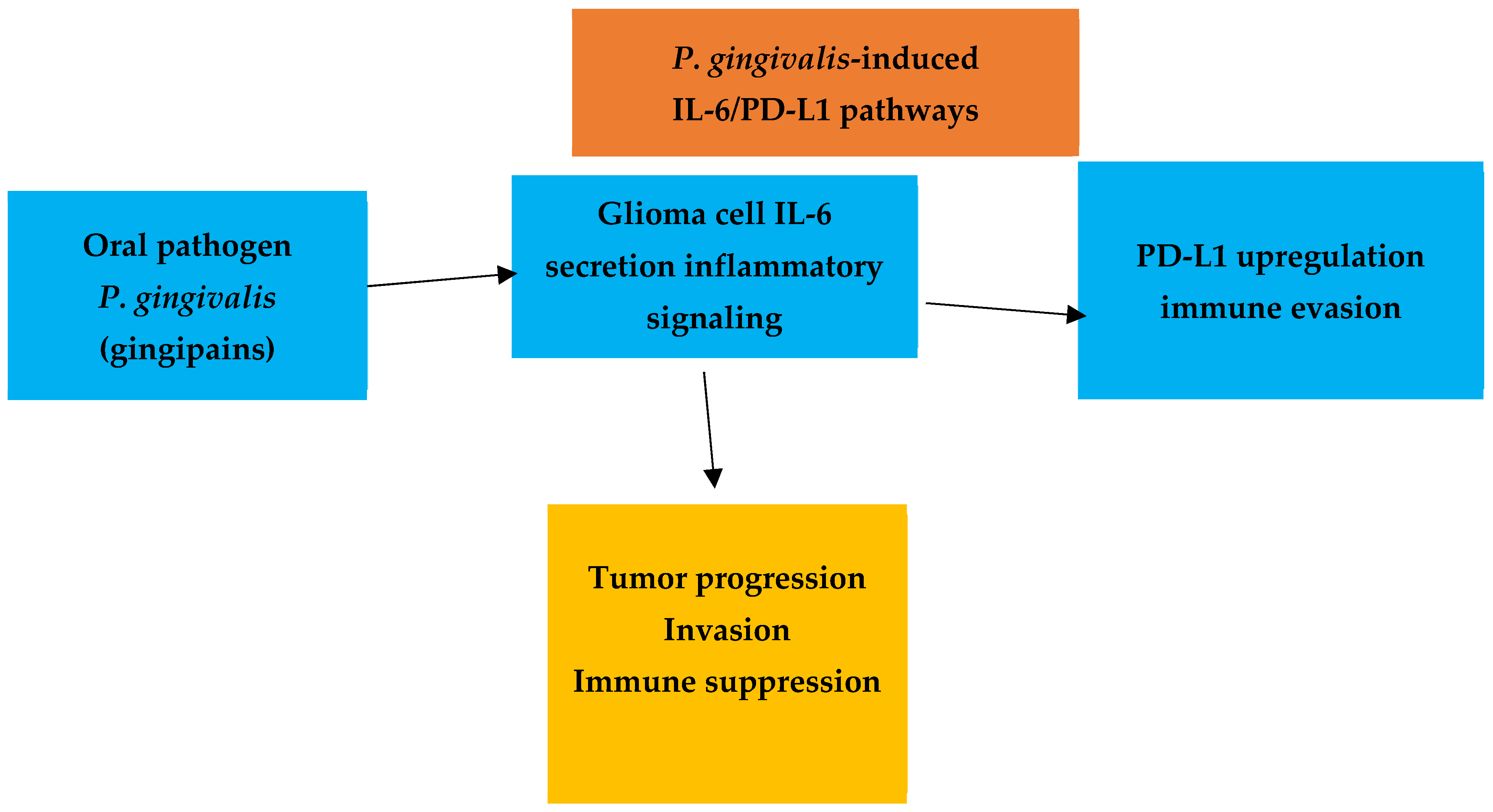
Two clinical studies and one experimental investigation explored the association between oral microbiota and glioma. Gao et al. [23] reported that glioma patients exhibited significantly worse periodontal parameters compared with both benign tumor patients and population controls. Wang et al. [31] demonstrated that oral microbiota composition differed according to glioma grade, with distinct microbial profiles observed in high-grade versus low-grade tumors. An experimental study further showed that P. gingivalis virulence factors, particularly gingipain antigens, were enriched in glioblastoma tissue compared with normal brain samples. Infection of glioma cells induced IL-6 secretion and upregulated PD-L1 expression, suggesting enhanced immune evasion and tumor progression (Figure 3).
Together, these findings support a biologically plausible link between oral pathogens, tumor immune modulation, and glioma progression.

3.6. Extracellular Vesicles as Mediators of the Oral–Brain Axis

Two experimental/review studies highlighted the role of extracellular vesicles (EVs) in periodontitis and systemic inflammation. Periodontal pathogens and host cells release EVs containing inflammatory mediators and microRNAs that can influence immune signaling, angiogenesis, and tissue remodeling [32].
Zhou et al. [20] demonstrated that EVs derived from periodontitis-compromised dental pulp stem cells promoted angiogenic signaling through miRNA-mediated activation of the Hedgehog/Gli1 pathway [24]. These findings suggest that EVs may represent an additional mechanism linking oral inflammation with brain pathology (Figure 4).

3.7. Risk of Bias Assessment

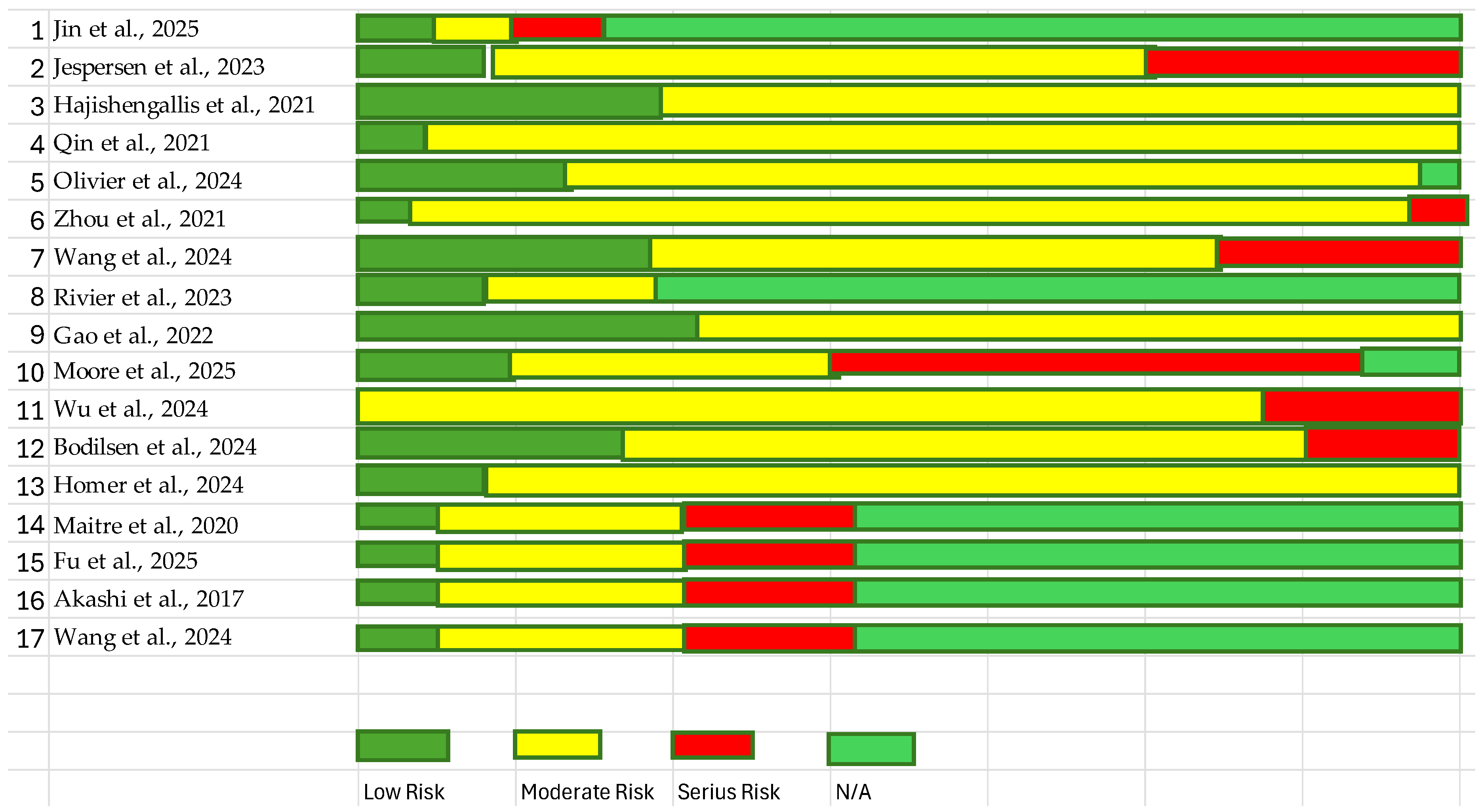
Risk of bias for observational studies was assessed using the ROBINS-I tool. Most observational studies were classified as having moderate risk of bias, primarily due to potential confounding factors, participant selection issues, and heterogeneity in exposure assessment [33]. Genetic and experimental studies were not evaluated using ROBINS-I because this tool is designed specifically for non-randomized clinical research. Their methodological quality was therefore interpreted qualitatively within their respective evidence domains. The overall risk-of-bias evaluation is summarized in Figure 5.

4. Discussion

This systematic review synthesized clinical, neuroimaging, genetic, and experimental evidence exploring potential associations between oral diseases and brain pathologies. Across the included studies, three principal evidence domains emerged: (1) clinical evidence linking odontogenic infections with brain abscesses, (2) neuroimaging and genetic studies suggesting associations between oral health and structural brain alterations, and (3) experimental investigations examining biological mechanisms that may connect oral pathogens with neuroinflammatory or tumor-related processes [25]. Taken together, these heterogeneous lines of evidence suggest a potential relationship between oral health and neurological outcomes. However, the strength of evidence varies substantially across domains, and causal inference remains limited [26].

4.1. Clinical Evidence Linking Oral Infections and Brain Abscesses

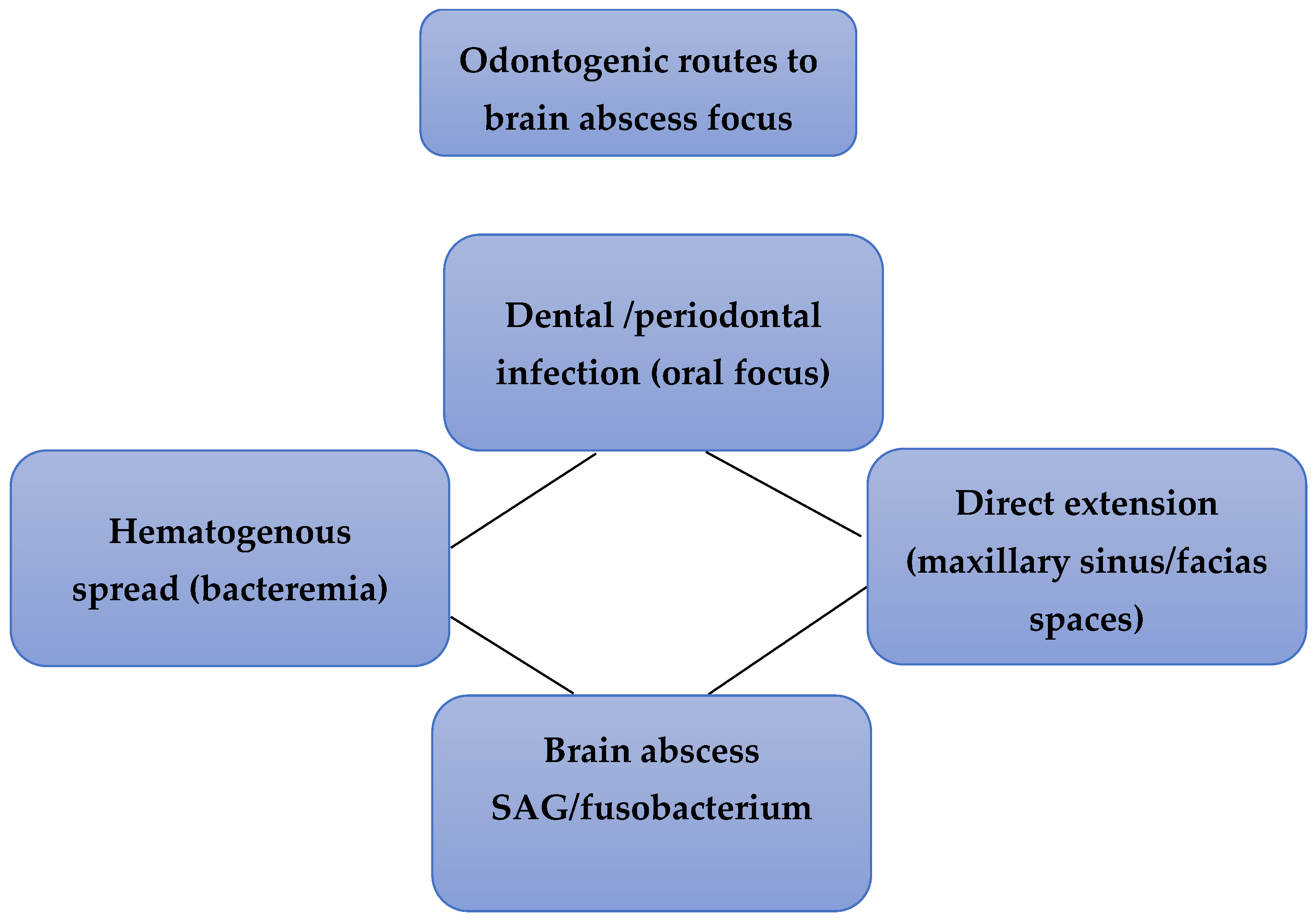
The most consistent evidence identified in this review relates to the association between odontogenic infections and brain abscess formation. Population-based cohorts and retrospective clinical series reported that a substantial proportion of brain abscesses may originate from dental or periodontal sources, particularly in cases classified as cryptogenic. Importantly, several studies emphasized that odontogenic foci may be clinically silent, with chronic dental infections or periodontitis serving as potential reservoirs for intermittent bacteremia [34]. Microbiological investigations frequently identified oral pathogens—particularly members of the Streptococcus anginosus group and anaerobic species—in abscess material. Two principal pathways have been proposed to explain this association. The first involves hematogenous dissemination, whereby bacteria originating from periodontal tissues or dental infections enter systemic circulation and subsequently reach the central nervous system. The second pathway involves direct extension, particularly through maxillary sinuses or contiguous anatomical structures [35]. Although these findings support a plausible infectious link between oral disease and cerebral abscess formation, most available evidence derives from observational or retrospective studies. Consequently, residual confounding and incomplete identification of infectious sources remain potential limitations [27].

4.2. Oral Health and Structural Brain Alterations

A smaller number of studies examined associations between oral health indicators and structural brain alterations using neuroimaging or genetic approaches [36]. Mendelian randomization analyses suggested that genetically predicted dental caries burden may be associated with reduced cortical thickness in specific brain regions. Similarly, large neuroimaging cohorts reported associations between poor oral health proxies—such as dentures or tooth loss—and markers of white matter injury, including white matter hyperintensities and diffusion abnormalities [37]. These neuroimaging markers are widely interpreted as indicators of cerebral small vessel disease or chronic inflammatory injury. One potential explanation is that persistent oral inflammation may contribute to systemic inflammatory responses, endothelial dysfunction, or vascular alterations that influence brain microstructure. However, these findings should be interpreted cautiously [28]. Oral health indicators in several studies were indirect measures, and important confounding variables—including socioeconomic status, smoking, systemic disease, and healthcare access—may influence both oral health and neurological outcomes [38].

4.3. Oral Microbiota and Glioma Biology

Emerging evidence suggests that oral microbiota and periodontal pathogens may influence tumor biology through immunoinflammatory mechanisms. Clinical studies reported differences in periodontal status and oral microbiota composition among glioma patients compared with controls [39]. In addition, experimental studies demonstrated that virulence factors produced by Porphyromonas gingivalis can activate inflammatory signaling pathways in glioma cells [40]. In particular, gingipain-associated signaling has been shown to increase IL-6 secretion and PD-L1 expression, mechanisms that may facilitate tumor immune evasion and progression within the tumor microenvironment. Although these findings provide biological plausibility for potential interactions between oral pathogens and glioma biology, the available evidence remains largely experimental. Further clinical and translational studies are required to determine whether these mechanisms operate in human disease [41].

4.4. Extracellular Vesicles as Potential Systemic Mediators

Recent experimental research has highlighted extracellular vesicles (EVs) as potential mediators linking localized periodontal inflammation with systemic biological effects. EVs released from periodontal tissues and oral pathogens may contain inflammatory mediators, bacterial components, and microRNAs capable of modulating immune signaling pathways [29]. These vesicles can enter systemic circulation and potentially influence distant tissues. Experimental studies suggest that EV-derived microRNAs may regulate angiogenesis, immune responses, and tissue remodeling through pathways such as Hedgehog/Gli signaling [42]. Although direct evidence linking periodontal EVs with neurological pathology remains limited, these mechanisms provide a biologically plausible framework for systemic communication between oral inflammation and the central nervous system. Future research investigating whether periodontal-derived EVs can influence blood–brain barrier function or neuroinflammatory signaling would help clarify the relevance of this proposed pathway [43].

4.5. Bidirectional Oral–Brain Interactions

An important consideration emerging from the literature is that the relationship between oral diseases and brain pathology may be bidirectional rather than exclusively unidirectional [44]. While odontogenic infections may contribute to neurological complications such as brain abscesses, neurological diseases may also influence oral health status. Patients with neurological disorders may experience impaired self-care capacity, reduced manual dexterity, altered immune responses, or systemic illness that predisposes them to worsening oral hygiene and increased susceptibility to dental infections [30]. Consequently, the association between oral and neurological conditions should be interpreted within a broader framework of shared risk factors and reciprocal biological interactions [31].

4.6. Strengths and Limitations

This review has several strengths. It integrates multiple evidence domains—including clinical epidemiology, neuroimaging, genetic analyses, and experimental research—providing a comprehensive overview of the proposed oral–brain relationship [45]. The use of a structured narrative synthesis framework also allowed heterogeneous evidence to be interpreted systematically [46]. Nevertheless, several limitations should be acknowledged. The included studies differed substantially in design, exposure definitions, and outcome measures, which prevented quantitative meta-analysis. Many clinical studies were observational, limiting causal inference [47]. Oral health indicators were frequently indirect, and potential confounding factors were not consistently controlled. Additionally, some mechanistic evidence was derived from experimental models or preprint studies that require further validation [48].

4.7. Implications for Clinical Practice and Future Research

Despite these limitations, the available evidence highlights the potential relevance of oral health in neurological disease contexts [49,50]. Routine oral evaluation may be particularly important in patients presenting with cryptogenic brain abscesses [51] or in individuals with systemic conditions that increase susceptibility to infection.
Future research should prioritize:
  • Longitudinal cohort studies examining oral health and neurological outcomes
  • Standardized definitions of oral disease exposure
  • Microbiome-based investigations of oral–brain interactions
  • Experimental studies exploring systemic signaling pathways linking periodontal inflammation with neurological pathology
Such approaches may help clarify whether oral disease represents a modifiable risk factor influencing neurological health.
Although Mendelian randomization provides genetic evidence reducing confounding bias, it does not replace randomized clinical trials.

5. Conclusions

The evidence synthesized in this systematic review suggests a potential association between oral diseases—particularly periodontitis, dental caries, odontogenic infections, and oral microbiota dysbiosis—and several brain pathologies, including brain abscesses, structural brain alterations, and possibly glioma-related biological processes. According to the studies included, clinical investigations indicate that odontogenic infections may represent an underrecognized source of brain abscess formation. Neuroimaging and genetic studies suggest possible links between poor oral health indicators and markers of structural brain injury. Experimental research also provides mechanistic hypotheses involving microbial dissemination, systemic inflammation, immune modulation, and extracellular vesicle signaling. However, the available evidence remains heterogeneous and largely observational, and definitive causal relationships cannot yet be established. Differences in study design, oral health measurements, and neurological outcomes limit direct comparison across studies. Nevertheless, these findings highlight oral health as a potentially relevant component of systemic and neurological health. Improved detection and management of oral diseases may have implications for the prevention of certain neurological complications, particularly in high-risk populations. Future well-designed longitudinal studies, standardized oral health assessments, and mechanistic investigations are required to clarify the nature and direction of the proposed oral–brain relationship.

6. Limitations

This systematic review has several limitations. First, there is marked methodological heterogeneity among included studies regarding designs, oral exposure definitions, and brain outcomes, which prevented quantitative meta-analysis and limited direct comparison of results. Second, most studies are observational, restricting causal inference. Some studies also used indirect oral health measures (e.g., tooth loss, denture use, self-reports), introducing classification bias.
Residual confounding by smoking, diet, socioeconomic status, healthcare access, and comorbidities may also affect findings. Additionally, some clinical and microbiological studies had small sample sizes, limiting statistical power. Finally, diverse effect metrics (ORs, RRs, beta coefficients, AUCs) and heterogeneous outcomes (gliomas, abscesses, white matter damage, cortical thickness) hindered quantitative synthesis. Future studies with standardized definitions, larger samples, and longitudinal follow-up are required to strengthen the evidence base.

Supplementary Materials

The following supporting information can be downloaded at https://www.mdpi.com/article/10.3390/biomedicines14040768/s1, Table S1: PRISMA 2020.

Author Contributions

B.V.R. contributed toward the conception and design of the whole project, obtained full access to the data, was primarily accountable for all aspects of work, and ensured the integrity and accuracy of the research, as well as the drafting of the manuscript. F.C., M.V.S., M.R.T., L.C.B.,D.Q.F., M.F.A. and B.V.R. contributed with the revision of the available literature. F.C., M.V.S., M.R.T., L.C.B., D.Q.F., M.F.A. and B.V.R. contributed to the analysis, internal validity of the study, and initial drafting of the manuscript. F.C., M.V.S., M.R.T., L.C.B., D.Q.F., M.F.A. and B.V.R. critically reviewed and edited the manuscript, and provided input toward the reporting of the data and its interpretation. All authors contributed to the article. All authors have read and agreed to the published version of the manuscript.

Funding

No external funding was received for this research. The authors would such as to thank the University of the mericas for providing the funds related to the publication fee.

Institutional Review Board Statement

Not applicable.

Informed Consent Statement

Not applicable.

Data Availability Statement

The data presented in this study are openly available in Zenodo 10.5281/zenodo.18773444.

Conflicts of Interest

The authors declare no competing interests.

Abbreviations

MRImagnetic resonance
UKUnited Kingdom
EVsextracellular vesicles
RNAsribonucleic acid

References

  1. Verdugo, E.; Puerto, I.; Medina, M.Á. An update on the molecular biology of glioblastoma, with clinical implications and progress in its treatment. Cancer Commun. 2022, 42, 1083–1111. [Google Scholar] [CrossRef] [PubMed]
  2. Daisy Precilla, S.; Biswas, I.; Kuduvalli, S.; Anitha, T. Crosstalk between PI3K/AKT/mTOR and WNT/β-Catenin signaling in GBM—Could combination therapy checkmate the collusion? Cell. Signal. 2022, 95, 110350. [Google Scholar] [CrossRef] [PubMed]
  3. Grange, C.; Bussolati, B. Extracellular vesicles in kidney disease. Nat. Rev. Nephrol. 2022, 18, 499–513. [Google Scholar] [CrossRef] [PubMed]
  4. Dixson, A.; Dawson, T.; Di Vizio, D.; Weaver, A. Context-specific regulation of extracellular vesicle biogenesis and cargo selection. Nat. Rev. Mol. Cell Biol. 2023, 24, 454–476. [Google Scholar] [CrossRef]
  5. Hill, C.; Dellar, E.; Baena-Lopez, L. Caspases help to spread the message via extracellular vesicles. FEBS J. 2023, 290, 1954–1972. [Google Scholar] [CrossRef]
  6. Nakamura, H.; Noguchi-Shinohara, M.; Ishimiya-Jokaji, M.; Kobayashi, Y.; Isa, M.; Ide, K.; Kawano, T.; Kawashiri, S.; Uchida, K.; Tatewaki, Y.; et al. Brain atrophy in normal older adult links tooth loss and diet changes to future cognitive decline. NPJ Aging 2024, 10, 20. [Google Scholar] [CrossRef]
  7. Rubinstein, T.; Brickman, A.; Cheng, B.; Burkett, S.; Park, H.; Annavajhala, M.; Uhlemann, A.C.; Andrews, H.; Gutierrez, J.; Paster, B.J.; et al. Periodontitis and brain magnetic resonance imaging markers of Alzheimer’s disease and cognitive aging. Alzheimer’s Dement. 2024, 20, 2191–2208. [Google Scholar] [CrossRef]
  8. Jin, S.; Zhao, N.; Wang, K.; Wang, X.; Wang, Y.; Ma, W. Glioma raises periodontitis risk via CD8 upregulation on NKT cells: A Mendelian randomization study. Discov. Oncol. 2025, 16, 812. [Google Scholar] [CrossRef]
  9. Jespersen, F.; Hansen, S.; Jensen, S.; Omland, L.; Helweg-Larsen, J.; Bjarnsholt, T.; Nielsen, C.H.; Ziebell, M.; Bodilsen, J.; Markvart, M. Cerebral abscesses with odontogenic origin: A population-based cohort study. Clin. Oral Investig. 2023, 27, 3639–3648. [Google Scholar] [CrossRef]
  10. Hajishengallis, G.; Chavakis, T. Local and systemic mechanisms linking periodontal disease and inflammatory comorbidities. Nat. Rev. Immunol. 2021, 21, 426–440. [Google Scholar] [CrossRef]
  11. Paulson, D.; Chanthavisouk, P.; John, M.; Feuerstahler, L.; Chen, X.; Ingleshwar, A. Linking patient-reported oral and general health-related quality of life. PeerJ 2024, 12, e17440. [Google Scholar] [CrossRef]
  12. Qin, H.; Liu, J.; Li, Y.; Xu, Y.L.; Yan, Y. Gender-specific microbial signatures in saliva: Unveiling the association between the oral microbiome and the pathogenesis of glioma. Heliyon 2024, 10, e37284. [Google Scholar] [CrossRef] [PubMed]
  13. Cumpston, M.; Li, T.; Page, M.; Chandler, J.; Welch, V.; Higgins, J.; Thomas, J. Updated guidance for trusted systematic reviews: A new edition of the Cochrane Handbook for Systematic Reviews of Interventions. Cochrane Database Syst. Rev. 2019, 10, ED000142. [Google Scholar] [CrossRef] [PubMed]
  14. Kim, J.; Lee, K.; Lee, M.; Kim, S.J. Periodontitis and atherosclerotic cardiovascular disease. Mol. Cells 2024, 47, 100146. [Google Scholar] [CrossRef] [PubMed]
  15. Cifuentes, M.; Verdejo, H.; Castro, P.; Corvalan, A.; Ferreccio, C.; Quest, A.; Kogan, M.J.; Lavandero, S. Low-Grade Chronic Inflammation: A Shared Mechanism for Chronic Diseases. Physiology 2025, 40, 4–25. [Google Scholar] [CrossRef]
  16. Page, M.J.; McKenzie, J.E.; Bossuyt, P.M.; Boutron, I.; Hoffmann, T.C.; Mulrow, C.D.; Shamseer, L.; Tetzlaff, J.M.; Akl, E.A.; Brennan, S.E.; et al. The PRISMA 2020 statement: An updated guideline for reporting systematic reviews. BMJ 2021, 372, n71. [Google Scholar] [CrossRef]
  17. Chen, Y.; Jin, X.; Wang, Q.; Hu, S.; Huang, X. Causal role of immune cells in chronic periodontitis: A bidirectional Mendelian randomization study. BMC Oral Health 2024, 24, 806. [Google Scholar] [CrossRef]
  18. Herrera, D.; Sanz, M.; Kebschull, M.; Jepsen, S.; Sculean, A.; Berglundh, T.; Papapanou, P.N.; Chapple, I.; Tonetti, M.S. EFP Workshop Participants and Methodological Consultant. Treatment of stage IV periodontitis: The EFP S3 level clinical practice guideline. J. Clin. Periodontol. 2022, 49, 4–71. [Google Scholar] [CrossRef]
  19. Olivier, M.; Kraus, L.; Brandenburg, L.; Andereggen, L.; Fung, C.; Beck, J.; Schnell, O.; Cipriani, D. Undetected permanent dental inflammation as a possible trigger for brain abscesses? A retrospective analysis over the last 2 decades. Acta Neurochir. 2024, 166, 313. [Google Scholar] [CrossRef]
  20. Zhou, H.; Li, X.; Wu, R.; He, X.; An, Y.; Xu, X.; Sun, H.; Wu, L.; Chen, F. Periodontitis-compromised dental pulp stem cells secrete extracellular vesicles carrying miRNA-378a promote local angiogenesis by targeting Sufu to activate the Hedgehog/Gli1 signalling. Cell Prolif. 2021, 54, e13026. [Google Scholar] [CrossRef]
  21. Wang, B.; Deng, J.; Donati, V.; Merali, N.; Frampton, A.; Giovannetti, E.; Deng, D. The Roles and Interactions of Porphyromonas gingivalis and Fusobacterium nucleatum in Oral and Gastrointestinal Carcinogenesis: A Narrative Review. Pathogens 2024, 13, 93. [Google Scholar] [CrossRef] [PubMed]
  22. Rivier, C.; Renedo, D.; de Havenon, A.; Sunmonu, N.; Gill, T.; Payabvash, S. Association of Poor Oral Health with Neuroimaging Markers of White Matter Injury in Middle-Aged Participants in the UK Biobank. Neurology 2024, 102, e208010. [Google Scholar] [CrossRef] [PubMed]
  23. Gao, Z.; Weng, X.; Yu, D.; Pan, Z.; Zhao, M.; Cheng, B.; Li, Z. Porphyromonas gingivalis-Derived Lipopolysaccharide Promotes Glioma Cell Proliferation and Migration via Activating Akt Signaling Pathways. Cells 2022, 11, 4088. [Google Scholar] [CrossRef] [PubMed]
  24. Moore, E.; Barron, A.; Dominy, S. Identification of gingipains in glioblastoma tumors and evidence that Porphyromonas gingivalis infection drives IL-6 and PD-L1 expression in glioma cells. bioRxiv 2025. [Google Scholar] [CrossRef]
  25. Wu, X.; Qin, N.; Peng, X.; Wang, L. Exploring odontogenic brain abscesses: A comprehensive review. Acta Neurol. Belg. 2024, 124, 1155–1165. [Google Scholar] [CrossRef]
  26. Bodilsen, J.; Mariager, T.; Duerlund, L.S.; Storgaard, M.; Larsen, L.; Brandt, C.T.; Hansen, B.R.; Wiese, L.; Omland, L.H.; Nielsen, H. Danish Study Group of Infections of the Brain. Brain Abscess Caused by Oral Cavity Bacteria: A Nationwide, Population-based Cohort Study. Clin. Infect. Dis. 2024, 78, 544–553. [Google Scholar] [CrossRef]
  27. Homer, J.; Winter, S.C.; Abbey, E.C.; Aga, H.; Agrawal, R.; Ap Dafydd, D.; Arunjit, T.; Axon, P.; Aynsley, E.; Bagwan, I. Head and Neck Cancer: United Kingdom National Multidisciplinary Guidelines, Sixth Edition. J. Laryngol. Otol. 2024, 138, S1–S224. [Google Scholar] [CrossRef]
  28. Maitre, Y.; Micheneau, P.; Delpierre, A.; Mahalli, R.; Guerin, M.; Amador, G.; Denis, F. Did the Brain and Oral Microbiota Talk to Each Other? A Review of the Literature. J. Clin. Med. 2020, 9, 3876. [Google Scholar] [CrossRef]
  29. Fu, Y.; Wang, M.; Teng, R.; Li, A. Emerging Roles of Extracellular Vesicles in the Pathogenesis, Diagnosis, and Therapy of Periodontitis. Biomedicines 2025, 13, 2521. [Google Scholar] [CrossRef]
  30. Akashi, M.; Tanaka, K.; Kusumoto, J.; Furudoi, S.; Hosoda, K.; Komori, T. Brain Abscess Potentially Resulting from Odontogenic Focus: Report of Three Cases and a Literature Review. J. Maxillofac. Oral Surg. 2017, 16, 58–64. [Google Scholar] [CrossRef]
  31. Wang, M.; Wang, Z.; Yu, Y.; Zhao, D.; Shen, Z.; Wei, F. From teeth to brain: Dental caries causally affects the cortical thickness of the banks of the superior temporal sulcus. BMC Oral Health 2024, 24, 124. [Google Scholar] [CrossRef]
  32. Bukavina, L.; Isali, I.; Ginwala, R.; Sindhani, M.; Calaway, A.; Magee, D.; Miron, B.; Correa, A.; Kutikov, A.; Zibelman, M.; et al. Global Meta-analysis of Urine Microbiome: Colonization of Polycyclic Aromatic Hydrocarbon-degrading Bacteria Among Bladder Cancer Patients. Eur. Urol. Oncol. 2023, 6, 190–203. [Google Scholar] [CrossRef] [PubMed]
  33. Döding, A.; Wurschi, L.; Zubiria-Barrera, C.; Klassert, T.; Bereuter, L.; Rao, Z.; Bär, A.; Domuncu, A.; Koeberle, A.; Noels, H.; et al. Mediterranean diet component oleic acid decreases systemic impact of periodontal Porphyromonas gingivalis-infection in age: Addressing role of stress resistance and microbiome. NPJ Aging 2025, 11, 54. [Google Scholar] [CrossRef] [PubMed]
  34. Beydoun, M.A.; Beydoun, H.A.; Hu, Y.H.; Li, Z.; Georgescu, M.F.; Noren Hooten, N. Mediating and moderating effects of plasma proteomic biomarkers on the association between poor oral health problems and brain white matter microstructural integrity: The UK Biobank study. Mol. Psychiatry 2025, 30, 388–401. [Google Scholar] [CrossRef] [PubMed]
  35. Ren, J.; Han, X.; Lohner, H.; Hoyle, R.G.; Li, J.; Liang, S.; Wang, H.P. gingivalis Infection Upregulates PD-L1 Expression on Dendritic Cells, Suppresses CD8+ T-cell Responses, and Aggravates Oral Cancer. Cancer Immunol. Res. 2023, 11, 290–305. [Google Scholar] [CrossRef]
  36. Martínez-García, M.; Hernández-Lemus, E. The Molecular Comorbidity Network of Periodontal Disease. Int. J. Mol. Sci. 2024, 25, 10161. [Google Scholar] [CrossRef]
  37. Walther, K.A.; Gröger, S.; Vogler, J.A.H.; Wöstmann, B.; Meyle, J. Inflammation indices in association with periodontitis and cancer. Periodontol 2000 2024, 96, 281–315. [Google Scholar] [CrossRef]
  38. Beydoun, M.; Beydoun, H.; Noren Hooten, N.; Li, Z.; Hu, Y.; Georgescu, M.; Hossain, S.; Tanaka, T.; Bouhrara, M.; Vieytes, C.A.M.; et al. Plasma proteomic biomarkers as mediators or moderators for the association between poor cardiovascular health and white matter microstructural integrity: The UK Biobank study. Alzheimers Dement. 2025, 21, e14507. [Google Scholar] [CrossRef]
  39. Alotaibi, A.; Alqarras, M.; Podlasek, A.; Almanaa, A.; AlTokhis, A.; Aldhebaib, A.; Aldebasi, B.; Almutairi, M.; Tench, C.; Almanaa, M.; et al. White Matter Microstructural Alterations in Type 2 Diabetes: A Combined UK Biobank Study of Diffusion Tensor Imaging and Neurite Orientation Dispersion and Density Imaging. Medicina 2025, 61, 455. [Google Scholar] [CrossRef]
  40. Ide, M.; Harris, M.; Stevens, A.; Sussams, R.; Hopkins, V.; Culliford, D. Periodontitis and Cognitive Decline in Alzheimer’s Disease. PLoS ONE 2016, 11, e0151081. [Google Scholar] [CrossRef]
  41. Zheng, Y.; Wang, Z.; Weng, Y.; Sitosari, H.; He, Y.; Zhang, X.; Shiotsu, N.; Fukuhara, Y.; Ikegame, M.; Okamura, H. Gingipain regulates isoform switches of PD-L1 in macrophages infected with Porphyromonas gingivalis. Sci. Rep. 2025, 15, 10462. [Google Scholar] [CrossRef]
  42. Villar, A.; Paladini, S.; Cossatis, J. Periodontal Disease and Alzheimer’s: Insights from a Systematic Literature Network Analysis. J. Prev. Alzheimer’s Dis. 2024, 11, 1148–1165. [Google Scholar] [CrossRef] [PubMed]
  43. Kim, S.; Son, M.; Kim, Y. The risk of stroke according to statin medication compliance in older people with chronic periodontitis: An analysis using the Korea National Health Insurance Service-Senior Cohort Database. Epidemiol. Health 2022, 44, e202205. [Google Scholar] [CrossRef] [PubMed]
  44. Dominy, S.S.; Lynch, C.; Ermini, F.; Benedyk, M.; Marczyk, A.; Konradi, A.; Nguyen, M.; Haditsch, U.; Raha, D.; Griffin, C. Porphyromonas gingivalis in Alzheimer’s disease brains: Evidence for disease causation and treatment with small-molecule inhibitors. Sci. Adv. 2019, 5, eaau3333. [Google Scholar] [CrossRef] [PubMed]
  45. Baker, J.; Mark Welch, J.; Kauffman, K.; McLean, J.; He, X. The oral microbiome: Diversity, biogeography and human health. Nat. Rev. Microbiol. 2024, 22, 89–104. [Google Scholar] [CrossRef]
  46. Deng, J.; Sun, C.; Xu, G.; Wang, B.; Tzortzopoulou, E.; Deng, D.; Giovannetti, E. The Oral Microbiome and Cancer. Adv. Exp. Med. Biol. 2025, 1472, 151–170. [Google Scholar]
  47. Dragomir, R.; Mattner, O.; Hagan, V.; Swerdloff, M.A. Listeria monocytogenes Brain Abscess Presenting with Stroke-Like Symptoms: A Case Report. Cureus 2024, 16, e52216. [Google Scholar] [CrossRef]
  48. Thiankhaw, K.; Wantaneeyawong, C.; Madla, C. Conglomerate ring and tract-like enhancement lesions: Neuroimaging in Listeria monocytogenes brain abscess. Radiol. Case Rep. 2021, 17, 676–679. [Google Scholar] [CrossRef]
  49. Hsu, G.; Zhang, J.; Selvi, F.; Shady, N.; August, M. Do brain abscesses have a higher incidence of odontogenic origin than previously thought? Oral Surg. Oral Med. Oral Pathol. Oral Radiol. 2020, 130, 10–17. [Google Scholar] [CrossRef]
  50. Yan, Y.; Bai, S.; Han, H.; Dai, J.; Niu, L.; Wang, H.; Dong, Q.; Yin, H.; Yuan, G.; Pan, Y. Knockdown of trem2 promotes proinflammatory microglia and inhibits glioma progression via the JAK2/STAT3 and NF-κB pathways. Cell Commun. Signal. 2024, 22, 272. [Google Scholar] [CrossRef]
  51. Guo, X.; Zhang, Y.; Jiao, H.; Miao, X. The prognostic significance of PD-L1 expression in patients with glioblastoma: A meta-analysis. Front. Oncol. 2022, 12, 925560. [Google Scholar] [CrossRef]
Figure 1. Prisma flow diagram. * Consider, if feasible to do so, reporting the number of records identified from each database or register searched (rather than the total number across all databases/registers). ** If automation tools were used, indicate how many records were excluded by a human and how many were excluded by automation tools.
Biomedicines 14 00768 g001
Figure 2. Conceptual model of the oral–brain axis.
Biomedicines 14 00768 g002
Figure 3. Proposed mechanism linking Porphyromonas gingivalis infection to glioma progression. Gingipain antigens may induce IL-6 secretion in glioma cells, leading to PD-L1 upregulation and immune evasion, thereby promoting tumor progression.
Biomedicines 14 00768 g003
Figure 4. Odontogenic routes leading to brain abscess formation. Oral infections may reach the central nervous system through hematogenous dissemination or direct extension via maxillary sinuses and fascial spaces.
Biomedicines 14 00768 g004
Figure 5. Risk of bias [8,9,10,12,19,20,21,22,23,24,25,26,27,28,29,30,31].
Biomedicines 14 00768 g005
Table 1. Characteristics of included studies (n = 16).
StudyStudy DesignPopulation/SampleExposureNeurological OutcomeEvidence DomainCountry
Jin et al., 2025 [8]Mendelian randomizationGWAS summary dataGenetic liability to gliomaPeriodontitis riskGenetic/epidemiologicNR
Jespersen et al., 2023 [9]Population-based cohortCerebral abscess patientsOdontogenic focus/oral pathologyCerebral abscessClinical infectiousDenmark
Hajishengallis et al., 2021 [10]ReviewNRPeriodontal diseaseSystemic inflammatory pathwaysContextualUSA
Qin et al., 2024 [12]Case–control + microbiomeHC (n = 24), LGG (n = 12), HGG (n = 23)Oral microbiota compositionGlioma gradeMicrobiome clinicalChina
Olivier et al., 2024 [19]Retrospective cohort26 brain abscess casesChronic dental infectionBrain abscessClinical infectiousGermany
Zhou et al., 2021 [20]ExperimentalDental pulp stem cellsEV microRNA cargoAngiogenic signalingExperimental mechanisticChina
Wang et al., 2024 [21]Mendelian randomizationGLIDE + ENIGMA GWASDental caries (DMFS index)Cortical thicknessNeuroimaging/geneticMulti-cohort
Rivier et al., 2024 [22]Cross-sectional + MRUK Biobank (n = 40,175)Poor oral health proxyWhite matter hyperintensitiesNeuroimaging cohortUK
Gao et al., 2022 [23]Clinical observation
al
Glioma (n = 21), benign tumors (n = 27), controlsPeriodontal parameters (AL, PD)Glioma presence/gradeClinical observationalChina
Moore et al., 2025 [24]Experimental + IHCGlioblastoma tissue modelsP. gingivalis infectionGlioma immune signalingExperimental mechanisticNR
Wu et al., 2024 [25]Narrative reviewNROdontogenic infectionBrain abscessContextual clinicalNR
Bodilsen et al., 2024 [26]Nationwide cohort287 brain abscess casesDental infection/oral pathogensBrain abscessClinical infectiousDenmark
Homer et al., 2024 [27]Retrospective cohort26 odontogenic abscess casesIsolated dental focusBrain abscessClinical infectiousGermany
Maitre et al., 2020 [28]Systematic review252 studiesOral microbiota alterationsBrain diseasesContextualNR
Fu et al., 2025 [29]ReviewNRPeriodontal extracellular vesiclesSystemic inflammatory signalingMechanisticNR
Akashi et al., 2017 [30]Case series3 casesSilent odontogenic fociBrain abscessClinical infectiousJapan
Wang et al., 2024 [31]ReviewNRP. gingivalis virulence factorsImmune modulationMechanisticNR
Abbreviations: AL = attachment loss; PD = probing depth; HC = healthy controls; LGG = low-grade glioma; HGG = high-grade glioma;
Table 2. Main findings and direction of evidence (n = 16).
Key FindingDirection of EvidenceEvidence Type
Jin et al., 2025 [8]Genetic liability to glioma associated with increased periodontitis riskBrain → oralMendelian randomization
Jespersen et al., 2023 [9]Odontogenic foci detected in a significant proportion of cerebral abscess patientsOral → brain abscessPopulation-based cohort
Qin et al., 2024 [12]Oral microbiota composition differed according to glioma gradeOral microbiome ↔ brainCase–control microbiome
Olivier et al., 2024 [19]Chronic dental infections associated with cryptogenic brain abscess casesOral → brain abscessRetrospective cohort
Zhou et al., 2021 [20]Periodontitis-derived EVs promote angiogenic signalingMechanisticExperimental
Wang et al., 2024 [21]P. gingivalis virulence factors linked to immune modulationMechanisticReview
Rivier et al., 2024 [22]Poor oral health linked to white matter abnormalitiesOral → brain structureNeuroimaging cohort
Gao et al., 2022 [23]Glioma patients showed worse periodontal parameters than controlsOral ↔ brainClinical observational
Moore et al., 2025 [24]Gingipain antigens identified in glioma tissue activating IL-6/PD-L1 pathwayOral pathogen → brain tumor biologyExperimental
Wu et al., 2024 [25]Odontogenic infections described as possible source of cerebral abscessOral → brain abscessClinical review
Bodilsen et al., 2024 [26]Dental infections frequently identified among brain abscess casesOral → brain abscessNationwide cohort
Homer et al., 2024 [27]Majority of cryptogenic abscesses showed odontogenic originOral → brain abscessRetrospective cohort
Maitre et al., 2020 [28]Evidence linking oral microbiota with neurological diseasesContextualSystematic review
Fu et al., 2025 [29]Extracellular vesicles mediate systemic inflammatory signalingMechanisticReview
Akashi et al., 2017 [30]Oral pathogens detected in brain abscess despite absence of acute dental symptomsOral → brain abscessCase series
Wang et al., 2024 [31]Dental caries genetically associated with reduced cortical thicknessOral → brain structureMendelian randomization
Table 3. Proposed biological pathways connecting oral diseases with brain pathology.
Mechanistic PathwayKey MediatorsEvidence SourcePotential Neurological Relevance
Odontogenic infection disseminationStreptococcus anginous group, Fusobacterium spp.Cohort studies, microbiological analysesBrain abscess formation
Chronic dental foci and bacteremiaPeriodontal inflammation, transient bacteremiaClinical cohorts, case seriesCryptogenic cerebral abscess
Systemic inflammatory signalingCytokines (IL-6, TNF-α), endothelial activationObservational studiesWhite matter injury and neuroinflammation
Oral microbiota dysbiosisMicrobial community alterationsMicrobiome studiesGlioma severity and tumor microenvironment
Porphyromonas gingivalis virulence factorsGingipains, IL-6, PD-L1 signalingExperimental modelsTumor immune evasion
Extracellular vesicle signalingEV-associated miRNA and inflammatory mediatorsExperimental studiesSystemic communication and neuroinflammatory pathways
EV-mediated angiogenic signalingmiR-378a, Hedgehog/Gli pathwayCellular studiesTissue remodeling and tumor progression
Table 4. Incorporated clinical evidence (odontogenic brain abscess and glioma).
Study (Year)Setting/DesignSampleOral Exposure/Focus DefinitionBrain Outcome(s)Key Analytic Findings (Direction + Magnitude)Notes for Synthesis
Jespersen et al. (2023) [9]Denmark; population-based cohort (retrospective + prospective data)44 cerebral abscess patients“Likely odontogenic” required: oral pathology only infection + oral microbes in pus + radiographic/clinical oral pathologyCerebral abscess characterization25/44 (57%) characterized as likely odontogenic; T2D overrepresented (p = 0.014) and SAG overrepresented (p < 0.01) in odontogenic groupSupports: SAG in brain pus should trigger oral/sinus focus search; adds epidemiologic weight.
Cerebral abscesses with odontogenic group
Olivier et al. (2024) [19]Germany; retrospective single-center (2000–2021)217 brain abscess (BA) screened; 26 includedInclusion required no other focus than odontogenic + microbiology consistent with oral originBA (clinical course, pathogens, management)Odontogenic foci diagnosed in 18/26 (69%); SAG pathogens in 21/26 (81%); all surgically treated; 72% had complete/partial neurologic improvement; 3 deathsHighlights “silent/chronic” oral infections as sufficient trigger; strong clinical signal in cryptogenic BA.
Undetected permanent dental infection
Moore et al., 2025 [24]Experimental + translational (IHC arrays + cell models)GBM microarrays; U251 glioma + astrocytesP. gingivalis infection; gingipain antigens in GBM tissueGlioma immune phenotypeInfection induced strong IL-6 response; in U251 cells PD-L1 increased ~30% ± 14% (p = 0.0361; n = 3); supports IL-6/PD-L1 axis and immune evasionHigh mechanistic value; mark as preprint in tables/limitations.
Drives P. gingivalis infection
Wu et al. (2024) [25]Review (Acta Neurol Belg)Synthesis of clinical presentation/diagnostics/therapyOdontogenic BANotes insidious onset, diagnostic reliance on microbiology; estimates ~13% BA attributed to odontogenic foci; frequent pathogens include S. intermedius, F. nucleatum, S. anginosus; main routes: direct extension and hematogenous spreadUse to frame “diagnostic algorithm” and support prevention/early detection.
Exploring odontogenic brain abscess
Akashi et al. (2016/2017) [30]Japan; three case reports + literature reviewThree casesSuspected odontogenic foci with no other source (endocarditis/sinusitis excluded)Brain abscessCultures identified oral pathogens including F. nucleatum, Parvimonas micra, P. gingivalis; suspected teeth lacked acute symptomsReinforces “occult dental focus” concept; useful for clinical recommendation subsection.
Potential brain abscess
Disclaimer/Publisher’s Note: The statements, opinions and data contained in all publications are solely those of the individual author(s) and contributor(s) and not of MDPI and/or the editor(s). MDPI and/or the editor(s) disclaim responsibility for any injury to people or property resulting from any ideas, methods, instructions or products referred to in the content.