Article

Purified Serum IgG from a Patient with Anti-IgLON5 Antibody Cause Long-Term Movement Disorders with Impaired Dopaminergic Pathways in Mice

1
Department of Neurology, Ruijin Hospital, Shanghai Jiao Tong University School of Medicine, Shanghai 200023, China
2
School of Life Science and Technology, ShanghaiTech University, Shanghai 201210, China
3
Co-Innovation Center of Neuroregeneration, Nantong University, Nantong 226007, China
*
Authors to whom correspondence should be addressed.
Biomedicines 2023, 11(9), 2483; https://doi.org/10.3390/biomedicines11092483

Submission received: 16 July 2023 / Revised: 24 August 2023 / Accepted: 30 August 2023 / Published: 7 September 2023
(This article belongs to the Special Issue Immune-Mediated Neurological Disorders)

Abstract

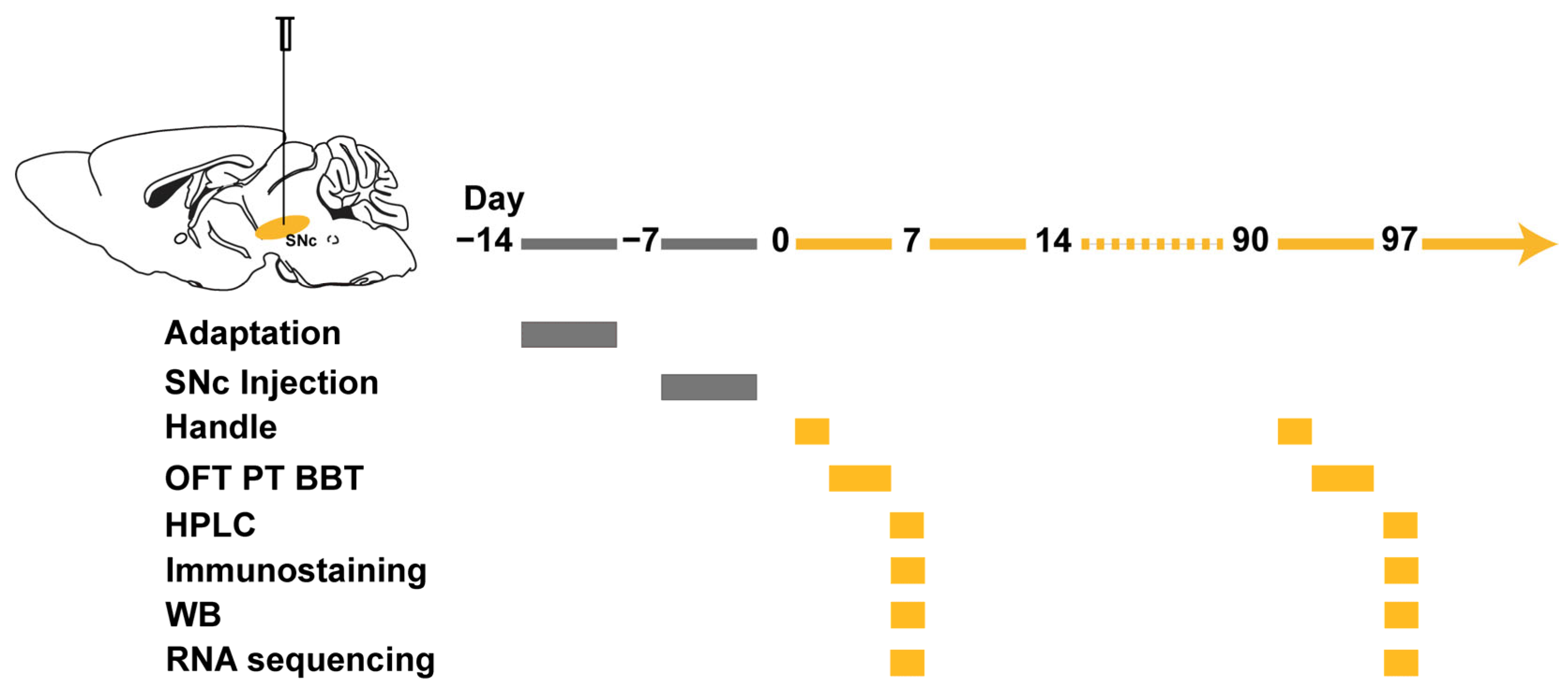
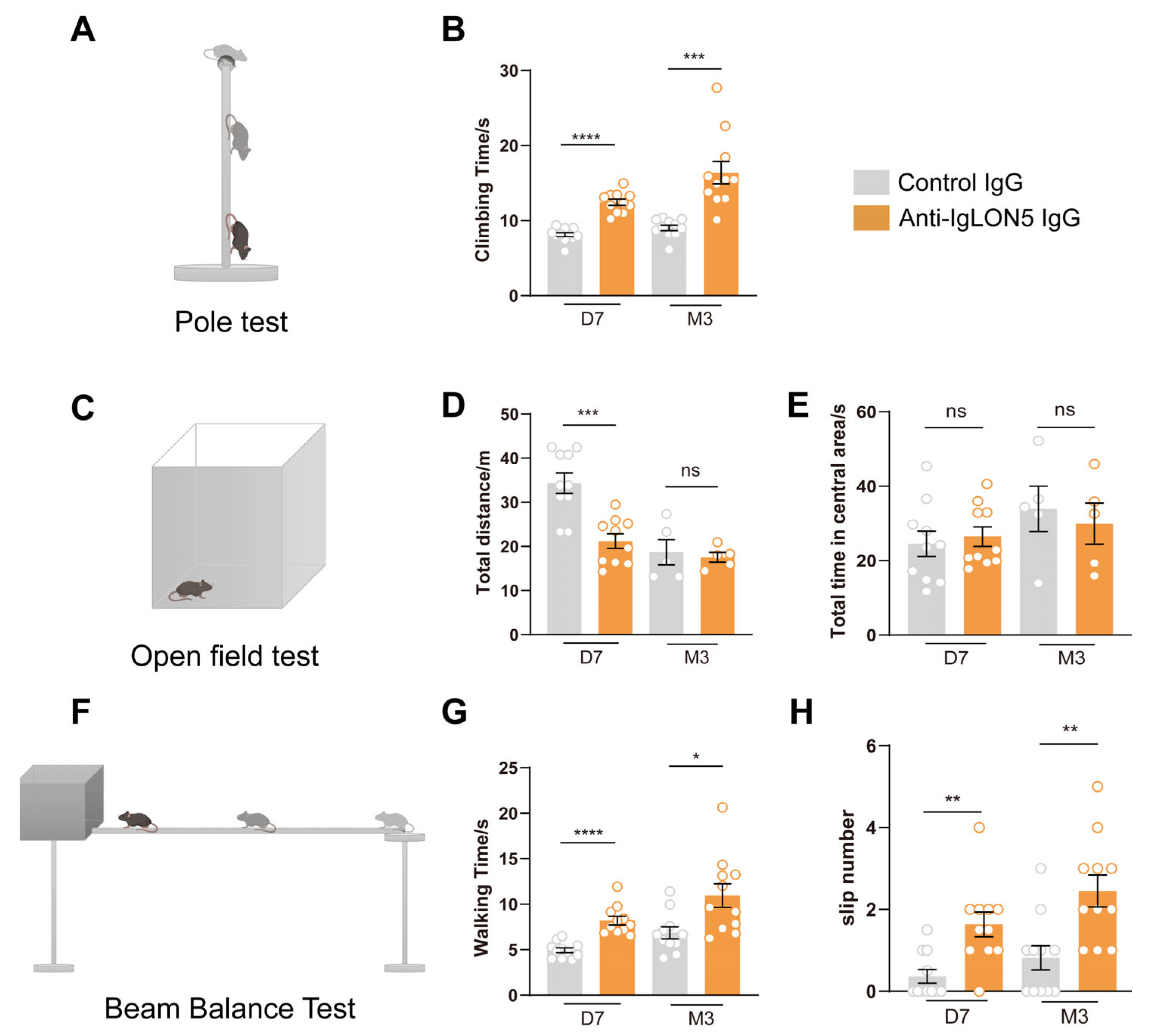
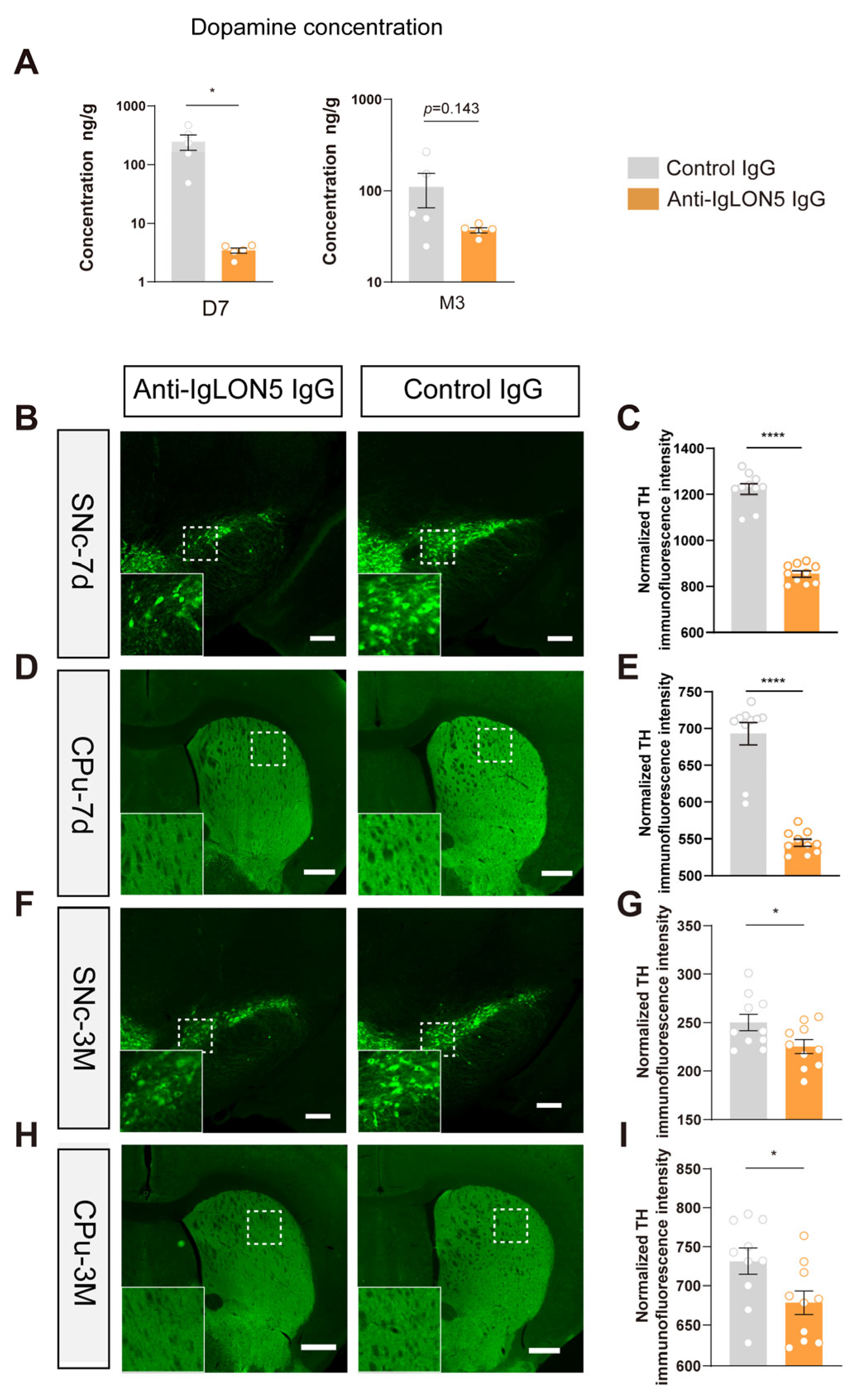
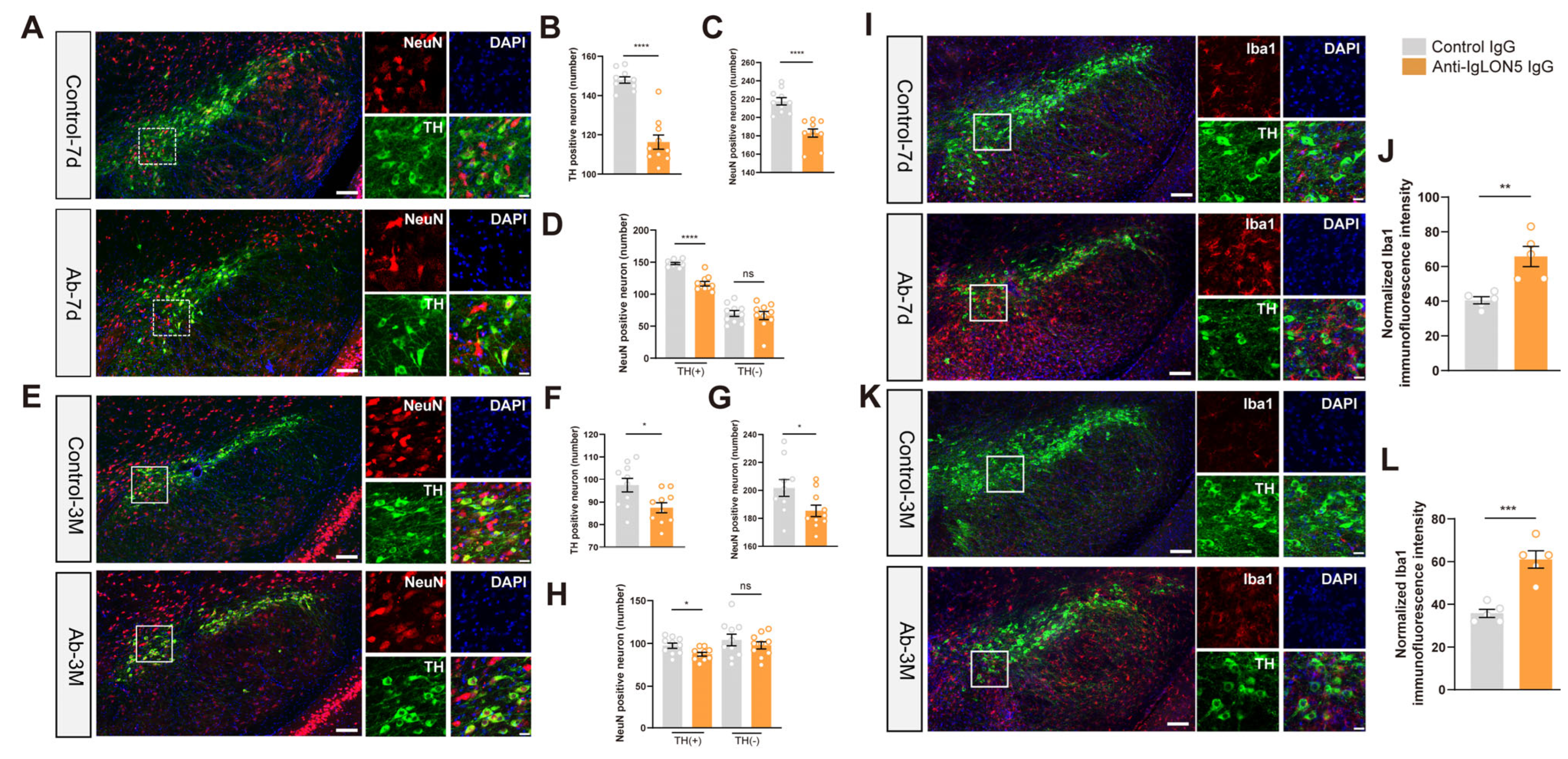
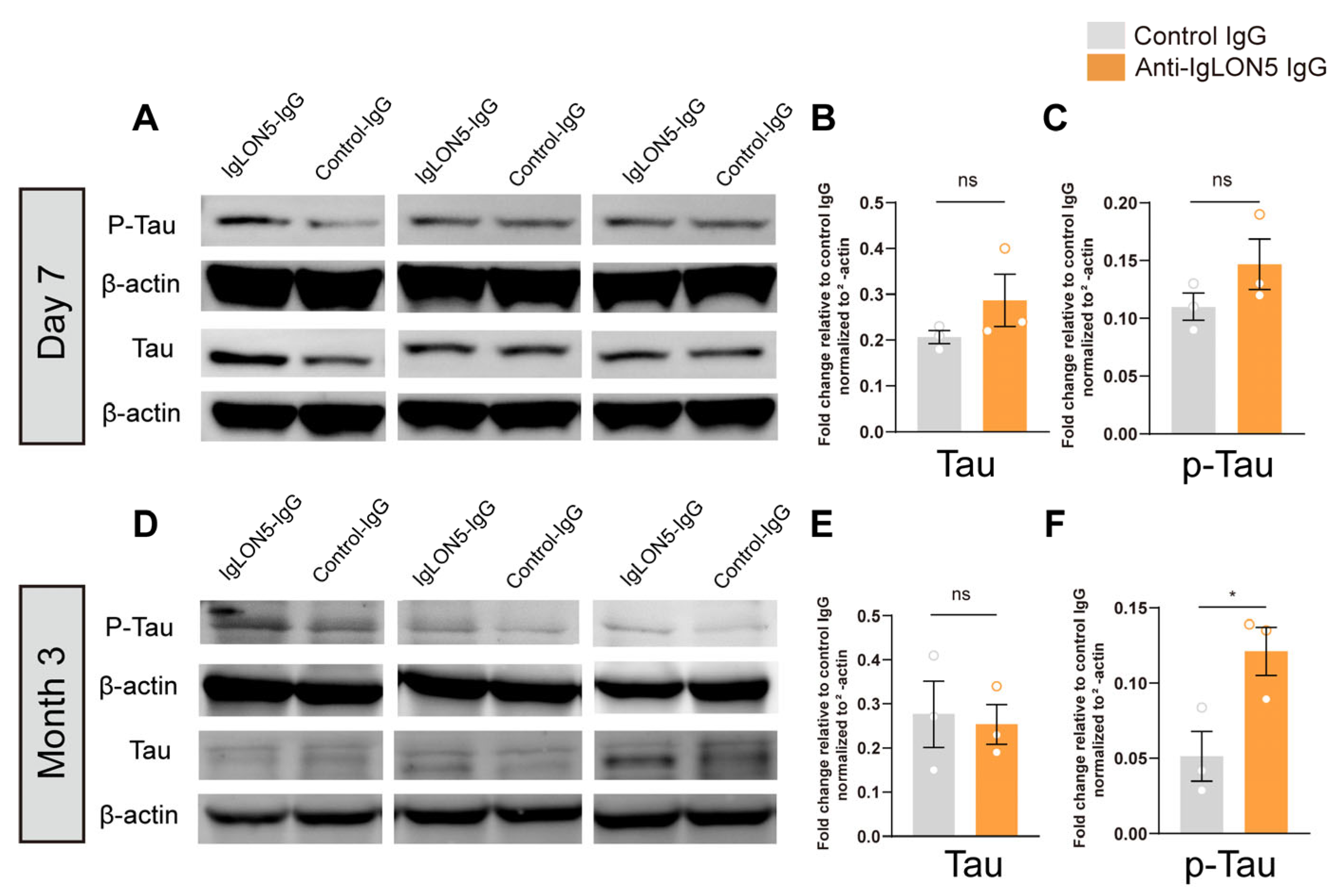
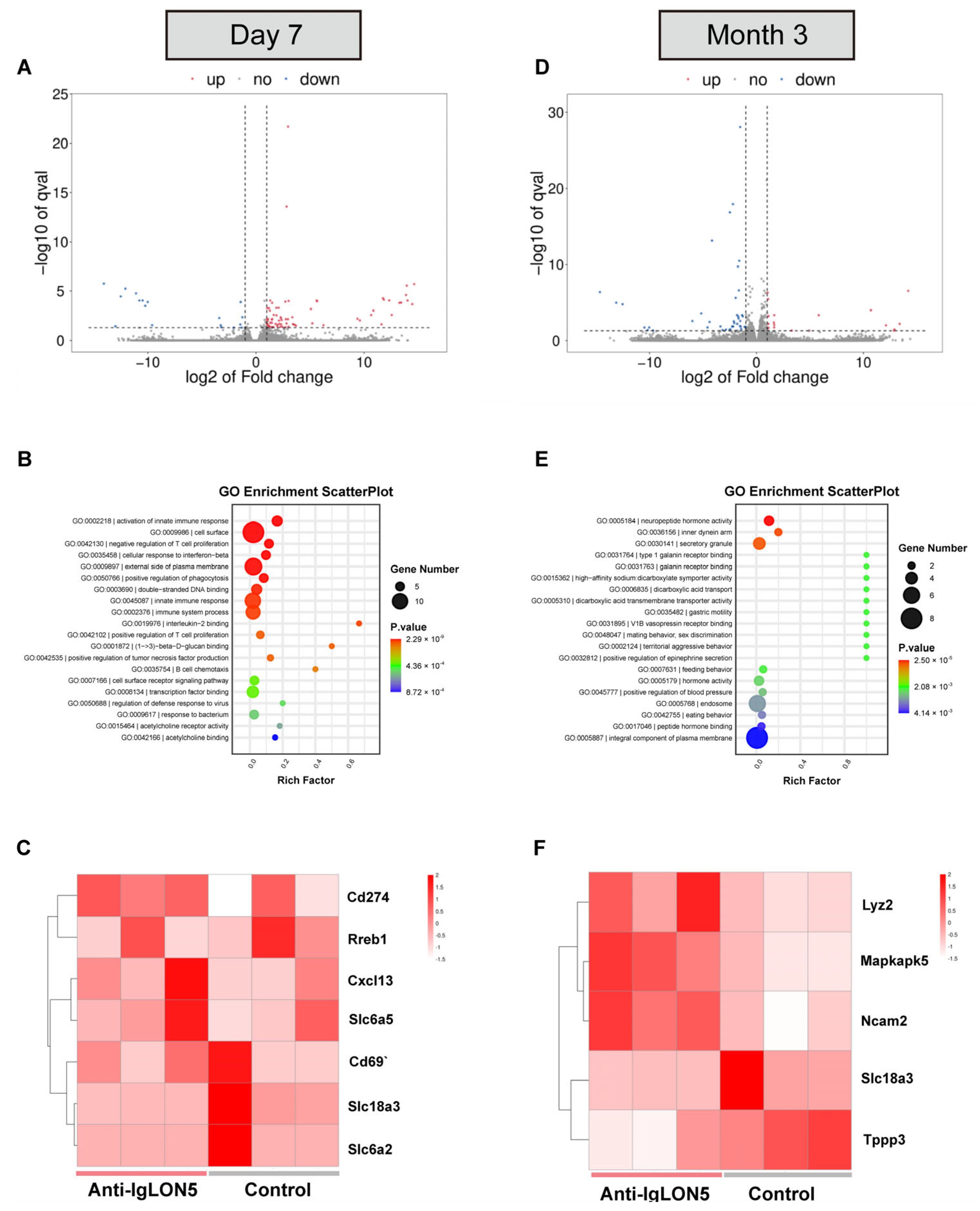
Background: Anti-IgLON5 disease is a rare autoimmune disease of the central nervous system. It typically manifests as a chronic condition, characterized by cognitive impairments, movement disorders, and sleep disorders. The mechanisms underlying movement disorders in this disease remain poorly understood due to a lack of research. Furthermore, this disease exhibits both neuroimmune and neurodegenerative characteristics. The objective of this study is to explore the underlying mechanisms of movement disorders caused by anti-IgLON5 antibodies for the first time. Methods: Antibodies were purified from the serum of a confirmed patient of anti-IgLON5 disease. The passive transfer animal models were employed, where antibodies were continuously injected into the substantia nigra pars compacta (SNc) of the mouse midbrain using stereotactic injection to explore the mechanism of movement disorder. The effects of anti-IgLON5 antibodies on dopaminergic neurons in the SNc and neurodegeneration were examined through immunohistochemistry. Changes in neurotransmitter levels in the basal ganglia were assessed using high-performance liquid chromatography. Additionally, RNA-seq was employed to identify the differentially expressed genes associated with the short-term and long-term effects of anti-IgLON5 antibody on the SNc. Results: Mice injected with anti-IgLON5 antibodies in the SNc exhibited persistent movement impairments for up to 3 months. One week after antibody injection, the number of TH neurons significantly decreased compared to the control group, accompanied by reduced projection fibers in the basal ganglia and decreased dopamine levels. After 3 months of antibody injection, an increase in phosphorylated Tau was observed in the SNc of the midbrain. Additionally, long-term sustained activation of microglia was detected in the SNc. The differentially expressed genes of long-term effects of IgLON5 antibodies were different from their short-term effects on the SNc. Conclusion: Purified serum IgG from a patient with anti-IgLON5 antibodies can cause long-term movement disorder in mice. The movement disorders appear to be linked to the impaired dopaminergic pathway, and the increased p-Tau showed neurodegenerative changes induced by the anti-IgLON5 antibody.
Keywords: anti-IgLON5 disease; movement disorders; neuropathology; dopaminergic pathways; substantia nigra pars compacta anti-IgLON5 disease; movement disorders; neuropathology; dopaminergic pathways; substantia nigra pars compacta