Article

Public Attention and Sentiment toward Intimate Partner Violence Based on Weibo in China: A Text Mining Approach

1
School of Management, Henan University of Technology, Zhengzhou 450001, China
2
School of Foreign Languages, Henan University of Technology, Zhengzhou 450001, China
3
Faculty of Agribusiness and Commerce, Lincoln University, Lincoln 7647, New Zealand
*
Author to whom correspondence should be addressed.
Healthcare 2022, 10(2), 198; https://doi.org/10.3390/healthcare10020198

Submission received: 31 December 2021 / Revised: 16 January 2022 / Accepted: 17 January 2022 / Published: 20 January 2022
(This article belongs to the Special Issue Social Media for Health Information Management)

Abstract

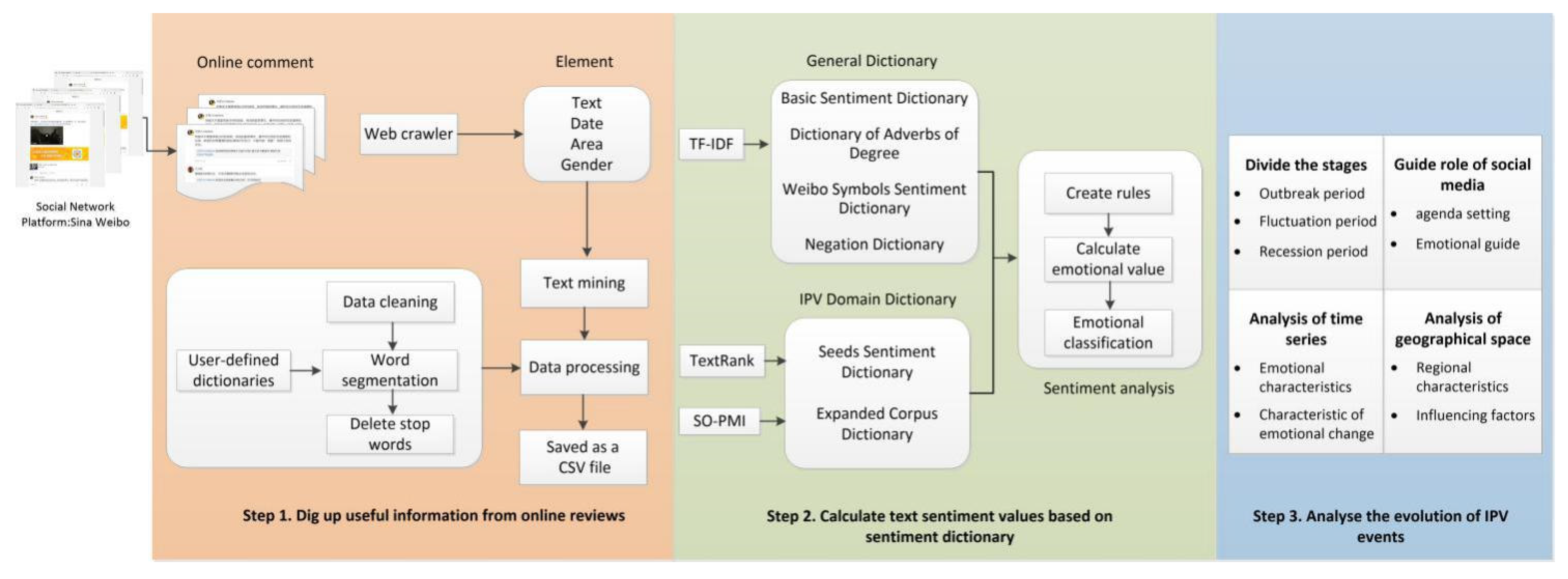
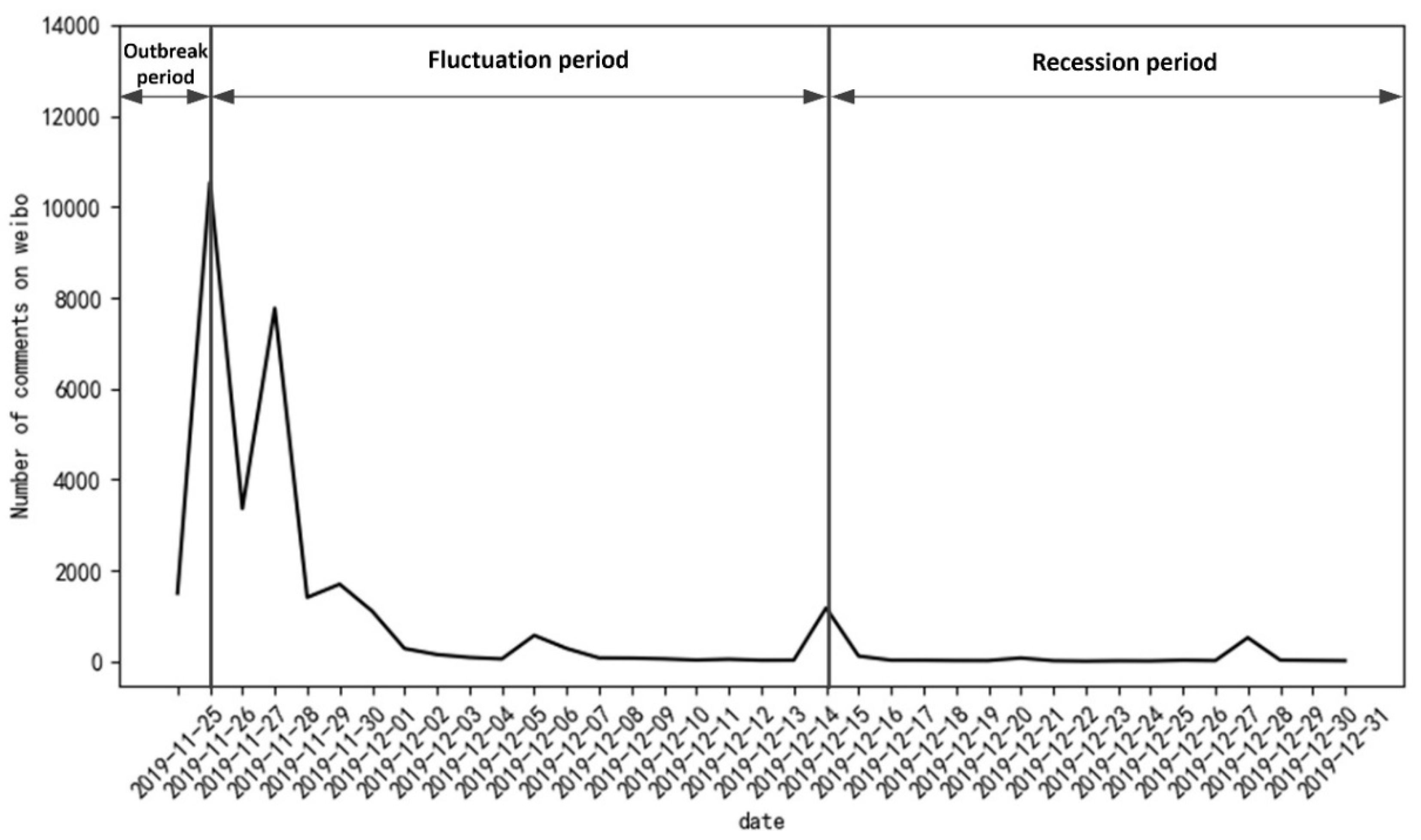
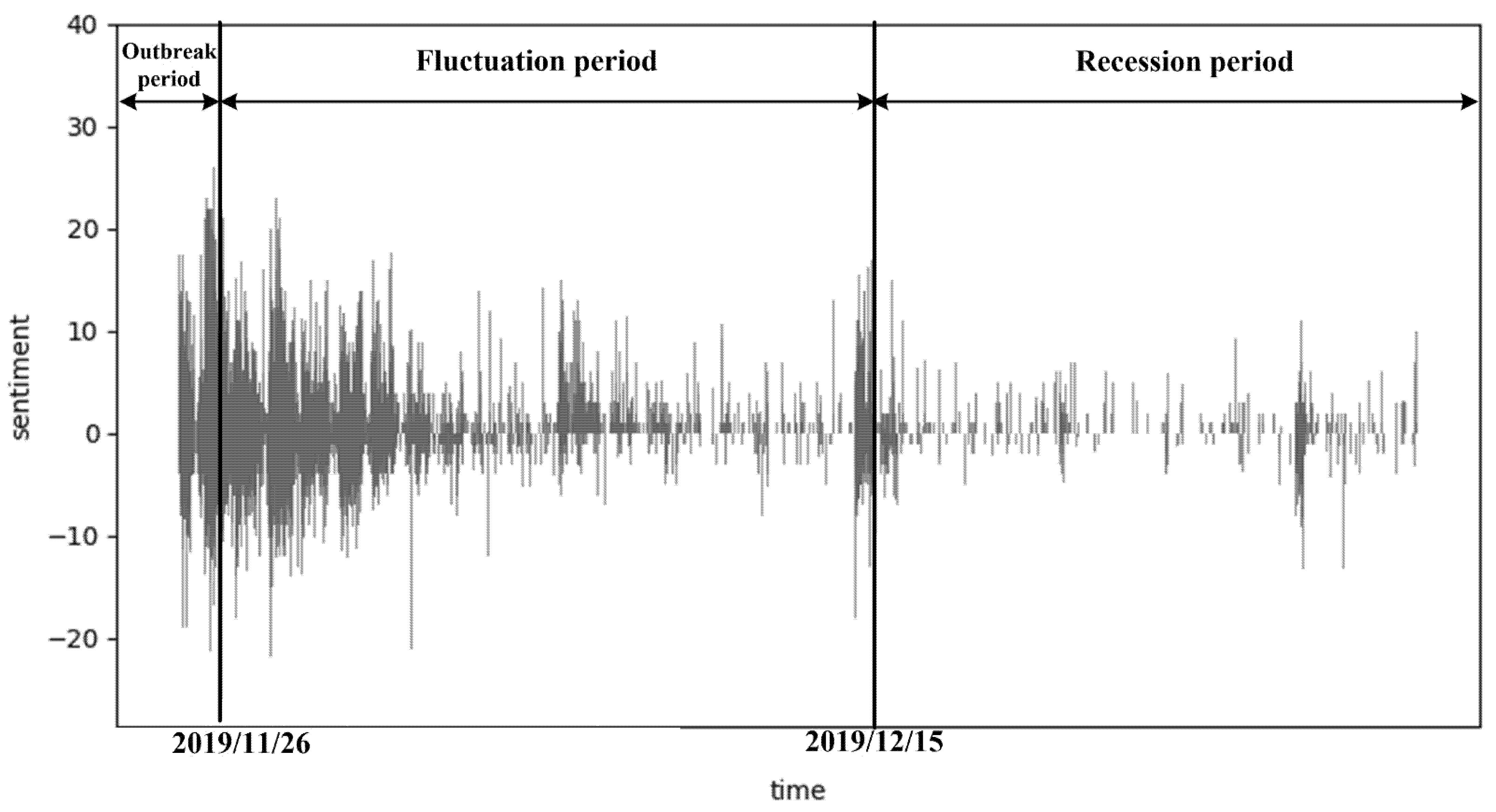
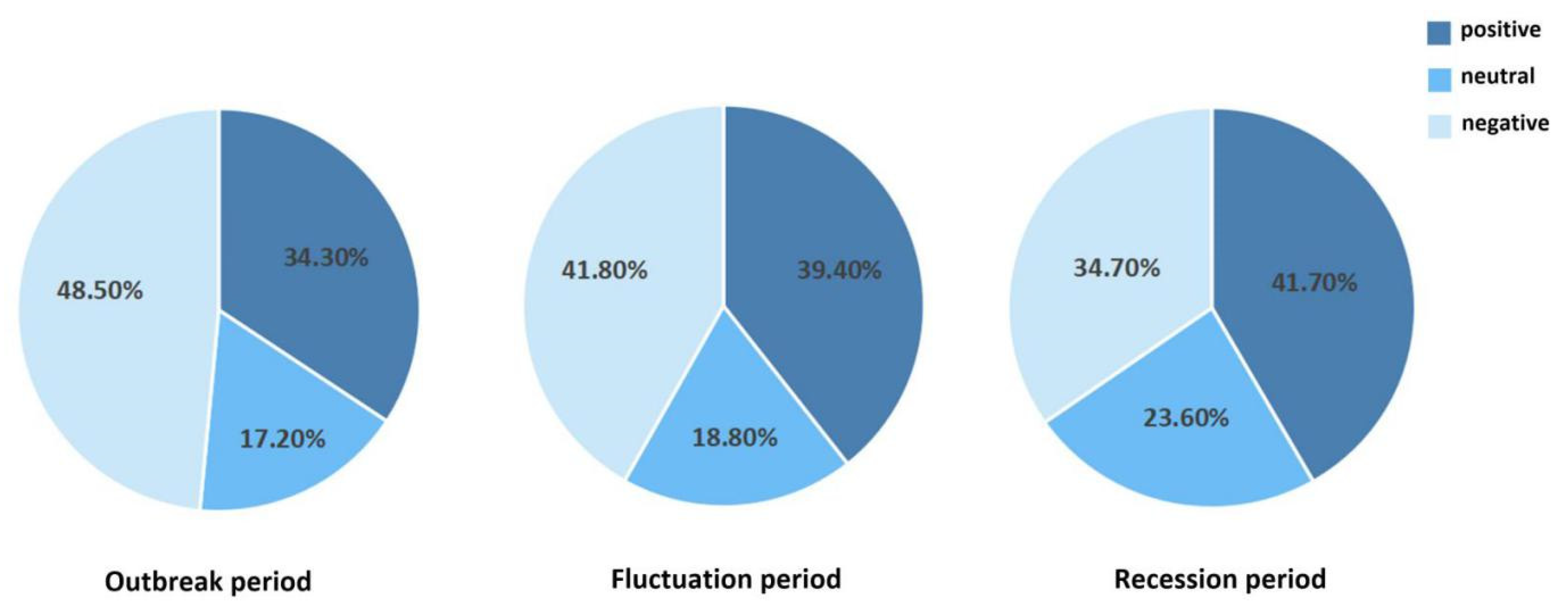
The mobile internet has resulted in intimate partner violence (IPV) events not being viewed as interpersonal and private issues. Such events become public events in the social network environment. IPV has become a public health issue of widespread concern. It is a challenge to obtain systematic and detailed data using questionnaires and interviews in traditional Chinese culture, because of face-saving and the victim’s shame factors. However, online comments about specific IPV events on social media provide rich data in understanding the public’s attitudes and emotions towards IPV. By applying text mining and sentiment analysis to the field of IPV, this study involved construction of a Chinese IPV sentiment dictionary and a complete research framework. We analyzed the trends of the Chinese public’s emotional evolution concerning IPV events from the perspectives of a time series as well as geographic space and social media. The results show that the anonymity of social networks and the guiding role of opinion leaders result in traditional cultural factors such as face-saving and family shame for IPV events being no longer applicable, leading to the spiral of an anti-silence effect. Meanwhile, in the process of public emotional communication, anger often overwhelms reason, and the spiral of silence remains in effect in social media. In addition, there are offensive words used in the IPV event texts that indicate misogyny in emotional, sexual, economic and psychological abuse. Fortunately, mainstream media, as crucial opinion leaders in the social network, can have a positive role in guiding public opinion, improving people’s ability to judge the validity of network information, and formulating people’s rational behaviour.
Keywords: intimate partner violence (IPV); social network site (SNS); public attention; text mining; sentiment analysis intimate partner violence (IPV); social network site (SNS); public attention; text mining; sentiment analysis