Article

An Extended Chaotic Map-Based Authentication and Key Agreement Scheme for Multi-Server Environment
1
Cyberspace Security Research Center, Pengcheng Laboratory, Shenzhen 518055, China
2
School of Engineering and Computer Science, University of Hull, Hull HU6 7RX, UK
3
Department of Electrical and Computer Engineering, University of Texas at Dallas, Richardson, TX 75080, USA
4
School of Computing and Mathematics, Keele University, Newcastle ST5 5BG, UK
*
Author to whom correspondence should be addressed.
Mathematics 2021, 9(8), 798; https://doi.org/10.3390/math9080798
Submission received: 2 March 2021 / Revised: 5 April 2021 / Accepted: 6 April 2021 / Published: 7 April 2021
(This article belongs to the Special Issue Chaos Based Computer Security and Functions)

Abstract

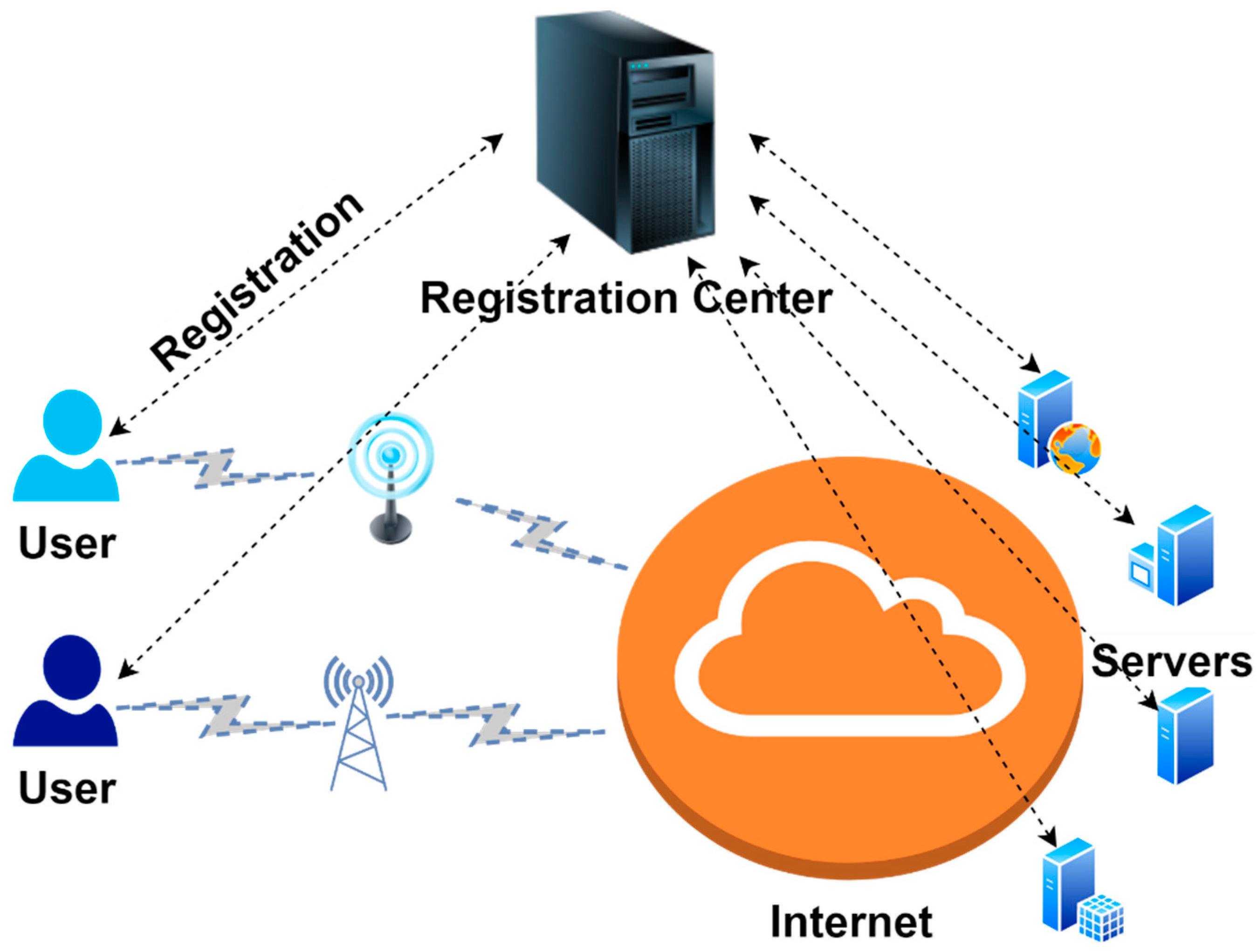
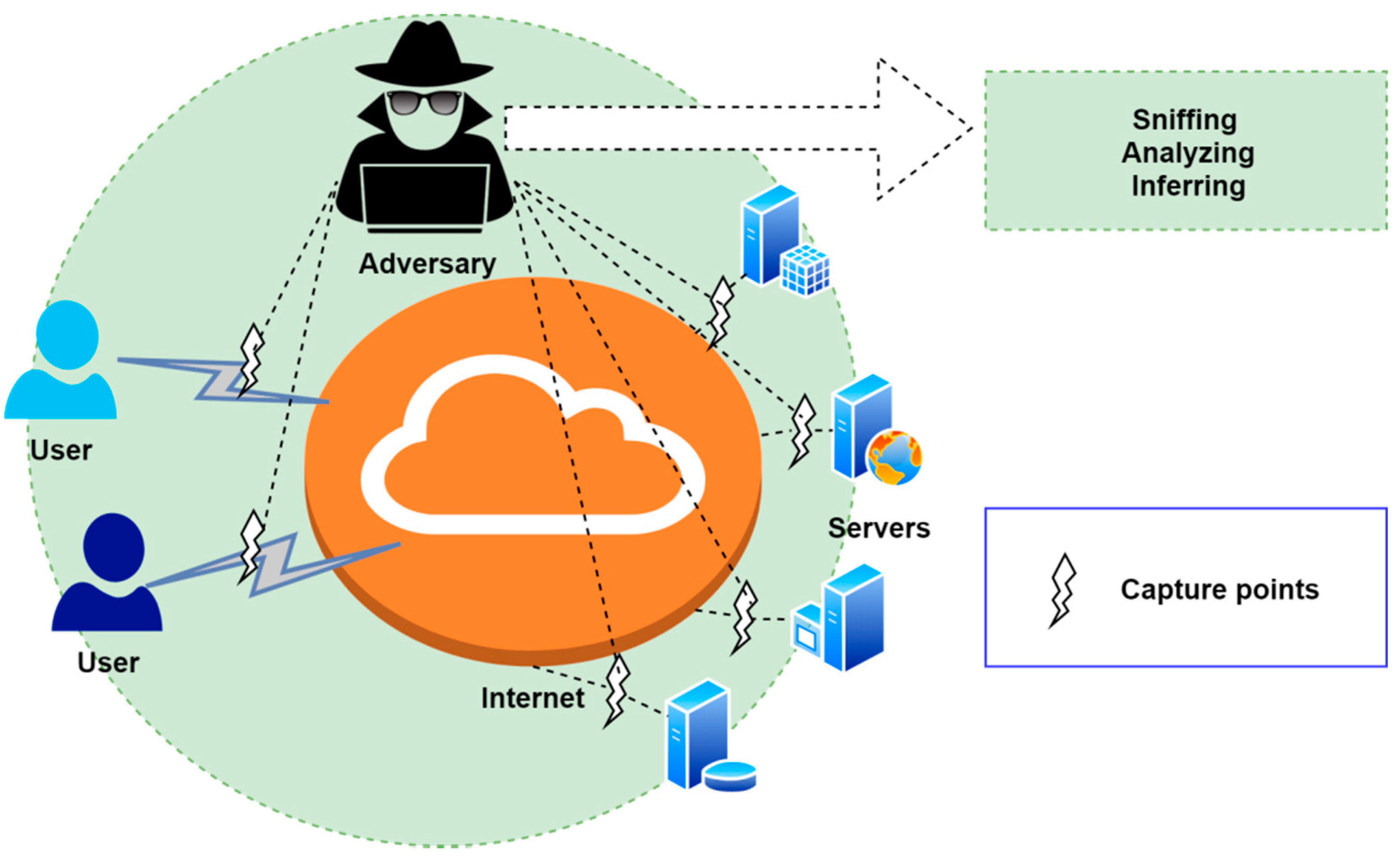
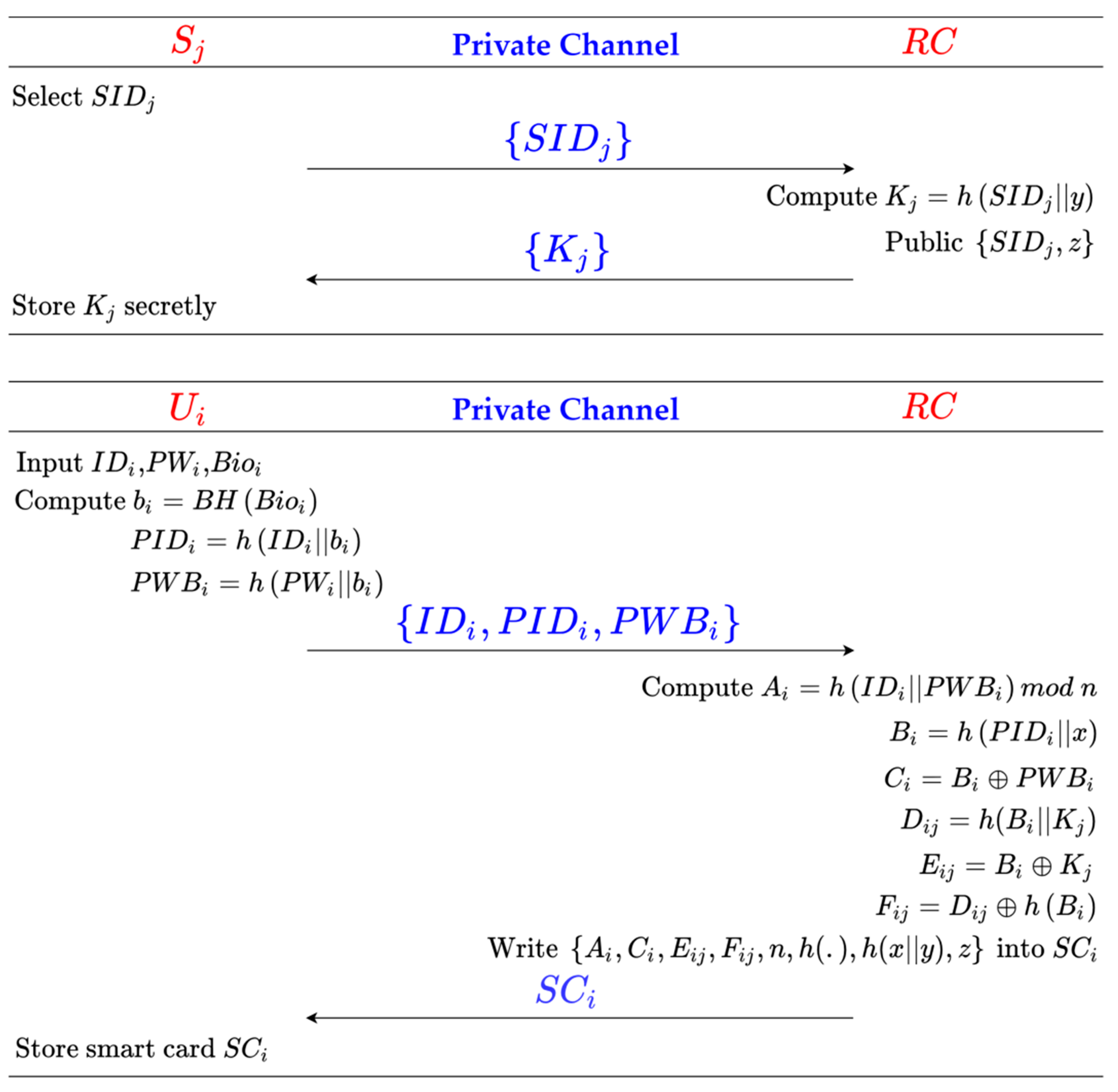
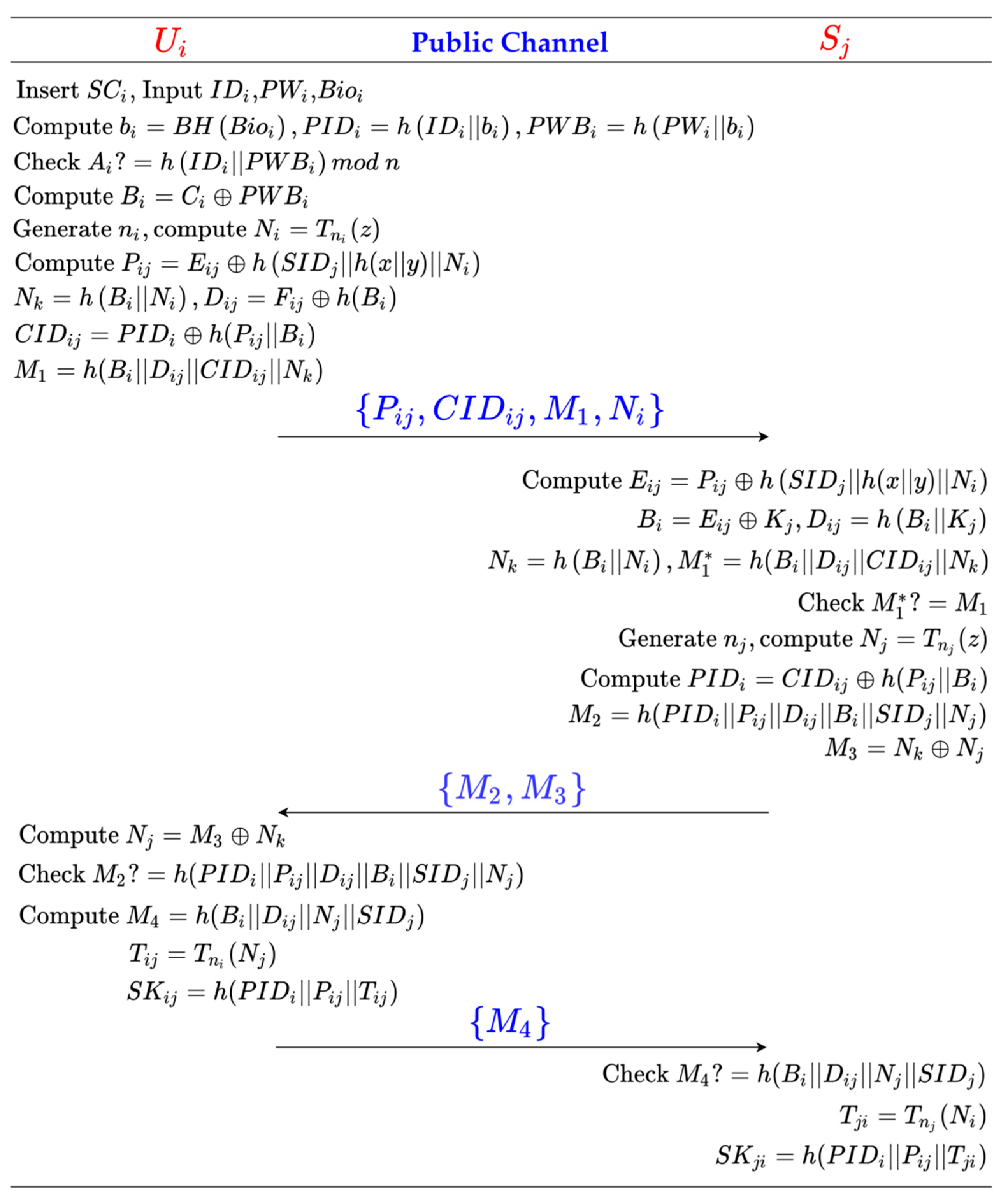
With the increasing number of users and the emergence of different types of network services, a multi-server architecture has emerged in recent years. In order to ensure the secure communication of Internet participants in an open network environment, the authentication and key agreement protocol for multi-server architectures were proposed in the past. In 2018, Chatterjee et al. put forward a lightweight three-factor authentication and key agreement protocol for a multi-server environment, and they claimed that all known security features with satisfactory performance could be realized in their protocol. However, it is found that their scheme is vulnerable to user impersonation attacks and cannot achieve user un-traceability and three-factor security through our cryptanalysis. In order to solve these shortcomings, we propose a new lightweight and anonymous three-factor authentication scheme for the multi-server environment in this article. Furthermore, the proposed protocol is proved to be AKE secure theoretically, and we use BAN-logic to prove that our protocol realizes mutual authentication between communication participants. Finally, we show that our proposed scheme is practical and efficient through the comparison of security features and performance.
Keywords: authentication; key agreement; three-factor; cryptanalysis; multi-server environment authentication; key agreement; three-factor; cryptanalysis; multi-server environment