Article

A ResNet50-Based Method for Classifying Surface Defects in Hot-Rolled Strip Steel
1
College of Information Science and Engineering, Northeastern University, Shenyang 110819, China
2
Moviebook Technology Co., Ltd., Beijing 100027, China
*
Author to whom correspondence should be addressed.
These authors contributed equally to this work.
Mathematics 2021, 9(19), 2359; https://doi.org/10.3390/math9192359
Submission received: 13 August 2021 / Revised: 17 September 2021 / Accepted: 18 September 2021 / Published: 23 September 2021

Abstract

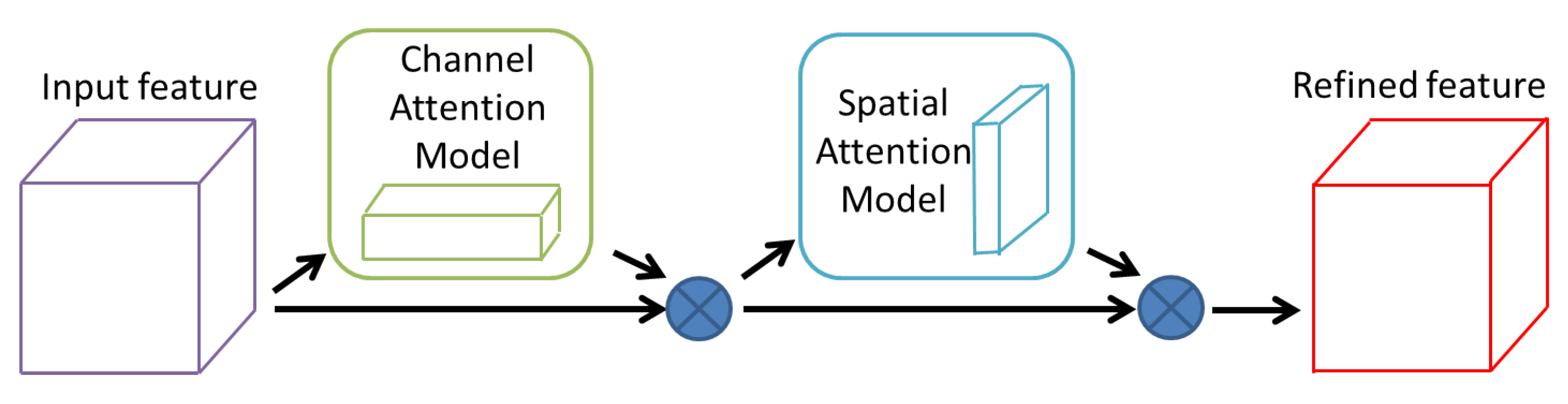
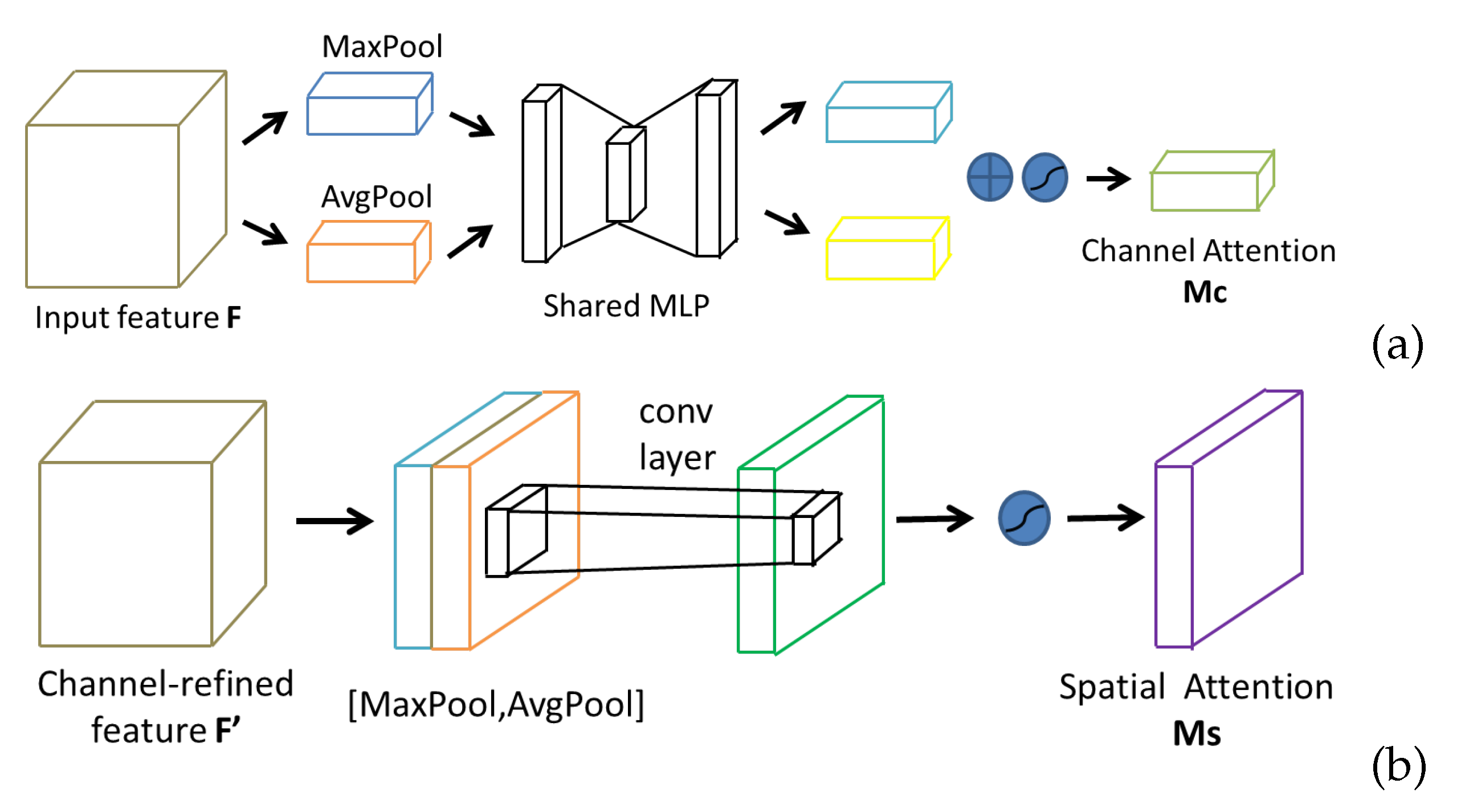
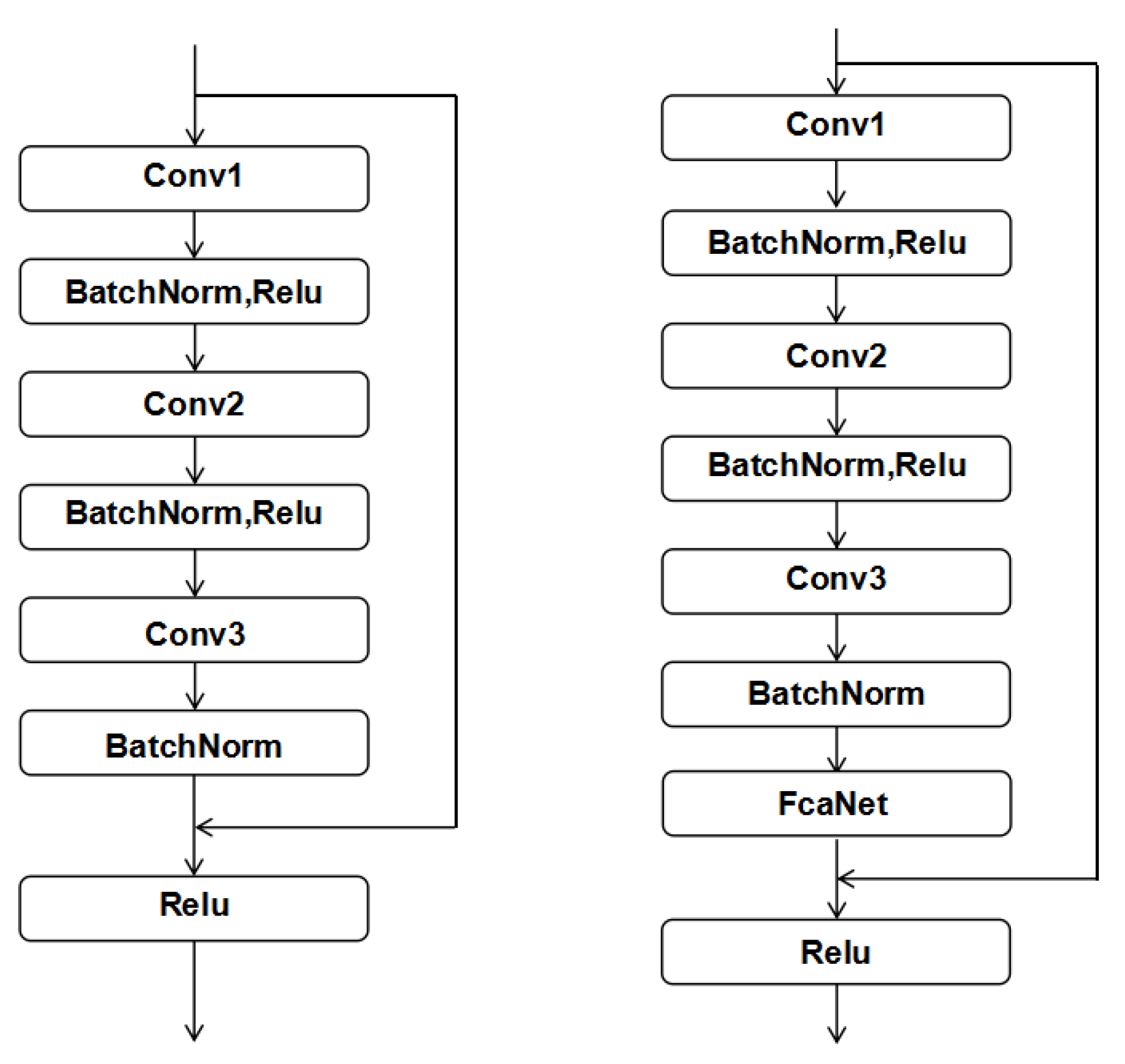
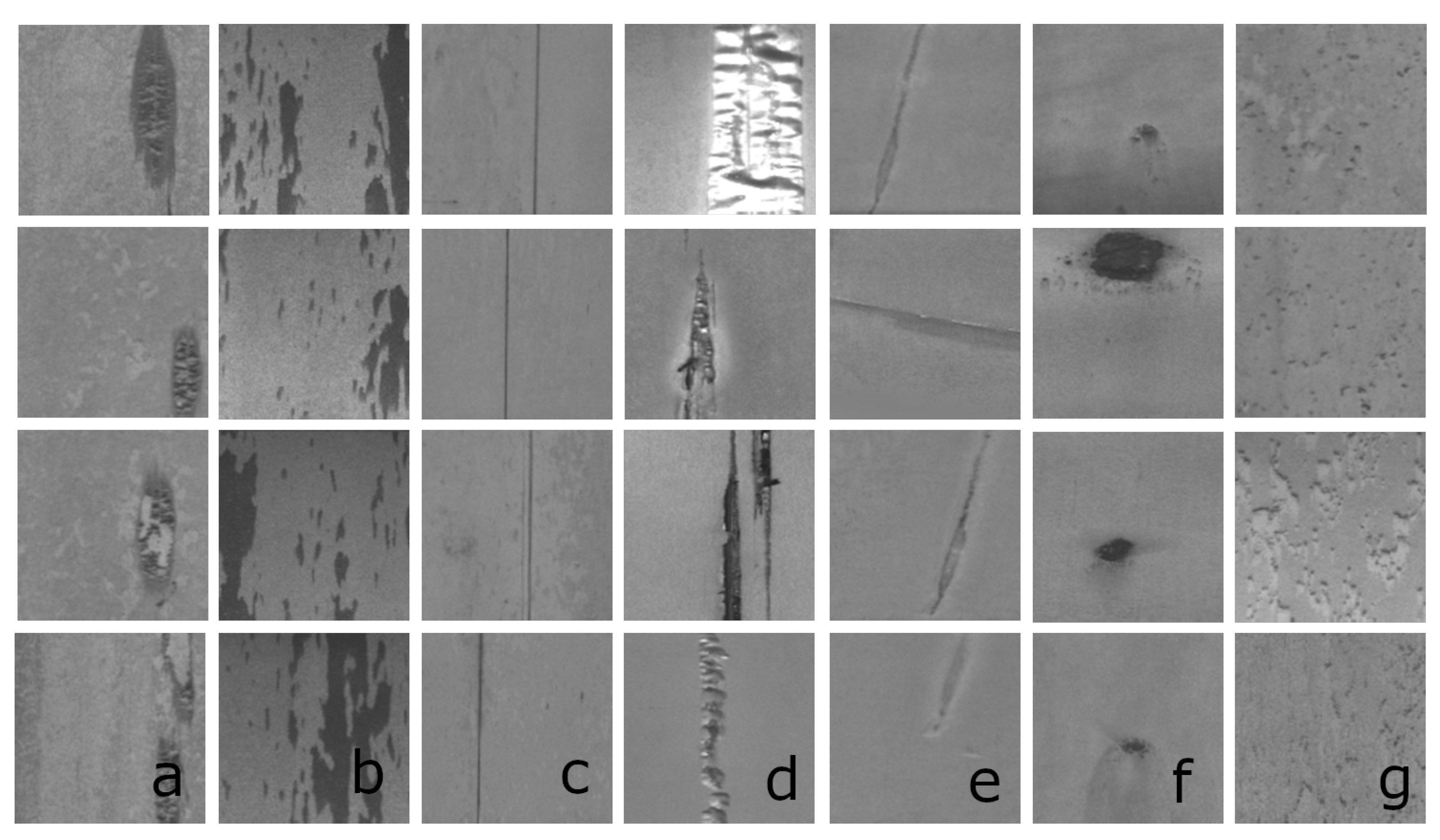
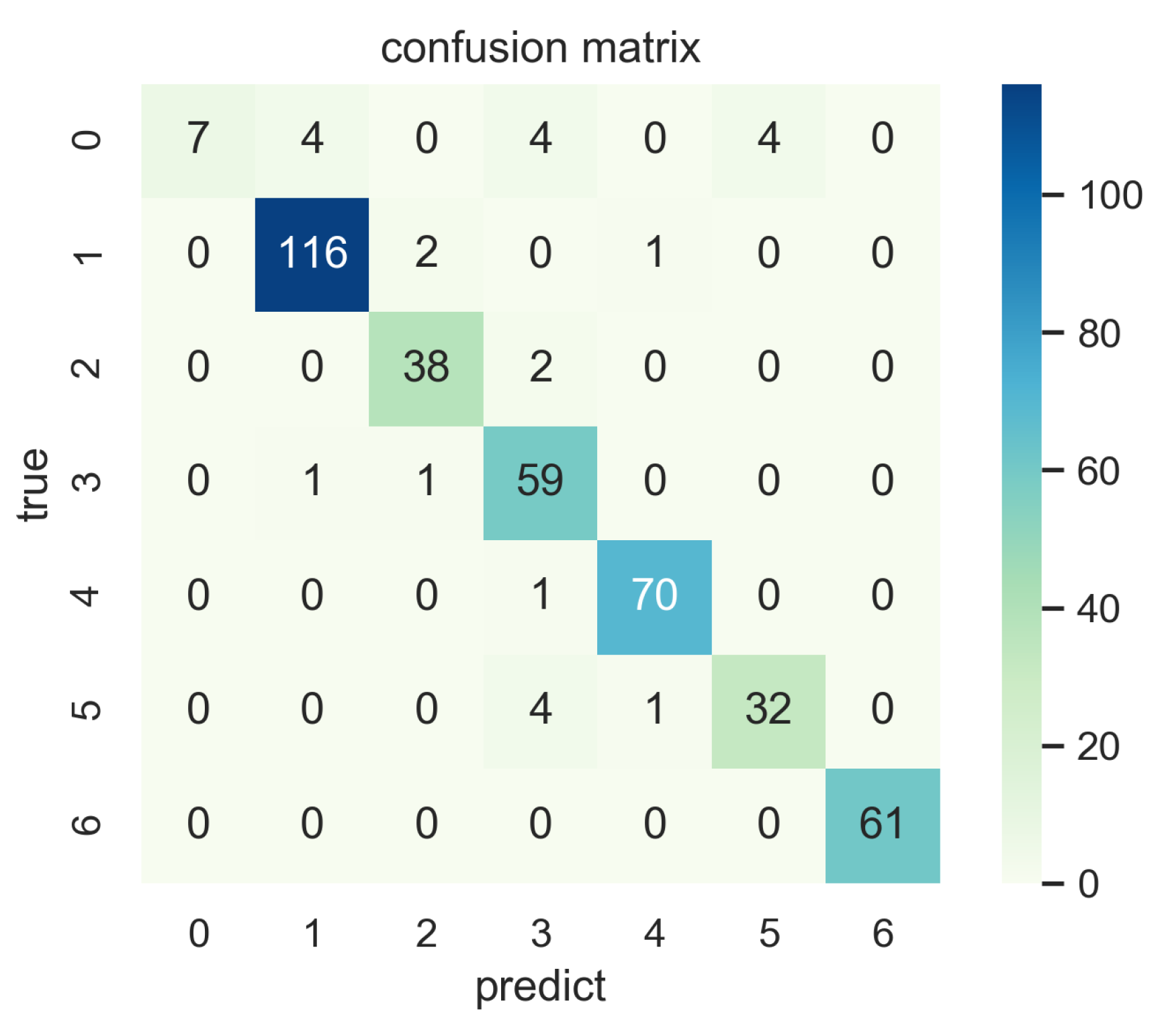
Hot-rolled strip steel is widely used in automotive manufacturing, chemical and home appliance industries, and its surface quality has a great impact on the quality of the final product. In the manufacturing process of strip steel, due to the rolling process and many other reasons, the surface of hot rolled strip steel will inevitably produce slag, scratches and other surface defects. These defects not only affect the quality of the product, but may even lead to broken strips in the subsequent process, seriously affecting the continuation of production. Therefore, it is important to study the surface defects of strip steel and identify the types of defects in strip steel. In this paper, a scheme based on ResNet50 with the addition of FcaNet and Convolutional Block Attention Module (CBAM) is proposed for strip defect classification and validated on the X-SDD strip defect dataset. Our solution achieves a classification accuracy of 94.11%, higher than more than a dozen other compared deep learning models. Moreover, to adress the problem of low accuracy of the algorithm in classifying individual defects, we use ensemble learning to optimize. By integrating the original solution with VGG16 and SqueezeNet, the recognition rate of oxide scale of plate system defects improved by 21.05 percentage points, and the overall defect classification accuracy improved to 94.85%.
Keywords: hot rolled strip steel; deep learning; surface defects; defect classification hot rolled strip steel; deep learning; surface defects; defect classification