Article

FCS-MBFLEACH: Designing an Energy-Aware Fault Detection System for Mobile Wireless Sensor Networks


by
Shahaboddin Shamshirband
1,2,
Javad Hassannataj Joloudari
3,
Mohammad GhasemiGol
3,
Hamid Saadatfar
3,
Amir Mosavi
4,5,6 and
Narjes Nabipour
7,*
1
Department for Management of Science and Technology Development, Ton Duc Thang University, Ho Chi Minh City, Viet Nam
2
Faculty of Information Technology, Ton Duc Thang University, Ho Chi Minh City, Viet Nam
3
Department of Electrical and Computer Engineering, University of Birjand, Birjand 9717434765, Iran
4
Institute of Structural Mechanics, Bauhaus Universität Weimar, 99423 Weimar, Germany
5
Kalman Kando Faculty of Electrical Engineering, Obuda University, 1034 Budapest, Hungary
6
Queensland University of Technology, 130 Victoria Park Road, Queensland 4059, Australia
7
Institute of Research and Development, Duy Tan University, Da Nang 550000, Vietnam
*
Author to whom correspondence should be addressed.
Mathematics 2020, 8(1), 28; https://doi.org/10.3390/math8010028

Submission received: 17 September 2019 / Revised: 19 November 2019 / Accepted: 21 November 2019 / Published: 23 December 2019

Abstract

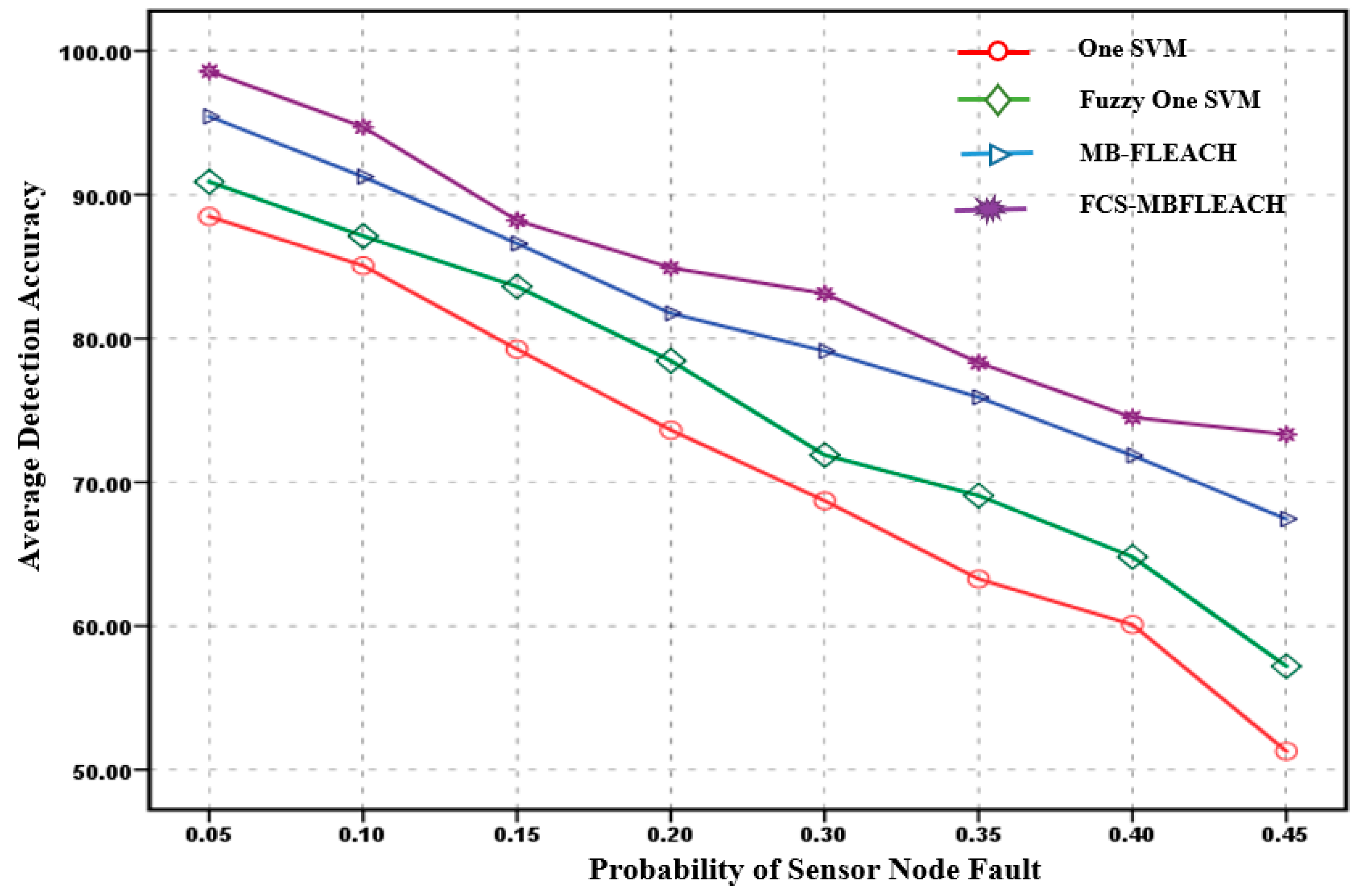
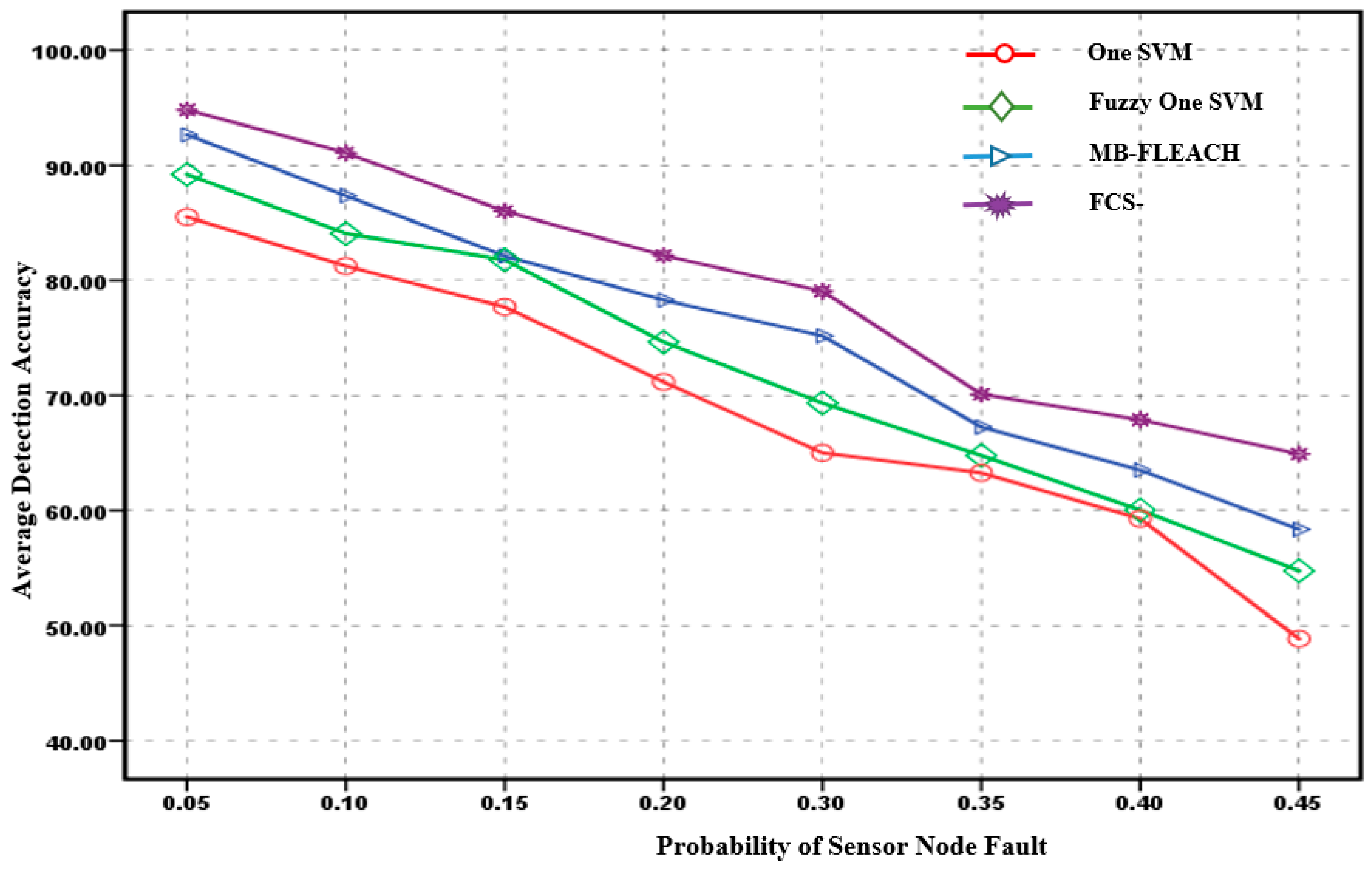
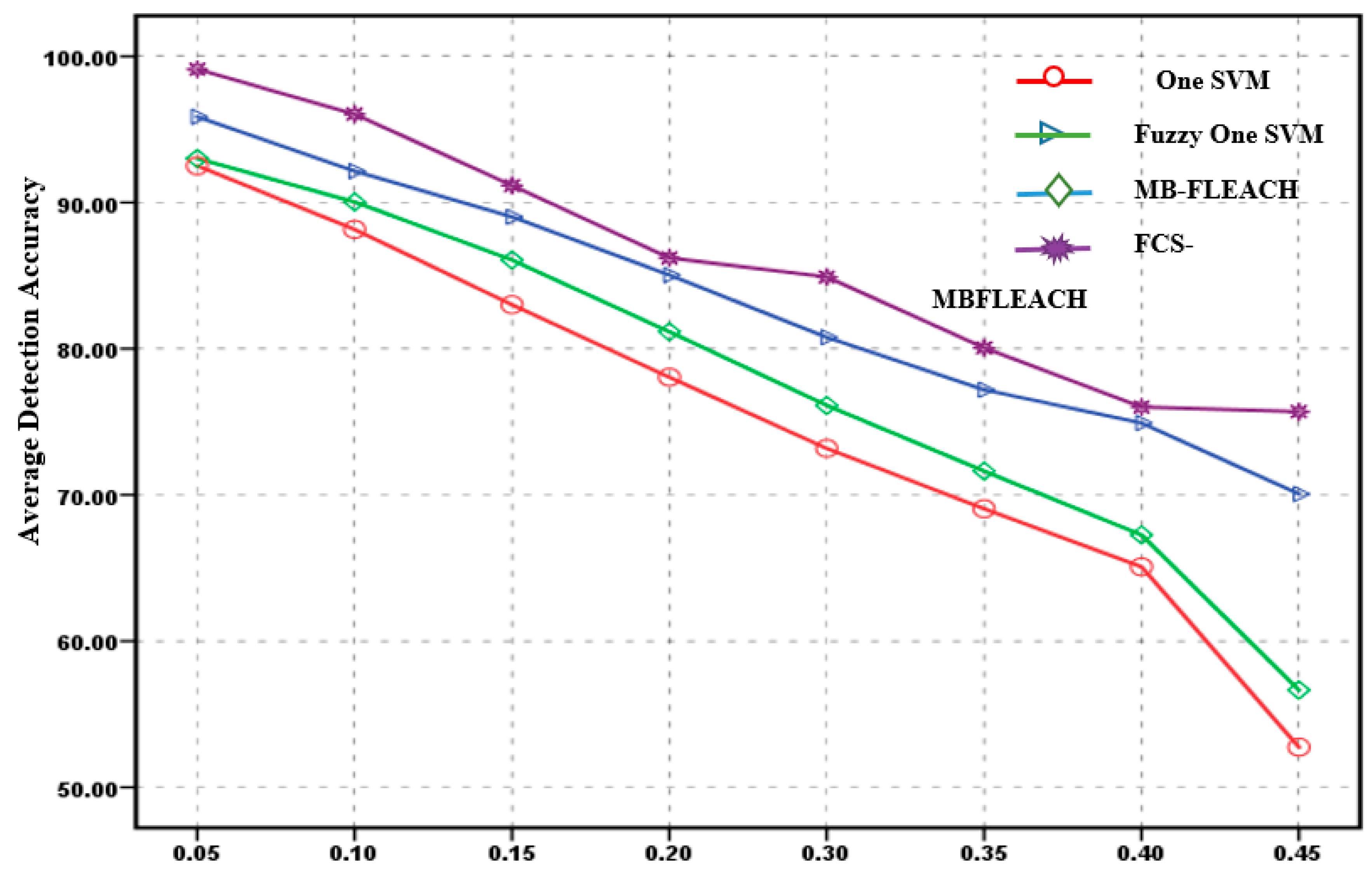
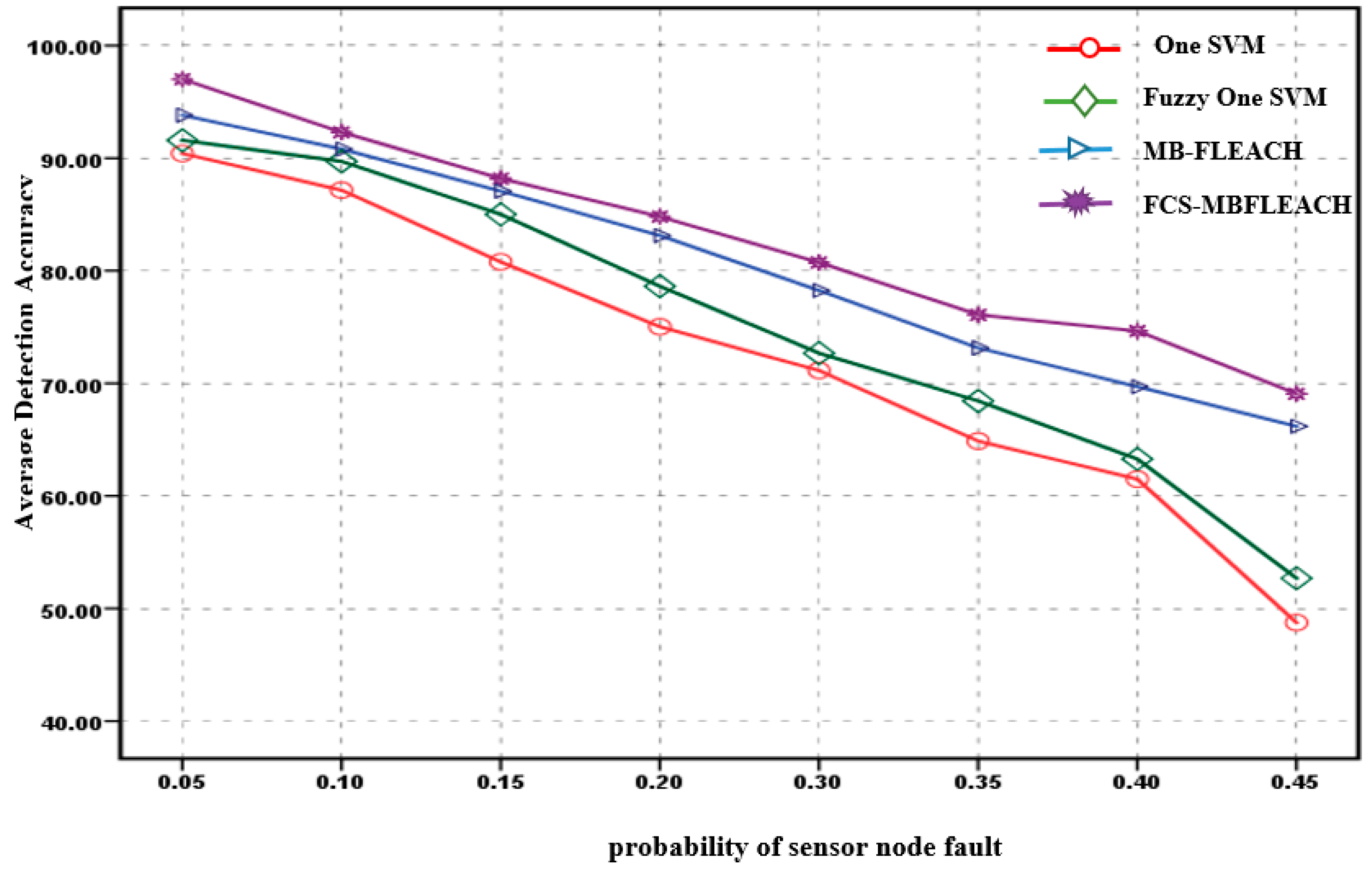
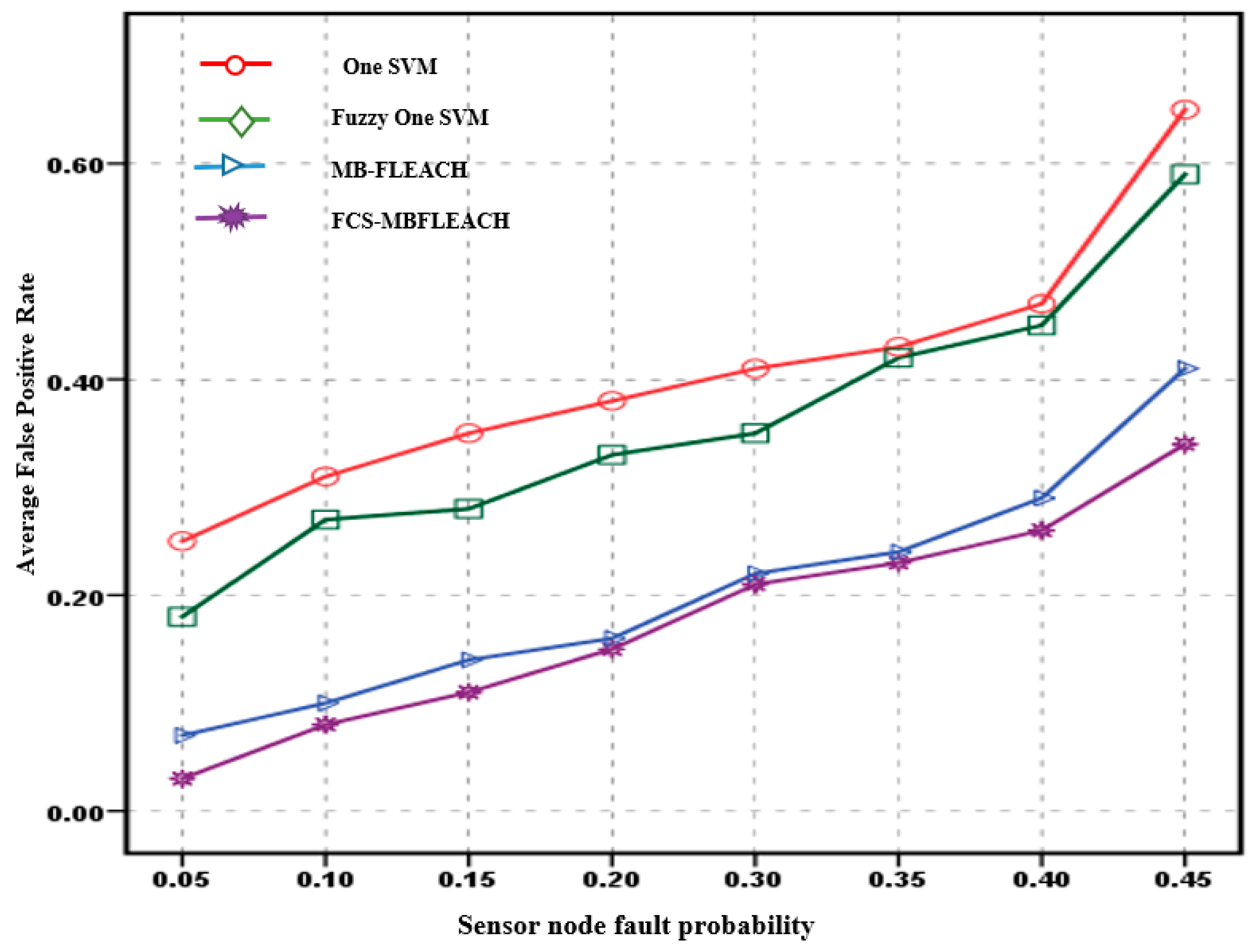
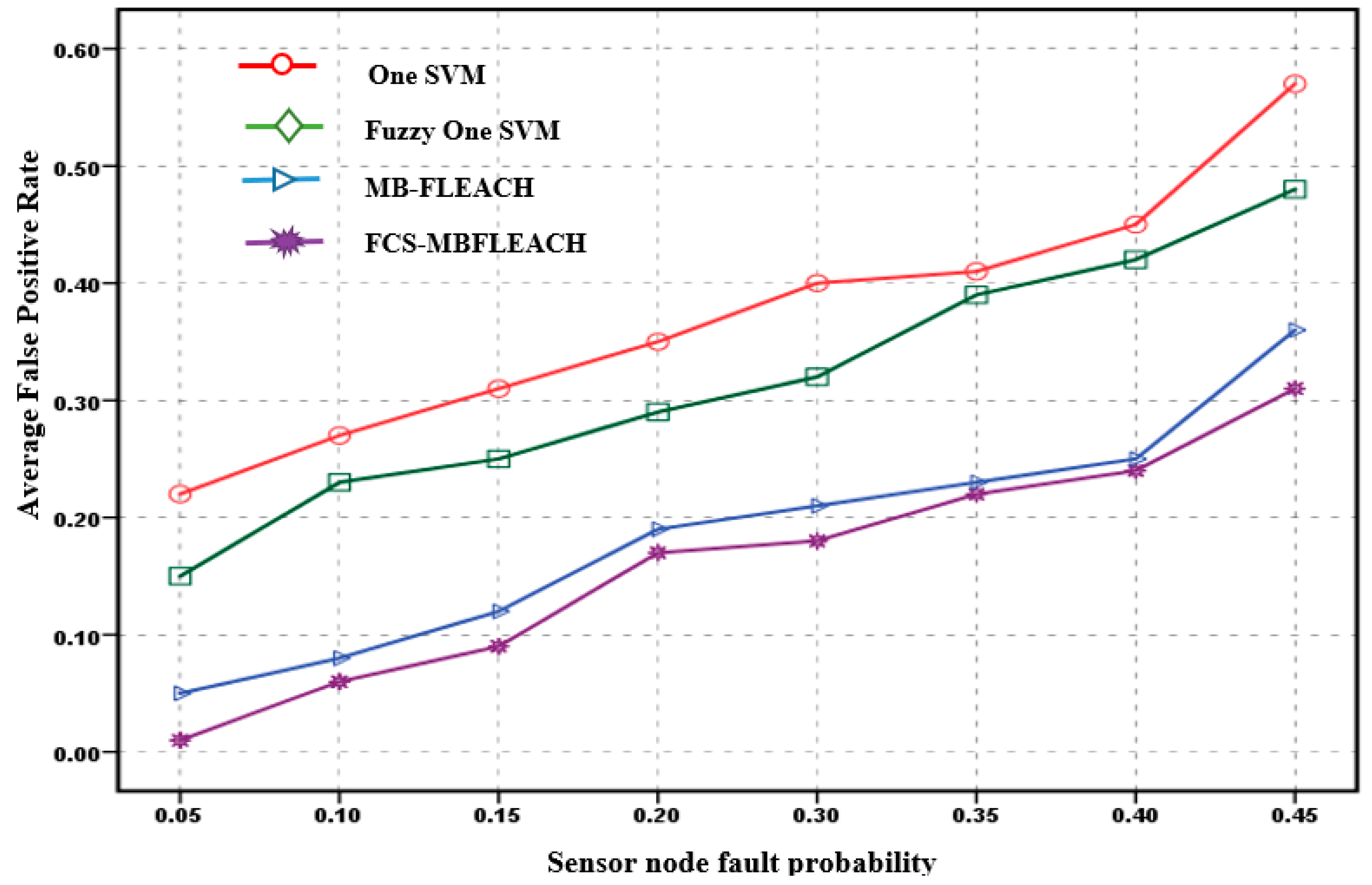
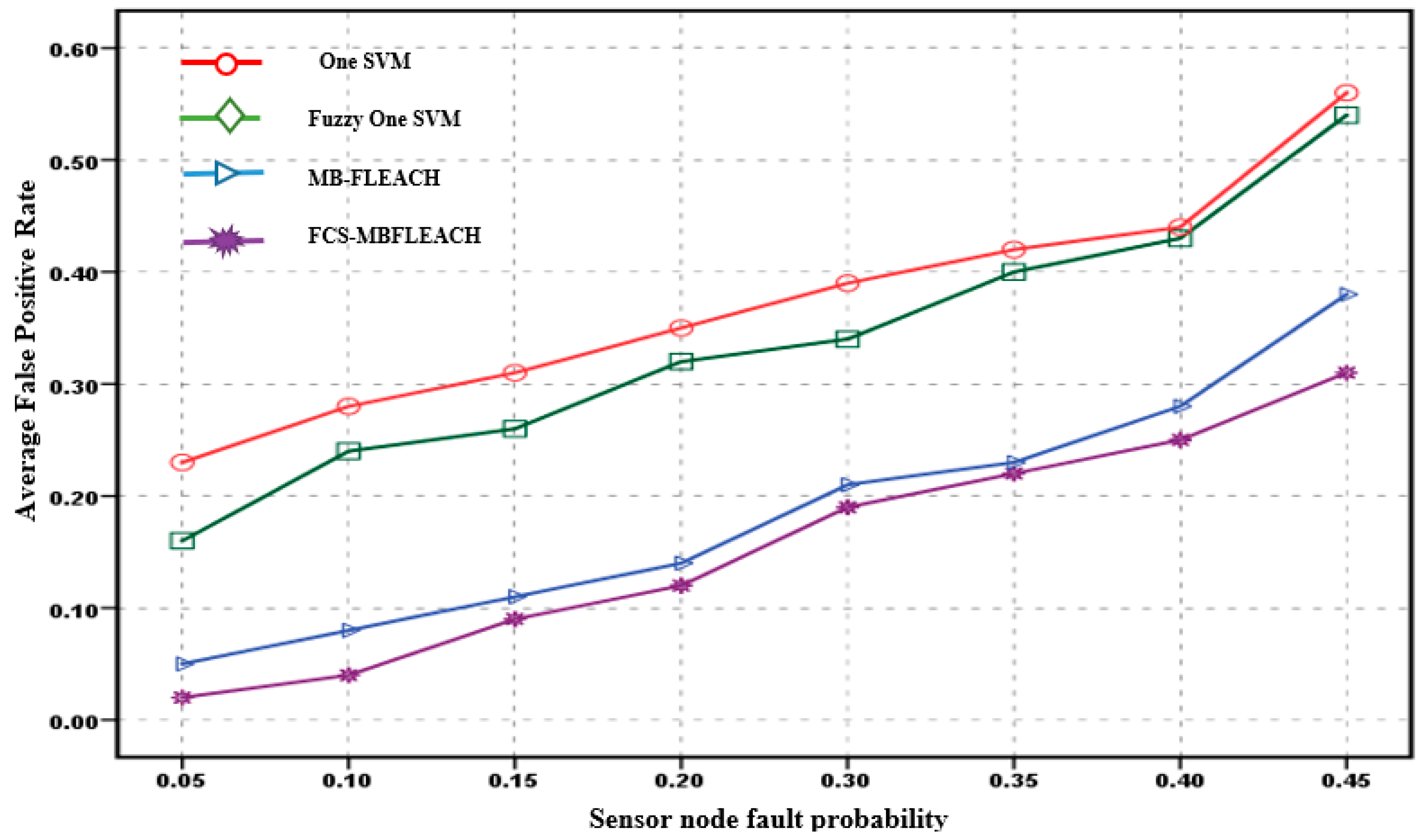
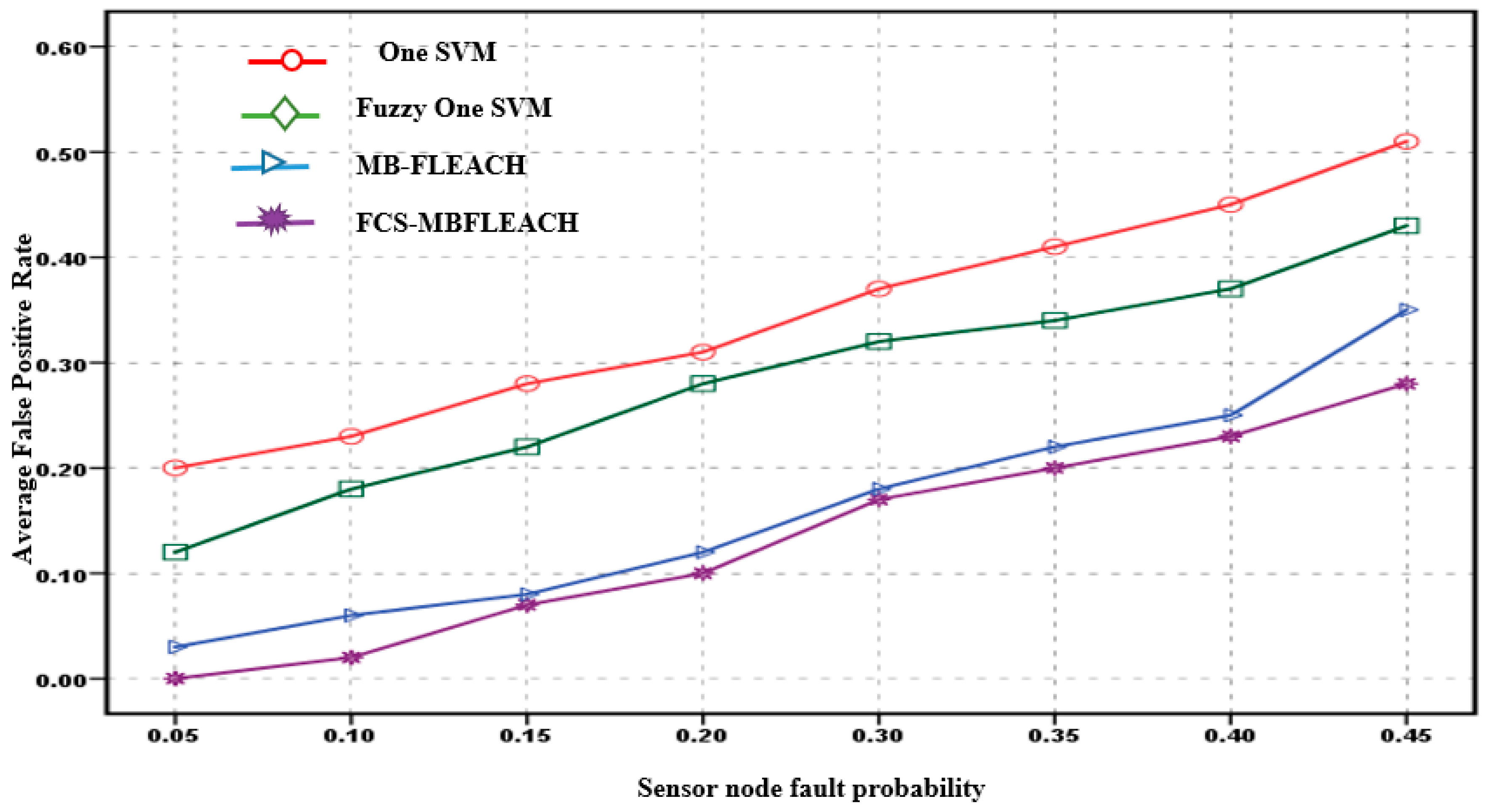
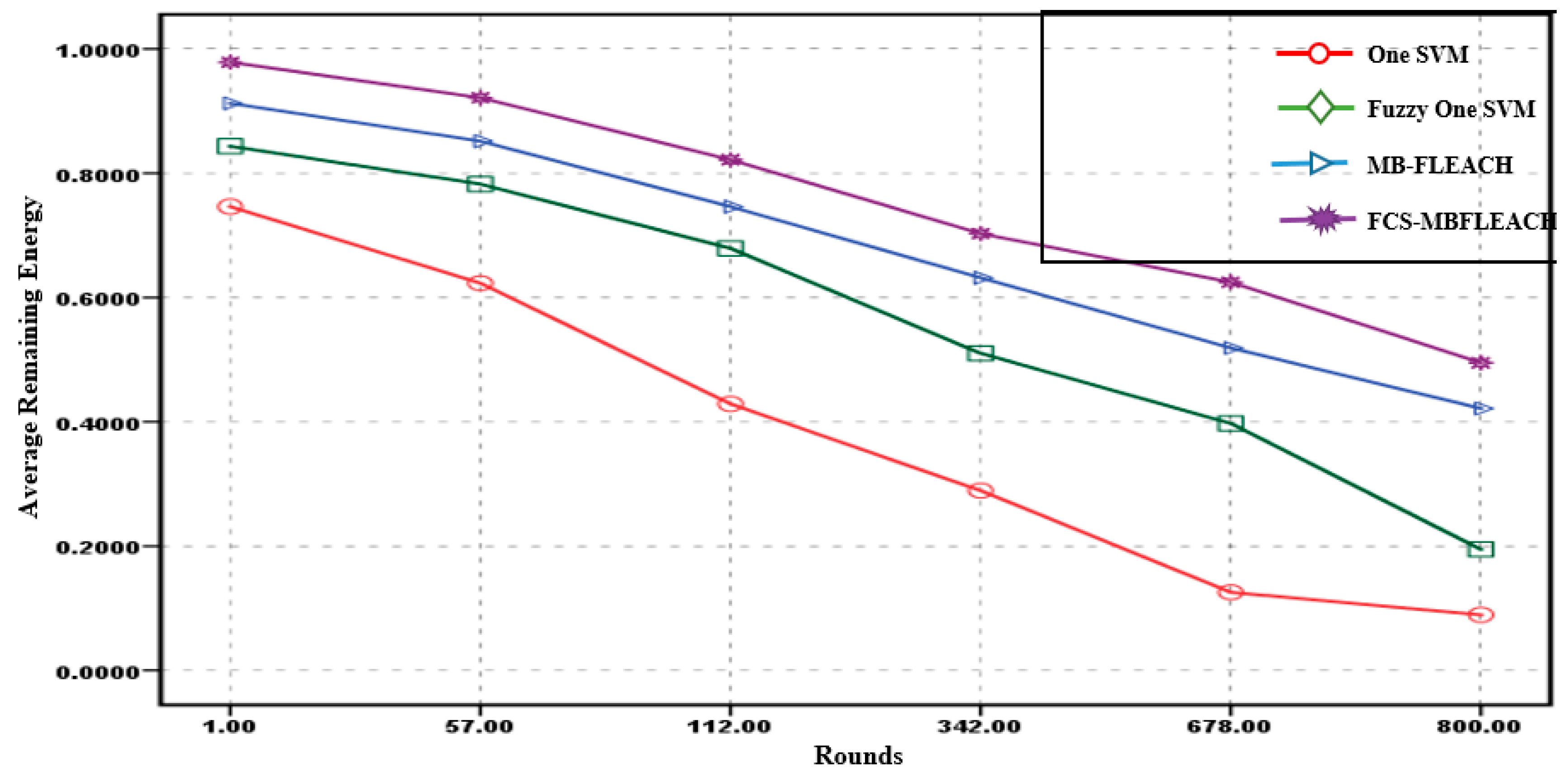
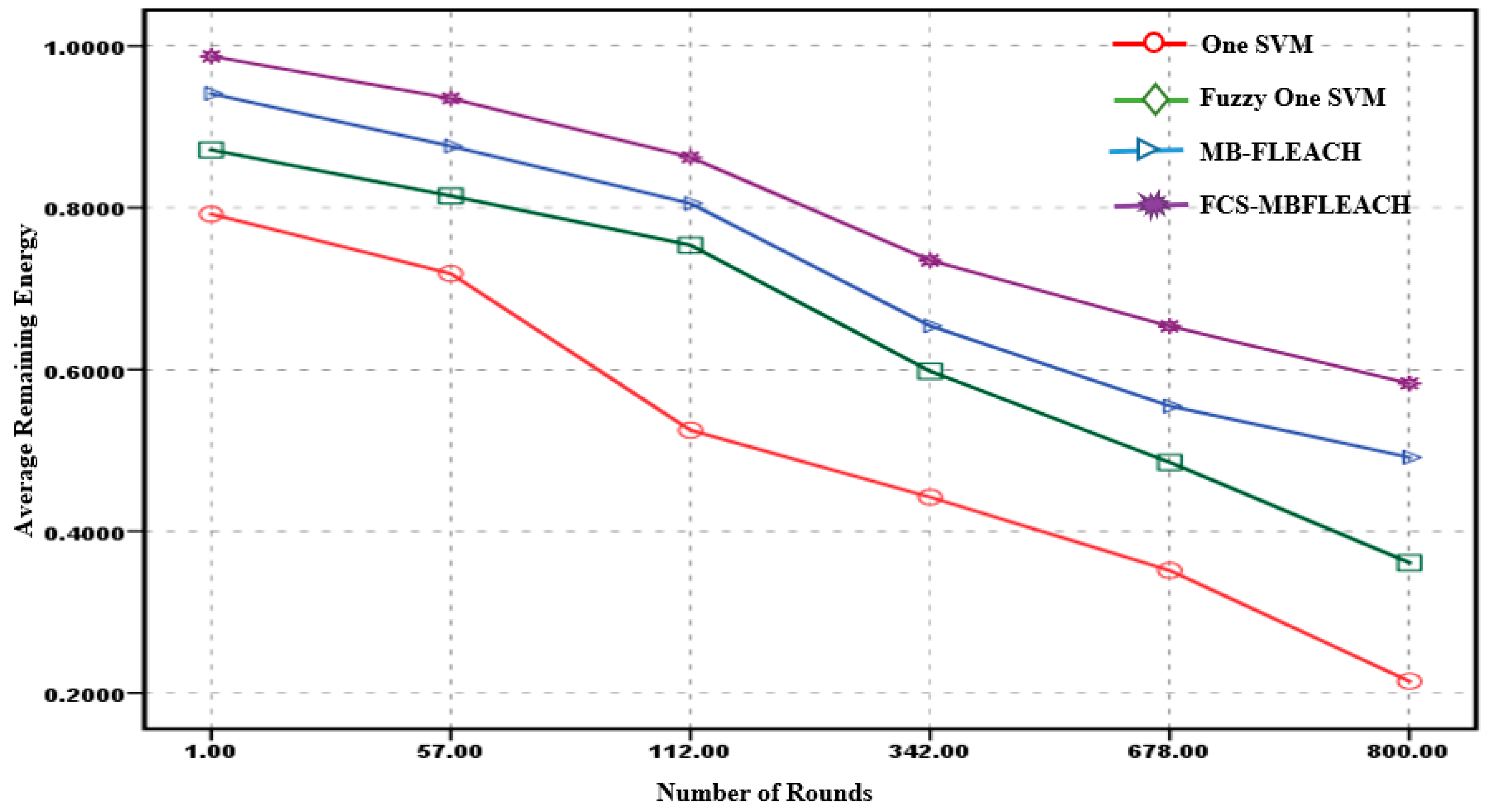
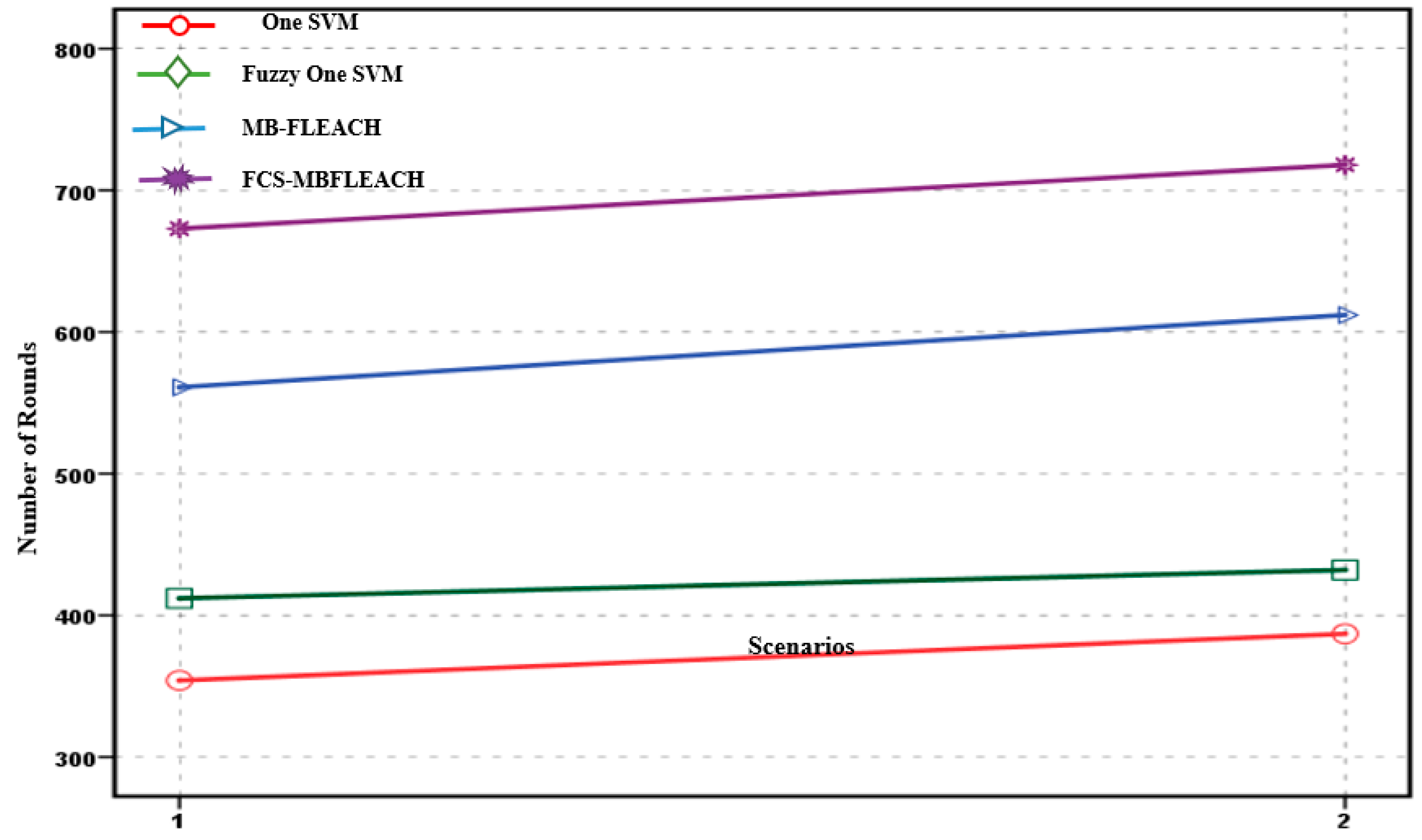
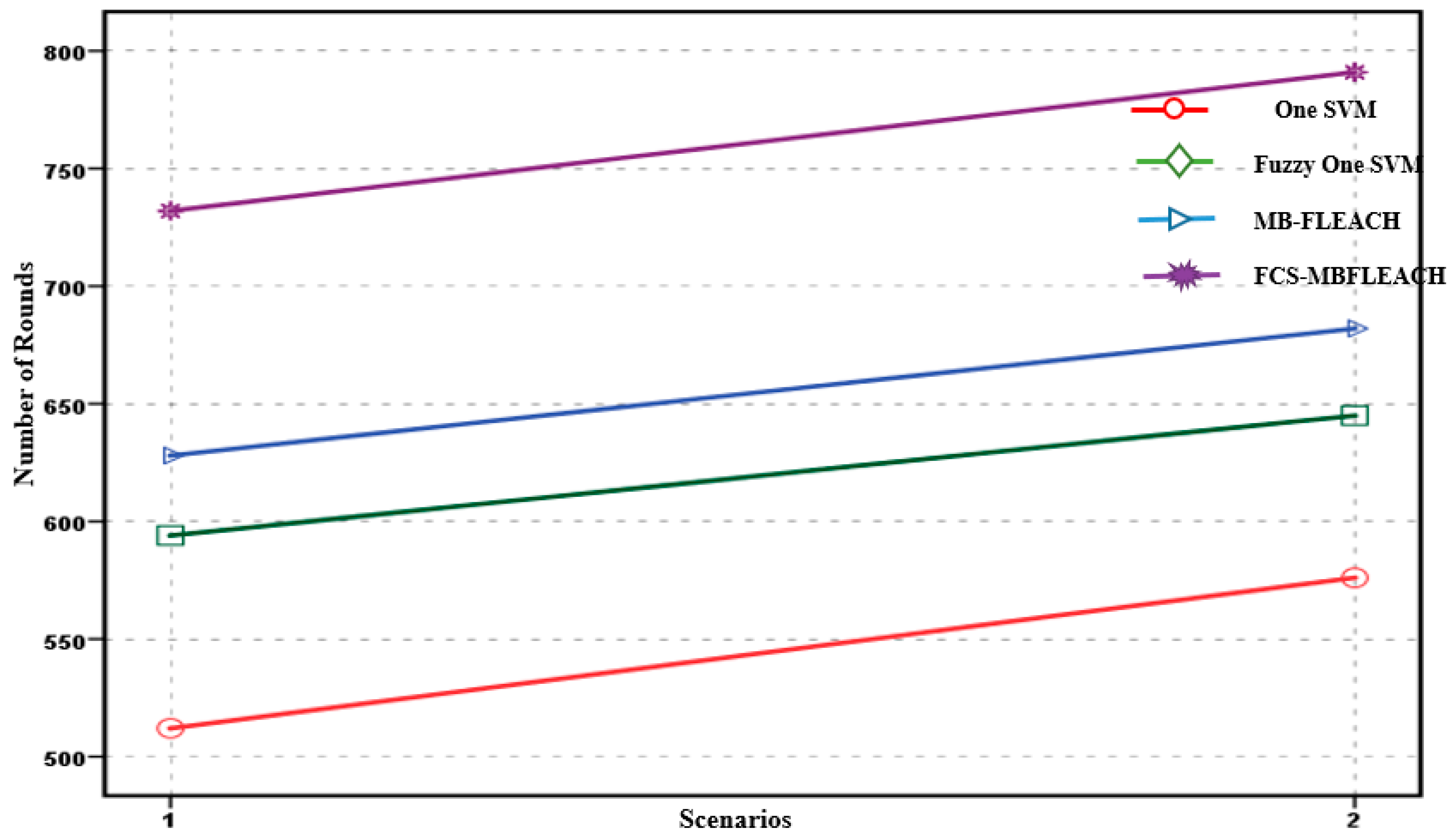
Wireless sensor networks (WSNs) include large-scale sensor nodes that are densely distributed over a geographical region that is completely randomized for monitoring, identifying, and analyzing physical events. The crucial challenge in wireless sensor networks is the very high dependence of the sensor nodes on limited battery power to exchange information wirelessly as well as the non-rechargeable battery of the wireless sensor nodes, which makes the management and monitoring of these nodes in terms of abnormal changes very difficult. These anomalies appear under faults, including hardware, software, anomalies, and attacks by raiders, all of which affect the comprehensiveness of the data collected by wireless sensor networks. Hence, a crucial contraption should be taken to detect the early faults in the network, despite the limitations of the sensor nodes. Machine learning methods include solutions that can be used to detect the sensor node faults in the network. The purpose of this study is to use several classification methods to compute the fault detection accuracy with different densities under two scenarios in regions of interest such as MB-FLEACH, one-class support vector machine (SVM), fuzzy one-class, or a combination of SVM and FCS-MBFLEACH methods. It should be noted that in the study so far, no super cluster head (SCH) selection has been performed to detect node faults in the network. The simulation outcomes demonstrate that the FCS-MBFLEACH method has the best performance in terms of the accuracy of fault detection, false-positive rate (FPR), average remaining energy, and network lifetime compared to other classification methods.
Keywords: wireless; wireless sensor networks; WSN; fault detection system; super cluster head; support vector machines; mobile networks; IoT; soft computing; machine learning; smart sensors wireless; wireless sensor networks; WSN; fault detection system; super cluster head; support vector machines; mobile networks; IoT; soft computing; machine learning; smart sensors