Article

Assembly Theory: Optimal Joint Assembly Spaces and Assembly Space Energy

Dom Zatorski Scientific Foundation, 41-500 Chorzów, Poland
*
Author to whom correspondence should be addressed.
Mathematics 2026, 14(16), 2950; https://doi.org/10.3390/math14162950
Submission received: 29 June 2026 / Revised: 5 August 2026 / Accepted: 11 August 2026 / Published: 14 August 2026
(This article belongs to the Special Issue Advances in Graph Theory and Combinatorics)

Abstract

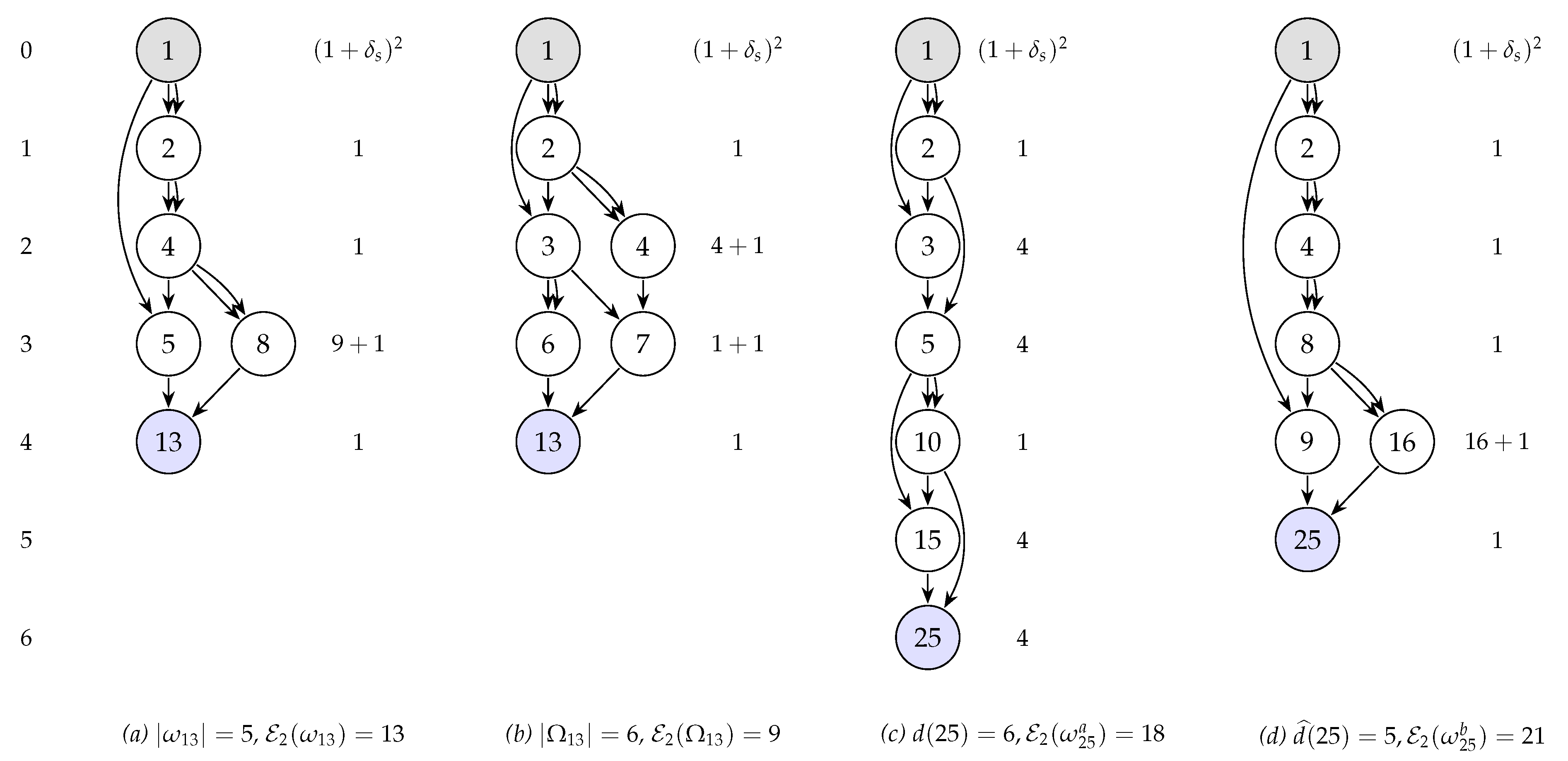
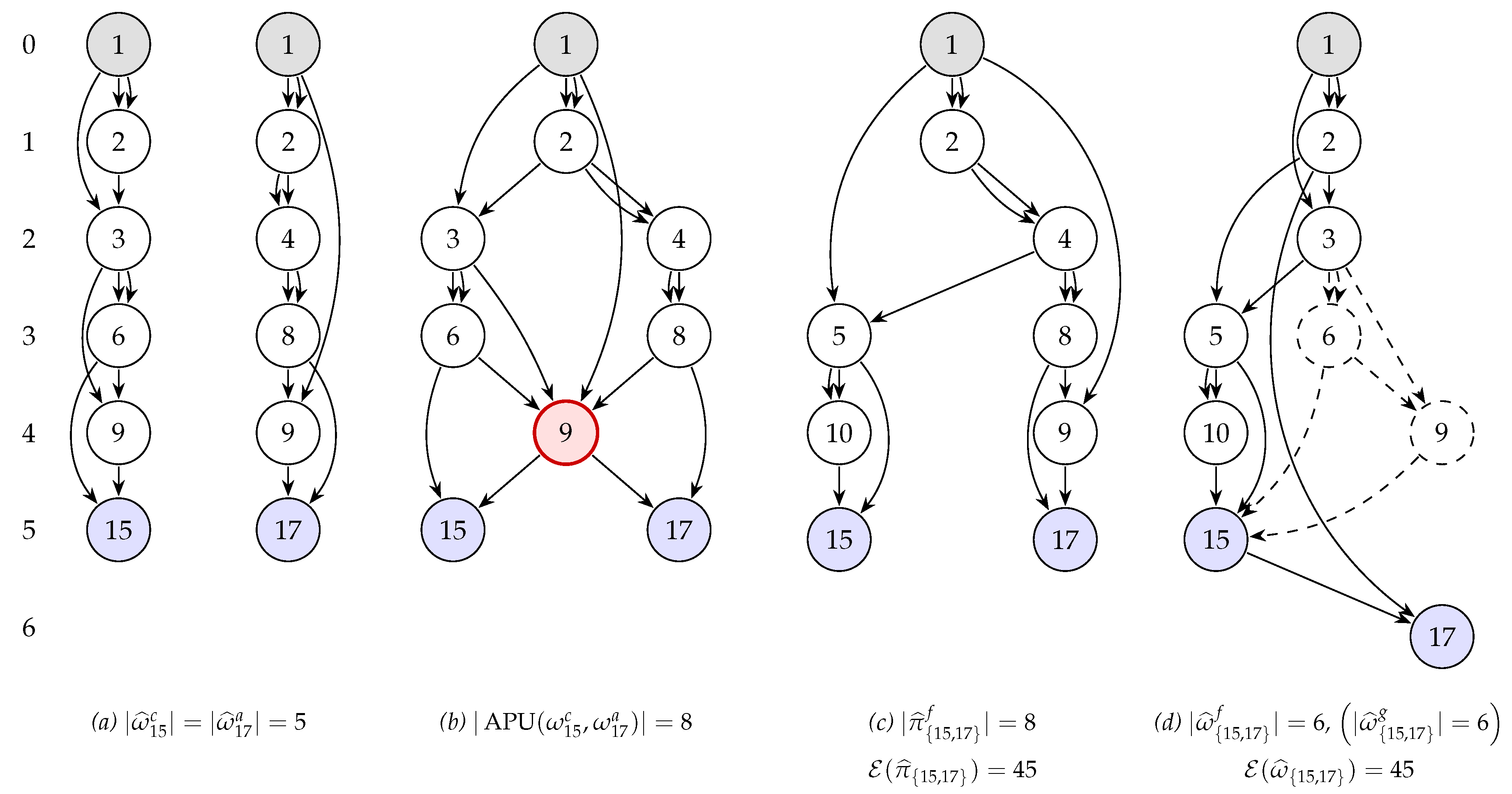
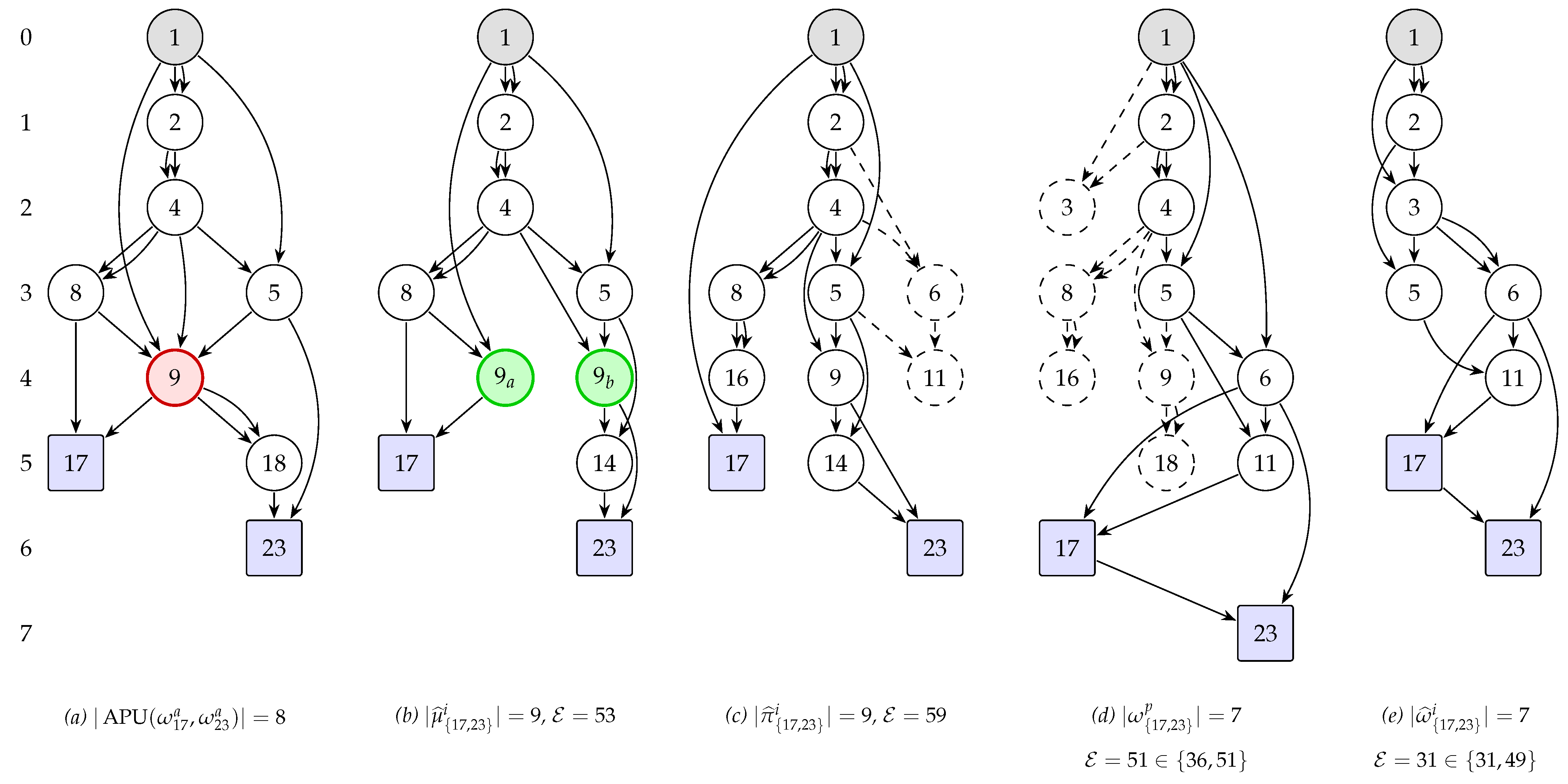
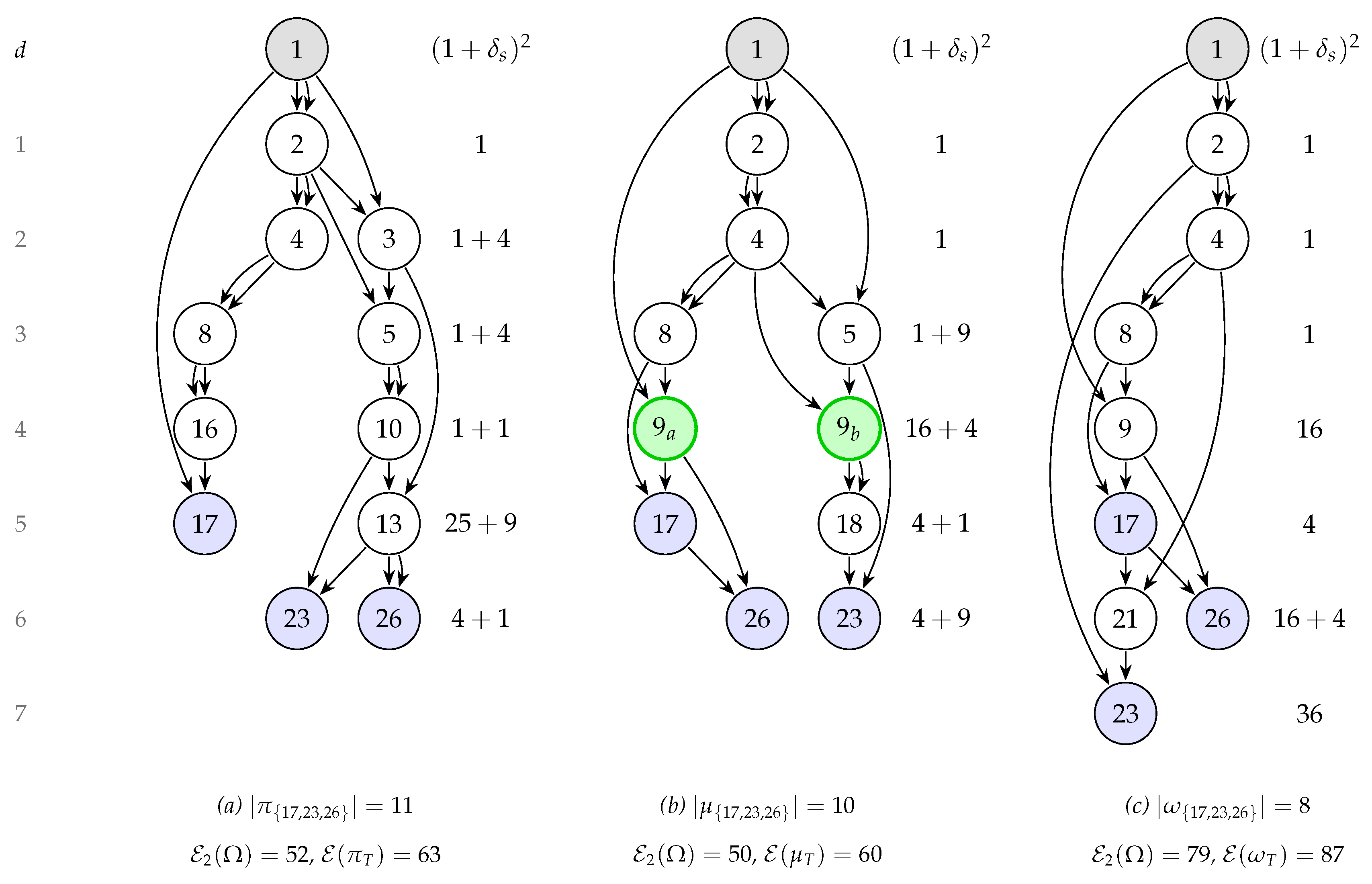
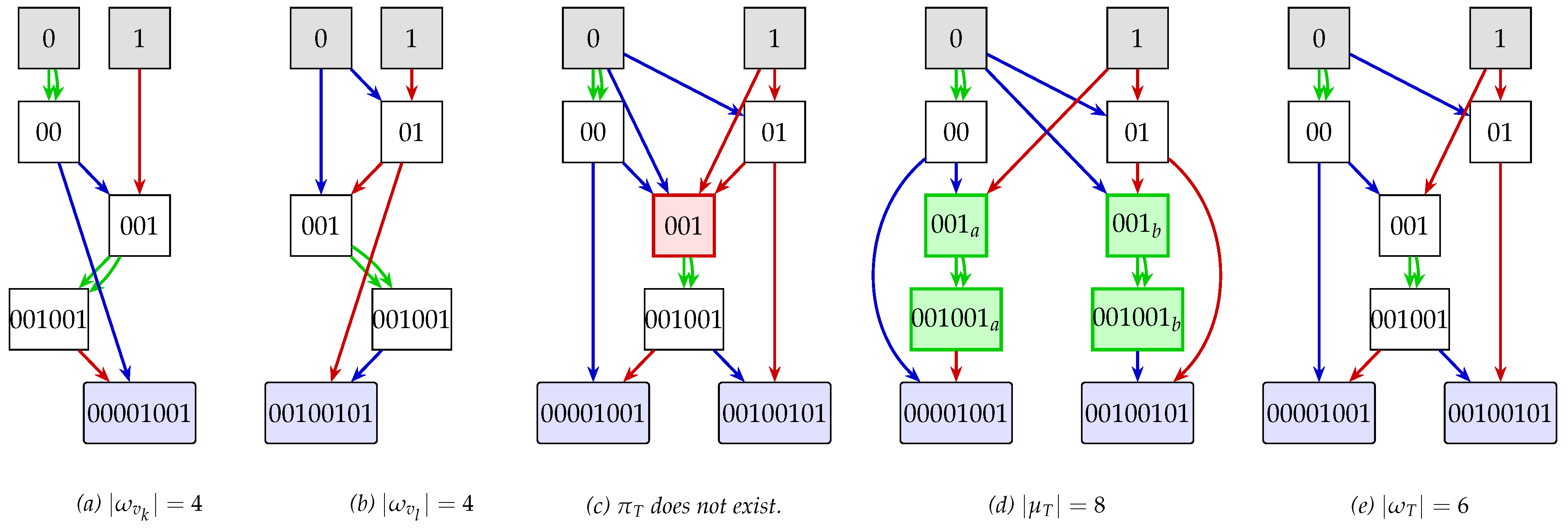
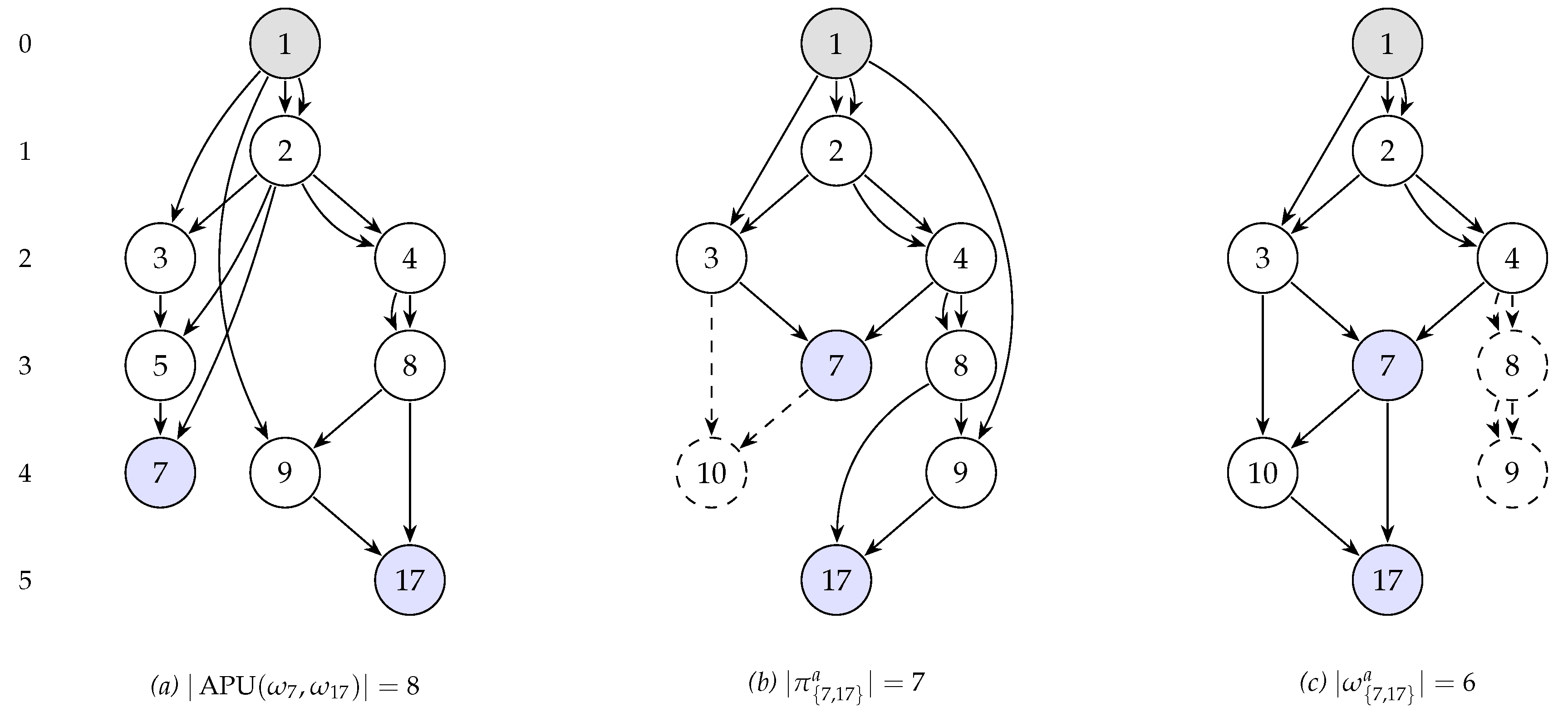
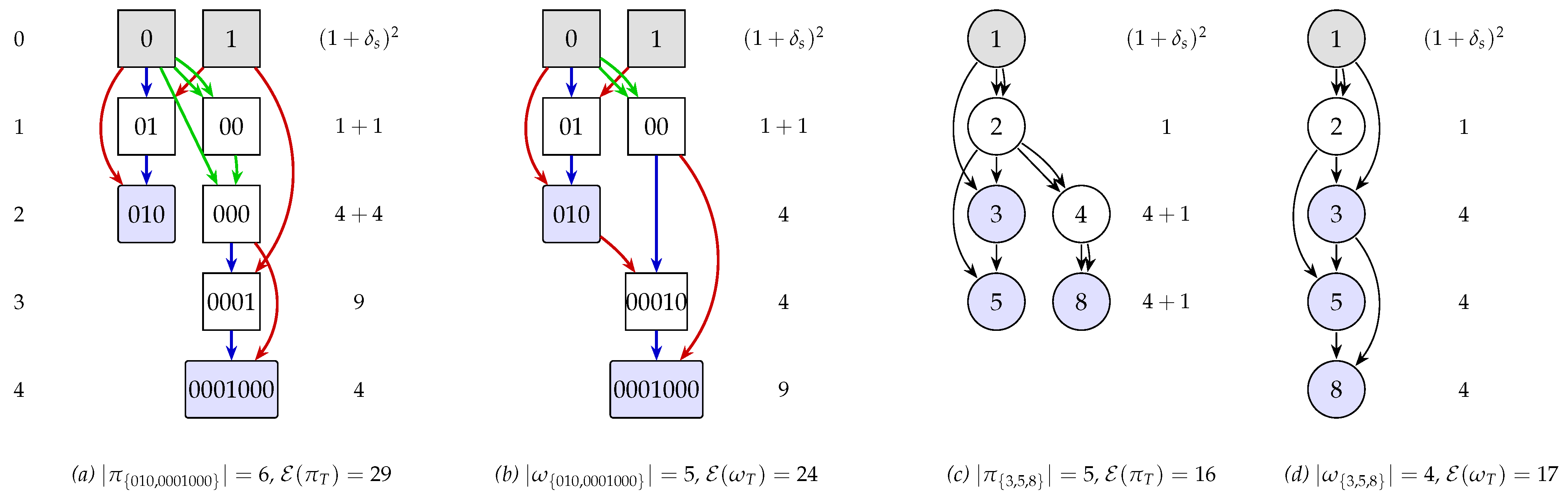
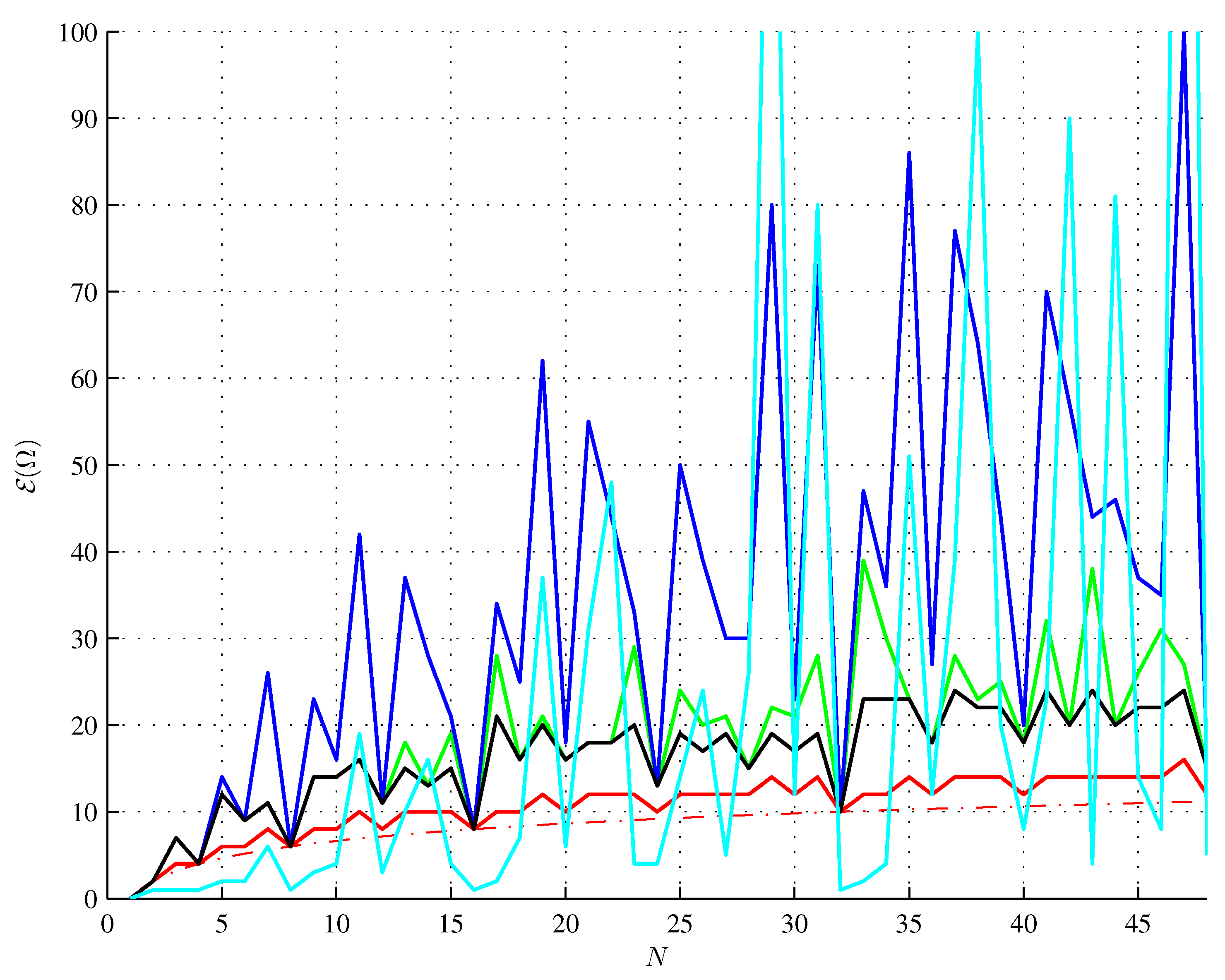
Assembly theory measures a string by the shortest history that builds it. We sharpen this picture in two directions. First, we attach a discrete Dirichlet energy to an assembly space and show that it splits into the size of the space and a secondary energy, charging each step vertex the square of its secondary (pathway depth) increment. The assembly index does not imply minimum energy, and the assembly depth and the energy are independent complexity measures. Second, we ask how an ensemble T of strings co-assembles within a single space. Individuating step vertices by their formation histories rather than by the strings they carry yields three joint assembly spaces: the collectively (ωT), multiplicity (μT), and singly (πT) optimal ones, where the latter need not exist for certain ensembles and ωT  μT  πT. All three sizes can differ, and multiplicity can lower the singly optimal size only for ensembles with πT  ωT  2. Collective optimization is NP-complete, while singly and multiplicity optimizations are NP-hard and lie in the second level of the polynomial hierarchy.
Keywords: assembly theory; assembly index; addition chains; addition sequences; joint assembly space; Dirichlet energy; computational complexity; information theory; complexity measures; combinatorial optimization; mathematical physics assembly theory; assembly index; addition chains; addition sequences; joint assembly space; Dirichlet energy; computational complexity; information theory; complexity measures; combinatorial optimization; mathematical physics