1. Introduction
As aircraft increasingly demand higher reliability, longer lifespan, and greater intelligence, fault prognostics for aircraft hydraulic systems have become central to ensuring flight safety and reducing life-cycle costs [
1,
2]. At present, intelligent fault diagnosis technology for complex hydraulic systems is rapidly evolving from traditional methods based on mechanistic models and expert experience to data-driven deep learning algorithms [
3,
4]. However, the successful application of such advanced algorithms is highly dependent on large-scale, high-quality, and accurately labeled fault data. In practical aviation engineering, obtaining real system fault data that covers various fault modes, different severity levels, and the entire mission cycle is extremely difficult, costly, and poses safety risks. Therefore, building a fault data set based on a high-fidelity physical simulation model is an indispensable key step in promoting research in this field from the laboratory to engineering applications.
In the early days, technicians relied on their personal experience and analyzed the parameters of simple instruments and meters to determine whether a fault had occurred, where the fault occurred, and the cause of the fault. The subjective diagnostic algorithm is simple and practical, but it incurs high costs in training qualified technicians. Moreover, there may be inconsistent viewpoints among different technicians, which can affect the final judgment results. Then, the instrumentation measurement and diagnosis method was developed, which achieves fault diagnosis by analyzing the instrument and gauge signals extracted from various sensors located in the hydraulic system of the aircraft. However, this method struggles to conduct real-time monitoring of certain relevant data in the hydraulic system of the aircraft. In case of a malfunction, the suspected faulty equipment needs to be disassembled, and various parameters need to be analyzed, resulting in a significant waste of resources.
With the development of intelligent technologies, the algorithms for diagnosing aircraft hydraulic system faults based on intelligent technologies, such as fuzzy theory, expert systems, and deep learning, have gradually become one of the popular research directions [
5]. Among them, deep learning algorithms imitate the learning method of the human brain and construct a network model with multiple nonlinear mapping levels. They extract features of input signals layer by layer, thereby obtaining the implicit features from the data. This is an intelligent model that combines feature extraction with pattern recognition. Cui et al. [
6] developed an air compressor fault, early warning model using principal component analysis and the backpropagation (BP) algorithm. Wang et al. [
7] used the BP neural network to issue early warnings for distribution transformer faults. Zhou et al. [
8] developed an early warning algorithm for thermal faults of electrical equipment based on a BP neural network, which proved to have higher prediction accuracy. Ma et al. [
9] constructed a BP neural network model for fault diagnosis of crushers. In addition, some research that integrates bionic algorithms and BP algorithms has been applied to the fault diagnosis of equipment. Zhang et al. [
10] developed a BP neural network model for electric vehicle charging safety warning using an enhanced grey wolf optimization algorithm. Tan et al. [
11] proposed an improved social engineering optimizer (noted ISEO), and based on this, an ISEO-BP hybrid model is constructed. This model is mainly used for water turbine fault early warning. Its advantage lies in being able to predict equipment faults more accurately, thereby enhancing the forward-looking nature of maintenance, ensuring operational efficiency, and better meeting the development needs of modern industrial intelligent operation and maintenance.
Compared with the BP algorithm, convolutional neural networks [
12,
13,
14] have stronger fitting capabilities and the ability to process massive data. The convolutional pooling structure in the network can automatically extract abstract features, thereby replacing the complex and cumbersome feature engineering. Kolar et al. [
15] utilized an optimized convolutional artificial neural network to classify the input of the original three-axis accelerometer signals. Lu et al. [
16] combined convolutional neural networks with chaos theory and empirical model decomposition methods to identify the attenuation faults of power capacitors. Zhang et al. [
17] proposed a bearing fault diagnosis method based on Adaptive Multivariate Variational Mode Decomposition (AMVMD) and a Multi-scale Convolutional Neural Network (MSCNN). The results showed that the fault diagnosis accuracy of AMVMDMSCNN could reach 98.60%. Yang et al. [
18] proposed a one-dimensional convolution spatio-temporal fusion strategy for the fault diagnosis of hydraulic pipelines in aircraft engines. This method effectively extracts the spatial features of pipeline data through the construction of a wide -input one-dimensional convolution neural network, and realizes spatio-temporal fusion by means of bidirectional gated recurrent units, thereby alleviating the problems of memory loss and gradient dispersion under long step lengths.
To further enhance the accuracy of fault diagnosis, CNN can be combined with other deep learning models. Long Short-Term Memory (LSTM) networks are adept at handling sequential speech time-series data [
19]. Yuan et al. [
20] propose an improved dung beetle optimization algorithm (IDBO) to optimize the LSTM for the purpose of diagnosing faults in wind turbine bearings. Li et al. [
21] addressed the challenges of resource constraints in the Internet of Vehicles and proposed an edge computing resource allocation algorithm that optimizes energy. Hossain et al. [
22] proposed an adaptive fault diagnosis method based on an LSTM autoencoder. Through unsupervised learning, it can identify abnormal conditions in power transmission lines. In simulations and real data, it achieves an accuracy rate of 98% and a low false alarm rate, significantly enhancing the reliability and real-time performance of fault detection. Shao et al. [
23] proposed a multi-channel LSTM-CNN fault diagnosis method that combines LSTM networks and convolutional neural networks. Through multi-scale feature extraction, it effectively improves the accuracy of chemical process fault classification. Experimental results show that its performance is superior to that of existing mainstream models. For the acoustic signals generated by electrical and mechanical faults during the operation of dry-type transformers, Li et al. [
24] proposed a CNN-LSTM fusion diagnostic algorithm. By jointly extracting the spatial and temporal features of the spectrogram, it effectively enhances the ability to mine fault features and the diagnostic accuracy. Xu et al. [
25] proposed a rolling bearing fault diagnosis method based on the fusion model of symplectic geometric mode decomposition and CNN-LSTM-LSSVM. Through feature enhancement and parameter optimization, the recognition accuracy rates of 98.57% and 97.22% were achieved on two public datasets, respectively, outperforming traditional models.
Most researchers focus on the selection of input variables during the prediction process, but overlook the influence of the features extracted from the input variables on the output. Xiang et al. [
26] proposed a new method based on an attention mechanism for the cascaded structure of CNN and LSTM, which is used for fault detection of wind turbines. Li et al. [
27] proposed an LSTM -based key fault set identification model that integrates the spatio-temporal attention mechanism, which is used to assess the cascading failure risks of the power system under wildfire threats. For fixed-wing unmanned aerial vehicles with limited computing resources, Kumar et al. [
28] propose a fault detection model that combines a lightweight CNN, LSTM, and attention mechanism. This model ensures high detection accuracy while significantly reducing computational complexity and power consumption, effectively enhancing the safety and reliability of the unmanned aerial vehicle’s operation.
In this context, this paper aims to use the above-mentioned 1DFFCNN, stacked LSTM, and improved CNN-LSTM-Attention to monitor the operating conditions of aircraft hydraulic systems in real time, achieving the early warning of abnormal conditions. In our work, we firstly model the hydraulic system of an aircraft that can consider the internal fluid dynamics behavior of key components as well as the structural vibration responses in the well-known AMESim 2021.1 software [
29]. Based on the constructed model, we extract multi-dimensional time -series data of key response physical quantities and construct a structured, scalable, and high-quality dataset covering the normal and abnormal states of the hydraulic system. Then, this work constructs a complete technical path from data synchronization, feature extraction, to classification modeling, among which deep learning algorithm, including 1DFFCNN, stacked LSTM, and improved CNN-LSTM-Attention, is utilized for multi-level feature extraction. Through numerical experiments, we conduct a detailed analysis of the performance of various deep learning algorithms in the fault diagnosis of hydraulic systems, and clarify their sensitive ty to different types of faults.
The remainder of this paper is organized as follows. The aircraft hydraulic system model is constructed in
Section 2. Then,
Section 3 constructs the dataset of the hydraulic system operational state. The theory of fault diagnosis algorithms is introduced in
Section 4. The performance of the proposed technical path for early warning of the aircraft hydraulic systems is validated in
Section 5. Concluding remarks are given in
Section 6.
2. Modeling and Fault Injection for Aircraft Hydraulic Systems
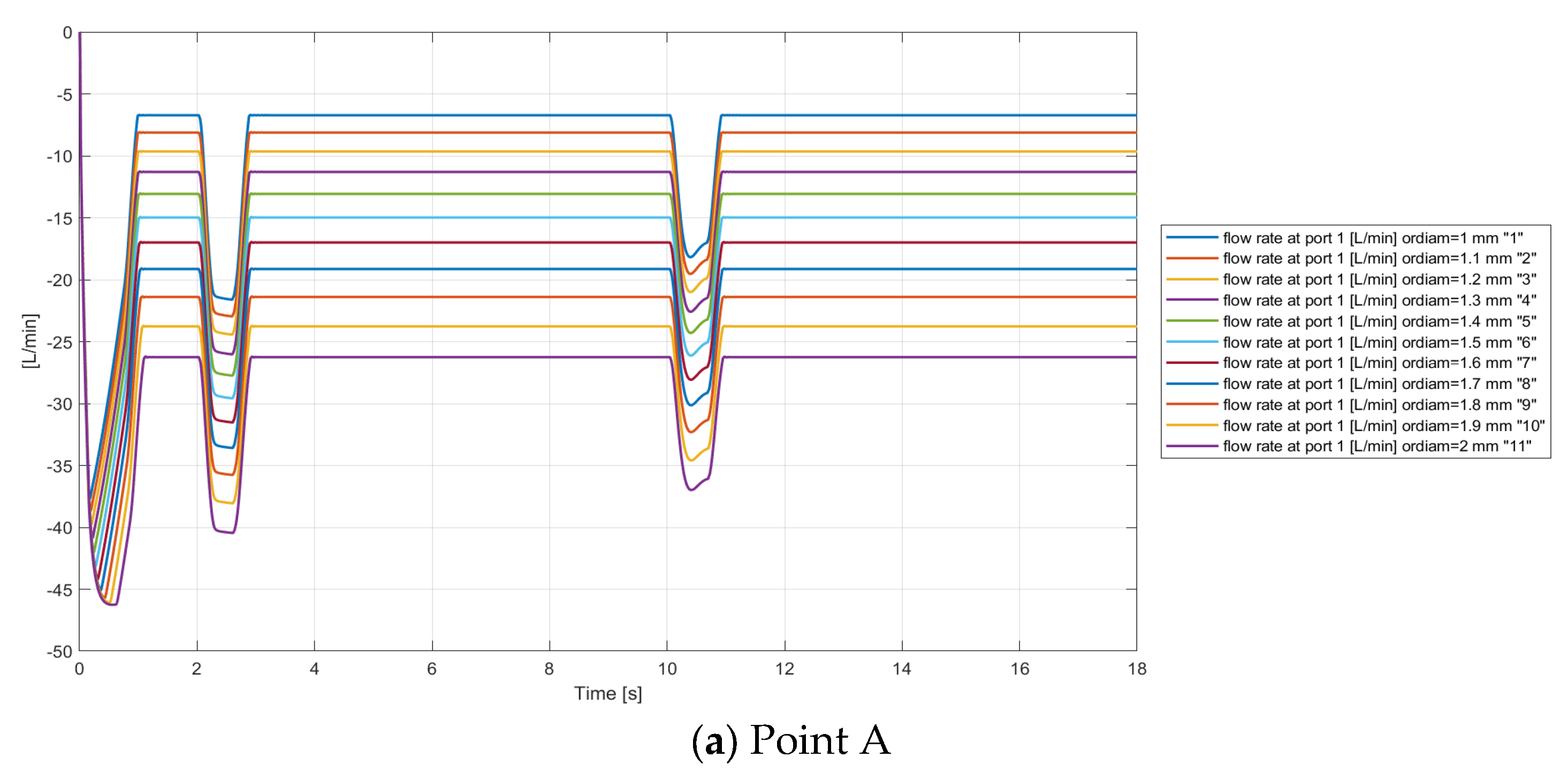
To research data-driven intelligent aircraft hydraulic system fault diagnosis, it is necessary to obtain information such as pressure and flow rate of the aircraft hydraulic system under normal conditions, as well as various fault states. Currently, implanting faults in real aircraft hydraulic systems is costly and difficult to achieve. Therefore, research on aircraft hydraulic system fault diagnosis typically involves using AMESim to model the system, injecting common faults, obtaining simulation datasets, and then training and testing the algorithms on these datasets.
This section uses the AMESim to model the aircraft hydraulic system and incorporate five types of faults, such as pump internal leakage, oil filter blockage, pump outlet leakage, actuator internal leakage, and clamp fracture. By extracting the curves under normal conditions and during faults, a dataset is constructed to provide a foundation for subsequent algorithm research.
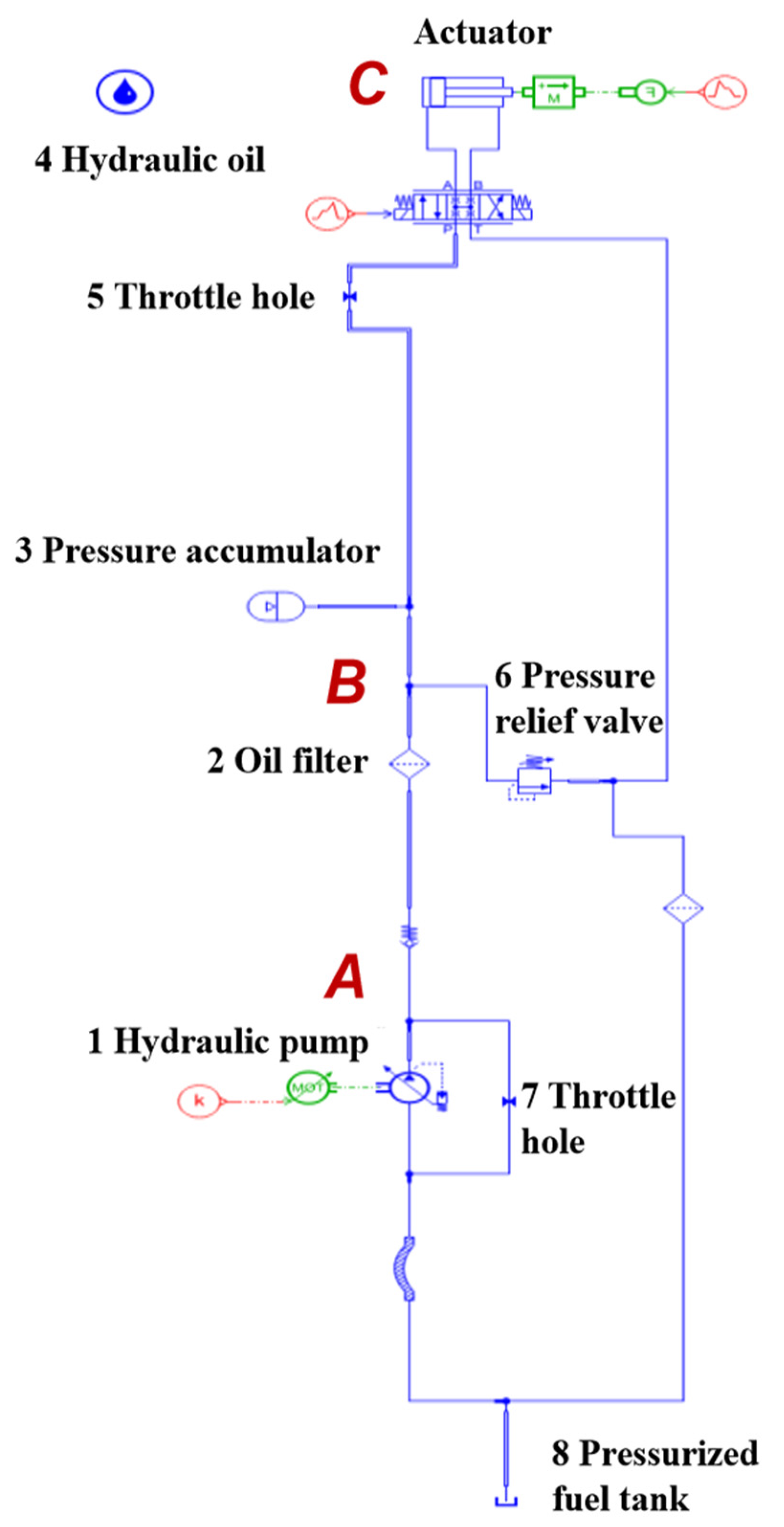
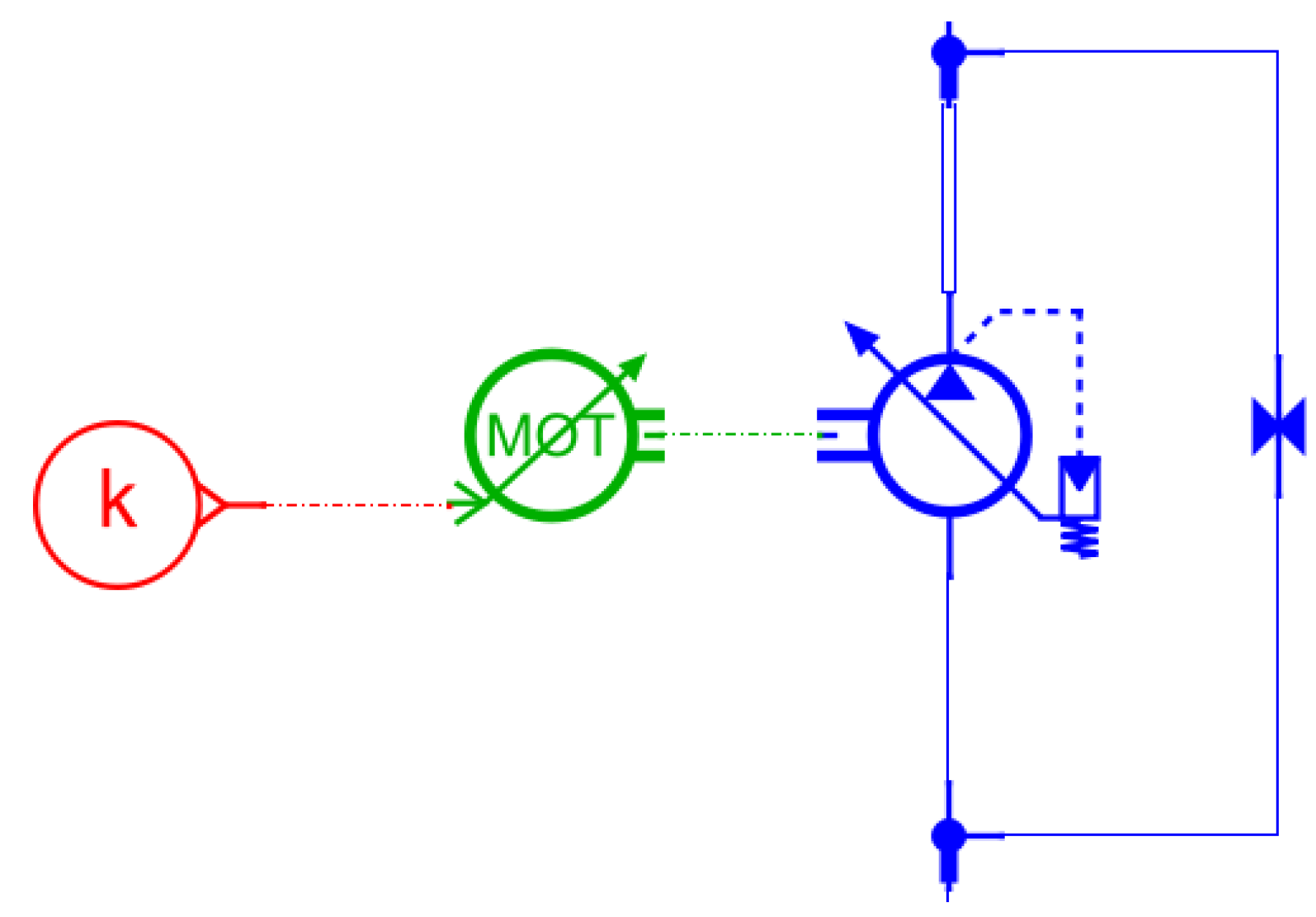
Figure 1 shows the AMESim simulation model of the aircraft hydraulic system. To simplify the model, only the core components of the hydraulic system and an actuator for fault diagnosis are retained. The remaining actuators are replaced by ‘hydraulic users’. Also, the simulation model ignores pressure losses along the pipeline, assumes constant oil temperature, and neglects the dynamic characteristics of secondary components. The functions and key parameters of each core component in the model are closely matched. The parameter settings not only refer to the engineering standards of the actual aircraft hydraulic system but also define parameters for various fault diagnosis conditions. This provides a reliable parameter basis for the subsequent fault simulation and feature extraction. The specific meanings of each component and the key parameters are shown in
Table 1.
Then, the methods for injecting five types of faults in AMESim are introduced.
2.1. Internal Leakage of the Hydraulic Pump
Pump internal leakage refers to the situation where oil from the high-pressure area leaks into the low-pressure area. This leakage occurs within the pump and is difficult to detect directly. It can cause unstable pressure, reduced pressure and flow at the pump outlet, decreased system efficiency, increased system heat, and in severe cases, even lead to equipment damage.
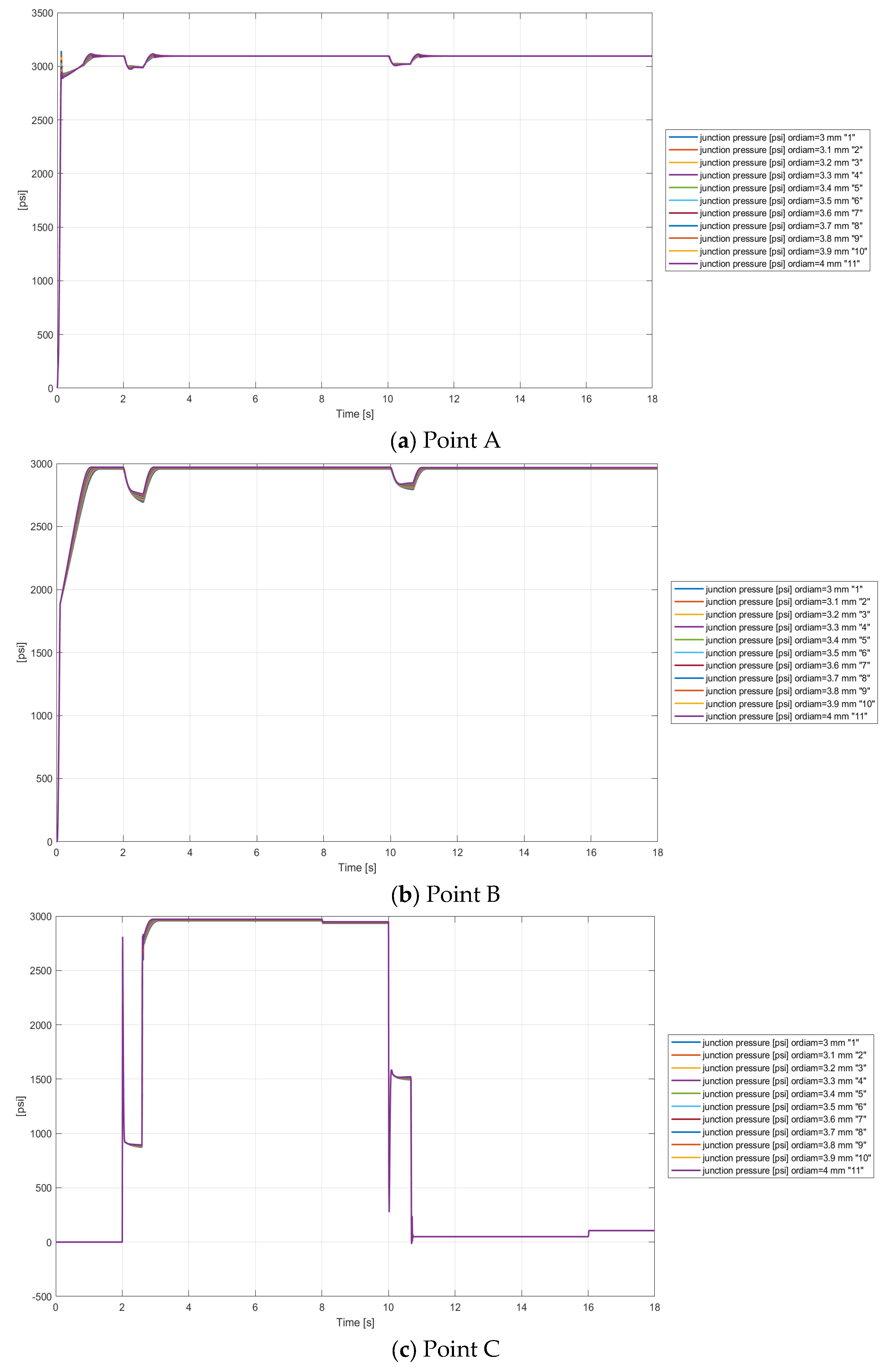
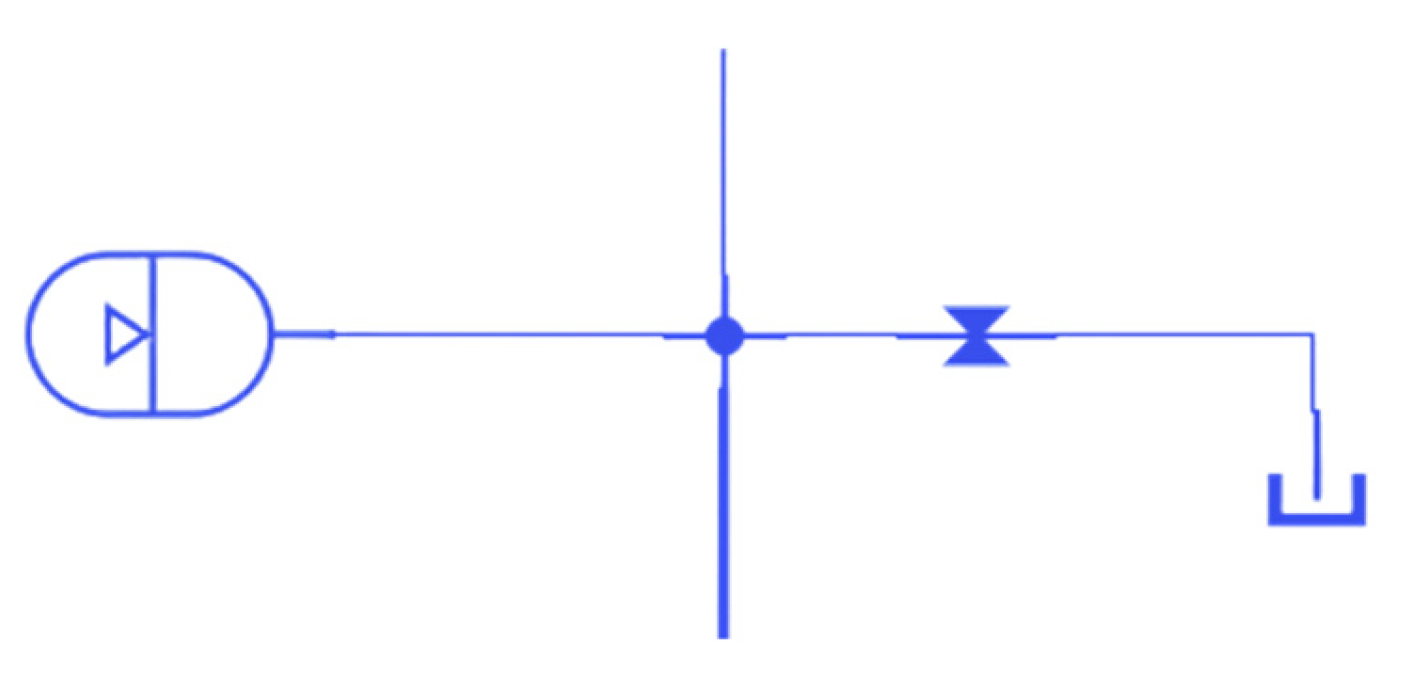
To simply simulate the leakage within the pump in AMESim, a throttle hole can be connected in parallel at both ends of the pump, as shown in
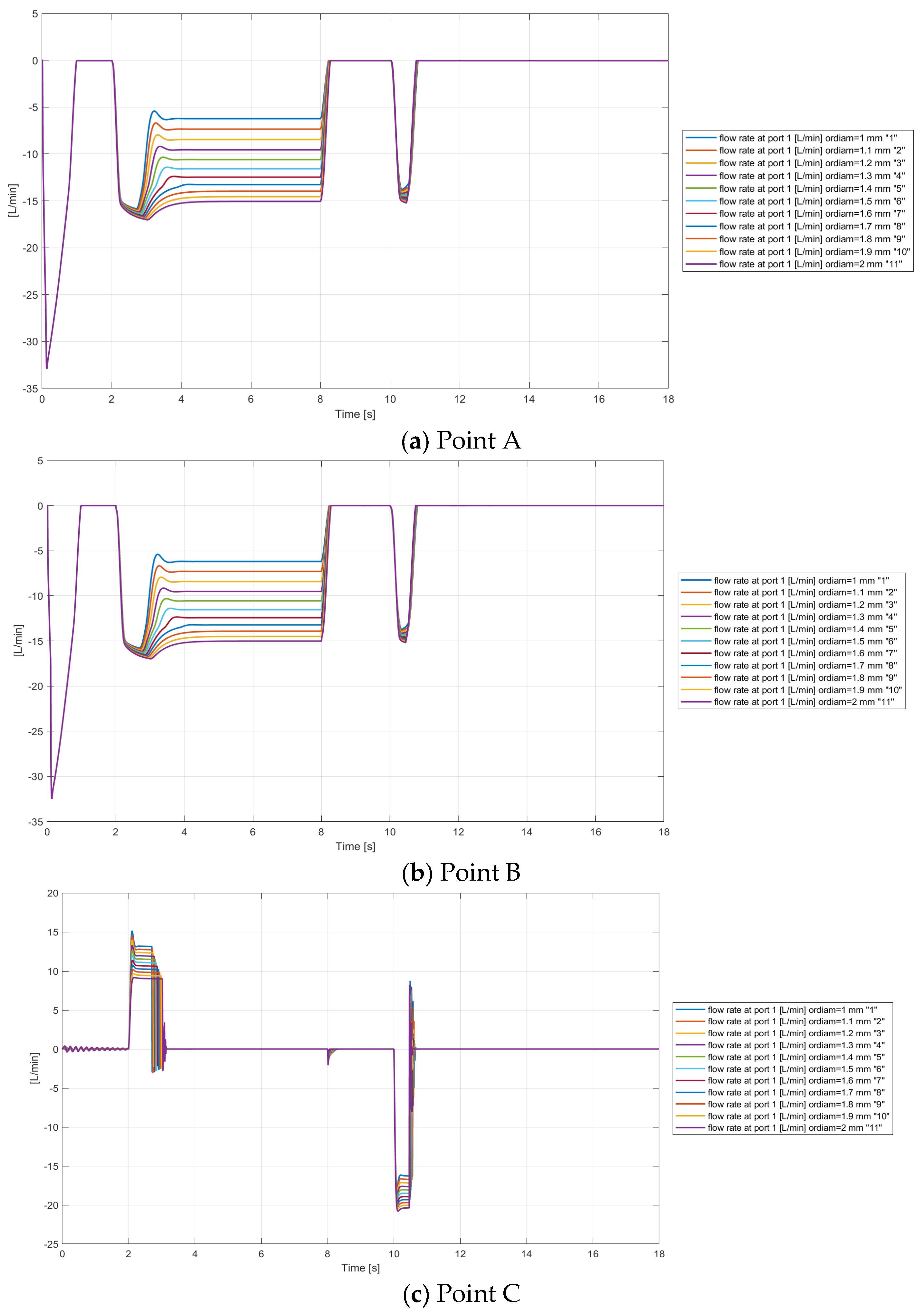
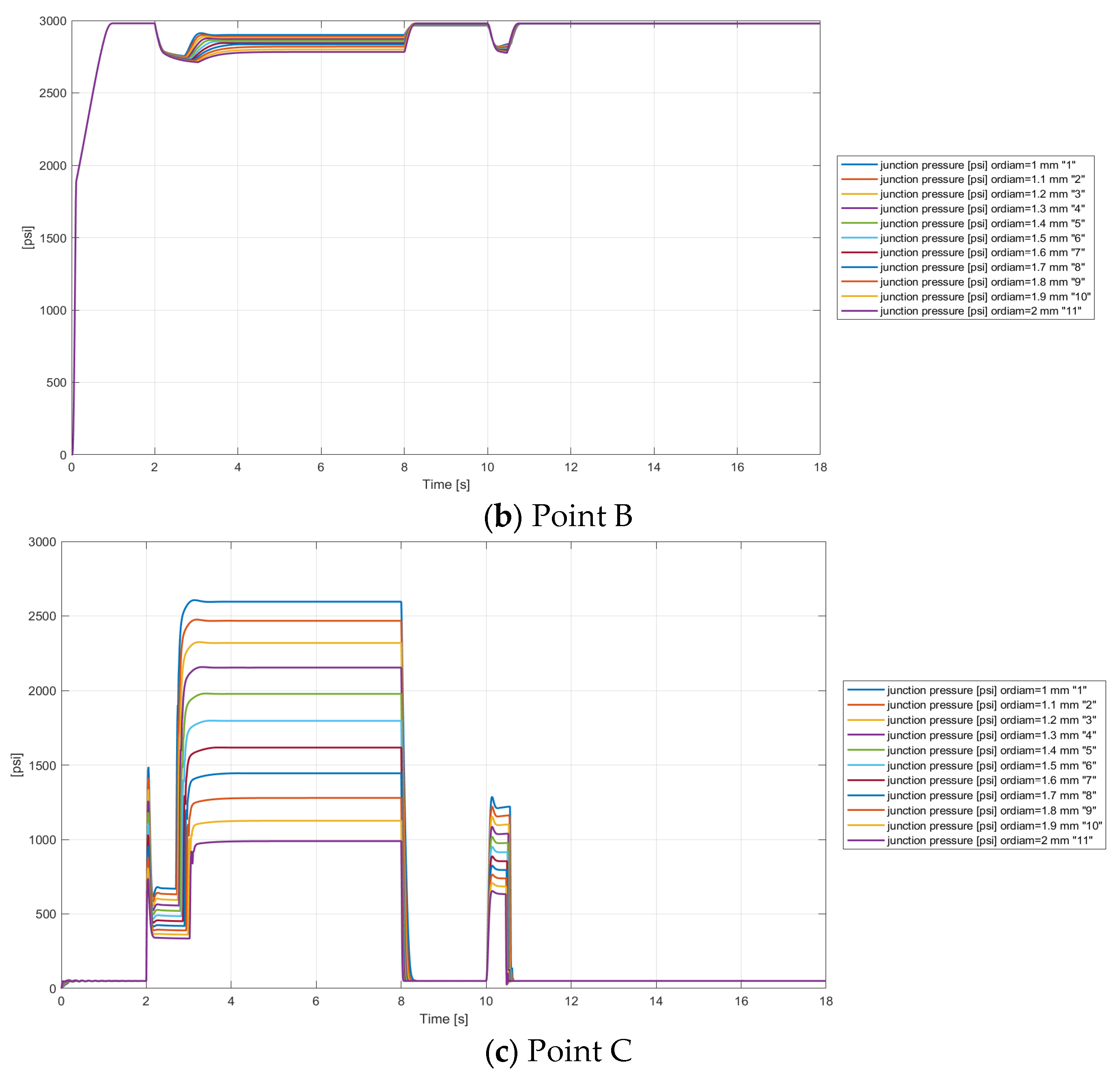
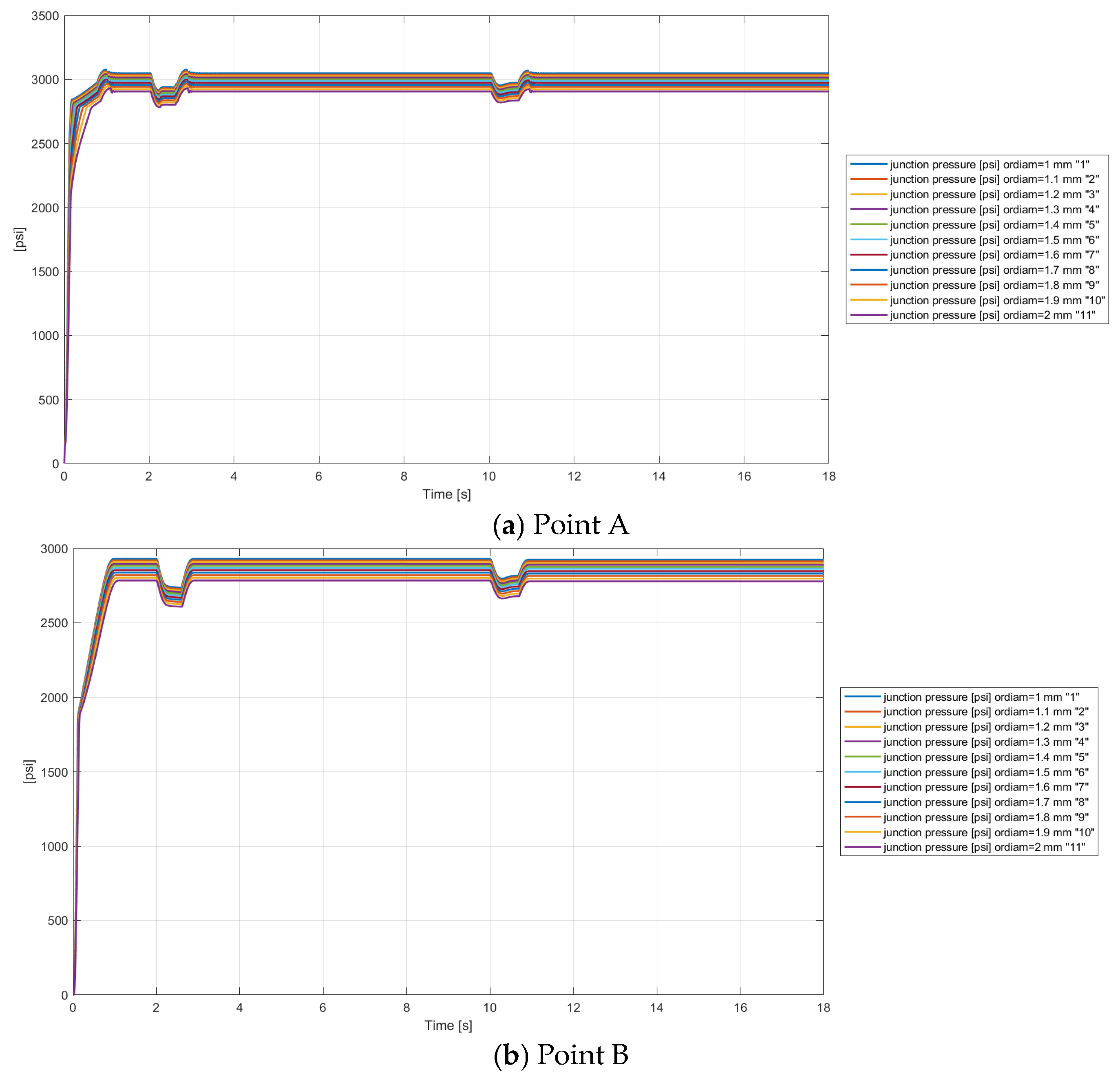
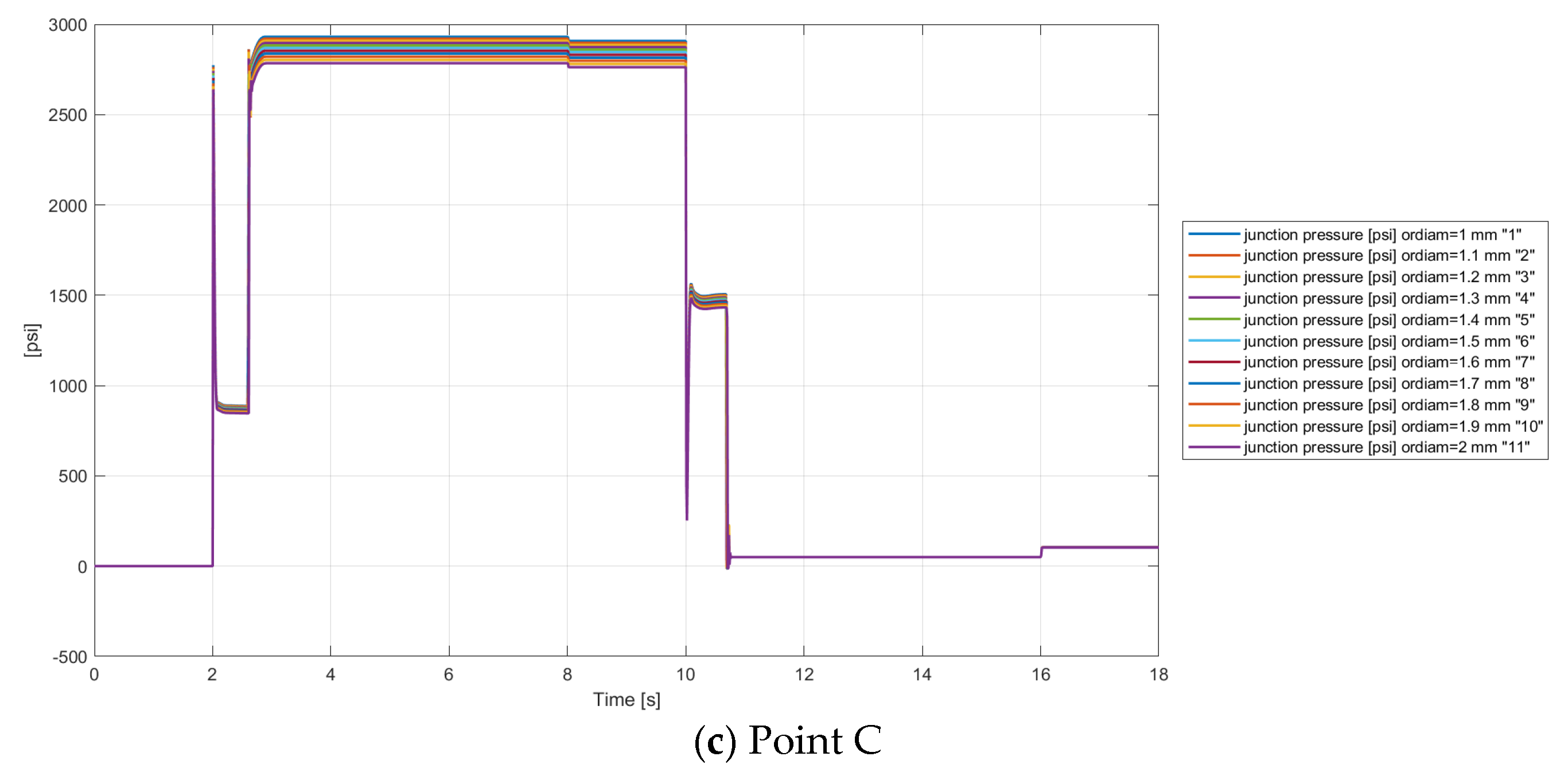
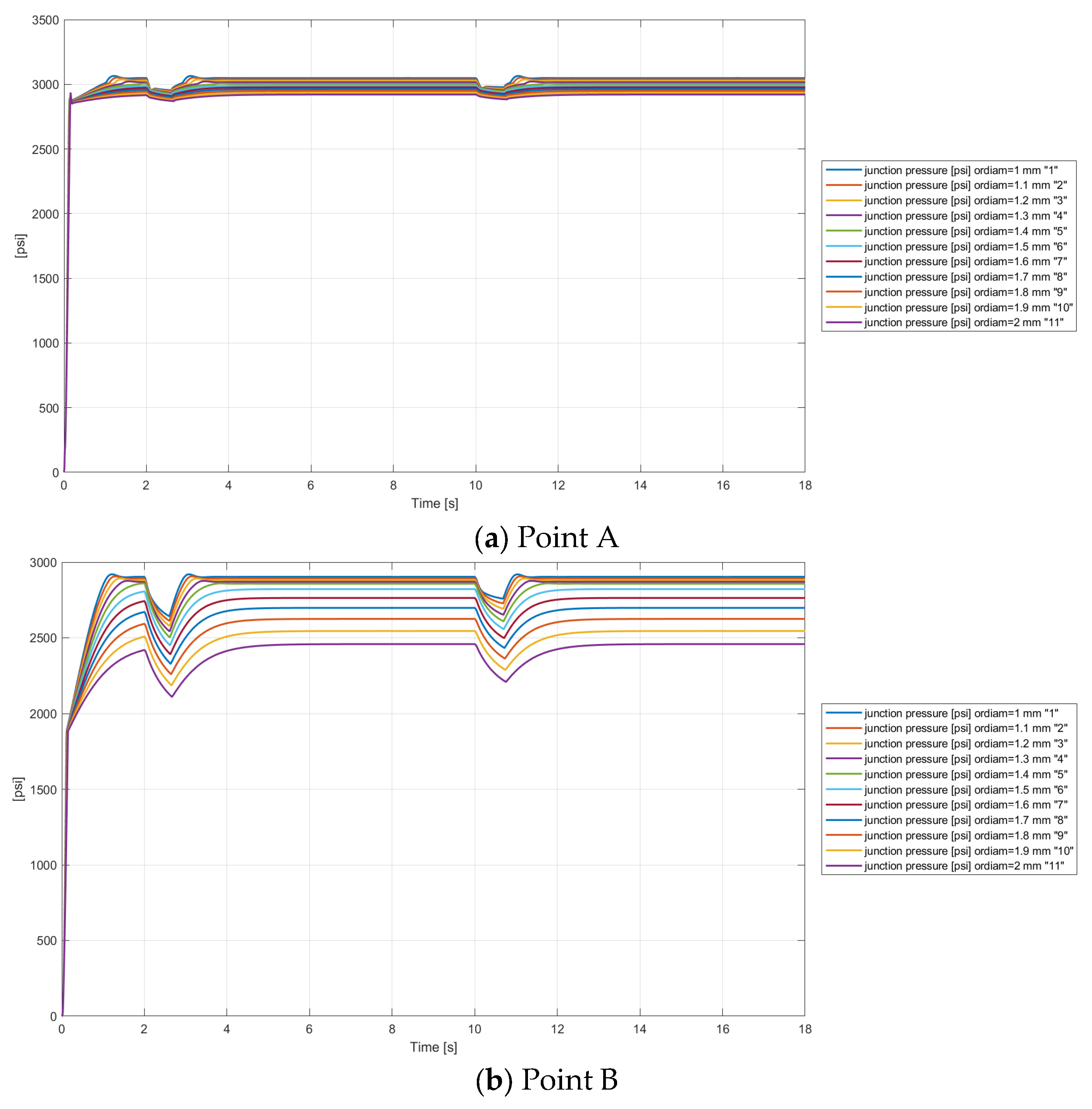
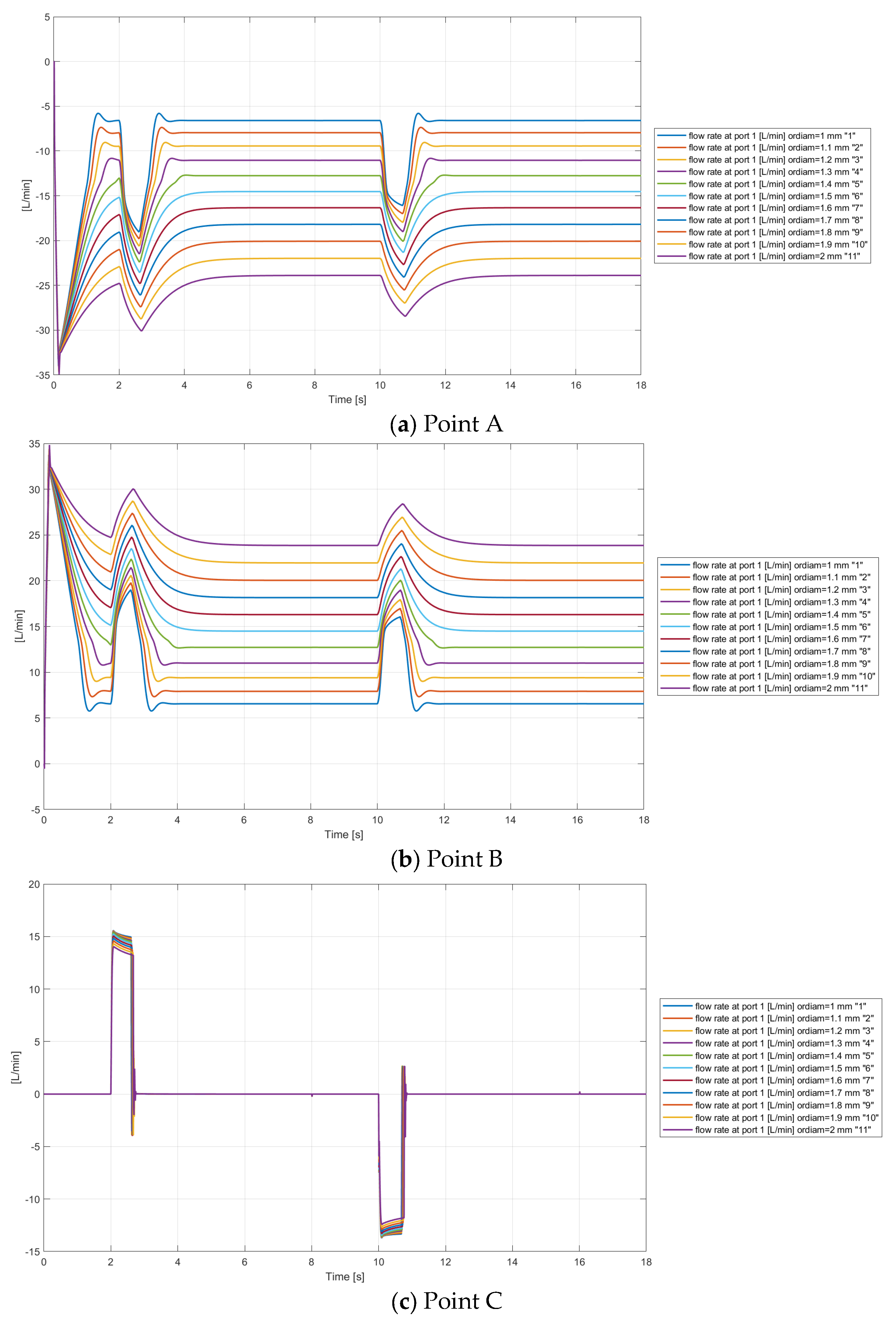
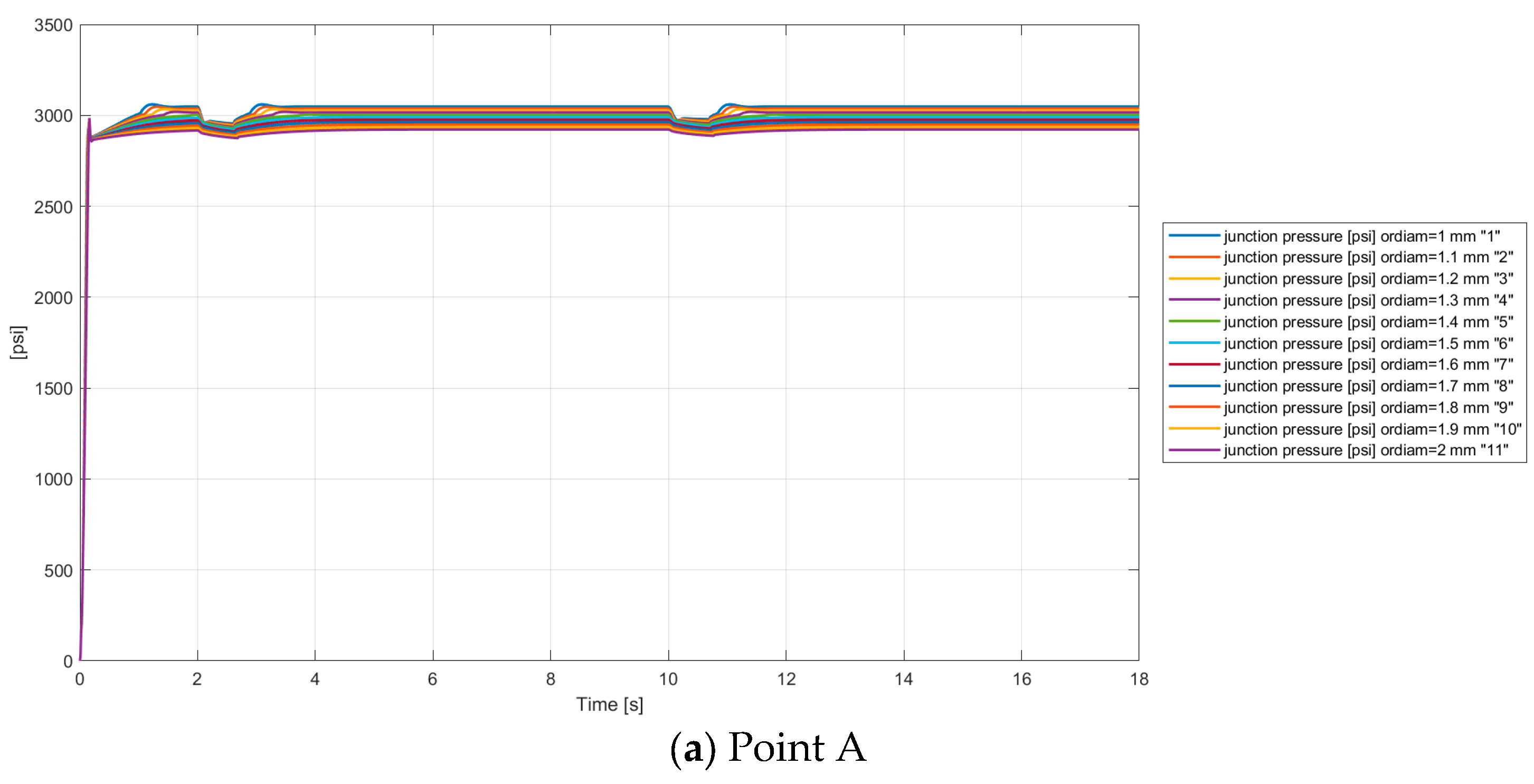
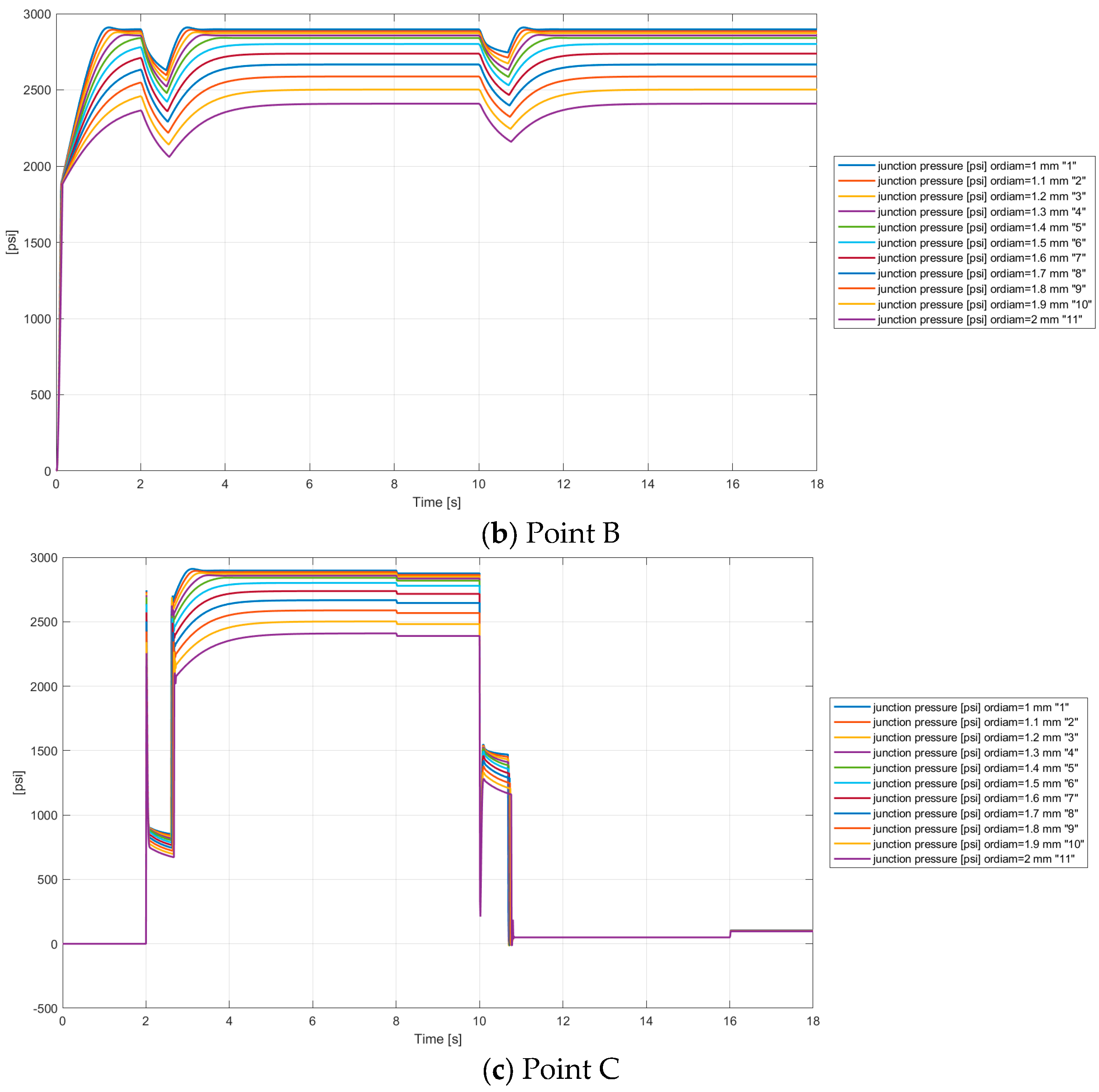
Figure 1. By adjusting the size of the equivalent aperture parameter of this component, the degree of internal leakage of the hydraulic pump can be simulated. The larger the equivalent aperture, the more severe the internal leakage. This simulation method can change the pressure and flow at the pump outlet point a, thereby achieving the effect of implanting a pump internal leakage fault at the system level.
2.2. Oil Filter Clogged
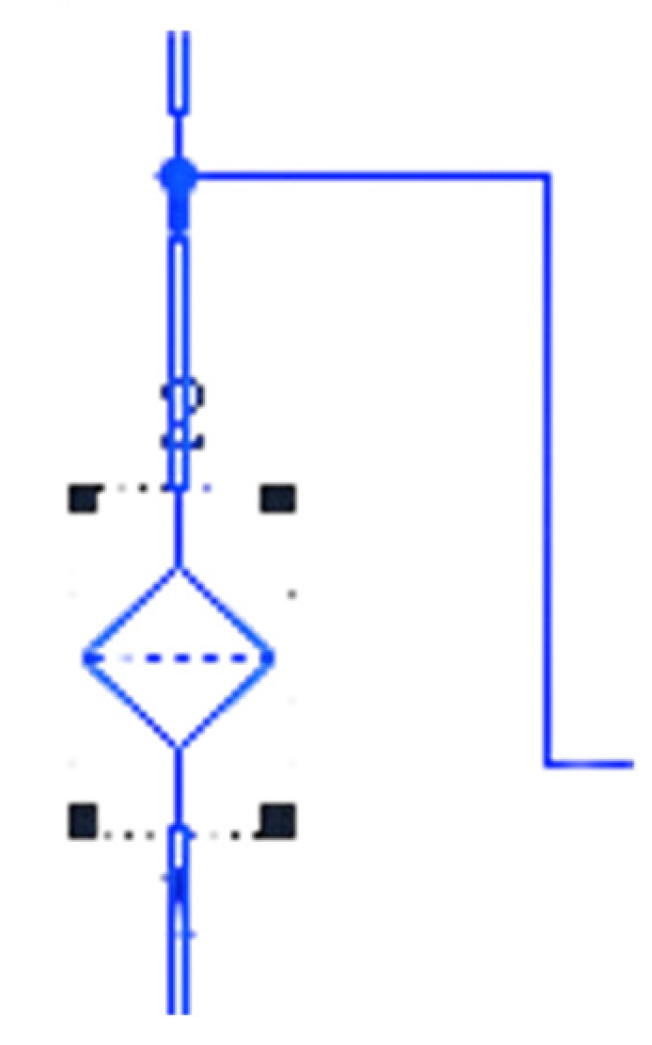
Oil filter blockage refers to the situation where the pore size becomes smaller, increasing the resistance to oil flow and resulting in a higher filtration pressure drop. This disrupts the original pressure balance of the system. As a result, the supply flow of downstream components becomes insufficient, which may cause problems such as sluggish actuator response.
As shown in
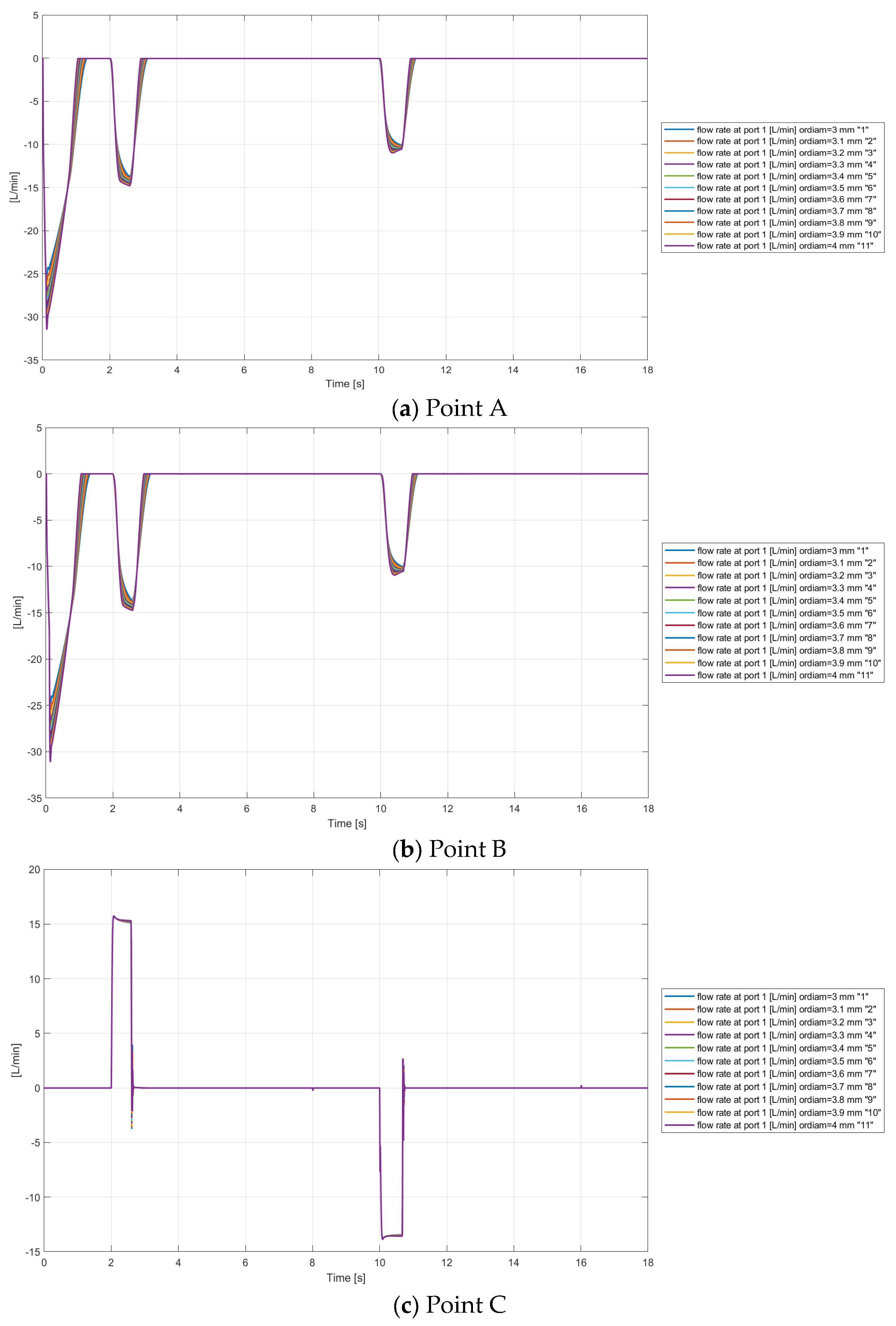
Figure 1, the oil filter blockage fault can be simulated by adjusting the radial parameter of its equivalent oil filter pores. Setting it to 5–7 mm or above can be considered a normal condition, while setting it to 3–4 mm can simulate oil filter blockage.
2.3. Leakage at the Pump Outlet
Due to leakage at the pump outlet, the driving pressure of the downstream components decreases, which may result in insufficient output force of the actuator and sluggish operation. The leaked oil can easily contaminate the system oil, increasing the risk of other components malfunctioning, causing additional energy loss, and reducing system efficiency.
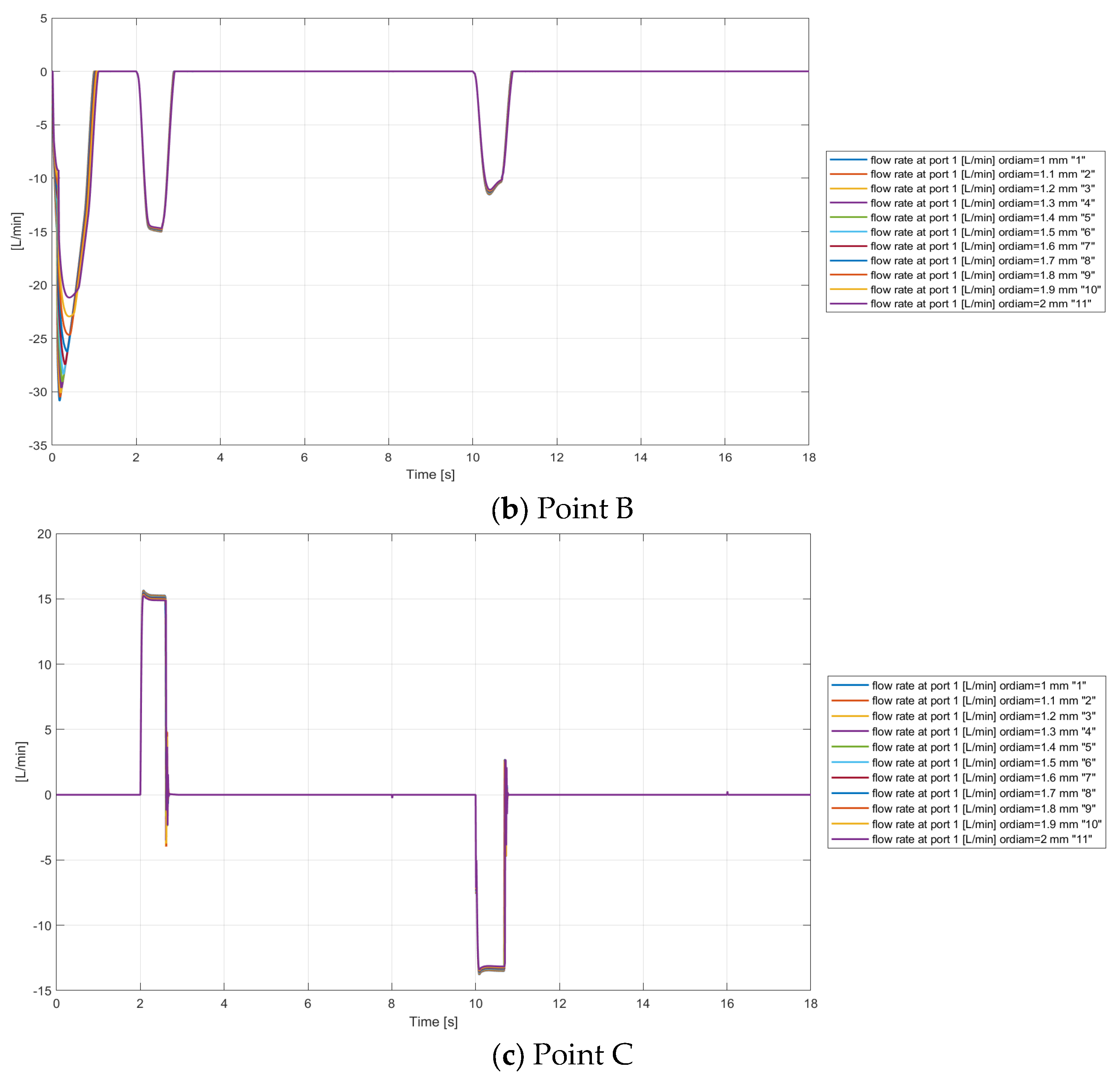
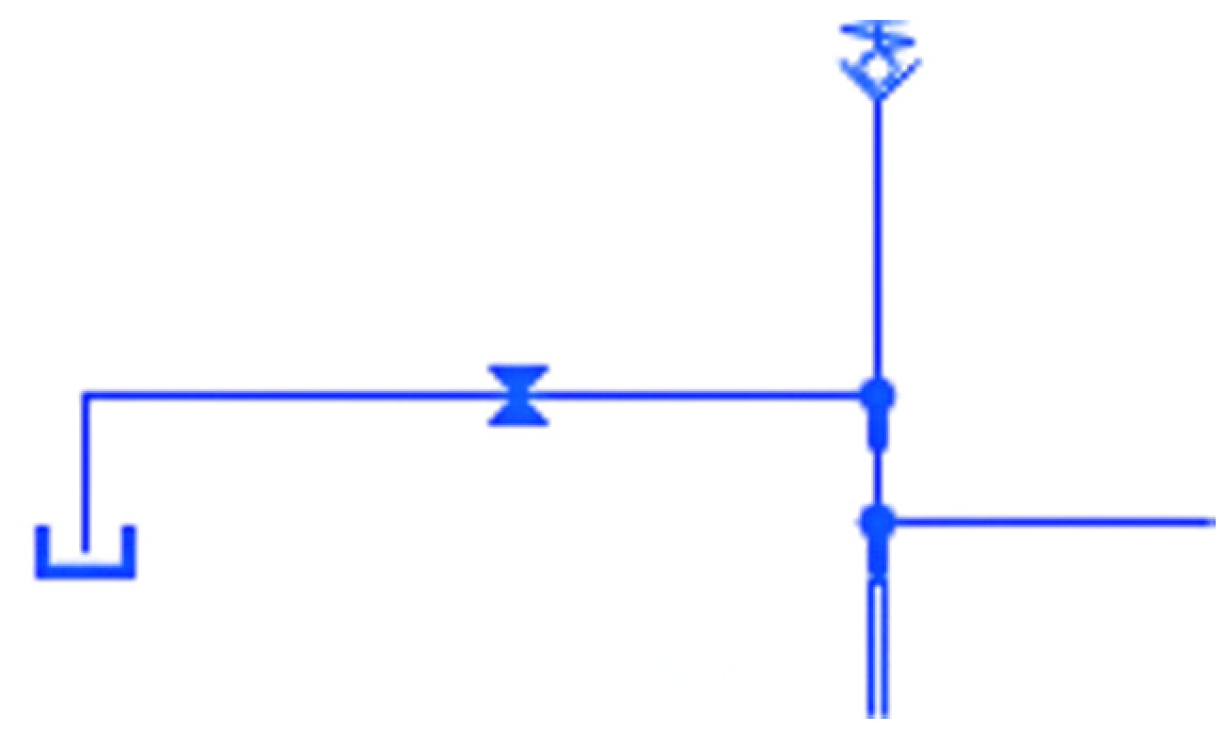
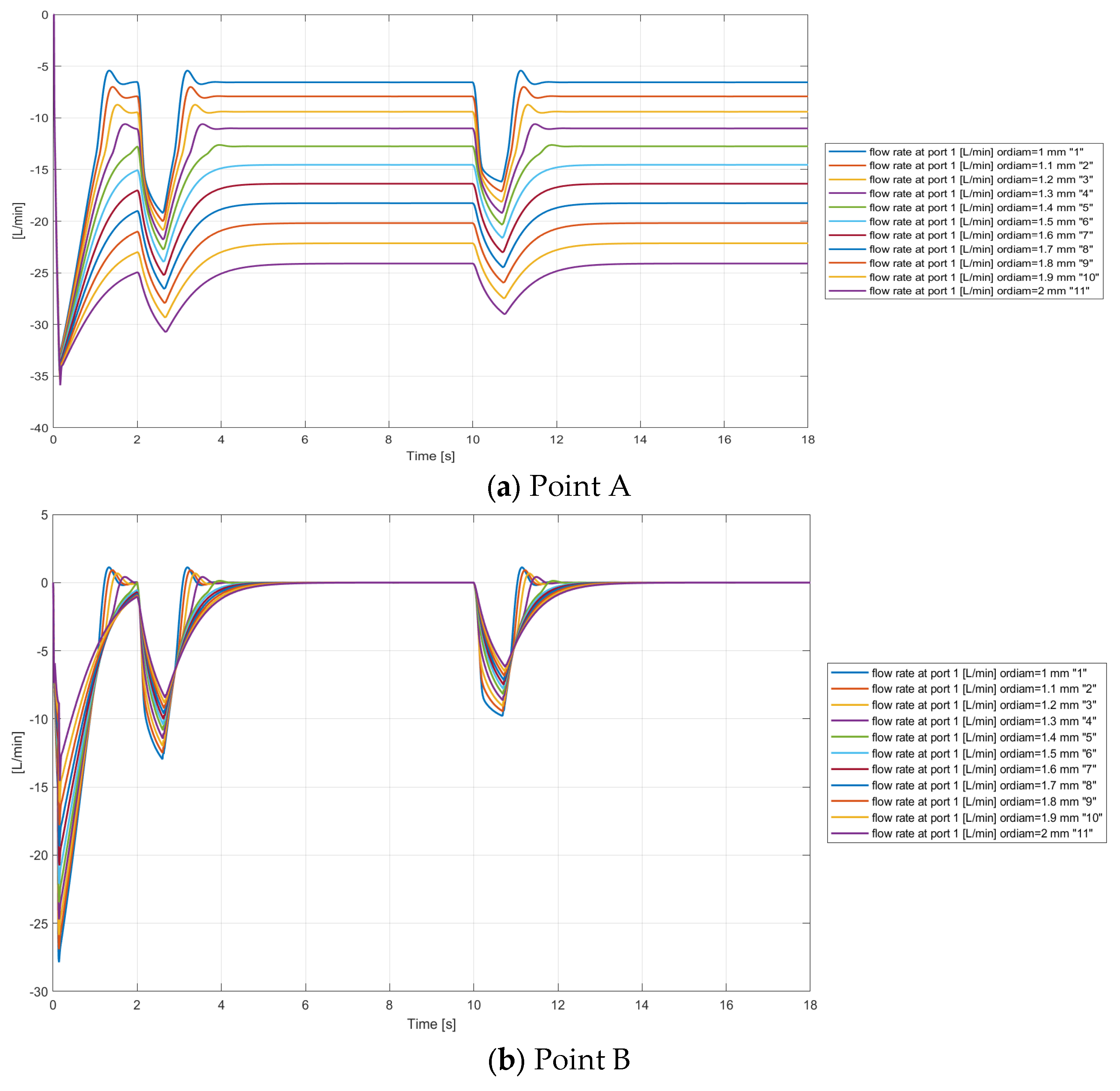
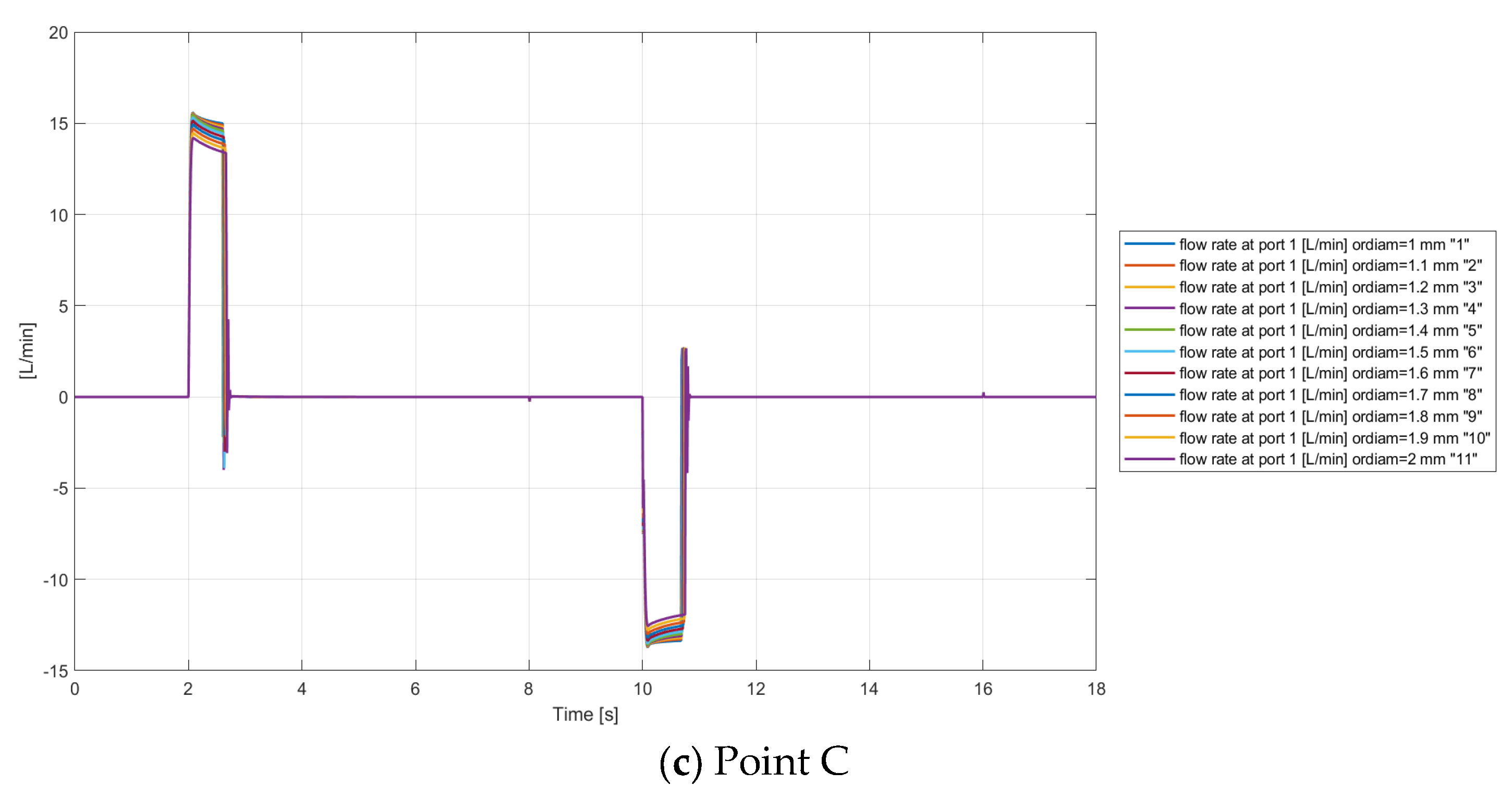
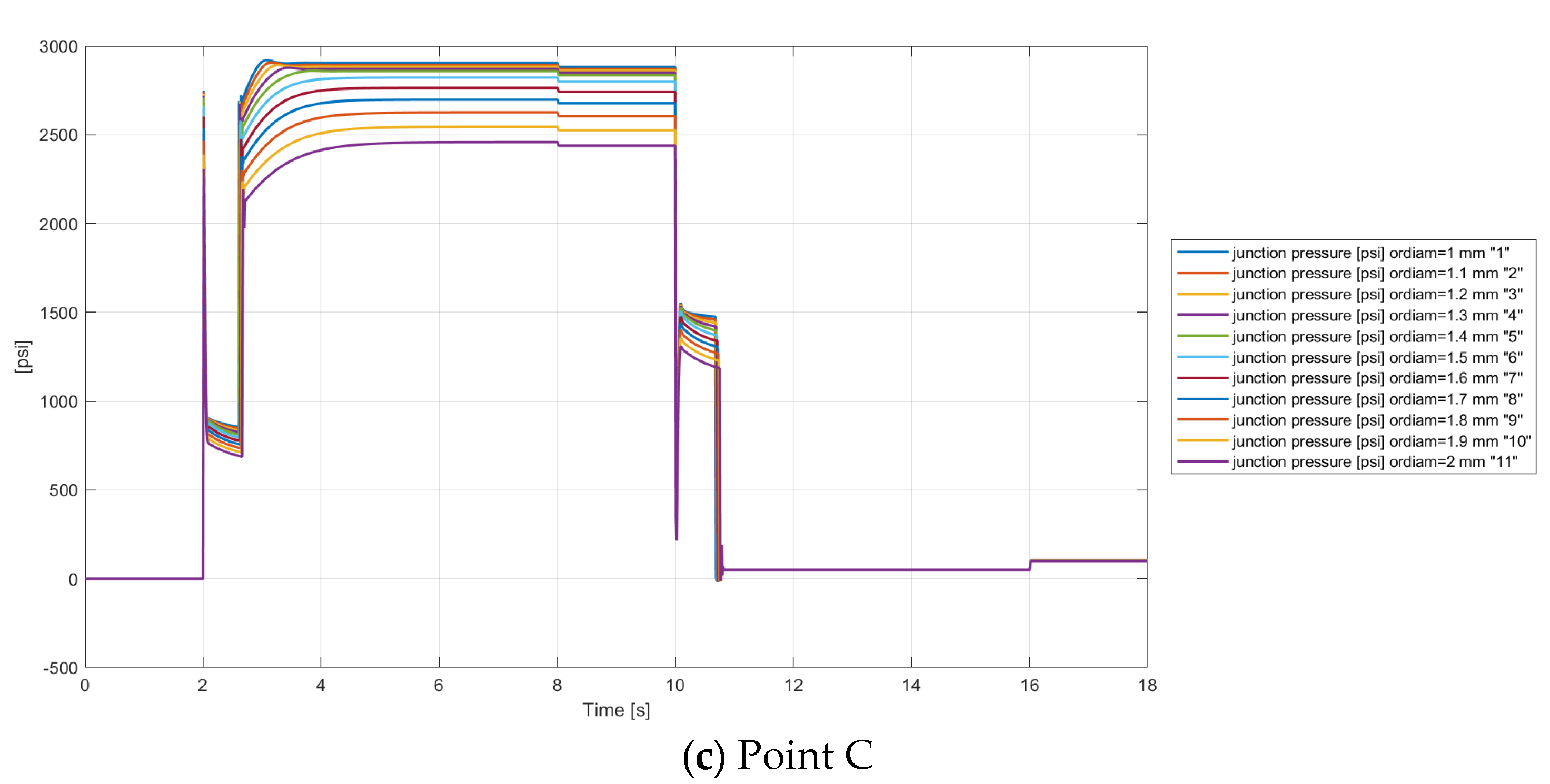
A throttle hole and a leaky oil tank are connected at positions 2–4 to represent the core by the equivalent aperture size. Under normal operating conditions, the aperture size is only 0.1–0.3 mm (corresponding to inherent minor leakage), and when there is a leakage fault, the aperture size increases to 1–2 mm. The significant expansion of the aperture size is the core indicator of the fault.
2.4. Leakage Within the Actuator
The inlet side of the actuator is the key passage through which hydraulic oil enters the actuating chamber. Its main function is to receive the high-pressure oil regulated by the servo valve. When internal leakage occurs, the output force of the actuator significantly decreases, making it unable to drive the rated load. During the acceleration stage of the operation, there is a lack of power, and the deflection angle of the control surface fails to meet the required specifications. When internal leakage occurs, the return motion of the actuator becomes sluggish or even gets stuck. For example, when the landing gear retracts or extends, it may fail to return fully to its original position. The return speed drops by more than 50%, and there is “impact vibration” at the end of the operation.
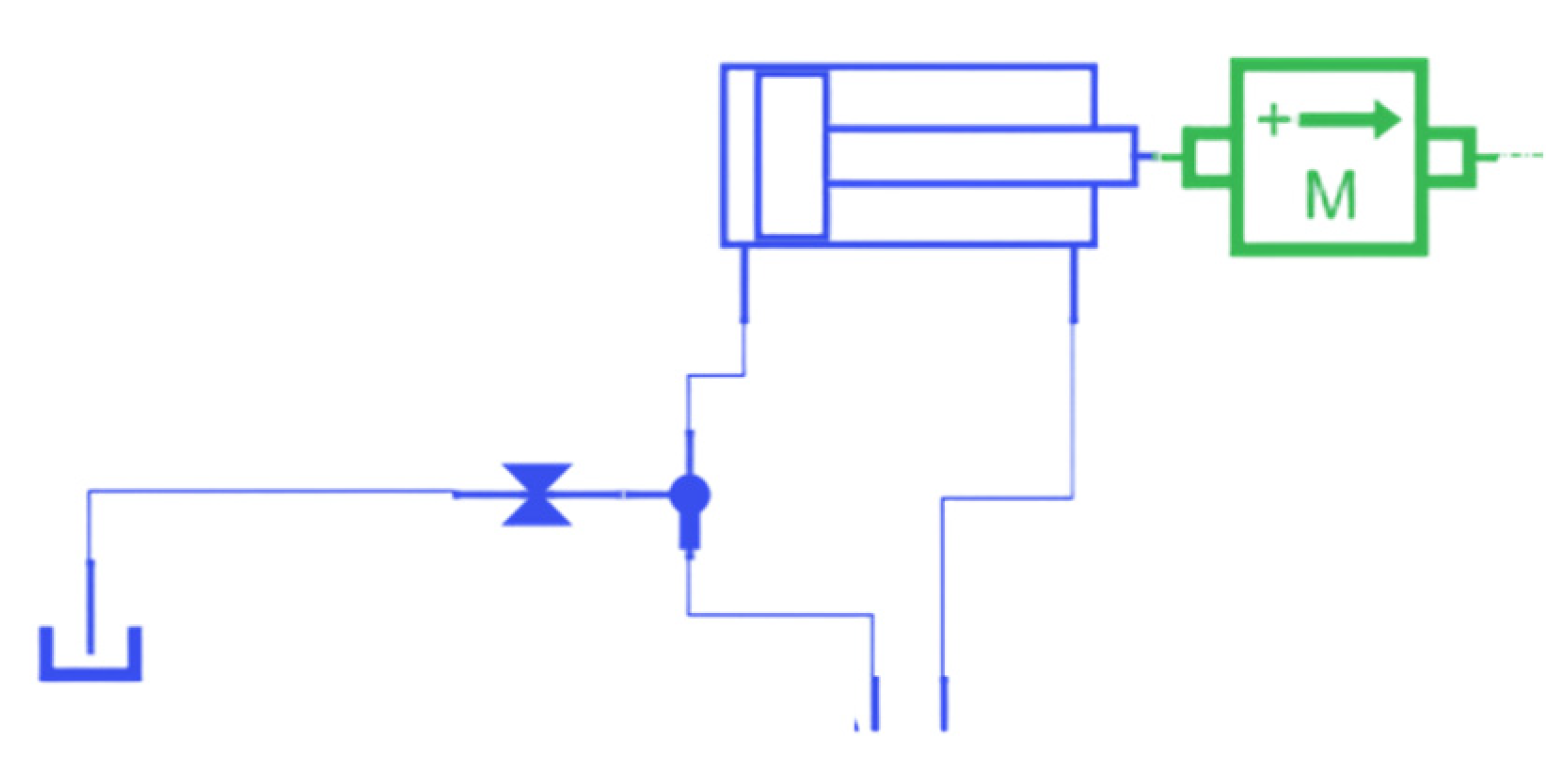
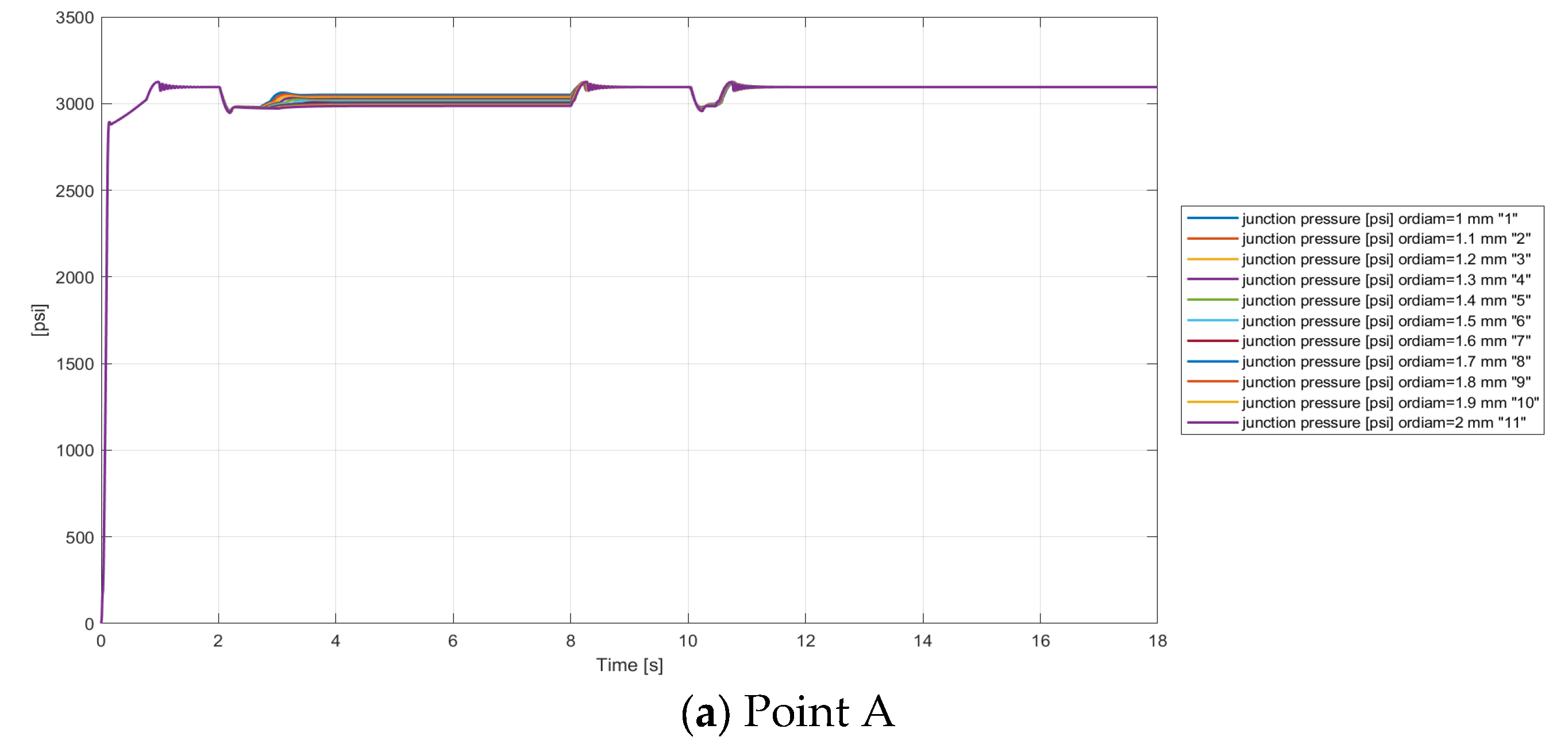
The oil control and oil tank are respectively connected at the outlet and inlet of the actuator. With the equivalent aperture of the oil control as the core indicator, under normal conditions, the aperture is only 0.1–0.3 mm (corresponding to the inherent minor leakage). When the actuator leakage occurs, the aperture increases to 1–2 mm, thereby achieving the effect of detecting actuator internal leakage faults at the system level.
2.5. Clamp Fracture
The clamp is the core fixed component of the aircraft hydraulic system’s pipeline. Its main function is to restrict the displacement of the pipeline through rigid constraints and suppress the transmission of vibrations, ensuring the stable transportation of hydraulic oil within the sealed pipeline. It is usually installed at the connection points between multiple pipelines. Although the failure of the clamp fracture does not directly involve the failure of the internal structure of the hydraulic components, it will destroy the system stability through a chain reaction of “constraint failure—vibration amplification—oil leakage”, thereby causing the disorder of the hydraulic oil flow state within the pipeline.
In
Figure 1, an oil control device and an oil tank are connected at the clamp fracture point, with the equivalent aperture serving as the core characteristic. Under normal conditions, this aperture is only 0.1–0.3 mm (corresponding to inherent minor leakage). When a clamp fracture leads to leakage, the aperture increases to 1–2 mm.
4. Theory of Fault Diagnosis Algorithms
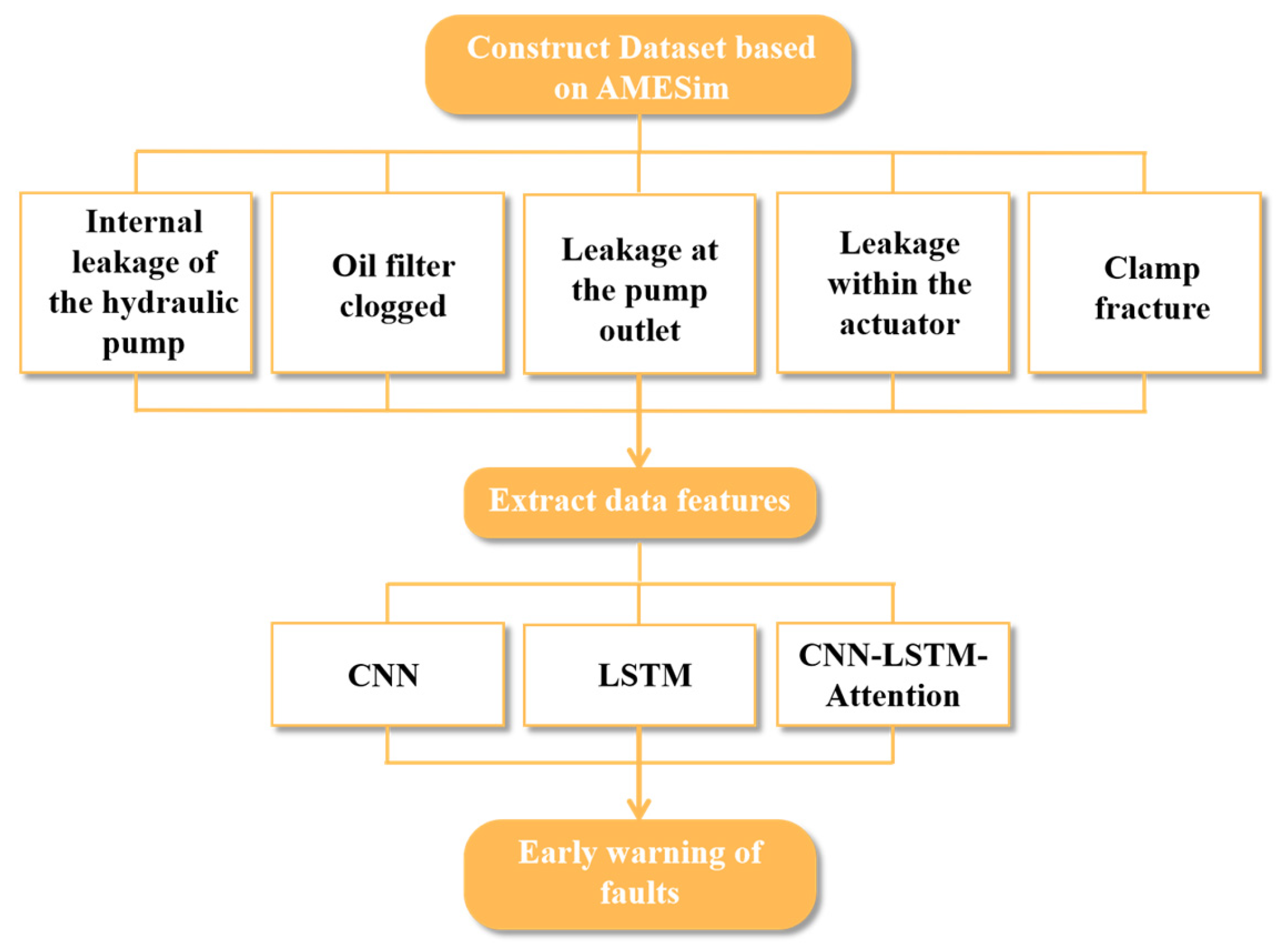
Figure 17 presents the process of fault diagnosis for the aircraft hydraulic system based on the data-driven method. In
Section 2 and
Section 3, the modeling of the hydraulic system AMESin has been completed, and five typical faults, including internal leakage of the hydraulic pump, oil filter clogging, leakage at the pump outlet, leakage within the actuator, and clamp fracture, were injected by changing the parameters of certain components. By collecting the flow and pressure signals under different fault conditions and normal conditions, and by using window-based resampling to enhance the dataset. In this section, we consider employing three deep learning methods, including the 1DFFCNN, stacked LSTM, and improved CNN-LSTM-Attention, to conduct multi-level feature extraction on the dataset. Among them, the developed CNN-LSTM-Attention can simultaneously capture local spatial features, temporal dependencies, and weighted information from critical time steps. The introduction of the attention mechanism improves the detection capability for early weak anomalies.
This work aims to evaluate the above data-driven methods for early fault warning of aircraft hydraulic systems, providing decision support for improving aircraft reliability. The selected methods can cover three typical paradigms of local spatial features, temporal dependencies, and fused features, enabling a progressive and clear comparison. Also, these methods are lightweight and suitable for real-time onboard deployment (compared to larger models such as Transformer).
4.1. The CNN Algorithm
Convolutional neural networks (CNNs) are a type of feedforward neural network specifically designed for processing data with grid-like topological structures (such as images, time series, audio spectra). The core innovation of CNN lies in local connections, weight sharing, and spatial down-sampling, which enable it to efficiently automatically learn hierarchical feature representations from raw data. CNN extracts local features by sliding multiple learnable filters (convolution kernels) across the input data and performing pointwise multiplications in local regions; it gradually reduces the spatial dimension of the feature map through pooling layers (such as max pooling), increasing the receptive field and introducing translation invariance; finally, it performs classification or regression through fully connected layers. The mathematical essence of its convolution operation is discrete convolution:
where
I represents the input feature map,
K is the convolution kernel,
b is the basis, and
S is the output feature map. In this work, we employ an improved one-dimensional feature-fusion CNN (noted 1DFFCNN) with 7 layers. The input size is 7200 (12 channels × 600 time steps), the output size is 6 (one normal and five abnormal classes), and the optimizer is Adam in PyTorch 2.3.0.
4.2. The LSTM Algorithm
Long Short-Term Memory (LSTM) networks are a special variant of recurrent neural networks, designed to address the problem of gradient vanishing/exploding that standard RNNs encounter when training long sequences. The core design consists of three gated units (input gate, forget gate, output gate) and an internal cell state-based self-circulation unit. The cellular state serves as a “memory highway” that runs through the entire sequence, and is finely regulated by gating units to control the flow of information; the forgetting gate determines how much old information is discarded; the input gate determines how much new information is written; and the output gate determines how much of the internal state is exposed to the external hidden state. This gating mechanism enables LSTM to selectively remember and forget, thereby effectively capturing long-term dependencies. The core calculation formula is as follows:
where
σ is the sigmoid function, ⊙ represents element-wise multiplication, and [
ht−1,
xt] represents vector concatenation. In this work, we employ an improved stacked LSTM with 4 layers. The input size is 7200 (12 channels × 600 time steps), the output size is 6 (one normal and five abnormal classes), and the optimizer is Adam.
4.3. The CNN-LSTM-Attention Algorithm
CNN-LSTM is a hybrid neural network architecture that combines the spatial feature extraction capability of CNN and the time series modeling capability of LSTM. It is particularly suitable for processing sequence data that has a spatial structure in its input and is arranged in a chronological order. CNN-LSTM-Attention is an enhanced architecture that further integrates the attention mechanism on the basis of the CNN-LSTM hybrid model. Its purpose is to address the “information bottleneck” problem that standard LSTMs may encounter when encoding long sequences, and to enhance the model’s ability to focus on key temporal and spatial segments.
The workflow of this model consists of three levels: (a) Spatial feature encoding: Similar to CNN-LSTM, a CNN is used to extract spatial features of the input at each time step, resulting in a sequence of feature vectors; (b) Temporal context encoding: The feature sequence is input into LSTM to obtain the corresponding hidden state sequence for each time step; (c) Attention aggregation: This is the core enhancement step. When the model needs to make a final decision, the attention module will dynamically calculate the importance weights of all LSTM hidden states relative to the current task. In this work, we employ an improved CNN-LSTM-Attention that contains 1DFFCNN, stacked LSTM, self-attention, cross-attention, and so on, with 22 layers. The input size is 7200 (12 channels × 600 time steps), the output size is 6 (one normal and five abnormal classes), and the optimizer is Adam.
5. Results and Discussions
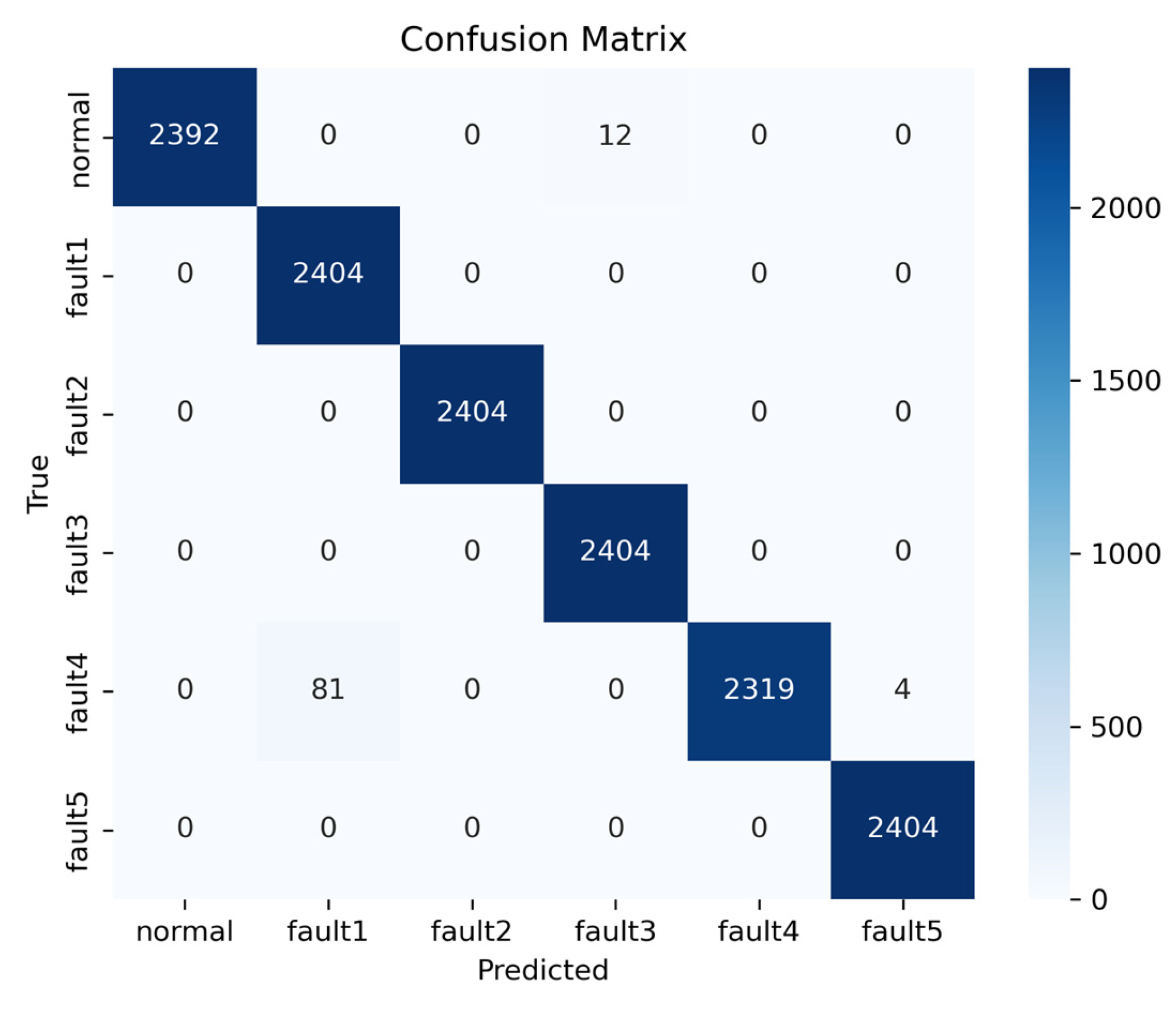
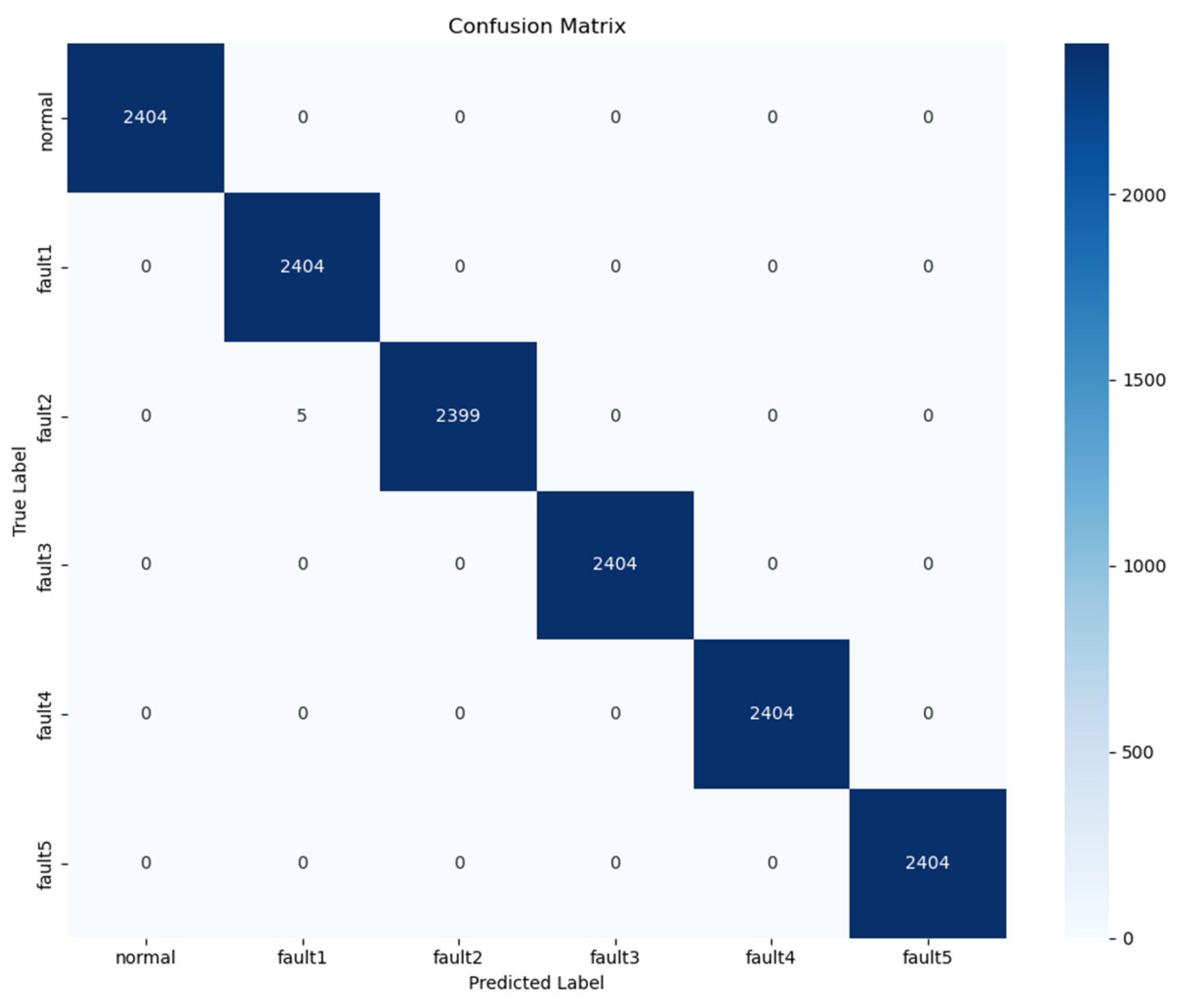
In this section, the prognostics accuracy of 1DFFCNN, stacked LSTM, and improved CNN-LSTM-Attention algorithms is compared. The confusion matrix can show the comparison between the actual class of the sample and the predicted class. The x-axis represents the predicted result, and the y-axis represents the actual result. The numbers 0–5 represent normal, pump internal leakage, oil filter blockage, pipe joint leakage, actuator leakage, and clamp fracture, respectively. The numbers on the diagonal represent the cases where the prediction is correct. By adding up all the numbers on the diagonal and dividing by the total of 14,424, the accuracy rate can be obtained. If the predicted class (x-axis) differs from the true class (y-axis), i.e., the result is off the diagonal, then the prediction is incorrect. In such a case, a sample that actually belongs to the class indicated on the y-axis has been misclassified as the class indicated on the x-axis. This work adopts a fixed partition of training and test sets, with a split ratio of 80% for training and 20% for testing.
The confusion matrix of the 1DFFCNN is presented in
Figure 18. It can be seen from
Figure 18 that (a) 81 instances originally classified as Type 4 faults are instead predicted as Type 1 faults; (b) 12 situations that are originally classified as normal conditions are predicted to be of Type 3 faults instead; (c) 4 situations that are originally classified as Type 4 faults are predicted to be of Type 5 faults instead. In addition,
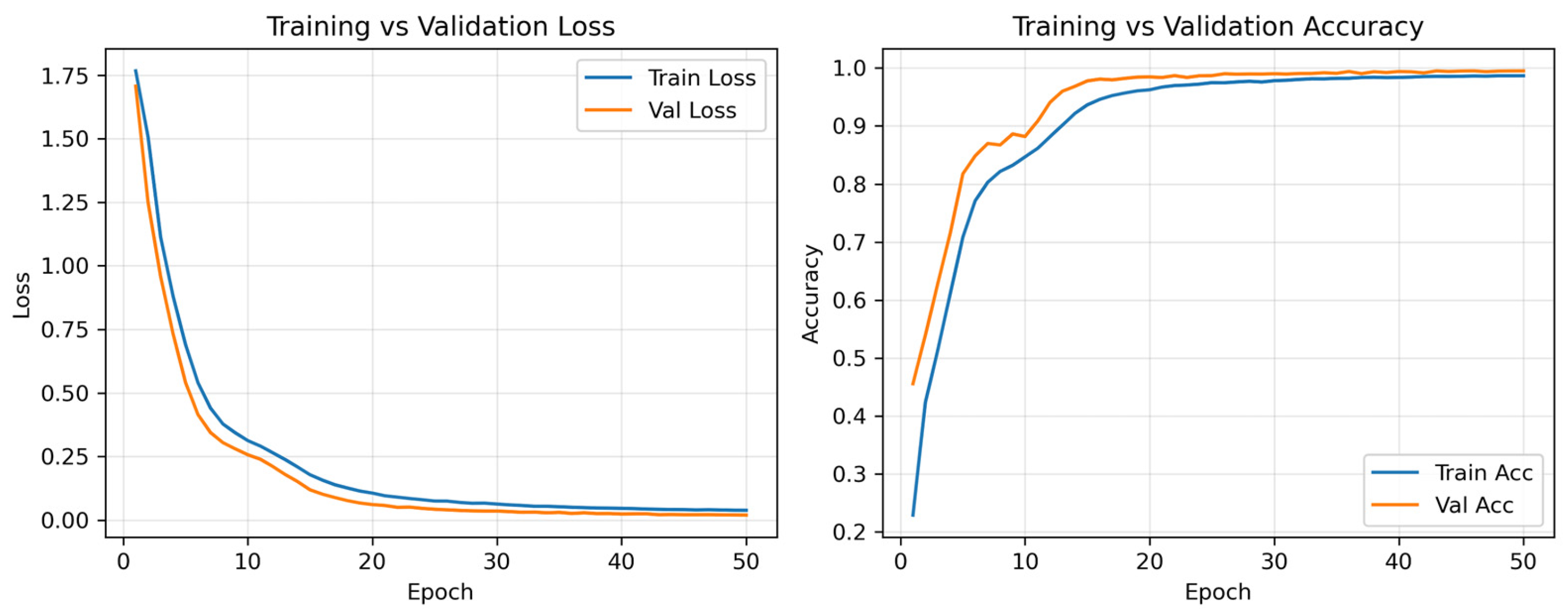
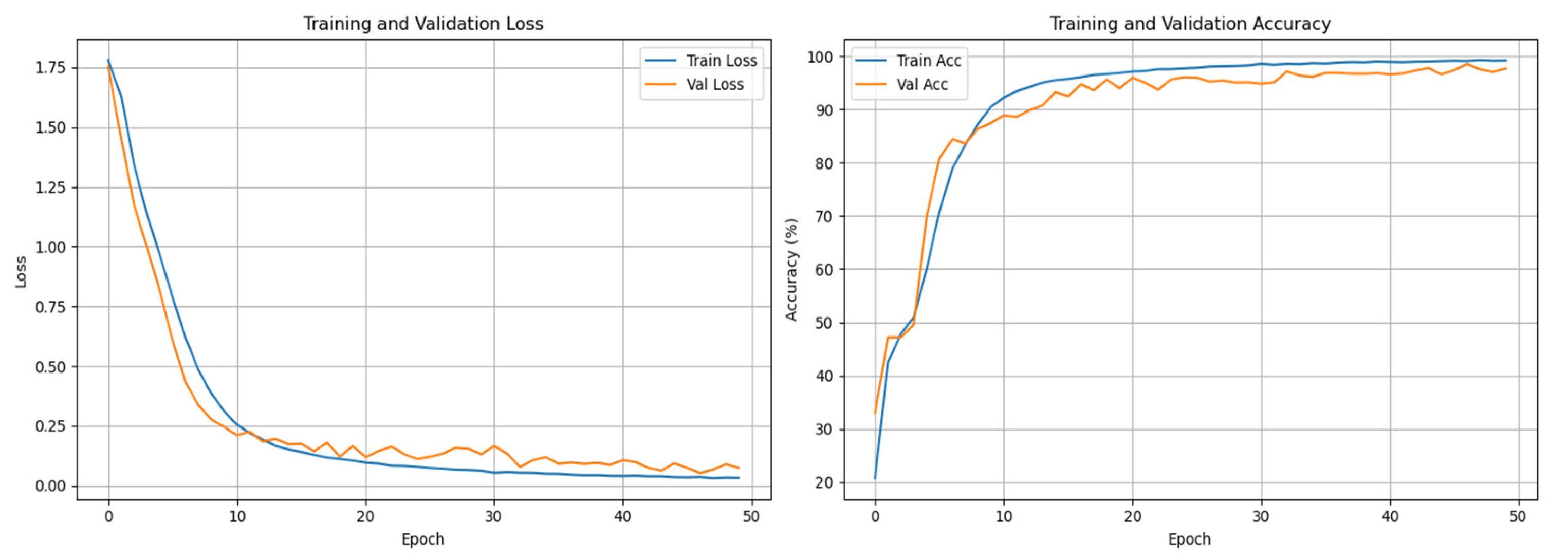
Figure 19 provides the changes in the loss function values and accuracy rates of the training set and test set during the training process with respect to the number of training iterations. It can be observed that the network is approximately converging around 30 epochs.
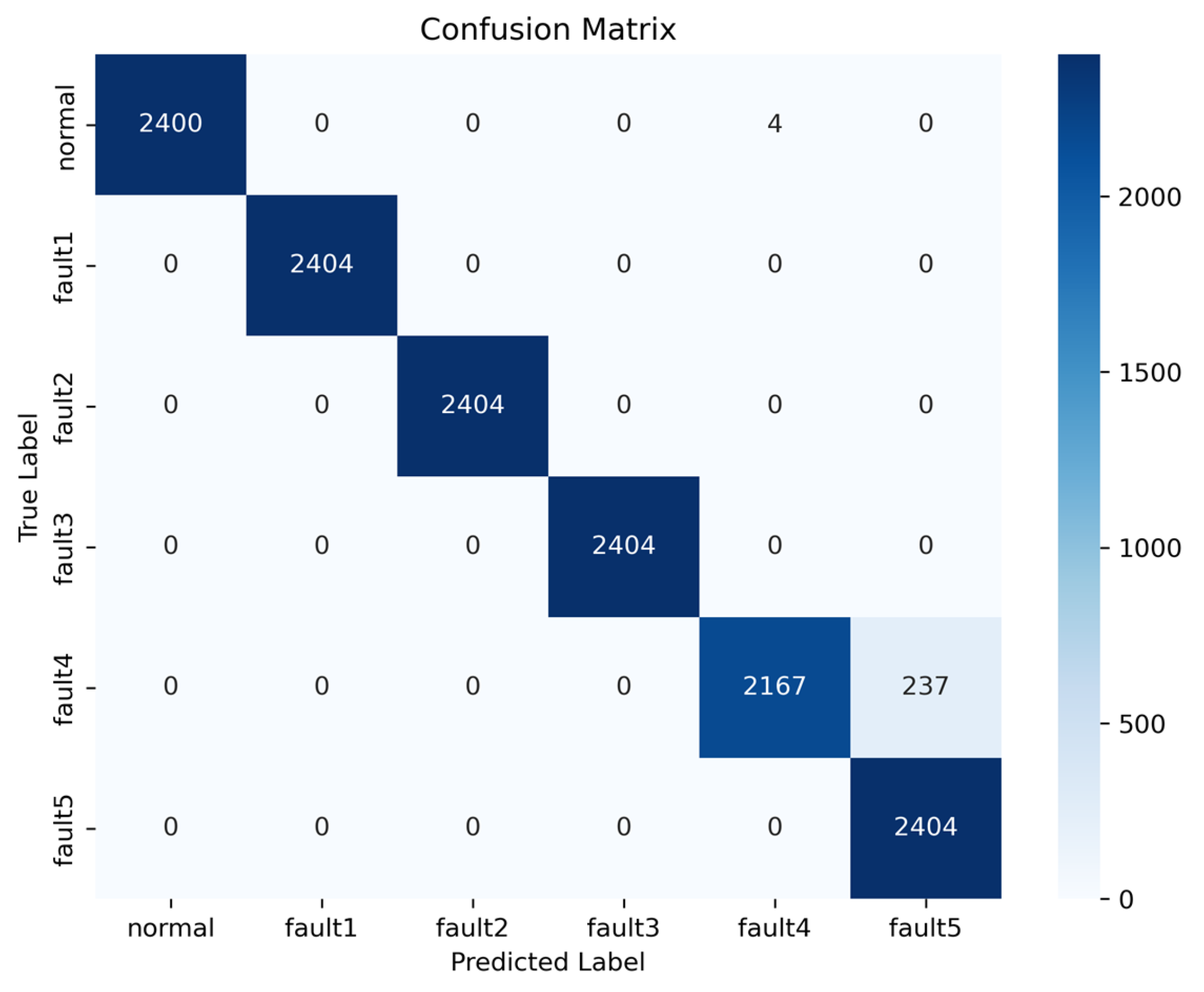
The confusion matrix of the stacked LSTM algorithm is presented in
Figure 20. It can be seen from
Figure 20 that (a) 4 situations that are originally classified as normal conditions are predicted to be of Type 4 faults instead; (b) 237 situations that are originally classified as Type 4 faults are predicted to be of Type 5 faults instead. In addition,
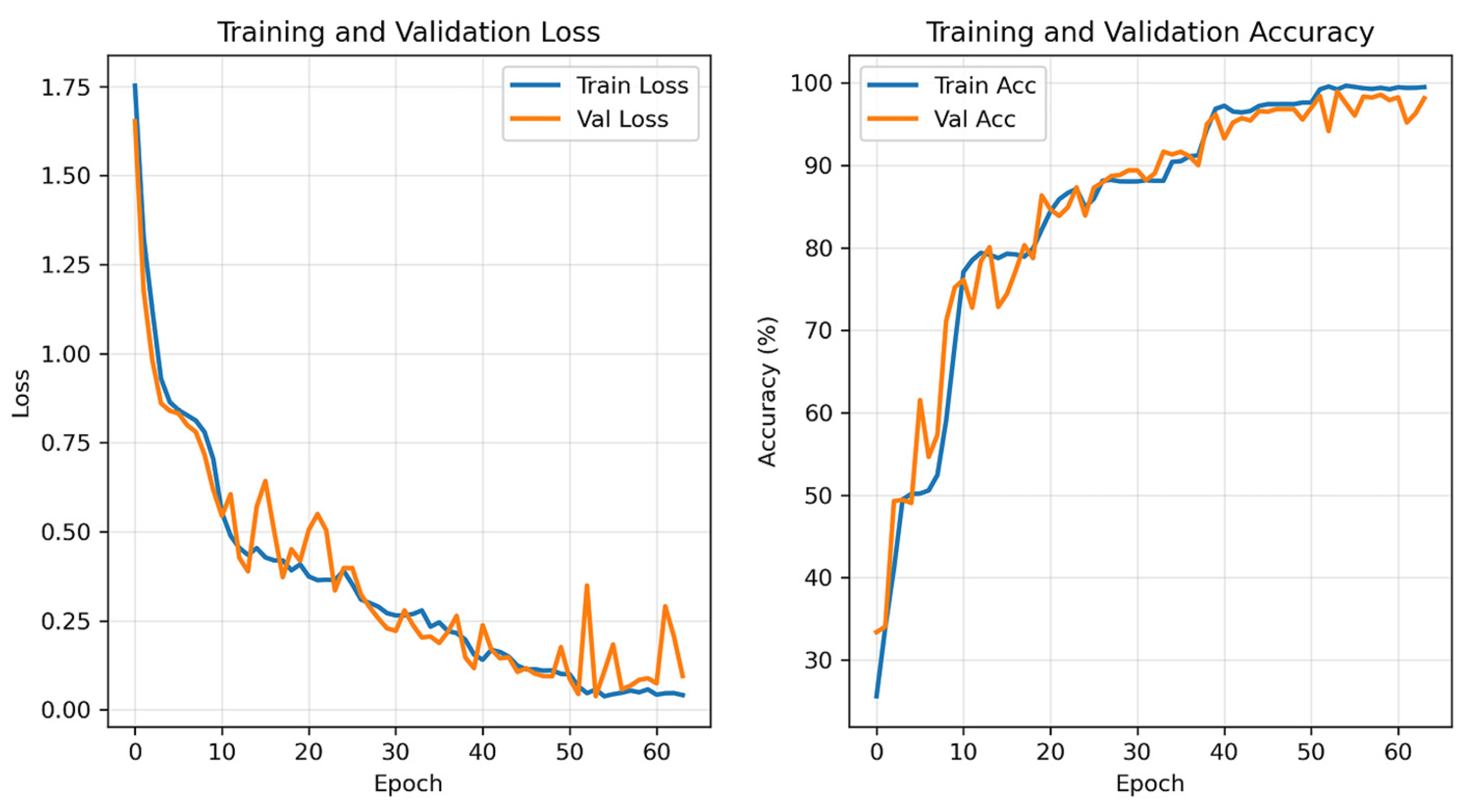
Figure 21 provides the changes in the loss function values and accuracy rates of the training set and test set during the training process with respect to the number of training iterations. It can be observed that the network is approximately converging around 50 epochs.
The confusion matrix of the improved CNN-LSTM-Attention algorithm is presented in
Figure 22. It can be seen that 5 situations that are originally classified as Type 2 faults are predicted to be of Type 1 faults instead. In addition,
Figure 23 provides the changes in the loss function values and accuracy rates of the training set and test set during the training process with respect to the number of training iterations. It can be observed that the network is approximately converging around 20 epochs.
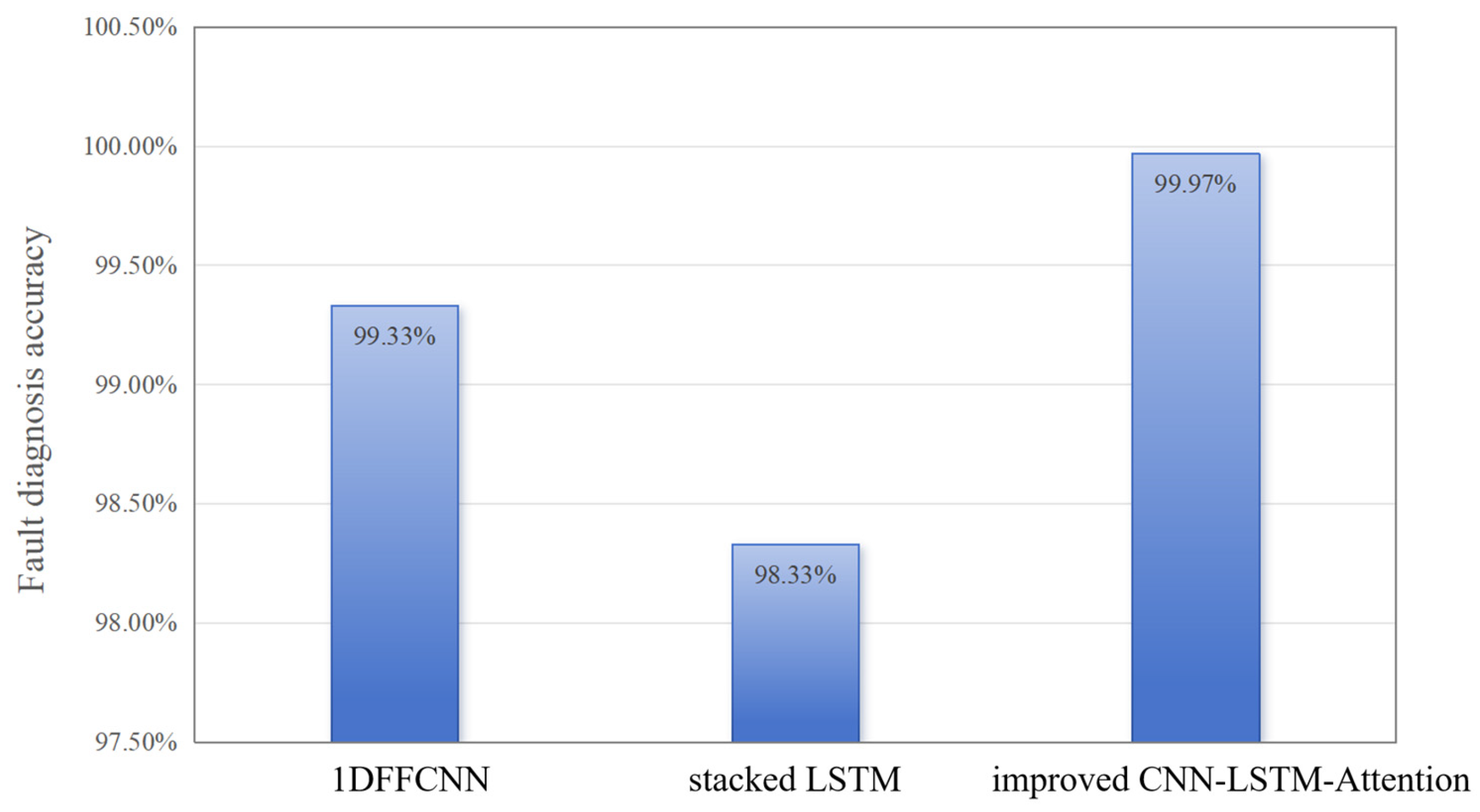
The fault diagnosis accuracy of 1DFFCNN, stacked LSTM, and improved CNN-LSTM-Attention algorithms is compared in
Figure 24. One can find that the accuracy of all algorithms is higher than 98%, among which the improved CNN-LSTM-Attention algorithm has the highest accuracy at 99.97%.
6. Conclusions
This paper presents a data-driven fault diagnosis technology for aircraft hydraulic systems. First, a high-confidence model is constructed using AMESim, and typical faults are introduced to establish a high-quality data set. Subsequently, the recognition capabilities and convergence effects of three different deep learning methods in various fault characteristics were compared. From the simulation results, it can be observed that: (a) The fault diagnosis technology based on neural networks has extremely high accuracy, all above 98%, meeting the engineering accuracy requirements; (b) 1DFFCNN is better at learning shape-based features, whereas stacked LSTM excels at capturing temporal dependencies. Nevertheless, the accuracy of both methods is lower than that of the improved CNN-LSTM-Attention. (c) The convergence rates of 1DFFCNN and stacked LSTM are also lower than that of improved CNN-LSTM-Attention. (d) Through a systematic comparison of 1DFFCNN, stacked LSTM, and CNN-LSTM-Attention for fault diagnosis of aircraft hydraulic systems, the optimal model (CNN-LSTM-Attention) is successfully identified, achieving an accuracy of over 98% on the independent test set and effectively recognizing five typical fault modes. (e) These results validate the sensitivity and prognostic capability of data-driven methods for early abnormal states of hydraulic systems, providing a technical foundation for real-time warning in onboard health management systems.
In summary, the contributions of this paper provide theoretical support for early fault warning of aircraft hydraulic systems in practical engineering, including (a) Established a high-fidelity AMESim model of an aircraft hydraulic system and constructed a multi-dimensional time-series dataset covering normal and abnormal states. (b) Proposed a multi-level feature extraction method integrating 1DFFCNN, stacked LSTM, and improved CNN-LSTM-Attention, forming a complete technical pipeline from data synchronization to classification modeling. (c) Systematically analyzed the sensitivity and diagnostic performance of different deep learning algorithms for typical faults of hydraulic systems through numerical experiments, providing a basis for algorithm selection in practical engineering.