Article

A Study of Advancing Ultralow-Power 3D Integrated Circuits with TEI-LP Technology and AI-Enhanced PID Autotuning

Department of Intelligent Semiconductor Engineering, Chung-Ang University, 84, Heukseok-ro, Dongjak-gu, Seoul 06974, Republic of Korea
*
Author to whom correspondence should be addressed.
Mathematics 2024, 12(4), 543; https://doi.org/10.3390/math12040543
Submission received: 8 January 2024 / Revised: 6 February 2024 / Accepted: 8 February 2024 / Published: 9 February 2024

Abstract

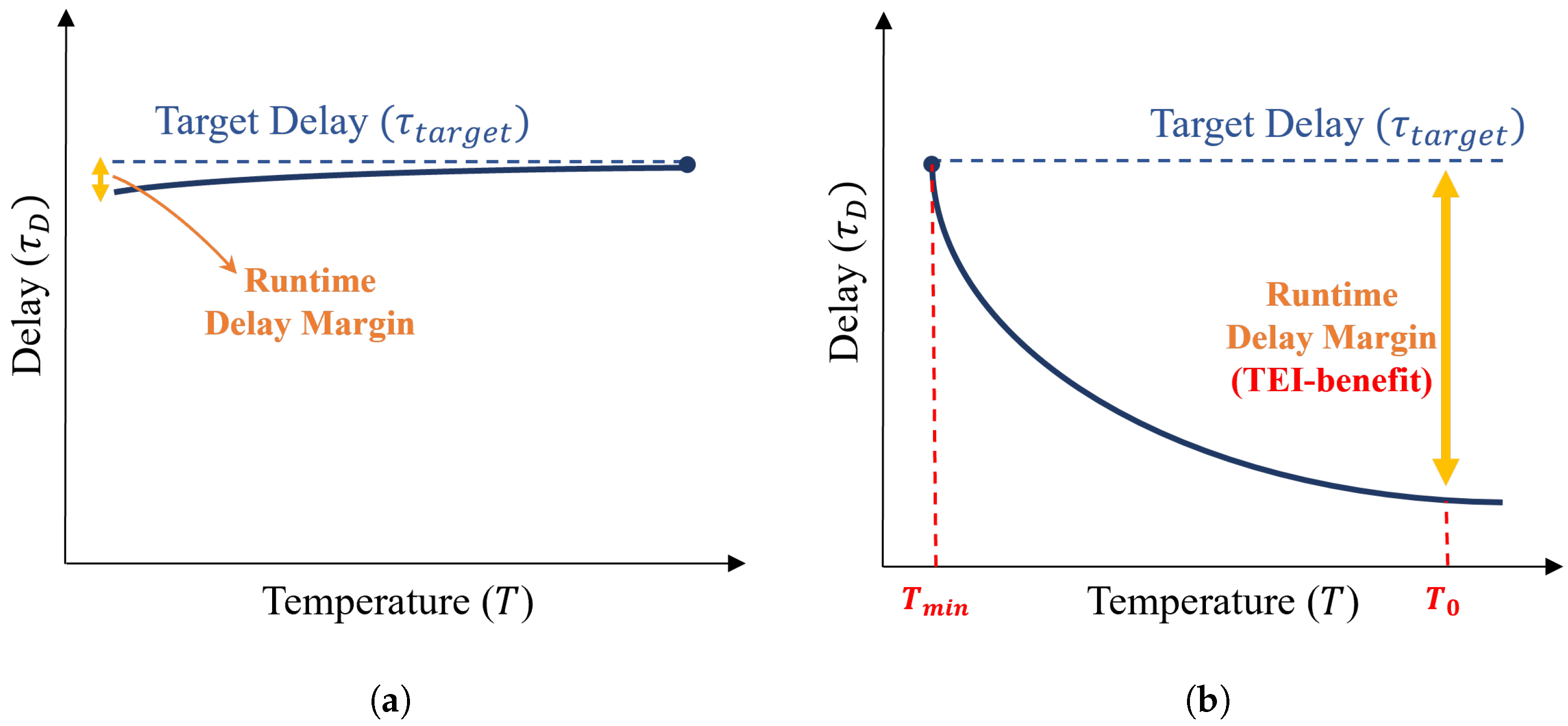
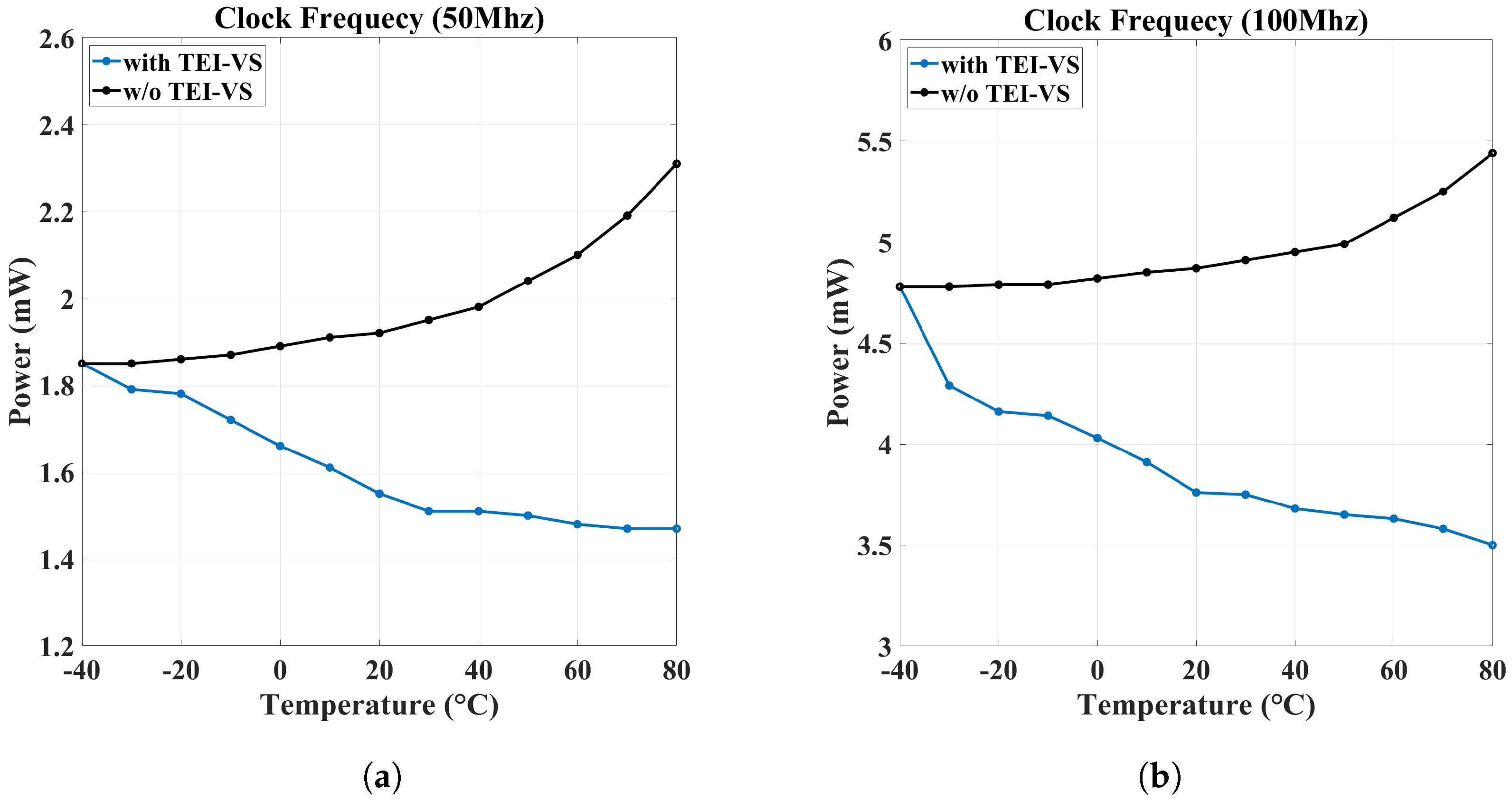
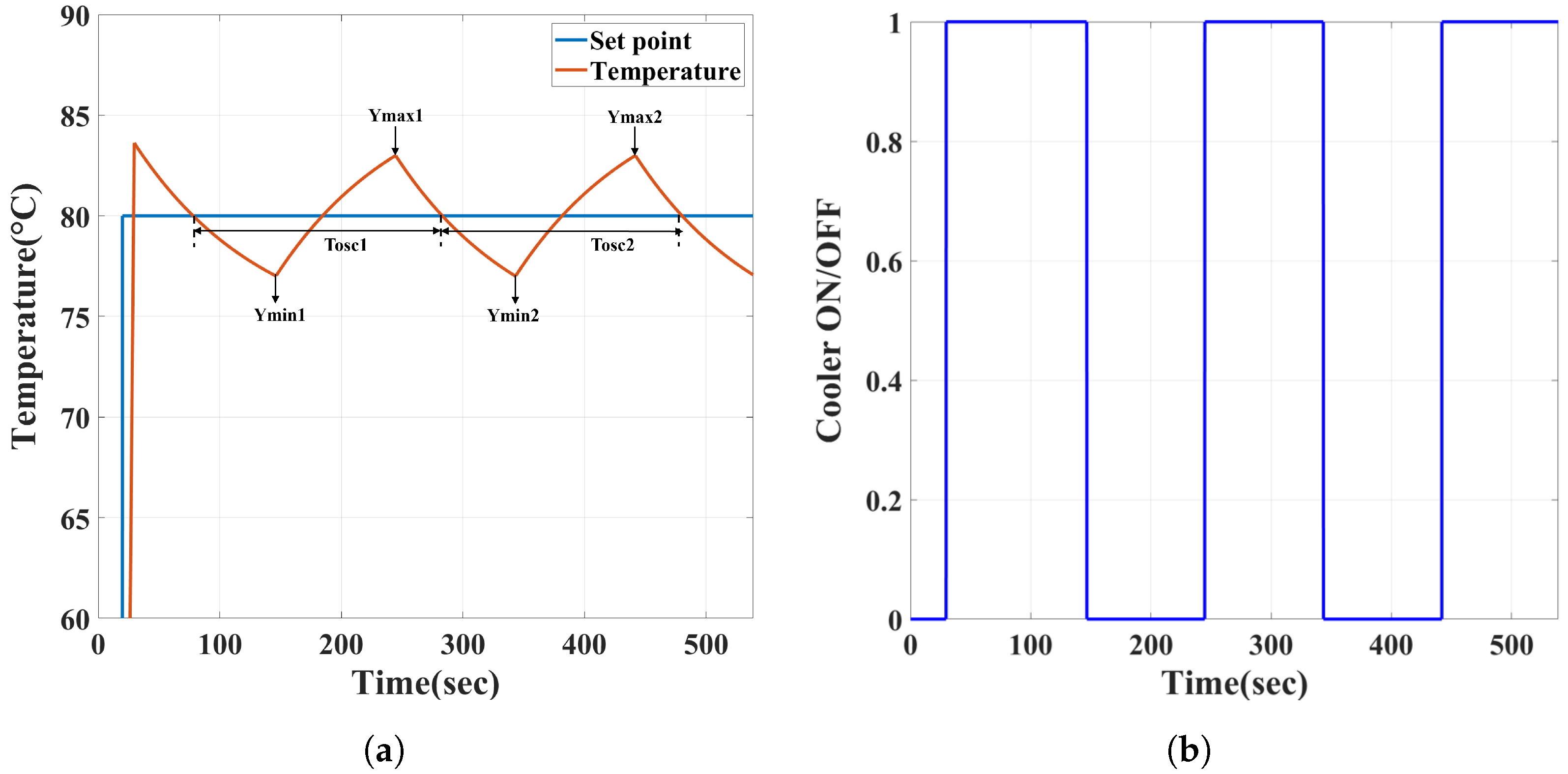
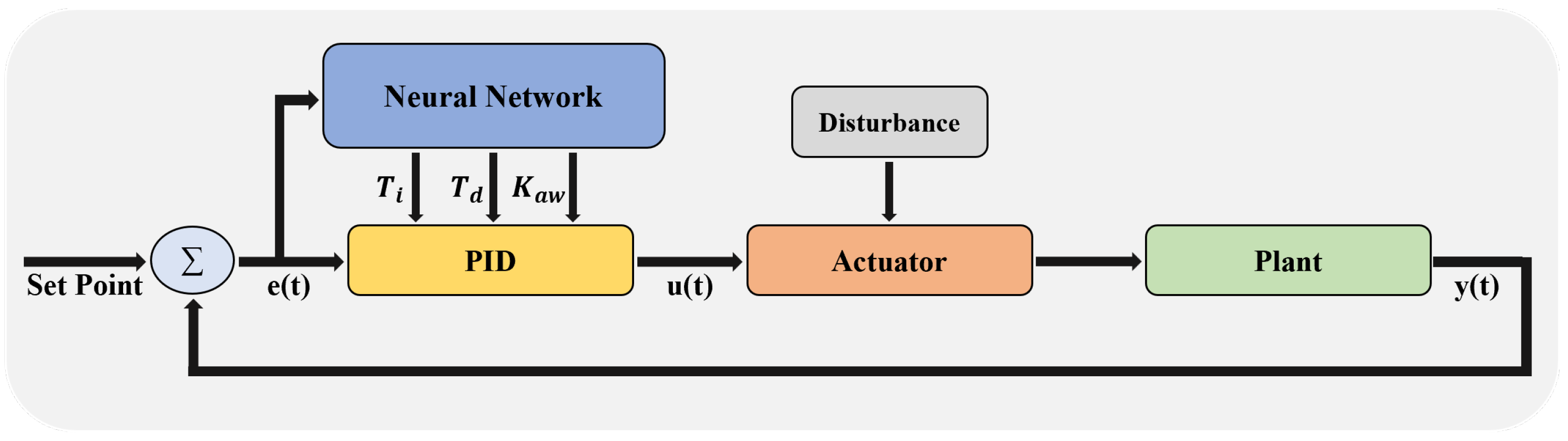
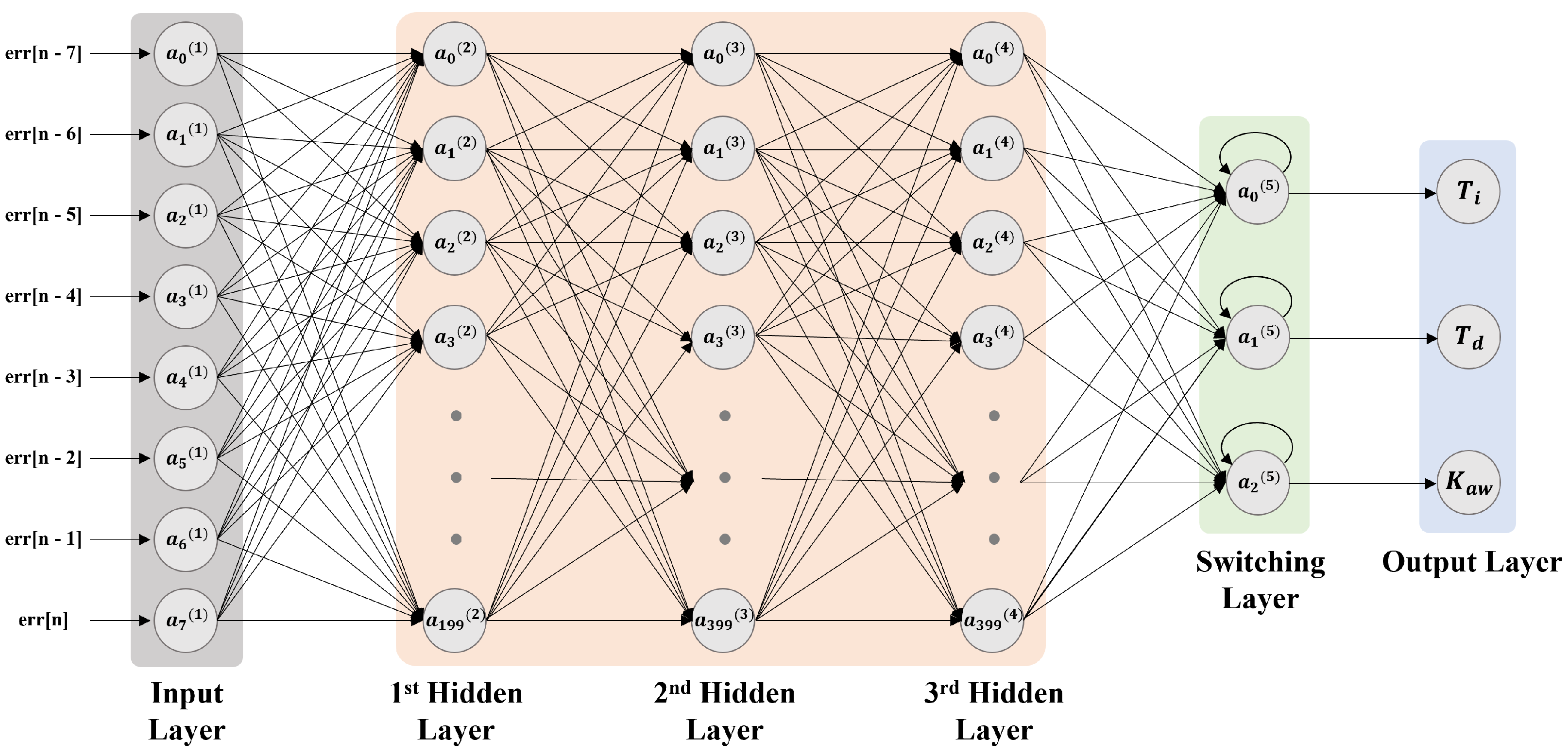
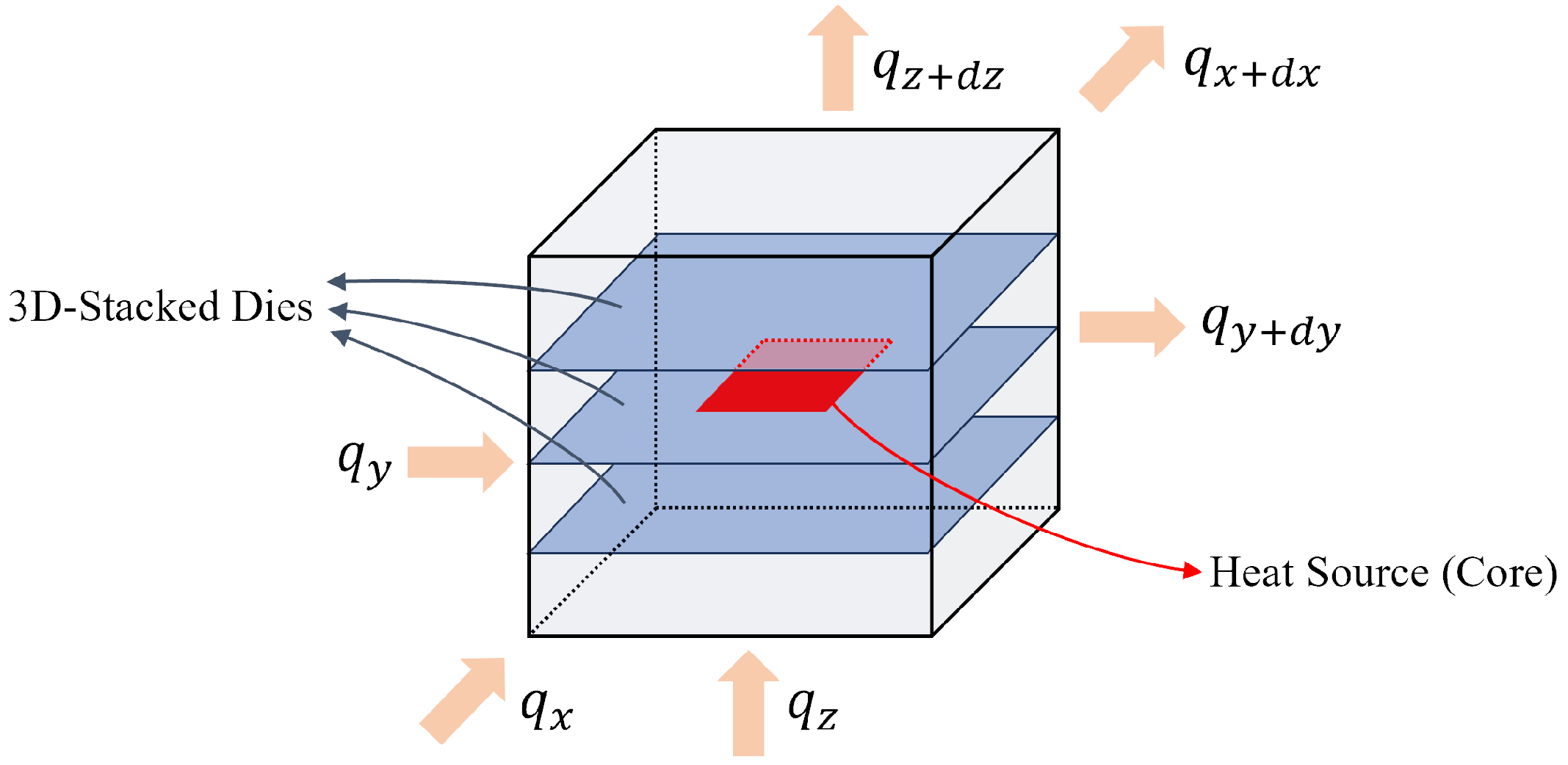
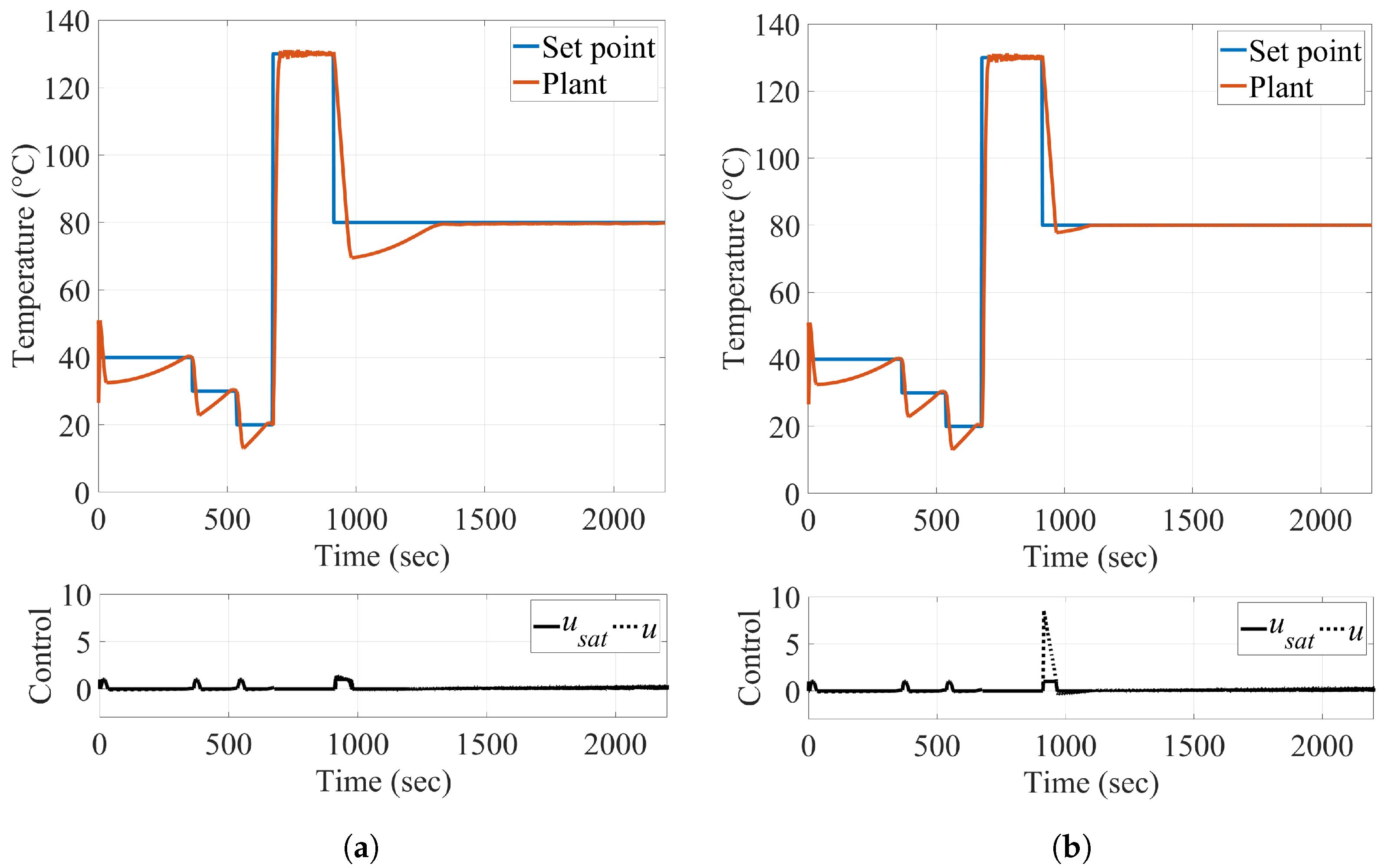
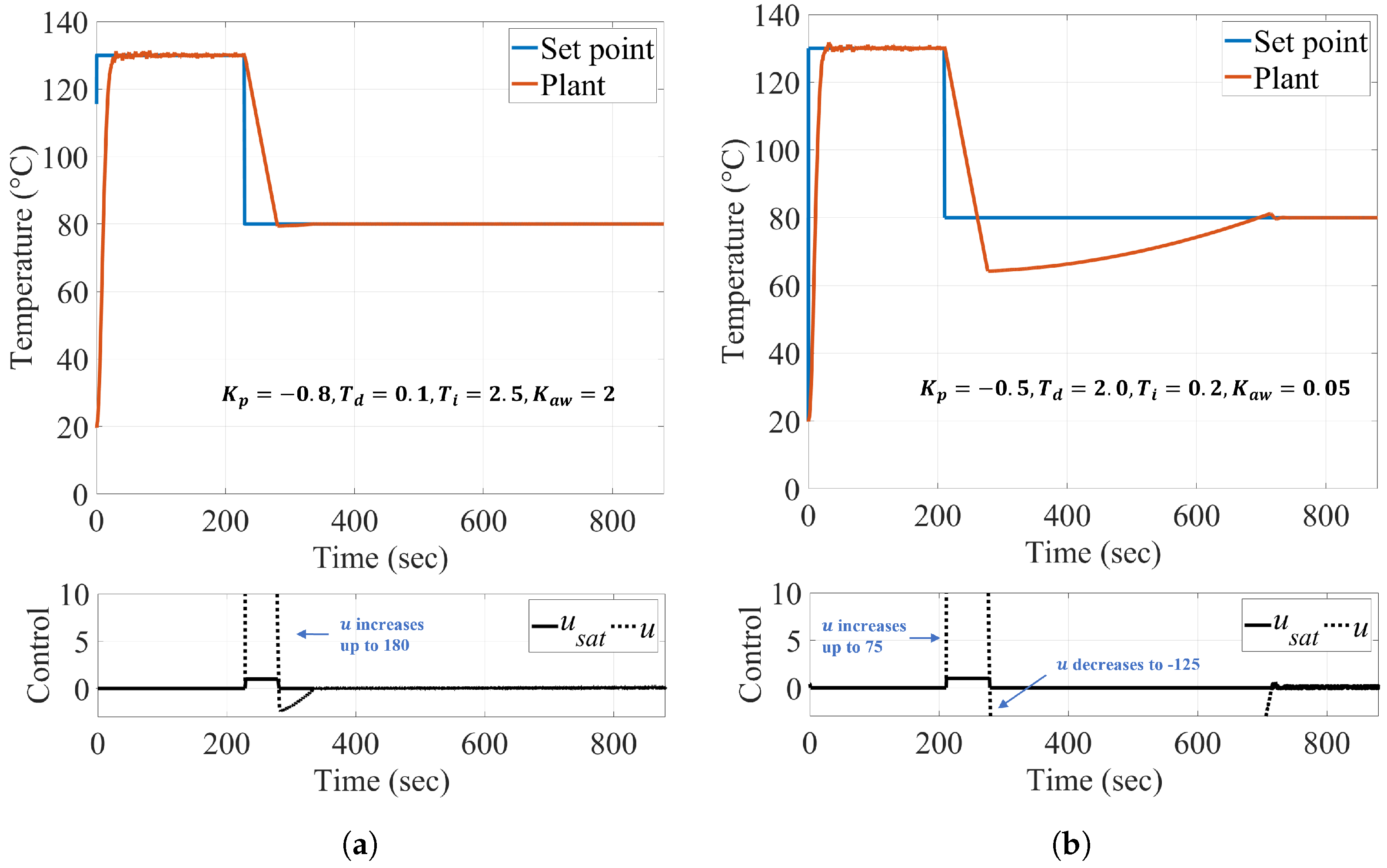
The 3D integrated circuit (3D-IC) is garnering significant attention from academia and industry as a key technology leading the post-Moore era, offering new levels of efficiency, power, performance, and form-factor advantages to the semiconductor industry. However, thermal management in 3D-ICs presents a critical challenge that must be overcome to ensure prosperity for this technology. Unlike traditional thermal management solutions that perceive heat generation in 3D-ICs negatively and aim to eliminate it, this paper proposes, for the first time, a thermal management method that positively utilizes heat to achieve low-power operation in 3D-ICs. This approach is based on a novel discovery that circuits can reduce power consumption at higher temperatures by leveraging the temperature effect inversion (TEI) phenomenon in ultralow-voltage (ULV) operating circuits, a characteristic of low-power techniques (TEI-LP techniques). Along with a detailed explanation of this discovery, this paper introduces new thermal management technologies for practical application in 3D-ICs. Furthermore, to achieve optimal energy efficiency with the proposed technology, we develop a temperature controller essential for this purpose. The developed controller is a deep learning-based PID autotuner. This paper proves the theoretical validity of the AI control algorithm designed for this purpose and demonstrates the functional correctness and power-saving effectiveness of the developed controller through intensively conducted simulations.
Keywords: thermal management; 3D-IC; deep learning-based control algorithm; autotuning; PID control; temperature effect inversion (TEI) phenomenon; ultralow voltage (ULV) thermal management; 3D-IC; deep learning-based control algorithm; autotuning; PID control; temperature effect inversion (TEI) phenomenon; ultralow voltage (ULV)