Article

A Bimodal Exponential Regression Model for Analyzing Dengue Fever Case Rates in the Federal District of Brazil

by
Nicollas S. S. da Costa
1,*,
Maria do Carmo Soares de Lima
2 and
Gauss Moutinho Cordeiro
2
1
Coordenadoria Estratégica de Dados de Pessoal, Decanato de Gestão de Pessoas, Universidade de Brasília, Campus Darcy Ribeiro, Brasília 70910-900, Brazil
2
Departamento de Estatística, Centro de Ciências Exatas e da Natureza, Universidade Federal de Pernambuco, Cidade Universitária, Recife 52070-040, Brazil
*
Author to whom correspondence should be addressed.
Mathematics 2024, 12(21), 3386; https://doi.org/10.3390/math12213386
Submission received: 8 August 2024 / Revised: 13 September 2024 / Accepted: 18 September 2024 / Published: 29 October 2024

Abstract

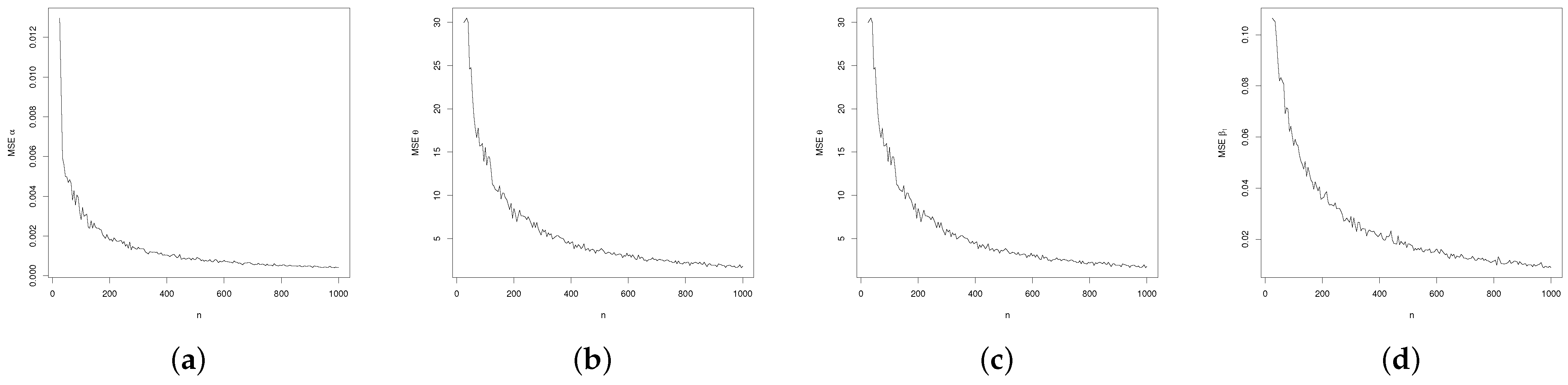
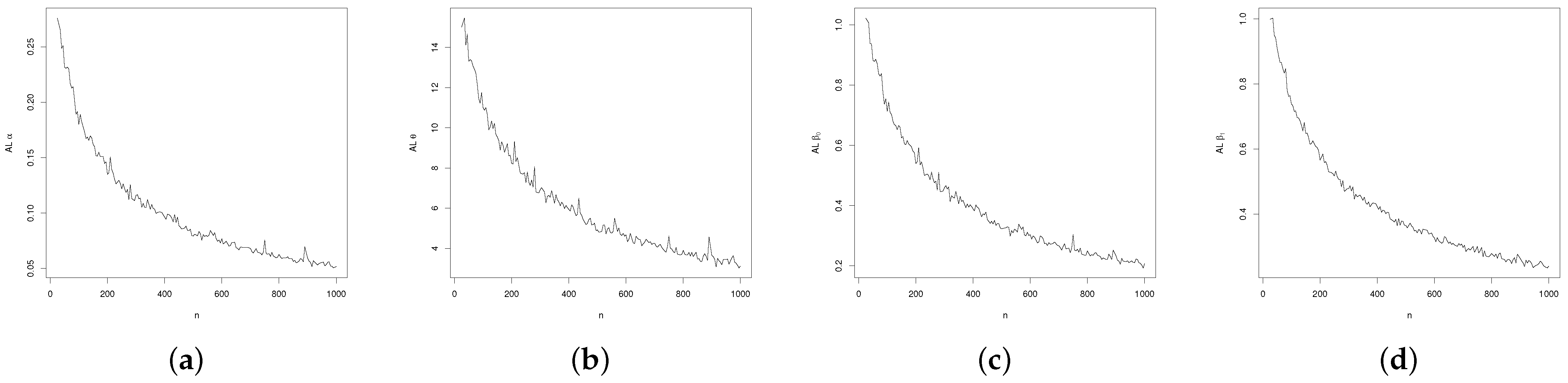
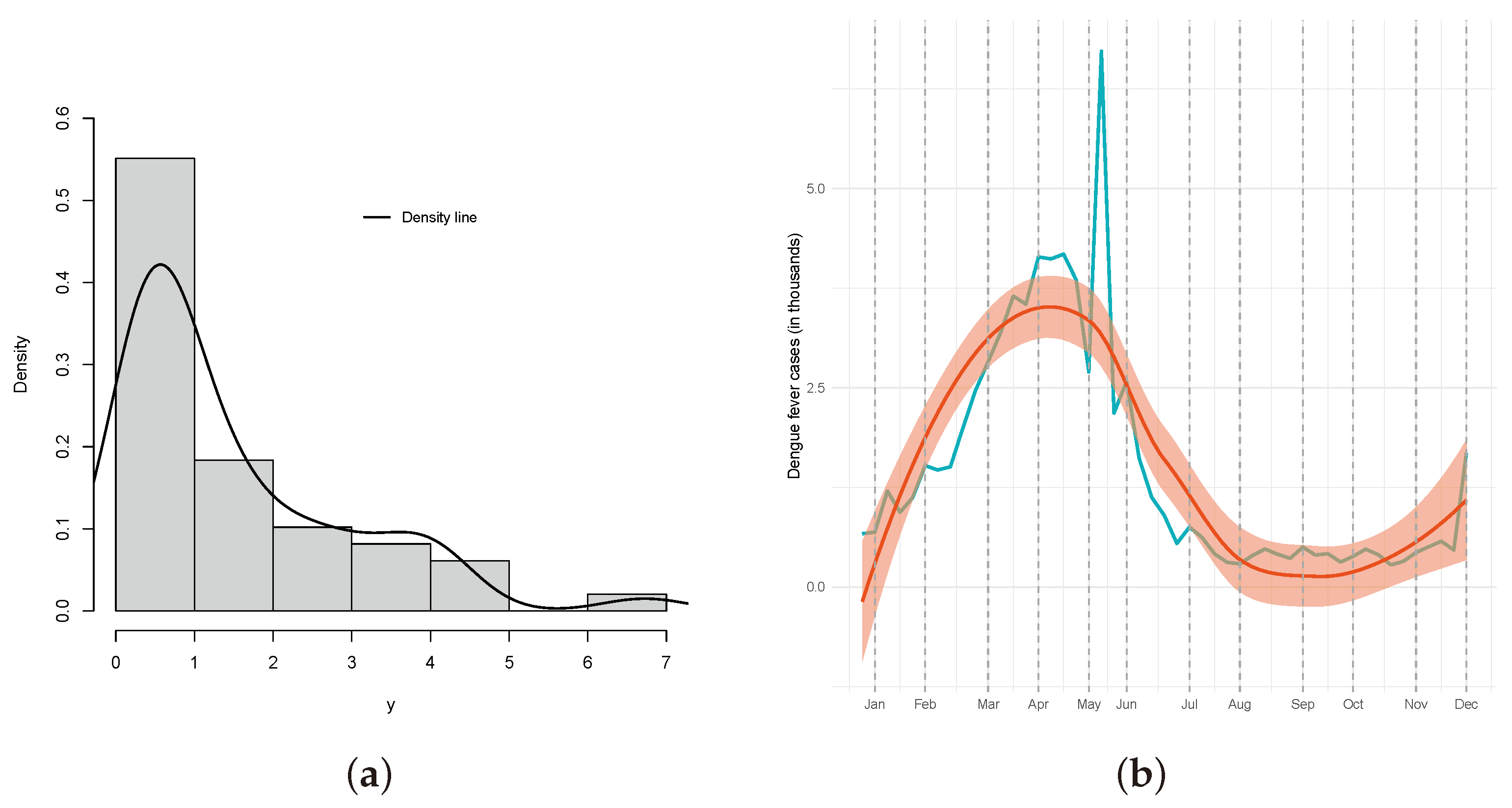
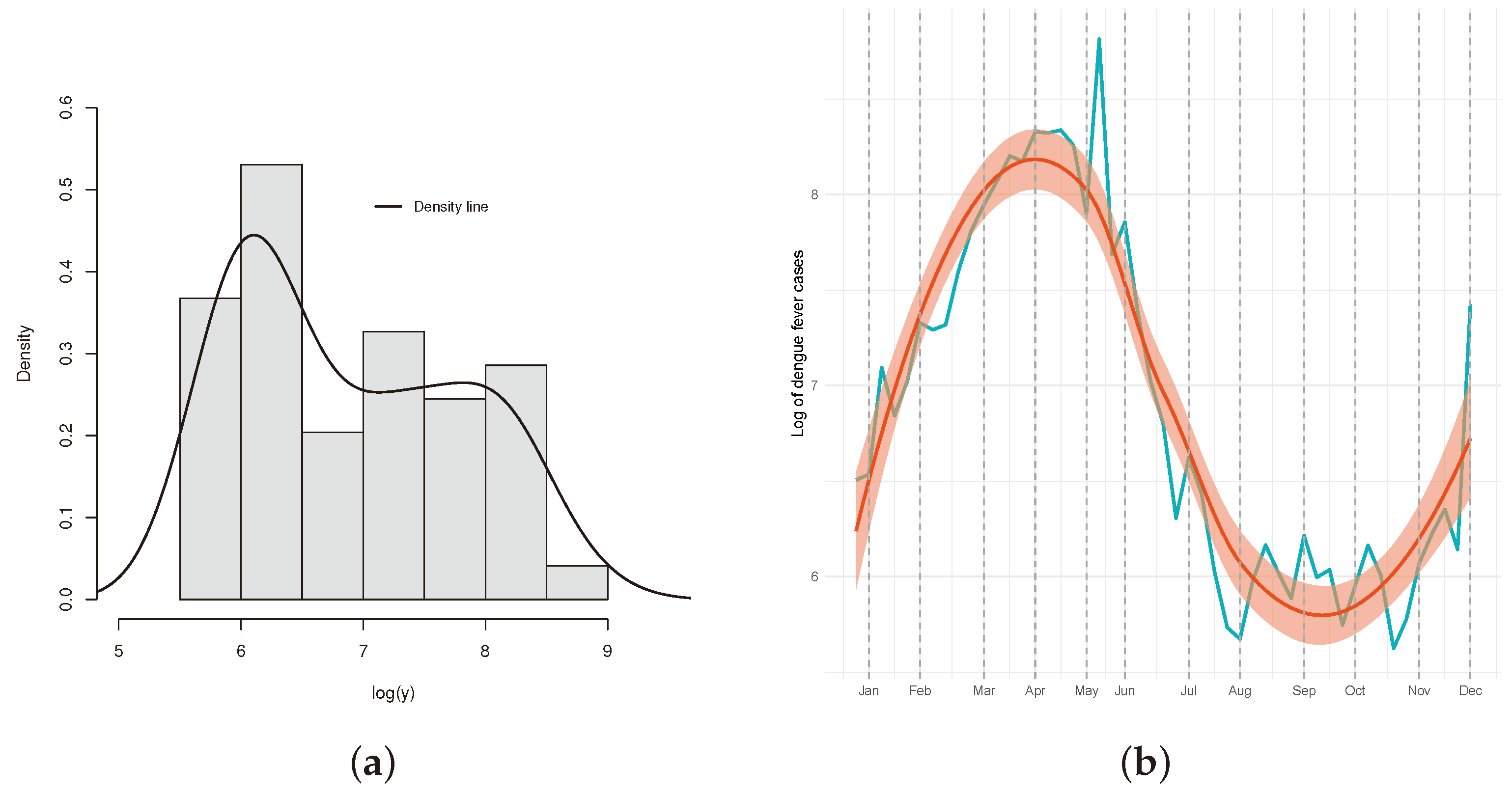
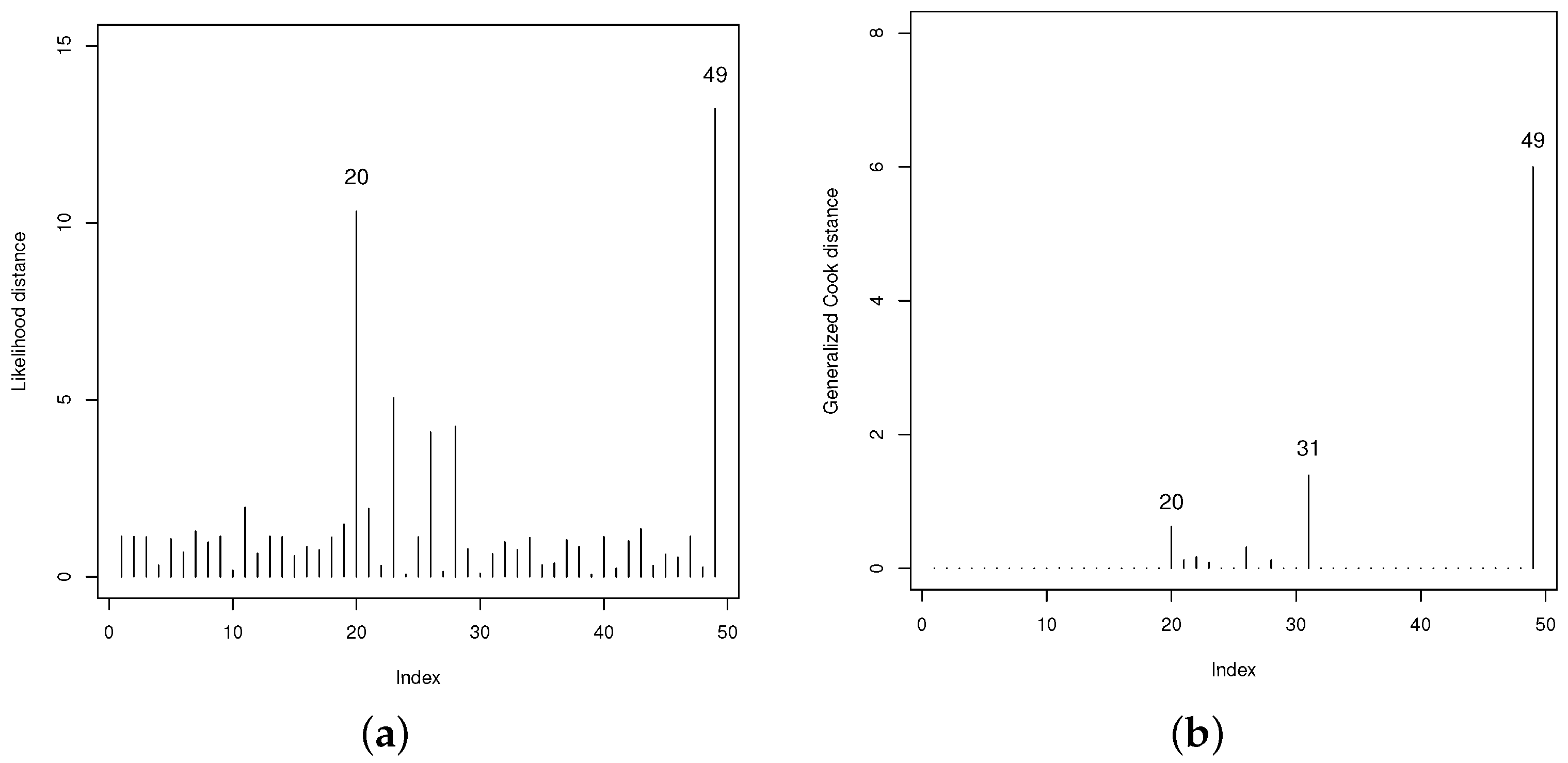
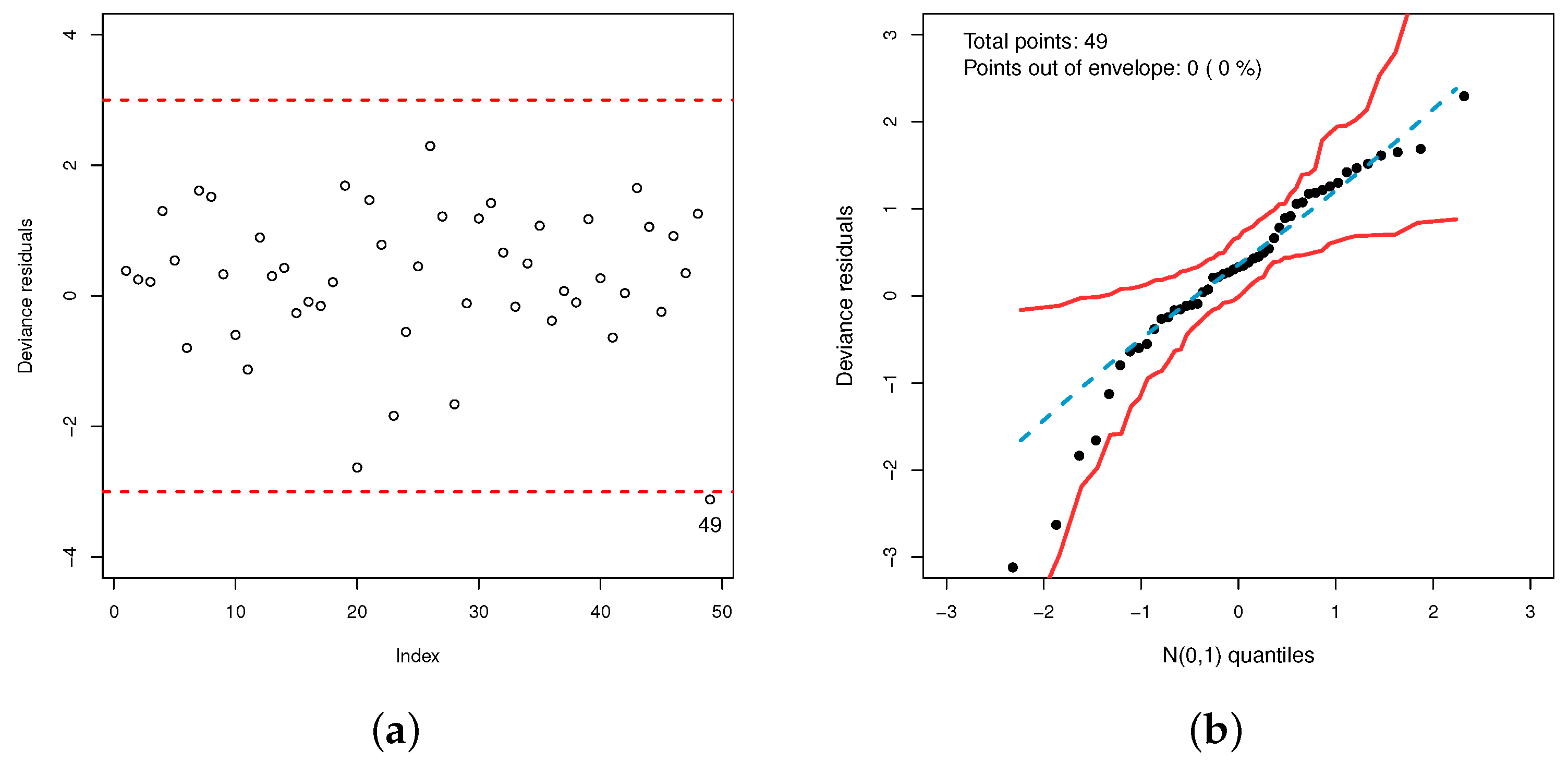
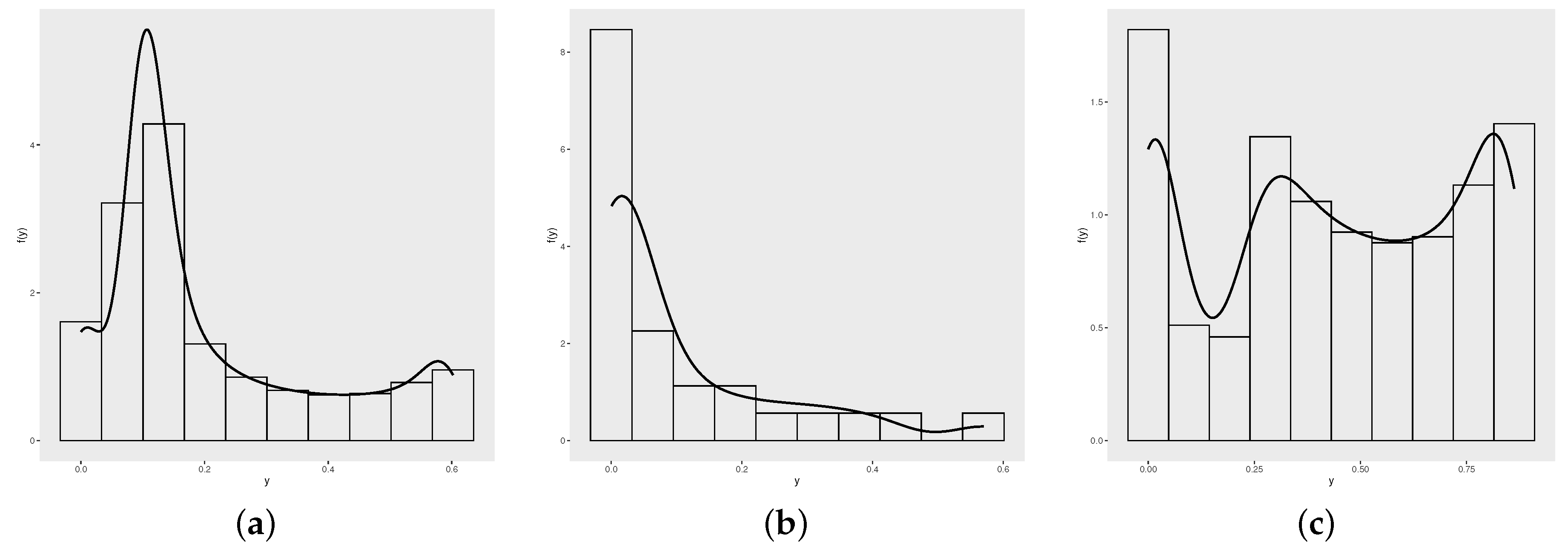
Dengue fever remains a significant epidemiological challenge globally, particularly in Brazil, where recurring outbreaks strain healthcare systems. Traditional statistical models often struggle to accurately capture the complexities of dengue case distributions, especially when data exhibit bimodal patterns. This study introduces a novel bimodal regression model based on the log-generalized odd log-logistic exponential distribution, offering enhanced flexibility and precision for analyzing epidemiological data. By effectively addressing multimodal distributions, the proposed model overcomes the limitations of unimodal models, making it well suited for public health applications. Through regression analysis of dengue case data from the Federal District of Brazil during the epidemiological weeks of 2022, the model demonstrates its capacity to improve the fit of the disease rate. The model’s parameters are estimated using maximum likelihood estimation, and Monte Carlo simulations validate their accuracy. Additionally, local influence measures and residual analysis ensure the proposed model’s goodness-of-fit. While this innovative regression model offers substantial advantages, its effectiveness depends on the availability of high-quality data, and further validation is necessary to confirm its applicability across diverse diseases and regions with varying epidemiological characteristics.
Keywords: dengue fever; epidemiological data; generalized odd log-logistic family; maximum likelihood; regression model; simulation dengue fever; epidemiological data; generalized odd log-logistic family; maximum likelihood; regression model; simulation