Article

Fixed-Point Control of Airships Based on a Characteristic Model: A Data-Driven Approach

School of Aerospace Engineering, Xiamen University, Xiamen 361104, China
*
Author to whom correspondence should be addressed.
These authors contributed equally to this work.
Mathematics 2023, 11(2), 310; https://doi.org/10.3390/math11020310
Submission received: 23 November 2022 / Revised: 31 December 2022 / Accepted: 4 January 2023 / Published: 6 January 2023
(This article belongs to the Special Issue Applications of Machine Learning in Spacecraft and Aerospace Systems)

Abstract

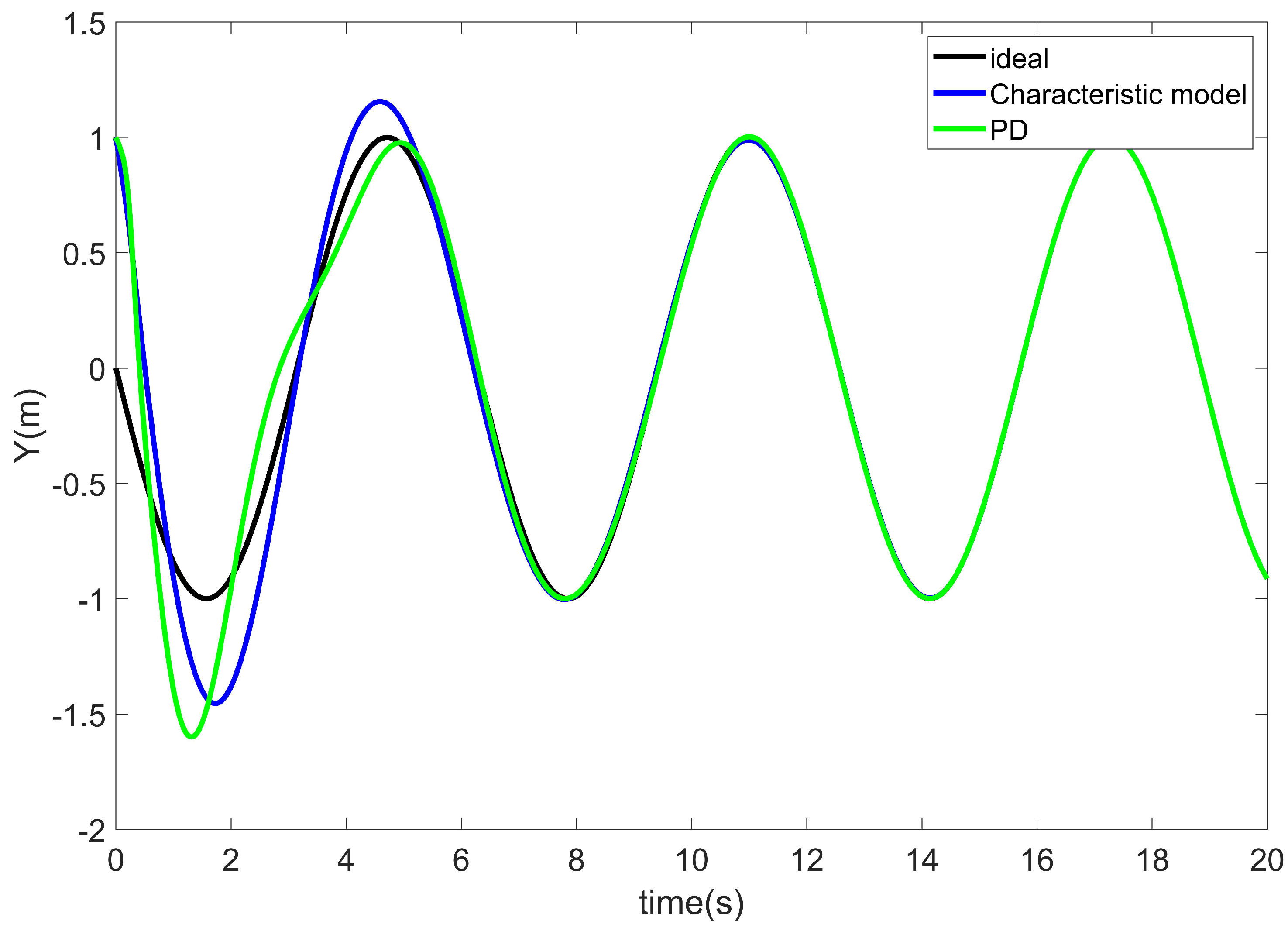
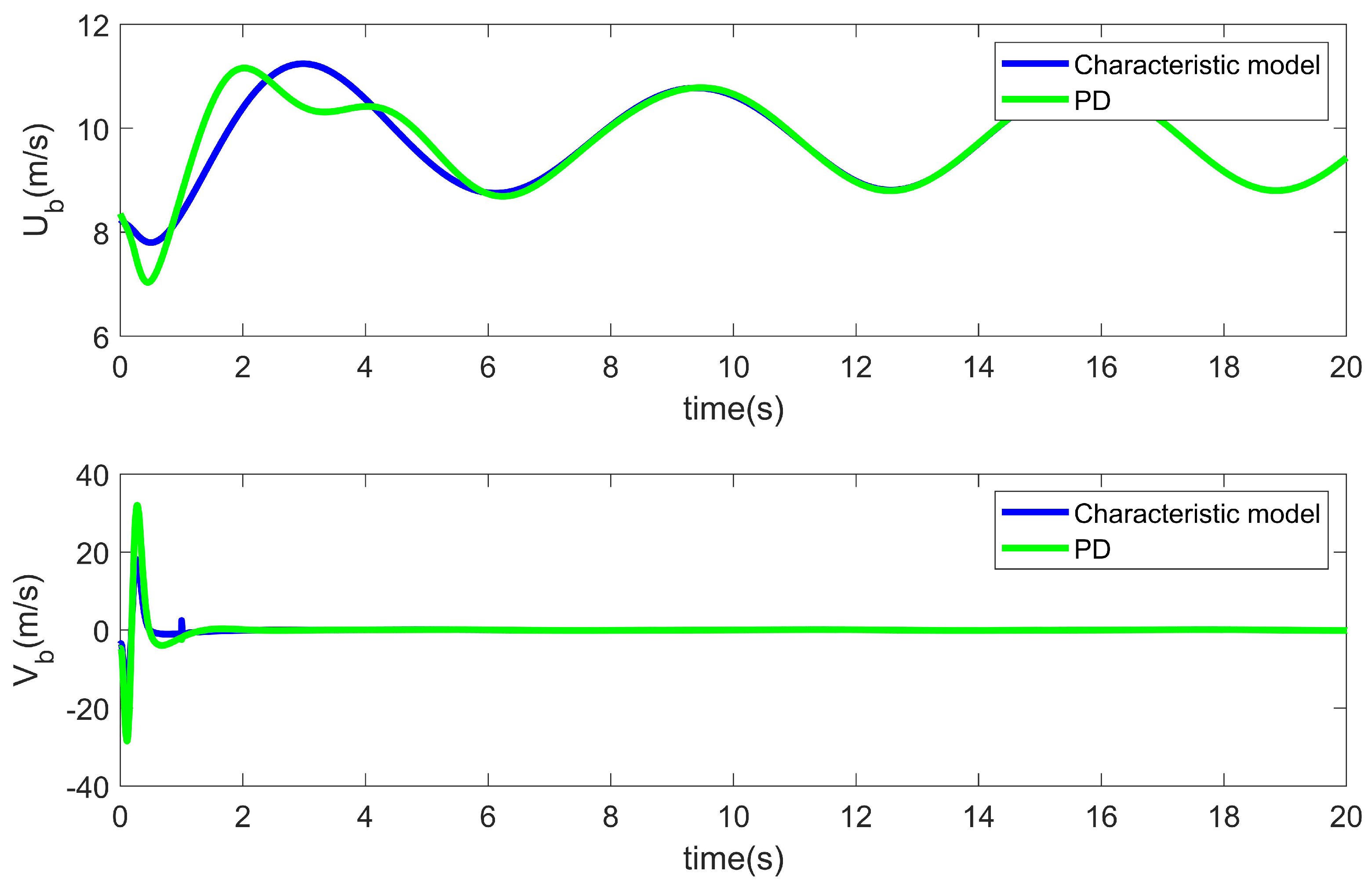
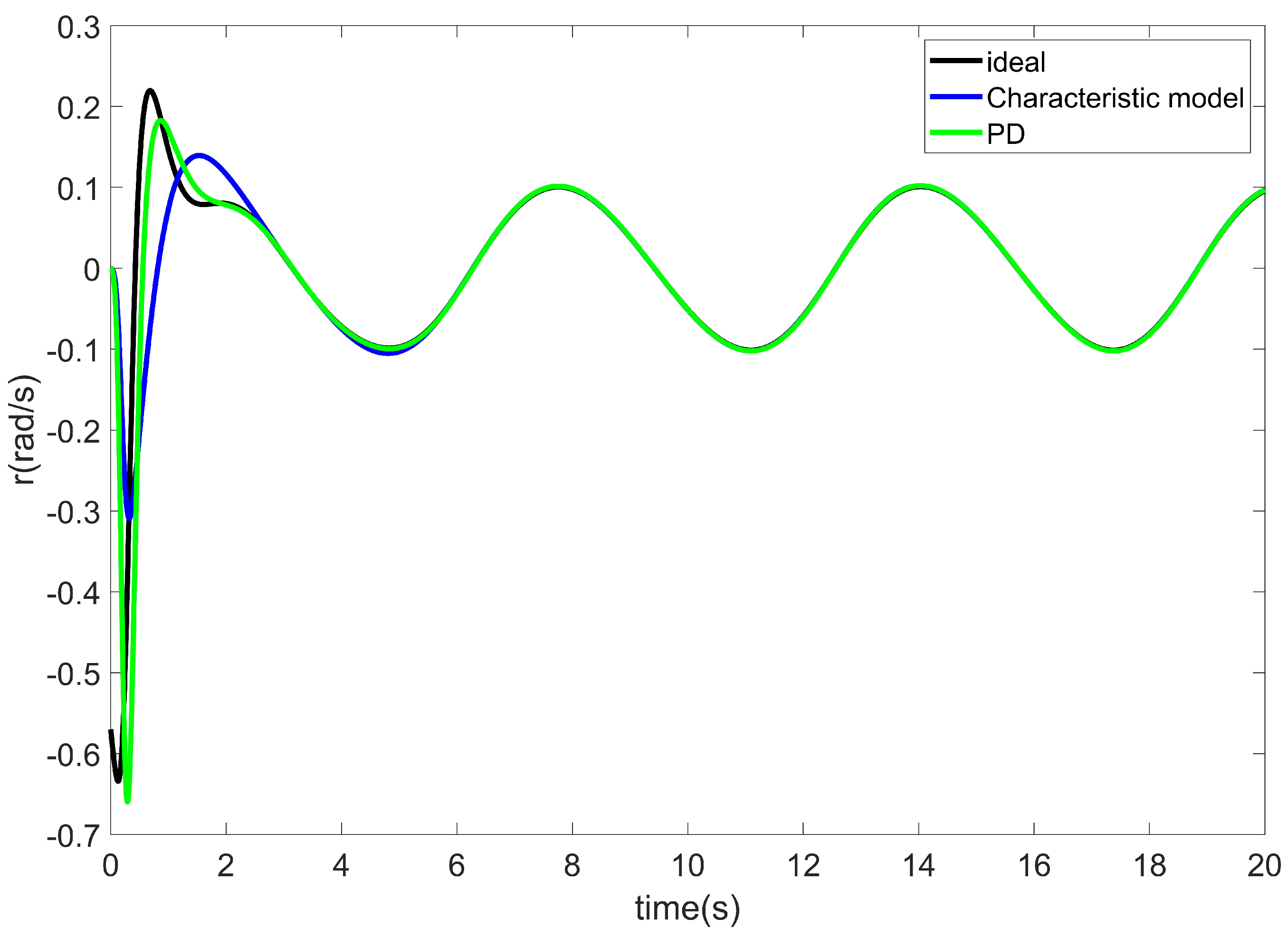
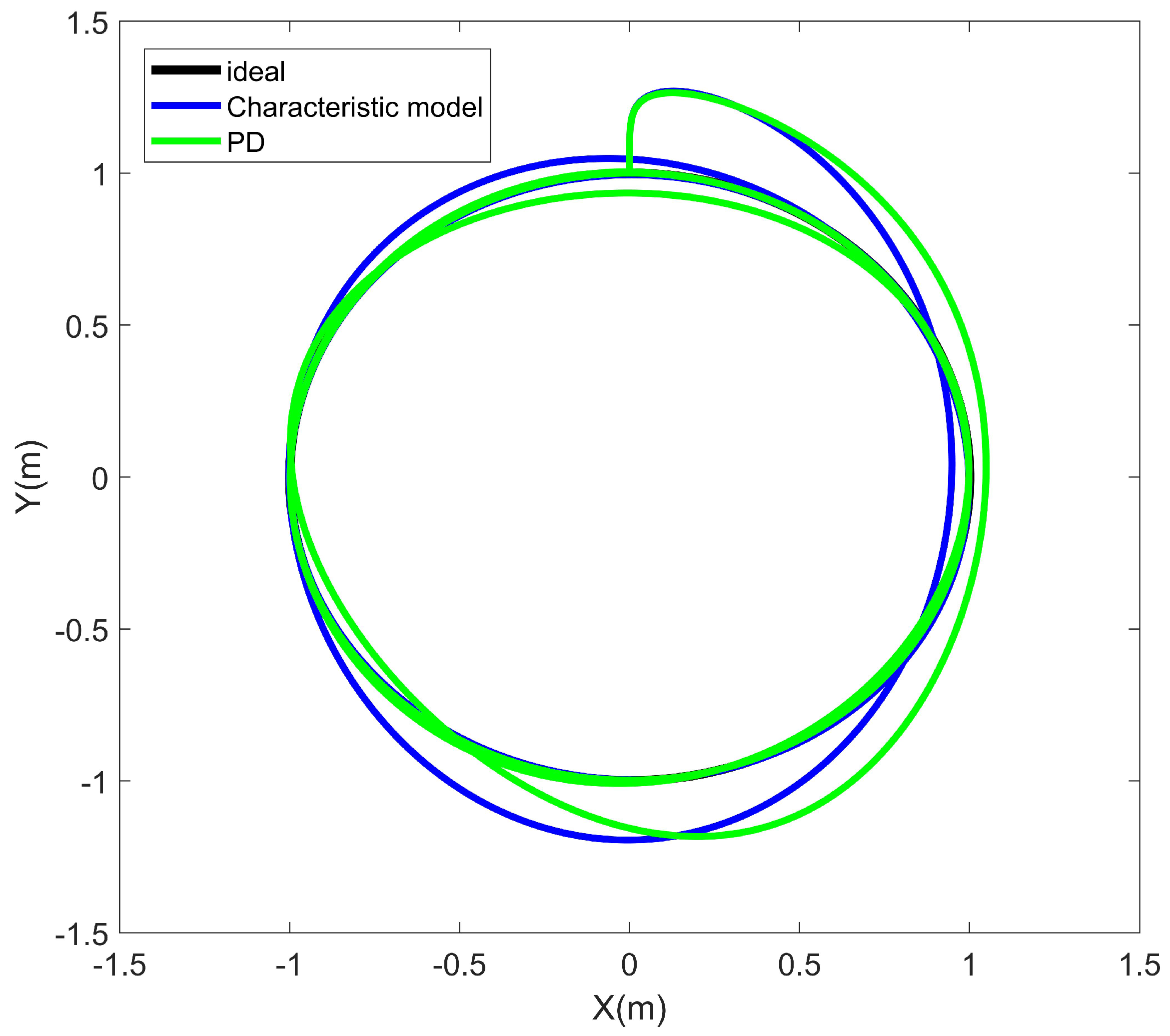
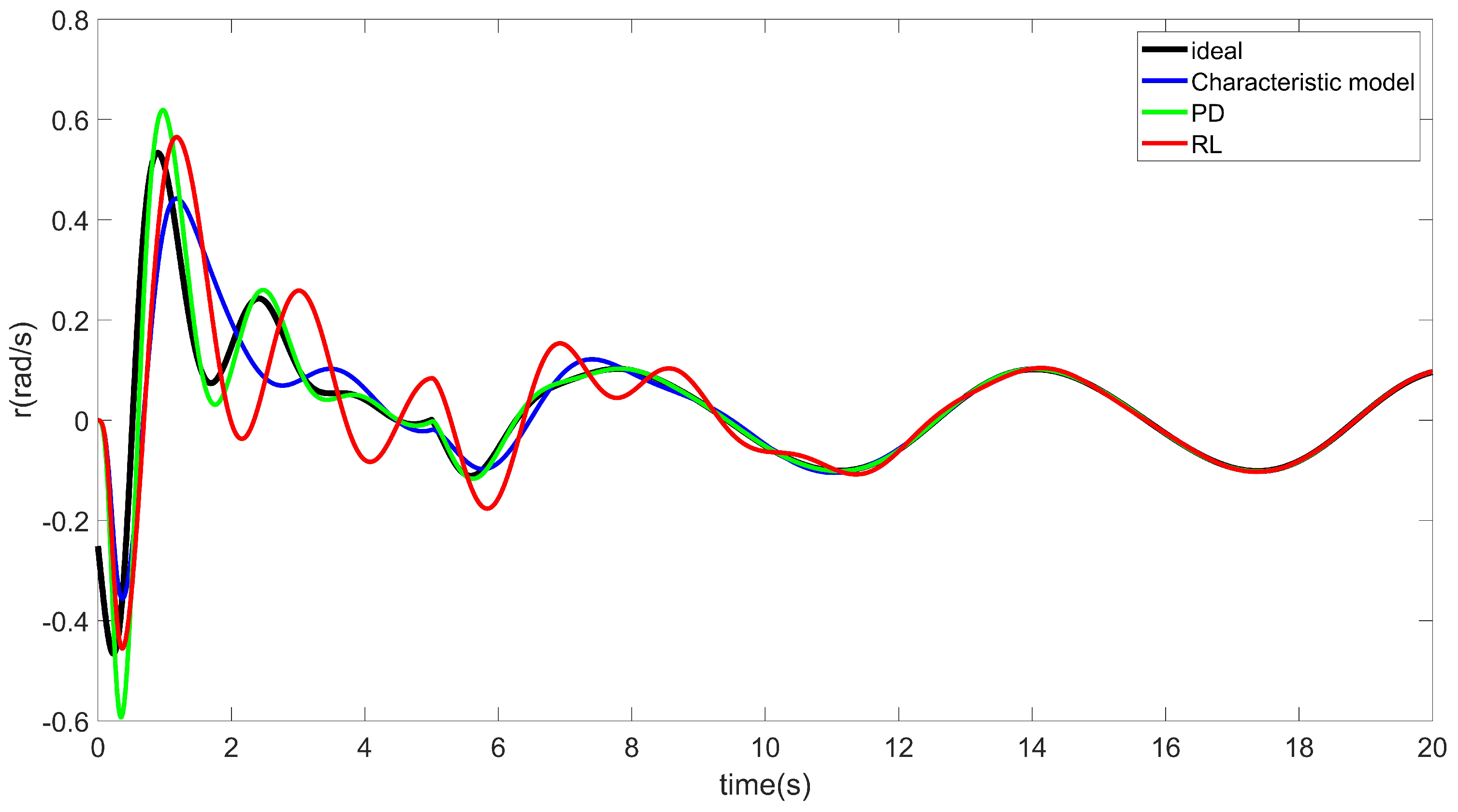
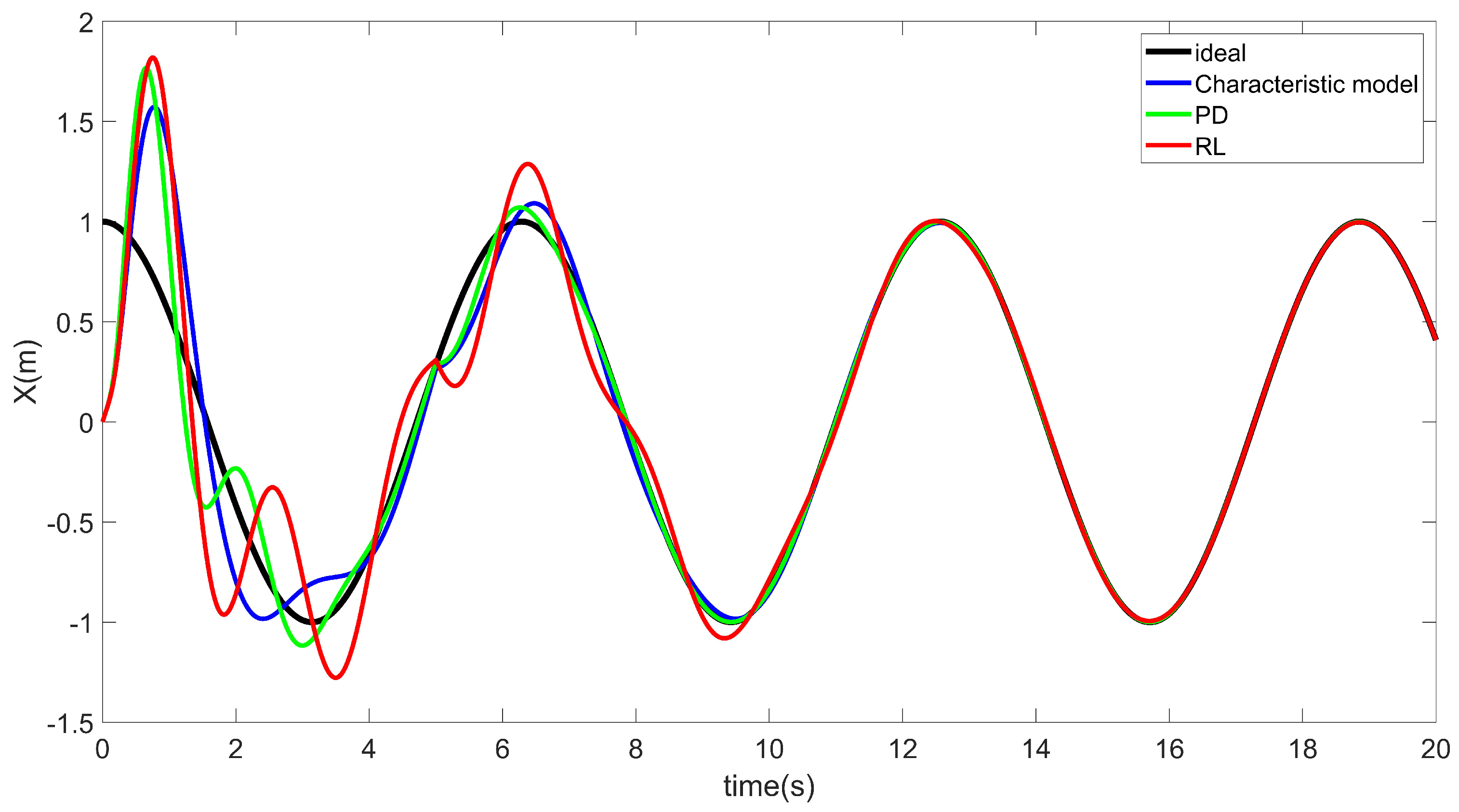
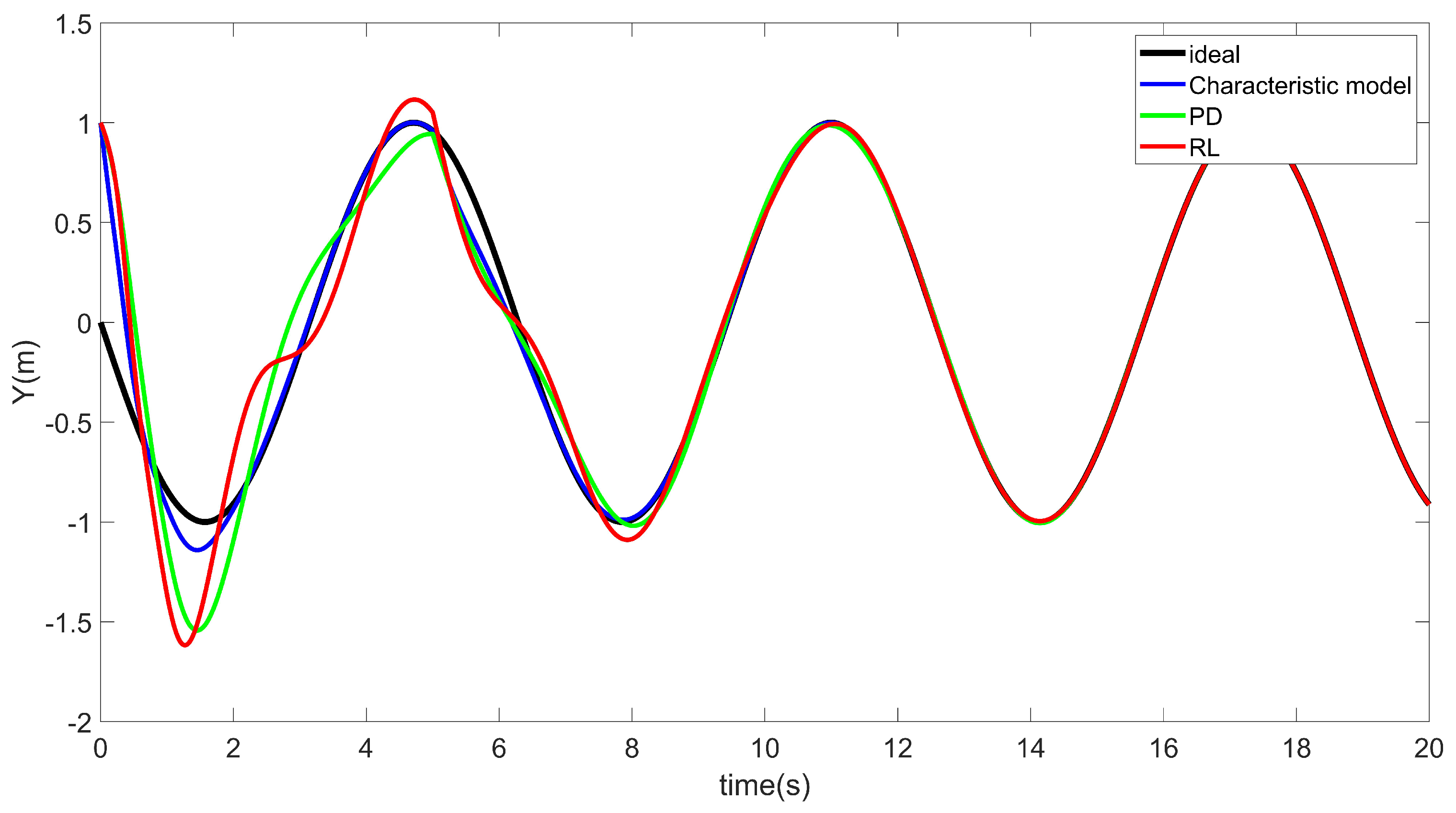
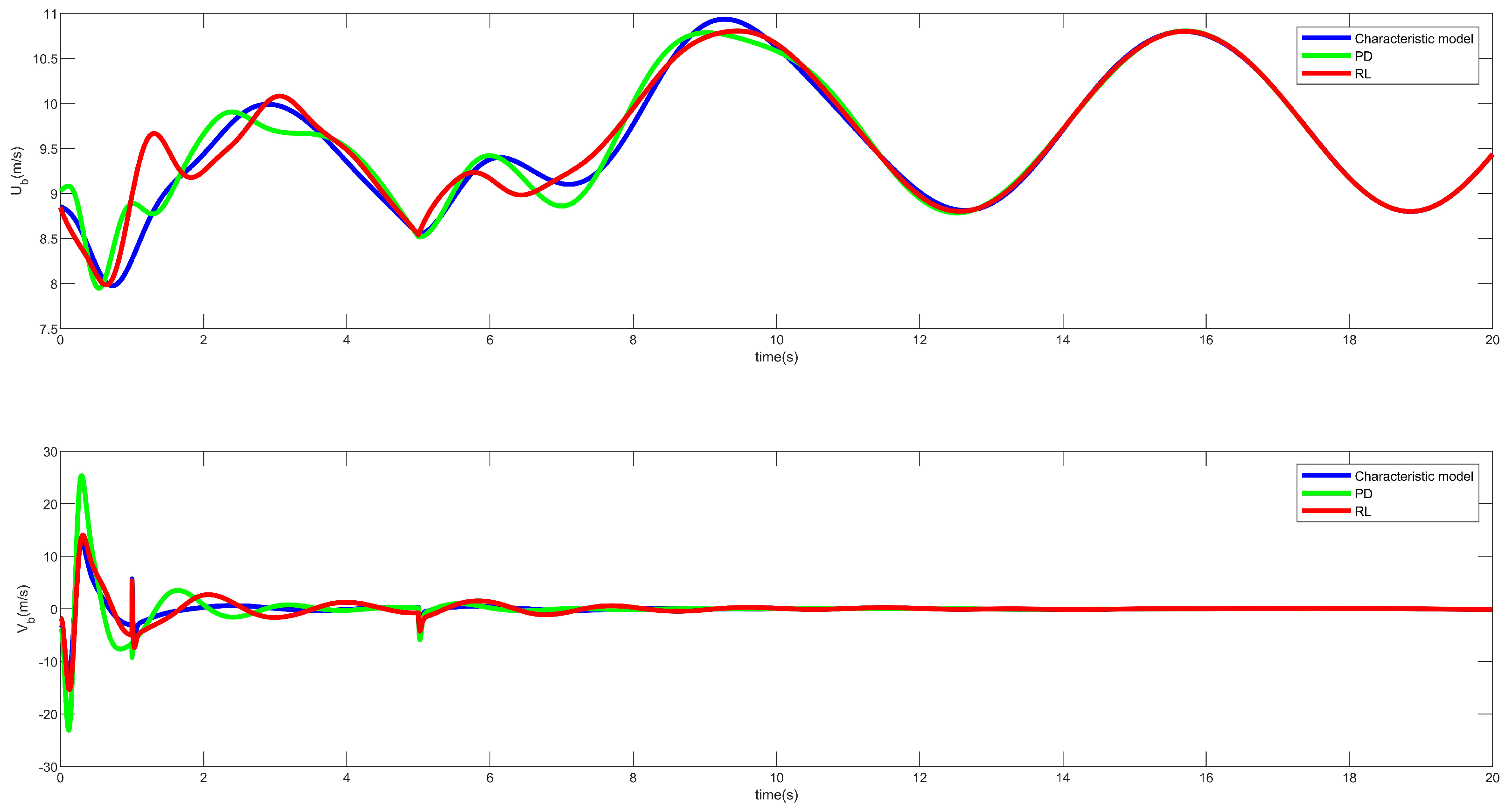
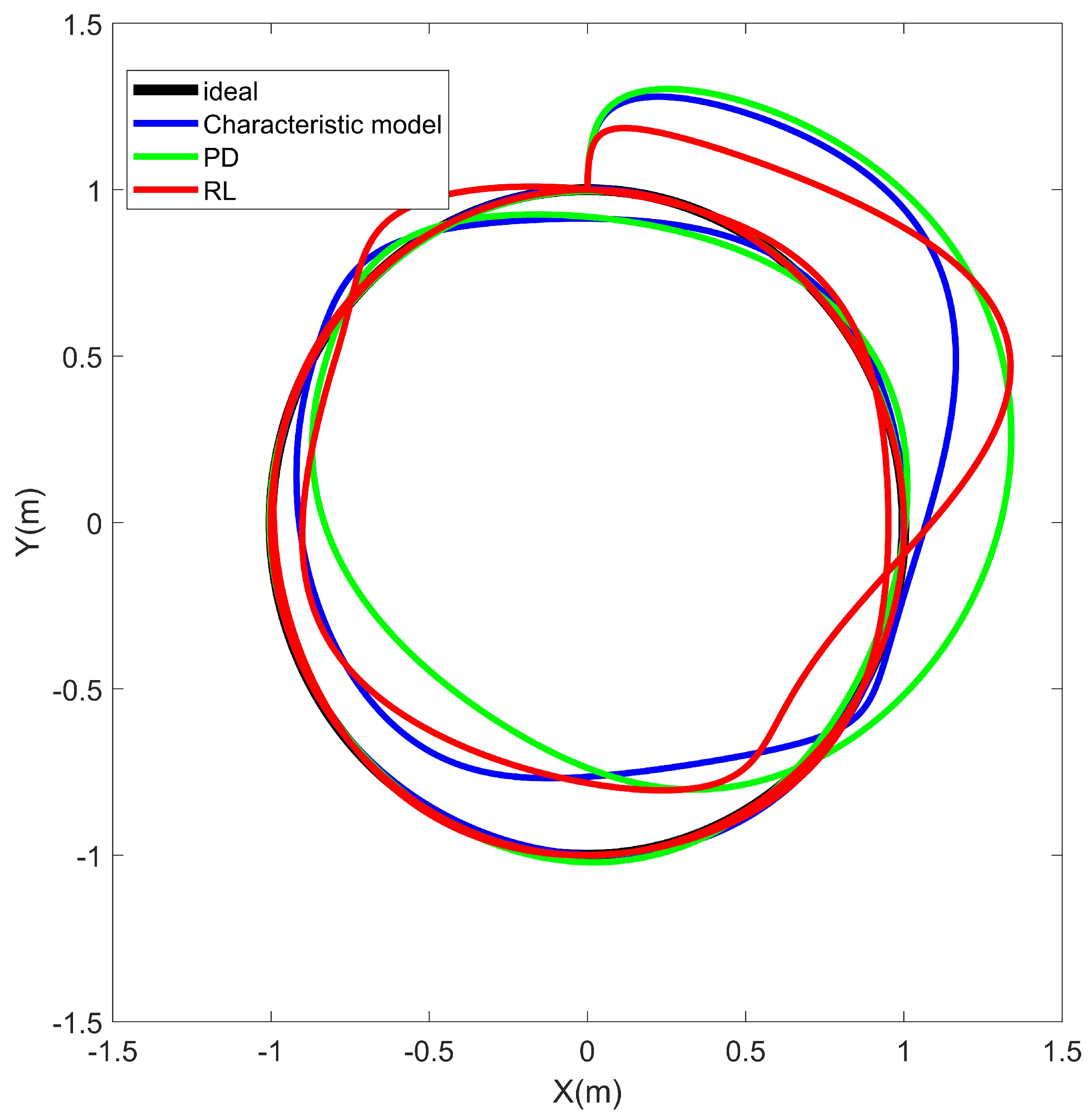
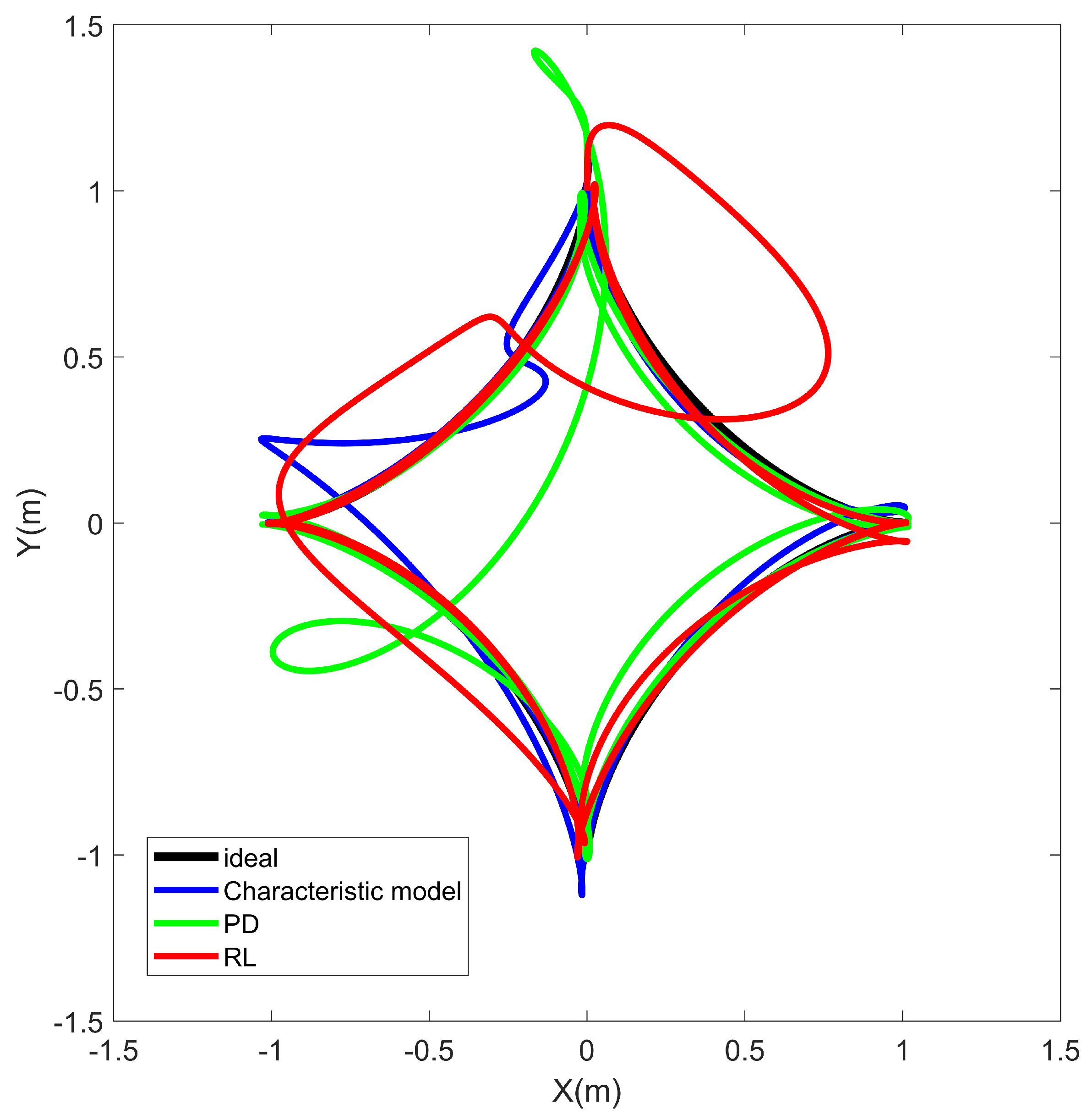
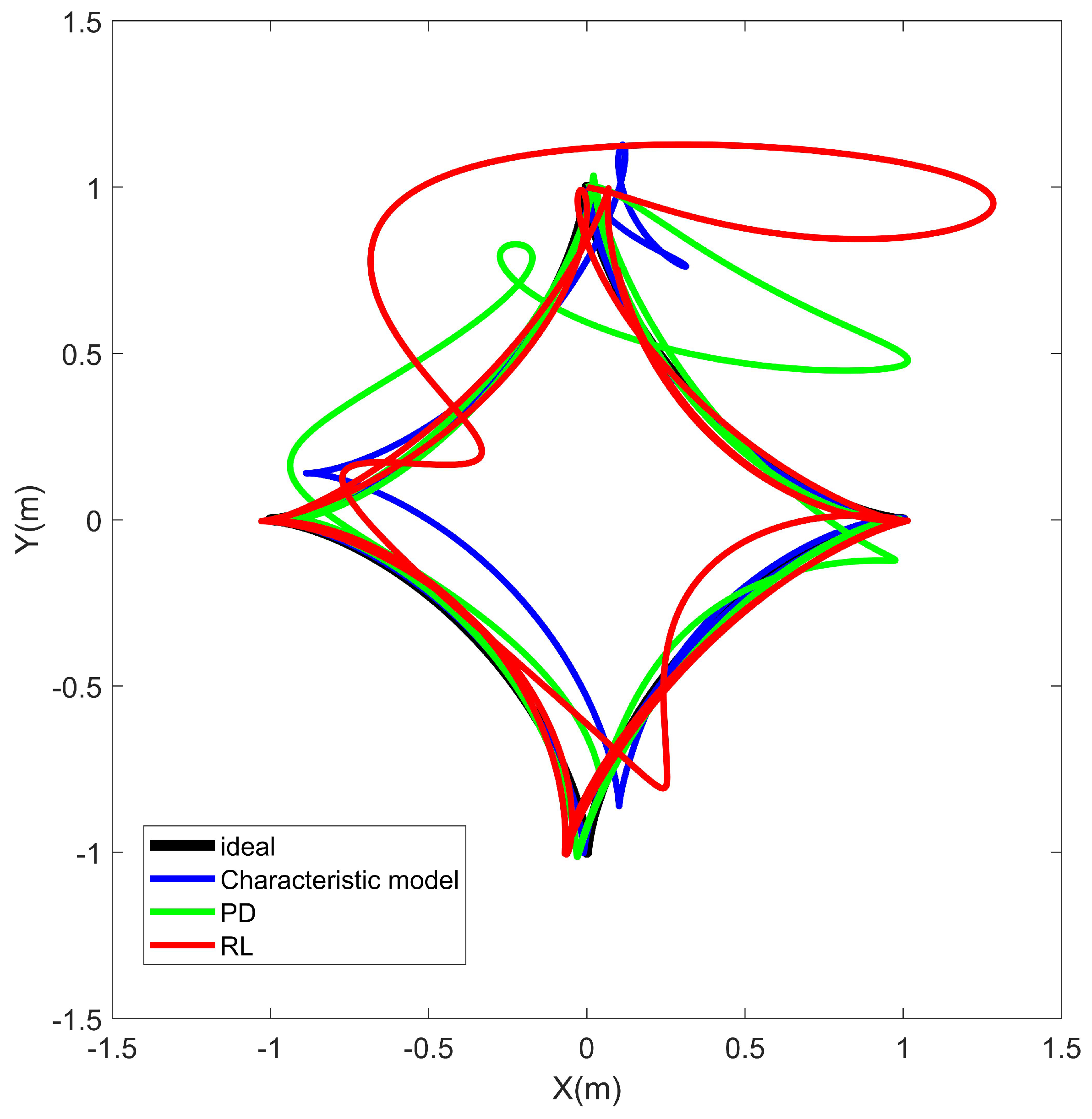
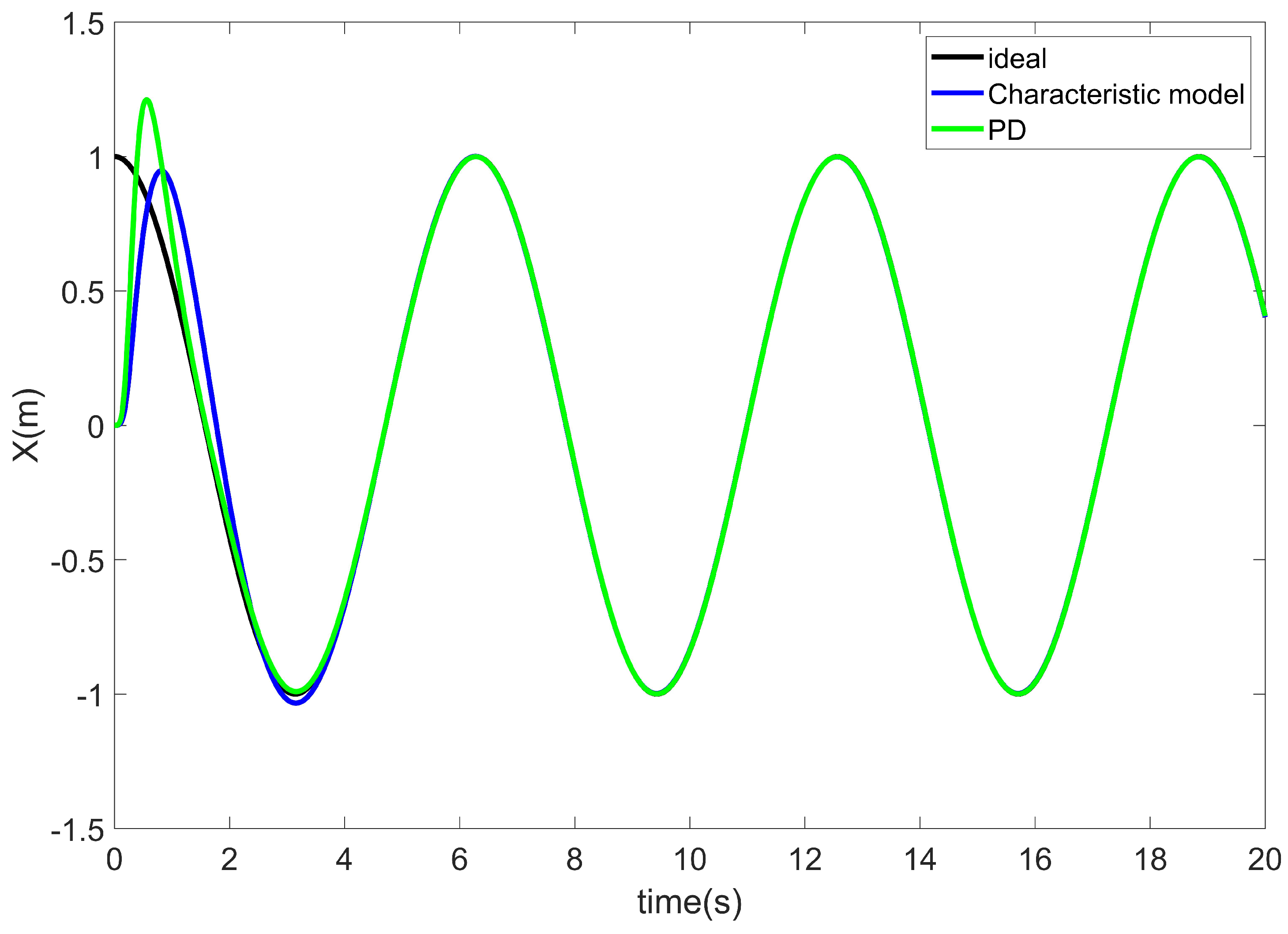
Factors such as changes in the external atmospheric environment, volatility in the external radiation, convective heat transfer, and radiation between the internal surfaces of the airship skin will cause a series of changes in the motion model of an airship. The adaptive control method of the characteristic model is proposed to extract the relationship between input and output in the original system, without relying on an accurate dynamic model, and solves the problem of inaccurate modeling. This paper analyzes the variables needed for two-dimensional path tracking and combines the guidance theory and the method of wind field state conversion to determine specific control targets. Through the research results, under the interference of wind, the PD control method and the reinforcement learning-based method are compared with a characteristic model control method. The response speed of the characteristic model control method surpasses the PD control method, and it reaches a steady state earlier than the PD control method does. The overshoot of the characteristic model control method is smaller than that of the PD control method. Using the control method of the characteristic model, the process of an airship flying to a target point will be more stable under the influence of an external environment. The modeling of the characteristic model adaptive control method does not rely on a precise model of the system, and it automatically adjusts when the parameters change to maintain a consistent performance in the system, thus reflecting the robustness and adaptability of the characteristic model adaptive control method in contrast with reinforcement learning.
Keywords: characteristic model; high-altitude airship; fixed-point control; data-driven; nonlinear system characteristic model; high-altitude airship; fixed-point control; data-driven; nonlinear system