Article

Deep Learning XAI for Bus Passenger Forecasting: A Use Case in Spain
by
Leticia Monje
1,
Ramón A. Carrasco
2,*,
Carlos Rosado
3 and
Manuel Sánchez-Montañés
3
1
Faculty of Statistics, Complutense University Puerta de Hierro, 28040 Madrid, Spain
2
Department of Marketing, Faculty of Commerce and Tourism Complutense, University of Madrid, 28003 Madrid, Spain
3
Computer Science Department, Universidad Autónoma de Madrid, 28049 Madrid, Spain
*
Author to whom correspondence should be addressed.
Mathematics 2022, 10(9), 1428; https://doi.org/10.3390/math10091428
Submission received: 1 March 2022 / Revised: 1 April 2022 / Accepted: 20 April 2022 / Published: 23 April 2022

Abstract

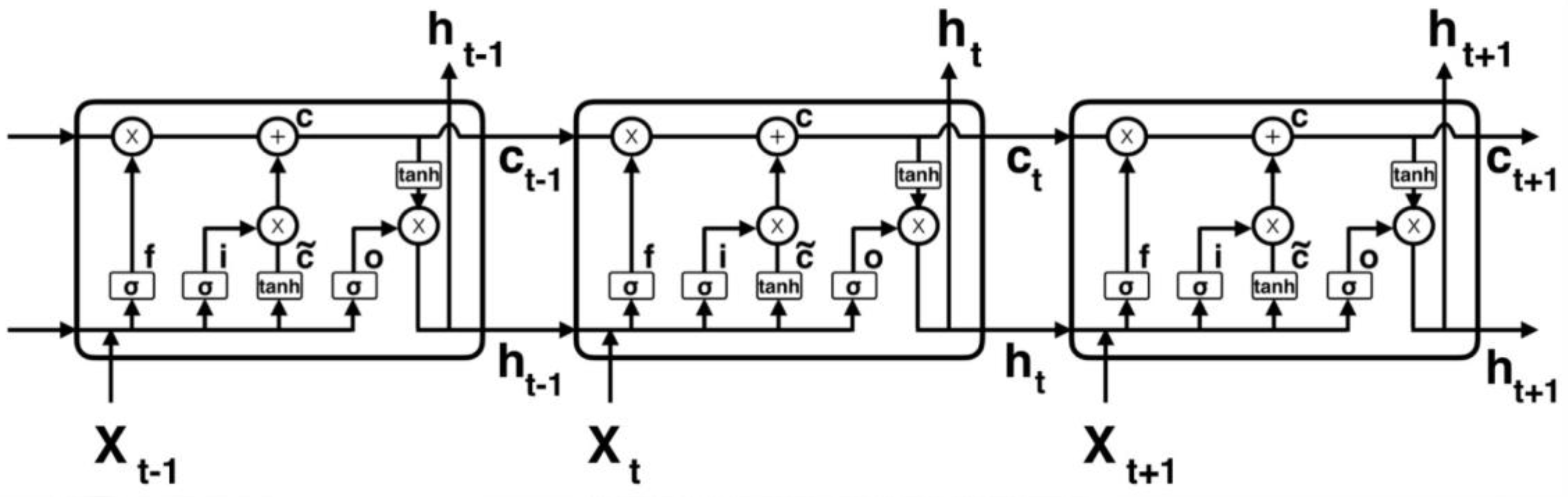
Time series forecasting of passenger demand is crucial for optimal planning of limited resources. For smart cities, passenger transport in urban areas is an increasingly important problem, because the construction of infrastructure is not the solution and the use of public transport should be encouraged. One of the most sophisticated techniques for time series forecasting is Long Short Term Memory (LSTM) neural networks. These deep learning models are very powerful for time series forecasting but are not interpretable by humans (black-box models). Our goal was to develop a predictive and linguistically interpretable model, useful for decision making using large volumes of data from different sources. Our case study was one of the most demanded bus lines of Madrid. We obtained an interpretable model from the LSTM neural network using a surrogate model and the 2-tuple fuzzy linguistic model, which improves the linguistic interpretability of the generated Explainable Artificial Intelligent (XAI) model without losing precision.
Keywords: deep learning; LSTM; XAI; time series; passenger forecasting; smart city; surrogate model; 2-tuple fuzzy model deep learning; LSTM; XAI; time series; passenger forecasting; smart city; surrogate model; 2-tuple fuzzy model