Article

Neural Network-Based Hybrid Forecasting Models for Time-Varying Passenger Flow of Intercity High-Speed Railways


School of Railway Tracks and Transportation, Wuyi University, Jiangmen 529020, China
*
Author to whom correspondence should be addressed.
Mathematics 2022, 10(23), 4554; https://doi.org/10.3390/math10234554
Submission received: 7 November 2022 / Revised: 24 November 2022 / Accepted: 26 November 2022 / Published: 1 December 2022
(This article belongs to the Special Issue Mathematical Optimization in Transportation Engineering)

Abstract

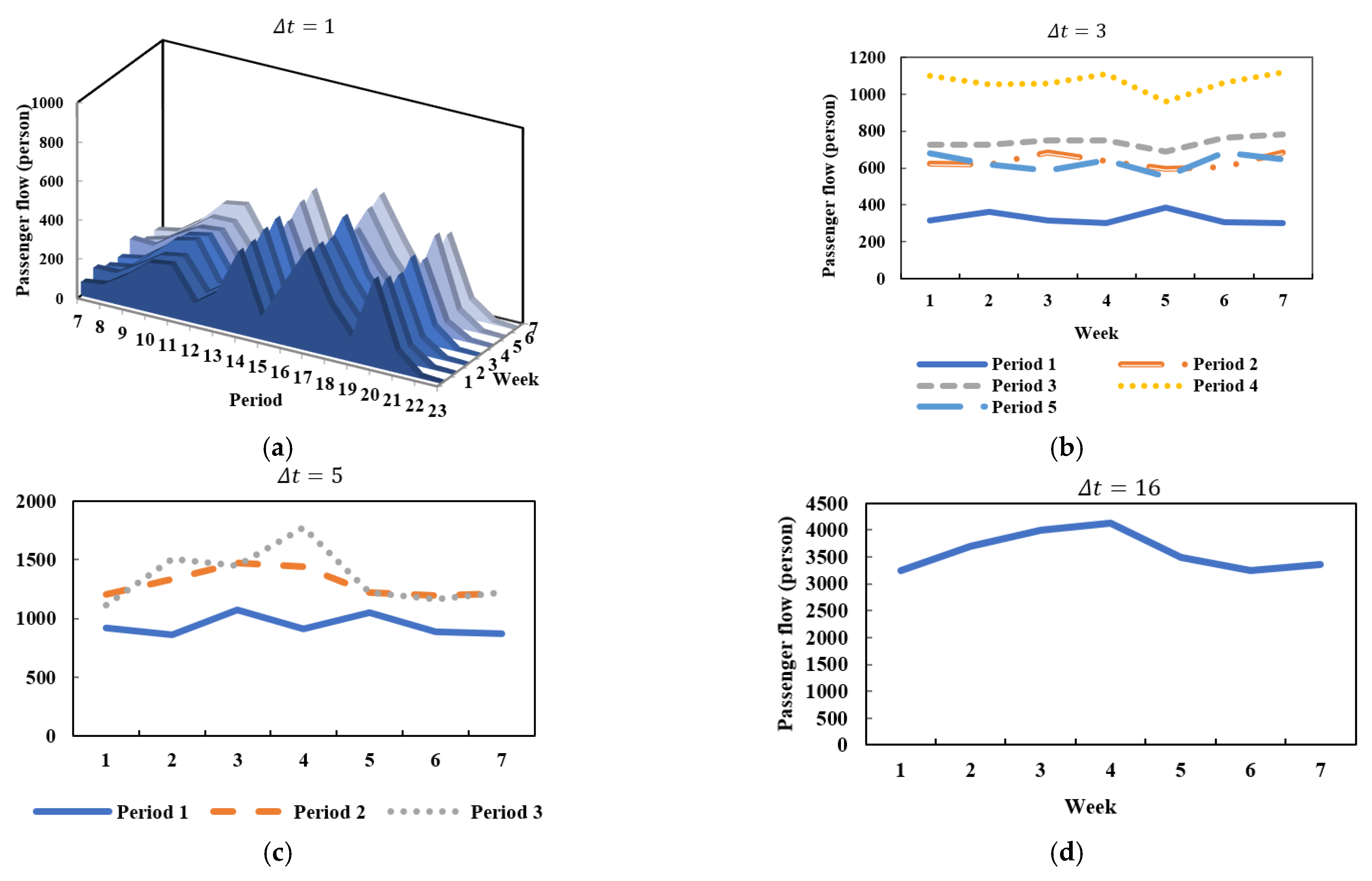
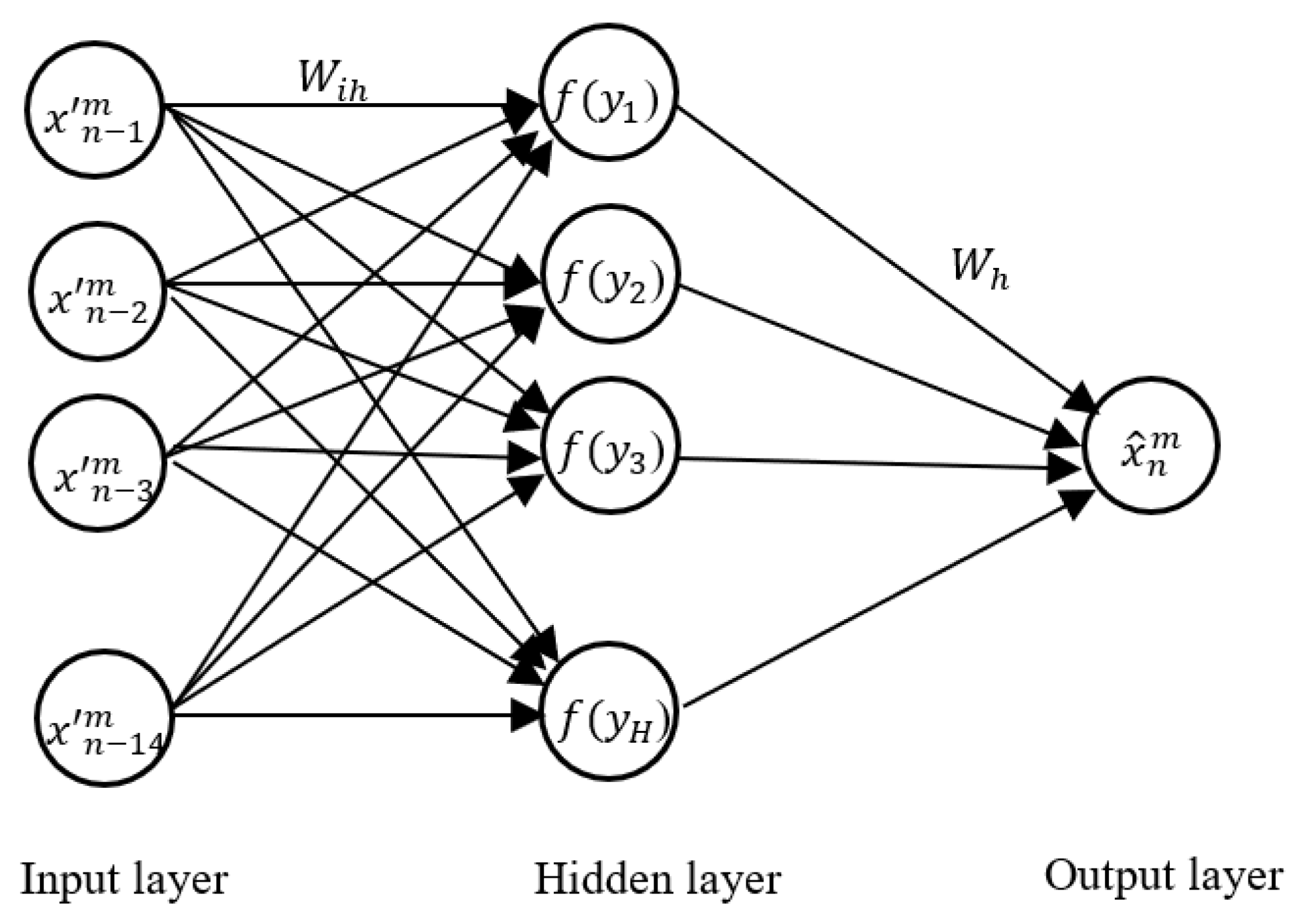
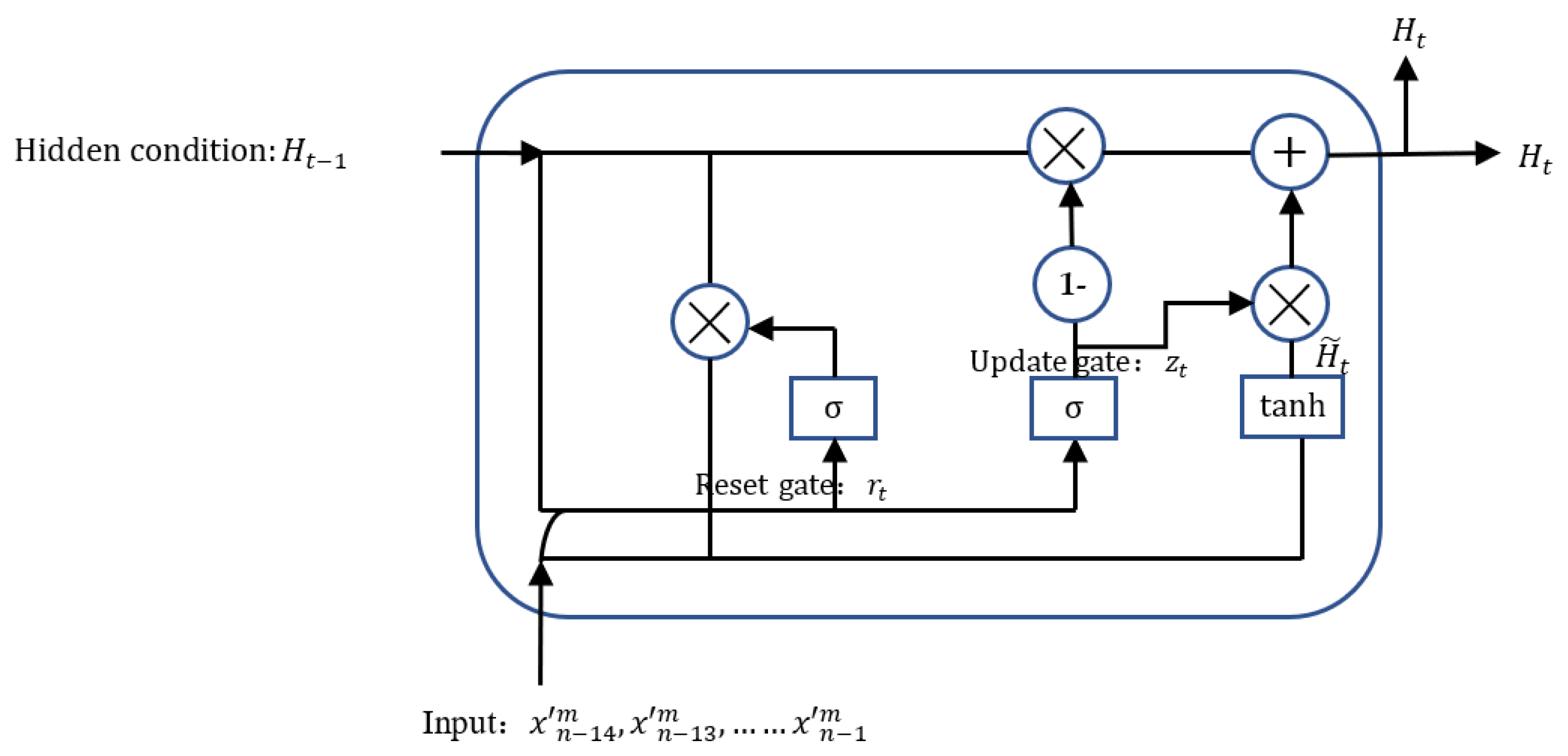
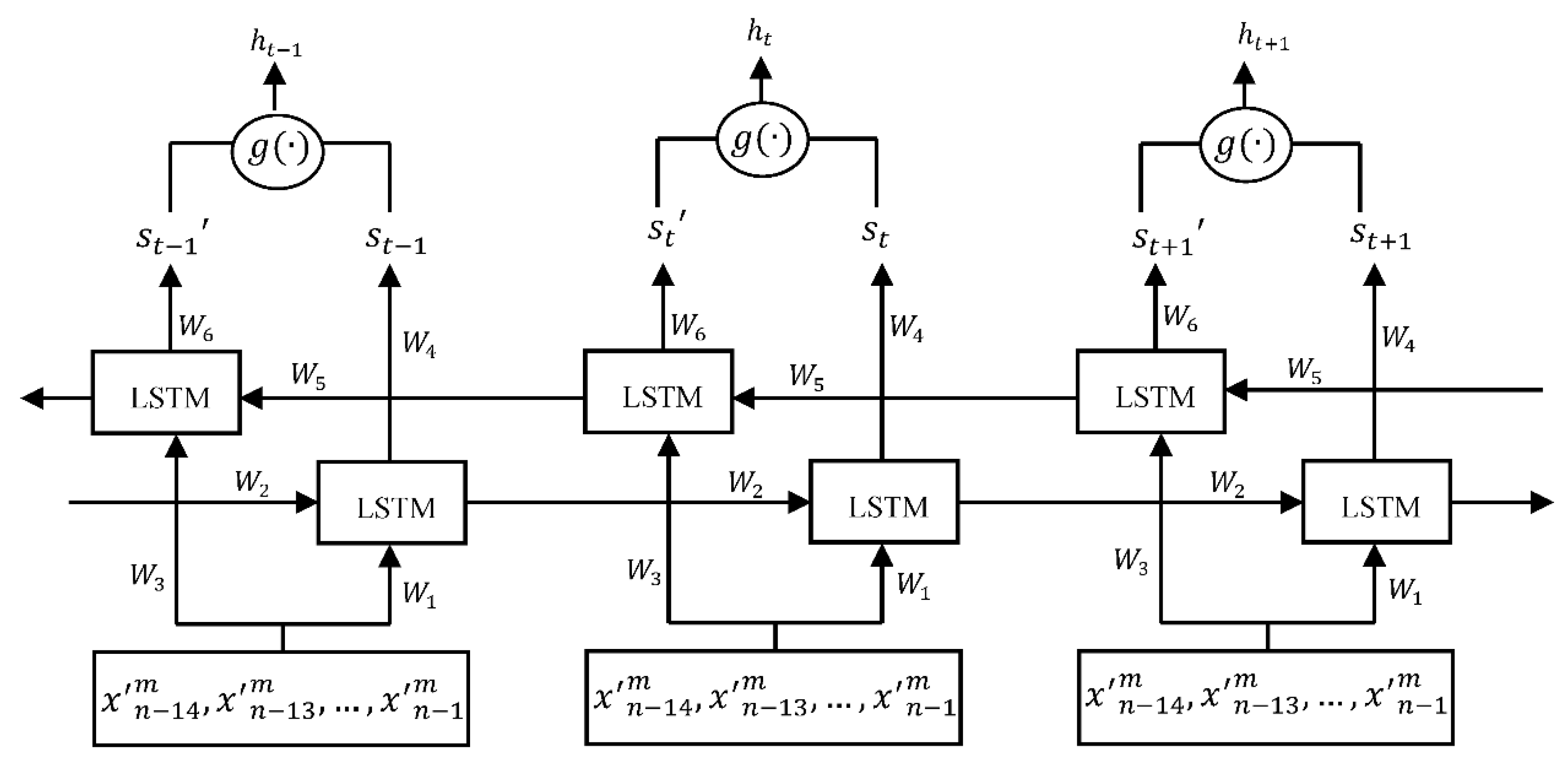
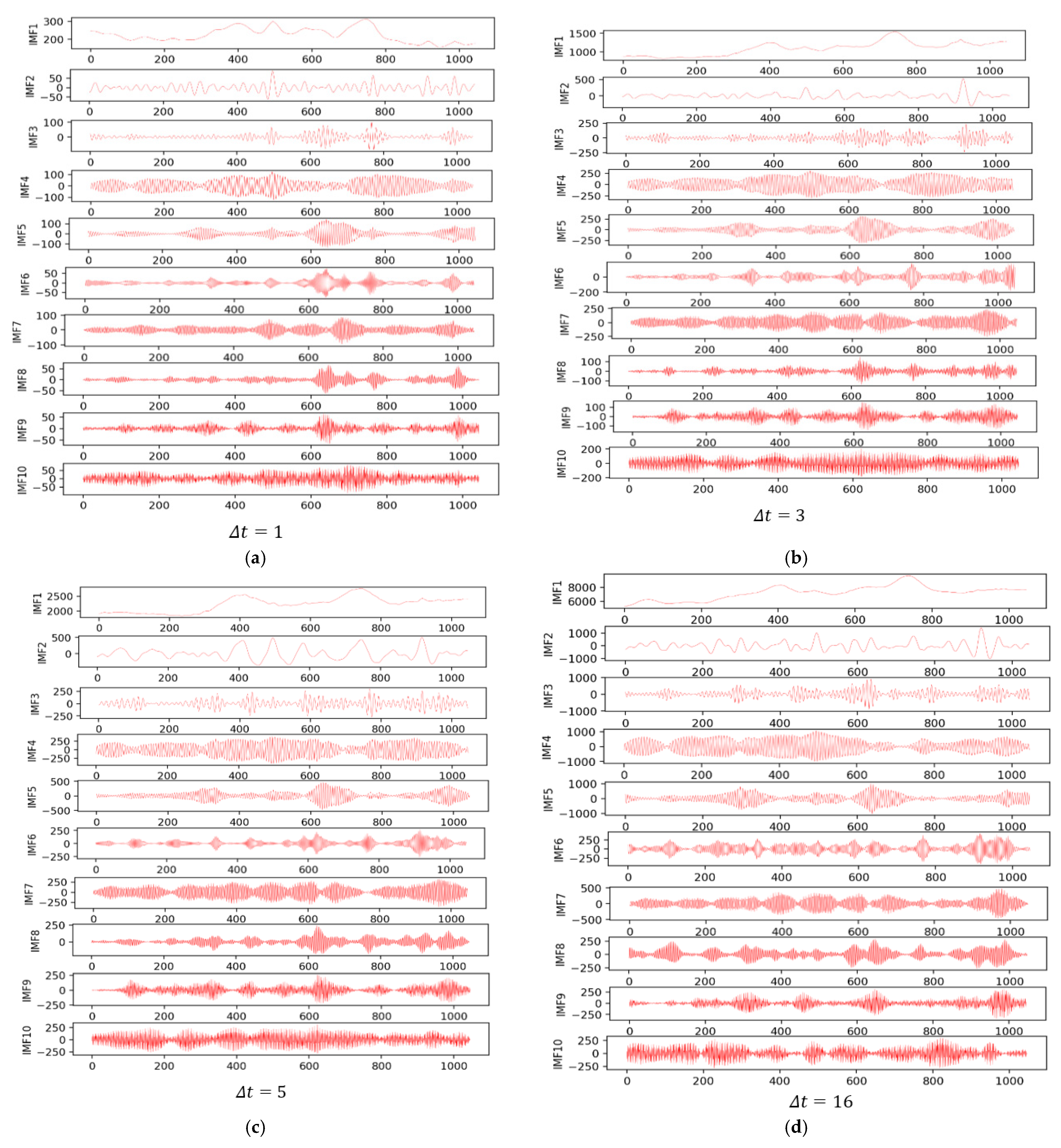
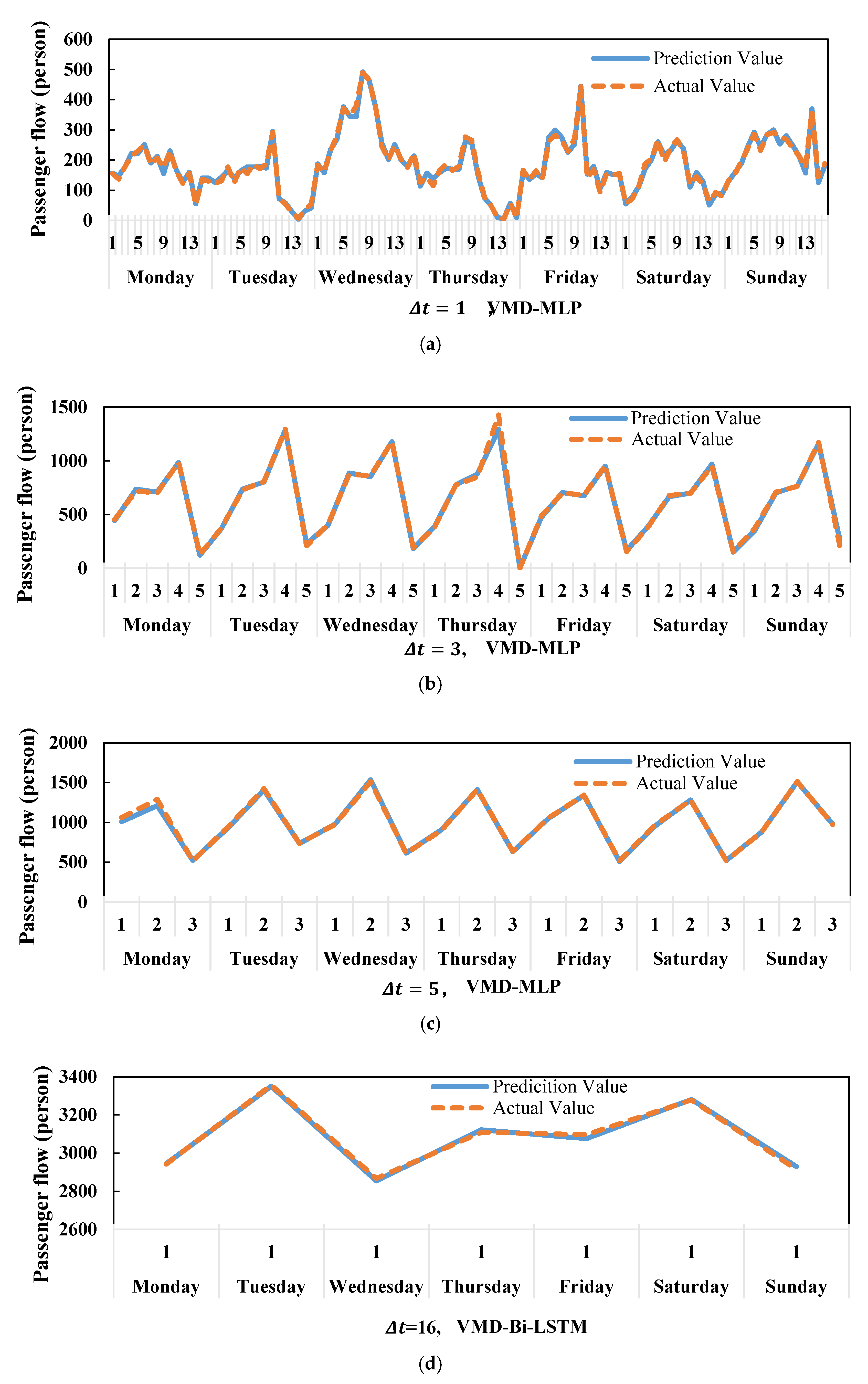
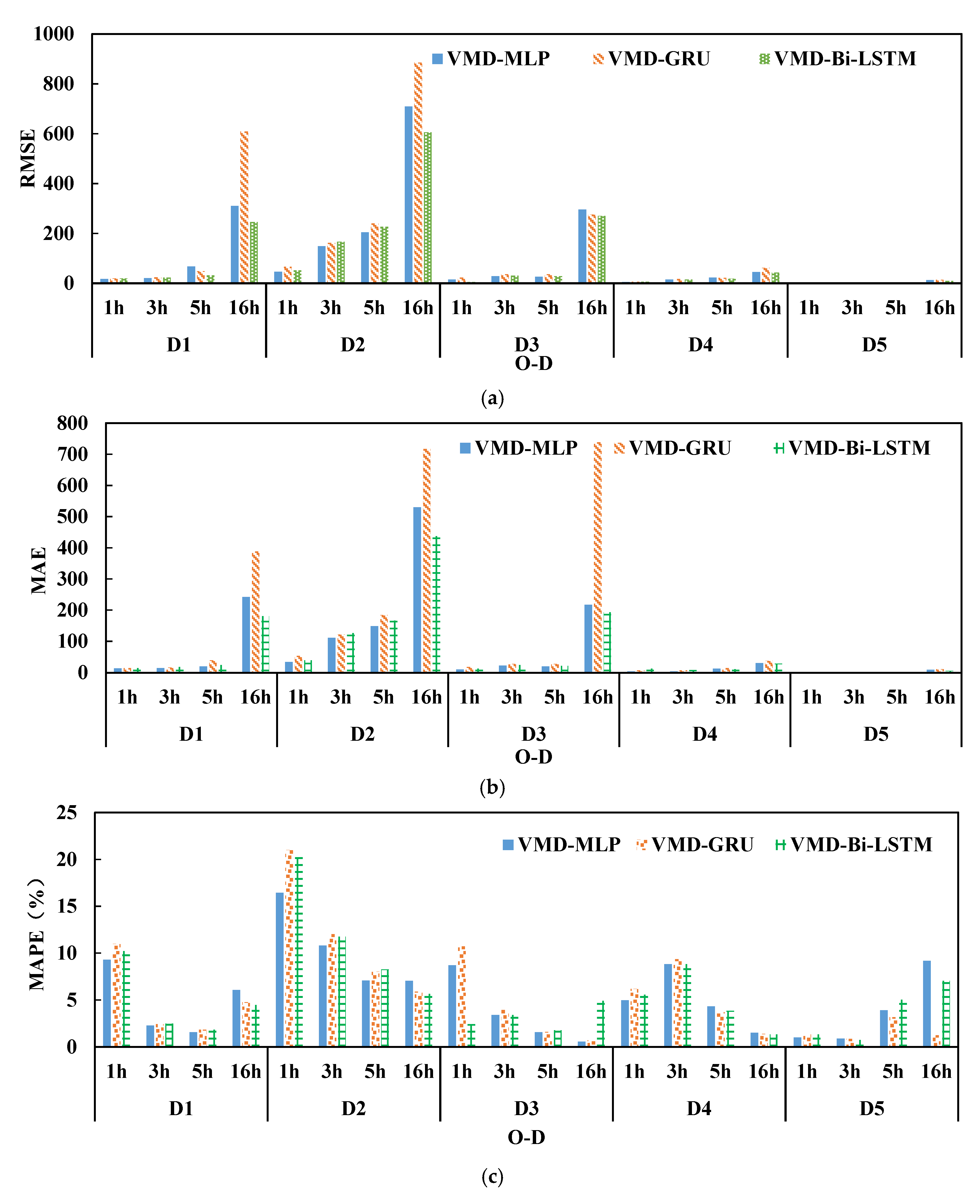
Time-varying passenger flow is the input data in the optimization design of intercity high-speed railway transportation products, and it plays an important role. Therefore, it is necessary to predict the origin-destination (O-D) passenger flow at different times of the day in combination with the stable time-varying characteristics. In this paper, three neural network-based hybrid forecasting models are designed and compared, named Variational Mode Decomposition-Multilayer Perceptron (VMD-MLP), Variational Mode Decomposition-Gated Recurrent Unit Neural Network (VMD-GRU), and Variational Mode Decomposition-Bidirectional Long Short-Term Memory Neural Network (VMD-Bi-LSTM). First, the time-varying characteristics of passenger travel demand under different time granularities are analyzed and extracted by the VMD method. Second, three neural network prediction models are constructed to predict the passenger flow sequence after VMD decomposition and reconstruction. Experimental analysis is performed on the Guangzhou Zhuhai intercity high-speed railway in China, and the passenger flow at different time periods of the day under different time granularities is predicted. The following results were found: (i) The number of hidden neurons and the number of iterations of the hybrid forecasting model have a great impact on the prediction accuracy. The error of the VMD-MLP model fluctuates less and it performs more smoothly than both the VMD-GRU model and the VMD-Bi-LSTM model. (ii) The VMD-MLP, VMD-GRU, and VMD-Bi-LSTM models can basically reduce the MAPE error to less than 10%. With the increase of time granularity, RMSE and MAE errors tend to gradually increase, while the MAPE error tends to gradually decrease. (iii) For passenger flow under a smaller time granularity, the prediction accuracy of the VMD-MLP model is higher, while for passenger flow under a larger time granularity, the prediction accuracy of the VMD-GRU and VMD-Bi-LSTM models is higher. (iv) The proposed neural network-based hybrid models outperform the existing models and the hybrid models perform better than the single models.
Keywords: intercity high-speed railway; time-varying passenger flow; neural network; hybrid forecasting models intercity high-speed railway; time-varying passenger flow; neural network; hybrid forecasting models