Article

The Role of Visual–Spatial Abilities in the Acquisition of Key Competencies of the 21st Century—Empirical Research

Technical Faculty “Mihajlo Pupin”, University of Novi Sad, 23000 Zrenjanin, Serbia
*
Author to whom correspondence should be addressed.
Educ. Sci. 2026, 16(6), 947; https://doi.org/10.3390/educsci16060947 (registering DOI)
Submission received: 6 March 2026 / Revised: 28 May 2026 / Accepted: 11 June 2026 / Published: 15 June 2026
(This article belongs to the Section Education and Psychology)

Abstract

Visual–spatial abilities (VSAs) are increasingly recognized as essential for acquiring 21st-century competencies, such as digital literacy, creative problem-solving, and the ability to interact with virtual and 3D environments. This study explores whether participation in a Computer Animation (CA) course can effectively enhance VSA, thus supporting the broader development of these key skills. A total of 346 students participated, divided into an experimental group (231 students attending CA) and a control group (115 students). The Purdue Spatial Visualization Test (PSVT) was used to assess VSA before and after the course. The analysis considered three aspects: the impact of CA course participation, test–retest effects, and the role of prior 3D software experience. Results showed a significant VSA improvement in the experimental group (+7.08 points), particularly among students without prior 3D experience. The control group showed minimal gains (+1.76 points), confirming that course participation—not test repetition—drove the improvements. More intensive course attendance (full-time students) led to greater progress. These findings suggest that Computer Animation courses can effectively support the development of visual–spatial abilities, which in previous research, have been associated with competencies relevant to digital and creative domains.

1. Introduction

In today’s rapidly digitized and globalized society, education systems around the world are increasingly focused on developing the so-called key competences of the 21st century—among which digital competences, creative thinking, problem-solving and visual–spatial reasoning are particularly important (European Commission, 2018; OECD, 2019). The European Key Competences Framework and the OECD’s Future of Education and Skills 2030 clearly emphasize the need to align education with the demands of the labor market and technological innovations shaping the modern world (European Commission, 2018; OECD, 2019; World Economic Forum, 2020; Ferrari, 2013).
In this context, visual–spatial abilities (hereinafter VSAs) take on a new meaning. Once predominantly associated with fields such as engineering and architecture (Sorby, 2009), today VSA is recognized as the foundation for a wide range of digital and creative skills—including 3D modeling, virtual and augmented reality (VR/AR), computer animation, data visualization, and digital design (Yue, 2008; Roca-González et al., 2017; Medina Herrera et al., 2024; Tiwari et al., 2024). Within the Digital Competence Framework for Citizens (DigComp), VSAs are key to developing competencies such as digital content creation, visual literacy, and the use of digital tools for communication and learning (Vuorikari et al., 2016). The World Economic Forum also identifies visual reasoning as one of the skills that will have increasing value in the labor market by 2025 (World Economic Forum, 2020).
An increasing number of research shows that it is possible to develop VSA in a targeted manner through appropriate teaching programs, especially in digitally rich educational environments (Medina Herrera et al., 2024; Roca-González et al., 2017; Tiwari et al., 2024). For example, Medina Herrera et al. (2024) show that the integration of VR, AR, and 3D printing in the classroom can significantly improve VSA, and thus students’ ability to creatively solve problems in digital contexts. Similarly, Roca-González et al. point out that virtual technologies encourage deeper spatial reasoning, while paralleling the development of transversal skills such as digital competence and creativity.
In addition to their role in the development of specific digital skills, visual–spatial abilities also have a broader significance as a meta-cognitive resource that enables learning transfer—the transfer of learned knowledge and skills into new, different domains of learning and work. The developed VSA enables students to better understand and solve tasks involving spatial organization, logical modeling, abstract visualization, and manipulation of complex information in a variety of contexts (Tiwari et al., 2024; Hegarty & Waller, 2004; Uttal et al., 2013; Wai et al., 2009).
Research shows that improving VSA can contribute to more successful learning in areas that are not closely related to spatial reasoning at first glance—such as mathematics, physics, chemistry, programming, and even reading and understanding complex texts (Tiwari et al., 2024; Uttal et al., 2013; Wai et al., 2009). This transfer effect is particularly important in education systems oriented towards the development of transversal competences of the 21st century. As Uttal et al. (2013) point out, the development of visual–spatial abilities can contribute to cognitive flexibility—the ability to apply knowledge in a variety of situations—which is key to success in dynamic and interconnected areas of work and learning.
Given these educational and technological trends, there is a growing interest in the application of instructional programs that actively engage spatial reasoning. One such example is the computer animation (CA) course, which directly engages the mechanisms that underlie visual–spatial thinking through work with 2D and 3D geometric transformations, modeling and mental manipulation of spatial objects (Yue, 2008; Roca-González et al., 2017; Medina Herrera et al., 2024; Tiwari et al., 2024; Martín-Dorta et al., 2008; Ardebili, 2006; Moritz & Youn, 2022).
Accordingly, the aim of this research is to examine whether and to what extent a computer animation course can contribute to the development of visual–spatial abilities of students and thus support the acquisition of a wider range of key competencies needed for learning and working in the 21st century. In particular, the impact of previous experience in working with 3D tools was examined, as well as the effect of the retesting itself.
The study is therefore grounded in the assumption that visual–spatial abilities are trainable cognitive resources that can be systematically developed through active and digitally mediated learning environments (Castro-Alonso et al., 2024; Medina Herrera et al., 2024).
Existing research on visual–spatial ability development has primarily focused on processes involving virtual reality, CAD systems, and 3D modeling environments, demonstrating their effectiveness in enhancing spatial reasoning and related competencies. However, comparatively less attention has been given to the role of computer animation (CA) courses, as structured pedagogical programs in higher education, particularly in large, quasi-experimental settings.
This study aims to address this gap by examining the impact of a CA course on visual–spatial abilities, with a particular focus on differences related to prior experience and the potential of such programs to support broader competence development. In this way, the study contributes to bridging the gap between cognitive research on spatial abilities and applied educational practices in digitally mediated learning environments.

2. Theoretical Framework and Literature Review

Visual–Spatial Abilities

Visual–spatial abilities (VSAs) represent a base component of human cognition, encompassing the capacity to mentally generate, manipulate, and interpret visual and spatial information. They are integral to a broad range of cognitive processes, including memory, attention, problem-solving, reasoning, and learning flexibility (Bar-Hen-Schweiger & Henik, 2024). Within contemporary educational and professional contexts, these abilities are increasingly recognized as essential building blocks for 21st-century competencies—notably creativity, problem-solving, digital literacy, and adaptability in digital work environments (European Commission, 2018; OECD, 2019; European Commission, 2022).
From a theoretical perspective, the development of visual–spatial abilities through a CA course can be interpreted through several complementary learning and cognitive frameworks. First, constructivist and experiential learning theories suggest that knowledge is more effectively acquired when learners actively manipulate and transform representations rather than passively observe them. In the context of computer animation, students continuously engage in spatial transformations, modeling, and problem-solving, which supports active knowledge construction.
Second, from the perspective of cognitive learning theories, spatial reasoning is strengthened through interaction with visual and virtual environments, as learners mentally simulate object movement, rotation, and transformation. Recent research emphasizes that cognition is grounded in sensorimotor interaction and that interactive learning environments can significantly enhance spatial reasoning and engagement (Castro-Alonso et al., 2024; Chang & Aberash, 2026). This is particularly relevant in digital and immersive contexts, where technologies such as 3D modeling and animation enable rich embodied experiences that support learning and creative thinking (Lehrman, 2025).
Finally, Cognitive load theory provides an additional explanatory framework, suggesting that structured learning environments can facilitate schema construction and reduce cognitive overload in complex spatial tasks. Recent studies highlight that integrating embodied cognition with cognitive load theory leads to more effective learning in complex digital environments, particularly for novice learners (Zou et al., 2025). These perspectives collectively support the assumption that visual–spatial abilities can be systematically developed through targeted, technology-enhanced educational interventions (Medina Herrera et al., 2024).
Visual–spatial intelligence regulates the ability to accurately perceive spatial relationships, perform mental transformations, and reason about objects and their interactions in 2D and 3D space (Hegarty & Waller, 2004; Maier, 1996). As Moritz and Youn (2022) highlight, the ability to mentally visualize and rotate objects has become critical in modern fields such as design and engineering, where mastery of 3D software directly correlates with professional success. This demonstrates how VSAs are transforming from abstract cognitive constructs into applied competencies relevant for thriving in digital domains.
Contemporary frameworks, such as the Key Competences for Lifelong Learning, Digital Competence Framework for Citizens (DigComp) and OECD Future of Education and Skills 2030, explicitly underline the importance of visual–spatial skills. These abilities enable effective navigation of complex digital environments, facilitate visual communication, and support the creation and manipulation of digital content—essential capabilities in fields like CAD design, VR/AR, industrial design, data visualization, and computational animation (World Economic Forum, 2020).
The structure of visual–spatial abilities is multifaceted. Many studies (Bar-Hen-Schweiger & Henik, 2024, Kozhevnikov & Hegarty, 2001) suggest that VSA encompasses several interrelated but distinct components, including:
  • Mental rotation—the ability to mentally rotate objects in space;
  • Spatial visualization—the ability to manipulate and transform visual representations;
  • Spatial perception—the ability to accurately judge spatial relationships;
  • Perspective taking—the ability to adopt different viewpoints in space.
Bar-Hen-Schweiger and Henik (2024) further propose an overarching cognitive factor—mental manipulation—that underlies these components and extends beyond purely spatial processing to encompass broader cognitive flexibility.
Recent research also demonstrates the importance of advanced, logically valid spatial ability tests in virtual environments, such as the ASVT-V used by Moritz and Youn (2022), which successfully captured domain-specific improvements in spatial visualization in fashion design education. This aligns with the broader trend of integrating virtual and immersive technologies to foster VSA (Medina Herrera et al., 2024; Roca-González et al., 2017; Tiwari et al., 2024).
Importantly, the development of VSA has been shown to facilitate learning transfer—the ability to apply acquired knowledge and skills across different contexts and disciplines (Tiwari et al., 2024; Hegarty & Waller, 2004; Wai et al., 2009). Enhanced VSA supports flexible thinking and enables learners to approach unfamiliar problems through improved spatial reasoning and visualization strategies. For example, Uttal et al. (2013) and Wai et al. (2009) demonstrate that strengthening VSA contributes to improved outcomes in domains such as STEM education, architecture, and even verbal reasoning, indicating that spatial training can produce broad cognitive benefits that extend beyond its immediate domain of application.
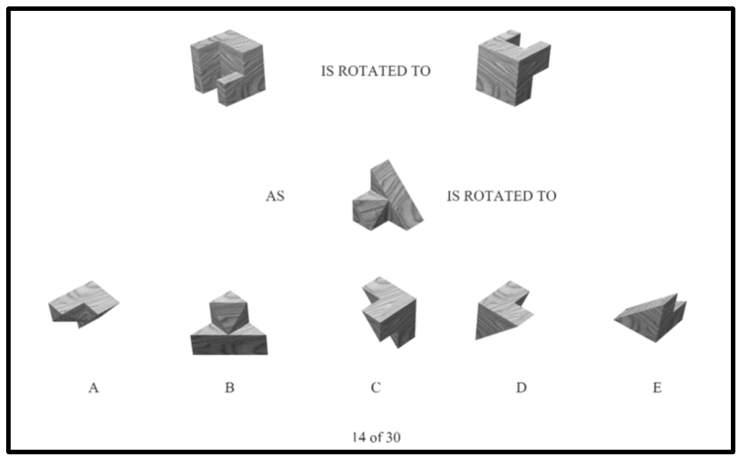
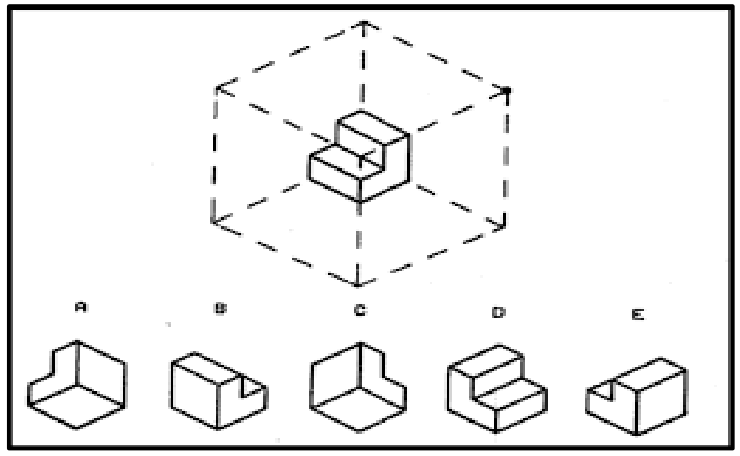
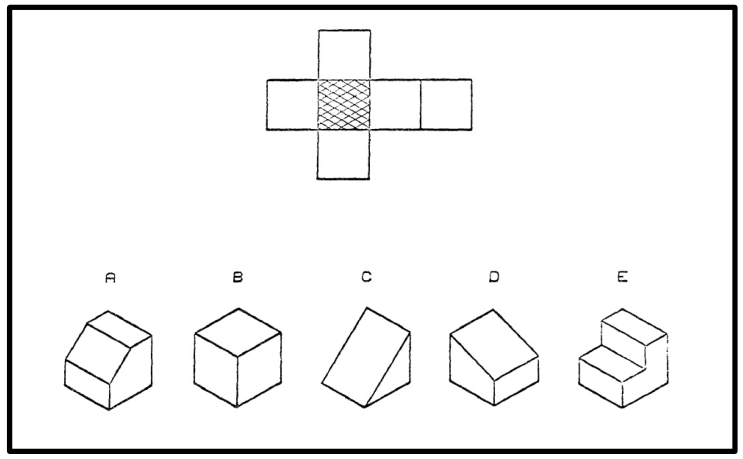
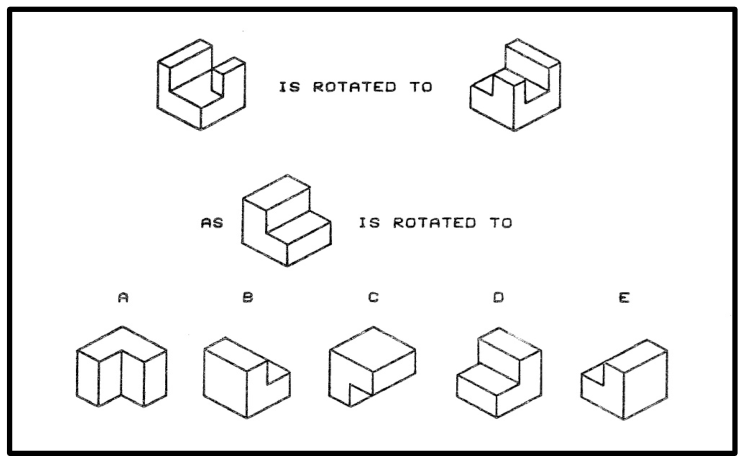
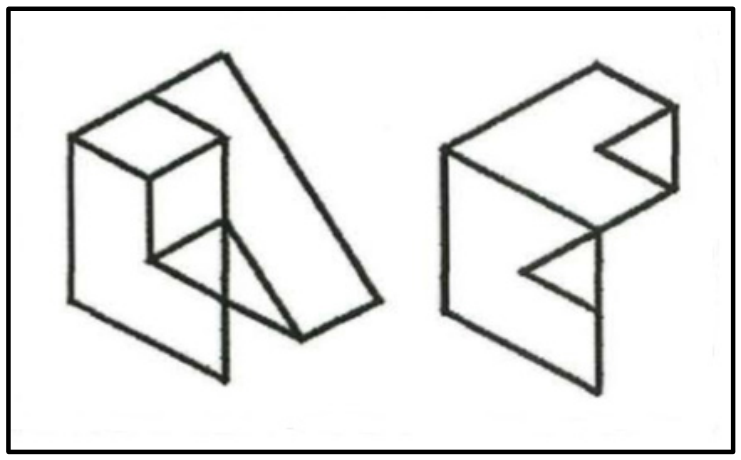
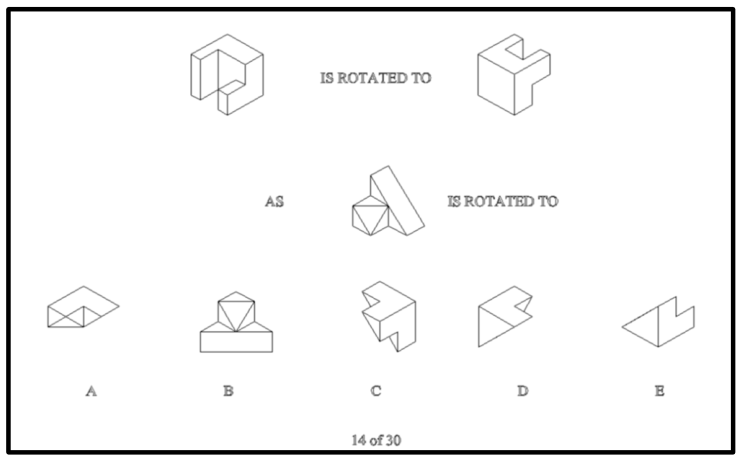
In empirical educational research, the Purdue Spatial Visualization Test (PSVT) (Guay, 1977b) remains a widely used instrument for assessing VSA. The PSVT includes three subtests—Views, Developments, and Rotations—designed to measure core spatial visualization skills. While the original PSVT utilized isometric projections (Appendix A, Figure A1, Figure A2 and Figure A3), subsequent revisions (Branoff, 2000; Yue, 2008) incorporated trimetric projections and more realistic 3D representations to enhance logical validity and better reflect the cognitive demands of modern digital tasks (Appendix A, Figure A4, Figure A5 and Figure A6).
Despite certain limitations (e.g., ambiguity in 2D interpretations), PSVT continues to provide a reliable and valid measure of spatial abilities, particularly within STEM disciplines (Maeda & Yoon, 2013). Performance on the PSVT correlates strongly with success in tasks requiring spatial reasoning and visualization, such as CAD modeling, engineering drawing, and 3D animation (Moritz & Youn, 2022).
In the context of this study, visual–spatial abilities are conceptualized as both a cognitive foundation and as a set of applied competencies crucial for effective performance in digital and creative domains. Moreover, fostering VSA can provide a powerful mechanism for promoting learning transfer, helping learners generalize and adapt cognitive strategies across varied academic and professional tasks (Tiwari et al., 2024; Uttal et al., 2013; Wai et al., 2009). The integration of computer animation courses with spatial ability development offers a promising direction for fostering these skills in higher education. By engaging students in activities involving 2D and 3D transformations, modeling, and mental manipulation of spatial objects, such courses can directly enhance VSA and contribute to the broader development of 21st-century competencies (Medina Herrera et al., 2024; Roca-González et al., 2017; Tiwari et al., 2024).
As Moritz and Youn (2022) demonstrated, domain-specific training in fields such as fashion design leads to measurable improvements in spatial visualization, supporting the idea that VSA can be deliberately created through targeted educational interventions. Similarly, Bar-Hen-Schweiger and Henik (2024) emphasize that fostering VSA is not only beneficial for spatial cognition “per se” but also for enhancing general cognitive flexibility and problem-solving capacity, both of which are critical for enabling effective learning transfer across diverse contexts.
In sum, visual–spatial abilities are emerging as a vital cognitive resource for navigating and contributing to the increasingly visual and interactive digital landscape of the 21st century. Their development through educational interventions, such as computer animation courses, holds significant potential not only for providing learners with specialized technical skills but also for fostering transferable cognitive competencies essential for lifelong learning and professional adaptability.

3. Methodology

3.1. Research Participants

Students of the Information Technology study program of the Technical Faculty in Zrenjanin participated in the research. A total of 346 students were enrolled, divided into two groups: experimental and control. The survey was conducted during the winter semesters of 2022/2023, 2023/2024 and 2024/2025.
A computer animation (CA) course was chosen as the educational strategy because it naturally integrates activities that foster the development of visual–spatial reasoning (VSA), which is a key component of transversal competencies in contemporary 21st-century education frameworks—including digital creativity, problem-solving, and design thinking (European Commission, 2018; OECD, 2019; Roca-González et al., 2017).
The experimental group consisted of students who attended a computer animation course during year IV and voluntarily wanted to participate and who met one basic condition: to be studying CA for the “first” time (i.e., did not renew the year). Besides this, there were no additional conditions for this group selection. This provided a very diverse sample (men, women, singles, married, young, older, etc.).
The experimental group included 231 students. Of these, 154 were full-time students whose study costs are covered by the government and whose classes are organized on weekdays—hereinafter GB (budget group). The other 77 were part-time self-financing students—hereinafter GS (self-funded group). For this group, classes are organized only on weekends. The demographics of the participants are shown in the following tables and graphs.
Regarding the gender structure of the respondents, the majority of students at this faculty are male. The gender structure in the GB group was 36 women/118 men, while in the GS group, there were 28 women/49 men. In total, there were 64 women/167 men in the experimental group (Table 1).
The age of the students ranged from 21 to 34 years, and the average age was 21 years, which is the most commonly registered value. The mean age of full-time students was 21.88 years, while that of self-financing students was 23.39 years (Table 2).
The control group consisted of second-year students of Engineering Management (115 students), who had no contact with the CA course. Their average age was 20.53 years, and the most common age was 20 years. The gender ratio was 24.36% women and 75.64% men.

3.2. Research Instruments

A survey questionnaire and the Purdue Spatial Visualization Test (PSVT) were used (Guay, 1977b). Before taking the PSVT, students filled out a short questionnaire with two questions, with the aim of gaining additional insight into their visual–spatial abilities.
  • The first question concerned self-assessment of the ability to mentally manipulate three-dimensional objects and orientation in three-dimensional (real or virtual) environments. The answers were given on a 5-point scale: 1—“Very difficult”, 2—“Difficult”, 3—“Medium”, 4—“Easy”, 5—“Very easy”.
  • The second question was related to previous experience working with 3D design software, with four offered answers: N—“No experience”, P—“Poor”, M—“Medium”, S—“Significant”.
In addition to the survey, the respondents solved only the PSWT subtests Rotations and Views (PSWT-R and PSWT-V), since these areas are most related to the topics covered in the computer animation course.
PSVT was chosen as a measurement instrument because it is widely used in educational research and is specifically intended to evaluate progress in visual–spatial ability after the educational process (Yue, 2008; Guay, 1977b; Martín-Dorta et al., 2008; Kaplan et al., 2021).
In this study, an adapted version of the PSVT was used, developed in accordance with modern examples from the literature (Yue, 2008; Branoff, 2000), including a high-resolution visual representation and the possibility of standardized online testing.
The translation and adaptation of the test for Serbian students were carried out through the process of bilingual translation and cross-validation, with the verification of understanding and clarity of instructional and test items. Translation was tested in a pilot group of 30 students, where no significant influence of language factors on performance was observed, which allows valid use of the test in a domestic context.
Unlike PSVT, other tests, such as MRT or MCT, focus on tasks such as “mental bending”, which were not directly represented in the teaching activities of the CA course and were not used in this research.
PSVT-R and PSVT-V together contain a total of 60 questions (30 questions in each subtest). To make the test as accessible as possible, an online version of the test was used.
The recommended time to complete each test was 20 min (about 40 s per question), with no way to go back to the previous questions.

3.3. Organization of the Study

The research was conducted in two phases of testing:
  • The first test was conducted at the beginning of the semester for both groups.
  • The second test was carried out:
    In the 15th week of the semester (end of semester).
    For the control group, in the 6th week of the semester.
As part of the research, three cases were analyzed:
  • Case 1: Determining whether there is an increase in VSA after attending a CA course. A paired t-test was used for this analysis, which compared the results before and after the PSWT test in:
    The entire experimental group.
    The GB subgroup.
    The GS subgroup.
Pearson’s correlation analysis between initial test results and individual progress was also conducted.
  • Case 2: Checking if only repeating the PSVT (without attending a CA course) leads to an improvement in scores. A paired t-test was applied to the results of the control group (pre-test and post-test) to assess the effect of the test repetition itself.
  • Case 3: Comparative analysis of the results of the PSWT pre-test and post-test in the experimental group, depending on the previous level of experience in working with 3D software. The aim was to determine whether previous experience has an impact on the level of progress in the development of VSA. A correlation analysis was performed for each category of experience.
The same group of students consisted of test takers who took both the pre-test and the post-test. Students who did not participate in the post-test were not included in the further analysis.
All participants were familiar with the objectives of the research and gave their voluntary consent to participate. Participation was voluntary, and students could withdraw at any time.
During the semester, students from the experimental group attended the computer animation course under standard conditions, without additional interventions or special treatment.

4. Research Results

4.1. Self-Assessment of VSA and Previous Experience with 3D Software

When asked about coping with a 3D environment, the majority of students in the experimental group estimated that they possessed an intermediate level of visual–spatial ability (VSA) (58%), while 23% rated their abilities as “easy”. The lowest number of respondents indicated the following options: “very difficult” (8%), “difficult” (5%) and “very easy” (8%).
A question about previous experience in using 3D design software yielded the expected results. The majority of students (43%) had no previous experience, 29% had poor, 18% had secondary, while only 10% reported significant experience.
In the control group, only 5% of students reported moderate experience with 3D software, 16% poor, and as many as 79% had no previous experience.
When it comes to navigating the 3D environment, 46% said “medium”, 34% “easy”, while the rest chose: “very difficult” (7%), “difficult” (5%) and “very easy” (8%).

4.2. Case 1: Effect of Computer Animation Course on VSA

4.2.1. Results by the Entire Experimental Group

Table 3a–c shows the results of the paired t-test for the entire experimental group. The null hypothesis was that there was no difference between the mean values before and after the course.
The results show that the average score on the PSVT increased from 35.85 to 42.93. by +7.08 points (t = 14.37, p < 0.05).
This represents a statistically significant difference between the results before and after the course.

4.2.2. Results by Subgroups

Table 4a–c shows the results for full-time and Table 5a–c shows the results for self-funded students.
  • Full-time students (GB): an increase of +8.95 points (t = 15.19, p < 0.05).
  • Self-funded students (GS): increase of +2.21 points (t = 5.06, p < 0.05).
Greater progress in full-time students may be associated with more intensive engagement during the course, including more classes and continuous work.

4.2.3. Correlation Analysis

Correlation between the initial level of VSA (pre-test) and the progress after the course (personal progress score—PPS) is shown in Table 6:
  • Whole group: r = 0.324;
  • GB group: r = 0.318;
  • GS group: r = 0.297.
The obtained weak correlation indicates that the baseline level of VSA did not have a decisive impact on the progress achieved during the course.

4.3. Case 2: Effect of Retesting Itself

In order to determine if an increase in scores could only occur due to retaking the test, a paired T-test was applied to the control group (Table 7a–c).
The result shows an increase of +1.76 points (t = 4.50, p < 0.05).
Although a statistically significant increase was observed, its intensity was significantly lower compared to the experimental group (+7.08 points), suggesting that participation in the CA course was the main factor in the improvement of VSA.

4.4. Case 3: The Impact of Previous Experience with 3D Software

Table 8 shows the results of a comparative analysis of progress in VSA depending on previous experience with 3D software:
  • No previous experience (N): +9.44 points;
  • Poor experience (P): +7.28 points;
  • Medium experience (M): +3.44 points;
  • Significant experience (S): +3.00 points.
The highest improvement was recorded in students with no previous experience, while students with greater previous experience made less relative progress.

Correlation Analysis

Correlation between pre-test and post-test scores (Table 9) by previous experience groups was analyzed:
  • No experience (N): r = 0.396;
  • Poor (P): r = 0.401;
  • Medium (M): r = 0.427;
  • Significant (S): r = 0.465.
The growth of correlation in line with the increase in previous experience indicates a ceiling effect—in more experienced students, progress in VSA was limited due to the high initial level of ability.

4.5. Summary Conclusion of Section 4

The results indicate that attending the CA course significantly contributed to the development of students’ visual–spatial abilities. Progress was more pronounced among students with no prior experience with 3D software, indicating the potential of this type of educational intervention to improve VSA and reduce the gap in initial competencies.

4.6. Limitations of Research

When interpreting the results, the following limitations of the study should be taken into consideration:
  • Self-sampling: Participation in the course and in the research was voluntary, which may lead to over-participation by more motivated students.
  • Self-assessment of previous experience: Previous experience with 3D software was assessed through a self-assessment, which may be subject to subjective errors and different assessment standards.
  • Possible influences of external factors: Level of engagement during the course, individual motivation, and previous exposure to similar activities were not controlled for and could have affected the variability of results.

5. Discussion: Visual–Spatial Ability as a Foundation for 21st-Century Competencies

Visual–spatial ability (VSA) is becoming increasingly important with the rapid development and integration of emerging technologies such as computer graphics, computer animation, data visualization, virtual and augmented reality (VR/AR), and supercomputing. Consequently, enhancing VSA may support the development of competencies relevant for digital and creative careers, and for meeting the demands of the modern labor market (European Commission, 2018; OECD, 2019; Roca-González et al., 2017).
International frameworks such as (OECD, 2019) and (European Commission, 2018) emphasize the importance of transversal competencies—among which visual reasoning, digital content creation, and problem-solving in virtual environments rely heavily on well-developed visual–spatial abilities.
Therefore, exploring whether and how these cognitive abilities can be developed through targeted educational interventions is of great pedagogical relevance.
This study investigated whether participation in a Computer Animation (CA) course can contribute to improving VSA, and whether any observed increases could be attributed to test repetition effects. The results demonstrate that attending the CA course had a significant positive impact on VSA, as evidenced by the paired t-test results, which showed a statistically significant difference between pre-test and post-test mean scores.
From a theoretical perspective, these findings can be interpreted through the lens of embodied cognition and cognitive load theory. The observed improvements suggest that active engagement with 3D environments, such as those present in computer animation courses, enables learners to develop spatial reasoning through simulated interaction with virtual objects, supporting embodied learning processes (Castro-Alonso et al., 2024; Lehrman, 2025).
Furthermore, the greater gains observed among students without prior experience may be explained by the interaction between embodied learning and cognitive load mechanisms, where structured activities reduce cognitive overload and facilitate schema construction in complex spatial tasks (Zou et al., 2025). This aligns with recent findings showing that embodied and technology-enhanced learning environments significantly improve spatial reasoning, working memory, and engagement (Chang & Aberash, 2026).
Similar findings have been reported in numerous studies emphasizing the role of CAD, computer animation, and 3D modeling courses in improving spatial visualization abilities (Sorby, 2009; Yue, 2008; Rajeb et al., 2025; Martín-Dorta et al., 2008; Doloritos Mico et al., 2025).
The positive effect of active engagement with 3D technologies on VSA observed in this study is consistent with the findings of Medina Herrera et al. (2024), who reported a 25% increase in VSA through VR- and AR-enhanced instruction. Furthermore, the observed gains in VSA align with broader trends reported by Roca-González et al. (2017), who demonstrate that immersive 3D virtual environments can effectively support the development of VSA and related competencies crucial for the digital era (Roca-González et al., 2017).
An interesting pattern emerged when analyzing results by subgroup: although both full-time and self-financing students improved, the full-time students exhibited greater gains. This is likely attributable to their more consistent involvement with the CA course—they attended more frequent and longer sessions, which aligns with the well-established principle that both qualitative and quantitative aspects of instructional design contribute to learning outcomes (Sorby, 2009). Ardebili (2006) similarly found that the intensity and duration of 3D modeling courses significantly affect the degree of improvement in spatial abilities.
The analysis also revealed a weak correlation between initial VSA levels and subsequent gains. Several factors could contribute to this: individual differences in motivation, engagement, and even misinterpretation of certain test elements (e.g., color, texture, lighting cues in 3D representations). Moreover, external factors such as fatigue, interest level, and personal circumstances could have influenced performance gains.
On the other hand, the results from Case 2 confirm that test repetition alone does not drive the improvements observed. Although there was a statistically significant increase in scores in the control group, this increase was relatively modest (+1.76 points), compared to the gains observed in the experimental group (+7.08 points). Such test–retest effects have been documented in the literature (Maeda & Yoon, 2013; Rajeb et al., 2025), especially when short retest intervals are used or when feedback is provided—though no feedback was given in this case. As (Rajeb et al., 2025) noted, item-level characteristics, rather than repeated exposure alone, tend to drive larger performance changes, supporting our finding that the CA course was the primary factor behind observed VSA gains. This further strengthens the conclusion that active engagement in the CA course was the primary driver of VSA improvement.
Particularly notable was the comparison of VSA improvements with respect to prior 3D software experience (Case 3). Students without previous experience made the greatest gains, while those with significant prior experience exhibited a ceiling effect—their progress was understandably less, as their initial VSA levels were already higher. This is consistent with findings from (Roca-González et al., 2017) and (Martín-Dorta et al., 2008; Kaplan et al., 2021) who observed that novices benefit most from structured interventions targeting spatial reasoning skills.
Additionally, the self-reported level of “experience” in this study may have introduced variability in how students interpreted their level of proficiency—what one student considers “significant” experience may differ greatly from another’s interpretation.
Importantly, these findings suggest that CA courses can play a strategic role in helping students with limited prior exposure to 3D environments develop critical visual–spatial skills—thereby promoting equity in skill development and contributing to the broader goal of equipping all learners with key 21st-century competencies.
Furthermore, these findings align with emerging international evidence emphasizing the pivotal role of visual–spatial abilities in supporting higher cognitive functions. A recent study by Doloritos Mico et al. (2025) demonstrated that visual–spatial abilities significantly enhance memorization efficacy among STEM students, more so than traditional cognitive strategies. Their findings underscore the importance of integrating visual–spatial learning experiences—such as those provided by CA courses—into educational curricula to foster both memory retention and deeper conceptual understanding.
Moreover, the results of this study align with recent findings emphasizing the value of immersive digital learning environments in enhancing visual–spatial abilities. In their study, (Betts et al., 2023) demonstrated that VR-based spatial visualization training led to significant improvements in both behavioral performance and neurocognitive activation patterns, supporting the potential for enhanced learning, retention, and transfer of spatial skills.
As (Tiwari et al., 2024) point out, spatial–visual abilities play a key role in STEM success, as well as in architecture and design, with skills such as mental rotation, visualization, and perception being fundamental to creative problem-solving and the understanding of complex spaces. Furthermore, (Tiwari et al., 2024) identify numerous instruments for assessing VSA, while emphasizing that only a few (e.g., AISAT) meet the specific needs of design and architecture. The most commonly used tools for assessing visual–spatial abilities remain the Mental Rotations Test (MRT) (Vandenberg & Kuse, 1978/1978), the Purdue Spatial Visualization Test: Visualization of Rotations (PSVT:R) (Guay, 1977b; Branoff, 2000), and the Santa Barbara Solids Test (SBST) (Cohen & Hegarty, 2007). These instruments have been extensively validated and are frequently employed in both educational and cognitive research contexts (Uttal et al., 2013; Hegarty, 2018). While they effectively capture base spatial skills such as mental rotation and spatial visualization, recent reviews highlight that many domain-specific needs (e.g., in design and architecture) still require more specialized assessment tools.
In line with this, (Roca-González et al., 2017; Uttal et al., 2013) empirically demonstrated that VR-based MRT tasks not only involve neural mechanisms related to efficiency but also offer flexible and scalable solutions for educational contexts. Their findings further support the strategic integration of immersive VR into spatial training programs, which complements this study’s evidence regarding the pedagogical value of computer animation for enhancing VSA.
Additionally, (Uttal et al., 2013; Wai et al., 2009) showed that visual–spatial skills can serve as strong predictors of academic performance when incorporated into deep learning models, underscoring their cross-domain relevance for modern education.
The increasing integration of digital technologies in education is enabling new approaches to the use of spatial abilities for academic success. Building on these findings, educational systems should systematically incorporate spatial ability training—as suggested by (Moritz & Youn, 2022), whose results show that improvements in VSA through 3D simulation tools lead to better performance and acquisition of digital competencies. This suggests that similar approaches could be successfully applied across various educational domains to develop key 21st-century competencies.
Finally, while the current psychometric framework used in this study focuses on established instruments such as PSVT:R, integrating immersive, interactive 3D environments—as proposed by (Moritz & Youn, 2022), with ASVT-V—offers a promising direction for future VSA assessment and training. Such environments may better capture dynamic spatial reasoning and visualization capabilities that are increasingly critical for success in both human learning and AI-driven applications.
In sum, this study reinforces the pedagogical value of integrating computer animation courses as a strategic means of supporting the development of transversal skills needed in both academic community and the digital economy. Given the growing evidence base, future research should focus on longitudinal studies to evaluate the long-term impact of VSA training on creativity, academic performance, and professional success, as well as the development of new domain-specific assessment instruments to better serve fields such as design, architecture, and engineering.
Beyond its empirical findings, this study offers several conceptual contributions. First, it reconceptualizes CA courses not only as technical or skill-based training, but as structured cognitive and embodied learning environments that actively support the development of visual–spatial abilities.
Second, the study provides evidence that visual–spatial abilities can be systematically enhanced through domain-specific digital learning interventions, reinforcing the view of VSAs as trainable, rather than fixed cognitive capacities.
Third, the findings introduce the term of a potential equalizing effect, whereby students with no prior experience achieve the greatest gains, suggesting that such courses can reduce initial differences in spatial abilities and support more inclusive competence development in higher education.
These findings contribute to the existing literature by demonstrating that CA courses can function not only as technical training but also as embodied and cognitively structured learning environments for the development of visual–spatial abilities (Castro-Alonso et al., 2024; Zou et al., 2025).
Building on these conceptual contributions, the findings of this study both confirm and extend existing research on visual–spatial ability development. Consistent with prior studies, the results support the effectiveness of digital and 3D-based learning environments in enhancing spatial reasoning. However, this study extends existing knowledge by demonstrating that CA courses, as structured educational interventions, can produce significant improvements in visual–spatial abilities within a higher education context.
Furthermore, the findings highlight the differential impact of such interventions depending on prior experience, suggesting that learners with lower initial exposure benefit the most. This extends current understanding by emphasizing the role of instructional design and learner background in shaping outcomes of spatial ability training.
Finally, while previous research has often emphasized advanced immersive technologies such as VR, the results of this study suggest that well-designed, curriculum-integrated digital courses may achieve comparable effects, thereby broadening the scope of effective approaches to developing visual–spatial abilities.

6. Conclusions

The results of this study provide clear evidence that participation in a CA course can significantly contribute to the development of students’ visual–spatial abilities. Importantly, VSAs are increasingly associated in the literature with competencies related to problem-solving, creative work in technology-rich environments, digital literacy and spatial reasoning—all of which are highly valued in modern knowledge economies (European Commission, 2018; OECD, 2019; World Economic Forum, 2020).
This research confirmed that:
  • Participation in the CA course resulted in substantial improvements in VSA across the experimental group (+7.08 points increase in PSVT scores), with the most pronounced gains observed among students without prior 3D software experience (+9.44 points).
  • The frequency and intensity of course participation (as evidenced by greater gains in full-time students, +8.95 points) are important factors influencing VSA development.
  • Improvements observed in the control group due to test repetition were minimal (+1.76 points), reinforcing the conclusion that active learning through CA coursework is the primary driver of VSA enhancement.
These findings correlate with international educational priorities. Frameworks such as the Future of Education and Skills 2030 (OECD, 2019) and the Key Competences for Lifelong Learning (European Commission, 2018) emphasize that spatial visualization, visual reasoning, and the ability to work effectively in virtual and augmented environments will be critical competencies for the future workforce. Moreover, the Digital Competence Framework for Citizens (DigComp) (European Commission, 2022) highlights VSA as essential for creating and interacting with digital content in fields ranging from engineering and architecture to design, gaming, and data science.
In addition, the results of this study support the trend from recent literature to more systematically integrate virtual and spatial technologies in education (Bar-Hen-Schweiger & Henik, 2024), as part of a comprehensive strategy for fostering future-ready skills. Similar trends have been observed in the application of VR-based training and AI-based performance prediction (Betts et al., 2023), which point to the potential of creating adaptive and personalized learning environments grounded in a deep understanding of spatial abilities (Tiwari et al., 2024).
Furthermore, this study reinforces a broader movement toward psychometrically sound, domain-relevant spatial ability assessments, as exemplified by research such as (Moritz & Youn, 2022). Their work, alongside findings from this study, demonstrates that visual–spatial abilities are not static but can be meaningfully enhanced through well-designed educational interventions—particularly those using domain-specific virtual 3D environments. In that sense, our findings reinforce the pedagogical value of integrating CA courses as a strategic means of supporting the development of transversal skills needed both in academia and in the digital economy.
A particularly important contribution of this study is the finding that CA courses may have a compensatory or equalizing educational potential, enabling students from diverse backgrounds and with varying levels of prior experience to develop critical visual–spatial skills. The most substantial gains were observed among students with no previous 3D experience—a key insight for educational practice. This suggests that systematically integrating such courses into curricula—not only in STEM and design fields, but also in interdisciplinary and general education programs—could help close gaps in spatial reasoning abilities and better prepare students for a digitally mediated world.
As noted by (Medina Herrera et al., 2024), the planed integration of VR, AR, and 3D tools into learning environments substantially enhances VSA and related cognitive competencies—a conclusion consistent with our findings and further validating the role of CA-based training as an important and effective educational intervention.
Based on the paper of Moritz and Youn (2022), future research could explore whether the application of 3D software tools in other educational domains—including STEM, art, architecture, and general education—can similarly contribute to the development of key 21st-century competencies across broader learning contexts.

Implications and Future Directions

The findings of this study suggest several directions for further work:
  • Expanding the scope of interventions to other disciplines where VSA is relevant (architecture, design, art, education, health sciences, and general education).
  • Conducting longitudinal studies to assess the durability of VSA improvements over time.
  • Exploring gender-based differences in VSA development through such courses—an area that remains underexplored despite evidence of gender effects in the literature (Moritz & Youn, 2022; Hegarty & Waller, 2004).
  • Integrating qualitative data (e.g., student reflections, learning strategies) to better understand how CA course elements improve VSA.
  • Investigating the potential of immersive 3D training approaches, as proposed by Moritz and Youn (2022), within intelligent and adaptive educational systems (Tiwari et al., 2024; Betts et al., 2023).
In conclusion, this study demonstrates that targeted educational experiences—such as the Computer Animation course—can play a vital role in equipping students with the competencies needed to progress in a modern digitally rich world. Given the clear evidence of VSA improvement, particularly among beginners, and the alignment with global educational priorities, the results indicate that the systematic integration of CA and similar spatial training across the curriculum—not only in IT and design courses, but also in general education—may be beneficial for the promotion of broad-based competence development for the 21st century.
The findings of this study reinforce the imperative for embedding spatial reasoning development systematically across curricula, ensuring that all students—not just those in technical fields—are equipped with the spatial competencies essential for success in an increasingly digital world.

Author Contributions

Conceptualization, M.P. and S.V.J.; Methodology, M.P. and S.V.J.; Software, B.R. and I.B.; Validation, M.P., S.V.J. and I.B.; Formal analysis, M.P., S.V.J. and B.R.; Investigation, I.B., E.B. and N.L.; Resources, B.R., E.B. and N.L.; Data curation, M.P. and S.V.J.; Writing—original draft, M.P.; Writing—review & editing, M.P. and S.V.J.; Visualization, E.B. and N.L.; Supervision, M.P. All authors have read and agreed to the published version of the manuscript.

Funding

This research received no external funding.

Institutional Review Board Statement

The study was conducted in accordance with the Declaration of Helsinki, and approved by the Ethics Committee of Technical Faculty “Mihajlo Pupin”, University of Novi Sad (protocol code 01-327 and 25 January 2026).

Informed Consent Statement

Informed consent was obtained from all subjects involved in the study.

Data Availability Statement

The raw data supporting the conclusions of this article will be made available by the authors on request.

Conflicts of Interest

The authors declare no conflict of interest.

Appendix A. Illustrative Examples of PSVT Items and Revisions

Figure A1. Example problem in the Views section of PSVT (Guay, 1977a).
Education 16 00947 g0a1
Figure A2. Example problem in the Development section of PSVT (Guay, 1977a).
Education 16 00947 g0a2
Figure A3. Example problem in the Rotations section of PSVT (Guay, 1977a).
Education 16 00947 g0a3
Figure A4. 3D objects or 2D patterns (Branoff, 2000).
Education 16 00947 g0a4
Figure A5. Original views of Question 14 in the PSVT-R (Guay, 1977a).
Education 16 00947 g0a5
Figure A6. Realistic 3D views with perspective effect (Yue, 2008).
Education 16 00947 g0a6

References

  1. Ardebili, M. (2006, June 18–21). Using solid modelling and multimedia software to improve spatial visualization skills. ASEE Annual Conference & Exposition, Chicago, IL, USA. [Google Scholar]
  2. Bar-Hen-Schweiger, M., & Henik, A. (2024). Looking beyond seeing: Components of visual-spatial ability as an overarching process. Acta Psychologica, 251, 104577. [Google Scholar] [CrossRef]
  3. Betts, K., Reddy, P., Galoyan, T., Delaney, B., McEachron, D. L., Izzetoglu, K., & Shewokis, P. A. (2023). An examination of the effects of virtual reality training on spatial visualization and transfer of learning. Brain Sciences, 13(6), 890. [Google Scholar] [CrossRef]
  4. Branoff, T. J. (2000). Spatial visualization measurement: A modification of the Purdue spatial visualization test-visualization of rotations. Engineering Design Graphics Journal, 64(2), 14–22. [Google Scholar] [CrossRef]
  5. Castro-Alonso, J. C., Ayres, P., Zhang, S., de Koning, B. B., & Paas, F. (2024). Research avenues supporting embodied cognition in learning and instruction. Educational Psychology Review, 36, 10. [Google Scholar] [CrossRef]
  6. Chang, W., & Aberash, A. (2026). Embodied learning in the digital age: Assessing the impact of gesture-based educational technology on working memory capacity, spatial reasoning, and engagement. BMC Psychology, 14, 331. [Google Scholar] [CrossRef] [PubMed]
  7. Cohen, C. A., & Hegarty, M. (2007). Individual differences in use of external visualisations to perform an internal visualisation task. Applied Cognitive Psychology, 21(6), 701–711. [Google Scholar] [CrossRef]
  8. Doloritos Mico, B., Rosario Vincent, P., & Torrejos Chrestine, B. (2025). Cognitive strategies, visual-spatial abilities, and memorization efficacy among stem senior high school students. American Journal of Educational Research, 13(4), 184–232. [Google Scholar] [CrossRef]
  9. European Commission. (2018). Key competences for lifelong learning—European reference framework. Publications Office of the European Union. [Google Scholar] [CrossRef]
  10. European Commission. (2022). DigComp 2.2: The digital competence framework for citizens. Available online: https://publications.jrc.ec.europa.eu/repository/handle/JRC128415 (accessed on 15 May 2025).
  11. Ferrari, A. (2013). DIGCOMP: A framework for developing and understanding digital competence in Europe (JRC-IPTS Report). European Commission. [Google Scholar]
  12. Guay, R. (1977a). Purdue spatial visualization test. Available online: https://www.academia.edu/1126352/Purdue_Spatial_Visualization_Test (accessed on 17 April 2022).
  13. Guay, R. (1977b). Purdue spatial visualization test: Visualization of rotations (PSVT:R). Purdue Research Foundation. [Google Scholar]
  14. Hegarty, M. (2018). Ability and sex differences in spatial thinking: What does the mental rotation test really measure? Psychonomic Bulletin & Review, 25, 1212–1219. [Google Scholar] [CrossRef]
  15. Hegarty, M., & Waller, D. (2004). A dissociation between mental rotation and perspective-taking spatial abilities. Intelligence, 32(2), 175–191. [Google Scholar] [CrossRef]
  16. Kaplan, A. D., Cruit, J., Endsley, M., Beers, S. M., Sawyer, B. D., & Hancock, P. A. (2021). The effects of virtual reality, augmented reality, and mixed reality as training enhancement methods: A meta-analysis. Human Factors, 63(4), 706–726. [Google Scholar] [CrossRef] [PubMed]
  17. Kozhevnikov, M., & Hegarty, M. (2001). A dissociation between object manipulation spatial ability and spatial orientation ability. Memory & Cognition, 29(5), 745–756. [Google Scholar] [CrossRef]
  18. Lehrman, A. L. (2025). Embodied learning through immersive virtual reality: Theoretical perspectives for art and design education. Behavioral Sciences, 15, 917. [Google Scholar] [CrossRef] [PubMed]
  19. Maeda, Y., & Yoon, S. Y. (2013). A meta-analysis on gender differences in mental rotation ability measured by the purdue spatial visualization tests: Visualization of rotations (PSVT:R). Educational Psychology Review, 25(1), 69–94. [Google Scholar] [CrossRef]
  20. Maier, P. H. (1996). Spatial geometry and spatial ability—How to make solid geometry solid. In L. Puig, & A. Gutiérrez (Eds.), Selected papers from the annual conference of didactics of mathematics (GDM) (pp. 63–75). Universitat de València. [Google Scholar]
  21. Martín-Dorta, N., Saorín, J. L., & Contero, M. (2008). Development of a fast remedial course to improve the spatial abilities of engineering students. Journal of Engineering Education, 97(4), 505–513. [Google Scholar] [CrossRef]
  22. Medina Herrera, L. M., Juárez Ordóñez, S., & Ruiz-Loza, S. (2024). Enhancing mathematical education with spatial visualization tools. Frontiers in Education, 9, 1229126. [Google Scholar] [CrossRef]
  23. Moritz, C., & Youn, S. (2022). Virtual 3D spatial ability training in fashion design education: An application of the ASVT-V test. International Journal of Fashion Design, Technology and Education, 15(2), 152–162. [Google Scholar] [CrossRef]
  24. OECD. (2019). OECD future of education and skills 2030 conceptual learning framework. OECD. [Google Scholar]
  25. Rajeb, M., Krist, A. T., Shi, Q., Oyeniran, D. O., Wind, S. A., & Lakin, J. M. (2025). Mental rotation performance: Contribution of item features to difficulties and functional adaptation. Journal of Intelligence, 13(1), 2. [Google Scholar] [CrossRef]
  26. Roca-González, C., Martin-Gutiérrez, J., García-Dominguez, M., & Mato-Carrodeguas, M. D. C. (2017). Virtual technologies to develop visual-spatial ability in engineering students. Eurasia Journal of Mathematics, Science and Technology Education, 13(2), 441–468. [Google Scholar] [CrossRef]
  27. Sorby, S. A. (2009). Developing spatial cognitive skills among middle school students. Cognitive Processing, 10(2), 312–315. [Google Scholar] [CrossRef]
  28. Tiwari, S., Shah, B., & Muthiah, A. (2024). A global overview of SVA—Spatial–Visual Ability. Applied System Innovation, 7, 48. [Google Scholar] [CrossRef]
  29. Uttal, D. H., Miller, D. I., & Newcombe, N. S. (2013). Exploring and enhancing spatial thinking: Links to achievement in science, technology, engineering, and mathematics? Current Directions in Psychological Science, 22(5), 367–373. [Google Scholar] [CrossRef]
  30. Vandenberg, S. G., & Kuse, A. R. (1978). Mental rotations, a group test of three-dimensional spatial visualization. Perceptual and Motor Skills, 47(2), 599–604, (Original work published 1978). [Google Scholar] [CrossRef] [PubMed]
  31. Vuorikari, R., Punie, Y., Carretero, S., & Van den Brande, G. (2016). DigComp 2.0: The digital competence framework for citizens (JRC Science for Policy Report). Publications Office of the European Union. [Google Scholar]
  32. Wai, J., Lubinski, D., & Benbow, C. P. (2009). Spatial ability for STEM domains: Aligning over 50 years of cumulative psychological knowledge solidifies its importance. Journal of Educational Psychology, 101(4), 817–835. [Google Scholar] [CrossRef]
  33. World Economic Forum. (2020). The future of jobs report 2020. World Economic Forum. [Google Scholar]
  34. Yue, J. (2008). Spatial visualization by realistic 3D views. Engineering Design Graphics Journal, 72(1), 28–38. [Google Scholar] [CrossRef]
  35. Zou, L., Zhang, Z., Mavilidi, M., Chen, Y., Herold, F., Ouwehand, K., & Paas, F. (2025). The synergy of embodied cognition and cognitive load theory for optimized learning. Nature Human Behaviour, 9(5), 877–885. [Google Scholar] [CrossRef] [PubMed]

Table 1. Gender distribution of sample.
ValueBudget StudentsSelf-Funded StudentsExperimental Group
FrequencyPercentFrequencyPercentFrequencyPercent
Female3623.33%2835.71%6427.27%
Male11876.67%4964.29%16772.73%
Table 2. Age distribution of sample.
Distribution of Age in the Sampled of
Budget StudentsSelf-Funded StudentAll Students
Mean21.8823.3922.36
Mode21.0022.0021.00
Minimum21.0021.0021.00
Maximum33.0034.0034.00
Median21.0022.0021.00
No15477231
Table 3. (a) Results of a paired T-test of all sampled students—Paired Sample Statistics. (b) Results of a paired T-test of all sampled students—Paired Sample Correlations. (c) Results of a paired T-test of all sampled students—Paired Sample Correlations Test.
(a)
Pair 1NMeanStd. DeviationS.E. Mean
PSVT post-test23142.9310.371.10
PSVT pre-test23135.859.931.06
(b)
Pair 1NCorrelationSig.
PSVT post-test
PSVT pre-test
2310.8970.000
(c)
Pair 1Paired Differences
95% Confidence Interval of the Difference
MeanStd. DeviationS.E. MeanLowerUppertdfSig. (2-tailed)
PSVT post-test
PSVT pre-test
7.084.620.496.108.0614.372300.000
Table 4. (a) Results of a paired T-test of full-time students—Paired Sample Statistics. (b) Results of a paired T-test of full-time students—Paired Sample Correlations. (c) Results of a paired T-test of full-time students—Paired Samples Test.
(a)
Pair 1NMeanStd. DeviationS.E. Mean
PSVT post-test15445.239.961.29
PSVT pre-test15436.289.231.19
(b)
Pair 1NCorrelationSig.
PSVT post-test
PSVT pre-test
1540.8900.000
(c)
Pair 1Paired Differences
95% Confidence Interval of the Difference
MeanStd. DeviationS.E. MeanLowerUppertdfSig. (2-tailed)
PSVT post-test
PSVT pre-test
8.954.560.597.7710.1315.191530.000
Table 5. (a) Results of a paired T-test of self-financing students—Paired Sample Statistics. (b) Results of a paired T-test of self-financing students—Paired Sample Correlations. (c) Results of a paired T-test of self-financing students—Paired Samples Test.
(a)
Pair 1NMeanStd. DeviationS.E. Mean
PSVT post-test7737.1410.962.07
PSVT pre-test7734.9311.412.16
(b)
Pair 1NCorrelationSig.
PSVT post-test
PSVT pre-test
770.9790.000
(c)
Pair 1Paired Differences
95% Confidence Interval of the Difference
MeanStd. DeviationS.E. MeanLowerUppertdfSig. (2-tailed)
PSVT post-test
PSVT pre-test
2.212.320.441.323.115.06760.000
Table 6. Correlation between the initial level and the newly acquired level of VSA.
PSVT Post-Test
PSVT pre-testSamplePearson Correlation0.324
Sig. (2-tailed)0.000
N231
GBPearson Correlation0.318
Sig. (2-tailed)0.000
N154
GSPearson Correlation0.297
Sig. (2-tailed)0.000
N77
Table 7. (a) Results of a paired T-test of control group students—Paired Sample Statistics. (b) Results of a paired T-test of control group students—Paired Sample Correlations. (c) Results of a paired T-test of control group students—Paired Samples Test.
(a)
Pair 1NMeanStd. DeviationS.E. Mean
PSVT post-test11532.939.431.14
PSVT pre-test11531.1611.141.35
(b)
Pair 1NCorrelationSig.
PSVT post-test
PSVT pre-test
1150.9640.000
(c)
Pair 1Paired Differences
95% Confidence Interval of the Difference
MeanStd. DeviationS.E. MeanLowerUppertdfSig. (2-tailed)
PSVT post-test
PSVT pre-test
1.763.230.390.982.554.501140.000
Table 8. Results of comparative analysis.
ExperiencePSVT
Pre-Test
PSVT
Post-Test
N34.2443.68
P36.4443.72
M38.6942.13
S36.0039.00
Table 9. Results of correlation between pre-test and post-test scores.
PSVT Post-Test
PSVT pre-testNPearson Correlation0.396
Sig. (2-tailed)0.000
N98
PPearson Correlation0.401
Sig. (2-tailed)0.000
N67
MPearson Correlation0.427
Sig. (2-tailed)0.000
N42
SPearson Correlation0.465
Sig. (2-tailed)0.000
N23
Disclaimer/Publisher’s Note: The statements, opinions and data contained in all publications are solely those of the individual author(s) and contributor(s) and not of MDPI and/or the editor(s). MDPI and/or the editor(s) disclaim responsibility for any injury to people or property resulting from any ideas, methods, instructions or products referred to in the content.