

Article

Communal and Motivational Mechanisms Promoting Well-Being and Reducing Ill-Being Among Teacher Education Students During Wartime


Kama Ba’Negev Resilience Center, Kaye Academic College of Education, Azriel Nizani 6, Beer-Sheva 8414201, Israel
*
Author to whom correspondence should be addressed.
Educ. Sci. 2026, 16(6), 849; https://doi.org/10.3390/educsci16060849
Submission received: 10 March 2026 / Revised: 22 May 2026 / Accepted: 22 May 2026 / Published: 28 May 2026

Abstract

This study examines communal and motivational mechanisms associated with well-being and ill-being among teacher education students during wartime. Drawing on self-determination theory and resilience frameworks, it focuses on environments that support autonomy, competence, and relatedness, as well as communal resilience. Participants included 332 Jewish and Arab-Bedouin students (Mean age = 26.24, SD = 6.38; 93.7% female), who completed an online questionnaire. Jewish students reported higher well-being indicators (autonomous motivation, resilience, hope, and engagement) and lower ill-being indicators (anxiety, depression, and PTSD) than Arab-Bedouin students. Structural equation modeling was used with a mediation model in which community resilience was associated with need satisfaction and need frustration, which, in turn, were associated with well-being and ill-being. Community resilience was positively associated with need satisfaction, which, in turn, was linked to resilience, hope, engagement, and autonomous motivation in both groups, and to lower ill-being among Arab-Bedouin students. It was also negatively associated with need frustration, which was linked to lower resilience among Jewish students and higher ill-being in both groups. These findings highlight SDT as a resilience theory characterized by cultural specificity during wartime and the role of communal resilience as a resource associated with well-being and ill-being among students. They emphasize educational settings as environments that promote resilience.

1. Introduction

This study focuses on the communal and motivational mechanisms associated with well-being and manifestations of ill-being among students in a higher education institution during a period of ongoing war. The research is based on self-determination theory (SDT; R. M. Ryan & Deci, 2017) and resilience frameworks (e.g., Hobfoll et al., 2007).
According to SDT, fostering autonomous motivation for learning, as well as experiences of well-being and resilience, requires an environment that supports three basic psychological needs: relatedness, competence, and autonomy (R. M. Ryan & Deci, 2017; Vansteenkiste & Ryan, 2013). The resilience literature emphasizes the role of community-level resources in supporting coping during emergencies (Braun-Lewensohn & Sagy, 2014; Hobfoll et al., 2007; Patel et al., 2017).
Community resilience reflects social conditions, such as connectedness, collective efficacy, and meaningful participation (Hobfoll et al., 2007; Norris et al., 2008), that are likely to support basic psychological needs (R. M. Ryan & Deci, 2017). Integrating these perspectives, the present study conceptualizes perceived community resilience as a contextual resource that supports or undermines students’ psychological needs. In line with SDT, need satisfaction is expected to be associated with adaptive outcomes, such as well-being, engagement, and resilience, whereas need frustration is expected to be associated with ill-being (R. M. Ryan & Deci, 2017; Vansteenkiste & Ryan, 2013). Thus, communal factors are hypothesized to operate through motivational processes in shaping students’ psychological functioning during wartime.
The study was conducted during a prolonged period of wartime in Israel following the outbreak of the Swords of Iron War on 7 October 2023. The war broke out following an attack carried out by the Hamas terrorist organization, resulting in significant loss of life and the abduction of civilians into Gaza. The conflict initially began in Gaza and subsequently expanded to additional arenas, and involved numerous casualties. Data were collected in May–June 2024, approximately 7–8 months after the onset of the war. This period was characterized by an ongoing national emergency, security threats, and disruption to daily life.
Studies conducted in Israel during the current war are still limited in scope and are mostly survey-based (e.g., Ben-Simon & Konstantinov, 2024; Dopelt & Houminer-Klepar, 2024; Ziner & Asaad, 2023). However, this prolonged national emergency has negatively affected the mental health of the entire population, including young children and their families (Shay et al., 2024), adolescents and young adults (Ben-Simon & Konstantinov, 2024; Sabag et al., 2024), and adults (Samuel et al., 2025). For example, a study by Levi-Belz et al. (2024), conducted before and after the war among Israeli citizens aged 18–85, found that post-traumatic stress disorder (PTSD) symptom rates doubled to 29.8%, alongside significant increases in depression and anxiety. This reality has been conceptualized as a “national trauma” (Levi-Belz et al., 2024) that affects individuals, communities, and municipalities across the nation.
The study population consists of students at a teacher education college. Research indicates that emergencies disrupt young learners’ functioning in both the short and long term across multiple domains (Ben-Simon & Toporek-Barr, 2024). Surveys by the National Union of Israeli Students (2024, 2025) reveal the war’s profound impact on students’ mental and social well-being, including disruptions to daily life and academic routines.
The present study was conducted in a mixed teacher education college where Jewish and Arab-Bedouin students study together, enabling examination of these two cultural groups within the same context. The study explores the conditions that support students’ positive coping with the state of emergency and its associated stress. The research questions are what communal and motivational mechanisms are associated with resilience, hope, autonomous motivation, and learning engagement (reflecting optimal functioning and well-being), and which mechanisms reduce depression, anxiety, and PTSD (representing ill-being) during wartime?

2. Theoretical Background

2.1. Young People in Times of Emergency

The international literature documents the adverse effects of emergencies and disasters on young people’s lives. A scoping review of young adults exposed to disasters reports increased PTSD, depression, and anxiety, alongside disruptions in educational and occupational functioning (O’Donohue et al., 2021). A more recent review by Ben-Simon and Toporek-Barr (2024) shows that prolonged emergencies can undermine multiple domains of young adults’ functioning, including mental health, employment, academic performance, family relationships, and identity development. It identifies socio-demographic vulnerabilities, including gender, ethnicity, education, and income.
Similar patterns have been documented across diverse crisis contexts. For example, a global study of higher education students during the Russia–Ukraine war found that even indirect exposure to armed conflict was associated with emotional distress (Raccanello et al., 2024). Likewise, studies of young adults show that war-related fears are linked to poorer mental health (Regnoli et al., 2024).

2.2. Young People and Higher Education Students During the Swords of Iron War

The Swords of Iron War had a multidimensional impact on young people in Israel. A national survey conducted shortly after the war’s outbreak found major disruptions in education, employment, and economic security, alongside deteriorating mental well-being among about half of young adults (Ben-Simon & Konstantinov, 2024). A three-wave study during the war reported high levels of depression, anxiety, and PTSD symptoms and a decline in quality of life, with young adults, women, and Arab citizens identified as high-risk groups (Samuel et al., 2025).
Only a limited number of studies have examined higher education students during the war, making this a new and emerging field of research. Most existing publications are survey-based studies and research reports assessing the situation among various populations, including adolescents and young adults (e.g., Sabag et al., 2024) and Arab higher-education students (e.g., Ziner & Asaad, 2023).
Studies and reports demonstrate the significant impact of the war on students’ mental well-being, with consistently high levels of stress, anxiety, and psychological distress reported (Dopelt & Houminer-Klepar, 2024; Lipskaya-Velikovsky et al., 2025; National Union of Israeli Students, 2024, 2025). The National Union of Israeli Students (2024) reported a sustained deterioration in students’ mental well-being and academic functioning during the war, alongside a decline in their economic and employment conditions. The war was also associated with increased intentions to discontinue academic studies. In addition, the State Comptroller of Israel’s (2025) report indicates that students who served in the military reserves faced an elevated risk of academic disruption and dropout. Dopelt and Houminer-Klepar (2024) found that 81% of students reported moderate to high stress during the early phase of the war. Similarly, Lipskaya-Velikovsky et al. (2025) reported that about half of the students experienced moderate psychological distress, along with disruptions in daily activities.
Given the relatively limited and predominantly descriptive body of research, there is a clear need for studies that move beyond documenting distress and examine the communal and motivational mechanisms that may promote well-being and reduce ill-being among higher education students during wartime.

2.3. Minority Students in Wartime and the Case of Arab Students in Israel

Research consistently shows that minority groups are particularly vulnerable during crises, experiencing elevated psychological distress. This vulnerability has been documented across different crisis contexts, including armed conflicts and wars (Amsalem et al., 2025) and pandemics (Kapilashrami & Bhui, 2020). Across contexts, crises tend to magnify structural inequalities such as socioeconomic disadvantage, weaker public services, and reduced access to health, welfare, and information, thereby increasing cumulative risk (Kapilashrami & Bhui, 2020).
These patterns of minority vulnerability are also evident in Israel, where Arab citizens constitute a national minority exposed to stress during crises and war (Ben-Simon & Toporek-Barr, 2024; Samuel et al., 2025). Research shows that Arab citizens experience greater psychological distress during national crises compared to the general population (Groweiss et al., 2024). In this context, Arab students face compounded challenges during wartime, stemming from collective threat and their minority status within academic institutions (aChord Center, 2023; Al-Said & Jaber, 2025). Examining their experiences provides insight into the emotional, social, and academic impacts of war on minority students.
Recent findings highlight the heightened vulnerability of Arab students during wartime. Studies conducted following the October 7th report increased feelings of insecurity, exclusion, psychological distress, and academic and economic difficulties among Arab students (aChord Center, 2023; Al-Said & Jaber, 2025; Ziner & Asaad, 2023). These challenges are accompanied by lower positive self-perception (Harari-Platiael et al., 2025) and a reduced sense of belonging on university campuses. Wartime conditions may further intensify minority marginalization in academic settings and heighten intergroup tensions (aChord Center, 2023).
Against this backdrop, the current study is particularly important as it examines how communal and motivational processes operate across diverse student groups studying within the same academic environment during wartime. The study might provide important insights into how higher education institutions can support resilience and well-being, and reduce ill-being under these conditions.
In the following sections, we address the concepts of resilience, self-determination theory, well-being, and community resilience, which form the theoretical foundation of the study.

2.4. What Is Resilience?

Psychological resilience is a dynamic, multidimensional construct that develops within context and integrates psychological components with internal and external resources. The term resilience originates from Latin and literally means “to bounce back,” referring to a return to functioning following crisis or distress (Isaacs, 2012). Contemporary perspectives also conceptualize resilience as the capacity to grow through adversity (Richardson, 2002), often described as “bouncing forward,” emphasizing growth emerging from crisis rather than merely returning to a previous state (Manyena et al., 2011; Kaplan et al., 2025). This view is closely related to post-traumatic growth, defined as positive psychological change resulting from coping with crisis or trauma (Tedeschi & Calhoun, 2004).
From a systems perspective, Masten (2014) defines resilience as “the capacity of a dynamic system to adapt successfully to disturbances that threaten the function, development, or existence of the system” (p. 10). The term system may refer to an individual, a family, a school, a community, or an organization. Within such systems, resilience is understood as the process of mobilizing resources for successful adaptation (Hascher et al., 2021; Ungar, 2012). Thus, resilience involves dynamic interactions between individuals’ internal strengths and external social supports.
Many studies have focused on individual abilities or traits that strengthen resilience, such as proactive orientation, optimism, viewing crises as opportunities for growth, and flexibility (Isaacs, 2012). At the same time, contemporary resilience scholarship increasingly conceptualizes resilience not as a fixed trait but as a dynamic, developable process that emerges from individuals’ interactions with their environment (Ungar, 2012). According to this perspective, individuals live and act within complex and changing contexts (Hascher et al., 2021). In addition, Johnson (2008) conceptualizes resilience not only as a process but also as an outcome of coping with threats to psychological well-being. This perspective aligns with the Connor–Davidson conceptualization of resilience (Connor & Davidson, 2003), which defines it as positive adaptation and the ability to maintain effective functioning following adversity.

2.5. Self-Determination Theory and Resilience

The study is grounded in SDT (R. Ryan, 2023; R. M. Ryan & Deci, 2017). According to SDT, promoting autonomous motivation for learning, well-being, and resilience requires supporting the satisfaction of three basic psychological needs: relatedness, competence, and autonomy. The need for relatedness refers to the desire to form secure and satisfying relationships and to experience a sense of belonging within the social environment. The need for competence reflects the individual’s striving to feel capable of effectively pursuing and attaining goals, even when challenging. The need for autonomy refers to the aspiration for self-direction, authentic self-expression, meaning, and freedom of choice, namely, acting with a sense of volition (Deci & Ryan, 2000).
The concept of motivation has a unique role in SDT. The theory distinguishes between autonomous and controlled motivation (Deci & Ryan, 2000). Autonomous motivation refers to a state in which individuals experience choice and volition and engage in actions because they personally endorse their value (identified motivation) or because the activity itself is inherently interesting and satisfying (intrinsic motivation). In contrast, controlled motivation refers to behavior regulated by external demands, rewards, or obligations (external regulation), or by internal pressures such as guilt, shame, or the need for approval (introjected regulation). According to SDT, behaviors that are initially externally regulated may gradually become more self-determined through internalization (Deci & Ryan, 2000).
Within the framework of SDT, the social environment is viewed as a central mechanism that can operate along two possible pathways. A supportive environment promotes need satisfaction, which, in turn, fosters autonomous motivation and adaptive outcomes such as high-quality engagement, well-being, resilience, hope, and positive social adjustment (Kaplan & Madjar, 2017; R. M. Ryan & Deci, 2017). Conversely, environments that thwart these needs undermine autonomous motivation and are associated with emotional vulnerability and ill-being, including anxiety, depression, and psychopathology (Vansteenkiste & Ryan, 2013; Vansteenkiste et al., 2020).
Based on research and educational interventions (e.g., Reeve & Halusic, 2009; Reeve et al., 2022), a range of practices has been developed to support each psychological need. For example, relatedness support involves fostering connection and caring relationships; competence support includes providing constructive feedback and optimal challenges; and autonomy support entails minimizing coercion, encouraging authentic self-expression, and legitimizing diverse perspectives.
Drawing on SDT, psychological resilience is conceptualized as a dynamic process that emerges through ongoing interactions between individuals and their social environment, particularly through need satisfaction (R. M. Ryan & Deci, 2017). From this perspective, need-supportive environments are expected to play a central role in sustaining adaptive functioning under conditions of stress and adversity.
Consistent with this view, accumulating evidence links need support and need satisfaction to resilience-related processes across various domains. In the field of mental health, theoretical perspectives suggest that need support and need satisfaction are essential for recovery processes and adaptive functioning in the face of psychological distress (e.g., Mancini, 2008). Beyond clinical contexts, evidence from the general population indicates that need satisfaction promotes mental well-being and functions as a resilience factor during large-scale crises, such as the COVID-19 pandemic (e.g., Waterschoot et al., 2024).
In educational contexts, similar patterns have been observed. For example, in higher education, need satisfaction has been linked to greater resilience and well-being among university students, highlighting it as a key protective resource in demanding academic contexts (e.g., Neufeld & Malin, 2019). In schools, resilience-oriented pedagogy grounded in need-supportive practices has been shown to promote student engagement during periods of uncertainty and crisis (e.g., Masland, 2021).
Taken together, these findings support an SDT-based view of resilience as a dynamic, context-sensitive process nurtured by need-supportive environments. However, the present study examines teacher education students in a wartime context, a population and setting largely unexplored in SDT-based resilience research.

2.6. Self-Determination Theory, Well-Being, and Ill-Being

The concept of well-being is multifaceted and conceptualized in diverse ways across psychological research (Martela, 2026; R. M. Ryan & Deci, 2001). A key distinction is between hedonic well-being, which focuses on pleasure, positive affect, and life satisfaction, and eudaimonic well-being, which emphasizes optimal functioning, meaning, authenticity, and personal growth (R. M. Ryan & Deci, 2001). Within SDT, well-being is grounded in the eudaimonic approach and understood as positive psychological functioning rooted in the satisfaction of needs (R. M. Ryan & Deci, 2001). Martela (2026) further highlights the role of functional attitudes, such as hope, in positive psychological functioning and well-being. Accordingly, the present study conceptualizes the outcome variables as indicators of well-being. Resilience, hope, and autonomous motivation reflect positive psychological functioning, whereas engagement represents optimal behavioral functioning. Conversely, ill-being reflects impaired psychological functioning manifested in distress and symptoms such as anxiety, depression, or PTSD.
Building on the SDT framework and the conceptualization of resilience and well-being, the following section turns to the notion of community resilience, which offers a broader systems-level lens for understanding how educational institutions can support students during prolonged crises.

2.7. Community Resilience

The resilience literature highlights community resilience as a central resource for effective coping during prolonged crises, emphasizing the role of social, institutional, and cultural contexts in fostering adaptive responses (Norris et al., 2008; Patel et al., 2017). Community resilience is commonly defined as the capacity of a community or organization to respond, organize, adapt, and recover in the face of crises, while mobilizing social, institutional, and cultural resources that enable continued functioning and, in some cases, growth (Norris et al., 2008; Patel et al., 2017).
From a process-oriented perspective, Norris et al. (2008) conceptualize community resilience as a dynamic process through which communities mobilize and utilize adaptive capacities, such as economic resources, social capital, information and communication, and community competence, to maintain or regain functioning and promote adaptation following collective adversity. Community adaptation is reflected in the overall well-being of the population, manifested in high and relatively equal levels of mental and behavioral health, daily functioning, and quality of life across community members.
Patel et al. (2017) further argue that there is no single, agreed-upon definition of community resilience in the literature. Instead, they propose conceptualizing community resilience as a multidimensional construct composed of core components, including local knowledge, community networks and relationships, communication, health, governance and leadership, resources, economic investment, preparedness, and a mental outlook that supports adaptation.
Importantly, the literature distinguishes between structural community resources and individuals’ subjective perceptions of community functioning. Community resilience therefore reflects perceptions of relational and functional qualities such as social cohesion, trust in leadership, a sense of belonging, safety, and collective efficacy during crises. These perceptions are shaped by institutional practices, leadership, and relational climates (Braun-Lewensohn & Sagy, 2014; Hobfoll et al., 2007; Norris et al., 2008) and function as key psychosocial resources linked to better mental health and adaptive functioning during collective stress (Al-Said & Braun-Lewensohn, 2024; Braun-Lewensohn & Sagy, 2014).
A widely cited framework for understanding community resilience during mass adversity is Hobfoll et al.’s (2007) intervention principles, which identify five core processes that support resilience at both individual and collective levels: promoting physical and psychological safety, calming, self and community efficacy, connectedness, and hope. These principles highlight that resilience is not solely an individual attribute but a systemic and relational process cultivated within supportive social, community, and organizational environments.
Longitudinal studies among the Israeli public during the Swords of Iron War highlight the central role of community resilience in prolonged conflict. Kaim et al. (2024) found that community resilience and hope were significant positive predictors of societal resilience (i.e., resilience at the societal or national level). Similarly, Ariel et al. (2025) showed that individual resilience was positively associated with community resilience and negatively associated with psychological distress. The importance of community resilience is also reflected in national research reports. For example, reports by the Institute for National Security Studies highlight the role of community cohesion, local support systems, and trust in communal frameworks as key components of collective coping (Shapira & Elran, 2024).

2.8. SDT and Community Resilience—An Integrative View

Taken together, the community resilience literature converges with SDT (R. M. Ryan & Deci, 2017) in highlighting the central role of social and institutional contexts in promoting adaptive functioning during times of crisis. From an SDT perspective, resilient communities are those that support individuals’ psychological needs. Community and organizational practices that foster safety, trust, collective efficacy, connectedness, and supportive leadership might contribute to need satisfaction, thereby enhancing autonomous motivation, psychological well-being, and adaptive coping; this will be examined in the current study. Accordingly, community resilience can also be understood as a motivationally supportive context that enables individuals to maintain functioning, sustain engagement, and adapt constructively in the face of adversity.
In summary, despite growing evidence on community resilience, a research gap remains in higher education. Studies and reports during the Swords of Iron War have largely examined community resilience in general population samples (e.g., Shapira & Elran, 2024). In contrast, research on students has focused on non-wartime contexts (e.g., Kimhi et al., 2017) or on stress and trauma-related outcomes following the October 7 events (e.g., Dopelt & Houminer-Klepar, 2024). Consequently, the role of community resilience within academic communities during wartime remains underexplored.

2.9. The Study Context

On 7 October 2023, Hamas carried out a large-scale attack on communities near the Gaza border, resulting in substantial loss of life and the abduction of civilians to Gaza, including members of the Bedouin community. This attack marked the outbreak of the Swords of Iron War, during which Israel operated across multiple fronts, and many residents were evacuated from their homes. The war resulted in hundreds of additional fatalities and widespread physical and psychological harm.
Israeli students faced significant challenges during this period. Many Jewish students, both men and women, served in reserve duty, while others experienced prolonged separation from partners due to military service. In addition, many were exposed to displacement (evacuation from their homes), as well as to bereavement, including the loss of family members or friends, and economic hardship. Arab students also experienced the psychological, social, economic, and academic consequences of the war while navigating their minority status within Israeli society and higher education. In addition, the transition to remote learning further hindered students’ functioning in both groups (Ben-Simon & Konstantinov, 2024).

2.10. The Present Study

The study participants are Jewish and Arab-Bedouin students studying together at a mixed academic teacher education college. The Jewish students belong primarily to a secular, individualistic culture that emphasizes personal autonomy, whereas the Bedouin-Arab students come from a hierarchical, collectivist, and patriarchal society. Although the Bedouin population has undergone substantial lifestyle changes in recent decades, it is still considered collectivist in comparison to Western cultures (Al-Said & Jaber, 2025).
The study examines factors associated with students’ academic and emotional functioning during the war. Specifically, it investigates the role of the college as a community in relation to experiences of need satisfaction and frustration, and the associations between these experiences and indicators of well-being, including resilience, hope, autonomous motivation, and learning engagement, as distinct from indicators of ill-being, including depression, anxiety, and PTSD symptoms.
  • Research hypotheses
H1. 
Perceived community resilience (PCR) will be positively associated with need satisfaction, which in turn will be positively associated with indicators of well-being and negatively associated with indicators of ill-being.
H2. 
PCR will be negatively associated with need frustration, which in turn will be positively associated with indicators of ill-being and negatively associated with indicators of well-being.
H3. 
Participants’ need satisfaction and need frustration will mediate the relationships between PCR and outcome variables reflecting well-being and ill-being.

3. Methods

3.1. Participants

The sample comprised 332 teacher education students aged 18–47 (M = 26.24, SD = 6.38), with Jewish students being older on average (M = 29.80) than Arab-Bedouin students (M = 23.92). In total, 60% of the participants identified as Arab-Muslim. The sample was predominantly female (93.7%); 53.5% were married, 61% had no children, and 53.8% identified as religious. The distribution of the sample and differences between cultural groups are presented in Table 1. As shown in the table, Jewish participants were older on average, and a higher percentage identified as secular compared with Muslim participants. Women were overrepresented in both groups. Most students were in their first to third year of undergraduate studies, and most Arab students lived in recognized villages (state-recognized Bedouin localities).
Table 2 presents the distribution of war-related exposure variables in the total sample and across the different cultural groups. As shown in Table 2, more than 50% of the students were exposed to rocket attacks. Jewish students reported higher rates of personal or close others’ military deployment, and indicated knowing more individuals who were injured, killed, or abducted. In addition, Jewish students reported greater exposure to security-related (traumatic) events and greater availability of protected spaces compared to Arab-Bedouin students.
To address concerns regarding statistical power, a post hoc power analysis was conducted for the multiple regression models with 10 variables, using a confidence level of 0.95 and the Jewish subsample size (N = 129). The analysis indicated that the present sample size provides adequate power (0.80) to detect an effect size of approximately f2 = 0.136, which is close to Cohen’s (1988) benchmark for a medium effect (f2 = 0.15). For a medium effect size (f2 = 0.15), the achieved power was approximately 0.85, suggesting that the Jewish sample size was sufficient to detect effects of practical significance.

3.2. Research Tools

All measures were administered as self-report questionnaires. Several measures were adapted to the current context by adjusting the item wording to reflect the academic setting and wartime conditions, while preserving the original structure and meaning of the scales. The measures are described in detail below.
  • Demographic and War-Related Background Questionnaire
Participants completed a demographic questionnaire that included age, gender, marital status, religion, level of religiosity, number of children, and place of residence. Academic information included the year of study. In addition, participants reported war-related experiences, including exposure to missile attacks in their residential area, evacuation due to security conditions, personal or close others’ military mobilization, physical or psychological injury among close others, acquaintance with abducted or killed individuals, direct exposure to a security incident, and availability of a protected space at home or nearby.
  • Perceived Community Resilience (PCR)
PCR was assessed using a 10-item version of the Conjoint Community Resiliency Assessment Measure (CCRAM-10; Leykin et al., 2013), adapted to an academic community context. The scale has been used in prior emergency-related studies (Al-Said & Braun-Lewensohn, 2024; Braun-Lewensohn & Sagy, 2014).
The items reflect three core aspects of community institutional resilience: (a) social community resilience (interpersonal trust, mutual support, and the quality of relationships among members of the academic community) (e.g., “There is mutual help and concern for others in the college”, “I can rely on people in the college to help me in times of crisis”); (b) institutional belonging and pride (attachment to and identification with the institution) (e.g., “I am proud to tell others where I study”); (c) community functioning and preparedness during emergencies (effective functioning, and clear crisis guidelines) (e.g., “The college functions properly during emergencies”, “During emergencies, clear instructions are provided on how to act”). Responses were rated on a 5-point Likert scale ranging from 1 (strongly disagree) to 5 (strongly agree). The scale’s reliability was satisfactory (α = 0.87).
  • Measures of well-being
  • Need satisfaction and need frustration
Need satisfaction and need frustration were measured using the Basic Psychological Need Satisfaction and Frustration Scale (BPNSFS; Chen et al., 2015), as described in the manual by Van der Kaap-Deeder et al. (2020). The scale has demonstrated good reliability and construct validity across multiple studies. It assesses the degree of perceived satisfaction and frustration of the three basic psychological needs. The scale was adapted to the current setting. It included 24 items, divided into six subscales with four items each: autonomy satisfaction (e.g., “I feel that my choices reflect who I truly am”), relatedness satisfaction (e.g., “I experience warm feelings with the people I spend time with”), competence satisfaction (e.g., “I feel capable of successfully completing difficult tasks”), autonomy frustration (e.g., “I feel pressured to do many things”), relatedness frustration (e.g., “I feel that my relationships are superficial”), and competence frustration (e.g., “I have serious doubts about my ability to do things well”). Responses were rated on a 5-point Likert scale ranging from 1 (strongly disagree) to 5 (strongly agree). The reliability of the need satisfaction scale was satisfactory (α = 0.88), as was the reliability of the need frustration scale (α = 0.72).
  • Autonomous motivation
The 8-item questionnaire assessing autonomous motivation was developed and validated by R. M. Ryan and Connell (1989). It has been applied in numerous studies (R. Ryan, 2023) and was adapted for preservice teachers by Kaplan and Madjar (2017). The questionnaire included identified motivation (4 items) (e.g., “I invest effort in class because I am learning what it means to be a teacher”) and intrinsic motivation (4 items) (e.g., “I invest effort in class because it is interesting to learn about topics related to the work of a teacher”). Responses were rated on a 5-point Likert scale ranging from 1 (strongly disagree) to 5 (strongly agree). The scale’s reliability was satisfactory (α = 0.77).
  • Engagement
Engagement was assessed using a 4-item questionnaire based on Jang et al.’s (2016) work, capturing behavioral and cognitive aspects of students’ academic functioning since the outbreak of the war. A shorter version of the engagement scale instrument was used to reduce participant burden, given the extensive questionnaire battery and the wartime context in which the data were collected. Sample items included the following: “When I am studying, I try to pay attention to lecturers and facilitators”; “I participate actively in my studies”; and “I work as hard as I can in my studies”. Responses were rated on a 5-point Likert scale ranging from 1 (strongly disagree) to 5 (strongly agree). The scale’s reliability was satisfactory (α = 0.70).
  • Resilience
Resilience was assessed using the 10-item Connor–Davidson Resilience Scale (CD-RISC-10; Connor & Davidson, 2003), a shortened version of the original 25-item scale later psychometrically refined by Campbell-Sills and Stein (2007). The CD-RISC-10 is a widely used self-report measure that assesses individuals’ perceived capacity to cope with stress, adapt to adversity, and recover from challenging life events. The scale consists of 10 items reflecting key aspects of psychological resilience, such as persistence, flexibility, emotional regulation, and the ability to bounce back from difficulties (e.g., “I am able to adapt when changes occur”; “I tend to bounce back after illness or hardship”). Responses were rated on a 5-point Likert scale ranging from 1 (strongly disagree) to 5 (strongly agree). In the current study, the scale demonstrated satisfactory reliability (Cronbach’s α = 0.70).
  • Hope
Hope was assessed using the Hope Scale developed by Jacoby and Goldzweig (2014). The scale is a self-report measure designed to assess multidimensional hope, conceptualized as a personal and relational resource that supports coping with adversity and goal pursuit. The questionnaire includes 18 items representing three dimensions of hope: intrapersonal hope (e.g., “In difficult moments in life, I trust myself that I will be able to get out of the difficult situation”), interpersonal hope (e.g., “When I cope with difficulties, knowing that there are people who care about me helps me”), and transpersonal hope (e.g., “Faith is a source of hope for me”). The scale has demonstrated good psychometric properties and has been used in studies examining hope and resilience in stressful and crisis-related contexts (e.g., Braun-Lewensohn et al., 2021). The original 4-point response format of the scale was retained in the present study, with participants rating each item on a scale from 1 (not at all true) to 4 (completely true). The scale showed high reliability in this study (Cronbach’s α = 0.94).
  • Measures of ill-being
  • Depression and Anxiety
Depression and anxiety were assessed using the Depression Anxiety Stress Scales-21 (DASS-21; Lovibond & Lovibond, 1995). The original scale consists of 21 items assessing three dimensions of psychological distress (7 items per subscale). In the present study, 14 items were used, comprising the depression and anxiety subscales only (7 items each). The depression subscale assesses symptoms such as low mood and diminished positive affect (e.g., “I couldn’t seem to experience any positive feeling at all”). In contrast, the anxiety subscale captures physiological arousal and fear-related symptoms (e.g., “I felt I was close to panic”). Participants rated each item based on their experiences during the past week on a 4-point Likert scale ranging from 0 (“Did not apply to me at all”) to 3 (“Applied to me very much or most of the time”). Subscale scores were calculated by summing the relevant items, with higher scores indicating greater symptom severity.
The DASS-21 has demonstrated good reliability and construct validity across diverse populations and research contexts and has been widely used in studies examining psychological distress in educational, clinical, and crisis-related settings (e.g., Henry & Crawford, 2005; Lovibond & Lovibond, 1995). In the current study, internal consistency was high, with Cronbach’s α = 0.89 for anxiety and α = 0.86 for depression.
  • Post-traumatic Stress Disorder (PTSD)
Post-traumatic stress symptoms were assessed using the Post-traumatic Stress Disorder Checklist for DSM–5 (PCL-5; Weathers et al., 2013), a widely used self-report measure designed to assess the severity of PTSD symptoms in accordance with DSM–5 criteria.
The scale consists of 20 items covering four symptom clusters: intrusion (e.g., “Repeated, disturbing memories of the stressful experience”), avoidance (e.g., “Avoiding memories, thoughts, or feelings related to the stressful experience”), negative alterations in cognition and mood (e.g., “Blaming yourself or someone else for the stressful experience”), and alterations in arousal and reactivity (e.g., “Being ‘super alert’ or watchful”). Participants rated how much each symptom bothered them during the past month on a 5-point Likert scale ranging from 0 (“Not at all”) to 4 (“Extremely”). Total scores were calculated by summing all items, with higher scores indicating greater PTSD symptom severity. In this study, the PCL-5 demonstrated excellent internal consistency (Cronbach’s α = 0.96).

3.3. Procedure

All questionnaires were originally developed in Hebrew and were translated into Arabic by a professional translator. Translation and back-translation procedures were employed to ensure linguistic and conceptual equivalence between the Hebrew and Arabic versions of the questionnaires. Prior to data collection, the Arabic version was pilot-tested with five students, and minor revisions were made based on their feedback.
Data were collected during May–June 2024, approximately 7–8 months after the outbreak of the Swords of Iron War, using two modes of administration. First, approximately half of the questionnaires were administered in classroom settings, in the absence of the course instructor and under the supervision of two research assistants. Subsequently, questionnaires were distributed online via Google Forms through internal institutional channels (e.g., course communication platforms and program mailing lists) and were completed independently by participants.
The questionnaires were administered in both Hebrew and Arabic. In the classroom-based administration, they were distributed in the language of the study groups, whereas in the online administration, participants could choose their preferred language. Although all students study in Hebrew, Arabic-speaking students generally chose to complete the questionnaire in Arabic.
Across both modes, questionnaires were distributed in different teacher education programs within the college, including both undergraduate and graduate programs, to ensure broad representation. The questionnaire required approximately 30–45 min to complete. All students enrolled in teacher education programs at the college were eligible to participate. The response rate was unavailable due to the nature of the recruitment process; however, participation rates were high in the classroom-based administration, with only a small number of students opting out.

3.4. Ethical Considerations

The study was approved by the Institutional Ethics Committee of Kaye Academic College of Education (approval no. 20240602; 9 June 2024). All participants provided informed consent prior to participation. Participants were informed about the study’s purpose and that their responses would be used solely for research. Participation was voluntary and anonymous. The consent form also informed participants that if they experienced any distress, they could seek support from the college’s Resilience Center, and provided relevant contact details.

3.5. Data Analyses

Data analyses were conducted in several stages. First, preliminary analyses were performed, including descriptive statistics and reliability analyses (Cronbach’s α). Next, a confirmatory factor analysis (CFA) was conducted to examine the measurement model. Because perceived community resilience (PCR) was adapted to the academic context in the current study, all PCR items were included separately in the analysis. The remaining constructs were assessed using parceling procedures, as these variables were based on well-established scales, and the sample size was insufficient to include all individual items simultaneously in the CFA.
Then, independent-samples t-tests were used to examine differences between Jewish and Arab-Bedouin students in the study variables. Correlations among the study variables, as well as with socio-demographic variables (age, gender, and religiosity), were examined separately for each cultural group. For dichotomous variables (gender and religiosity), the correlations reflected group differences in accordance with the variable coding. Next, structural equation modeling (SEM) was conducted to test the hypothesized mediation model. The analyses were performed using AMOS 25 with maximum likelihood estimation. The model included PCR as the exogenous variable, need satisfaction and need frustration as mediators, and autonomous motivation, engagement, resilience, hope, and ill-being as outcome variables. Model fit was evaluated using multiple fit indices, including the chi-square statistic (χ2), Comparative Fit Index (CFI), Root Mean Square Error of Approximation (RMSEA), and Standardized Root Mean Square Residual (SRMR). Following commonly accepted guidelines (Hu & Bentler, 1999), CFI values of 0.90 or higher indicated acceptable fit, whereas values of 0.95 or higher indicated excellent fit; RMSEA values of 0.08 or lower reflected acceptable fit, whereas values of 0.06 or lower reflected good fit; and SRMR values of 0.08 or lower indicated a good fit.
The mediation model was first tested in the total sample and subsequently examined separately for each cultural group. Multi-group SEM analyses were conducted to examine differences in the structural pathways between Jewish and Arab-Bedouin students. Indirect effects were examined using bootstrapping procedures with 5000 resamples and bias-corrected 95% confidence intervals. Indirect effects were considered significant when the confidence intervals did not include zero. No missing data were observed.

4. Results

To analyze the data, preliminary analyses were first conducted, including confirmatory factor analysis (CFA), descriptive statistics, reliability analyses, and independent-samples t-tests to examine group differences between Jewish and Arab-Bedouin students. Next, correlations among the research variables were examined separately for each group. Finally, the hypothesized mediation model was tested using structural equation modeling (SEM), followed by multi-group analyses comparing the mediation pathways across the two groups.
  • Preliminary analyses
  • Confirmatory factor analysis (CFA)
First, we conducted a confirmatory factor analysis (CFA). Because community resilience was adapted to the academic setting, all of its items were included separately in the analysis. The remaining study variables were assessed using parceling procedures, given that these constructs were well established in previous research and the sample size was too small to include all individual items simultaneously in the CFA. Parcels were created by averaging randomly assigned items. Three parcels were created for each construct, except for autonomous motivation and engagement, for which two parcels were created due to the relatively small number of items. The results, presented in Table 3, indicated an adequate fit to the data: χ2(296) = 785.52; p < 0.001; CFI = 0.91; RMSEA = 0.07. The item loadings on their respective factors were all statistically significant, ranging from 0.38 to 0.97.
  • Descriptive statistics and reliability of research measures
Table 4 presents descriptive statistics for the research variables and the measures’ reliability.
  • Main Analyses
  • Differences Between Jews and Bedouins in Research Variables
To examine differences in the research variables between Jewish and Arab-Bedouin participants, independent-samples t-tests were conducted (see Table 5). The analyses revealed significant group differences in all variables except PCR. Jewish students reported higher levels of need satisfaction, autonomous motivation, engagement, resilience, and hope, as well as lower levels of need frustration, anxiety, depression, and PTSD, compared to Arab-Bedouin students.
  • Correlations between research variables in the Jewish and Bedouin samples
The correlations between the research variables were examined separately for each group. For the Jewish sample (see Table 6), PCR was positively correlated with autonomous motivation, engagement, resilience, hope, and need satisfaction, and negatively correlated with anxiety, depression, PTSD, and need frustration. Need satisfaction was positively associated with autonomous motivation, engagement, resilience, and hope, and negatively associated with anxiety, depression, PTSD, and need frustration. In contrast, need frustration was positively correlated with anxiety, depression, and PTSD, and negatively correlated with engagement, resilience, and hope. Regarding socio-demographic variables, significant gender differences emerged in hope, anxiety, and depression, with females reporting higher levels of hope, anxiety, and depression than males. In addition, older participants reported higher levels of PCR. Finally, religious participants reported higher levels of need satisfaction.
For the Bedouin sample (see Table 7), PCR was positively correlated with autonomous motivation, engagement, resilience, hope, and need satisfaction, and negatively correlated with anxiety, depression, PTSD, and need frustration. Need satisfaction was positively associated with autonomous motivation, engagement, resilience, and hope, and negatively associated with anxiety, depression, and PTSD. In contrast, need frustration was positively correlated with anxiety, depression, and PTSD, and negatively correlated with engagement and hope. Regarding socio-demographic variables, significant gender differences emerged in engagement, with females reporting lower levels than males. In addition, older participants reported higher levels of PCR, need frustration, engagement, resilience, and hope, and lower levels of anxiety and depression.
  • Investigating the hypothesized mediation model
The hypothesized mediation model was examined separately for both samples. In this model, PCR served as the exogenous independent variable, and need satisfaction and need frustration functioned as mediating variables. The dependent variables included autonomous motivation, engagement, hope, resilience, and ill-being. All variables were latent (see CFA description in Table 2). We included age as a covariate in the model. The model fit to the data for both samples was excellent (χ2(299) = 787.69, p < 0.001; CFI = 0.91; RMSEA = 0.07; SRMR = 0.08). The model fit to the data was excellent also for each of the samples separately (Jewish—χ2(299) = 604.64, p < 0.001, CFI = 0.90, RMSEA = 0.08; SRMR = 0.09; Bedouin—χ2(299) = 556.15, p < 0.001, CFI = 0.92, RMSEA = 0.06; SRMR = 0.07).
Then we examined the differences in the mediation model between Jewish and Bedouin students using multi-group analyses (see Figure 1 and Table 8).
The results indicated significant differences between Jewish and Bedouin students in the mediation model (Δχ2(19) = 50.62, p < 0.001). In the Jewish sample, PCR was significantly associated with need satisfaction and need frustration. Need satisfaction was positively associated with autonomous motivation, resilience, engagement, and hope, whereas need frustration was associated with lower resilience and higher ill-being. In addition, significant direct effects were found between PCR and engagement.
An analysis of indirect effects indicated significant indirect effects between PCR and autonomous motivation (Indirect effect = 0.19, 95% CI [0.06, 0.27], p = 0.001), resilience (Indirect effect = 0.12, 95% CI [0.02, 0.24], p = 0.01), hope (Indirect effect = 0.15, 95% CI [0.08, 0.29], p = 0.001), and engagement (Indirect effect = 0.15, 95% CI [0.06, 0.24], p < 0.001), through need satisfaction. Furthermore, the analyses revealed significant indirect effects between PCR and resilience (Indirect effect = 0.15, 95% CI [0.02, 0.25], p = 0.001), and ill-being (Indirect effect = −0.18, 95% CI [−0.21, −0.08], p = 0.001), through need frustration. Accordingly, the research hypotheses were partially confirmed. Need satisfaction partially mediated the association between PCR and engagement, whereas it fully mediated the association between PCR and autonomous motivation, hope, and resilience. Furthermore, need frustration fully mediated the association between PCR and ill-being and resilience.
Among Bedouin students, PCR was significantly associated with need satisfaction and need frustration. Need satisfaction was positively associated with autonomous motivation, hope, resilience, and engagement. Need frustration was associated with higher ill-being. In addition, significant direct effects were found between PCR and autonomous motivation, engagement, hope, and ill-being.
An analysis of indirect effects indicated significant indirect effects between PCR and autonomous motivation (Indirect effect = 0.28, 95% CI [0.12, 0.26], p < 0.001), resilience (Indirect effect = 0.20, 95% CI [0.11, 0.31], p < 0.001), hope (Indirect effect = 0.17, 95% CI [0.08, 0.30], p < 0.001), and engagement (Indirect effect = 0.25, 95% CI [0.13, 0.32], p < 0.001), through need satisfaction. Furthermore, the analyses revealed a significant indirect effect of PCR on ill-being (Indirect effect = −0.06, 95% CI [−0.17, −0.001], p = 0.01), through need frustration. Accordingly, the research hypotheses were partially confirmed. Need satisfaction partially mediated the association between PCR and hope, autonomous motivation, and engagement, while fully mediating the association between PCR and resilience. In addition, need frustration partially mediated the association between PCR and ill-being.

5. Discussion

The present study examined the role of perceived community resilience (PCR) and psychological need satisfaction and frustration in promoting well-being and reducing ill-being among teacher education students during wartime, while also exploring similarities and differences between Jewish and Arab-Bedouin students.
The findings support the study hypotheses and the proposed SDT-based mediation model. They suggest that PCR operates as a central contextual resource that is associated with students’ functioning through motivational processes, particularly by facilitating need satisfaction and reducing need frustration, thereby supporting adaptive psychological and behavioral outcomes under conditions of prolonged threat.
Specifically, PCR was positively associated with need satisfaction, which in turn was positively associated with key indicators of well-being, including engagement, autonomous motivation, resilience, and hope. Need satisfaction was also negatively associated with ill-being among Bedouin students. In addition, PCR was negatively associated with need frustration, which was linked to higher levels of ill-being among both groups and lower levels of resilience among Jewish students.

5.1. SDT as a Resilience Theory

SDT is widely defined as a humanistic theory of motivation and personality that explains how optimal functioning and psychological growth emerge from experiences of need satisfaction (Deci & Ryan, 2000; R. M. Ryan & Deci, 2017). The present study extends this perspective by demonstrating that SDT can also be understood as a theory of resilience.
From an SDT perspective, resilience is conceptualized as a dynamic process that develops and is sustained within broader sociocultural, organizational, and community contexts. SDT aligns with resilience perspectives by identifying the dynamic interplay between need-supportive contexts and need satisfaction as a core process through which individuals sustain adaptive functioning and well-being under conditions of stress and adversity (R. M. Ryan & Deci, 2017; Vansteenkiste & Ryan, 2013). From this perspective, need supportive social contexts function as resilience resources, whereas need-thwarting contexts undermine adaptive coping (R. M. Ryan & Deci, 2017; Vansteenkiste et al., 2020)—as seen in the present research.
Beyond this dynamic process, need satisfaction may itself serve as a resilience resource. Experiencing autonomy, competence, and relatedness provides individuals with a sense of psychological strength and stability that supports effective coping under stress. In addition, the accumulation of such experiences over time may further strengthen resilience. When individuals repeatedly experience need satisfaction, they gradually build inner resources and regulatory capacities that remain available to them in times of adversity and enable them to cope effectively under conditions of stress (R. M. Ryan & Deci, 2017; Vansteenkiste & Ryan, 2013). For example, students who consider their academic institution as an emotionally safe environment and feel a sense of belonging to their peers and faculty are likely to cope more effectively, as found in the present study.
This understanding explains why it is essential to cultivate need-supportive environments not only during times of crisis but also in routine periods. Establishing ongoing experiences of need satisfaction within the organization is crucial, as these experiences build the psychological resources that individuals can draw upon when facing adversity.
Rather than referring to need satisfaction in general terms, it may be useful to consider specific SDT-based resilience resources grounded in the satisfaction of basic psychological needs. These include, among others, a sense of relatedness, a sense of competence, a sense of autonomy, agency, proactivity, agentic engagement (e.g., Reeve & Shin, 2020), autonomous motivation, and meaning (R. Ryan, 2023; R. M. Ryan & Deci, 2017). For example, Vansteenkiste and Ryan (2013) argue that autonomous self-regulation may function as a resilience factor, enabling individuals to respond to challenges in a volitional, integrated, and adaptive manner.
Resilience has been variously conceptualized in the literature as a capacity, a dynamic process, or an outcome of adaptation (Hascher et al., 2021). From an SDT perspective, resilience is not conceptualized as an isolated individual capacity. However, some SDT-based studies have identified specific resilience-related capacities, such as grit and mental toughness, that develop within need-supportive environments (e.g., Cheon et al., 2024).
The present study integrates these perspectives by addressing both the process and the outcome dimensions of resilience. Specifically, the mediation model captures the process dimension by demonstrating the mechanisms through which contextual support is translated into adaptive functioning. A need-supportive environment was operationalized through PCR, which reflects support for relatedness and competence. In addition, resilience was examined as an outcome variable reflecting individuals’ level of adaptive capacity under conditions of stress.

5.2. Cultural Differences During Wartime

Comparisons between Jewish and Arab-Bedouin students revealed differences in demographic characteristics, wartime exposure, and psychological functioning. These differences are discussed below across these three domains.
Jewish students were older and more likely to identify as secular, whereas Arab-Bedouin students were younger and predominantly religious. These patterns reflect distinct life-course trajectories: Jewish students typically enter higher education later, following compulsory military service, whereas Arab students tend to begin their studies earlier (Central Bureau of Statistics, 2024). The groups also differed in wartime exposure. Jewish students reported greater exposure to security-related traumatic events. These differences are likely a result of compulsory military service among Jewish students, as well as the exposure of the southern Jewish localities to severe security-related events during the war, given that the college in which the study was conducted is located in southern Israel.
In addition, clear psychological differences emerged. Compared to Jewish students, Arab-Bedouin students reported lower need satisfaction, autonomous motivation, engagement, resilience, and hope, alongside higher need frustration, anxiety, depression, and PTSD. These findings align with extensive research documenting heightened psychological vulnerability among minority populations during periods of crisis and war, both globally and within the Israeli context (aChord Center, 2023; Amsalem et al., 2025; Ben-Simon & Toporek-Barr, 2024; Groweiss et al., 2024; Kapilashrami & Bhui, 2020; Ziner & Asaad, 2023). The present results extend this literature by demonstrating that such disparities are also evident in motivational and resilience-related outcomes central to students’ functioning in academic contexts.
These disparities can be understood against the backdrop of structural inequalities in Bedouin communities, including socioeconomic disadvantage, weaker public services, inadequate housing, insufficient wartime protection, and restricted educational resources (Al-Said & Braun-Lewensohn, 2024). Such constraints place Arab students at greater risk during emergencies due to limited coping resources and cumulative stress. Research in conflict-affected settings shows that structural disadvantage is associated with poorer mental health and reduced adaptive capacity (Rubio-León et al., 2026), which may undermine need satisfaction.
Consistent with this interpretation, Arab students often navigate between multiple cultural systems and contend with experiences of otherness and, at times, prejudice, conditions associated with heightened psychological distress, particularly among women (Abu-Kaf & Khalaf, 2020). Moreover, their sociocultural background and the ongoing security reality may create a chronic adaptive burden that erodes coping resources and is linked to lower levels of well-being and resilience (Harari-Platiael et al., 2025).
Notably, despite differences in psychological functioning, both groups exhibited a similar motivational mechanism linking PCR, need satisfaction, need frustration, and psychological outcomes, suggesting differences in magnitude rather than in underlying processes. At the same time, a differential pattern emerged regarding resilience. Among Jewish students, need frustration was also associated with lower resilience.
One possible explanation is that, despite their overall higher levels of resilience and well-being, Jewish students in the current sample were more directly exposed to the immediate societal and security-related consequences of the war, including loss of family and acquaintances, reserve duty, ongoing threat, and disruptions to daily continuity. Under such conditions, experiences of need frustration may have been more strongly reflected in diminished perceptions of coping capacity and resilience, that is, students’ perceived ability to manage and adapt to acute adversity.
These findings align with SDT’s dual emphasis on the universality of basic psychological needs and the cultural specificity of their fulfillment and expression. While psychological needs are considered universal within SDT, culture and social context shape how well-being and ill-being are experienced and expressed (Chen et al., 2015; Deci & Ryan, 2000; R. M. Ryan & Deci, 2017).

5.3. Higher Education Institutions as Healing, Continuity, and Resilience-Promoting Environments During Wartime

The findings indicate that the teacher education setting serves as a communal context that fosters a healing, resilience-promoting environment for students during wartime. PCR was associated with greater need satisfaction, which in turn supported well-being across both cultural groups. These patterns suggest that the institutional environment serves not only as an academic framework but also as a relational community that sustains psychological resources during prolonged threat. Conversely, lower PCR was associated with greater need frustration and higher psychological distress, suggesting that in the absence of supportive conditions, students may experience diminished coping resources and adaptive functioning.
Beyond these mechanisms, the results may also be understood through the lens of continuity during crisis. The continued functioning of higher education institutions, together with sustained academic engagement and connection to the academic community, may foster a sense of stability, normalcy, and future orientation amid disruption, thereby supporting adaptive coping (Milton & Barakat, 2016).
This perspective aligns with the continuity theory, which posits that crises and traumatic events disrupt core continuities in individuals’ lives, including functional continuity (e.g., studies, work, and daily functioning), as well as cognitive, emotional, interpersonal, and identity-related continuity. Preserving these continuities constitutes a central mechanism of coping and resilience under conditions of ongoing threat (Lahad, 2020; Omer & Alon, 1994).
From an SDT perspective, the academic community serves as a critical context for relatedness: experiences of belonging, shared reality, and mutual support among peers and faculty create a social-emotional safety net during wartime. Teacher education settings may also foster purpose and professional meaning by positioning students as future educators, thereby sustaining hope and future orientation under uncertainty. Clear routines and structures within the academic environment may further strengthen students’ sense of competence in both their studies and their coping with crisis-related challenges (R. M. Ryan & Deci, 2017). This study supports these theoretical claims by examining higher education students during wartime.
Taken together, the findings indicate that higher education institutions function as healing and resilience-promoting spaces during wartime, providing stabilizing and need-supportive environments that strengthen students’ psychological resources and mitigate distress even when threats originate outside the academic setting.

5.4. Recommendations

The findings underscore the critical role of higher education institutions in fostering a culturally sensitive, need-supportive, and resilience-oriented academic climate during periods of war and emergency. Teacher education, in particular, constitutes an important context in which future teachers begin to cultivate the psychological resources required to cope with sustained demands and adversity. Despite growing recognition of the importance of teacher resilience (Hascher et al., 2021; Salvo-Garrido et al., 2025), relatively little attention has been paid to the specific ways in which teacher education programs can actively foster its development. Based on these insights, several recommendations are proposed.
At the systemic institutional level, we recommend that higher education institutions adopt coherent policies and an organizational vision that place the cultivation of resilience, support for basic psychological needs, and strengthening of institutional community life at the center. This systemic approach should be embedded in sustained institutional practice in both crisis and routine times. Concretely, this requires the development of supportive structures and capacity-building mechanisms, such as accessible mental health services, flexible academic regulations during emergencies, and structured professional development for academic and administrative staff to enhance their ability to foster students’ resilience and psychological support needs.
At the pedagogical level, two complementary directions are particularly important. First, teacher education programs may benefit from integrating resilience-oriented content and practices into the curriculum. This may include, for example, engagement with the concept of resilience, guided reflection on coping with adversity, and opportunities for students to develop strategies for navigating personal, academic, and professional challenges, while increasing awareness of their own resilience resources and learning to mobilize additional internal and external resources.
Second, pedagogical practices may benefit from being consistently need-supportive. This entails, for example, instructional approaches that offer meaningful choice, acknowledge students’ perspectives and emotional experiences (support for autonomy), provide clear structure and constructive feedback (support for competence), and foster warm, respectful relationships (support for relatedness) (e.g., Reeve & Halusic, 2009; Reeve et al., 2022).
At the community level, we recommend developing supportive student communities as a foundation for strengthening a sense of community within higher education institutions. This may include, for example, structured peer-support initiatives such as peer discussion groups, mentoring programs, and cohort-based communities that strengthen social connectedness and mutual recognition. By creating spaces for dialogue and collaboration, such initiatives can enhance students’ sense of need satisfaction. These efforts may be particularly valuable for students from marginalized or minority groups, for whom experiences of belonging and recognition may become fragile during periods of social stress.
In sum, strengthening resilience in teacher education requires coordinated efforts at the institutional, pedagogical, and community levels. By combining resilience-focused content, need-supportive teaching, and the cultivation of institutional community life, teacher education programs can foster autonomous motivation for learning, enhance students’ resilience, and promote their well-being. Importantly, these efforts are most effective when implemented in culturally responsive ways. These processes may also prepare future teachers to cultivate similarly need-supportive and resilience-promoting environments for their students.

5.5. Study Limitations

Several limitations of the present study should be acknowledged. First, the study relied on a cross-sectional design, which limits the ability to draw causal conclusions regarding the relationships between PCR, need satisfaction and frustration, and well-being and ill-being outcomes. Longitudinal or experimental designs are needed to better capture the dynamic processes through which need-supportive communities foster resilience and reduce ill-being over time, particularly during prolonged crises such as wartime.
Second, all measures were based on self-report data collected during a single assessment session, which may raise concerns regarding common method variance and social desirability bias. Although all data were collected using the same method, several procedural steps were taken to reduce this risk, including anonymous participation, voluntary informed consent, and independent completion of the questionnaires. Nevertheless, future research would benefit from incorporating multiple data sources, such as qualitative interviews or focus groups, as well as longitudinal designs, to reduce potential method-related bias and provide a more comprehensive understanding of students’ experiences.
Third, the sample consisted mainly of female student teachers, which may limit the generalizability of the findings to male students. Additionally, the study focused on student teachers, whose professional identity and coping resources may differ from those of students in other fields. Finally, the study focused on the broader organizational context rather than on students’ perceptions of their instructors. However, teaching–learning interactions may play a key role in fostering need satisfaction, resilience, and well-being. Future research should therefore examine classroom-level dynamics, including instructors’ need-supportive practices.

Author Contributions

Conceptualization, H.K., H.C., H.A.-S. and M.A.; methodology, H.K. and M.A.; validation, H.K., H.C., H.A.-S. and M.A.; formal analysis, H.K. and M.A.; investigation, H.K., H.C., H.A.-S. and M.A.; data curation, H.K. and M.A.; writing—original draft preparation, H.K. and M.A.; writing—review and editing, H.C. and H.A.-S. All authors have read and agreed to the published version of the manuscript.

Funding

This research received no external funding.

Institutional Review Board Statement

The study was conducted in accordance with the Declaration of Helsinki, and approved by the Institutional Committee for Ethics in Research Kaye Academic College of Education (protocol code 20260402 and date 09 June 2026).

Informed Consent Statement

Informed consent was obtained from all subjects involved in the study.

Data Availability Statement

The data presented in this study are not publicly available due to privacy and ethical restrictions.

Conflicts of Interest

The authors declare no conflict of interest.

References

  1. Abu-Kaf, S., & Khalaf, E. (2020). Acculturative stress among Arab students in Israel: The roles of sense of coherence and coping strategies. International Journal of Environmental Research and Public Health, 17(14), 5106. [Google Scholar] [CrossRef] [PubMed]
  2. aChord Center. (2023). Findings from a contemporary survey among Arab and Jewish students. Hebrew University of Jerusalem. Available online: https://www.achord.org.il/_files/ugd/e9f8ab_5a8856e68e5b4f3fbc3feb9f91fd7741.pdf (accessed on 20 February 2026). (In Hebrew)
  3. Al-Said, H., & Braun-Lewensohn, O. (2024). Bedouin adolescents during the Iron Swords War: What strategies help them cope successfully with a stressful situation? Behavioral Sciences, 14(10), 900. [Google Scholar] [CrossRef] [PubMed]
  4. Al-Said, H., & Jaber, S. A. (2025). Bridges and walls: Coping and emotional experiences of Arab-Bedouin female students in Israeli academia post-October 7th. Journal of International Students, 15(3), 131–150. [Google Scholar] [CrossRef]
  5. Amsalem, D., Haim-Nachum, S., Lazarov, A., Levi-Belz, Y., Markowitz, J. C., Bergman, M., Klein Rafaeli, A., Brenner, L. A., Nacasch, N., Wainberg, M. L., Lurie, I., Mendlovic, S., & Neria, Y. (2025). The effects of war-related experiences on mental health symptoms of individuals living in conflict zones: A longitudinal study. Scientific Reports, 15, 889. [Google Scholar] [CrossRef]
  6. Ariel, D., Marciano, H., Kimhi, S., Eshel, Y., & Adini, B. (2025). Individual resilience as a mediator between demographic and sociopolitical factors, community resilience, and psychological distress: A five-wave study following October 7. Stress and Health, 41(4), e70080. [Google Scholar] [CrossRef]
  7. Ben-Simon, B., & Konstantinov, V. (2024). The effects of the Israel–Hamas war on young adults in Israel: Survey findings (RR-004-24). Myers-JDC-Brookdale Institute. Available online: https://brookdale-web.s3.amazonaws.com/uploads/files/Heb_Summary_RR-004-24.pdf (accessed on 5 October 2025). (In Hebrew)
  8. Ben-Simon, B., & Toporek-Barr, O. (2024). Maturing in the shadow of war: The impact of crises and disasters on young adults—A literature review (RR-997-24). Myers-JDC-Brookdale Institute. Available online: https://brookdale.jdc.org.il/en/publication/maturing-in-the-shadow-of-war/ (accessed on 1 November 2025). (In Hebrew)
  9. Braun-Lewensohn, O., Abu-Kaf, S., & Kalagy, T. (2021). Hope and resilience during a pandemic among three cultural groups in Israel: The second wave of COVID-19. Frontiers in Psychology, 12, 637349. [Google Scholar] [CrossRef]
  10. Braun-Lewensohn, O., & Sagy, S. (2014). Community resilience and sense of coherence as protective factors in explaining stress reactions: Comparing cities and rural communities during missile attacks. Community Mental Health Journal, 50(2), 229–234. [Google Scholar] [CrossRef]
  11. Campbell-Sills, L., & Stein, M. B. (2007). Psychometric analysis and refinement of the Connor–Davidson Resilience Scale (CD-RISC): Validation of a 10-item measure of resilience. Journal of Traumatic Stress, 20(6), 1019–1028. [Google Scholar] [CrossRef]
  12. Central Bureau of Statistics. (2024). Higher education in Israel-Selected data, academic year 2023/24. Available online: https://www.cbs.gov.il/he/mediarelease/DocLib/2024/349/06_24_349b.pdf (accessed on 10 March 2025). (In Hebrew)
  13. Chen, B., Vansteenkiste, M., Beyers, W., Boone, L., Deci, E. L., Duriez, B., Lens, W., Matos, L., Mouratidis, A., Ryan, R. M., Sheldon, K. M., Soenens, B., Van Petegem, S., Van der Kaap-Deeder, J., & Verstuyf, J. (2015). Basic psychological need satisfaction, need frustration, and need strength across four cultures. Motivation and Emotion, 39(2), 216–236. [Google Scholar] [CrossRef]
  14. Cheon, S. H., Reeve, J., Joo, W.-Y., Song, Y.-G., Ryan, R. M., & Jang, H. (2024). Two randomized controlled trials to help teachers develop physical education students’ grit-perseverance and mental toughness. Journal of Sport and Exercise Psychology, 46(5), 266–282. [Google Scholar] [CrossRef]
  15. Cohen, J. (1988). Statistical power analysis for the behavioral sciences (2nd ed.). Lawrence Erlbaum Associates. [Google Scholar]
  16. Connor, K. M., & Davidson, J. R. T. (2003). Development of a new resilience scale: The Connor–Davidson Resilience Scale (CD-RISC). Depression and Anxiety, 18(2), 76–82. [Google Scholar] [CrossRef]
  17. Deci, E. L., & Ryan, R. M. (2000). The “what” and “why” of goal pursuits: Human needs and the self-determination of behavior. Psychological Inquiry, 11, 227–268. [Google Scholar] [CrossRef]
  18. Dopelt, K., & Houminer-Klepar, N. (2024). War-related stress among Israeli college students following 7 October 2023 terror attack in Israel. European Journal of Investigation in Health, Psychology and Education, 14(8), 2175–2186. [Google Scholar] [CrossRef] [PubMed]
  19. Groweiss, Y., Blank, C., Hamdan, S., Neria, Y., & Levi-Belz, Y. (2024). The mental health impact of the October 7th terror attack on Jews and Arabs in Israel: A nationwide prospective study. Psychiatry Research, 337, 115973. [Google Scholar] [CrossRef] [PubMed]
  20. Harari-Platiael, Y., Maor, R., & Kakonda-Mualem, H. (2025). Disparities in the emotional state between Jewish and Arab students during the Swords of Iron War. Zman Hinukh, 10, 43–60. (In Hebrew) [Google Scholar]
  21. Hascher, T., Beltman, S., & Mansfield, C. (2021). Teacher wellbeing and resilience: Towards an integrative model. Educational Research, 63(4), 416–439. [Google Scholar] [CrossRef]
  22. Henry, J. D., & Crawford, J. R. (2005). The short-form version of the Depression Anxiety Stress Scales (DASS-21): Construct validity and normative data in a large non-clinical sample. British Journal of Clinical Psychology, 44(2), 227–239. [Google Scholar] [CrossRef]
  23. Hobfoll, S. E., Watson, P., Bell, C. C., Bryant, R. A., Brymer, M. J., Friedman, M. J., Friedman, M., Gersons, B. P. R., de Jong, J. T. V. M., Layne, C. M., Maguen, S., Neria, Y., Norwood, A. E., Pynoos, R. S., Reissman, D., Ruzek, J. I., Shalev, A. Y., Solomon, Z., Steinberg, A. M., & Ursano, R. J. (2007). Five essential elements of immediate and mid-term mass trauma intervention: Empirical evidence. Psychiatry, 70(4), 283–315. [Google Scholar] [CrossRef]
  24. Hu, L. T., & Bentler, P. M. (1999). Cutoff criteria for fit indexes in covariance structure analysis: Conventional criteria versus new alternatives. Structural Equation Modeling: A Multidisciplinary Journal, 6(1), 1–55. [Google Scholar] [CrossRef]
  25. Isaacs, A. J. (2012). Resiliency and the individual demographics of school leaders. Journal of Research in Education, 22(1), 128–162. [Google Scholar]
  26. Jacoby, R., & Goldzweig, G. (2014, March 14–16). The many faces of hope [Paper Presentation]. The 6th Global Conference of Hope, Prague, Czech Republic. [Google Scholar]
  27. Jang, H., Reeve, J., & Halusic, M. (2016). A new autonomy-supportive way of teaching that increases conceptual learning: Teaching in students’ preferred ways. The Journal of Experimental Education, 84(4), 686–701. [Google Scholar] [CrossRef]
  28. Johnson, B. (2008). Teacher–student relationships which promote resilience at school. British Journal of Guidance & Counselling, 36(4), 385–398. [Google Scholar] [CrossRef]
  29. Kaim, A., Siman-Tov, M., Kimhi, S., Marciano, H., Eshel, Y., & Adini, B. (2024). A longitudinal study of societal resilience and its predictors during the Israel-Gaza War. Applied Psychology: Health and Well-Being, 16(3), 1479–1496. [Google Scholar] [CrossRef]
  30. Kapilashrami, A., & Bhui, K. (2020). Mental health and COVID-19: Is the virus racist? The British Journal of Psychiatry, 217(2), 405–407. [Google Scholar] [CrossRef]
  31. Kaplan, H., Cohen, H., Kalfon, A., Yaari, G., & Gilad, L. (2025). Creating something new while being new yourself: Novice school principals in times of war. Dapim, 82, 1–26. (In Hebrew) [Google Scholar]
  32. Kaplan, H., & Madjar, N. (2017). The motivational outcomes of psychological need support among pre-service teachers: Multicultural and Self-determination Theory perspectives. Frontiers in Education, 2, 42. [Google Scholar] [CrossRef]
  33. Kimhi, S., Dror, G., & Sterne, S. (2017). Resilience among students from the majority and minority group. Journal of Psychology & Behavioral Science, 5(1), 37–46. [Google Scholar]
  34. Lahad, M. (2020). Principle of continuities and its applications during the COVID-19 crisis: Practical implementation. In Sihot: Conversations in the Days of Corona (pp. 32–33). The Israel Psychological Association—Clinical Division, and the Israeli Association for Psychotherapy. Available online: https://www.sihot.org/download/news/news_26_37_file.pdf (accessed on 13 March 2025). (In Hebrew)
  35. Levi-Belz, Y., Groweiss, Y., Blank, C., & Neria, Y. (2024). PTSD, depression, and anxiety after the October 7, 2023 attack in Israel. eClinicalMedicine, 68, 102418. [Google Scholar] [CrossRef] [PubMed]
  36. Leykin, D., Lahad, M., Cohen, O., Goldberg, A., & Aharonson-Daniel, L. (2013). Conjoint Community Resiliency Assessment Measure-28/10 Items (CCRAM28 and CCRAM10): A self-report tool for assessing community resilience. American Journal of Community Psychology, 52(3–4), 313–323. [Google Scholar] [CrossRef]
  37. Lipskaya-Velikovsky, L., Grinvald, H., Gilboa, Y., & Nahum, M. (2025). Occupational balance and meaning mediate higher education students’ mental health during war. American Journal of Occupational Therapy, 79(1), 7901205030. [Google Scholar] [CrossRef] [PubMed]
  38. Lovibond, S. H., & Lovibond, P. F. (1995). Manual for the depression anxiety stress scales (2nd ed.). Psychology Foundation of Australia. Available online: https://maic.qld.gov.au/wp-content/uploads/2016/07/DASS-21.pdf (accessed on 20 August 2024).
  39. Mancini, A. D. (2008). Self-determination theory: A framework for the recovery paradigm. Advances in Psychiatric Treatment, 14(5), 358–365. [Google Scholar] [CrossRef]
  40. Manyena, S. B., O’Brien, G., O’Keefe, P., & Rose, J. (2011). Disaster resilience: A bounce back or bounce forward ability? Local Environment, 16(5), 417–424. [Google Scholar] [CrossRef]
  41. Martela, F. (2026). What is positive psychological functioning? The Journal of Positive Psychology, 21(2), 207–224. [Google Scholar] [CrossRef]
  42. Masland, L. C. (2021). Resilient pedagogy and self-determination theory. In T. N. Thurston, K. Lundstrom, & C. González (Eds.), Resilient pedagogy (pp. 13–36). Utah State University. [Google Scholar]
  43. Masten, A. S. (2014). Ordinary magic: Resilience in development. Guilford Press. [Google Scholar]
  44. Milton, S., & Barakat, S. (2016). Higher education as the catalyst of recovery in conflict-affected societies. Globalisation, Societies and Education, 14(3), 403–421. [Google Scholar] [CrossRef]
  45. National Union of Israeli Students. (2024). Student survey 2024 (“Swords of Iron” ed.). Available online: https://www.nuis.co.il/student-report-2024/ (accessed on 1 September 2025). (In Hebrew)
  46. National Union of Israeli Students. (2025). Swords of Iron War 2025 (Findings report). Available online: https://www.nuis.co.il/student-report-2025/ (accessed on 20 November 2025). (In Hebrew)
  47. Neufeld, A., & Malin, G. (2019). Exploring the relationship between medical student basic psychological need satisfaction, resilience, and well-being. BMC Medical Education, 19, 405. [Google Scholar] [CrossRef]
  48. Norris, F. H., Stevens, S. P., Pfefferbaum, B., Wyche, K. F., & Pfefferbaum, R. L. (2008). Community resilience as a metaphor, theory, set of capacities, and strategy. American Journal of Community Psychology, 41(1–2), 127–150. [Google Scholar] [CrossRef] [PubMed]
  49. O’Donohue, K., Berger, E., McLean, L., & Carroll, M. (2021). Psychological outcomes for young adults after disastrous events. Social Science & Medicine, 276, 113851. [Google Scholar] [CrossRef]
  50. Omer, H., & Alon, N. (1994). The continuity principle: A unified approach to disaster and trauma. American Journal of Community Psychology, 22(2), 273–287. [Google Scholar] [CrossRef] [PubMed]
  51. Patel, S. S., Rogers, M. B., Amlôt, R., & Rubin, G. J. (2017). What do we mean by “community resilience”? A systematic literature review of how it is defined in the literature. PLoS Currents: Disasters, 9. Available online: https://pubmed.ncbi.nlm.nih.gov/29188132/ (accessed on 20 July 2024).
  52. Raccanello, D., Burro, R., Aristovnik, A., Ravšelj, D., Umek, L., Vicentini, G., Hall, R., Buizza, C., Buzdar, M. Y., Chatterjee, S., Cucari, N., Dobrowolska, B., Ferreira-Oliveira, A. T., França, T., Ghilardi, A., Inasius, F., Kar, S. K., Karampelas, K., Kuzyshyn, A., … Tomaževič, N. (2024). Coping and emotions of global higher education students to the Ukraine war worldwide. Scientific Reports, 14, 8561. [Google Scholar] [CrossRef] [PubMed]
  53. Reeve, J., & Halusic, M. (2009). How K–12 teachers can put self-determination theory principles into practice. Theory and Research in Education, 7(2), 145–154. [Google Scholar] [CrossRef]
  54. Reeve, J., Ryan, R. M., Cheon, S. H., Matos, L., & Kaplan, H. (2022). Supporting students’ motivation. Routledge. [Google Scholar] [CrossRef]
  55. Reeve, J., & Shin, S. H. (2020). How teachers can support students’ agentic engagement. Theory Into Practice, 59(2), 150–161. [Google Scholar] [CrossRef]
  56. Regnoli, G. M., Tiano, G., & De Rosa, B. (2024). How is the fear of war impacting Italian young adults’ mental health? The mediating role of future anxiety and intolerance of uncertainty. European Journal of Investigation in Health, Psychology and Education, 14(4), 838–855. [Google Scholar] [CrossRef] [PubMed]
  57. Richardson, G. E. (2002). The metatheory of resilience and resiliency. Journal of Clinical Psychology, 58(3), 307–321. [Google Scholar] [CrossRef]
  58. Rubio-León, D. C., Cano-Sierra, L., Reyes-Rivera, M., Abitbol, P., García-Padilla, D., Forero-García, S. L., & López-López, W. (2026). Social determinants of mental health in armed conflict-affected municipalities. Psychosocial Intervention, 35, e260809. [Google Scholar] [CrossRef]
  59. Ryan, R. (Ed.). (2023). The new handbook of self-determination theory. Oxford University Press. [Google Scholar]
  60. Ryan, R. M., & Connell, J. P. (1989). Perceived locus of causality and internalization: Examining reasons for acting in two domains. Journal of Personality and Social Psychology, 57(5), 749–761. [Google Scholar] [CrossRef]
  61. Ryan, R. M., & Deci, E. L. (2001). On happiness and human potentials: A review of research on hedonic and eudaimonic well-being. Annual Review of Psychology, 52, 141–166. [Google Scholar] [CrossRef]
  62. Ryan, R. M., & Deci, E. L. (2017). Self-determination theory: Basic psychological needs in motivation, development, and wellness. The Guilford Press. [Google Scholar]
  63. Sabag, Y., Reznikovski-Kuras, A., & Arazi, T. (2024). The effects of the “Iron Swords” war on children and youth in Israel. Myers-JDC-Brookdale Institute. Available online: https://brookdale-web.s3.amazonaws.com/uploads/files/Israel-Hamas_War_Children_and_Youth.pdf (accessed on 20 January 2025). (In Hebrew)
  64. Salvo-Garrido, S., Cisternas-Salcedo, P., & Polanco-Levicán, K. (2025). Understanding teacher resilience: Keys to well-being and performance in chilean elementary education. Behavioral Sciences, 15(3), 292. [Google Scholar] [CrossRef] [PubMed]
  65. Samuel, H., Allon-Sidlik, S., Tzur Bitan, D., Konstantinov, V., Levinsky, Y., Gorelik, Y., Ohana, R., & Balicer, R. (2025). Mental health during the Israel–Hamas war: A national longitudinal survey—Findings from three time points (S-240-25). Myers-JDC-Brookdale Institute. Available online: https://brookdale.jdc.org.il/en/publication/mental-health-during-the-israel-hamas-war/ (accessed on 20 November 2025). (In Hebrew)
  66. Shapira, A., & Elran, M. (2024). Social and national resilience—Intermediate insights and recommendations in the context of the Swords of Iron War. Institute for National Security Studies (INSS). Available online: https://www.inss.org.il/he/strategic_assessment/social-resilience/ (accessed on 1 September 2025). (In Hebrew)
  67. Shay, D., Blank, C., Navon, Y., & Shavit, Y. (2024). Young children and their parents during the “Swords of Iron” war: Longitudinal survey findings following October 7. Taub Center for Social Policy Studies in Israel. Available online: https://www.taubcenter.org.il/wp-content/uploads/2024/09/Parent-survey-2-HEB-2024-1.pdf (accessed on 1 September 2025). (In Hebrew)
  68. State Comptroller of Israel. (2025). The higher education system’s response to reserve-duty students during the Swords of Iron War. State Comptroller of Israel. Available online: https://library.mevaker.gov.il/sites/DigitalLibrary/Pages/Reports/9157-2.aspx (accessed on 1 January 2025). (In Hebrew)
  69. Tedeschi, R. G., & Calhoun, L. G. (2004). Posttraumatic growth. Psychological Inquiry, 15(1), 1–18. [Google Scholar] [CrossRef]
  70. Ungar, M. (Ed.). (2012). Social ecologies and their contribution to resilience. In The social ecology of resilience (pp. 13–31). Springer. [Google Scholar]
  71. Van der Kaap-Deeder, J., Soenens, B., Ryan, R. M., & Vansteenkiste, M. (2020). Manual of the basic psychological need satisfaction and frustration scale (BPNSFS). Ghent University. Available online: https://selfdeterminationtheory.org/wp-content/uploads/2022/02/BPNSFS_Complete_2020.pdf?utm_source=chatgpt.com (accessed on 22 February 2024). (In Hebrew)
  72. Vansteenkiste, M., & Ryan, R. M. (2013). On psychological growth and vulnerability. Journal of Psychotherapy Integration, 23(3), 263–280. [Google Scholar] [CrossRef]
  73. Vansteenkiste, M., Ryan, R. M., & Soenens, B. (2020). Basic psychological need theory. Motivation and Emotion, 44(1), 1–31. [Google Scholar] [CrossRef]
  74. Waterschoot, J., Morbée, S., Soenens, B., Van den Bergh, O., Raemdonck, E., Brisbois, M., Schmitz, M., Klein, O., Luminet, O., Van Oost, P., Yzerbyt, V., & Vansteenkiste, M. (2024). Psychological need fulfillment as a source of resilience: Its protective role in concerns and symptoms of anxiety and depression during the COVID-19 pandemic. Applied Psychology: Health and Well-Being, 16(2), 632–652. [Google Scholar] [CrossRef] [PubMed]
  75. Weathers, F. W., Litz, B. T., Keane, T. M., Palmieri, P. A., Marx, B. P., & Schnurr, P. P. (2013). The PTSD checklist for DSM-5 (PCL-5). National Center for PTSD. Available online: https://www.ptsd.va.gov/professional/assessment/adult-sr/ptsd-checklist.asp (accessed on 22 February 2024). (In Hebrew)
  76. Ziner, A., & Asaad, S. (2023). Survey of Arab students in Israel following the “Swords of Iron” war. Kav Mashve Association. (In Hebrew) [Google Scholar]
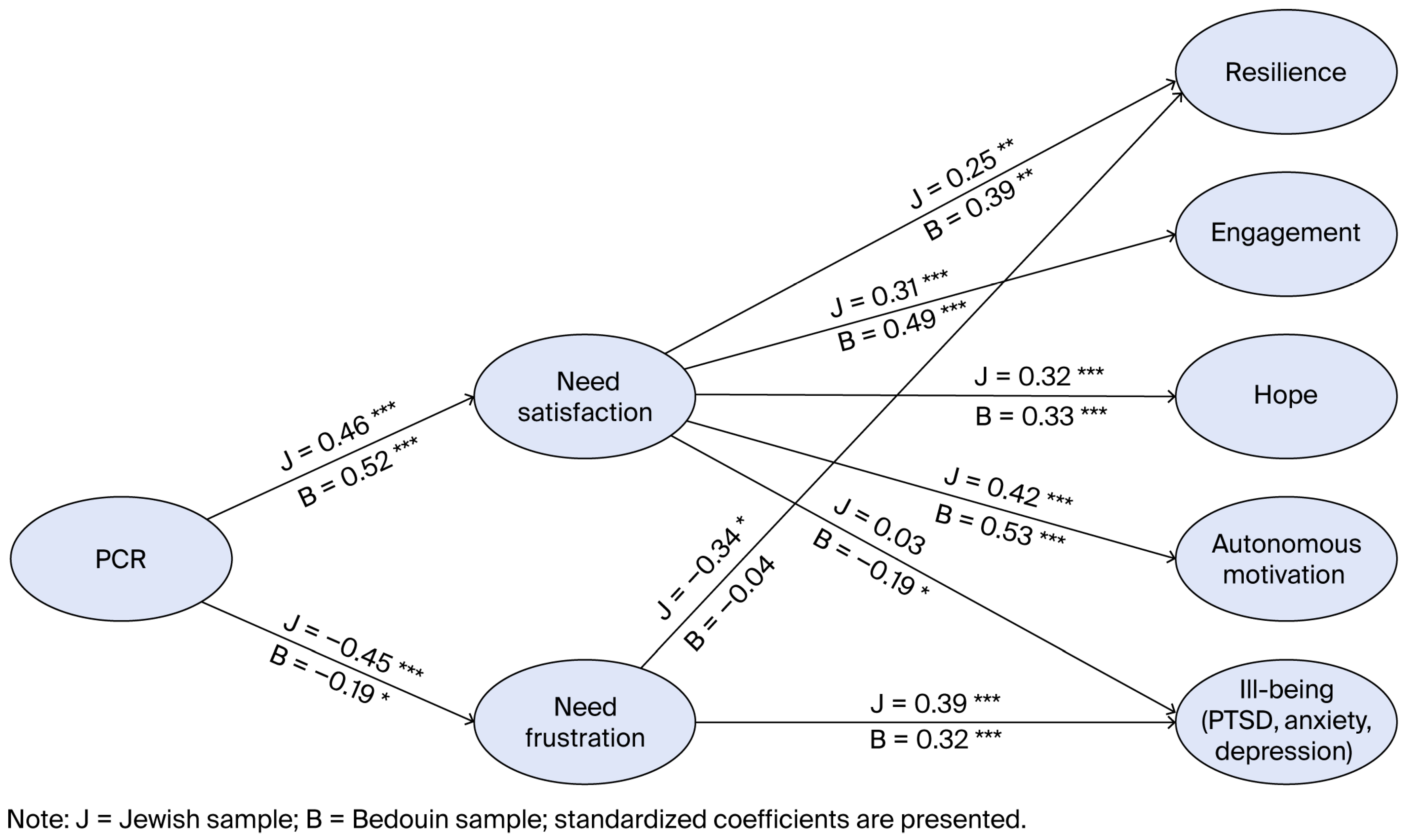
Figure 1. Results of SEM analysis. * p < 0.05, ** p < 0.01, *** p < 0.001.
Education 16 00849 g001
Table 1. Distribution of socio-demographic variables and differences between cultural groups.
Jewish
% (n)
Arab-Bedouin
% (n)
Total
% (n)
Group Differences
X2
GenderMale10.9 (14)3.5 (7)6.3 (21)X2 = 7.23, p = 0.007
Female89.1 (115)96.5 (195)310 (93.7)
Marital StatusSingle40.3 (52)50.5 (102)46.5 (154)X2 = 3.30, p = 0.19
Married55.8 (72)46 (93)53.5 (165)
ReligiositySecular–Traditional83.7 (108)22.3 (45)46.2 (153)X2 = 119.56, p < 0.001
Religious–Very Religious16.3 (21)77.7 (157)53.8 (178)
ResidenceRecognized Bedouin Village043.3 (142)43.3 (142)X2 = 328, p < 0.001
Unrecognized Bedouin Village018.3 (60)18.3 (60)
Jewish Settlement38.4 (126)038.4 (126)
DegreeBA85.3 (110)86.6 (175)86.1 (285)X2 = 0.85, p = 0.65
MA14.7 (19)12.9 (26)13.6 (45)
Year of Study128.7 (37)32.2 (65)30.8 (102)X2 = 8.46, p = 0.03
238.8 (50)26.2 (53)31.1 (103)
325.6 (33)26.7 (54)26.4 (87)
42.7 (9)9.1 (30)11.8 (39)
Table 2. Distribution of war-related exposure variables.
Jewish
% (n)
Arab-Bedouin
% (n)
Total
% (n)
Group Differences
X2
Exposure to missile attacksYes70 (54.3)124 (61.4)194 (58.4)X2 = 1.64, p = 0.19
No59 (45.7)78 (38.6)137 (41.6)
Combat deploymentYes10 (7.8)0 (0)10 (2.9)X2 = 16.14, p < 0.001
No119 (92.2)202 (100)321 (97.1)
A close person was deployed to combatYes95 (74.2)27 (13.5)122 (37.2)X2 = 123.77, p < 0.001
No173 (86.5)33 (25.8)206 (62.8)
A close person was physically or emotionally injuredYes73 (56.6)104 (51.8)177 (53.6)X2 = 1.38, p = 0.51
No56 (43.4)97 (48.2)153 (46.4)
Knows someone who was abducted during the warYes55 (42.9)63 (31.4)118 (35.9)X2 = 4.69, p = 0.09
No73 (57.1)138 (68.6)211 (64.1)
Knows someone who was killed during the warYes96 (75.6)96 (47.5)192 (58.4)X2 = 28.33, p < 0.001
No31 (24.4)106 (52.5)137 (41.6)
A close person was killedYes31 (24.4)31 (15.4)62 (19)X2 = 4.10, p = 0.04
No96 (75.6)170 (84.6)266 (81)
Protected space in/near homeYes114 (88.4)81 (41.3)195 (60)X2 = 71.74, p < 0.001
No15 (11.6)115 (58.7)130 (40)
Direct exposure to a security eventYes31 (24)23 (11.7)54 (16.5)X2 = 8.61, p = 0.003
No98 (76)174 (88.3)272 (83.5)
Table 3. Confirmatory factor analysis (CFA) results.
BβSETp
Community resilienceThe relationships between the different groups at the college are good1.050.570.129.01<0.001
Community resilienceI have great trust in the decision-makers at the college (the head of the program, the administration, and others)1.270.780.1210.30<0.001
Community resilienceI can rely on people at the college to come to my aid in times of crisis1.260.720.129.77<0.001
Community resilienceDuring emergencies, we are given clear instructions on how to act1.060.630.119.02<0.001
Community resilienceThere are trusting relationships between the students and the academic staff at the college1.310.790.1210.33<0.001
Community resilienceThere are trusting relationships among the students at the college1.190.730.129.88<0.001
Needs satisfactionParcel 10.760.380.284.73<0.001
Needs satisfactionParcel 22.650.810.455.84<0.001
Needs satisfactionParcel 31.910.710.325.93<0.001
Needs frustrationParcel 11.090.700.0912.64<0.001
Needs frustrationParcel 21.290.850.0913.76<0.001
Needs frustrationParcel 31.230.860.0813.87<0.001
HopeParcel 11.000.830.0718.66<0.001
HopeParcel 21.010.840.0519.04<0.001
HopeParcel 31.360.920.0621.85<0.001
ResilienceParcel 11.000.850.0618.02<0.001
ResilienceParcel 21.030.850.0518.79<0.001
ResilienceParcel 30.860.690.0613.87<0.001
Autonomous motivationParcel 10.840.620.109.21<0.001
Autonomous motivationParcel 21.310.940.139.91<0.001
Ill beingPTSD0.760.840.0524.31<0.001
Ill beingDepression0.970.970.0325.00<0.001
Ill beingAnxiety1.020.930.0423.66<0.001
EngagementParcel 11.290.630.187.11<0.001
EngagementParcel 21.530.620.217.03<0.001
Table 4. Descriptive statistics and reliability of research variables.
MeanSDReliability
PCR3.170.720.87
Need Satisfaction3.500.760.88
Need Frustration2.730.610.72
Autonomous motivation3.650.740.77
Engagement3.480.780.70
Resilience3.360.870.90
Hope3.240.650.94
Anxiety1.990.860.89
Depression2.000.790.86
PTSD2.420.940.96
Table 5. Differences in research variables between Jewish and Bedouin students.
JewishBedouinst, p
MeanSDMeanSD
PCR3.160.663.180.76t = 0.36, p = 0.35
Need satisfaction3.880.633.250.74t = 7.96, p < 0.001
Need frustration2.590.572.820.61t = 3.48, p < 0.001
Autonomous motivation3.770.603.580.81t = 2.19, p = 0.01
Engagement3.770.553.290.85t = 5.70, p < 0.001
Resilience3.530.713.250.95t = 2.87, p < 0.001
Hope3.410.523.130.70t = 3.95, p < 0.001
Anxiety1.790.812.130.88t = 3.56, p < 0.001
Depression1.750.692.150.82t = 4.57, p < 0.001
PTSD2.180.812.580.98t = 3.82, p < 0.001
Table 6. Correlation between research variables in the Jewish sample.
1 2 3 4 5 6 7 8 9 10
1. PCR1
2. Need Satisfaction0.47 **1
3. Need Frustration−0.28 *−0.40 **1
4. Autonomous Motivation0.39 **0.39 **−0.051
5. Engagement0.60 **0.52 **−0.18 *0.32 **1
6. Resilience0.29 **0.33 **−0.31 **0.18 *0.141
7. Hope0.33 **0.39 **−0.23 **0.30 **0.25 **0.67 **1
8. Anxiety−0.32 **−0.24 **0.34 **−0.01−0.20 *−0.48 **−0.32 **1
9. Depression−0.32 **−0.15 **0.38 **0.005−0.17 *−0.46 **−0.30 **0.91 **1
10. PTSD−0.25 **−0.23 **0.38 **0.01−0.09−0.56 **−0.29 **0.82 **0.83 **1
11. Gender−0.040.020.060.11−0.130.010.19 *0.18 *0.18 *0.16
12. Age0.23 **0.08−0.17−0.0090.120.11−0.02−0.02−0.04−0.02
13. Religiosity−0.010.21 *−0.12−0.040.120.080.020.090.080.09
Note. * p < 0.05, ** p < 0.01.
Table 7. Correlation between research variables in the Bedouins sample.
1 2 3 4 5 6 7 8 9 10
1. PCR1
2. Need Satisfaction0.56 **1
3. Need Frustration−0.14 *0.041
4. Autonomous Motivation0.58 **0.53 **−0.081
5. Engagement0.73 **0.55 **−0.14 *0.61 **1
6. Resilience0.55 **0.49 **−0.070.44 **0.47 **1
7. Hope0.59 **0.45 **−0.16 *0.52 **0.46 **0.80 **1
8. Anxiety−0.43 **−0.30 **0.27 **−0.25 **−0.31 **−0.30 **−0.38 **1
9. Depression−0.44 **−0.31 **0.30 **−0.25 **−0.31 **−0.36 **−0.38 **0.90 **1
10. PTSD−0.49 **−0.38 **0.30 **−0.27 **−0.35 **−0.34 **−0.39 **0.74 **0.79 **1
11. Gender0.080.130.06−0.005−0.17 *0.080.0090.050.0040.008
12. Age0.30 **0.020.27 **0.130.24 **0.20 *0.19 *−0.17 *−0.16 *−0.11
13. Religiosity0.07−0.0010.060.01−0.070.18 *0.070.006−0.04−0.09
Note. * p < 0.05, ** p < 0.01.
Table 8. Results of structural equation modeling.
Jewish SampleBedouin Sample
βBS.E.TpβBS.E.Tp
PCRNeed frustration−0.45−0.170.07−3.65<0.001−0.19−0.080.04−2.040.04
PCRNeed satisfaction0.460.320.093.490.0080.520.480.085.47<0.001
Needs frustrationIll-being0.391.070.412.090.0090.320.850.253.42<0.001
PCRIll-being−0.18−0.190.11−1.690.09−0.39−0.440.09−4.80<0.001
Need satisfactionAutonomous motivation0.420.410.142.750.0060.530.560.105.39<0.001
Need satisfactionResilience0.250.350.132.640.0080.390.630.124.47<0.001
Need satisfactionHope0.320.340.132.530.010.330.280.073.88<0.001
Need satisfactionEngagement0.310.500.143.46<0.0010.490.450.094.65<0.001
PCRHope0.160.120.081.400.160.330.260.073.67<0.001
PCREngagement0.470.500.143.47<0.0010.410.350.083.93<0.001
PCRAutonomous motivation0.190.120.081.520.130.220.220.082.620.009
Needs frustrationResilience−0.34−0.680.31−2.130.03−0.04−0.140.22−0.590.55
AgeHope−0.13−0.010.007−1.680.090.090.010.0071.490.14
AgeIll-Being0.060.0060.0090.690.49−0.10−0.010.01−1.570.11
AgeResilience0.050.0040.0070.620.530.080.010.011.250.21
AgeAutonomous motivation−0.07−0.0050.006−0.770.44−0.01−0.0020.009−0.190.85
AgeEngagement0.130.010.0081.310.190.100.010.0081.510.13
Disclaimer/Publisher’s Note: The statements, opinions and data contained in all publications are solely those of the individual author(s) and contributor(s) and not of MDPI and/or the editor(s). MDPI and/or the editor(s) disclaim responsibility for any injury to people or property resulting from any ideas, methods, instructions or products referred to in the content.


