


Abstract
Despite widespread claims that Generative Artificial Intelligence (GenAI) will transform education, longitudinal empirical evidence on its pedagogical integration remains limited. This study examines how GenAI use shapes teaching and learning practices over time. Using a mixed methods longitudinal design, the study draws on 34 semi structured interviews conducted at two time points, six to eight months apart, with 17 secondary school teachers who independently adopted GenAI tools. The analysis was triangulated with 212 GenAI-supported teaching and learning activities. A theory-driven classification based on the SAMR framework was combined with inductive thematic analysis and quantitative pre-post comparisons. The findings, based on a thematic analysis of teacher discourse, reveal differentiated trends in opportunities and challenges. Opportunities related to fostering creativity increased over time, whereas efficiency, workload reduction, and teacher empowerment remained stable. Concerns regarding content quality and inherent biases showed a marginal increase, while references to prohibited or improper use declined. Regarding teaching and learning activities, a significant increase was observed in teaching-related uses of GenAI over time. In addition, a significant increase was identified at the Modification level, indicating a shift toward more advanced forms of pedagogical redesign, particularly through the development of personalized materials, AI-supported instructional planning, and adaptive feedback practices, while learning activities at higher levels remained comparatively stable. Taken together, these findings position the SAMR as a dynamic framework for examining longitudinal patterns of GenAI integration and suggest that GenAI currently accelerates instructional innovation more than it fundamentally restructures student learning paradigms.
1. Introduction
Over the past decade, AI technologies in the field of education have progressed substantially, exhibiting capabilities in learning, reasoning, problem-solving, and performance enhancement that mirror aspects of human cognitive processes (Rudolph et al., 2023). Furthermore, the advancement of these technologies has facilitated the creation of tools capable of executing tasks traditionally associated with human intelligence, including language comprehension, image recognition, and complex decision-making (O’Connor, 2022). The most recent and widely recognized models, which have recently attracted significant attention, are generative models (Generative AI—GenAI) designed to generate content, distinguishing them from earlier predictive models that primarily focused on analyzing and responding to existing data (Gozalo-Brizuela & Garrido-Merchan, 2023).
Education represents a key domain likely to undergo significant transformation following the integration of GenAI (Abdelghani et al., 2024; Crawford et al., 2023; Kasneci et al., 2023). Thus, numerous studies seek to examine the opportunities and challenges associated with the integration of these tools within educational contexts (e.g., Haroud & Saqri, 2025; Kaushik et al., 2025; J. Zhang, 2025). Despite the considerable attention this topic has received, a gap persists in the research literature concerning the longitudinal exploration of the opportunities and challenges linked to the use of GenAI tools. A longitudinal approach offers the potential to yield a more comprehensive and nuanced understanding than studies limited to a single point in time.
A significant number of scholars (e.g., Baidoo-Anu & Owusu Ansah, 2023; Krstić et al., 2022; Tlili et al., 2023) contend that the integration of AI has the potential to profoundly reshape the educational landscape. Therefore, given the various changes likely to occur in this field, it is assumed that educators will need to substantially revise the teaching-learning tasks they design for students in order to foster the development of distinctive and future-oriented skills. At this stage, there appears to be a scarcity of empirical longitudinal studies that have examined teaching-learning activities through the lens of established educational frameworks relevant to technology integration in secondary school settings.
The current study seeks to address the following gaps in the existing literature: the empirical exploration of opportunities and challenges in integrating GenAI over time and the longitudinal analysis of teaching-learning activities with regard to pedagogical changes resulting from technological integration. A longitudinal empirical examination of the opportunities and challenges associated with GenAI integration, alongside an analysis of teaching-learning activities carried out using these tools, is essential for understanding their optimal use in educational settings. Such insights can support policymakers and educators in making informed decisions about how to effectively implement GenAI, while also enriching the research literature on these topics. To systematically analyze these pedagogical transformations, this study employs the SAMR framework as its central theoretical lens, as detailed in the following section. Accordingly, this study investigates how teachers’ practical experiences with GenAI shape perceived opportunities and challenges, and how the integration of these tools is associated with changes in pedagogical design and the enactment of teaching–learning processes over time.
2. Theoretical Framework and Literature Review
As the integration of GenAI tools is associated with changes in pedagogical design and teaching–learning processes, a conceptual framework is needed to systematically examine the nature and extent of these pedagogical transformations. One widely recognized framework that examines teaching and learning activities in terms of pedagogical changes resulting from technological integration is the SAMR framework (Substitution, Augmentation, Modification, Redefinition; Puentedura, 2012). This framework has been used extensively to analyze the educational implications of integrating a wide range of emerging digital technologies in teaching and learning contexts; therefore, it also provides a suitable lens for analyzing teaching-learning activities involving the use of GenAI. Developed in 2006, this framework aims to encourage teachers and instructional designers to enhance the quality of education by offering a structured framework for creating optimal learning experiences through the integration of technological means (Romrell et al., 2014). The SAMR framework enables the application of Bloom’s taxonomy by categorizing levels of technology integration in education from basic to advanced (Paulauskaite-Taraseviciene et al., 2022). The framework outlines four levels of integration within the teaching-learning process, ranging from traditional learning methods—where technology merely functions as a tool without altering the learning activity, to the redefinition of learning—where technology facilitates new possibilities that were not achievable previously (Hamilton et al., 2016; Paulauskaite-Taraseviciene et al., 2022). At the Substitution level, technology serves as a direct substitute for existing learning activities without any functional change; at the Augmentation level, technology acts as a direct replacement but with functional enhancements; at the Modification level, technology allows substantial pedagogical redesign; and at the Redefinition level, technology makes it possible to create learning activities that would otherwise be impossible (Puentedura, 2014).
Teaching-learning activities at the lower levels, Substitution and Augmentation, aim to enhance learning, while activities at the higher levels, Modification and Redefinition, aim to significantly transform learning processes (Puentedura, 2013). Puentedura further argues that the framework encourages teachers to progress from lower to higher levels of teaching with technology, thereby substantially improving teaching-learning processes (Hamilton et al., 2016). He emphasizes that integrating technology into education introduces pedagogical and managerial challenges, and thus, at the lower levels of the framework, technology integration may not be worth the learning gains. Nevertheless, at the higher levels of the framework, technology becomes an integral part of the teaching-learning activity design and allows for significant and fundamental innovation in educational work, making its integration worthwhile despite the accompanying challenges (Romrell et al., 2014). As detailed above, GenAI tools offer advanced and diverse capabilities, potentially having a significant impact on both teaching and learning contexts.
Numerous studies have utilized the SAMR framework to examine teaching and learning activities among various age groups (Bicalho et al., 2023; Crompton & Burke, 2020; Drugova et al., 2021; Nair & Chuan, 2021; Schwartz & Blau, 2023). Several of these studies identified teaching-learning activities that aligned with all levels of the framework, with a specific focus on the middle levels—Augmentation and Modification (Shamir-Inbal & Blau, 2021). Crompton and Burke (2020) conducted a systematic review of studies analyzing student learning activities in primary and secondary schools using the SAMR framework, finding that activities spanned all levels of the framework. Augmentation was identified as the most common level, followed by Modification and Redefinition, while Substitution was the least frequently observed. Additional studies similarly reported that most activities were categorized at the Augmentation level, with relatively fewer at the Modification and Redefinition levels (Hilton, 2016; Miles, 2019; Paulauskaite-Taraseviciene et al., 2022). Considering the varied findings across studies examining different technologies and populations, the SAMR framework appears particularly appropriate for analyzing teaching and learning activities involving GenAI tools.
Although the SAMR framework is widely used, critics have pointed out that it lacks sufficient detail regarding its practical application in analyzing teaching-learning activities, resulting in inconsistent categorization of these activities (Blundell et al., 2022, Nair & Chuan, 2021). Additionally, they argue it overlooks contextual factors such as pedagogical objectives, institutional support, and digital literacy, and places greater emphasis on teaching practices rather than on student learning (Hamilton et al., 2016). Nevertheless, a comprehensive review of studies utilizing this framework shows that researchers often focus specifically on learning activities (Avdiel & Blau, 2025; Blundell et al., 2022). Moreover, the framework has proven valuable for illustrating the scope and level of technology integration in relation to educational objectives (Hilton, 2016). Thus, applying this framework can effectively support an analysis of teaching-learning activities involving GenAI tools, and help determine whether these activities represent minor changes (Substitution, Augmentation) or substantial transformations (Modification, Redefinition).
Currently, evidence-based knowledge regarding the integration of GenAI tools in teaching and learning remains limited. In particular, few empirical studies have systematically applied the SAMR framework to analyze longitudinal teaching-learning activities designed with GenAI tools over time. This leaves uncertainty regarding how such activities evolve and transform through sustained use and the extent to which GenAI enables meaningful pedagogical changes resulting from technological integration.
2.1. Opportunities and Challenges of Integrating GenAI into Pedagogical Practice
Building on conceptual approaches to understanding pedagogical change, a growing body of research has examined how GenAI tools are integrated into educational contexts and teaching–learning activities, highlighting both significant opportunities and notable challenges. Early studies examining the educational use of GenAI tools consistently indicate that these technologies can function as instructional support systems for teachers, particularly in curriculum preparation, the development of learning materials, and the generation of practice questions and quizzes (Ifelebuegu et al., 2023; Kasneci et al., 2023; Rahman & Watanobe, 2023; Tlili et al., 2023; Trust et al., 2023). Furthermore, recent research indicates that GenAI tools can enhance both the efficiency and quality of teachers’ work and are increasingly perceived by teachers as contributing to workload reduction (Bura & Myakala, 2024; Kaushik et al., 2025; Sain et al., 2024).
Research has identified several additional advantages of GenAI tools. Beyond supporting instructional efficiency, these tools enable personalized learning by adapting content to students’ varying knowledge levels and providing immediate feedback (Haroud & Saqri, 2025; Jauhiainen & Garagorry Guerra, 2024; Kaushik et al., 2025; J. Zhang, 2025). Moreover, research consistently reports improvements in student engagement and motivation, as GenAI-mediated activities capture attention, promote active participation, and foster curiosity (Bura & Myakala, 2024; Jauhiainen & Garagorry Guerra, 2024; Sain et al., 2024). In addition, GenAI tools have been shown to stimulate creative thinking by broadening the range and diversity of students’ ideas (Habib et al., 2024).
Alongside these advantages, GenAI integration also raises several pedagogical and ethical concerns (Smolansky et al., 2023). While such tools may support creativity, they can simultaneously undermine learners’ creative confidence and autonomy, as students report overreliance and a perceived “takeover” of the thinking process (Habib et al., 2024; J. Zhang, 2025). Educators similarly express concern that uncritical adoption may hinder the development of essential skills, including analytical thinking, creativity, and problem-solving (Bura & Myakala, 2024; Haroud & Saqri, 2025; Levy-Nadav et al., 2025). In addition, privacy risks and the potential generation of harmful or inappropriate content present further ethical challenges (Rahman & Watanobe, 2023).
Despite the growing body of research on GenAI in education, most studies examine the opportunities and challenges associated with its use at a single point in time. As a result, there is a lack of longitudinal research exploring how teachers’ perceptions of these opportunities and challenges develop through sustained and meaningful experience with GenAI tools in stable educational contexts.
2.2. Research Objectives and Questions
The present study seeks to address two major gaps in the existing literature: first, the scarcity of empirical longitudinal research examining the opportunities and challenges associated with integrating GenAI into education; and second, the lack of analyses tracking how teaching and learning activities evolve over time due to GenAI integration.
In light of this, the study aims to examine the opportunities and challenges arising from practical experiences of integrating GenAI tools into pedagogical design and classroom instruction. Additionally, it will investigate how these tools influence changes in pedagogical design and the implementation of teaching-learning processes over time.
Consequently, the research questions are:
- What are the opportunities and challenges in integrating GenAI tools into the pedagogical design of teaching-learning activities, and how do they evolve over time?
- To what extent, in terms of the SAMR framework’s levels of technology integration, do teachers in secondary schools actually integrate GenAI into their pedagogical design of teaching-learning processes, and how does this integration evolve over time?
3. Methodology
The study employed a mixed-methods research design integrating qualitative and quantitative approaches (Creswell, 1999). The qualitative component followed a phenomenological orientation, focusing on teachers’ lived experiences and meaning-making processes regarding the integration of GenAI into their pedagogical practices (van Manen, 2016). Within this orientation, the study sought to capture how teachers interpreted and enacted pedagogical practices with GenAI in authentic educational settings, rather than to evaluate the effectiveness of specific interventions. The qualitative analysis comprised two complementary phases. First, an inductive thematic analysis was conducted on the semi-structured interview data to identify teachers’ perceived opportunities and challenges associated with the use of GenAI tools. This bottom-up analysis focused on capturing recurring patterns in teachers’ experiences without the imposition of predefined categories, in line with the study’s phenomenological emphasis on participants’ perspectives. Second, the teaching–learning activities designed by teachers were examined using a framework-guided qualitative approach with the SAMR framework serving as an analytical lens for categorizing levels of pedagogical change resulting from GenAI integration. This integrative qualitative analytic strategy, combining inductive experiential analysis with framework-guided classification, enabled a holistic examination of how pedagogical practices were enacted and transformed over time alongside teachers’ evolving interpretations of GenAI use within authentic educational settings (Creswell & Poth, 2018; Marshall & Rossman, 2014). Quantitative methods were then employed to examine longitudinal changes in the extent and nature of GenAI integration into pedagogical design and teaching–learning processes over a six to eight-month period. In addition, shifts in the distribution of reported opportunities and challenges over time were analyzed. Together, integrating qualitative insights into teachers’ lived experiences with quantitative analyses of longitudinal changes enabled a more comprehensive understanding of how perceptions and pedagogical practices evolved over time, providing complementary, explanatory, and descriptive perspectives on the process of GenAI integration.
3.1. Participants
Seventeen secondary school teachers (nine women, eight men) participated in the study, with a mean teaching experience of 12.29 years (SD = 7.54). All participants had naturally and independently initiated the use of GenAI tools (e.g., ChatGPT, Claude, DALL-E) in their teaching practices, without formal guidance or directives from the Ministry of Education. The participants, representing diverse subject areas and teaching across various regions in Israel, were recruited via open calls published through widely used professional social media platforms (e.g., Facebook and WhatsApp) focused on the educational integration of AI. The purpose of choosing this sample was to reach teachers who are early adopters of GenAI technology within the broader and diverse teaching community. Participants who responded to the invitation constituted an online sample. They were subsequently asked to refer additional teachers who use GenAI in their classrooms, leading to a “snowball” sampling method. This method aimed to expand the sample and include a larger and more varied group of teachers who meet the study’s criteria but are not active on social media. The researchers had no prior acquaintance with any of the participants in the study. The participants included educators from various disciplines, with some teaching social sciences (history, civics, psychology, etc.), while others specialized in English as a second language. Six of the teachers were also ICT coordinators within their schools or served as ICT trainers at the district or regional level. Nearly all participants (N = 16) reported having prior experience in incorporating technological tools into their instructional practices. In addition, the majority of participants (N = 10) stated that they had acquired knowledge about GenAI tools independently, without having received any formal training through the Ministry of Education. Fourteen participants reported adopting GenAI technologies immediately upon their release. All participants affirmed that their schools were equipped with the requisite technological infrastructure to support the use of GenAI tools. Furthermore, participants were asked to reflect on the extent of support provided by school leadership for the integration of GenAI tools. A considerable portion (N = 11) indicated that the administration actively encouraged the use of such tools, whereas a smaller group (N = 6) reported that the matter was not addressed by their school administration.
3.2. Research Tools
The main research tool was a semi-structured interview protocol designed to capture teachers’ perceptions at two stages of GenAI integration and to document the teaching–learning activities they implemented using these tools. To establish content validity, the interview protocol was evaluated by two experts in educational technology and qualitative research. Both experts confirmed the relevance and clarity of the interview questions. The finalized interview protocol is presented in Appendix A. Furthermore, a pilot study was conducted before the main data collection to assess the protocol’s clarity, coherence, and relevance to the study topic. At both time points, teachers were asked to reflect on their experiences and explain the opportunities and challenges of using GenAI. Example questions included: “In your opinion, what are the opportunities and challenges of using GenAI tools in teaching and learning?” (first interview period); “Now, after extended use of GenAI tools, explain what you perceive as the opportunities and challenges of using these tools.” (second interview period). The purpose of conducting a longitudinal examination was to assess changes in teachers’ perceptions based on their experience using GenAI tools and to identify which opportunities and challenges remain relevant even after extended use of these tools.
In addition to the interview protocol, teacher-produced artifacts were used as a supplementary data source. During the interviews, teachers described lesson plans, assessment tasks developed using GenAI tools, and classroom learning activities implemented with students. In addition, teachers were asked to provide documented examples of GenAI-enhanced activities they had developed and implemented in their classrooms. These materials were collected to support the triangulation and validation of self-report data.
3.3. Research Procedure and Analysis
A total of 34 semi-structured interviews were conducted at two different time points. The first round of interviews took place in June 2023, approximately seven months after the release of ChatGPT 3.5 and about three months after the release of GPT-4. This timing allowed teachers sufficient opportunity to become familiar with the tool and to explore its capabilities, as well as those of similar GenAI technologies (e.g., Claude and text-to-image tools such as Bing Image Creator). The second round of interviews was conducted six to eight months later in order to examine longitudinal developments in teachers’ use and perceptions of GenAI integration. By this stage, GenAI tools had become more widely utilized in educational contexts by both teachers and students. During this entire period, no newer GPT model or version was released. This extended time frame is recommended for observing complete innovation assimilation cycles in educational settings (R. Bao et al., 2025), thereby enabling educators to explore and integrate these tools into a diverse range of teaching and learning activities. Throughout the data collection period, public access to the GPT-3.5 model remained freely available. In total, 34 semi-structured interviews were conducted with the 17 participating teachers via Zoom videoconferencing, with each session lasting between 30 and 60 min.
3.4. Opportunities and Challenges Analysis
To identify opportunities and challenges associated with the use of GenAI tools, an inductive, bottom-up thematic analysis was conducted. This process involved the development of main categories and subcategories, into which teachers’ accounts of their experiences with GenAI tools were systematically coded. The unit of analysis was an individual statement rather than a participant, allowing multiple perceptions and practices to be captured within a single interview. This approach captures the full range of teacher experiences, acknowledging that participants often expressed diverse perspectives within the same interview. For example, the statement “My student is checking his own writing in ChatGPT and asking ChatGPT to proofread it for him.” (Teacher 16) was coded under both active learning and self-directed/personal learning within the opportunities category, reflecting learner autonomy and independent engagement supported by GenAI tools. In total, 382 statements were analyzed (216 from the first round and 166 from the second round of interviews) and grouped into two overarching categories: opportunities and challenges.
To examine whether teachers’ references to these emergent themes changed between the first and second interview rounds, chi-square tests for independence were conducted for each thematic category. Observed frequencies of references in the first and second rounds of interviews were compared against expected frequencies under the assumption of equal distribution across time points. Given that multiple statements were nested within individual teachers, these analyses were treated as exploratory, aimed at identifying general temporal patterns in thematic salience rather than making participant-level inferential claims. Chi-square statistics, p-values, and standardized residuals were calculated to assess the magnitude and direction of change. Following Haberman (1973), standardized residuals exceeding ±2.00 were interpreted as indicating a significant contribution to the overall chi-square statistic. Themes with expected cell frequencies below 5 were excluded from statistical testing due to violations of chi-square assumptions, though descriptive trends were reported. Alpha was set at 0.05 for all tests.
To evaluate inter-rater reliability for the inductive thematic analysis of teachers’ reported opportunities and challenges, 25% of the statements were independently recoded by a second rater with expertise in qualitative research methods, following a calibration phase based on the agreed-upon coding scheme developed through the inductive analysis process. The analysis yielded a high level of agreement between raters (Cohen’s κ = 0.89).
3.5. Teaching–Learning Activities—SAMR Framework
Following the interviews, teaching–learning activities were analyzed using a top-down, framework-guided qualitative approach based on the SAMR framework (Puentedura, 2012), as discussed in the literature review. Teaching–learning activities were obtained from two primary sources. The first consisted of activities elicited and described during the interviews (N = 190; 78 in the first round and 112 in the second round), which provided concrete examples of GenAI integration in instructional practice. The second source included documented teaching–learning activities submitted by teachers after the interviews (N = 22; 12 in the first round and 10 in the second round), illustrating both teachers’ instructional design and students’ learning products following classroom implementation.
This analytical approach enabled triangulation between self-reported data and teacher-provided artifacts, thereby strengthening the validity of the findings. In total, 212 teaching–learning activities were analyzed across both rounds, including 190 activities derived from interview data and 22 teacher-generated artifacts. At each round, individual teachers reported between zero and 11 activities. We defined a ‘unique activity’ as a distinct pedagogical task with a specific learning objective and a clear GenAI application. To ensure data accuracy and prevent inflation of the counts, overlapping descriptions or repeated mentions of the same activity within an interview were merged into single entries. While these practices were primarily self-reported as enacted, this analytical approach enabled triangulation with teacher-provided artifacts (N = 22), thereby strengthening the validity of the longitudinal findings.
It is important to note that the SAMR framework is widely recognized as a tool for evaluating teaching–learning activities in educational contexts and has been extensively applied in studies examining a range of technologies across diverse populations (Bicalho et al., 2023; Crompton & Burke, 2020; Drugova et al., 2021; Nair & Chuan, 2021). Nevertheless, the framework has been criticized for offering limited guidance on its application in the analysis of teaching–learning activities (Hamilton et al., 2016). In light of this limitation, and to ensure a systematic and transparent categorization of GenAI-based teaching–learning activities, the operational criteria used to classify activities according to the SAMR framework, including key indicators and illustrative examples, are presented in Table 1. In addition, Appendix B provides examples of activities identified in the study and reported by participating teachers, together with the rationale for their classification according to the SAMR framework.
Table 1.
Operational criteria and illustrative examples for categorizing GenAI-based teaching–learning activities using the SAMR framework.
Following the categorization of teaching–learning activities according to the SAMR framework (Table 1), a conceptual distinction was established between teaching activities and learning activities. Teaching activities referred to instances in which teachers used GenAI tools for their own instructional purposes, such as preparing instructional materials, designing assessments, or planning lessons. Learning activities, in contrast, referred to pedagogical situations in which teachers integrated GenAI tools into classroom practice and engaged students directly in their use as part of the learning process. This distinction was applied consistently throughout all stages of the analysis to clarify the pedagogical context of GenAI integration and to support a more nuanced interpretation of the SAMR-based categorization.
For each teacher, the frequency of activities at each SAMR level and activity type combination was calculated at two time points. This resulted in eight dependent variables per teacher, representing the number of teaching and learning activities at each of the four SAMR levels.
To examine changes in technology integration patterns between the first and second rounds, a hierarchical analytical strategy was employed, progressing from broader aggregate patterns to more fine-grained examinations. First, activities were aggregated by type (teaching versus learning across all SAMR levels) to determine whether changes were concentrated in particular pedagogical contexts. Second, activities were aggregated within each SAMR level, combining teaching and learning activities, and four Wilcoxon signed-rank tests were conducted to examine overall level-specific changes. Finally, eight separate Wilcoxon signed-rank tests were performed for each SAMR level × activity type combination to identify more detailed patterns of change.
The Wilcoxon signed-rank test was selected due to the small sample sizes and non-normally distributed count variables (Conover, 1999). Given the multiple comparisons at each level of analysis, we applied Bonferroni corrections: for the eight SAMR × activity type tests, α = 0.006 (0.05/8); for the four SAMR-level aggregated tests, α = 0.013 (0.05/4); and for the two activity-type comparisons, α = 0.025 (0.05/2). Effect sizes were calculated using the formula r = |Z|/√N (Rosenthal, 1991), with interpretations following Cohen’s (1988) guidelines: r = 0.10 (small), r = 0.30 (medium), and r = 0.50 (large).
To evaluate inter-rater reliability for the framework-guided analysis of teaching–learning activities, 25% of the activities were independently recoded by a second rater with expertise in qualitative research methods and established familiarity with the SAMR framework, following a calibration phase based on the agreed-upon coding scheme. The analysis yielded a high level of agreement between raters (Cohen’s κ = 0.93).
4. Findings
4.1. Opportunities and Challenges in Integrating GenAI
The first research question examined teachers’ experiences of the opportunities and challenges involved in integrating GenAI into the pedagogical design of teaching and learning activities, and how these experiences evolved over time. The analysis was based on 382 coded statements derived from interviews with 17 teachers conducted in two rounds. The unit of analysis was the individual thematic reference rather than the participant. To examine changes in the salience of these themes between the first and second interview rounds, chi-square tests for independence were conducted for each thematic category, comparing the observed frequencies of references across time points. Accordingly, the analyses reflect shifts in thematic emphasis in teacher discourse rather than participant-level differences. Table 2 presents the observed frequencies, chi-square statistics, p-values, and standardized residuals for all thematic categories, with statistically significant differences (p < .05) and marginal trends (p < .10) indicated and highlighted where applicable.
Table 2.
Chi-square tests comparing teacher references to GenAI -related themes across two interview rounds.
The chi-square analyses revealed significant changes in the prominence of four themes in teachers’ discourse about GenAI tools between the first and second interview rounds. References to sparking curiosity and excitement decreased from 34 in the first round to 12 in the second, χ2(1, N = 46) = 9.58, p = .002, with standardized residuals of ±2.29 indicating a marked shift in thematic emphasis. Similarly, references to motivation for learning declined from 15 to two, χ2(1, N = 17) = 8.48, p = .004, with residuals of ±2.23 suggesting a statistically reliable decrease in attention to this theme.
Conversely, references to fostering creativity increased from five in the first round to 18 in the second, χ2(1, N = 23) = 6.26, p = .012. Although the standardized residuals (±1.92) fell slightly below the ±2.00 threshold suggested by Haberman (1973), the overall chi-square test indicated a significant rise in the salience of this theme. Among challenges, concerns regarding prohibited or improper use of AI tools decreased from 12 references in the first round to one in the second, χ2(1, N = 13) = 7.70, p = .006, with residuals of ±2.16 indicating a substantial reduction in attention to this concern. Finally, concerns related to content quality and inherent biases increased from 8 to 19 references, approaching statistical significance (p = .054) and suggesting a growing emphasis on this issue over time.
4.2. Integrating GenAI Tools in Education According to SAMR Framework
The second research question addressed the extent to which teachers integrated GenAI into the pedagogical design of teaching–learning processes across the levels of the SAMR framework and how this integration evolved over time. Based on 212 pedagogical teaching–learning activity designs identified across the two rounds (90 in the first round and 122 in the second round), the following tables present changes in activity distributions across the four SAMR levels and between teaching and learning contexts, organized hierarchically from overall patterns to more specific activity-level trends.
4.2.1. Activity Type Comparison: Teaching Versus Learning
To examine whether changes in technology integration were concentrated in particular pedagogical contexts, activities were aggregated by type, and total teaching activities were compared with total learning activities across the two time points. Table 3 presents the results of these comparisons.
Table 3.
Wilcoxon signed-rank test results for overall teaching and learning activities.
A striking divergence emerged between teaching and learning activities. Teaching activities showed a statistically significant increase, nearly doubling from the first round (M = 2.35, SD = 1.90) to the second (M = 4.41, SD = 3.08), Z = −2.50, p = .011, with a large effect size (r = 0.61). In contrast, learning activities remained essentially unchanged (M1 = 2.94, M2 = 2.76), Z = −0.08, p = .979, r = 0.02.
4.2.2. Aggregated Analysis: SAMR Level Changes
To examine broader patterns within each SAMR level, teaching and learning activities were aggregated, and four Wilcoxon signed-rank tests were conducted to compare the first and second rounds. Table 4 presents the results of these aggregated SAMR-level comparisons.
Table 4.
Wilcoxon signed-rank test results for aggregated changes across SAMR levels.
This aggregated analysis indicated a statistically significant increase in Modification-level activities overall, rising from a median of 1.00 at the first round to 3.00 at the second (Z = −2.64, p = .007, r = 0.64). In parallel, mean activity counts increased by 145%, further illustrating the magnitude of change over time. Substitution-level activities showed a substantial decrease with a large effect size (Z = −2.21, p = .039, r = 0.54), though this did not reach the adjusted significance threshold. Augmentation and Redefinition levels showed no significant changes, with the latter remaining consistently low across both time points.
4.2.3. SAMR Level by Activity Type
Wilcoxon signed-rank tests were conducted for each of the eight SAMR level × activity type combinations, comparing the first and second rounds of measurements. Table 5 presents the descriptive statistics, test statistics, and effect sizes for all comparisons.
Table 5.
Wilcoxon signed-rank test results for changes in technology integration activities by SAMR level and activity type.
The analysis indicated a shift in teachers’ technology integration practices between the two time points, though this shift was concentrated at specific SAMR levels. Only one comparison approached the Bonferroni-corrected threshold: teachers demonstrated an increase in Modification-level teaching activities, with activity counts rising from a median of zero at the first round to a median of two at the second (Z = −2.53, p = .009, r = 0.61). While this result was statistically significant at the conventional level, it did not meet the more stringent Bonferroni-corrected threshold.
It should be noted that the Bonferroni correction, while essential for controlling familywise error rate, is conservative and may increase Type II error risk with small samples. The decrease in Substitution-level learning activities, though not reaching the adjusted significance threshold (p = .031), demonstrated a large effect size (r = 0.57), suggesting a meaningful shift in practice.
At the Augmentation level, teaching activities showed a modest numerical increase with a small-to-medium effect size (r = 0.29), though this change did not reach statistical significance. Learning activities at this level, as well as both activity types at the Redefinition level, showed minimal change.
5. Discussion
The aim of this study was to examine the opportunities and challenges associated with the integration of GenAI tools in pedagogical design and classroom instruction over time, and to explore how these tools promote changes in pedagogical design and the implementation of teaching-learning processes across time.
This section begins by outlining the opportunities and challenges associated with integrating GenAI tools, differentiating between themes that remained meaningful over time despite stability and those that demonstrated statistically significant change across time points. It will then present the teaching-learning activities identified in the study, their classification according to the SAMR framework, and the observed changes in these activities and their characteristics across time.
5.1. Opportunities and Challenges in Integrating GenAI over Time
5.1.1. Opportunities
As described in the Method section, the unit of analysis in this study was the individual statement; accordingly, the findings should not be interpreted as indicating changes at the level of individual teachers, but rather as reflecting broader group-level patterns emerging from statement-level analysis. Within this context, it is important to clarify that the opportunities identified in this study were grounded in teachers’ practical experience with the tools, rather than in theoretical perceptions of their potential. This finding suggests that these teachers, early adopters of the technology, perceive genuine potential in GenAI tools to meaningfully enhance educational practice. However, this optimistic perspective is not universally shared among educators; indeed, some studies indicate that only a small proportion of teaching staff currently regard AI more as an opportunity than as a challenge (Linden et al., 2025). The teachers in this study, having independently adopted GenAI tools without formal training, engaged extensively in experimentation both individually and collaboratively with their students. Over time, through sustained use and reflection, these educators increasingly emphasized the opportunities offered by GenAI tools rather than the associated challenges. Such findings suggest that practical experience and prolonged exposure to GenAI technology may foster a shift in teachers’ attitudes—from perceiving AI as a potential threat to recognizing and embracing it as a valuable educational resource.
The only opportunity that showed a marginal trend toward increased salience following prolonged engagement with GenAI tools was their perceived potential to foster creativity. Teachers conceptualized creativity in two complementary ways: First, as an artistic capacity that enables students, regardless of prior aptitude, to produce diverse and multimodal outputs [“I think it’s a space for creativity. Some students don’t usually get to express their artistic side, and suddenly—there it is, we gave them a platform.” (T6)]; Second, as a cognitive process involving idea generation, elaboration, and the expansion of conceptual horizons through AI supported thinking [“Creativity will evolve in this era—it will involve the development of an original idea with the assistance of AI.” (T1)]. Initially, teachers did not view GenAI as facilitating authentic self-expression or challenging conventional understandings of creativity. This skepticism is consistent with prior research cautioning that GenAI may dominate cognitive processes (Habib et al., 2024), undermine creative development (Haroud & Saqri, 2025), and foster dependency that constrains essential skills such as originality and divergent thinking (Bura & Myakala, 2024).
However, sustained use and increased familiarity with advanced functionalities appeared to shift this perception. Over time, GenAI was increasingly viewed as a scaffold that enables students, including those with limited creative confidence, to engage in more complex generative tasks. Prior research likewise indicates that GenAI can stimulate creative production, support brainstorming and ideational fluency, and broaden perspective-taking (Al Abri et al., 2025; Kaushik et al., 2025; Habib et al., 2024). At the same time, the literature points to differentiated effects. While confident learners may use GenAI to extend their creative capacities, students who are still developing divergent thinking may struggle to move beyond AI-generated suggestions. At the group level, the growing emphasis on creativity observed in the present study may therefore reflect the profile of participating teachers as early adopters who, over time, developed more deliberate pedagogical strategies that positioned GenAI as a tool for creative engagement rather than passive reliance. Overall, the findings suggest that creativity enhancement through GenAI is possible, yet contingent upon pedagogical mediation and contextual conditions that warrant further investigation.
In contrast to the increased emphasis on creativity, references to curiosity, excitement, and learning motivation declined significantly following prolonged use of GenAI tools. Given teachers’ continued engagement and recognition of pedagogical benefits, this decrease is not straightforward. One possible explanation is that motivational affordances became normalized as GenAI-based practices were routinized. This interpretation aligns with research on the novelty effect in educational technologies. Longitudinal evidence suggests that initial motivational gains following the introduction of innovative tools may attenuate as the novelty fades (Rodrigues et al., 2022). This contrasts with short-term studies reporting heightened motivation and curiosity after initial exposure to GenAI (Haroud & Saqri, 2025; Jauhiainen & Garagorry Guerra, 2024). Although the literature documents increased engagement and personalization (Bura & Myakala, 2024; Kohnke & Zou, 2025; Sain et al., 2024), longitudinal evidence remains limited. Further research is needed to determine whether early motivational gains persist or diminish over time.
With regard to teachers’ personal use of GenAI tools, efficiency, time saving, and professional empowerment were the most frequently reported opportunities. Although references to these aspects did not change significantly over time, they remained salient even after prolonged use. As reflected in teachers’ statements, GenAI was consistently perceived as streamlining lesson planning and instructional design, thereby easing workload and enhancing professional practice. These findings align with research describing GenAI as a “teaching partner” that supports planning through diverse and innovative suggestions (Kohnke & Zou, 2025) and highlighting its versatility as a meaningful addition to teachers’ pedagogical toolkits (Moorhouse et al., 2024). The final set of opportunities examined concerns student learning, specifically active learning and self-directed or personalized learning. References to these opportunities remained high at the later measurement point, with no significant change over time, indicating their sustained perceived importance. These affordances are widely documented in the literature, which shows that GenAI can support personalized and adaptive learning activities (Kaushik et al., 2025; Kohnke & Zou, 2025), address diverse knowledge levels (Jauhiainen & Garagorry Guerra, 2024), and enable students to progress at their own pace while receiving immediate feedback (Haroud & Saqri, 2025). Teachers in the present study similarly emphasized this adaptive potential: “AI enables adaptivity. It lets each student progress at their own pace, at their own level, and even according to their individual interests.” (T3). Their continued prominence in teachers’ accounts likely reflects that these pedagogical benefits were not perceived as temporary effects but as stable contributions to student learning.
5.1.2. Challenges
As noted above, teachers emphasized the opportunities afforded by GenAI more frequently than its challenges. In the second round of interviews, references to challenges declined further, in some cases to a level that precluded statistical analysis. Importantly, many of the reported challenges were conceptual rather than experiential. Unlike the opportunities, which were grounded in classroom practice, the challenges largely reflected anticipated risks and hypothetical concerns rather than difficulties directly encountered during implementation.
The only challenge that declined significantly over time concerned prohibited or improper use of GenAI. Teachers initially referred to potential misuse, including the dissemination of false information, harm to peers through the circulation of such content, and exposure to age-inappropriate materials [“There is a concern that students might produce false or harmful content about their friends.” (T14)]. Alexander (2025) notes that students are increasingly exposed to AI-generated deepfakes, whose high realism may cause substantial harm. However, references to this challenge decreased markedly in participants’ statements in the second round of interviews, suggesting that these risks may have become less critical following sustained classroom use. Although early concerns stemmed from students’ easy access to powerful generative tools, these apprehensions appeared to diminish when no substantial incidents of misuse were observed in practice. It is plausible that careful mediation and structured, collaborative classroom implementation reduced the likelihood of inappropriate use.
Although academic dishonesty is widely discussed in the literature as a risk associated with GenAI (Huang et al., 2025; Linden et al., 2025), it was not raised by participating teachers, most of whom avoid assigning take-home tasks due to verification challenges. Nevertheless, empirical studies indicate that students may use GenAI inappropriately for academic work (Nguyen & Goto, 2024; Reiter et al., 2025), underscoring the need for clear institutional policies and ethical guidelines (Baek et al., 2024; Huang et al., 2025). Overall, the findings suggest that guided integration and explicit pedagogical supervision may mitigate misuse more effectively than avoidance.
References to content quality and inherent biases increased over time, although this rise did not reach statistical significance. As an overall pattern across the sample, rather than a uniform shift among all participants, teachers’ statements reflect growing concern regarding the reliability of GenAI-generated information, including inaccuracies, embedded biases, and the need for systematic verification [“We realized that we do not know who is behind the information provided or how reliable it is.” (T9)]. These concerns are widely documented in the recent literature (Al Abri et al., 2025; Melo-López et al., 2025; Vieriu & Petrea, 2025). The issue was perceived as particularly salient for younger students, who may assume that GenAI outputs are inherently accurate. Prior research similarly indicates that students often accept AI-generated responses without critical evaluation (Linden et al., 2025). In addition, the accessibility and fluency of such outputs may foster dependency (Kohnke & Zou, 2025), potentially hindering the development of independent and critical thinking skills (Haroud & Saqri, 2025). Although the increase did not reach statistical significance, the upward trend following sustained classroom use suggests a potential shift toward a more critical and less enthusiastic stance. Over time, teachers appeared to move from initial optimism toward a more cautious and evaluative perspective. This pattern underscores the need to cultivate students’ critical engagement with GenAI-generated content and to support teachers in developing strategies for responsible integration.
Following sustained use of GenAI tools, no significant change was observed in references to laziness or shortcut seeking. As an overall pattern in the data, reflected in teachers’ accounts rather than changes at the level of individual teachers, this continued to be viewed as a central issue, with teachers expressing concern that students might use GenAI to bypass independent thinking in favor of quick solutions. [“The moment students encountered AI tools—which make life quite easy—they became lazier.” (T17)]. This apprehension is supported by research suggesting that overreliance on GenAI may hinder cognitive processing (Zhai et al., 2024), delay the development of autonomy (J. Zhang, 2025), and weaken independent problem-solving skills (Haroud & Saqri, 2025). Fan et al. (2025) describe this tendency as “metacognitive laziness”, in which learners rely on external tools rather than engaging in self-regulation and reflective thinking. Similarly, S. Zhang et al. (2024) associate GenAI dependency with reduced critical thinking, creativity, and intellectual effort. The persistence of this concern, even after extended classroom experience, may reflect a structural pedagogical tension rather than a temporary reaction. It underscores the need for deliberate guidance that positions GenAI as a cognitive scaffold rather than a substitute for students’ thinking.
Finally, personal data protection and privacy were mentioned infrequently at both measurement points, and even less so at the second, precluding meaningful assessment of change over time. These concerns relate to students’ awareness of avoiding the disclosure of personal information when using GenAI, given potential risks to privacy, fairness, and transparency (Al Abri et al., 2025; Linden et al., 2025). The limited attention to this issue may indicate low perceived immediacy in everyday classroom practice despite its broader ethical significance. Further research is needed to clarify its salience and to identify effective ways of addressing it in educational contexts.
Taken together, the findings suggest an overall pattern across the sample, reflected in teachers’ accounts rather than uniform changes at the level of individual teachers, of differentiated shifts in perceptions of GenAI-related opportunities and challenges over time. Creativity, efficiency, and personalized learning remained central opportunities, with creativity becoming more salient following sustained use. In contrast, anticipated risks related to misuse declined, whereas concerns about content quality, inherent biases, and metacognitive laziness persisted or showed a marginal increase. Importantly, many challenges were conceptual rather than grounded in documented classroom incidents. Overall, the findings indicate that while GenAI holds considerable pedagogical potential, its effective integration depends on deliberate mediation, ethical awareness, and sustained efforts to foster students’ critical and reflective engagement with the technology.
5.2. Teaching and Learning Activities—Pedagogical Changes over Time
This section examines the integration of GenAI into teaching and learning activities through the SAMR framework, with particular attention to changes over time. In line with the structure of the results section, the discussion begins with an overall perspective on teaching and learning activities and then moves to a more focused analysis of activities across SAMR levels longitudinally.
Adopting a developmental lens, the discussion conceptualizes technology integration as a dynamic and evolving process rather than a static set of practices. To provide a clearer and more precise interpretation, the analysis of SAMR levels and the distinction between teaching and learning activities are discussed jointly. This integrated approach enables a more coherent understanding of how GenAI supported pedagogical change over time and where substantive shifts in instructional and learning practices occurred.
5.2.1. Asymmetric Development of Teaching and Learning Activities over Time
The findings reveal a clear asymmetry in the developmental trajectory of GenAI integration across teaching and learning activities. While teachers’ teaching-related activities demonstrated a significant increase over time, learning activities assigned to students remained largely unchanged. This divergence suggests that the observed pedagogical change was concentrated primarily in instructional practices, rather than in the redesign of student-centered learning tasks.
The use of GenAI tools and the focus of related activities on teachers’ professional work have been widely documented in studies examining the integration of these technologies in education. For many teachers, GenAI functions primarily as a “teaching assistant” that enhances their professional capabilities (Bura & Myakala, 2024; Kaushik et al., 2025; Levy-Nadav et al., 2026), streamlines instructional work, and reduces workload (Sain et al., 2024; P. Zhang & Tur, 2024). These affordances were also reported by the teachers in the present study as the most meaningful benefits of GenAI use. Such “behind-the-scenes” applications of GenAI in instructional work appear to be more accessible and acceptable to teachers at this early stage of adoption, as they allow experimentation in low-risk contexts, such as lesson planning and the preparation of instructional materials, while maintaining full control over the outputs generated by GenAI before adopting it more broadly as a substantive pedagogical intervention with students (Bateman, 2025; Cheah et al., 2025; Giannakos et al., 2025; Kaushik et al., 2025).
Teachers in this study identified a central challenge in the use of GenAI tools related to the quality of generated content and the inherent biases embedded in system outputs. As noted in the previous section, references to these concerns showed a marginal increase over time, suggesting a possible trend toward greater salience following sustained classroom use. At the same time, references to improper or prohibited use declined significantly over time. This pattern may be linked to teachers’ tendency to employ GenAI primarily for instructional design rather than for direct student use in classroom learning activities. By positioning GenAI mainly as a tool for lesson planning, instructional unit design, question formulation, and the development of learning exercises, teachers may have reduced the likelihood of misuse while retaining greater pedagogical control. This orientation toward teacher-centered use aligns both with the findings of the present study and with recent research documenting similar patterns of integration (Bateman, 2025; Cheah et al., 2025; Song et al., 2025).
5.2.2. SAMR-Level Changes over Time in Teaching–Learning Activities
When examining teaching and learning activities jointly through the SAMR framework (Table 4), a significant increase was identified at the Modification level following prolonged engagement with GenAI. Activities at this level involve substantial pedagogical redesign and the meaningful enhancement of learning through technology. This shift suggests a developmental trajectory toward deeper forms of pedagogical transformation in teachers’ uses of GenAI.
A closer examination of the Modification level reveals that this category included the preparation of personalized learning materials tailored to students’ needs and proficiency levels (Kaushik et al., 2025; Sain et al., 2024), as well as the use of GenAI for brainstorming during instructional planning. Brainstorming with GenAI, widely recommended in the literature, involves consultation, project development, and idea generation (Lee et al., 2025; Linden et al., 2025; Umarova et al., 2025) and can support both teachers and students in expanding conceptual possibilities. These practices correspond with the previously identified increase in teachers’ references to creativity. The use of GenAI for ideation and for designing personalized materials reflects a shift toward more generative and flexible pedagogical processes, rather than merely substituting existing practices. At this level, teachers predominantly designed classroom-based learning tasks in which content was adapted to students’ individual profiles, enabling differentiated and adaptive learning experiences aligned with students’ interests and needs. Such practices represent a departure from traditional models characterized by fixed content and pacing (Kohnke & Zou, 2025). Additional modification-level activities identified in the present study included the evaluation of student work and the provision of real-time feedback. These practices, which are also documented in the recent literature (Belkina et al., 2025; Linden et al., 2025), further illustrate the pedagogical redesign facilitated by GenAI integration.
A more fine-grained analysis of the data, separating teaching and learning activities across SAMR levels (Table 5), reveals that the significant increase at the Modification level was driven primarily by teaching activities. In other words, following sustained engagement with GenAI tools, teachers substantially expanded their instructional uses of the technology, particularly in ways that involved meaningful pedagogical enhancement. Perceiving the tools as time saving, efficiency enhancing, and professionally empowering, teachers increasingly adopted GenAI to design diverse and innovative instructional activities, including those aligned with the Modification level that reshape existing pedagogical practices.
It is important to note that learning activities classified at the Modification level also increased between measurement points; however, this rise was not statistically significant. This pattern suggests that teachers continue to implement pedagogically innovative learning tasks through technology, even if the most pronounced developmental shift occurred in their instructional practices rather than exclusively in student-centered activities.
This finding, whereby teachers at relatively early stages of adoption implemented teaching activities aligned with the higher levels of the SAMR framework, is relatively uncommon. For example, a study examining the integration of various technological tools, including collaborative Google applications, presentation software, and Kahoot in language teaching (Wahyuni et al., 2020), identified no pedagogically designed teaching activities corresponding to the Modification or Redefinition levels, but rather a predominance of activities situated at the lower levels of the framework. Similarly, a study investigating the integration of technological tools in teaching during the COVID-19 pandemic in 2020 found that the vast majority of pedagogical design activities were categorized at the Augmentation level, with only a limited number reaching the higher levels (Wijaya et al., 2021).
The analysis of teaching or learning activities that employ GenAI through the SAMR framework remains relatively rare in the research literature, particularly longitudinal studies that examine use over time rather than at a single measurement point. A recent systematic review investigating whether and how AI enhances or pedagogically transforms second language acquisition activities through the SAMR framework found that AI was integrated primarily at the Augmentation level rather than at the Modification and Redefinition levels (W. Bao et al., 2025).
With regard to GenAI, since 2023, more opportunities for designing activities at the higher levels of the framework, namely Modification and Redefinition, have indeed emerged. However, no clear association has been established between the use of GenAI and consistent implementation at these higher levels. Song et al. (2025) identify a developmental continuum in teachers’ use of GenAI for instructional purposes. Initially, teachers tend to avoid these tools; subsequently, they adopt functional uses primarily for personal instructional support, corresponding to the Substitution and Augmentation levels. Only a minority progress to uses in which GenAI contributes to instructional redesign at the Modification level or to the creation of fundamentally new pedagogical practices at the Redefinition level.
Although no statistically significant change was observed at the Redefinition level between the two interview rounds, the continued implementation of activities at this highest level is noteworthy, particularly given that such implementation rarely occurs during the initial stages of technology integration, as noted, for example, by Linden et al. (2025). This finding underscores the distinctive potential of GenAI when employed by innovative and motivated teachers who integrate these tools thoughtfully into the curriculum.
Taken together, the significant increase in teaching activities, alongside the sustained high proportion of learning activities at the higher levels of the SAMR framework, signals a potentially meaningful transformation in GenAI-supported educational practice. The alignment between innovative teachers and an advanced, flexible technology created fertile conditions for the substantial pedagogical shift identified in this study. Notably, in the absence of formal institutional guidance, teachers advanced independently and developed instructional content on their own initiative, with instructional applications constituting a relatively safe and accessible entry point for deeper integration.
However, if such transformation is to extend beyond early adopters and expand more systematically into student-centered learning practices, structured institutional support is essential. The broader realization of GenAI’s educational potential depends on coherent policy frameworks, sustained professional development, and ongoing research that informs practice (Melo-López et al., 2025). Establishing a supportive ecosystem that strengthens teacher training and fosters a critical, reflective approach to instructional innovation, including AI integration, is crucial for enabling responsible, scalable, and pedagogically meaningful integration (Shamir-Inbal et al., 2024).
From a theoretical perspective, the findings refine the application of the SAMR framework in the context of GenAI. Rather than functioning as a static taxonomy, SAMR is shown here as a developmental lens that captures trajectories of pedagogical change over time. The shift from Substitution to Modification, driven primarily by instructional design, suggests that higher-level integration may initially emerge through teacher-centered innovation before extending to learner-centered transformation. In this sense, GenAI’s generative affordances appear to facilitate pedagogical redesign, while progression across levels remains context dependent.
5.3. Hype Versus Reality: Is GenAI Changing Education?
As outlined in the introduction, many scholars argue that the integration of AI in education holds the potential to significantly transform the educational landscape. Based on the findings of this study, we aim to engage with this assumption and present our perspective on the nature of the change introduced by the use of GenAI.
The findings of the current study suggest that GenAI introduces both substantial challenges and meaningful opportunities. Persistent concerns relate to content quality, embedded biases, and the risk of shortcut seeking that may undermine independent thinking. At the same time, several benefits continued to feature prominently in teachers’ accounts over time, including enhanced teacher efficiency and professional empowerment, as well as support for active, self-directed learning and creativity. Notably, several of these affordances remained salient over time, suggesting that they are not merely short-term effects of novelty.
Empirically, the significant increase in teaching activities, together with the stable presence of learning activities at the higher levels of the SAMR framework, indicates that GenAI supports forms of pedagogical redesign that endure beyond initial experimentation. In this sense, the discourse surrounding GenAI cannot be dismissed as mere technological hype; the tools do appear to facilitate substantive instructional change.
Yet, does this constitute a revolution in education? To address this question, we propose a distinction between teaching and learning contexts. Our response is informed not only by the findings of the present study, but also by broader evidence from prior research and accumulated experience examining technology integration in educational settings. It is important to note that the teachers who participated in this study and adopted GenAI tools represent early adopters who were already experienced in integrating digital technologies into their pedagogical practice. As such, they do not necessarily reflect the broader teacher population. Rather, their practices provide insight into what may be pedagogically possible with GenAI, rather than what is currently typical across educational contexts. On this basis, we argue that the question of whether GenAI constitutes a revolution in education is best understood by distinguishing between teaching and learning contexts. From a teaching perspective, GenAI appears to represent a substantial shift in teachers’ professional practice. It allows teachers to complete instructional tasks more efficiently and independently than before, reducing reliance on technical expertise and extensive preparation time. Beyond efficiency, GenAI supports more generative practices, such as brainstorming during instructional planning and the differential adaptation of learning materials to diverse student needs, subtly reshaping how learning experiences are designed and refined. In this sense, GenAI profoundly supports and empowers teachers in ways previously unseen. However, in terms of student learning, the picture is more complex. Although teachers employ GenAI at higher pedagogical levels in classroom activities, it remains unclear whether these innovations fundamentally transform pedagogical paradigms. At present, they appear to extend and enrich existing practices rather than redefine them.
Drawing on both the literature reviewed in the previous section and the findings of the present study, it appears that even the most advanced and innovative uses of GenAI continue to operate largely within the boundaries of traditional pedagogy. These uses remain constrained by the conventional classroom model and by systems that require teachers to produce quantifiable outcomes. In our view, GenAI will only be considered truly revolutionary in education when it is used to support fully autonomous student learning—for example, where the tools function as personal tutors meeting a wide range of learners’ needs (academic, social, emotional). For such a transformation to occur, education systems must adapt to the new technology, formally recognize it, and integrate it into institutional structures. Self-directed, personalized learning platforms must emerge and become embedded, at least in part, within school systems, so that every student, regardless of socioeconomic background, can receive the support they need and reach their full potential. In this way, GenAI could contribute to the democratization of access to high-quality education and prove especially beneficial for students for whom the traditional “one-size-fits-all” approach is less effective (Lee et al., 2025).
Ultimately, technology alone does not transform pedagogy. Without structural and conceptual shifts in how teaching and learning are organized, GenAI will remain an enhancer of existing practices rather than a catalyst for fundamental educational change.
5.4. Implications for GenAI in Education
Recent literature reviews on GenAI highlight a persistent gap between theoretical discussions of AI in education and its concrete pedagogical implementation (Belkina et al., 2025). Building on the empirical findings of this study and the diverse range of teaching and learning activities identified, we developed an implementation-oriented SAMR map (Figure 1) that operationalizes GenAI integration across hierarchical levels of pedagogical transformation. The activities presented in the figure were derived from those collected in the study and organized to illustrate representative forms of pedagogical use across the different SAMR levels. The purpose of this map is to provide teachers with practical points of reference and directions for designing teaching and learning activities with GenAI in ways that align with varying levels of technological proficiency among teachers and their students. In this way, the figure translates longitudinal insights into structured examples of how GenAI can support both instructional design and classroom practice.
Figure 1.
GenAI-SAMR framework application.
By presenting scalable activity models aligned with each SAMR level, the framework offers accessible entry points for teachers at varying stages of adoption, including those with limited technical expertise. As noted by Kohnke and Zou (2025), even more cautious educators are increasingly engaging in deliberate and pedagogically grounded adoption of GenAI. The hierarchical logic of the SAMR framework, combined with empirically grounded activity exemplars, may therefore function as a scaffold that supports broader, more equitable integration of GenAI into educational practice.
6. Conclusions, Implications, Limitations, and Future Directions
This study addresses two significant gaps in the literature. First, it contributes rare longitudinal empirical evidence on both the opportunities and challenges associated with GenAI integration in educational contexts. Second, it systematically traces the evolution of teaching and learning practices over time, demonstrating how pedagogical uses of GenAI develop beyond initial adoption stages.
The findings reveal substantial transformation in instructional practices. The significant increase in teaching activities, particularly at the Modification level, suggests that GenAI meaningfully supports pedagogical redesign and enhances teachers’ professional agency. In contrast, although learning activities at higher SAMR levels remained stable and innovative, they do not yet indicate a fundamental shift in pedagogical paradigms. This distinction underscores that GenAI currently functions more as an accelerator of instructional practice than as a systemic disruptor of learning structures.
Theoretically, the study extends the application of the SAMR framework in the context of GenAI. By providing clear operational definitions of teaching and learning activities across the four SAMR levels (Table 1), and by mapping concrete activity exemplars to each level (Figure 1), the study moves beyond descriptive categorization toward an implementation-oriented model. The longitudinal findings demonstrate that progression across SAMR levels is not automatic but mediated by teacher agency, contextual conditions, and sustained pedagogical engagement. In doing so, the study positions SAMR as a dynamic analytical lens for examining trajectories of GenAI-enabled change.
The practical implications of the study can be considered at two levels. First, professional development programs should include structured training in the pedagogical integration of GenAI, equipping teachers to reduce workload, enhance instructional effectiveness, and engage in meaningful redesign of teaching practices. Second, policymakers should support systemic adaptation that enables more autonomous and personalized learning environments, while safeguarding critical thinking and ethical engagement. Under such conditions, GenAI holds potential to expand access to high-quality educational support and contribute to more equitable learning opportunities.
Several limitations must be acknowledged. The participating teachers were early adopters and may not represent the broader teacher population. Future research should include more diverse samples to enhance generalizability. In addition, the study relied primarily on self-reports; classroom observations would strengthen ecological validity. The categorization of activities into four SAMR levels also constrained certain quantitative analyses. Larger datasets may allow for more nuanced longitudinal modeling.
Finally, this study demonstrates the value of longitudinal research designs in understanding technology integration. Examining change over time provides a more accurate account of how pedagogical innovations stabilize, evolve, or plateau. Continued longitudinal inquiry is therefore essential for advancing both theoretical and practical understanding of GenAI in education.
Author Contributions
Conceptualization, L.L.-N., T.S.-I. and I.B.; Methodology, L.L.-N., T.S.-I. and I.B.; Validation, L.L.-N., T.S.-I. and I.B.; Formal analysis, L.L.-N.; Investigation, L.L.-N.; Data curation, L.L.-N.; Writing—original draft, L.L.-N.; Writing—review and editing, T.S.-I. and I.B.; Visualization, L.L.-N.; Supervision, T.S.-I. and I.B.; Funding acquisition, I.B. All authors have read and agreed to the published version of the manuscript.
Funding
This research was supported by the Research Authority of the Open University of Israel.
Institutional Review Board Statement
The study was approved by the Institutional Ethics Committee Board of the Open University of Israel (approval No. 3498).
Informed Consent Statement
Written informed consent was obtained from all participants prior to their participation in the study.
Data Availability Statement
The datasets generated and/or analyzed during this study are available (in Hebrew) from the corresponding author upon reasonable request. Due to ethical and privacy considerations, the data are not publicly available.
Conflicts of Interest
The authors declare no conflict of interest.
Appendix A. Interview Protocols
- A.
- First round—semi-structured interview protocol
- Tell me about yourself—what age groups do you teach, and in what type of educational setting?
- Describe your overall teaching experience (number of years) and your experience integrating technological tools in your teaching.
- Please provide a few examples of how you have used technological tools in your instruction.
- Have you participated in any training or professional development related to the integration of GenAI tools in education? If so, what was the scope and content of the training? If not—could you share why?
- ○
- (For school ICT coordinators: Have you led training sessions for others?)
- ○
- Are you part of any social media groups or forums related to GenAI in education? If so, which ones?
- In your opinion, why is it important to integrate GenAI tools into teaching? Please provide examples.
- When and how did you start integrating GenAI tools in your teaching practice?
- Are other teachers in your school or network also using GenAI tools? If so, do you share best practices and experiences with them?
- Does your school’s technological infrastructure support the effective use of GenAI tools? Please provide an example.
- Is there administrative support for the use of GenAI tools? If yes, how is that support expressed? If not, how is your use of the tools perceived by colleagues?
- Integration of GenAI tools in practice
- a.
- In your planning and preparation:
- How do you use GenAI tools in your routine teaching work? Please provide examples.
- How do you use GenAI for lesson planning?
- Do you feel that GenAI tools assist you in lesson preparation? Why or why not?
- How do you use GenAI tools for assessing student work?
- Do you revise or modify the suggestions produced by GenAI tools, or do you use them as is in your teaching? Why?
- Based on your experience, explain how you think the teacher’s role may change as a result of using GenAI.
- b.
- In classroom use with students:
- How do you integrate GenAI tools into classroom activities? (Please provide examples.)
- Do students work in groups? If so, how are groups formed: by skill level, topic, interest, or student choice?
- How do students actually use GenAI tools—via smartphones, computers, tablets?
- c.
- Instructions and expectations:
- What instructions did you give to students for completing the various tasks?
- How significant do you think mediation is when using GenAI tools with students?
- During students’ use of GenAI tools, which competencies did you aim for students to apply and which did they actually use?
- Do you think using GenAI tools requires unfamiliar competencies for students? If so, which ones?
- If new competencies were required, how did you support students in developing them?
- Did students enjoy or show curiosity in using GenAI tools?
- To what extent did students find the tasks difficult or easy? Please explain.
- 11.
- How do students respond to learning activities involving GenAI? What feedback do you receive from them? What challenges do they report?
- 12.
- In your opinion, what are the opportunities and challenges of using GenAI tools in teaching and learning?
- 13.
- What risks or concerns do you associate with using GenAI tools in the classroom?
- 14.
- In what ways does using GenAI tools enable different forms of teaching from what you are used to? Can you share examples you have implemented or heard from colleagues?
- 15.
- Would you recommend that other teachers use GenAI tools in their work? Why or why not?
- 16.
- Have you encountered ethical issues such as bias or privacy concerns in educational use of GenAI tools? If so, what were they and how did you address them?
- B.
- Second round—semi-structured interview protocol
- Since our last interview, have you participated in any additional training or professional development related to the integration of GenAI tools in education? If so, what was the scope, and what topics were covered?
- ○
- Have you joined any new social media groups or forums focused on GenAI? If so, which ones? What benefits, if any, have you received from being part of these groups?
- Now that you are more familiar with the field of GenAI, do you still believe it is important to integrate these tools into teaching? Why or why not?
- Compared to our previous interview, are there more or fewer teachers around you—within your school or professional network—using GenAI tools? Do you continue to share practices and experiences with them?
- Has your school’s technological infrastructure improved in supporting the use of GenAI tools since our last interview? Please provide an example.
- Has support from school leadership for GenAI use increased? Has the school provided additional training or professional development on this topic?
- Based on your continued use of GenAI tools, have you received any feedback from parents or school administrators? If so, what kind?
- Please provide examples of how are you currently using GenAI tools for lesson planning.
- ○
- How do you use GenAI tools for assessing student work?
- How, if at all, has your application of Gen AI tools evolved since the previous interview? Please provide examples of current uses that were not implemented previously.
- Please describe current student tasks in your classroom that involve the use of GenAI tools.
- Now, after an extended period of using the tools with students, do you consider the competencies that you initially thought were important for using GenAI to be significant?
- Which competencies do you now believe are the most important for using GenAI tools?
- Do students still enjoy or show curiosity in using GenAI tools after sustained exposure?
- Has it become easier for students to use the tools after continuous use?
- Do you believe that, even after continued use, GenAI tools still require competencies that students are unfamiliar with? If so, which ones?
- Now, after extended use of GenAI tools, explain what you perceive as the opportunities and challenges of using these tools?
- Has the use of GenAI enabled you to teach in different ways than before?
- Have you encountered any issues such as bias, privacy concerns, or misinformation while using GenAI tools?
- Do you think GenAI tools could ever partially or fully replace teachers? Why or why not?
- Based on your experience, would you recommend other teachers to use GenAI tools in their teaching? Why or why not?
Appendix B
Examples of Teacher-Reported GenAI-Based Activities and Rationale for SAMR Classification.
| SAMR Level | Example Activity | Rationale for SAMR Classification |
| Substitution | Teacher 1, Middle School, History Instructions for students Read the two short texts on the same historical topic provided below. One text contains accurate information and the other includes errors. Identify which text is incorrect and explain how you recognized the inaccuracies. Explanation of the task I generated both texts using a GenAI tool instead of preparing them manually. I designed this activity to engage students in identifying inaccuracies in historical content and to support the development of their critical reading and evaluation skills. | Activities were classified at the Substitution level when GenAI replaced tasks that teachers could readily perform on their own, without altering the structure of the learning activity or adding substantive pedagogical value beyond basic time-saving support. |
| Augmentation | Teacher 2, Middle School, English as a Second Language (ESL) Instructions for students Think about what you need in order to succeed in your final year of school. Imagine a pair of shoes that could help you get through this year successfully. What qualities should these shoes have, and what should they be made of to support your learning? Write a prompt in English describing your ideas and use Ideogram to generate an image based on your prompt. Upload your image to the shared Padlet (shown below) board and be prepared to explain your design to the class. Explanation of the task I began the activity with a classroom discussion about what students need in order to succeed in their final year of school and introduced the idea of designing symbolic “supportive shoes.” I then asked students to write prompts in English and use Ideogram to generate visual representations of their ideas. The activity was intended to support students’ practice in prompt writing while producing a personal visual artifact that could serve as a basis for further classroom discussion about their goals and learning strategies. | Activities were classified at the Augmentation level when GenAI enhanced existing learning tasks by improving students’ engagement, supporting the production of meaningful outputs, or increasing efficiency through substantial time-saving, without fundamentally altering the structure of the pedagogical activity. |
| Modification | Teacher 3, Middle School, Civics/Social Studies Instructions for students Work in small groups to prepare arguments for the upcoming class debate. Use the chatbot to help you generate ideas, develop your claims, consider possible counterarguments, and improve the structure of your arguments. Discuss the suggestions you receive from the chatbot within your group and revise your arguments accordingly. Explanation of the task I asked students to work in small groups and use a GenAI-based chatbot as a thinking partner while preparing their arguments for the debate. The chatbot supported them in generating ideas, refining their claims, and examining alternative perspectives. During the activity, I moved between the groups to guide their work and support their use of the tool as they collaboratively developed and revised their arguments. | Activities were classified at the Modification level when GenAI enabled substantial redesign of the learning process by supporting iterative idea development, dialogic interaction, and collaborative refinement of reasoning. Activities were also classified at this level when GenAI supported independent and differentiated learning, thereby reshaping how students engaged with the task rather than merely enhancing its efficiency or presentation. |
| Redefinition | Teacher 12, High School, Psychology Instructions for students Use the course chatbot to review the key concepts we have learned so far. Ask questions about topics you did not fully understand, request explanations of important terms, and practice applying concepts to examples. Continue working with the chatbot until you feel confident in your understanding of the material. Explanation of the task I created a dedicated chatbot based on the learning materials covered in class and asked students to use it as a personalized study partner. The chatbot provided explanations tailored to each student’s level of understanding and allowed them to review concepts independently, ask questions, and practice the material at their own pace in preparation for further learning and assessment. | Activities were classified at the Redefinition level when GenAI enabled the creation of new learning environments or pedagogical practices that would not be feasible without the technology, such as adaptive personalized learning support, continuous access to tailored sexplanations, and student-driven interaction with domain-specific instructional chatbots. |

References
- Abdelghani, R., Wang, Y. H., Yuan, X., Wang, T., Lucas, P., Sauzéon, H., & Oudeyer, P. Y. (2024). GPT-3-driven pedagogical agents to train children’s curious question-asking skills. International Journal of Artificial Intelligence in Education, 34(2), 483–518. [Google Scholar] [CrossRef] [Scilit]
- Al Abri, M., Al Mamari, A., & Al Marzouqi, Z. (2025). Exploring the implications of generative-AI tools in teaching and learning practices. Journal of Education and e-Learning Research, 12(1), 31–41. [Google Scholar] [CrossRef] [Scilit]
- Alexander, S. (2025). Deepfake cyberbullying: The psychological toll on students and institutional challenges of AI-driven harassment. The Clearing House: A Journal of Educational Strategies, Issues and Ideas, 98(2), 36–50. [Google Scholar] [CrossRef] [Scilit]
- Avdiel, O., & Blau, I. (2025). Building resilience: Technological adaptation and enhancing collaboration among educators and learners in flexible emergency learning spaces. Education Sciences, 15(12), 1596. [Google Scholar] [CrossRef] [Scilit]
- Baek, C., Tate, T., & Warschauer, M. (2024). “ChatGPT seems too good to be true”: College students’ use and perceptions of generative AI. Computers and Education: Artificial Intelligence, 7, 100294. [Google Scholar] [CrossRef] [Scilit]
- Baidoo-Anu, D., & Owusu Ansah, L. (2023). Education in the era of generative artificial intelligence (AI): Understanding the potential benefits of ChatGPT in promoting teaching and learning. Journal of AI, 7(1), 52–62. [Google Scholar] [CrossRef] [Scilit]
- Bao, R., Chen, J., & Ma, W. (2025). Generative artificial intelligence in middle school classroom: A longitudinal exploration of teacher attitudes, evolving practices, and challenges. Education and Information Technologies, 30, 22677–22708. [Google Scholar] [CrossRef] [Scilit]
- Bao, W., Wang, T., Zhang, L., Yusop, F. D., & Ruan, X. (2025). A systematic review of AI in second language acquisition using the expanded SAMR model (2015–2024). Discover Computing, 28(1), 292. [Google Scholar] [CrossRef] [Scilit]
- Bateman, T. (2025). Teacher perspectives of ChatGPT as a pedagogical tool in the K-12 setting: A case study. Quality Assurance in Education, 33(2), 203–217. [Google Scholar] [CrossRef] [Scilit]
- Belkina, M., Daniel, S., Nikolic, S., Haque, R., Lyden, S., Neal, P., Grundy, S., & Hassan, G. M. (2025). Implementing generative AI (GenAI) in higher education: A systematic review of case studies. Computers and Education: Artificial Intelligence, 8, 100407. [Google Scholar] [CrossRef] [Scilit]
- Bicalho, R. N. D. M., Coll, C., Engel, A., & Lopes de Oliveira, M. C. S. (2023). Integration of ICTs in teaching practices: Propositions to the SAMR model. Educational Technology Research and Development, 71(2), 563–578. [Google Scholar] [CrossRef] [Scilit]
- Blundell, C. N., Mukherjee, M., & Nykvist, S. (2022). A scoping review of the application of the SAMR model in research. Computers and Education Open, 3, 100093. [Google Scholar] [CrossRef] [Scilit]
- Bura, C., & Myakala, P. K. (2024). Advancing transformative education: Generative AI as a catalyst for equity and innovation. arXiv, arXiv:2411.15971. [Google Scholar] [CrossRef] [Scilit]
- Cheah, Y. H., Lu, J., & Kim, J. (2025). Integrating generative artificial intelligence in K-12 education: Examining teachers’ preparedness, practices, and barriers. Computers and Education: Artificial Intelligence, 8, 100363. [Google Scholar] [CrossRef] [Scilit]
- Cohen, J. (1988). Statistical power analysis for the behavioral sciences (2nd ed.). Lawrence Erlbaum Associates. [Google Scholar] [CrossRef] [Scilit]
- Conover, W. J. (1999). Practical nonparametric statistics (3rd ed.). John Wiley & Sons. Available online: https://www.wiley.com/en-us/Practical+Nonparametric+Statistics%2C+3rd+Edition-p-9780471160687 (accessed on 1 January 2024).
- Crawford, J., Cowling, M., & Allen, K. A. (2023). Leadership is needed for ethical ChatGPT: Character, assessment, and learning using artificial intelligence (AI). Journal of University Teaching and Learning Practice, 20(3), 1–19. [Google Scholar] [CrossRef] [Scilit]
- Creswell, J. W. (1999). Mixed-method research: Introduction and application. In Handbook of educational policy (pp. 455–472). Chapter 18. Elsevier Academic Press. [Google Scholar] [CrossRef] [Scilit]
- Creswell, J. W., & Poth, C. N. (2018). Qualitative inquiry and research design: Choosing among five approaches (4th ed.). Sage Publications. [Google Scholar]
- Crompton, H., & Burke, D. (2020). Mobile learning and pedagogical opportunities: A configurative systematic review of PreK-12 research using the SAMR framework. Computers & Education, 156, 103945. [Google Scholar] [CrossRef] [Scilit]
- Drugova, E., Zhuravleva, I., Aiusheeva, M., & Grits, D. (2021). Toward a model of learning innovation integration: TPACK-SAMR based analysis of the introduction of a digital learning environment in three Russian universities. Education and Information Technologies, 26(4), 4925–4942. [Google Scholar] [CrossRef] [Scilit]
- Fan, Y., Tang, L., Le, H., Shen, K., Tan, S., Zhao, Y., Shen, Y., Li, X., & Gašević, D. (2025). Beware of metacognitive laziness: Effects of generative artificial intelligence on learning motivation, processes, and performance. British Journal of Educational Technology, 56(2), 489–530. [Google Scholar] [CrossRef] [Scilit]
- Giannakos, M., Azevedo, R., Brusilovsky, P., Cukurova, M., Dimitriadis, Y., Hernandez-Leo, D., Järvelä, S., Mavrikis, M., & Rienties, B. (2025). The promise and challenges of generative AI in education. Behaviour & Information Technology, 44(11), 2518–2544. [Google Scholar] [CrossRef] [Scilit]
- Gozalo-Brizuela, R., & Garrido-Merchan, E. C. (2023). ChatGPT is not all you need. A state of the art review of large generative AI models. arXiv, arXiv:2301.04655. [Google Scholar] [CrossRef] [Scilit]
- Haberman, S. J. (1973). The analysis of residuals in crossclassified tables. Biometrics, 29, 205–220. [Google Scholar] [CrossRef] [Scilit] [PubMed]
- Habib, S., Vogel, T., Anli, X., & Thorne, E. (2024). How does generative artificial intelligence impact student creativity? Journal of Creativity, 34(1), 100072. [Google Scholar] [CrossRef] [Scilit]
- Hamilton, E. R., Rosenberg, J. M., & Akcaoglu, M. (2016). The substitution augmentation modification redefinition (SAMR) model: A critical review and suggestions for its use. TechTrends, 60, 433–441. [Google Scholar] [CrossRef] [Scilit]
- Haroud, S., & Saqri, N. (2025). Generative AI in higher education: Teachers’ and students’ perspectives on support, replacement, and digital literacy. Education Sciences, 15(4), 396. [Google Scholar] [CrossRef] [Scilit]
- Hilton, J. T. (2016). A case study of the application of SAMR and TPACK for reflection on technology integration into two social studies classrooms. The Social Studies, 107(2), 68–73. [Google Scholar] [CrossRef] [Scilit]
- Huang, D., Hash, N., Cummings, J. J., & Prena, K. (2025). Academic cheating with generative AI: Exploring a moral extension of the theory of planned behavior. Computers and Education: Artificial Intelligence, 8, 100424. [Google Scholar] [CrossRef] [Scilit]
- Ifelebuegu, A. O., Kulume, P., & Cherukut, P. (2023). Chatbots and AI in Education (AIEd) tools: The good, the bad, and the ugly. Journal of Applied Learning and Teaching, 6(2), 332–345. [Google Scholar] [CrossRef] [Scilit]
- Jauhiainen, J. S., & Garagorry Guerra, A. (2024). Generative AI and education: Dynamic personalization of pupils’ school learning material with ChatGPT. Frontiers in Education, 9, 1288723. [Google Scholar] [CrossRef] [Scilit]
- Kasneci, E., Seßler, K., Küchemann, S., Bannert, M., Dementieva, D., Fischer, F., Gasser, U., Groh, G., Günnemann, S., Hüllermeier, E., Krusche, S., Kutyniok, G., Michaeli, T., Nerdel, C., Pfeffer, J., Poquet, O., Sailer, M., Schmidt, A., Seidel, T., … Kasneci, G. (2023). ChatGPT for good? On opportunities and challenges of large language models for education. Learning and Individual Differences, 103, 102274. [Google Scholar] [CrossRef] [Scilit]
- Kaushik, A., Yadav, S., Browne, A., Lillis, D., Williams, D., Donnell, J. M., Grant, P., Kernan, S. C., Sharma, S., & Arora, M. (2025). Exploring the impact of generative artificial intelligence in education: A thematic analysis. arXiv, arXiv:2501.10134. [Google Scholar] [CrossRef] [Scilit]
- Kohnke, L., & Zou, D. (2025). The role of ChatGPT in enhancing English teaching: A paradigm shift in lesson planning and instructional practices. Educational Technology & Society, 28(3), 4–20. [Google Scholar] [CrossRef]
- Krstić, L., Aleksić, V., & Krstić, M. (2022). Artificial intelligence in education: A review. In Proceedings TIE 2022 9th international scientific conference technics and informatics in education (pp. 223–228). University of Kragujevac, Faculty od Technical Sciences, Čačak. [Google Scholar] [CrossRef] [Scilit]
- Lee, J., Cimová, T., Foster, E. J., France, D., Krajňáková, L., Moorman, L., Rewhorn, S., & Zhang, J. (2025). Transforming geography education: The role of generative AI in curriculum, pedagogy, assessment, and fieldwork. International Research in Geographical and Environmental Education, 34(3), 237–253. [Google Scholar] [CrossRef] [Scilit]
- Levy-Nadav, L., Shamir-Inbal, T., & Blau, I. (2025). Digital competencies for effective GenAI use in secondary schools: A longitudinal exploration of teachers’ perspectives and classroom practices. Journal of Computer Assisted Learning, 41(5), e70123. [Google Scholar] [CrossRef] [Scilit]
- Levy-Nadav, L., Shamir-Inbal, T., & Blau, I. (2026). What are teachers’ perspectives and practices regarding the integration of GenAI tools in pedagogical design and classroom instruction? Education and Information Technologies, 1–26. [Google Scholar] [CrossRef] [Scilit]
- Linden, T., Yuan, K., & Mendoza, A. (2025). The potential and challenges of integrating generative AI in higher education as perceived by teaching staff: A phenomenological study. Information Systems Education Journal, 23(3), 16–30. [Google Scholar] [CrossRef] [Scilit]
- Marshall, C., & Rossman, G. B. (2014). Designing qualitative research (6th ed.). SAGE. [Google Scholar]
- Melo-López, V. A., Basantes-Andrade, A., Gudiño-Mejía, C. B., & Hernández-Martínez, E. (2025). The impact of artificial intelligence on inclusive education: A systematic review. Education Sciences, 15(5), 539. [Google Scholar] [CrossRef] [Scilit]
- Miles, R. (2019). iPads in the classroom: Teachers’ perspectives post-implementation. Learning and Teaching in Higher Education: Gulf Perspectives, 16(1), 14–26. [Google Scholar] [CrossRef] [Scilit]
- Moorhouse, B. L., Wan, Y., Wu, C., Kohnke, L., Ho., T. Y., & Kwong, T. (2024). Developing language teachers’ professional generative AI competence: An intervention study in an initial language teacher education course. System, 125, 103399. [Google Scholar] [CrossRef] [Scilit]
- Nair, R. S., & Chuan, T. C. (2021). Integrating technology that uses modified SAMR model as a pedagogical framework in evaluating learning performance of undergraduates. The Educational Review, USA, 5(10), 373–384. [Google Scholar] [CrossRef] [Scilit]
- Nguyen, H. M., & Goto, D. (2024). Unmasking academic cheating behavior in the artificial intelligence era: Evidence from Vietnamese undergraduates. Education and Information Technologies, 29(12), 15999–16025. [Google Scholar] [CrossRef] [Scilit]
- O’Connor, S. (2022). Open artificial intelligence platforms in nursing education: Tools for academic progress or abuse? Nurse Education in Practice, 66, 103537. [Google Scholar] [CrossRef] [Scilit]
- Paulauskaite-Taraseviciene, A., Lagzdinyte-Budnike, I., Gaiziuniene, L., Sukacke, V., & Daniuseviciute-Brazaite, L. (2022). Assessing education for sustainable development in engineering study programs: A case of AI ecosystem creation. Sustainability, 14(3), 1702. [Google Scholar] [CrossRef] [Scilit]
- Puentedura, R. (2012). The SAMR model: Six exemplars. Available online: http://www.hippasus.com/rrpweblog/archives/2012/08/14/SAMR_SixExemplars.pdf (accessed on 4 March 2020).
- Puentedura, R. (2013). SAMR: Moving from enhancement to transformation [Web log post]. Available online: http://www.hippasus.com/rrpweblog/archives/000095.html (accessed on 1 January 2024).
- Puentedura, R. (2014). Building transformation: An introduction to the SAMR model [Blog post]. Available online: http://www.hippasus.com/rrpweblog/archives/2014/08/22/BuildingTransformation_AnIntroductionToSAMR.pdf (accessed on 1 January 2024).
- Rahman, M. M., & Watanobe, Y. (2023). ChatGPT for education and research: Opportunities, threats, and strategies. Applied Sciences, 13(9), 5783. [Google Scholar] [CrossRef] [Scilit]
- Reiter, L., Jörling, M., Fuchs, C., & Böhm, R. (2025). Student (mis) use of generative AI tools for university-related tasks. International Journal of Human–Computer Interaction, 41(19), 12390–12403. [Google Scholar] [CrossRef] [Scilit]
- Rodrigues, L., Pereira, F. D., Toda, A. M., Palomino, P. T., Pessoa, M., Carvalho, L. S. G., Fernandes, D., Oliveira, E. H., Cristea, A. I., & Isotani, S. (2022). Gamification suffers from the novelty effect but benefits from the familiarization effect: Findings from a longitudinal study. International Journal of Educational Technology in Higher Education, 19(1), 13. [Google Scholar] [CrossRef] [Scilit]
- Romrell, D., Kidder, L., & Wood, E. (2014). The SAMR model as a framework for evaluating mLearning. Online Learning Journal, 18(2). [Google Scholar] [CrossRef] [Scilit]
- Rosenthal, R. (1991). Meta-analytic procedures for social research (rev. ed.). Sage Publications. [Google Scholar] [CrossRef] [Scilit]
- Rudolph, J., Tan, S., & Tan, S. (2023). ChatGPT: Bullshit spewer or the end of traditional assessments in higher education? Journal of Applied Learning and Teaching, 6(1), 342–363. [Google Scholar] [CrossRef] [Scilit]
- Sain, Z. H., Thelma, C. C., Baharun, H., & Pigesia, A. C. (2024). ChatGPT for positive impact? Examining the opportunities and challenges of large language models in education. International Journal of Educational Development, 1(3), 87–100. [Google Scholar] [CrossRef] [Scilit]
- Schwartz, E., & Blau, I. (2023). Learning in the metaverse: Metaverse virtual reality integration in sec-ondary schools. In T. Bastiaens (Ed.), EdMedia + innovate learning (pp. 1041–1045). Association for the Advancement of Computing in Education (AACE). [Google Scholar]
- Shamir-Inbal, T., & Blau, I. (2021). Characteristics of pedagogical in integrating digital collaborative learning and their sustainability in a school culture: e-CSAMR framework. Journal of Computer Assisted Learning, 37(3), 825–838. [Google Scholar] [CrossRef] [Scilit]
- Shamir-Inbal, T., Levy Nadav, L., & Blau, I. (2024, July 1–3). The use of artificial intelligence to promote changes in teaching and learning processes. The 16th Annual International Conference on Education and New Learning Technologies—EDULEARN 2024, Palma, Spain. [Google Scholar] [CrossRef] [Scilit]
- Smolansky, A., Cram, A., Raduescu, C., Zeivots, S., Huber, E., & Kizilcec, R. F. (2023). Educator and student perspectives on the impact of generative ai on assessments in higher education. In Proceedings of the tenth ACM conference on learning@ scale (pp. 378–382). Association for Computing Machinery. [Google Scholar] [CrossRef] [Scilit]
- Song, Z., Qin, J., Jin, F., Cheung, W. M., & Lin, C. H. (2025). A case study of teachers’ generative artificial intelligence integration processes and factors influencing them. Teaching and Teacher Education, 165, 105157. [Google Scholar] [CrossRef] [Scilit]
- Tlili, A., Shehata, B., Adarkwah, M. A., Bozkurt, A., Hickey, D. T., Huang, R., & Agyemang, B. (2023). What if the devil is my guardian angel: ChatGPT as a case study of using chatbots in education. Smart Learning Environments, 10(1), 15. [Google Scholar] [CrossRef] [Scilit]
- Trust, T., Whalen, J., & Mouza, C. (2023). Editorial: ChatGPT: Challenges, opportunities, and implications for teacher education. Contemporary Issues in Technology and Teacher Education, 23(1), 1–23. [Google Scholar]
- Umarova, Z., Iztayev, Z., Kemelbekova, Z., Akhmetova, S., Abdrashova, E., Botayeva, S., & Ashirbekova, Z. (2025). The impact of the SAMR model with IT-enhanced tools on student performance. International Journal of Information and Education Technology, 15(4), 760–766. [Google Scholar] [CrossRef] [Scilit]
- van Manen, M. (2016). Researching lived experience: Human science for an action sensitive pedagogy (2nd ed.). Routledge. [Google Scholar]
- Vieriu, A. M., & Petrea, G. (2025). The impact of artificial intelligence (AI) on students’ academic development. Education Sciences, 15(3), 343. [Google Scholar] [CrossRef] [Scilit]
- Wahyuni, S., Mujiyanto, J., Rukmini, D., & Fitriati, S. W. (2020). Teachers’ technology integration into English instructions: SAMR model. In International conference on science and education and technology (ISET 2019) (pp. 546–550). Atlantis Press. [Google Scholar] [CrossRef] [Scilit]
- Wijaya, T. T., Rizki, L. M., Yunita, W., Salamah, U., Pereira, J., Zhang, C., Li, X., & Purnama, A. (2021). Technology integration to teaching mathematics in higher education during coronavirus pandemic using SAMR model. Journal of Physics: Conference Series, 2123(1), 12043. [Google Scholar] [CrossRef] [Scilit]
- Zhai, C., Wibowo, S., & Li, L. D. (2024). The effects of over-reliance on AI dialogue systems on students’ cognitive abilities: A systematic review. Smart Learning Environments, 11(1), 28. [Google Scholar] [CrossRef] [Scilit]
- Zhang, J. (2025). Generative AI in higher education: Challenges and opportunities for course learning. Advances in Social Sciences Research Journal, 12(01), 11–18. [Google Scholar] [CrossRef] [Scilit]
- Zhang, P., & Tur, G. (2024). A systematic review of ChatGPT use in K-12 education. European Journal of Education, 59(2), e12599. [Google Scholar] [CrossRef] [Scilit]
- Zhang, S., Zhao, X., Zhou, T., & Kim, J. H. (2024). Do you have AI dependency? The roles of academic self-efficacy, academic stress, and performance expectations on problematic AI usage behavior. International Journal of Educational Technology in Higher Education, 21(1), 34. [Google Scholar] [CrossRef] [Scilit]
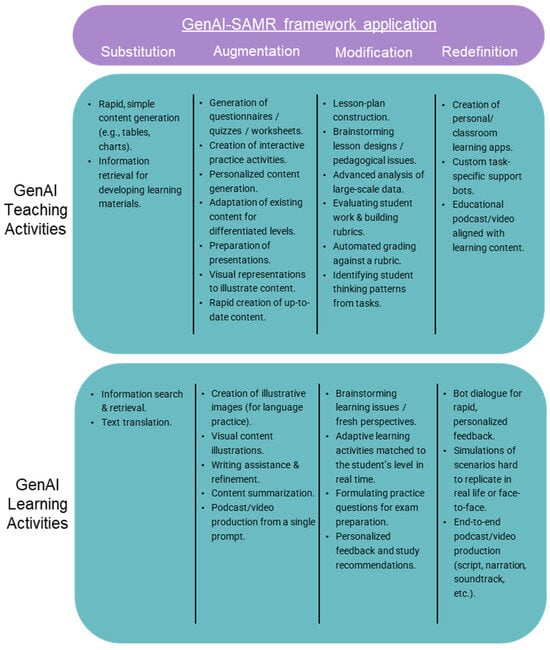
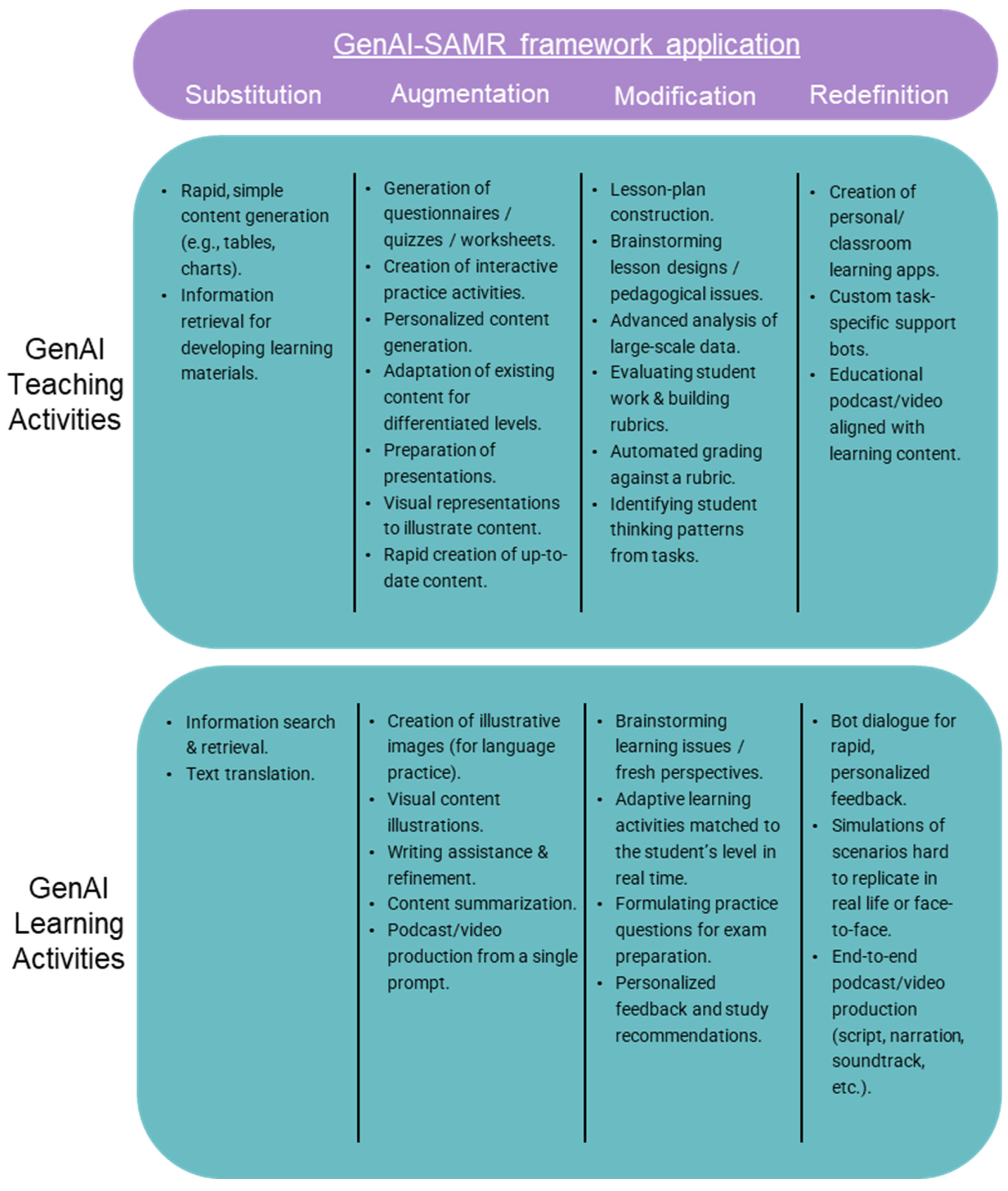

Disclaimer/Publisher’s Note: The statements, opinions and data contained in all publications are solely those of the individual author(s) and contributor(s) and not of MDPI and/or the editor(s). MDPI and/or the editor(s) disclaim responsibility for any injury to people or property resulting from any ideas, methods, instructions or products referred to in the content. |
© 2026 by the authors. Licensee MDPI, Basel, Switzerland. This article is an open access article distributed under the terms and conditions of the Creative Commons Attribution (CC BY) license.